As The Champagne Guy, I have tasted countless champagnes over 15 years and am continuously fascinated by the incredible diversity of fruity aromas found in these noble sparkling wines. Today I'm taking you on a journey of discovery through the world of fruity champagne aromas – from crisp citrus notes to complex dried fruits.
The Grape Varieties as Aroma Contributors
Chardonnay: The Citrus Virtuoso
Chardonnay is the undisputed king of citrus aromas in champagne. This noble white grape variety brings an impressive palette of fresh, vibrant notes. In young champagnes, lemon, lime and grapefruit often dominate, while more complex nuances of bergamot and yuzu can develop with increasing age.
These aromas are particularly pronounced in Blanc de Blancs champagnes, which consist exclusively of Chardonnay. A perfect example is Pol Roger Blanc de Blancs, which delights with its brilliant citrus freshness and mineral depth. The Krug Clos du Mesnil also reveals this characteristic Chardonnay elegance in its youth with notes of lemon zest and green apple.
Green apple is incidentally another hallmark of Chardonnay – this crisp, slightly tart note gives many champagnes their refreshing liveliness.
Pinot Noir: The Red Fruit Palette
Pinot Noir brings the warm, seductive red berry fruits to champagne. Here strawberries, raspberries and red currants dominate, lending structure and depth to the sparkling wine. In some cuvées I also discover cherry aromas – from sweet heart cherries to tart sour cherries.
An excellent example of Pinot Noir-dominated fruitiness is Bollinger La Grande Année. This prestige champagne shows wonderfully how Pinot Noir develops complex berry aromas that can range from fresh wild strawberries to ripe blackberries.
Billecart-Salmon Cuvée Nicolas François Billecart is another masterpiece that showcases the elegant side of Pinot Noir with its fine cherry fruitiness and delicate raspberry hints.
Meunier: The Underestimated Exotic
Pinot Meunier is often underestimated, yet this grape variety brings the most tropical and exotic fruit aromas to champagne. I regularly discover notes of pineapple, mango and passion fruit here. Sometimes also lychee and even papaya hints.
Krug Grande Cuvée is a perfect example of how Meunier contributes these tropical nuances in a complex assemblage. Dom Pérignon also uses Meunier skillfully to give the cuvée this fascinating exotic component.
The Evolution of Fruit: From Fresh Fruit to Candied Treasures
Young Champagnes: Crisp Freshness
In young champagnes (1-3 years after dégorgement), the fresh, vibrant fruit aromas dominate. Here I taste crisp green apples, juicy lemons and fresh berries in their purest form. The fruit is literally crisp and lively.
A Laurent-Perrier Brut shows this youthfulness perfectly – here the apple and citrus notes are so fresh, as if you had just bitten into the fruit.
Middle Age: Candied Elegance
After 5-8 years, a fascinating transformation begins. The fresh fruits develop into candied variations. The crisp green apple becomes candied apple, the fresh lemon becomes candied citron notes. This phase is particularly appealing to me, as freshness and complexity are perfectly balanced here.
Veuve Clicquot La Grande Dame after about 6-7 years shows this evolution beautifully – the initial citrus notes have developed into elegant candied fruit aromas.
Aged Champagnes: Dried Fruits and Compote
In aged champagnes (10+ years), the most complex fruit aromas emerge. Here dried fruits like dates, figs and dried apricots dominate. Sometimes compote aromas also develop – stewed pears, plum jam or quince jelly.
A Dom Pérignon P2 (second Plénitude) is a prime example of this development. After over a decade on the lees, it shows these wonderful dried fruit notes paired with incredible depth.
Specific Champagne Examples by Fruit Type
Citrus Champions
- Salon 2012: Pure Chardonnay with brilliant citrus notes
- Deutz Blanc de Blancs: Elegant with lime and grapefruit aromas
- Taittinger Comtes de Champagne: Complex citrus palette
Stone Fruit Specialists
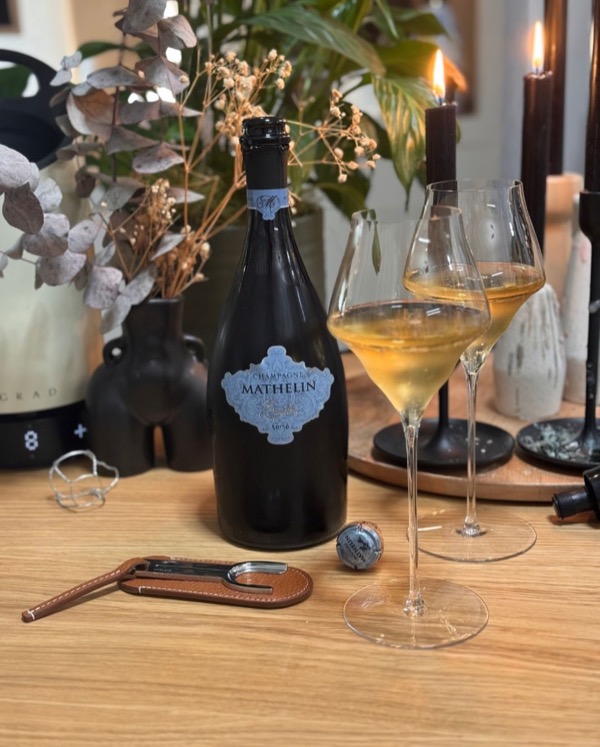
Manchmal sagt ein minimalistisches Etikett schon alles: Beim „Équilibre“ von @champagne_mathelin ist der Name absolutes Programm! Auf der Flasche…
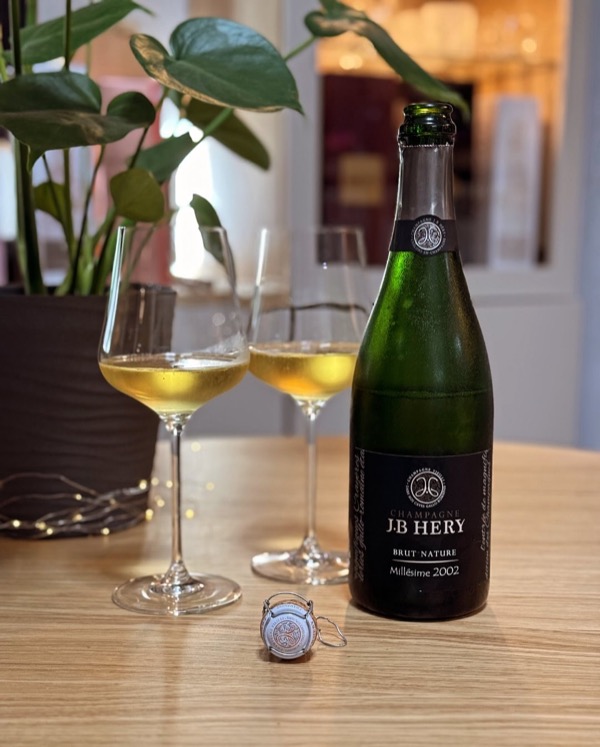
🍾 Heute im Glas: J.B Héry - Millésime 2002 - Brut Nature – ein spannender Fund aus meinem letzten Einkauf. Gerade erst frisch in den Keller…
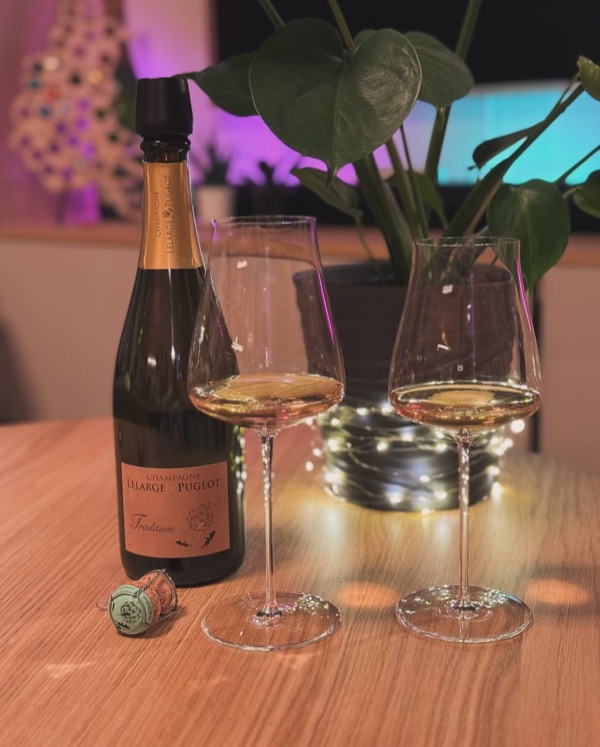
Vor über 10 Jahren habe ich im Rahmen eines Projekts für eine Weinverkostung und ein Feature in einem Print-Magazin Gläser von @eisch_glass ,…
- Perrier-Jouët Belle Epoque: Peach and apricot aromas
- Ruinart Dom Ruinart: Elegant pear and peach notes
Tropical Exotics
- Krug Grande Cuvée: Pineapple and mango through Meunier content
- Armand de Brignac Ace of Spades: Exotic fruit blend
Berry Kings
- Dom Pérignon Rosé: Strawberries and raspberries
- Louis Roederer Cristal Rosé: Red currants and cherries
Food Pairing: Fruity Champagnes at the Table
Citrus Champagnes
Citrus-rich champagnes are the perfect aperitif companions. They harmonize wonderfully with:
- Oysters and seafood – the acidity and minerality complement each other perfectly
- Goat cheese and fresh herbs
- Sashimi and sushi – the freshness underscores the delicacy of raw fish
Stone Fruit Champagnes
These velvety champagnes are excellent with:
- Poultry with fruit sauces
- Foie gras – a classic pairing
- Creamy desserts like panna cotta
Tropical Champagnes
The exotic notes harmonize wonderfully with:
- Asian cuisine – especially Thai and Vietnamese
- Curry dishes (mild varieties)
- Tropical fruits as dessert
Berry Champagnes
Perfect with:
- Game and red meat
- Dark chocolate
- Berry desserts and tarts
My Personal Tip
As a longtime champagne enthusiast, I advise you to taste different champagnes of the same cuvée at different ages. Only this way can you truly understand and appreciate the fascinating evolution of fruity aromas. A Dom Pérignon for example shows completely different fruit characteristics after 3, 8 and 15 years – all perfect in their own way.
The world of fruity champagne aromas is infinitely diverse and always good for surprises. Every bottle tells its
My Posts About This
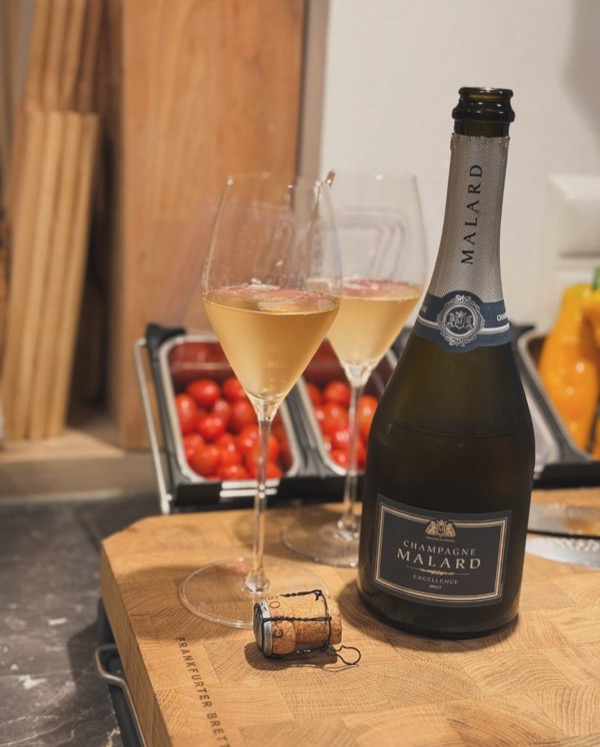
Heute mal Excellence ohne Allüren mit dem Excellence Brut von @champagne_malard. Dieser Champagner bringt beides mit: Anspruch und Trinkfreude. Ideal…
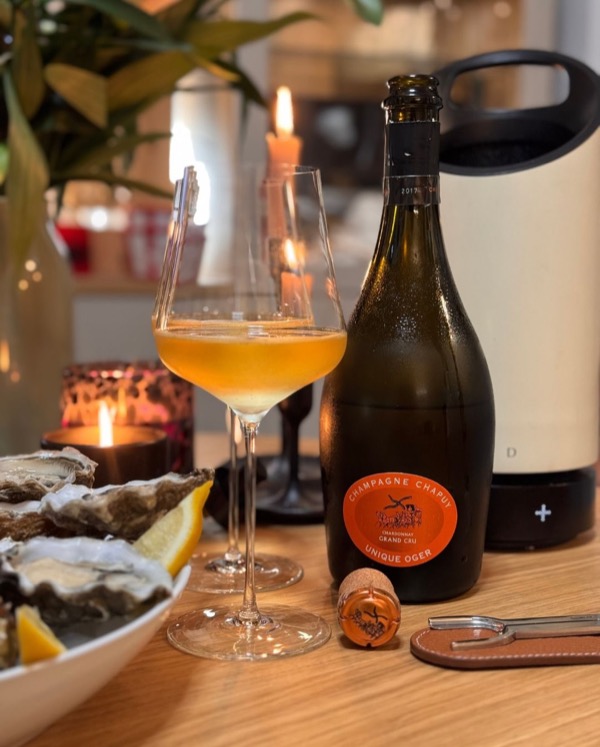
Wenn es um die Kombination mit frischen Austern geht, ist Reinheit für mich mittlerweile das oberste Gebot. Heute im Glas: Der…
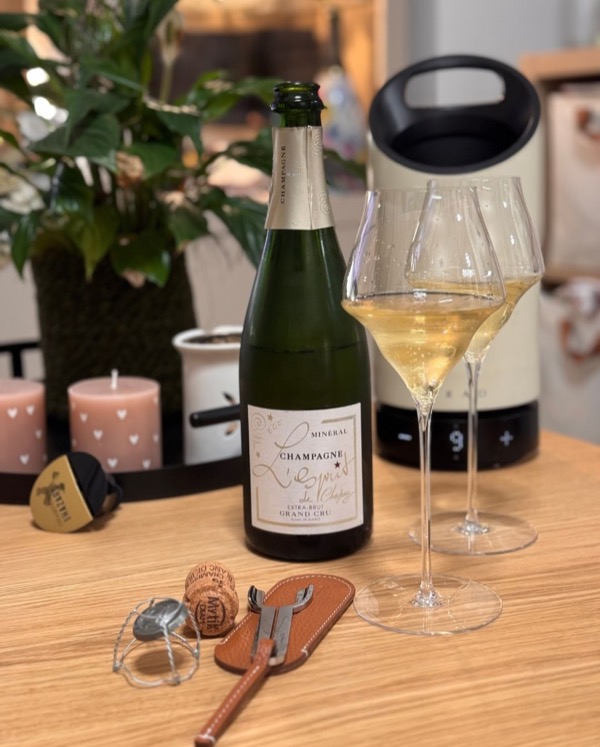
Gestern habe ich die Cuvée Minéral von @champagne_espritchapuy geöffnet. Ein 100 % Chardonnay Grand Cru aus Oger, Basisjahr 2014, mit 30 %…