When I first tasted Krug Grande Cuvée years ago, I was initially confused. Those sherry-like, almost nutty notes – was this really champagne? Today I know: I had my first encounter with the fascinating phenomenon of oxidative notes in champagne. An aroma complex that divides opinion while belonging to the most complex forms of expression our beloved sparkling wine has to offer.
What are oxidative notes in champagne?
Oxidative notes develop when champagne comes into contact with oxygen in a controlled or uncontrolled manner. The spectrum ranges from subtle nutty hints to intense sherry, Madeira, or even iodine aromas. The art lies in recognizing whether this is intentional, controlled oxidation as a stylistic tool or unwanted flaws.
With controlled oxidation, warm, complex aromas develop: roasted nuts, dried fruits, honey, sometimes also maritime notes with iodine-like hints. These champagnes seem mature, multi-layered, and often surprisingly substantial.
The science behind oxidation
Intentional oxidation: Craft meets art
Controlled oxidation is not accidental, but deliberate stylistics. Experienced champagne houses use various techniques:
Reserve wines in old barrels: Houses like Krug age their reserve wines for years in large, old oak barrels. Through the porous structure of the wood, minimal oxygen exchange occurs, leading to the development of these characteristic oxidative notes.
Solera system: Some producers like Lanson use a Solera-like system for their reserve wines, where different vintages are blended together and oxidize in a controlled manner.
Extended lees aging: Extended lees aging can also promote oxidative notes, especially when bottles are not completely airtight.
Unwanted oxidation: The fine line to fault
Unwanted oxidation usually results from:
- Leaky corks
- Improper storage at too high temperatures
- Damaged bottles
- Production problems (too much oxygen entry during assemblage)
The masters of oxidative style
Krug: The king of controlled oxidation
Krug is undoubtedly the best-known representative of oxidative champagne style. Their Grande Cuvée perfectly shows how nutty, honey-like notes develop over years. The characteristic Krug style results from:
- Using exclusively old oak barrels for first fermentation
- High proportion of reserve wines (sometimes over 50%)
- Minimal fining and filtration
In my tastings, I often recognize Krug blind by these characteristic oxidative notes: roasted almonds, brioche, sometimes also iodine-like hints.
Anselme Selosse: Radical oxidation as philosophy
Selosse goes even further. His champagnes often show distinct sherry-like notes that some critics find too extreme. Selosse uses:
- Partially oxidized base wines
- Long barrel aging without batonnage
- Minimal sulfuring
His "Substance" perfectly shows this style: intense notes of roasted nuts, walnuts, and sometimes even curry-like hints.
Other masters of oxidation
Bollinger: Especially their older cuvées like the R.D. develop wonderful oxidative notes through extended lees aging.
Jacquesson: Their base cuvée often shows subtle oxidative hints through the use of old barrels.
Pierre Peters: This grower champagne from the Côte des Blancs often surprises with sherry-like notes, especially in the longer-aged cuvées.
Iodine: The maritime element
Iodine notes are particularly fascinating and usually a sign of champagnes from chalk soils, especially from the Côte des Blancs. These aromas result from:
- Mineral components from the terroir
- Certain yeast strains during second fermentation
- Long lees aging
Champagnes like Salon or Agrapart sometimes show these characteristic iodine, almost oceanic notes that pair perfectly with chalk minerality.
Quality feature vs. flaw: Making the distinction
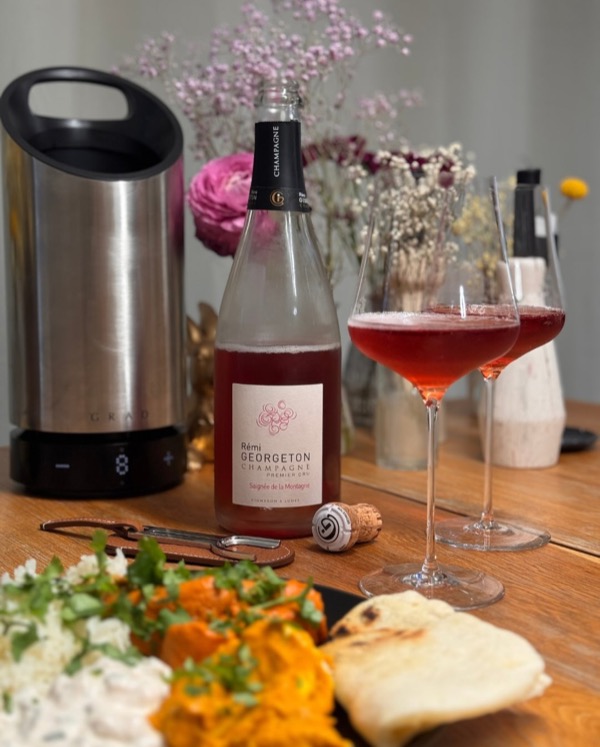
Bei uns kommt ja regelmäßig indisch auf den Tisch, und dieses Mal gab es das volle Wohlfühl-Programm: Butter Chicken, Royal Paneer, erfrischendes…
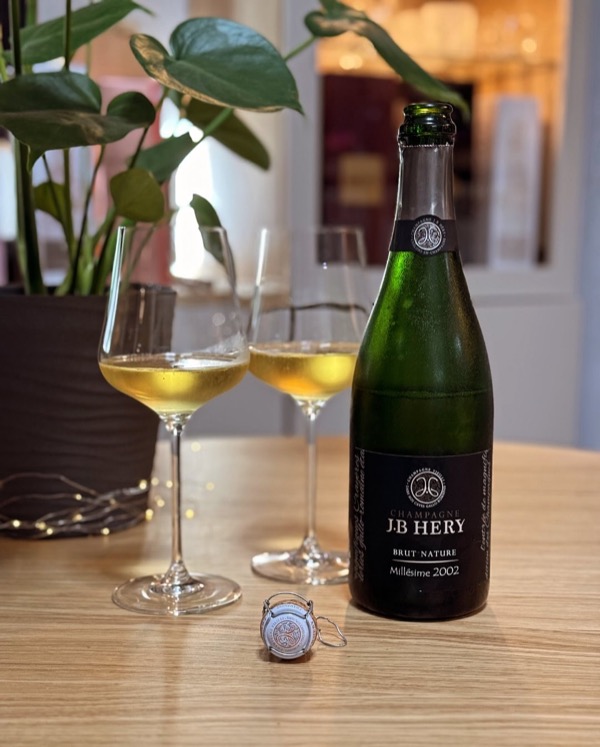
🍾 Heute im Glas: J.B Héry - Millésime 2002 - Brut Nature – ein spannender Fund aus meinem letzten Einkauf. Gerade erst frisch in den Keller…
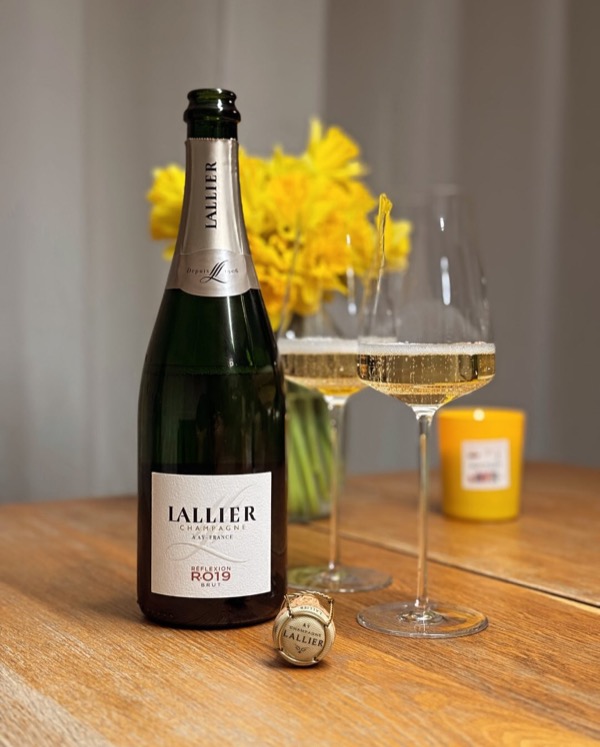
Letzte Woche war Oscar-Night 🎬✨ – und da ich keinen Lallier im Keller hatte, musste der Veuve Clicquot herhalten. Aber das ließ sich natürlich nicht…
Recognizing positive oxidative notes:
- Complexity: Oxidation adds layers without masking the fruit
- Balance: Despite mature notes, acidity remains present
- Length: The finish is long and continues developing in the glass
- Harmony: All elements seem integrated
Identifying negative oxidation:
- Flatness: The champagne seems tired and one-dimensional
- Overdominance: Oxidative notes mask everything else
- Imbalance: Missing acidity or bitterness
- Shortness: Short, inharmonious finish
Food pairing with oxidative champagnes
These complex champagnes deserve special food accompaniment:
Classic pairings:
- Roasted poultry: The nutty notes harmonize perfectly with roasted aromas
- Aged cheese: Comté, aged Gouda, or Gruyère
- Nuts and dried fruits: Walnuts, hazelnuts, dates
Surprising combinations:
- Sushi: Especially with iodine champagnes like Salon
- Curry dishes: The spices harmonize with complex oxidation aromas
- Dark chocolate: 70%+ cocoa content pairs wonderfully with Krug
My favorite pairings:
With an oxidatively developed Krug Grande Cuvée, I most enjoy roasted chicken with morels. The earthy mushrooms and roasted aromas of the meat complement the nutty, complex champagne aromas perfectly.
Selosse "Substance" often accompanies Indian dishes for me – the curry notes of the champagne play fantastically with the spices.
My conclusion: Courage for oxidation
Oxidative notes aren't suitable for every champagne lover, but they belong to the most fascinating forms of expression of our favorite sparkling wine. The art lies in distinguishing between intentional complexity and unwanted flaws.
My advice: Consciously try champagnes with oxidative style. Perhaps start with an older Bollinger R.D. or venture into Krug. These champagnes tell stories of time, patience, and artisanal mastery.
And if you're irritated by the first sip – that's part of it. I also needed time to understand the beauty of these complex, sometimes challenging champagnes. Today they're indispensable from my cellar.
My posts about this
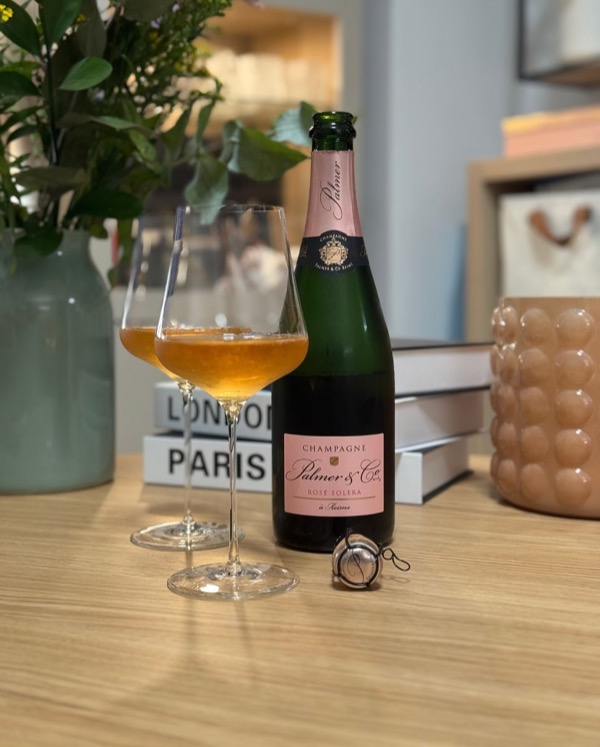
Ein gemütlicher Abend auf der Couch und Lust auf etwas mit Charakter. Im Glas: @champagnepalmer – Rosé Solera – serviert im @gabriel_glas – Gold…
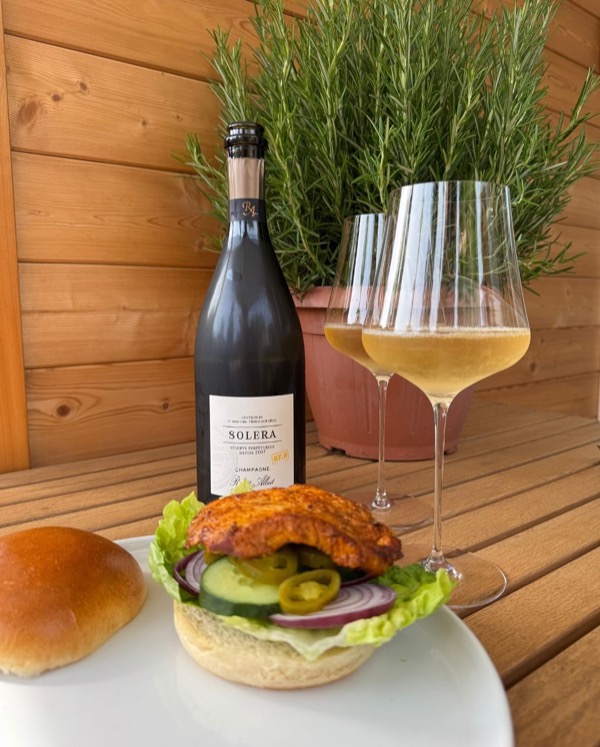
Der @champagnerobertallait – Solera RP-B war heute wieder einer dieser Kandidaten, die zeigen, wie viel Charakter in einem Glas stecken kann, wenn…
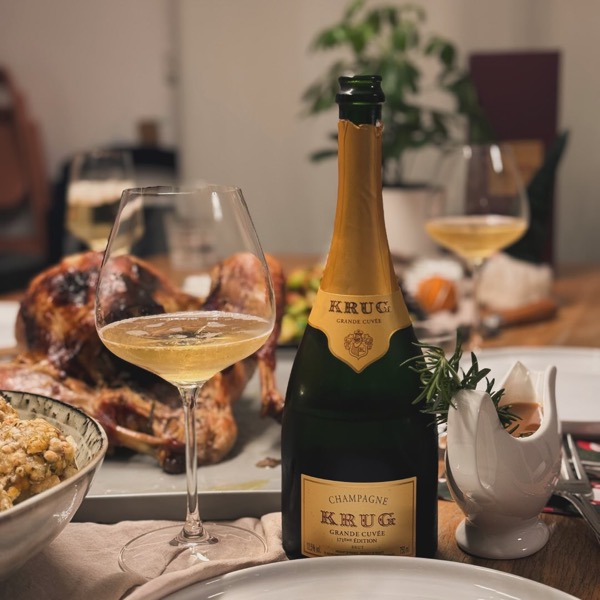
Weihnachten ist für mich der perfekte Anlass, die kleinen und großen Genüsse des Lebens zu feiern. 🌟 Heute Abend steht das festliche Dinner ganz im…