Warm and immediately charming
A hot summer brought early ripeness and high sugar levels. The harvest began early — already in early September. The grapes were ripe, aromatic and with moderate acidity. A complete contrast to the tight predecessor 1988.
Character and development
Where 1988 demanded patience, 1989 rewarded immediately. The champagnes were fruit-forward, opulent and accessible from the start. Ripe stone fruit aromas, creamy mouthfeel, a soft acidity that caressed the palate rather than cutting through it.
This was simultaneously the strength and weakness of the vintage: The accessibility seduced early drinking, and the limited aging potential meant that many 1989s reached their peak in the 2000s and have been declining since.
Nevertheless: The very best 1989s — from producers who controlled extraction and preserved the right balance of ripeness and freshness — can still be magnificent today. Particularly Pinot Noir from the Montagne de Reims benefited from the warmth and delivered rich, dark-berry champagnes with substance.
Historically, 1989 also marks the end of an era: It was the last vintage before the fall of the Berlin Wall, and in Champagne a new generation of winemakers became active, laying the foundation for today's grower revolution.
No personal tastings yet
From the 1989 vintage, I have not yet tasted any champagne. This is partly due to availability, partly because not every vintage comes to market as a Millésimé. Many producers use the base wines from 1989 primarily for their Non-Vintage assemblages — which doesn't mean the quality was poor. A vintage doesn't have to be declared as Millésimé to be good.
Should the opportunity arise to open a 1989, this post will be supplemented with personal impressions.
Posts
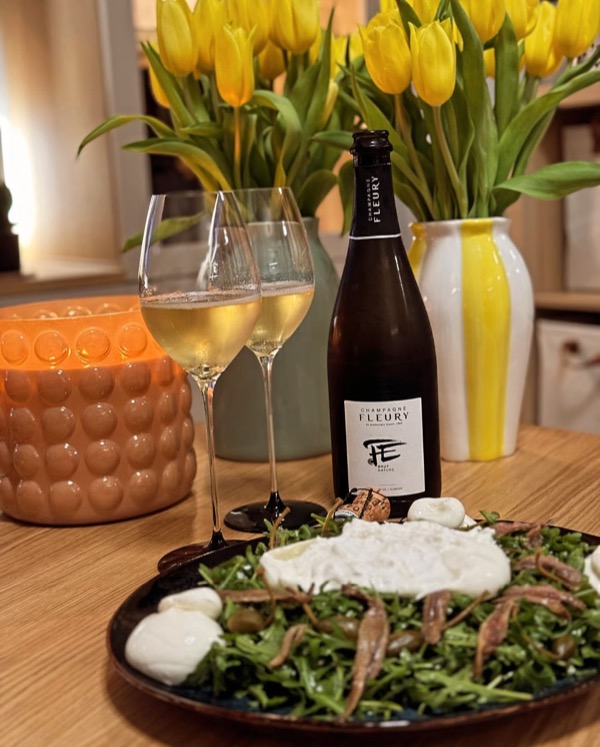
Gestern: 22 Uhr. Die Kids schlafen. Und nach drei Runden Sauna bei 90 °C braucht’s nochmal einen kleinen Snack. Etwas Gutes. Etwas Leichtes. Ohne…
| Vintage | 1989 |
| Character | Warm and immediately charming |
| Tasted Champagnes | 0 |