The Vintage That Came Quietly
The new millennium began in Champagne not with a bang, but with a whisper. 2000 was an uncomplicated, friendly vintage, neither bad nor exciting. A Champagne for everyday drinking, not for the vault. And that is, if we're being honest, perfectly fine.
The Weather in 2000
The weather year 2000 was characterized by mild temperatures and adequate rainfall. Winter was unremarkable, spring was mild. Flowering occurred in early to mid-June under normal conditions.
Summer brought moderate warmth, warm enough for proper ripening, but without the intensity of 1999. July and August alternated between sunny and overcast phases. There were no extreme weather events, no frost damage, no significant hail.
September was mixed: some warm days, but also rainy periods that forced a rapid harvest. The grapes were healthy, but not particularly concentrated. Sugar levels were in the middle range, acidity was moderate, a profile that suggested accessible, lighter wines.
The harvest volume was abundant, one of the larger harvests in recent years. Quantity here came somewhat at the expense of concentration.
Style of the Vintage
2000 Champagnes are the essence of uncomplicated:
- Light fruit, green apple, pear, citrus, subtle floral aromas
- Fresh acidity, lively, but not dominant
- Slender body, more delicate than powerful
- Floral notes, hawthorn, elderflower
- Quick drinking maturity, at their peak within 5-8 years
The wines are the opposite of bombastic. They charm through lightness and drinkability, Champagnes you open at a relaxed dinner without thinking much about it.
Grape Variety Performance
In a moderate year like 2000, quality was relatively balanced across all grape varieties:
Chardonnay delivered fresh, clean wines with subtle citrus fruit. Not great material, but reliable. The Blanc de Blancs from this vintage were light and drinking-friendly, perfect as an apéritif.
Pinot Noir was decent without shining. Medium color intensity, moderate fruit depth. The Montagne de Reims delivered solid assemblage material, but no independent statement.
Pinot Meunier profited as always from its adaptability and delivered fruity, accessible material.
The Millennium Paradox
2000 had a strange fate: despite the unspectacular quality, the vintage was marketed by some houses as the millennium vintage. The number 2000 on the label had a magnetic effect on collectors and enthusiasts who wanted a bottle for the turn of the millennium.
This led to the curious situation where mediocre wines were sold for above-average prices, purely because of the year number. A classic case of marketing over substance.
Many smart drinkers and collectors ignored 2000 and waited for 2002, and were rewarded.
Comparison: 1999 vs. 2000 vs. 2002
| Characteristic | 1999 | 2000 | 2002 |
|---|---|---|---|
| Fruit | Rich | Light | Elegant |
| Acidity | Moderate | Fresh | High |
| Body | Full-bodied | Slender | Medium-full |
| Aging potential | 10-20 years | 5-15 years | 20-30+ years |
| Quality | Good | Average | Very good |
The contrast to 2002 is particularly striking. Two years apart, but stylistically worlds away from each other.
Drinking Maturity Today
Most 2000s are definitely past their peak. The light structure and moderate acidity make these wines susceptible to fatigue. Anyone who finds a bottle in the cellar should open it soon, but with tempered expectations.
A well-stored prestige Champagne might still offer a pleasant surprise: mature notes of almonds, honey, and dried flowers. But the time window is closing rapidly.
Posts
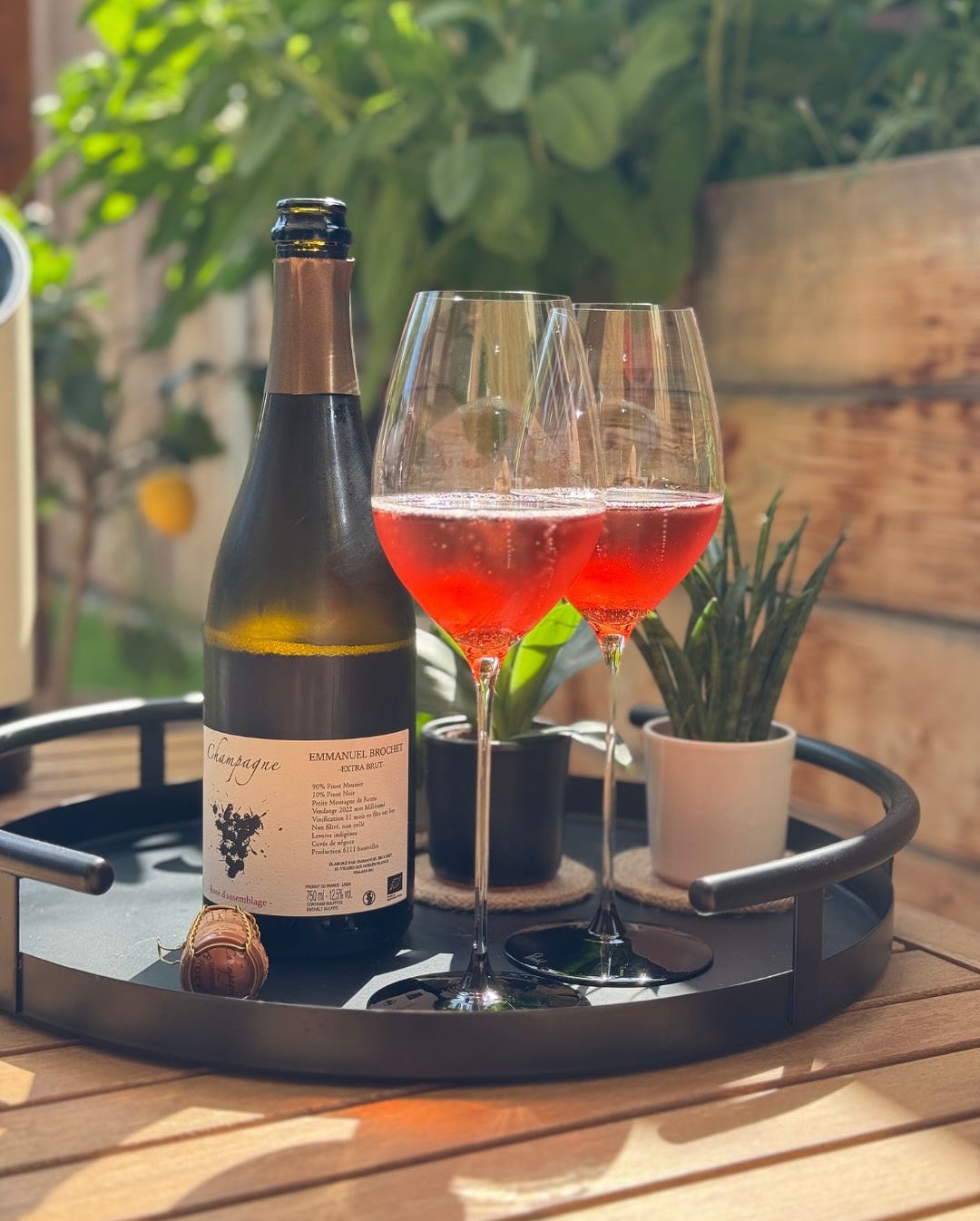
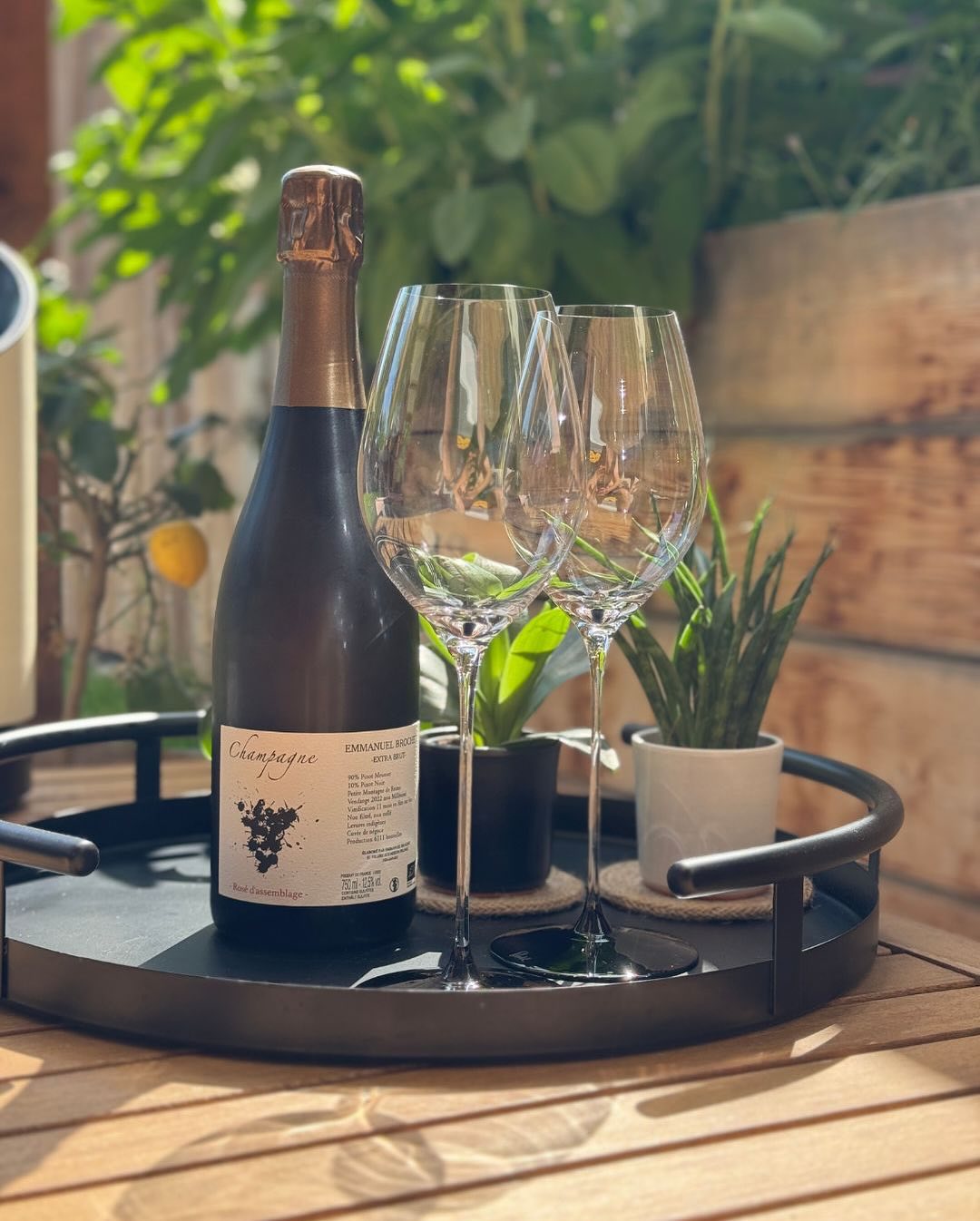
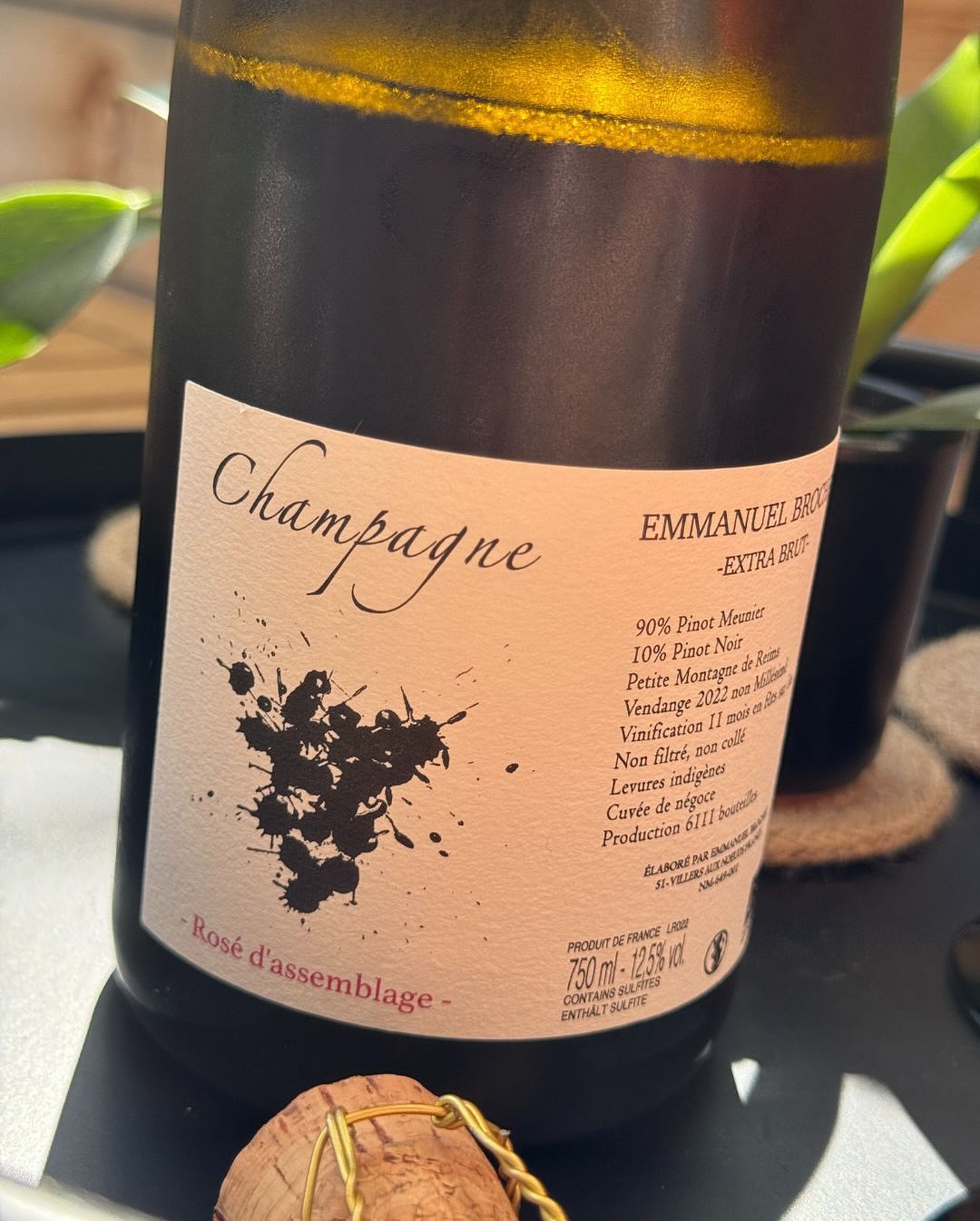
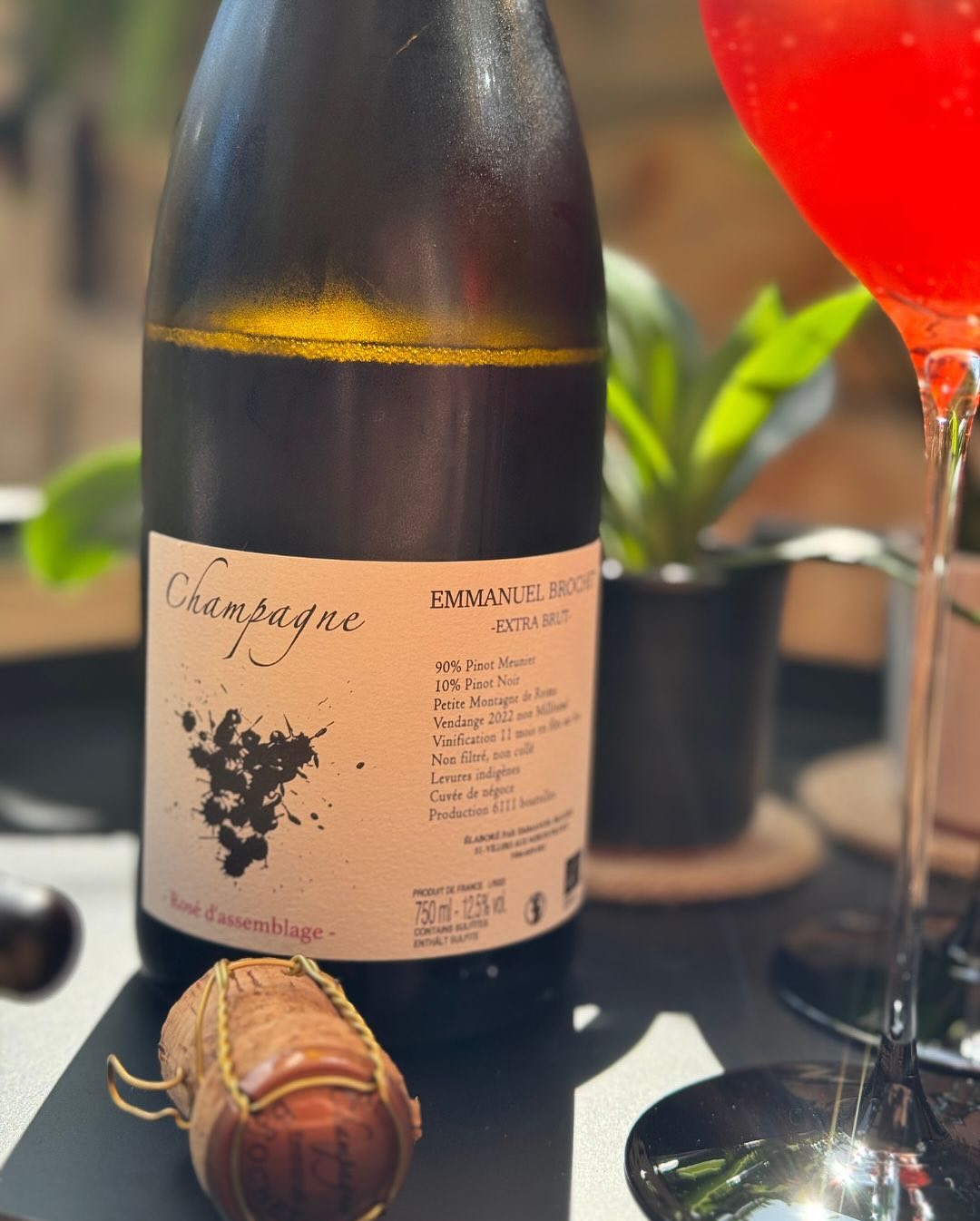
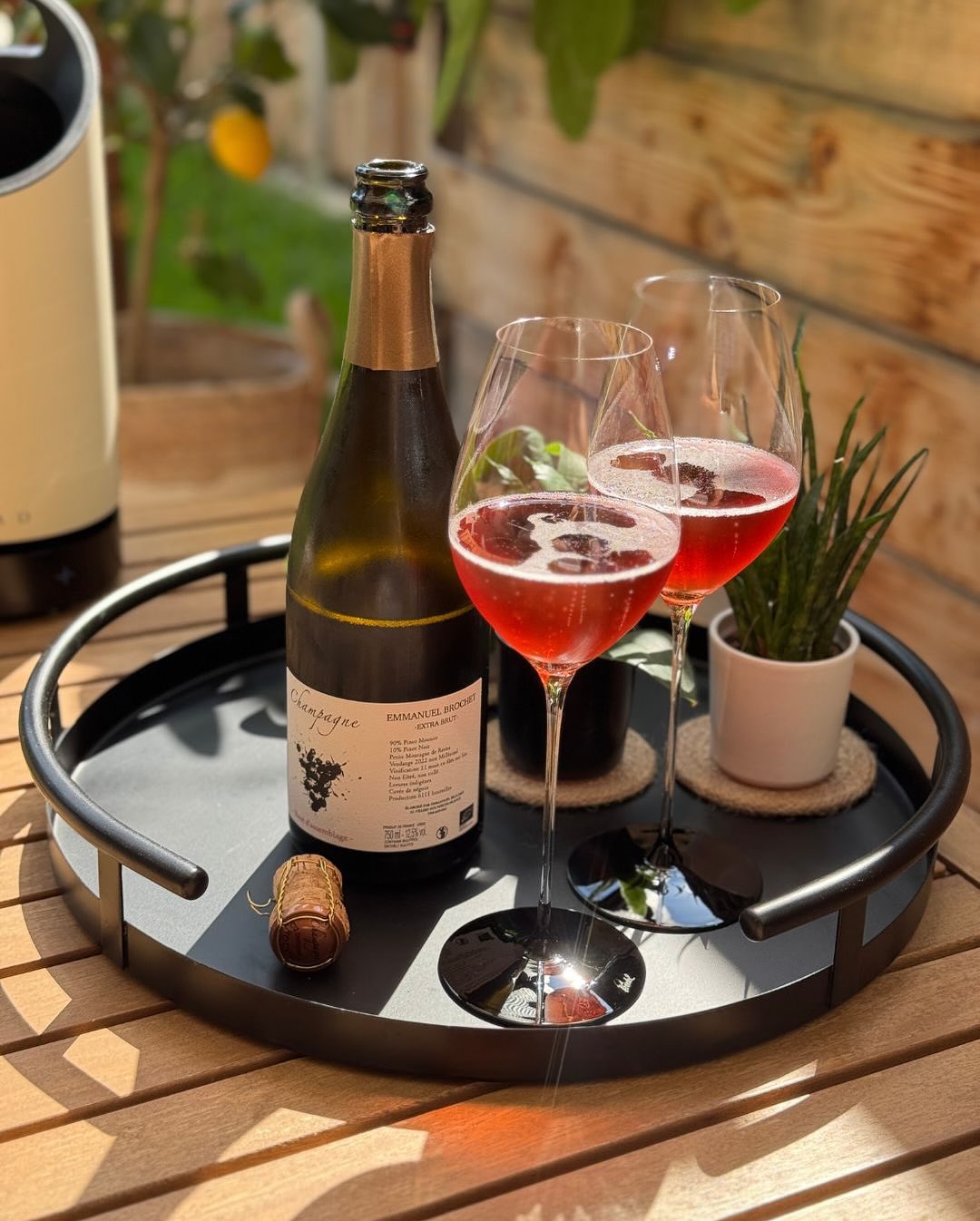
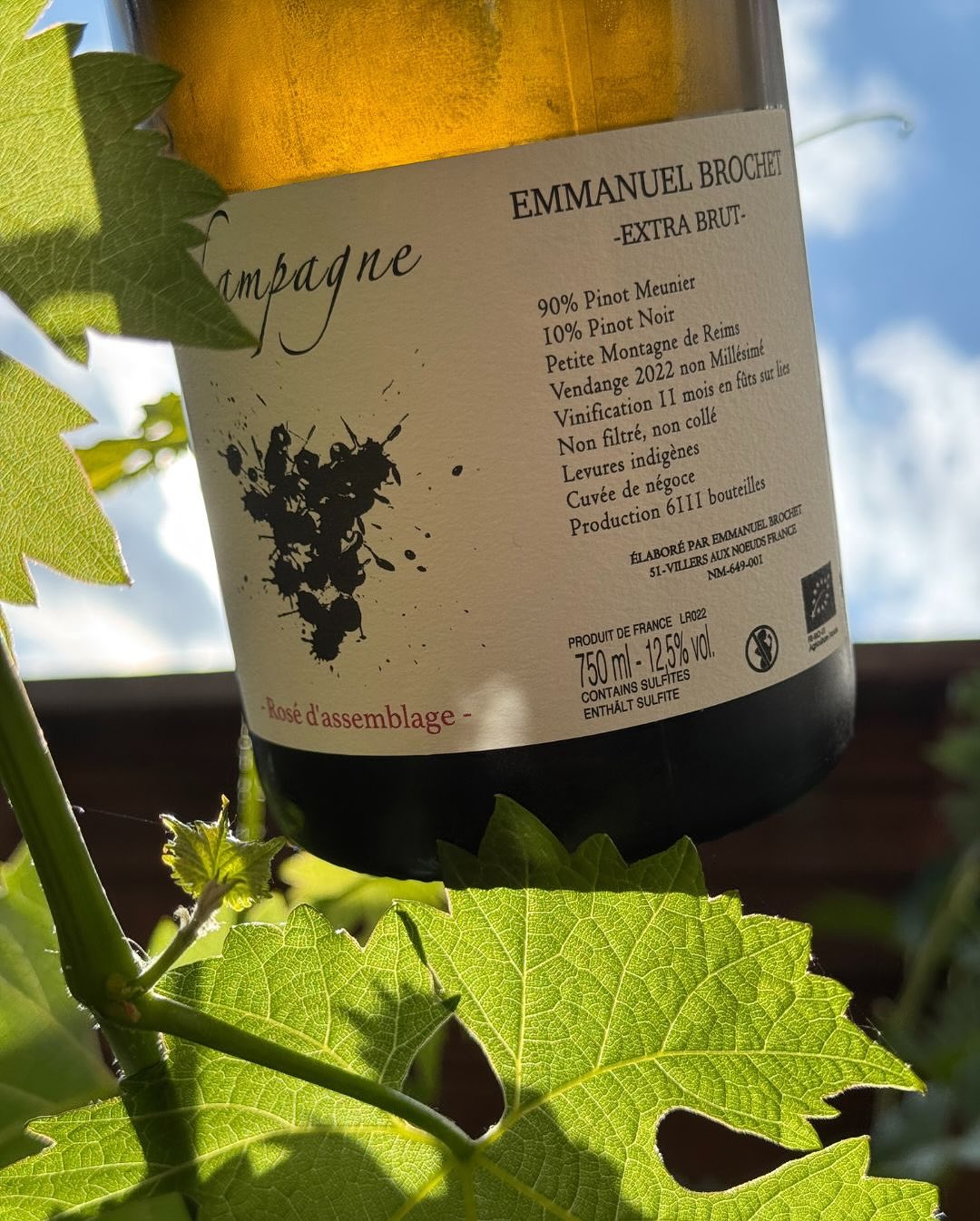
the_champagne.guy Ein Glas – und sofort eine Erinnerung im Kopf: 🍓 Erdbeerkuchen. Süßlich und verspielt, aber trotzdem elegant und komplex. In der Nase: rote Beeren, Hagebutte, getrocknete Kräuter. Am Gaumen: präzise Frucht, sanfte Gerbstoffe, feine Würze – und eine leise, klare Struktur. @emmanuel.brochet braucht keine Vorstellung. Oder doch? Seit Jahren vinifiziert er die Weine von Le Mont Benoît mit stiller Präzision – als echtes Ein-Mann-Unternehmen. Etiketten mit Dégorgierdatum? Gibt’s nicht – denn selbst das Etikettieren übernimmt er persönlich. Mittlerweile ist Sohn Sascha an Bord – aber man spürt: Hier wird nichts überstürzt. Der Rosé? Ein Blend aus Pinot Meunier von befreundeten Winzern und Rotwein aus der Spitze des Le Mont Benoît (gepflanzt 2000). Kein Saignée, sondern klassisch assembliert – und das war eine exzellente Entscheidung. Heute ohne Pairing genossen – weil ich dieser Flasche nicht die Show stehlen wollte. Dafür im @riedel_official Fatto a Mano – Black Tie – ein idealer Rahmen. ✨ Fakten: 🍇 90 % Pinot Meunier, 10 % Pinot Noir (als Rotwein) 📍 Petite Montagne de Reims, Le Mont Benoît 📆 Ernte: 2022 (non millésimé) 🛢️ 11 Monate im Holzfass, sur lies 📉 Extra Brut 🚫 Nicht filtriert, nicht geschönt 🌱 Spontanvergoren, indigene Hefen Heute: ein erster richtiger Sommertag – fast 30 Grad. Parallel zum Brochet bin ich viermal in den Pool gesprungen 😄☀️ Fazit: Eine Flasche, von der ich definitiv versuchen werde, noch ein, zwei Exemplare aus den nur 6.111 produzierten Flaschen zu sichern. ❤️ #TheChampagneGuy @martinspilens @bubblebistrot #EmmanuelBrochet #RoseLAssemblage #ExtraBrut #PinotMeunier #BlackTieGlass #ChampagnerMitCharakter #BubbleBistro #MontBenoit #ChampagneExperience
Auf Instagram weiterlesen →Conclusion
2000 is a vintage that had its place: drinking-friendly Champagne for immediate enjoyment. Not a collector's piece, not a legend, but an honest, uncomplicated vintage that brought joy to many people. And sometimes that's enough.