Saved at the Last Minute
2006 is a vintage that almost failed — and then was saved by September. It's the story of a year that first went off track and managed to turn things around at the last moment. The result: heterogeneous quality, where the gap between good and bad is wide.
The Weather in 2006
The year 2006 began unremarkably. Winter was normal, spring was mild. Flowering occurred in mid-June under acceptable conditions — no cause for concern.
Then came summer, which made winegrowers sweat — though not from heat, but from volatility. July was hot and dry — almost too hot. August turned completely: cool, rainy, cloudy. The sudden change led to sanitary problems in many plots. Mildew and botrytis threatened.
Then the miracle happened: September brought an extended period of beautiful weather. Warm, dry, sunny — for weeks. This golden autumn allowed the grapes to ripen further, dry out, and concentrate. Winegrowers who were patient and delayed harvest were rewarded.
Harvest began in early to mid-September and extended until the end of the month. The timing window was crucial: harvesting too early brought unripe material, too late risked rot again.
Vintage Style
2006 is a vintage of contrasts:
- At its best: Concentrated fruit, good acidity, ripe tannins, interesting complexity
- On average: Unbalanced, with gaps between fruit and acidity
- In the worst cases: Diluted, vegetal, with botrytis notes
Quality depends more than usual on the individual winegrower — on the vineyard site, harvest timing, and selection. Those who worked rigorously and made the right decisions could produce really good Champagne.
The typical aromas of the better 2006s:
- Ripe apple, pear, quince
- Spicy notes — ginger, white pepper
- Mineral foundation — flint, chalk
- Medium to full body
Grape Variety Performance
Pinot Noir was the winner of the vintage. The thick-skinned grapes handled the wet August better and benefited greatly from the warm September. The Montagne de Reims delivered powerful, concentrated material.
Chardonnay was heterogeneous. The more sensitive variety suffered more from moisture problems. In the best sites of the Côte des Blancs — where drainage and ventilation are optimal — convincing results could still be achieved.
Pinot Meunier was solid, benefited from its resistance, and provided fruity material for blends.
My Experience with 2006
I tasted a bottle from the 2006 vintage. It confirmed the heterogeneous picture: a Champagne that had interesting moments but didn't possess the consistency that makes a great vintage. Individual sips were fascinating — with a mixture of ripe fruit and mineral depth. Others seemed somewhat indecisive, as if the wine didn't know what it wanted to be.
That's typical 2006: Moments of brilliance, but no consistently coherent picture.
Classification
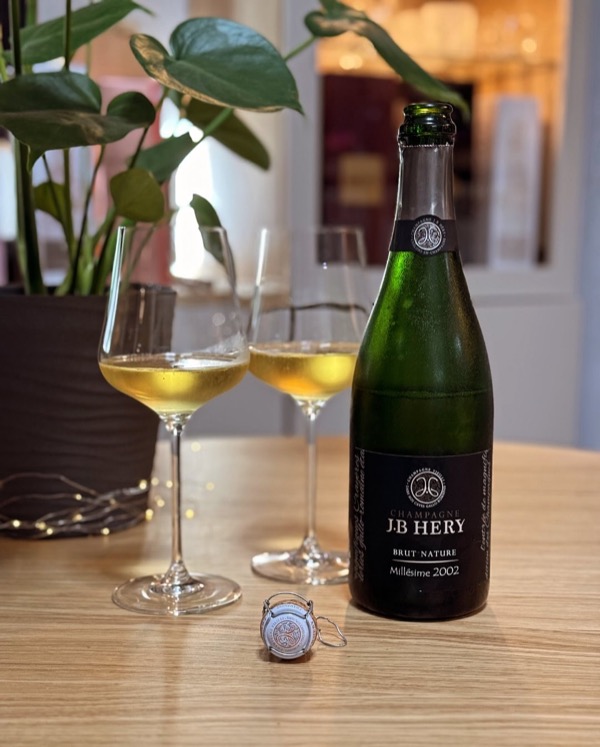
🍾 Heute im Glas: J.B Héry - Millésime 2002 - Brut Nature – ein spannender Fund aus meinem letzten Einkauf. Gerade erst frisch in den Keller…
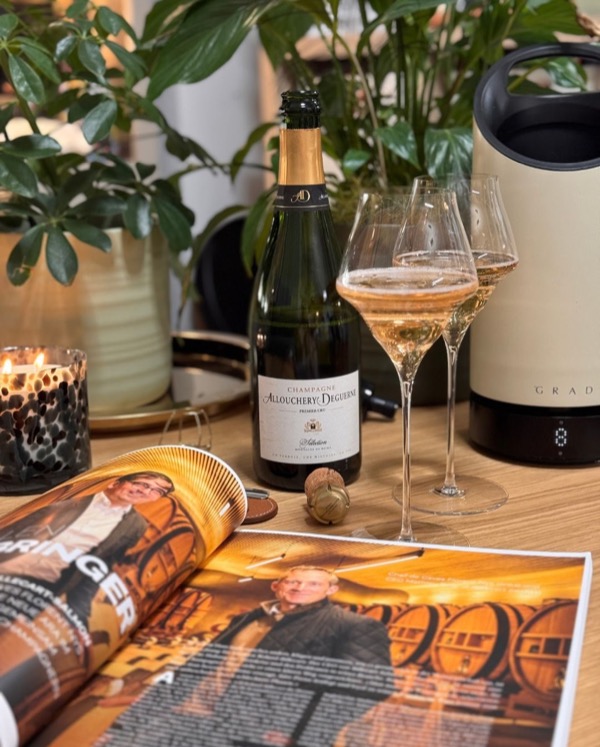
Vor ein paar Tagen kam das neue FINE Wine Magazin – diesmal mit einer wirklich schönen Geschichte über Billecart-Salmon. Ausgerechnet aus diesem Haus…
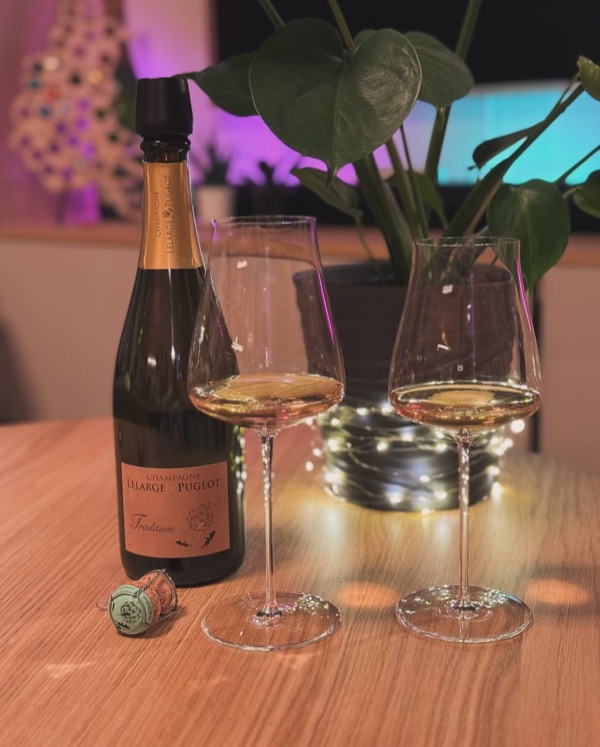
Vor über 10 Jahren habe ich im Rahmen eines Projekts für eine Weinverkostung und ein Feature in einem Print-Magazin Gläser von @eisch_glass ,…
In the context of the 2000s decade:
| Year | Assessment |
|---|---|
| 2004 | Classic, solid |
| 2005 | Elegant, fine |
| 2006 | Heterogeneous, exciting in the best cases |
| 2007 | Weak |
| 2008 | Great |
2006 is better than its reputation, but far from greatness. It's a vintage for explorers — those who find the right bottles will be rewarded. Those who buy blindly risk disappointment.
Prestige Cuvées
Some houses declared 2006, including names that rely on Pinot Noir strength. For Chardonnay-dominated prestige cuvées, the vintage was less suitable. The declaration rate was in the middle range — not as high as 2002, not as low as 2001.
Drinking Window Today
Good 2006s are today in a nice maturity stage. The best show pleasant development with nutty, honeyed notes while retaining fruit. However, the window isn't wide open anymore — anyone who has a bottle should enjoy it in the next 2-3 years.
Simpler cuvées have probably already passed their peak.
Posts
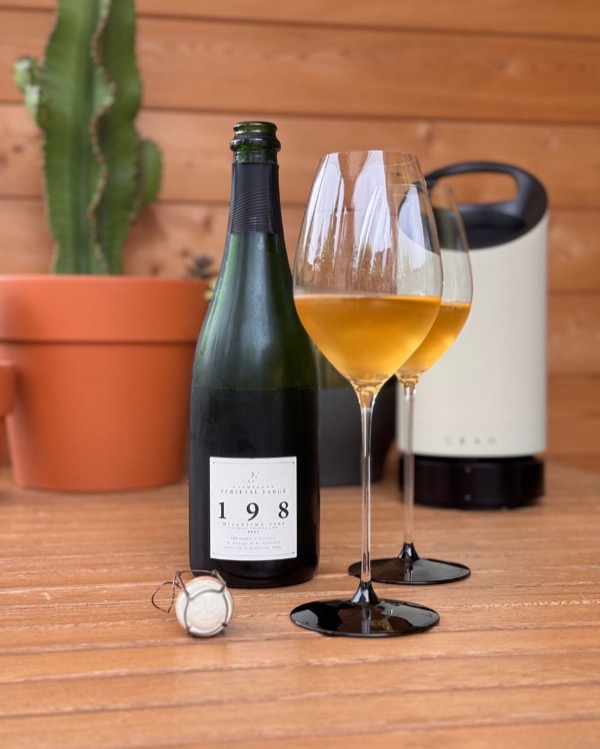
15 Jahre auf der Hefe. Keine Dosage. Und nur rund 1.000 Flaschen produziert. Der 198 – Millésime 2006 von @persevalfarge ist keine Cuvée für jeden…
Conclusion
2006 is a vintage that requires work — both in the vineyard and when selecting from the shelf. Not a sure thing, but for those who like to go treasure hunting, a rewarding territory. Sometimes the most exciting Champagnes aren't from the perfect years, but those that achieved greatness despite adverse circumstances.