The Spring Drama
The 2016 vintage began as a nightmare. Severe late frost in late April destroyed a large portion of the young shoots in many vineyards. Just as the growers had recovered from this, a devastating hailstorm struck parts of the Côte des Blancs and Montagne de Reims at the end of May. Harvest estimates plummeted to historic lows — in some villages by 50-70%.
Summer was mixed — neither particularly warm nor particularly cool, with adequate rainfall but without heat extremes. And then came September: golden, sunny, dry, with cool nights and warm days. A perfect harvest month that allowed the remaining grapes to ripen slowly and completely.
The Miracle of the Small Harvest
Few grapes means concentration. What the frost and hail had left behind was of exceptional quality: small berries with thick skins, concentrated juice and high natural acidity. The base wines immediately showed their potential — taut, mineral, with an almost electric tension.
Style of the Vintage
2016 is a vintage for purists. Where 2015 seduced with opulence, 2016 convinces with precision:
- High acidity — The backbone of the vintage. Taut, vibrating, lively acidity
- Minerality — Chalk, limestone, almost saline. Particularly pronounced in Blanc de Blancs
- Citrus freshness — Lemon, grapefruit, green apple
- Taut structure — Lean, linear, without breadth or opulence
- Enormous aging potential — These champagnes will age for decades
The comparison to 1996 suggests itself — and it is justified. Both vintages stand for high acidity, Chardonnay dominance and longevity. Whether 2016 will match the legendary 1996 remains to be seen. The potential is there.
Chardonnay: The Star of 2016
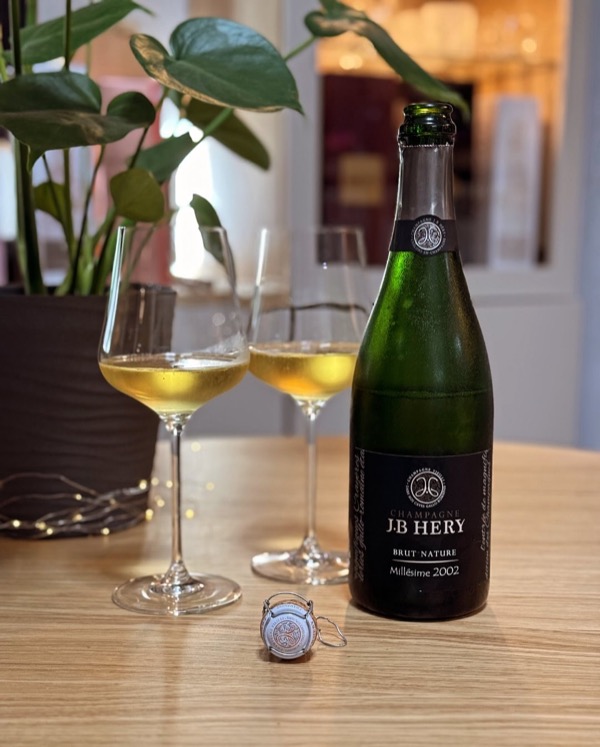
🍾 Heute im Glas: J.B Héry - Millésime 2002 - Brut Nature – ein spannender Fund aus meinem letzten Einkauf. Gerade erst frisch in den Keller…
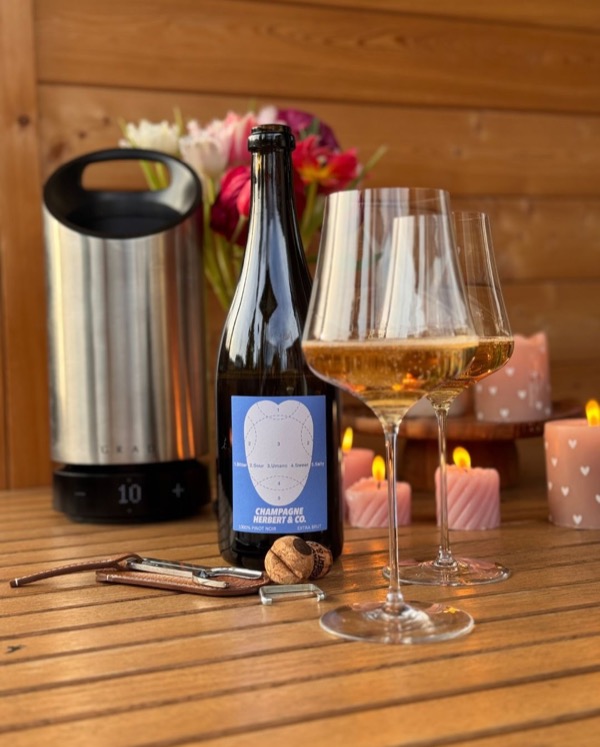
Heute gibts den 1000% Pinot Noir von @champagne_herbertandco . Von diesem kleinen, feinen Haus (geführt von @thomas___herbert und @charlottehbrt_ in…
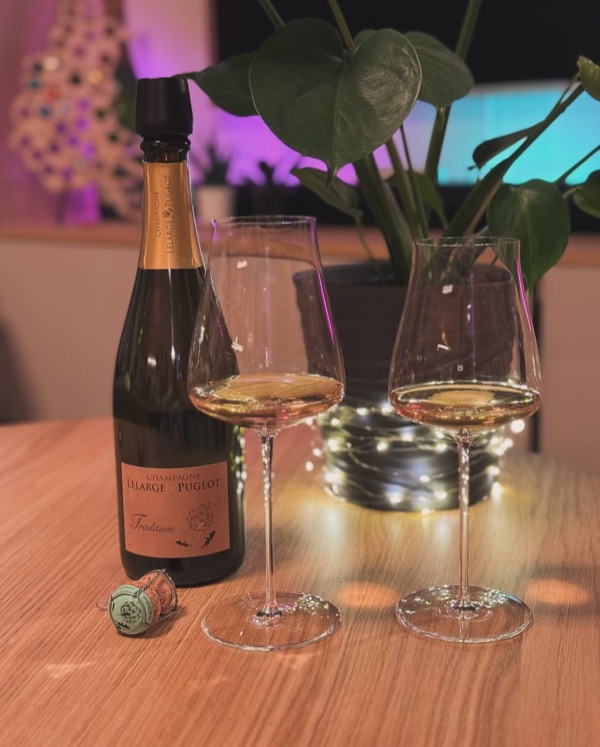
Vor über 10 Jahren habe ich im Rahmen eines Projekts für eine Weinverkostung und ein Feature in einem Print-Magazin Gläser von @eisch_glass ,…
Chardonnay was the great grape variety in 2016. The cool conditions and high acidity played perfectly into the variety's hands. Blanc de Blancs from Grand Cru sites of the Côte des Blancs — Cramant, Avize, Le Mesnil-sur-Oger — are among the most exciting champagnes to come to market in recent years.
Pinot Noir from the Montagne de Reims was also successful, though somewhat less consistent. The frost-damaged vineyards naturally had less material, and some Pinot champagnes seem almost too austere in their youth. Patience is key here.
Pinot Meunier had the hardest time — the variety needs a bit more warmth and ripeness than 2016 offered. Meunier-dominated champagnes from this vintage are rare and often less convincing than the Chardonnay or Pinot Noir-based wines.
2016 is not a vintage for quick enjoyment. These champagnes need time, air and patience. Those who drink them too young will be greeted with acidity and closed character. Those who wait will be rewarded with champagnes that recall the greatness of the legendary 1996s.
My Tastings
14 champagnes from 2016 — and every single one fascinated me. The quality is remarkably consistent, which is astonishing given the difficult starting conditions. The growers who had material made excellent champagnes from it. The natural selection through frost and hail was brutal, but the result speaks for itself.
I was particularly impressed by the single-vineyard champagnes — parcel wines from Grand Cru sites that show the quality of the vintage in its purest form.
Drinking Window and Aging Potential
Most 2016s are currently still young and closed. The high acidity needs time to integrate. My recommendation: the simpler Brut champagnes can be drunk now, vintage champagnes benefit from 3-5 years of bottle aging, and Prestige Cuvées should be cellared for at least 10 years.
The aging potential of the best 2016s is enormous — 20-30 years is realistic.
Posts
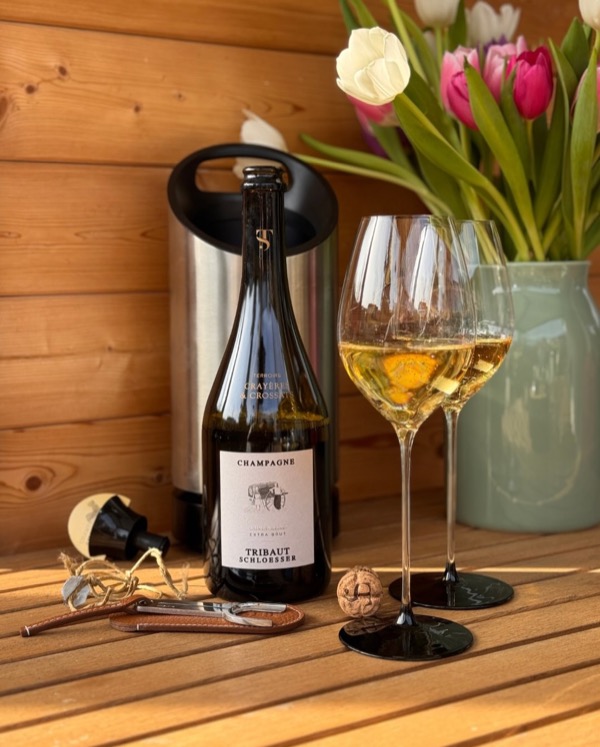
Das perfekte Match für unser heutiges, maritimes Festmahl! 🌊🥂 Bei uns gab es heute ein absolut grandioses, spontanes Seafood-Lineup: Kurz…
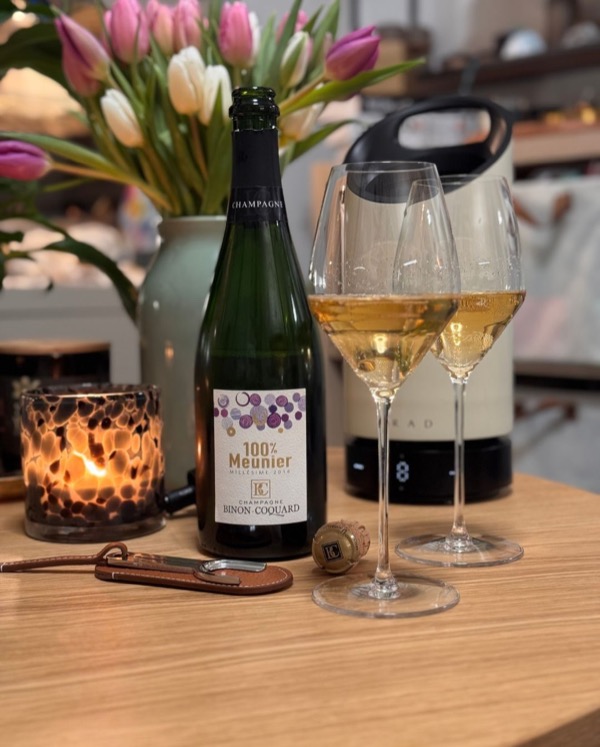
Erdbeermarmelade, Quittengelee und ein Hauch von Kakao – wer bei Meunier nur an „einfache Frucht“ denkt, sollte mal den Millésime 2016 von…
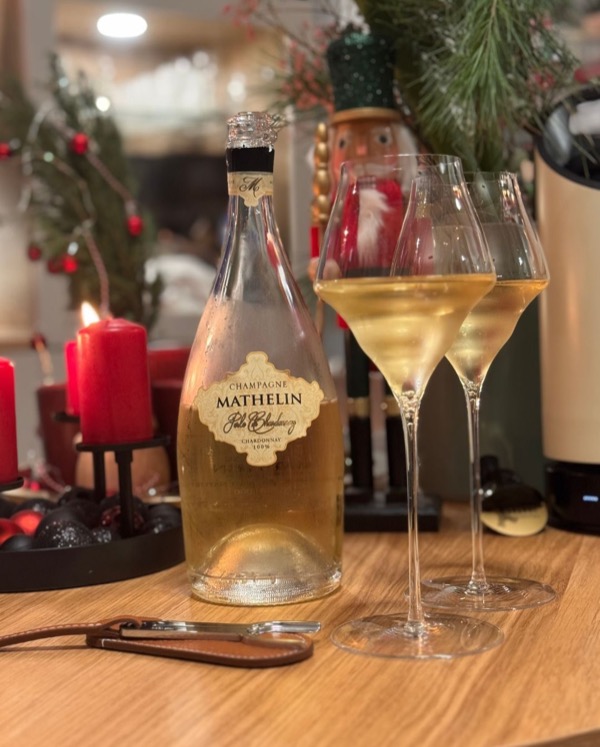
Heute ein paar Worte zum „Perle de Chardonnay“ – Millésime 2016 von @champagne_mathelin . Ohne vorher aufs Etikett zu schauen war der Moment…
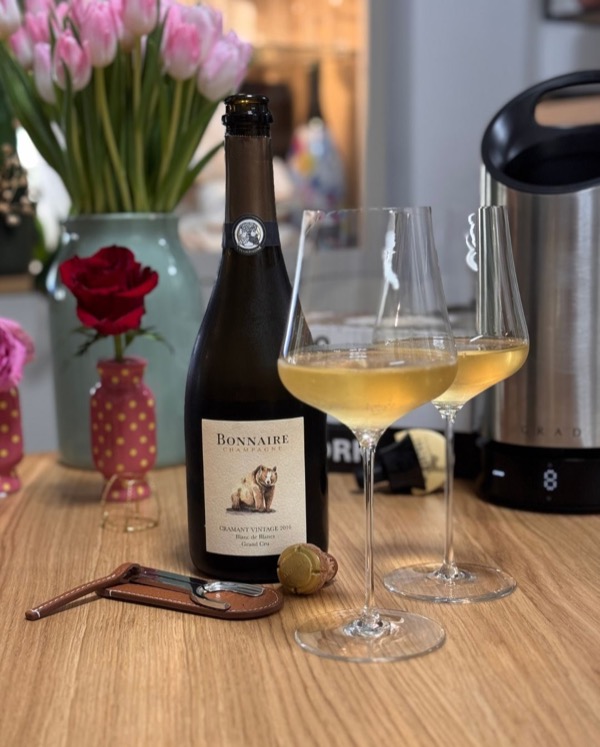
Wer 100 % Chardonnay liebt, kommt an den Grand-Cru-Lagen von Cramant an der nördlichen Côte des Blancs nicht vorbei. Das Dorf ist berühmt für Weine…
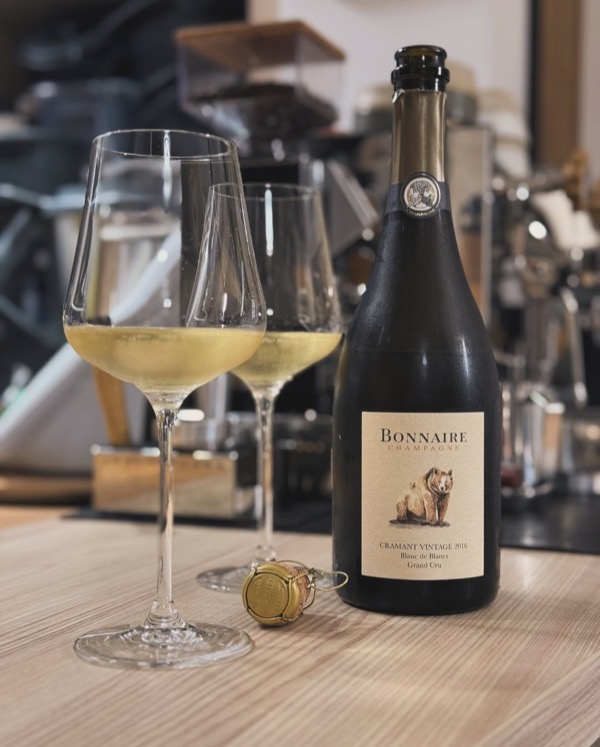
Diese Woche kam eine frische Lieferung direkt aus der Champagne bei mir an – Drei spannende Flaschen von @bonnaireclouet . Für den Auftakt habe ich…
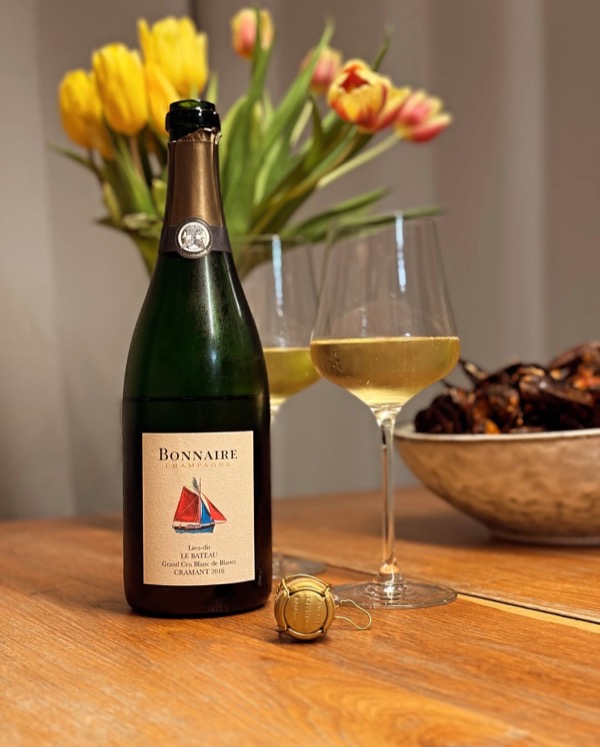
Heute ging’s mit dem @bonnaireclouet - Le Bateau - Cramant 2016 direkt auf eine kleine Zeitreise – oder besser gesagt: auf einen Törn in die…
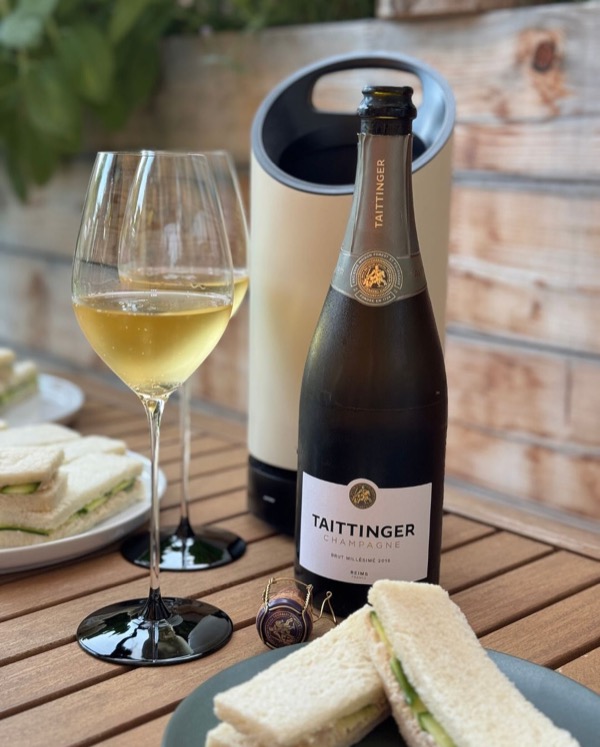
Nach dieser Woche war klar: heute wird angestoßen. Nicht einfach so, sondern weil meine Frau ab Herbst wieder Studentin ist. Ein mutiger Schritt,…
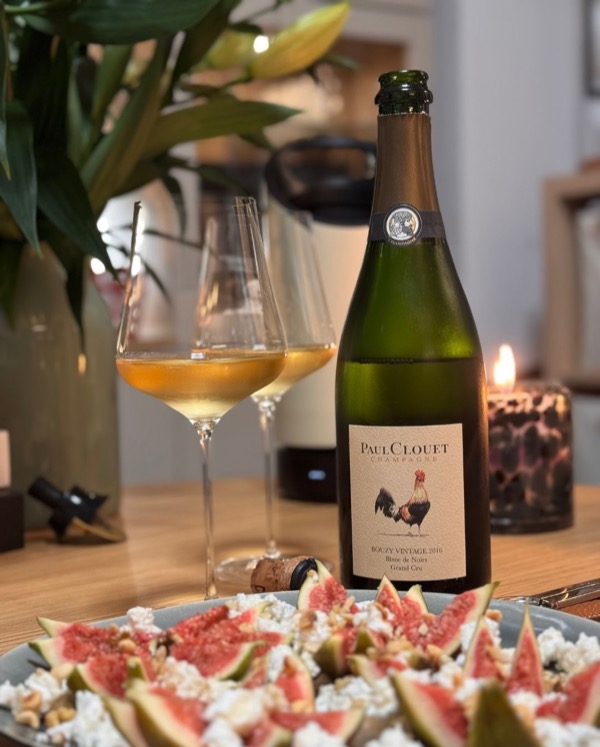
Bouzy Grand Cru ist die unangefochtene Heimat des Pinot Noir – und der 2016er Vintage von @bonnaireclouet ist die ultimative Hommage an dieses…
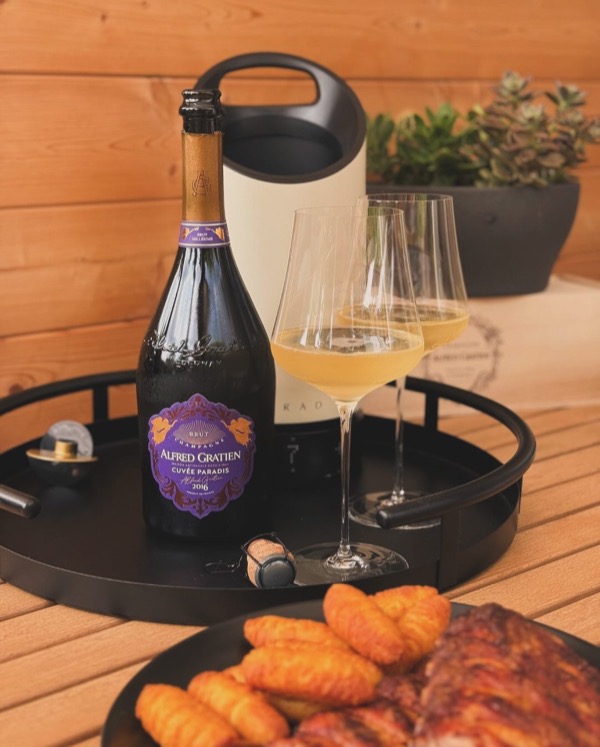
Spareribs vom Grill sind jetzt vielleicht nicht der erste Gedanke, wenn’s um Champagner geht. Viele würden hier eher zum Bier greifen – oder zum…
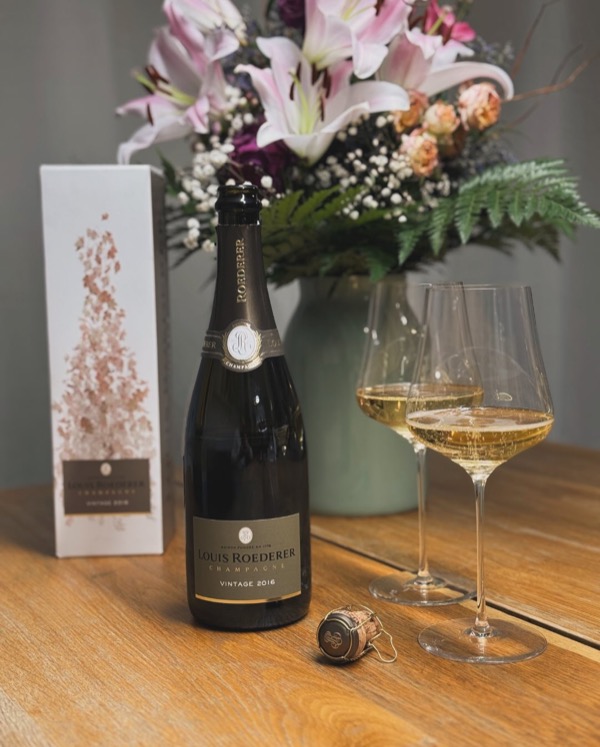
Nachdem ich bisher von @louisroederer_ nur die Collection 242 und 243 probiert hatte war es an der Zeit, tiefer in Roederers Stil einzutauchen – mit…
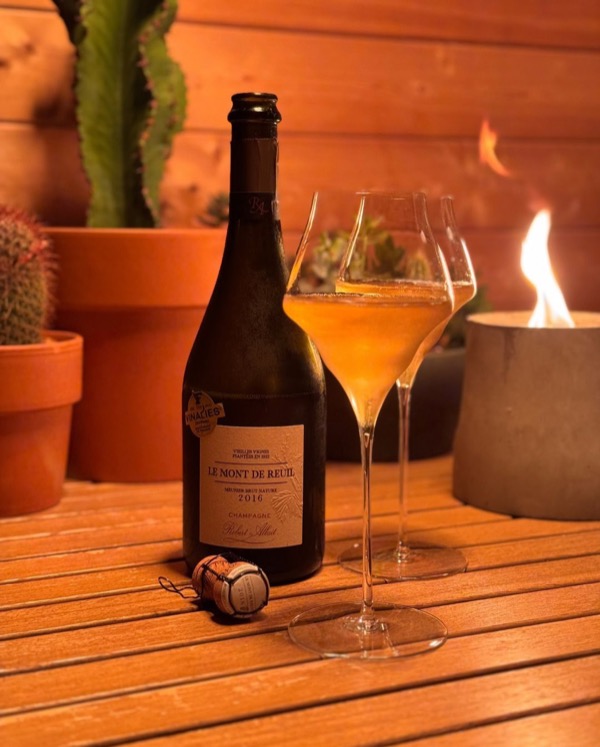
Manche Flaschen begleiten einen immer wieder – egal ob drinnen oder draußen, allein oder mit Freunden. Der Le Mont de Reuil 2016 von…
| Vintage | 2016 |
| Character | Taut, mineral, age-worthy |
| Acidity | Very high |
| Comparison | Reminiscent of 1996 |
| Drinking Window | From 2025 for Brut, from 2028+ for Prestige |
| Aging Potential | 20-30 years (the best) |
| Champagnes Tasted | 11 |