The Climate Change Vintage
2019 was hot. Really hot. With record summer temperatures and one of the earliest harvests since records began, this vintage presented the Champagne region with new challenges. The big question was: Can you still make champagne with freshness and tension in such heat?
The answer, after tasting 35 2019s: Yes. But different than expected.
The Weather
Winter was mild, spring was changeable with late frost danger in April. Summer then brought two extreme heat waves — at the end of June and end of July, temperatures climbed over 40°C. Some parcels suffered sunburn on the grapes.
The vines reacted with a self-protection mechanism: They shut down photosynthesis and fell into a kind of drought stress pause. This slowed ripening — and paradoxically saved the acidity levels. When harvest began in mid-September, the grapes were ripe but not overripe.
Style of the Vintage
2019 brings a stylistic break — away from the taut, acid-driven champagne ideal toward riper fruit and softer texture:
- Ripe fruit — Yellow apple, peach, mirabelle instead of citrus
- Soft acidity — Less cutting than 2018 or 2016
- Fullness — More body, broader mouthfeel
- Early maturity — Many 2019s are already accessible and ready to drink
- Warmth — Sometimes you feel the heat, especially with higher dosage
2019 is not a vintage for purists who only accept champagne "taut and mineral." But those open to a more opulent style will find wonderful champagnes here — especially from growers who consciously worked with the heat instead of against it.
Grape Varieties Compared
Chardonnay reacted well in 2019 — the variety handles heat better than its reputation suggests. Blanc de Blancs from 2019 can be surprisingly elegant, especially from the chalk soils of the Côte des Blancs, which contribute cooling minerality.
Pinot Noir delivered concentrated, color-intensive grapes. Rosé champagnes from 2019 are often particularly intense and fruity.
Pinot Meunier — this is where it gets more critical. Meunier ripens early anyway and can quickly build too much sugar and too little acid in heat. The best Meunier-based 2019s come from older vines with deep root systems.
My 2019s
35 champagnes from this vintage — my most frequently tasted. This isn't just due to quality, but also because 2019 is currently the vintage that most growers are bringing to market.
What You Need to Know
Posts
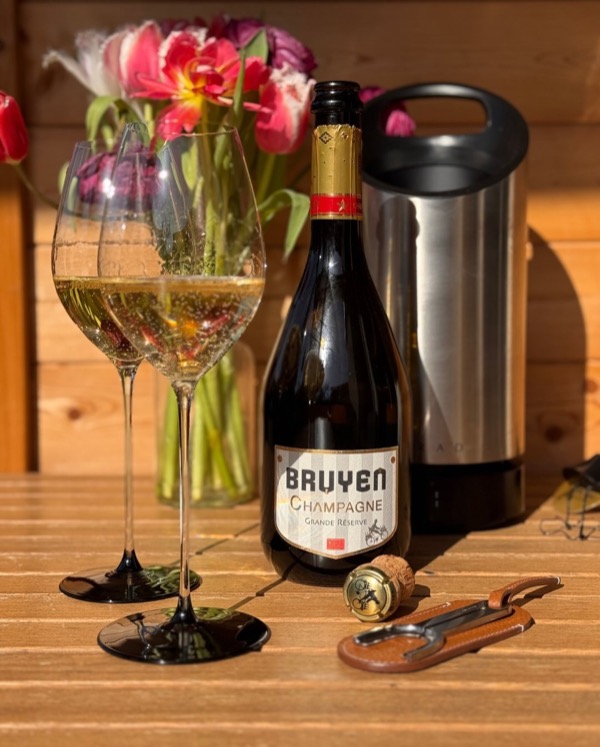
Die Terrassen-Saison für Business-Meetings ist eröffnet! ☀️🥂 Es beginnt wieder die Zeit, in der es warm genug ist, um lockere Geschäftstermine…
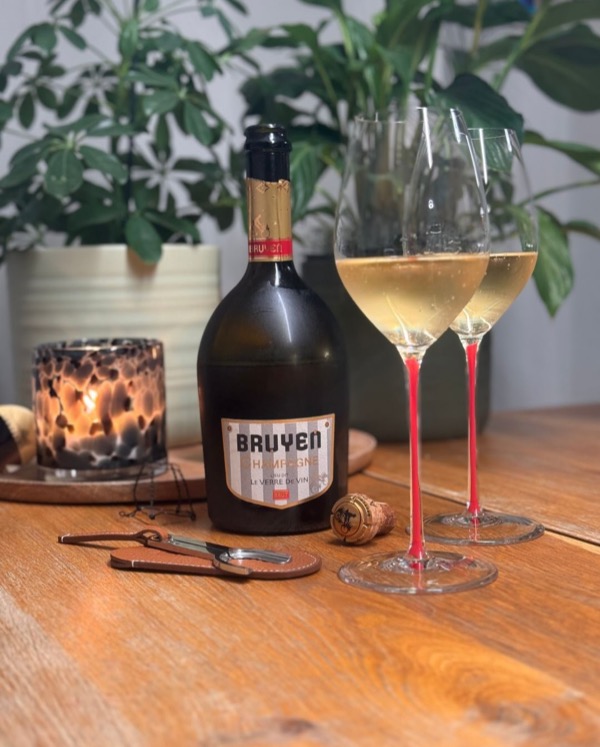
Heute gibt es mal ein etwas anderes Setup. Mein @grad.dk Kühler hat heute frei – und zwar aus einem ganz simplen Grund: Die Flasche ist einfach zu…
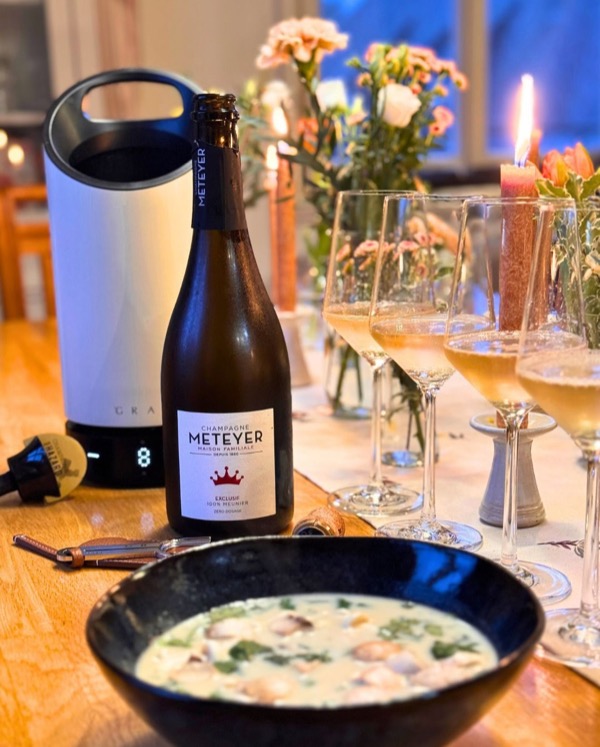
Der 1. Gang: Eine Tom Kha mit Buchenpilzen, Frühlingslauch, Koriander, Edamame und einem Finish aus Chiliöl. Champagner dazu? Gewagt, aber wenn man…
My Posts About This
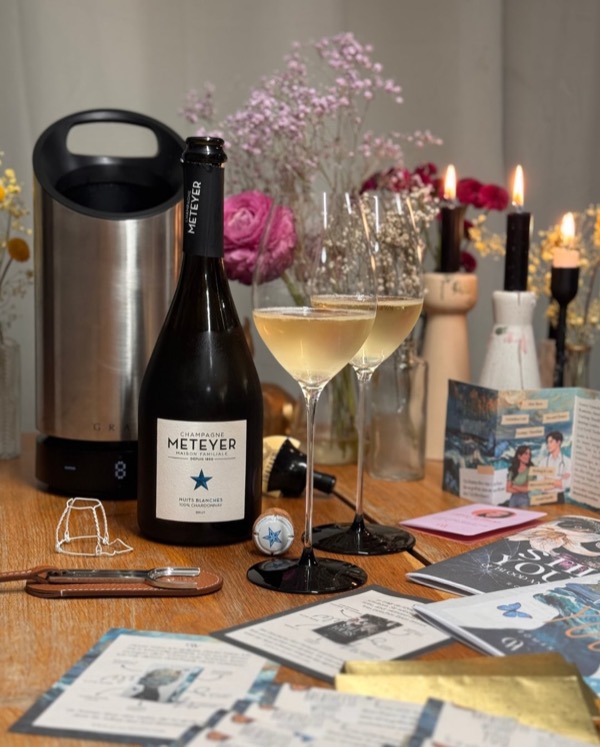
Hier am Tisch herrscht gerade kreatives Chaos der schönsten Sorte: @autorin.olive.wilson bereitet akribisch und mit wahnsinnig viel Liebe ihre…
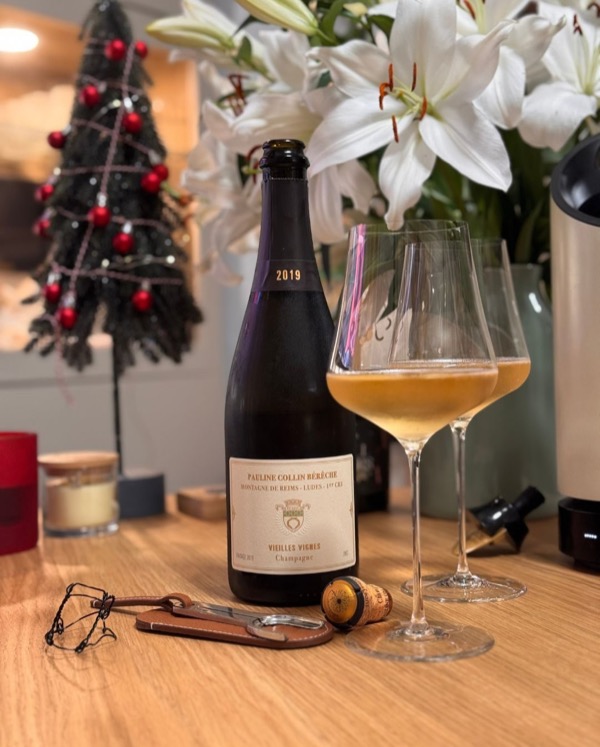
Gestern habe ich den Vieilles Vignes 2019 von @paulinecollinbereche geöffnet und war direkt begeistert von der ausgewogenen Cuvée. Pauline Collin…
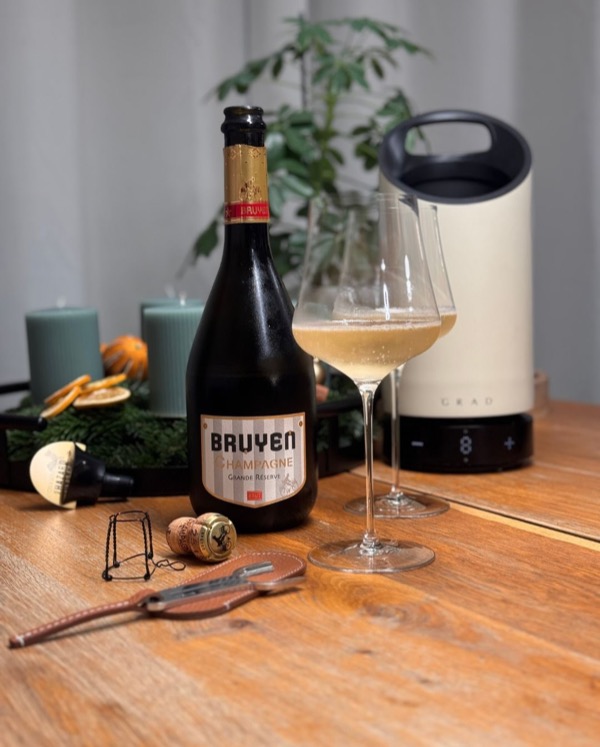
Heute der Grande Réserve von @champagnebruyen – ein 50/50-Blend aus Chardonnay und Pinot Noir, Jahrgang 2019, extra brut mit 4 g/l. Schon im Glas…
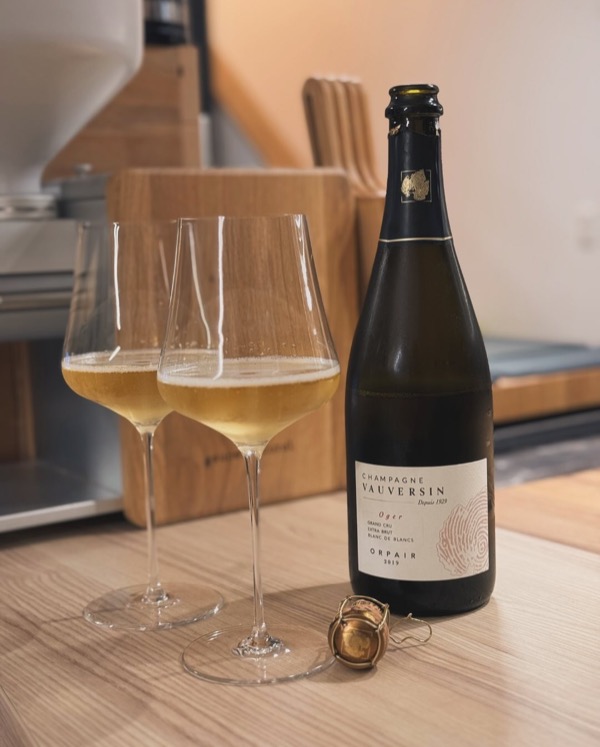
Gestern habe ich noch einen Orpair 2019 von @champagnevauversin geöffnet. Ein Blanc de Blancs Grand Cru aus Oger, der mich wirklich beeindruckt hat.…
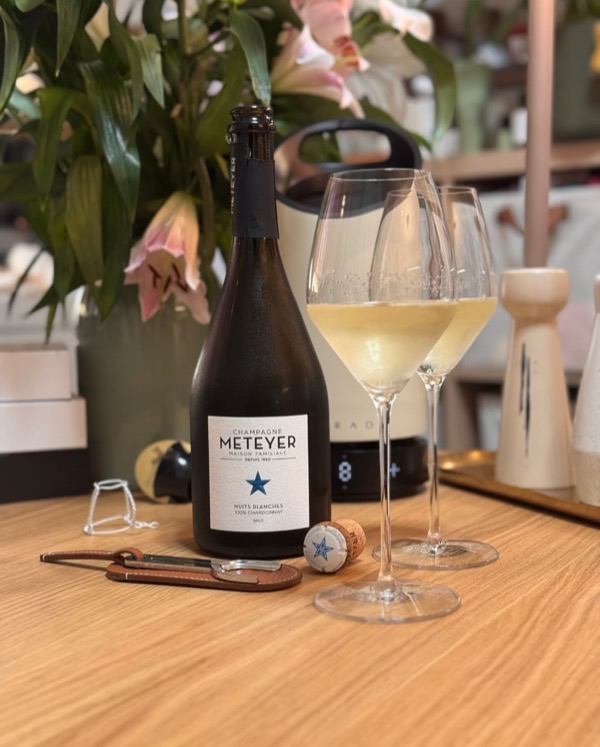
Ich habe mich in den letzten Monaten fast durch das gesamte Portfolio von @champagne_meteyer probiert und ich muss ehrlich sagen: Der Nuits Blanches…
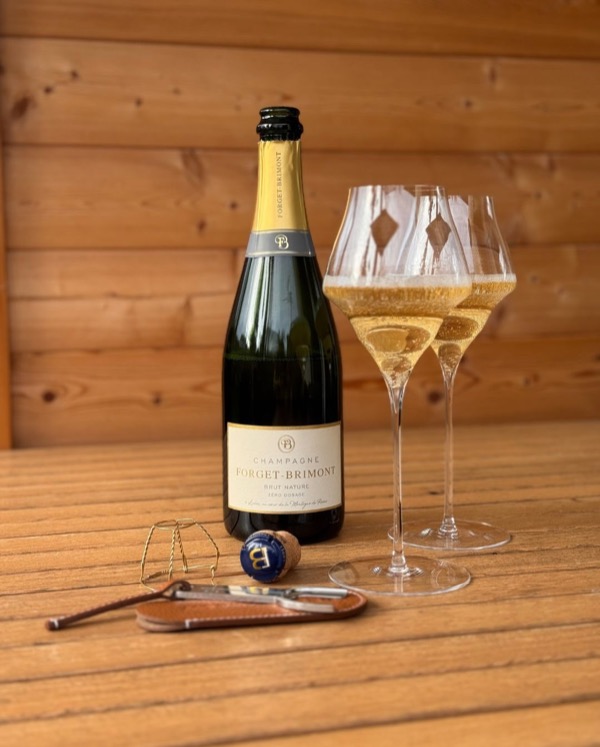
Eigentlich wollte ich nur kurz in die Sonne – trotz frostiger 0 Grad war es auf der Terrasse erstaunlich angenehm. Also eine Flasche mit…
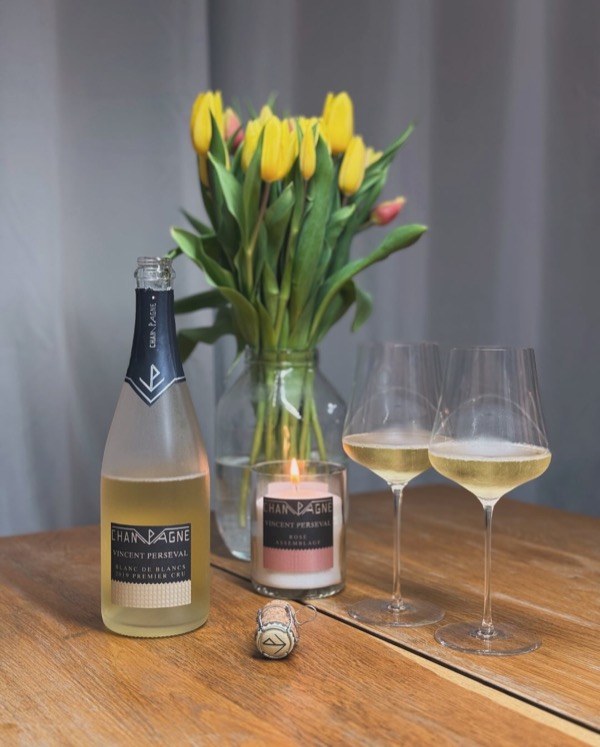
📍 Heute im Glas: Ein reinsortiger Chardonnay aus dem Jahrgang 2019 von @champagnevincentperseval . Ein Blanc de Blancs mit Charakter – frisch,…
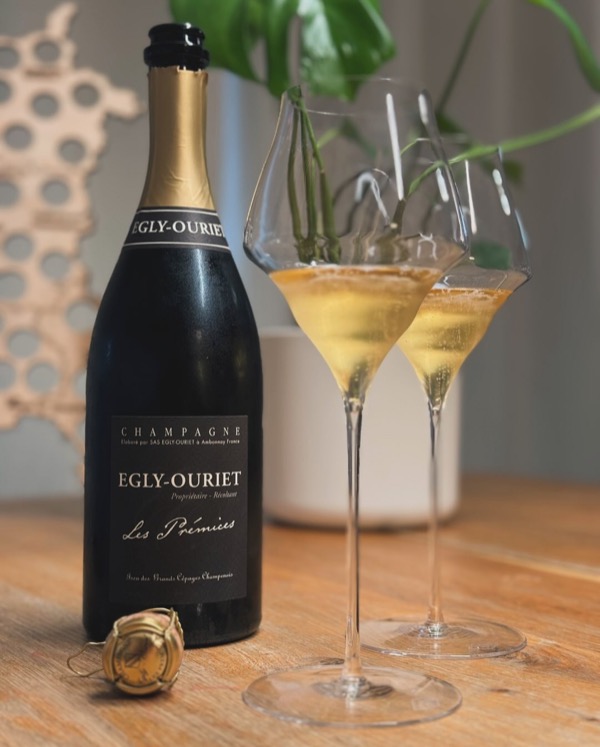
Ich habe mich schon seit langem darauf gefreut, endlich einen Champagner von @eglyouriet zu probieren. Und heute war es endlich soweit: Der Les…
| Harvest | From mid-September |
| Character | Ripe, fruity, soft |
| Acidity | Moderate (lower than 2018/2016) |
| Comparison | Stylistically closer to 2015 than 2018 |
| Drinking window | Many are ready to drink now |
| Aging potential | Medium — the best 5-10 years |
| Champagnes tasted | 11 |