A Summer of Extremes
After the cool interlude of 2021, 2022 returned with full force to warm conditions. The summer was one of the hottest and driest in recent history — heat waves in June, July, and August, hardly any rain, and acute drought stress for the vines in many sites.
Flowering occurred early and without problems. The troubles came in summer: Sustained temperatures over 95°F, nights that barely cooled down, and soil that dried out. Some vines stopped photosynthesis as self-protection — a phenomenon that would have been unthinkable in Champagne 20 years ago and now occurs regularly.
Harvest began early — already at the end of August. The grapes were small, concentrated, with thick skins and high sugar levels. Acidity levels were moderate to low, which is not ideal for the champagne style.
Style of the Vintage
2022 produced ripe, concentrated champagnes with lots of extract and fruit:
- Concentration — Intense aromas, dense mouthfeel
- Ripe fruit — Peach, apricot, mango, honey
- Soft acidity — The heat suppressed acidity levels
- Alcohol — Tends to be higher than in cool years
- Deep color — More golden, more intense than cooler vintages
The challenge for winemakers: Creating champagnes with freshness and drinkability from this overripe material. The best succeeded — through earlier harvesting, gentler pressing, and targeted dosage decisions. The less successful 2022s are broad, alcoholic, and tiring.
Grape Varieties in the Heat Year
Chardonnay held up surprisingly well — the variety has deep roots and finds water on the chalk soils of the Côte des Blancs even in drought years. Blanc de Blancs from 2022 are the most elegant representatives of the vintage.
Pinot Noir from the Montagne de Reims was very concentrated — powerful, dark-berried, almost "red wine-like" in its intensity. For Blanc de Noirs and Rosé, 2022 delivered first-class material.
Pinot Meunier suffered most from the drought. The variety has a shallower root system and is more susceptible to drought stress.
My Tastings
11 champagnes from 2022 — the first bottlings are just coming to market. What's striking: The range between producers is wide. Winemakers with old vines (deep roots) and good soil management (cover crops, mulch) had significantly better material than those with young vines and conventional farming.
The climate change debate in Champagne is fueled by vintages like 2022. The question is no longer whether the climate is changing — but how Champagne deals with it. Earlier harvests, different grape varieties, irrigation (currently prohibited), adaptation of cellar technology — everything is up for discussion.
2022 is a champagne vintage that explores the limits of what's possible. In the best hands, concentrated, profound wines with surprising harmony emerge. In the worst hands, overripe, clumsy champagnes are created that have little to do with what makes Champagne special.
Posts
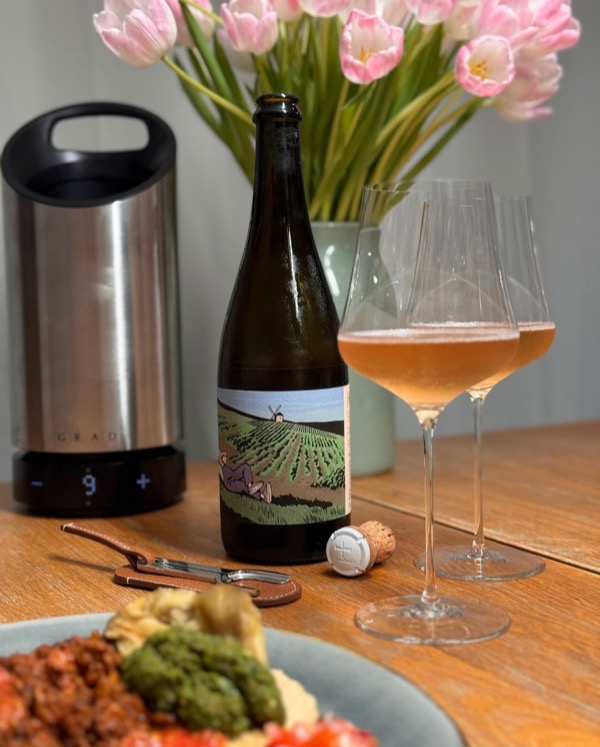
Heute gibt es bei mir mal wieder das volle Programm an Aromen: Selbstgemachter Hummus, feuriges Zhug, würziges Hamshuka, gegrillte Aubergine und…
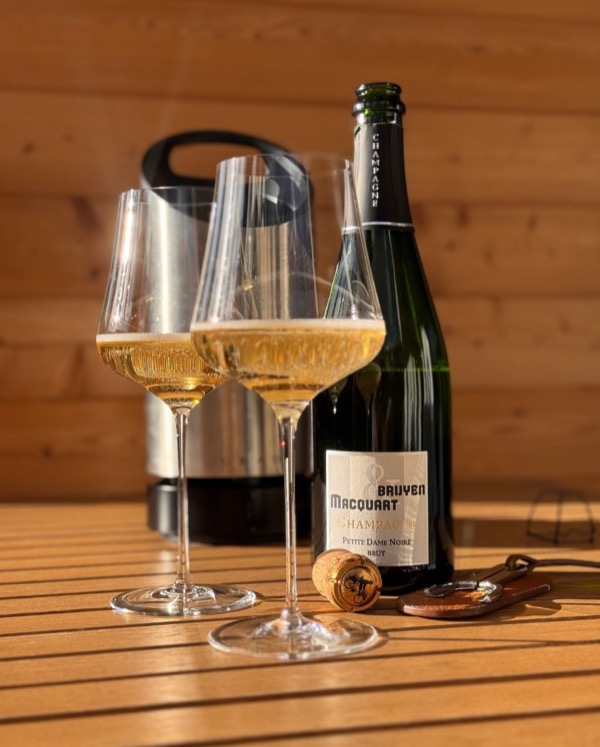
Erinnert ihr euch an die „Petite Dame Noire“ von Bruyen & Macquart (@champagnebruyen)? 🥂✨ Nachdem ich genau diese Flasche im November schon mal…
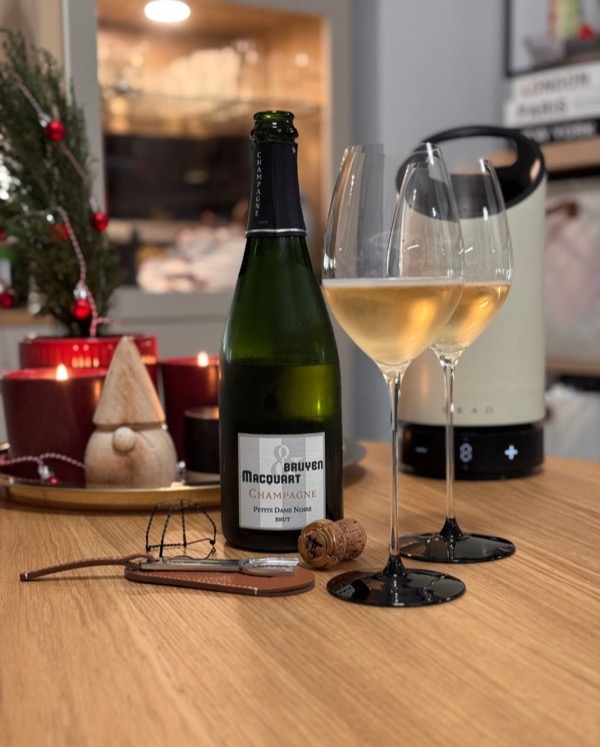
Gestern Abend gab’s mal wieder etwas Neues – den @champagnebruyen & Macquart – Petite Dame Noire Eine Flasche, die optisch eher dezent wirkt, aber…
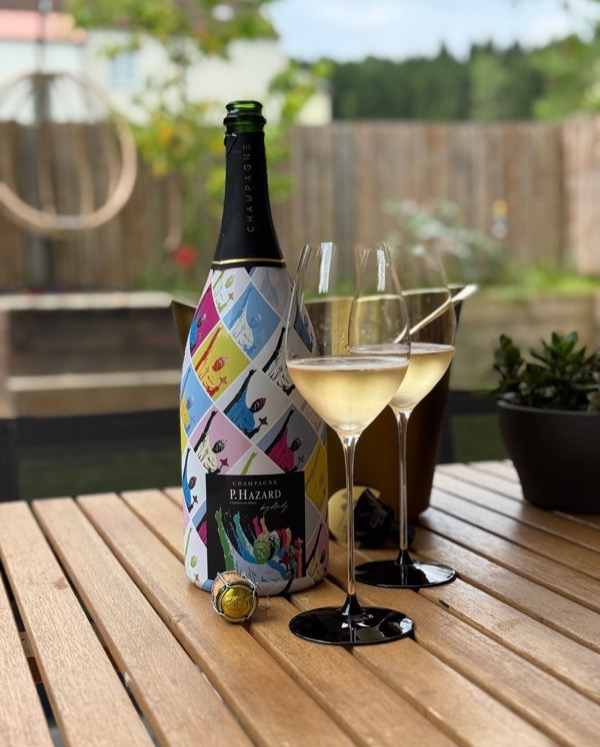
Heute ist Vatertag in Österreich. Kein Programm. Ein ruhiger Vormittag, ein langes Frühstück – und die spontane Entscheidung: Diese Magnum wird…
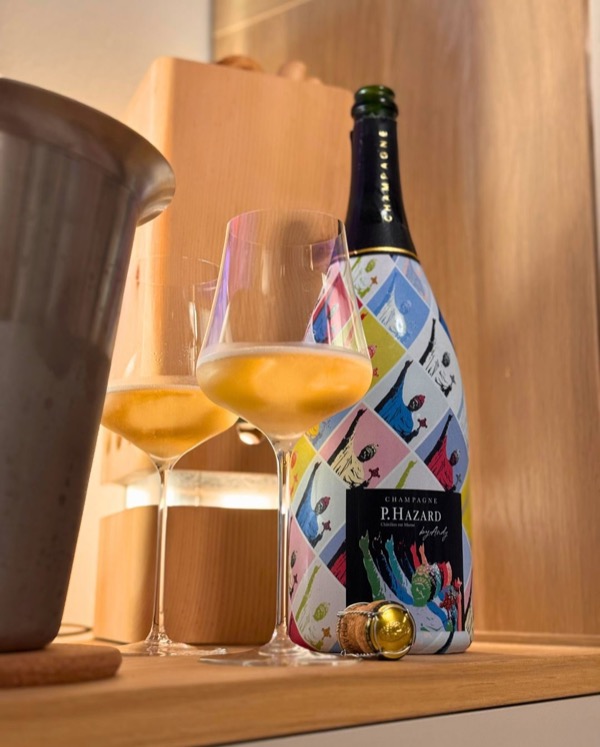
Ich hatte sie ja schon einmal – die Magnum „Brut Tradition – by Andy“ von @champagnepaulhazard. Damals am Vatertag, mit langem Frühstück,…
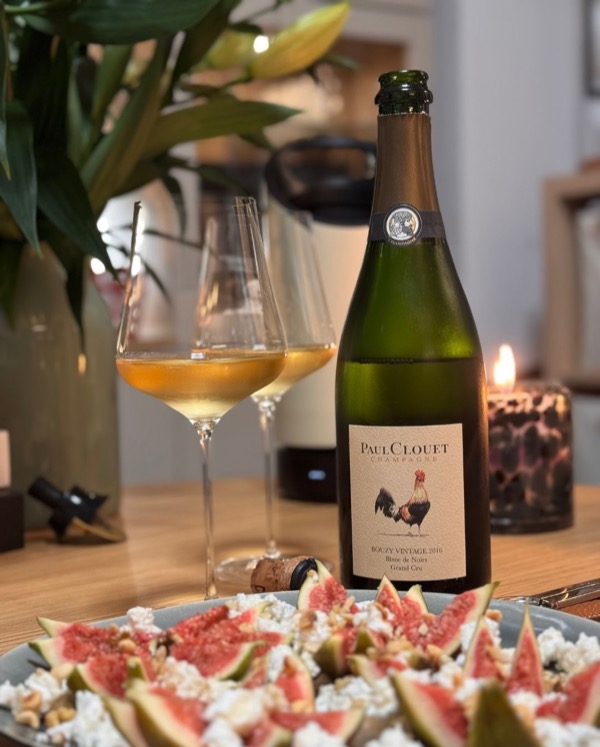
Bouzy Grand Cru ist die unangefochtene Heimat des Pinot Noir – und der 2016er Vintage von @bonnaireclouet ist die ultimative Hommage an dieses…
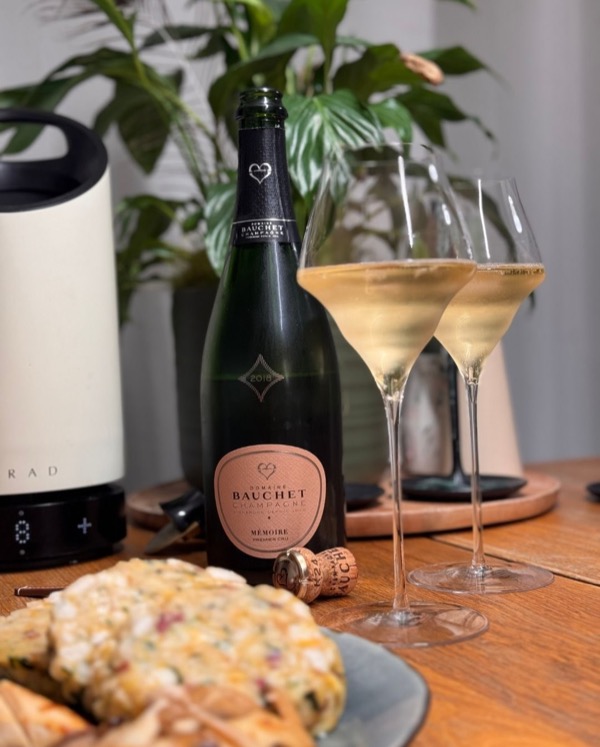
Der Mémoire 2018 von @domainebauchet schien mir ein Champagner zu sein, der ein passendes Pairing verdient hat. Daher habe ich ihn gestern zu…
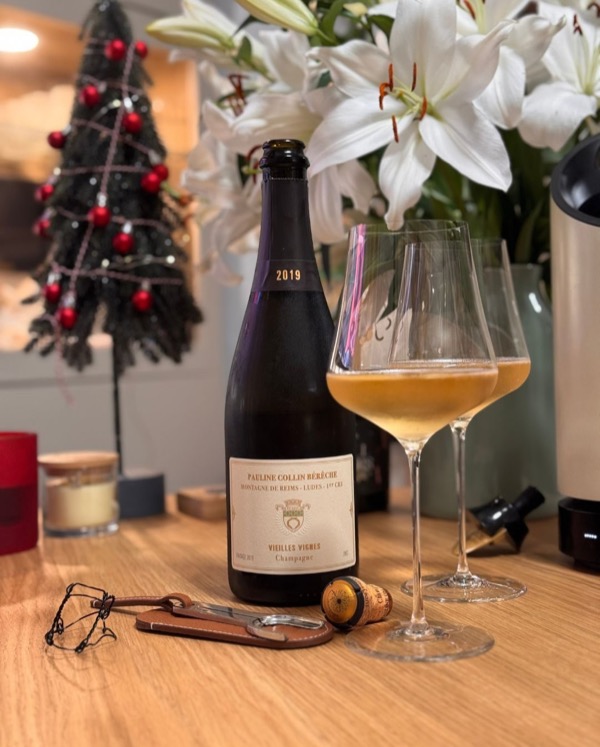
Gestern habe ich den Vieilles Vignes 2019 von @paulinecollinbereche geöffnet und war direkt begeistert von der ausgewogenen Cuvée. Pauline Collin…
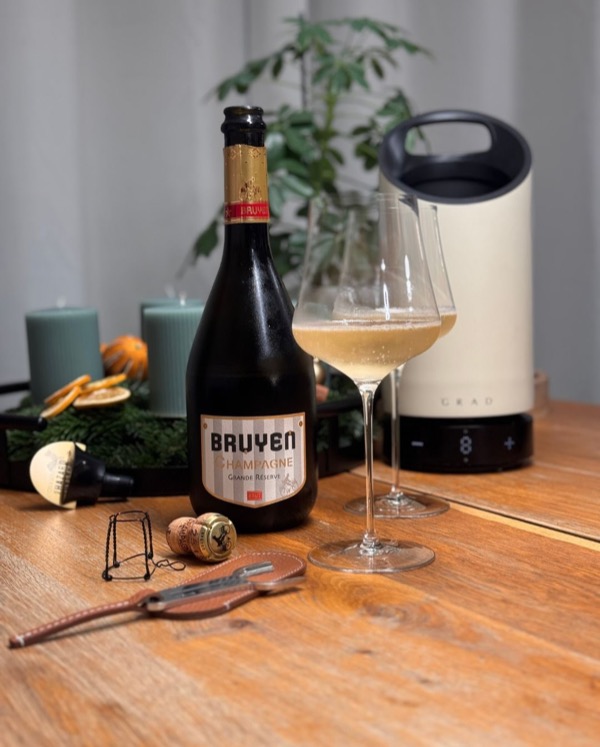
Heute der Grande Réserve von @champagnebruyen – ein 50/50-Blend aus Chardonnay und Pinot Noir, Jahrgang 2019, extra brut mit 4 g/l. Schon im Glas…
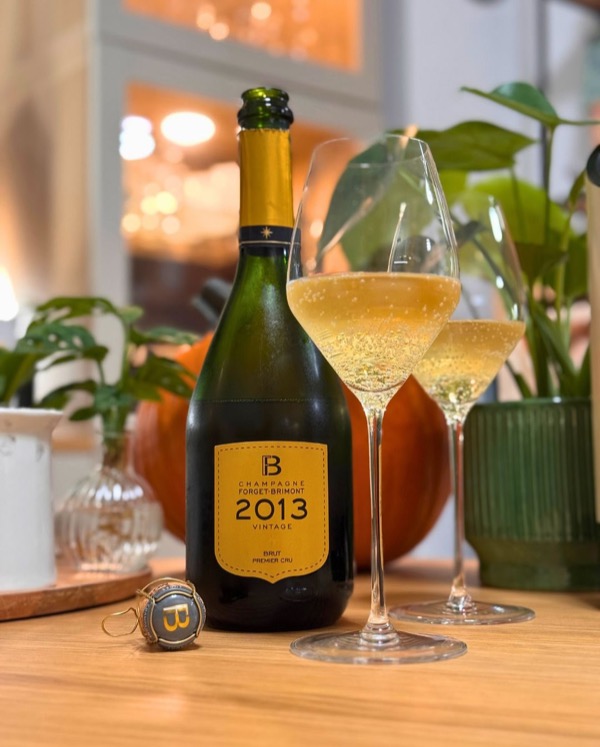
Für gestern Abend hatte ich den @champagne_forget_brimont – Vintage 2013 rausgesucht. Eine Flasche, die ich zweimal im Keller habe, aber bisher noch…
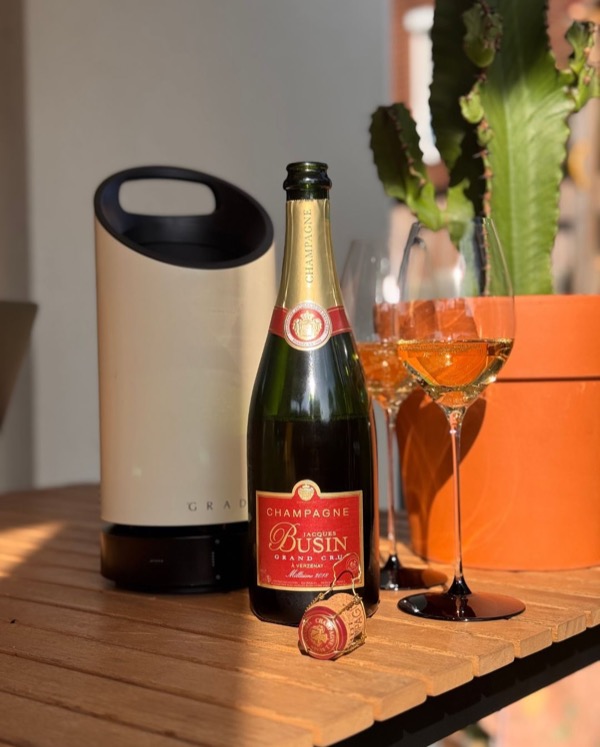
Der 2018er Millésime von @champagnejacquesbusin kombiniert Grand-Cru-Trauben aus Verzenay mit fünf Jahren Reifezeit – und liefert genau das, was man…
| Vintage | 2022 |
| Character | Hot, concentrated, ripe |
| Acidity | Low to moderate |
| Comparison | More extreme than 2020, reminiscent of 2003 |
| Drinking window | From now for the first bottlings |
| Champagnes tasted | 11 |