Less than One Hectare
Arbane isn't just rare — it's almost mythical. Less than one hectare in all of Champagne is planted with this variety. Anyone drinking a champagne with Arbane is drinking a piece of wine history.
To put this rarity in perspective: Champagne has a total of around 34,000 hectares of vineyard area. Less than one hectare is devoted to Arbane. That corresponds to roughly 0.003%. You could fit all of Champagne's Arbane vineyard area into a medium-sized soccer field and still have room left over.
History
Arbane is one of the oldest documented grape varieties in Champagne. Historical records from the 16th and 17th centuries mention it as an integral part of the regional varietal mix. Before the phylloxera crisis, it was more widespread — not dominant, but present. In the old field blends of the Aube, Arbane stood alongside Pinot Noir, Chardonnay and the other local varieties.
Phylloxera changed everything. When replanting, growers chose the most productive varieties. Arbane, with its tiny yields and susceptibility to disease, had no place in this new economy. That it survived is thanks to a few winegrowing families in the Aube who didn't uproot their old vines.
Character
Arbane ripens very late and produces wines with high acidity and a distinctive, almost exotic aromatic profile: quince, green apple, herbs. In assemblage, it provides an unmistakable signature.
Arbane's aromatic profile is truly unique:
- Quince — The leitmotif. A ripe, slightly oxidative quince note reminiscent of quince paste
- Green apple — Crisp, fresh, with an almost tart sharpness
- Herbs — Thyme, rosemary, a Mediterranean wildness you don't expect in Champagne
- Citrus peel — Not the juice, but the peel: bitter, aromatic, intense
- Wax — A slightly waxy texture that gives the wine an almost tactile quality
The acidity is high, but unlike Petit Meslier, it's not piercing — rather broad and encompassing. This gives Arbane wines a certain fullness despite their leanness.
Cultivation: Why So Little?
The reasons for Arbane's rarity are purely practical:
- Low yields: Arbane produces tiny quantities. In a bad year, yields can drop to nearly zero.
- Late ripening: Arbane ripens after all other varieties — in some years so late that the grapes are threatened by frost before they can be harvested.
- Disease susceptibility: The variety is sensitive to mildew and botrytis.
- Difficult propagation: Arbane cuttings root poorly. Propagation is laborious and time-consuming.
All these factors make Arbane an economic disaster — at least on paper. In practice, it's the passion of individual winemakers that keeps this variety alive. Not because it pays, but because it fascinates them.
Where to Find It
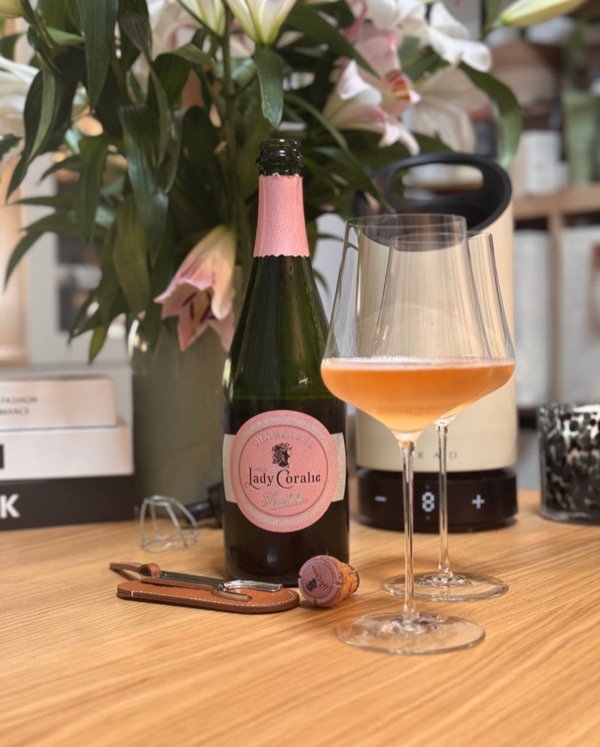
Heute habe ich eine echte Besonderheit aus der „Collector“ Linie von @champagne_mathelin im Glas: Die Cuvée „Lady Coralie“. Das Spannende an diesem…
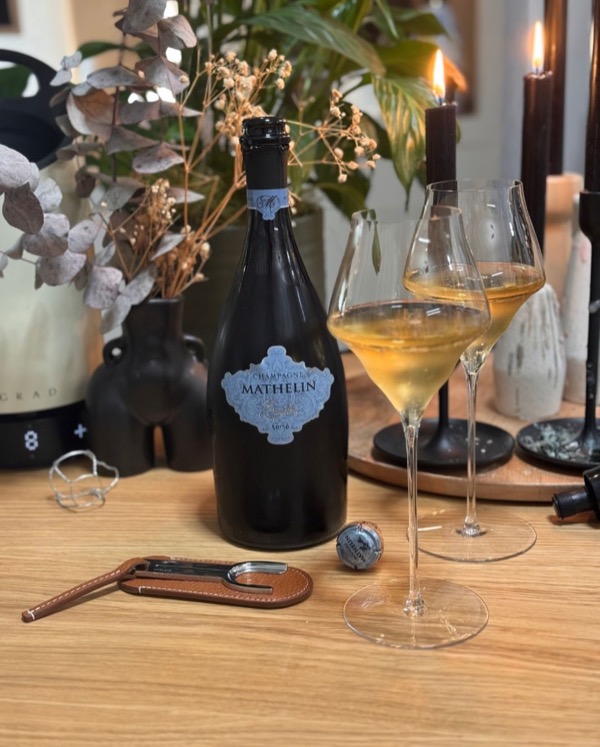
Manchmal sagt ein minimalistisches Etikett schon alles: Beim „Équilibre“ von @champagne_mathelin ist der Name absolutes Programm! Auf der Flasche…
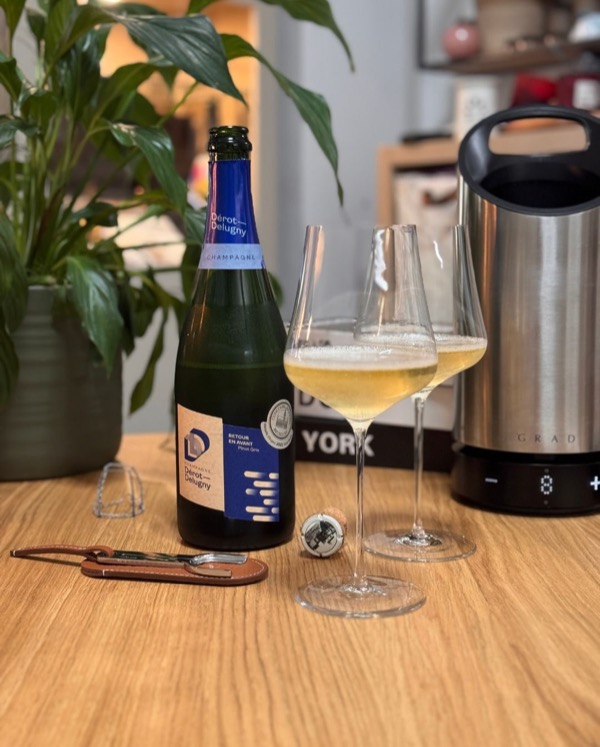
Vergesst alles, was ihr über die klassischen Rebsorten der Champagne wisst. Heute wird es exotisch, würzig und fast schon ein wenig mystisch mit dem…
Mainly in the Côte des Bar (Aube), where a few winemakers preserve it as part of their "Cépages Oubliés" (forgotten grape varieties).
The Aube has a special relationship with forgotten varieties. Historically, the region was more characterized by field blends than northern Champagne. And since the Aube was long considered "second choice" with less modernization pressure, more old vine stocks have been preserved here than elsewhere.
Some winemakers in the Aube produce special "Cépages Oubliés" cuvées in which Arbane is processed together with Petit Meslier, Pinot Blanc and Fromenteau. These champagnes are rarities — often only a few hundred bottles per year — and they offer a taste that the three main varieties alone cannot deliver.
Arbane in the Glass
Tasting a pure Arbane champagne is an unforgettable experience. The wine is unlike anything you're accustomed to from Champagne. No brilliant Chardonnay, no powerful Pinot Noir, no charming Meunier. Instead, something peculiar, wild, almost anarchic. The aromas shift with each sip, the texture surprises, and in the end there remains a long, herbal finish that invites contemplation.
Conservation and Future
The preservation of Arbane is a question of priorities. Genetic diversity in the vineyard is important not only culturally, but also agronomically. Each grape variety carries unique genetic information that could become relevant in a warming world. Perhaps Arbane has characteristics that will be valuable for Champagne in 50 years — characteristics we don't yet know about today.
3 champagnes with Arbane — each one unique. This variety is proof that Champagne is more than Chardonnay, Pinot Noir and Meunier.
Posts
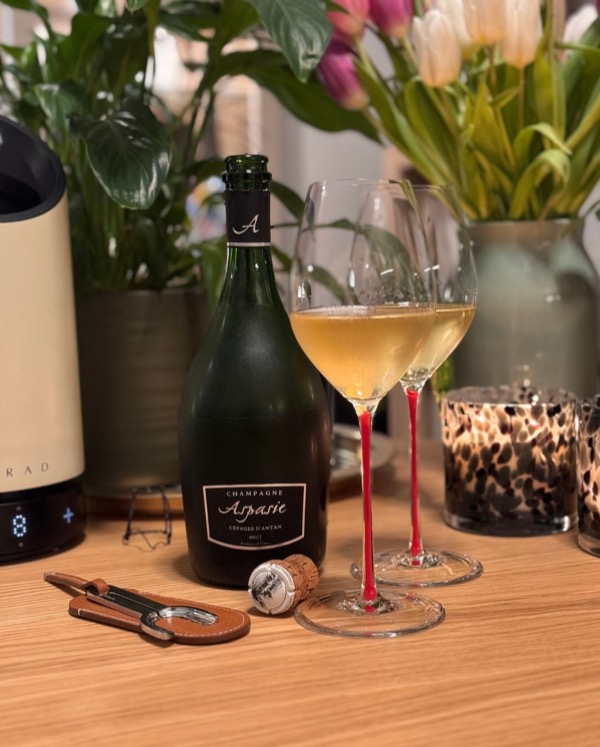
Heute gibt es mit dem Cépages d’Antan von @champagneaspasie mal einen kleinen Exkurs abseits von Chardonnay, Pinot Noir und Pinot Meunier. Hier geht…