In the Shadow of the Big Brother
The Côte de Sézanne lies south of the Côte des Blancs and is often called its "little sister." The soils are similar (chalk and marl), the climate slightly warmer. The result: Chardonnay champagnes that are more fruity and accessible than the austere wines from Cramant or Le Mesnil.
The Côte de Sézanne begins where the Côte des Blancs ends — south of Vertus. Geographically, it's a continuation of the same ridge, but there are subtle differences: the elevation is lower, the slope gentler, and the chalk is interspersed with more clay and marl. These small variations add up to a distinctly different wine character.
Terroir in Detail
The soils of the Côte de Sézanne are less purely chalky than those of the Côte des Blancs. Chalk remains the foundation, but the upper layers contain more clay, sand, and marl. This has direct effects on the wine:
- More clay means better water retention and richer wines
- Less pure chalk means less mineral austerity
- The warmer microclimate brings riper fruit with lower acidity
For Chardonnay, this means: it's harvested riper here than on the Côte des Blancs. The grapes have more sugar, less acidity, and a broader aroma profile. Instead of the piercing citrus-mineral quality of the Grand Crus, you find riper fruit here — yellow apple instead of green, pear instead of lemon, honey instead of chalk.
The Champagne Style of Côte de Sézanne
The champagnes of this region have a distinctive character:
- Ripe fruit — Yellow apple, pear, mirabelle plum, sometimes a hint of tropical notes
- Soft acidity — Less taut than Côte des Blancs, but more accessible
- Roundness — A creamy, full mouthfeel
- Floral notes — Acacia, hawthorn, a floral lightness
- Early drinking readiness — Most champagnes from here don't need years of bottle aging
This doesn't make the Côte de Sézanne inferior to the Côte des Blancs — just different. If you're looking for a Blanc de Blancs that's immediately enjoyable without having to wait five years, this is the place. If you're seeking taut, mineral tension that only opens after years, Le Mesnil is the better choice.
Why the Côte de Sézanne is Interesting
- Value — Significantly cheaper without the Grand Cru premium
- Accessibility — The champagnes are ready to drink earlier
- Character — Riper fruit, softer acidity, yet still refined
- Rising region — More and more winemakers are producing distinctive, exciting champagnes here
Value might be the strongest argument. An excellent Blanc de Blancs from the Côte de Sézanne often costs half that of a comparable champagne from a Grand Cru village of the Côte des Blancs. And in many cases, the difference in quality is smaller than the difference in price.
Important Villages
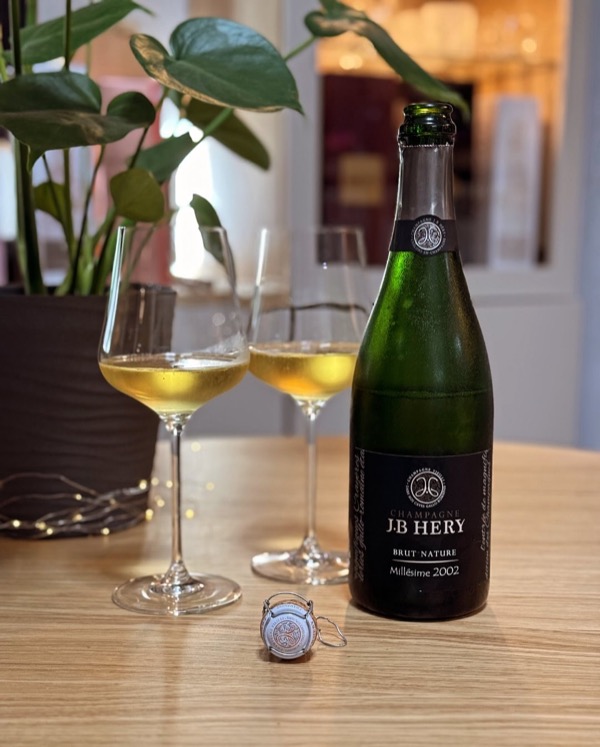
🍾 Heute im Glas: J.B Héry - Millésime 2002 - Brut Nature – ein spannender Fund aus meinem letzten Einkauf. Gerade erst frisch in den Keller…
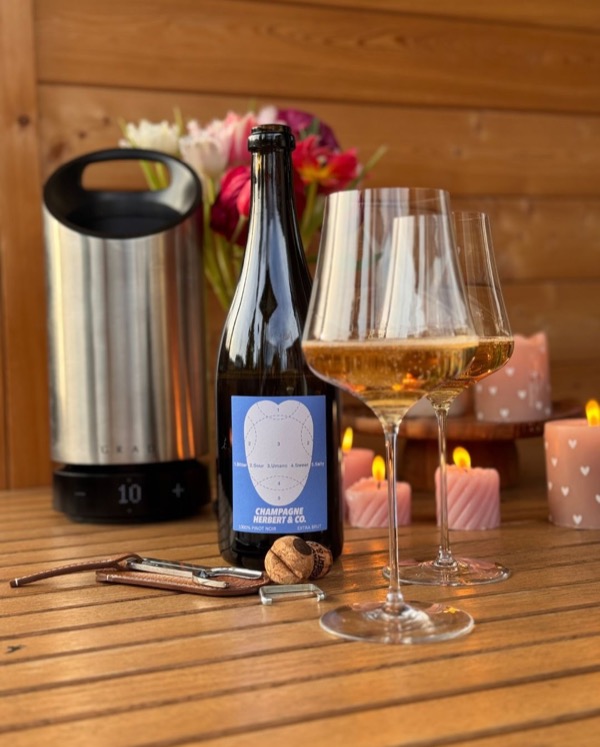
Heute gibts den 1000% Pinot Noir von @champagne_herbertandco . Von diesem kleinen, feinen Haus (geführt von @thomas___herbert und @charlottehbrt_ in…
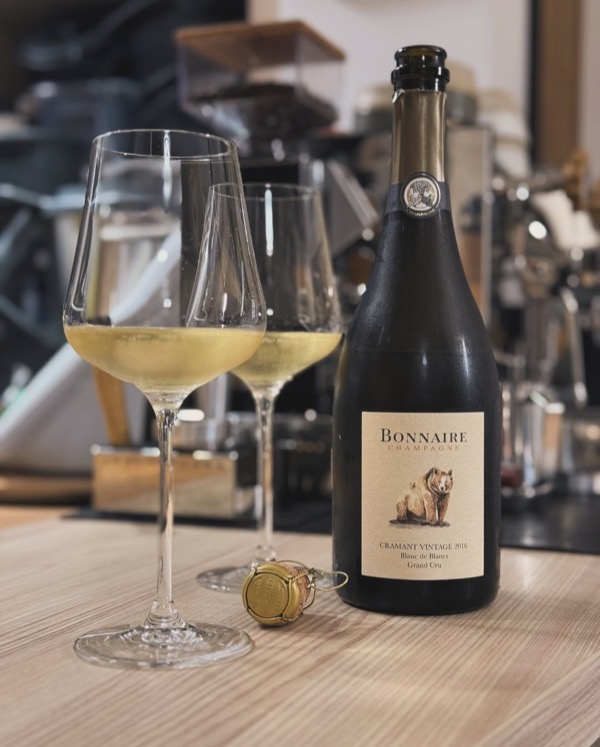
Diese Woche kam eine frische Lieferung direkt aus der Champagne bei mir an – Drei spannende Flaschen von @bonnaireclouet . Für den Auftakt habe ich…
The most significant wine-growing communes of the Côte de Sézanne:
My Posts About This
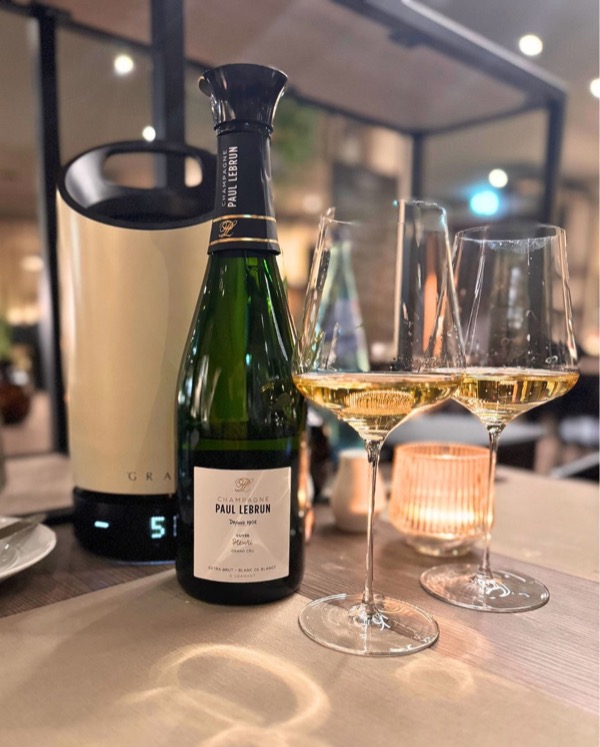
Kennt ihr das? Man ist unterwegs, freut sich nach einem langen Tag auf ein solides Abendessen im Hotel – und dann der Blick in die Weinkarte: Kein…

Wenn der Morgen mit Champagner und Kaviar beginnt, dann kann das eigentlich nur ein guter Tag werden. Der purste Moment ist oft der stärkste.…
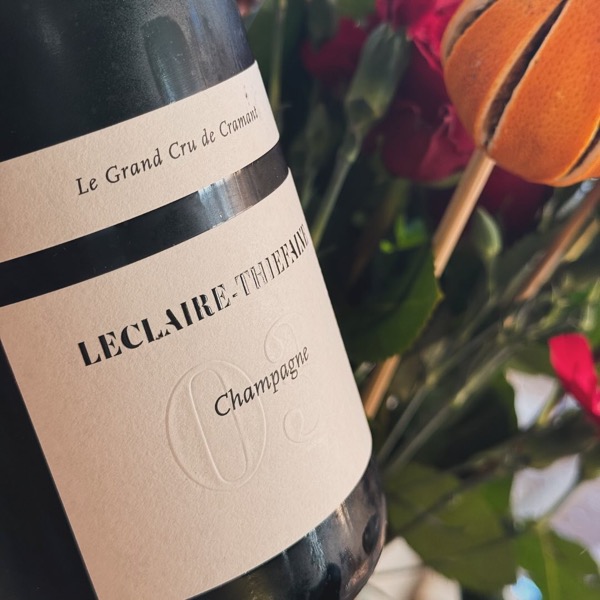
Nach einer stressigen Woche habe ich heute zum ausgiebigen, fruchtigen Frühstück den @champagneleclairethiefaine - Cuvée 03 Constantin Grand Cru de…
| Village | Character |
|---|---|
| Sézanne | Namesake, fruity Chardonnay, soft |
| Bethon | Somewhat more chalky, structured |
| Villenauxe-la-Grande | Round, floral, accessible |
| Barbonne-Fayel | Rural, honest, good value |
The Winemaking Scene
The Côte de Sézanne has long stood in the shadow of the more northern regions. Most winemakers here sold their grapes to the big houses instead of bottling their own champagnes. This is increasingly changing. A younger generation is discovering the region's potential and bringing distinctive, terroir-driven champagnes to market.
These winemakers benefit from a double advantage: on one hand, they have access to good sites that haven't yet reached the astronomical prices of the Grand Cru villages. On the other hand, they can work in the slipstream of the Côte des Blancs — anyone who says "Chardonnay from Champagne" immediately has the attention of Blanc de Blancs fans.
Côte de Sézanne and Climate Change
An often underestimated factor: the Côte de Sézanne could benefit from climate change. In a warmer Champagne, the quality centers are shifting. Regions previously considered "too warm" are moving into the sweet spot. At the same time, the cooler Grand Cru sites on the Côte des Blancs could lose their character if temperatures continue to rise.
The Côte de Sézanne, previously viewed as "riper" and "softer," could in the future produce the character that the Côte des Blancs delivers today. This is speculation — but it's speculation that fills vineyard owners in the region with optimism.
The Côte de Sézanne is the insider tip for Blanc de Blancs lovers who don't have the budget for Grand Crus — but still seek first-class Chardonnay.
Posts
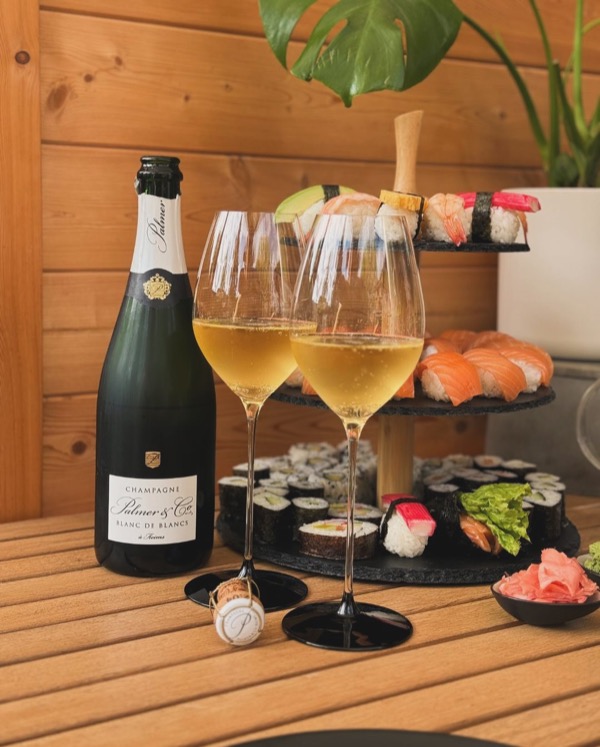
Heute mal keine große Küche – sondern das beste Konzept überhaupt: Sushi bestellt, Sonne genossen, Glas eingeschenkt. Und was passt besser zu…
| Champagnes tasted at home | 4 |