The Valley That Cuts Through Champagne
The Marne flows from east to west through the heart of Champagne. Along its slopes grow the vines that produce some of the most accessible and fruit-driven champagnes in the region.
The Vallée de la Marne stretches across a considerable distance — from Épernay in the east to far beyond Château-Thierry in the west. The character of the wines changes dramatically along the river's course. In the east, closer to Épernay, you'll find the highest quality sites with Premiers Crus like Cumières and Hautvillers. The farther west you go, the more rural it becomes — and the more dominant Pinot Meunier becomes.
Terroir
The valley of the Marne is geologically diverse — from limestone on the upper slopes to heavier clay-marl lower down. The north side of the valley is cooler and steeper, the south side warmer and more protected. This diversity explains why wines from the Vallée de la Marne can vary so dramatically.
The soils consist mainly of clay, marl, and sand, with limestone deposits in the higher elevations. This is fundamentally different from the pure belemnite chalk of the Côte des Blancs or the Montagne de Reims. The clay soils retain more water and give the wines a richer, rounder character — less mineral tension, more fruit fullness.
A particular factor is the microclimate. The river itself acts as a temperature regulator — it stores heat and moderates extreme temperatures. At the same time, cold air can "settle" in the valley and cause frost damage in spring. This tension between warmth and frost danger has fundamentally shaped the grape variety decisions in the Vallée de la Marne.
Pinot Meunier: The Leading Grape
Pinot Meunier dominates the Vallée de la Marne. The variety is late-frost tolerant — a crucial advantage in a valley where cold air descends in spring. On the best sites, Pinot Noir and Chardonnay complete the picture.
Meunier's dominance is no accident, but a natural adaptation. In valley locations where late frost regularly strikes, Meunier is often the only variety that reliably produces yields. Its later bud development protects it from the frost attacks that regularly hit Chardonnay and Pinot Noir.
On the higher, south-facing slope sites, however, you'll also find excellent Pinot Noir. The Premier Cru villages of Cumières and Hautvillers — the latter famous as the workplace of Dom Pérignon — produce Pinot Noir of considerable quality.
Important Villages and Sites

Hier am Tisch herrscht gerade kreatives Chaos der schönsten Sorte: @autorin.olive.wilson bereitet akribisch und mit wahnsinnig viel Liebe ihre…
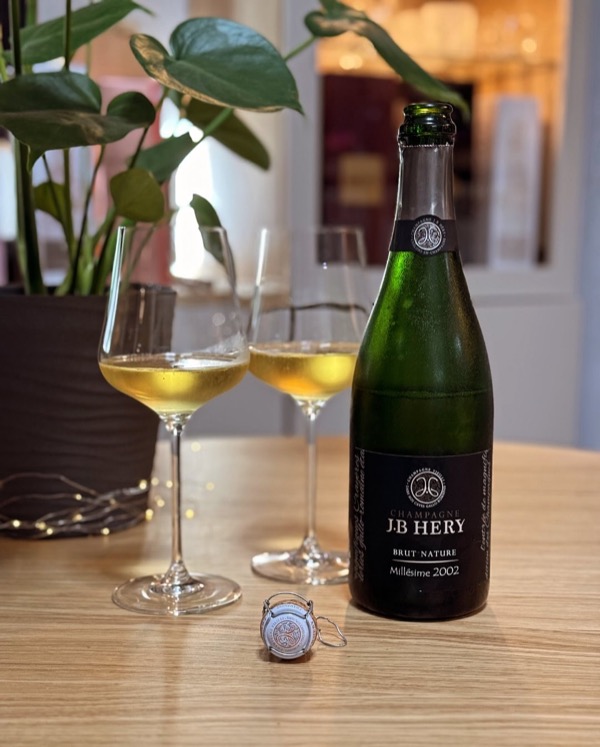
🍾 Heute im Glas: J.B Héry - Millésime 2002 - Brut Nature – ein spannender Fund aus meinem letzten Einkauf. Gerade erst frisch in den Keller…
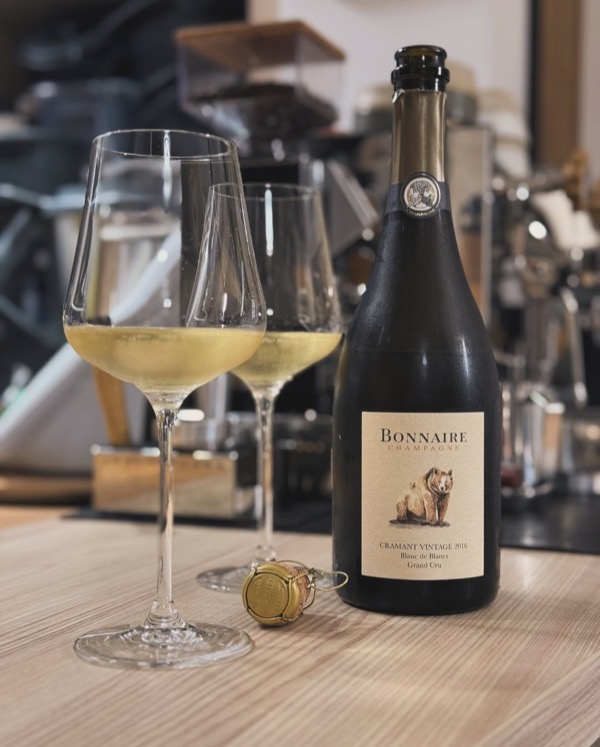
Diese Woche kam eine frische Lieferung direkt aus der Champagne bei mir an – Drei spannende Flaschen von @bonnaireclouet . Für den Auftakt habe ich…
The Vallée de la Marne has no Grand Crus, but several significant Premiers Crus:
| Village | Grape Varieties | Character |
|---|---|---|
| Cumières | Pinot Noir, Meunier | Fruity, round, more substantial than typical Meunier |
| Hautvillers | Pinot Noir, Meunier, Chardonnay | Historically significant, elegant |
| Dizy | Pinot Noir, Chardonnay | Finer, more mineral, closer to Côte des Blancs style |
| Festigny | Meunier | Deep, complex Meunier from old vines |
| Venteuil | Meunier | Juicy, accessible, Meunier classic |
| Leuvrigny | Meunier | Round, charming, easy-drinking |
Style
Champagnes from the Vallée de la Marne are typically:
- Fruity — Ripe pear, apple, sometimes tropical notes
- Accessible — Softer acidity than Côte des Blancs
- Round — Creamy texture, silky mouthfeel
- Easy-drinking — Champagnes for enjoyment, not for analysis
These characteristics make the Vallée de la Marne an ideal entry region. Those wanting to try a truly good champagne beyond the major brands for the first time will find wines here that are immediately enjoyable — without the austerity of a Blanc de Blancs from the Côte des Blancs or the power of a Pinot Noir from the Montagne de Reims.
The Meunier Renaissance
The Vallée de la Marne is benefiting massively from the growing respect for Pinot Meunier. Where the region was formerly regarded as a supplier of simple base wines for the major houses, today more and more winemakers are producing independent champagnes that show what Meunier can achieve on good soils. Names like Laherte Frères from Chavot, Champagne Météyer from Troissy, or Champagne Allait from Cuchery represent this new generation.
The Vallée de la Marne is the place where you understand why champagne doesn't always have to be taut and mineral. Sometimes it's allowed to simply bring joy.
Posts
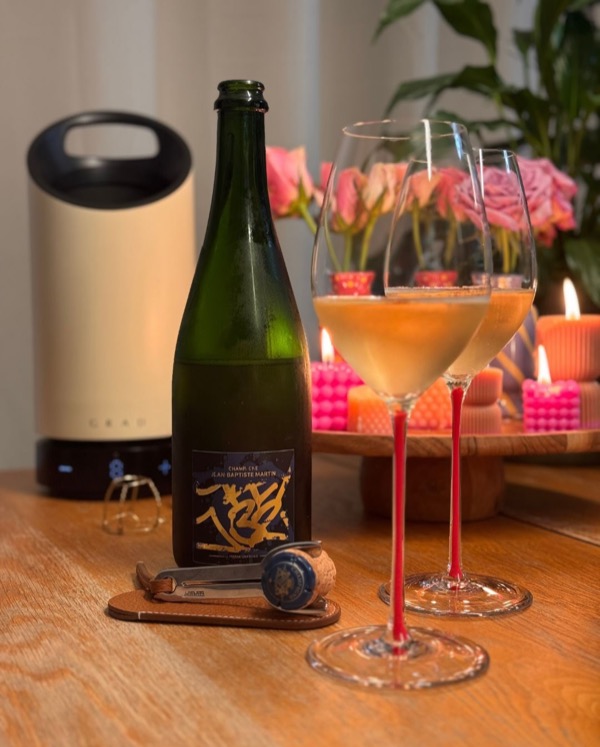
Ein Champagner, der optisch erst mal ordentlich laut „Hier!“ schreit. Die Sonderedition des @emartin_champagne Brut Tradition ist in Kooperation mit…

Der Jacques Sonnette – Brut Réserve ist so ein Champagner, den man einfach öffnen kann ohne groß nachzudenken. Er muss nicht im Mittelpunkt stehen…
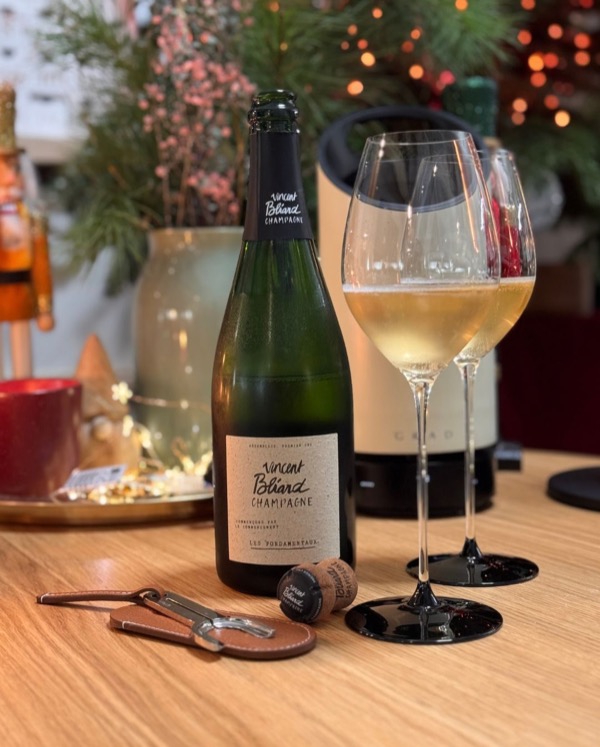
Der Vincent Bliard – Les Fondamentaux, den wir gestern geöffnet haben, ist genau die Art Champagner, die man nicht zwingend analysieren muss, während…
| Champagnes Tasted | 74 |