Assemblage in Champagne: The Art of Perfect Blending
As a champagne lover, I am continually fascinated by assemblage – that centuries-old art that makes champagne what it is. While wine purists sometimes turn up their noses when they hear "blending," assemblage in Champagne is the opposite of compromise. It is pure artistry.
What is Assemblage? The Difference from Cuvée
Assemblage refers to the entire blending process in Champagne – from selecting the base wines to the final blend. The cuvée, on the other hand, is the result of this assemblage, that is, the finished blend itself.
I like to think of assemblage like a composer creating a symphony from individual notes. Each base wine brings its own "note":
- Chardonnay: Elegance, minerality, finesse
- Pinot Noir: Structure, body, red fruit aromas
- Pinot Meunier: Roundness, fruitiness, accessibility
Why Blend Different Base Wines?
The Philosophy of the Terroir Mosaic
Champagne has a cool climate with significant vintage variations. No single base wine could consistently deliver the complexity and balance that makes a great champagne. Assemblage makes it possible to:
Balance weaknesses: An acidic Chardonnay from Chablis is perfectly complemented by the fruitiness of a Pinot Meunier from the Marne Valley.
Create complexity: Different terroirs bring different mineral notes, fruit styles, and textures – assemblage unites these into a multi-layered taste experience.
Ensure consistency: While a single vintage shows weather-related characteristics, assemblage balances these out with reserve wines.
The Chef de Cave: Conductor of the Assemblage
How a Master Works
The Chef de Cave is the maestro of this complex orchestra. His working method fascinates me every time:
Phase 1: Tasting the Base Wines
In the spring after harvest, the Chef de Cave systematically tastes all available base wines. At Dom Pérignon, this can be over 300 different lots! Each wine is evaluated according to these criteria:
| Criterion | Meaning |
|---|---|
| Typicity | Does the wine correspond to its terroir? |
| Quality | Purity, balance, potential |
| Assemblage suitability | How does it harmonize with others? |
Phase 2: The Blending Trials
Now the real art begins. In countless small samples, the Chef de Cave tests different combinations. I've been fortunate enough to witness this at Krug – the precision is breathtaking: 0.5% more Chardonnay from Mesnil-sur-Oger can change the entire profile.
Reserve Wines: The House's Memory
Why Reserve Wines are Indispensable
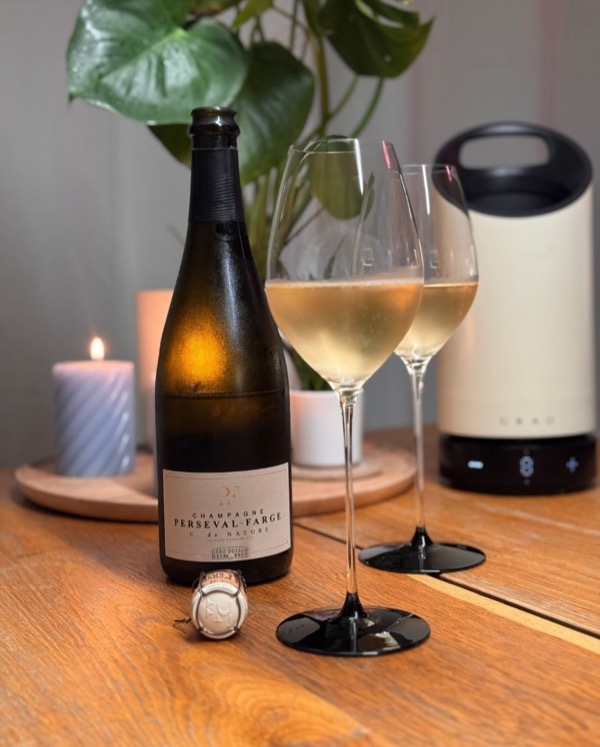
Das große Finale: Station 10 von 10. 🥂✨ Heute schließe ich ein Kapitel, das mich über die letzten Monate intensiv begleitet hat. Mit der Cuvée de…
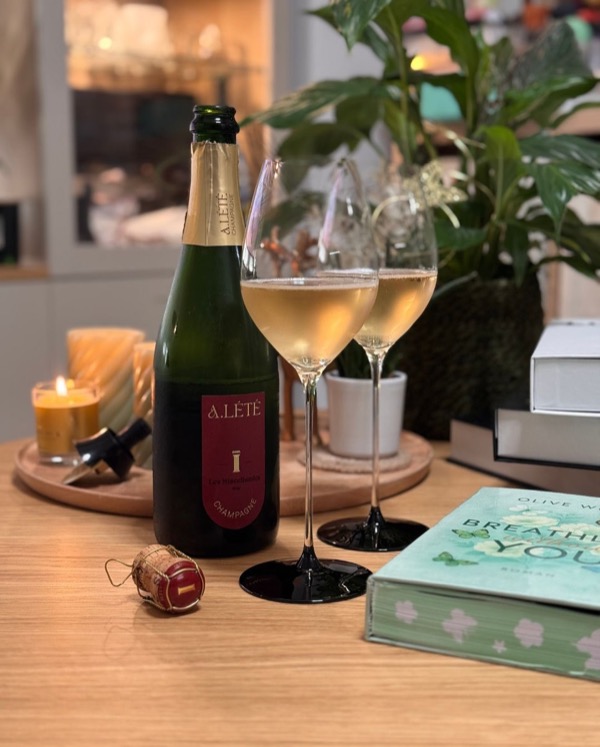
Was tut man eigentlich mit einem Buch, wenn es fertig geschrieben ist – aber man noch nicht weiß, ob Verlag, Agentur oder doch Self-Publishing?…
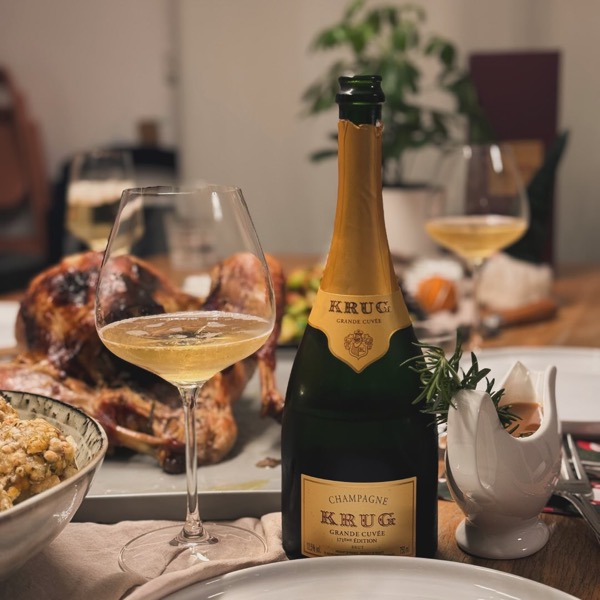
Weihnachten ist für mich der perfekte Anlass, die kleinen und großen Genüsse des Lebens zu feiern. 🌟 Heute Abend steht das festliche Dinner ganz im…
Reserve wines are, for me, the secret to consistent champagne quality. These older vintages, often aged for years in barrels or tanks, bring several advantages:
Maturity and complexity: Reserve wines have already undergone initial development and show more mature aromas.
Continuity of house style: Every champagne house has its unmistakable style – reserve wines are the "genetic memory" of this style.
Buffer against weak vintages: In difficult years, high-quality reserve wines can save a blend.
Reserve Wine Systems of the Great Houses
| Champagne House | Reserve Wine System |
|---|---|
| Krug | Up to 10 vintages in the Grande Cuvée |
| Louis Roederer | 30-40% reserve wines in the Collection |
| Billecart-Salmon | Perpetual Reserve system |
Why Assemblage is Art, Not Compromise
The Elevation of the Individual
Here lies the fundamental difference from simple "blending": assemblage elevates the quality of individual components rather than diluting them. A mediocre base wine can become something extraordinary in the right assemblage.
I remember a tasting at Pol Roger where the Chef de Cave explained to me: "We don't look for perfect base wines – we look for base wines that perfectly complement each other."
Mathematics of Harmony
Assemblage follows complex principles:
- 60% Pinot Noir + 40% Chardonnay: Classic structure with elegance
- High Meunier proportion: More fruitiness, earlier drinking maturity
- Chardonnay dominance: Minerality and longevity
What Makes a Great Assemblage?
The Four Pillars of Mastery
Precision: Each base wine must be measured exactly – often to 0.1% accuracy.
Vision: The Chef de Cave must be able to imagine how the champagne will taste in 5-10 years.
Courage: Sometimes great assemblage means abandoning proven paths.
Patience: The final assemblage is often refined over months.
Assemblage is, for me, the heart of what makes champagne so unique. It transforms the limitations of climate into unlimited possibilities and makes every sip a journey through Champagne's diverse terroirs. In a world of monoculture wines, assemblage is a commitment to complexity – and that makes it true art.