Autolysis in Champagne: How Dead Yeast Creates Living Flavor
The first time I tasted a 20-year-old vintage Champagne, I was overwhelmed by this incredible creaminess and warm bread aromas. What I didn't know at the time: I was tasting the work of dead yeast cells. Autolysis is one of the most fascinating biochemical processes in Champagne production, and the reason why a great Champagne is truly great.
What is Autolysis? The Death That Gives Life
Autolysis, from the Greek "auto" (self) and "lysis" (dissolution), refers to the self-digestion of yeast cells. After the second fermentation in the bottle, the yeast cells die and begin to decompose from within. Their own enzymes systematically break down the cell walls and cellular contents.
This process is not decay, but a controlled biochemical transformation. The dying yeast cells release their valuable contents to the Champagne: amino acids, peptides, nucleotides, and polysaccharides. These molecules are what give Champagne its characteristic aromas and silky texture.
The Biochemical Dance of Enzymes
The Main Players of Autolysis
When yeast cells die, various enzymes are released that control the breakdown process:
Proteases split proteins into amino acids, which provide nutty and umami-like flavor notes. Glucanases break down cell walls and release polysaccharides that give Champagne its creamy texture. Nucleases decompose the DNA and RNA of yeast cells, creating nucleotides that contribute to the complexity of taste.
Temperature as Conductor
Autolysis runs optimally at low temperatures, precisely why Champagne producers store their bottles in cool cellars at 50-54°F. At these temperatures, the process runs slowly and controlled, leading to elegant, balanced aromas.
Why Time Makes the Difference
Aroma Development Over Years
| Aging Time | Dominant Aromas | Texture |
|---|---|---|
| 15 months (minimum) | Fresh, fruity | Effervescent |
| 3-5 years | First bread notes | Creamier |
| 7-10 years | Brioche, honey | Silky |
| 15+ years | Toast, nuts, caramel | Velvety |
In the first months after riddling and disgorgement, the fruity primary aromas of the base wines still dominate. But with each year on the lees, the aromatic spectrum develops further. After three to five years, the first warm bread notes emerge that are so characteristic of good Champagne.
With truly long aging times of 15 years and more, complex roasted aromas develop: toasted hazelnuts, caramel, sometimes even chocolate hints. The texture becomes increasingly silky and creamy.
From Simple to Great: The Autolysis Factor
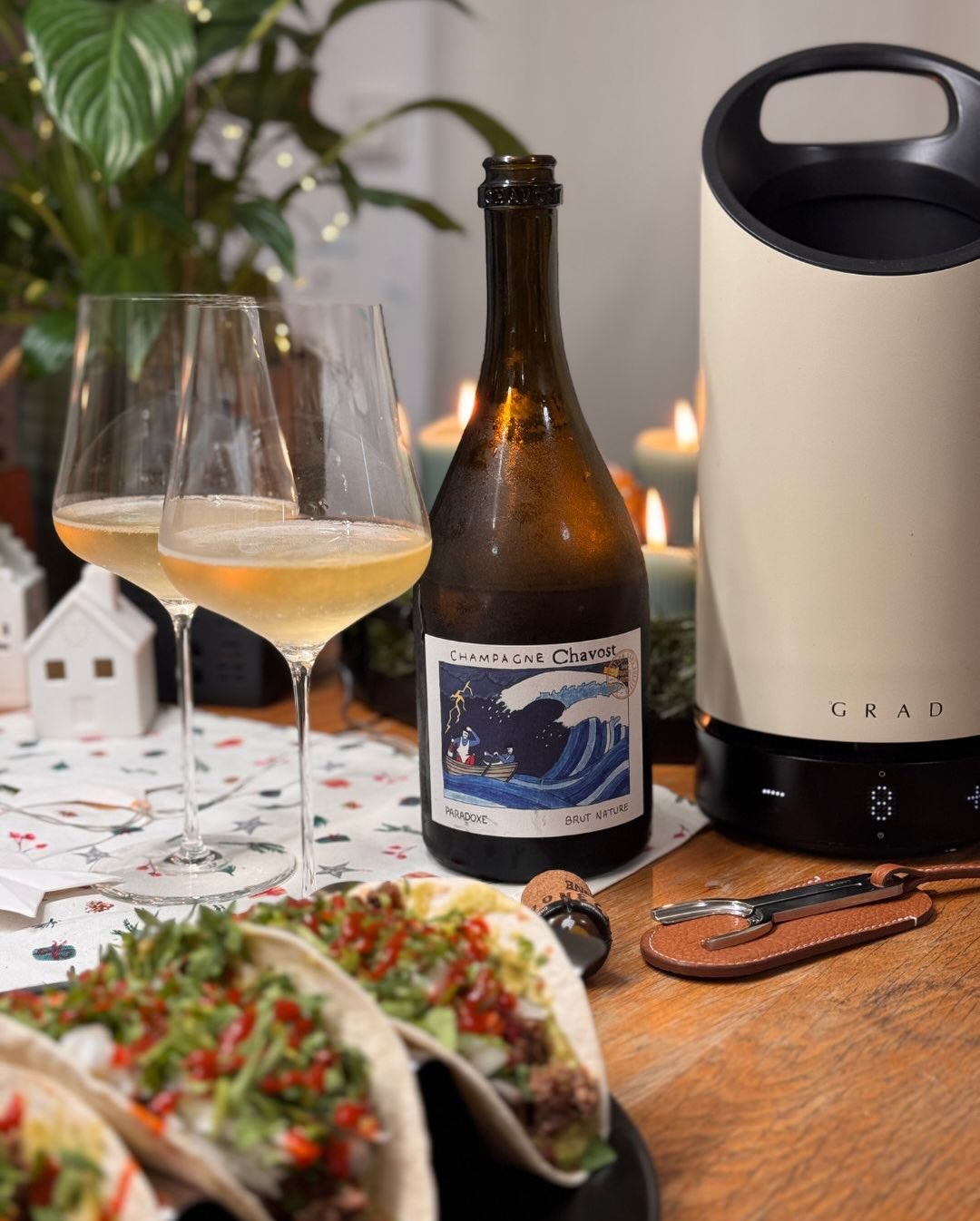
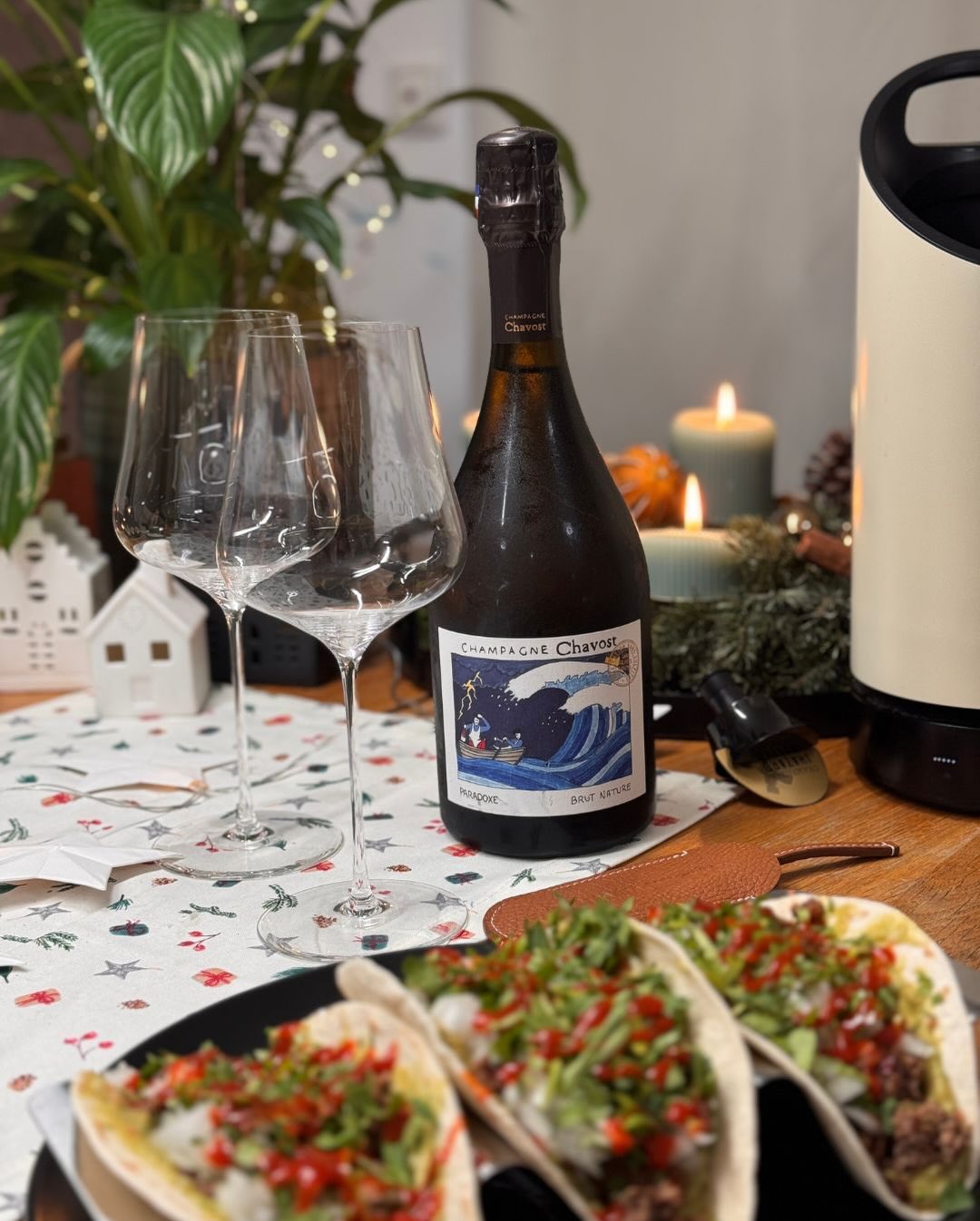
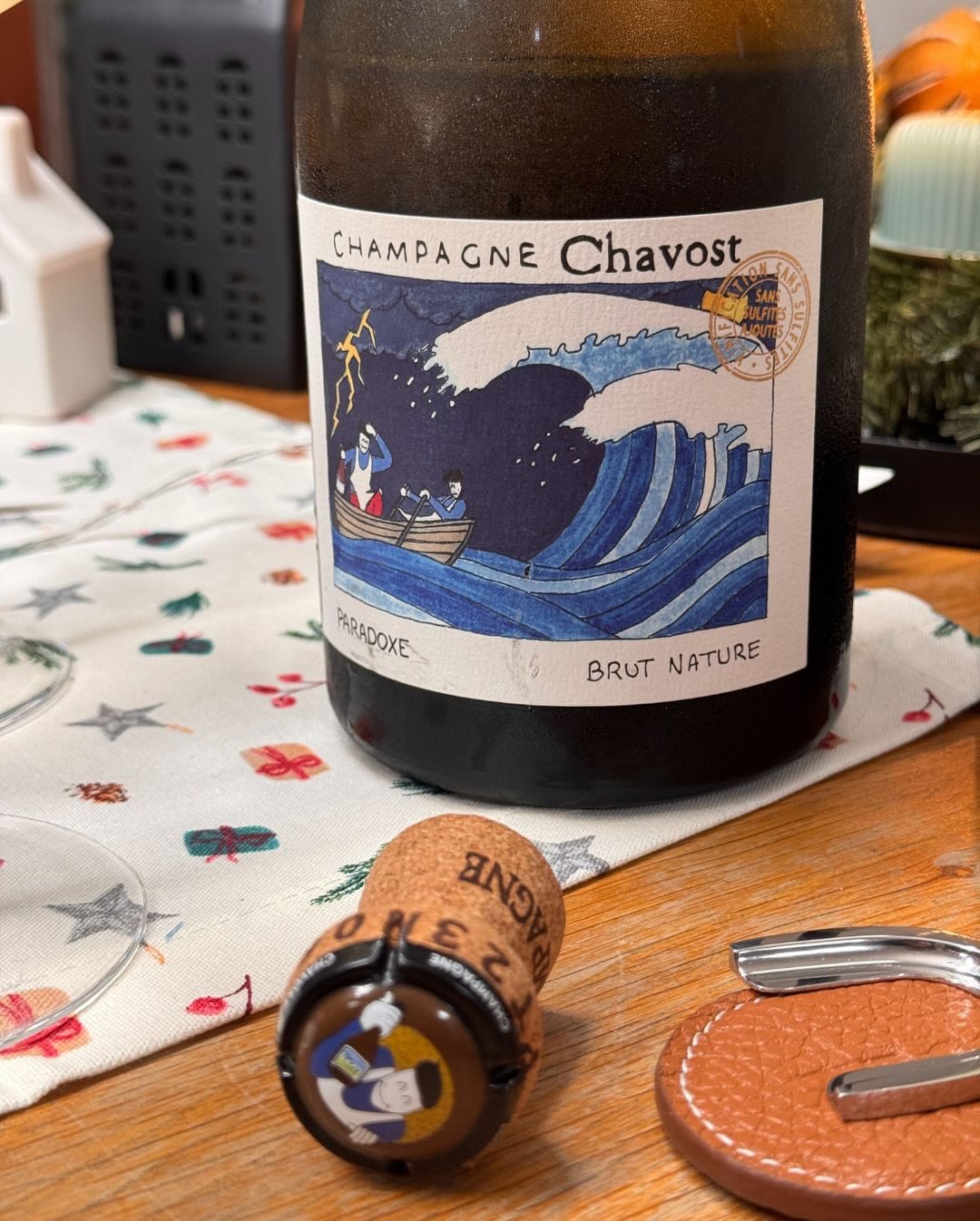
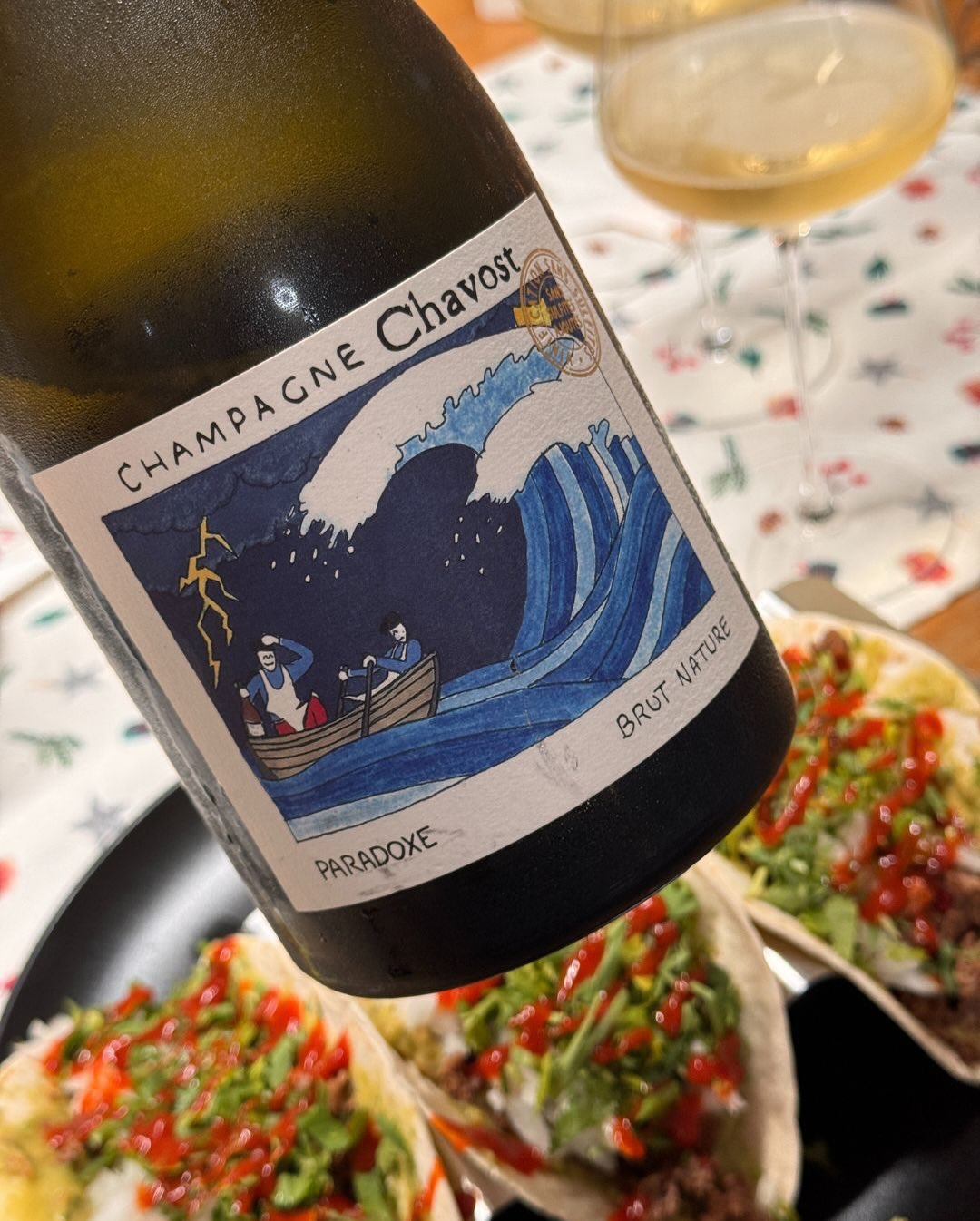
the_champagne.guy Der @champagnechavost – Paradoxe war für mich eine spannende, leicht fordernde Flasche – vor allem wegen seiner Hefenote. Im Glas zunächst deutlich geprägt von Autolyse: Hefe, Brot, ein Hauch Teig – präsent, aber nicht schwer. Gleichzeitig wirkt der Wein noch erstaunlich jung, fast ein wenig unruhig, als wäre er noch nicht ganz angekommen. Diese Flasche hier wurde erst im Juni 2025 dégorgiert. Diese Frische nach dem Dégorgement ist spürbar. Die Perlage noch etwas kantig, die Struktur straff, die Aromen eher linear als ausformuliert. Weniger Tiefe, mehr Energie. Getrunken haben wir ihn zu Tacos mit Guacamole, Zwiebeln, würzigem Fleisch, Koriander, einem Spritzer Zitronensaft und etwas Sriracha – und genau hier hat der Champagner richtig Spaß gemacht. Die Hefe puffert die Schärfe, die Säure schneidet durch Fett und Avocado, und die fehlende Dosage hält alles trocken und fokussiert. Ein echtes Mitgehen mit dem Essen. Trotzdem bleibt er kompromisslos: Kein Schwefel, kein Dosage-Eingriff – alles ist direkt, ehrlich und ungeschönt. Chardonnay und Meunier tragen den Wein, ohne ihn rundzupolieren. Für mich ein Paradoxe im besten Sinne: spannend, noch in Bewegung – und eine Flasche, die man entweder bewusst jung trinkt oder ihr noch Zeit gibt. Champagne-Facts 🍇 Chardonnay & Meunier 📍 Chavot-Courcourt · Vallée de la Marne 🧪 Vinifikation ohne zugesetzten Schwefel 🍬 0 g/l Dosage · Brut Nature 📅 Dégorgement: 06/2025 Ein Champagner, der auf den ersten Blick vielleicht nicht prädestiniert zu Tacos wirkt – sie dann aber doch ziemlich gut gerockt hat 🙂 #thechampagneguy @grad.dk @gabriel_glas @mygabrielglas @laclaye #chavost #paradoxe #brutnature #champagnepairing
Auf Instagram weiterlesen →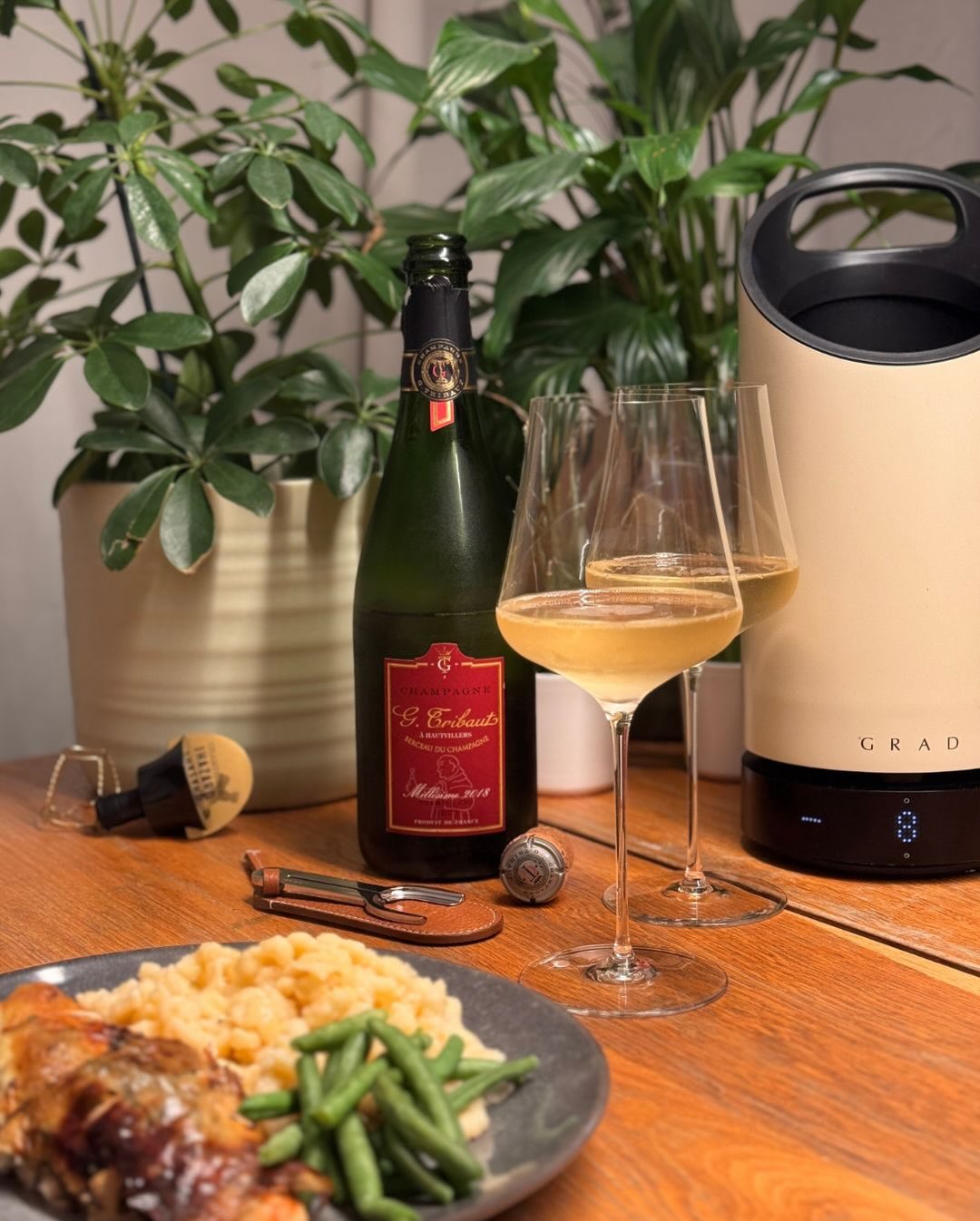
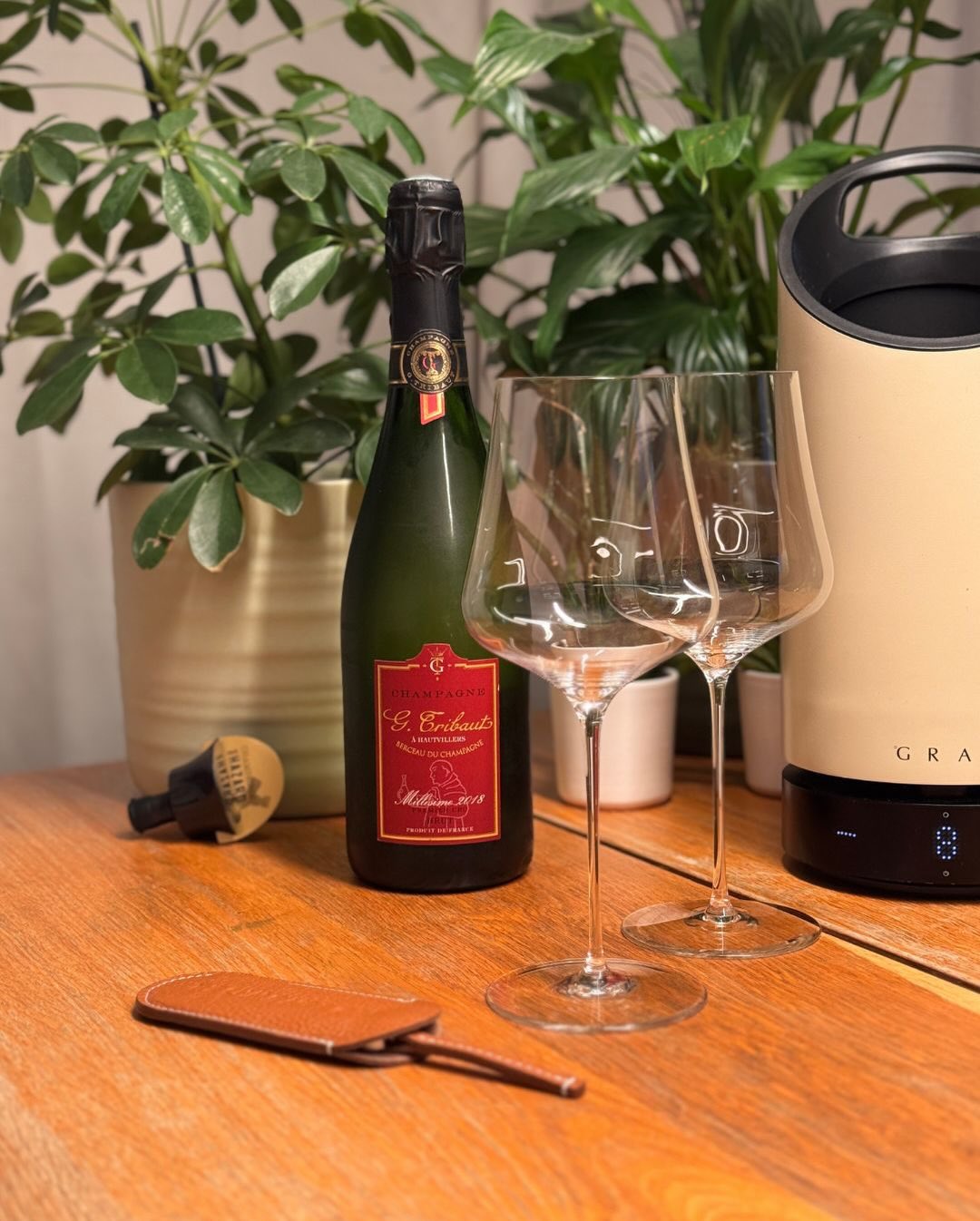
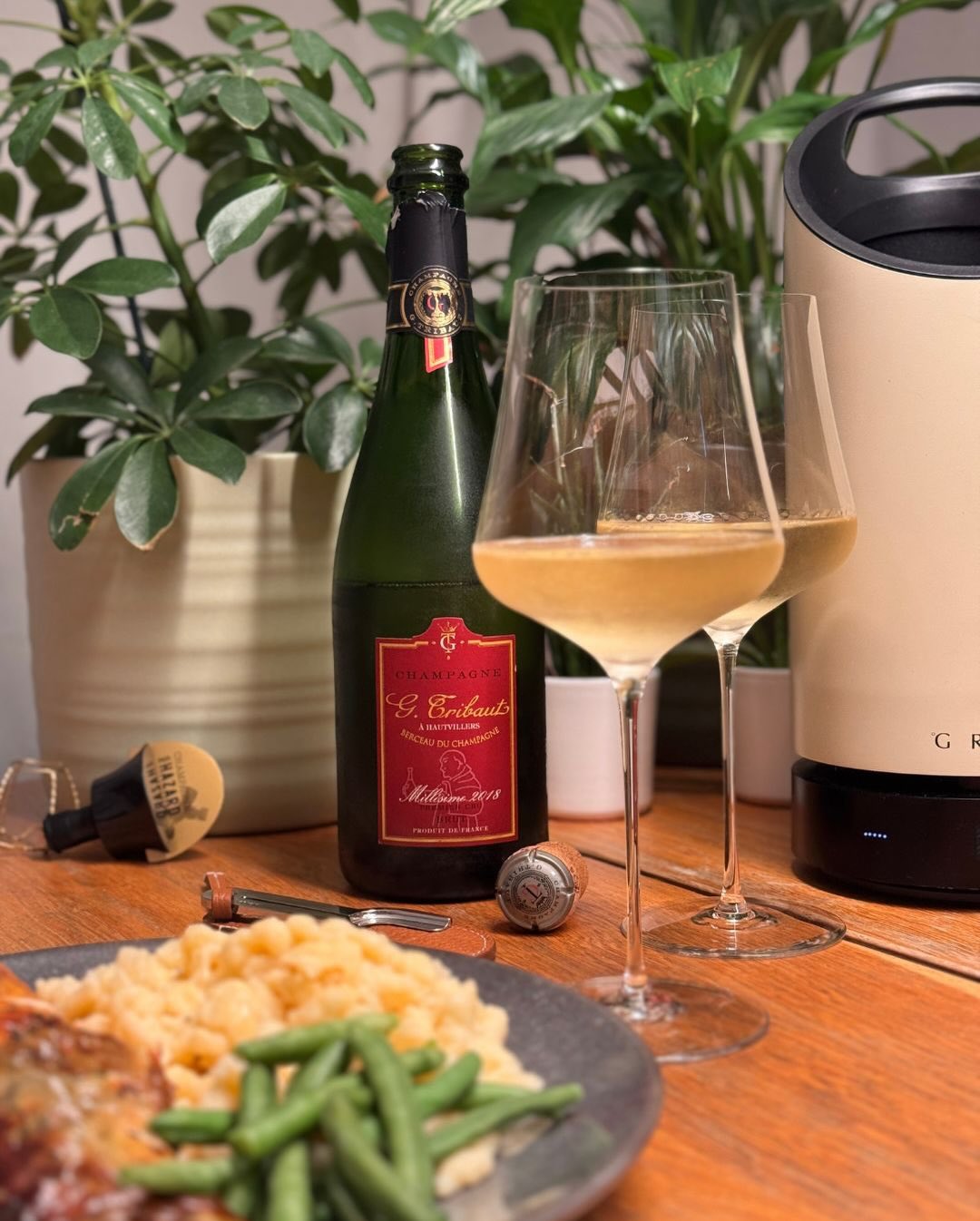
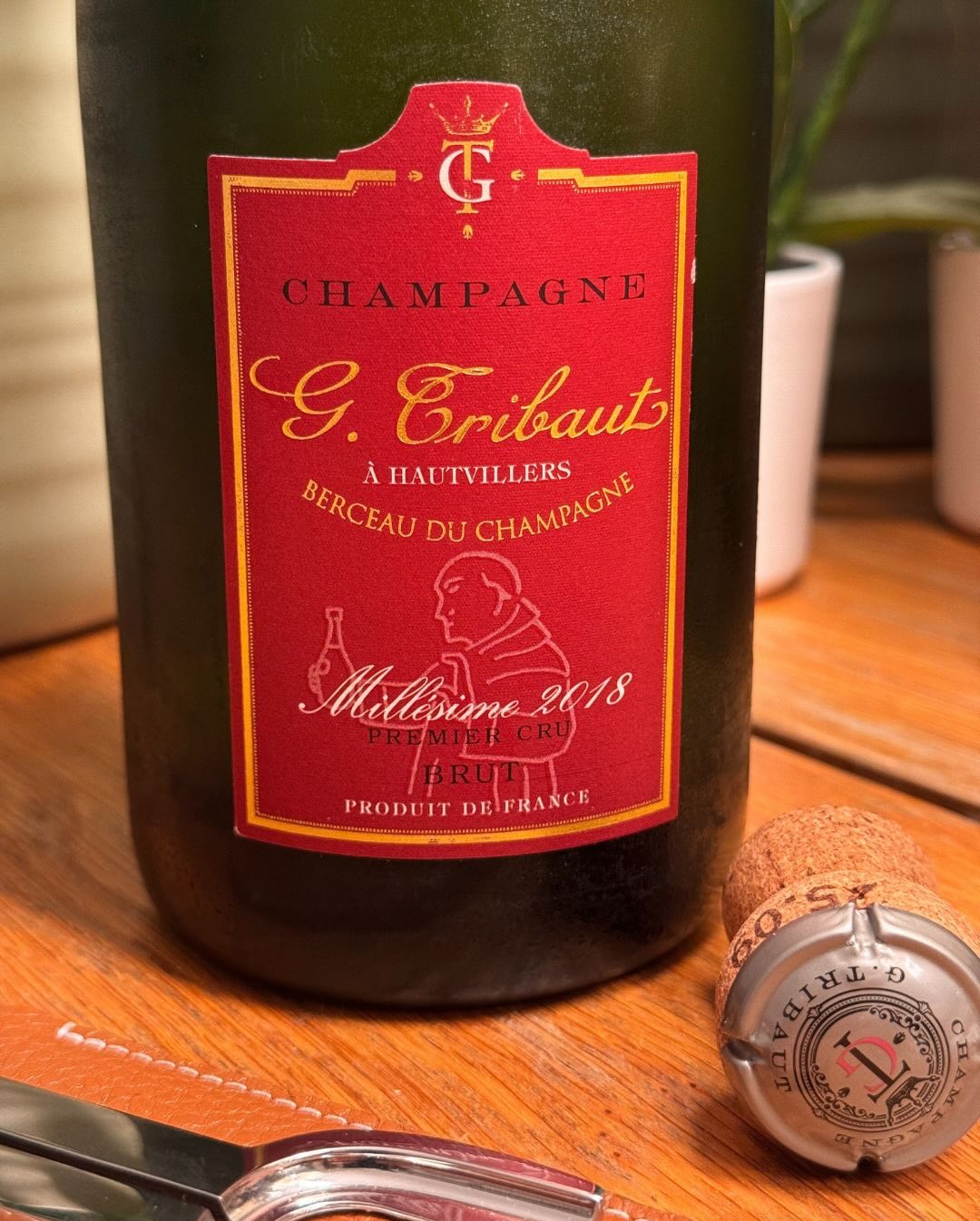
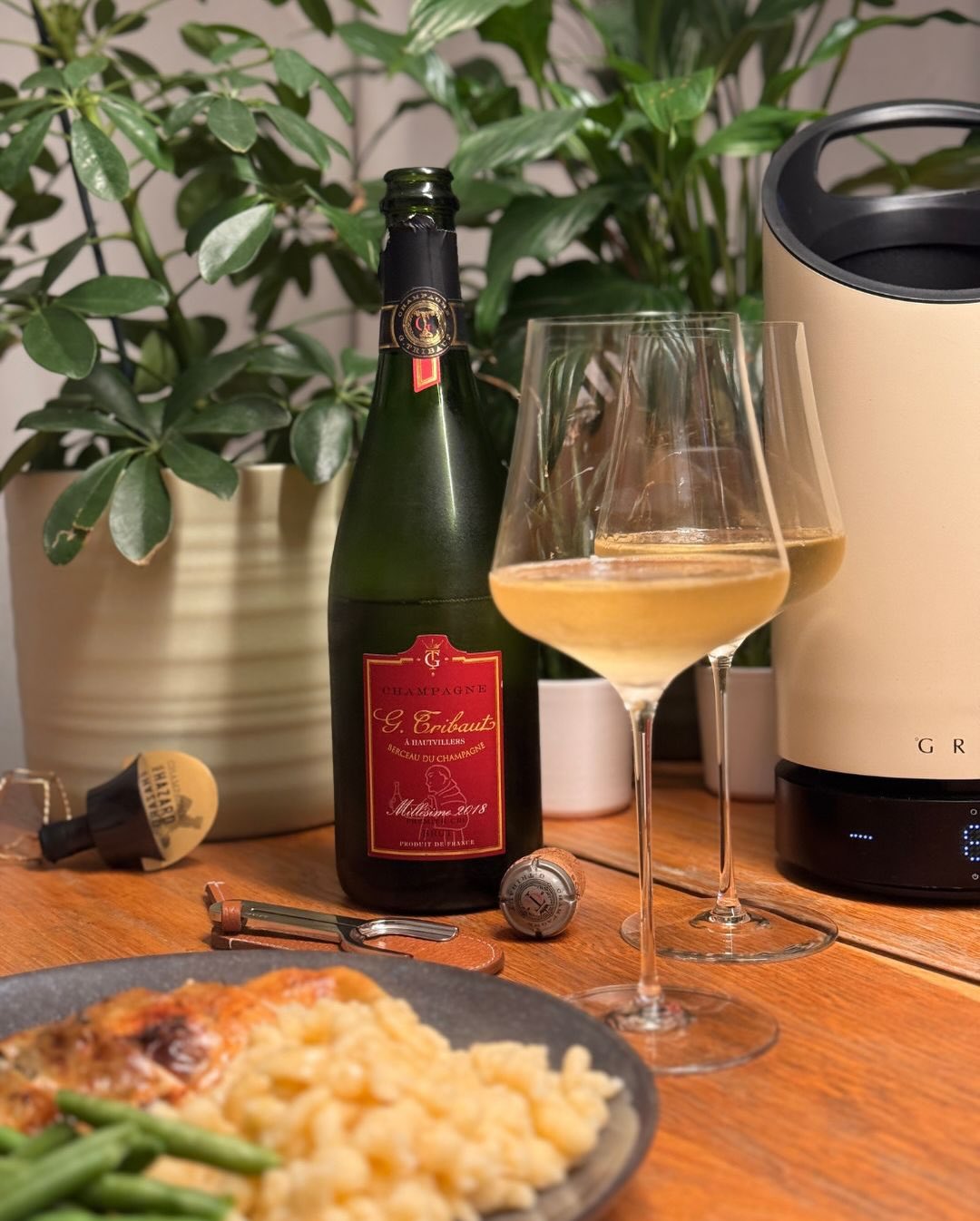
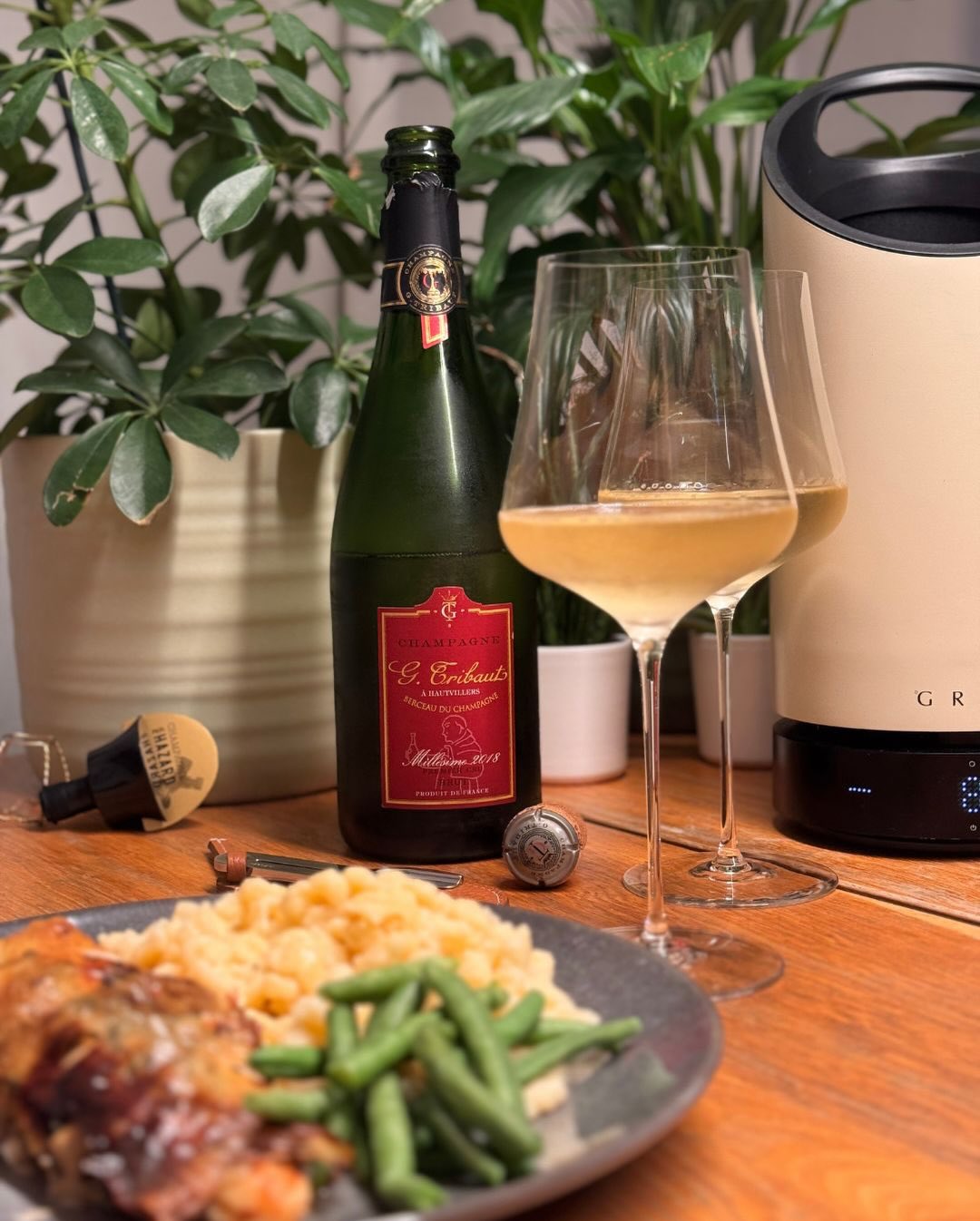
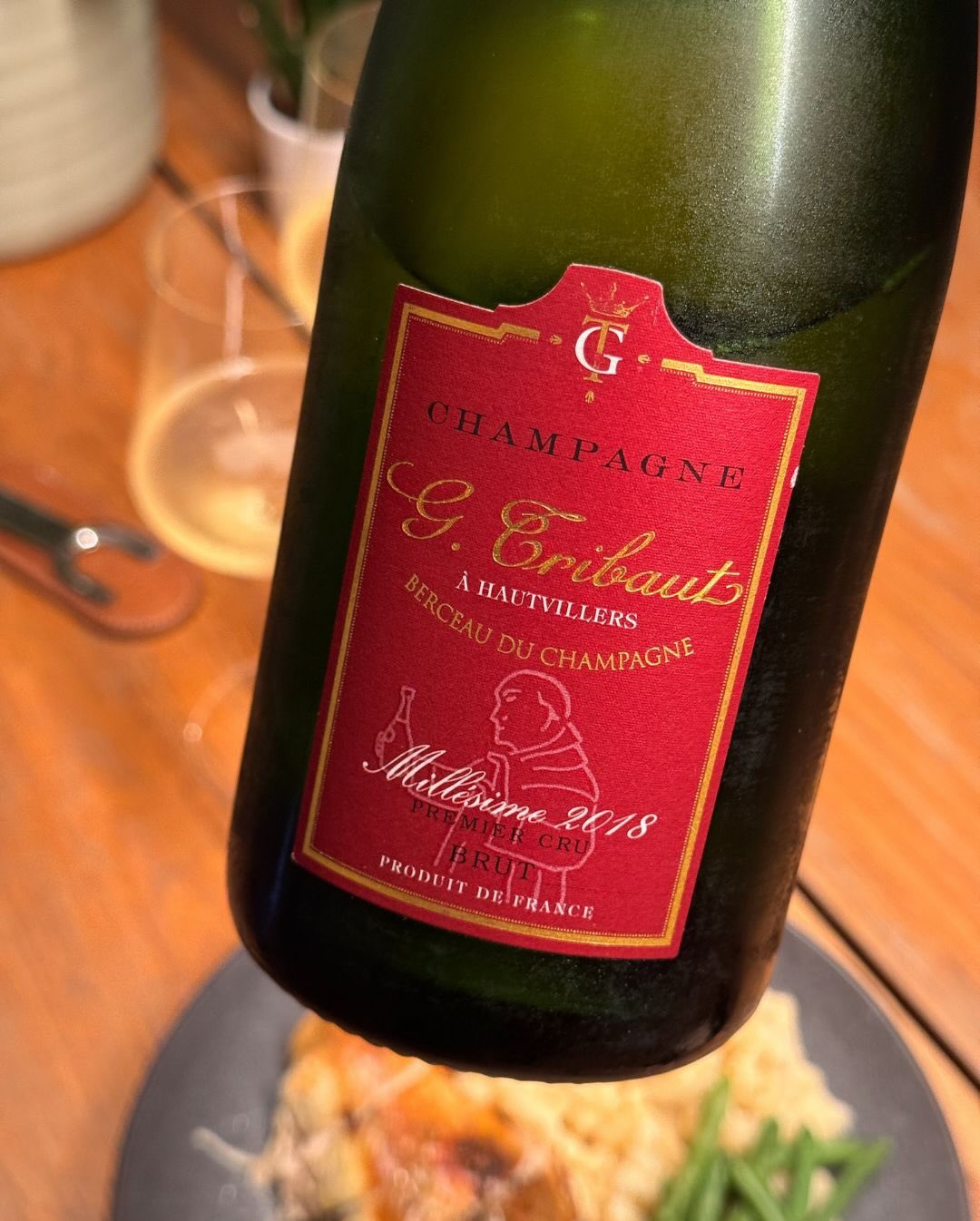
the_champagne.guy Manchmal muss es einfach „Comfort Food“ auf höchstem Niveau sein. 🍗🥂 Gestern Abend gab es kross gegrillte Hühnerbrust (natürlich mit Haut!), dazu hausgemachte Spätzle und Prinzessbohnen. Ein ehrliches, bodenständiges Gericht, das nach einem Partner verlangt, der Struktur und Schmelz mitbringt. Die Wahl fiel auf den @champagne_g.tribaut – Millésime 2018. 2018 war ein Ausnahmejahrgang mit viel Sonne, und das merkt man diesem Wein aus Hautvillers sofort an. Er ist eine kraftvolle Assemblage aus Chardonnay und Pinot Noir, die durch die Wärme des Jahres eine wunderbare Reife und Fülle entwickelt hat. In der Nase dominieren reife gelbe Früchte und die typischen Röstnoten von Brioche, die perfekt mit der gegrillten Hühnerhaut harmonieren. Am Gaumen zeigt er einen tollen Schmelz und eine feine nussige Würze, die besonders die Spätzle und die leichte Sauce wunderbar begleitet hat. Trotz der Kraft behält er die Eleganz, für die das Haus Tribaut bekannt ist. Ein Pairing, das beweist: Champagner ist der ultimative Speisenbegleiter, auch (oder gerade) wenn es mal rustikaler zugeht. Champagne-Facts 🥂 🍇 Assemblage aus Pinot Noir & Chardonnay 🥂 Millésime 2018 · Premier Cru 📍 Hautvillers (Die Wiege des Champagners) 🕰 Langes Hefelager für komplexe Autolysenoten 🍬 Dosage: Brut Fazit: Der 2018er von G. Tribaut ist ein echter Allrounder. Er hat genug „Body“ für helles Fleisch und Röstaromen, bleibt aber frisch genug, um nicht zu sättigen. Ein Highlight für jeden Sonntagsbraten oder eben die perfekte Hühnerbrust. #TheChampagneGuy @gabriel_glas @mygabrielglas @grad.dk @grad_rd @laclaye #Hautvillers #Millésime2018 #ChampagneAndChicken #GrowerChampagne
Auf Instagram weiterlesen →What Makes a Great Champagne?
The fundamental difference between a simple and a great Champagne often lies in the lees aging time. Simple Champagnes are disgorged after the legal minimum time of 15 months. They taste fresh and lively, but they lack depth.
Great Champagnes, however, mature three, five, sometimes ten years and longer on the lees. This extended lees aging is laborious and expensive, capital commitment, as business economists call it. But the result is spectacular.
The Art of Patience
I remember a conversation with a cellar master in Épernay who told me: "You can't accelerate autolysis. You can only create the best conditions and then wait." This patience is what distinguishes great Champagne houses from industrial producers.
How to Recognize Autolysis in the Glass
Sensory Indicators
Aroma: Warm bread notes, brioche, toasted nuts, sometimes a subtle yeastiness Taste: Creaminess on the palate, fuller texture, more complex flavor layers Finish: Longer, mineral finish with spicy notes
The mousse is also influenced by autolysis. The released proteins act as natural foam stabilizers and ensure a finer, more persistent mousse.
The Difference You Can Taste
The next time you compare two Champagnes, a young one and one with long lees aging, consciously pay attention to these differences. The young one will delight you with its freshness, the aged one will enchant you with its complexity.
Autolysis is the invisible artist that transforms simple sparkling wine into great Champagne. It converts biochemical processes into sensory experiences and teaches us that sometimes the best emerges when we simply have time, and can wait.