Autolysis in Champagne: How Dead Yeast Creates Living Flavor
The first time I tasted a 20-year-old vintage Champagne, I was overwhelmed by this incredible creaminess and warm bread aromas. What I didn't know at the time: I was tasting the work of dead yeast cells. Autolysis is one of the most fascinating biochemical processes in Champagne production – and the reason why a great Champagne is truly great.
What is Autolysis? The Death That Gives Life
Autolysis – from the Greek "auto" (self) and "lysis" (dissolution) – refers to the self-digestion of yeast cells. After the second fermentation in the bottle, the yeast cells die and begin to decompose from within. Their own enzymes systematically break down the cell walls and cellular contents.
This process is not decay, but a controlled biochemical transformation. The dying yeast cells release their valuable contents to the Champagne: amino acids, peptides, nucleotides, and polysaccharides. These molecules are what give Champagne its characteristic aromas and silky texture.
The Biochemical Dance of Enzymes
The Main Players of Autolysis
When yeast cells die, various enzymes are released that control the breakdown process:
Proteases split proteins into amino acids, which provide nutty and umami-like flavor notes. Glucanases break down cell walls and release polysaccharides that give Champagne its creamy texture. Nucleases decompose the DNA and RNA of yeast cells, creating nucleotides that contribute to the complexity of taste.
Temperature as Conductor
Autolysis runs optimally at low temperatures – precisely why Champagne producers store their bottles in cool cellars at 50-54°F. At these temperatures, the process runs slowly and controlled, leading to elegant, balanced aromas.
Why Time Makes the Difference
Aroma Development Over Years
| Aging Time | Dominant Aromas | Texture |
|---|---|---|
| 15 months (minimum) | Fresh, fruity | Effervescent |
| 3-5 years | First bread notes | Creamier |
| 7-10 years | Brioche, honey | Silky |
| 15+ years | Toast, nuts, caramel | Velvety |
In the first months after riddling and disgorgement, the fruity primary aromas of the base wines still dominate. But with each year on the lees, the aromatic spectrum develops further. After three to five years, the first warm bread notes emerge that are so characteristic of good Champagne.
With truly long aging times of 15 years and more, complex roasted aromas develop: toasted hazelnuts, caramel, sometimes even chocolate hints. The texture becomes increasingly silky and creamy.
From Simple to Great: The Autolysis Factor
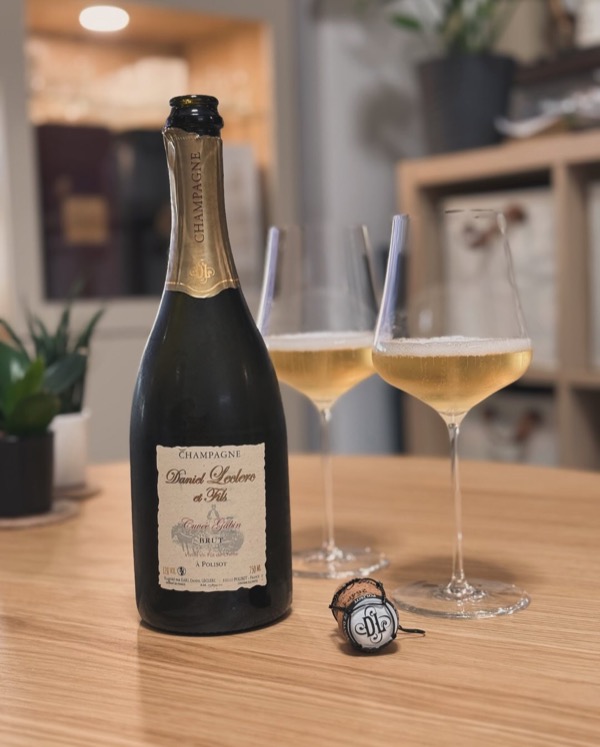
Manchmal öffnet man eine Flasche und weiß sofort: Das passt. Genau das hatte ich gestern mit der Cuvée Gabin Brut von @champagne.daniel.leclerc . Ein…
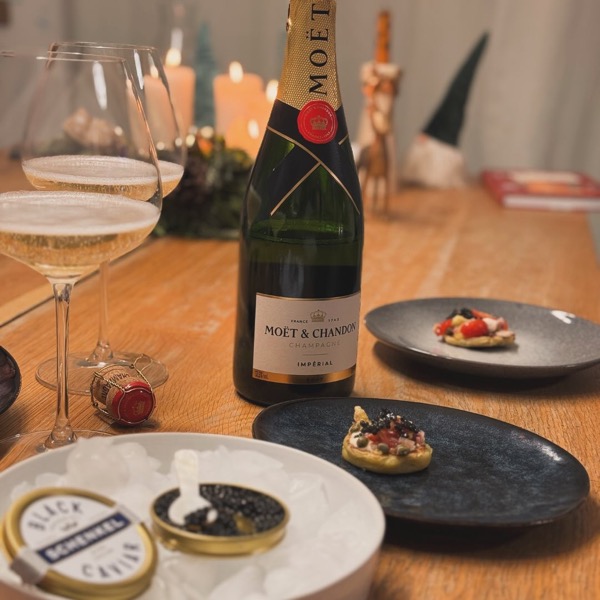
Manchmal braucht es keine große Inszenierung, um echten Luxus zu erleben – nur einen guten Black Imperial Stör Kaviar von @schenkeldelikatessen ,…
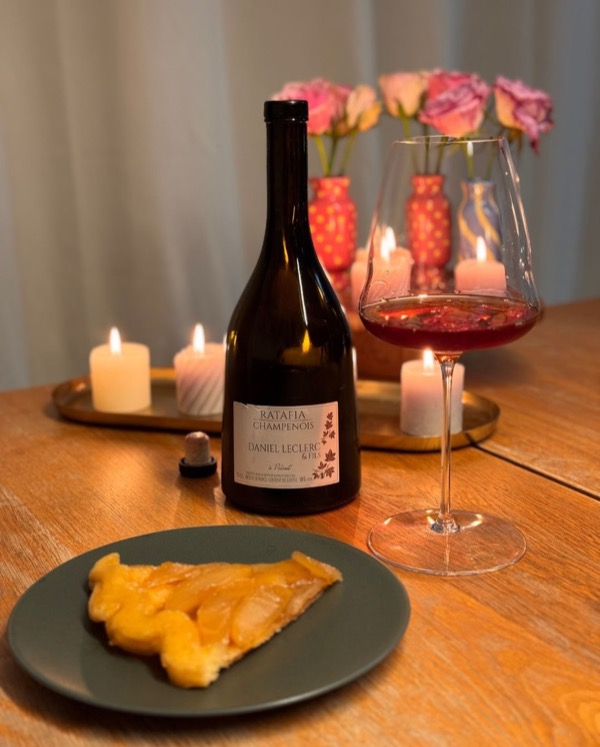
Manchmal braucht ein Abend keinen Champagner, sondern einen echten Seelenschmeichler. Hier im Glas: Der Ratafia Champenois von…
What Makes a Great Champagne?
The fundamental difference between a simple and a great Champagne often lies in the lees aging time. Simple Champagnes are disgorged after the legal minimum time of 15 months. They taste fresh and lively, but they lack depth.
Great Champagnes, however, mature three, five, sometimes ten years and longer on the lees. This extended lees aging is laborious and expensive – capital commitment, as business economists call it. But the result is spectacular.
The Art of Patience
I remember a conversation with a cellar master in Épernay who told me: "You can't accelerate autolysis. You can only create the best conditions and then wait." This patience is what distinguishes great Champagne houses from industrial producers.
How to Recognize Autolysis in the Glass
Sensory Indicators
Aroma: Warm bread notes, brioche, toasted nuts, sometimes a subtle yeastiness Taste: Creaminess on the palate, fuller texture, more complex flavor layers Finish: Longer, mineral finish with spicy notes
The mousse is also influenced by autolysis. The released proteins act as natural foam stabilizers and ensure a finer, more persistent mousse.
The Difference You Can Taste
The next time you compare two Champagnes – a young one and one with long lees aging – consciously pay attention to these differences. The young one will delight you with its freshness, the aged one will enchant you with its complexity.
Autolysis is the invisible artist that transforms simple sparkling wine into great Champagne. It converts biochemical processes into sensory experiences and teaches us that sometimes the best emerges when we simply have time – and can wait.