As The Champagne Guy, I've been fascinated for years watching how the champagne market develops. One of the most exciting developments is definitely the comeback of Demi-Sec champagnes. With 32-50 g/l residual sugar, these semi-dry gems had virtually disappeared from the market for decades – and today they're winning back the hearts of connoisseurs.
What makes Demi-Sec champagne special?
Demi-Sec literally means "semi-dry" and describes champagnes with a clearly perceptible sweetness. Compared to Brut (0-12 g/l) or Extra Dry (12-17 g/l), these champagnes offer a completely different taste experience. The 32-50 g/l residual sugar is added through dosage – a mixture of wine and cane sugar.
However, this sweetness is not a clumsy overlay, but an artful balancing act. The best Demi-Sec champagnes manage to harmonize the natural acidity of the base wines with the added sweetness.
Why was Demi-Sec almost extinct?
The change in taste
A dramatic taste shift occurred in the 1970s and 80s. Brut became the absolute standard, and everything sweet was suddenly considered inferior. I remember conversations with champagne producers who told me how difficult it was to sell Demi-Sec.
Marketing and image problems
Demi-Sec was mistakenly viewed as "beginner's champagne" or as a sign of lacking refinement. Many consumers automatically associated sweetness with lower quality – a serious error, as we know today.
Reduced production
The major champagne houses severely reduced their Demi-Sec production or limited it to niche markets. Even renowned producers focused almost exclusively on Brut and Extra Brut.
The big comeback: Why Demi-Sec is trendy again
New drinking culture
Modern cocktail and aperitif culture has revolutionized our approach to sweet drinks. Demi-Sec fits perfectly into this new world of enjoyment and is often served on ice or used as a base for champagne cocktails.
Diversity instead of uniformity
Today's champagne lovers seek variety and new taste experiences. Demi-Sec offers exactly this change from the omnipresent Brut.
Food-pairing renaissance
Modern gastronomy has recognized that sweet champagnes can be fantastic food companions – especially with desserts and exotic cuisines.
Perfect occasions for Demi-Sec
| Occasion | Why Demi-Sec fits perfectly |
|---|---|
| Summer parties | Refreshing when served on ice |
| Dessert receptions | Harmonizes with sweet dishes |
| Aperitif | Gentle start to the evening |
| Brunch | Pairs with sweet-salty combinations |
Food pairings: Where Demi-Sec shines
Desserts – the classic combination
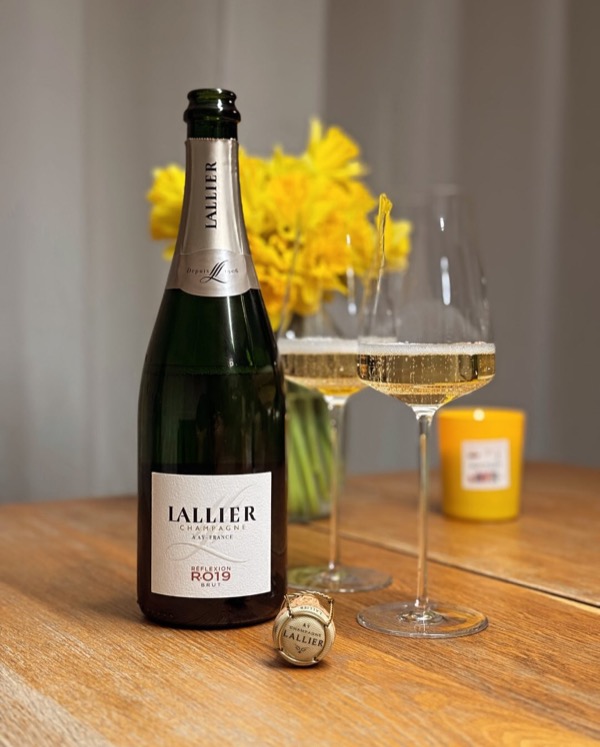
Letzte Woche war Oscar-Night 🎬✨ – und da ich keinen Lallier im Keller hatte, musste der Veuve Clicquot herhalten. Aber das ließ sich natürlich nicht…
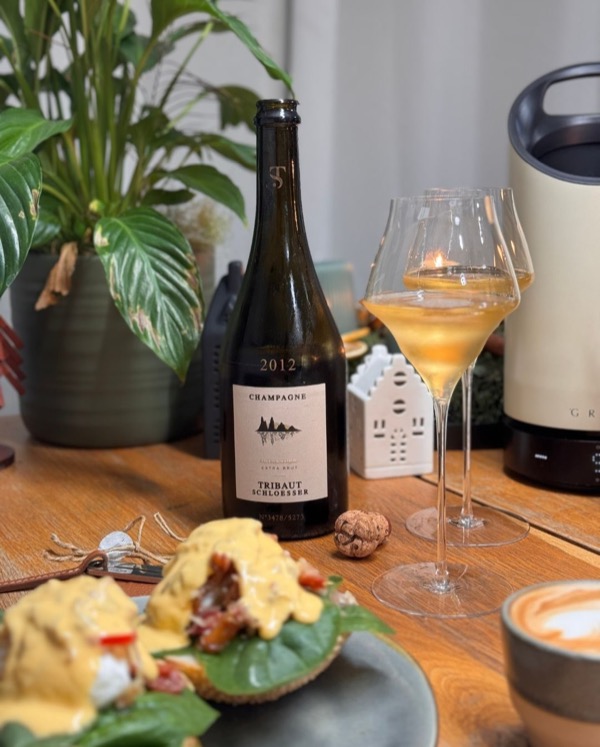
Wenn der Tag so beginnt wie heute, dann ist eigentlich alles gut :) Mit einem reichhaltigen Brunch mit der Familie und einem passenden Champagner…
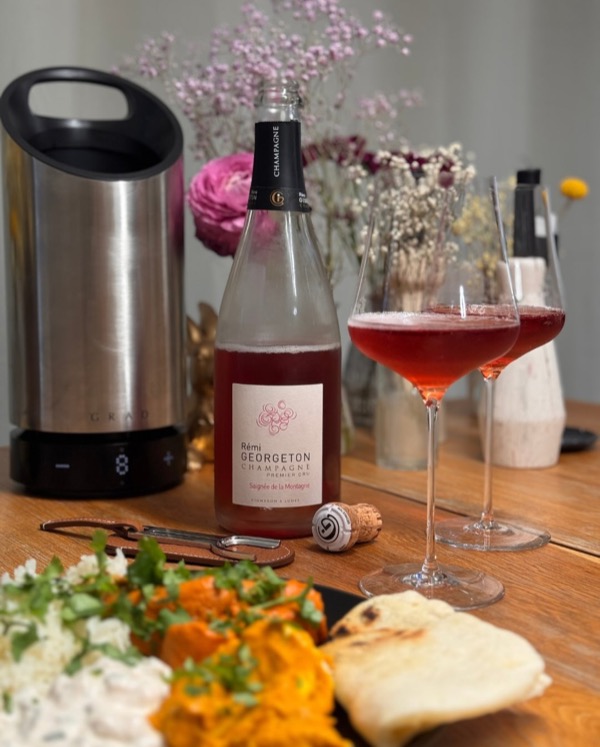
Bei uns kommt ja regelmäßig indisch auf den Tisch, und dieses Mal gab es das volle Wohlfühl-Programm: Butter Chicken, Royal Paneer, erfrischendes…
This is where Demi-Sec fully plays to its strengths. I especially recommend:
- Fruit tarts and sorbets: The fruit acidity harmonizes perfectly with the champagne's acidity
- Crème Brûlée: The caramelized sugar finds its echo in the champagne
- Macarons: Especially with fruity fillings, it's a dream
Foie Gras – the surprising partner
The combination of fatty foie gras with sweet champagne may initially surprise, but it's brilliant. The sweetness of the Demi-Sec cuts through the fattiness and creates perfect balance. Especially with a touch of fig jam, this pairing becomes unforgettable.
Asian cuisine – the modern discovery
Here the versatility of Demi-Sec shows particularly clearly:
- Thai curry: The sweetness mellows the heat
- Peking duck: Harmonizes with the sweet-salty hoisin sauce
- Sushi with sweet teriyaki glaze: A surprisingly harmonious pair
Famous Demi-Sec champagnes in portrait
Veuve Clicquot Rich
Veuve Clicquot was one of the pioneers of the Demi-Sec comeback. The "Rich" was specifically developed for service on ice and shows a perfect balance of freshness and sweetness. With its intense fruit character and elegant perlage, it embodies modern champagne culture.
Moët & Chandon Ice Impérial
Moët went one step further and created with the Ice Impérial the first champagne explicitly conceived for enjoyment on ice. The higher dosage perfectly compensates for the dilution from melting ice.
Why Demi-Sec is not a quality deficiency
Craftsmanship challenge
The production of a good Demi-Sec is artisanally demanding. The dosage must be precisely matched to the base wines to avoid creating clumsy sweetness.
Traditional roots
Historically speaking, sweet champagnes were the standard for centuries. Brut is a relatively modern invention of the late 19th century.
Complexity through contrast
The best Demi-Sec champagnes create fascinating complexity through the contrast between sweetness and acidity, which is in no way inferior to a good Brut.
My posts about this
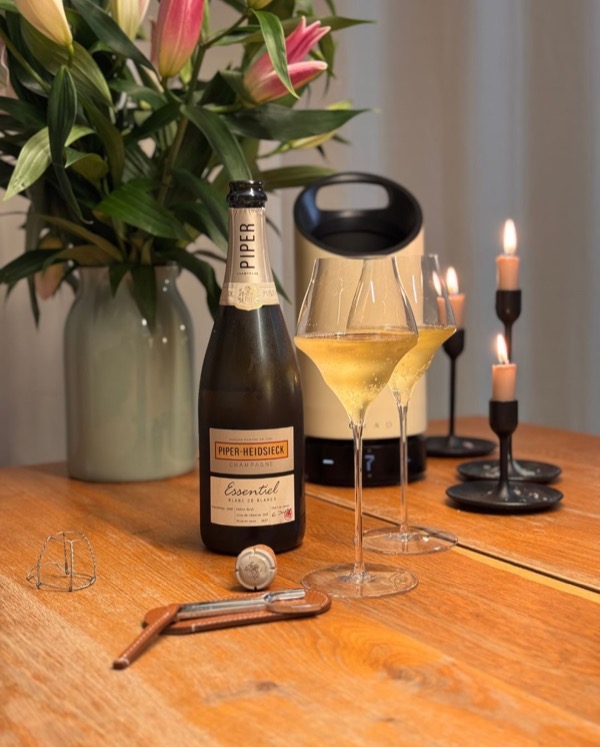
Wenn man an @piper_heidsieck denkt, hat man oft das klassische Rot vor Augen. Aber wer die wahre Seele des Hauses in ihrer pursten Form erleben will,…
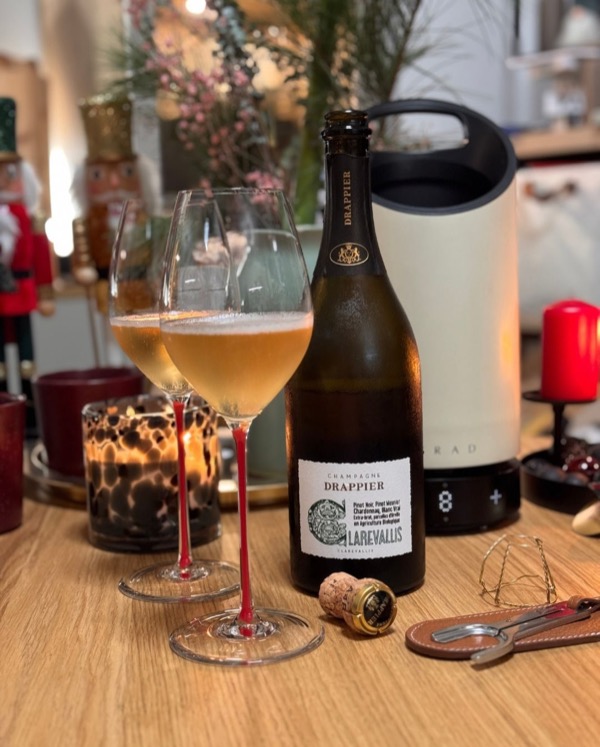
Der Clarevallis von @champagnedrappier war gestern die perfekte Flasche für gemütliche Weihnachtsvorbereitungen. Unaufgeregt, leise – und einfach…
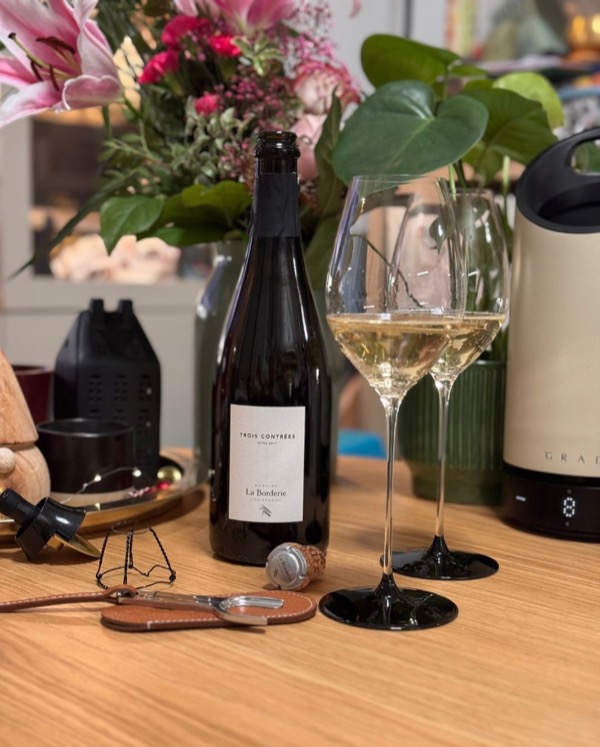
@champagnelaborderie kannte ich schon – aber die “Trois Contrées” bisher noch nicht. Diese Flasche war Teil des @terroirundadiletten Champagner…
Conclusion: A style with a future
The comeback of Demi-Sec champagnes is more than just a trend – it's a return to diversity and joy of enjoyment. In a time when uniformity dominates, these sweet gems offer a welcome alternative.
My tip: