What is Dosage?
After the second fermentation in the bottle, the remuage and the dégorgement, every champagne producer faces one of the most important decisions: the dosage. This involves adding the Liqueur d'Expédition — a mixture of wine and cane sugar — before the bottle receives its final cork.
The dosage determines not only the perceived sweetness, but influences texture, balance, mouthfeel and aging potential. It's the fine-tuning that can turn a good base wine into a great champagne — or ruin it.
The Sweetness Levels
My Posts About This
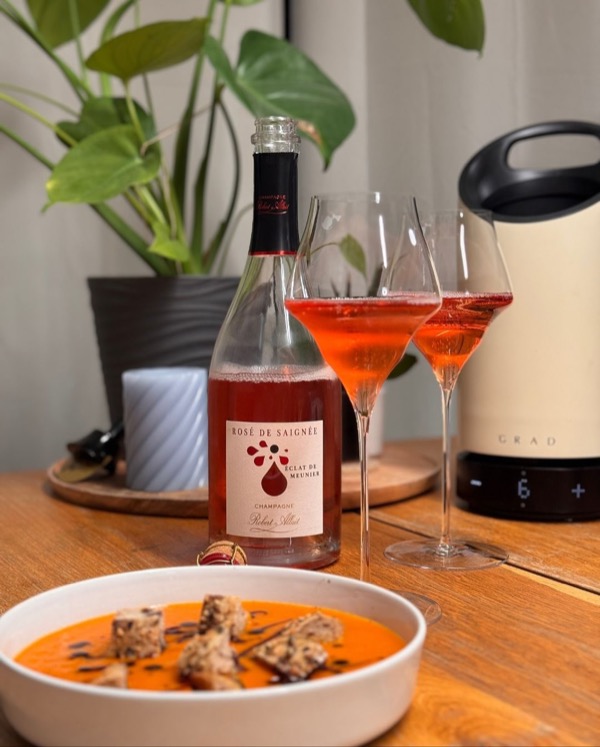
Die erste Kürbissuppe in diesem Herbst – verfeinert mit ein paar Tropfen Kürbiskernöl und getoppt mit gerösteten Würfeln von einem Kürbiskernsemmel.…
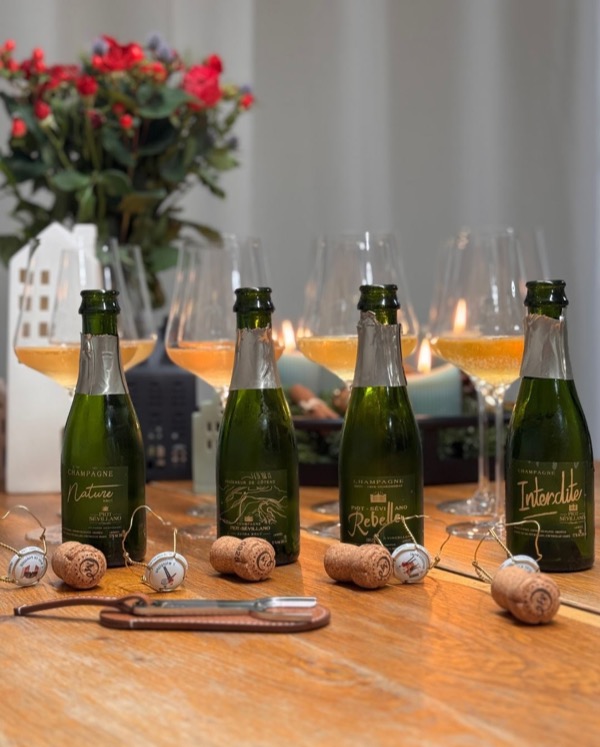
11 Flaschen aus dem @piotsevillano Adventskalender, aufgeteilt in 3 Flights, an einem Tag verkostet. Nicht als klassisches Tasting, sondern als…
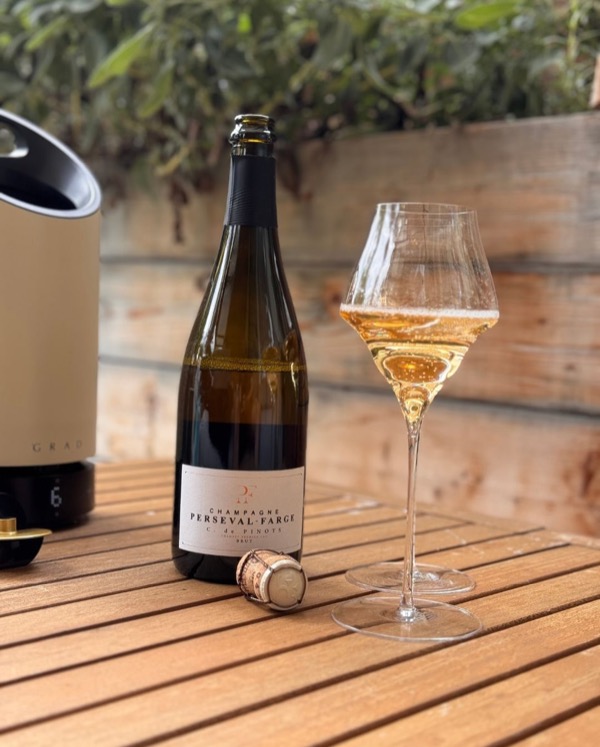
Gestern habe ich den @persevalfarge – C. de Pinots geöffnet. Ein Brut, aber erstaunlich straff mit der geringen Dosage – genau wie der Tag, der uns…
| Designation | Sugar Content | Character |
|---|---|---|
| Brut Nature / Zero Dosage | 0–3 g/l | Uncompromisingly dry, purist |
| Extra Brut | 0–6 g/l | Very dry, minimally rounded |
| Brut | 0–12 g/l | The standard, balanced |
| Extra Dry | 12–17 g/l | Despite the name: slightly sweet |
| Sec | 17–32 g/l | Noticeably sweet |
| Demi-Sec | 32–50 g/l | Sweet, ideal with desserts |
| Doux | 50+ g/l | Very sweet, extremely rare |
Why Dosage is More Than Sugar
Sugar in champagne — that sounds wrong at first. But dosage isn't crude sweetening. In the right amount, sugar acts like a flavor enhancer: It rounds off acidity, gives creaminess to the mouthfeel and can bring out aromas that would remain closed without dosage.
The problem begins when dosage is used as a corrective measure — to mask poor base wines, cover up lacking ripeness or simulate missing complexity. Then fine-tuning becomes a cover-up operation.
The Zero Dosage Trend
In recent years, Brut Nature / Zero Dosage has gained massive popularity. 47 of the champagnes I've tasted at home fall into this category. The appeal is obvious: Without dosage, the champagne shows itself naked. Every strength becomes visible — but also every weakness.
Good Brut Nature needs:
- Excellent base wine — No dosage to hide behind
- Ripe grapes — Enough natural fruit for balance
- Long lees aging — The autolysis provides richness and complexity
- Good terroir — Minerality as a natural counterpoint to acidity
408 of the 432 champagnes I've tasted provide dosage information. The range extends from 0 g/l to Demi-Sec champagnes with 35+ g/l. And from what I've discovered in my tastings at home: There's no "best" dosage level. There's only the right one for each particular wine.
Dosage and Food
The dosage influences what a champagne harmonizes with:
- Brut Nature — Oysters, sashimi, ceviche. Everything that needs purity.
- Extra Brut — Seafood, goat cheese, light appetizers
- Brut — The all-rounder. From appetizer to main course.
- Demi-Sec — Fruit desserts, foie gras, mild blue cheeses
Posts
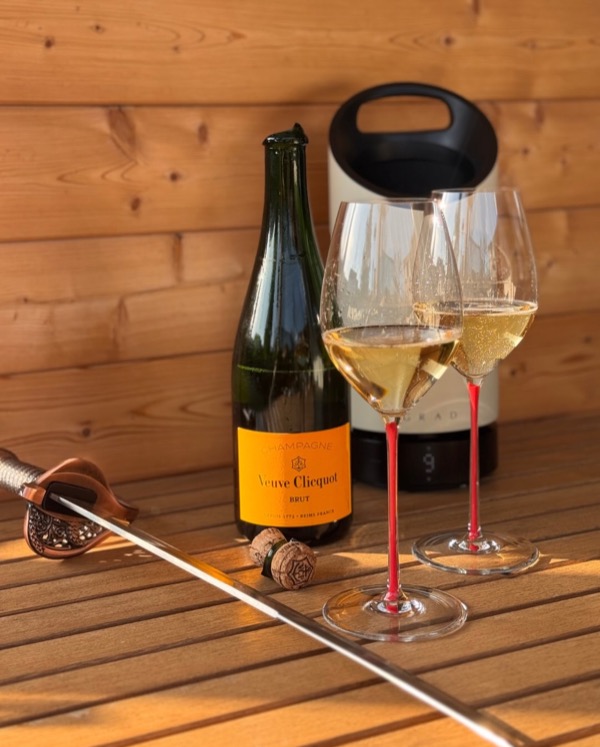
Heute gibt es mal keinen Deep-Dive in Terroir, Dosage oder langes Hefelager. Stattdessen einfach nur entspannte Garten-Vibes und ein absoluter…
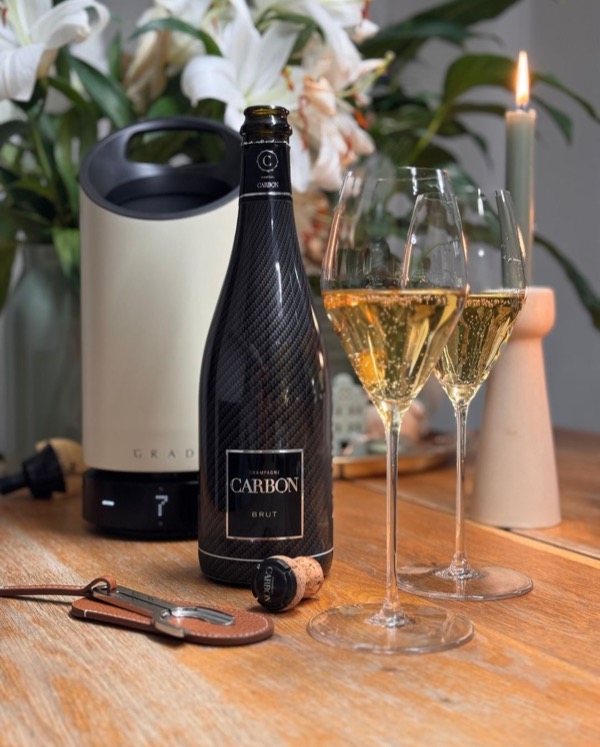
Der @champagnecarbon – Brut Black ist eigentlich so eine Flasche, die man sich im Kopf für Austern oder Kaviar aufhebt. Bei uns gab’s ihn dann…
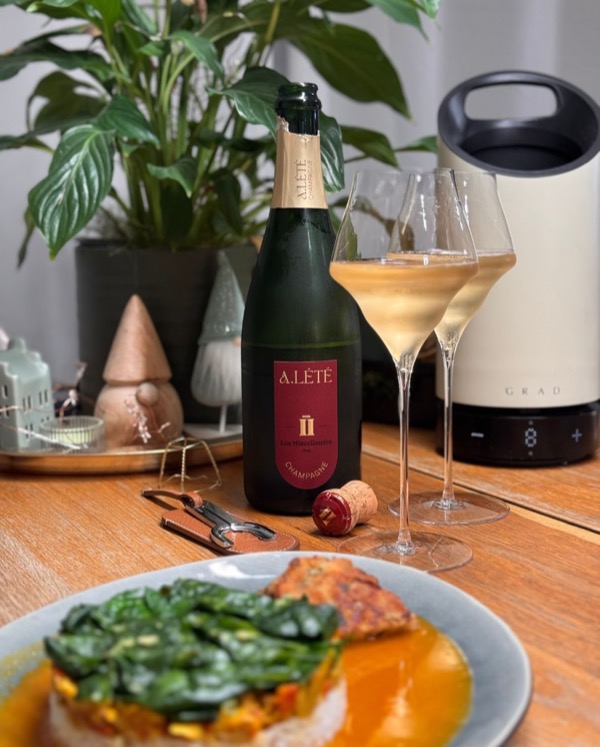
Am 27.12. gab es Reste vom Weihnachtstruthahn mit Reis, Spinat und den letzten Knödeln – alles zusammen als Curry. Dazu habe ich mir bewusst noch…