When I speak with champagne lovers, the term "Grande Marque" often comes up – usually with a reverent undertone. But what's really behind it? As someone who has been traveling the Champagne region for years and studying its history, I'll explain one of the most fascinating aspects of champagne culture today.
What is a Grande Marque?
The term "Grande Marque" dates back to 1964, when 24 renowned champagne houses joined together to form the "Syndicat des Grandes Marques de Champagne." This association was more than just a marketing gimmick – it represented the absolute elite of Champagne.
Membership was strictly regulated: Only houses with exceptional reputation, historical significance and the highest quality standards gained access. It was like an exclusive club of champagne aristocracy.
The 24 Legendary Founding Members
Here are the original Grande Marque houses that founded the syndicate in 1964:
My Posts About This
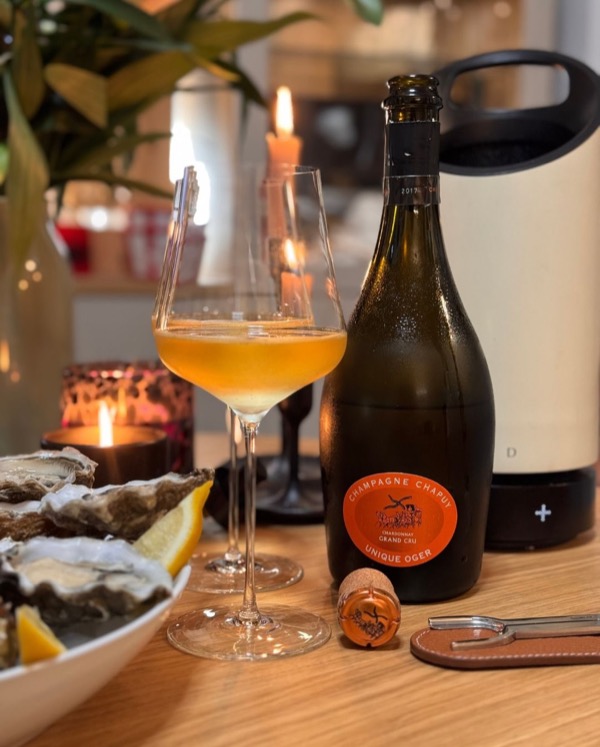
Wenn es um die Kombination mit frischen Austern geht, ist Reinheit für mich mittlerweile das oberste Gebot. Heute im Glas: Der…
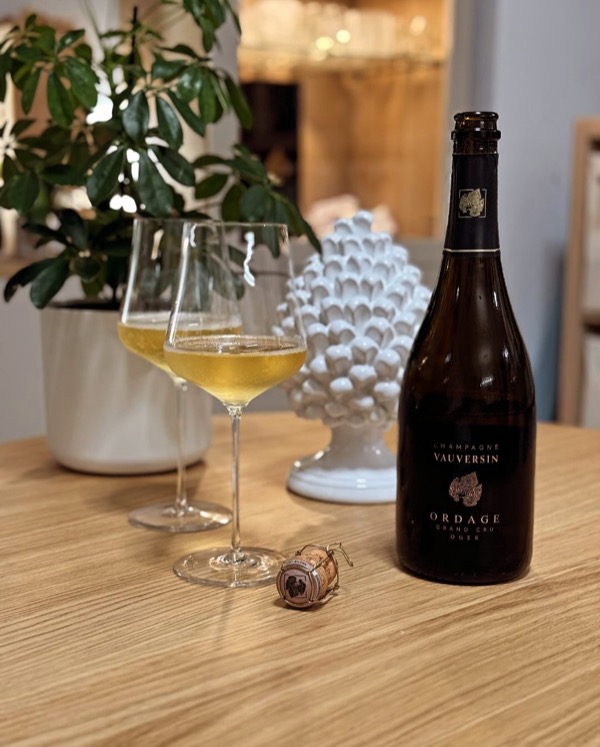
Ich hatte in den letzten Wochen das Vergnügen, gleich drei Champagner von @champagnevauversin im Glas zu haben – und obwohl sie alle auf 100 %…
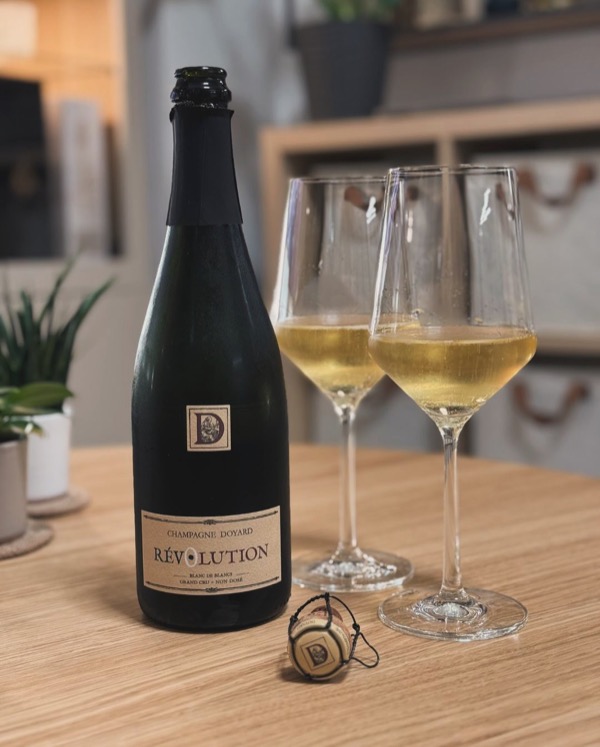
Gestern habe ich noch den Champagne Doyard ( domainedoyard ) – Révolution – Blanc de Blancs geöffnet - ein Erlebnis für die Sinne. Was diesen…
| House | Founded | Special Feature |
|---|---|---|
| Bollinger | 1829 | Traditional craftsmanship, James Bond's choice |
| Krug | 1843 | Exclusively prestige champagnes |
| Louis Roederer | 1776 | Cristal, the Tsar's champagne |
| Moët & Chandon | 1743 | World's largest champagne house |
| Veuve Clicquot | 1772 | The "Grande Dame" of Champagne |
| Pol Roger | 1849 | Winston Churchill's favorite champagne |
| Perrier-Jouët | 1811 | Famous for Belle Epoque |
| Mumm | 1827 | Red ribbon as trademark |
| Piper-Heidsieck | 1785 | Legendary film premiere presence |
| Charles Heidsieck | 1851 | "Champagne Charlie" |
| Henriot | 1808 | Oldest family in Champagne |
| Deutz | 1838 | German precision meets French finesse |
| Billecart-Salmon | 1818 | Rosé specialist |
| Lanson | 1760 | Non-malolactic fermentation |
| Laurent-Perrier | 1812 | Brut Nature pioneer |
| Taittinger | 1734 | Chardonnay virtuosos |
| Jacquesson | 1798 | Numbered cuvées |
| Salon | 1911 | Mono-cru, mono-cépage |
| Gosset | 1584 | Oldest wine house in Champagne |
| Ruinart | 1729 | Dom Thierry Ruinart |
| Ayala | 1860 | Bollinger family |
| De Venoge | 1837 | Louis XV bottle |
| Canard-Duchêne | 1868 | Traditional methods |
| Mercier | 1858 | Spirit of innovation |
Why Did the Syndicate Disappear?
Ironically, the success of the concept led to its end. In 2010, the Syndicat des Grandes Marques dissolved – not from weakness, but because the Champagne landscape had changed fundamentally.
The Reasons for Dissolution:
- Market dominance: The 24 houses controlled over 55% of global champagne exports
- Cartel accusations: The EU viewed the association critically
- New structures: Acquisitions and mergers made the old structure obsolete
- Grower emancipation: Vignerons gained international recognition
The Cultural Afterglow
Although the term has no official meaning today, it continues to resonate culturally. In my conversations with sommeliers and retailers, I hear it regularly. Why?
Quality Signal from the Past
Many wine lovers still use "Grande Marque" as a seal of quality. The historical association signals tradition, prestige and proven quality – even if it says nothing about today's standards.
Marketing Nostalgia
Alles beginnt jetzt! 🥂 Wirklich begonnen hat alles aber vor rund drei Jahren, als ich zum ersten Mal bewusst einen Champagner genießen durfte. Wie…
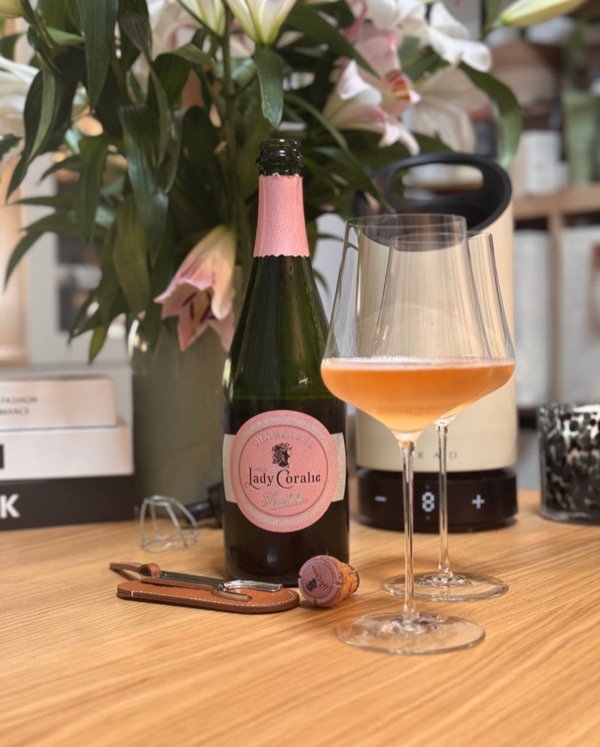
Heute habe ich eine echte Besonderheit aus der „Collector“ Linie von @champagne_mathelin im Glas: Die Cuvée „Lady Coralie“. Das Spannende an diesem…
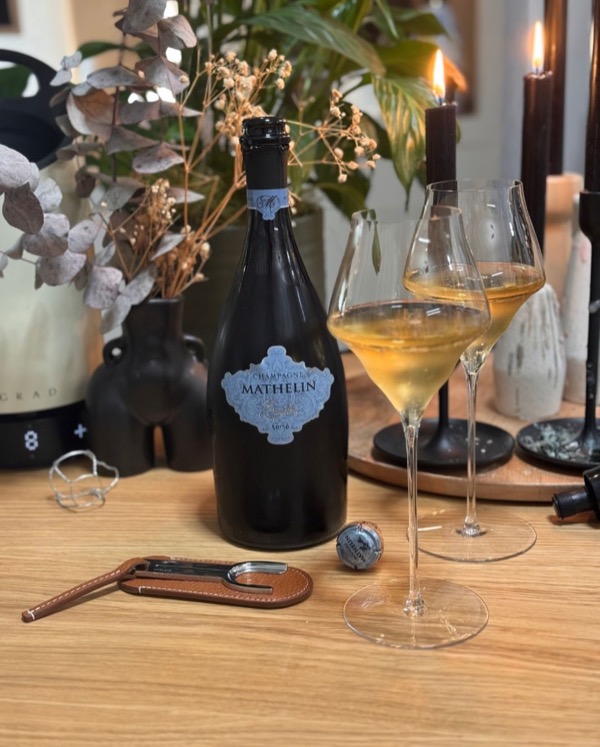
Manchmal sagt ein minimalistisches Etikett schon alles: Beim „Équilibre“ von @champagne_mathelin ist der Name absolutes Programm! Auf der Flasche…
Some of the original 24 houses subtly use the historical connection in their marketing. The term conveys exclusivity and tradition.
The Changed Champagne Landscape
Today's Champagne differs drastically from 1964:
New Market Players
- Grower Champagne: Small winegrowers like Cédric Bouchard or Pierre Peters achieve cult status
- New houses: Armand de Brignac, Leclerc Briant or Champagne Palmer establish themselves
- Organic revolution: Sustainable producers gain importance
Concentration vs. Diversity
| Development | 1964 | Today |
|---|---|---|
| Number of producers | ~15,000 | ~16,000 |
| Market share top 10 | 45% | 65% |
| Export markets | 20 countries | 190 countries |
| Stylistic diversity | Limited | Explosive |
What Does Quality Mean Today?
As The Champagne Guy, I see a fascinating paradox: While the Grande Marques expanded their dominance, artisanal masterpieces emerged simultaneously outside the established names.
The New Quality Criteria:
- Terroir expression: Single-vineyard champagnes gain importance
- Organic viticulture: Sustainability becomes a quality marker
- Artisanal methods: Traditional techniques experience renaissance
- Transparency: Disgorgement dates and vineyard sites are communicated
My Conclusion: Grande Marque as Historical Snapshot
The term Grande Marque is a fossil today – but a fascinating one. It reminds us how Champagne evolved from an aristocratic luxury industry to a diverse, dynamic wine region.
The original 24 houses remain important players, but they share the stage today with innovative winegrowers, sustainable producers and experimental houses. This development greatly enriches Champagne.
For us champagne lovers, this means