What is Lees Aging?
After the second fermentation in the bottle, the champagne remains on its lees — "sur lie" (on the lees). The minimum duration is legally mandated: 15 months for Non-Vintage, 36 months for vintage champagne. But the best champagnes age much longer.
These numbers are minimums, and they are exactly that: the minimum. Most serious producers go far beyond this. Bollinger ages its Special Cuvée for at least three years on the lees. Krug Grande Cuvée lies for six years or more. And some Prestige Cuvées spend a decade or longer in the cellars beneath Reims and Épernay before they are disgorged.
What Happens During Autolysis
The dead yeast cells slowly decompose — a process called autolysis. This releases amino acids, mannoproteins, and other compounds that fundamentally transform the champagne:
- Texture — Creamier, silkier, denser
- Aromas — Brioche, toast, hazelnut, butter
- Perlage — Finer, more integrated, less aggressive
- Complexity — More layers, more depth
- Mouthfeel — Fuller, rounder, enveloping
The process is not linear. In the first 18-24 months, relatively little happens — the yeast cells first die off and then slowly begin to break down. From the third year onward, autolysis accelerates, and the changes become clearly perceptible. This is also why the jump from 15 months to 36 months makes a much bigger difference than one might expect.
The Chemistry Behind It
What exactly happens during autolysis? The cell walls of the yeast break down and release various substances:
- Mannoproteins bind to the CO2 bubbles and make the perlage finer and more persistent. This is why a long-aged champagne has that silky, creamy mousse, while a young-disgorged one shows aggressive, coarse bubbles.
- Amino acids react with the sugars in the wine and create Maillard-like aromas: toast, brioche, caramel. The same reactions that happen when baking bread occur here in slow motion.
- Lipids and fatty acids contribute to texture and give the wine a creamier, more oily mouthfeel.
- Glutamic acid — yes, umami. A long-aged champagne actually has umami character, which explains why it pairs so well with food.
Time Periods and Their Effects
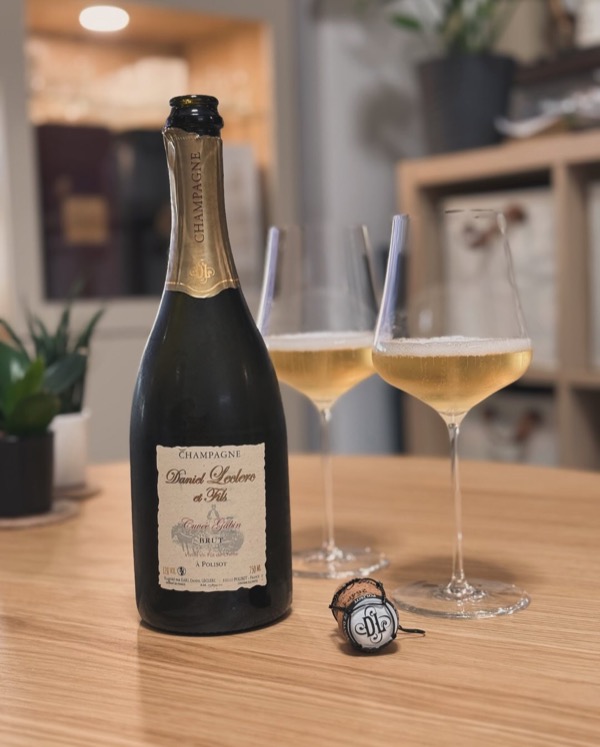
Manchmal öffnet man eine Flasche und weiß sofort: Das passt. Genau das hatte ich gestern mit der Cuvée Gabin Brut von @champagne.daniel.leclerc . Ein…
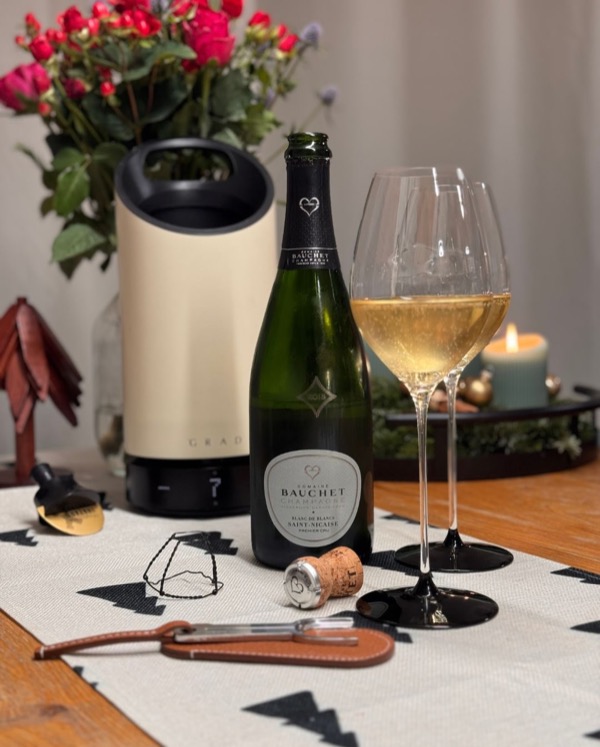
Der Saint-Nicaise 2015 von @domainebauchet hat gestern genau diese ruhige, warme Stimmung getroffen, die man sich für einen entspannten Abend…
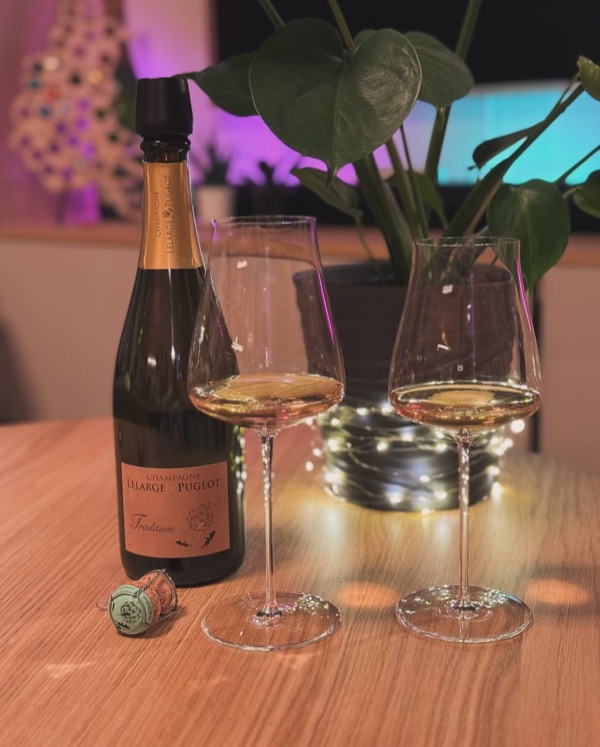
Vor über 10 Jahren habe ich im Rahmen eines Projekts für eine Weinverkostung und ein Feature in einem Print-Magazin Gläser von @eisch_glass ,…
| Lees Aging | Effect |
|---|---|
| 15 months (NV minimum) | Basic fruit, simple perlage |
| 24-36 months | First autolysis notes, creamier texture |
| 36-60 months | Brioche, toast, significant increase in complexity |
| 60-120 months | Deep autolysis, nutty, honey-like character |
| 120+ months | Monumental complexity, finest perlage |
The Problem with Information
A major frustration: The lees aging time is almost never on the label. There's no requirement for it. Some growers print it voluntarily, others provide it upon request. But for most champagnes, you have to guess — or use the disgorgement date as a reference point.
When I see a disgorgement date and know the harvest year (for vintage) or the approximate period (for NV), I can estimate the lees aging time. An NV that came to market in 2020 and was disgorged in 2024 probably only had the legal 15 months. A vintage 2012 that was disgorged in 2024 had 12 years sur lie — that's a different league.
More Lees Aging = Always Better?
Almost always, yes. But not without qualification. A champagne whose base wine was thin and acid-driven from the start won't magically become good through long lees aging. It will become milder, rounder, creamier — but if the substance is lacking, it's still lacking after ten years.
Conversely, it's possible that a particularly fruity, approachable champagne loses its primary fruit through too-long lees aging and becomes overly autolysis-dominant. This is rare, but it happens — especially with Meunier-based champagnes that live off their freshness.
The golden rule: The better the base wine and the more complex the assemblage, the more the champagne benefits from long lees aging. A Grand Cru Chardonnay from Le Mesnil gains with every year on the lees. A simple Cuvée reaches its optimum after three years.
Lees aging is the invisible quality factor. You don't see it on the label (unfortunately), but you taste it immediately. A champagne with 5 years sur lie is a fundamentally different beverage than one with 15 months.
Posts
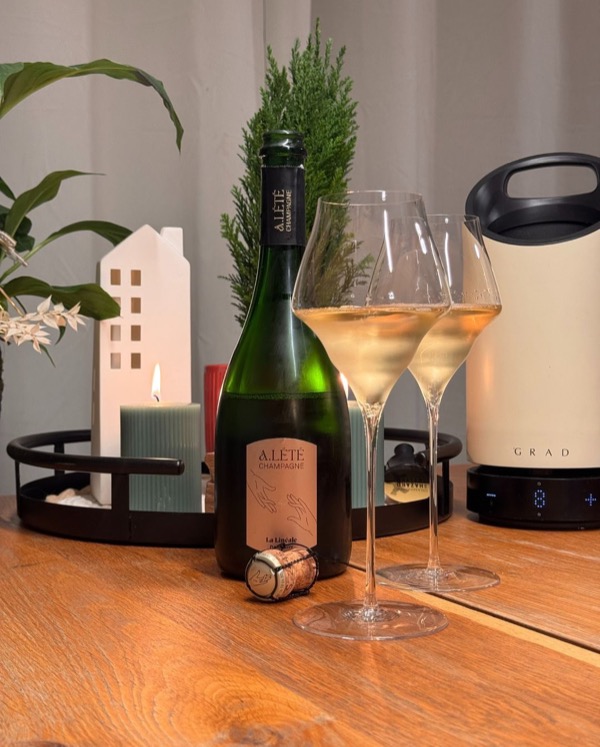
Ich habe von dieser Flasche zwei Stück im Keller und schon einige Ideen, zu welchem Pairing ich sie probieren möchte – heute wollte ich sie aber…
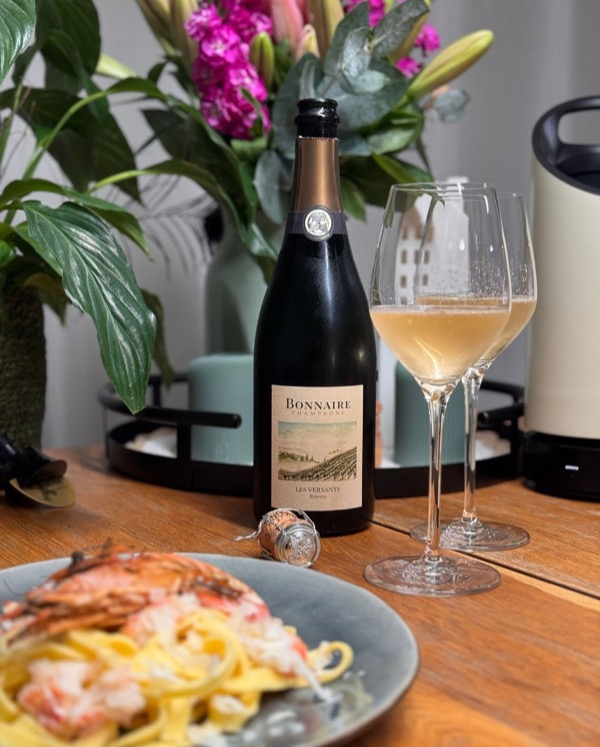
Frische Pasta, gegrillte argentinische Rotgarnelen und eine Zitronen-Salbei-Butter – das war der Plan für gestern Abend. Und dazu der Les Versants…
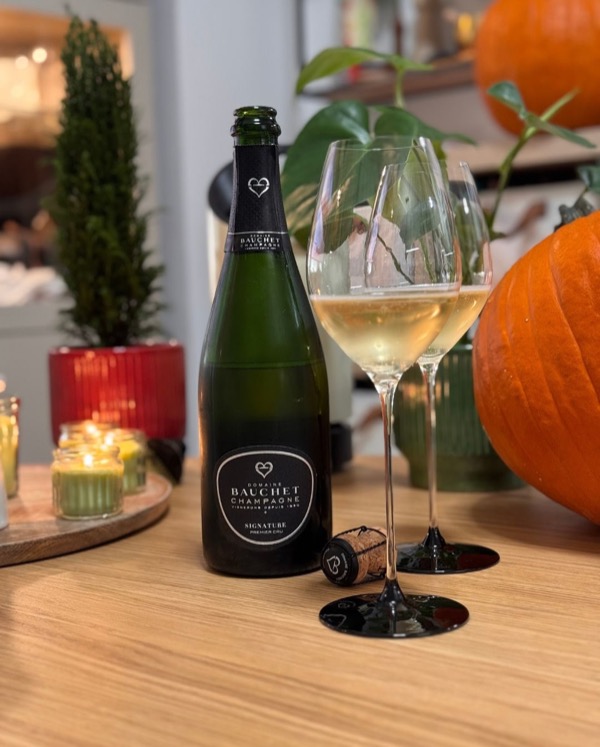
Gestern erreichte mich ein tolles Paket von @domainebauchet – und ich wollte direkt die erste Flasche öffnen, um zu sehen, was das Haus ausmacht.…