What is a Solera System?
The Solera system originally comes from Sherry production. The principle: A barrel is never completely emptied. Each year, a portion is removed and replaced with new wine. Over the years, the barrel contains wine from many different vintages, an "eternal reserve" (Réserve Perpétuelle).
The concept sounds simple, but the mathematics behind it is fascinating. If you remove 30% of the barrel each year and replace it with new wine, after ten years the barrel theoretically still contains traces from the very first vintage, tiny amounts, but they're there. After twenty years, the oldest portion becomes homeopathically small, but it still influences the overall character. It's like memory in liquid form.
Solera in Champagne
More and more Champagne winemakers are using the Solera principle for their reserve wines. Instead of blending their Brut Sans Année only from the current vintage plus a few years of reserve wine, they work with a Solera barrel that contains wine from 10, 20, or even 30+ vintages.
In Champagne, they often don't speak of "Solera" but rather of Réserve Perpétuelle. The reason: Sherry producers defend the term Solera as a protected designation. But the principle is identical, a constantly renewing reservoir of reserve wines.
The difference from the classic reserve wine method is fundamental. Traditionally, a large house stores its reserve wines by vintage in tanks: 2018 in one tank, 2019 in another, 2020 in a third. When blending, the cellar master takes from each vintage what he needs. With the Solera method, all vintages are already united, in a single vessel that never becomes empty.
What Makes Solera Champagne Special
- Complexity, Layers from many vintages
- Consistency, The Solera system smooths out vintage variations
- Depth, Oxidative notes, nuttiness, honey
- Uniqueness, No Solera Champagne tastes like another
The complexity of a Solera Champagne is different from that of long lees aging. While autolysis brings creamy, bready notes, the Solera delivers more oxidative depth: nut, honey, dried fruit, sometimes a hint of curry or tobacco. These are aromas you would never find in a fresh Non-Vintage.
Consistency is another advantage. A Solera system automatically smooths out the differences between good and difficult years. A vintage like 2017, which was challenging in Champagne, gets absorbed in a 20-year Solera and only marginally influences the overall character. The result is a Champagne that is consistently high-quality every year, without the uniformity of an industrial product.
Different Approaches
Not every Solera is the same. The differences lie in the details:
- Vessel: Some winemakers use oak barrels (fûts), others steel tanks, still others glass demijohns. Each material influences the character of the Solera.
- Extraction amount: Some remove only 20% each year, others up to 50%. The less removed, the higher the average age of the reserve wine.
- Grape variety: Some Soleras contain only one grape variety, others are multi-cépage, Chardonnay, Pinot Noir, and Meunier together.
- Oxidative vs. reductive: In a wooden barrel, the Solera ages slightly oxidatively. In a steel tank, it remains fresher and fruitier.
Well-Known Solera Champagnes
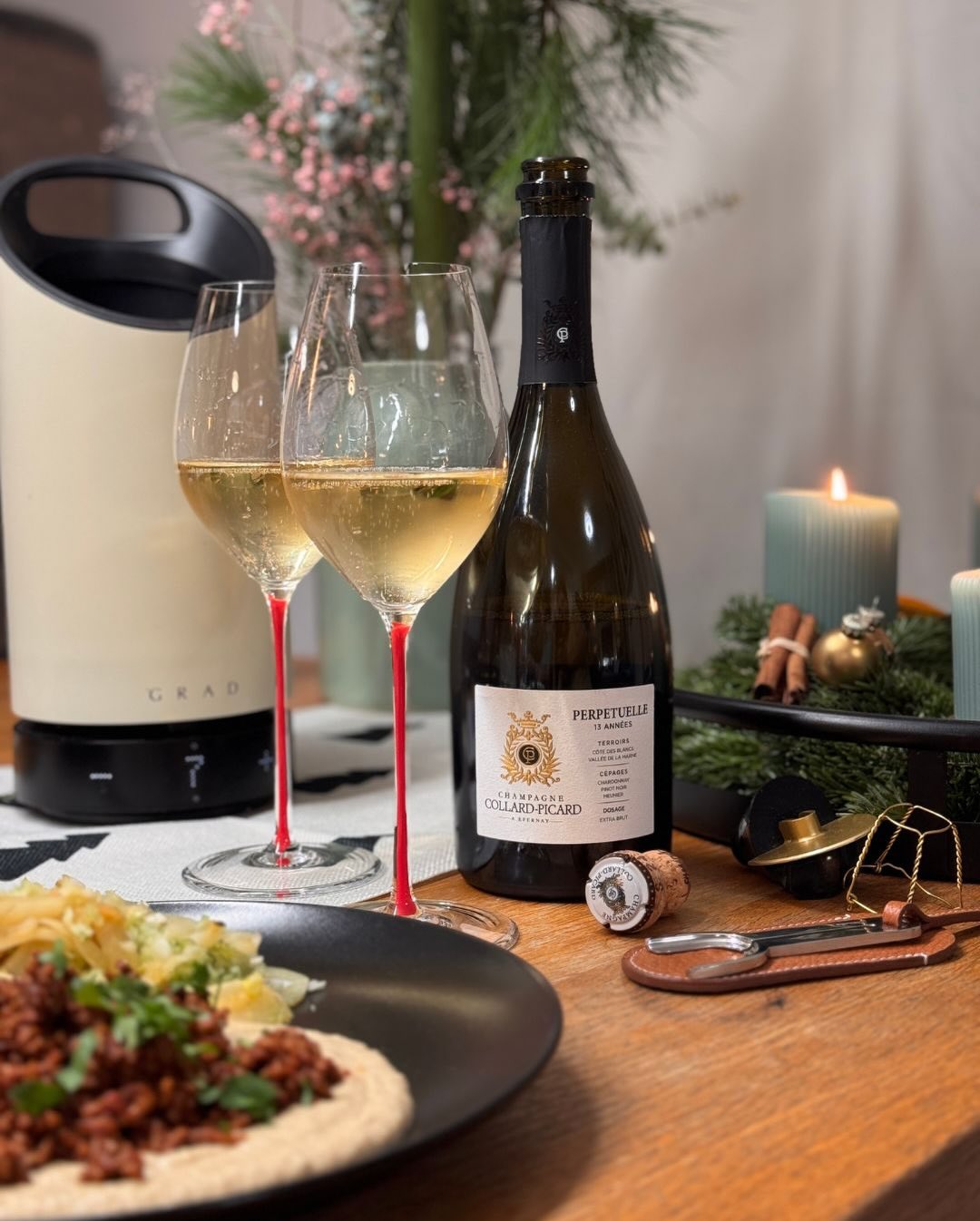
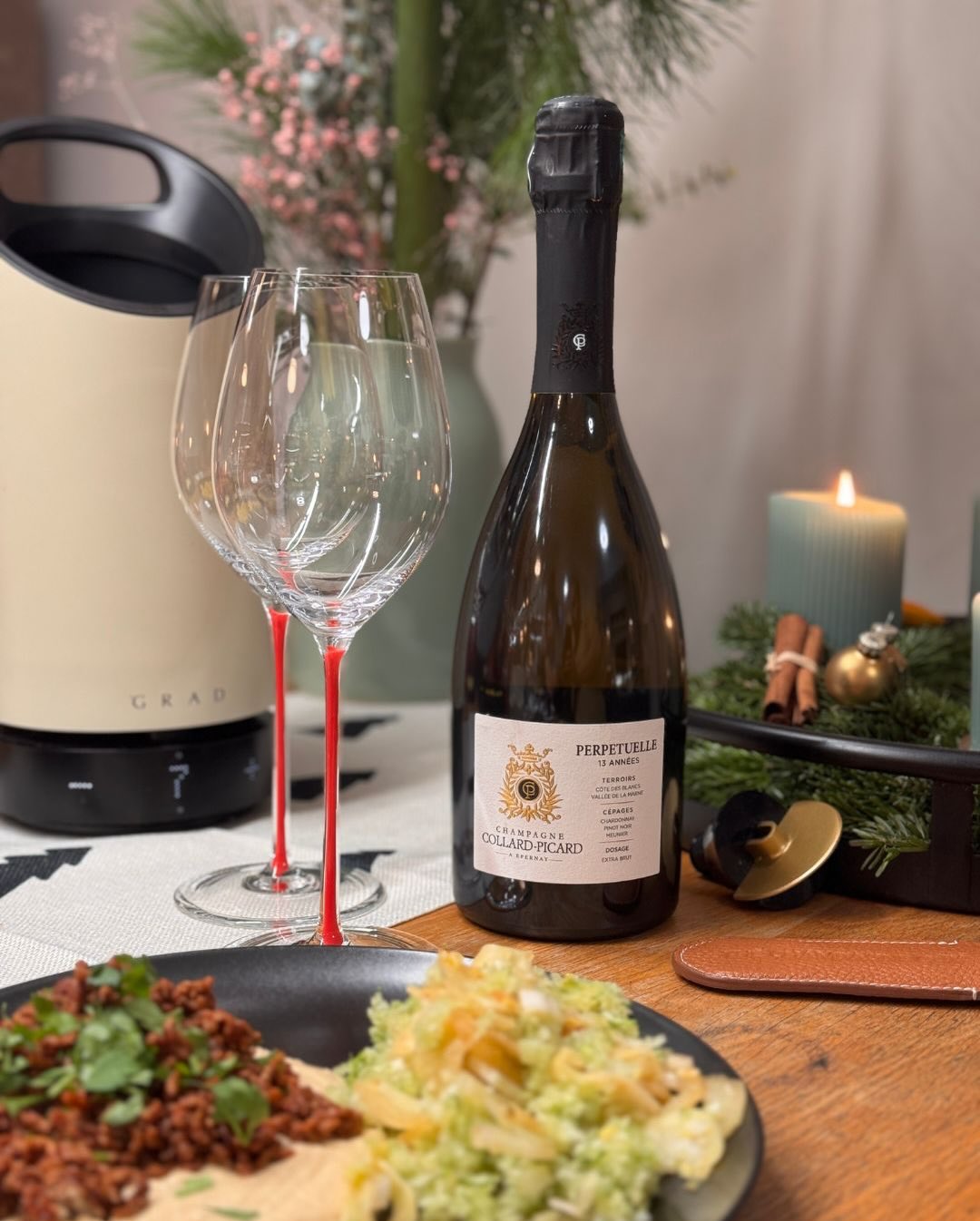
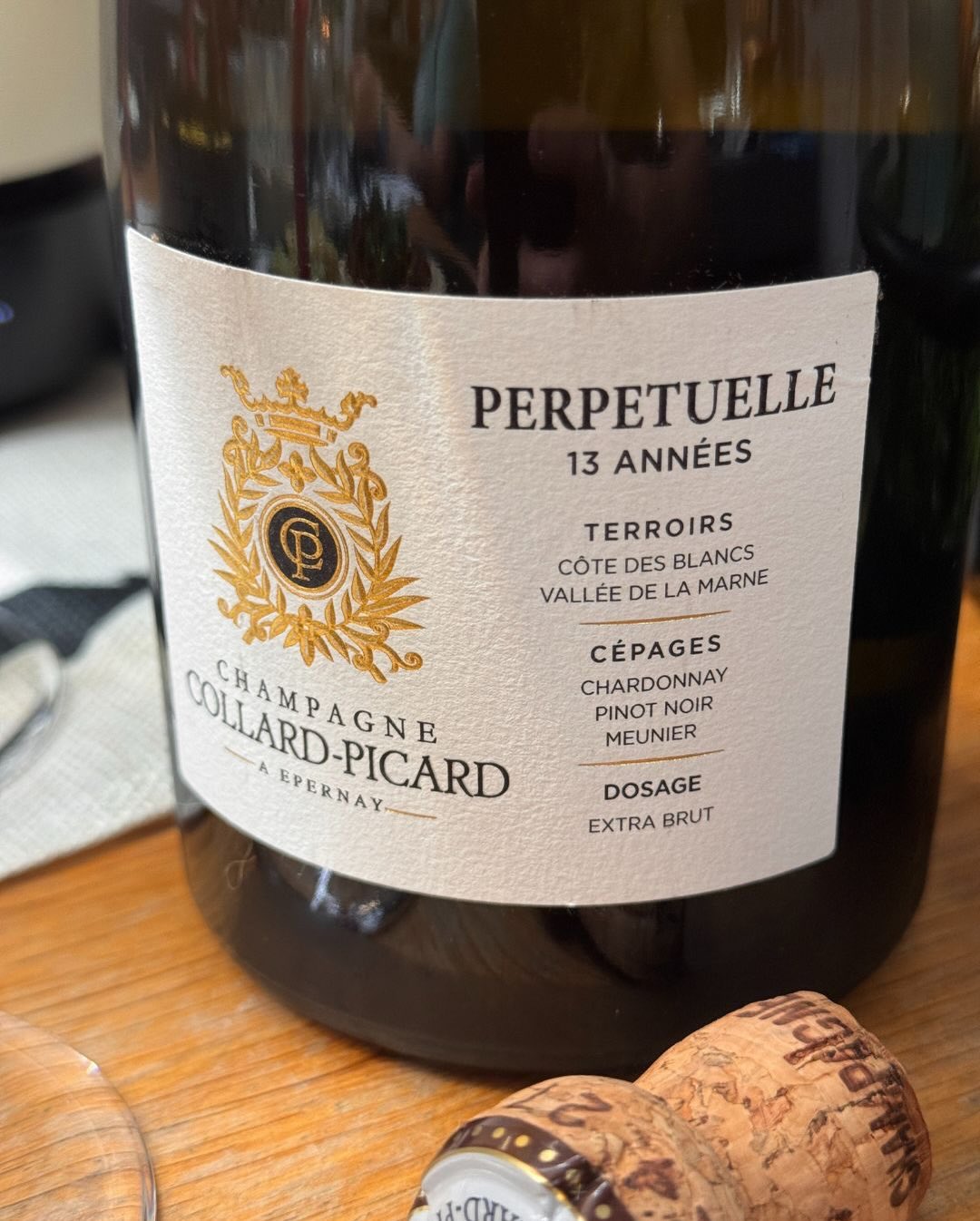
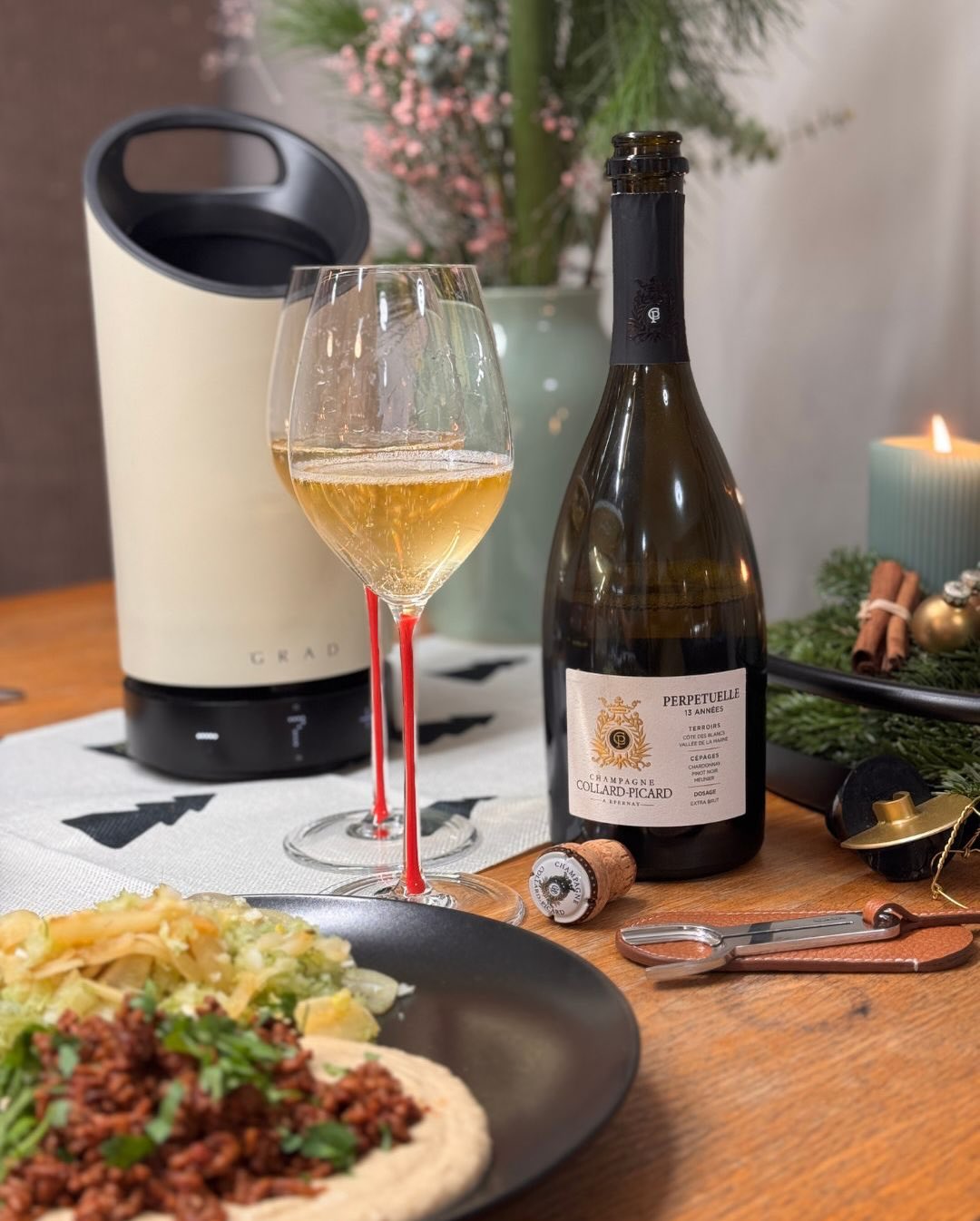
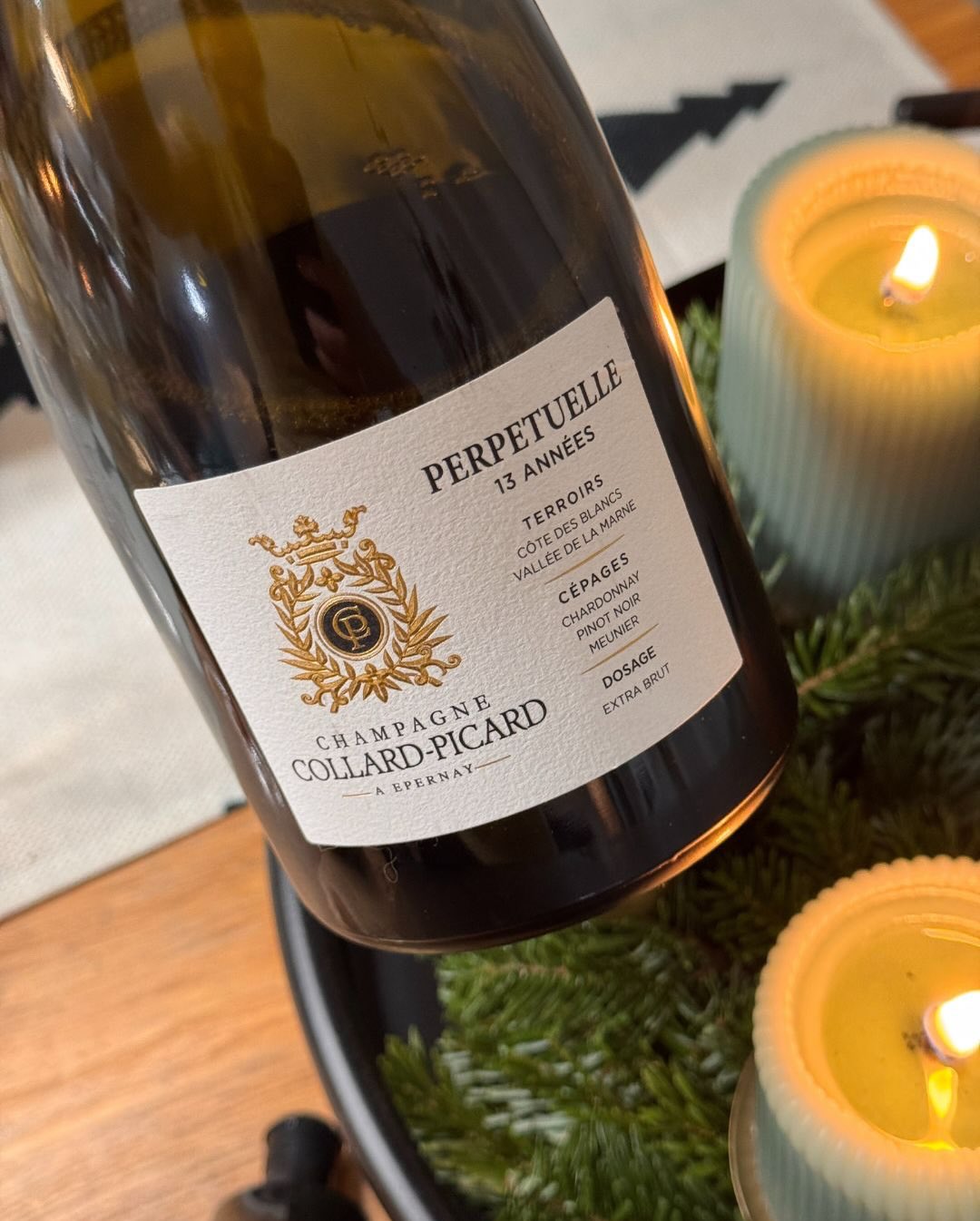
the_champagne.guy Heute mal ein zero-planning Mittagessen: Hamshuka (scharfes Rinderfaschiertes auf Hummus), dazu ein Fenchelsalat mit Orangen-Dressing – und absolut keine Überlegung, welcher Champagner dazu passen könnte. Ich hatte eigentlich gar nicht geplant, eine Flasche zu öffnen. Aber meine Frau ist einfach in den Keller marschiert, hat sich eine hübsche Flasche geschnappt und meinte nur: „Ich kenn mich in deinem Weinkeller nicht aus – ich hab einfach irgendwas genommen.“ 😄 Und dieses „irgendwas“ war dann der @champagnecollardpicard – Perpetuelle 13 Années. Ohne Plan geöffnet, ohne zu überlegen, ob die Flasche überhaupt passen könnte. Aber sie war wieder genau richtig. Der Wein ist eine Solera-ähnliche Réserve von 2008 bis 2020 – 50 % Chardonnay, 25 % Pinot Noir, 25 % Meunier. Keine malolaktische Gärung, spontane Vergärung in großen Holzfässern, klare Linie, viel Struktur und eine herrlich lebendige Säure. Im Glas wirkt er zuerst ruhig, sehr präzise: helle Frucht, ein Hauch Kräuter, etwas Mandarine. Dann dieses leicht oxidative, nussige Holzgefühl aus den Foudres – aber sauber, nicht schwer. Perfekt zu Fenchel und Orange – und erstaunlich gut zu Hamshuka, weil die Säure und das Holz die Würze richtig schön auffangen. Kein großes Konzept, keine geplante Food-Pairing-Magie. Einfach geöffnet – und es hat funktioniert. Champagne-Facts 🥂 Assemblage: 50 % Chardonnay · 25 % Pinot Noir · 25 % Meunier 📅 Réserve perpétuelle: 2008–2020 🕰 Mise en cave: März 2021 · Dégorgiert: Juli 2024 🪵 Ausbau: indigene Hefen · große Fuderfässer · ohne malolaktische Gärung 🍬 Dosage: 4 g/l (Extra Brut) Was ist eure Meinung zum Thema Food-Pairing? Ich habe jetzt öfter die Erfahrung gemacht, dass es gerade bei Gerichten mit breitem Aromenprofil nicht nur rein geschmacklich, sondern auch auf technischer Ebene viele Argumente für verschiedene Kombinationen gibt. Es gibt also fast immer Elemente, die harmonieren – und ein guter Champagner punktet oft genau dann, wenn das Gesamtbild einfach Genuss ist. #TheChampagneGuy @riedel_official @grad.dk @laclaye #CollardPicard #Perpetuelle13Annees #GrowerChampagne #ChampagneLife #ChampagneVibes #SpontanGehtImmer
Auf Instagram weiterlesen →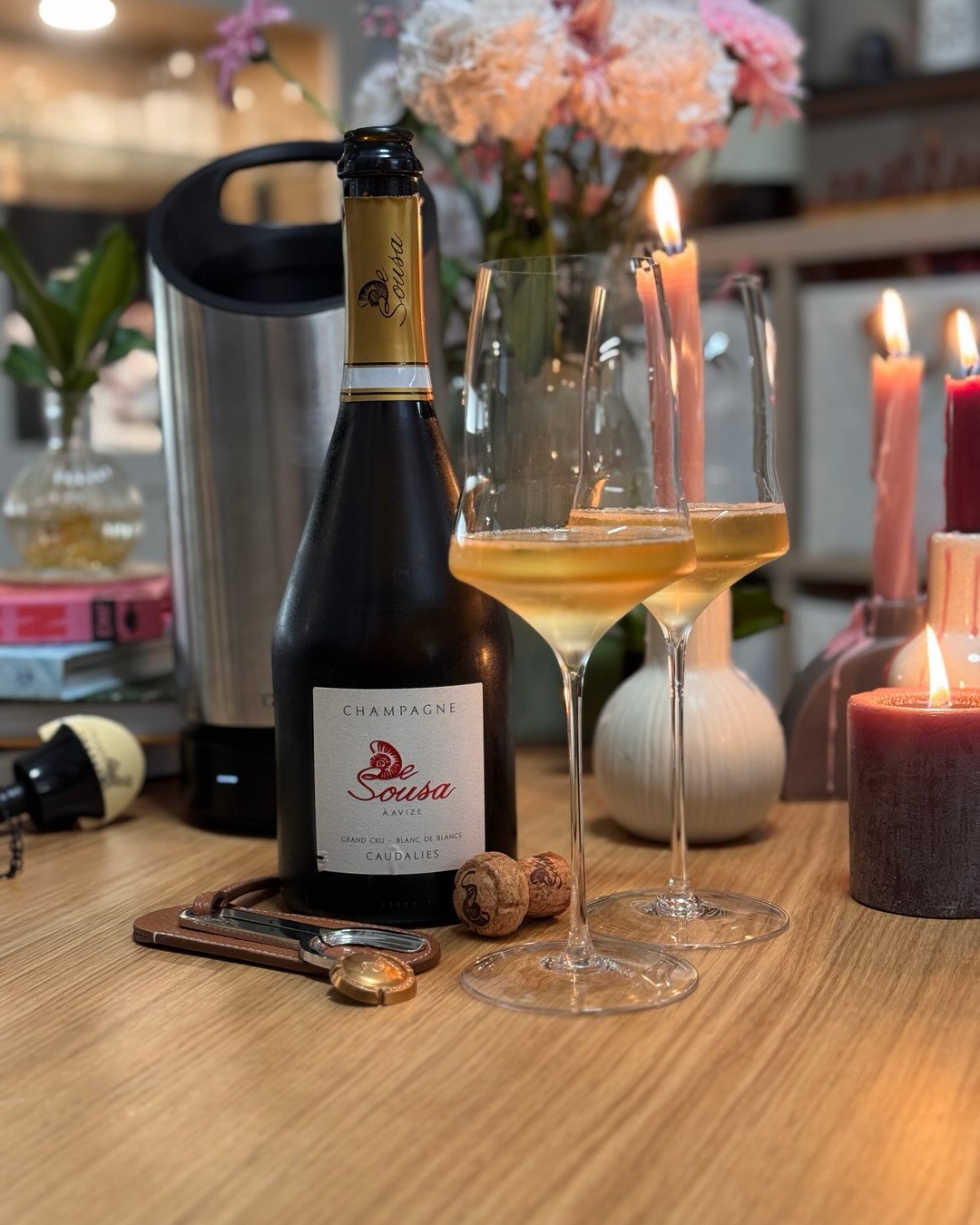
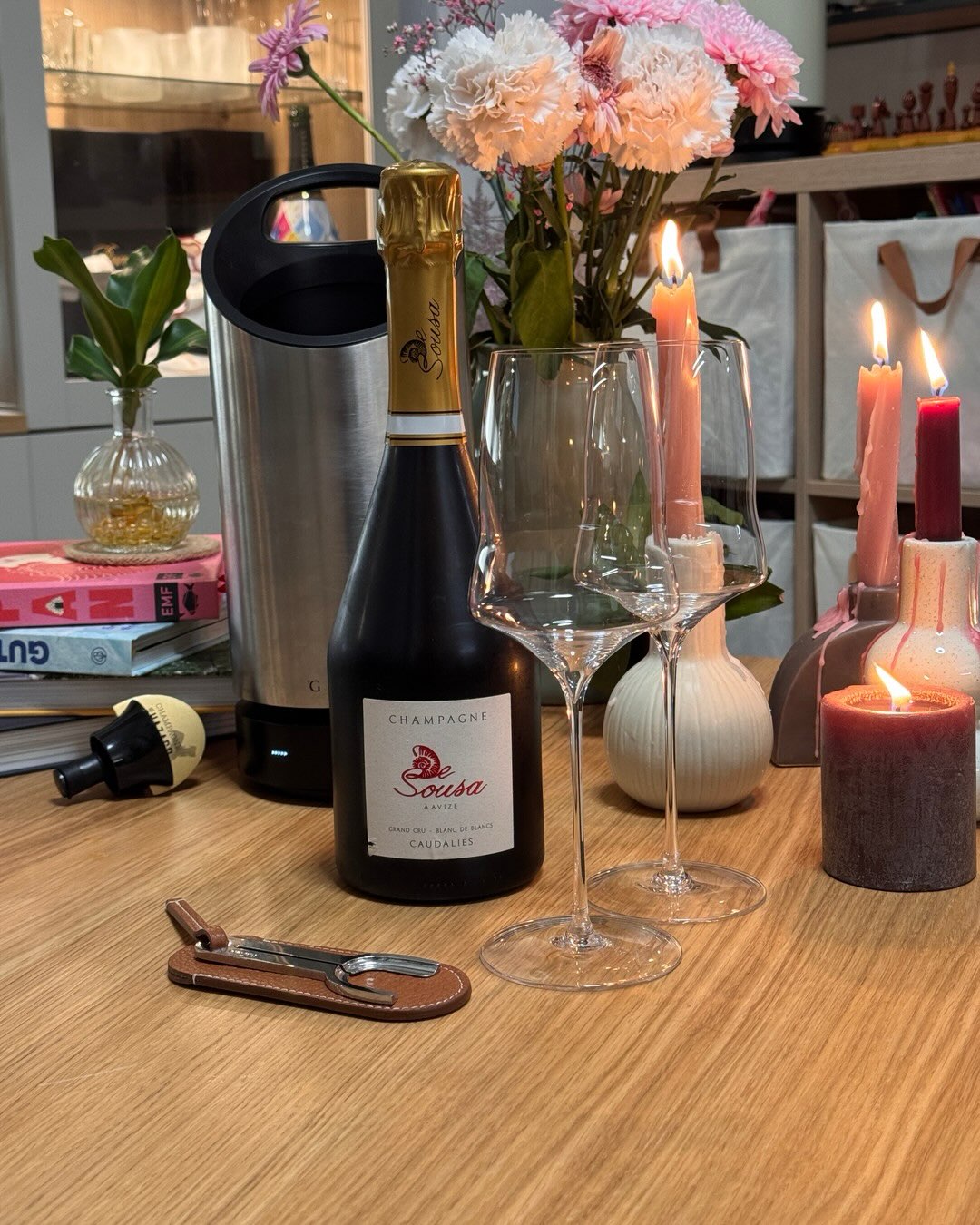
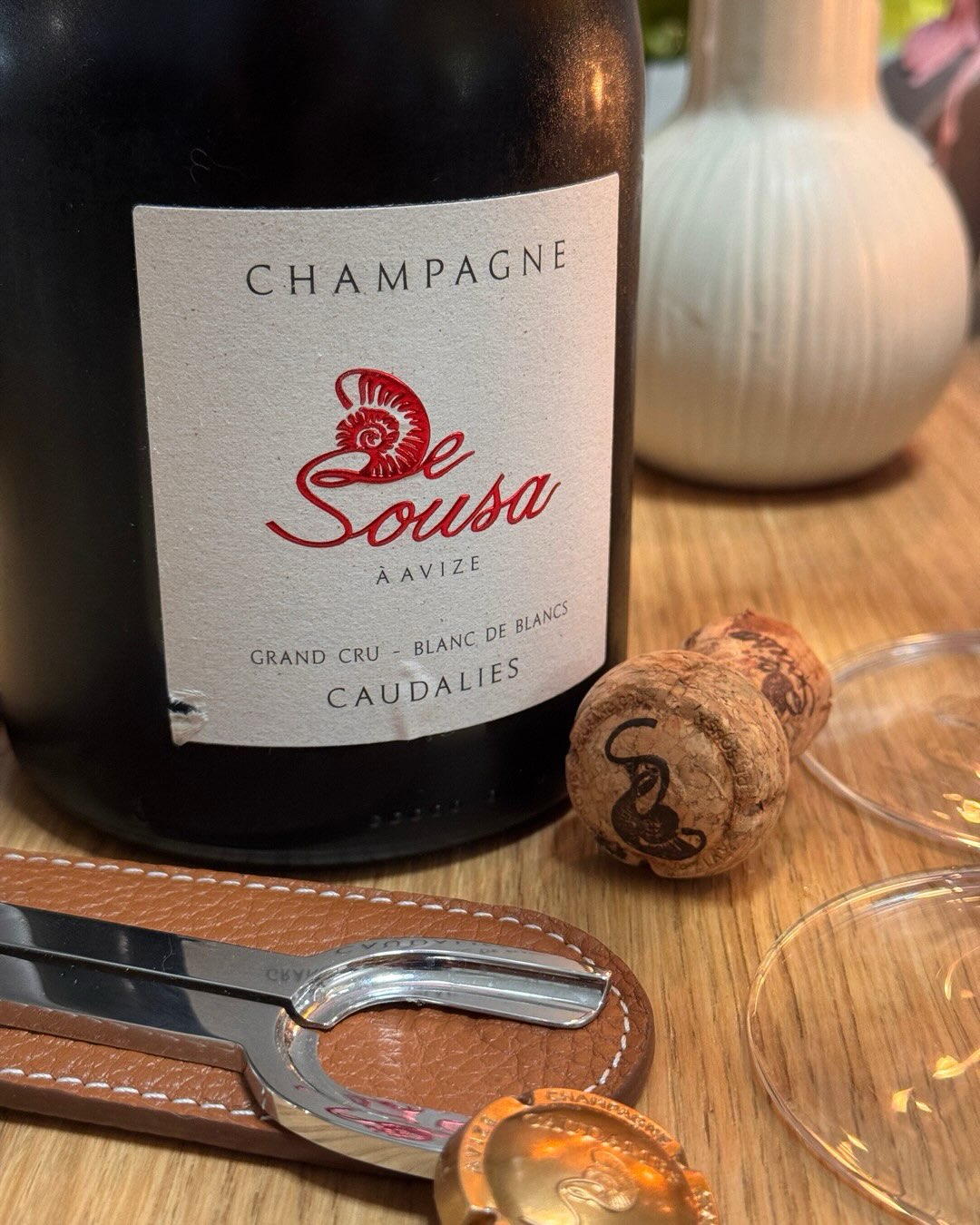
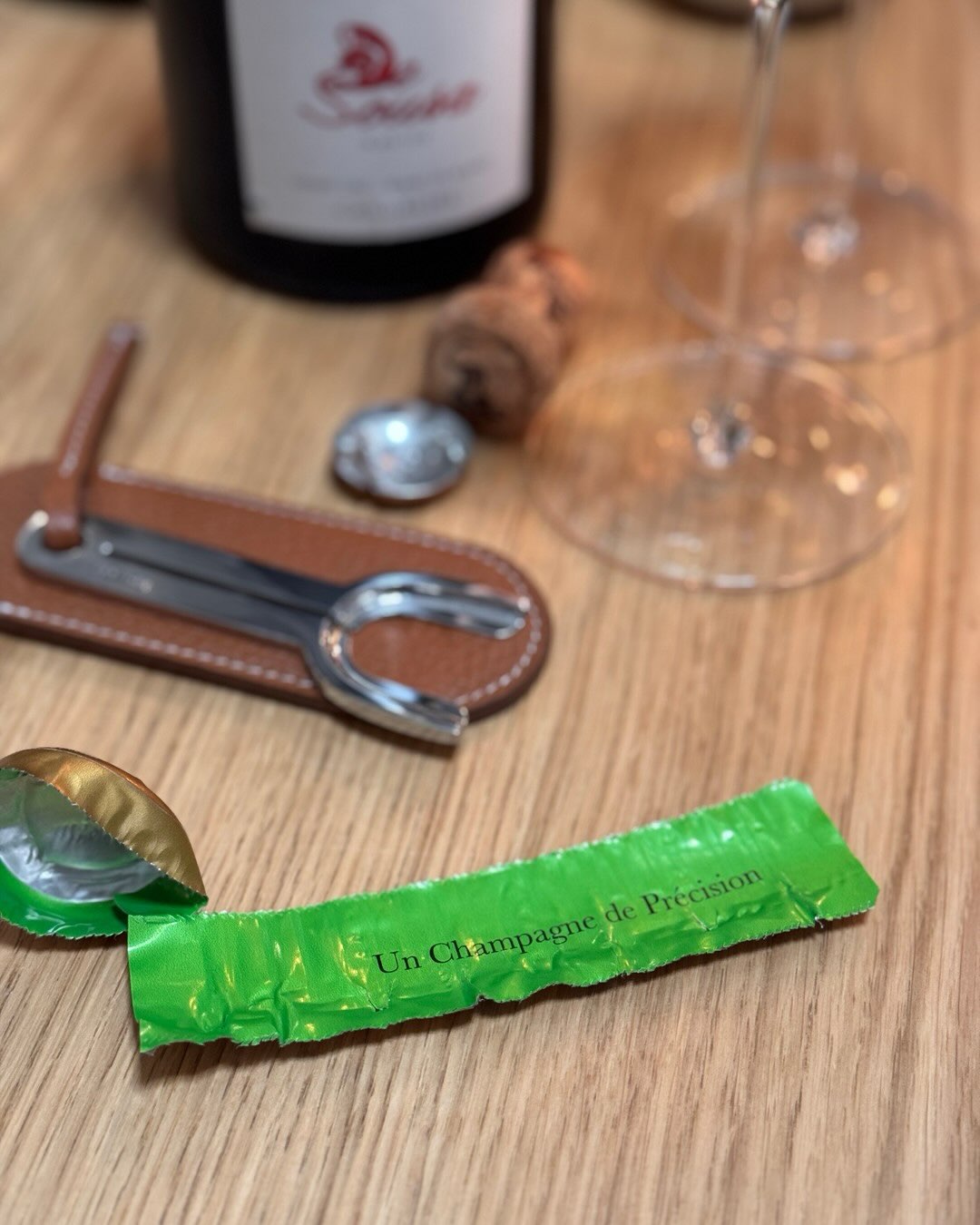
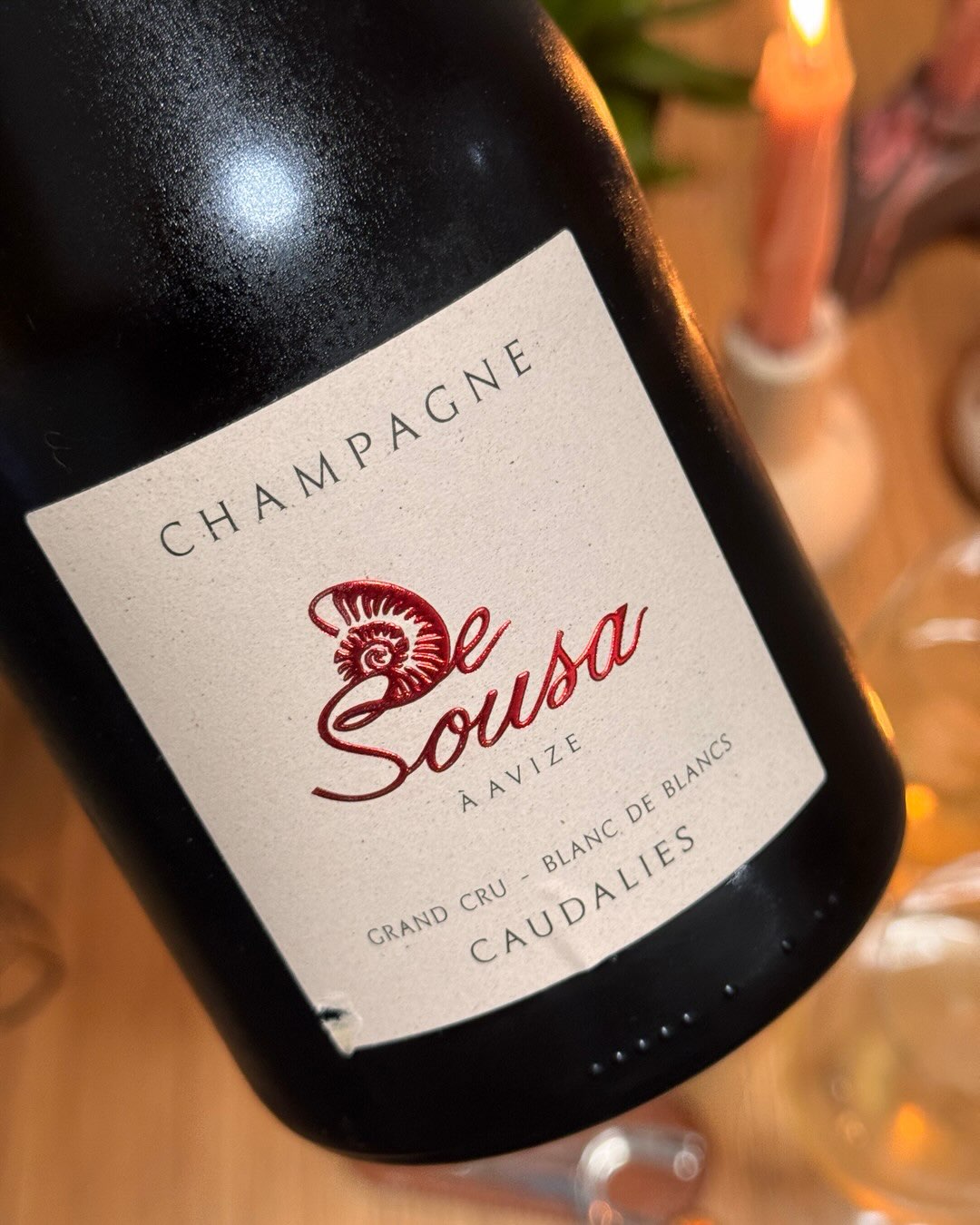
the_champagne.guy 50% Réserve perpétuelle, Demeter-zertifiziert, Chardonnay aus Avize. Und trotzdem überrascht mich @champagnedesousa mit der Caudalies jedes Mal neu. @champagnedesousa vinifiziert diese Cuvée ausschließlich aus Chardonnay-Trauben aus ihren Grand-Cru-Lagen in Avize, auf reinen Kreideböden mit Belemnit-Fossilien. Was diese Cuvée besonders macht ist, dass die Hälfte des Weins aus der Réserve perpétuelle kommt, einem Solera-System, das Erick De Sousa 1995 gestartet hat. Seit 2020 führen seine drei Kinder Charlotte, @juliedesous_ und @valentindesousa das Haus weiter. Biodynamisch nach Demeter-Standard seit 2013, das Weingut ist zudem bekannt für Reben mit einem Durchschnittsalter von über 45 Jahren. 🍾 Assemblage: 100% Chardonnay 🏆 Jahrgang: NV 🍷 Ausbau: Eichenfass, Demeter biodynamisch, unfiltriert ⏱ Reifung: Réserve perpétuelle seit 1995 (50% Anteil) 🥂 Dosage: 5 g/l (Extra Brut) 📍 Lage: Avize, Grand Cru – Côte des Blancs 💡 Charakter: knackig, präzise, würzig, holzgebunden Was am Anfang kurz auffällt, ist das Holz. Vinifiziert im Eichenfass und unfiltriert bindet sich das Aroma aber perfekt ein, bleibt frisch, und der Blanc-de-Blancs-Charakter kommt klar und knackig durch. Das ist genau der Extra-Brut, den ich mag. #BlancdeBlancs #Avize #DeSousa @josephinenhutte @laclaye @grad.dk @grad_rd #ExtraBrut #TheChampagneGuy
Auf Instagram weiterlesen →Some winemakers have made the Solera system their trademark, including Robert Allait with his RP-B and RP-R cuvées. Egly-Ouriet, Champagne Tarlant, and Larmandier-Bernier also work with Réserve Perpétuelle systems that give their Brut Sans Année a depth that goes far beyond what a few years of reserve wine can deliver.
Particularly impressive are Solera systems that have been continuously maintained since the 1980s or 1990s. These Champagnes carry liquid history within them, every sip contains molecules from vintages that can otherwise only be found in auction houses.
Risks and Limitations
A Solera system also carries risks. If a problematic wine enters the Solera, for example, a barrel with volatile acidity or another fault, it contaminates the entire system. That's why the selection of wines that enter the Solera is extremely important. A mistake is irreversible.
Additionally, a Solera system needs decades to unfold its full effect. A three-year Solera is basically just a blend of three vintages, not substantially different from a conventional reserve wine method. Only after 10-15 years does the Solera begin to show its unique character.
Solera Champagne is liquid history. Every sip contains traces of vintages that have long passed. This is Champagne for people who seek complexity and depth.
Posts
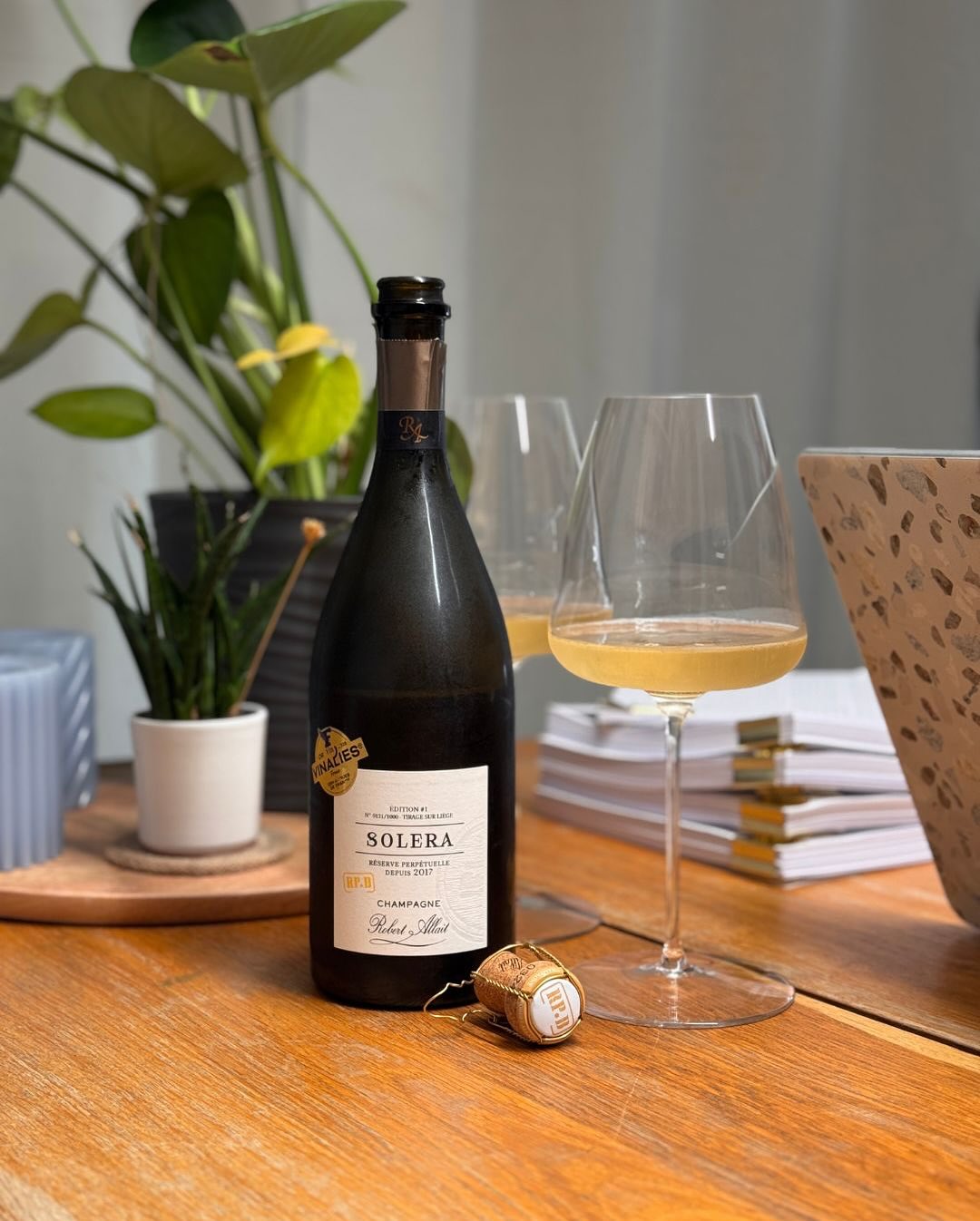
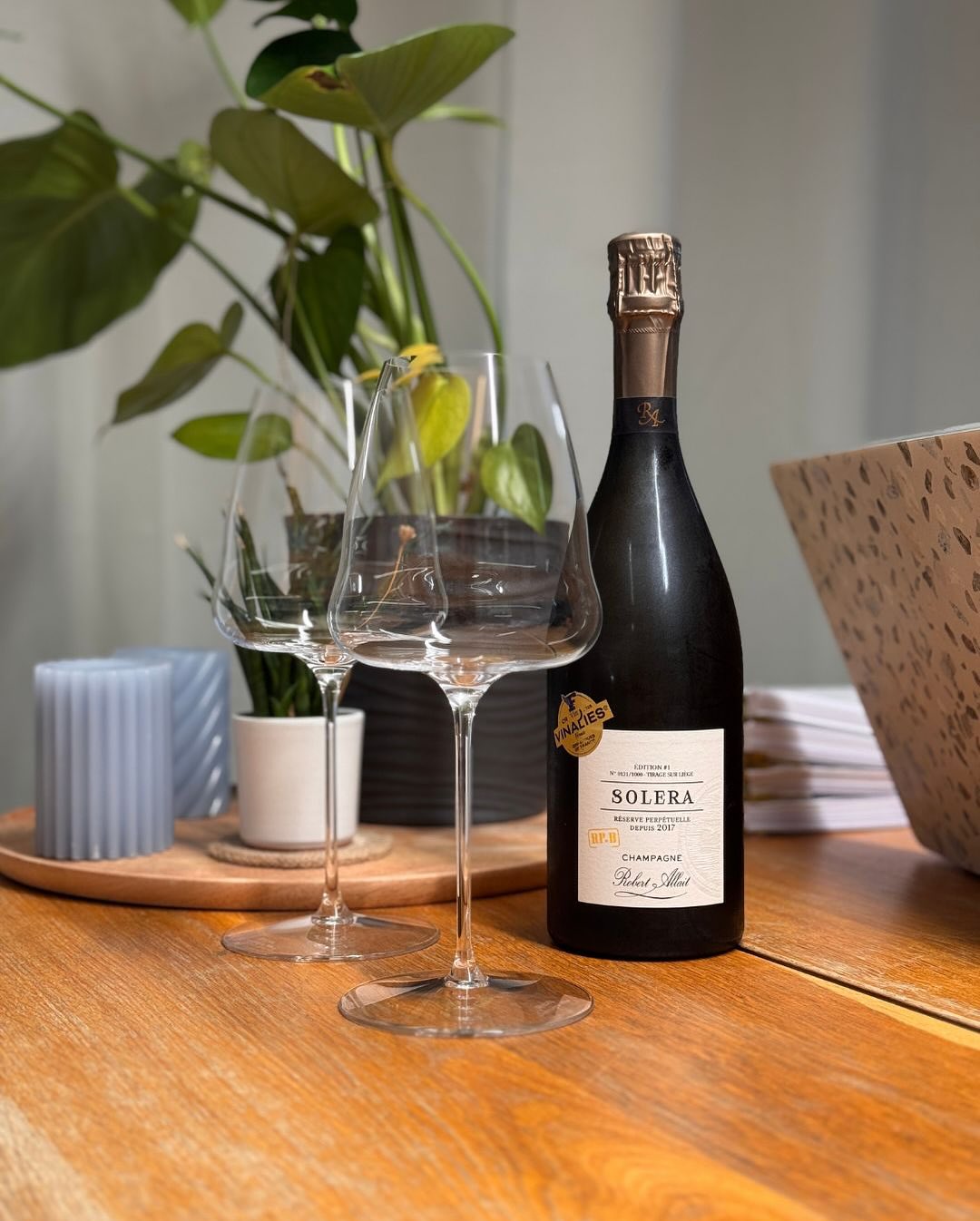
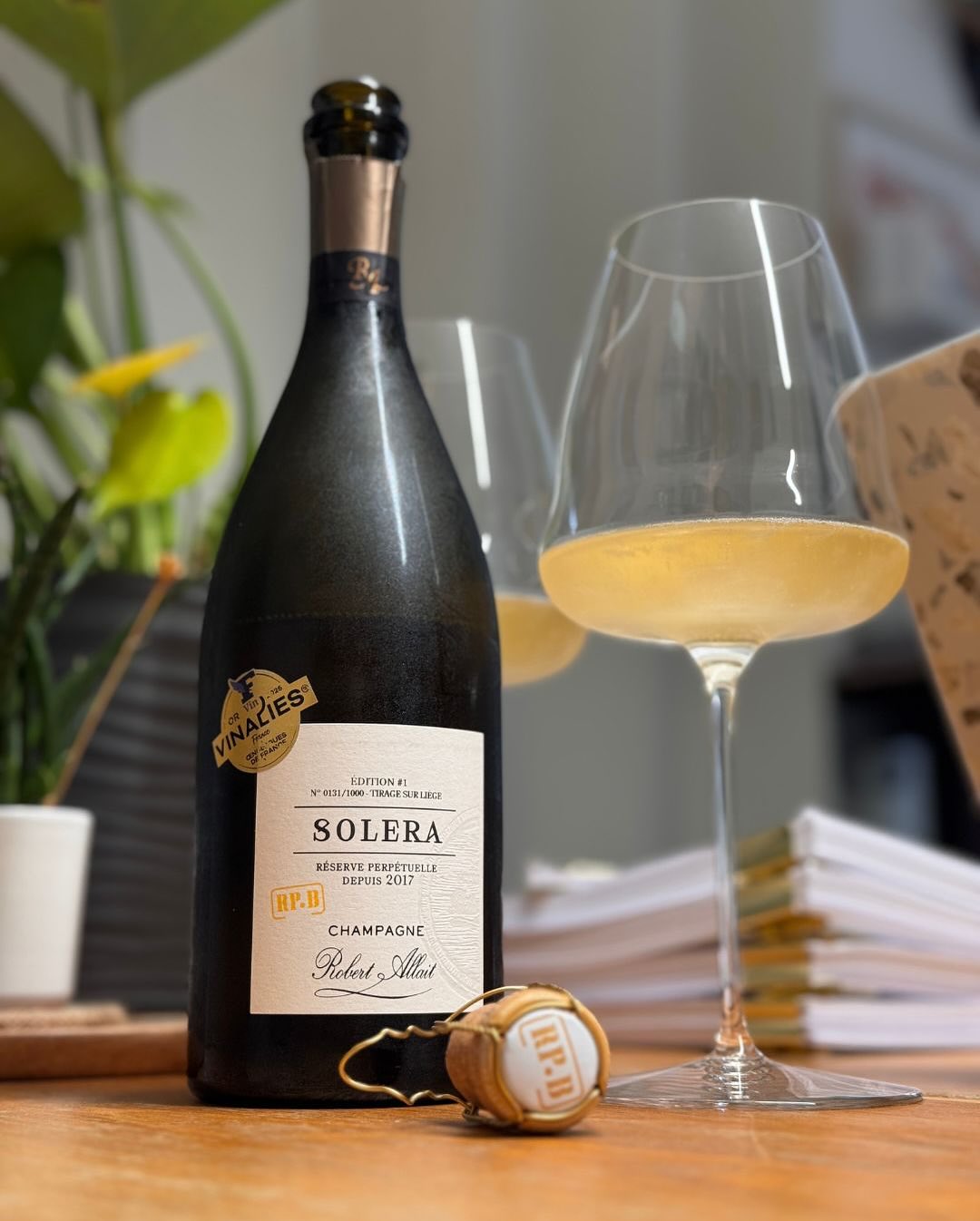
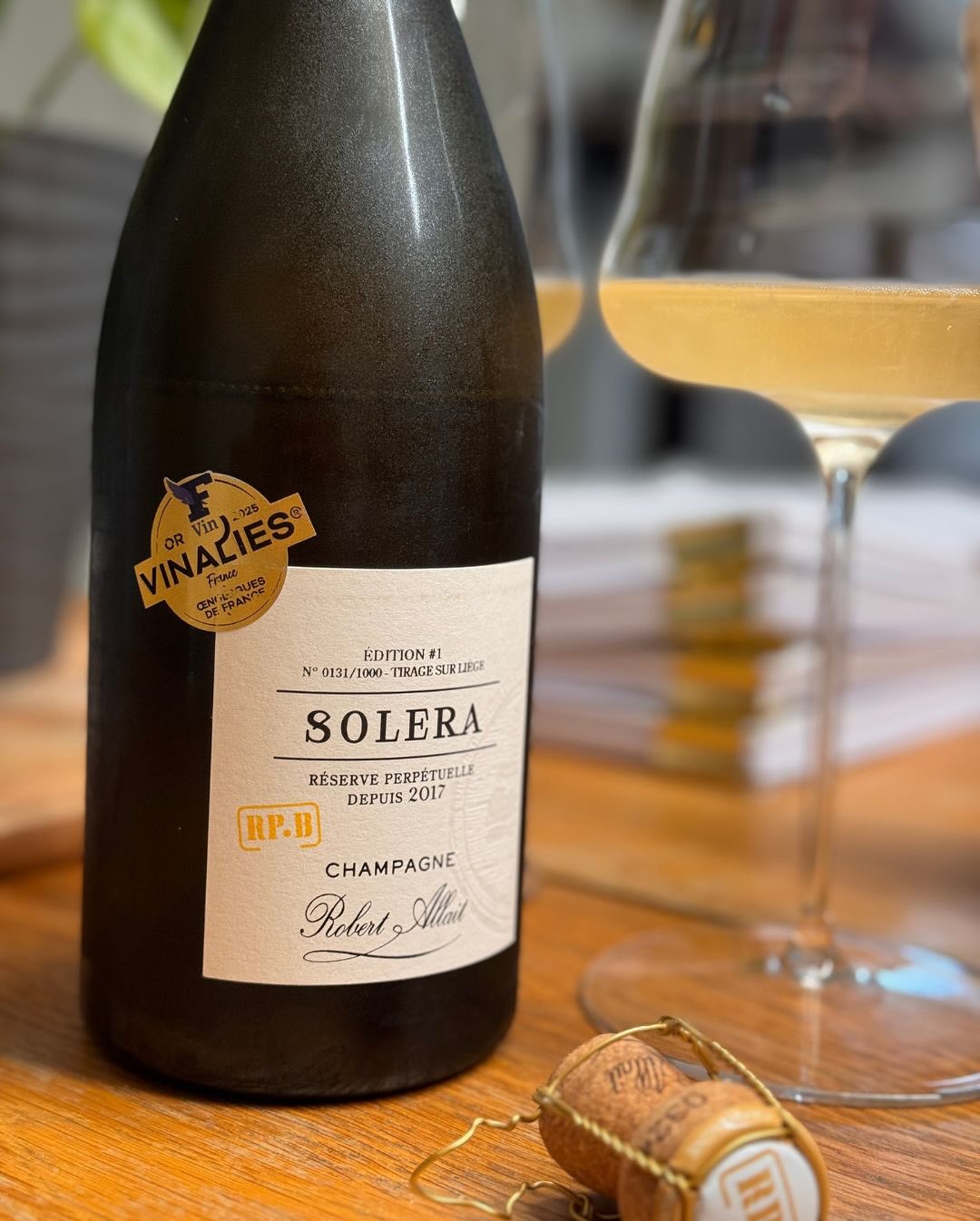
the_champagne.guy Gleicher Champagner -> der Solera RP.B – Extra Brut von @champagnerobertallait Drei Gläser -> Drei komplett verschiedene Erlebnisse. -> @josephinenhutte No. 4: Eleganz & Finesse – die aromatische Spannung des Solera-Ausbaus bleibt eher fokussiert. Die Perlage wirkt lebendig, die oxidative Note zeigt sich zurückhaltend. Ideal für den Einstieg. (Der Post dazu folgt noch) -> @gabriel_glas One for all: Runder, weicher, breiter – die Struktur kommt stärker raus, cremiger am Gaumen, nussiger im Abgang. Die Röstaromen damals (Post von Anfang Mai) zum Burger? Ein Traum. -> @riedel_official WineWings: Heute dann der große Auftritt. Das bauchige Glas gibt dem Champagner Raum – und der nutzt ihn. Weniger Mousse, dafür mehr Textur. Der RP-B wirkt fast wie ein gereifter Weißwein – mit Tiefe, Salzigkeit und dieser typischen Solera-Komplexität. Fazit: Jedes Glas ein anderer Blick auf denselben Charakterkopf. Und genau deshalb liebe ich dieses Projekt: Es geht nicht um die eine Wahrheit im Glas – sondern ums Erleben. Champagner-Facts: 🍇 60 % Chardonnay, 40 % Pinot Noir 🔁 Solera-Ausbau – mehrere Jahrgänge vereint 📉 Dosage: Extra Brut (~ 5 g/l) 📍 Villers-sous-Châtillon, Vallée de la Marne 🥂 Stil: gereift, strukturiert, mit oxidativer Tiefe 🍷 Getestete Gläser: Josephinen Hütte | Gabriel Glas | Riedel WineWings #TheChampagneGuy #RobertAllait #SoleraRPB #SoleraChampagner #ExtraBrut #GlasVergleich #NoFlutes #JosephinenHütte #GabrielGlas #WineWings #ChampagneExperience #ChampagnerMitTiefe #SchmecktImmerAnders #AberNieLangweilig
Auf Instagram weiterlesen →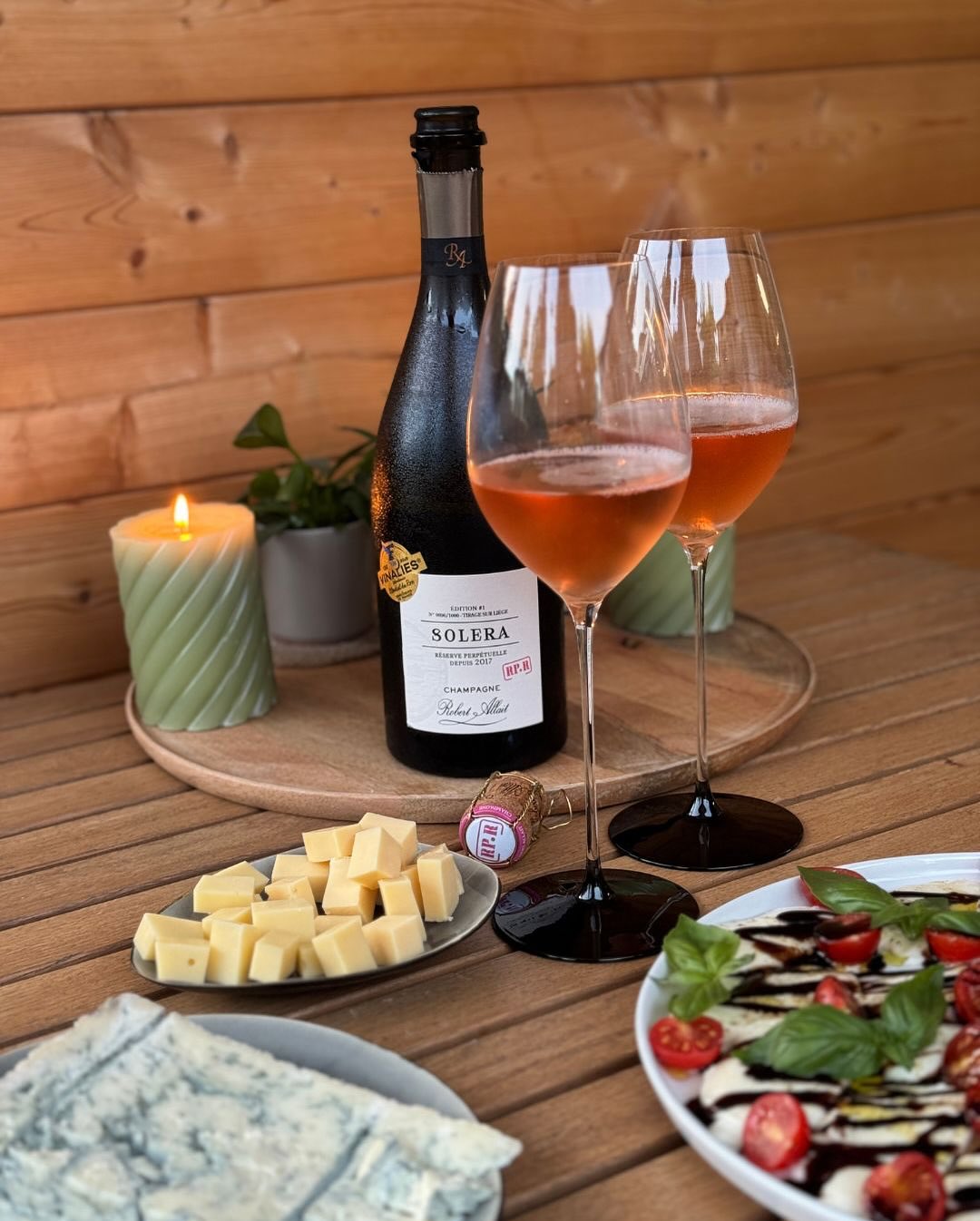
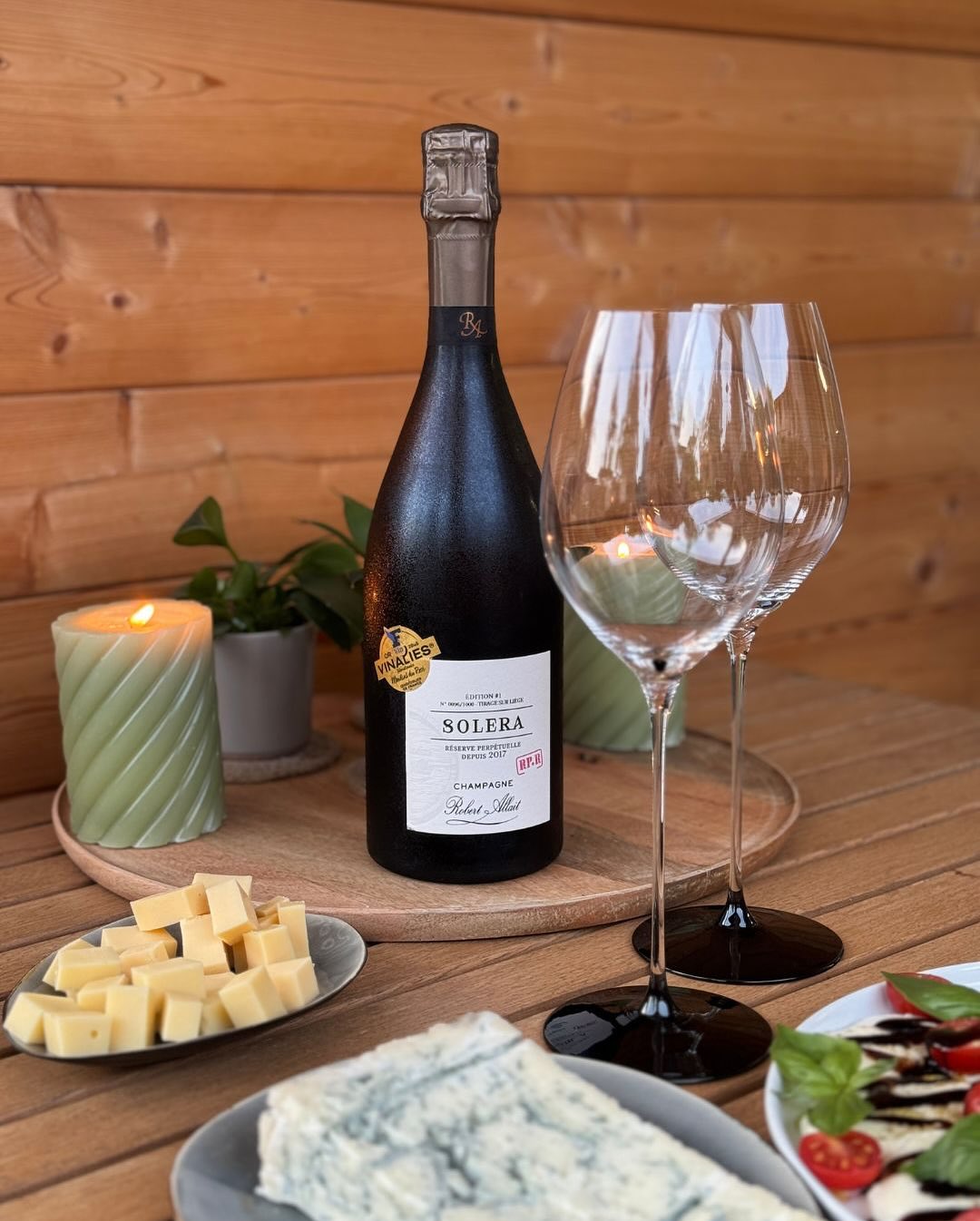
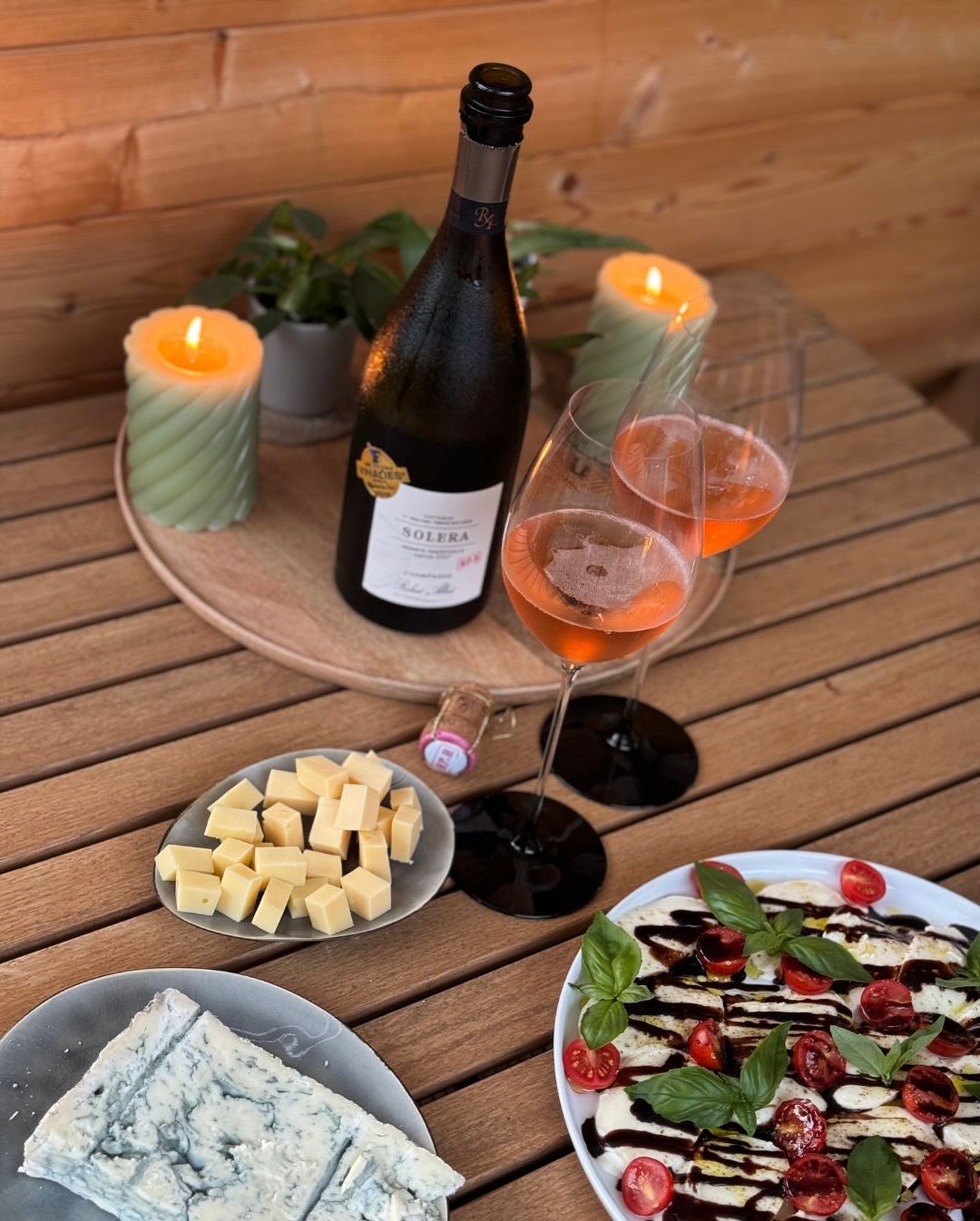
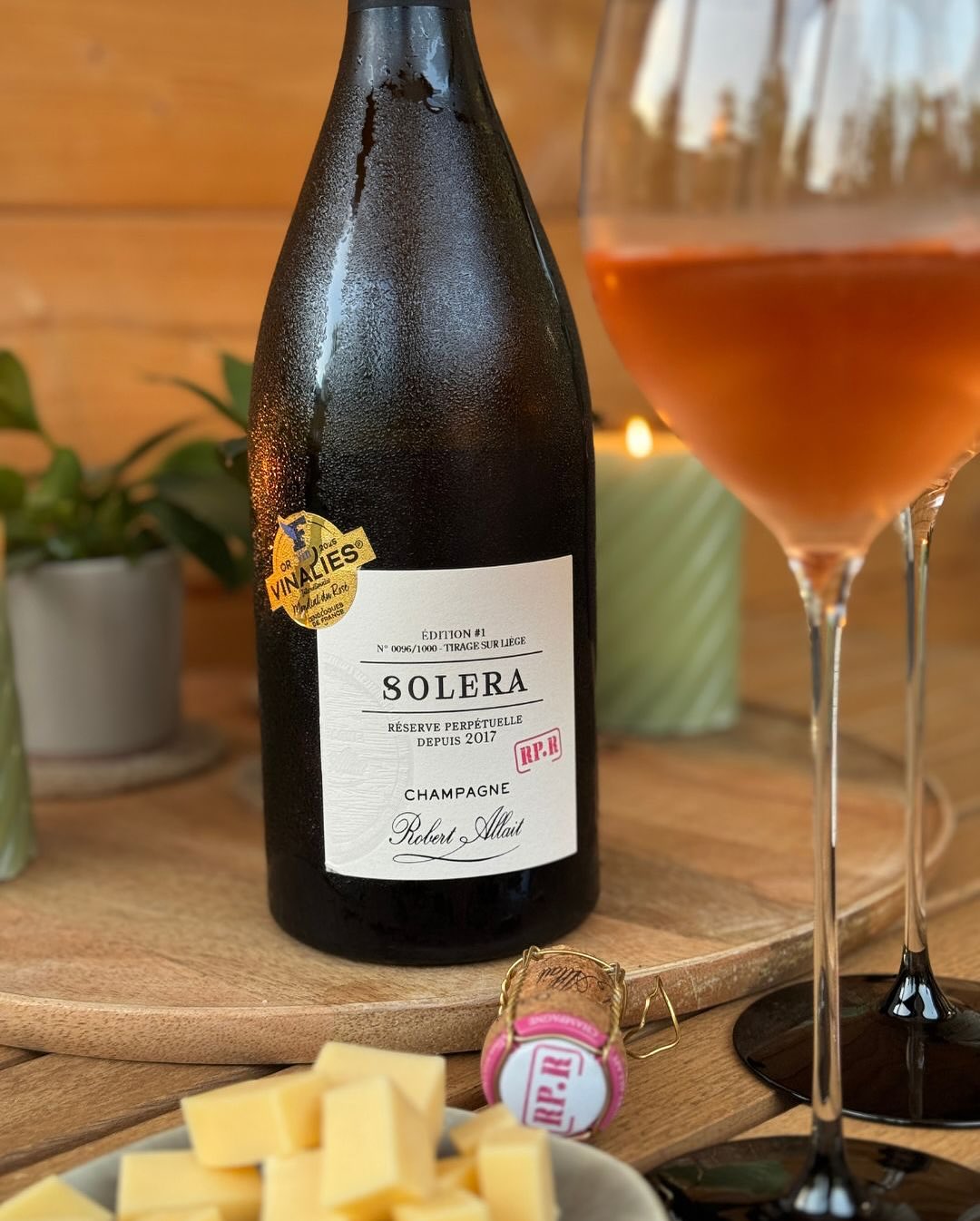
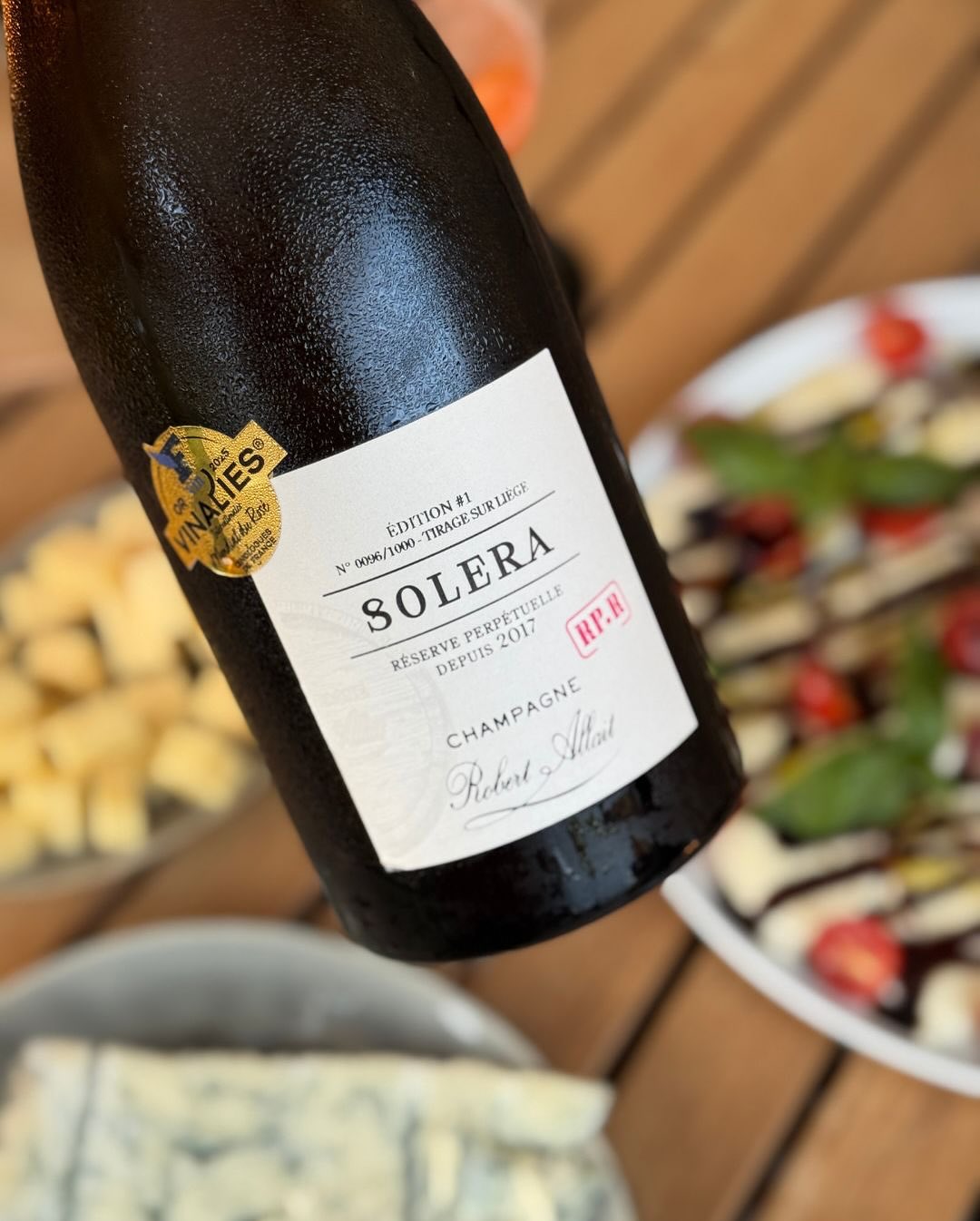
the_champagne.guy Der Solera RP-R von @champagnerobertallait ist kein Rosé, wie man vielleicht denken könnte – sondern ein Blanc de Blancs mit 5 % Pinot Noir. Die Farbe ist deutlich Rosè mit goldgelben Reflexen, die Textur cremig, die Aromatik tief. Röstnoten, Zitrus, Brioche – und ein Hauch von Salzmandel. Dazu auf dem Teller: 🧀 Gorgonzola & Hartkäse-Würfel 🍅 Caprese mit frischem Basilikum aus dem Garten 🥂 Eine sommerlich-leichte Kombi mit Charakter – getragen von einem Champagner, der zeigt, wie elegant Reife und Frische Hand in Hand gehen können. Im Glas: • 95 % Chardonnay, 5 % Pinot Noir • Keine malolaktische Gärung • 40 % Ausbau im Holz • Réserve perpétuelle seit 2017 • Dosage: 5 g/l (Extra Brut) Ein toller Begleiter – präzise und gastronomisch. #TheChampagneGuy @riedel_official #RobertAllait #SoleraRPR #AntipastiUndChampagner #ExtraBrut #BlancDeBlancs #Winzerchampagner #Sommergenuss #ChampagneTime #CapreseMoment
Auf Instagram weiterlesen →