Malolactic fermentation – or simply "Malo" – is one of the most fascinating decisions in the champagne cellar. As The Champagne Guy, I'm always amazed by how this one decision can completely transform the character of a champagne.
What happens during malolactic fermentation?
During malolactic fermentation, lactic acid bacteria convert the sharp malic acid (malate) into the milder lactic acid (lactate). This biological process normally takes place after alcoholic fermentation and noticeably reduces the total acidity of the wine.
The chemical process in detail:
- Malic acid (dibasic) → Lactic acid (monobasic) + CO₂
- pH rises by 0.3-0.5 points
- Total acidity drops by 1-3 g/l
- Formation of buttery aromas (diacetyl)
Why do most producers allow malo?
Softness and Creaminess
The vast majority of champagne houses deliberately allow malolactic fermentation. The reason is obvious: the resulting softness makes the champagne more accessible and harmonious.
Advantages of completed malo:
- Rounder, creamier texture
- Buttery, nutty secondary aromas
- Better integration of acidity
- More stable wine (no risk of subsequent malo in the bottle)
Especially with champagnes with longer lees aging, malo creates a wonderful synergy: the creamy texture from malolactic fermentation harmonizes perfectly with the brioche complexity of autolysis.
Why do some producers block malo?
Krug: The Master of Partial Malo
Krug practices a particularly sophisticated approach. Depending on the vintage and desired style, the house allows malo only in part of the base wines. This partial malolactic fermentation enables precise control over the acid profile of the finished champagne.
Krug's philosophy:
- Each base wine is individually evaluated
- Malo only where it serves the style
- Blend of malo and non-malo wines
- Maximum complexity through contrasts
Freshness as a Stylistic Tool
Other producers block malo completely to preserve the vibrant freshness of their champagnes. Especially with:
- Blanc de Blancs: Chardonnay benefits from crisp acidity
- Young vintages: Preservation of primary fruit
- Aperitif champagnes: Invigorating freshness as a style goal
The Influence on Champagne Style
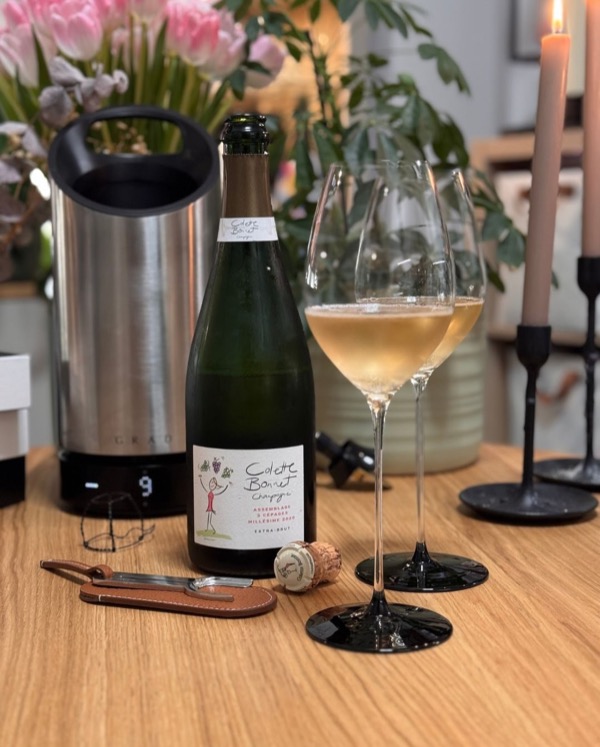
Gestern hatte ich mal wieder einen echten Geheimtipp: Den „Assemblage 3 Cépages“ Millésime 2020 von @champagnecolettebonnet . Colette Bonnet…
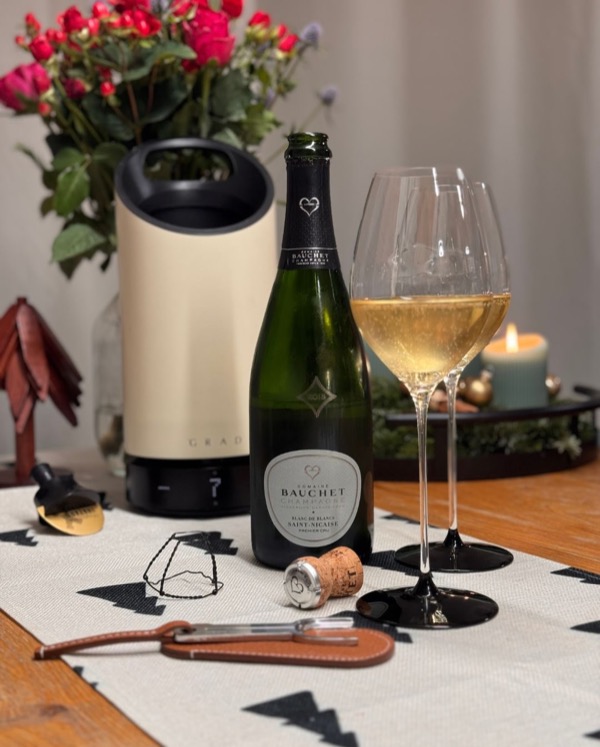
Der Saint-Nicaise 2015 von @domainebauchet hat gestern genau diese ruhige, warme Stimmung getroffen, die man sich für einen entspannten Abend…
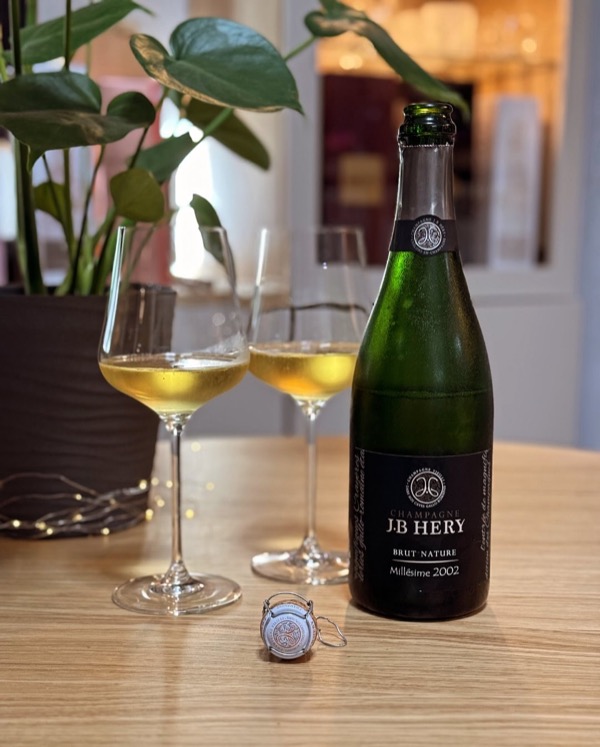
🍾 Heute im Glas: J.B Héry - Millésime 2002 - Brut Nature – ein spannender Fund aus meinem letzten Einkauf. Gerade erst frisch in den Keller…
My Posts About This
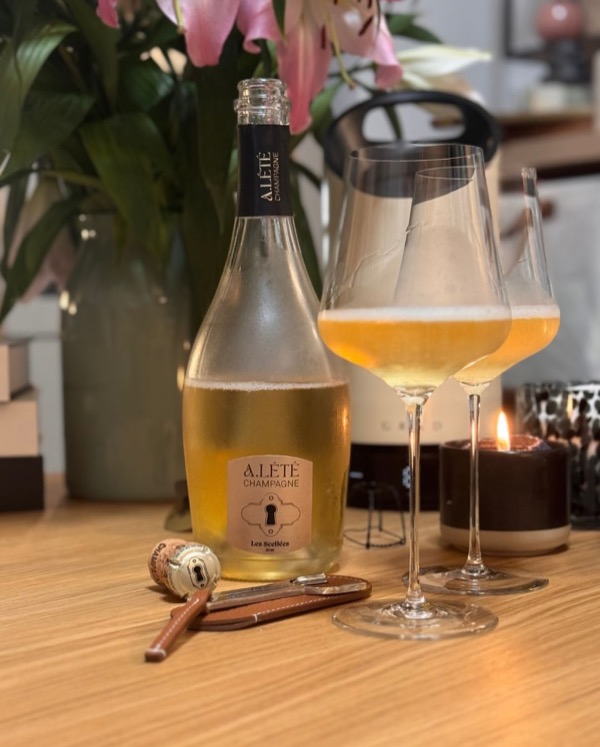
Gestern hatte ich einen Champagner im Glas, der zeigt, was perfektes Handwerk im Vallée de la Marne ausmachen kann: Den "Les Scellées" Brut von…
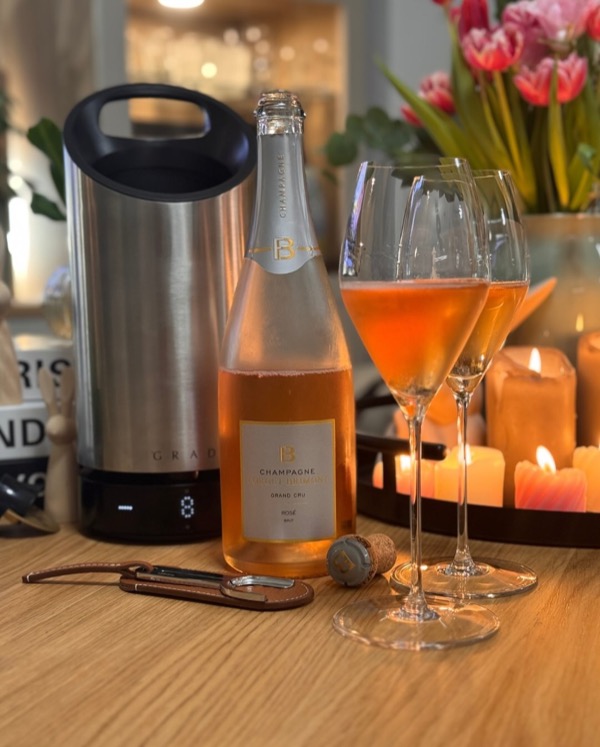
Heute gibt es mal wieder einen Rosé, der optisch und geschmacklich richtig Spaß macht: Den Brut Rosé von @champagne_forget_brimont . Wie ihr auf dem…
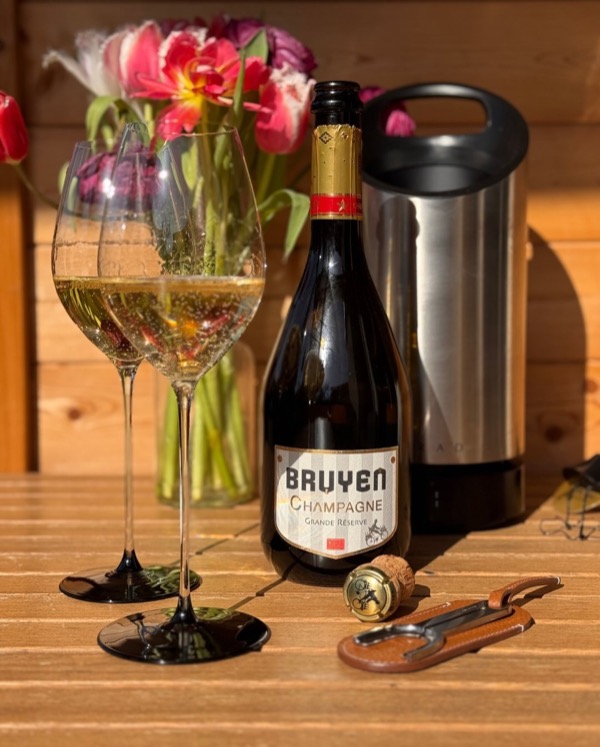
Die Terrassen-Saison für Business-Meetings ist eröffnet! ☀️🥂 Es beginnt wieder die Zeit, in der es warm genug ist, um lockere Geschäftstermine…
| Aspect | With Malo | Without Malo |
|---|---|---|
| Acidity | Softer, integrated | Crisp, precise |
| Texture | Creamy, round | Taut, mineral |
| Aromatics | Butter, brioche, nuts | Citrus, green apple |
| Aging Potential | Ready to drink sooner | Longer development |
| Style Direction | Opulent, accessible | Purist, complex |
Terroir Expression
The malo decision also significantly influences terroir expression. Champagnes without malo often show the mineral characteristics of their origin more clearly – the chalk of Cramant, the power of Aÿ, or the elegance of Mesnil-sur-Oger.
How do I recognize malo in the glass?
Taste Indicators
Champagnes with completed malo:
- Softer, rounder acidity
- Buttery, creamy notes
- Brioche and pastry aromas
- Fuller, silkier mouthfeel
Champagnes without malo:
- Precise, vibrant acidity
- Citrus freshness, green apple
- Mineral clarity
- Taut, focused structure
Practical Tasting Tips
As an experienced taster, I recommend paying attention to these nuances:
- First impression: How soft or taut does the champagne feel?
- Mouthfeel: Creamy-round or crisp-mineral?
- Finish: Buttery-warm or fresh-cool?
The Art of Conscious Decision
What particularly fascinates me as The Champagne Guy: malolactic fermentation is not a technical necessity, but a conscious style decision. Every producer defines their champagne philosophy with it.
The great houses like Dom Pérignon or Louis Roederer conduct malo and thereby create their characteristic opulence. Purists like Jacquesson or some grower champagnes forgo it and focus on crystalline clarity.
My conclusion: Both approaches have their justification. Malo makes champagne more accessible and harmonious – avoiding it preserves freshness and terroir expression. As a champagne lover, I appreciate this diversity that malolactic fermentation gives us as a stylistic tool.
The next bottle you open – pay conscious attention to this. You'll be surprised how clearly this one cellar technique shows itself in the glass.