When I opened my first Dom Pérignon years ago, I had no idea that I was diving into a world that represents the ultimate in champagne artistry. Prestige cuvées are more than just expensive champagnes – they embody the absolute pinnacle of what a champagne house is capable of achieving.
What defines a true prestige cuvée?
A prestige cuvée is a champagne house's flagship, its artistic and artisanal calling card. Three factors distinguish them from ordinary champagnes:
Exclusive grape selection: Only the finest grapes from Grand Cru vineyards are used. We're often talking about less than 5% of a house's entire harvest.
Exceptional aging time: While standard champagnes age on the lees for at least 15 months, prestige cuvées often age for 6-10 years or longer. This extended autolyse gives them their characteristic complexity.
Limited production: Production numbers are deliberately kept small – sometimes only a few thousand bottles are produced per vintage.
The legendary names of the prestige world
Dom Pérignon (Moët & Chandon)
The most famous name among prestige cuvées. Named after the legendary monk, Dom Pérignon is produced exclusively as a vintage and aged on the lees for at least 8 years. The iconic dark bottle has become a symbol of luxury.
Cristal (Louis Roederer)
Created in 1876 for Tsar Alexander II, Cristal is distinguished by its clear bottle and exceptionally elegant style. The high proportion of Chardonnay gives this champagne its famous minerality.
La Grande Dame (Veuve Clicquot)
Created in honor of the "Grande Dame of Champagne," Madame Clicquot. This cuvée captivates with its powerful structure and exceptional aging potential.
My posts about this
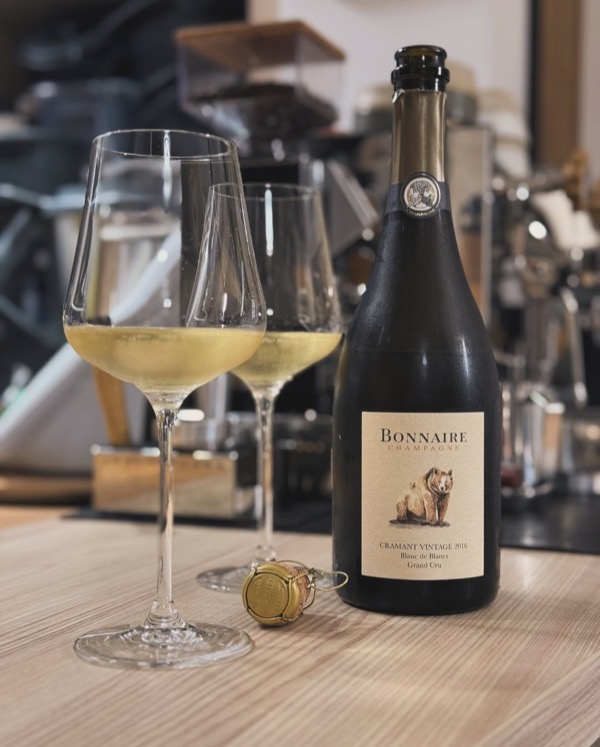
Diese Woche kam eine frische Lieferung direkt aus der Champagne bei mir an – Drei spannende Flaschen von @bonnaireclouet . Für den Auftakt habe ich…
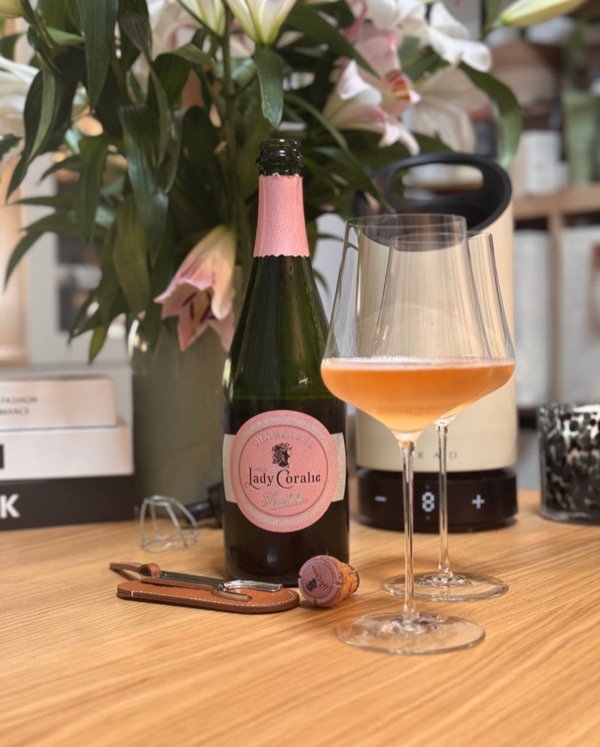
Heute habe ich eine echte Besonderheit aus der „Collector“ Linie von @champagne_mathelin im Glas: Die Cuvée „Lady Coralie“. Das Spannende an diesem…
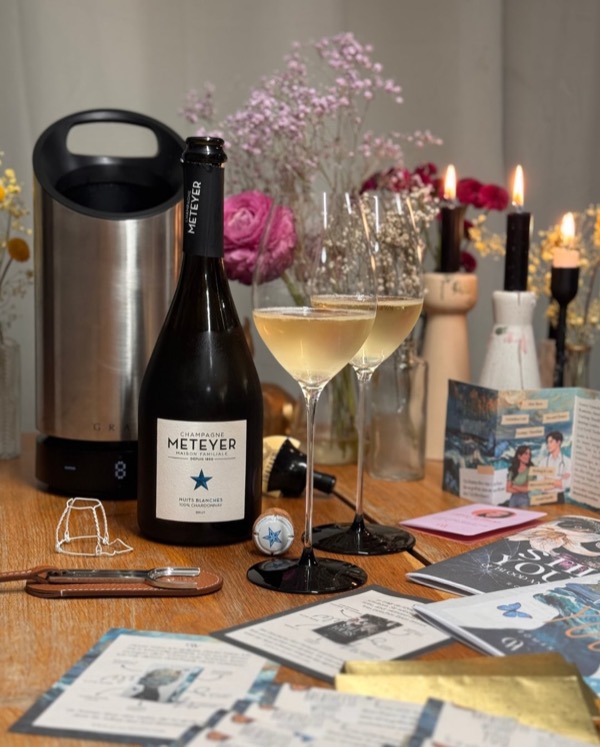
Hier am Tisch herrscht gerade kreatives Chaos der schönsten Sorte: @autorin.olive.wilson bereitet akribisch und mit wahnsinnig viel Liebe ihre…
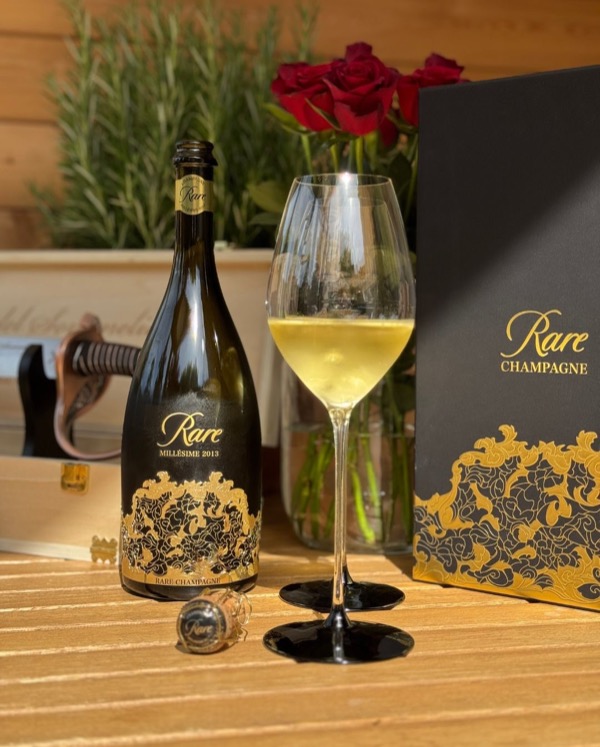
Heute habe ich den @rarechampagne_official Millésime 2013 zu meinem Geburtstag geöffnet – und damit nicht nur eine Flasche, sondern eine ganze…
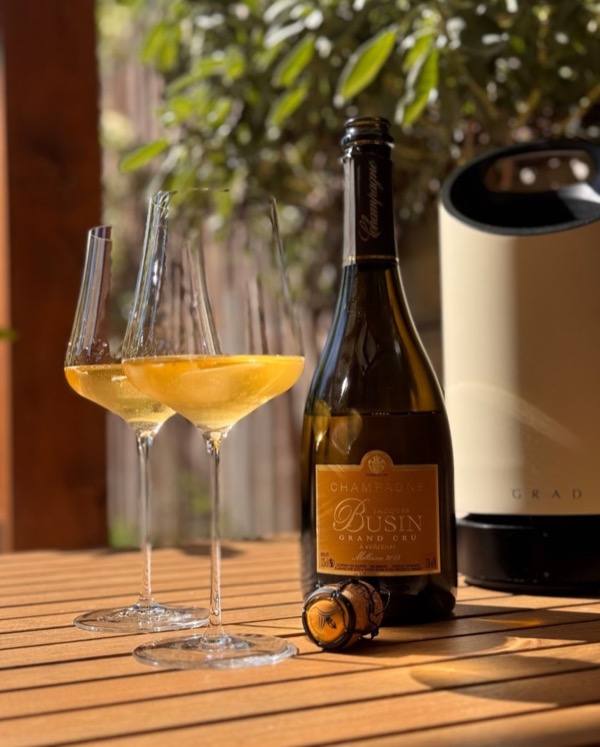
Erinnert ihr euch noch an den @champagnejacquesbusin – Millésime 2015 Grand Cru? Ich hatte diesen kraftvollen Champagner aus Verzenay letztes Jahr…
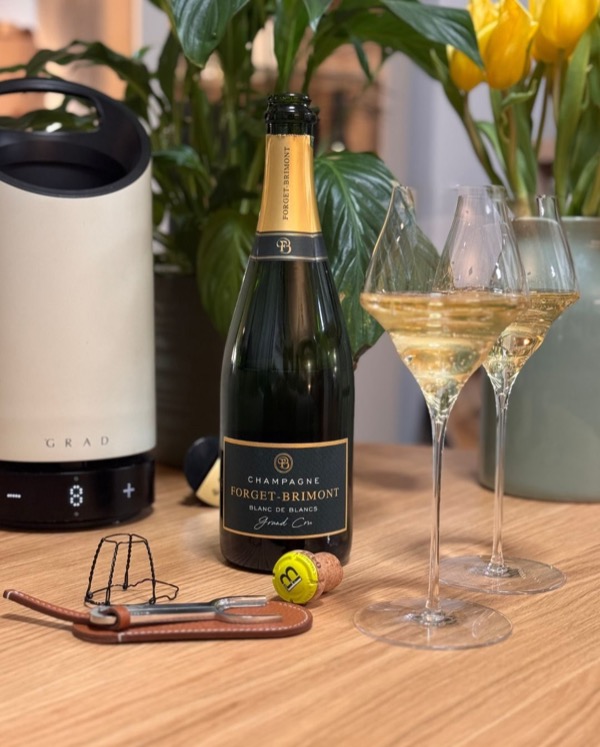
Nachdem mich der kräftige Rosé de Saignée Anfang Februar so bei den Crêpes Suzette überrascht hat, war gestern das weiße Flaggschiff von…
| Prestige Cuvée | House | Special Feature |
|---|---|---|
| Dom Pérignon | Moët & Chandon | Vintage only, min. 8 years aging |
| Cristal | Louis Roederer | Transparent bottle, mineral |
| La Grande Dame | Veuve Clicquot | Powerful, age-worthy |
| Comtes de Champagne | Taittinger | 100% Chardonnay Blanc de Blancs |
| Grand Siècle | Laurent-Perrier | Assemblage of different vintages |
| Clos du Mesnil | Krug | Single vineyard, 100% Chardonnay |
Why did prestige cuvées only emerge in the 1930s?
The history of prestige cuvées begins paradoxically during a time of crisis. Three factors led to their creation:
Economic crisis as catalyst: The global economic crisis of the 1930s forced champagne houses to rethink their approach. Instead of focusing on volume, they turned to exclusive, high-priced products for affluent clientele.
Technological developments: Better cellar technology and more precise temperature control enabled longer aging periods and more complex assemblages.
Marketing strategy: Houses recognized the value of "flagship products" that could elevate their entire portfolio and enhance brand perception.
Interestingly, Louis Roederer had already created a predecessor with Cristal in 1876 – though not as a conscious marketing strategy, but at the special request of the Russian Tsar.
Does the quality justify the price?
This question regularly occupies me as a champagne enthusiast. An honest look at pricing:
Justified cost factors
- Grape quality: Grand Cru grapes cost 3-5 times more than regular grapes
- Time investment: 6-10 years of aging means tied-up capital
- Selection: Only 2-5% of production reaches prestige level
- Handwork: Labor-intensive manual processes in riddling and disgorgement
Critical perspective
Nevertheless, it cannot be denied that a significant portion of the price is attributed to brand image and exclusivity. A Dom Pérignon often costs 10-15 times more than a very good grower champagne of comparable quality.
My take on prestige cuvées
After years of tasting various prestige cuvées, I've come to a nuanced judgment: the best among them do justify their price through exceptional quality, complexity, and aging potential. They represent artisanal perfection and offer taste experiences that cannot be found anywhere else in this form. Important note: temperature must be right. Prestige cuvées only properly unfold at 50-54°F – I use my GRAD cooler for this, which keeps the bottle precisely in this range without drowning it in ice water.
Nevertheless, I advise champagne newcomers to first explore the broad spectrum of Champagne before diving into the prestige world. Often, smaller houses offer better value for money with their top cuvées at comparable quality.
The fascination of prestige cuvées ultimately lies not only in their taste, but in their role as liquid artworks – testimonies to centuries-old craftsmanship and expressions of pure passion for perfection.