When I first started exploring the world of Champagne years ago, I didn't realize I was drinking 95% Brut Champagne. Today, after tasting quite a few champagnes at home, I understand: Brut didn't become the absolute standard for nothing. But why exactly?
What does Brut mean in Champagne?
Brut designates Champagne with a sugar content between 0 and 12 grams per liter. This sweetness comes from the dosage — a mixture of base wine and sugar that's added before the final corking of the bottle.
The Brut category forms the heart of the Champagne spectrum and lies between the drier variants (Extra Brut, Brut Nature) and the sweeter styles (Extra Dry, Sec, Demi-Sec).
My posts about this
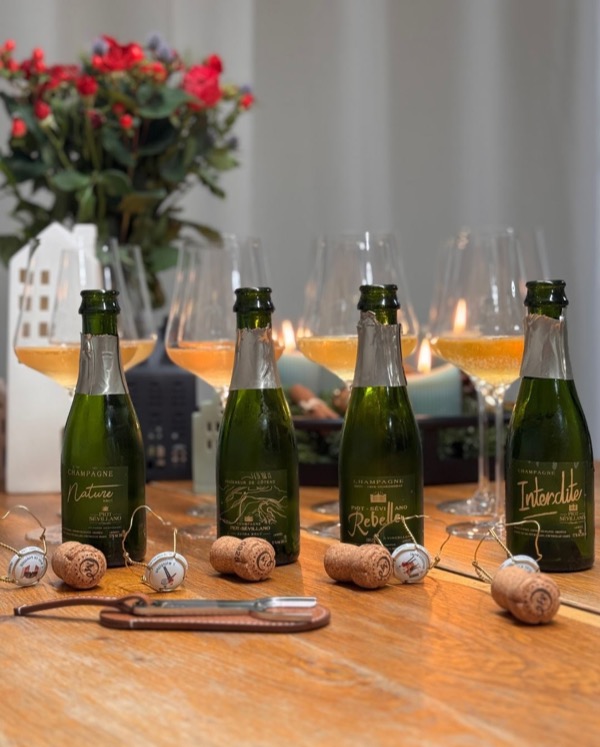
11 Flaschen aus dem @piotsevillano Adventskalender, aufgeteilt in 3 Flights, an einem Tag verkostet. Nicht als klassisches Tasting, sondern als…
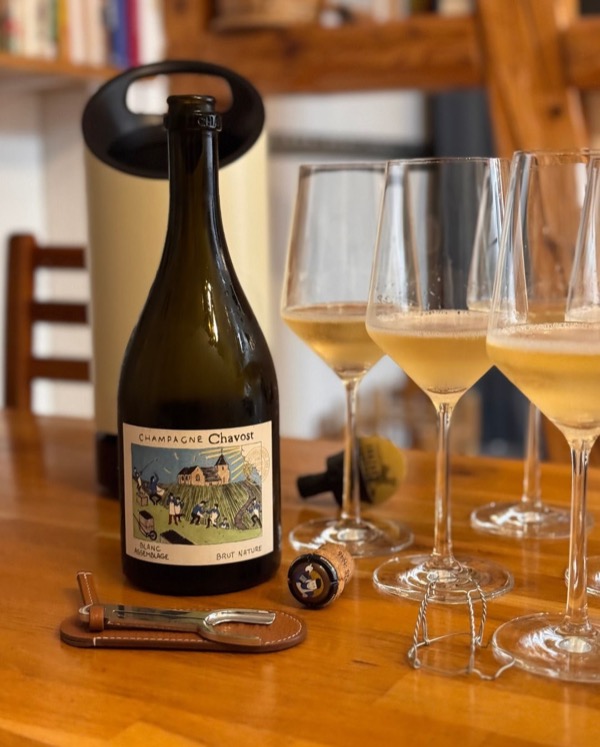
Vor dem großen Menü zum 60er mit Privatkoch, was ich euch morgen in 5 Posts präsentieren werde, gab es als Warm-up schon mal einen @champagnechavost…
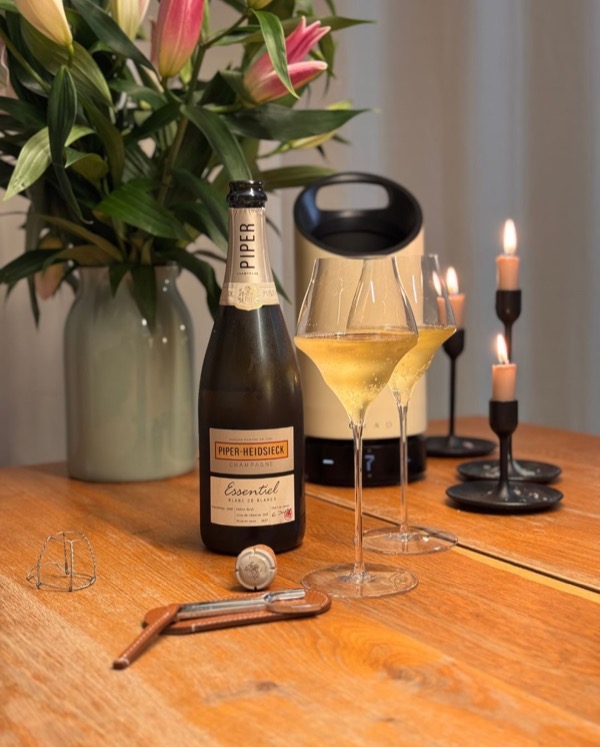
Wenn man an @piper_heidsieck denkt, hat man oft das klassische Rot vor Augen. Aber wer die wahre Seele des Hauses in ihrer pursten Form erleben will,…
| Champagne Style | Sugar Content (g/l) | Taste Character |
|---|---|---|
| Brut Nature | 0-3 | Bone dry |
| Extra Brut | 0-6 | Very dry |
| Brut | 0-12 | Dry |
| Extra Dry | 12-17 | Off-dry |
| Sec | 17-32 | Medium-sweet |
| Demi-Sec | 32-50 | Sweet |
Why does Brut dominate the Champagne market?
The perfect balancing act
Brut Champagne achieves something remarkable: it's dry enough for sophisticated palates, but not so austere that it seems unapproachable. The 0-12 g/l sugar masks the natural acidity of the Champagne without dominating the flavor.
Versatility as the trump card
From what I've learned so far: Brut simply works everywhere. As an aperitif, with oysters, with grilled fish, or even with mild cheeses. This universality makes Brut a safe haven for producers and consumers alike.
The sweet past — When Champagne tasted like dessert
The great taste transformation
150 years ago, our current Brut standard would have been considered "unbearably dry." The champagnes of the 19th century often contained 100-150 grams of sugar per liter — equivalent to today's Demi-Sec or even Doux champagnes.
Why was Champagne so sweet in the past?
Several factors explain this sweet history:
- Technical necessity: Sugar masked production flaws and unbalanced acidity
- Social preferences: The 19th century loved sweet drinks in general
- Preservation: Sugar acted as a natural preservative
- Prestige: Sugar was expensive and considered luxurious
Dom Pérignon and the transformation
Ironically, it was Dom Pérignon (the house, not the monk) that began exporting drier champagnes to England in the 1870s. The British already preferred less sweet wines at that time — a taste that slowly spread to continental Europe.
Why exactly 12 g/l as the upper limit?
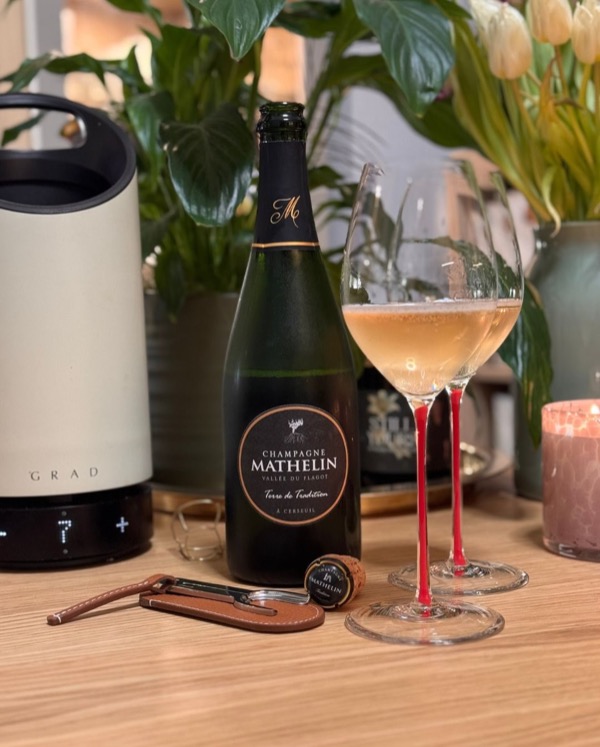
Heute habe ich einen äechter Klassiker aus dem Herzen der Marne geöffnet, der seinem Namen alle Ehre macht: Den „Terre de Tradition“ Brut von…
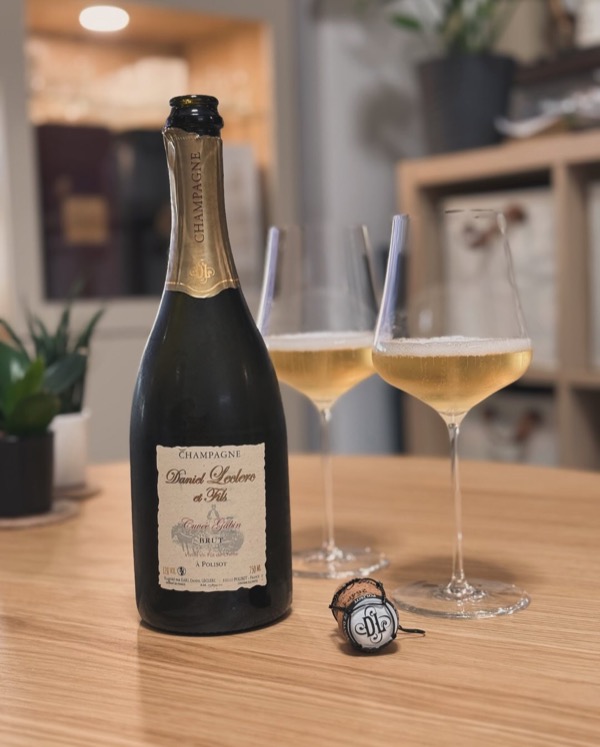
Manchmal öffnet man eine Flasche und weiß sofort: Das passt. Genau das hatte ich gestern mit der Cuvée Gabin Brut von @champagne.daniel.leclerc . Ein…
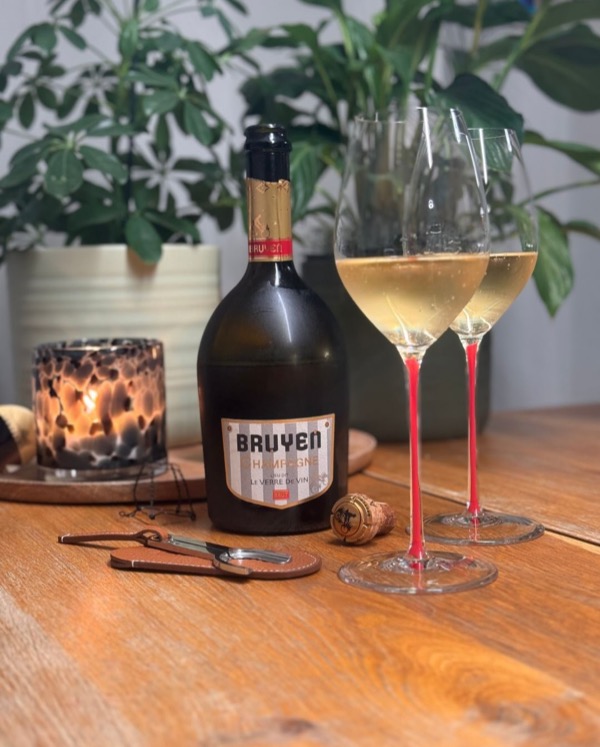
Heute gibt es mal ein etwas anderes Setup. Mein @grad.dk Kühler hat heute frei – und zwar aus einem ganz simplen Grund: Die Flasche ist einfach zu…
The scientific explanation
The 12-gram limit isn't coincidental. At this sugar content, the human tongue begins to consciously perceive sweetness. Up to 12 g/l, the sugar mainly acts as an acid buffer without tasting dominantly sweet.
The practical aspect
From a production standpoint, 12 g/l allows producers maximum flexibility. They can:
- Balance acid-driven base wines
- Harmonize different cuvée partners
- Keep house styles consistent over the years
The secret of Brut dosage — Why 6-9 g/l is the sweet spot
The hidden diversity
Although all called "Brut," actual sugar values vary considerably. In my tasting notes I find:
- 0-3 g/l: Very purist, emphasizes minerality
- 4-6 g/l: Balanced, shows terroir clearly
- 6-9 g/l: The mainstream — where most Brut champagnes cluster
- 9-12 g/l: More approachable, fruit-forward style
Why 6-9 g/l is optimal
This range offers the best balance of:
- Drinkability: Not too austere, not too sweet
- Complexity: Enough sugar for mouthfeel, little enough for clarity
- Market acceptance: Appeals to both beginners and connoisseurs
- Food pairing: Versatile application
How do I recognize the dosage of my Brut Champagne?
The detective work
Unfortunately, few producers specify the exact dosage. I use these indicators:
Taste-wise:
- Very mineral, austere → probably under 6 g/l
- Balanced, elegant → probably 6-9 g/l
- Fruit-forward, approachable → probably 9-12 g/l
Visual:
- Fine, long-lasting perlage often indicates lower dosage
- Broader bubbles can suggest higher dosage
My conclusion as The Champagne Guy
Brut didn't become the standard for nothing. This category combines approachability with complexity, tradition with modern taste. The 95% dominance shows: Champagne producers have understood what consumers want.
For Champagne beginners, I recommend trying different Brut champagnes and paying attention to the dosage differences. You'll be surprised how diverse "dry" can taste.
The future continues to belong to Br