Enough with "Just for Toasting"
Champagne is not an aperitif drink that you put away after the appetizer. It's one of the most versatile food companions of all. The combination of acidity, perlage, and complexity makes it the perfect partner for dishes where still wines fail.
I say this with complete conviction: If I could only drink one wine with a complete menu at a restaurant, it would be champagne. Not Burgundy, not Bordeaux, not Riesling. Champagne. And not as a compromise, but because it simply covers the broadest range of dishes.
Why Champagne Works with Food
- Acidity, Cuts through fat and creaminess
- Perlage, Cleanses the palate between bites
- Versatility, From Blanc de Blancs to Rosé de Saignée: The right style for every dish
- Umami-friendly, Champagne harmonizes with umami better than most wines
These four properties together make champagne something special. The acidity works like a squeeze of lemon on a fatty dish, it brings freshness and lifts the flavors. The perlage does something no still wine can: it wipes the palate clean, like a reset button between each bite. And the umami-friendliness, a result of autolysis, means champagne works where red wine fails: with soy sauce, Parmesan, aged meat, mushrooms.
The Champagne Food Guide
| Dish | Best Champagne Style |
|---|---|
| Oysters | Brut Nature / Extra Brut, Blanc de Blancs |
| Sashimi | Extra Brut, Blanc de Blancs |
| Seafood | Brut, Blanc de Blancs |
| Smoked Salmon | Rosé |
| Soft Cheese | Brut, Vintage |
| Hard Cheese | Blanc de Noirs, Vintage |
| Poultry | Vintage, Prestige Cuvée |
| Lamb | Rosé de Saignée, Blanc de Noirs |
| Asian Cuisine | Demi-Sec, Rosé |
| Fruit Desserts | Demi-Sec |
| Chocolate | Rosé de Saignée |
The Classics in Detail
Oysters and Blanc de Blancs
The dream couple. The salty sea breeze of the oyster meets the chalky minerality of a Blanc de Blancs from the Côte des Blancs, that's pure Champagne. An Extra Brut or Brut Nature works best because the absence of dosage doesn't mask the salinity of the oysters. Too sweet a champagne kills the oyster.
Cheese: The Underrated Pairing
In France, they drink champagne with cheese, and that's no coincidence. Soft cheese like Brie or Chaource (which even comes from Champagne) harmonizes beautifully with a Brut NV. The creamy richness of the cheese is broken up by the acidity and perlage. Harder cheese like Comté or Parmigiano demands a more robust champagne, Blanc de Noirs or an aged vintage.
Asian Cuisine
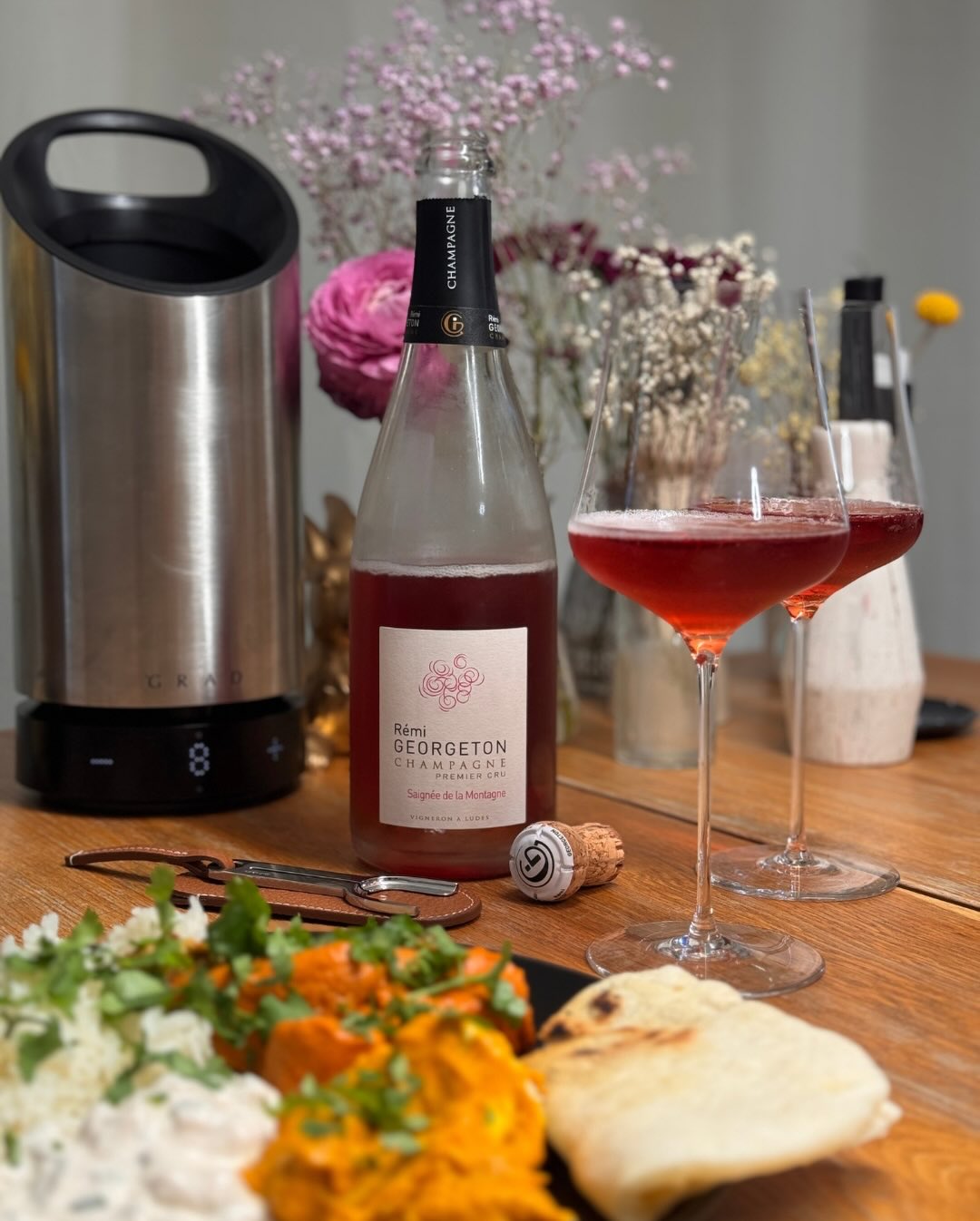
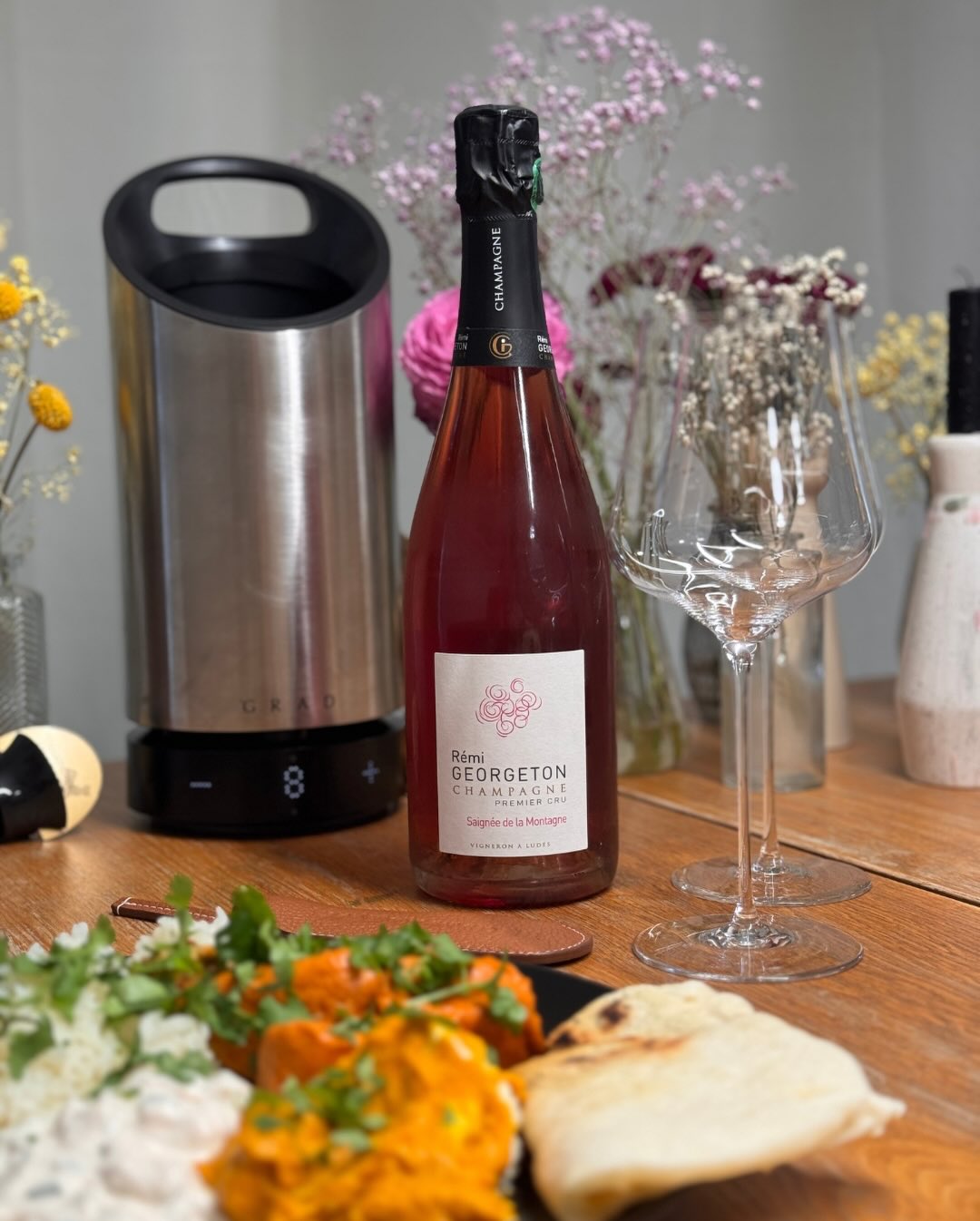
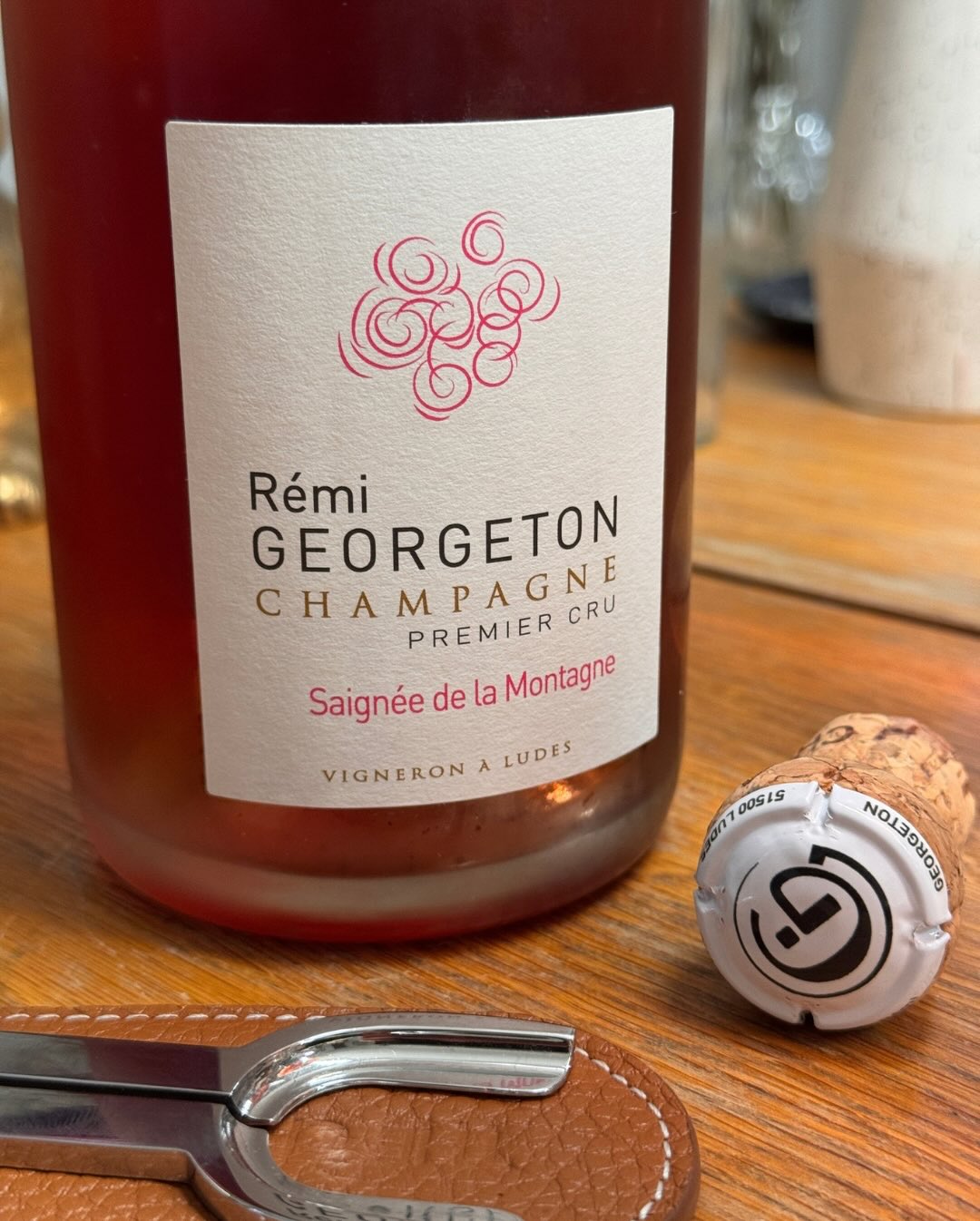
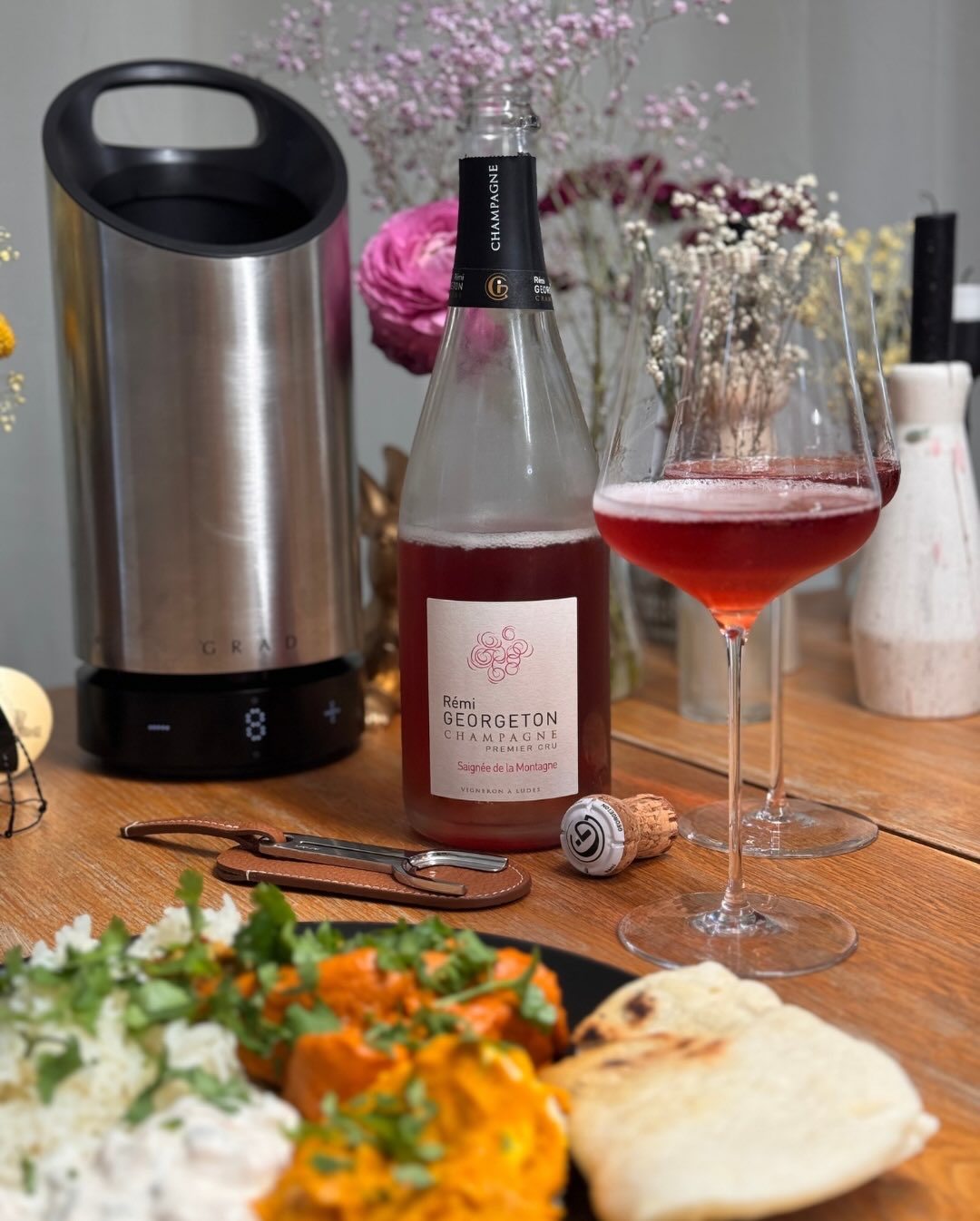
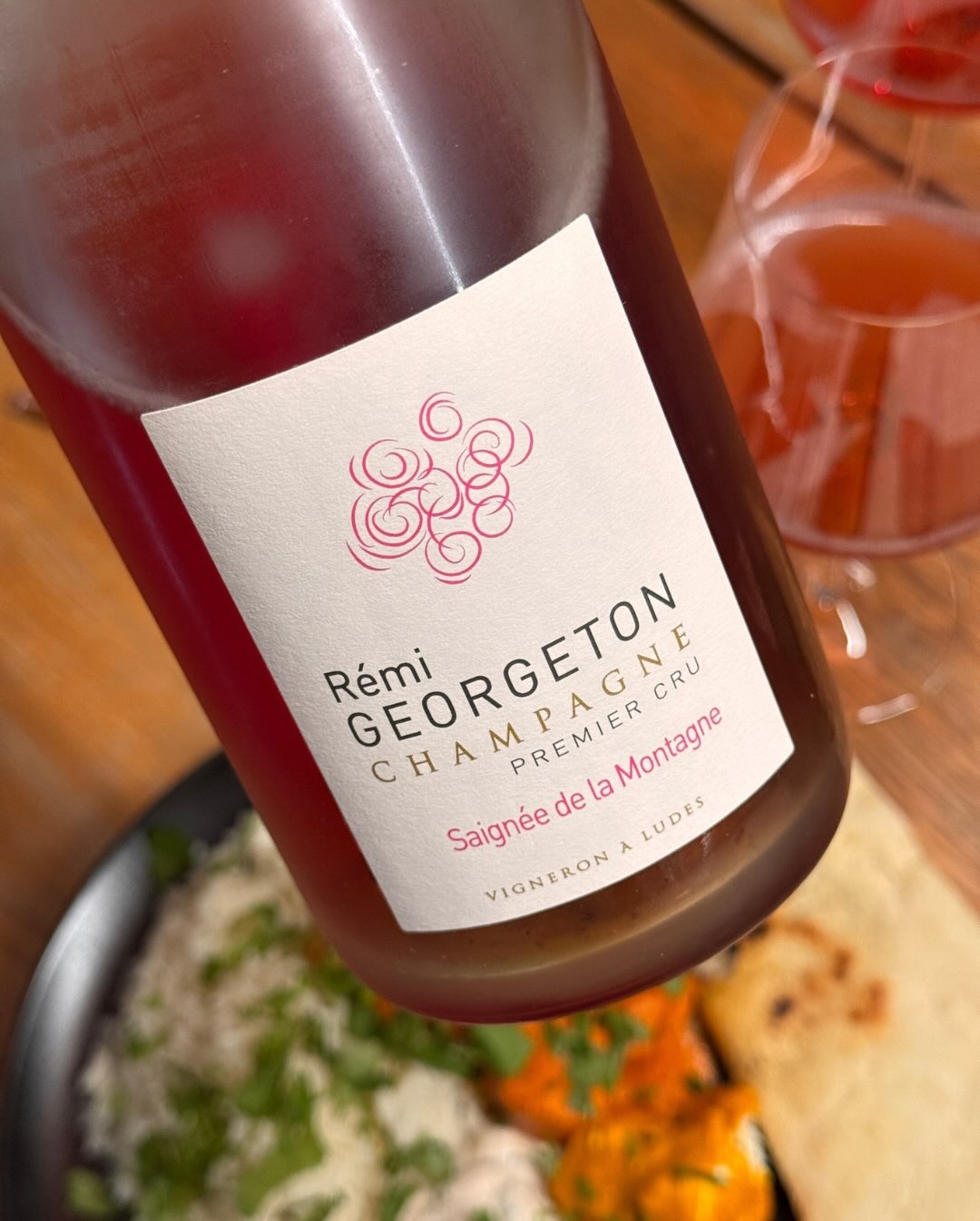
the_champagne.guy Bei uns kommt ja regelmäßig indisch auf den Tisch, und dieses Mal gab es das volle Wohlfühl-Programm: Butter Chicken, Royal Paneer, erfrischendes Raita, frisches Naan und duftender Gewürzreis – natürlich alles 100 % selbstgemacht! Wer schon mal indisch gekocht hat, weiß: Gegen diese geballte Ladung an intensiven Aromen und warmen Gewürzen kommt nicht jeder Wein an. Da braucht es einen Champagner mit ordentlich Struktur und Rückgrat. Meine Wahl fiel auf den „Saignée de la Montagne“ von @remi_georgeton , was definitiv eines der Top 3 Pairings war, die wir wie bisher zu indischer Küche hatten! Rémi Georgeton arbeitet in Rilly-la-Montagne komplett biodynamisch (Demeter & Ecocert zertifiziert). Für diesen Rosé de Saignée werden 100 % Pinot Noir-Trauben per Hand entrappt und für 18 Stunden mazeriert. Vergoren wird mit wilden Hefen, die Malo passiert spontan und der Ausbau findet zu 100 % im Holzfass statt. Ohne Filtration und ohne Schönung kommt hier die pure Natur ins Glas. Der Champagner hat richtig Wumms! Im Glas leuchtet er in einem kräftigen Orangerot mit kupferfarbenen Reflexen. In der Nase und am Gaumen bringt er eine enorme Dichte mit: kandierte Kirsche, Erdbeere und warme, leicht waldige Noten, gepaart mit einer fantastischen, fast schon samtigen Cashmere-Textur. Durch die niedrige Dosage von 3 g/l (Extra Brut) bringt er aber genau den Frische-Kick und die feine Säure mit, die man als Kontrast zur cremigen Sauce des Butter Chicken und des Royal Paneer braucht. Die leichte Tanninstruktur des Saignée greift die indischen Gewürze perfekt auf, ohne sie zu überlagern. Champagne-Facts 🥂 🍇 100 % Pinot Noir (Rosé de Saignée, 18h Mazeration) 📍 Terroir: Rilly-la-Montagne (Premier Cru) 🌱 Philosophie: Biodynamisch (Demeter & Ecocert), wilde Hefen, unfiltriert 🪵 Ausbau: 100 % im Eichenfass 📅 Basisjahr: 100 % 2021 🍬 Dosage: 3 g/l (Extra Brut) Fazit: Ein enorm charakterstarker, handwerklicher Rosé, der mühelos mit den kräftigsten Gewürzen mithalten kann und dem Essen absolut auf Augenhöhe begegnet. #TheChampagneGuy @gabriel_glas @grad.dk @mygabrielglas @grad_rd @laclaye #RemiGeorgeton #IndianFoodPairing #GrowerChampagne #RillyLaMontagne
Auf Instagram weiterlesen →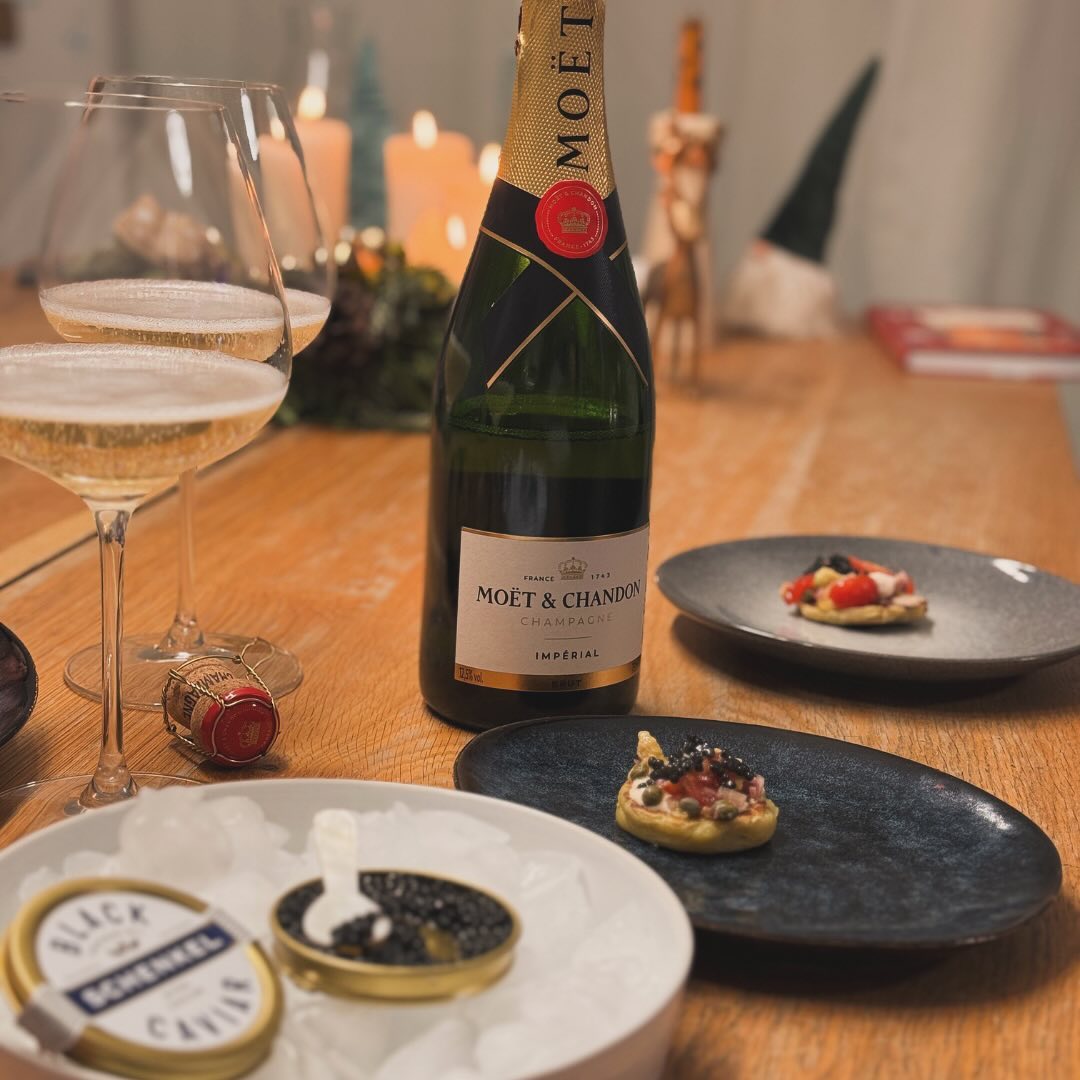
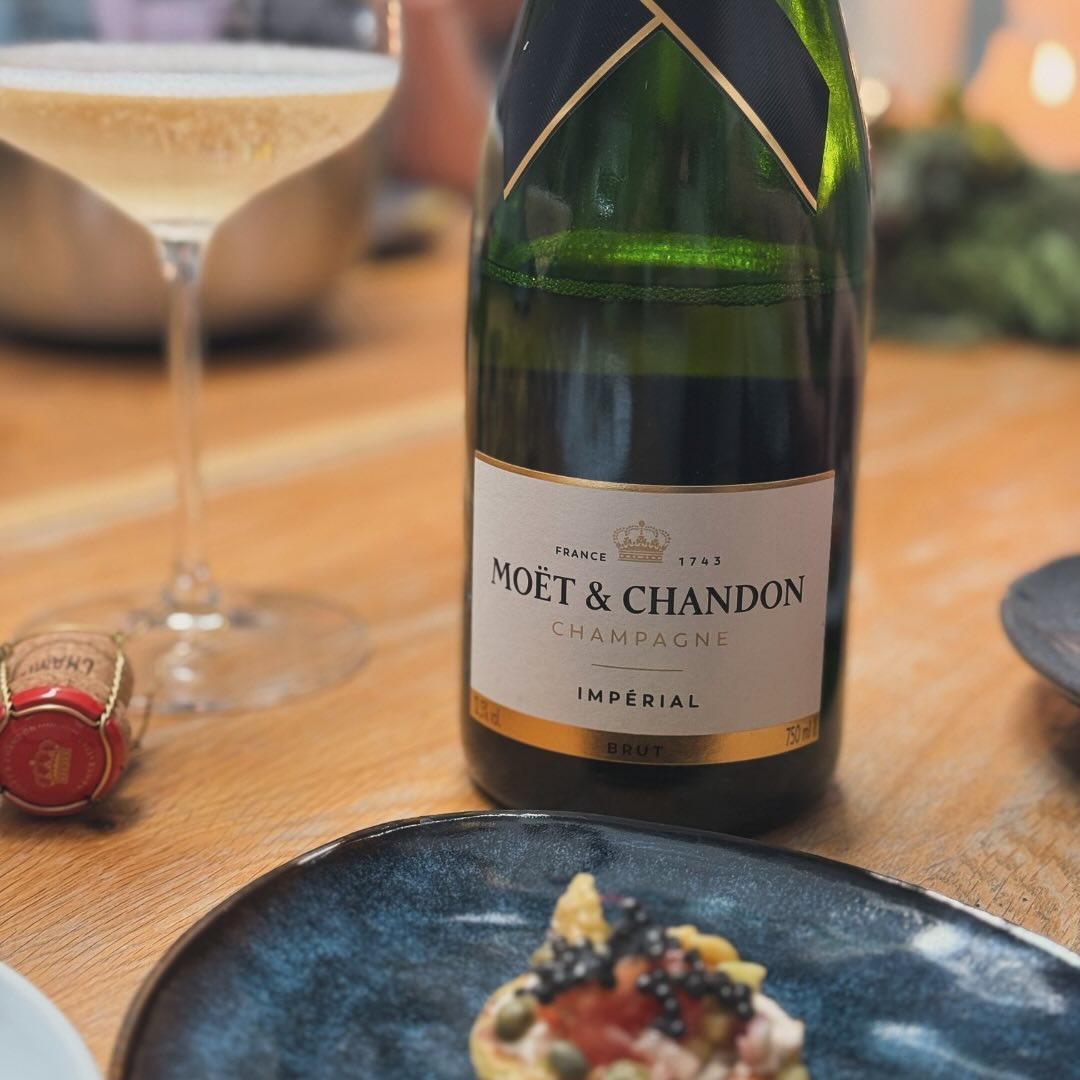
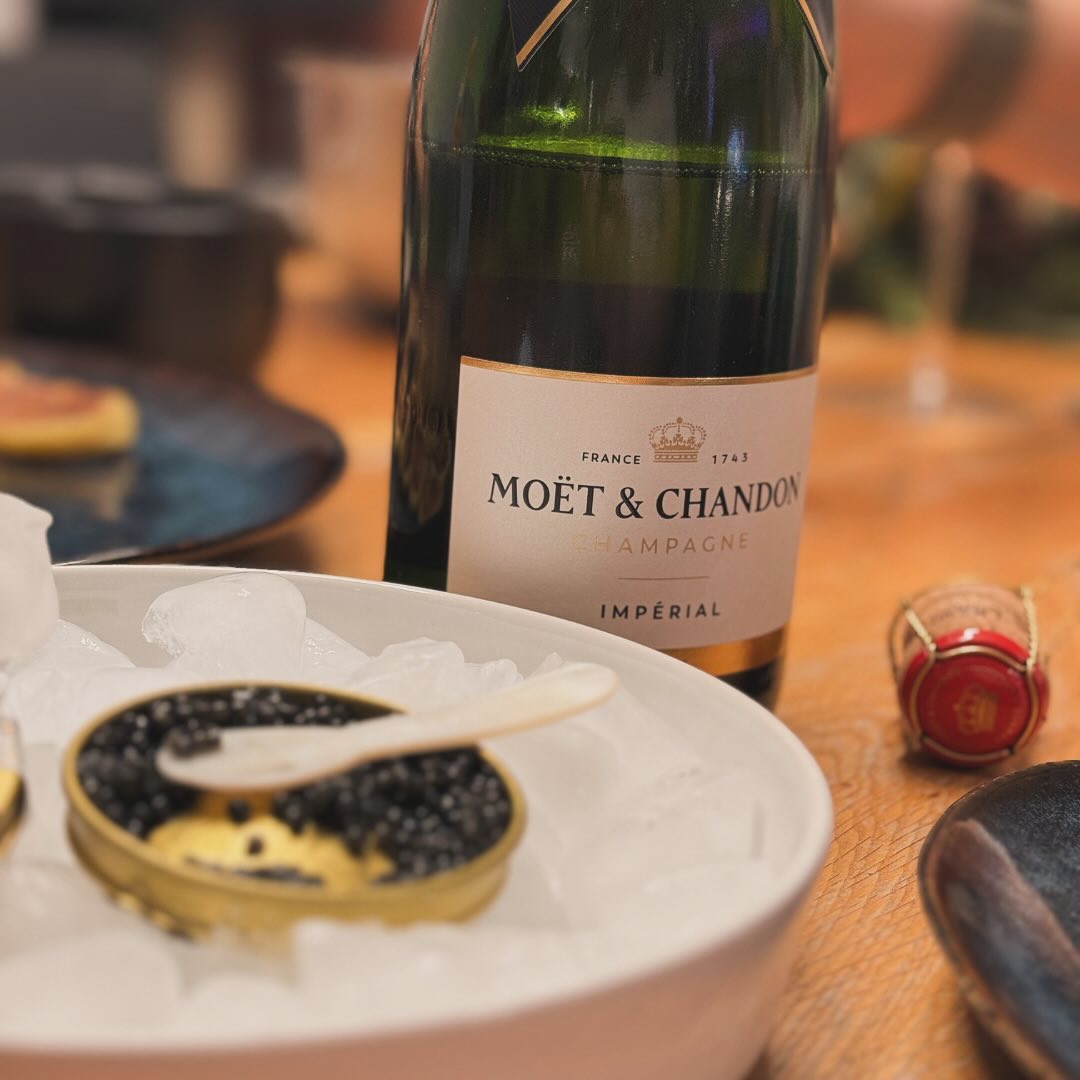
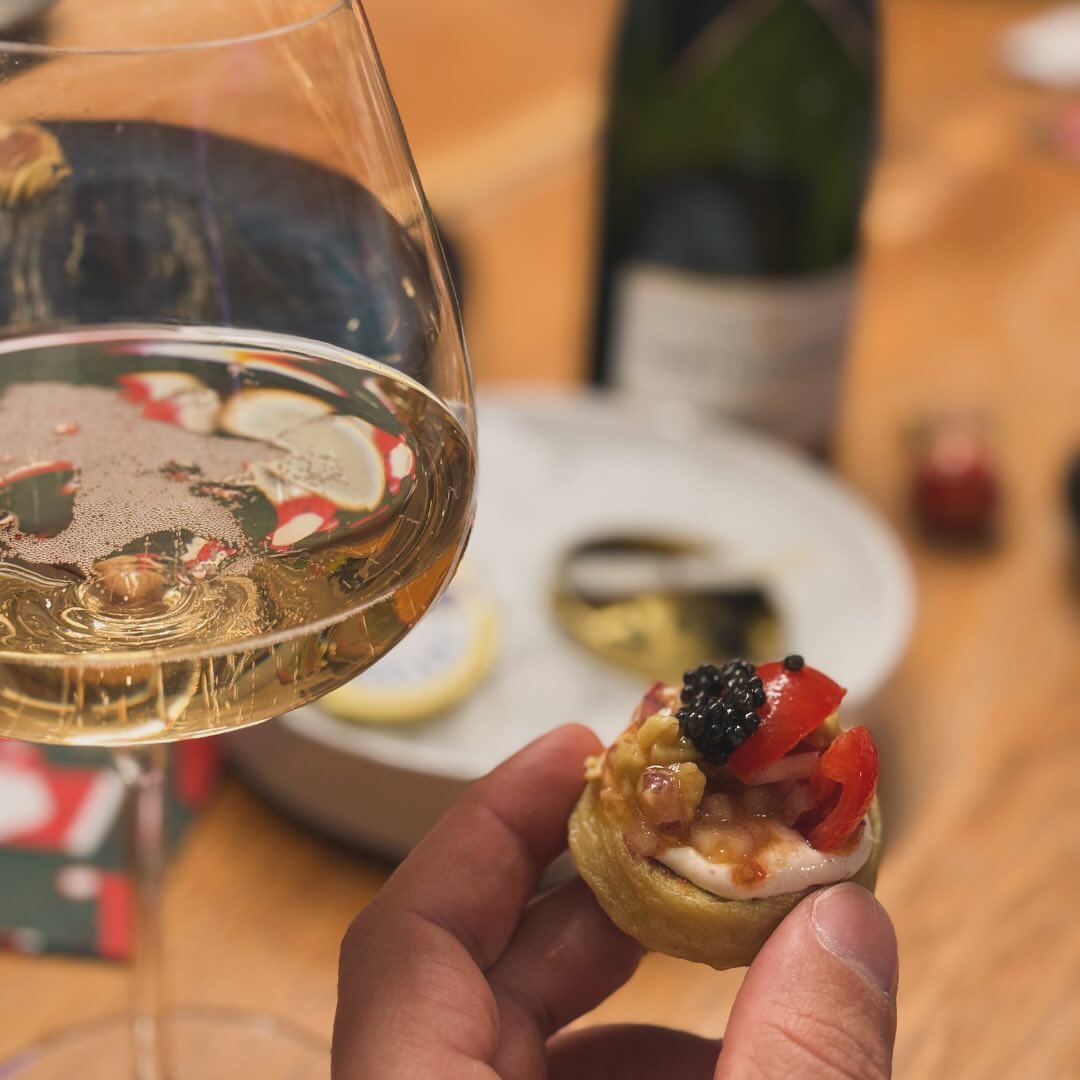
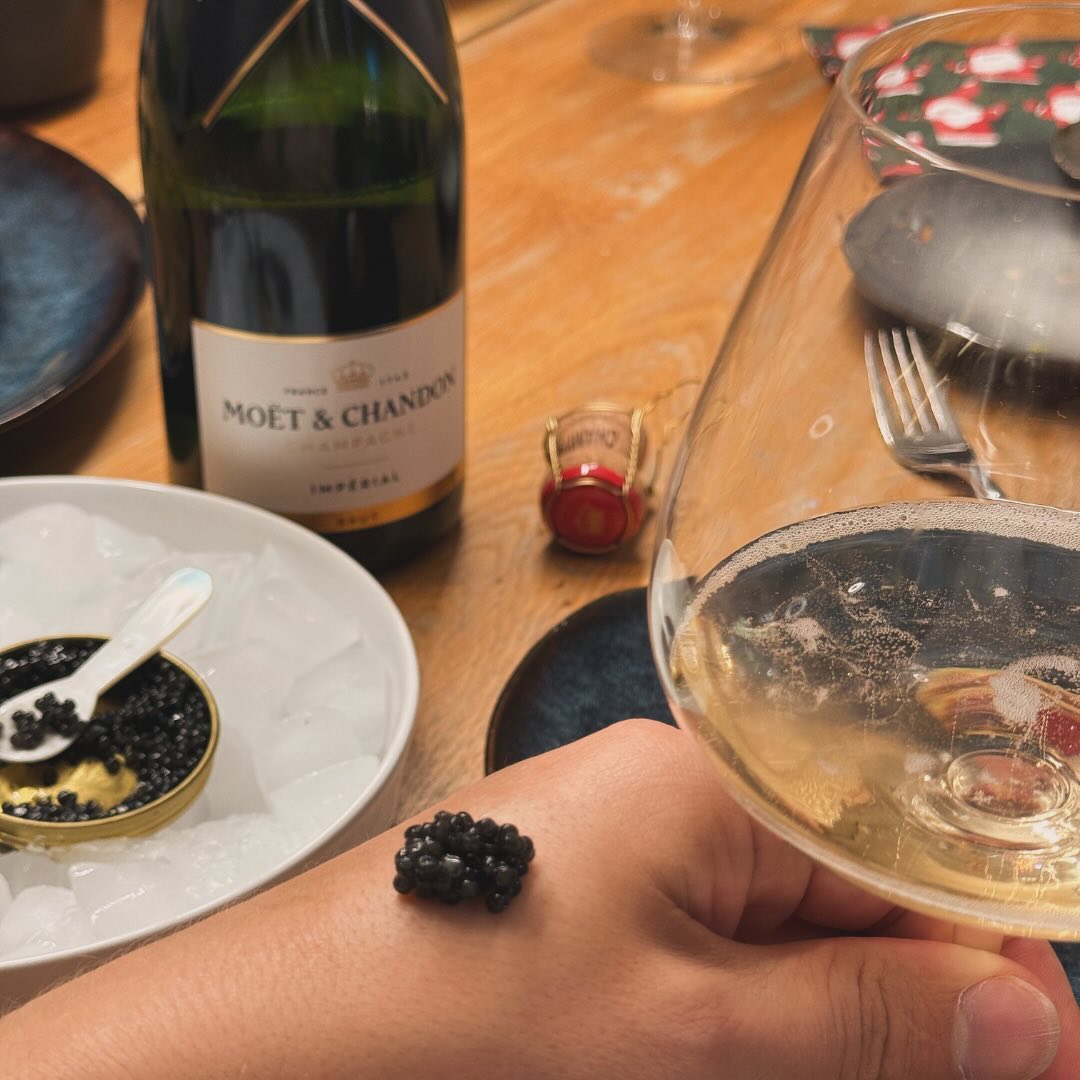
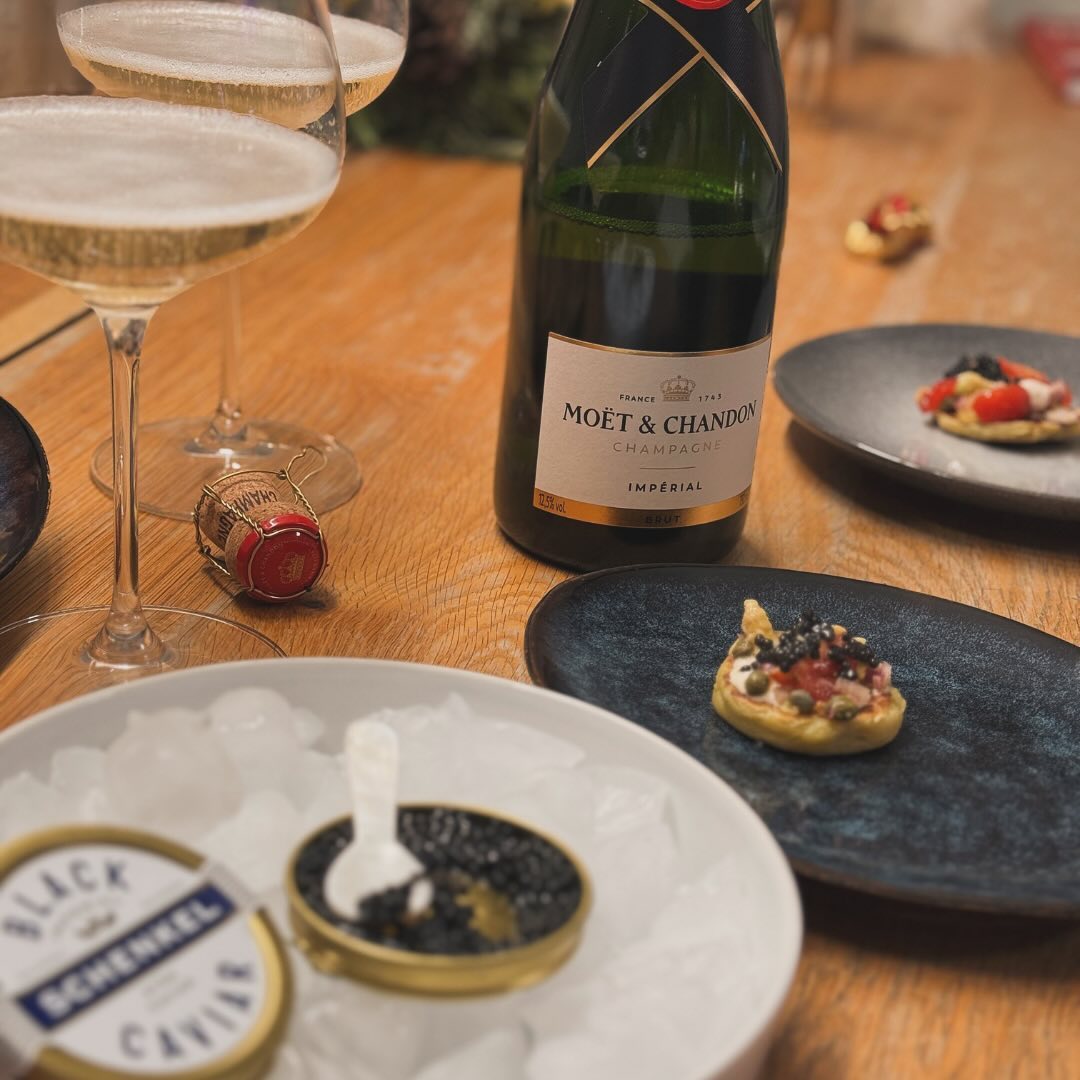
the_champagne.guy Manchmal braucht es keine große Inszenierung, um echten Luxus zu erleben – nur einen guten Black Imperial Stör Kaviar von @schenkeldelikatessen , frisch gebackene Blinis, eine leichte Salsa und ein Glas @moetchandon Brut Impérial. 🍾 Ok, klingt doch ein wenig nach einer Inszenierung - war aber, neben dem Aufräumen des ganzen Hauses, doch eher spontan. Kaviar pur zu genießen ist ein Erlebnis für die Sinne: Die cremige Textur, die feine Salzigkeit und die subtilen nussigen Noten entfalten sich am besten mit einem Hauch Eleganz – und ohne Ablenkung. Der Moët Brut ergänzt diese Nuancen perfekt mit seiner lebendigen Frische und Aromen von grünem Apfel und Zitrusfrüchten, wobei ich sagen muss, dass mir der Moët im Nachhinein eine Spur zu süß war. Beim nächsten Mal werde ich Kaviar auf jeden Fall mit einem Brut Nature ausprobieren und freue mich schon auf eure Empfehlungen. Ich tendiere aktuell zu einem Blanc de Blancs - mal schauen was es dann wird ❤️ 💡 Wusstest Du? - Kaviar kann bis zu 25.000 € pro Kilogramm kosten, je nach Störart, Qualität und Seltenheit. - Der Black Imperial von Schenkel steht im gehobenen Segment und bietet ein ausgewogenes Verhältnis von Qualität und Genuss, ohne rein auf Prestige zu setzen. - Und ja, mit einem Löffel aus Perlmutt schmeckt er gleich doppelt so gut – schließlich wollen wir die feinen Aromen nicht beeinträchtigen. 😉 ✨ Luxus bedeutet nicht immer Prestige, sondern Momente voller Entdeckungen und Geschmack. Dieser Abend war genau das: Genießen, lernen und staunen – manchmal reicht ein einfacher Happen, um das Leben um einen Moment reicher werden zu lassen, der für immer bleibt. Info: Die Salsa bestand aus Avocado, Tomate (die hätte feiner geschnitten werden sollen :D), Kapern. Das Dressing aus Meerrettich und Crème fraîche. @maxiriedel - wieder haben unsere @riedel_official Gläser für meinen Geschmack hier super gepasst - gibt’s ein besseres Glas von euch, welches du für’s nächste Mal empfehlen würdest? #KaviarMomente #BlackImperialKaviar #SchenkelKaviar #MoetBrut #ChampagneAndCaviar #GenussMomente #FoodPairing #EleganzAufDemTeller #TheChampagneGuy #RiedelGlas #4advent
Auf Instagram weiterlesen →This is where it gets really exciting. Most red wines fail with soy sauce, ginger, and chili, but champagne doesn't. A Demi-Sec with spicy Thai curry is a revelation: the residual sweetness balances the heat, the perlage cools the palate, the acidity keeps everything in balance. With sushi and dim sum, champagne is also a dream.
Poultry and Prestige Cuvées
A Poulet de Bresse with an aged vintage or Prestige Cuvée, that's gastronomy at the highest level. The creaminess of the champagne envelops the tender meat, the autolysis aromas (toast, brioche) harmonize with the roasted flavors of the poultry.
What Doesn't Work
Despite all its versatility, champagne has its limits:
- Heavy roasts with dark sauce, Too much power for most champagnes
- Heavily spiced dishes, Garlic and champagne are not friends
- Vinegar-heavy salads, The acidity multiplies unpleasantly
- Very sweet desserts, Except for Demi-Sec, no champagne has enough sugar to keep up
My Personal Ritual
When I have guests, I always serve champagne throughout the entire meal. I start with a fresh Brut as an aperitif, move to a Blanc de Blancs for the appetizer, open a vintage or Blanc de Noirs for the main course, and finish with a rosé for cheese. This isn't luxury, it's a different way to experience wine with food.
Champagne with food is not an extravagance, it's a revelation. Anyone who has experienced a well-chosen champagne with a dish will never drink "just" still wine with it again.