Two Worlds, One Wine
Champagne has two sides: The grande marques (Moët, Veuve Clicquot, Krug) and the growers (Récoltants), who cultivate their own grapes and vinify them themselves. Both make champagne — but with fundamentally different philosophies.
To put the dimensions in perspective: The big houses together produce over 70% of all champagne, even though they own only about 10% of the vineyard area. They purchase the majority of their grapes from thousands of growers. Grower champagne producers, on the other hand, own around 90% of the vineyard area but produce only just under 30% of the volume. Many growers sell their grapes to the big houses instead of vinifying them themselves.
The Codes on the Label
| Code | Meaning |
|---|---|
| RM | Récoltant-Manipulant — Grower who vinifies their own grapes |
| NM | Négociant-Manipulant — House that purchases grapes |
| CM | Coopérative-Manipulant — Cooperative |
| RC | Récoltant-Coopérateur — Grower who vinifies at the cooperative |
These small two letters appear in the fine print on every champagne label — and they reveal more than anything else. Before I buy a bottle, I always look for the code first. RM is my reflex choice because I know there's a person behind it who grew, harvested, and vinified their own grapes.
There's also the code MA (Marque d'Acheteur) — these are private labels, champagnes sold by supermarkets or other companies under their own brand. Quality there is usually unknown because you don't know who actually produced it.
Grower Champagne (RM)
- Terroir expression — The champagne shows the place, not the brand
- Smaller quantities — Often only a few thousand bottles
- Personal signature — Each grower has their own style
- Vintage variations — More variation from year to year
- Value — Often better than the big brands
The great appeal of grower champagne is the immediacy. When I buy from a grower, I know exactly where the grapes come from — often from parcels I can point to on a map. I know the philosophy, the vinification, sometimes even the planting year of the vines. This gives the glass a story that an industrially produced champagne cannot deliver.
The flip side: Not every grower is a genius. Without the resources of a big house, mistakes can happen — poor vinification, unclean cellars, inadequate fruit quality. A grower champagne is always a risk, but when it works, it's usually more exciting than the comparable champagne from a big house.
Big Houses (NM)
Alles beginnt jetzt! 🥂 Wirklich begonnen hat alles aber vor rund drei Jahren, als ich zum ersten Mal bewusst einen Champagner genießen durfte. Wie…
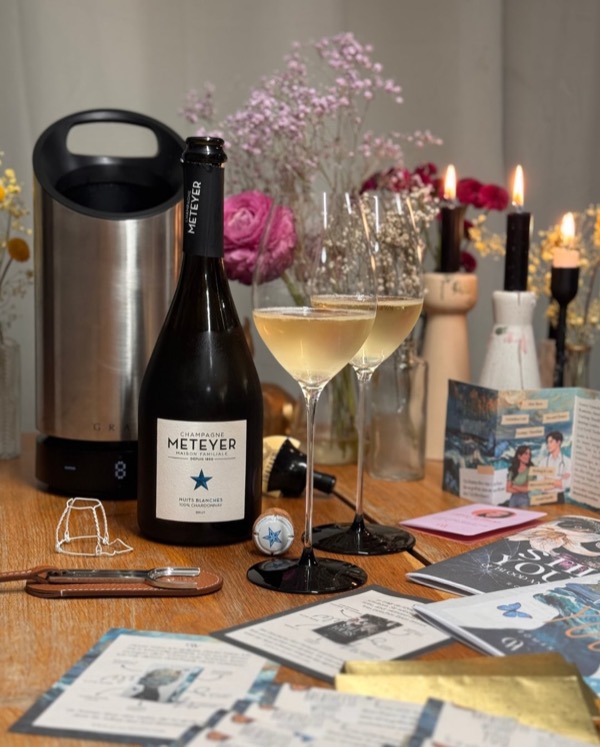
Hier am Tisch herrscht gerade kreatives Chaos der schönsten Sorte: @autorin.olive.wilson bereitet akribisch und mit wahnsinnig viel Liebe ihre…
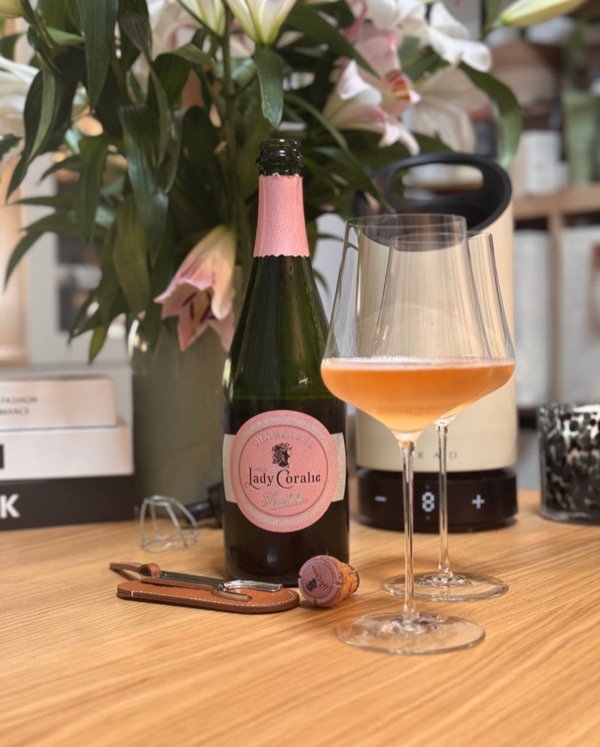
Heute habe ich eine echte Besonderheit aus der „Collector“ Linie von @champagne_mathelin im Glas: Die Cuvée „Lady Coralie“. Das Spannende an diesem…
- Consistency — The Brut Sans Année tastes (almost) the same every year
- Assemblage artistry — A unified style is composed from hundreds of base wines
- Reserve wines — Deep reserves of reserve wines for complexity
- Marketing & distribution — Available worldwide
- Prestige Cuvées — Dom Pérignon, Cristal, Krug — the peaks of Champagne
The achievement of the big houses is often underestimated. A cellar master who composes a consistent house style from 200 or 300 different base wines every year is a master of their craft. The assemblage of a Brut Sans Année is one of the most difficult tasks in the wine world — and the big houses do it year after year with impressive precision.
The Revolution of the Last 20 Years
Before 2000, grower champagnes were a niche product. The market was dominated by the big brands, and most growers sold their grapes instead of bottling themselves. Then came a new generation: Anselme Selosse, Jérôme Prévost, Pierre Gimonnet — growers who showed that champagne is a terroir product, not an industrial product.
Today the grower champagne movement is one of the most exciting trends in the wine world. Sommelier lists in top restaurants are full of RM champagnes. In specialized wine shops, grower champagnes have long overtaken the big brands in selection.
My Conclusion
Both worlds have their place. A Moët Imperial is a solid, reliable champagne for any occasion. But whoever wants to know what Champagne can really do — whoever wants to taste terroir, whoever seeks surprises, whoever wants to get to know the person behind the bottle — cannot avoid grower champagne.
In my tastings, grower champagnes clearly dominate: 176 of 432 champagnes are RM. Not because the big houses are bad — but because grower champagnes are generally more exciting, distinctive, and surprising.
Posts
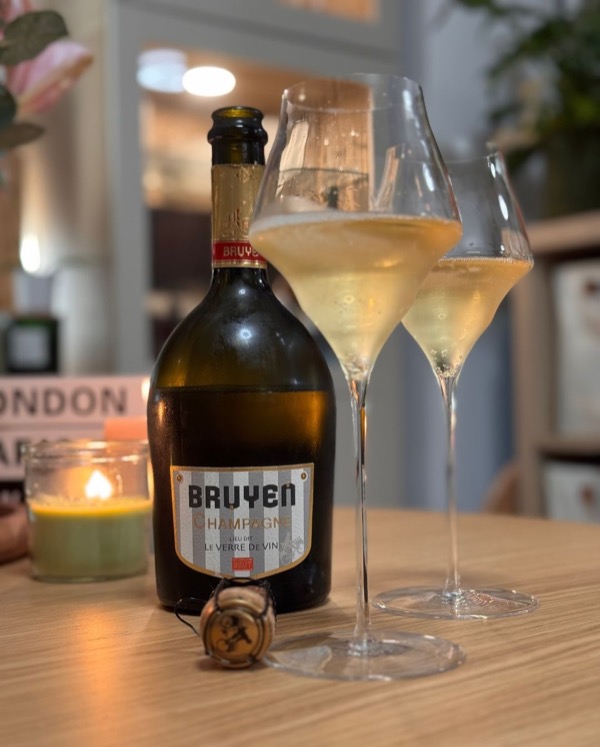
Der @champagnebruyen – Le Verre de Vin Parcellaire hat Charakter – und das merkt man sofort. Ein 100 % Pinot Meunier aus einem alten Weinberg von…
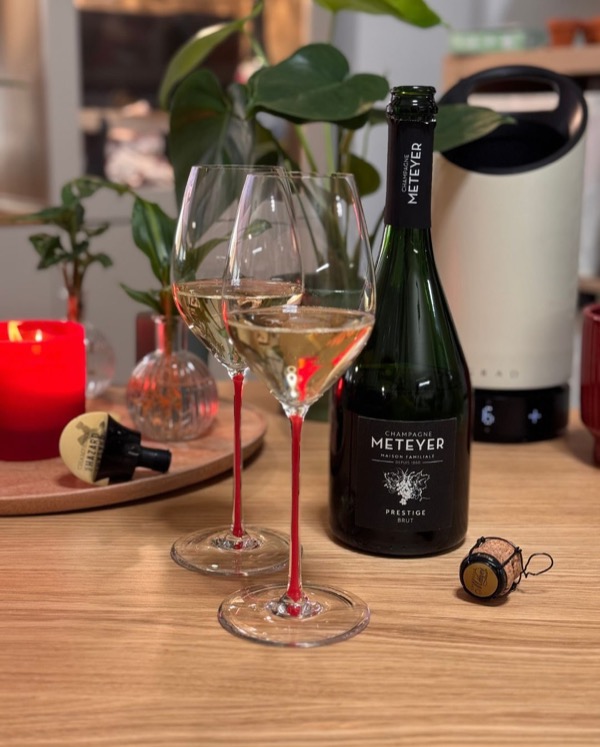
Kein Plan, keine Erwartung – einfach spontan die Flasche geöffnet. Normalerweise mache ich mir Gedanken, welche Flasche aus welchem Grund heute gut…
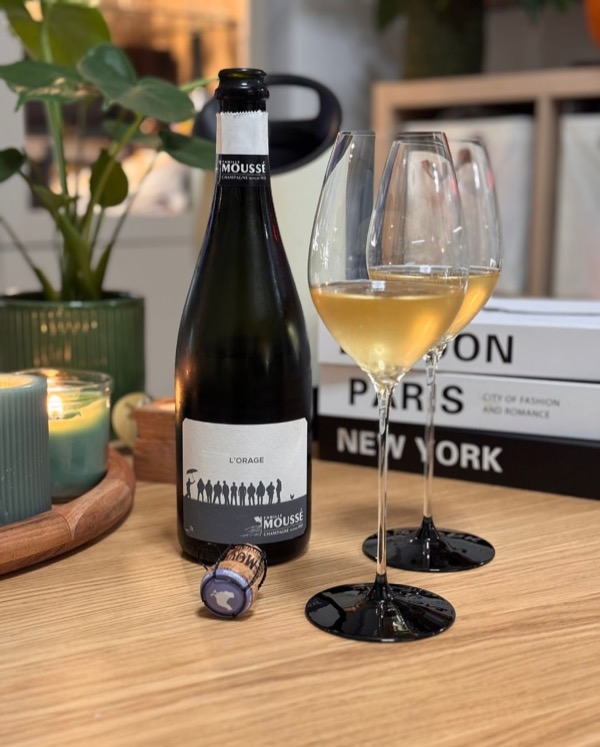
Nach dem stressigen Freitag und einer kleinen Halloween-Party war gestern Abend einfach Stille angesagt. Dazu die erste Flasche aus einem breiten…