Two Worlds, One Drink
Champagne has two sides: The big houses (Moët, Veuve Clicquot, Krug) and the growers (Récoltants), who grow their own grapes and vinify them themselves. Both make Champagne, but with fundamentally different philosophies.
To put the dimensions in perspective: The big houses together produce over 70% of all Champagne, even though they own only about 10% of the vineyard area. They buy the majority of their grapes from thousands of growers. The grower Champagne producers, on the other hand, own around 90% of the vineyard area but produce only about 30% of the volume. Many growers sell their grapes to the big houses instead of vinifying themselves.
The Codes on the Label
My Posts About This
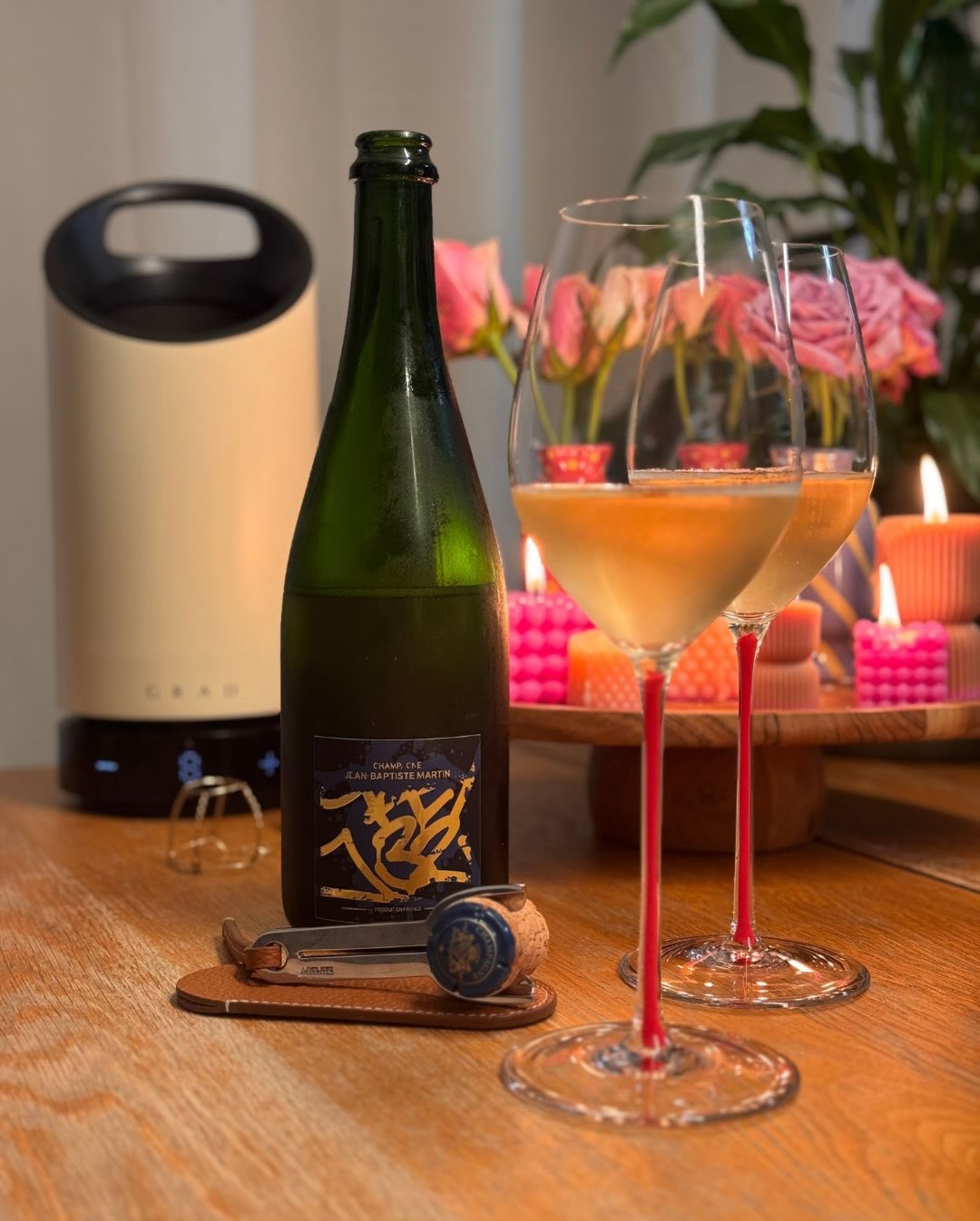
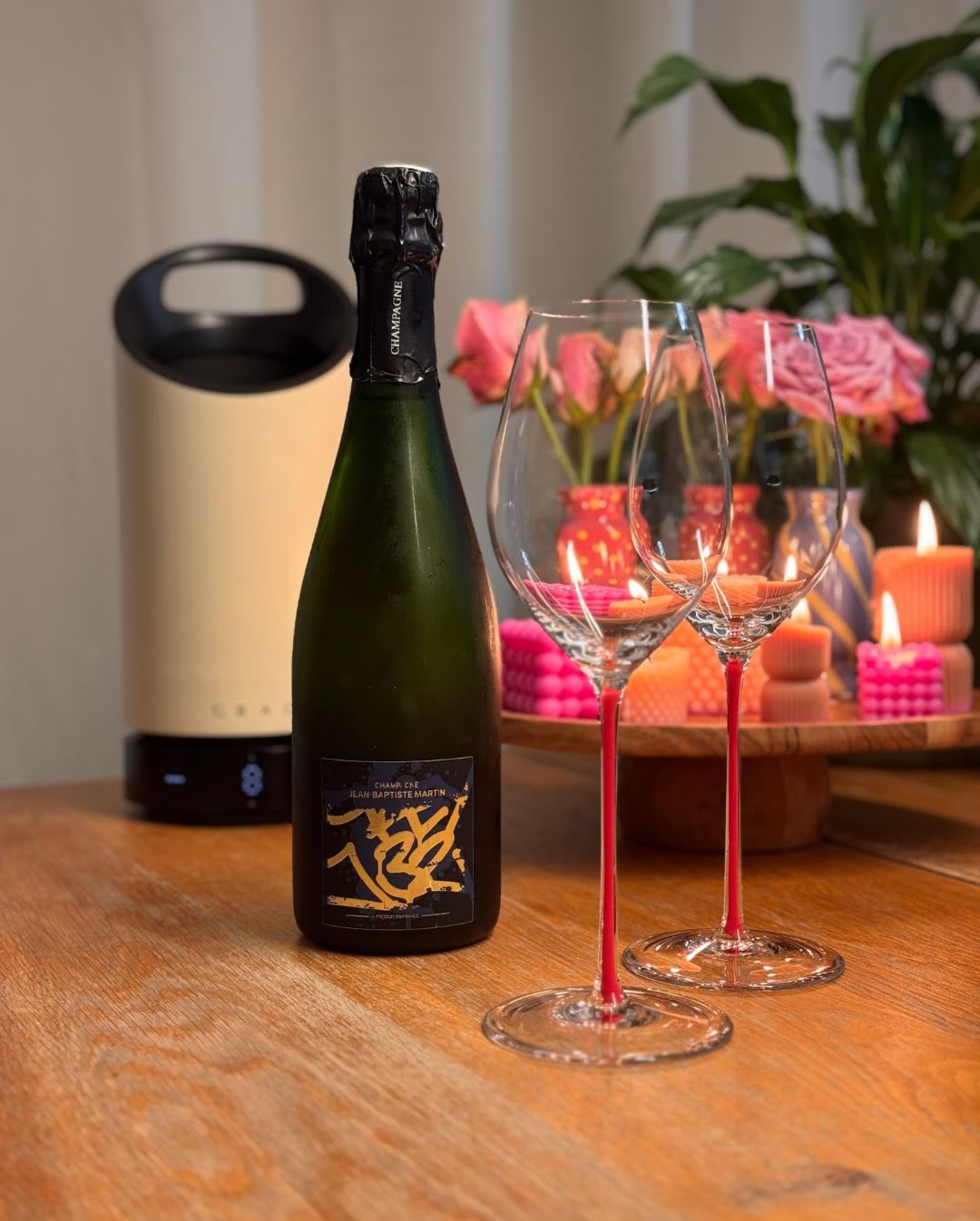
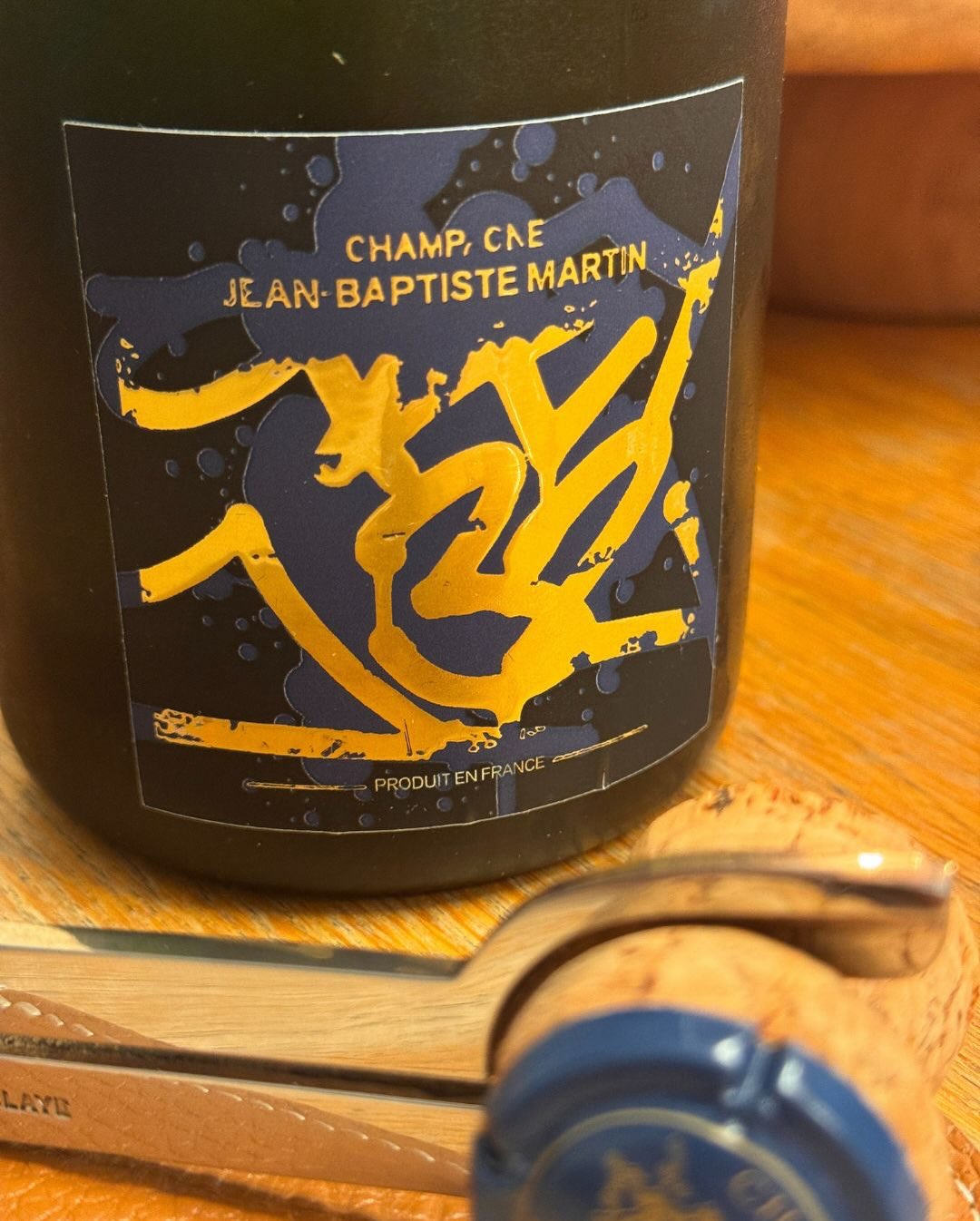
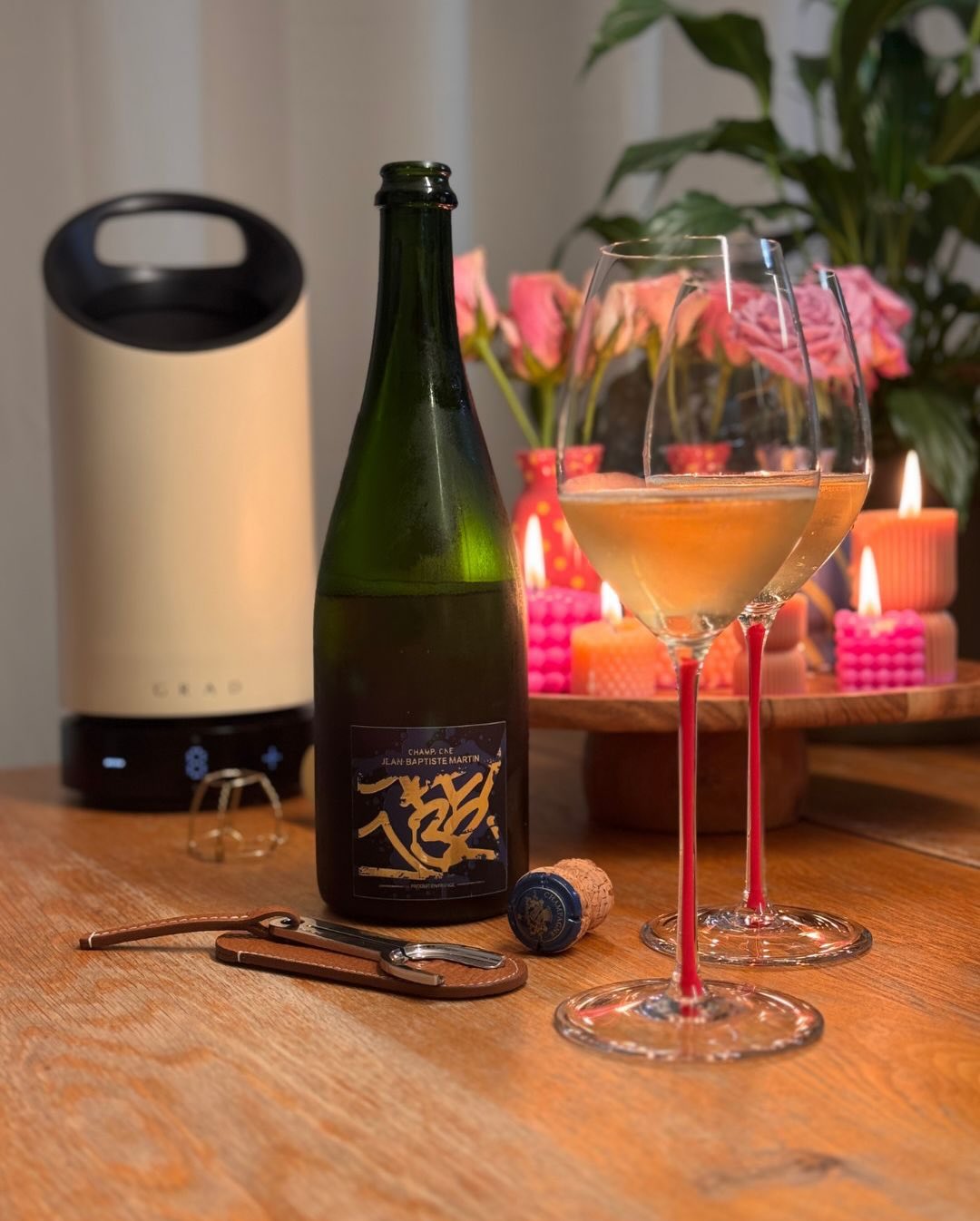
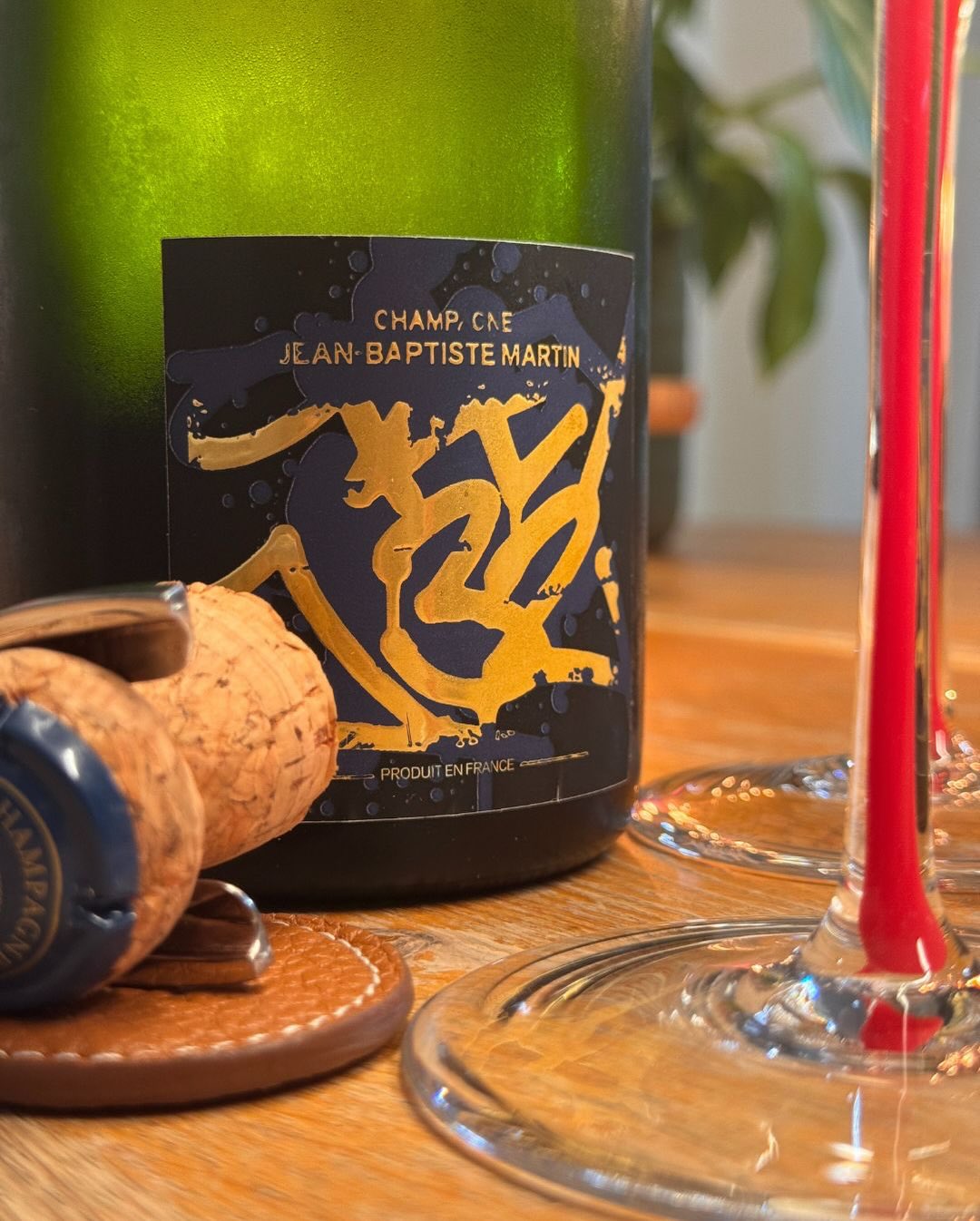
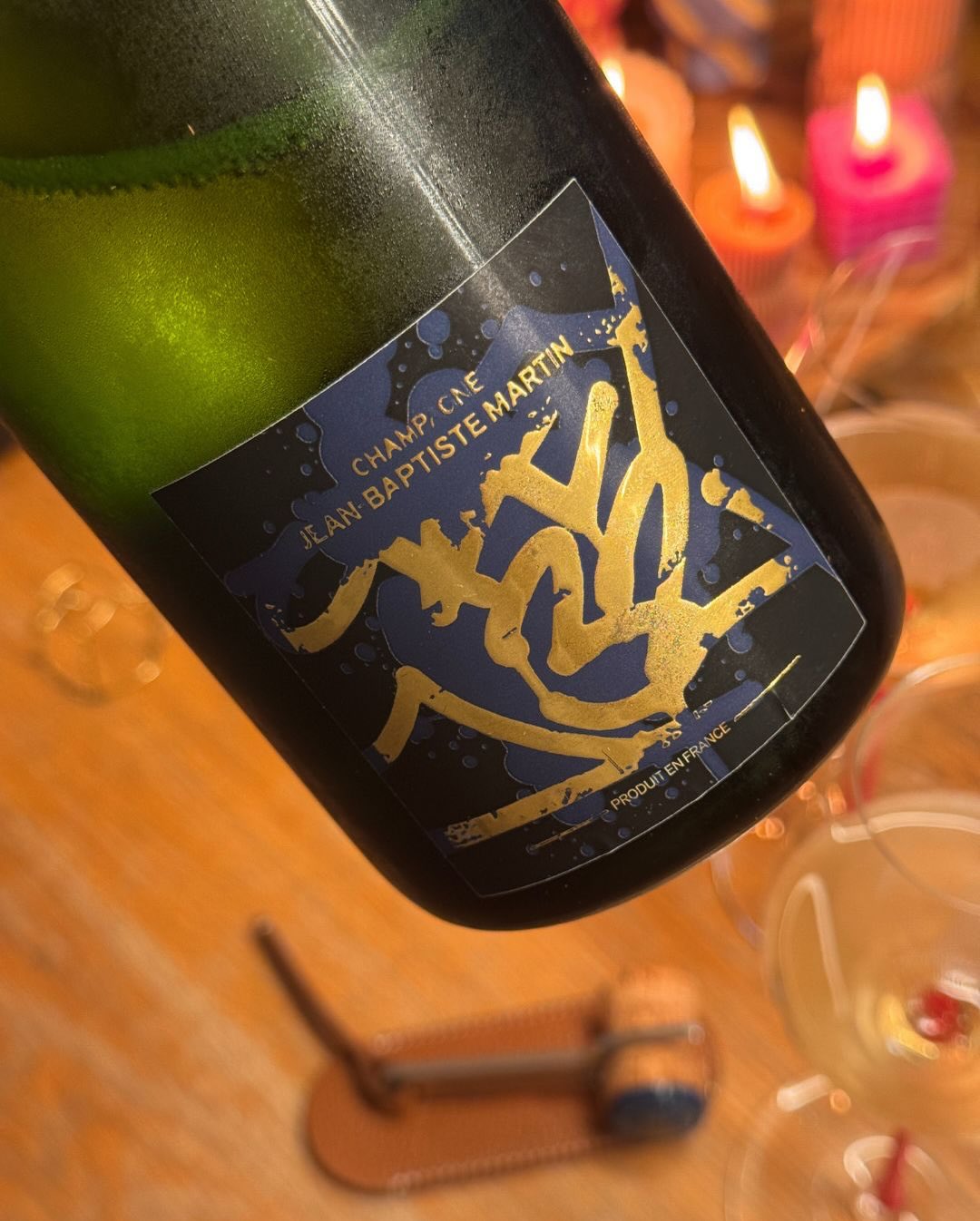
the_champagne.guy Ein Champagner, der optisch erst mal ordentlich laut „Hier!“ schreit. Die Sonderedition des @emartin_champagne Brut Tradition ist in Kooperation mit dem französischen Street-Art-Künstler @crey132 entstanden. Ich mag es, wenn das Label zu im Vordergrund steht oder ästhetisch ist – und hier ist zusätzlich der Inhalt definitiv kein Blender. Im Glas haben wir eine Cuvée, die genau die Balance hält, die ich im Alltag schätze: Die 7 Gramm Dosage machen ihn extrem zugänglich und charmant, ohne dass er in die Belanglosigkeit abrutscht. Das liegt vor allem an der straffen Säurestruktur, die aus dem Terroir von Cumières kommt. Ein Schluck, der frisch startet, dann weich wird und am Ende mit einer feinen Mineralität Lust auf das nächste Glas macht. Ein moderner Klassiker, der zeigt, dass man Tradition auch mal bunt anstreichen darf. Champagne-Facts 🥂 40% Meunier · 40% Pinot Noir · 20% Chardonnay 🍇 Brut Tradition · Art Edition 132Crey 🪵 Ausbau im Edelstahltank für pure Präzision 🕰 Mind. 24–30 Monate auf der Hefe 🍬 Dosage: 7 g/l 📍 Cumières (Premier Cru) · Vallée de la Marne Fazit: Ein Kunstwerk, das ich im Unboxing-Video gestern zwar erst kopfüber aus dem Karton gezogen und dann auch noch mit der Rückseite in die Kamera gehalten habe – aber heute steht das Label endlich im richtigen Licht. Ein toller Winzerchampagner, der definitiv viel mehr ist als nur eine hübsche Hülle. #TheChampagneGuy @riedel_official @grad.dk @laclaye @grad_rd #EdouardMartin #Crey132 #StreetArtChampagne #Winzerchampagner
Auf Instagram weiterlesen →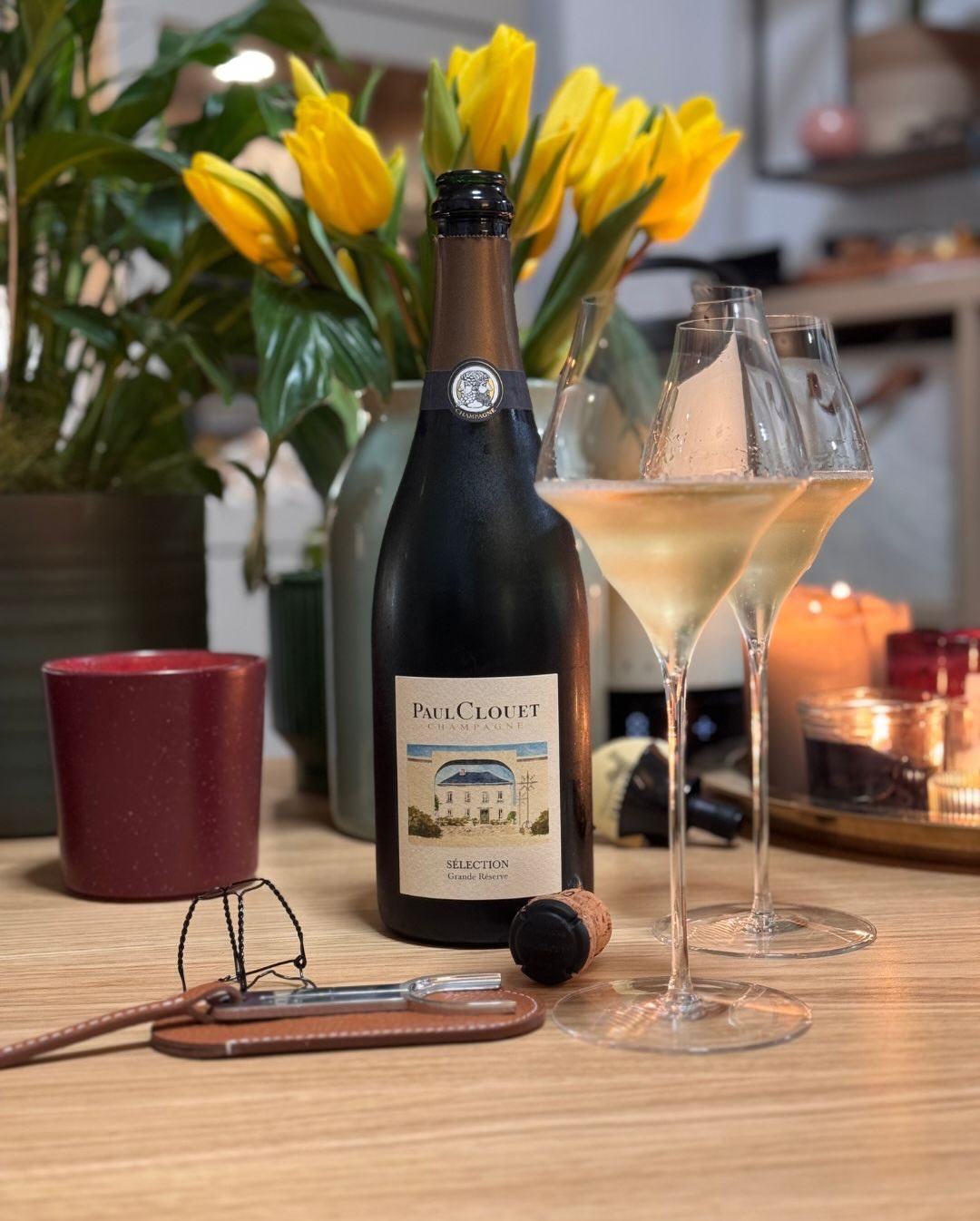
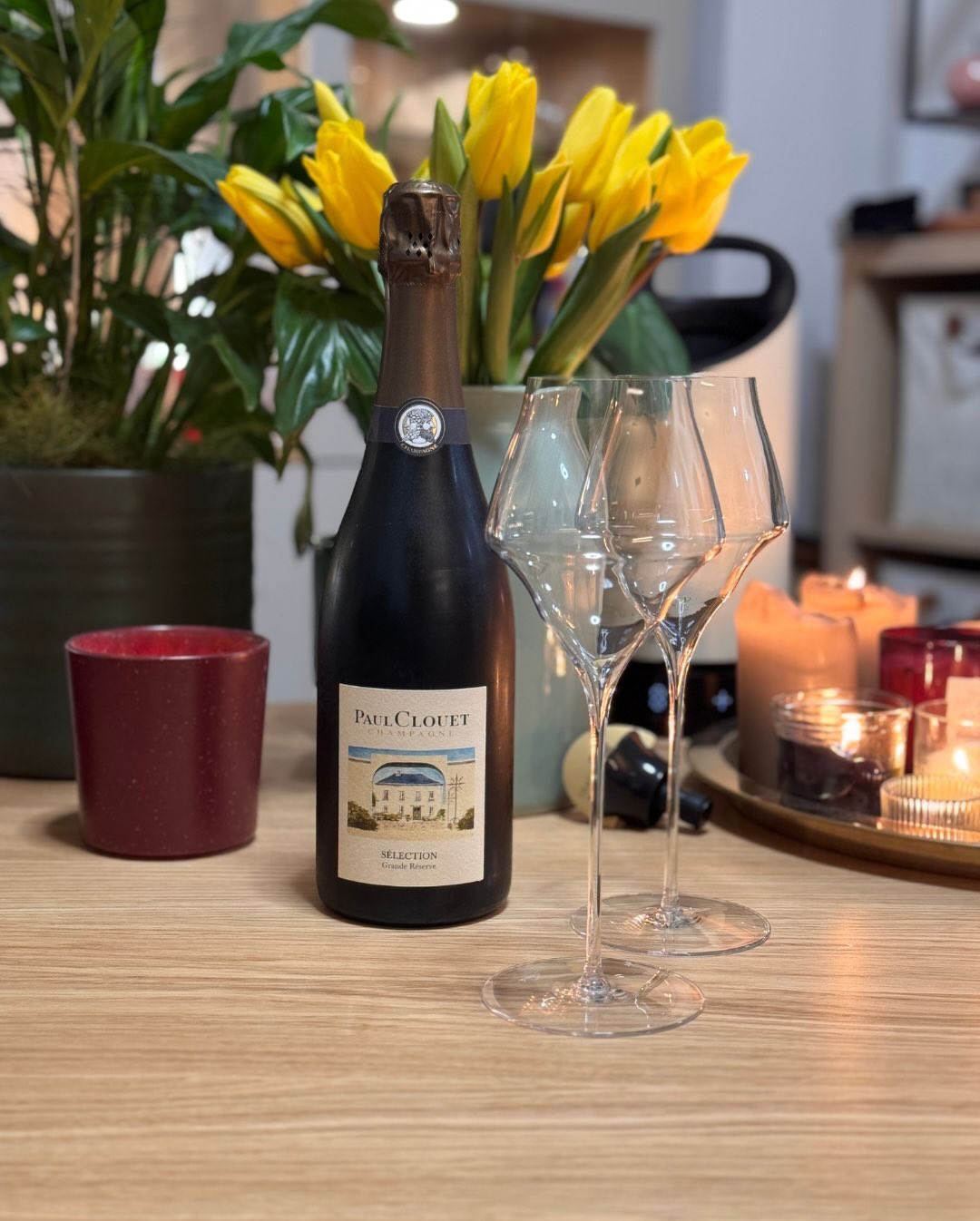
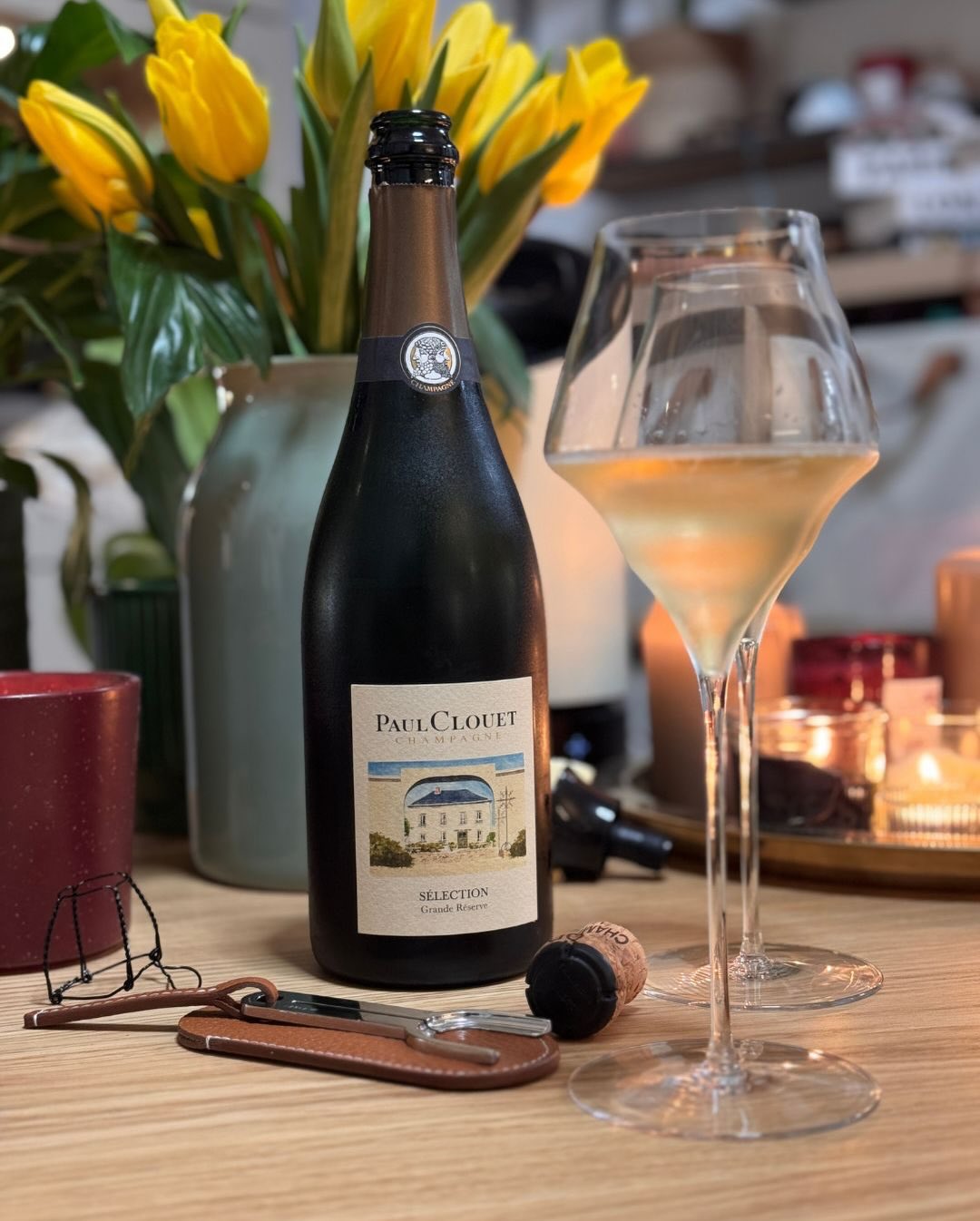
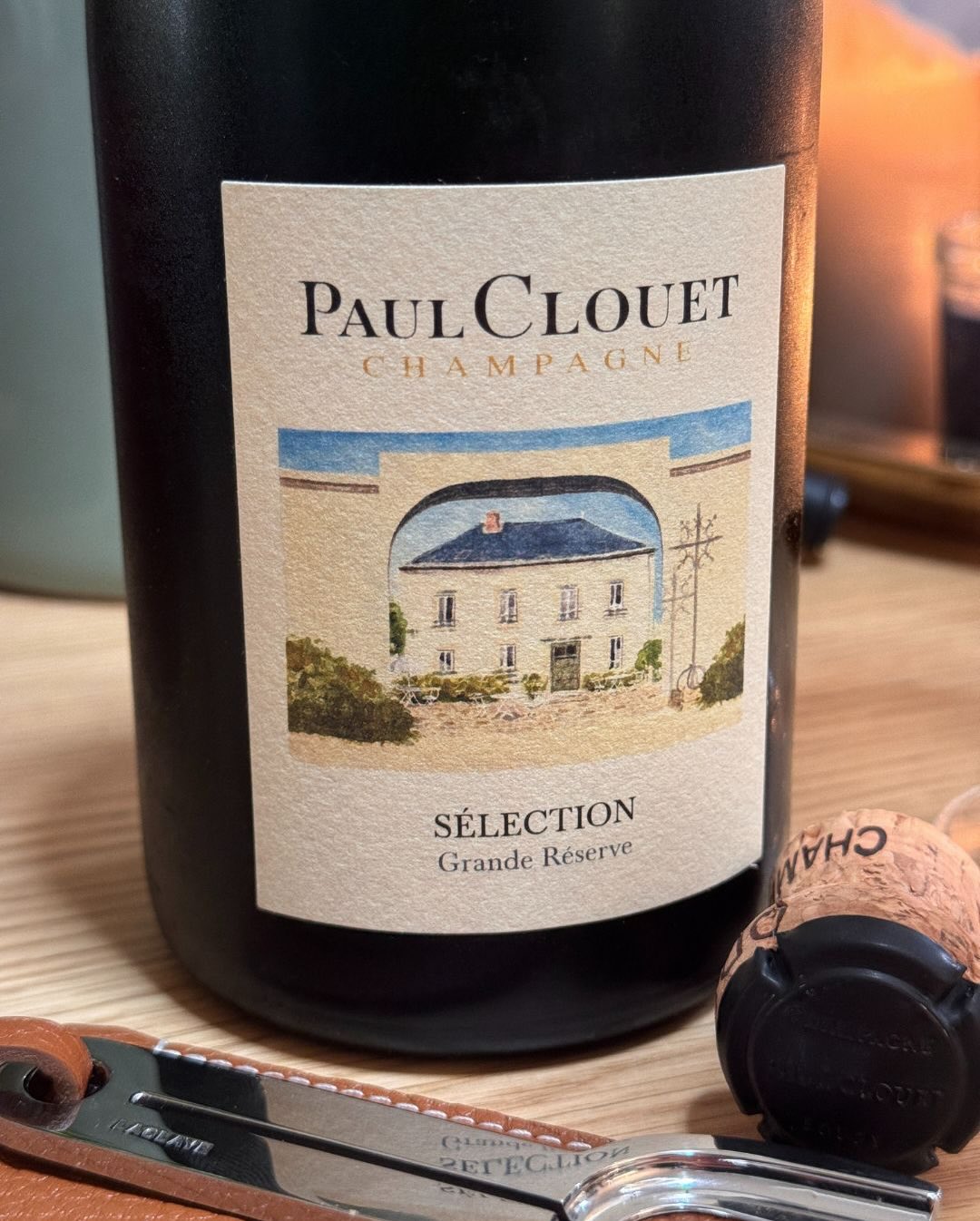
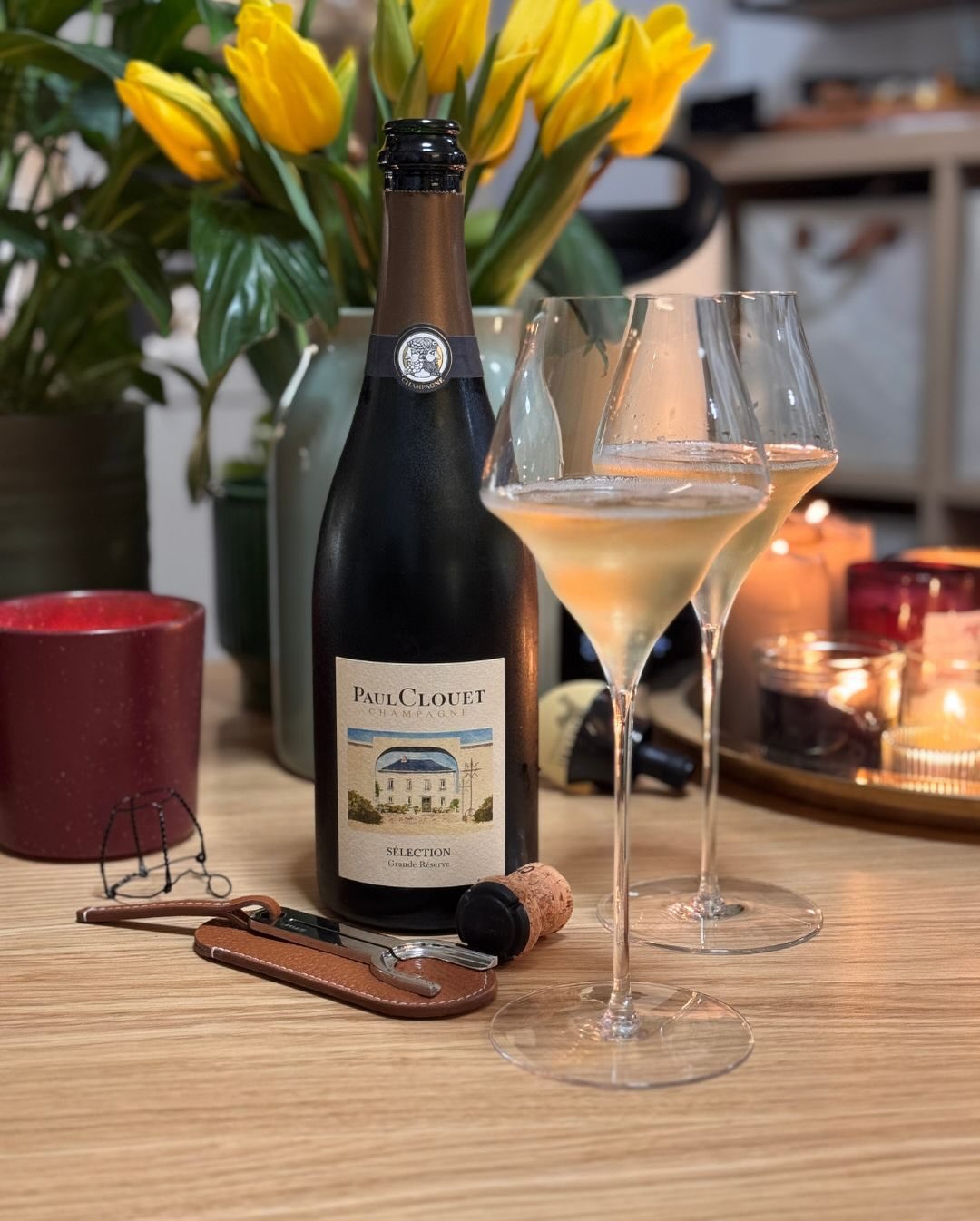
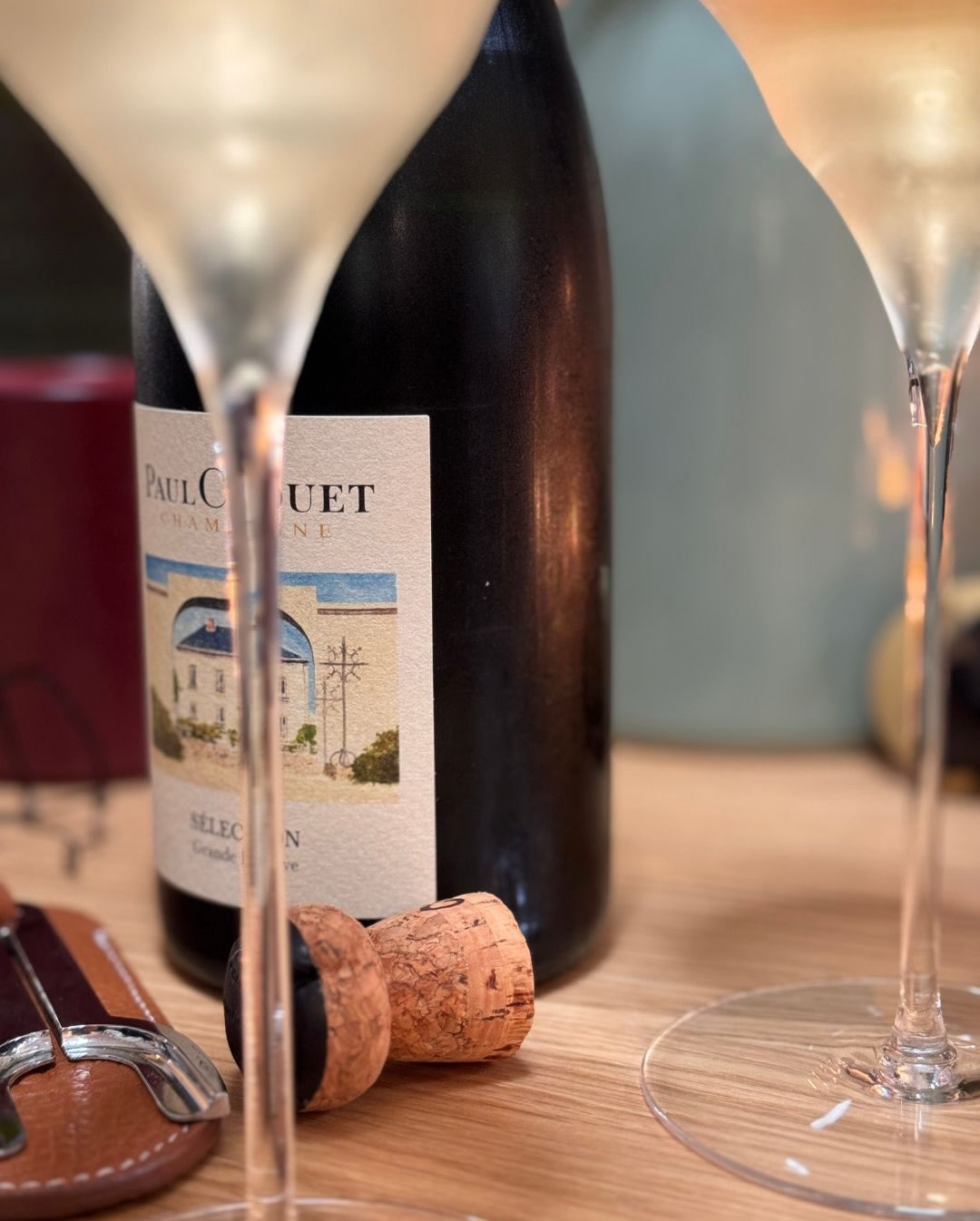
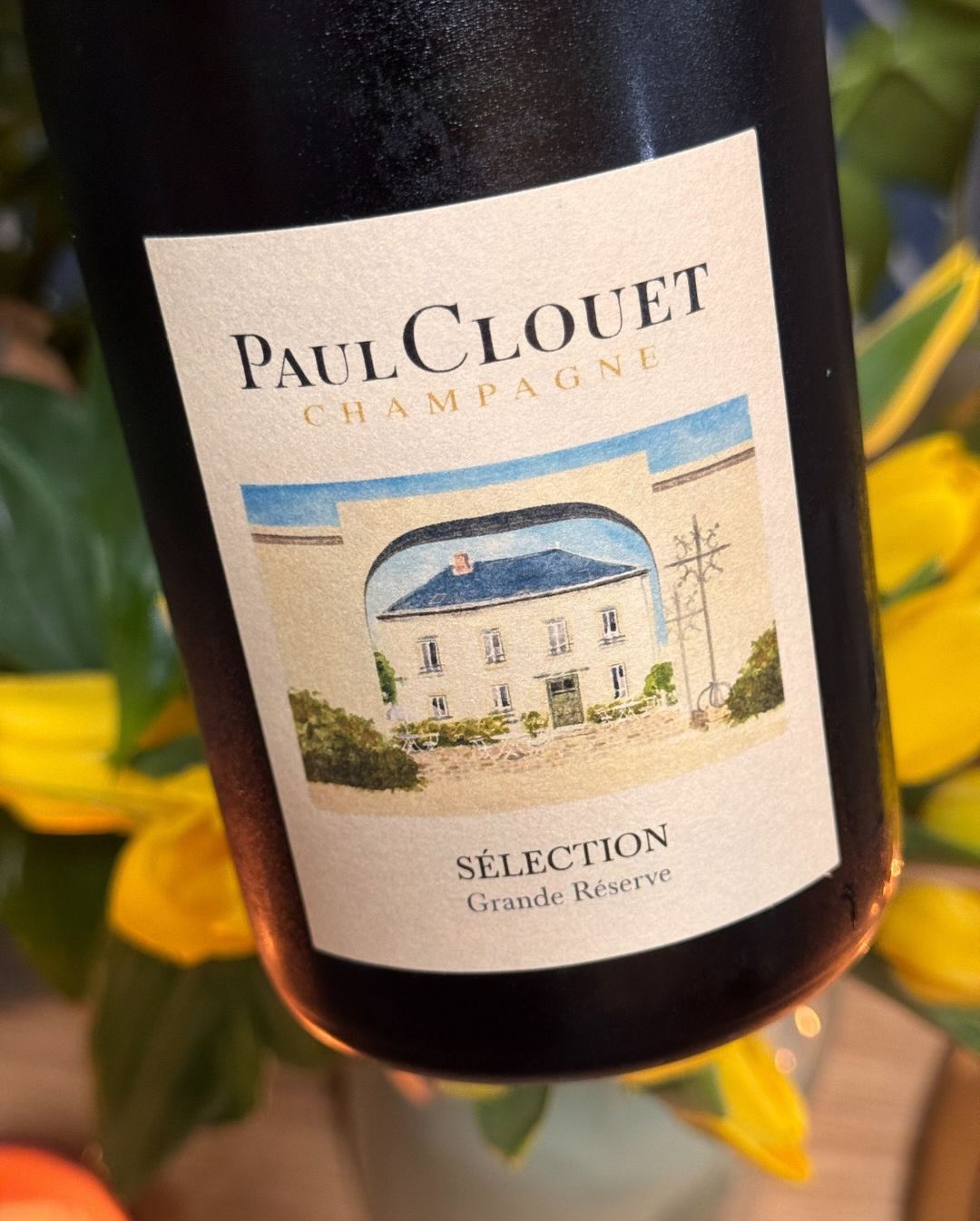
the_champagne.guy Wer @bonnaireclouet liebt, kommt an Paul Clouet nicht vorbei. Auch wenn die Weine technisch gesehen in Cramant gemacht werden, schlägt das Herz dieser Sélection ganz klar in Bouzy. Das merkt man sofort am Druck und der Struktur, die der Pinot Noir hier einbringt. Was diesen Champagner für mich so spannend macht, ist die „Patina“, von der das Haus spricht – ein großer Anteil an alten Reserveweinen sorgt für eine wunderbare Reife und Tiefe. In der Nase kommen reife Äpfel und Aprikosen durch, untermalt von einem Hauch getrockneter Rosen und Brioche. Am Gaumen zeigt er sich dann fast schon cremig, erinnert an Zitronenkuchen mit Vanillepudding, bleibt aber durch die niedrige Dosage von 4g/l jederzeit präzise und frisch. Er ist präsent und hat diese feine Balance zwischen der Eleganz des Chardonnays und der Kraft des Pinots aus Bouzy. Champagne-Facts 🥂 50% Pinot Noir · 30% Chardonnay · 20% Meunier 🍇 Brut Sélection 🪵 Ausbau im Edelstahl und Eichenfass 🕰 Mindestens 30 Monate Hefelager 🍬 Dosage: 4 g/l (Extra-Brut) 📍 Terroirs: Bouzy (GC), Bergères-les-Vertus, Cuis (PC) & Fossoy Fazit: Ein verlässlicher Begleiter mit dem gewissen Etwas aus Bouzy. Klassisch, fein und handwerklich auf einem Niveau, das einfach Spaß macht. #TheChampagneGuy @grad.dk @jeanetiennebonnaire @josephinenhutte @laclaye #PaulClouet #BouzyGrandCru #ExtraBrut #Winzerchampagner
Auf Instagram weiterlesen →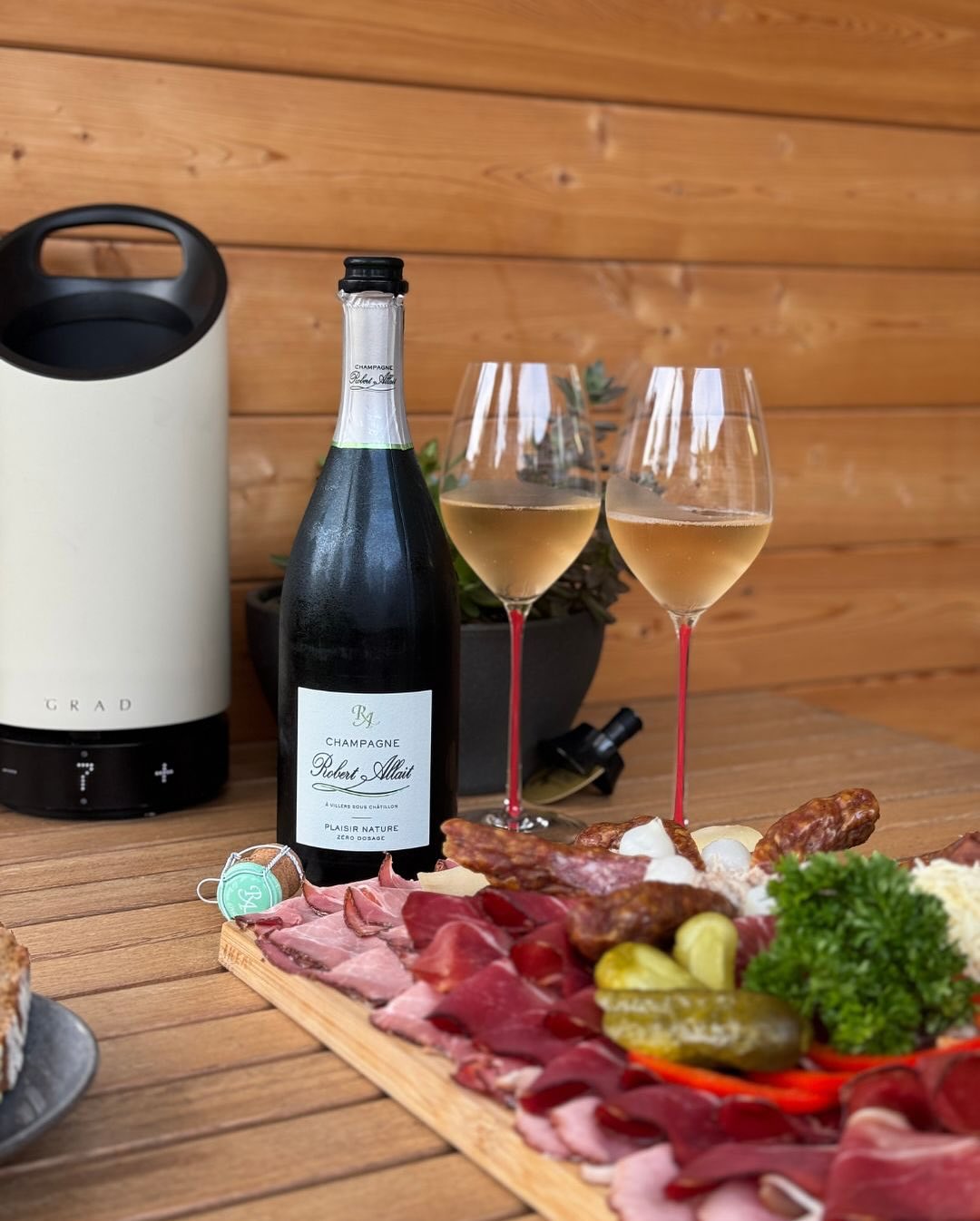
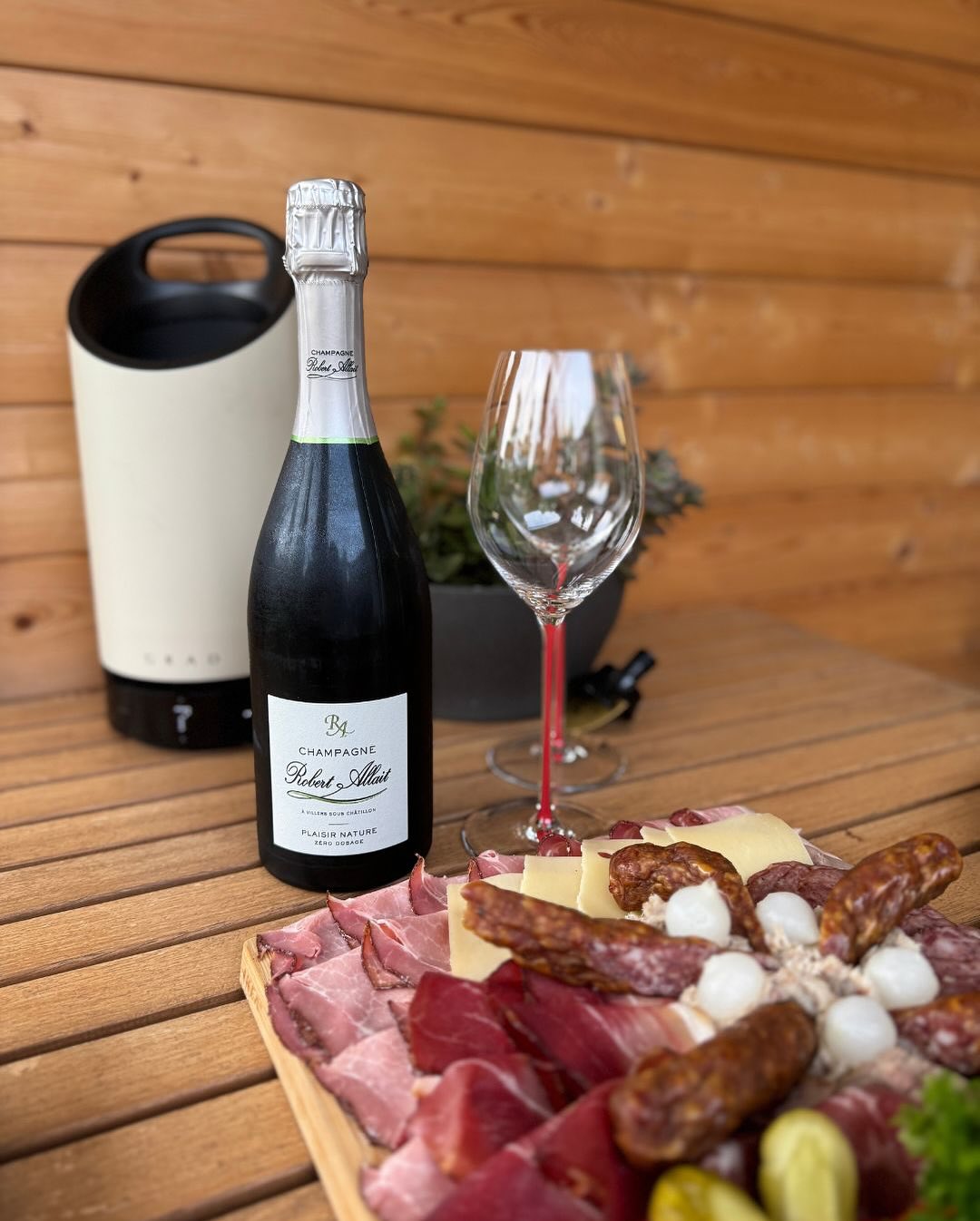
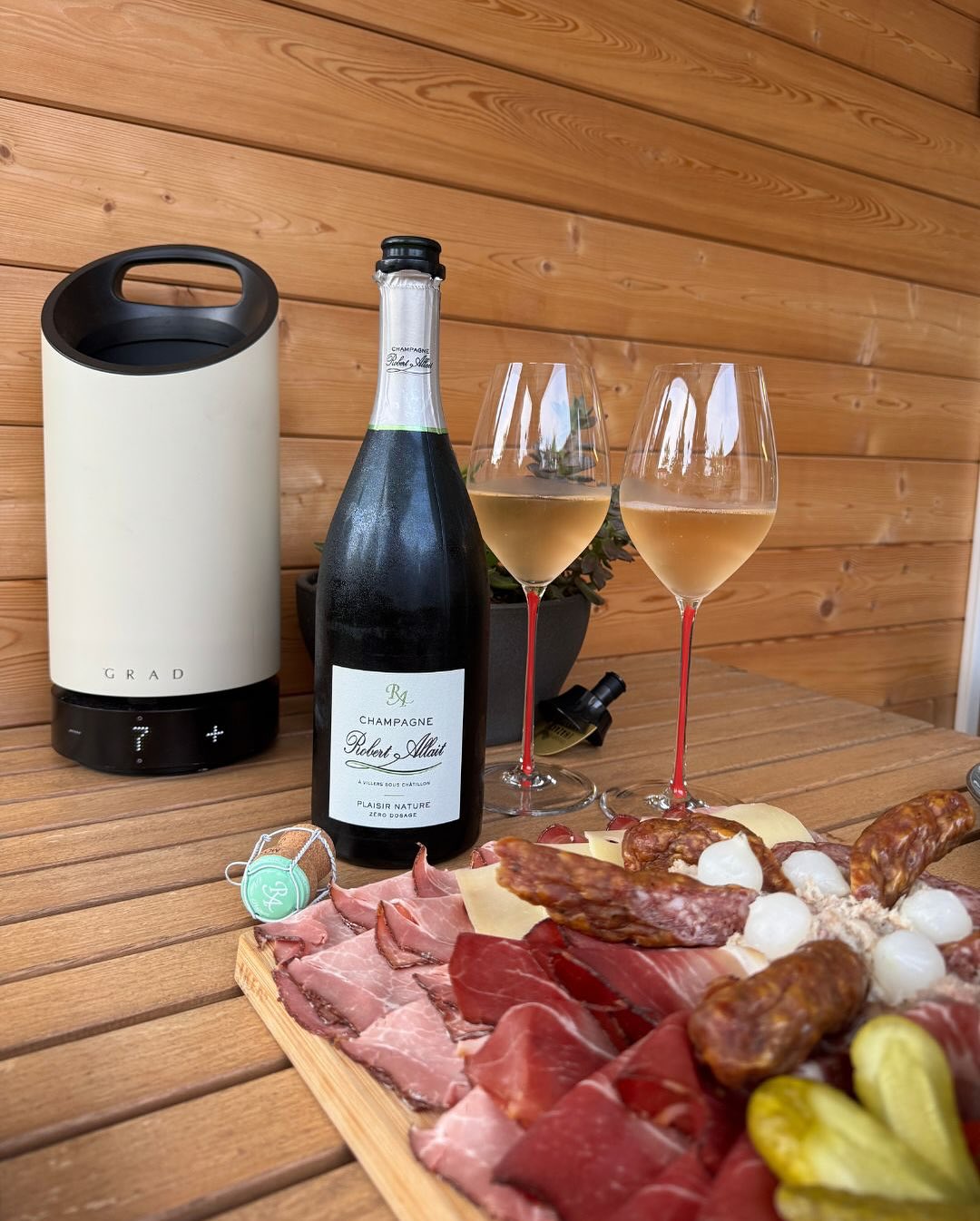
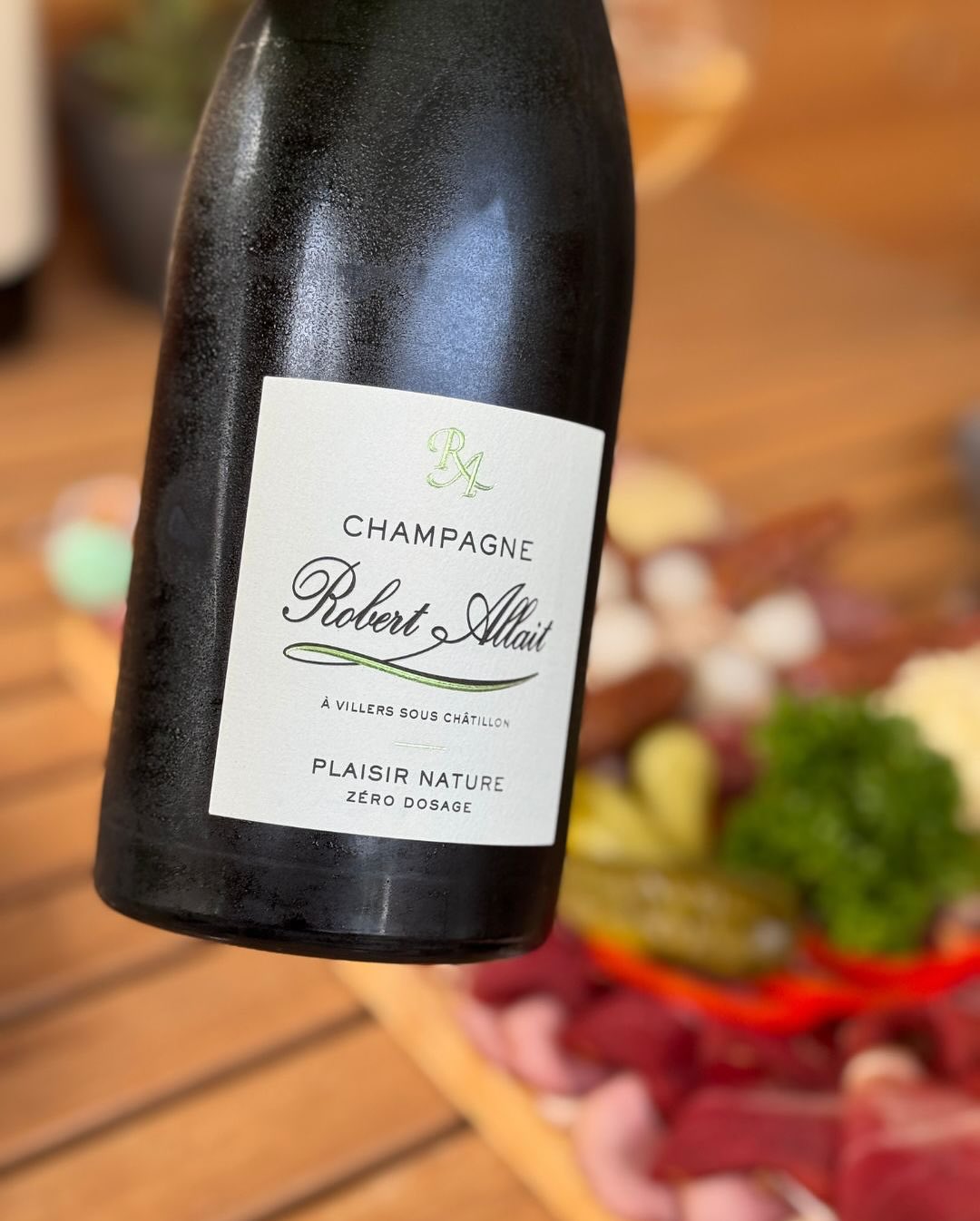
the_champagne.guy Gestern gab’s das volle Programm: Eine klassische steirische Jausenplatte – direkt vom Heurigen nebenan. Geselchtes, Aufstriche, Gurkerl, frisches Bauernbrot – alles dabei. Und im Glas? @champagnerobertallait – Plaisir Nature Ein Winzerchampagner ohne Schnörkel. • 🍇 100 % Meunier • ⚖️ Dosage: 0 g/l – Brut Nature • 🌱 Biologisch bewirtschaftet • 🍾 Klar, direkt, präzise – ohne Make-up Warum er so gut gepasst hat? Weil er nichts beschönigt. Keine Dosage, kein Holz, kein Schnick-Schnack. Einfach nur Klarheit, Struktur und ein Hauch Zitrus-Salz – das braucht’s, wenn’s am Teller deftig wird. Denn genau da zeigt sich, wie vielseitig Champagner eigentlich ist: Nicht nur für Canapés, Austern oder feine Küche – sondern auch für G’selchtes, Kren und Bauernbrot. #TheChampagneGuy @riedel_official @grad.dk @reis.heuriger #RobertAllait #PlaisirNature #BrutNature #SteirischeJause #BuschenschankReis #ChampagnerGehtImmer #RealChampagneMoments #Winzerchampagner
Auf Instagram weiterlesen →| Code | Meaning |
|---|---|
| RM | Récoltant-Manipulant, grower who vinifies own grapes |
| NM | Négociant-Manipulant, house that buys grapes |
| CM | Coopérative-Manipulant, cooperative |
| RC | Récoltant-Coopérateur, grower who vinifies at the cooperative |
These small two letters appear in the fine print on every Champagne label, and they reveal more than anything else. Before I buy a bottle, I always look for the code first. RM is my reflex choice because I know that behind it stands a person who grew, harvested, and vinified their own grapes.
There's also the code MA (Marque d'Acheteur), which are private labels, meaning Champagnes sold by supermarkets or other companies under their own brand. Quality there is usually unknown because you don't know who actually produced it.
Grower Champagne (RM)
- Terroir expression: The Champagne shows the place, not the brand
- Smaller quantities: Often only a few thousand bottles
- Personal signature: Each grower has their own style
- Vintage variations: More variation from year to year
- Price-performance: Often better than the big brands
The great appeal of grower Champagne is its immediacy. When I buy from a grower, I know exactly where the grapes come from, often from parcels I can point to on a map. I know the philosophy, the vinification, sometimes even the planting year of the vines. This gives the glass a story that industrially produced Champagne can't deliver.
The flip side: Not every grower is a genius. Without the resources of a big house, mistakes can happen: poor vinification, unclean cellars, inadequate fruit quality. A grower Champagne is always a risk, but when it works, it's usually more exciting than the comparable Champagne from a big house.
Big Houses (NM)
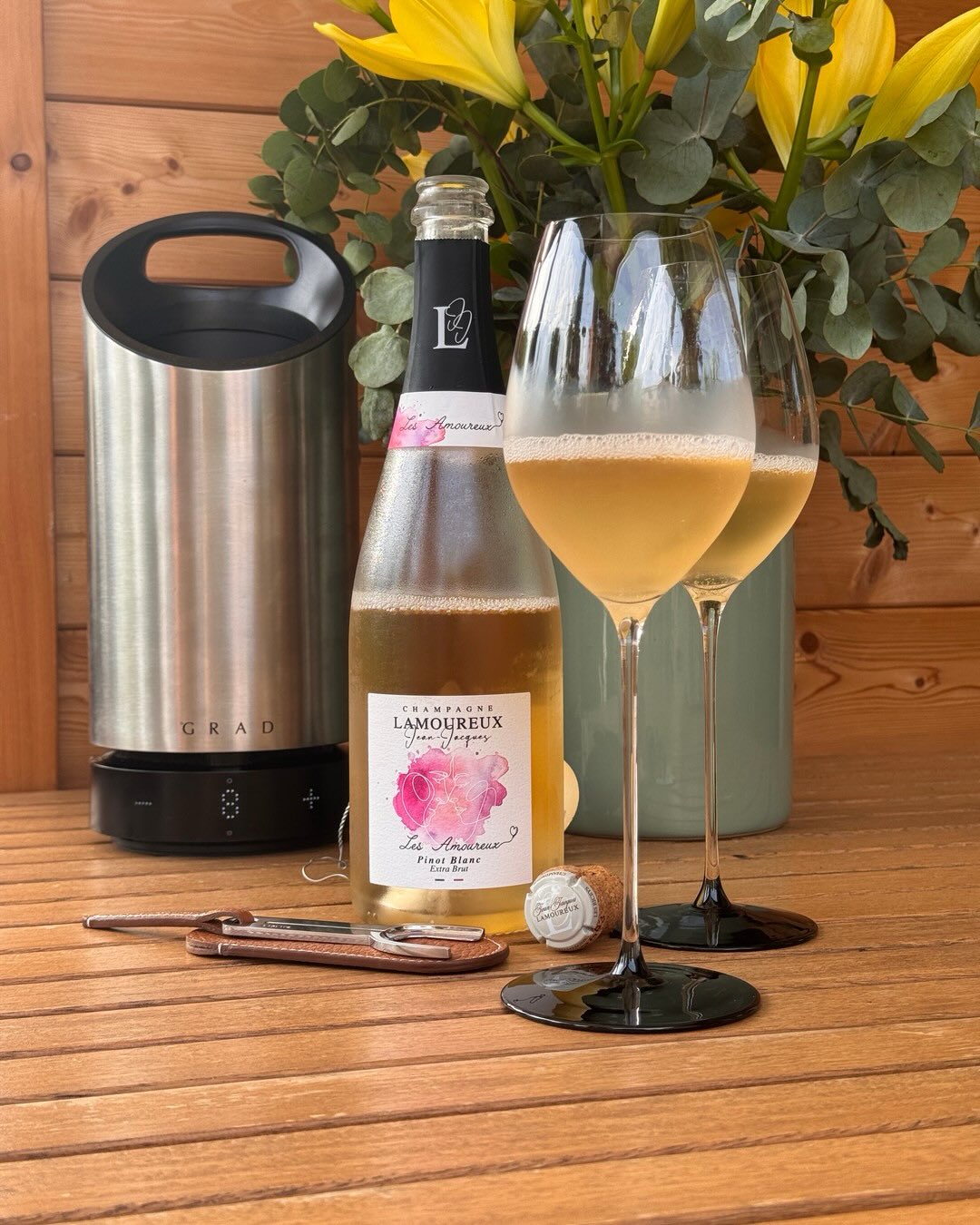
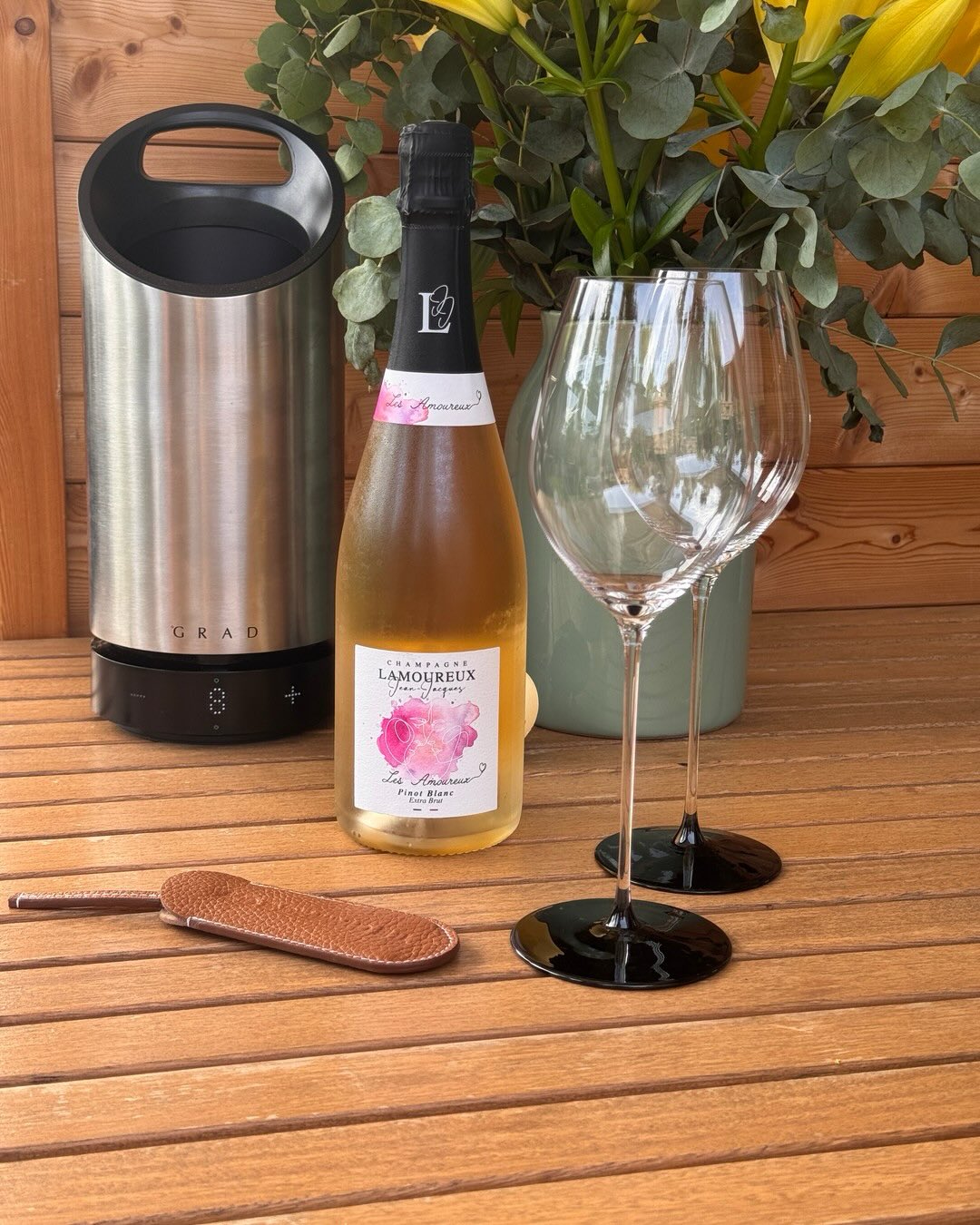
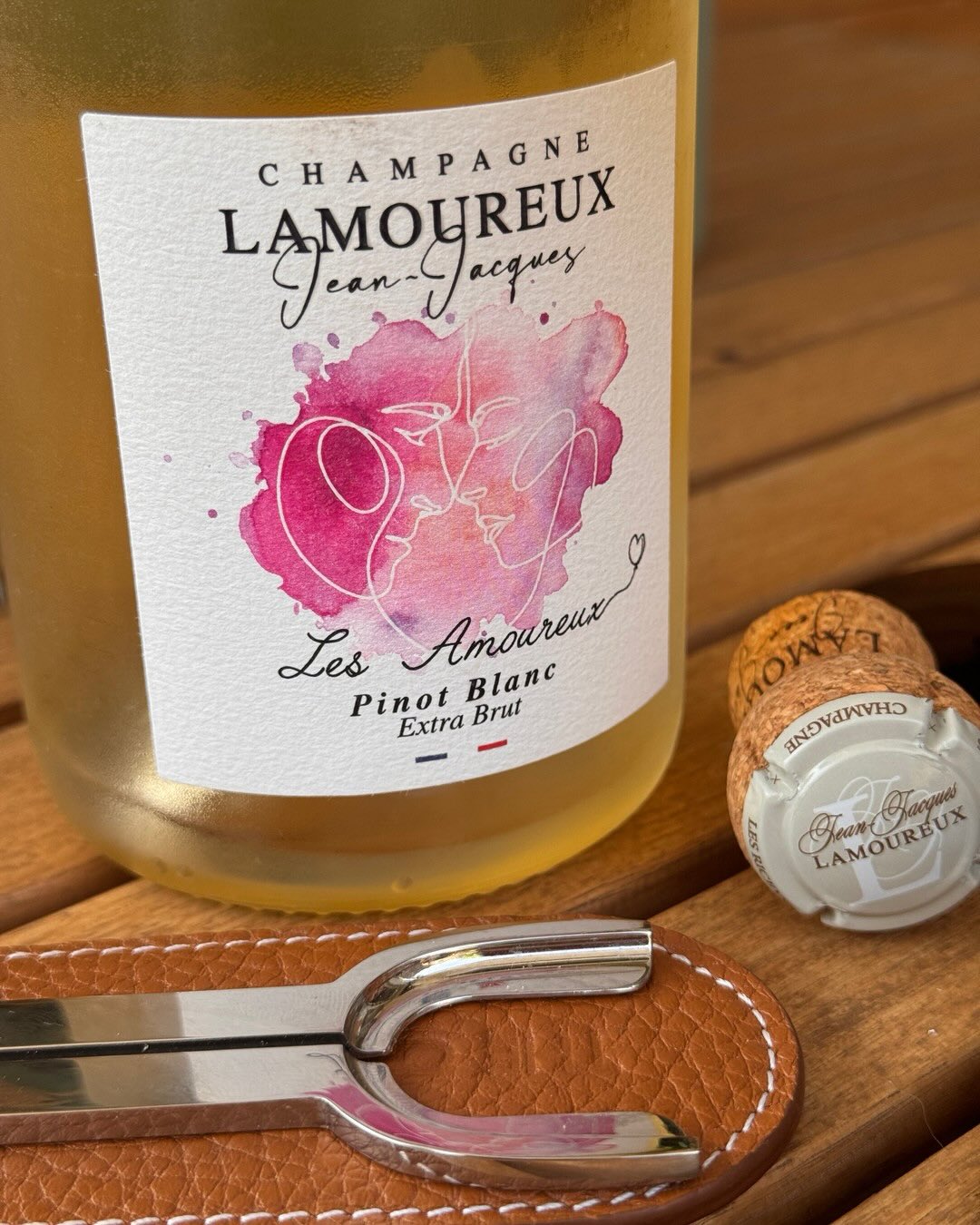
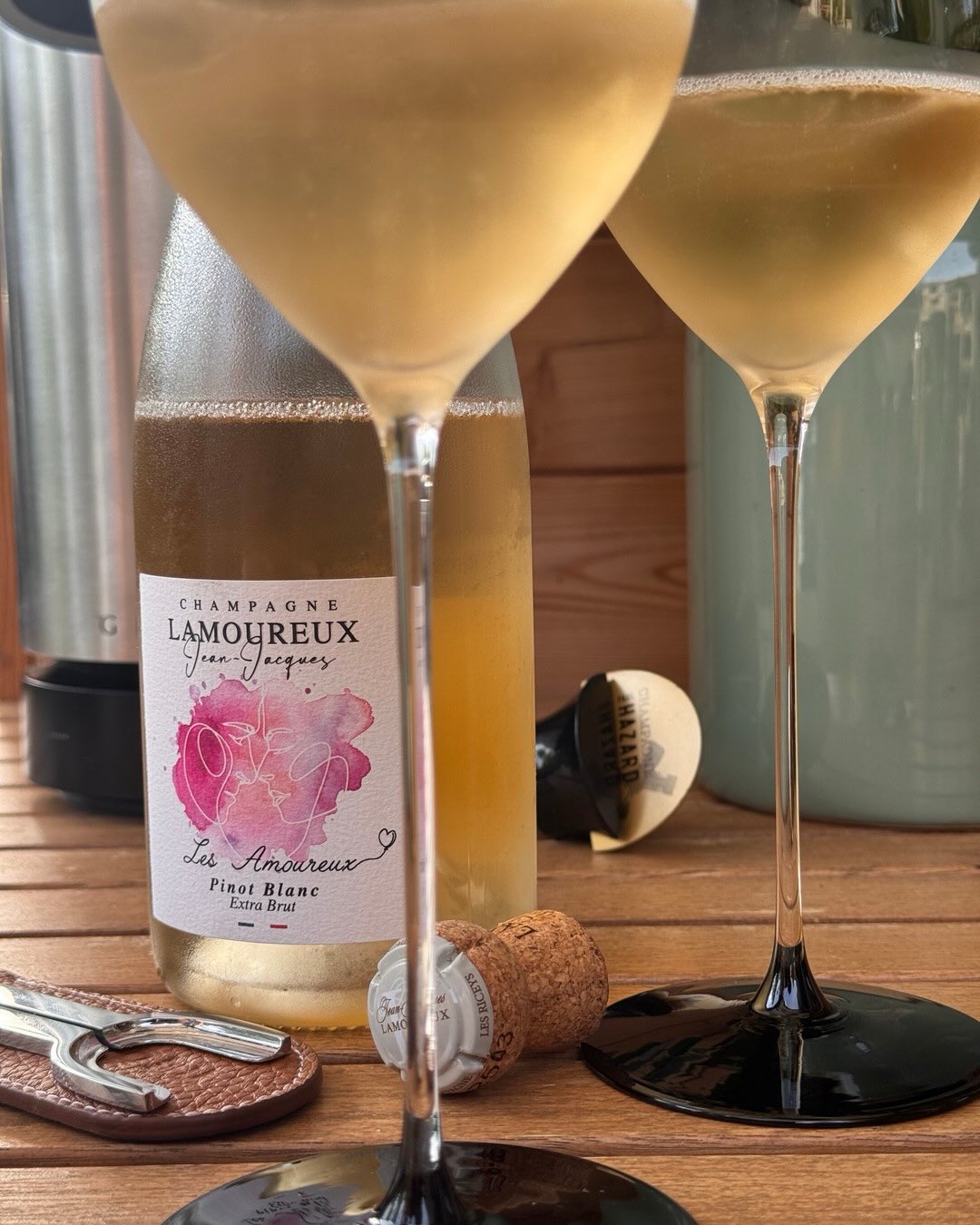
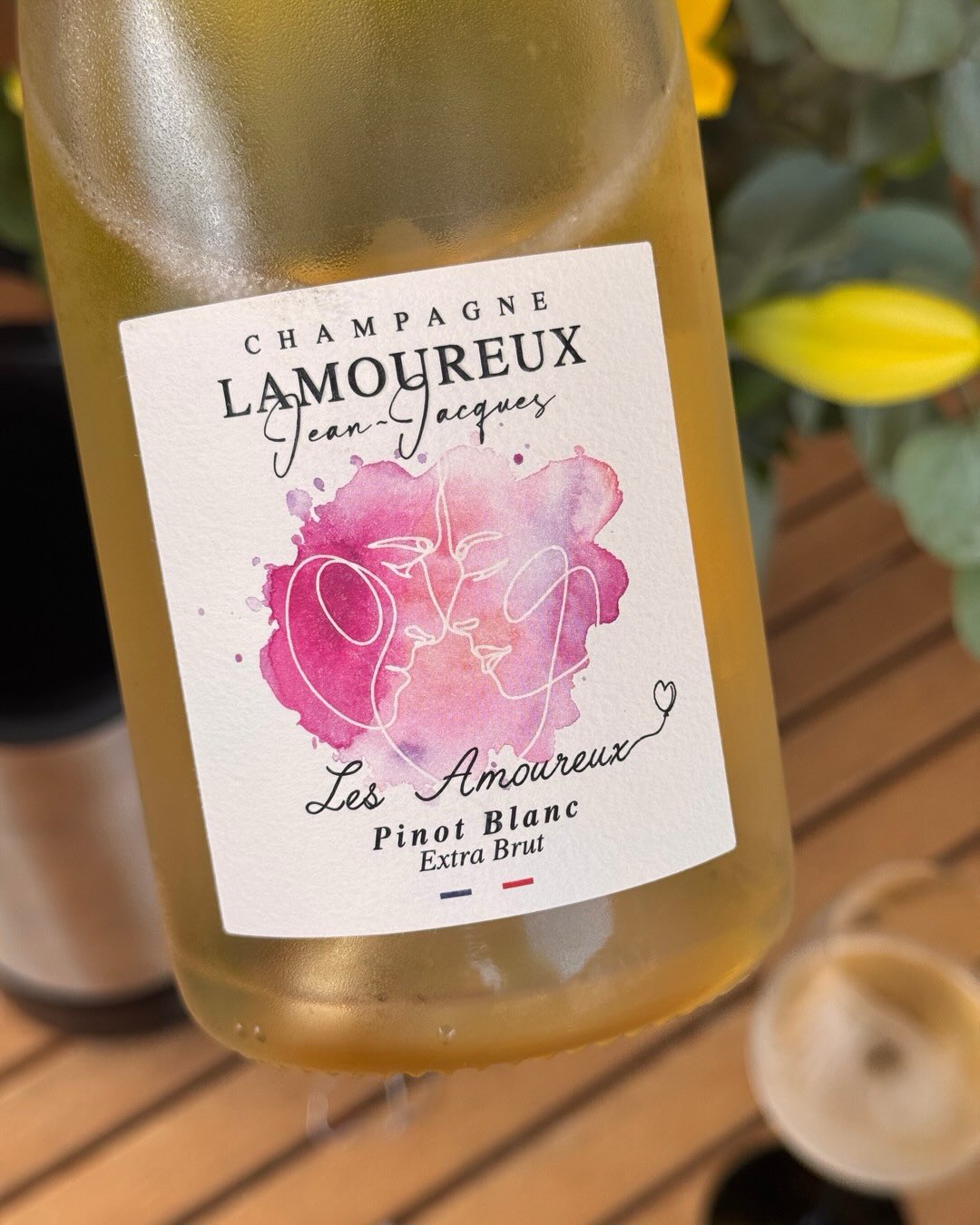
the_champagne.guy Die meisten Pinot Blanc-Champagner, die ich bisher verkostet habe, waren echte Überraschungen. Kraftvoll, aber mit einer seidigen Eleganz, die man so nicht erwartet. @champagnelamoureux_jj hat mit seiner Cuvée Les Amoureux wieder genau diesen Punkt getroffen. Vivien Lamoureux führt das Familienweingut bereits in dritter Generation und hat mir diese Cuvée zusammen mit zwei weiteren als Sample-Paket geschickt. Was Les Amoureux besonders macht: 100% Pinot Blanc, eine Rebsorte, die in der Champagne immer seltener wird und oft unterschätzt bleibt. Lamoureux vinifiziert diesen reinsortigen Pinot Blanc mit der gleichen Sorgfalt wie seine Pinot Noir und Chardonnay Cuvées. 🍾 Assemblage: 100% Pinot Blanc 🏆 Jahrgang: NV 🥂 Dosage: 4 g/l (Extra Brut) 💡 Charakter: kraftvoll, seidig, elegant 🍷 Rebsorte: Pinot Blanc (seltene Champagne-Spezialität) Die Familie Lamoureux zeigt mit Les Amoureux, dass Pinot Blanc in der Champagne durchaus eine Berechtigung hat. Während viele Winzer diese Rebsorte aufgeben, hält Vivien an ihr fest und schafft es, ihre charakteristische Fülle in eine elegante Cuvée zu verwandeln. Die Extra Brut Dosierung mit nur 4 g/l Restzucker lässt dem Pinot Blanc genug Raum, seine eigene Persönlichkeit zu zeigen. Für mich bestätigt diese Cuvée wieder: Pinot Blanc verdient mehr Aufmerksamkeit in der Champagne-Welt. #PinotBlanc @riedel_official @riedelteam_france @laclaye @grad.dk @grad_rd #ExtraBrut #JeanJacquesLamoureux #Winzerchampagner #TheChampagneGuy
Auf Instagram weiterlesen →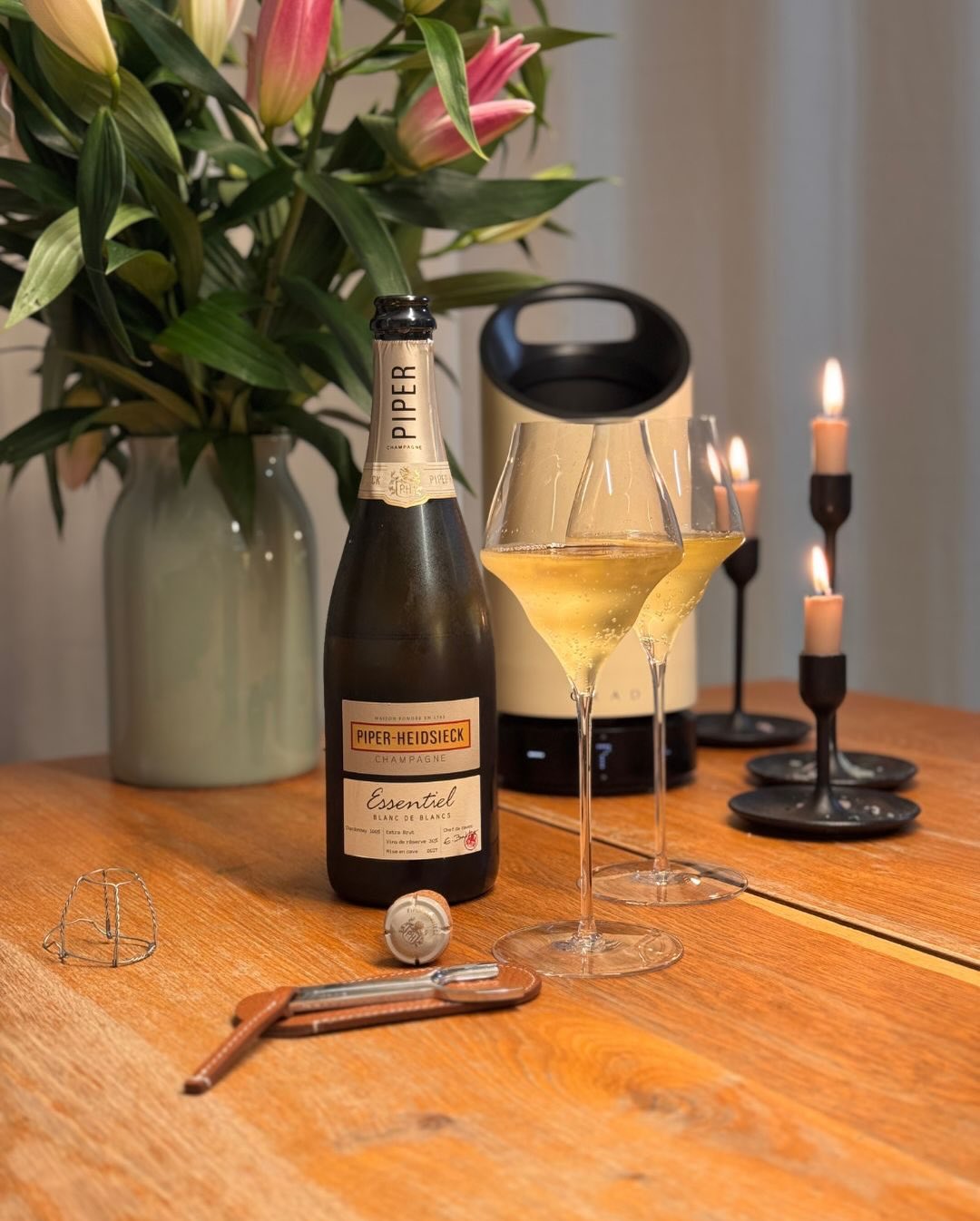
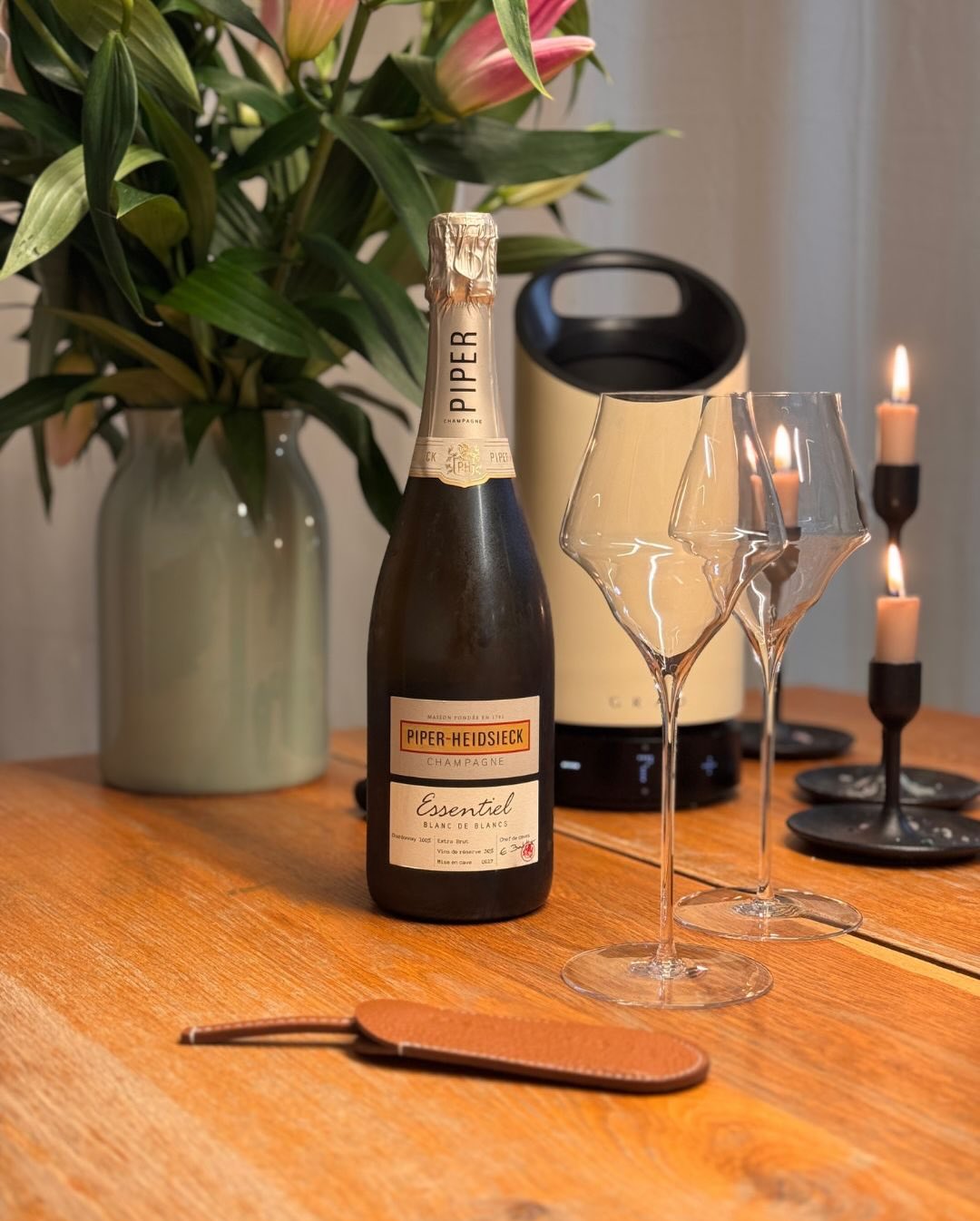
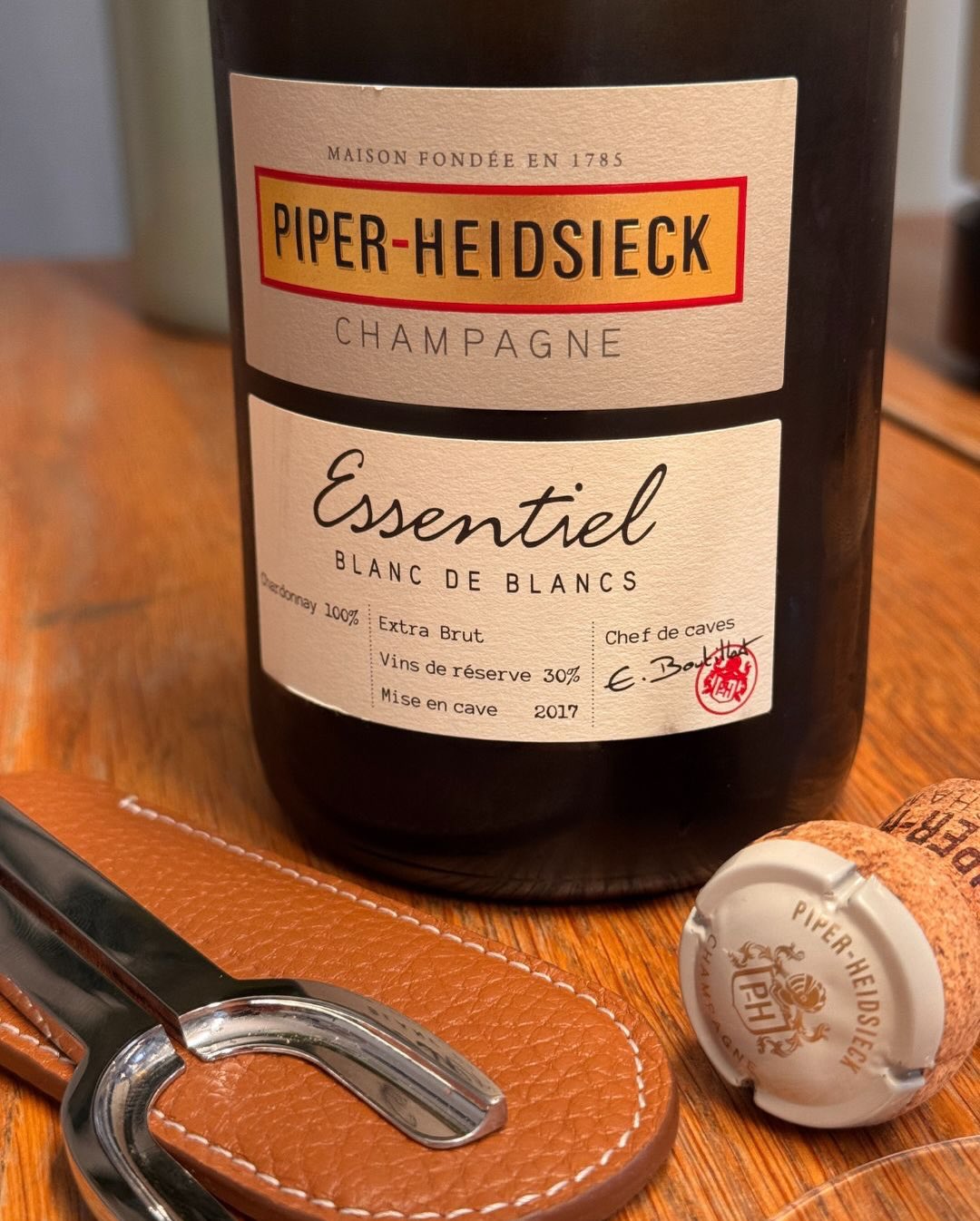
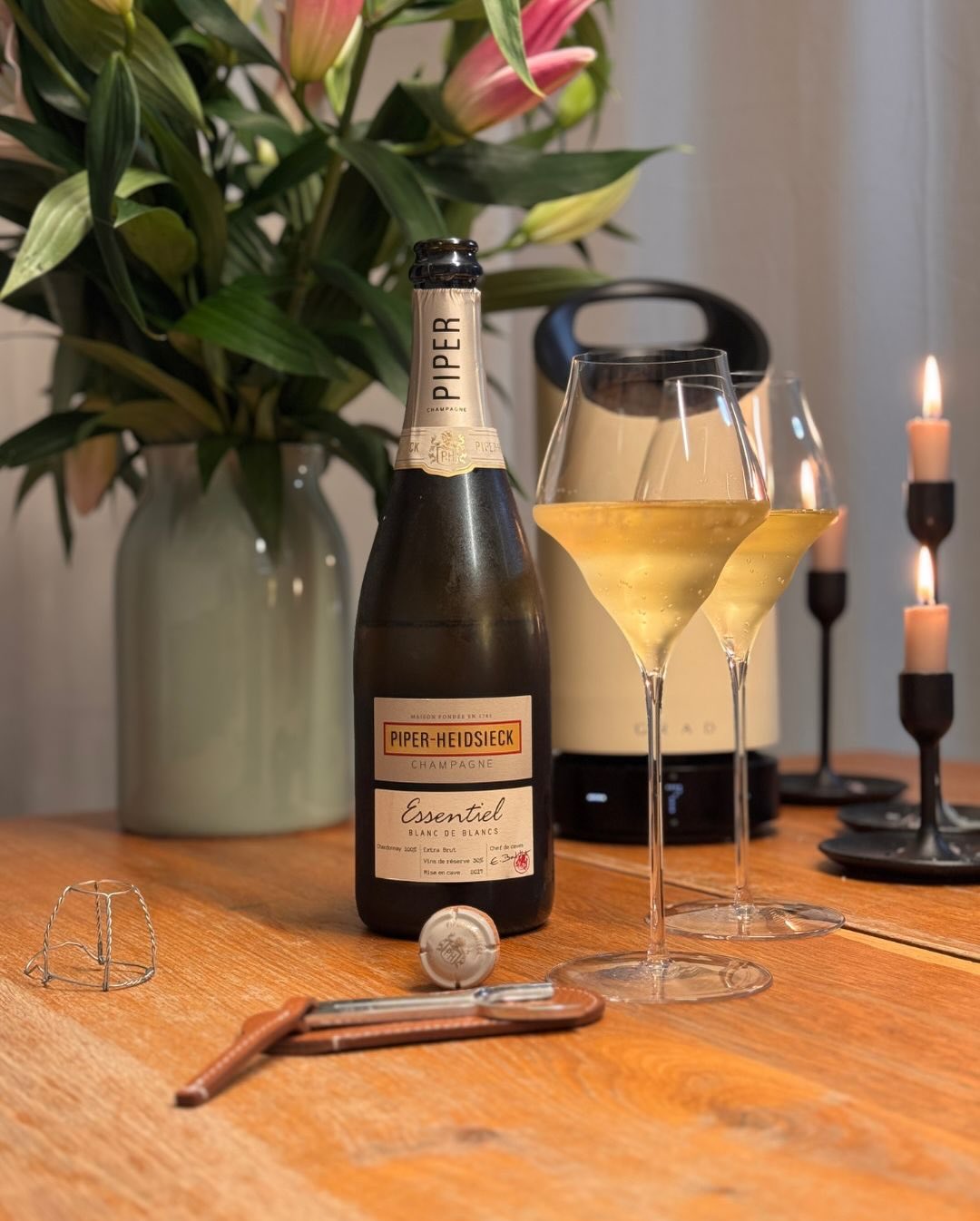
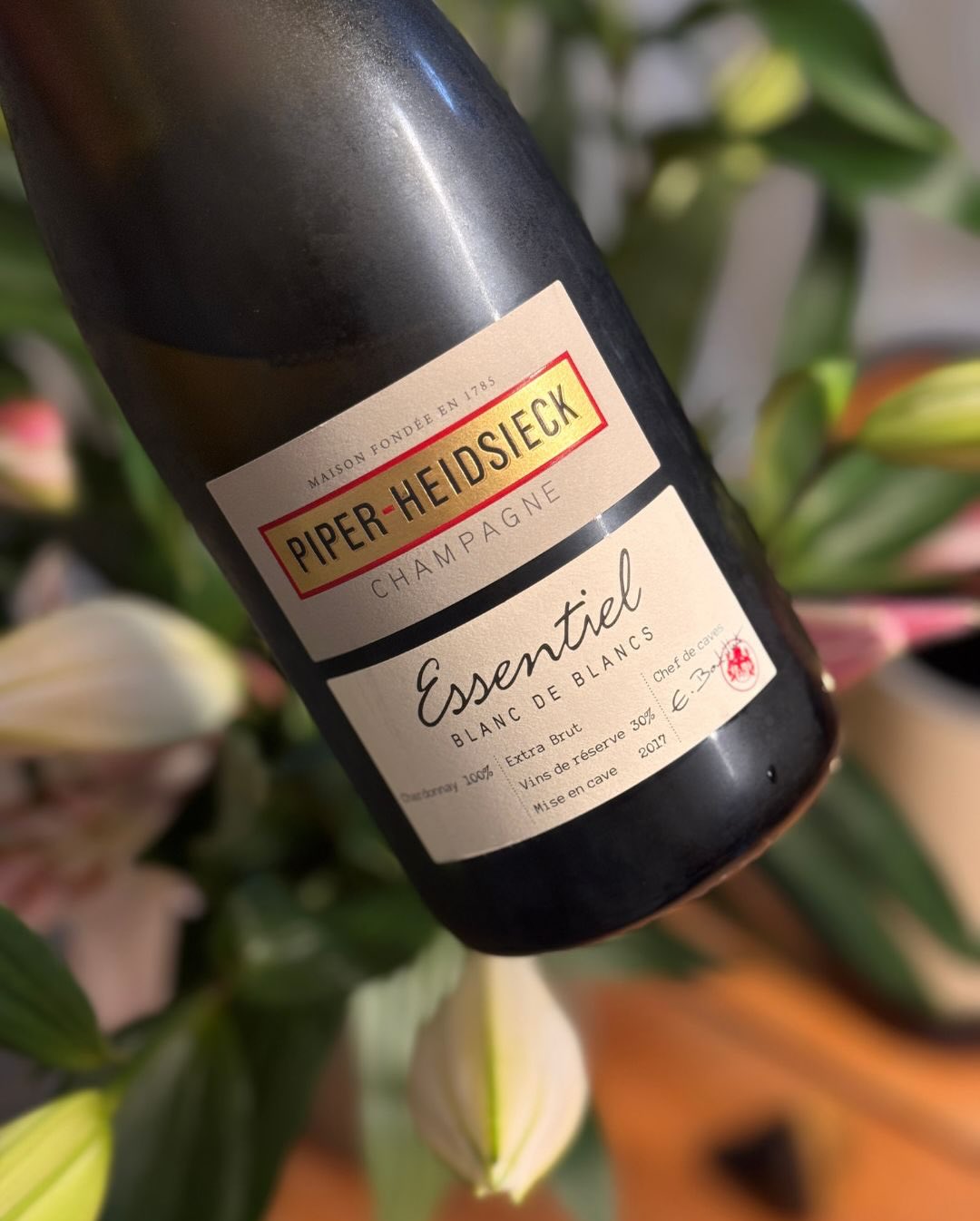
the_champagne.guy Wenn man an @piper_heidsieck denkt, hat man oft das klassische Rot vor Augen. Aber wer die wahre Seele des Hauses in ihrer pursten Form erleben will, muss zum Essentiel Blanc de Blancs greifen. 🥂✨ Was diesen Wein so besonders macht? Es ist die Handschrift von Chef de Cave @emilien_boutillat . Er hat der „Essentiel“-Reihe eine Präzision verliehen, die mich jedes Mal aufs Neue fasziniert. Hier geht es nicht um Mainstream, sondern um Savoir-faire: Weniger Dosage, deutlich mehr Reifezeit im Keller und ein beeindruckender Anteil an Reserveweinen. In der Nase ist das pure Frische: Zitronenzeste, Limette und weiße Blüten, untermalt von einer feinen Kalk-Mineralität und ganz dezenter Brioche. Am Gaumen ist er messerscharf, aber durch das lange Hefelager (mindestens 3 Jahre) trotzdem wunderbar cremig und tief. Ein wunderbarer Kandidat für meine Gläser von @josephinenhutte die dieses Spektrum perfekt einrahmen. Besonders stark: Piper setzt unter Émilien konsequent auf Transparenz. Ein Blick auf das Back-Label verrät alles über das Degorgierdatum und die Dosage, was nicht selbstverständlich ist bei größeren Häusern. Ein Blanc de Blancs, der die Brücke zwischen dem Glamour eines großen Hauses und der Tiefe eines Winzer-Champagners schlägt. Champagne-Facts 🍇 100% Chardonnay (Blanc de Blancs) 🥂 Essentiel Collection · Extra Brut 🕰 Mindestens 36 Monate Hefelager 🍬 Dosage: ca. 4 g/l (Extra Brut) 🍷 Reserveweine: ca. 30–35% 📍 Terroirs: Côte des Blancs, Montagne de Reims & Sézannais Fazit: Puristisch, elegant und mit einer Textur, die einfach Spaß macht. Perfekt als Aperitif. #TheChampagneGuy @grad.dk @laclaye #PiperHeidsieck #ChardonnayLovers #EmilienBoutillat #BlancDeBlancs
Auf Instagram weiterlesen →- Consistency: The Brut Sans Année tastes (almost) the same every year
- Assemblage artistry: A unified style is composed from hundreds of base wines
- Reserve wines: Deep stocks of reserve wines for complexity
- Marketing & distribution: Available worldwide
- Prestige Cuvées: Dom Pérignon, Cristal, Krug, the pinnacles of Champagne
The achievement of the big houses is often underestimated. A cellar master who composes a consistent house style from 200 or 300 different base wines every year is a master of their craft. The assemblage of a Brut Sans Année is one of the most difficult tasks in the wine world, and the big houses do it year after year with impressive precision.
The Revolution of the Last 20 Years
Before 2000, grower Champagnes were a niche product. The market was dominated by the big brands, and most growers sold their grapes instead of bottling themselves. Then came a new generation: Anselme Selosse, Jérôme Prévost, Pierre Gimonnet, growers who showed that Champagne is a terroir product, not an industrial product.
Today the grower Champagne movement is one of the most exciting trends in the wine world. Sommelier lists in top restaurants are full of RM Champagnes. In specialized wine shops, grower Champagnes have long overtaken the big brands in selection.
My Conclusion
Both worlds have their place. A Moët Imperial is a solid, reliable Champagne for any occasion. But anyone who wants to know what Champagne can really do, who wants to taste terroir, who seeks surprises, who wants to get to know the person behind the bottle, can't avoid grower Champagnes.
In my tastings, grower Champagnes clearly dominate: 176 out of 432 Champagnes are RM. Not because the big houses are bad, but because grower Champagnes are generally more exciting, more distinctive, and more surprising.