Wait, wait, wait — and then be rewarded
2013 put the patience of winemakers to a severe test. It was one of the latest vintages in living memory — harvest didn't begin until October. For weeks, the vignerons looked to the sky and waited. For sun, for ripeness, for a sign that the grapes would still make it. And in the end, they did make it. Just barely, but they made it.
The 2013 Weather
2013 began as poorly as imaginable. Winter was long and cold, spring was cold and wet. Budbreak was delayed by several weeks. Flowering didn't occur until late June to early July — extremely late — and was problematic. Coulure was widespread, yields were reduced from the start.
Summer was mixed. July finally brought some warmth and sun, but August turned cool and humid again. The vines developed agonizingly slowly. By September it was clear: this would be one of the latest vintages in history.
And then came the turning point: October brought an unexpected period of beautiful weather. Sunny, warm days and cold nights — exactly the conditions that Champagne needs for its best wines. The grapes ripened slowly, concentrated, and developed brilliant acidity while sugar formation progressed.
Harvest began in early to mid-October — two to three weeks later than in an average year. The crop was small in quantity but of remarkable quality: highly concentrated, with exceptional acidity and an intensity that no one expected after this difficult year.
Style of the Vintage
2013 inevitably reminds one of 1996 — and the comparison is not unjustified:
- Extremely high acidity — cutting, vibrant, electrifying
- Taut fruit — lemon, grapefruit, green apple, lime
- Pronounced minerality — chalk, flint, salinity
- Lean, nervous body — wiry rather than opulent
- Enormous aging potential — the best will need decades
- Slow development — these wines shut down in their youth
2013 is not a vintage for the impatient. In youth, the wines often seem unapproachable — acidity dominates, fruit hides. But with time — and we're talking about 10, 15, 20 years here — these wines will open up and show a complexity that can never emerge in softer vintages.
Grape Variety Performance
Chardonnay was clearly number one. The cool conditions and slow, late ripening favored this variety perfectly. The Côte des Blancs delivered material reminiscent of the legendary 1996 Chardonnays: mineral, acid-driven, with an almost crystalline clarity.
Blanc de Blancs from 2013 are among the most exciting of the decade. They require patience, but those who have it will be rewarded.
Pinot Noir had a harder time. The cool conditions made phenolic ripening difficult. The best sites of the Montagne de Reims still delivered clean, structured material — lean, but with backbone.
Pinot Meunier fared less well with the late year. Yields were low and quality inconsistent.
My Experiences with 2013
I've tasted 7 bottles from the 2013 vintage — and they've pushed me in a direction I didn't expect: enthusiasm.
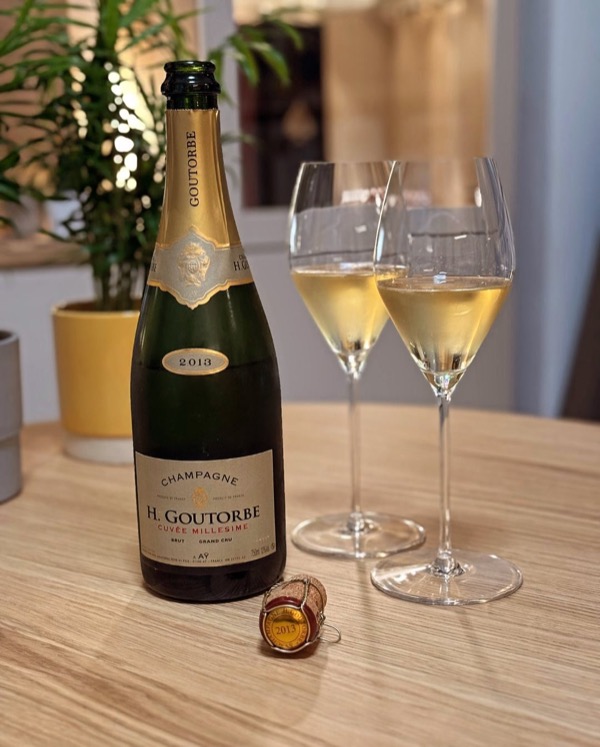
Manchmal braucht es keinen speziellen Anlass, um einen neuen Champagner zu probieren – ein entspannter Abend reicht völlig aus. Diesmal fiel die Wahl…
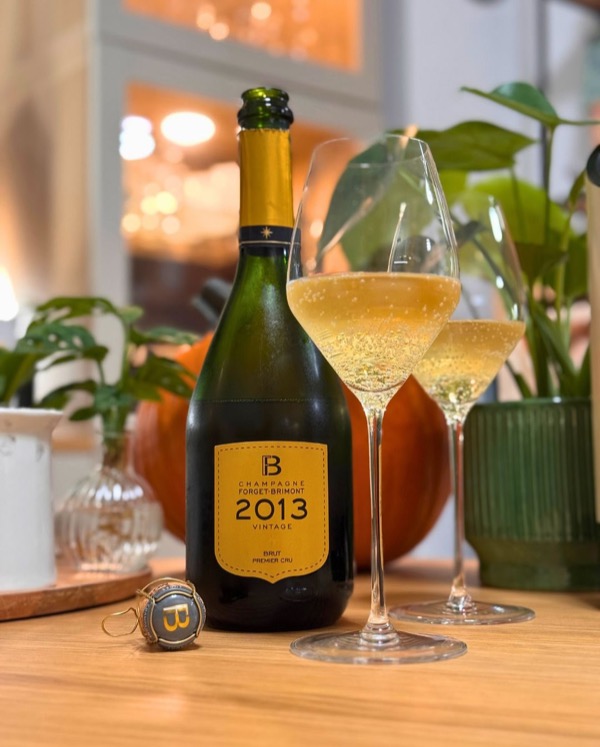
Für gestern Abend hatte ich den @champagne_forget_brimont – Vintage 2013 rausgesucht. Eine Flasche, die ich zweimal im Keller habe, aber bisher noch…
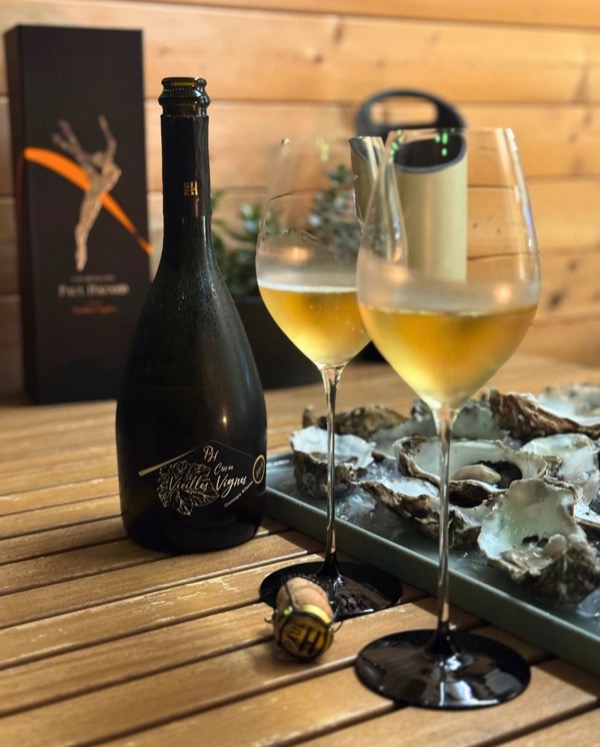
Ein lauer Sommerabend, eine Platte voller Austern auf Eis. Drei Vinaigrettes standen bereit – aber ich war mir nicht sicher, welcher Champagner dazu…
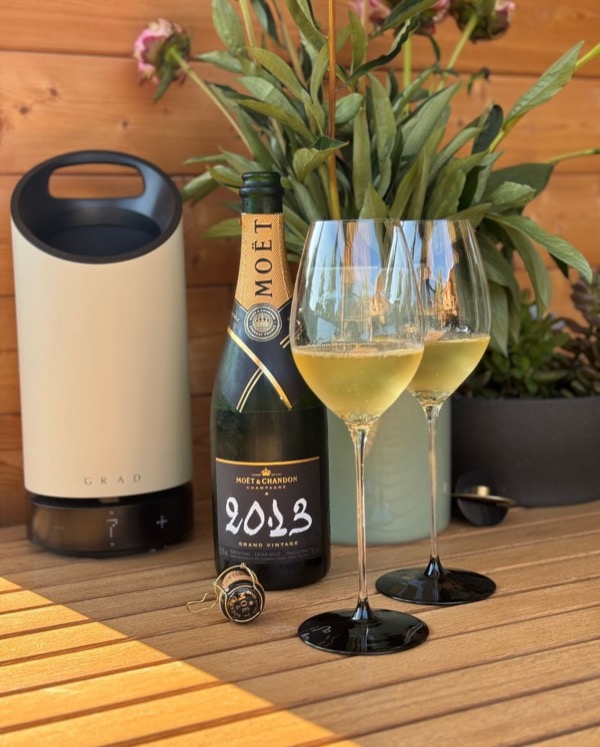
Man kennt @moetchandon . Man kennt den Brut Impérial. Ein Klassiker, den fast jeder schon mal im Glas hatte – solide, verlässlich, leicht…
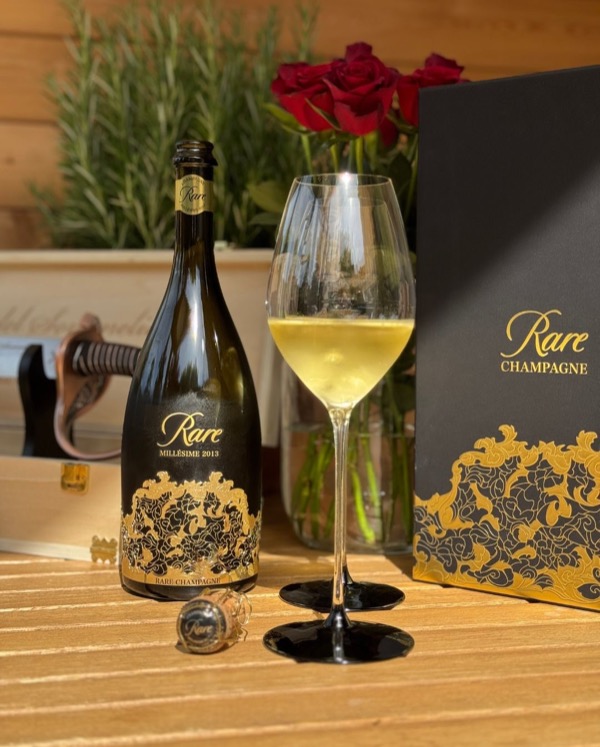
Heute habe ich den @rarechampagne_official Millésime 2013 zu meinem Geburtstag geöffnet – und damit nicht nur eine Flasche, sondern eine ganze…
What fascinated me: the incredible energy of these wines. 2013 champagnes have an inner tension, a vibration that electrifies the mouth. The acidity isn't aggressive — it's alive. It pulls, it pulses, it invites you to take another sip.
With some of the bottles I tasted, I was surprised by how much complexity hides behind the taut facade. You have to taste carefully — and then you find layers of minerality, delicate floral notes, an almost salty-iodine depth.
My conclusion after 7 bottles: 2013 is a vintage for nerds and the patient. Those who drink champagne analytically, who love the tension between acidity and fruit, who are willing to wait — they will love 2013.
The Comparison: 2013 vs. 1996
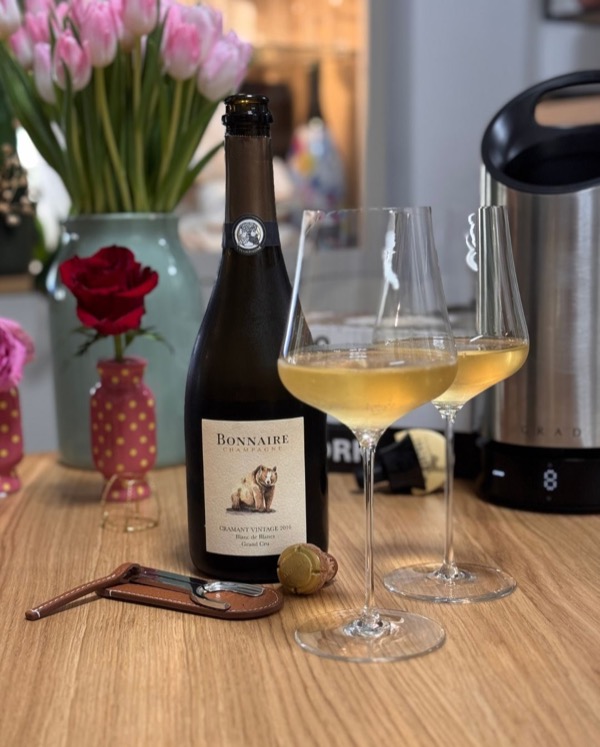
Wer 100 % Chardonnay liebt, kommt an den Grand-Cru-Lagen von Cramant an der nördlichen Côte des Blancs nicht vorbei. Das Dorf ist berühmt für Weine…
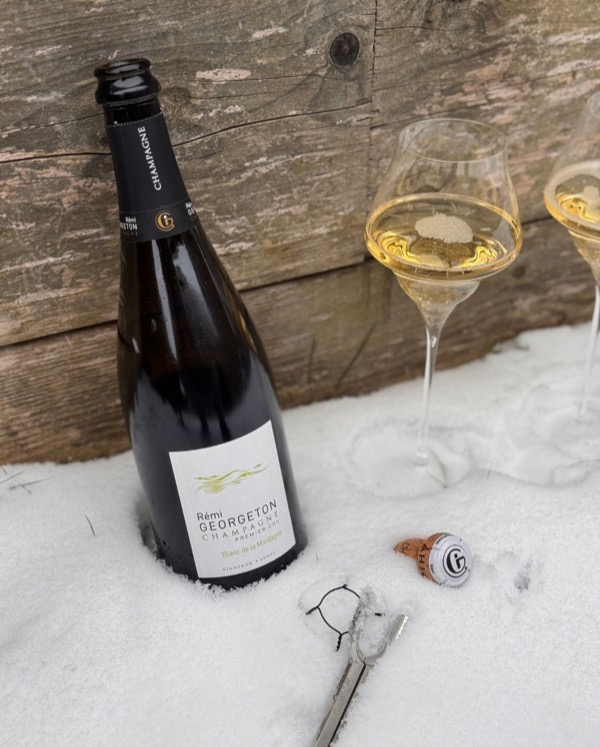
Schnee ist doch eine tolle Sache. Und wenn es bei uns endlich mal welchen gibt, der nicht nach wenigen Stunden wieder wegschmilzt, dann nutzen wir…
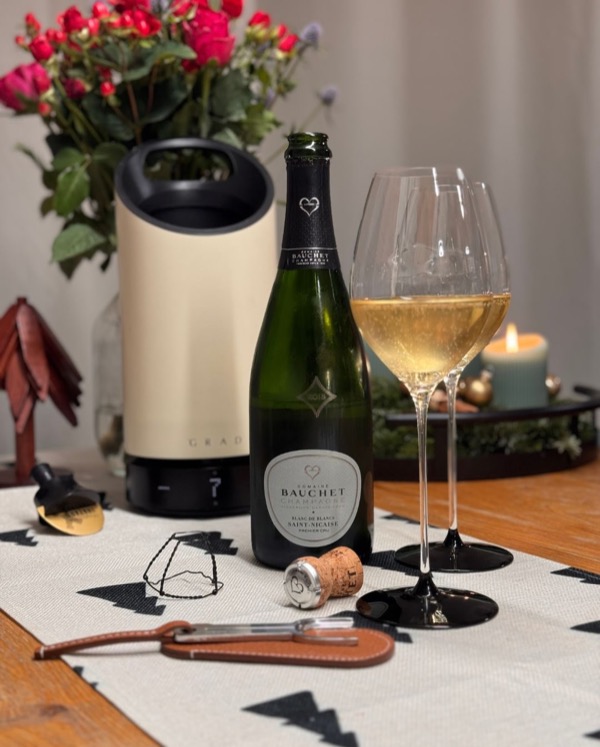
Der Saint-Nicaise 2015 von @domainebauchet hat gestern genau diese ruhige, warme Stimmung getroffen, die man sich für einen entspannten Abend…
| Characteristic | 1996 | 2013 |
|---|---|---|
| Acidity | Extremely high | Very high |
| Harvest window | Mid-October | Early-mid October |
| Chardonnay quality | Legendary | Outstanding |
| Development pace | Very slow | Slow |
| Aging potential | 30+ years | 25-35+ years |
The parallels are striking. Both are cool, late vintages with high acidity and Chardonnay dominance. 1996 perhaps had a touch more concentration, 2013 somewhat more elegance. But the DNA is related.
Placing it in the Decade
In the sequence 2012-2013-2014-2015, 2012 and 2013 form the serious, structured duo, while 2014 and 2015 represent the riper, more accessible side.
2013 is the most intellectual vintage of this group — the one you don't understand on the first sip, but only after the third glass.
Drinking Window Today
2013 champagnes are now in a transitional phase. Youth is behind them, full maturity still ahead. Those drinking now experience wines beginning to open — the taut acidity is complemented by the first notes of maturity: brioche, almond, honey.
But the best examples still have 10-20 years ahead of them. Those who can wait should wait. The reward will be champagne of rare complexity.
Posts
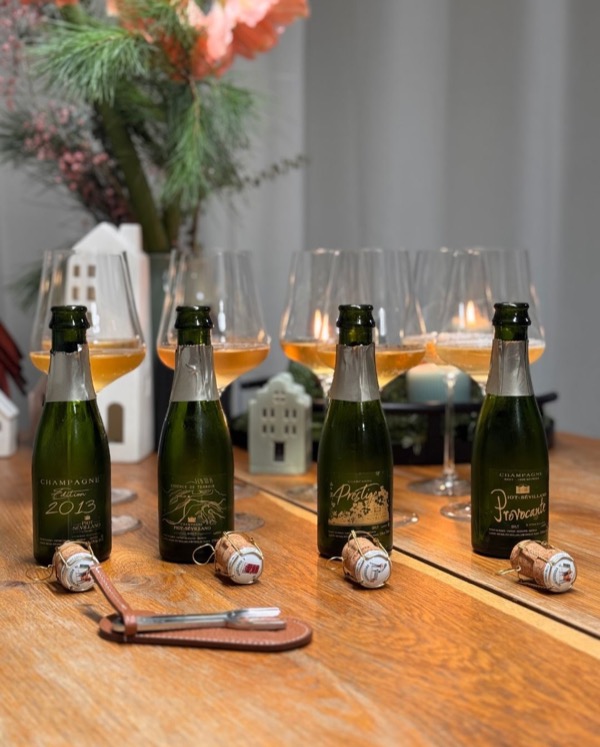
Flight 2 mit 4 weiteren Flaschen aus dem @piotsevillano Adventskalender fühlte sich von Beginn an anders an. Weniger Kontraste, weniger Extreme –…
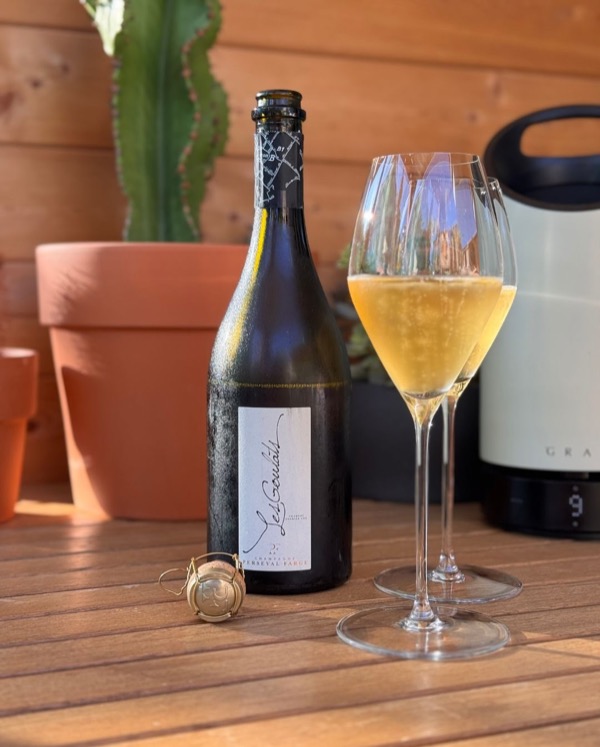
Heute endlich mein Post zum @persevalfarge – Les Goulats. Bei dieser Flasche hat mich vor allem die Rebsorten-Mischung gereizt – Arbane, Petit…
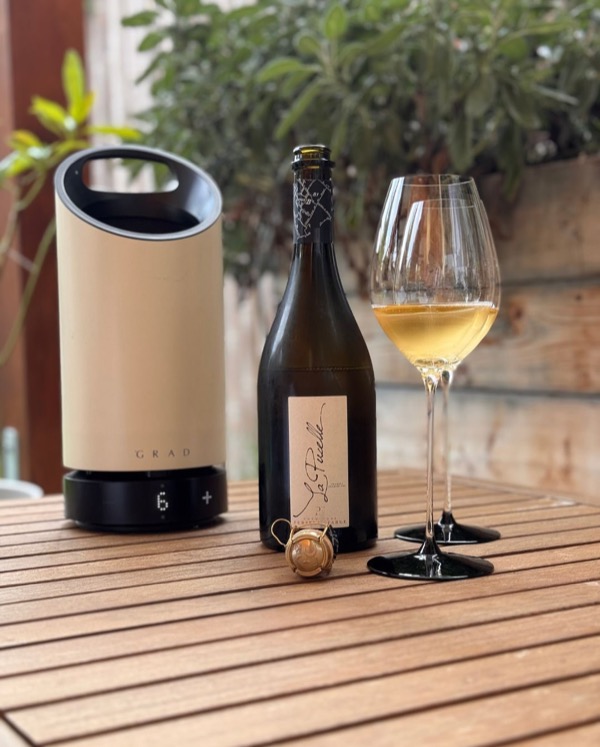
Die Gartenlounge im Halbschatten. Ein ruhiger Nachmittag, an einem der letzten Ferientage bevor der Schulalltag der Kids wieder los geht und der…
Conclusion
2013 is a vintage that the wine world has yet to fully discover. Underestimated in youth, it will find its place among the best vintages of modern Champagne with time. A vintage for the patient, the curious, the champagne-obsessed — and precisely why it's one of my favorites.