Champagne Perseval-Farge: Purism from Chamery
Champagne Perseval-Farge is a grower champagne from Chamery in the Montagne de Reims. The village is classified as Premier Cru. Today Isabelle, Benoist and Henry Perseval run the maison in the 5th generation. The philosophy: artisanal tradition, precise work with historic grape varieties and a purist approach with low dosages.
Vignoble & Soil
The family manages vineyard plots in Chamery, which consistently stands at the center as terroir. The exact acreage isn't documented, but the cuvées show a clear profile: Chardonnay, Pinot Noir and Meunier form the base, complemented by rare varieties like Arbane, Petit Meslier and Pinot Gris (locally also called Fromenteau). These historic grape varieties aren't just treated as supplements, but in cuvées like Les Goulats become the main character, there they make up 78 percent of the assemblage.
Viticulture & Sustainability
Perseval-Farge works HVE-certified (Haute Valeur Environnementale). This French standard for environmental excellence covers biodiversity, fertilization, plant protection and water management. Concrete details about farming practices are sparsely documented, but the direction is clear: respect for terroir, no industrial shortcuts.
Vinification
The vinification is artisanally driven. A basket press is employed, a detail that appears in several tasting notes and suggests gentle pressing. Oak barrel aging varies greatly by cuvée: from 21 percent for Terre de Sables to 100 percent for Les Goulats. Stainless steel is also used, often in combination. Malolactic fermentation is partially conducted, such as with the Cuvée 198 Millésime 2006.
The dosages range between 0 and 5.5 g/l, the lower end of the Brut scale and frequently Brut Nature. This purist approach runs through many cuvées and puts minerality, freshness and structure in the foreground. The lees aging is often long: The Cuvée de Nature lies at least five years on the lees, the 198 Millésime 2006 even 15 years.
The Cuvées in Detail
Terre de Sables
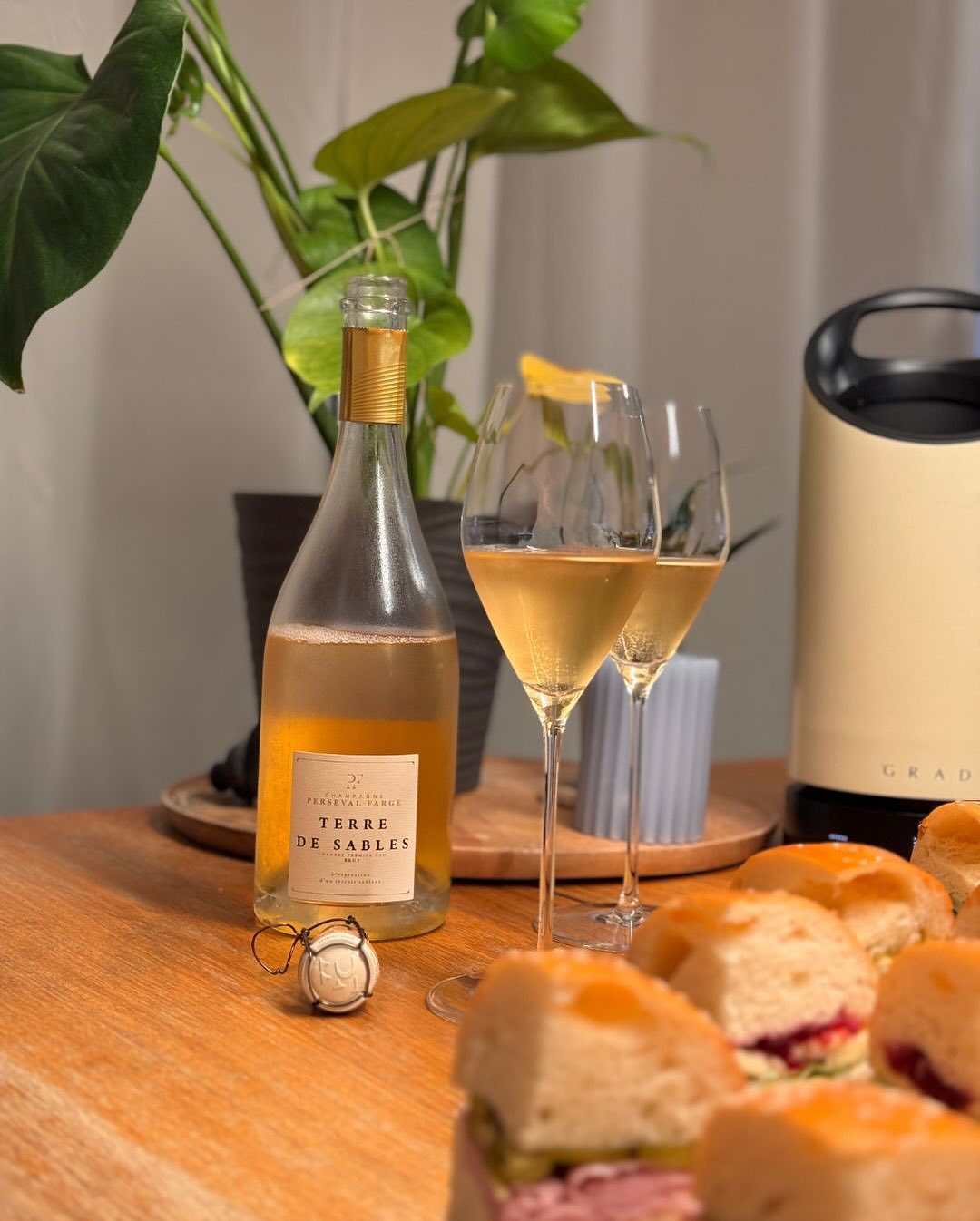
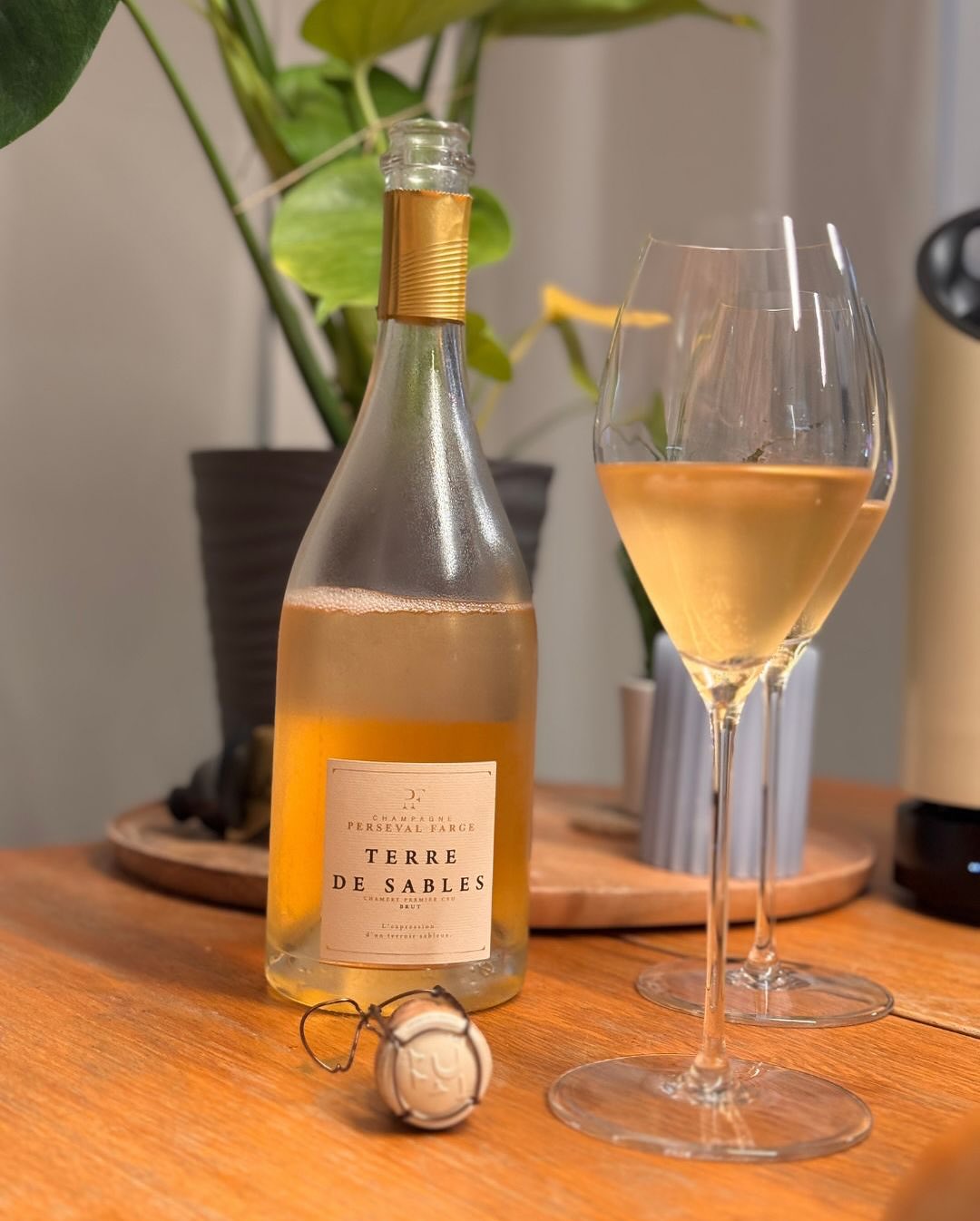
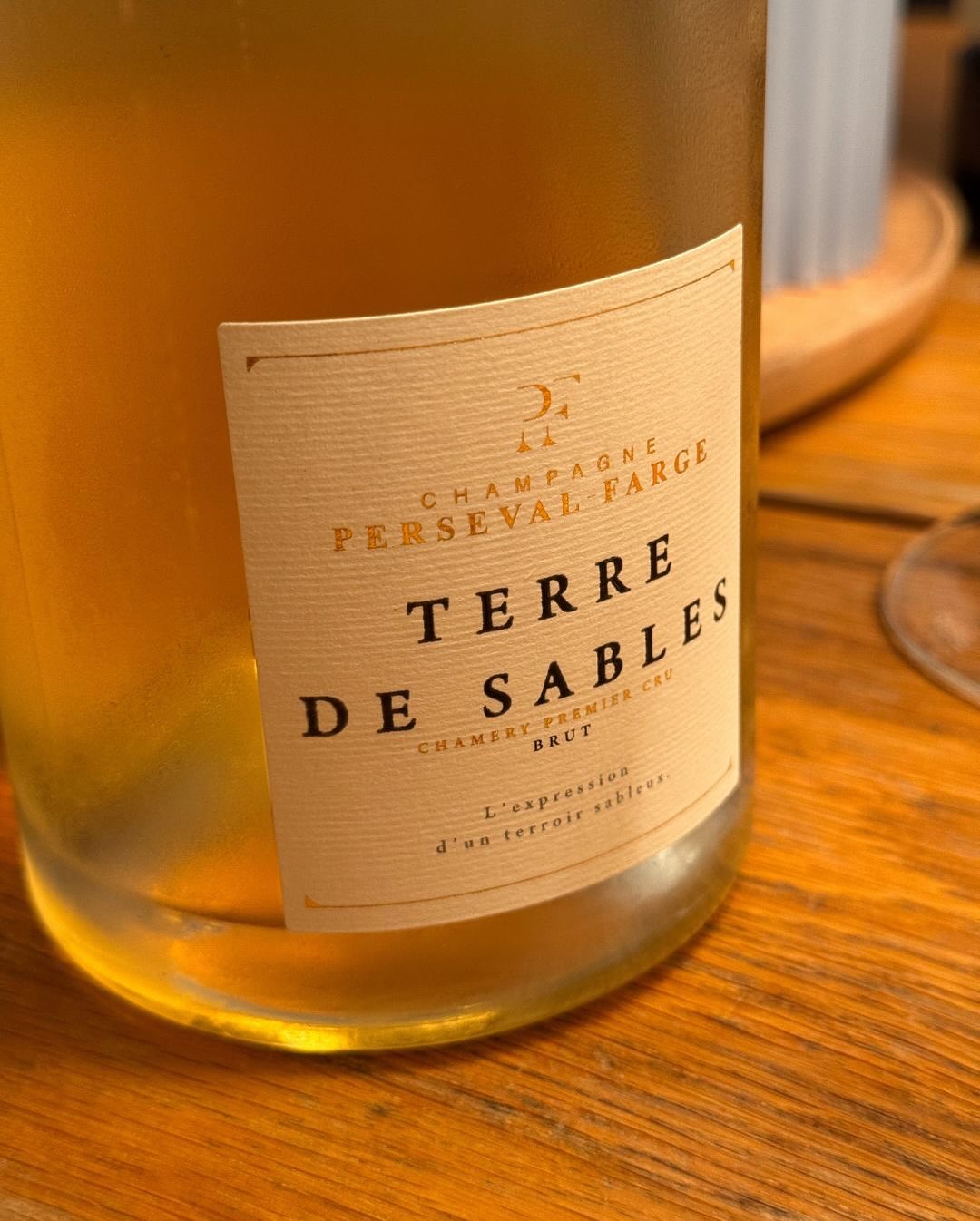
the_champagne.guy Gestern Abend gab’s bei uns eine kleine Brioche-Platte mit vier Varianten: 🥒 Frischkäse, Kräuter & Gurke 🦐 Shrimps mit Honig-Senf-Soße 🧀 Camembert mit Preiselbeeren & Salat 🥩 Beinschinken & Essiggurke Klingt erstmal bunt – war aber erstaunlich harmonisch. Denn dazu gab’s den Terre de Sables von @persevalfarge – ein Premier Cru aus Chamery, der nicht nur durch seine Balance überzeugt, sondern auch durch eine feine, salzige Mineralität, die sich perfekt ins Gesamtbild fügt. Irgendwie gemacht für diese kleinen, detailverliebten Teller. Und mit 3 g/l Dosage auch herrlich klar und trocken – aber nicht zu spitz. Champagner-Facts: 🍇 40 % Pinot Noir | 22 % Meunier | 38 % Chardonnay 📍 Premier Cru – Chamery, Montagne de Reims 🕰️ Tirage: 2019 | Dégorgement: 01/2024 📦 Assemblage: 52 % 2018 | 35 % 2017 | 13 % 2016 🪵 21 % Ausbau im Holz ⚖️ Dosage: 3 g/l (Brut) 💡 Alkohol: 12 % Vol. Fazit: Ein echtes Allround-Talent. Zugänglich, klar, balanciert. Gerade bei so vielseitigem Essen wie dieser Sandwich-Platte merkt man, wie viel Struktur und Ruhe dieser Wein mitbringt. #TheChampagneGuy @grad.dk @riedel_official #PersevalFarge #TerreDeSables #ChampagnerMoment #BriochePlatte #PremierCru #GrowerChampagne #Chamery #NoFlutes #Foodpairing #JustPopIt
Auf Instagram weiterlesen →The entry-level cuvée, but by no means banal. Assemblage from three vintages: 52 percent 2018, 35 percent 2017, 13 percent 2016. Tirage 2019, disgorged January 2024. 21 percent aged in wood, the rest in stainless steel. Balanced between salty minerality and approachable fruit, an all-around talent with Chamery signature.
40% Pinot Noir, 38% Chardonnay, 22% Meunier · 3 g/l Dosage (Brut) · Base 2018 · Chamery Premier Cru
C. de Chardonnay
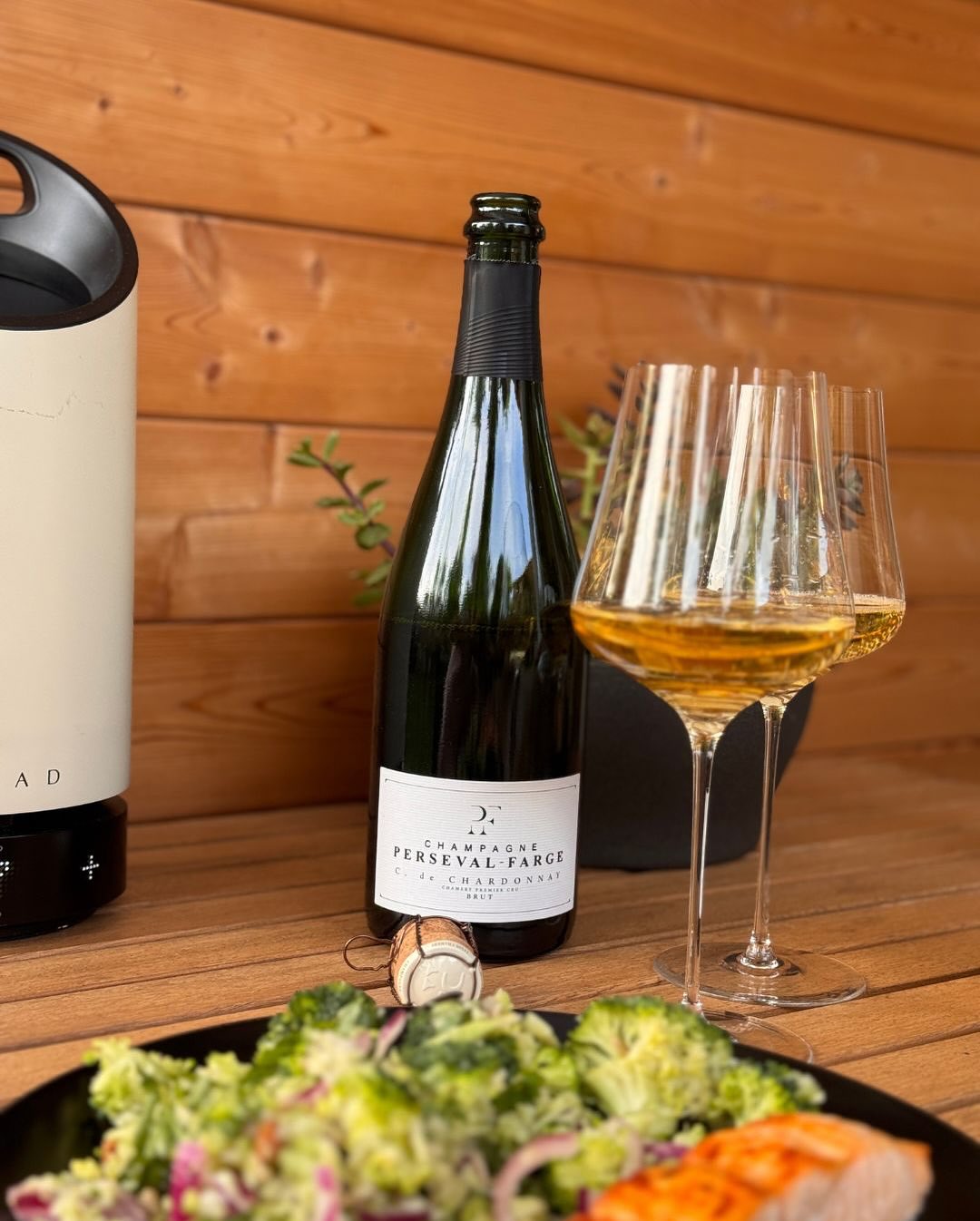
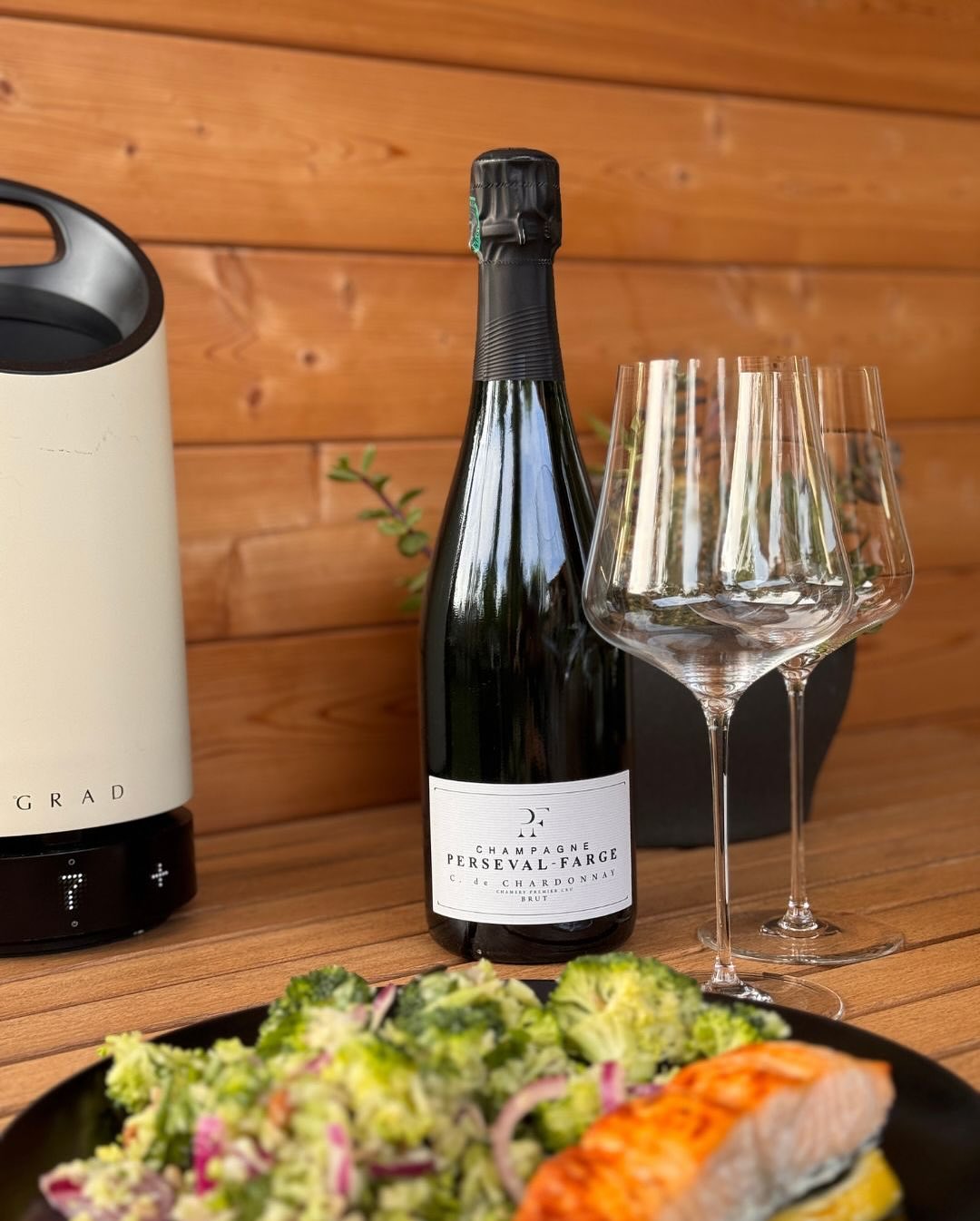
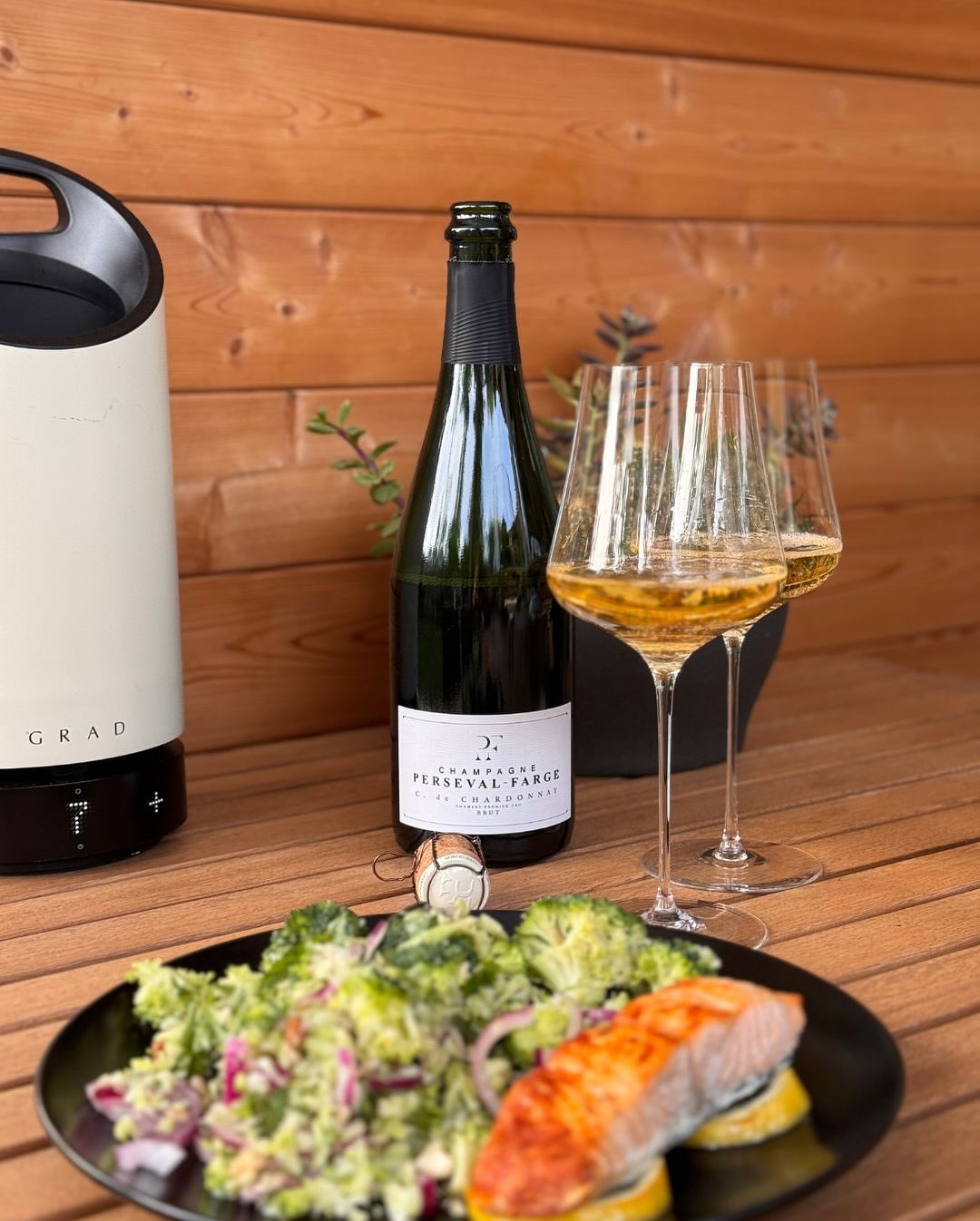
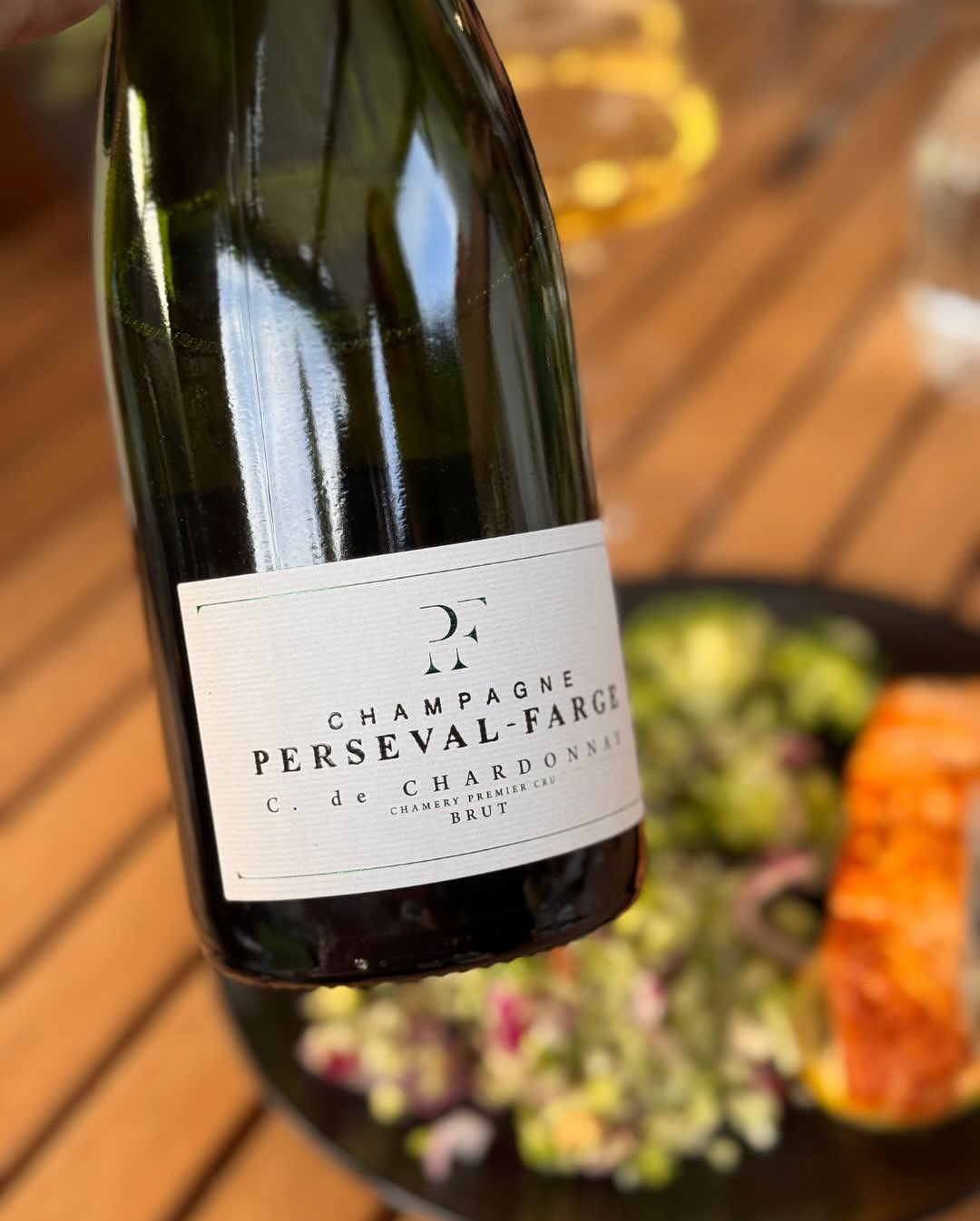
the_champagne.guy Ein Montagabend wie aus dem Lehrbuch. Lauwarmer Brokkoli-Salat mit Honig-Senf-Dressing. Dazu frischer Lachs – gegrillt, mit etwas Zitrone. Und im Glas: Champagne @persevalfarge – C. de Chardonnay. Blanc de Blancs at its best: Klar. Straff. Mineralisch. Mit kühler Frucht, salziger Präzision und einer tollen Eleganz. Der Auftakt? Feine Zitrusnoten, weißer Pfirsich, ein Hauch von Blüten und Kreide. Mit mehr Luft: nussige Anklänge, zarter Schmelz, ein langes, präzises Finale. Geradlinig, aber nicht kühl – eher fokussiert. Serviert bei knapp 10 °C – getrunken aus dem @gabriel_glas . Champagner-Facts: 🍇 100 % Chardonnay (Blanc de Blancs) 📍 Premier Cru – Chamery, Montagne de Reims 🗓️ Tirage: 2014 | Dégorgement: 01/2024 📦 Assemblage: 47 % 2013, 37 % 2012, 13 % 2011, 3 % 2010 🪵 Ausbau im Holz: 22 % ⚖️ Dosage: 1,6 g/l – Extra Brut 🥂 Stil: zitrisch, mineralisch, präzise Fazit: Ein Paradebeispiel dafür, warum ich Blanc de Blancs so liebe. #TheChampagneGuy @mygabrielglas @grad.dk #PersevalFarge #CdeChardonnay #BlancdeBlancs #PremierCru #MineralitätImGlas #BrokkoliUndLachs #ChampagnerLiebe #NoFlutes #MontagMitStil #RiedelLove
Auf Instagram weiterlesen →Blanc de Blancs, but not from one vintage: 47 percent 2013, 37 percent 2012, 13 percent 2011, 3 percent 2010. Tirage 2014, disgorged January 2024. 22 percent oak aging, 1.6 g/l dosage (Extra Brut). Mineral, citrusy, precise, a cool, taut interpretation of Chardonnay from Chamery.
100% Chardonnay · 1.6 g/l Dosage (Extra Brut) · Base 2013 · Chamery Premier Cru
C. de Pinots
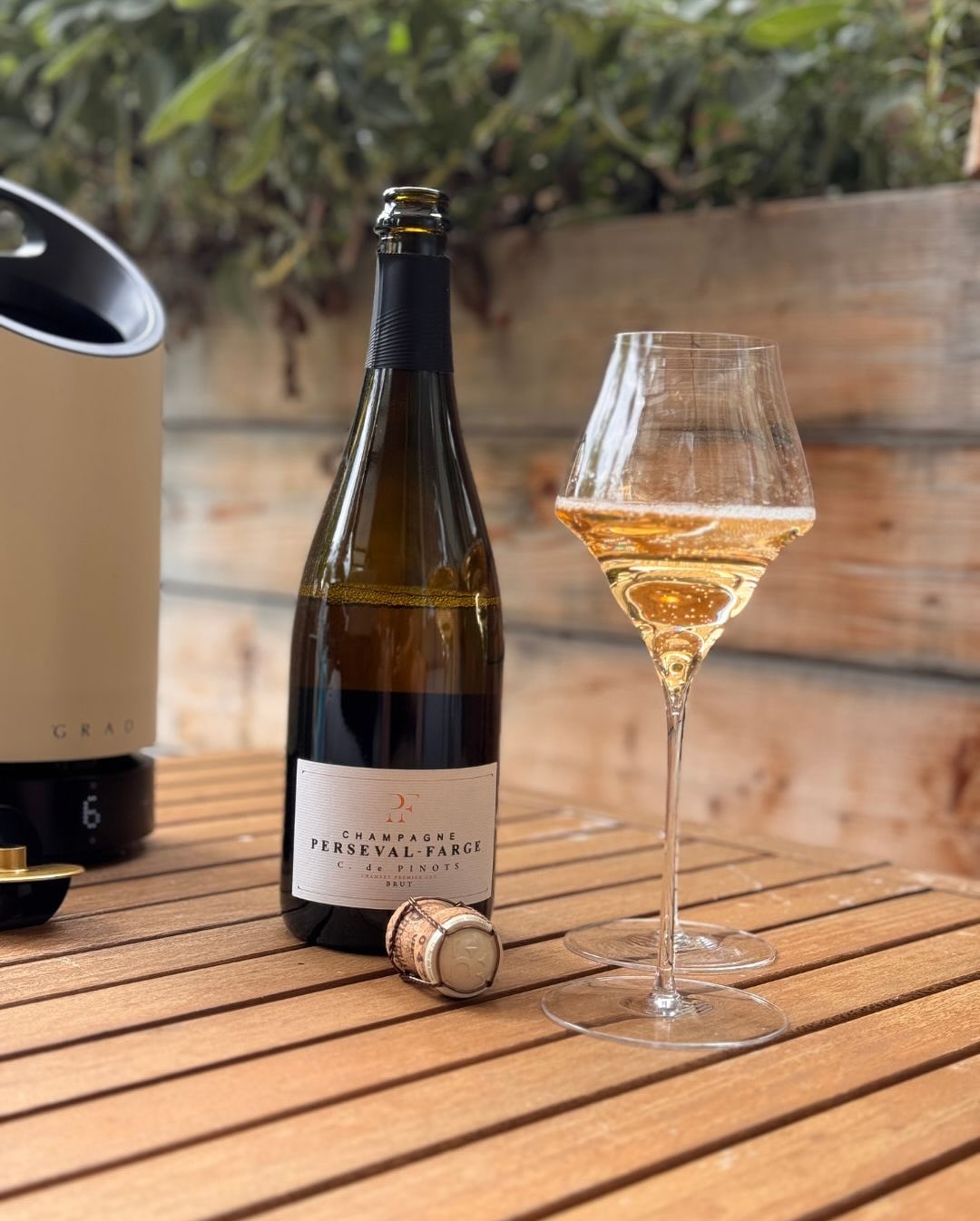
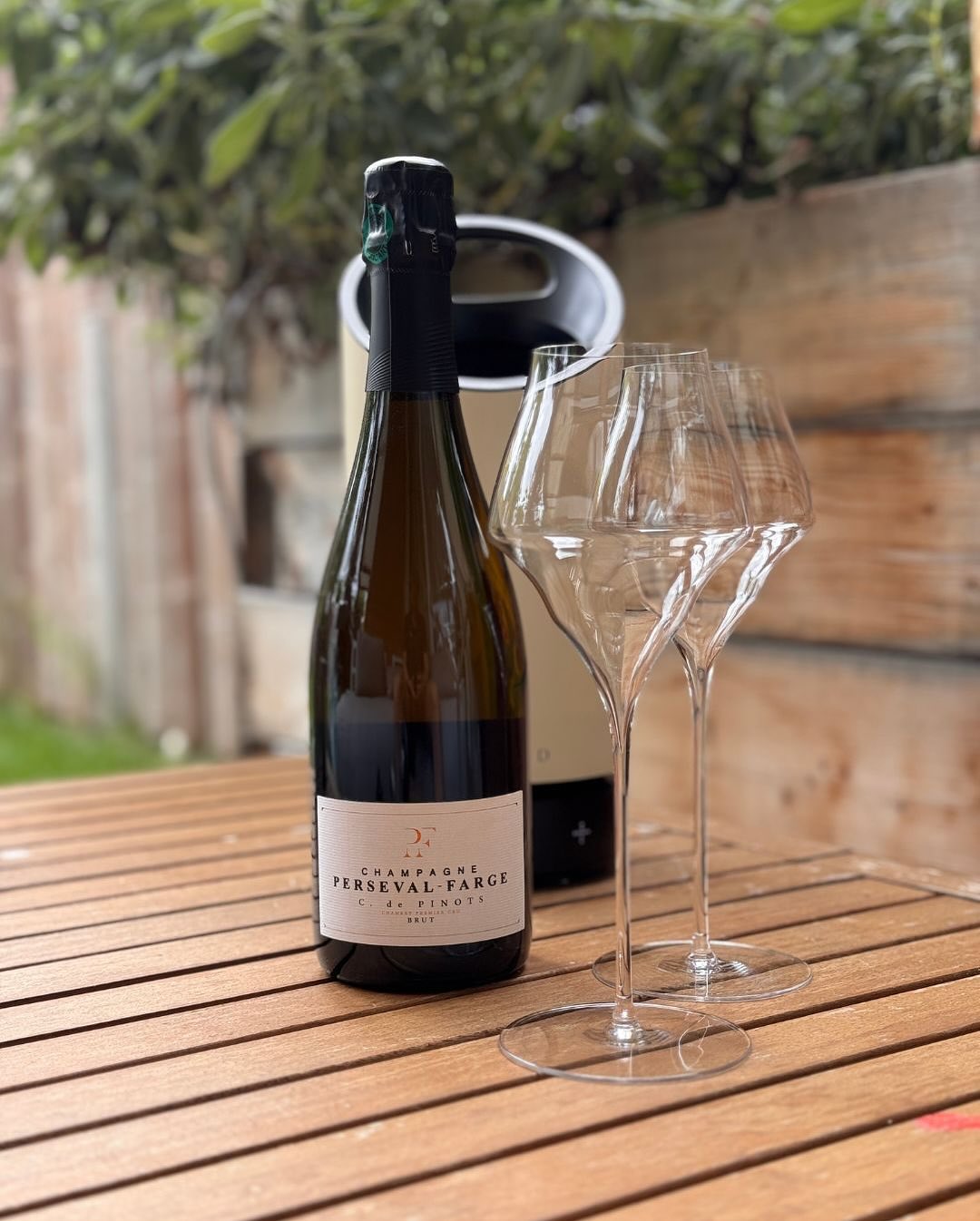
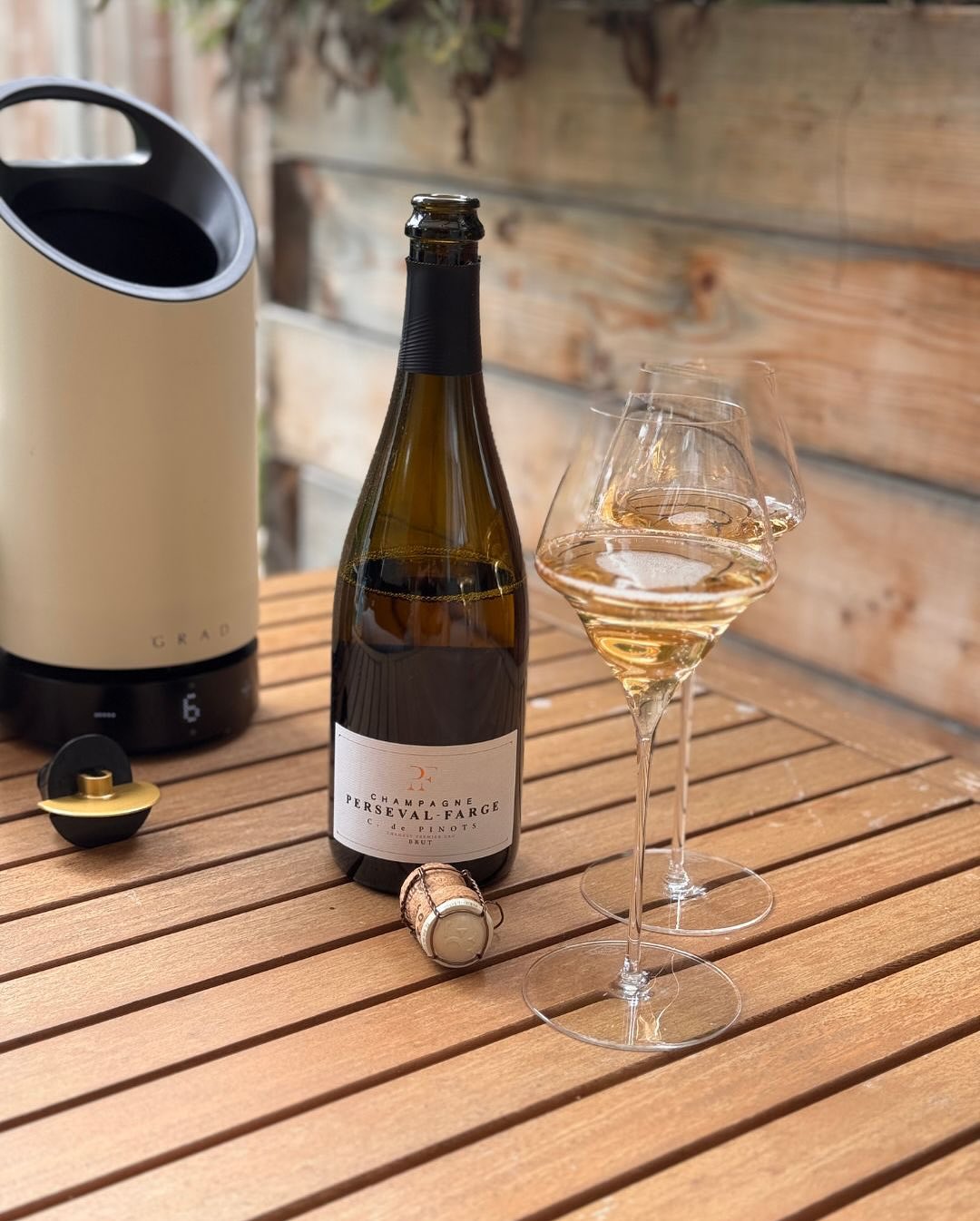
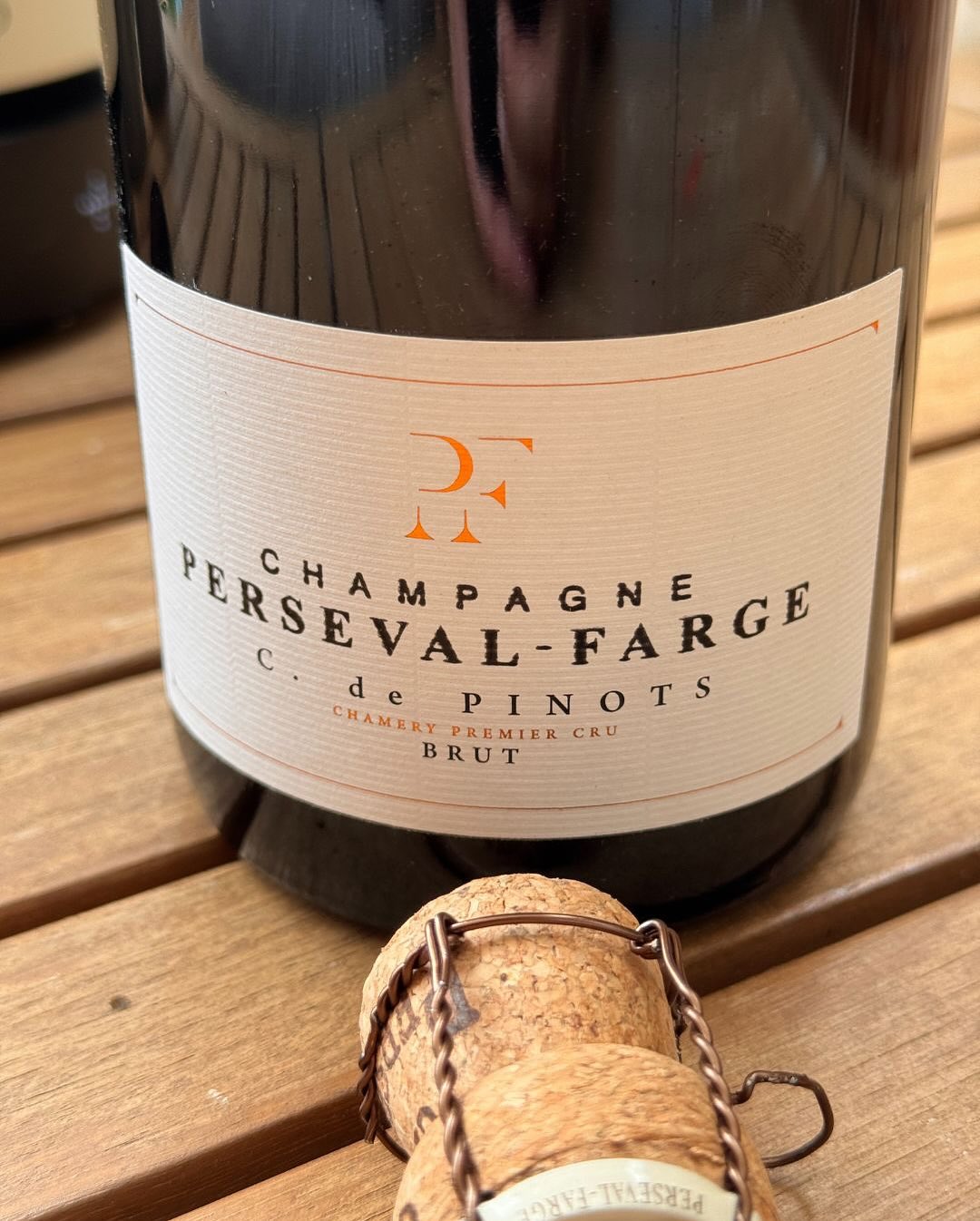
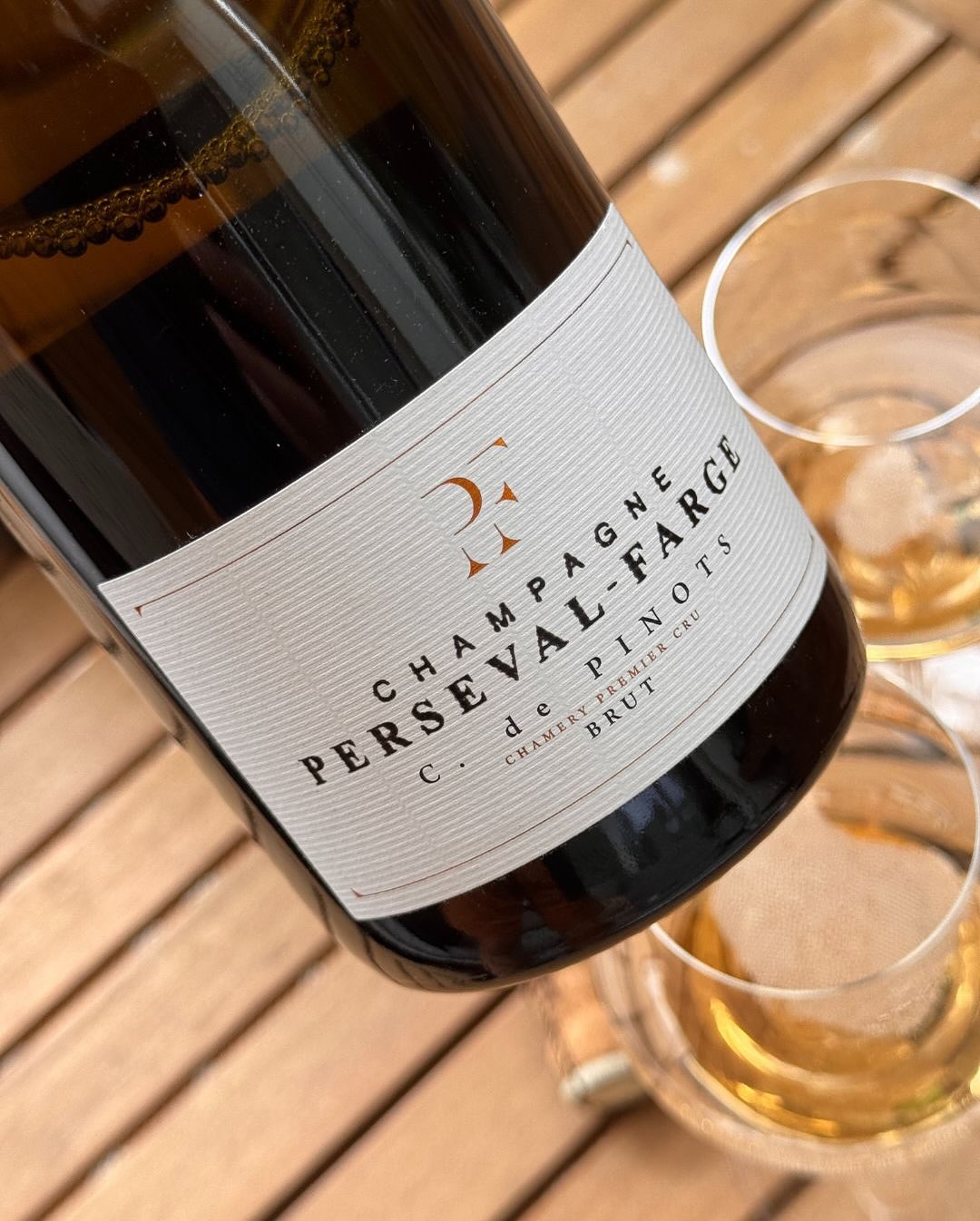
the_champagne.guy Gestern habe ich den @persevalfarge – C. de Pinots geöffnet. Ein Brut, aber erstaunlich straff mit der geringen Dosage – genau wie der Tag, der uns trotz kühler Luft und mit angenehmer Herbstsonne im Gesicht noch einmal auf die Terrasse gelockt hat. Nach ein paar Minuten Luft wird der Champagner schön rund: reifes Steinobst, ein Hauch Honig und Backgewürz, dazu eine salzige Länge. Genau diese warme, leicht würzige Art, die ich im Herbst so mag. Champagne-Facts 🥂 Rebsorten: 60 % Pinot Noir, 40 % Meunier 📅 Assemblage: 33 % 2019, 67 % 2018, 1 % 2016 🪵 Ausbau: 28 % im Holz 🕰 Tirage: 02/2020 • Dégorgement: 06/2024 🍬 Dosage: 1,6 g/l (trotzdem Brut) 📍 Herkunft: Chamery (Montagne de Reims), Premier Cru Ein Charakter-Champagner mit Grip und Wärme – startet straff, öffnet sich mit Zeit. Für mich solo richtig spannend, aber auch stark zu herbstlichen Kleinigkeiten wie Feigen, Nüssen und gereiftem Käse. #TheChampagneGuy @josephinenhutte @grad.dk #Champagne #PersevalFarge #PremierCru #ExtraBrut #MontagnedeReims #GrowerChampagne #ChampagneTime
Auf Instagram weiterlesen →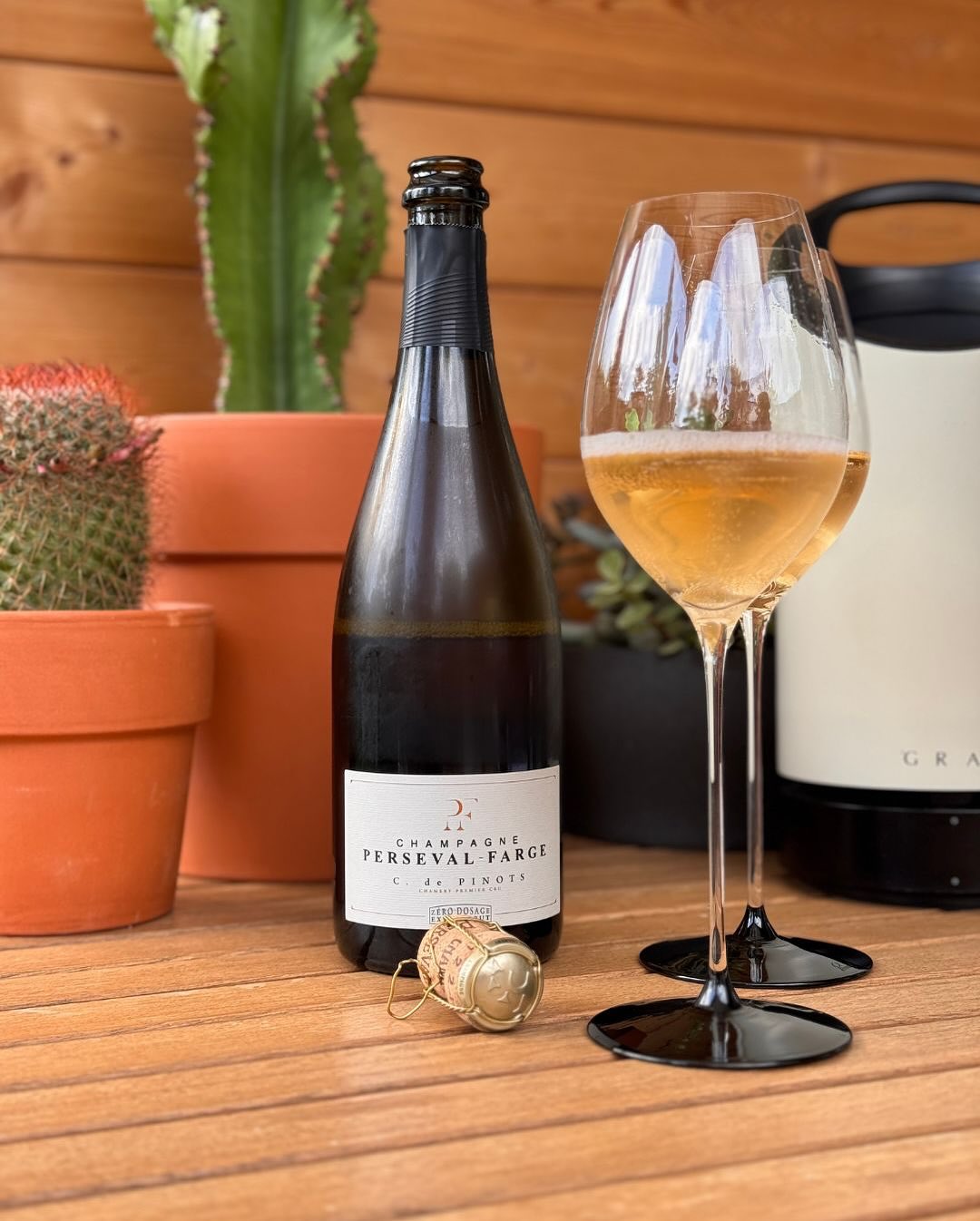
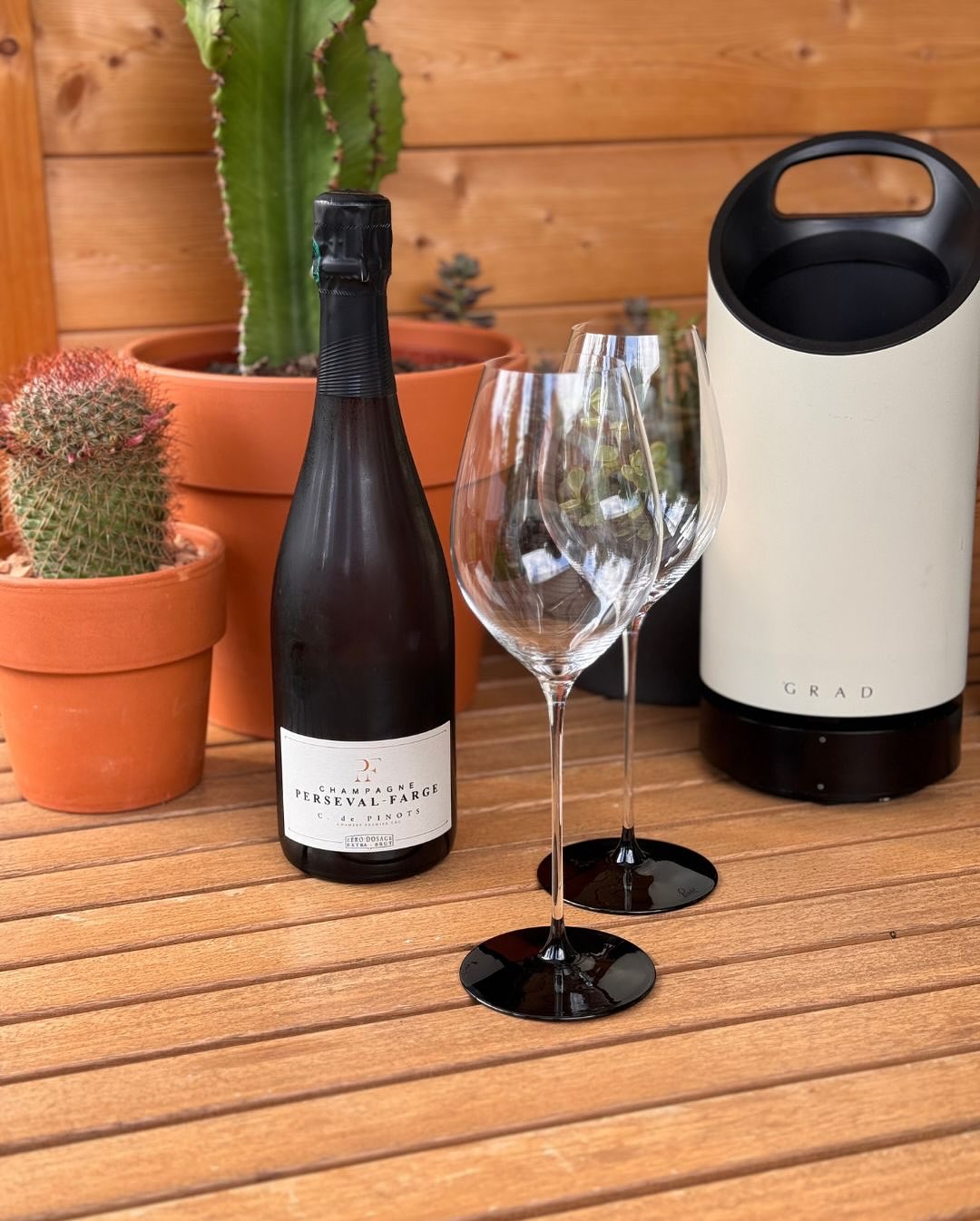
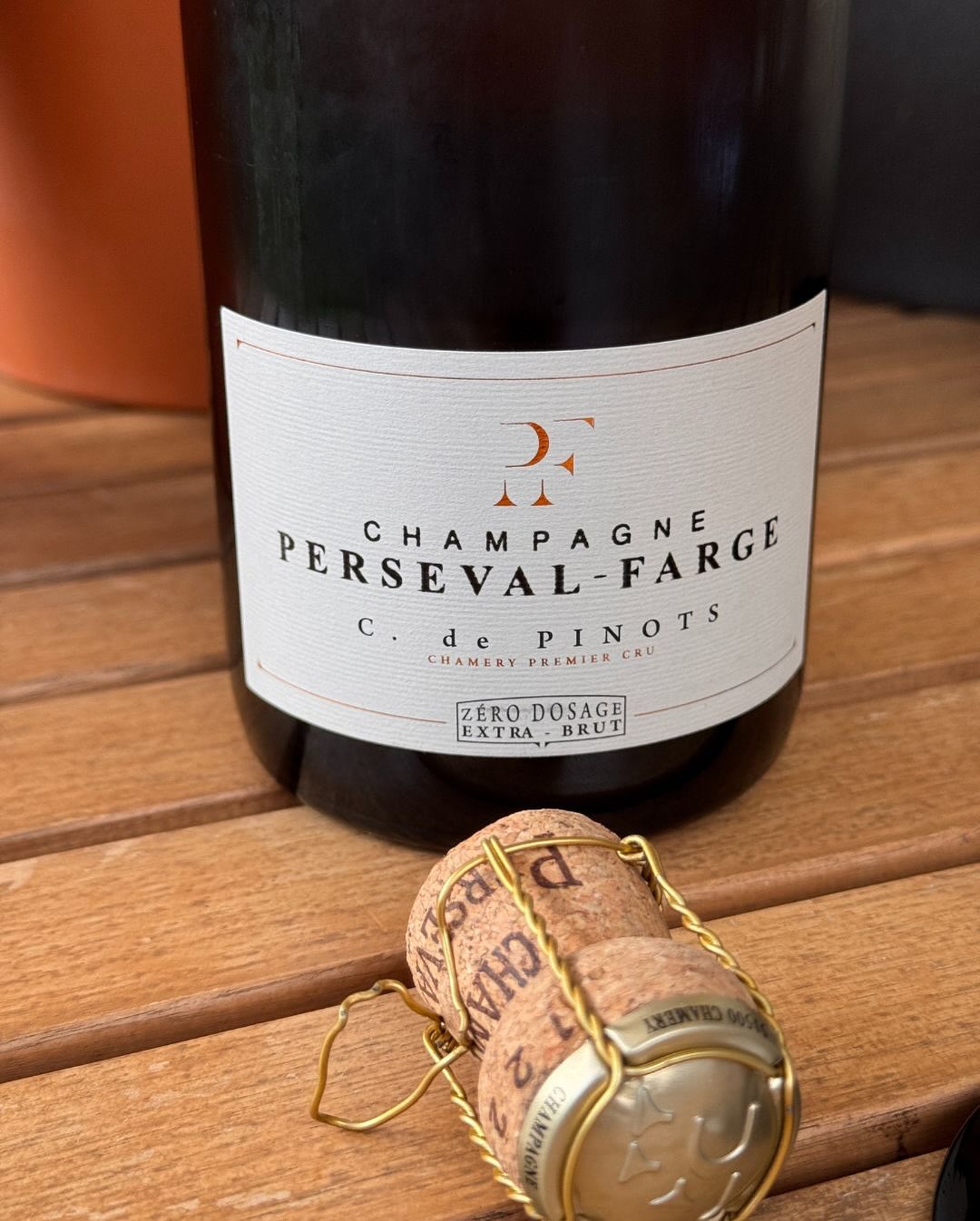
the_champagne.guy Der C. de Pinots von @persevalfarge wirkt präzise, klar, strukturiert, schnörkellos – aber nicht hart. Interessant: Obwohl keine Dosage zugesetzt wurde (laut Etikett 0 g/l), trägt der Champagner die Bezeichnung Extra Brut – und nicht „Brut Nature“ oder „Zero Dosage“. Der Grund? Die Angabe „0 g/l“ bezieht sich auf die nach Dégorgement gemessene Restsüße – rechtlich entscheidend ist aber die zugesetzte Versanddosage. Wird darauf verzichtet, kann der Produzent „Brut Nature“ verwenden – muss es aber nicht. Perseval-Farge bleibt hier lieber understated – und nennt es schlicht Extra Brut. Passt zum Stil: trocken, aber nie trocken erzogen. Pinot Noir bringt Rückgrat, Meunier die Rundung – gemeinsam ergibt das einen stimmigen Champagner. Getrunken haben wir die Flasche bei spätsommerlichen Temperaturen – pur, ohne Pairing. Und genau so passt’s: ein Champagner, der für sich selbst spricht. Reduziert. Kraftvoll. Sauber. Ein echter Charakterwein für ruhige, aufmerksame Momente. Champagner-Facts: 🍇 60 % Pinot Noir | 40 % Meunier 📦 Assemblage: 33 % 2019 | 67 % 2018 🪵 Ausbau: 28 % im Holz ⚖️ Dosage: 0 g/l – Extra Brut 📍 Premier Cru – Chamery, Montagne de Reims 📅 Tirage: 2020 | Dégorgement: 12/2024 🥂 Stil: puristisch, präzise, druckvoll #TheChampagneGuy @riedel_official @grad.dk #PersevalFarge #CdePinots #ExtraBrut #ZeroDosage #PinotPower #MontagnedeReims #NoFlutes #RiedelLove #ChampagnePur #Charakterwein
Auf Instagram weiterlesen →Assemblage from Pinot Noir and Meunier, 33 percent vintage 2019, 67 percent 2018. 28 percent aged in wood. Tirage February 2020, disgorged June and December 2024 respectively. Zero dosage, but declared as Extra Brut (not Brut Nature), a special feature. Purist, forceful, taut. Structure comes before charm.
60% Pinot Noir, 40% Meunier · 0 g/l Dosage (Extra Brut) · Base 2019 · Chamery Premier Cru
C. de Rosé
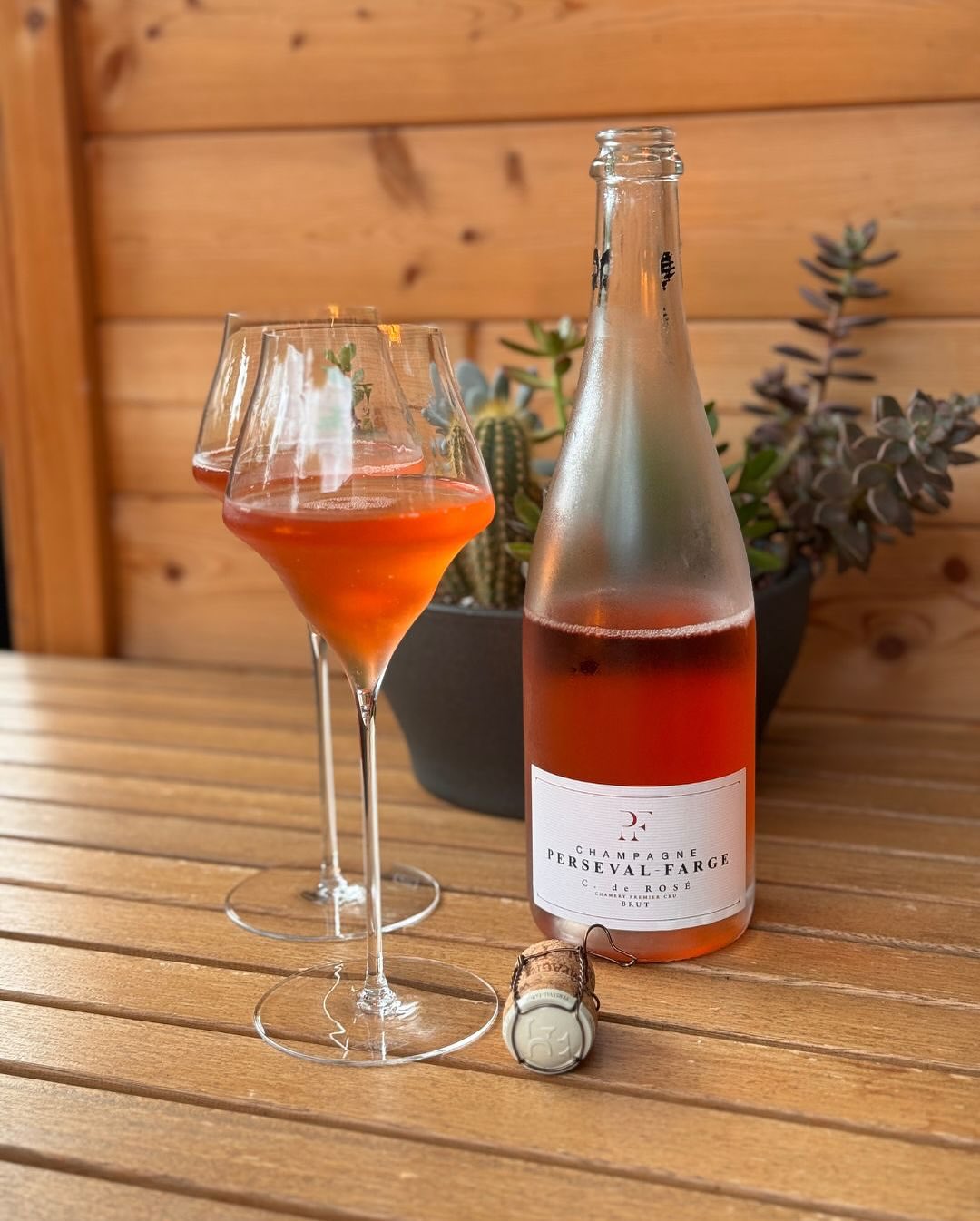
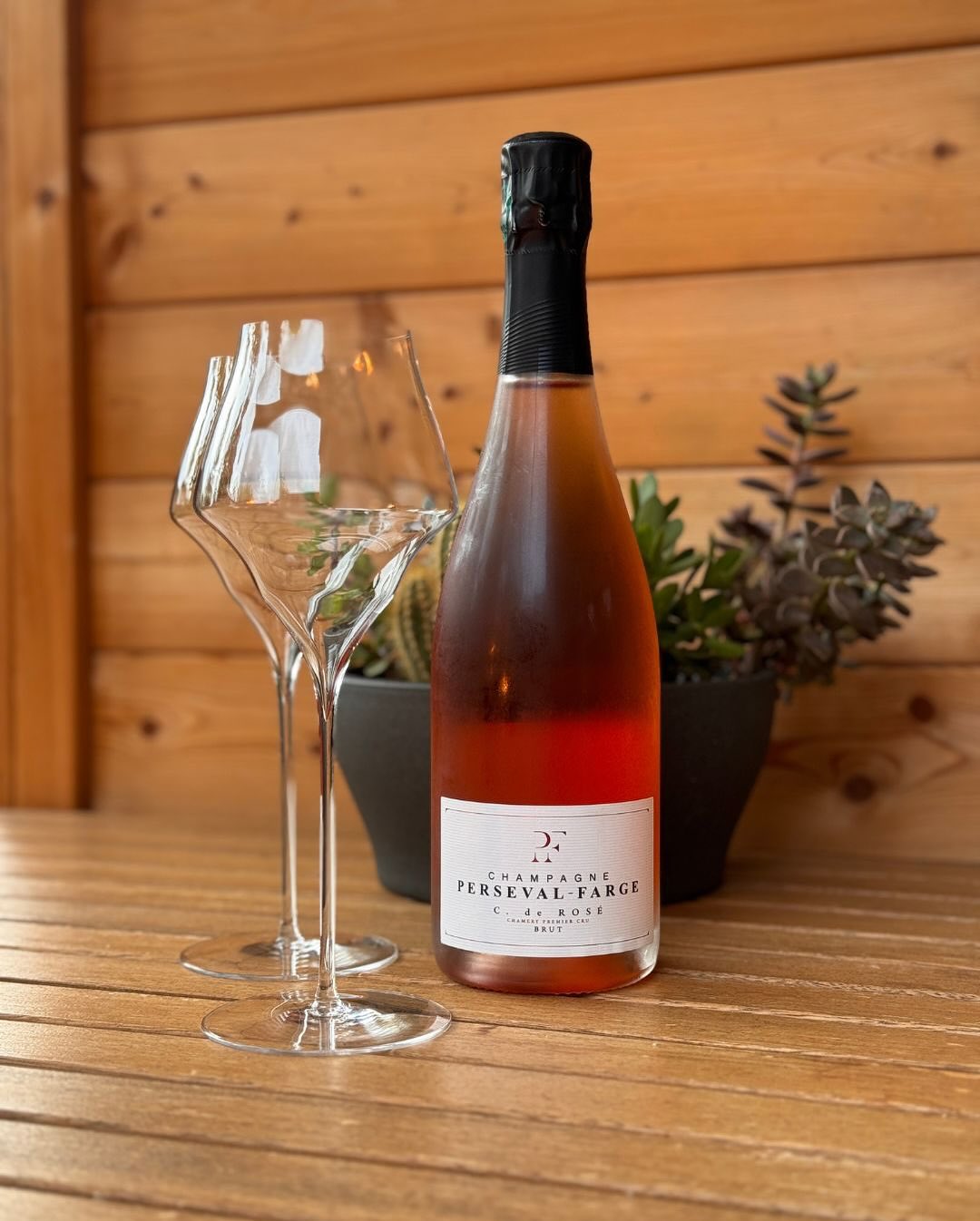
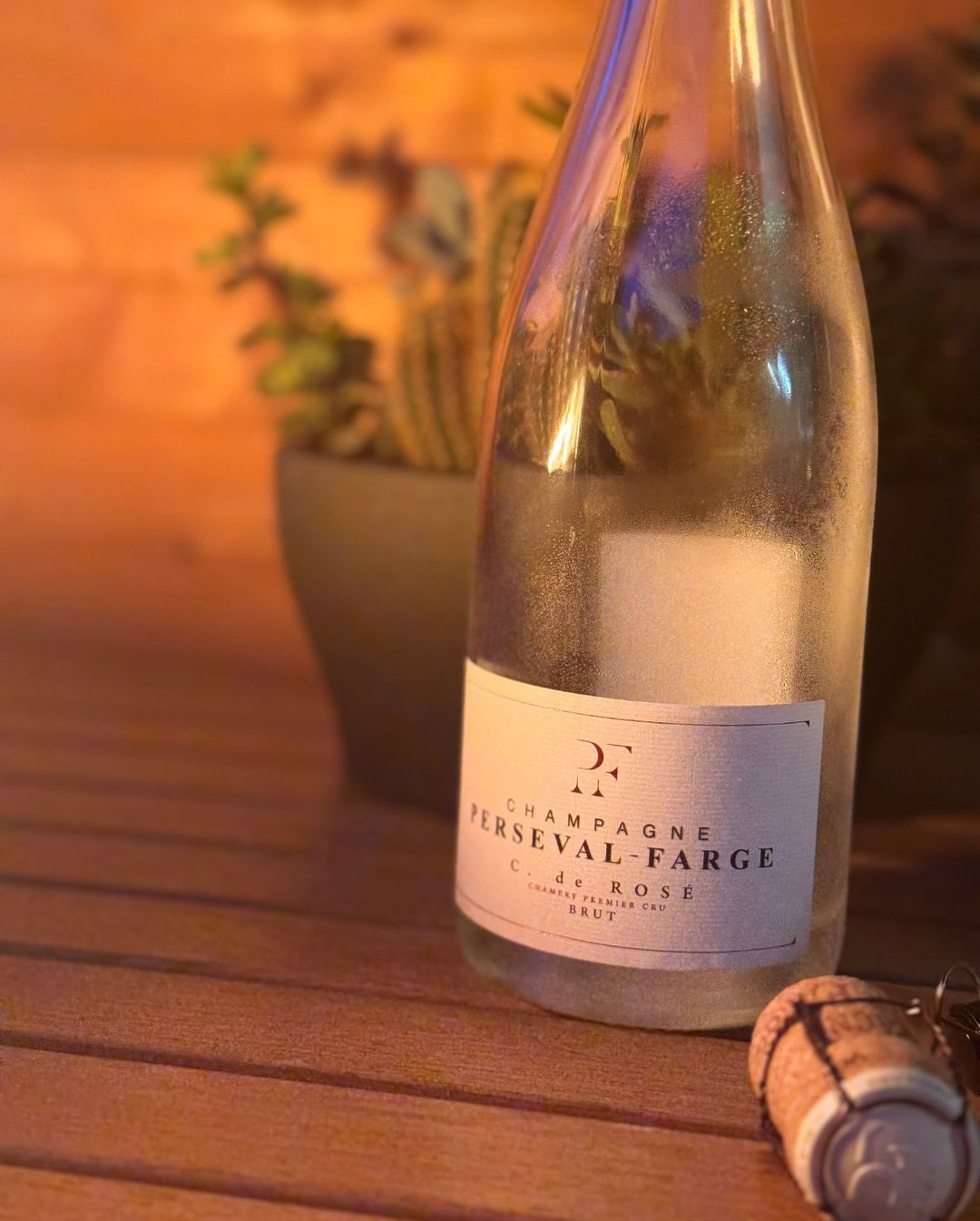
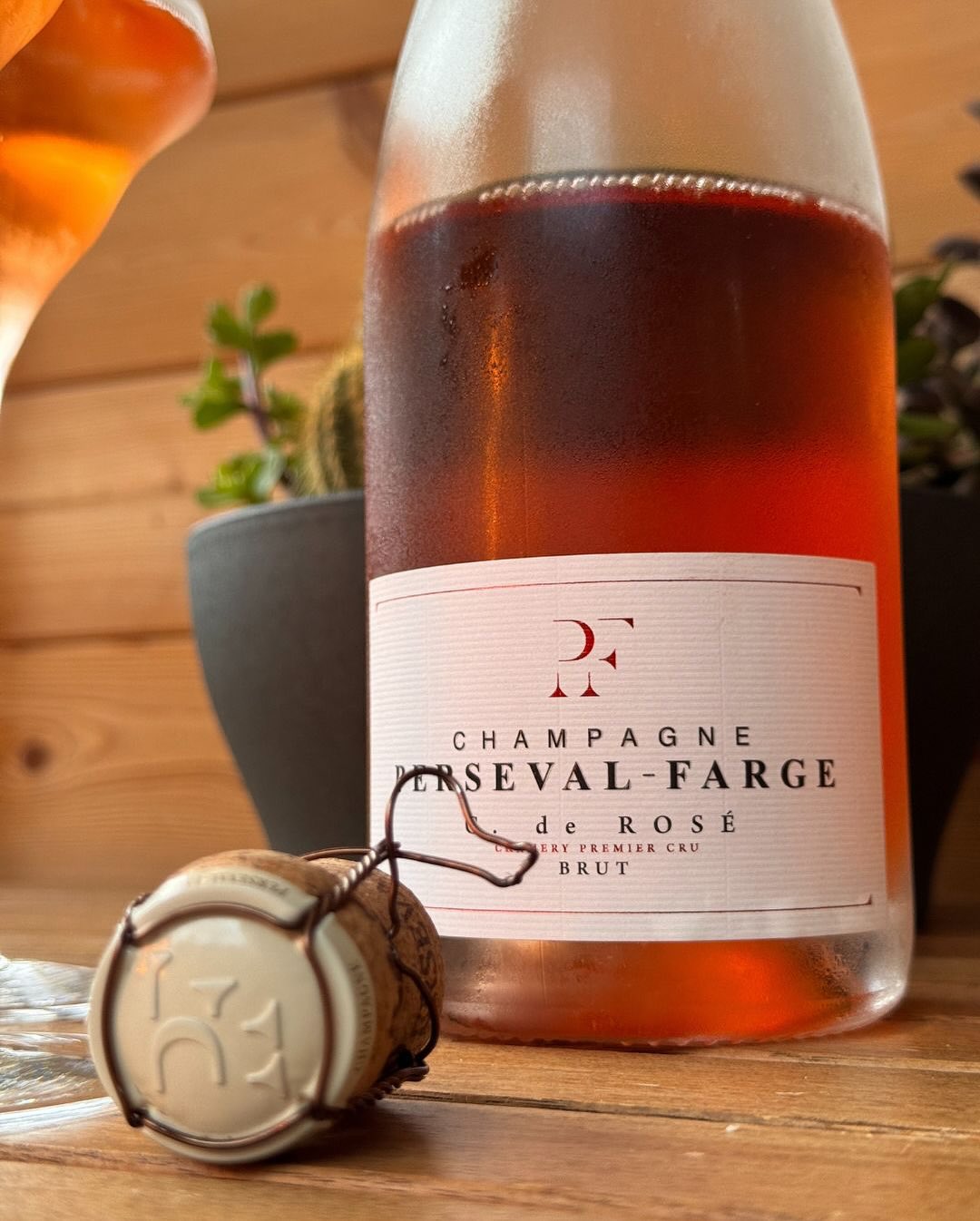
the_champagne.guy Diesen C. de Rosé von @persevalfarge haben wir gestern Abend geöffnet – schon zu kühl, um einfach so draußen zu sitzen. Aber mit einer großen Kerze, die ordentlich Wärme abstrahlte, war’s einfach wunderbar. Zuerst begeistert der Champagner mit seiner Farbe – und dann, statt süßer Erdbeerschwäche: saftige Frucht, herbe Struktur, dezente Tiefe – getragen von eleganter Balance. Ein Blend aus drei Jahrgängen, drei Rebsorten, drei Ausdrucksformen. Pinot Noir bringt Kraft, Meunier die charmante Frucht – und der Chardonnay? Der hält das Ganze in Form. Getrunken haben wir diese Flasche pur – ohne Pairing, im Halbschatten eines langsam verblassenden Sommertags. Ein Glas, das den Sommer nochmal etwas reflektiert. Champagner-Facts: 🍇 40 % Pinot Noir | 22 % Meunier | 38 % Chardonnay 📦 Assemblage aus 2018 (52 %), 2017 (35 %) & 2016 (13 %) 🪵 21 % Ausbau im Holz ⚖️ Dosage: 5,5 g/l – Brut 📍 Premier Cru – Chamery, Montagne de Reims 📅 Dégorgement: 04/2024 🥂 Stil: strukturiert, mineralisch, eigenständig #TheChampagneGuy @josephinenhutte #PersevalFarge #CdeRosé #MontagnedeReims #RoséMitCharakter #NoPinkBubbles #ChampagnerStattCliché #NoFlutes #ChampagneWithDepth
Auf Instagram weiterlesen →Same assemblage as Terre de Sables (40% Pinot Noir, 38% Chardonnay, 22% Meunier), same vintages (52% 2018, 35% 2017, 13% 2016), also 21 percent in wood. Disgorged April 2024. The dosage is 5.5 g/l, at the upper end of the Brut spectrum. Structured, mineral, distinctive. Juicy fruit meets bitter structure, no prettification.
40% Pinot Noir, 38% Chardonnay, 22% Meunier · 5.5 g/l Dosage (Brut) · Base 2018 · Chamery Premier Cru
Cuvée de Nature
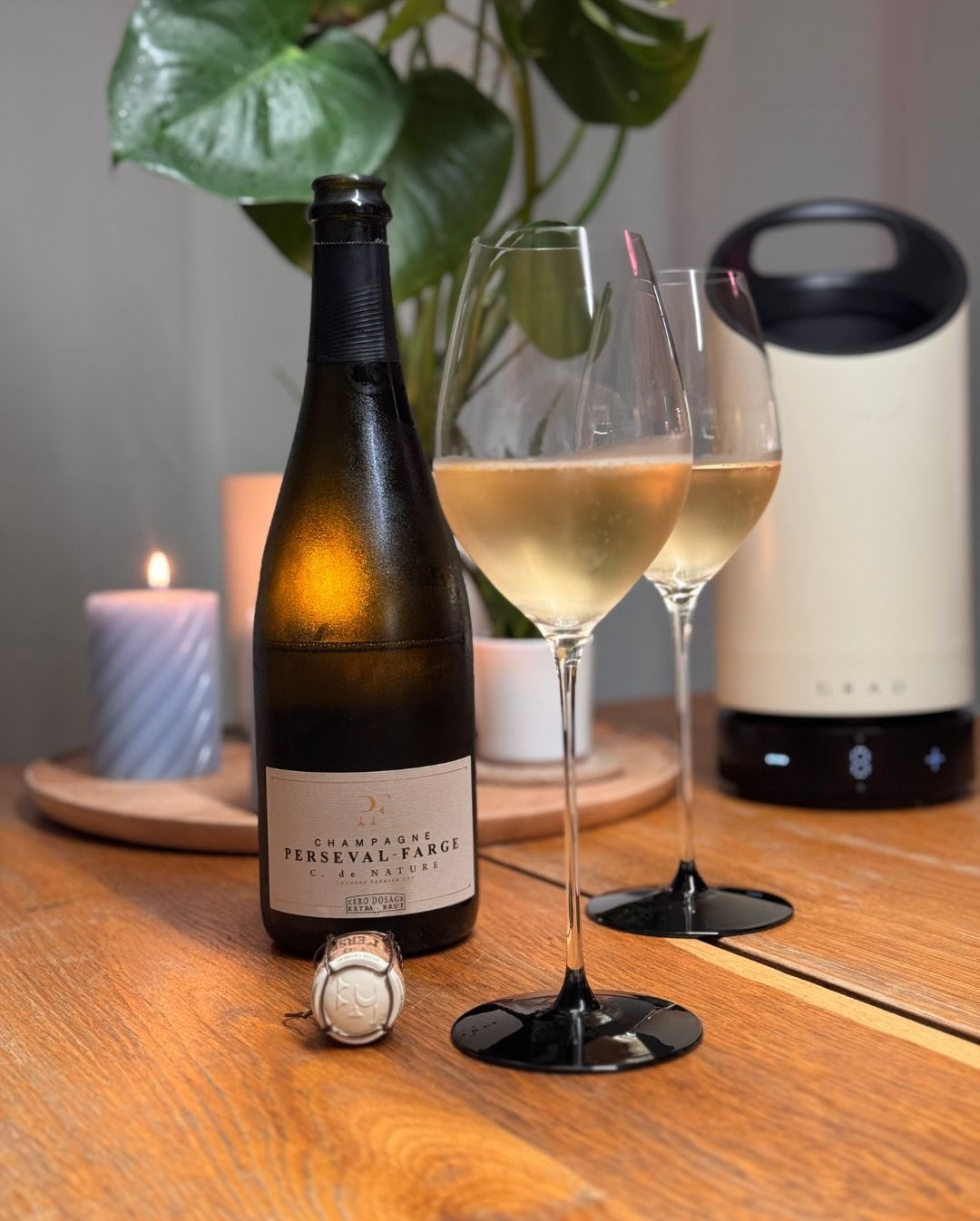
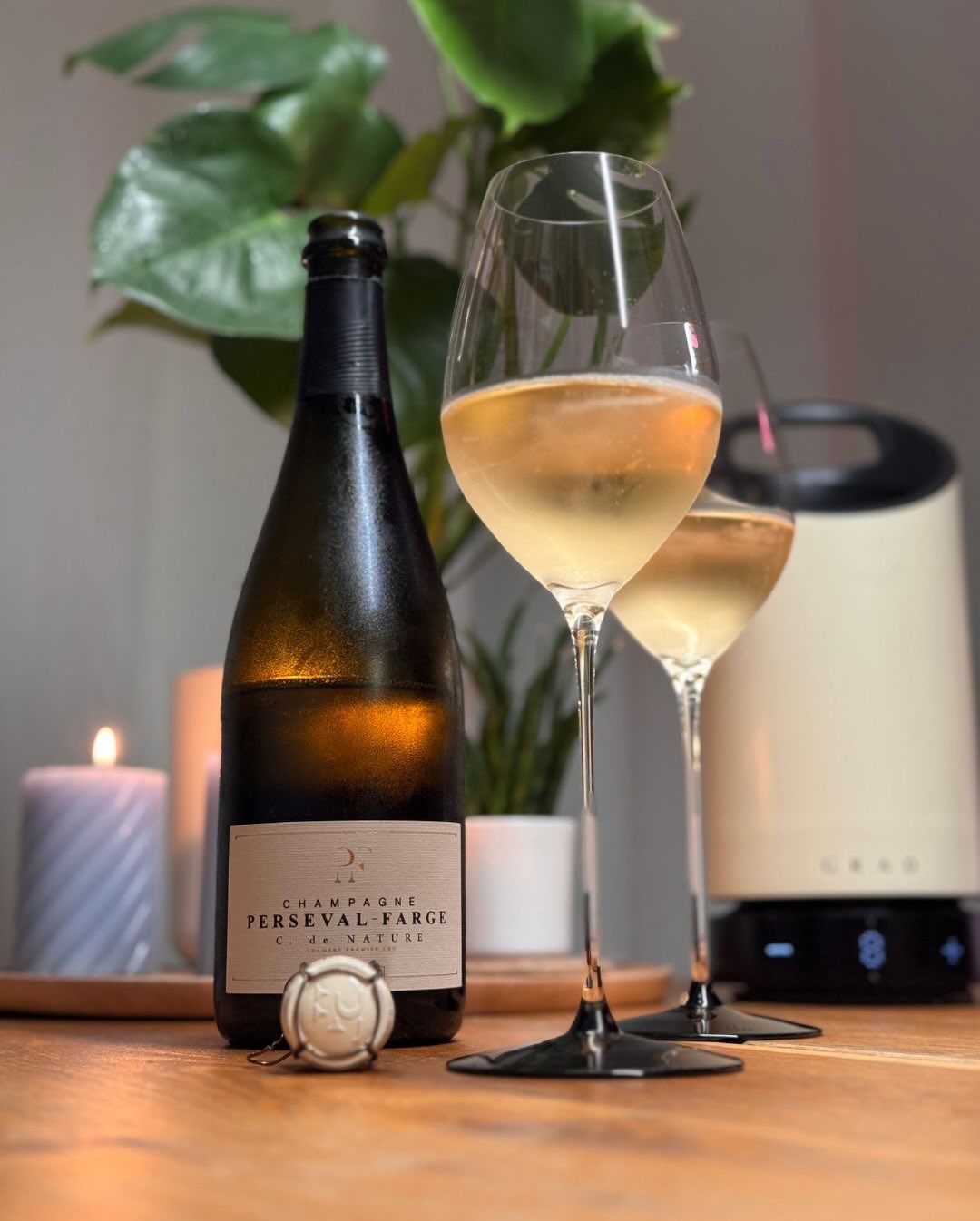
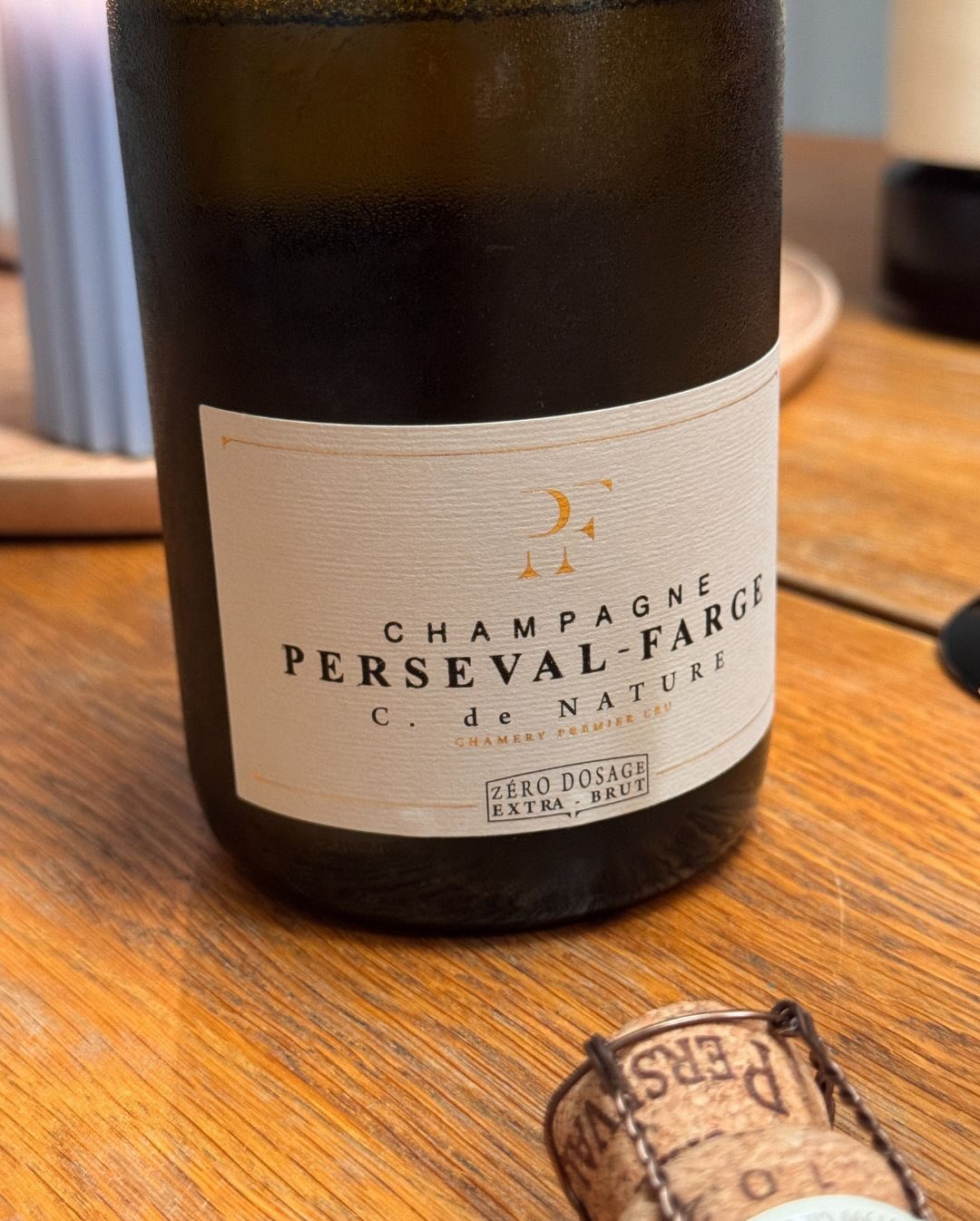
the_champagne.guy Das große Finale: Station 10 von 10. 🥂✨ Heute schließe ich ein Kapitel, das mich über die letzten Monate intensiv begleitet hat. Mit der Cuvée de Nature steht die letzte Flasche von @persevalfarge auf dem Tisch – und damit habe ich das gesamte Portfolio dieses spannenden Hauses aus Chamery einmal durchgespielt. Wenn ich auf die letzten 9 Posts zurückblicke – vom kraftvollen C. de Pinots bis zum exklusiven 2006er Millésime – zieht sich ein roter Faden durch die Arbeit von Isabelle und Benoist Perseval: Energie, Tiefgang und eine wunderbare Ehrlichkeit. Die C. de Nature ist das ultimative Statement dieser Philosophie. Als Zero Dosage (Brut Nature) kommt sie komplett ohne Make-up aus. Was hier im Glas landet, ist die reine Essenz des Premier Cru Terroirs von Chamery. In der Nase schön lebhaft mit gelben Früchten, Zitruszesten und dieser typischen, feinen Brioche-Note, die von den 5 Jahren Hefelager stammt. Am Gaumen ist sie druckvoll, fast schon fordernd, mit einer messerscharfen Mineralität und einer salzigen Länge, die Lust auf den nächsten Schluck macht. Ein Champagner für Puristen, der zeigt, dass man keine Dosage braucht, wenn das Grundmaterial so präzise ist. Es war eine faszinierende Reise durch ein Haus, das handwerkliche Tradition (wie die Korbpresse und das HVE-Zertifikat) perfekt mit Mut zu Nischen (wie den fast vergessenen Rebsorten) verbindet. Perseval-Farge bleibt für mich ein absoluter Tipp für alle, die Charakter jenseits des Mainstreams suchen und ich glaube, ein paar Flaschen davon brauche ich auch wieder im Keller. Champagne-Facts 🥂 🍇 44 % Chardonnay · 30 % Pinot Noir · 26 % Meunier 🕰 Mind. 5 Jahre Hefelager 🍬 Dosage: 0 g/l (Brut Nature) 📍 Terroir: Chamery – Premier Cru 🌿 Zertifizierung: HVE (High Environmental Value) Fazit: Ein würdiger Abschluss. Die C. de Nature ist kein Wein für zwischendurch, sondern ein würdiger Abschluss einer großartigen Serie. Jetzt ist der Platz im Regal zwar erstmal leer, aber hoffentlich nicht lange ;-) #TheChampagneGuy @grad.dk @grad_rd @riedel_official #PersevalFarge #CuveeDeNature #ZeroDosage #ChameryPremierCru
Auf Instagram weiterlesen →Brut Nature with at least five years lees aging. The assemblage: 44 percent Chardonnay, 30 percent Pinot Noir, 26 percent Meunier. Zero dosage, razor-sharp minerality, salty length, forceful. Made for purists who understand zero dosage not as a statement, but as a taste.
44% Chardonnay, 30% Pinot Noir, 26% Meunier · 0 g/l Dosage (Brut Nature) · min. 60 months lees aging · Chamery Premier Cru
Cuvée Jean-Baptiste
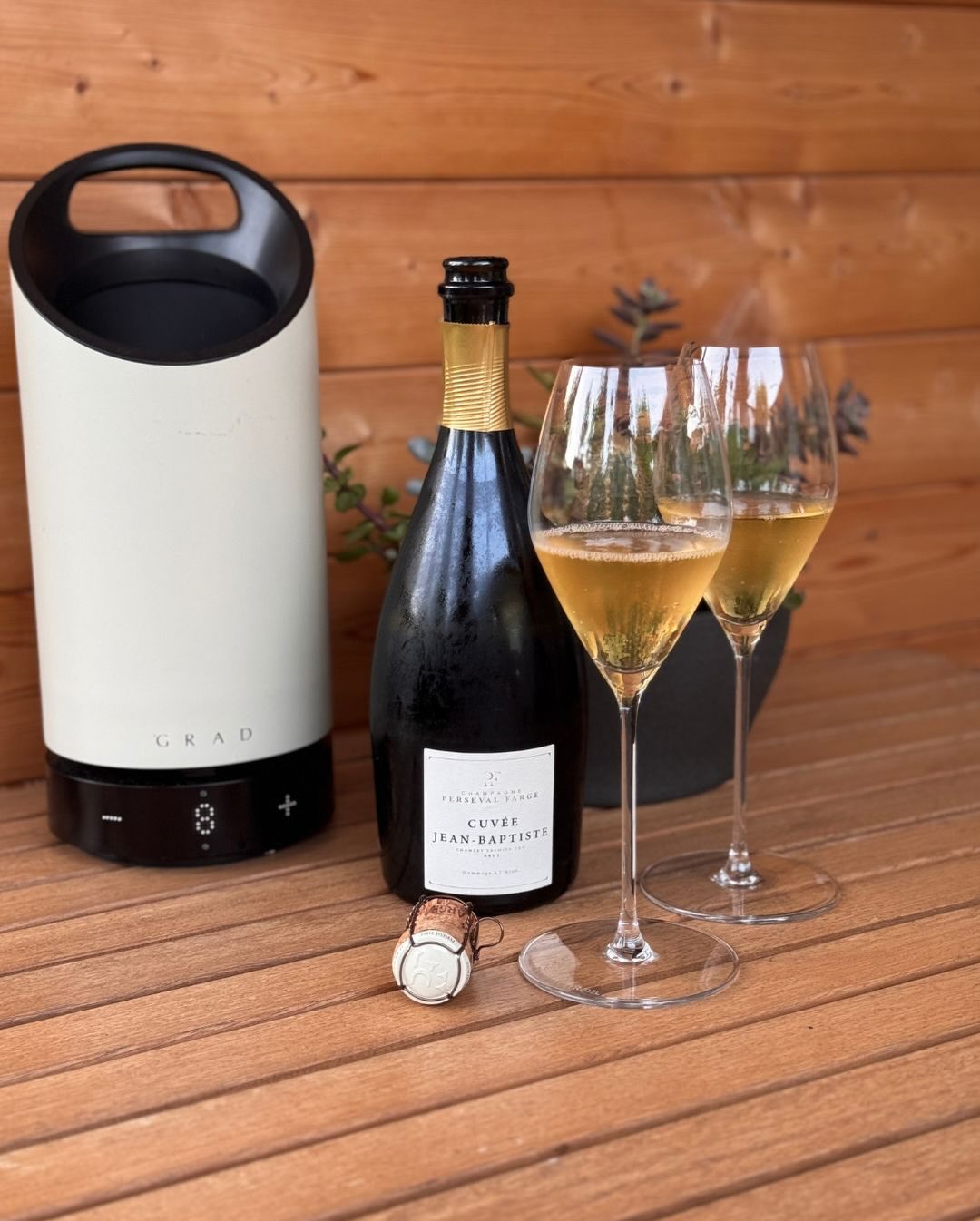
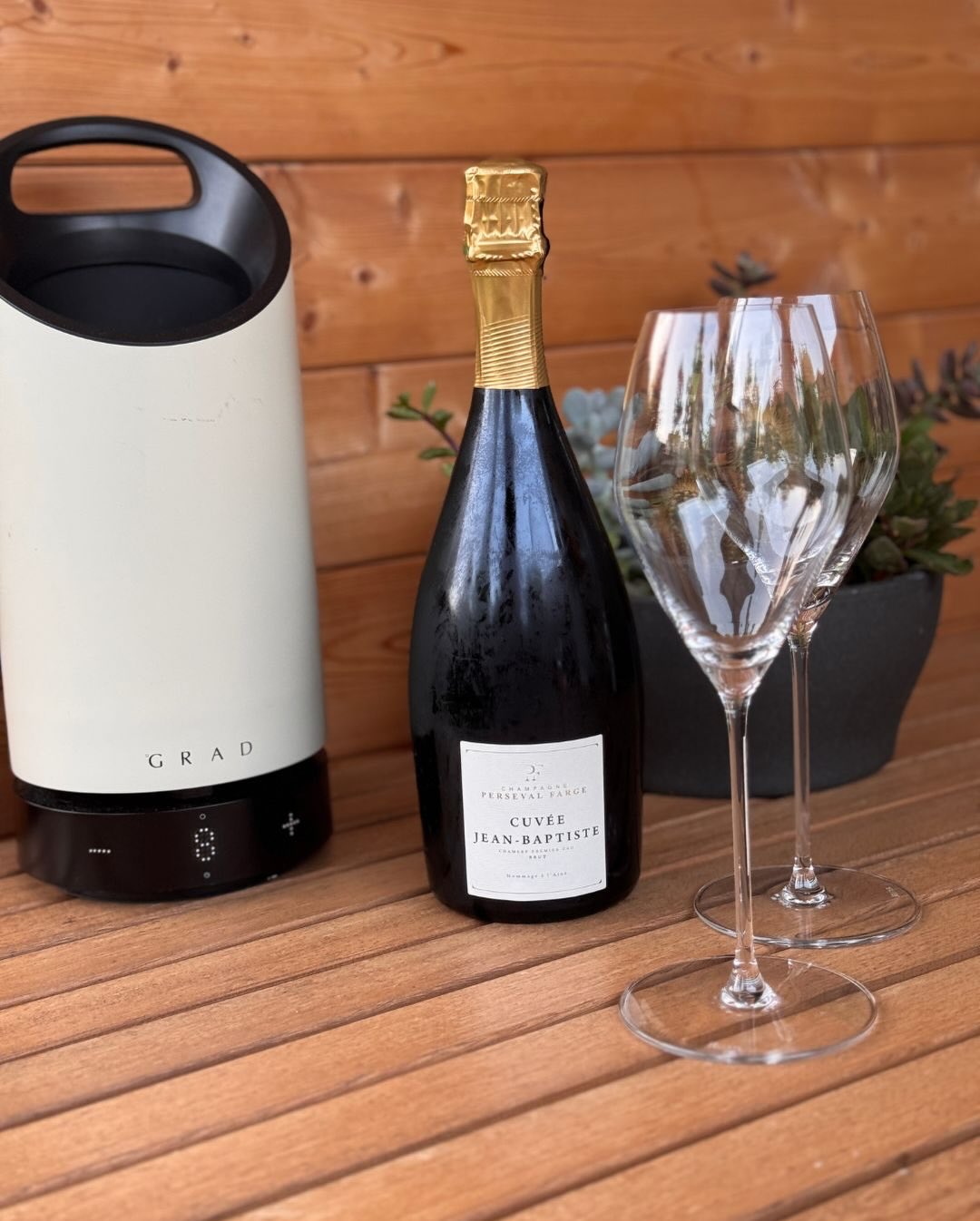
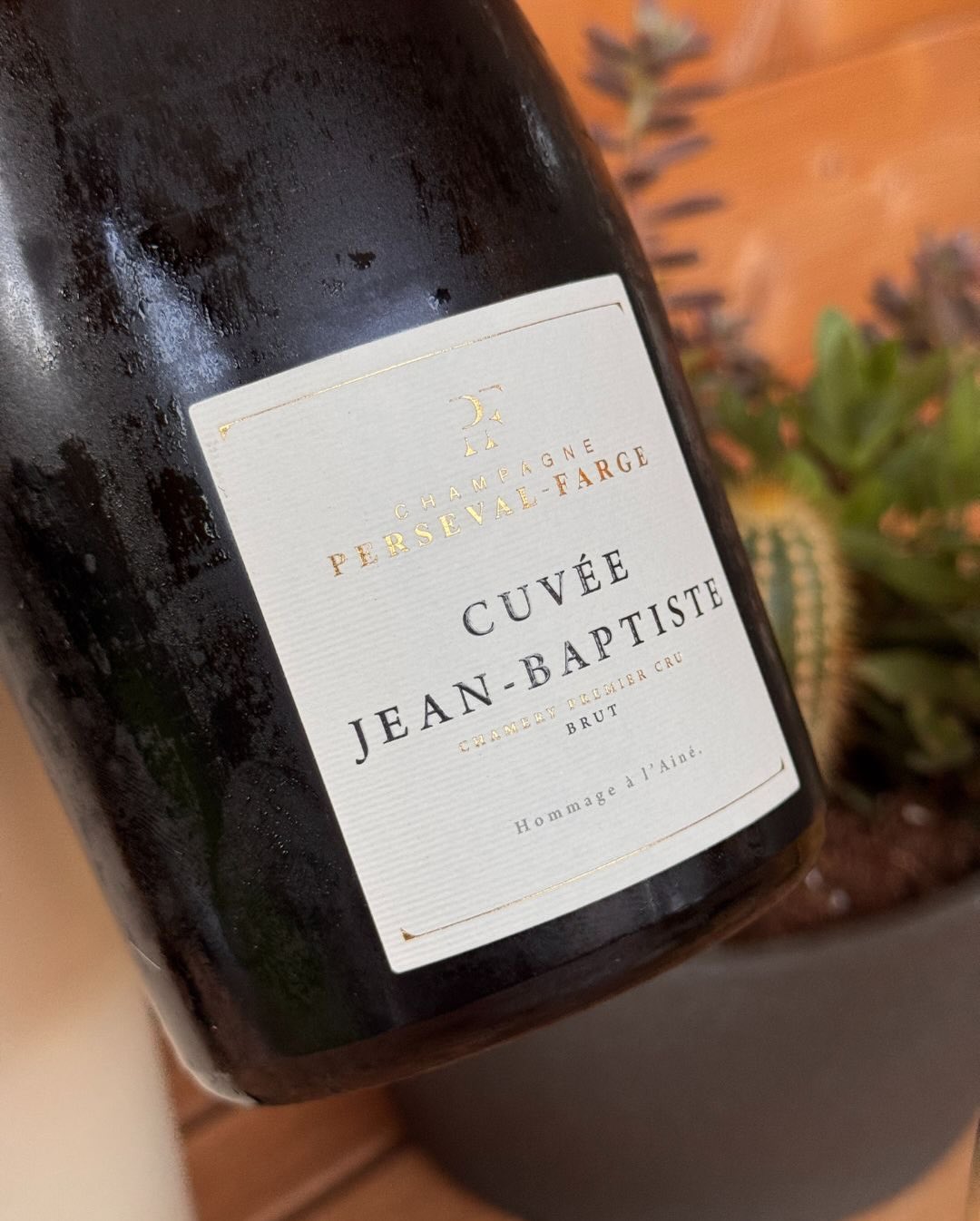
the_champagne.guy Es gibt Winzer, die arbeiten im Hintergrund – ruhig, präzise, ohne großes Marketing. Und Champagner hat ja ohnehin die schöne Eigenschaft, keine Bühne zu brauchen, sondern selbst die Bühne zu sein. Die Cuvée Jean-Baptiste von @persevalfarge ist so eine Flasche, die du nicht zufällig trinkst. Chamery, Premier Cru, fünfte Generation – alles auf Handwerk und Identität gebaut. Und genau das spürst du in dieser Cuvée sofort. Im Glas startet er kernig, hell und ernsthaft: feine Kräuter, etwas Zitrusschale, ein Hauch Steinobst, alles dezent im Hintergrund gehalten – als würde er sich erst langsam öffnen wollen. Auf dem Gaumen dann dichter, komplexer, strukturierter als erwartet: kühle Klarheit vom Chardonnay, rote Tiefe vom Pinot Noir und diese winzigen Nuancen der seltenen Rebsorten Arbane, Petit Meslier und Pinot Gris. Das macht etwas mit der Textur. Es wirkt fast wie eine Mischung aus Präzision und rauchiger Wärme. Champagne-Facts 🥂 Assemblage: 53 % Chardonnay · 34 % Pinot Noir · 8 % Meunier · 5 % Arbane, Petit Meslier & Pinot Gris 📅 Basis: 58 % Jahrgang 2012 🪵 Reserveweine: 42 % aus 2013 / 2011 / 2010 und älter 42 % der Weine im Holz ausgebaut (Mise en fûts 2014) 📍 Terroir: Chamery · Premier Cru 🍬 Dosage: 5,5 g/l (Brut) 🕰 Degorgiert: 01/2024 🍷 Stil: komplex · strukturiert · ruhig · anspruchsvoll #TheChampagneGuy @riedel_official @grad.dk #PersevalFarge #JeanBaptiste #PremierCru #Chamery #RareGrapes #Arbane #PetitMeslier #PinotGris #ChampagneMoment #ChampagneLife
Auf Instagram weiterlesen →The prestige cuvée with historic grape varieties. Base 58 percent vintage 2012, reserve wines 42 percent from 2013, 2011, 2010 and older. 42 percent aged in wood (Mise en fûts 2014), disgorged January 2024. The assemblage: 53 percent Chardonnay, 34 percent Pinot Noir, 8 percent Meunier, 5 percent Arbane, Petit Meslier and Pinot Gris. Complex, structured, smoky warmth. A homage to tradition and depth.
53% Chardonnay, 34% Pinot Noir, 8% Meunier, 5% Arbane/Petit Meslier/Pinot Gris · 5.5 g/l Dosage (Brut) · Base 2012 · Chamery Premier Cru
Les Goulats
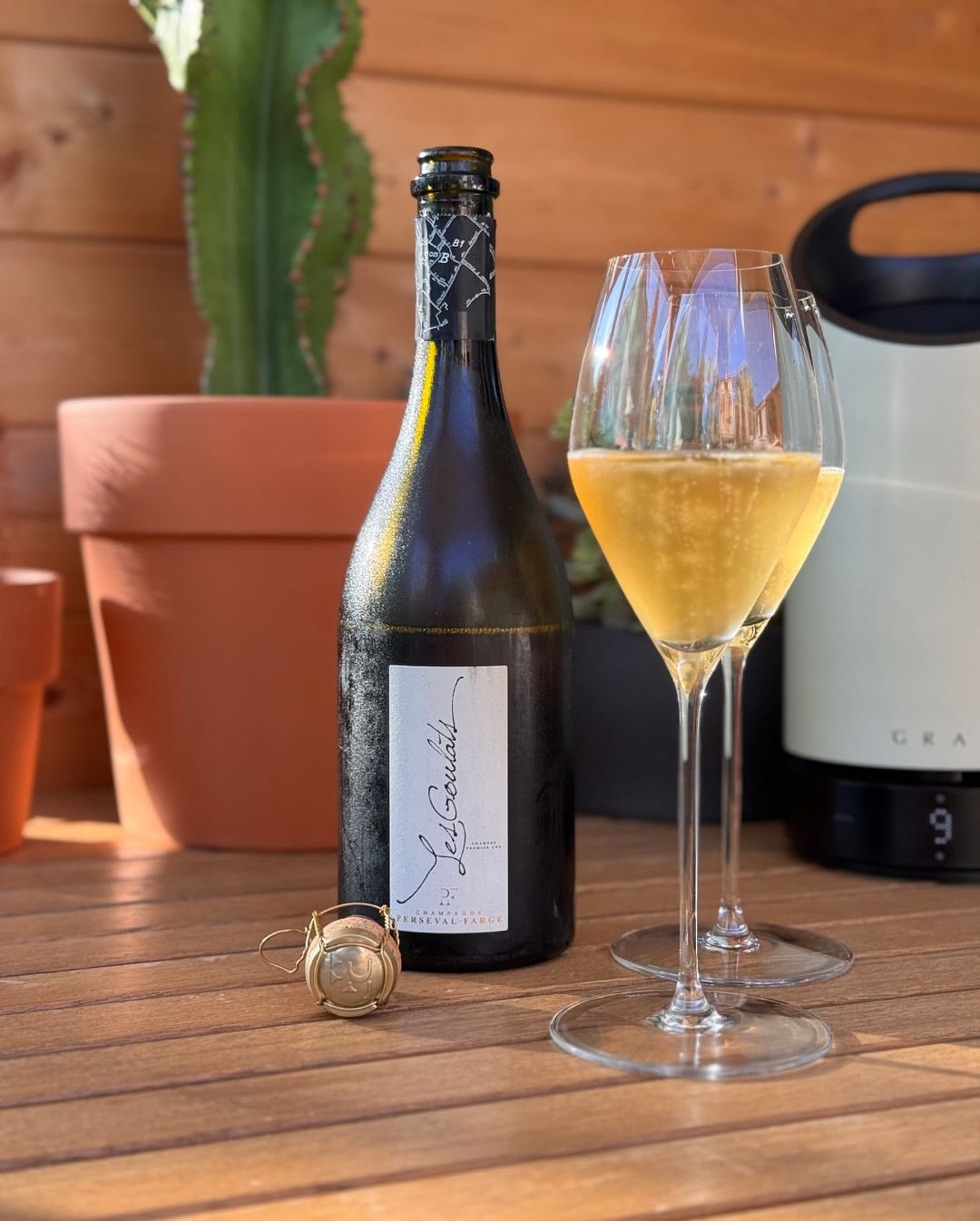
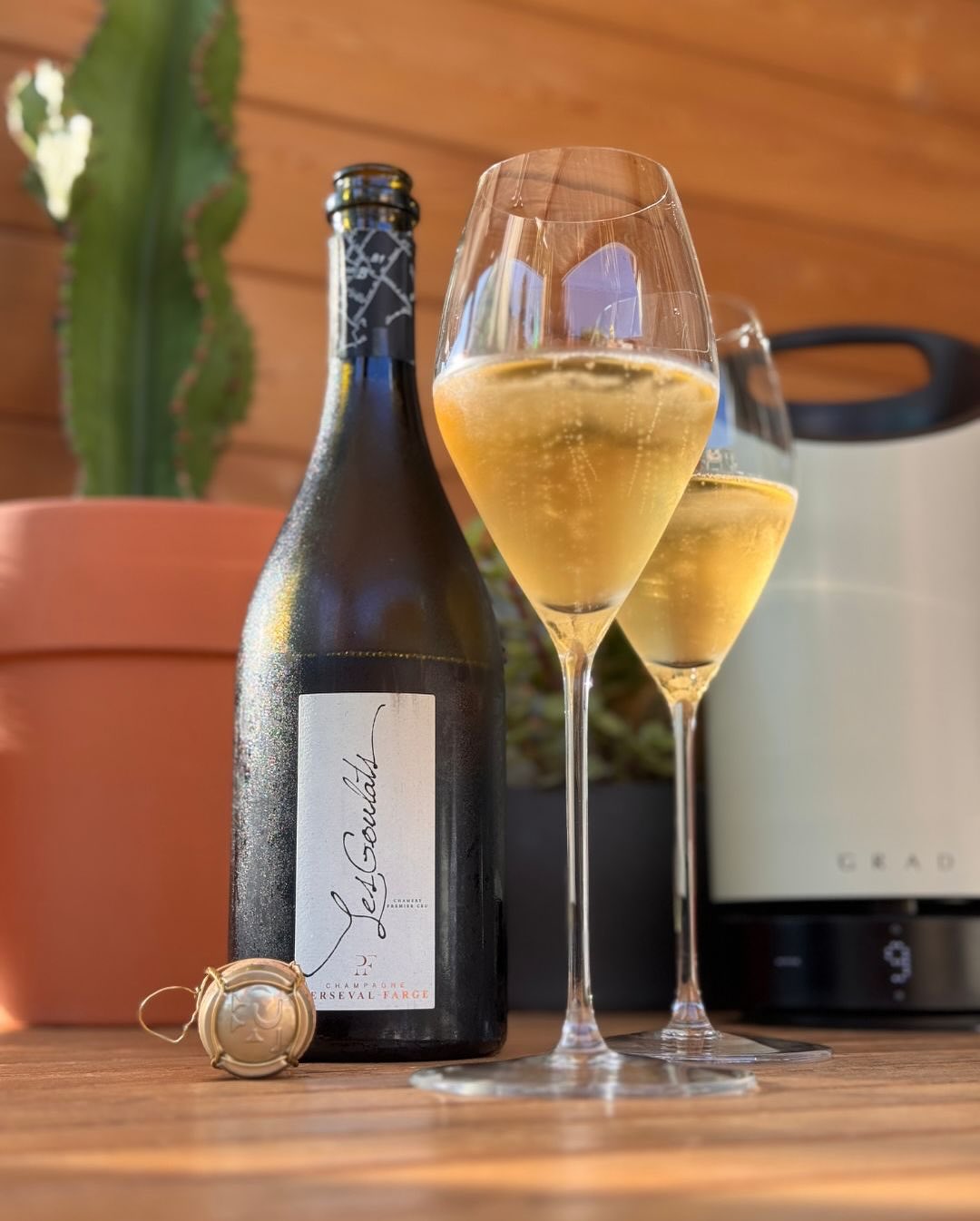
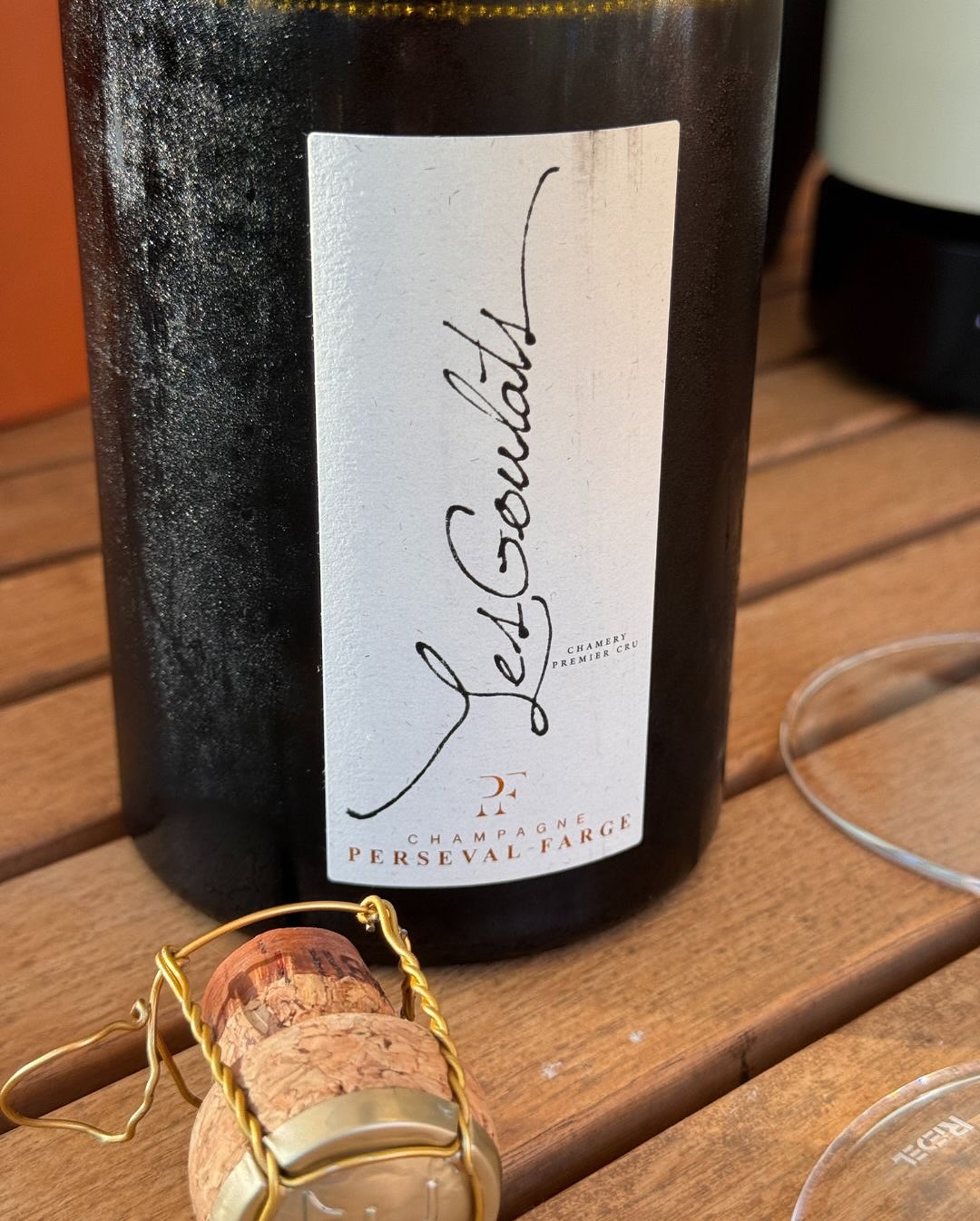
the_champagne.guy Heute endlich mein Post zum @persevalfarge – Les Goulats. Bei dieser Flasche hat mich vor allem die Rebsorten-Mischung gereizt – Arbane, Petit Meslier und Pinot Gris (zusammen 78 %) plus 22 % Chardonnay. Diese drei „vergessenen“ Sorten sind Teil der ursprünglichen DNA der Champagne, aber heute kaum noch zu finden. Umso spannender, wenn ein Winzer sie bewusst in den Vordergrund stellt. Im Glas zeigt sich der Les Goulats dann auch genauso charaktervoll, wie man es erwarten würde: gelbes Steinobst, Mirabelle, ein Hauch Nuss und etwas Holz. Sehr trocken, fast puristisch, mit einer feinen, lebendigen Säure. Trotz seiner Klarheit wirkt er ruhig und ausgewogen – kein lauter Wein, aber einer, der mit jeder Minute mehr Tiefe zeigt. Champagne-Facts 🍇 Assemblage: 78 % Arbane, Petit Meslier, Pinot Gris · 22 % Chardonnay 🪵 Ausbau: 100 % Holzfässer (fûts) 🍬 Dosage: 4 g/l (Brut) 📆 Jahrgänge im Blend: 2014 (64 %) + 2013 (36 %) 🍾 Tirage: 2016 · Produktion: 1.076 Flaschen 🗓️ Dégorgement: 05/2022 📍 Herkunft: Chamery, Montagne de Reims – Premier Cru Eine Flasche, die zeigt, dass Geschichte und Innovation sich nicht ausschließen müssen – sondern sich manchmal perfekt ergänzen. #TheChampagneGuy @grad.dk @riedel_official #Champagne #PersevalFarge #LesGoulats #Arbane #PetitMeslier #PinotGris #PremierCru #GrowerChampagne #ChampagneMoments
Auf Instagram weiterlesen →Here the proportions are reversed: 78 percent Arbane, Petit Meslier and Pinot Gris, only 22 percent Chardonnay. 100 percent oak barrel aging. Vintages: 64 percent 2014, 36 percent 2013. Tirage 2016, disgorged May 2022. 1,076 bottles. Purist, calm, a time travel to historic grape varieties. The cuvée shows that these varieties aren't just folklore, but can deliver independent characters.
22% Chardonnay, 78% Arbane/Petit Meslier/Pinot Gris · 4 g/l Dosage (Brut) · Base 2014 · Chamery Premier Cru
La Pucelle: Cuvée Parcellaire
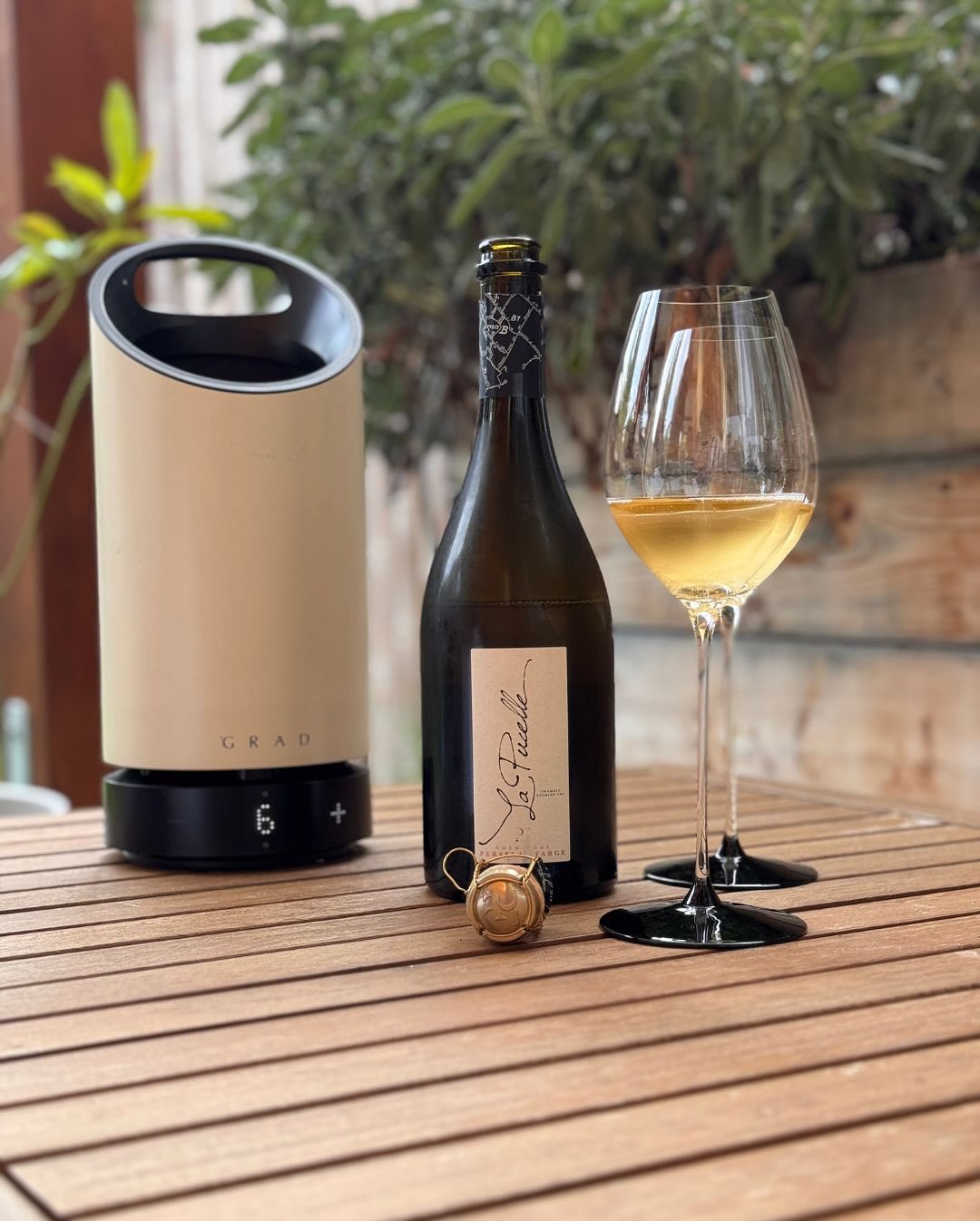
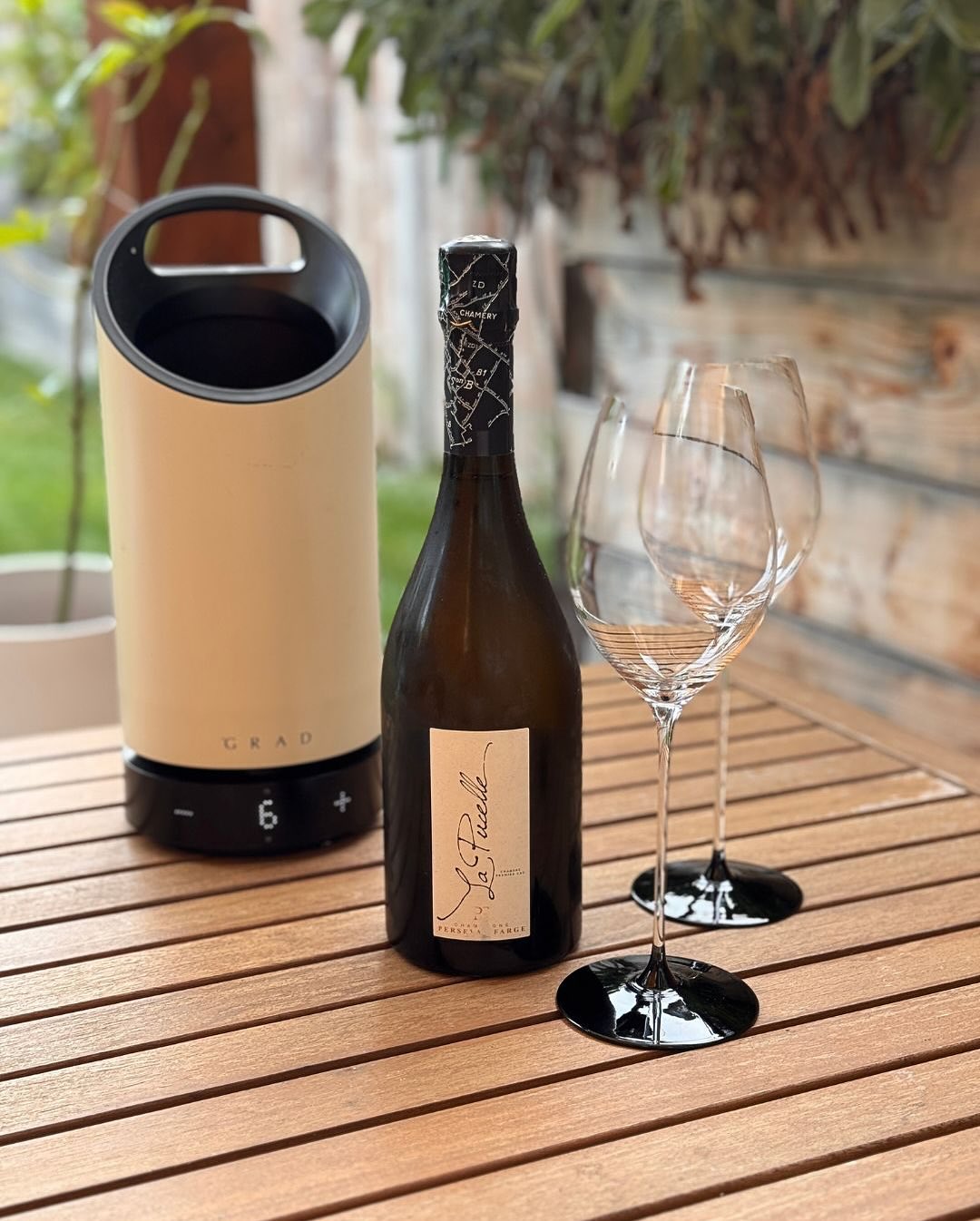
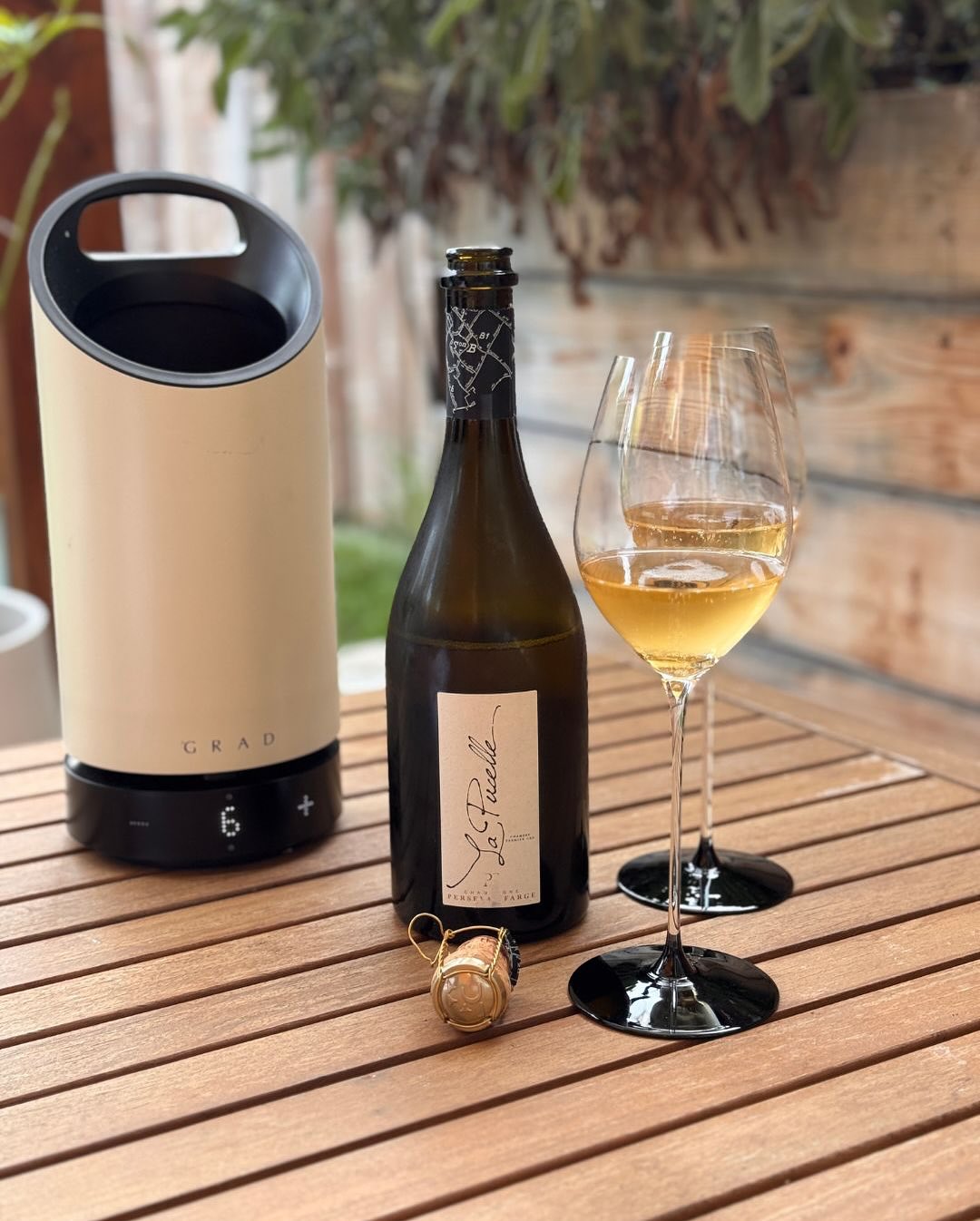
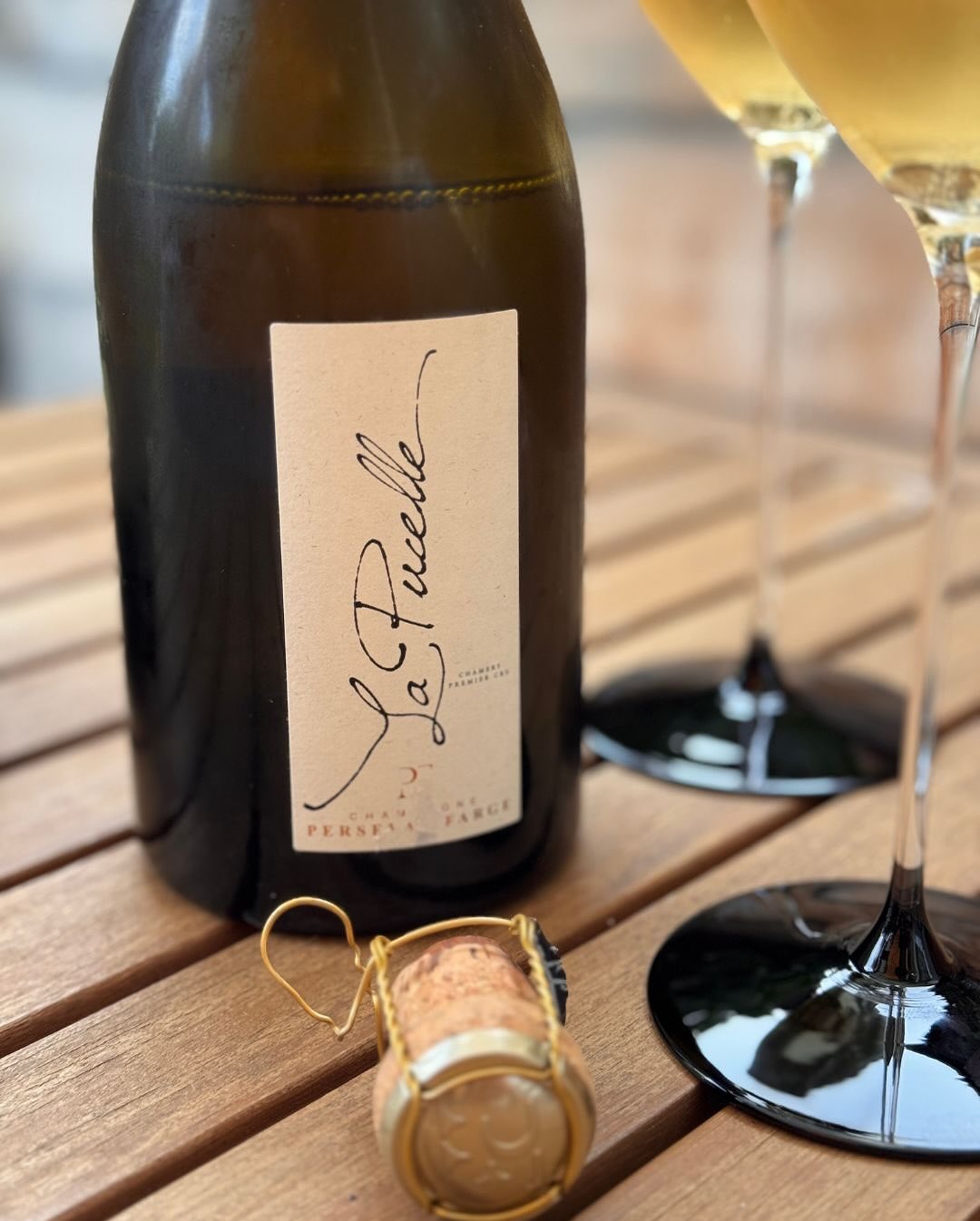
the_champagne.guy Die Gartenlounge im Halbschatten. Ein ruhiger Nachmittag, an einem der letzten Ferientage bevor der Schulalltag der Kids wieder los geht und der Herbst langsam anklopft. Daher habe ich bewusst den La Pucelle – Cuvée Parcellaire von @persevalfarge gewählt. Getrunken aus meinem @riedel_official Fatto a Mano – Black Tie. Der Moment? Still, klar, fokussiert. Und genau so schmeckt auch dieser Champagner. Ein reinsortiger Pinot Noir mit kühler Frucht, salziger Mineralität, herber Frische – getragen von feiner Struktur und eleganter Länge. Holz? Dezent... Jeder Schluck vom La Pucelle hallt noch Minuten nach – perfekt zum Genießen, statt ihn nur nebenher zu trinken. Champagner-Facts: 🍇 100 % Pinot Noir (Einzellage – Parzellenwein) 📍 Premier Cru – Chamery, Montagne de Reims 🗓️ Tirage 2015 (Jahrgänge: 68 % 2013, 32 % 2014) ⏳ Degorgement: 10/2022 🕰️ Ausbau: 31 % im Holzfass ⚖️ Dosage: 3,4 g/l – Brut 📦 Limitierte Produktion: 1.285 Flaschen 🥂 Stil: mineralisch, strukturiert, kompromisslos trocken #TheChampagneGuy @grad.dk #PersevalFarge #LaPucelle #ParzellenChampagner #PinotNoir #Spätsommerglas #RiedelLove #CuvéeMitCharakter #BlackTieChampagne #ChampagnerLounge #NoFlutes
Auf Instagram weiterlesen →A single-variety Pinot Noir from a single vineyard in Chamery. Tirage 2015 (68 percent 2013, 32 percent 2014), disgorged October 2022. 31 percent oak barrel aging. 1,285 bottles. Salty minerality, cool fruit, bitter freshness. A single-vineyard wine that shows Pinot Noir from Chamery as it is: straightforward, not opulent.
100% Pinot Noir · 3.4 g/l Dosage (Brut) · Base 2013 · Chamery Premier Cru, single vineyard La Pucelle
Cuvée Parcellaire Les Spectres
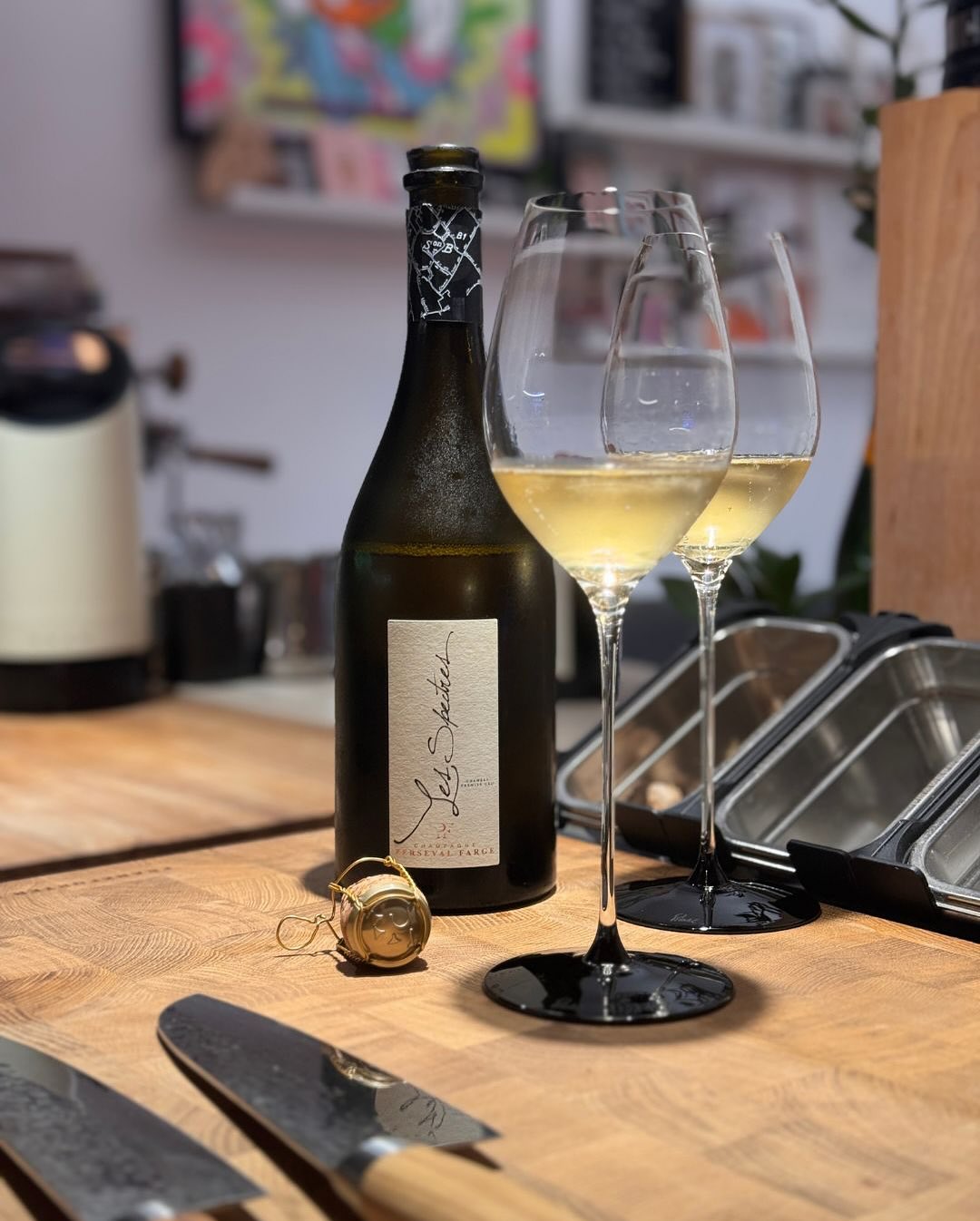
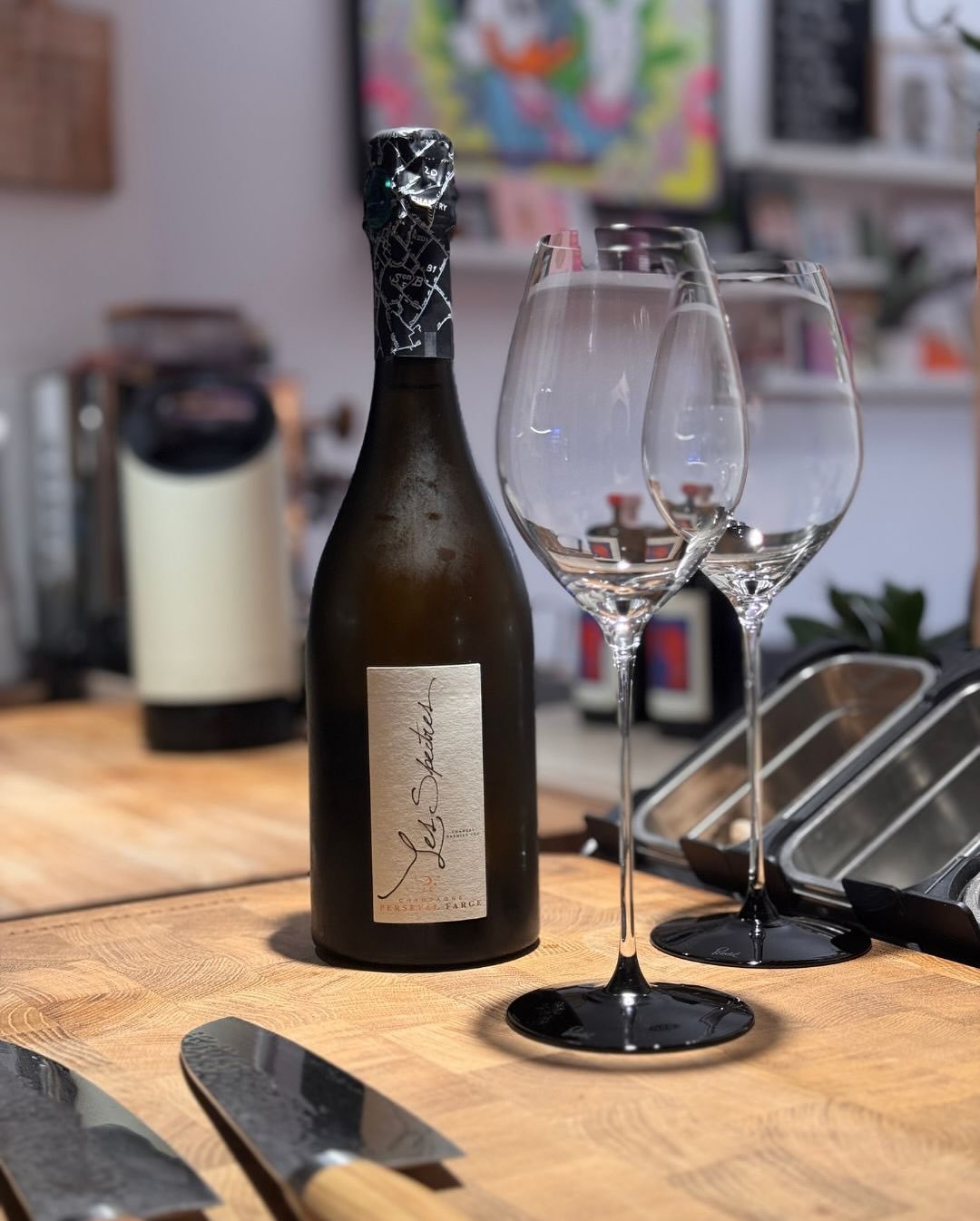
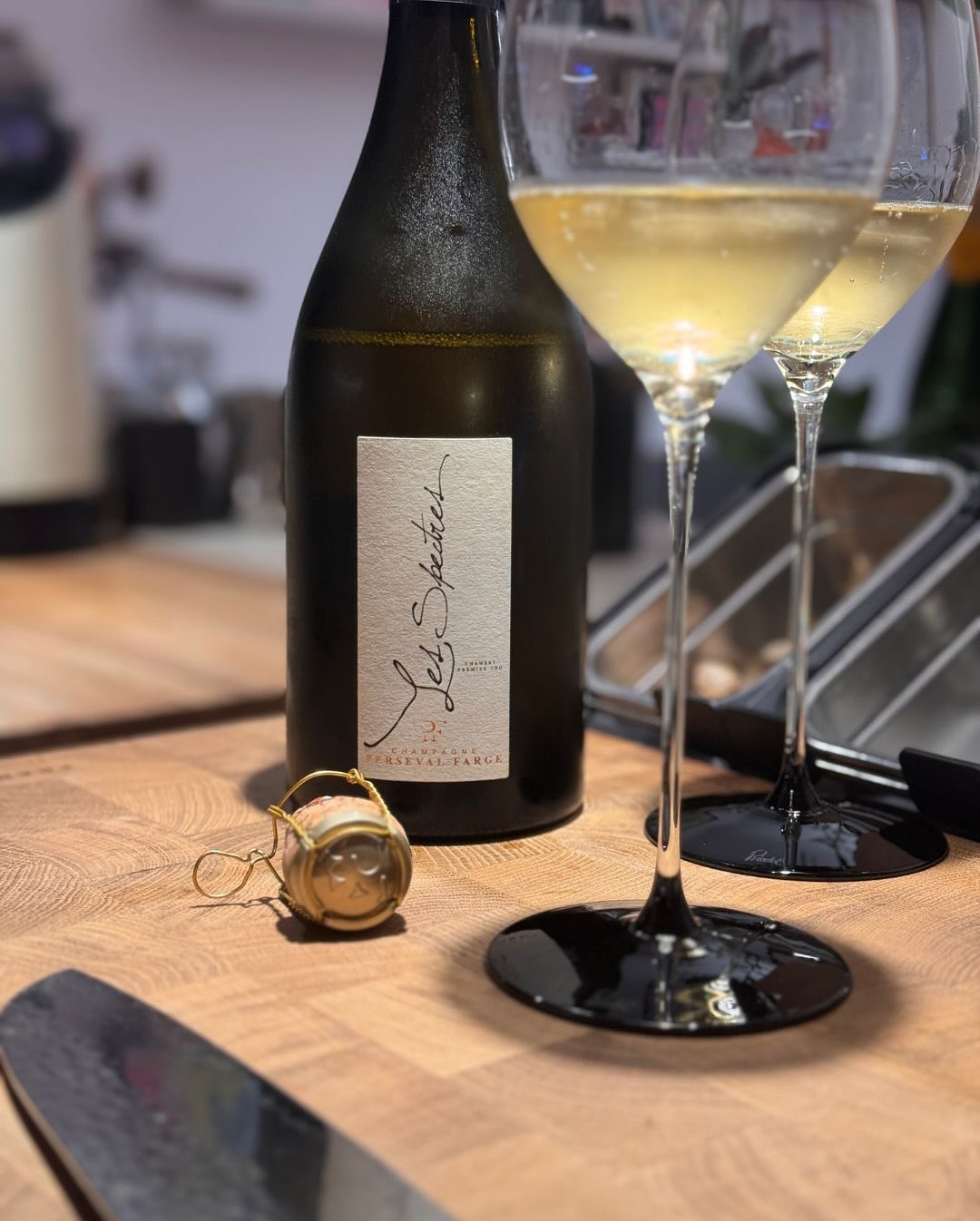
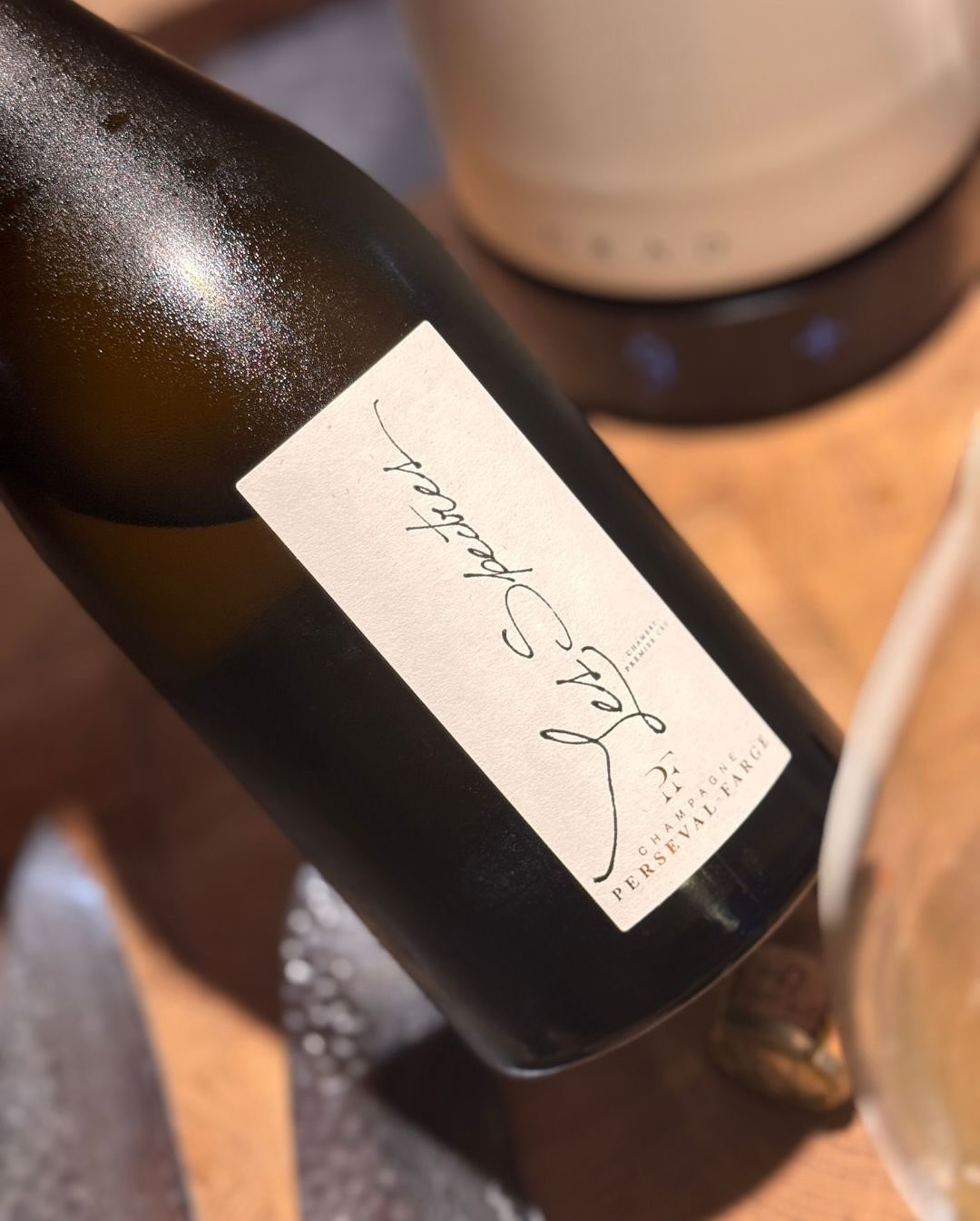
the_champagne.guy Manche Champagner begleiten Gespräche. Dieser hier unterbricht sie. Die Cuvée Parcellaire „Les Spectres“ von @persevalfarge verlangt Aufmerksamkeit. Am Gaumen: Exotische Früchte – aber nicht süß. Eine elegante Bitternote – wie Grapefruitschale. Und etwas Rauch, vielleicht auch Holz – aber fein verwoben, nicht dominant. Ein Wein zum Nachdenken, nicht zum Nebenhertrinken. Champagner-Facts: 🍇 100 % Chardonnay 📍 Premier Cru – Chamery, Montagne de Reims 🗓️ Lese: 2013 🕰️ Tirage 2015 – 8 Jahre Hefelager ⏳ Degorgement: 01/2023 🪵 72 % im Holz ausgebaut ⚖️ Dosage: 3 g/l – Brut 📦 Limitierte Auflage: 1.465 Flaschen 🥂 Stil: tief, salzig, komplex, mit kühler Energie P.S. Bei dieser Flasche kam auch mal wieder mein @mybeezer zum Einsatz – oft erwähne ich es gar nicht, weil es fast schon zur Gewohnheit geworden ist. Aber da im Kühler nie genug Platz für alle Flaschen ist, gibt es immer wieder Momente, in denen man gerne eine ganz bestimmte Flasche öffnen möchte – so wie heute. Kein Problem, kein stundenlanges Warten oder Eis-Experimente, sondern: perfekt gekühlt in nur 7–8 Minuten und dann auch noch auf Dauer perfekt auf Temperatur gehalten mit dem @grad.dk Cooler. Mein perfektes Setup ❤️ #TheChampagneGuy @riedel_official #PersevalFarge #LesSpectres #CuvéeParcellaire #Chardonnay #BrutChampagne #MontagnedeReims #QuietChampagne #FlascheMitFragen #NoFlutes #RiedelLove #ChampagnerZumNachdenken
Auf Instagram weiterlesen →Single-vineyard Blanc de Blancs from the Les Spectres site. 100 percent Chardonnay, harvest 2013, tirage 2015, eight years lees aging, disgorged January 2023. 72 percent aged in wood. 1,465 bottles. Exotic fruits, grapefruit peel, smoky-woody notes, deep and complex. The high wood proportion and long maturation shape the profile, opulent, but not heavy.
100% Chardonnay · 3 g/l Dosage (Brut) · 96 months lees aging · Chamery Premier Cru, single vineyard Les Spectres
Cuvée 201 Millésime 2009
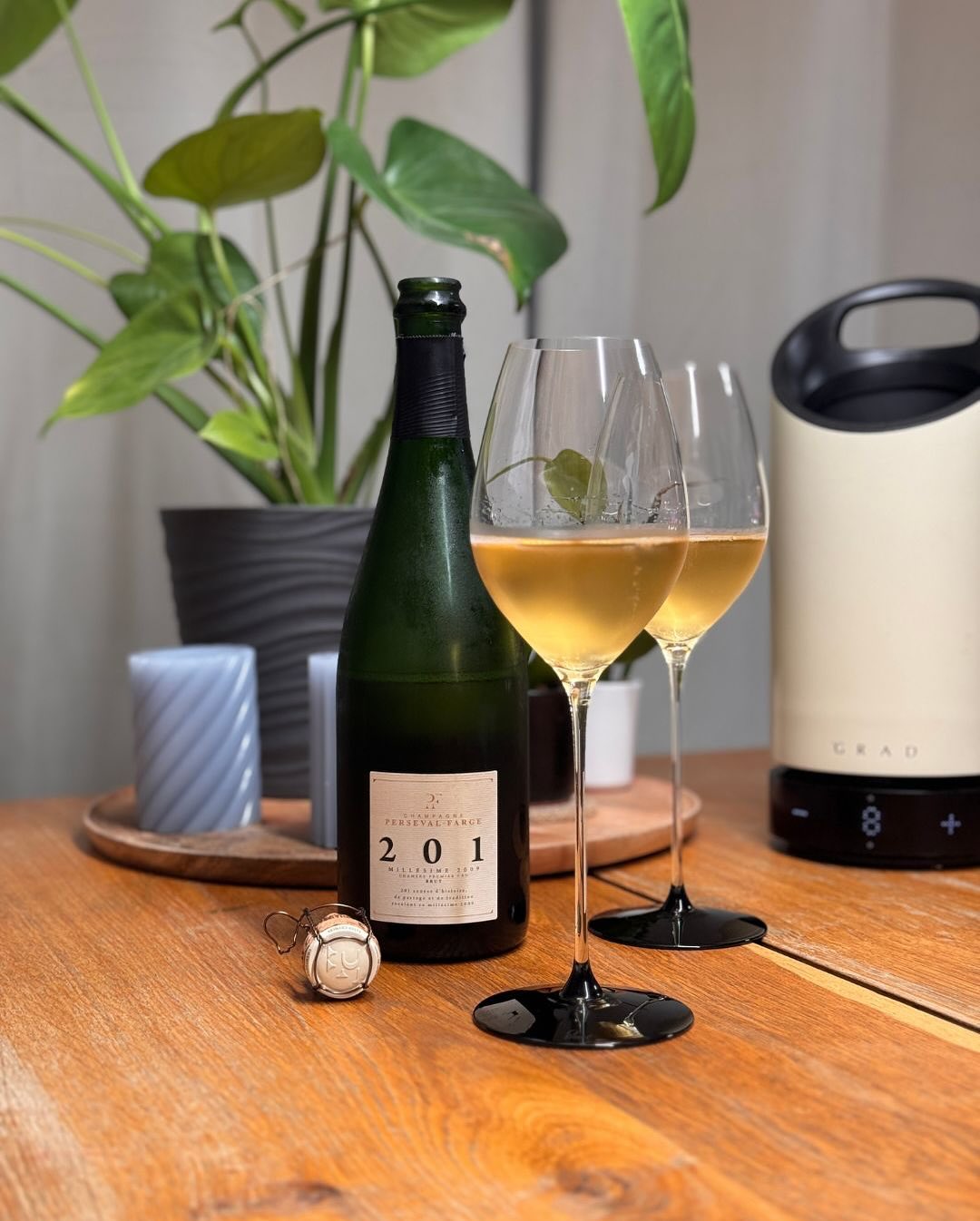
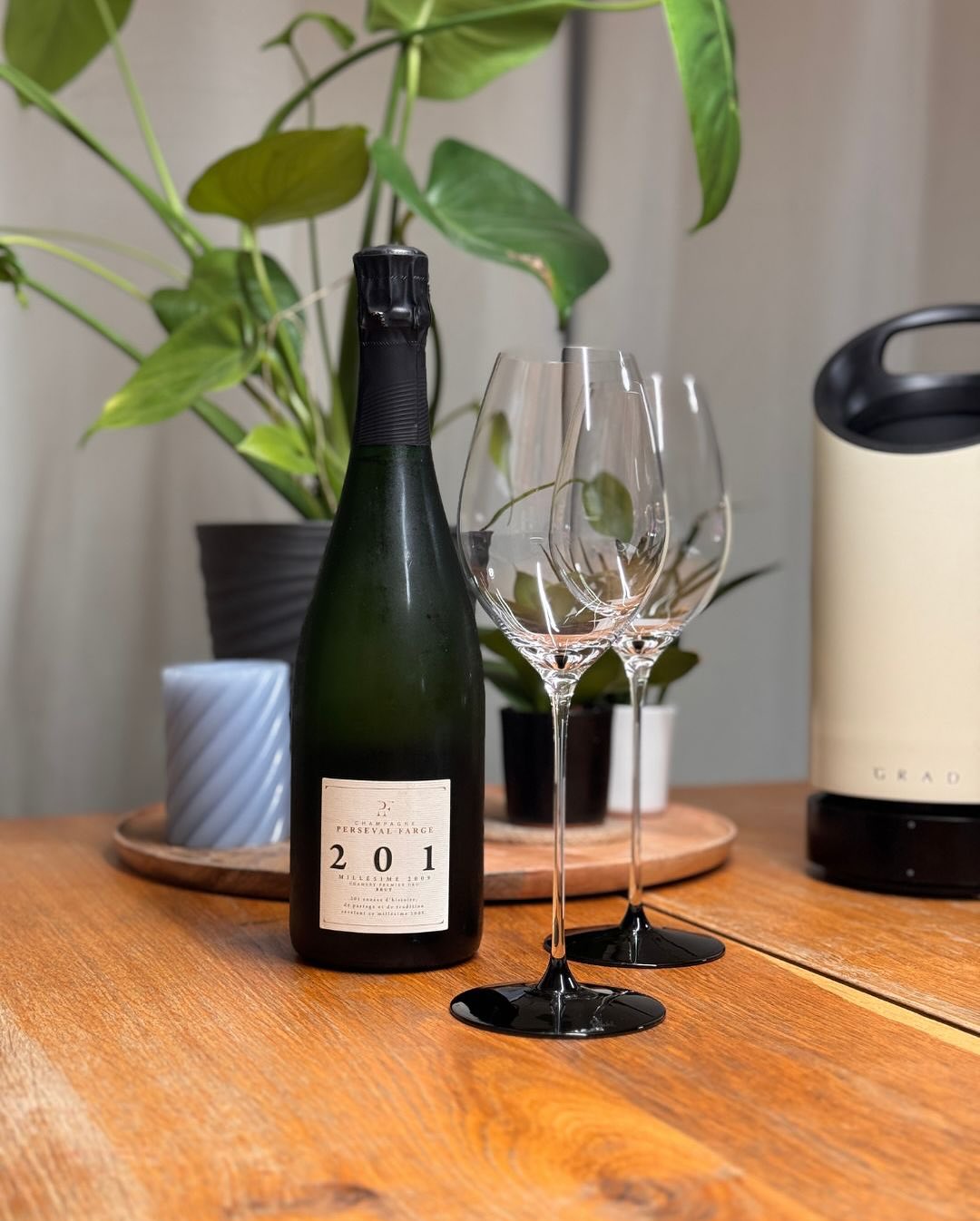
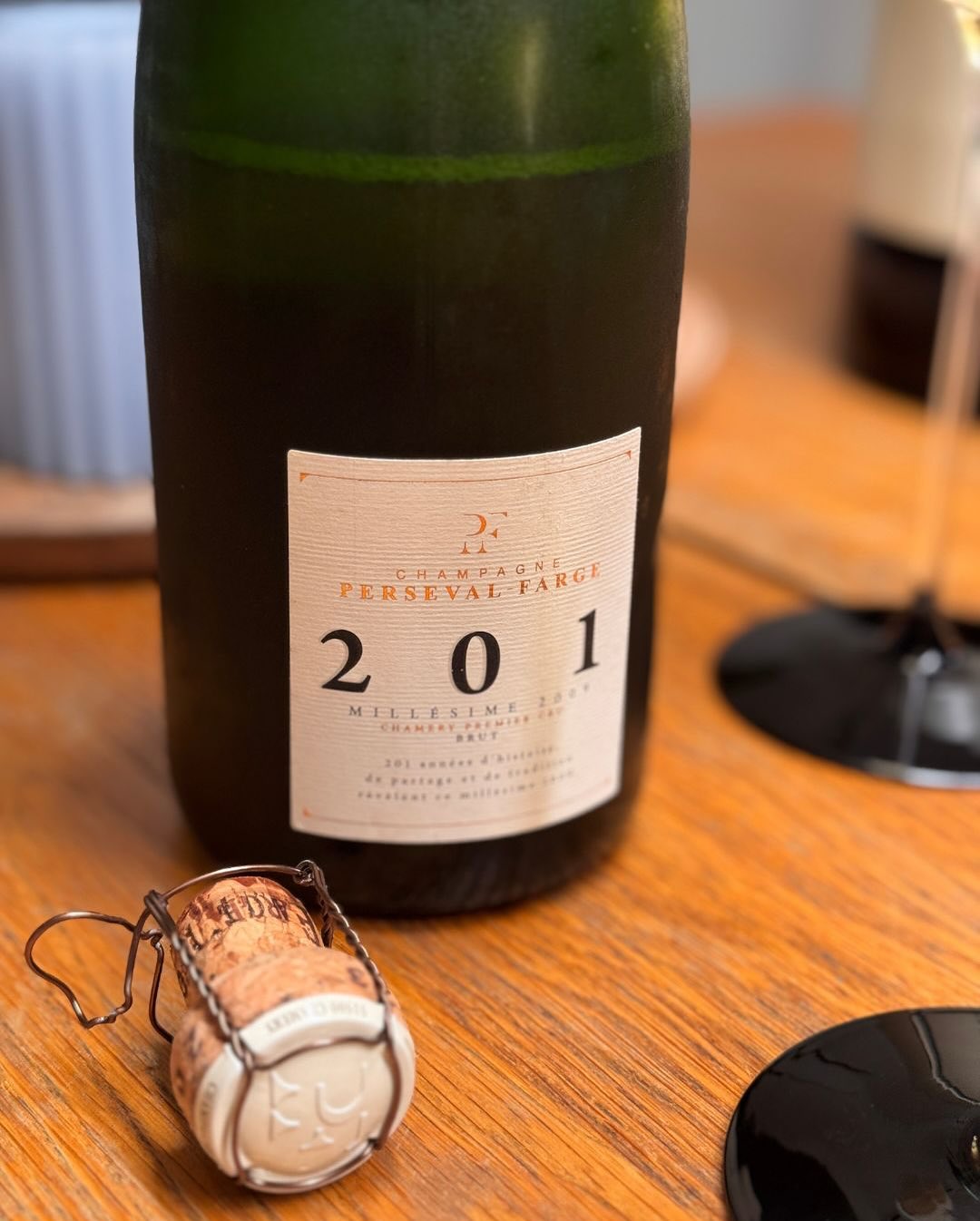
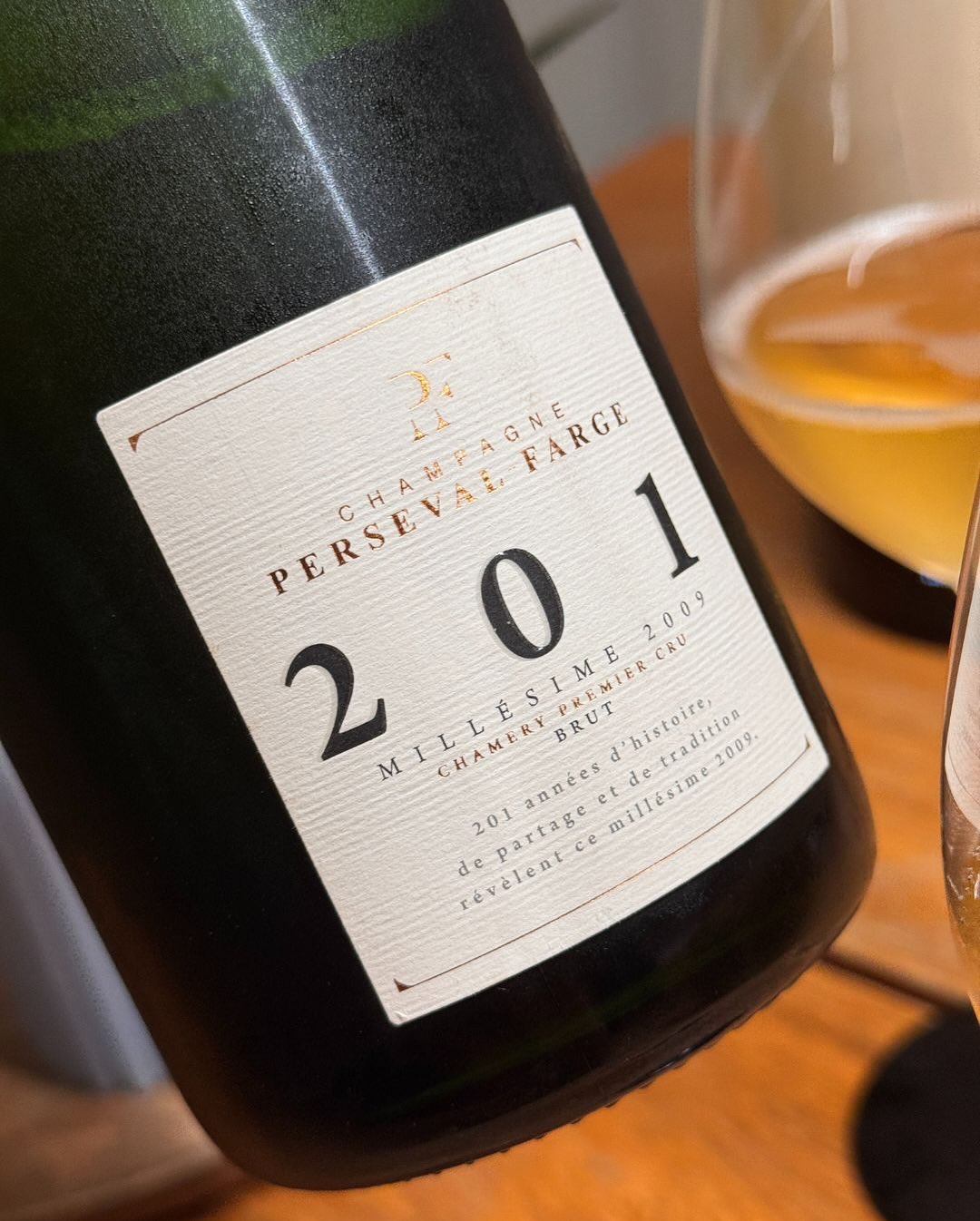
the_champagne.guy Ein Abend mit einer Flasche, die man sich merkt: @persevalfarge – Cuvée 201 Millésime 2009. Schon beim Einschenken merkt man, dass hier Substanz im Spiel ist – goldene Farbe, langsame Perlage, dichter Duft. Im Glas entwickeln sich reife Aromen von getrockneter Aprikose, Nüssen und Brioche, dazu ein Hauch kandierter Zitrone. Am Gaumen zeigt er Kraft und Ruhe zugleich: cremig, strukturiert, mit dieser feinen, trockenen Spannung, die nur gereifte Jahrgänge haben. Ein Champagner, bei dem ich meine, die Jahre schmecken zu können. Champagne-Facts 🥂 50 % Chardonnay · 30 % Pinot Noir · 20 % Meunier 📅 Jahrgang 2009 📍 Chamery · Montagne de Reims (Premier Cru) 🪵 Ausbau 30 % im Holz · 70 % Edelstahl 🕰 Tirage 2011 · Dégorgiert 10/2023 🍬 Dosage 0 g/l (Brut Nature) Ein präziser, gereifter Jahrgangschampagner, der zeigt, wie faszinierend 2009 in der Champagne war – warm, rund, aber mit viel Rückgrat. #TheChampagneGuy @riedel_official @grad.dk #PersevalFarge #Millésime2009 #PremierCru #GrowerChampagne #MontagnedeReims #BrutNature #ChampagneMoment #ChampagneLife #ChampagneVibes #ChampagneTasting #TheChampagneGuyMoments
Auf Instagram weiterlesen →Vintage 2009, tirage 2011, disgorged October 2023. 30 percent in wood, 70 percent stainless steel. Zero dosage. Mature aromas: dried apricot, nuts, brioche, candied lemon. Creamy, structured, matured. A millésime that shows how Brut Nature develops with time, not sharp, but round through maturity.
50% Chardonnay, 30% Pinot Noir, 20% Meunier · 0 g/l Dosage (Brut Nature) · Vintage 2009 · Chamery Premier Cru
198 Millésime 2006
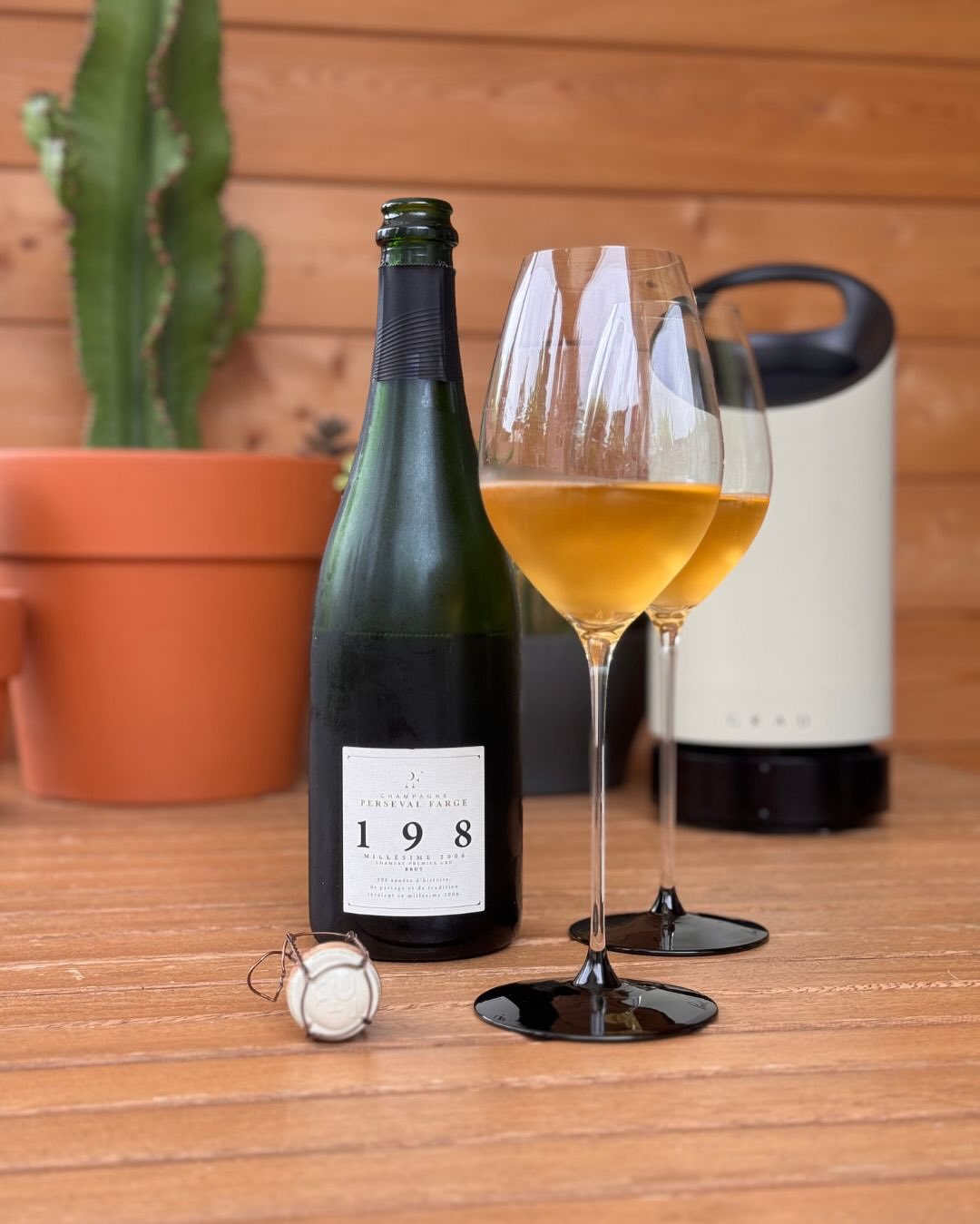
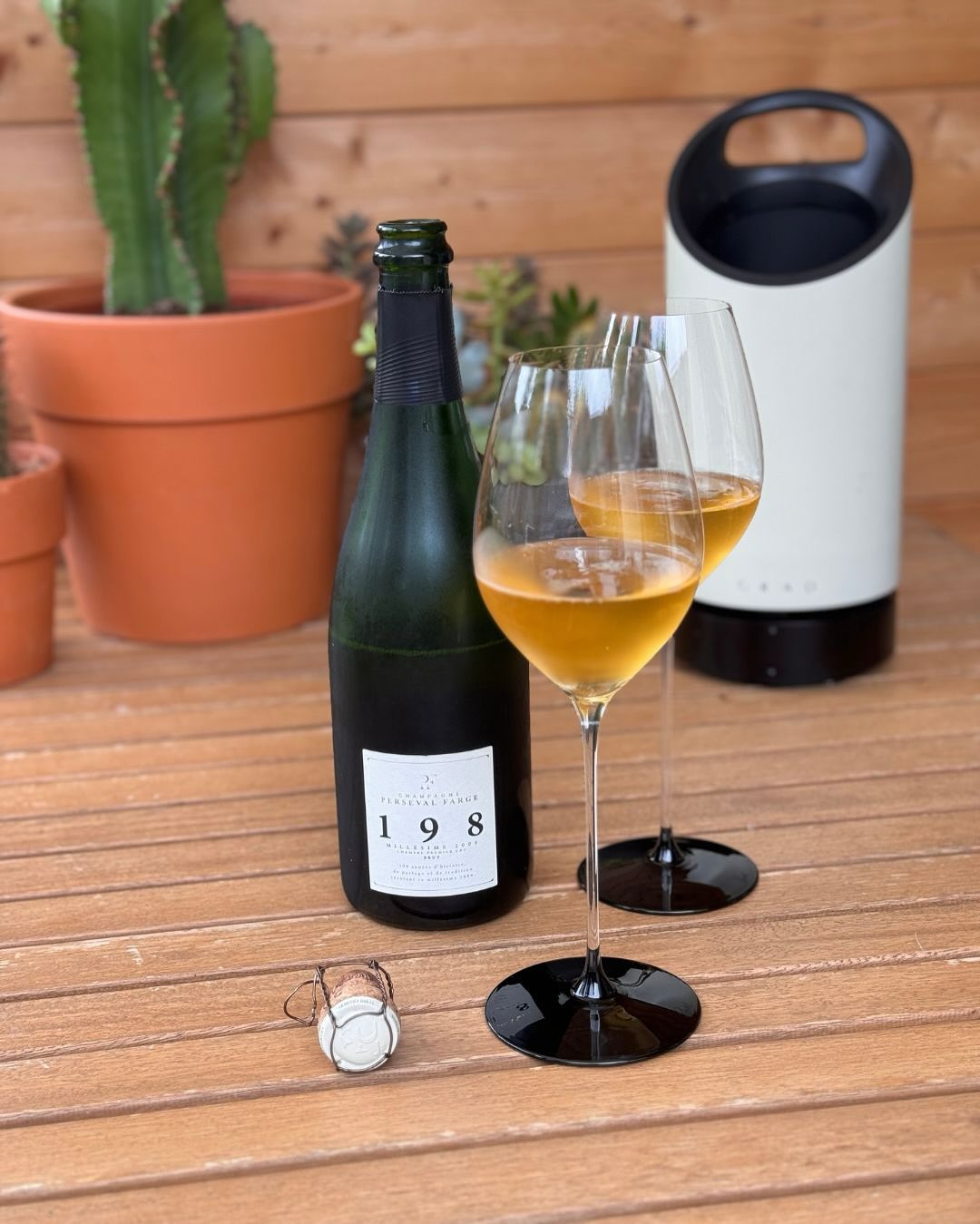
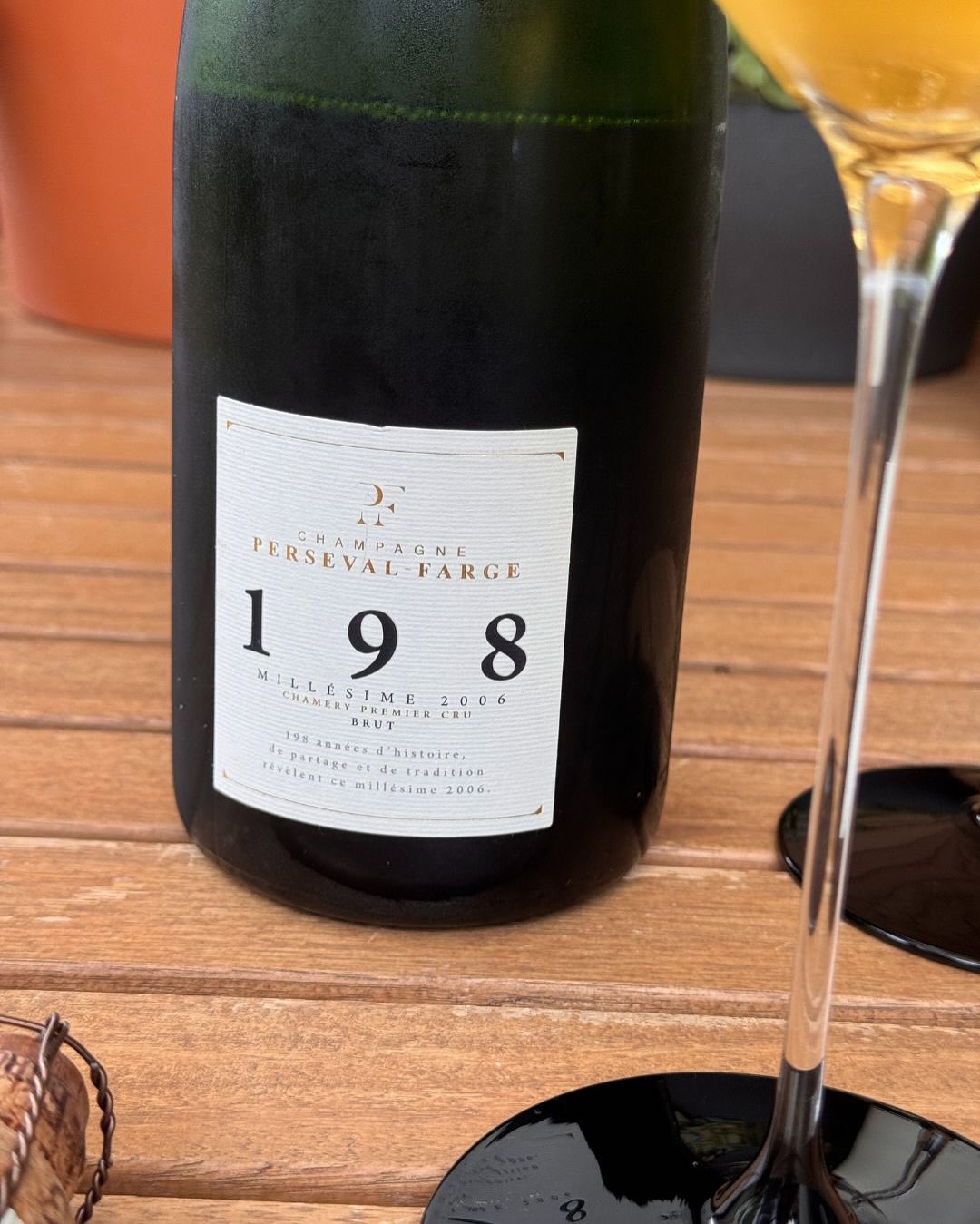
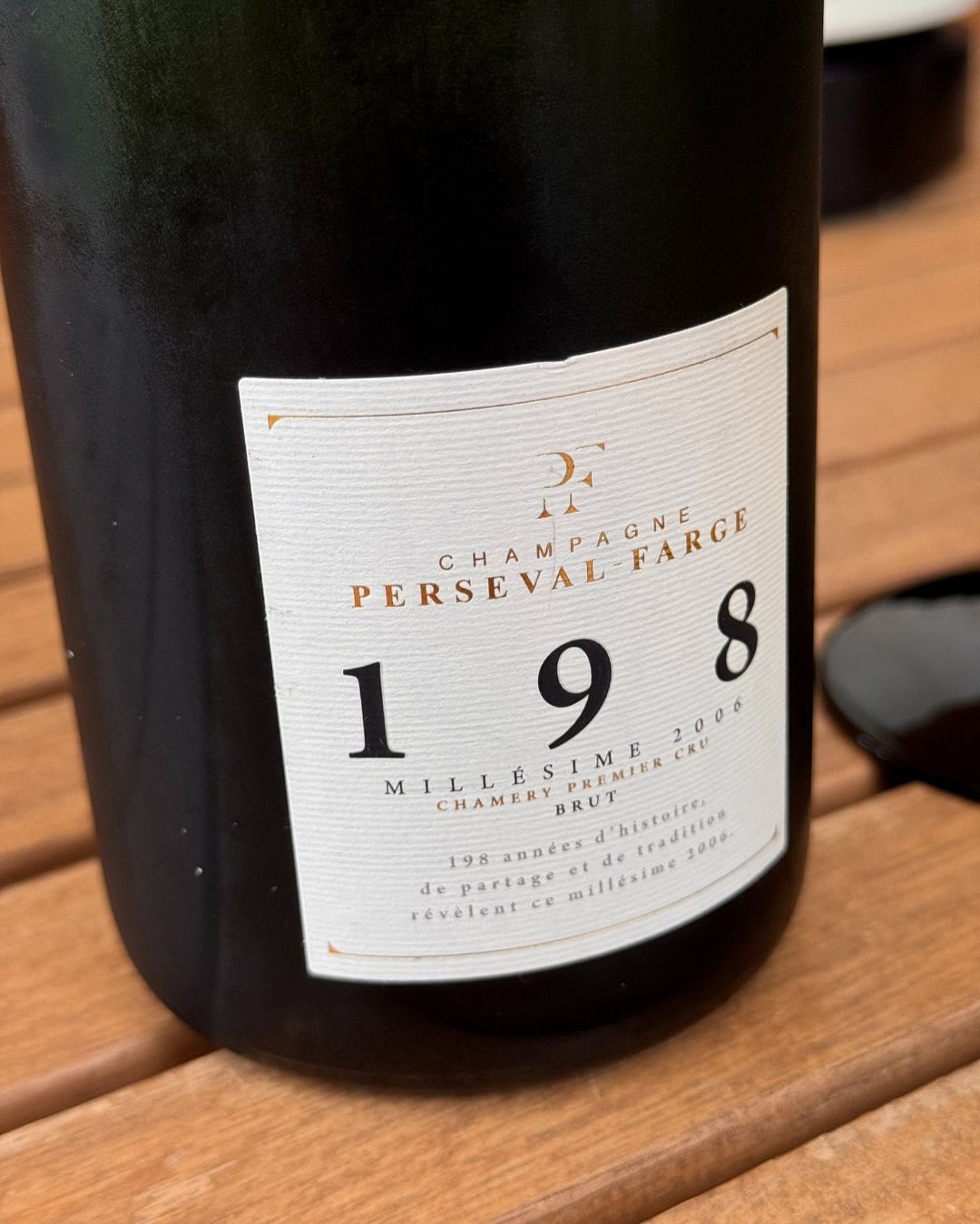
the_champagne.guy 15 Jahre auf der Hefe. Keine Dosage. Und nur rund 1.000 Flaschen produziert. Der 198 – Millésime 2006 von @persevalfarge ist keine Cuvée für jeden Tag – aber genau richtig, wenn ein stiller Moment nach Tiefe verlangt. Ich wusste: heute soll es was Ernstes sein. Etwas mit Struktur und Reife. Und genau das liefert diese Flasche: nicht spektakulär in der ersten Sekunde – sondern immer größer werdend mit jeder Minute im Glas. Der Auftakt: zitrisch, kräutrig, fast ein wenig verschlossen (was vielleicht, fairerweise, auch an der initialen Temperatur lag – vielleicht 3–4 Grad zu kalt für diese Flasche). Dann entwickeln sich am Gaumen Nuancen von kandierten Zitrusschalen, Mandel, Honig und ein Hauch gerösteter Haselnuss – mit zunehmender Temperatur ein Feuerwerk. Klar, trocken, tief. Champagner-Facts: 🍇 50 % Chardonnay, 39 % Pinot Noir, 11 % Meunier 📍 Premier Cru – Chamery, Montagne de Reims 🕰️ Tirage 2008, Dégorgement 01/2023 – 15 Jahre Hefelager ⚖️ Dosage: 0 g/l – Brut Nature 🪵 Teilweise Ausbau im Holz, teilweise malolaktische Gärung 🥂 Stil: reif, mineralisch, kompromisslos trocken Fazit: Kein Champagner für Anfänger – aber ein absoluter Charakterkopf. Und wieder einer dieser Momente, in denen ich froh bin, alles mal zu probieren. #TheChampagneGuy @grad.dk @riedel_official #PersevalFarge #Cuvée198 #Millésime2006 #BrutNature #ChampagnerMitCharakter #LongLeesAging #NoOccasionNeeded #JustPopIt
Auf Instagram weiterlesen →Vintage 2006, tirage 2008, disgorged January 2023-15 years lees aging. Around 1,000 bottles. Partial wood, partial malolactic fermentation. Mature, mineral, candied citrus peels, almond, honey, roasted hazelnut. Zero dosage, uncompromisingly dry. A champagne that had time and used it.
50% Chardonnay, 39% Pinot Noir, 11% Meunier · 0 g/l Dosage (Brut Nature) · Vintage 2006, 180 months lees aging · Chamery Premier Cru
My Tastings
- 198 Millésime 2006 (Vintage 2006), September 4, 2025
- Terre de Sables (Base 2019), September 6, 2025
- C. de Chardonnay (Base 2014), September 9, 2025
- Cuvée Parcellaire Les Spectres (Vintage 2013), September 13, 2025
- La Pucelle, Cuvée Parcellaire (Base 2015), September 25, 2025
- C. de Pinots (Base 2019), September 28, 2025
- C. de Rosé (Base 2018), October 4, 2025
- Les Goulats (Base 2014), October 9, 2025
- C. de Pinots (Base 2019), October 19, 2025
- Cuvée 201 Millésime 2009 (Vintage 2009), November 18, 2025
- Cuvée Jean-Baptiste (Base 2012), November 28, 2025
- Cuvée de Nature, March 2, 2026
Twelve cuvées in six months, an intensive phase. The constant: precise minerality, purist dosages, artisanal vinification. Perseval-Farge belongs to the maisons where I open every bottle with curiosity, not routine.
Facts
| Category | Details |
|---|---|
| Maison | Champagne Perseval-Farge |
| Category | RM (Récoltant-Manipulant) |
| Leadership | Isabelle Perseval, Benoist Perseval, Henry Perseval |
| Generation | 5th Generation |
| Location | 12 Rue Du Voisin, 51500 Chamery |
| Region | Montagne de Reims |
| Cru Status | Premier Cru (Chamery) |
| Certification | HVE (Haute Valeur Environnementale) |
| Vinification | Stainless steel & oak barrel (21-100% depending on cuvée), basket press, partial MLF |
| Dosage Range | 0-5.5 g/l (Brut Nature to Brut) |
| Specialties | Historic grape varieties (Arbane, Petit Meslier, Pinot Gris), single-vineyard wines |
| Website | perseval-farge.fr |
| @persevalfarge | |
| Phone | +33 3 26 97 64 70 |
| champagne@perseval-farge.fr |
Sources for this portrait: Maison website, own tastings, CRM data and cross-checks. Fields without sufficient verification remain open.