150 Kilometers from Reims
The Côte des Bar is located in the Aube department, about 150 kilometers south of Reims and Épernay. For the champagne world, this was long considered "too far away" — the houses in Reims were happy to buy grapes from Aube (cheap and plentiful), but the region was rarely taken seriously.
That has fundamentally changed. Today, the Côte des Bar is one of the most dynamic regions in Champagne, with a density of talented winemakers that is second to none.
I've tasted 83 champagnes from the Côte des Bar — more than from any other region. No coincidence.
The Terroir
What distinguishes the Côte des Bar from the northern regions is the soil: Instead of chalk, Kimmeridge marl dominates here — a limestone-clay mixture from the upper Jurassic, the same rock that is also found in the Chablis region (which is only 30 km away).
Add to this a warmer, more continental climate than in Reims. The consequence:
- Riper grapes — More fruit, less cutting acidity
- More powerful wines — More body, broader texture
- Distinctive character — Anyone who tastes an Aube champagne blind notices the difference
Pinot Noir is King
The Côte des Bar is Pinot Noir country. Over 80% of the vineyard area is planted with Pinot Noir. This makes the region the natural source of:
- Powerful Blanc de Noirs — 100% Pinot Noir, structure and dark fruit
- Intense Rosés — Especially Rosé de Saignée from Pinot Noir of Aube has impressive depth
- Character-driven Assemblages — The Pinot Noir of the Côte des Bar gives assemblages backbone
The Winemaker Revolution
What's happening in the Côte des Bar is reminiscent of what occurred in Burgundy 20 years ago: A new generation of winemakers is questioning everything. Biodynamics, single-vineyard bottlings, minimal intervention, natural wine influences — Aube is Champagne's experimental field.
Names you should know (and which are no longer insider tips): Cédric Bouchard, Marie Courtin, Champagne Fleury, Jacques Lassaigne, Olivier Horiot.
83 champagnes from the Côte des Bar — and each one confirmed my belief: This region produces some of the most exciting champagnes ever. Not the most elegant, not the most delicate — but the boldest, the most distinctive, those with the most character.
Côte des Bar vs. "the North"
Posts
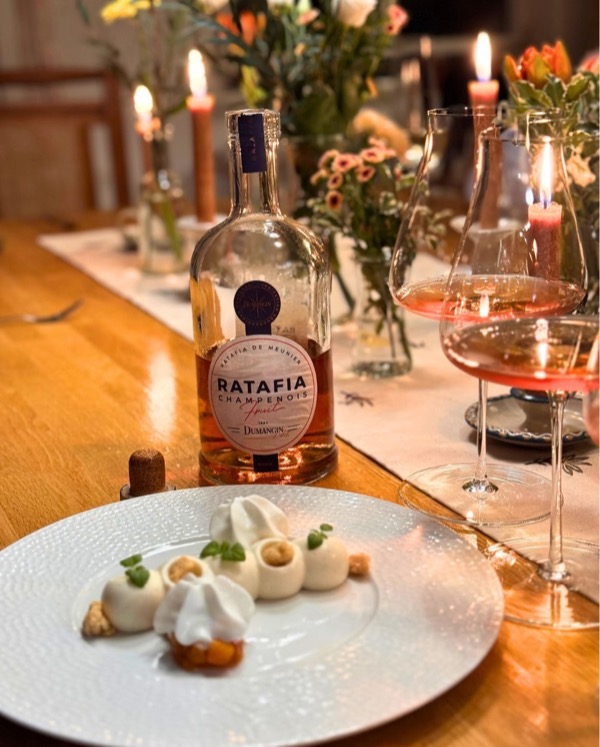
Das süße Finale: Ein architektonisch aufgebautes Kokos-Panna Cotta. Hier wurde nicht mit Geliermitteln gemogelt – die Sahne wurde geduldig über…
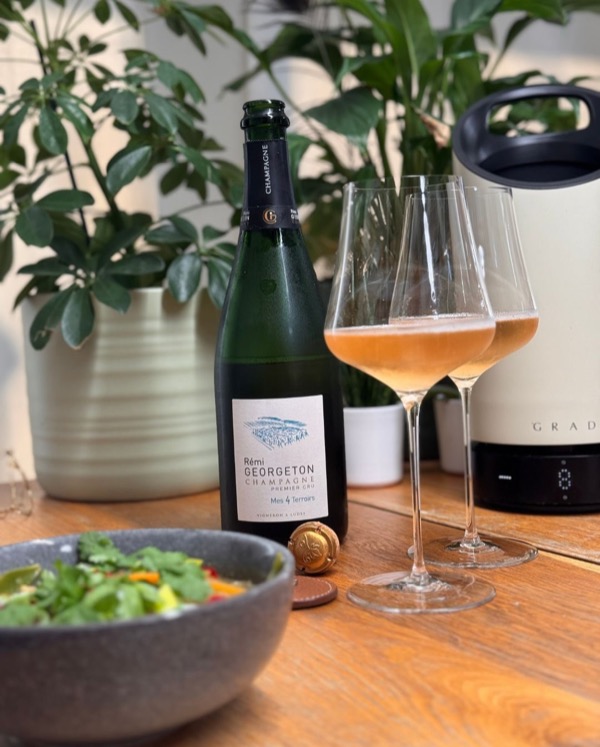
@remi_georgeton hat eine klare Vision: Das Terroir so pur wie möglich ins Glas zu bringen. Beim Mes 4 Terroirs schmeckt man diese Reise förmlich. Der…
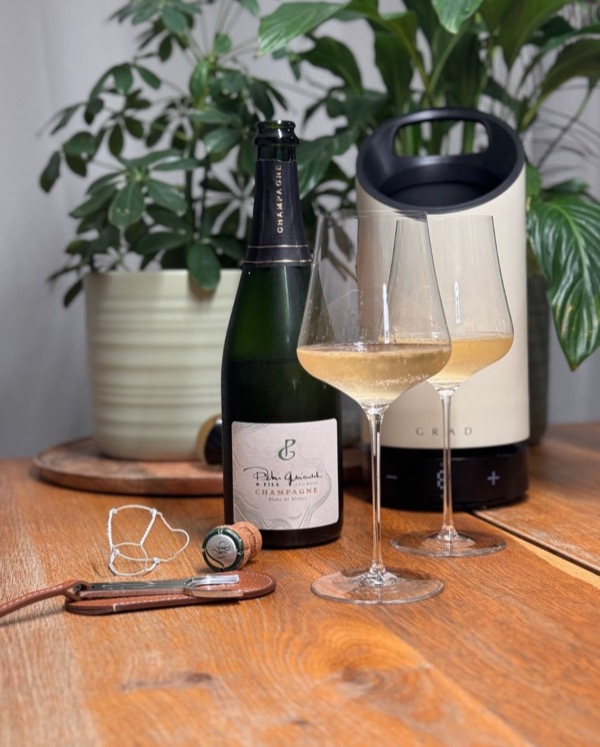
Der Blanc de Blancs von @champagnepehuguiardeletfils ist für mich eine Besondere Flasche. Péhu Guiardel & Fils war einer der ersten Winzer, von dem…
| Côte des Bar | Côte des Blancs / Montagne de Reims | |
|---|---|---|
| Soil | Kimmeridge marl | Chalk (Belemnite) |
| Climate | Warmer, more continental | Cooler, more Atlantic |
| Main grape variety | Pinot Noir (80%+) | Chardonnay / Pinot Noir |
| Style | Powerful, fruity, vinous | Elegant, mineral, taut |
| Cru system | No Grand/Premier Crus | Numerous Grand/Premier Crus |
| Reputation | Rising star | Established |
For Beginners
Those wanting to discover the Côte des Bar: Look for champagnes with "Aube" or "Bar-sur-Aube" / "Bar-sur-Seine" on the label. Or directly for winemakers from Les Riceys, Celles-sur-Ource, Landreville, or Essoyes.