More Than Just "Organic"
Biodynamic viticulture goes beyond organic farming. Founded on the ideas of Rudolf Steiner, it encompasses cosmic rhythms, special preparations, and a holistic understanding of the vineyard as a living ecosystem.
This sounds esoteric — and it partly is. But the results speak for themselves: Many of the best champagne producers work biodynamically.
I'll admit I was skeptical at first. Horn manure preparations buried during a full moon? Silica powder that has to overwinter in cow horns? That sounds like hocus-pocus. But then I tasted the champagnes — and the differences weren't subtle. They were clear. And that convinced me to delve deeper into the subject.
The Levels: Conventional, Organic, Biodynamic
To put this all in context, you need to understand the three levels:
Conventional means: Synthetic pesticides, herbicides, and fertilizers are allowed. Most champagnes are made conventionally. This doesn't have to be bad — many major houses produce excellent champagne conventionally. But the soil suffers in the long term.
Organic means: No synthetic pesticides or herbicides. Copper as a fungicide is allowed in limited quantities. Organic fertilizers instead of chemicals. This is a big step toward sustainability.
Biodynamic goes even further: In addition to avoiding chemicals, special preparations are used, work is aligned with cosmic rhythms, and the vineyard is understood as a closed ecosystem.
Organic vs. Biodynamic
Posts
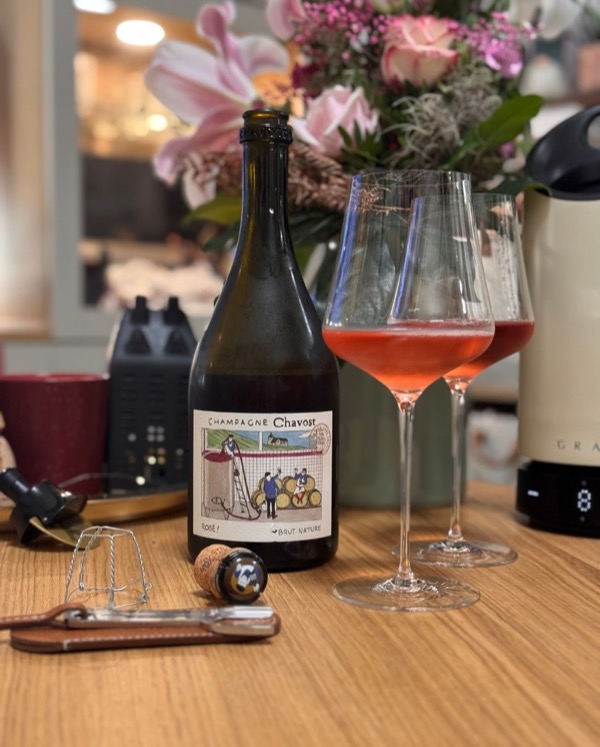
Heute wieder ein @champagnechavost , wie ich ihn kenne – diesmal der Rosé. Kein klassischer Rosé, sondern der typische Chavost-Ansatz: biodynamisch,…
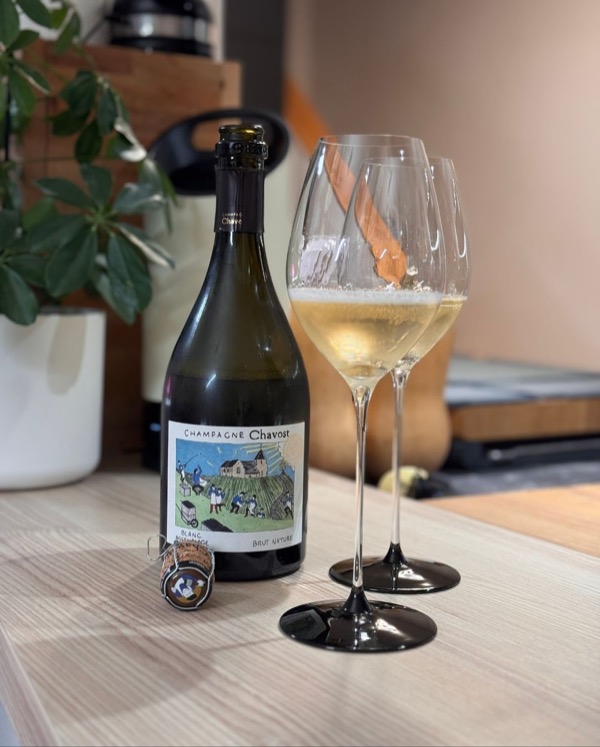
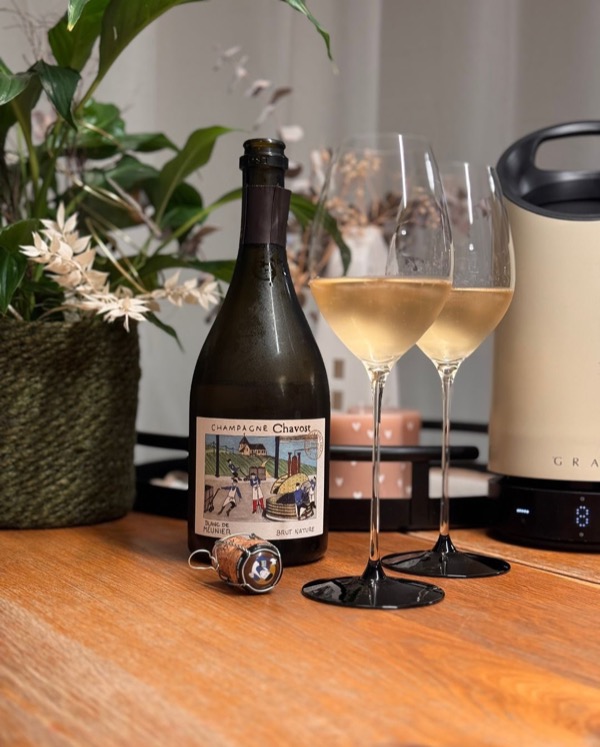
Heute geöffnet: @champagnechavost – Blanc Assemblage Brut Nature. Ein Naturwein-Meisterwerk aus Chavot-Courcourt: biodynamisch hergestellt, ohne…
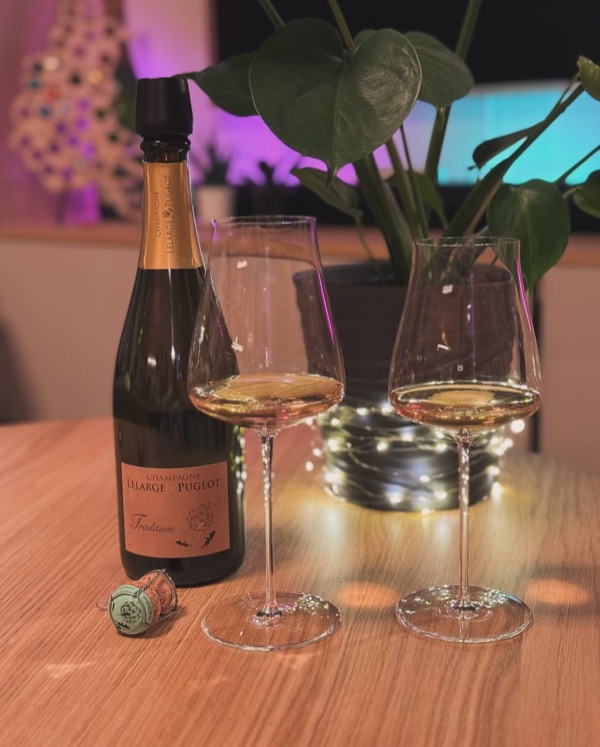
Vor über 10 Jahren habe ich im Rahmen eines Projekts für eine Weinverkostung und ein Feature in einem Print-Magazin Gläser von @eisch_glass ,…
My Posts on This
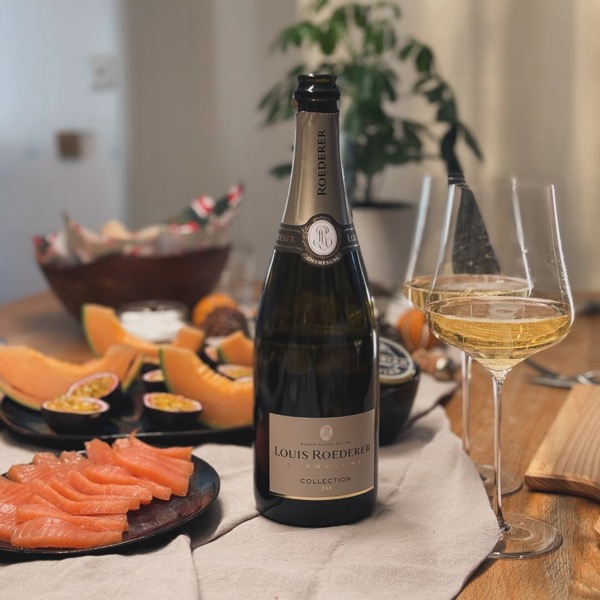
Weihnachten bedeutet für mich, besondere Momente mit außergewöhnlichem Genuss zu füllen – und heute, am 2. Weihnachtsfeiertag, haben wir das…
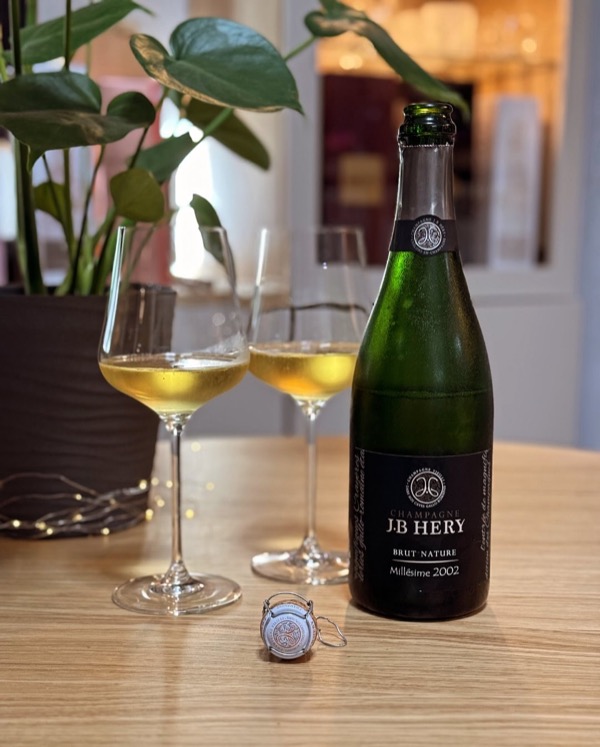
🍾 Heute im Glas: J.B Héry - Millésime 2002 - Brut Nature – ein spannender Fund aus meinem letzten Einkauf. Gerade erst frisch in den Keller…
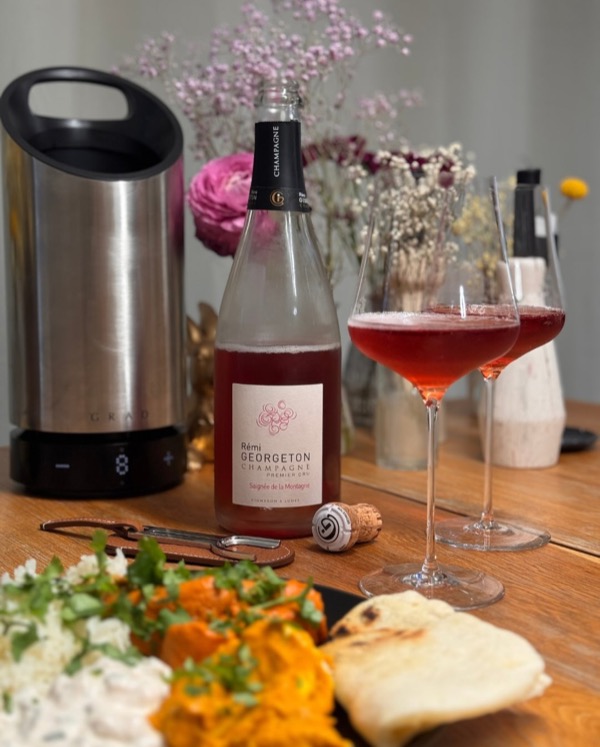
Bei uns kommt ja regelmäßig indisch auf den Tisch, und dieses Mal gab es das volle Wohlfühl-Programm: Butter Chicken, Royal Paneer, erfrischendes…
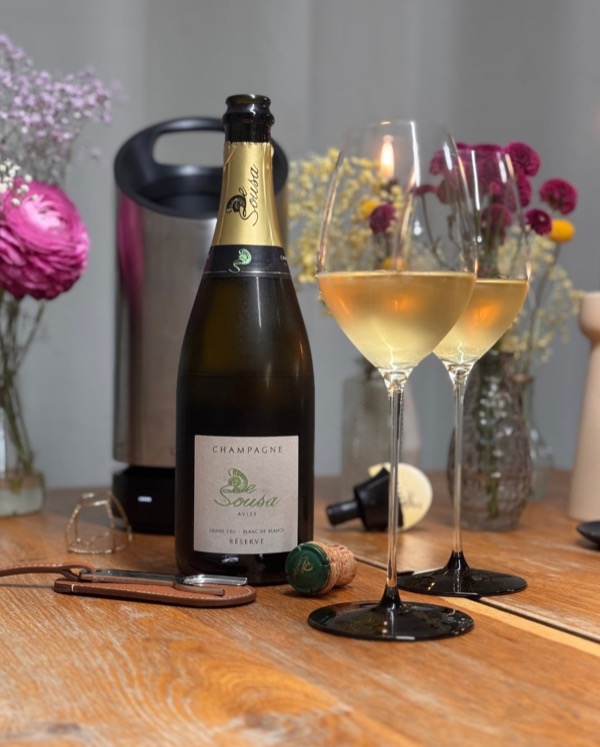
Heute habe ich einen herausragenden Blanc de Blancs geöffnet: Die „Grand Cru Réserve“ von @champagnedesousa aus Avize. Die Familie De Sousa arbeitet…
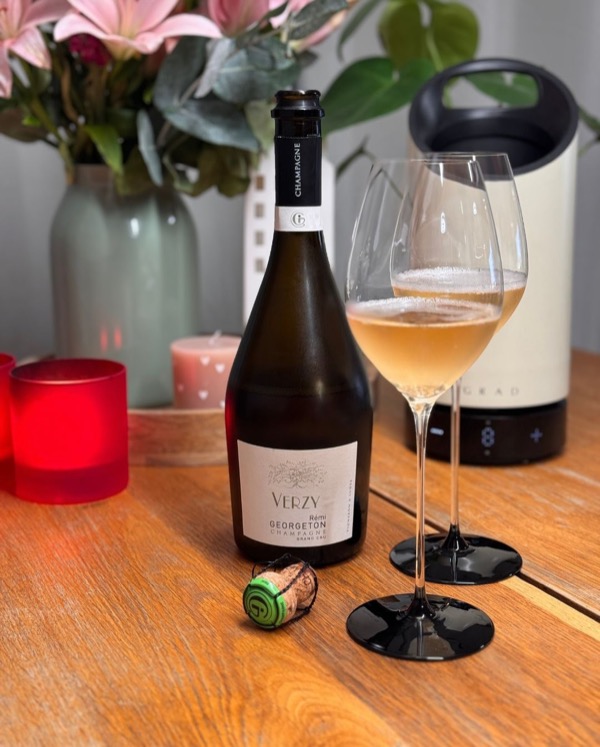
Gestern Abend habe ich den @remi_georgeton – Verzy Grand Cru Millésime 2020 geöffnet. Von allen Flaschen im Sortiment schien mir dieser Jahrgang der…
Gestern haben wir mittags spontan ein paar Pitas gefüllt – mit Zaziki, Rotkraut, zitronig angebratener Pute und etwas Frühlingszwiebel. Außen…
| Organic | Biodynamic | |
|---|---|---|
| Chemicals | No synthetic pesticides | No synthetic pesticides |
| Fertilization | Organic fertilizers allowed | Only proprietary preparations |
| Copper | Allowed (limited) | Allowed (minimal) |
| Lunar calendar | No | Yes — planting and harvest times according to moon phases |
| Preparations | No | Horn manure, horn silica, herbal preparations |
| Certification | EU-Organic, AB | Demeter, Biodyvin |
The Biodynamic Preparations
The heart of biodynamics are nine preparations (500-508) made from natural materials:
- Preparation 500 (Horn Manure): Cow dung buried in a cow horn over winter. In spring it's diluted, dynamized (stirred for an hour), and sprayed on the soil. Promotes soil life.
- Preparation 501 (Horn Silica): Ground quartz that matures in a cow horn over summer. Sprayed on leaves and is supposed to promote photosynthesis and ripening.
- Preparations 502-507: Various herbal preparations (yarrow, chamomile, nettle, oak bark, dandelion, valerian) added to compost.
Does this sound unscientific? Absolutely. But there's a pragmatic explanation: These practices force the winemaker to be extremely attentive in the vineyard. Those who work according to the lunar calendar are constantly outside, observing their vines, recognizing problems earlier. And those who avoid chemicals must keep their soil healthy — which leads to better grapes in the long term.
Can You Taste the Difference?
Many tasters report that biodynamic champagnes have a special "energy" and "liveliness." This is hard to prove scientifically — but that healthier soils and vines deliver better grapes is undisputed.
What I personally observe: Biodynamic champagnes often have clearer fruit, more pronounced minerality, and a more lively mouthfeel. They seem more transparent — as if you can taste the soil through the wine. This is subjective, no question. But it's an observation I make during many tastings at home.
There are also scientific studies showing that biodynamically farmed soils have higher microbial diversity. More fungi, more bacteria, more worm activity. This improves the vines' nutrient uptake and influences the composition of the grapes — and thus the taste of the wine.
The Challenges
Biodynamic viticulture in Champagne isn't easy. The climate is humid and cool — ideal conditions for fungal diseases like mildew. Without synthetic fungicides, you have to work more frequently with copper, which can burden soils in the long term. And a wet vintage can quickly become a disaster when the only weapons in your arsenal are copper and sulfur.
Add to this the workload. Biodynamics requires more hand work, more observation, more presence in the vineyard. This costs time and money — resources not every winemaker has.
Biodynamic Producers in Champagne
Some of the best known: Champagne Fleury (pioneer since 1989), David Léclapart, Champagne De Sousa, Marie Courtin, Franck Pascal. Even larger houses like Roederer have converted parts of their vineyards to biodynamic farming — a sign that the approach works on a large scale too.
Fleury deserves special mention as a pioneer: Jean-Pierre Fleury began the biodynamic conversion in 1989, at a time when he was declared crazy for it. Today Fleury is one of the most respected producers in Champagne and has proven that biodynamics and quality aren't contradictory.
Whether you believe in cosmic forces or not — the best biodynamic champagnes are among the most expressive and lively I know. The philosophy may polarize, the quality doesn't.