Zero Grams of Sugar
Brut Nature — also called Zero Dosage or Non Dosé — is champagne in its purest form. After dégorgement, no Liqueur d'Expédition is added. Zero grams of sugar. The champagne stands naked.
To put this in perspective: Most Brut champagnes contain between 6 and 12 grams of residual sugar per liter. That sounds like little, but it makes a noticeable difference. The sugar rounds off the acidity, gives the wine a softer mouthfeel, and masks potential weaknesses in the base wine. With Brut Nature, this safety net is completely removed.
The Dosage Scale Overview
To understand where Brut Nature stands:
| Designation | Residual Sugar |
|---|---|
| Brut Nature / Zero Dosage | 0-3 g/l |
| Extra Brut | 0-6 g/l |
| Brut | 0-12 g/l |
| Extra Dry | 12-17 g/l |
| Sec | 17-32 g/l |
| Demi-Sec | 32-50 g/l |
| Doux | 50+ g/l |
The difference between Brut Nature and Brut may seem small on paper — but in the glass it's enormous. Every gram of sugar changes the perception of acidity, fruit, and texture.
Why the Trend is Booming
In recent years, Brut Nature has gained massive popularity, especially among grower champagnes. The philosophy behind it: If the base wine is good enough, it doesn't need dosage to hide behind.
This also reflects a broader cultural shift. In an era where transparency and authenticity are in demand, Brut Nature represents the unvarnished product. No sugar, no makeup — just grapes, terroir, and craftsmanship. Growers like Jérôme Prévost, Cédric Bouchard, or Pascal Agrapart have made the style their trademark and proven that champagne without dosage doesn't have to be ascetic.
When Brut Nature Works
Not every champagne is suited for Brut Nature. It requires:
- Excellent base wine — Every weakness is mercilessly exposed
- Ripe grapes — Enough natural fruit and residual sweetness
- Long lees aging — Autolysis provides the richness that dosage would otherwise supply
- Good terroir — Minerality as a counterbalance to acidity
A Blanc de Blancs from Le Mesnil-sur-Oger with five years of lees aging can brilliant as Brut Nature — the chalk minerality and autolytic creaminess give the wine enough substance to stand without sugar. A simple cuvée wine from purchased grapes, however, will quickly become unpleasant as Brut Nature.
When Brut Nature Doesn't Work
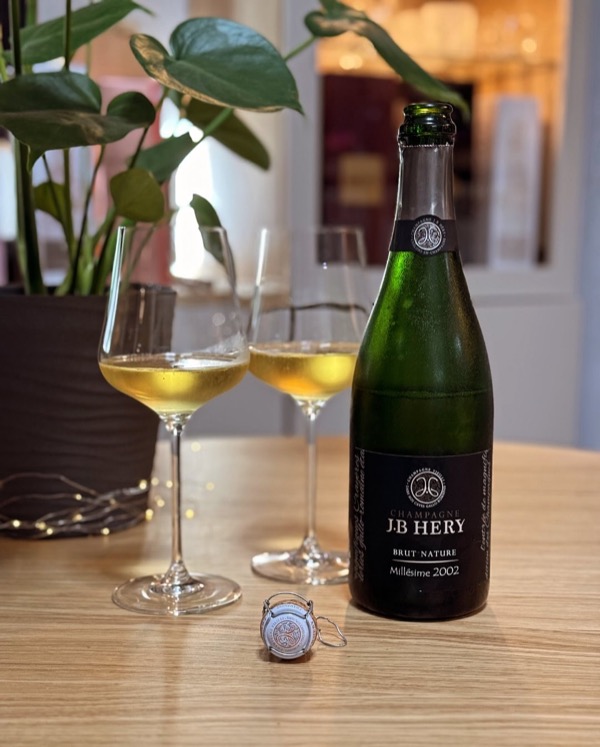
🍾 Heute im Glas: J.B Héry - Millésime 2002 - Brut Nature – ein spannender Fund aus meinem letzten Einkauf. Gerade erst frisch in den Keller…
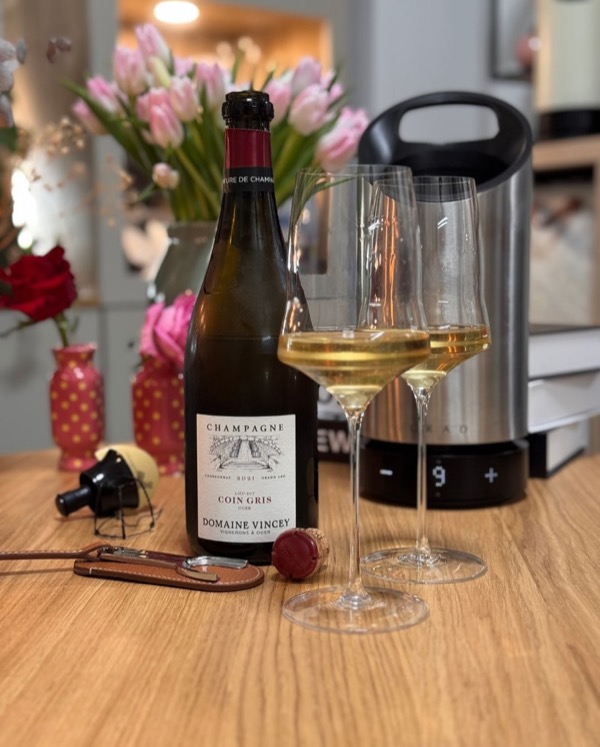
Der „Coin Gris“ von @domainevincey ist ein 100 % Chardonnay aus der gleichnamigen Parzelle (Lieu-dit) im Herzen des Grand-Cru-Dorfes Oger. Das…
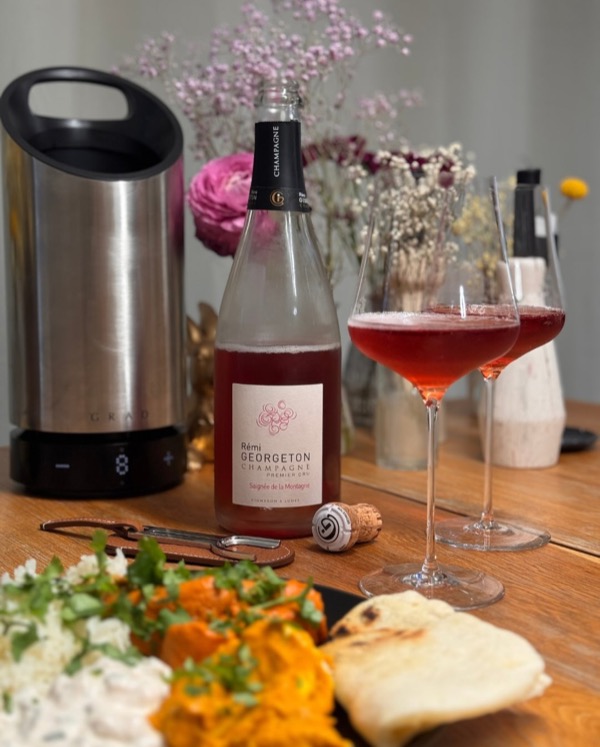
Bei uns kommt ja regelmäßig indisch auf den Tisch, und dieses Mal gab es das volle Wohlfühl-Programm: Butter Chicken, Royal Paneer, erfrischendes…
When the base wine is thin, Brut Nature becomes torture. Then naked acidity dominates, the aromas are meager, the mouthfeel is harsh. In such cases, a moderate dosage (3-6 g/l) would be the better path.
I've experienced it many times: A grower switches to Zero Dosage because it's currently en vogue — but the base wine doesn't support it. The result is a champagne that makes your mouth pucker, that's unpleasantly acid-heavy and leaves you with no desire for a third sip. That's not pleasure, that's a statement — and the wrong one.
Drinking Brut Nature Properly
A few tips when trying Brut Nature for the first time:
- Don't serve ice cold — At 4-5 degrees, the acidity is almost painful. Better 9-10 degrees, so the aromas can open up.
- Use a good glass — A wide white wine glass instead of a flute. Brut Nature needs air.
- Drink with food — The missing dosage makes Brut Nature the perfect food companion. Oysters, sashimi, goat cheese — anything where the acidity can work.
- Be patient — Many Brut Nature champagnes need 15-20 minutes in the glass to open up. Don't judge immediately.
The Line Between Ideology and Craftsmanship
The discussion around Brut Nature sometimes has something ideological about it. For some purists, any dosage is an admission of inadequate quality. I think that's nonsense. Dosage is a tool — like oak barrels, reserve wine, or lees aging. Used correctly, it can refine a champagne without falsifying it.
The best growers decide cuvée by cuvée whether dosage is necessary or not. Some vintages work as Brut Nature, others benefit from 2-3 grams of sugar. That's not a compromise, that's craftsmanship.
Zero Dosage is not a quality marker. It's a stylistic decision. Good Brut Nature is magnificent. Bad Brut Nature is the sourest disappointment that champagne has to offer.
Posts
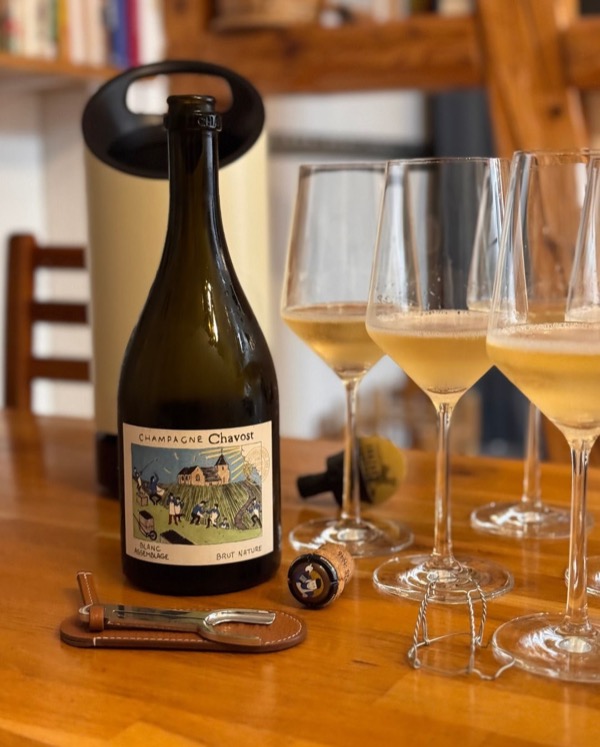
Vor dem großen Menü zum 60er mit Privatkoch, was ich euch morgen in 5 Posts präsentieren werde, gab es als Warm-up schon mal einen @champagnechavost…
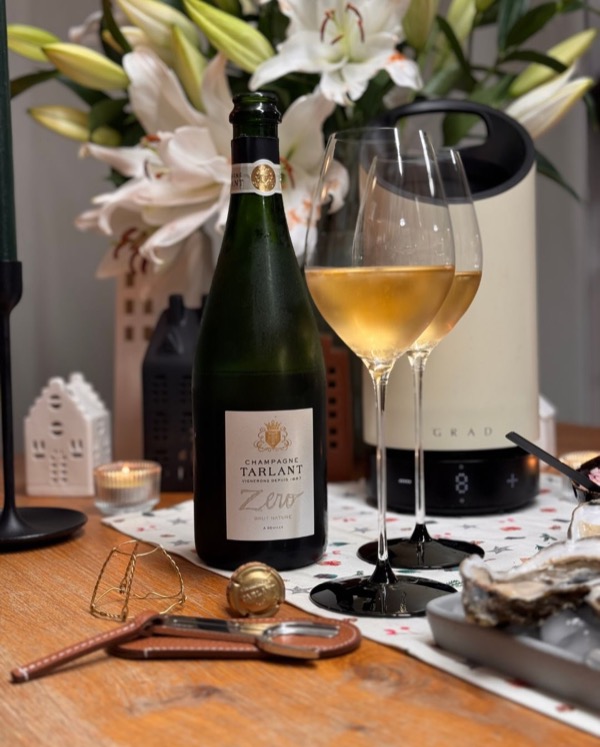
Neulich Abend (als meine @riedel_official Black Tie Gläser noch ganz waren 😢) gabs mal wieder Austern und dazu den @tarlant Zéro. Kein großes…
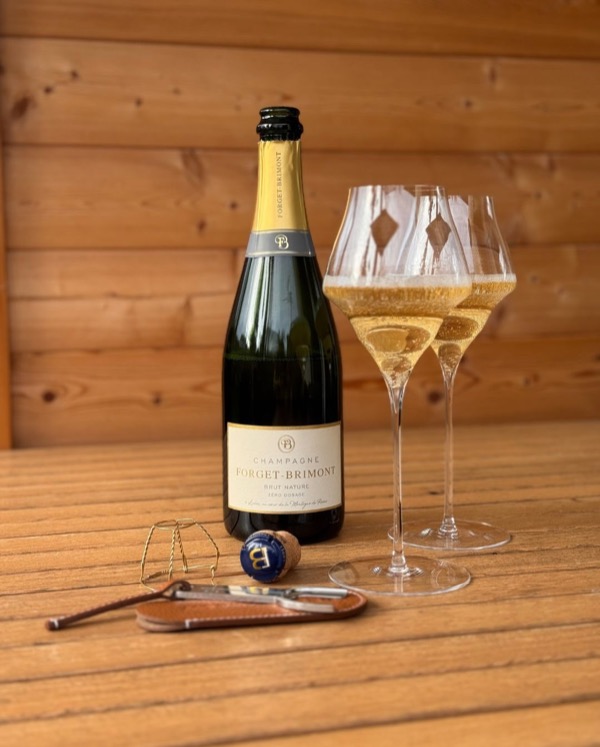
Eigentlich wollte ich nur kurz in die Sonne – trotz frostiger 0 Grad war es auf der Terrasse erstaunlich angenehm. Also eine Flasche mit…