Anyone who has ever had a truly great champagne in their glass knows this fascinating phenomenon: at the upper rim of the glass, a delicate ring of tiny pearls forms - the so-called Cordon. This elegant pearl necklace is far more than just a visual highlight. It is the silent calling card of champagne and reveals surprisingly much about what we are drinking.
What exactly is the Cordon?
The term "Cordon" comes from French and literally means "cord" or "band." In the champagne context, it describes the characteristic ring of fine carbon dioxide pearls that forms at the meniscus - the liquid surface at the glass rim.
These tiny bubbles arise from the special surface tension of champagne in combination with the glass. They arrange themselves as if on an invisible pearl necklace and create this distinctive ring, often several millimeters wide, around the entire glass.
Why is the Cordon considered a quality indicator?
As an experienced champagne lover, I watch for the Cordon at every tasting - and for good reason. A pronounced, uniform Cordon is actually a reliable indicator of champagne quality.
The science behind it
The formation of a stable Cordon depends on several factors:
Carbon dioxide integration: High-quality champagne is characterized by perfectly integrated carbon dioxide. The CO₂ molecules are optimally dissolved in the wine through the long second fermentation and maturation. This harmonious integration enables the formation of a uniform Cordon.
Alcohol content and residual sugar: The ratio of alcohol, acid, and residual sugar influences the surface tension of champagne. Premium champagnes with their balanced harmony create ideal conditions for a stable pearl crown.
Winemaking: Carefully crafted champagnes with long lees aging develop more complex proteins and polyphenols that contribute to Cordon stability.
The influence of glass quality
Not only the champagne itself, but also the glass plays a crucial role in Cordon formation. This shows why true champagne enthusiasts place so much value on the right glass.
Glass surface and wetting
My posts about this
| Glass Quality | Cordon Formation | Characteristics |
|---|---|---|
| Machine-made glass | Irregular | Micro-roughness disturbs the pearls |
| Mouth-blown glass | Very good | Smooth surface, optimal wetting |
| Lead crystal | Excellent | Perfect surface tension |
A high-quality, mouth-blown champagne glass with its smooth surface allows champagne to form a perfect Cordon. Cheap glasses with rough surfaces, however, disturb uniform pearl formation.
What the Cordon reveals about age and quality
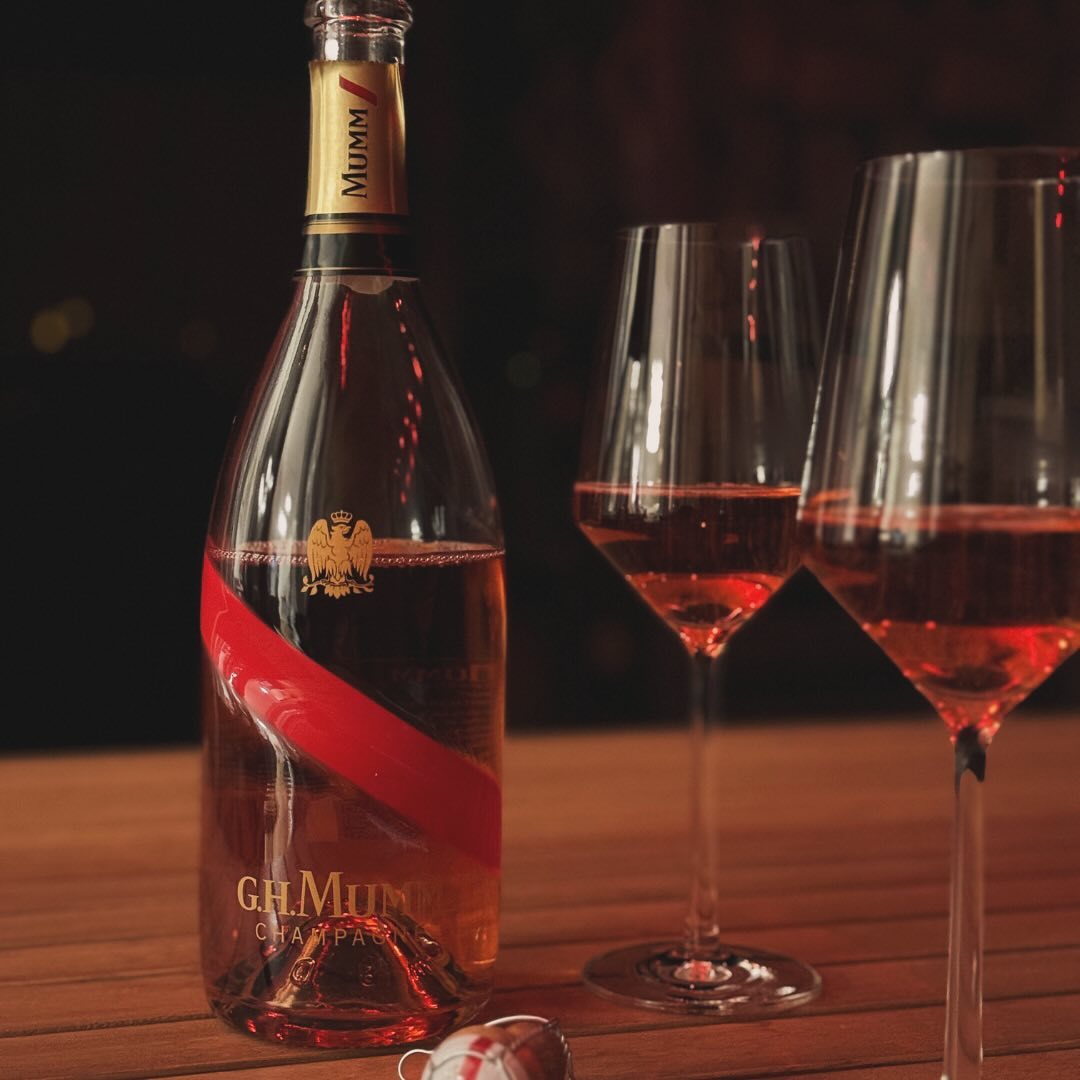
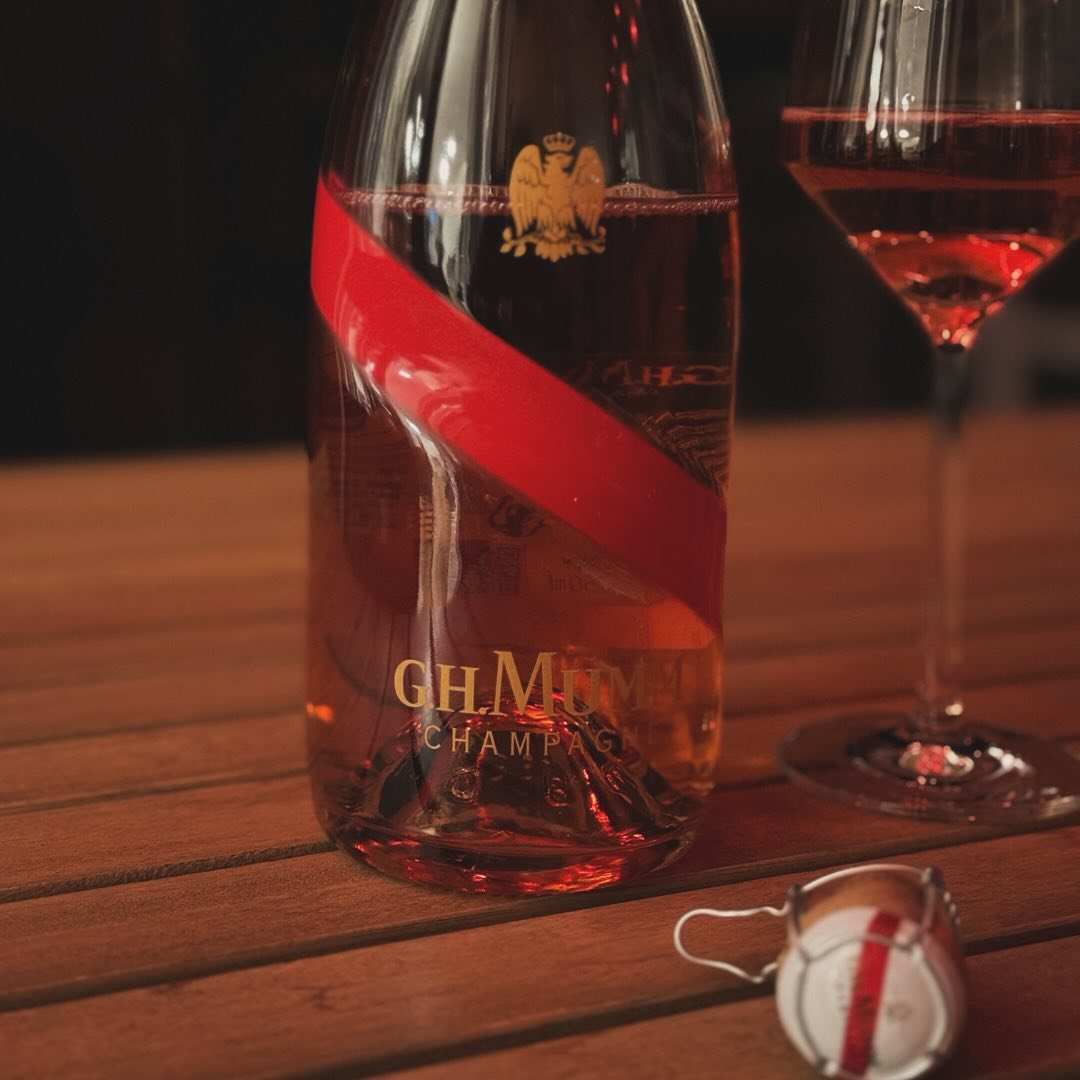
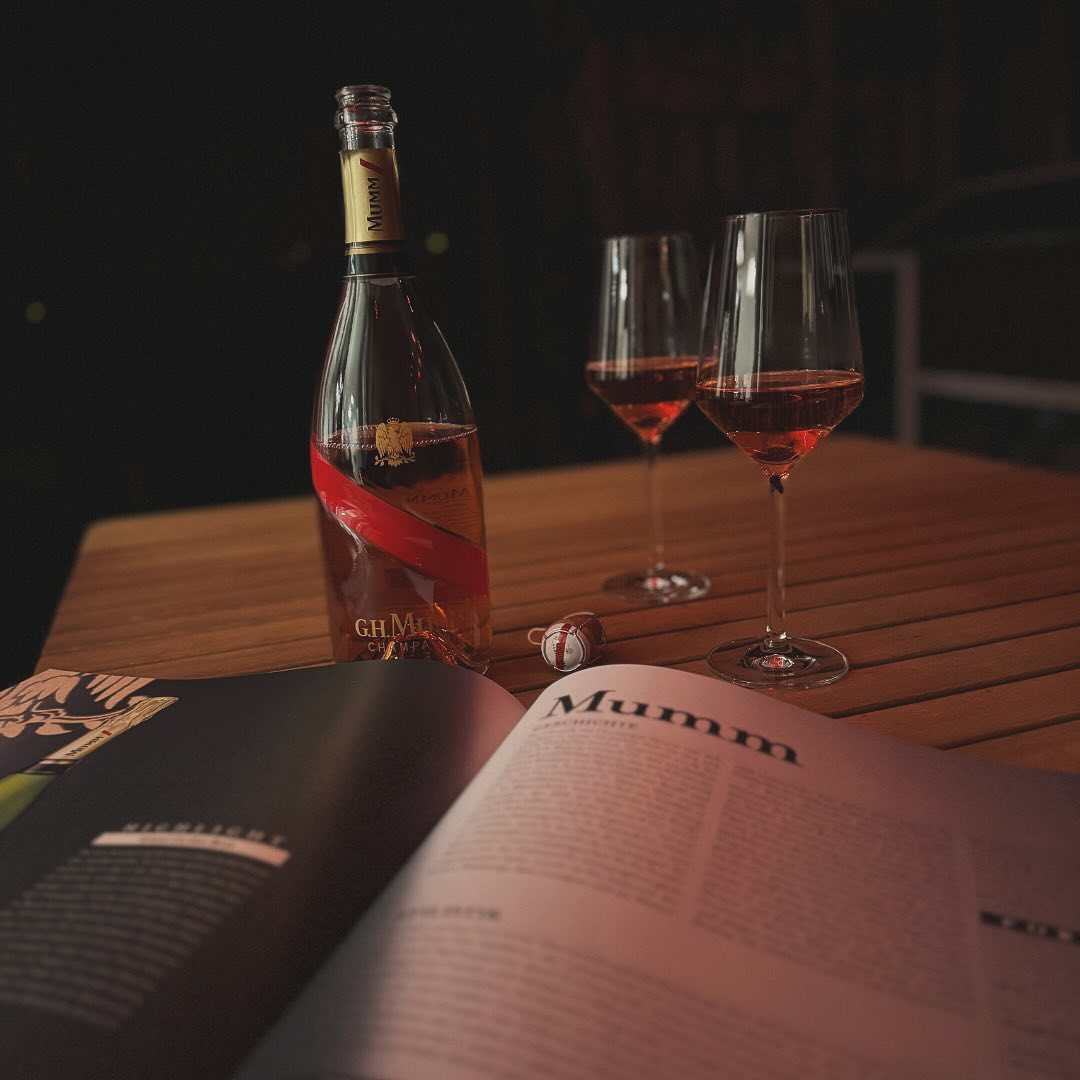
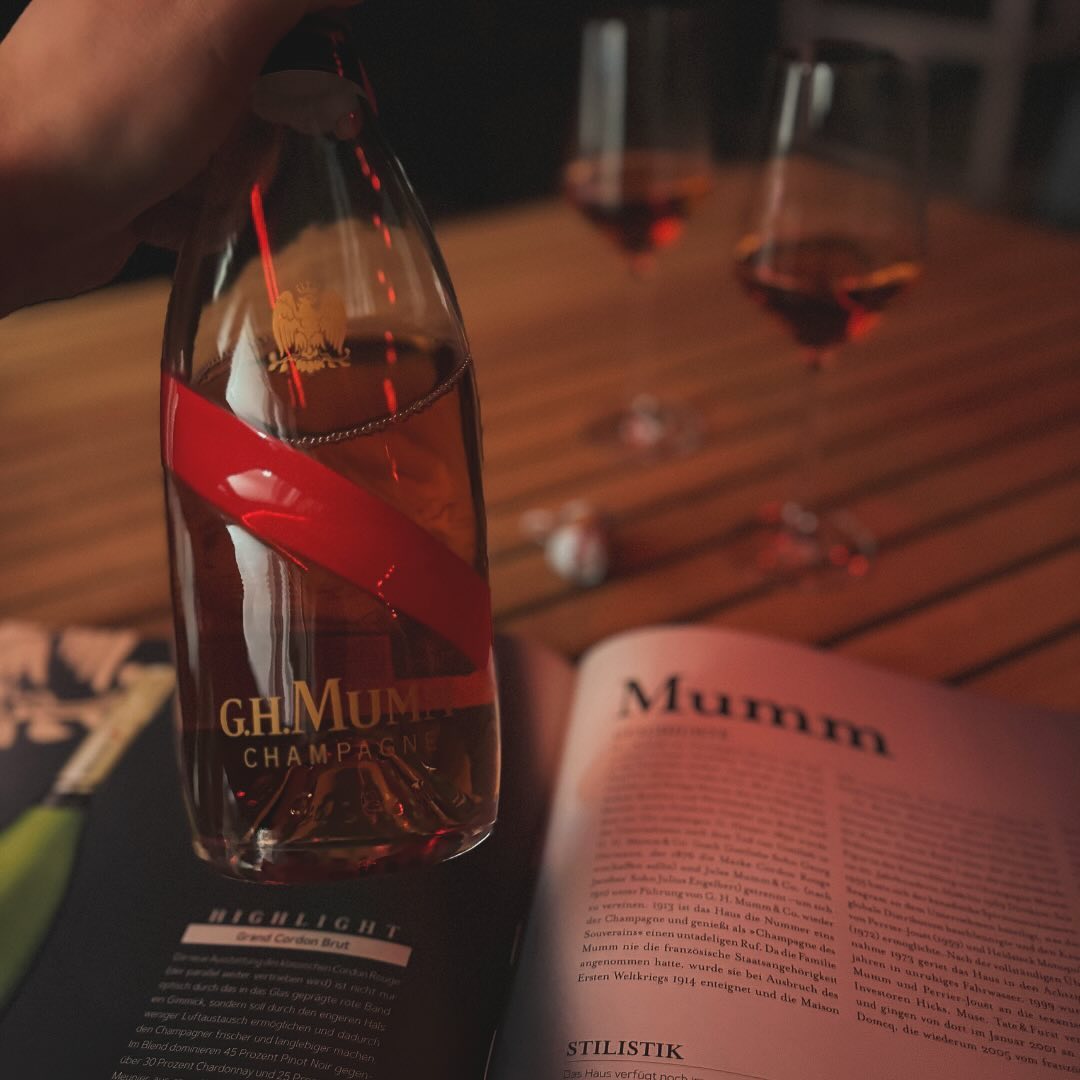
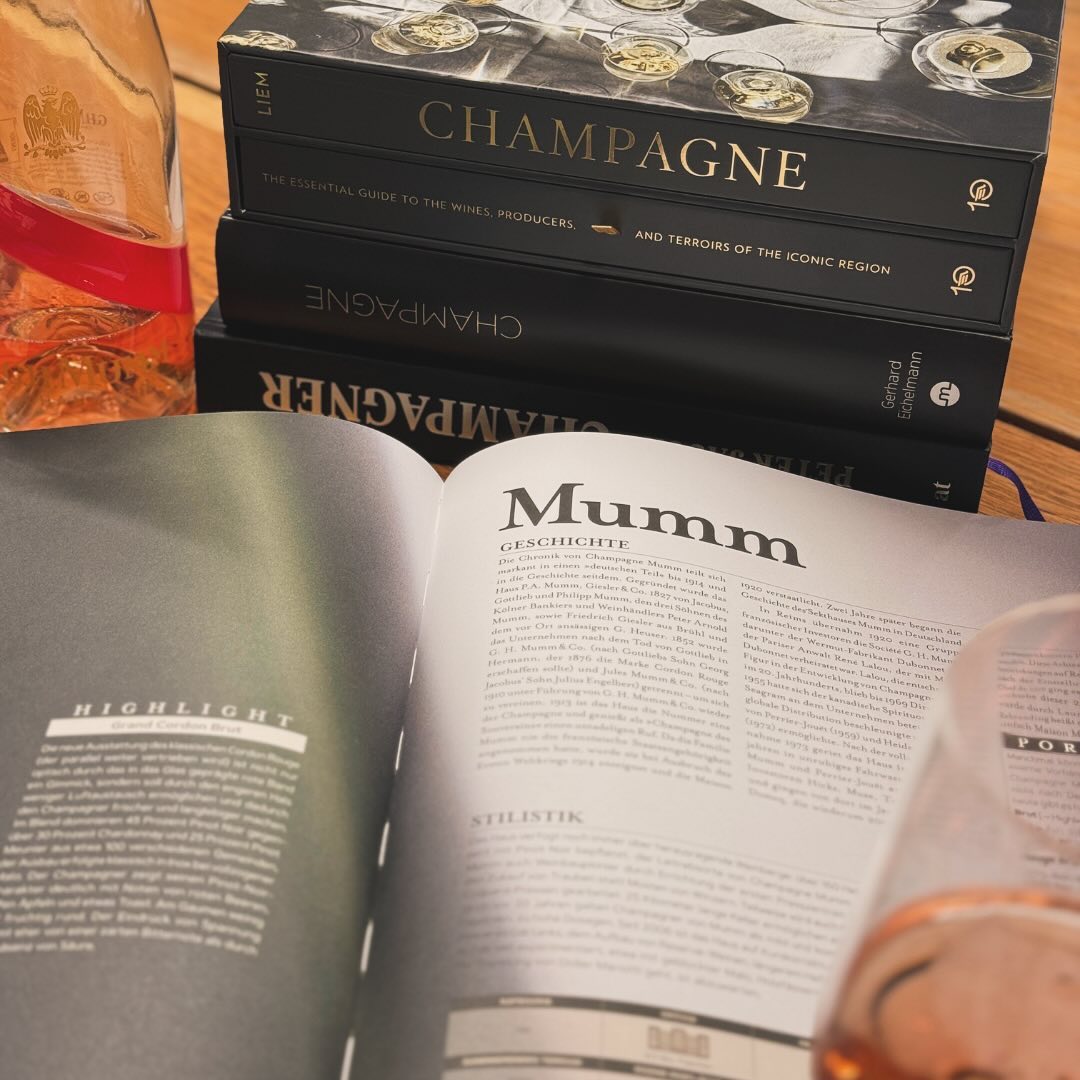
the_champagne.guy Ein ruhiger Sonntag, perfekte Gelegenheit, meine aktuellen Champagner-Standardwerke wieder zur Hand zu nehmen: „Champagner“ von @peter_jauch_official , „Champagne“ von Gerhard Eichelmann, „Champagne“ von @peterliem und „Champagner“ von Stefan Pegatzky (@slp_insta) . 📚 Ja, es scheint wohl um die Champagne und Champagner zu gehen 😂 Im letztgenannten Buch habe ich mir heute die Geschichte von G.H. Mumm genauer durchgelesen – Warum also nicht passend dazu einen Rosé von Mumm aus dem Kühler holen? 🥂 Da ich den ganzen Tag drinnen war, brauchte ich dringend frische Luft. Also habe ich den Champagner kurzerhand auf der Terrasse geöffnet – bei -2°C! 🧊 Dem @ghmumm - Grand Cordon Rosé hat die Kälte nichts ausgemacht. Vielleicht hat die frische Luft sogar seinen Charakter unterstrichen. 😄 Was diesen Champagner ausmacht: - Assemblage: Pinot Noir, Chardonnay und Pinot Meunier – harmonisch kombiniert. - Aromen: Sommerfrüchte wie Erdbeeren und Johannisbeeren, mit einem Hauch süßer Gewürze. - Design: Das ikonische rote Band direkt in die Flasche graviert – ein echter Hingucker und die Mulde macht auch beim Ausschenken Sinn! Meine Erkenntnis: Selbst bei frostigen Temperaturen kann ein guter Rosé-Champagner Sommergefühle wecken. 🥂✨ Ich freue mich trotzdem schon auf wärmere Tage – aber bis dahin macht es dieser Mumm auf der Terrasse auch bei Kälte ziemlich gut. ❄️ Wie haltet ihr es? Champagner lieber drinnen genießen oder auch mal draußen bei besonderen Umständen? #MummGrandCordonRosé #ChampagneMoments #TerrassenChampagner #Sonntagsgenuss #ChampagnerBücher #TheChampagneGuy
Auf Instagram weiterlesen →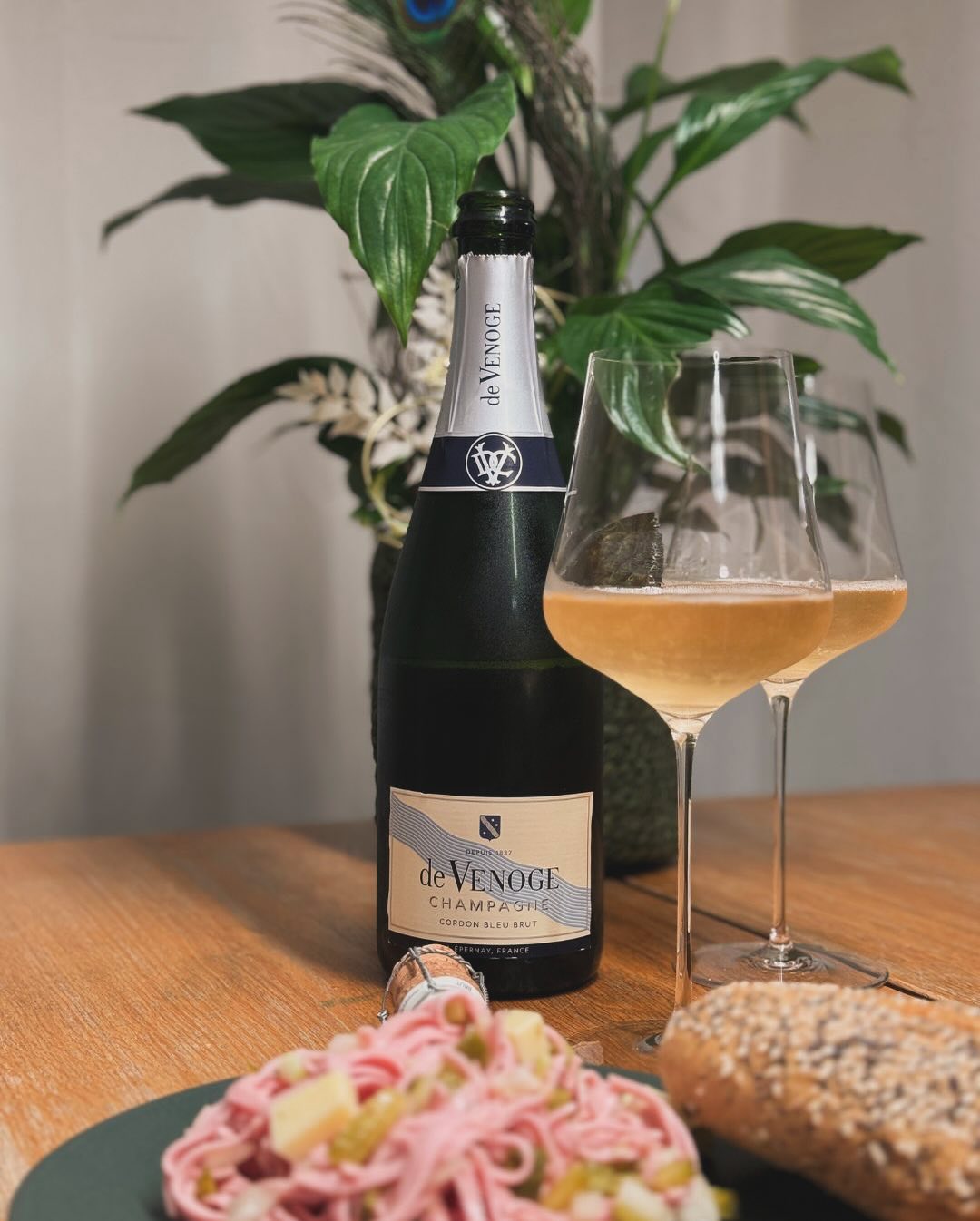
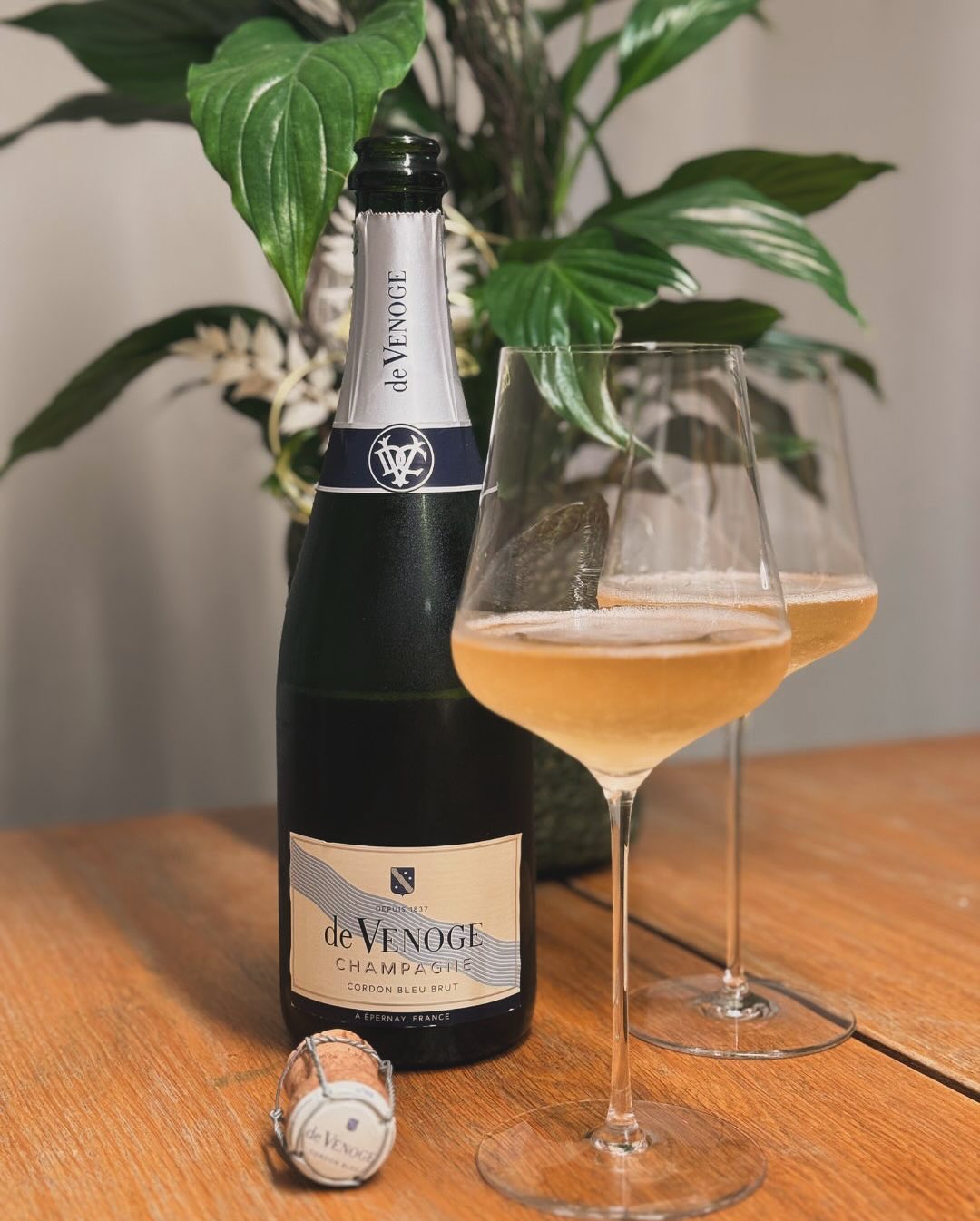
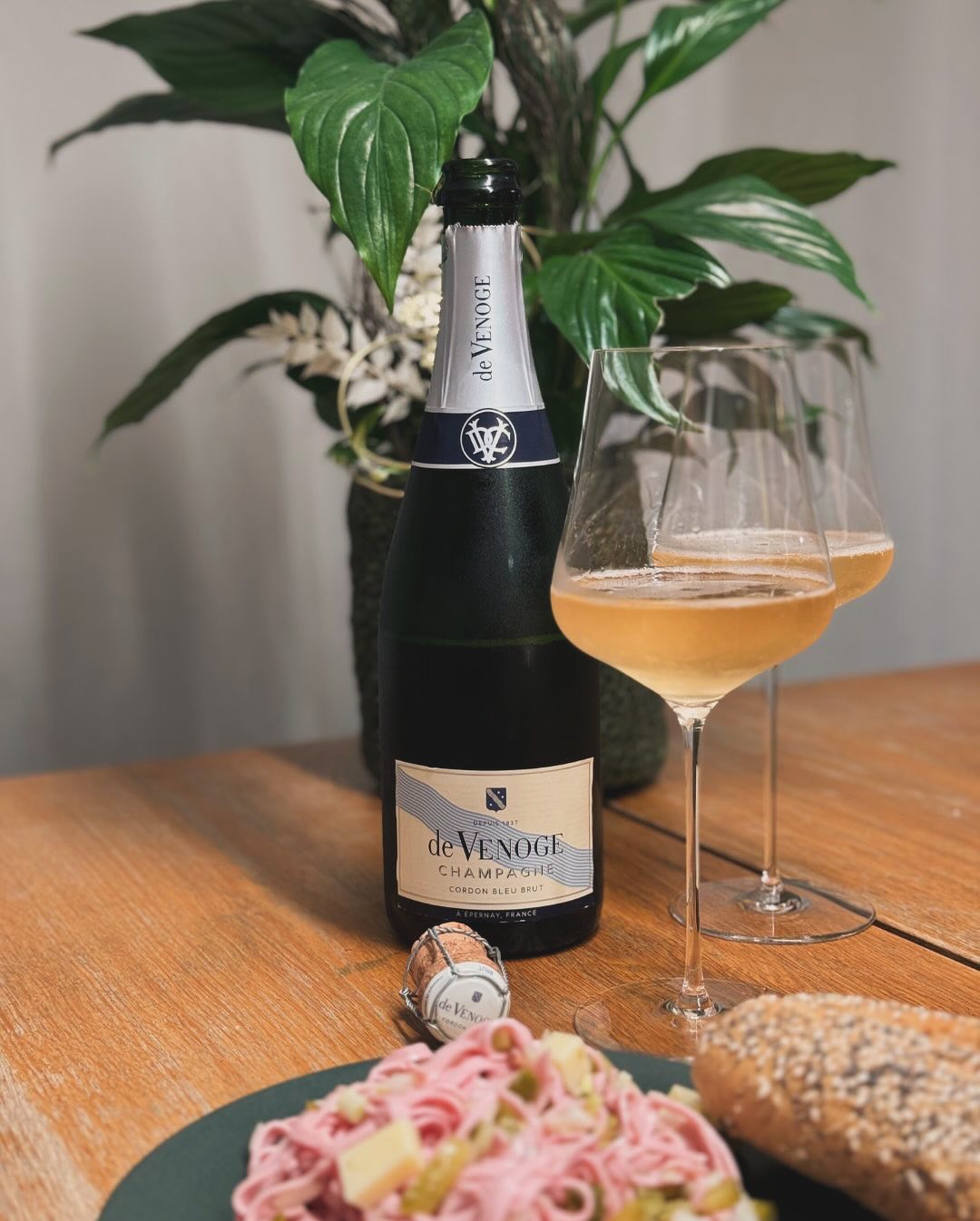
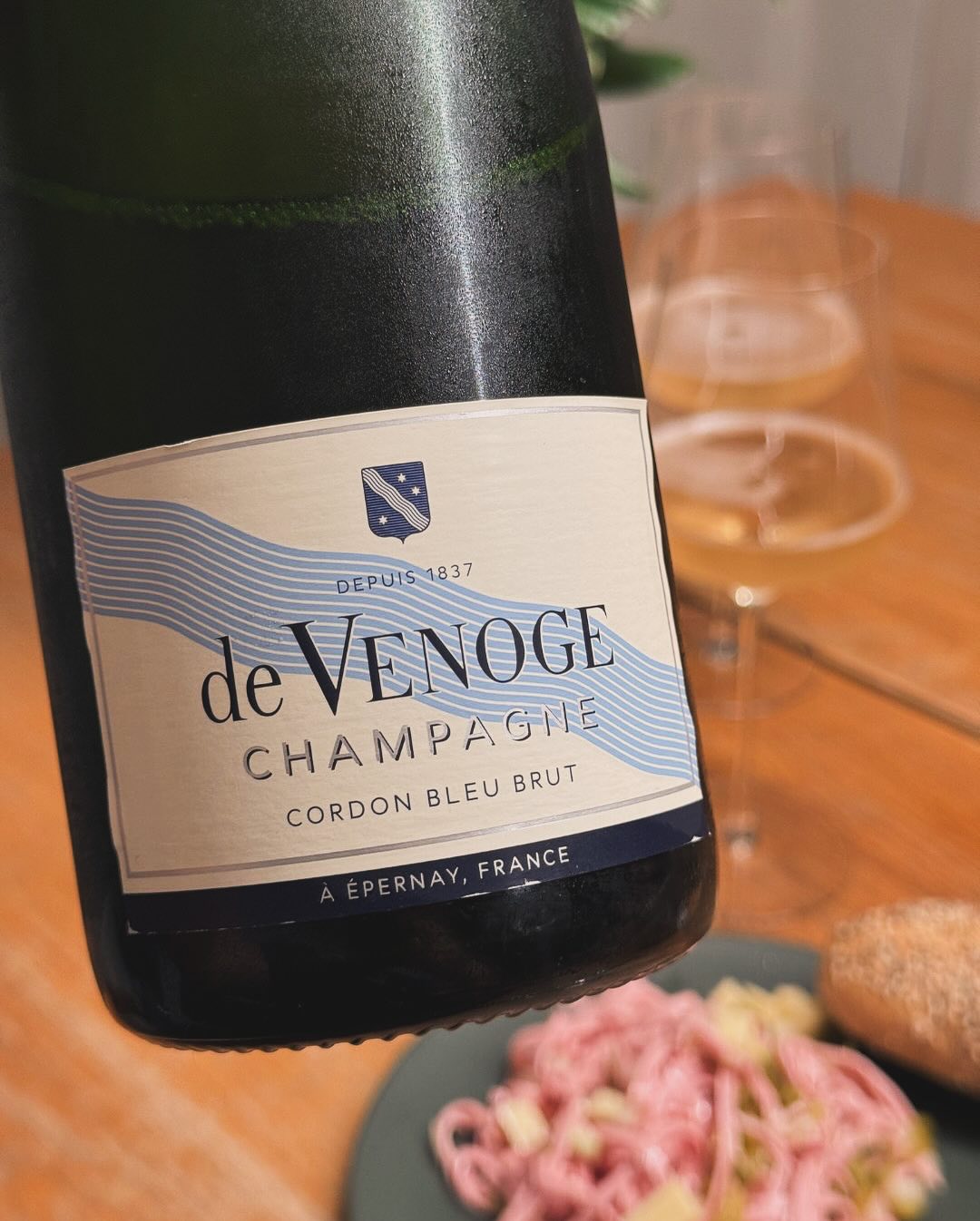
the_champagne.guy Wurstsalat & Champagner. Warum nicht? 🥒🥩🥂 Gestern Abend einfach mal ganz klassisch: fein geschnittener Wurstsalat mit Essig, Öl, roten Zwiebeln – und dazu der @champagnedevenoge – Cordon Bleu Brut. Klingt erstmal wie zwei Welten – funktioniert aber erstaunlich gut: Der Champagner bringt Frische, Struktur und Eleganz, die den Fettanteil und die Würze des Salats perfekt ausbalancieren. Florale Noten, etwas Butter, ein Hauch Brotkruste – und ein angenehm mineralischer Abgang. ✨ Fakten: 🍇 50 % Pinot Noir 🍇 25 % Meunier 🍇 25 % Chardonnay 🧾 Reifezeit: 3 Jahre auf der Hefe 📉 Dosage: 6,1 g/l 🏛 Maison De Venoge – gegründet 1837 in Épernay Getrunken aus dem @gabriel_glas – Gold Edition, da ich dei Kombi nicht so richtig einschätzen konnte und dieses Glas eigentlich immer die goldene Mitte zwischen zu bauchig und zu schmal ist. Und ja, manchmal ist der Kontrast das Beste: Metzgerei trifft Maison 😉😉🥂🍾 #TheChampagneGuy #DeVenoge #CordonBleu #WurstsalatUndChampagner #WeilEsGeht #Foodpairing #GoldEdition #ChampagneLovers #KlassikerNeuGedacht
Auf Instagram weiterlesen →Young champagnes vs. Mature vintages
In young champagnes, the Cordon is often particularly pronounced and persistent. The high carbon dioxide concentration ensures continuous pearl formation. However, as champagne ages, the picture changes:
Young champagnes (0-3 years):
- Intense, stable Cordon
- Uniform, lively pearls
- High CO₂ concentration
Mature champagnes (5-10 years):
- Finer, more elegant Cordon
- Less intense but persistent pearls
- Harmoniously integrated carbon dioxide
Very old champagnes (15+ years):
- Delicate, often intermittent Cordon
- Very fine pearls
- Low but noble CO₂ concentration
Practical observation tips
How do I recognize a quality Cordon?
At your next champagne enjoyment, you should watch for these characteristics:
- Uniformity: A high-quality Cordon extends uniformly around the entire glass
- Persistence: The pearls form continuously, even after swirling
- Size: Fine, uniformly sized pearls are a quality marker
- Stability: The Cordon should remain stable for several minutes
Common misconceptions
Many believe that a missing or weak Cordon automatically means inferior quality. This is not always true. With very old champagnes or those with low pressure, the Cordon can be weaker without diminishing quality.
The Cordon as a pleasure ritual
For me, observing the Cordon has long become an integral part of champagne tasting. Those few seconds when the pearl necklace forms at the glass rim are like a silent dialogue between champagne and taster.
The Cordon tells the story of champagne: from the care in production through years of maturation to the perfect moment of enjoyment. It is a fascinating example of how physics, chemistry, and craftsmanship unite in a single, elegant detail.
Next time you have champagne, take a moment to observe the Cordon. This small pearl necklace at the glass rim will tell you more about your champagne than you might have expected.