The robe, this elegant term is what we champagne lovers call the color of our sparkling treasure. It is far more than just a visual impression. The robe is the first key that reveals a champagne's secrets to us, even before we've smelled the glass for the first time.
What exactly is the robe?
As robe we describe the color and optical appearance of champagne in the glass. This term comes from French wine vocabulary and literally means "dress", a poetic description for what the champagne wears.
In professional tasting, evaluating the robe is the first step. I hold the glass against a white background and against the light to recognize the true color and any reflections.
The color palette of champagne
Pale yellow with green reflections
This delicate, almost transparent coloring with its characteristic greenish shimmer is typical for young Blanc de Blancs. The green reflections come from the Chardonnay grape and usually indicate a fresh, not long-aged champagne.
Golden yellow
A rich golden yellow indicates longer aging on the lees. This color develops through Maillard reactions during autolysis and is characteristic of aged Prestige Cuvées and vintage champagnes.
Straw yellow to amber
Intense golden to amber tones are signs of:
- Longer aging (often over 5 years)
- Higher proportion of Pinot Noir or Pinot Meunier
- Partial malolactic fermentation
- Barrique aging for special Cuvées
Rosé tones: From salmon to copper
Champagne Rosé shows a fascinating range:
| Color tone | Description | Typical creation |
|---|---|---|
| Salmon pink | Delicate, almost translucent | Brief maceration with red grapes |
| Onion skin pink | Medium intensity | Saignée method |
| Copper red | Strong, intense | Assemblage with red wine |
Why is Blanc de Blancs lighter than Blanc de Noirs?
This question leads us directly to the heart of champagne production. Blanc de Blancs is made exclusively from white Chardonnay grapes. Chardonnay naturally has fewer colorants and tends toward lighter, greenish shimmering tones.
Blanc de Noirs, on the other hand, comes from the red grape varieties Pinot Noir and Pinot Meunier. Although the must is immediately separated from the skins, the red grapes transfer minimally more colorants. The result: a somewhat more intense, golden coloring.
What does the robe reveal about grape varieties and winemaking?
Chardonnay-dominated champagnes
- Light, greenish shimmering reflections
- Crystalline clarity
- With longer aging: elegant golden yellow
Pinot Noir-emphasized Cuvées
- Fuller, golden tones
- In young champagnes: straw yellow
- With age: deep gold to amber
Pinot Meunier influence
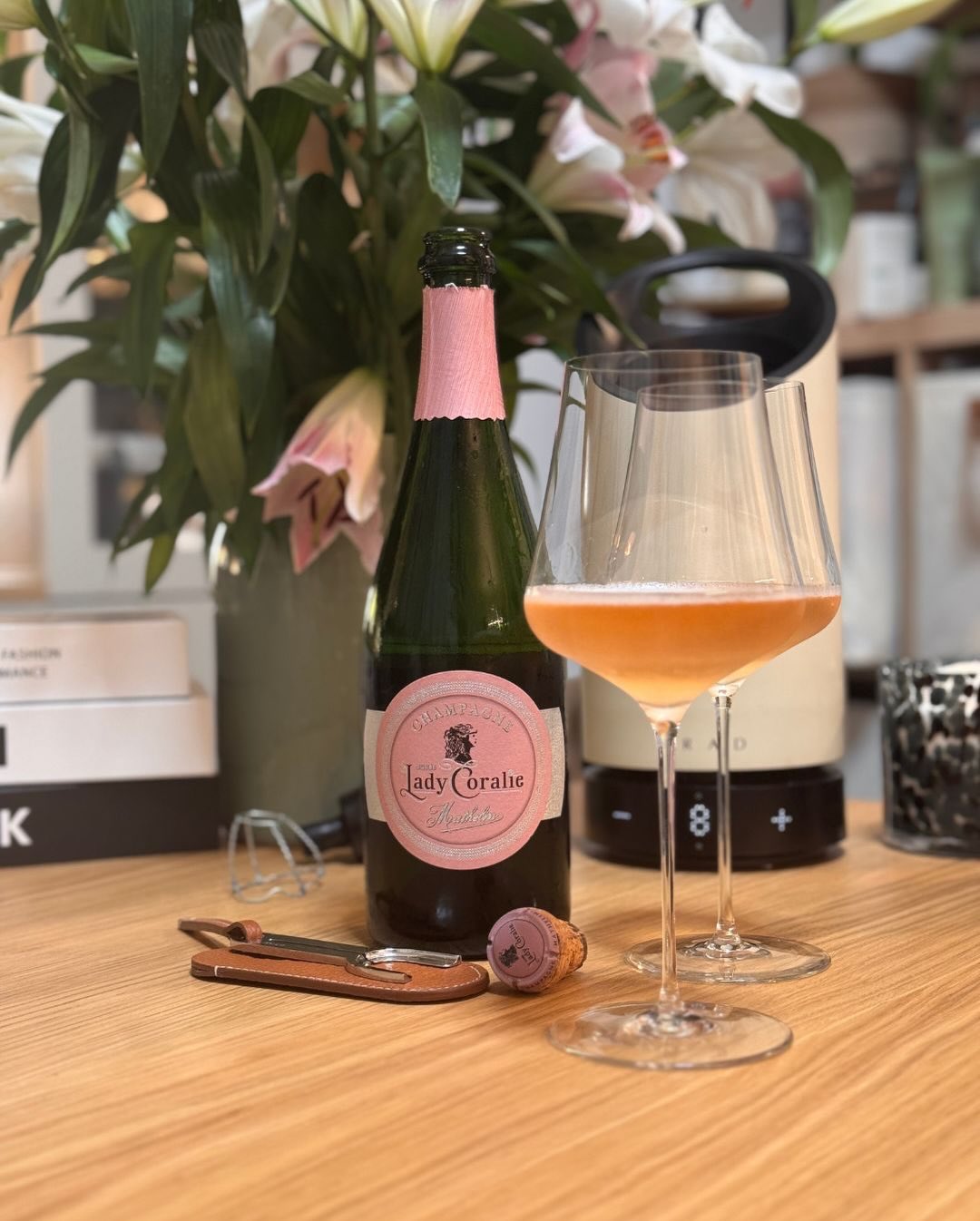
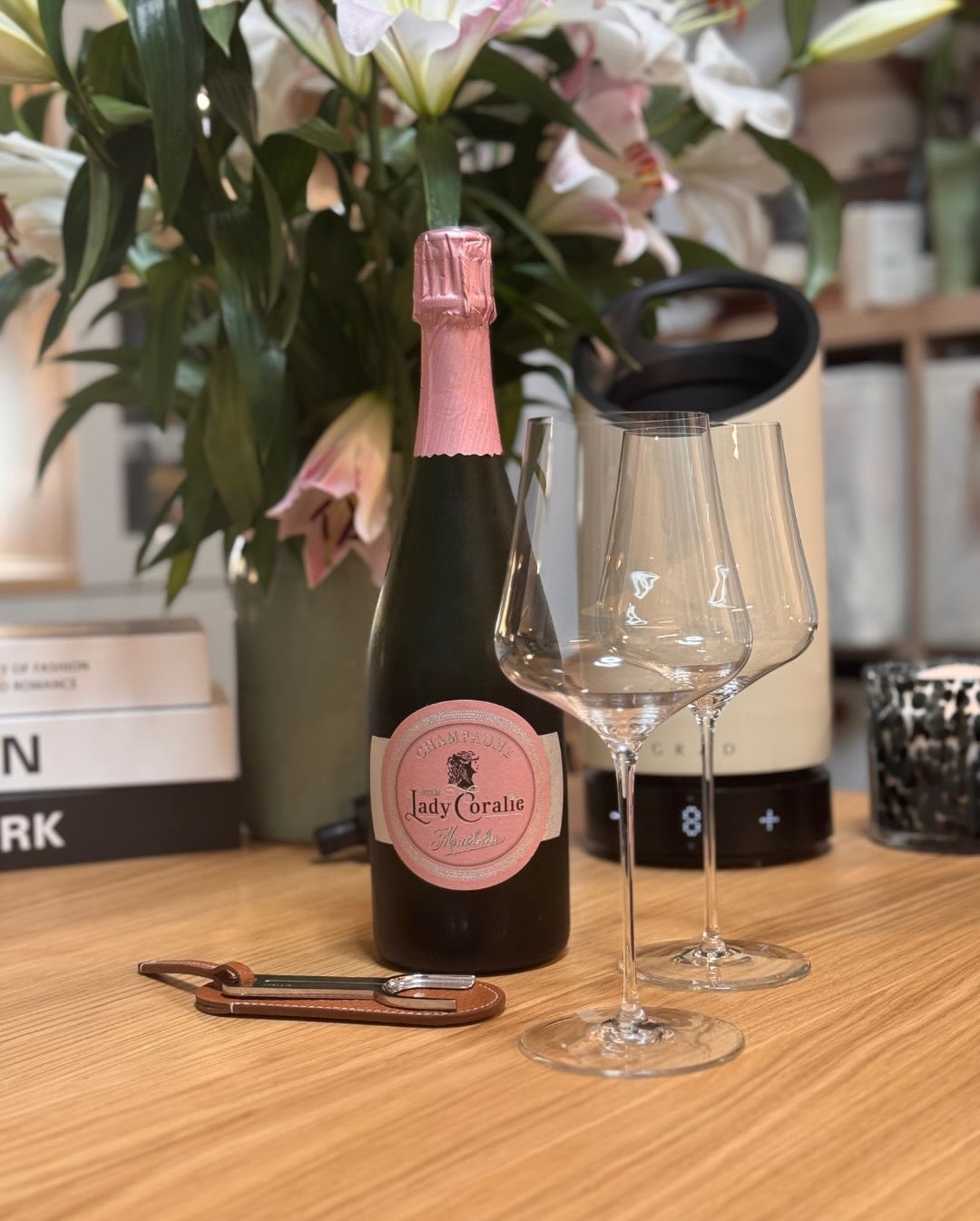
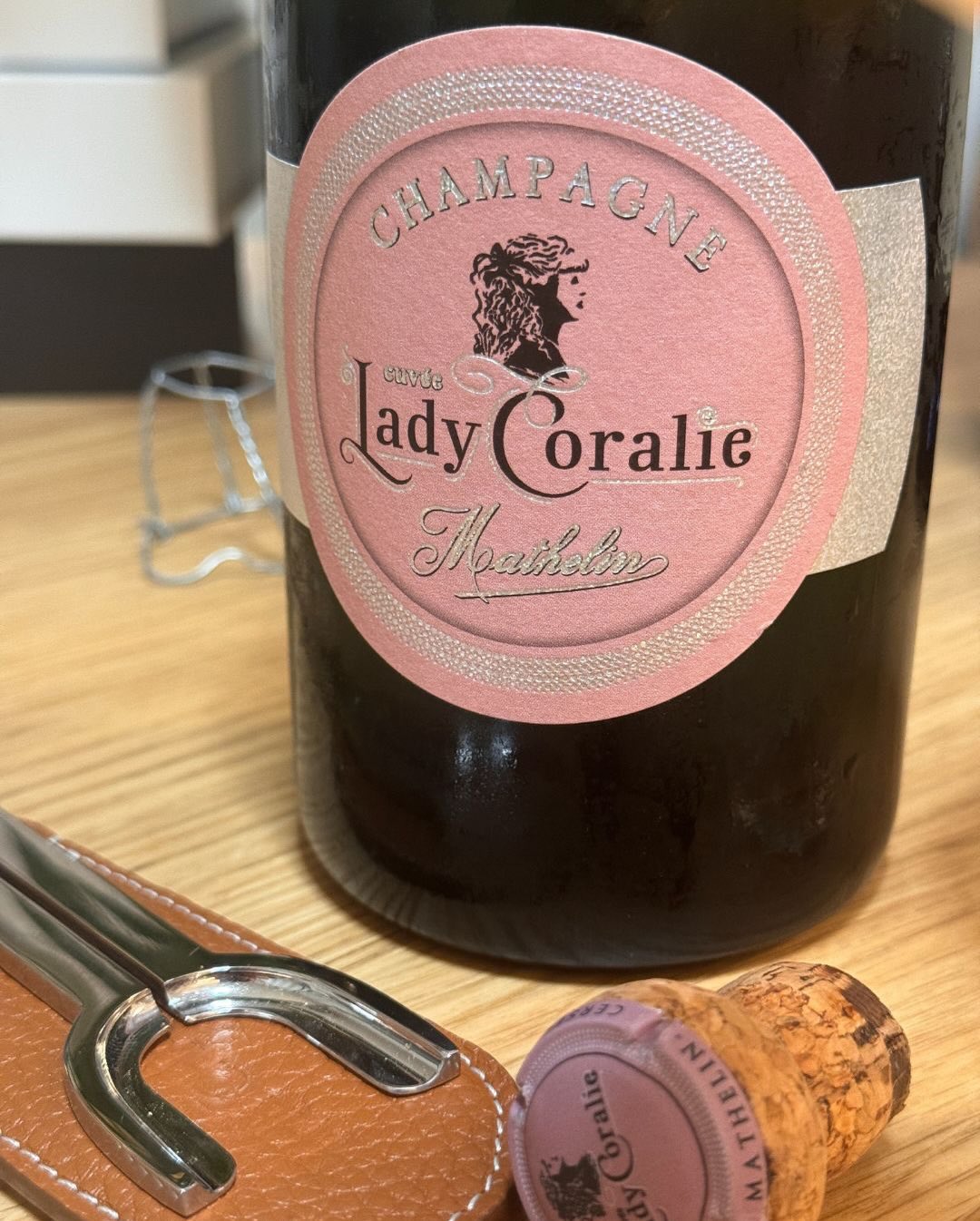
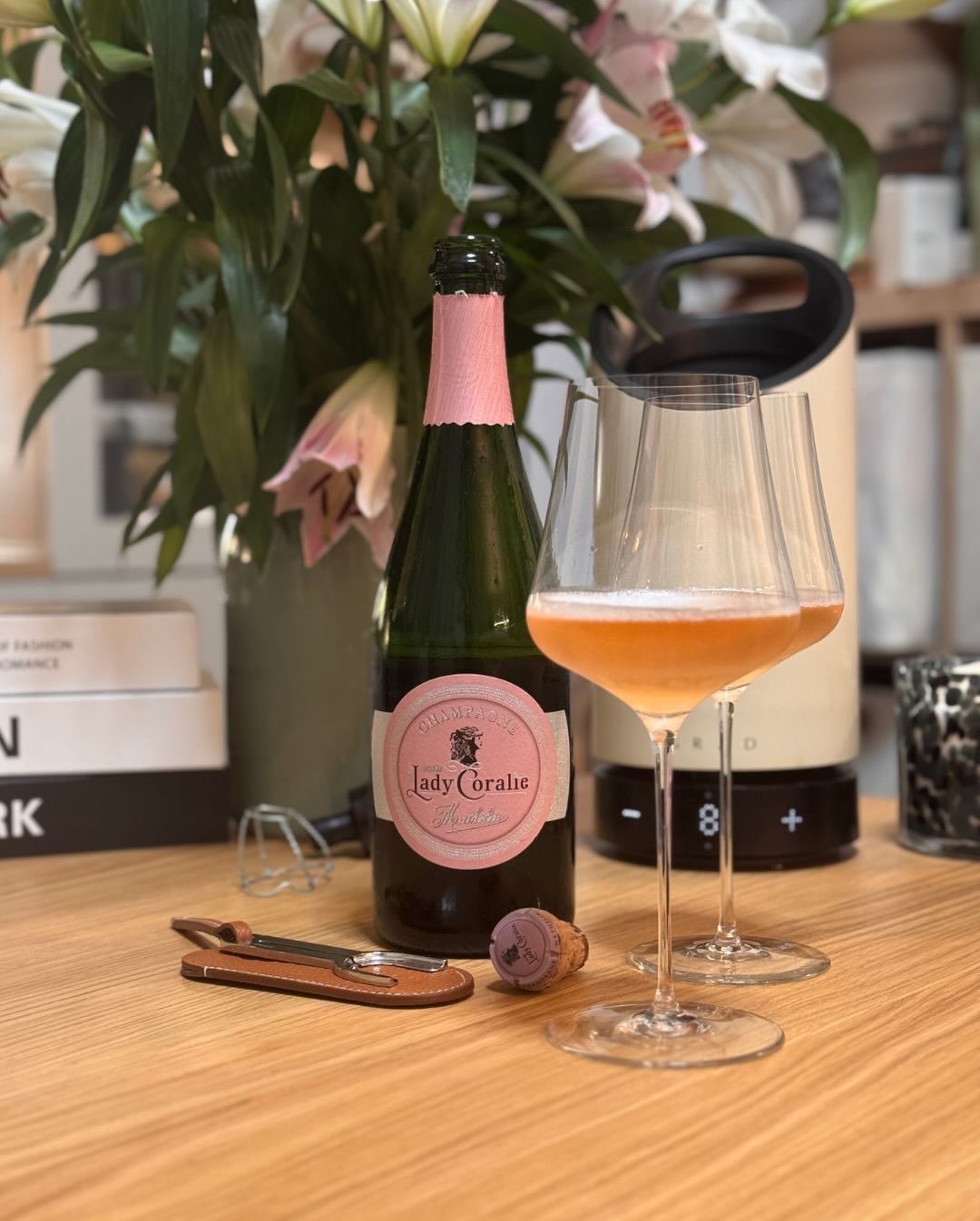
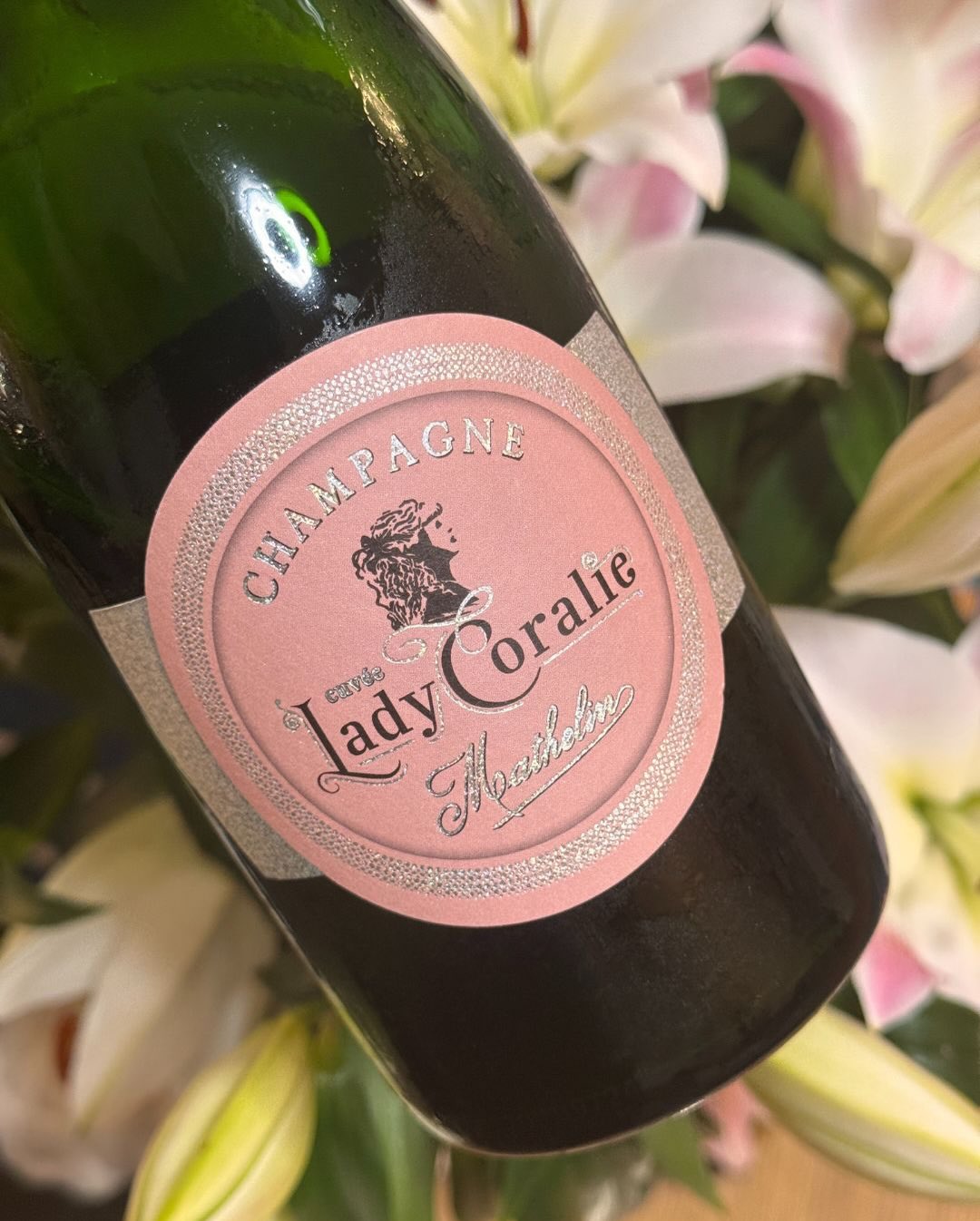
the_champagne.guy Heute habe ich eine echte Besonderheit aus der „Collector“ Linie von @champagne_mathelin im Glas: Die Cuvée „Lady Coralie“. Das Spannende an diesem Champagner ist nicht nur die Widmung an Coralie Mathelin (die den weiblichen Geist des Hauses widerspiegelt), sondern vor allem seine historische Stilistik. Er ist nämlich ein sogenannter „Œil de Perdrix“ (zu Deutsch: Rebhuhnauge)! Diese traditionelle Art der Champagnerherstellung findet man heute nur noch selten. Die zarte, kupferfarbene Robe entsteht dadurch, dass die dunklen Trauben bei der Lese für eine ganz kurze Zeit – bei Mathelin ist es genau eine Nacht – auf der Maische mazerieren, bevor sie gepresst werden. Er ist also weder ein klassischer weißer Champagner noch ein typischer Rosé d’Assemblage oder Saignée, sondern liegt genau dazwischen. Der Blend wird stark vom Terroir des kleinen Vallée du Flagot geprägt und besteht passend dazu zu 70 % aus Pinot Meunier, ergänzt durch 20 % Pinot Noir und 10 % Chardonnay. Im Glas zeigt er durch diese Kurz-Mazeration nicht nur eine faszinierende Optik, sondern auch eine herrliche Aromatik. Neben der Meunier-typischen Fruchtigkeit und Rundheit stechen hier besonders zarte Honignoten und eine wunderbare Delikatesse hervor. Mit seinen 8 g/l Dosage (Brut) und mindestens 3 Jahren Hefelager ist das ein enorm geschmeidiger, einladender Champagner. Champagne-Facts 🥂 🍇 70 % Pinot Meunier · 20 % Pinot Noir · 10 % Chardonnay 🎨 Stil: „Œil de Perdrix“ (Rebhuhnauge – Kurzmazeration für 1 Nacht) 📍 Terroir: Vallée du Flagot (Vallée de la Marne) 🕰 Ausbau: Mindestens 3 Jahre Hefelager 🍬 Dosage: 8 g/l (Brut) Fazit: Ein seltener, kupferfarbener Schmeichler mit viel Geschichte, feinen Honignoten und einer extrem weichen Textur. Habt ihr schon mal ganz bewusst nach einem „Œil de Perdrix“-Champagner Ausschau gehalten? Ich muss sagen, dass ich bis zu dieser Flasche nichts von diesem Stil wusste. #TheChampagneGuy @grad.dk @grad_rd @laclaye @gabriel_glas @mygabrielglas #ChampagneMathelin #LadyCoralie #OeilDePerdrix #PinotMeunier ValleeDeLaMarne GrowerChampagne ChampagneTasting Rebhuhnauge ChampagneLover
Auf Instagram weiterlesen →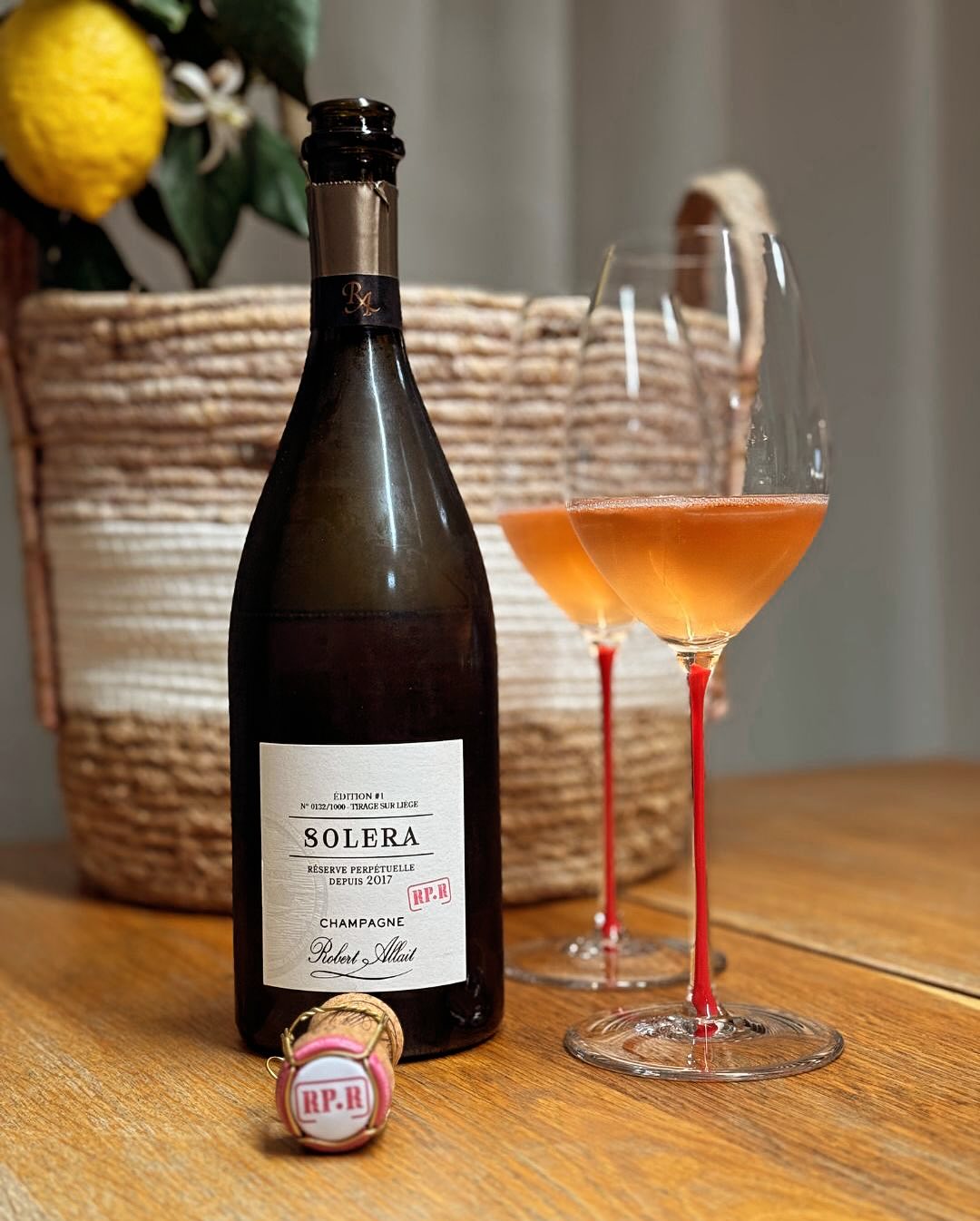
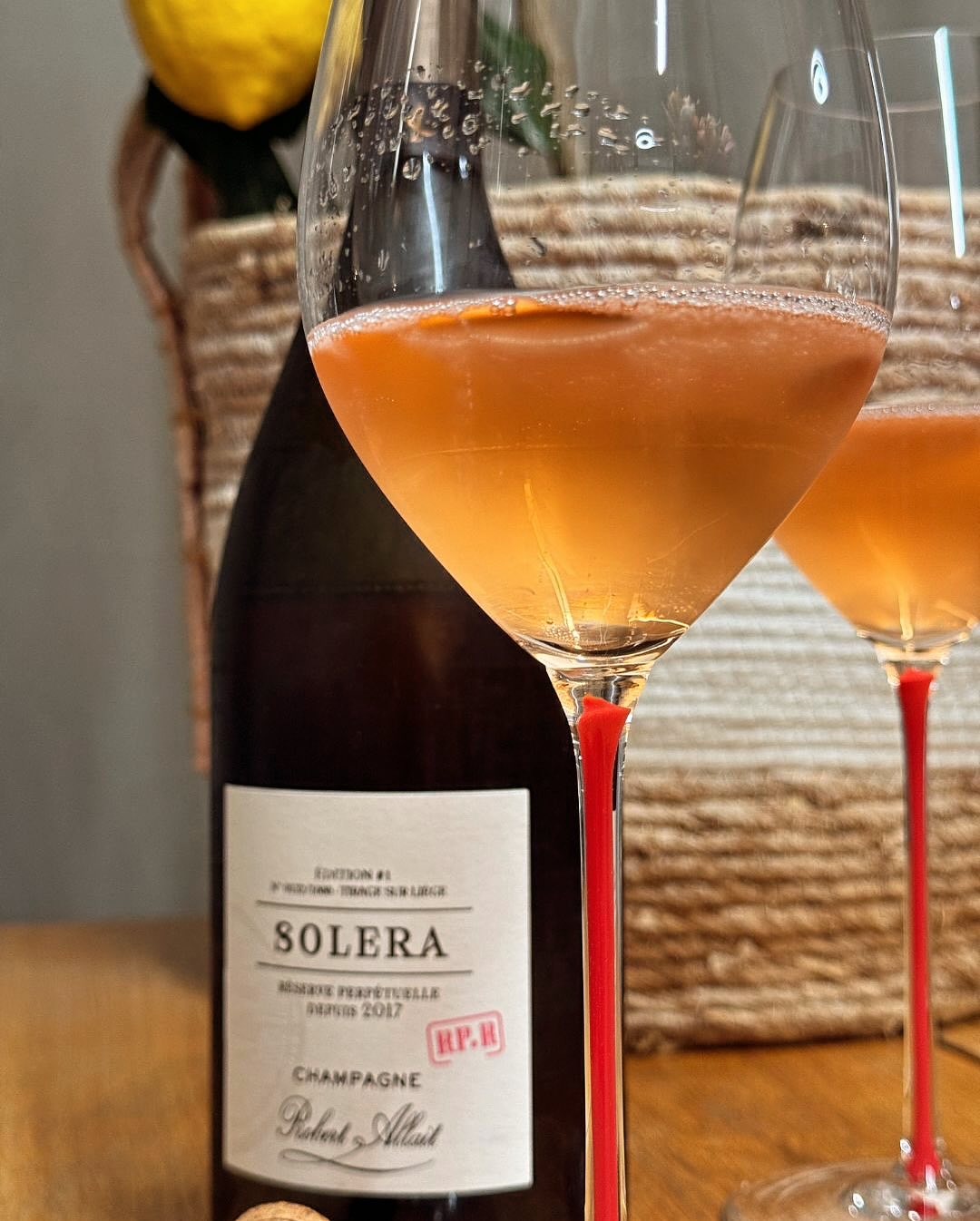
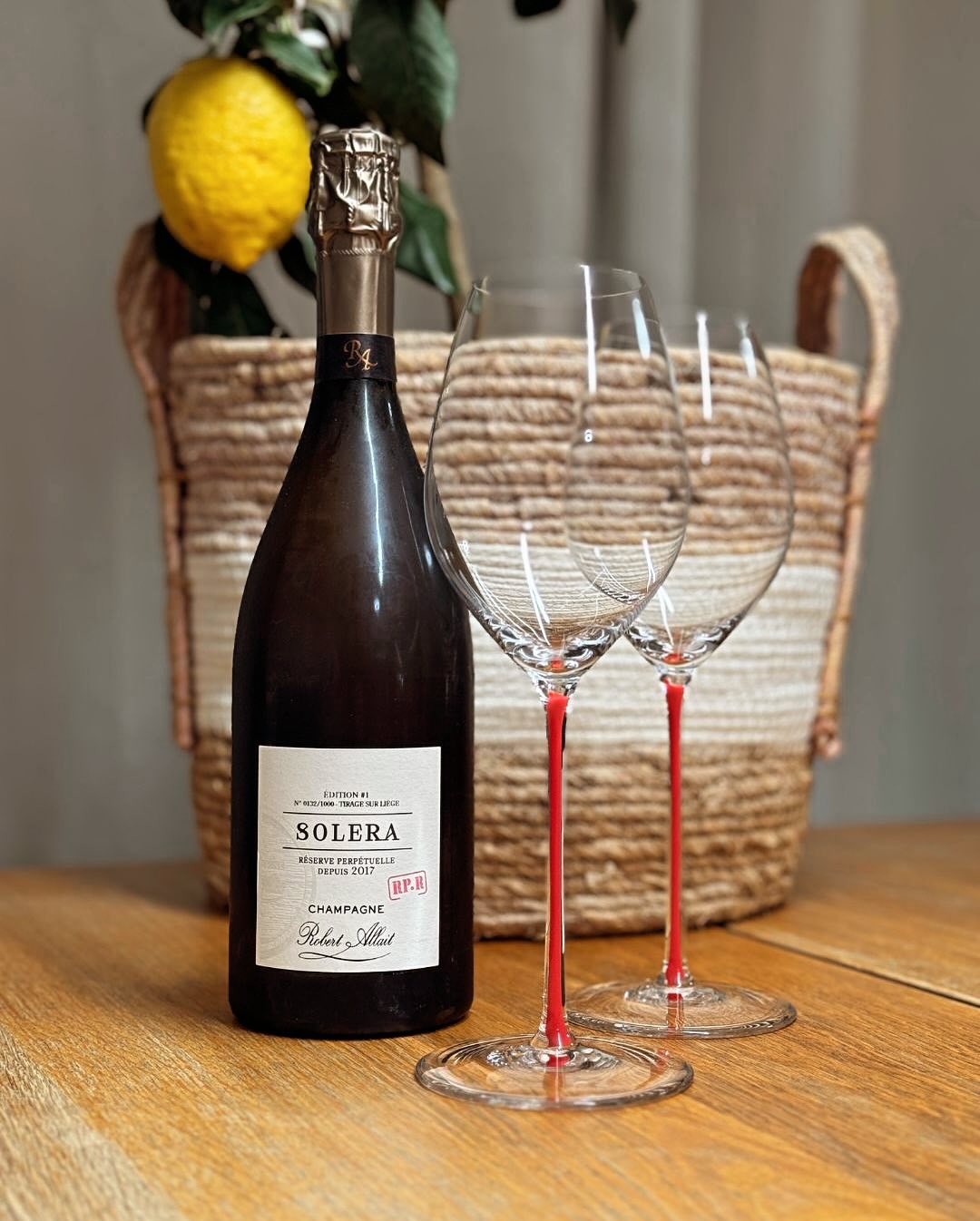
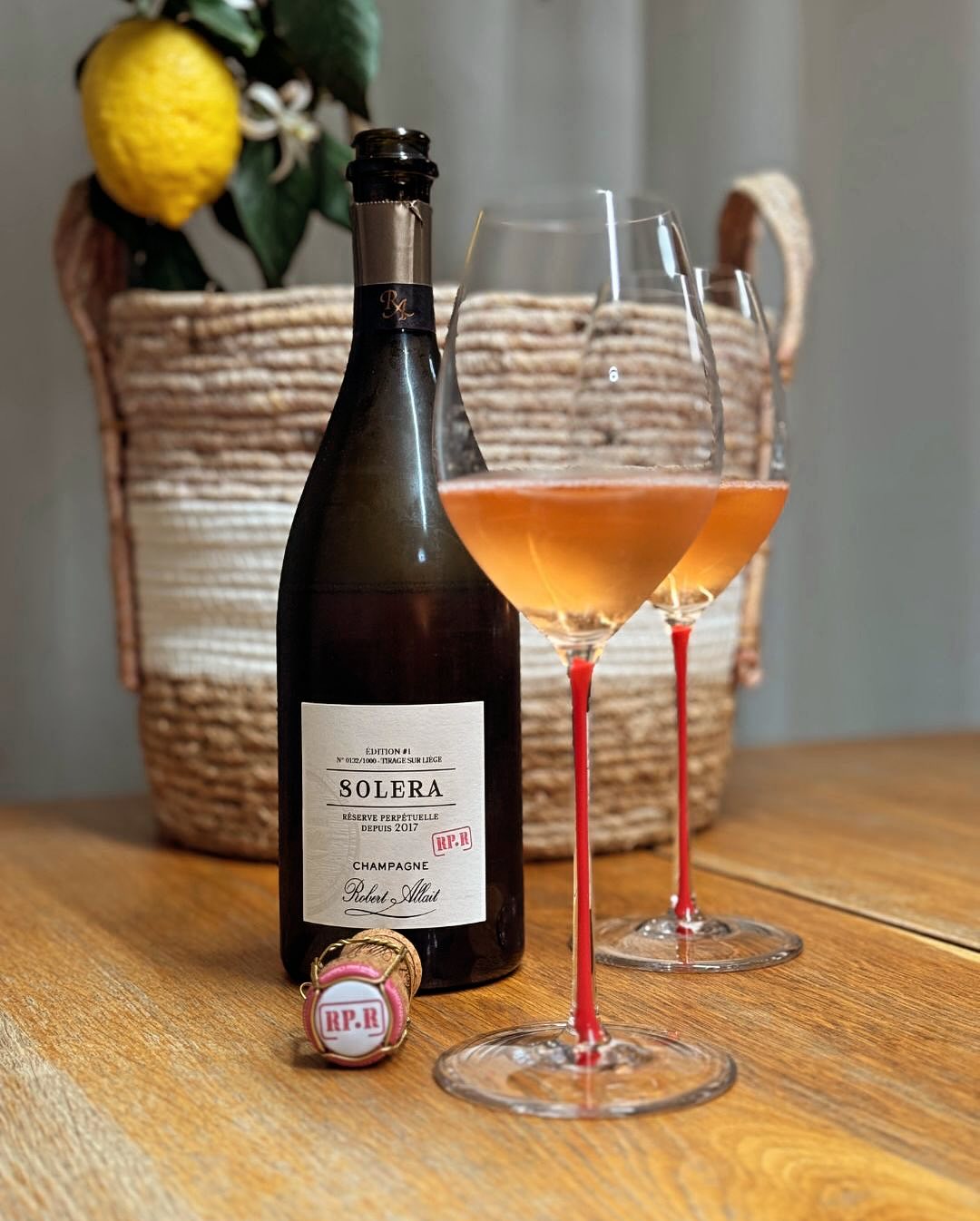
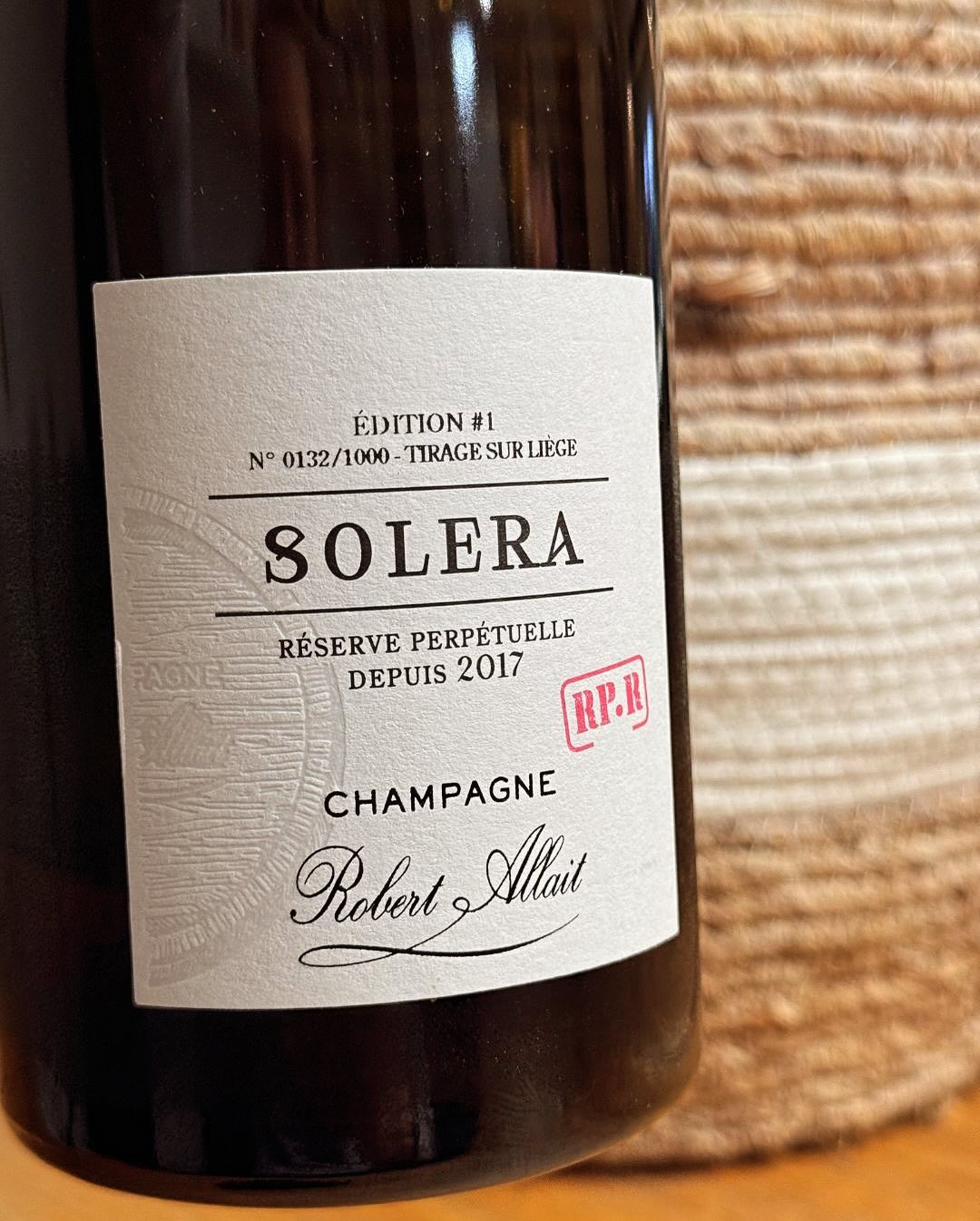
the_champagne.guy Rosé? Nein – Chardonnay. Oder? Manchmal lohnt sich ein zweiter Blick. Vorallem beim Solera RP-R von @champagnerobertallait – ein 95 % Chardonnay, 5 % Pinot Noir Extra Brut. In der Nase: reife Zitrusfrucht, Brioche, geröstete Mandeln. Am Gaumen: cremig, komplex, salzig – mit Tiefe, Frische und einer ganz eigenen Handschrift. Aber was war das Erste, was mir auffiel? Die Farbe. Fast roséfarben, mit einem Kupferstich – ungewöhnlich für einen Chardonnay-dominierten Champagner. Woran’s lag? Hier meine Learnings: – Die intensive Farbe stammt nicht nur vom Pinot Noir (nur 5 %!) – Sondern auch von: ✔️ Barrique-Ausbau (40 % im Holz) ✔️ Keine malolaktische Gärung – Frische bleibt, Tiefe entsteht ✔️ Lange Reifezeit in der Solera, teils mit Oxidation ✔️ Und auch der roten Stiel meines @riedel_official Fatto a Mano Glases, der bei bestimmten Lichtverhältnissen einen Rosé-Touch unterstützt. Fazit? Champagner lebt nicht nur vom Geschmack – sondern auch von Textur, Farbe, Glas & Kontext. Und genau das macht ihn für mich so spannend. ➡️ Hattet ihr schon mal einen Blanc de Blancs im Glas, der euch farblich total überrascht hat? #TheChampagneGuy #RobertAllait #SoleraRPR #FattoAMano #ChampagnerLiebe #Aromenspektrum #ChardonnayMitCharakter #RiedelGlas #Sinneseindrücke
Auf Instagram weiterlesen →- Warm, honey-colored nuances
- Often somewhat cloudier than pure Chardonnay champagnes
- Tendency toward copper reflections
The role of the robe in professional tasting
As the first step of visual examination, the robe already gives me crucial clues:
Clarity and brilliance
A high-quality champagne should be crystal clear and brilliant. Cloudiness can indicate filtration problems or premature dégorgement.
Color intensity
The intensity of color tells me the approximate age and composition. A very light champagne is usually young or Chardonnay-dominated, while deep golden tones indicate maturity.
Perlage quality
Although technically part of the mousse, I also evaluate the fineness of the rising bubbles. Fine, uniform bubbles in a beautiful robe are a quality indicator.
Common color flaws and their meaning
Too dark robe in young champagnes
Indicates oxidative processes or improper storage. A young champagne should never be deep golden or even brownish.
Gray cast
A grayish shimmer can indicate problems with pressing or sulfur treatment.
Uneven coloring
Streaks or uneven color distribution are signs of improper assemblage or storage problems.
The robe is thus my first advisor in champagne enjoyment. It tells me the story of the champagne before I've even tasted it, a fascinating dialogue between eye and experience that makes every sip a small adventure.