The Moment of Truth
After months or years on the lees, the sediment must be removed from the bottle. This process is called Dégorgement — and it marks a turning point in the life of a champagne.
You can think of it this way: The entire time on the lees was a protected phase. The champagne developed under the influence of autolysis, was enclosed in its bottle with the crown cap, protected from oxygen. With Dégorgement, this phase ends. The lees are removed, the Dosage is added, the cork is inserted — and from this moment on, a new chapter begins.
How It Works
- Remuage — The bottle is slowly turned and tilted over weeks until the lees collect in the bottle neck
- Freezing Bath — The bottle neck is dipped into a freezing solution (-25 degrees Celsius). The lees plug freezes
- Opening — The crown cap is removed, CO2 pressure shoots the frozen lees plug out of the bottle
- Dosage — The Liqueur d'Expédition is added
- Corking — The final natural cork is inserted
Remuage in Detail
Remuage (riddling) is an art in itself. Traditionally, bottles stand in so-called Pupitres — wooden riddling racks with holes into which the bottles are inserted neck-down. A riddler (Remueur) turns each bottle daily by an eighth turn while gradually tilting it steeper. After six to eight weeks, the bottle stands vertically on its head, and all the lees have collected in the neck.
Today, gyropalettes take over this work at most producers — computer-controlled cages that riddle 500 bottles simultaneously and reduce the process to one week. Some traditionalist houses like Bollinger still perform Remuage by hand.
Dégorgement à la Glace vs. à la Volée
The method commonly used today is Dégorgement à la Glace — with an ice bath. The bottle neck is frozen, the ice plug flies out, done. Clean, controlled, reproducible.
The old method — Dégorgement à la Volée — is more spectacular: The bottle is opened without freezing, held upside down and flipped lightning-fast. CO2 pressure drives out the lees, and the disgorger must right the bottle again in split seconds to lose as little wine as possible. This requires years of practice and is now only practiced by a few winemakers.
Why the Disgorgement Date Matters
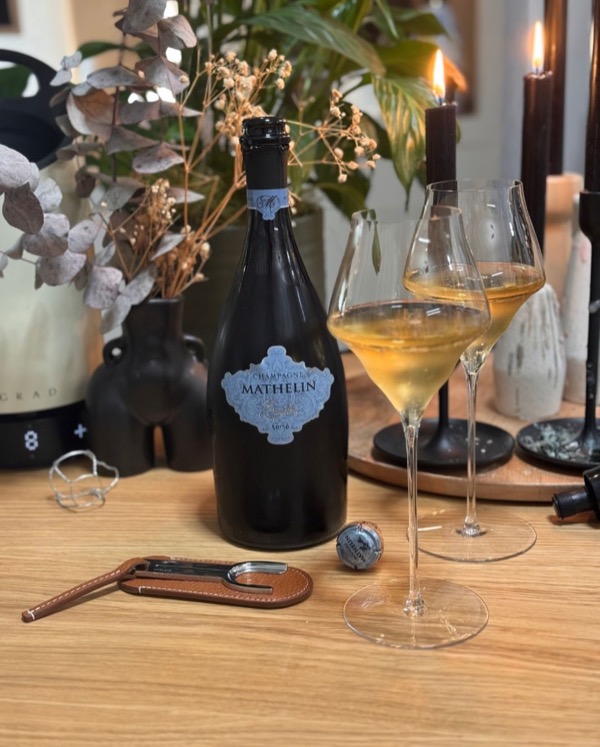
Manchmal sagt ein minimalistisches Etikett schon alles: Beim „Équilibre“ von @champagne_mathelin ist der Name absolutes Programm! Auf der Flasche…
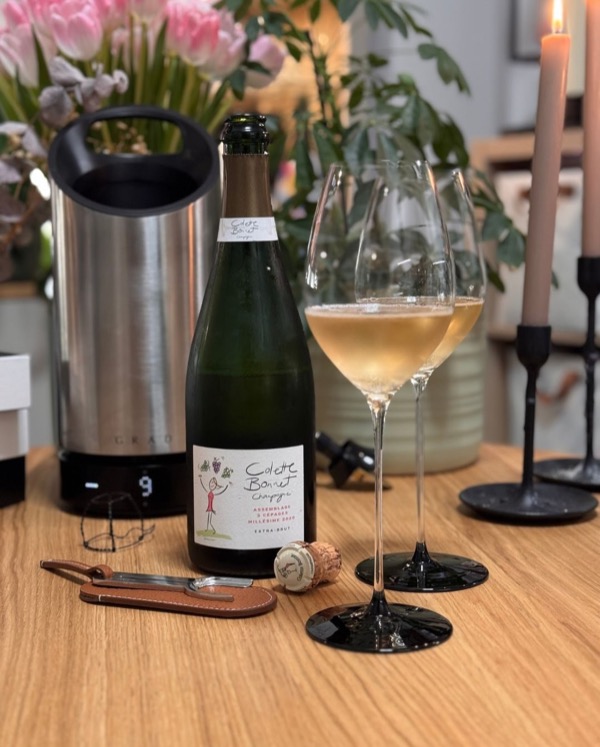
Gestern hatte ich mal wieder einen echten Geheimtipp: Den „Assemblage 3 Cépages“ Millésime 2020 von @champagnecolettebonnet . Colette Bonnet…
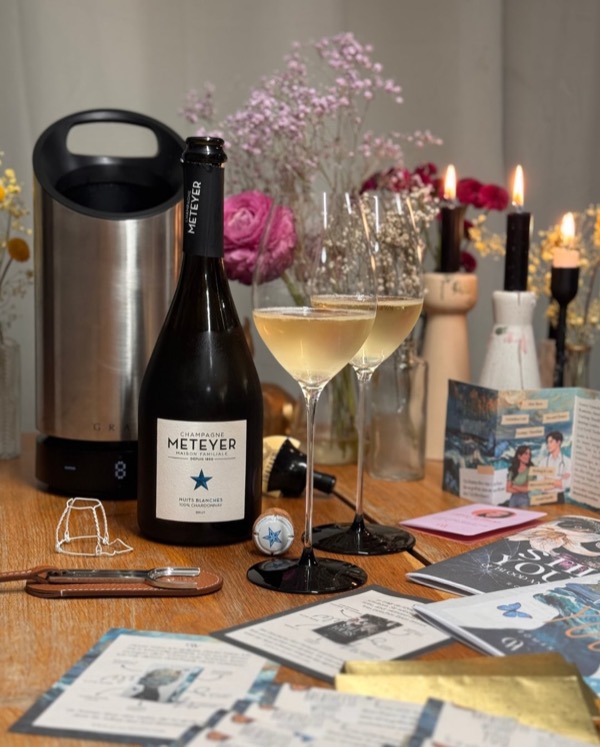
Hier am Tisch herrscht gerade kreatives Chaos der schönsten Sorte: @autorin.olive.wilson bereitet akribisch und mit wahnsinnig viel Liebe ihre…
After Dégorgement, a new phase begins: The champagne is no longer protected on the lees and begins to develop differently. Some champagnes gain complexity after disgorgement (post-disgorgement aging), others lose freshness.
A freshly disgorged champagne tastes different from one drunk 2 years after disgorgement — even if it's the same bottle. Freshly disgorged, the champagne is often tighter, more nervous, with more precise fruit. With increasing age after Dégorgement, it becomes rounder, softer, develops honeyed notes and loses some of its tension.
Late Disgorged Champagnes
Some houses offer so-called "Late Disgorged" or "Recently Disgorged" champagnes — vintage champagnes that lay extremely long on the lees and were only disgorged shortly before sale. Bollinger R.D. (Récemment Dégorgé) is the best-known example: the same wine as Grande Année, but with significantly longer lees aging and later Dégorgement.
The result is fascinating: You get an old champagne that still has the freshness and tension of a younger one because autolysis protected it. It's like a time capsule — the wine spent decades in the bottle, but it seems younger than it is.
What the Disgorgement Date Reveals
When a disgorgement date appears on the label, I can deduce from it:
- How long the champagne lay on the lees — In combination with the vintage or estimated Assemblage
- How long it has aged after disgorgement — A champagne that was disgorged three years ago is in a different phase than one from three months ago
- When the ideal drinking time is — Some champagnes need rest after disgorgement, others are immediately drinkable
The disgorgement date on the label is worth gold. It tells you how long the champagne has already aged after its "birth" — and helps assess which phase it's in.
Posts
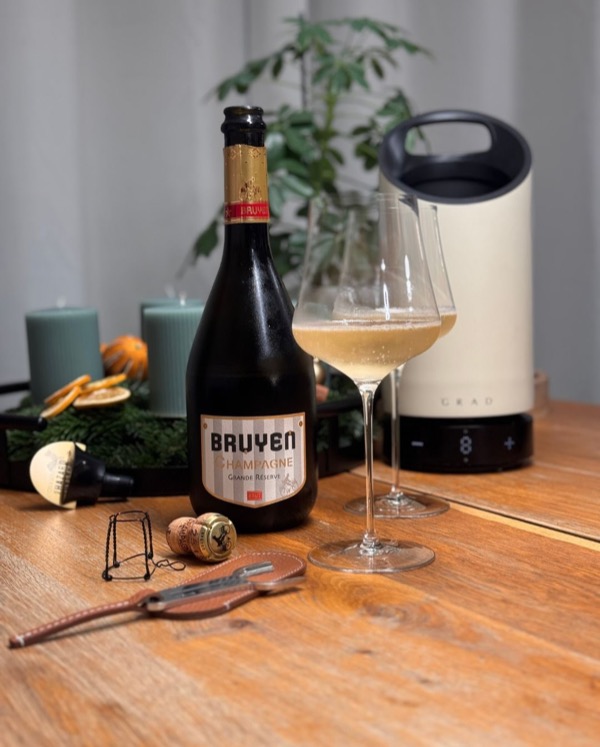
Heute der Grande Réserve von @champagnebruyen – ein 50/50-Blend aus Chardonnay und Pinot Noir, Jahrgang 2019, extra brut mit 4 g/l. Schon im Glas…

Nachdem ich neulich bei @neni.prater ein traumhaftes Hamshuka gegessen habe – es dort aber leider keinen Champagner gab – hieß es heute zuhause:…
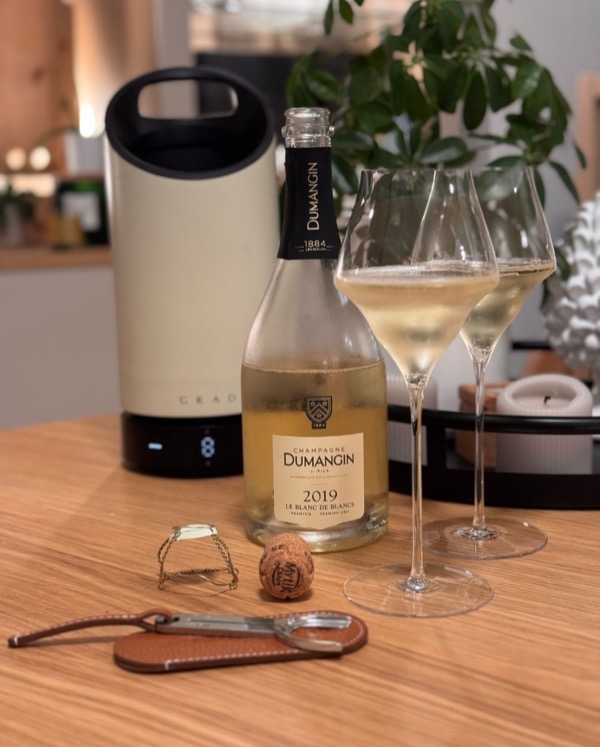
Es war mal wieder Zeit für etwas Geradliniges, Helles, Zitrisches — also habe ich den @champagnedumangin – Blanc de Blancs 2019 geöffnet. Ein Premier…