As a champagne enthusiast, I'm always fascinated by the elegant violence of sabrage, opening a champagne bottle with a saber. This centuries-old tradition combines history, physics, and pure theatrics into an unforgettable experience.
The Legend of Napoleon and His Hussars
Sabrage has its roots in Napoleonic France of the early 19th century. The most famous version of its origin story leads us to Napoleon's famous Hussar regiments. These mounted soldiers traditionally carried sabers and developed this spectacular technique to open champagne bottles during victory celebrations.
The story around Madame Clicquot is told particularly romantically: The young widow, who led the famous champagne house, supposedly taught the Hussar officers how to behead her bottles with a saber. The gallant soldiers perfected this technique as a tribute to the impressive businesswoman.
Historical significance of the Hussars:
- Elite cavalry with characteristic sabers
- Masters in handling the blade
- Pioneers of modern sabrage technique
- Spread the tradition throughout Europe
The Physics Behind Sabrage
What appears to be pure magic at first glance actually follows clear physical laws. Sabrage works due to the structural weak point of every champagne bottle: the seam.
The Critical Point: Bottle Neck and Seam
Every champagne bottle has a vertical seam that runs from the bottom to the collar at the bottle neck. This collar, the ring below the cork closure, is the key to success. Here three factors come together:
- Material tension: The high internal pressure (about 6 bar) creates permanent tension in the glass
- Structural weakness: The seam forms a predetermined breaking point
- Impact force: The saber transfers kinetic energy precisely
Why Does It Work?
The saber doesn't need to be sharp, in fact, I often use a dull blade. The blow creates a shock wave that spreads along the seam and concentrates at the collar. Due to the already existing internal pressure, the glass breaks cleanly, and the entire bottle neck with cork flies away in one piece.
Step-by-Step Guide to Perfect Sabrage
Preparation Is Everything
1. Choose the Right Bottle
- Champagne should be well chilled (4-6°C)
- At least 24 hours in the refrigerator
- Never sabrage a warm bottle
2. Prepare Equipment
- Champagne saber or heavy knife
- Safety glasses and sturdy shoes
- Towel to dry the bottle
The Technique
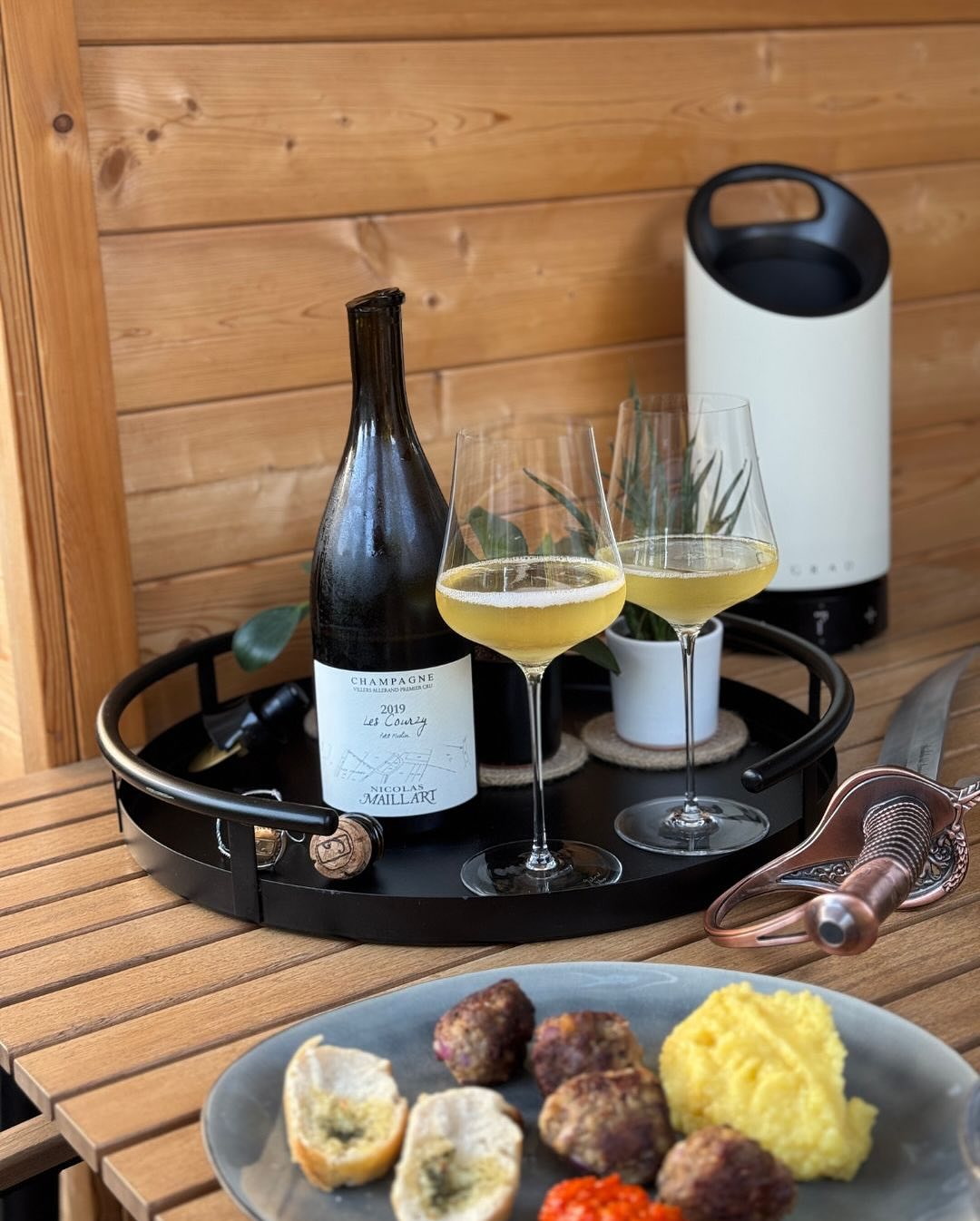
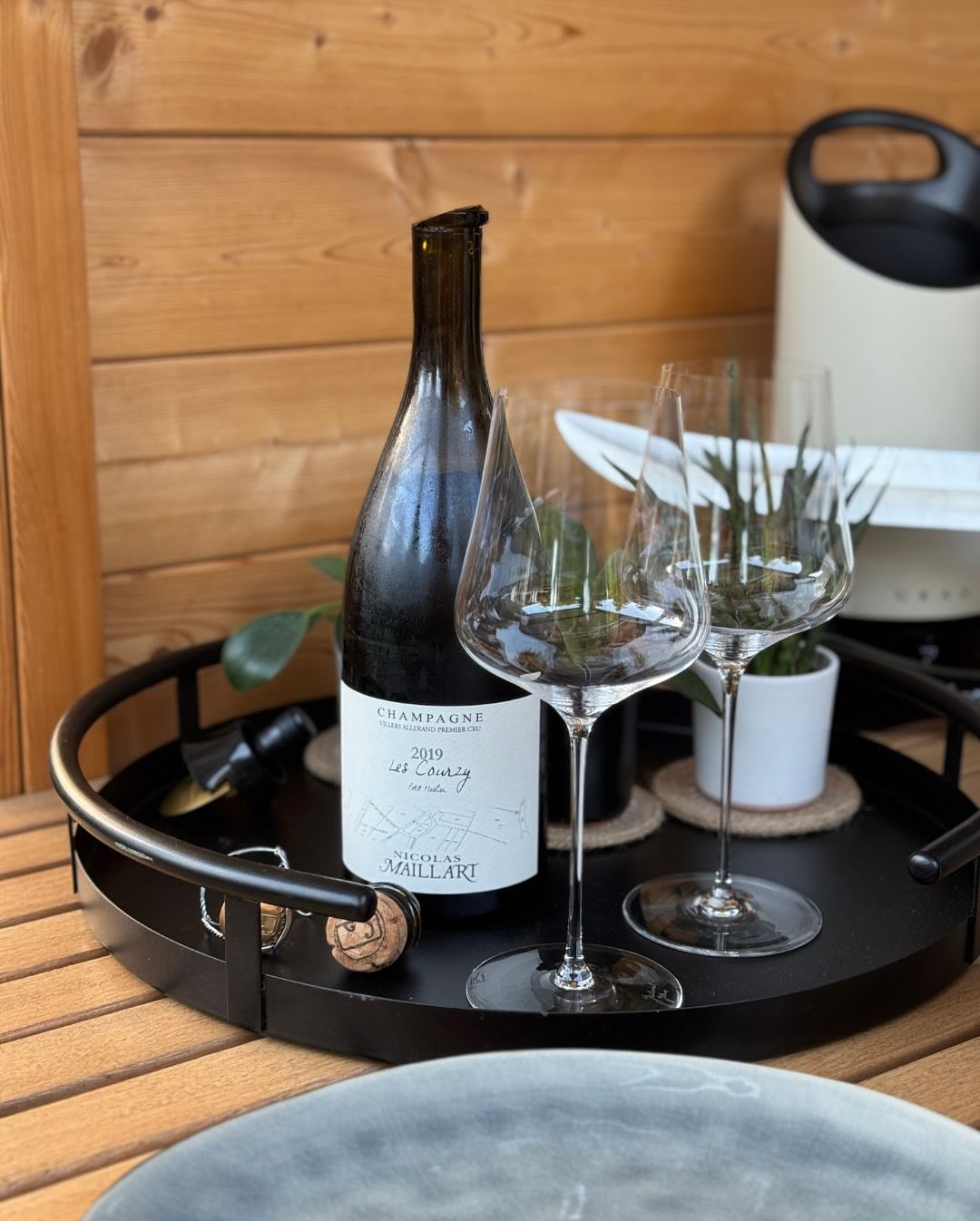
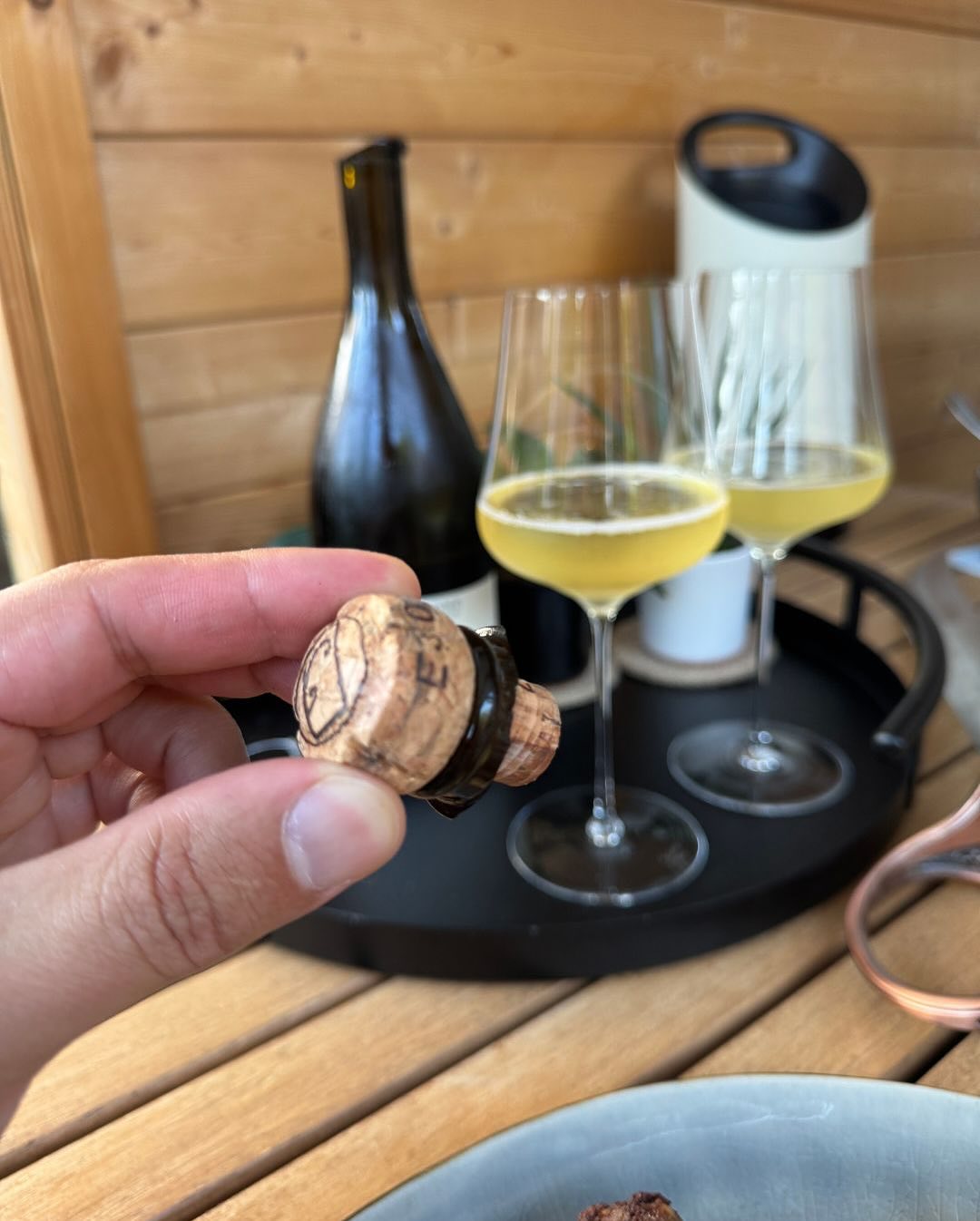
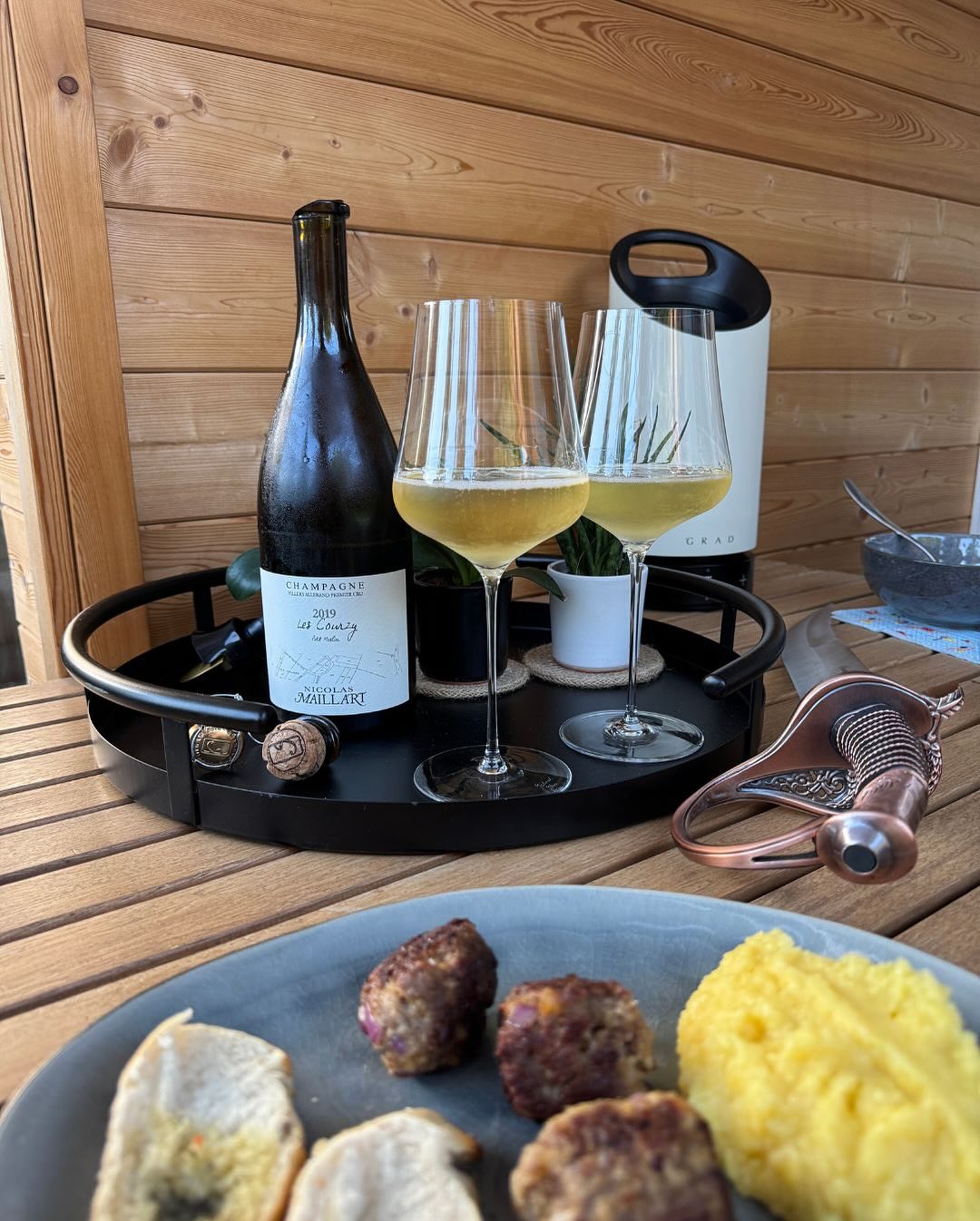

the_champagne.guy Zwei hungrige Kinder, drei unterschiedliche Wünsche – und am Ende eine Kombi, die doch ganz harmonisch scheint: 🥩 Gegrillte Fleischbällchen mit scharfem Aivar – saftig, leicht rauchig 🥔 Kartoffelpüree mit Butter & Muskat – warm, weich, mild 🥗 Griechischer Salat – Feta, Gurke, Tomate, Oliven, etwas Zitrone Nichts Aufwendiges. Aber genau richtig. Und dazu? Eine Flasche, die schon lange gewartet hat – still, im Kühler, wie gemacht für genau diesen Moment: 🍾 @nicolasmaillart – Les Couzy 2019 • 🍇 100 % Petit Meslier – selten, kräutrig, zitrisch • 📍 Einzellage „Les Couzy“ in Écueil – Lehm-Kalk über Kreide • 🌿 Massale Selektion, spontanvergoren • 🛢️ Ausbau im Holzfass, lange auf der Feinhefe • 🚫 Keine Malo, keine Filtration, keine Schönung • 🗓️ Dégorgiert 07/2023 – Extra Brut mit 3 g/l • 🔢 Nur 1697 Flaschen produziert Im Glas: vibrierende Säure, grün-würzige Frische, leicht salzige Textur. Ziemlich wild – aber auf eine sehr elegante Art. Hat dem Essen nicht die Show gestohlen, sondern es getragen. Der salzige Feta wurde klarer, der Püree leichter, die Fleischbällchen weicher. Das erste Glas zum Essen – der Rest dann über den Abend verteilt, draußen, noch in Badehose - Ein lauer Abend, wie man ihn sonst im August erwartet. Und ja: Als kleines Special haben wir diese Flasche sabriert. Einfach, weil wir Lust hatten und mein Sohn berechtigterweise fragte, warum wir den Säbel aus der Vitrine nicht benutzen 😂😂😂. #TheChampagneGuy @gabriel_glas #NicolasMaillart #LesCouzy #PetitMeslier #ChampagneDinner #Sabrage #Samstagabend #1697Flaschen
Auf Instagram weiterlesen →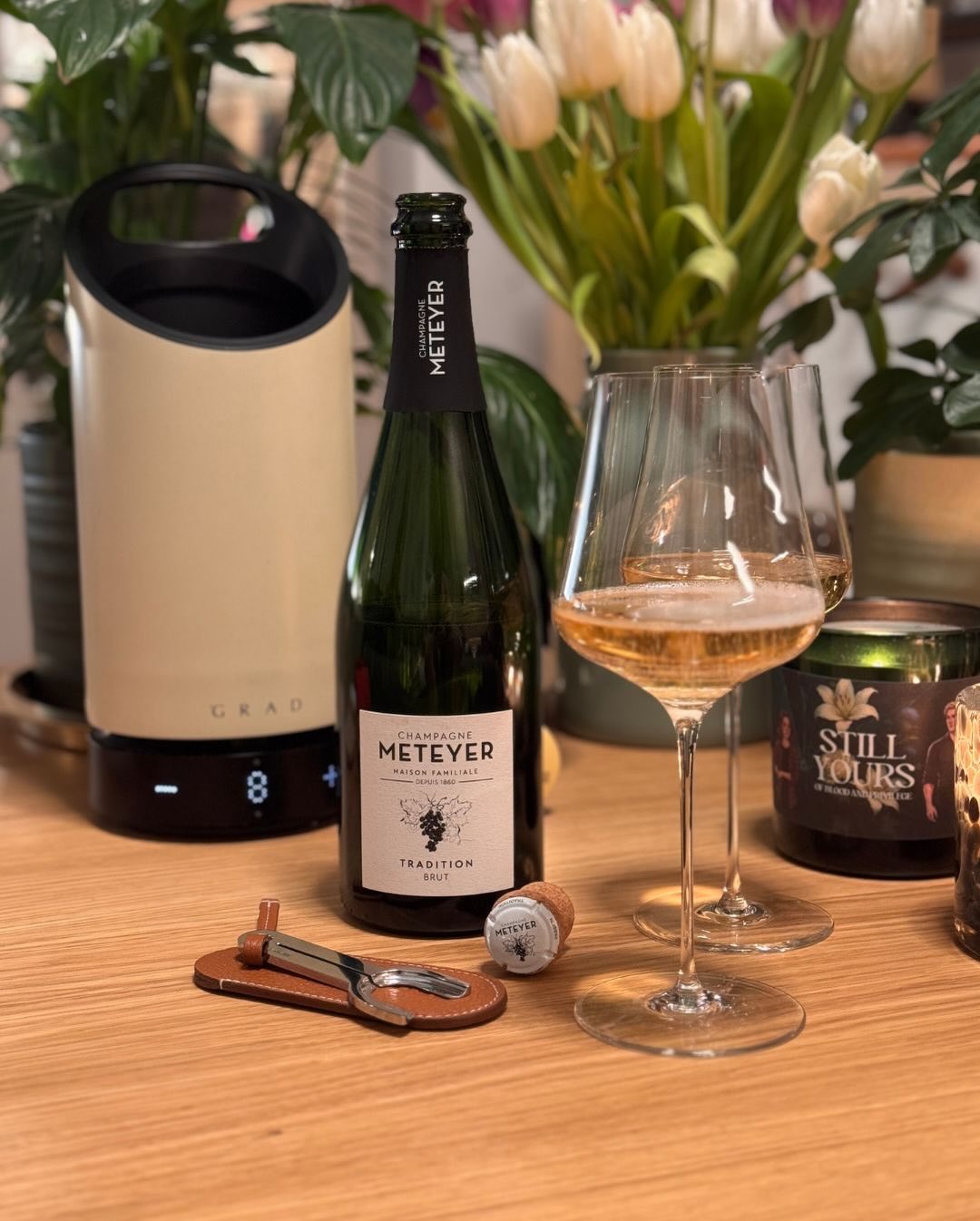
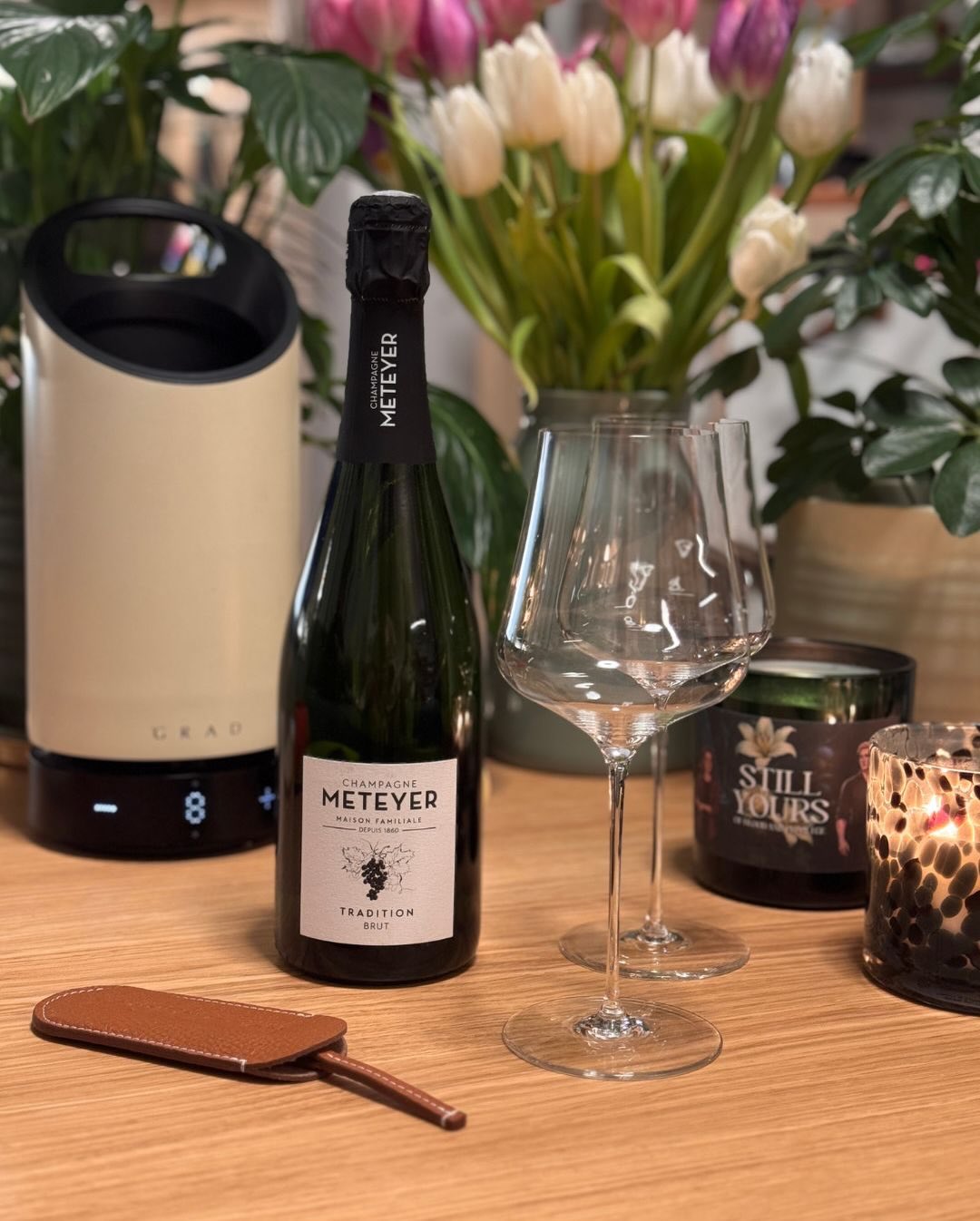
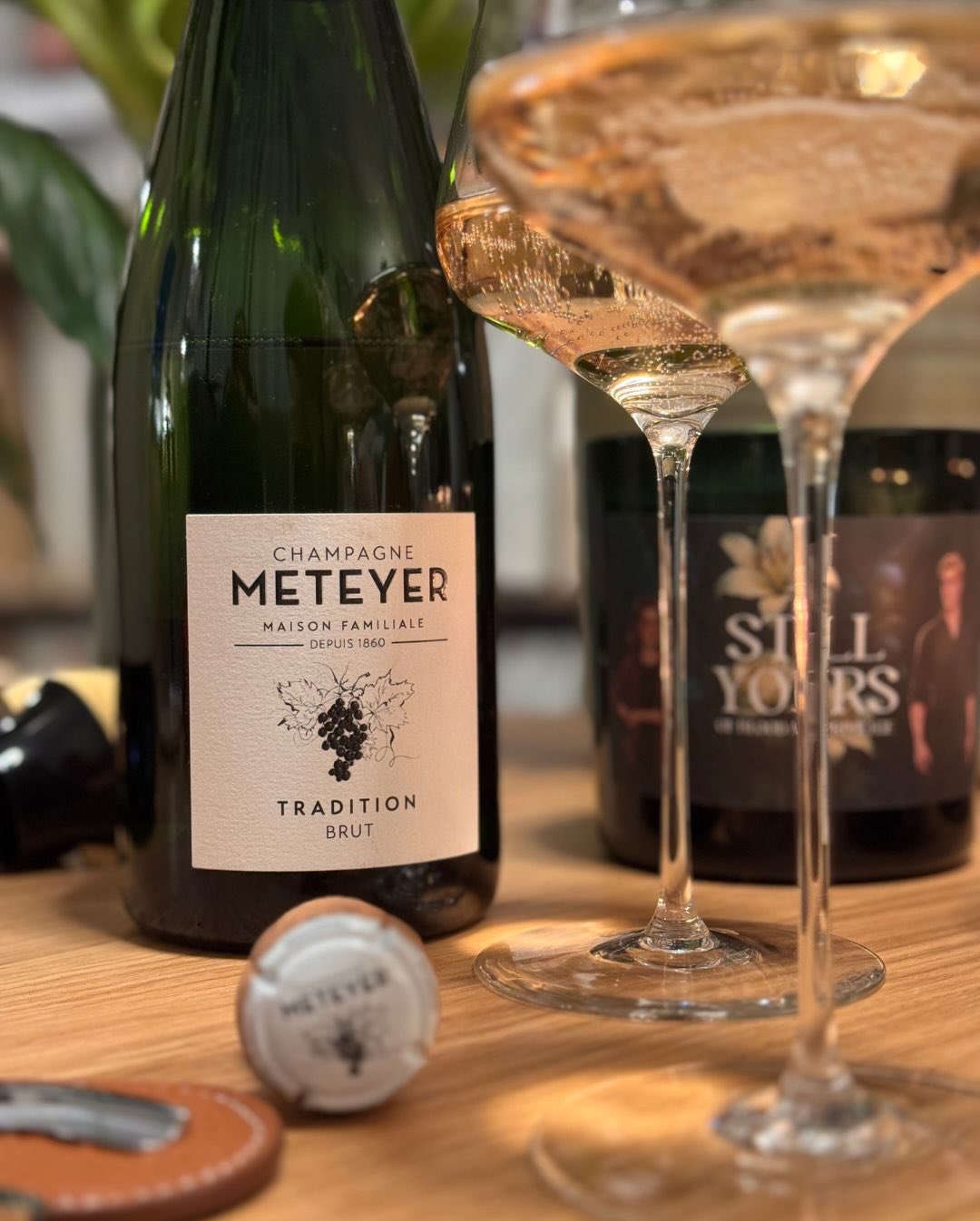
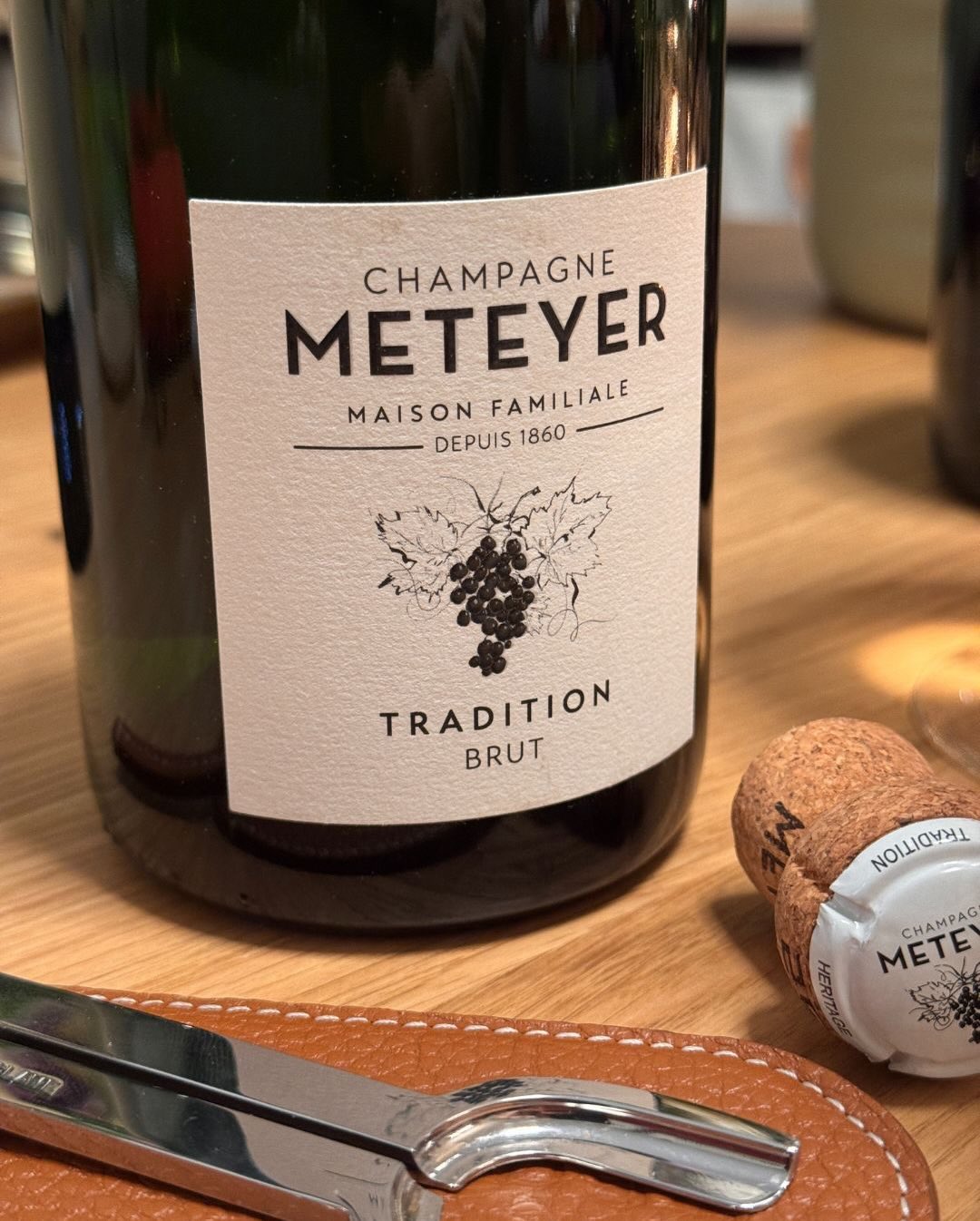

the_champagne.guy Heute machen wir es mal unkompliziert: Kein fancy Menü, keine wilde Sabrage-Aktion, sondern einfach ein richtig starker, ehrlicher Champagner. Der „Tradition“ Brut von @champagne_meteyer ist genau das, was sein Name verspricht – ein klassischer Blend, der einfach immer passt. Die Familie Météyer aus Trélou-sur-Marne im Vallée de la Marne ist bekannt für ihre unabhängige, handwerkliche Arbeit (Vigneron Indépendant) und nachhaltigen Weinbau (HVE-zertifiziert). Für diese Cuvée vereinen sie die drei großen Rebsorten der Champagne fast zu gleichen Teilen: 34 % Pinot Meunier, 33 % Pinot Noir und 33 % Chardonnay. Das Spannende an diesem Basis-Brut: Météyer verzichtet hier komplett auf die malolaktische Gärung! Der Wein wird in Emaille-Tanks ausgebaut und behält dadurch eine unglaublich knackige, lebendige Frische. Er ist wunderbar fruchtig und blumig, während er am Gaumen durch die 8 g/l Dosage super ausbalanciert, geschmeidig und harmonisch wirkt. Ein absoluter Allrounder, der als Aperitif brilliert, aber bestimmt auch zu entspanntem Fingerfood oder einer Käseplatte. Champagne-Facts 🥂 🍇 34 % Pinot Meunier · 33 % Pinot Noir · 33 % Chardonnay 📍 Terroir: Trélou-sur-Marne (Vallée de la Marne) 🌱 Philosophie: HVE-zertifiziert (nachhaltiger Weinbau), ca. 40 Jahre alte Reben 🍷 Vinifikation: Emaille-Tanks, keine malolaktische Gärung 🕰 Ausbau: 24 Monate Hefelager 🍬 Dosage: 8 g/l (Brut) Fazit: Frisch, fruchtbetont und perfekt ausbalanciert. Ein echter „Crowdpleaser“, der in keinem Weinkühlschrank fehlen sollte! #TheChampagneGuy @grad.dk @grad_rd @laclaye @gabriel_glas @mygabrielglas #ChampagneMeteyer #GrowerChampagne #VigneronIndependant #Champagne
Auf Instagram weiterlesen →3. Take Position
- Hold bottle at 45-degree angle
- Label facing up (seam is on bottom)
- Place saber flat against the bottle
4. The Decisive Moment
- Guide saber along the seam
- Work with the blunt side
- A flowing, decisive blow toward the collar
5. The Strike
- Don't chop, let it glide
- The saber follows the seam to the collar
- Power comes from the wrist, not the arm
Safety Has Top Priority
From what I've learned over the years: Safety comes before spectacle!
Essential Safety Measures
Secure the Area:
- At least 3 meters clearance in all directions
- No people in the "flight path" of the bottle neck
- Firm surface, no slippery floors
Personal Protective Equipment:
- Safety glasses (glass splinters can fly)
- Closed shoes with solid soles
- Long sleeves protect from splashes
Avoid Common Mistakes:
- Never use the sharp edge of the saber
- Don't grip too tightly, tension leads to failures
- Don't follow through with the saber after the strike
Modern Popularity at Champagne Events
Today sabrage is experiencing a true renaissance. At weddings, corporate events, and champagne tastings, it's the absolute highlight.
Why Is Sabrage So Popular?
The Wow Factor: Nothing draws attention like the dramatic moment of sabrage. Guests hold their breath, and the successful strike is rewarded with applause.
Tradition Meets Modern: In our digital age, people long for authentic, artisanal experiences. Sabrage connects history with the present.
Instagram Moment: Let's be honest, sabrage is extremely photogenic and creates spectacular videos for social media.
My Personal Experiences
At home I've already sabraged several bottles and can confirm: it never gets boring. Every sabrage is a small adventure, and the moment when the bottle neck flies off perfectly is pure magic.
Especially at events, I repeatedly observe the same reaction: First skepticism ("That can't possibly work!"), then amazement, and finally the desire to try it themselves. Sabrage connects people and creates unforgettable moments.
Pro Tip: Start with cheaper sparkling wines before attempting expensive champagne. The technique is identical, but the learning process becomes significantly more affordable!
Sabrage is more than just an opening technique, it's a ritual that shows respect for