There's a moment I keep experiencing with certain bottles: you smell the glass and immediately sense that a lot of time went into this. Not the quick, fruity freshness of a young Champagne, but something deeper, calmer. Time is the quietest ingredient in Champagne, and it works on three quite different levels.
These three levels are often lumped together, but they're fundamentally different things: the age of the vines, the age of the vintage, and the length of time on the lees. A wine can come from ancient vines and still be drunk young. Another can come from young vines and spend forever on the lees. Once you keep these three apart, it's much easier to understand why a Champagne tastes the way it does.
1. Old Vines: Vieilles Vignes
"Vieilles Vignes" appears on some labels, and there's no legal definition for it. In practice, it refers to vines that are clearly above average age, often 40 years or more. Some winemakers have parcels with vines that are 60, 80, or even over 100 years old.
Why this matters: a young vine grows quickly and yields a lot. An old vine has deep roots that reach far into the subsoil, produces less, and concentrates that yield into fewer grapes. The result is berries with more depth, more mineral expression of the soil, and less obvious fruit. Old vines are also more resistant to drought and temperature swings, since they draw their water from deep below.
An example from my cellar: the Le Mont de Reuil from Robert-Allait comes 100 percent from Meunier vines planted in 1923, so over 100 years old. You can taste that concentration: the wine has a density and a calm that a young vineyard simply can't deliver.
Another such case is the Instinct Meunier from Jeaunaux-Robin from the Petit-Morin valley: 61-year-old vines, aged in oak barrels, with just around 1,700 bottles produced. Old vines almost always mean small quantities too, the two go hand in hand.
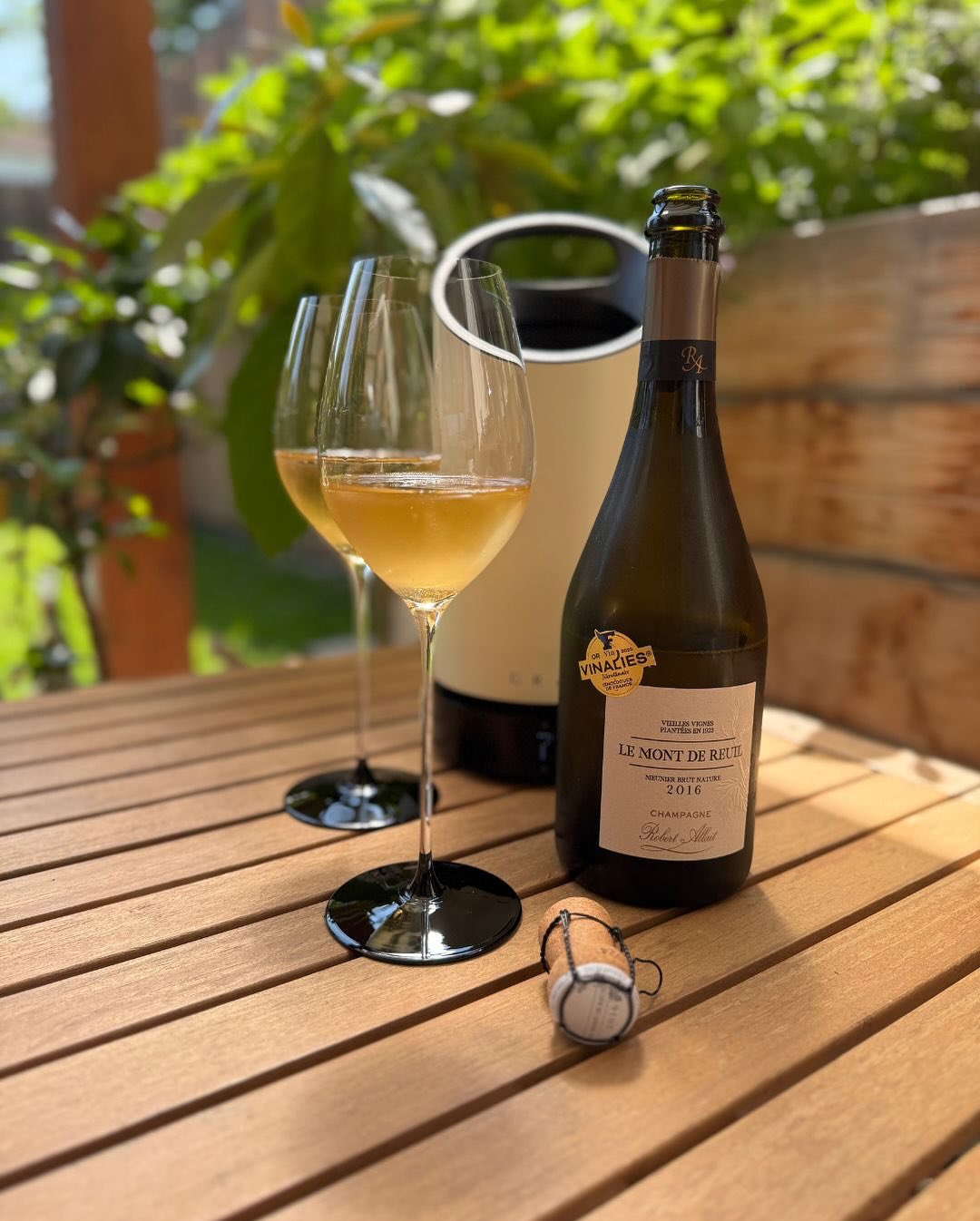
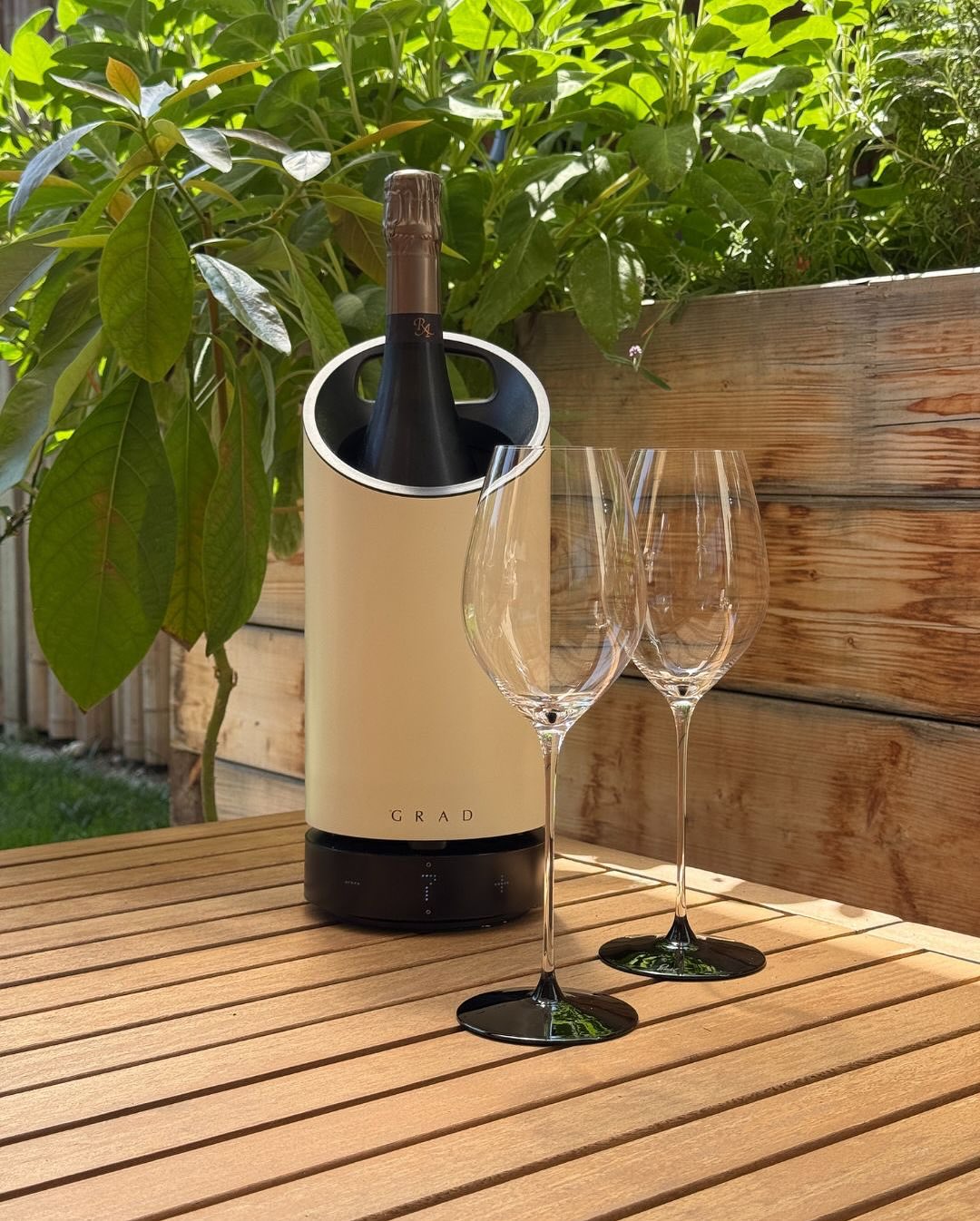
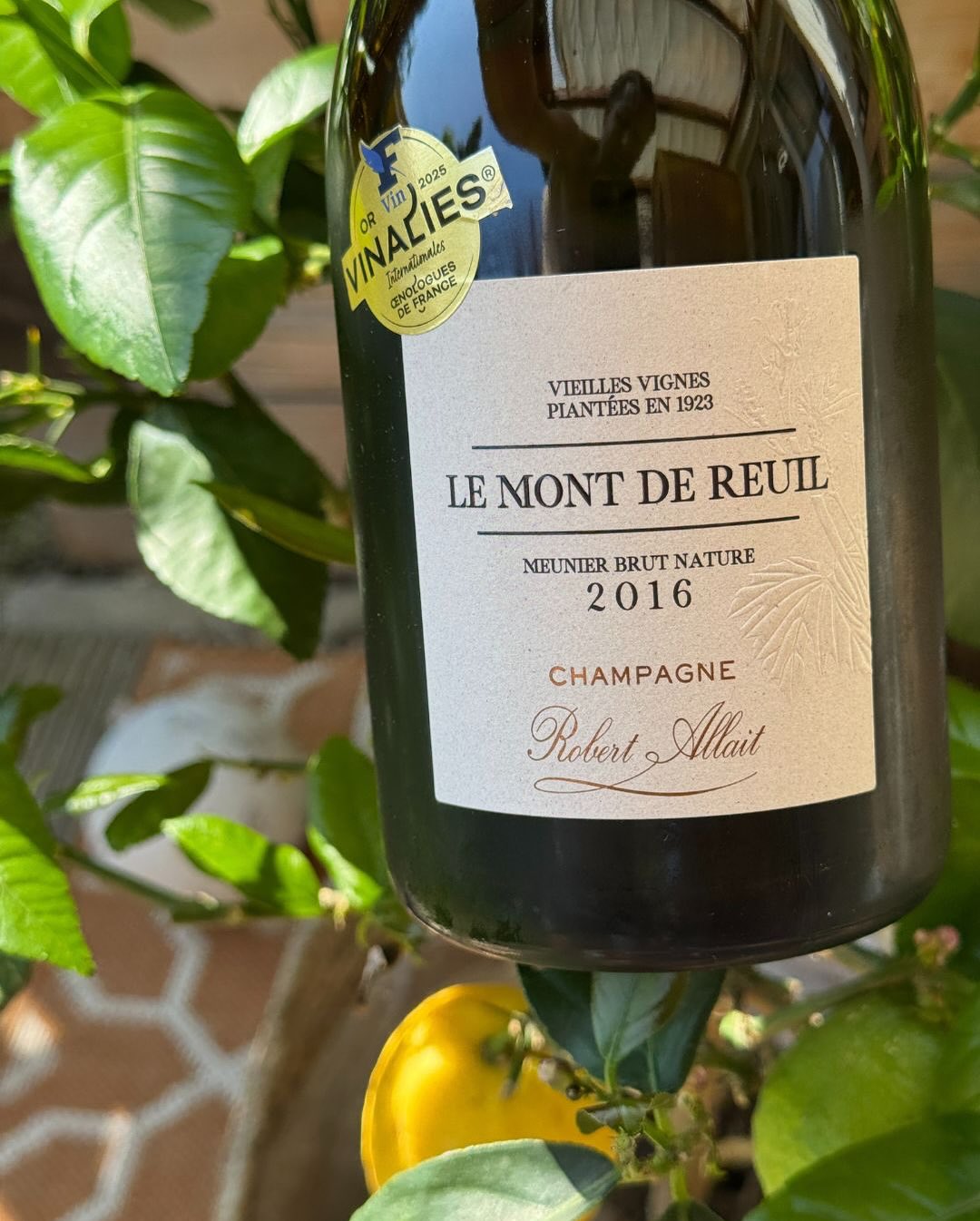
the_champagne.guy @champagnerobertallait – Le Mont de Reuil 2016 Ein Champagner, den ich inzwischen in drei ganz unterschiedlichen Settings probiert habe – und jedes Mal war’s auf seine Art stimmig. 🍽️ Im März zuerst zur Antipasti-/Jausenplatte: gereifter Käse, Rinderrohschinken, cremiger Burrata – kräftig, salzig, deftig. Der Meunier? Frisch, zitrisch, kontrastierend – und genau deshalb so passend. Ein echtes Spiel aus Gegensätzen. 🍣 Dann ein paar Tage später zu Sushi: Gerade der Lachs hat den Champagner zum Leuchten gebracht. Die Kombination aus Frische, Säure und Struktur hat selbst mit Wasabi und Sojasauce perfekt funktioniert – was bei Champagnern nicht selbstverständlich ist. 🌞 Und diesmal? Einfach solo im Garten. Keine Platte, kein Teller, kein Pairing. Nur der Wein, das @riedel_official Glas – und ein später Sommersonnen-Nachmittag. Und ich muss sagen: Er trägt sich auch ganz allein. Zitrusfrucht, feine Hefewürze, mineralischer Zug, ein Hauch Struktur vom Holz – und dazu eine unglaublich lebendige Frische, die auch ohne Essen für Tiefe sorgt. 📋 Noch einmal zur Erinnerung: • 🍇 100 % Pinot Meunier • 📍 Parzellenlage „Le Mont de Reuil“, Vallée de la Marne • 🛢️ Teilweise im Holzfass ausgebaut • ❄️ Keine malolaktische Gärung – volle Frische • 🕰️ Jahrgang 2016 • ⚖️ Dosage: Zéro Dosage (0g/L) Egal ob zu Sushi, Antipasti oder einfach solo – dieser Meunier hat mehr als eine Seite. Und zeigt, wie eigenständig die Rebsorte sein kann, wenn man ihr Raum gibt. #TheChampagneGuy @grad.dk #RobertAllait #LeMontDeReuil #PinotMeunier #ValléeDeLaMarne #Winzerchampagner #ChampagnerImGarten #SoloGenuss #ChampagneMoments #ExtraBrut
Auf Instagram weiterlesen →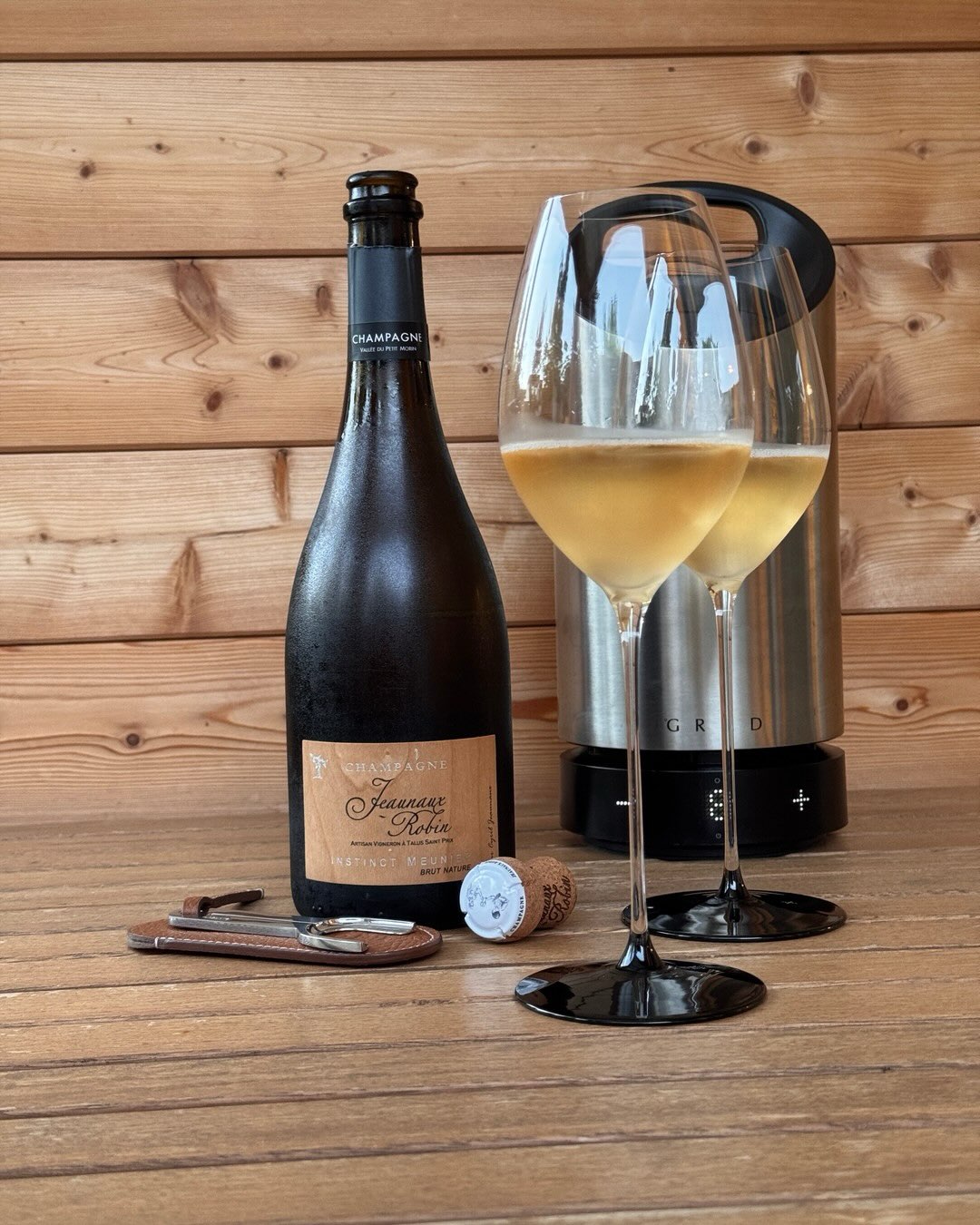
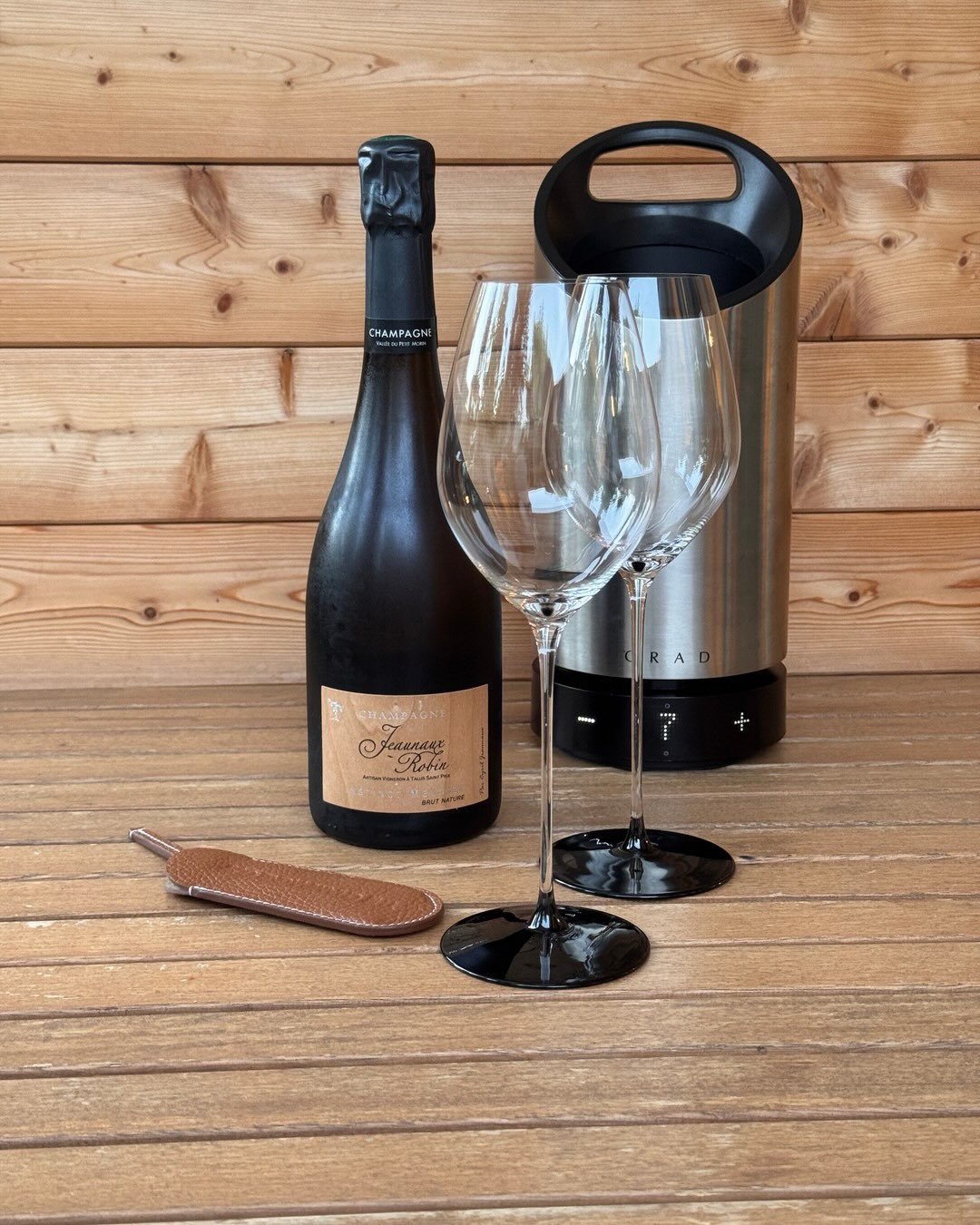
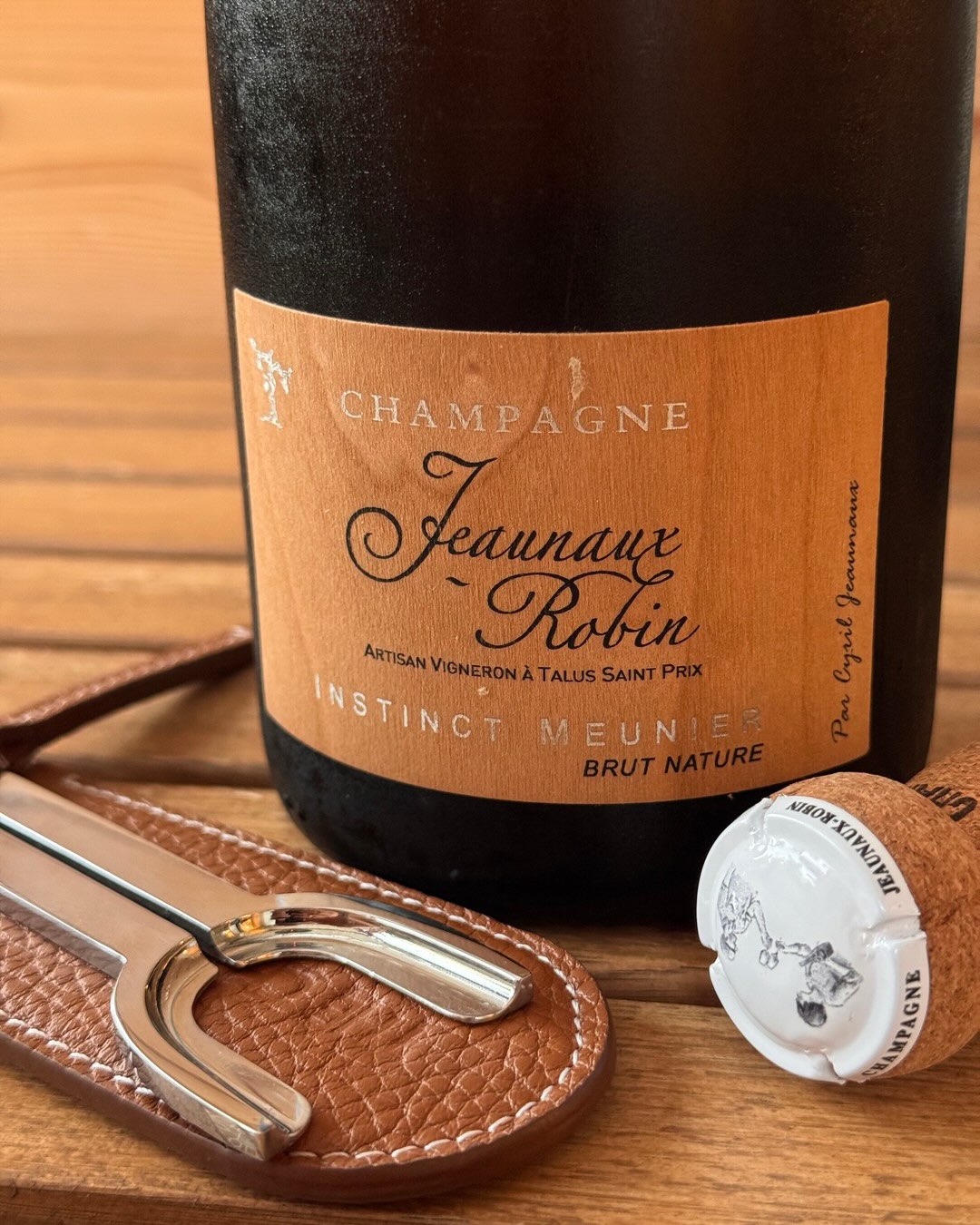
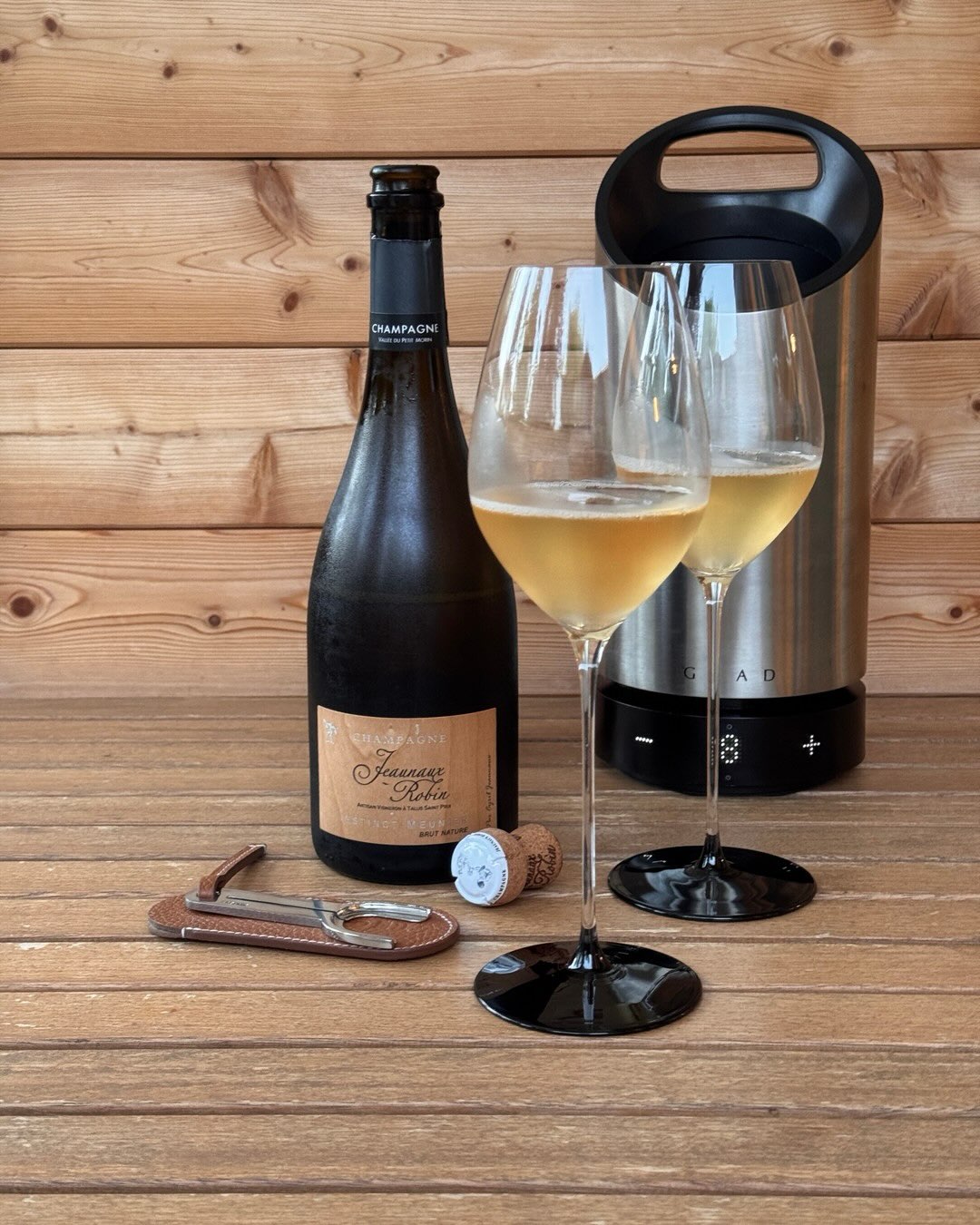
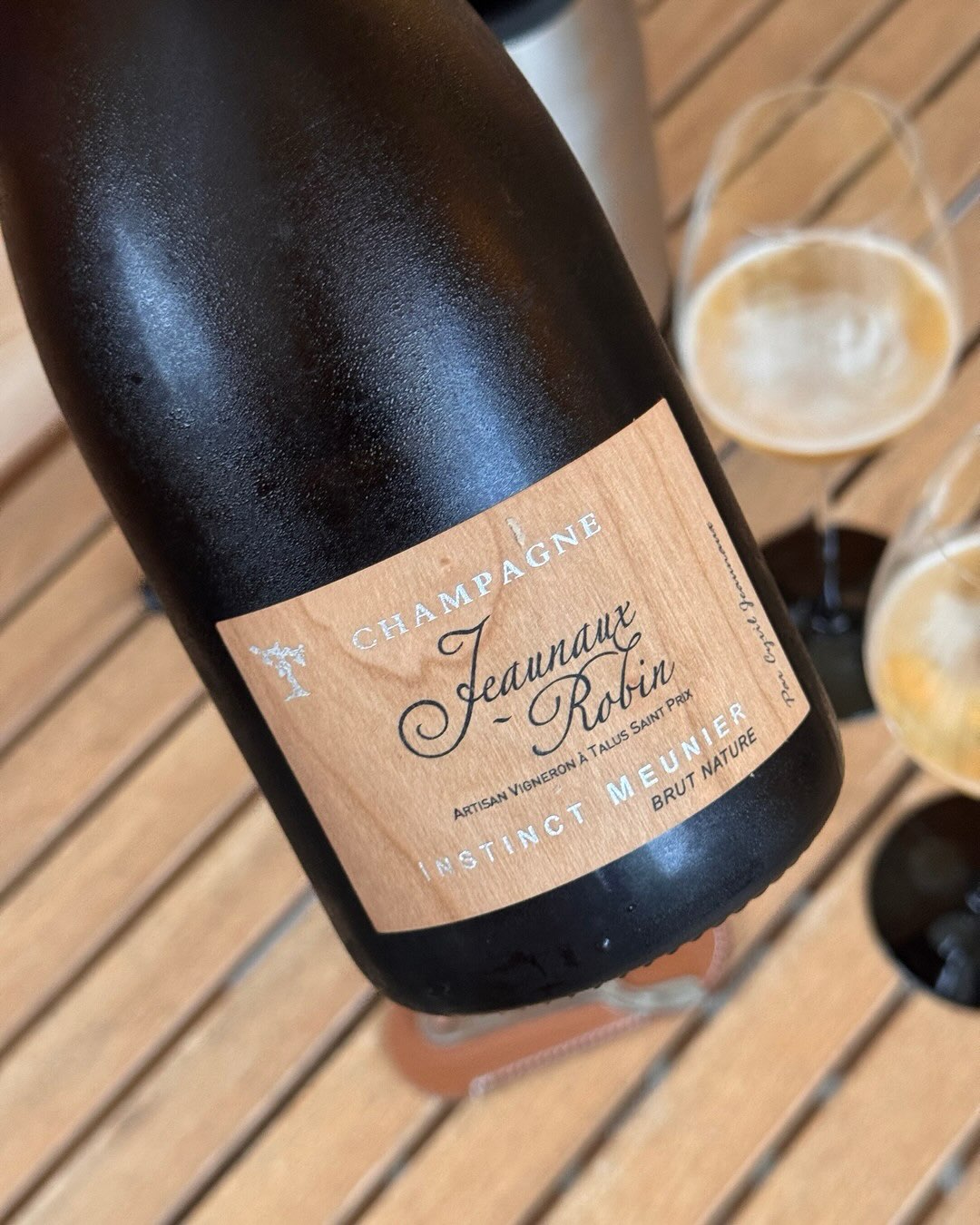
the_champagne.guy 100% Meunier, Brut Nature, Eichenfass, ohne Malo, 61 Jahre alte Reben, 1776 Flaschen. Der Instinct Meunier 2020 von @champagnejeaunauxrobin kommt aus Talus-Saint-Prix, einem kleinen Ort im Petit Morin-Tal an der Côte de Sézanne, weit weg von den großen Champagner-Adressen. Diese Cuvée kommt von der Parzelle Le Grand Morceau, deren Reben im Durchschnitt 61 Jahre alt sind und in Argiles-à-silex-Böden verwurzelt. Vinifiziert im Fass, spontan vergoren, ohne Malo, ohne Dosage. 🍾 Assemblage: 100% Meunier 🏆 Jahrgang: 2020 (Tirage 2021) 🍷 Ausbau: Fûts de chêne, Levures indigènes, ohne MLF 🥂 Dosage: 0 g/l (Brut Nature) 📍 Lage: Le Grand Morceau, Talus-Saint-Prix 💡 Charakter: konzentriert, würzig, straff 🌿 Produktion: 1.776 Flaschen Jeaunaux-Robin, das sind Cyril und seine Frau Claudine, die den Betrieb als Artisan Vigneron führen. Agriculture Biologique-Zertifikat und Vigneron Indépendant-Label. Das Holz ist präsent, aber nicht dominant. Es gibt dem Wein eine warme, fast ernste Struktur, die mit einer deutlichen Rhabarbernote und einer salzigen Spannung zusammenarbeitet. Das macht ihn nicht gefällig im breiten Sinne, und das is genau der Punkt. Mein Ding ist das, ohne Umweg. #BrutNature #JeaunauxRobin @riedel_official @riedelteam_france @laclaye @grad.dk @grad_rd #CoteDeSeZanne #ValleeDuPetitMorin #TheChampagneGuy
Auf Instagram weiterlesen →And it's far from just Meunier producers who rely on old vines. The Vieilles Vignes Cramant from Benoît Munier shows this for Chardonnay from the Côte des Blancs, the Blanc de Blancs from Aspasie for a single old Monocru, and the Vieilles Vignes 2019 from Pauline Collin-Bérêche and the Vignes de Montgueux from Jacques Lassaigne for two very different Chardonnay terroirs.
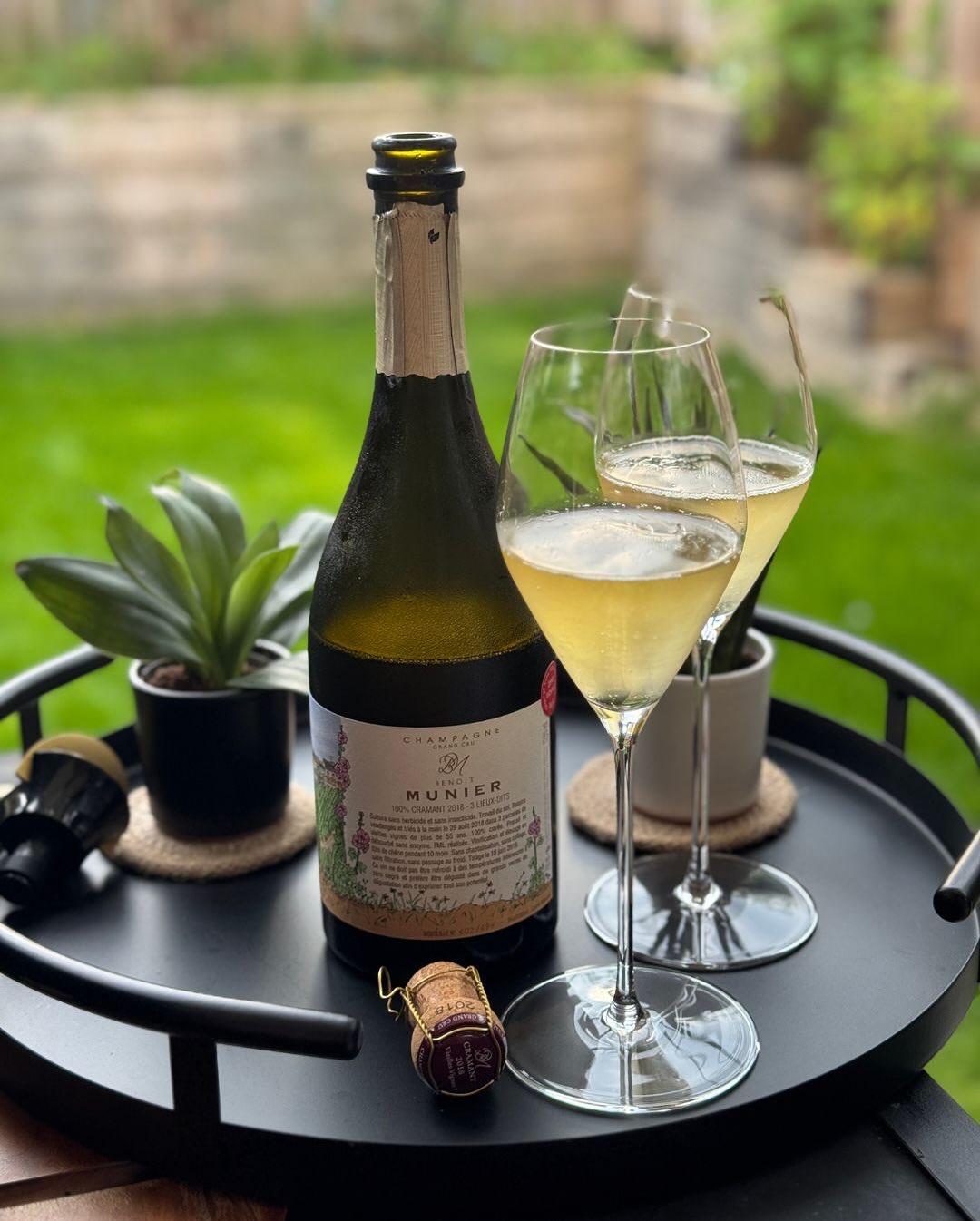
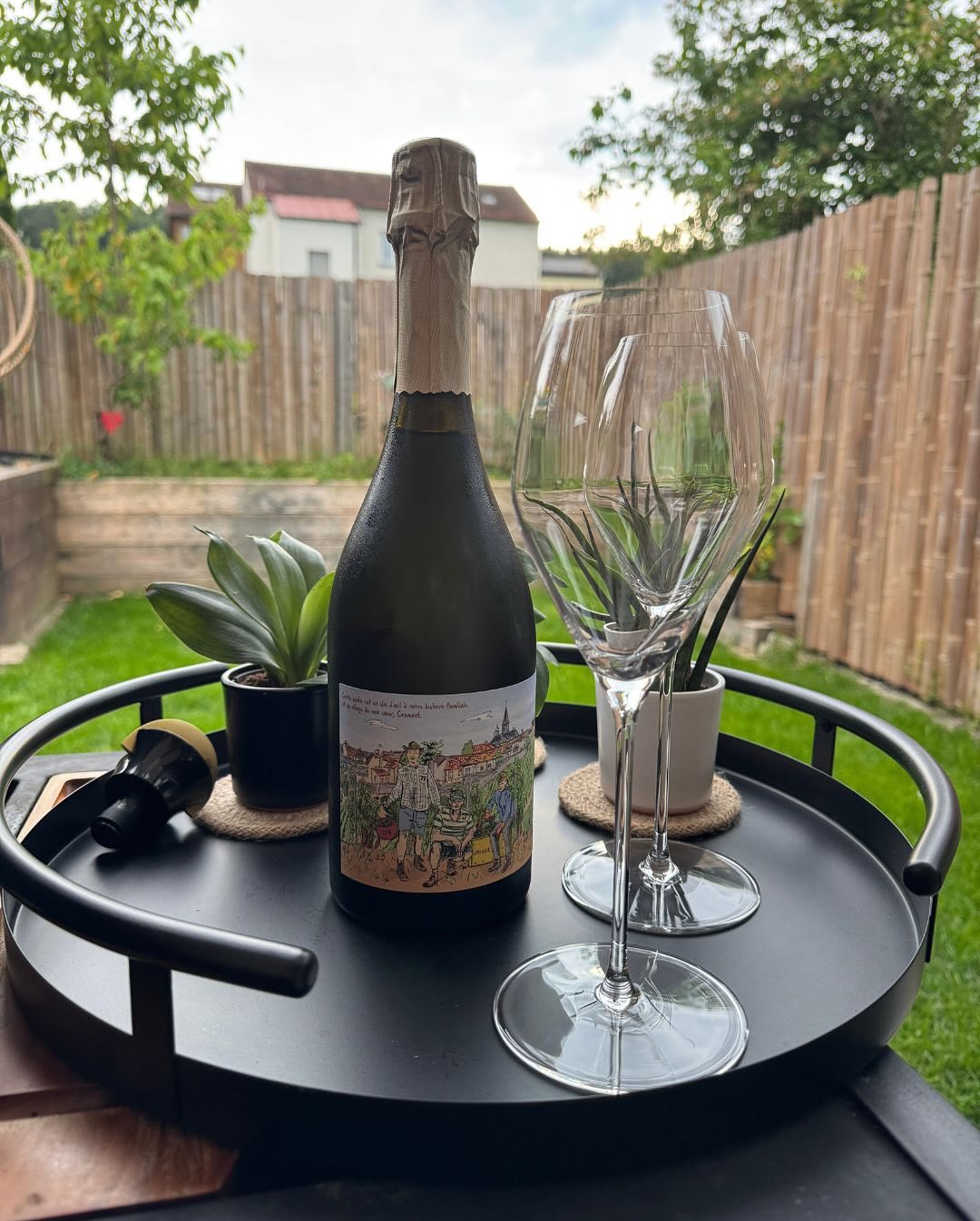
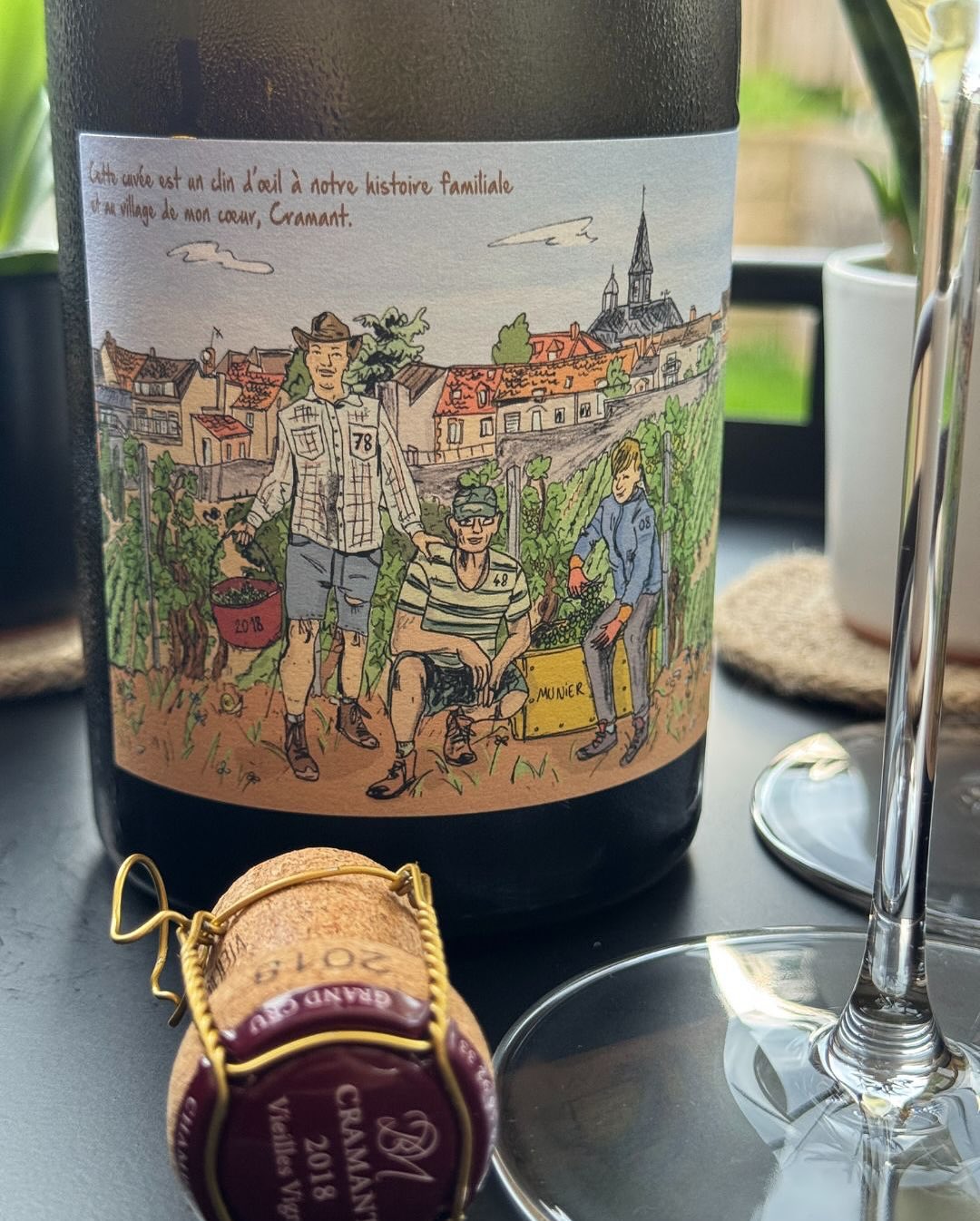
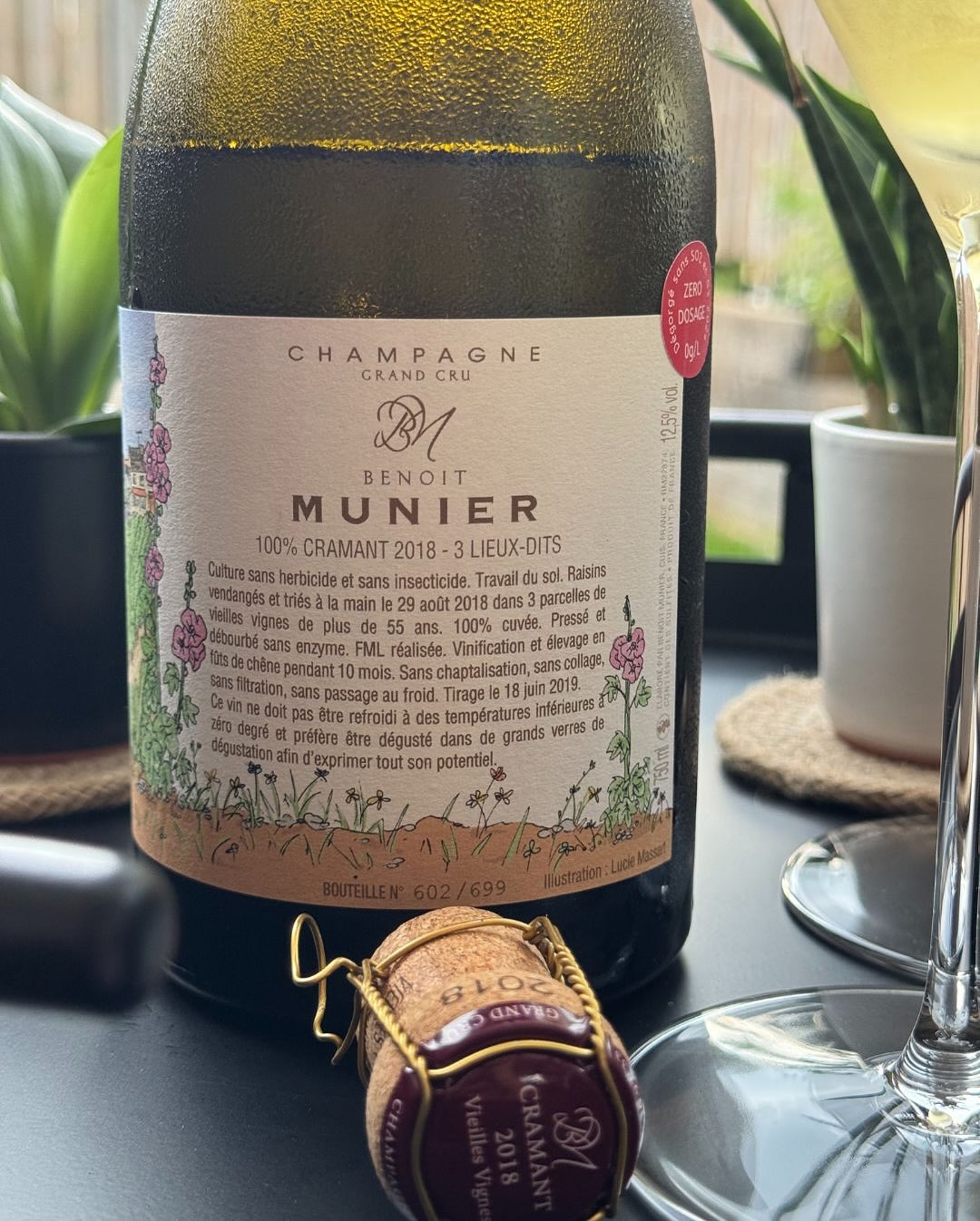
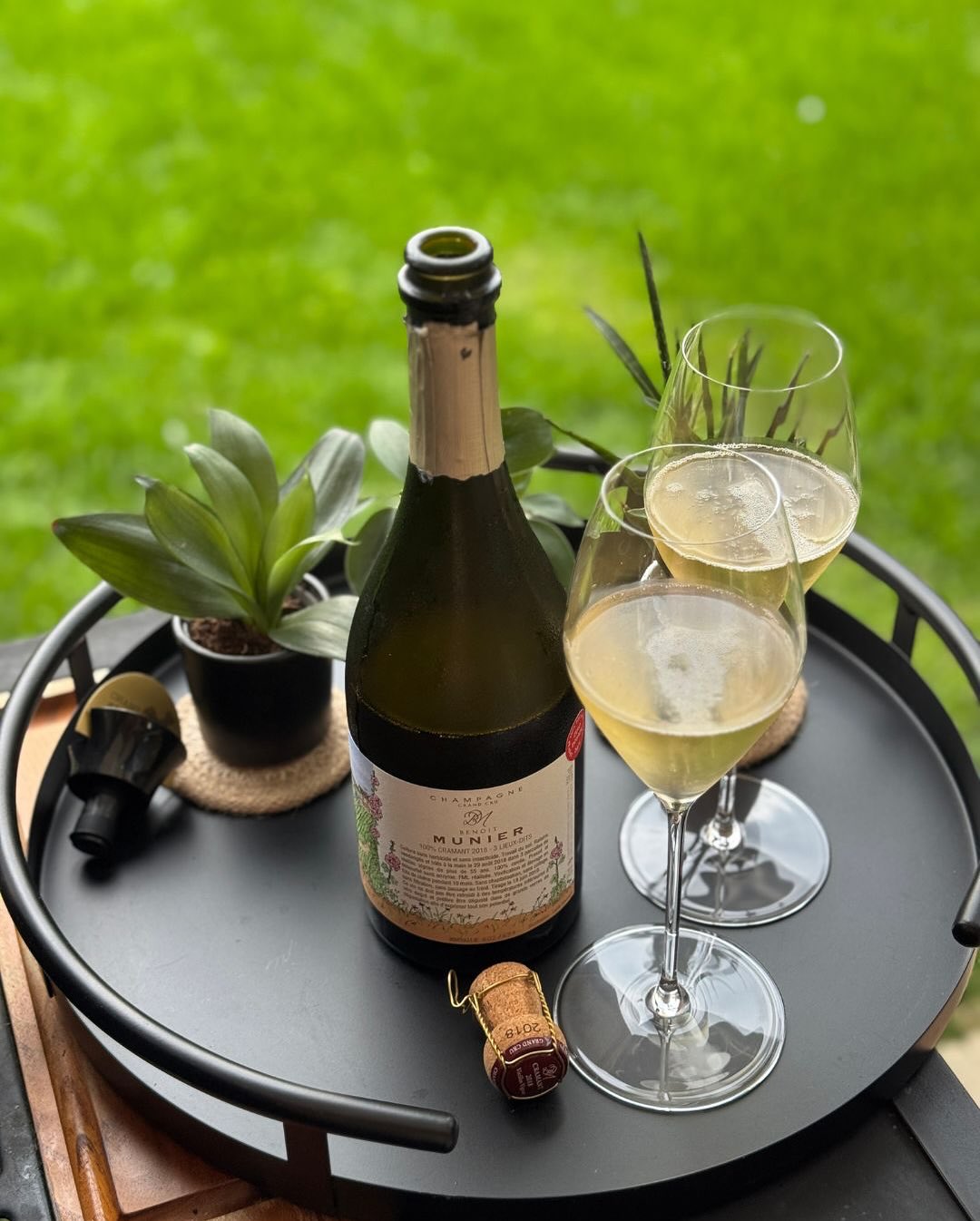
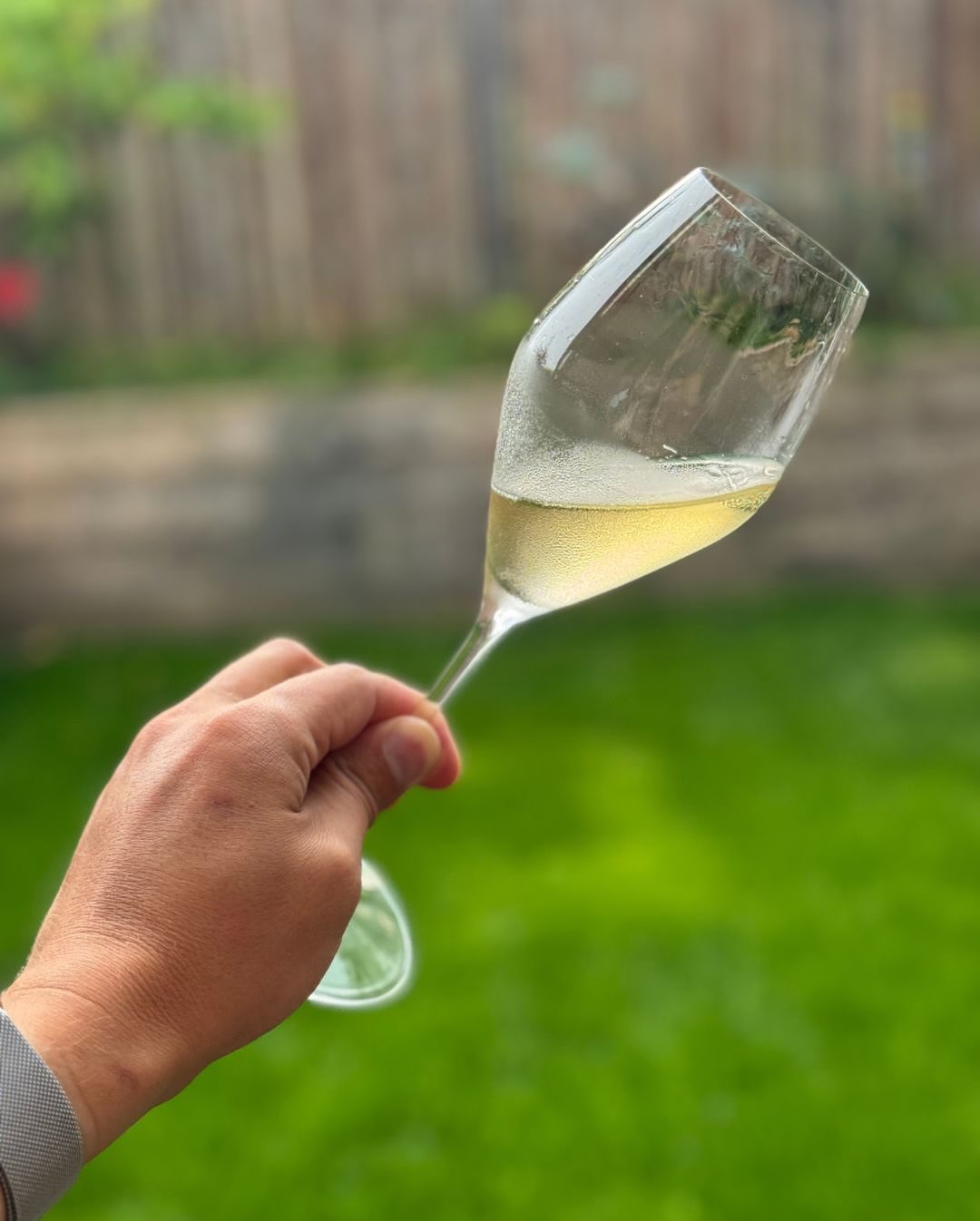
the_champagne.guy Schon beim Einschenken merkt man: Diese Flasche ist keine Spielerei. @champagne_benoit_munier – Vieilles Vignes – Cramant 2018 Ein 100 % Chardonnay aus drei alten Parzellen in Cramant – alle über 55 Jahre alt. Handlese am 29. August 2018. Keine Enzyme, keine Schönung, keine Filtration. Dafür 10 Monate im Holz, komplett durchgegoren, ohne jegliche Manipulation. Nur Zeit, Geduld und Präzision. Die Stilistik? Zart, aber mit Tiefe. Floral, aber nicht verspielt. Zitrus, Kreide, Salzigkeit – ein Blanc de Blancs, der seine Herkunft nicht nur zeigt, sondern fast zelebriert. Und trotzdem fern jeder Pose. Flasche Nummer 602 von 699 – also kein Alltagsstoff, sondern ein Statement. Und ja: Wer ihn wirklich verstehen will, schenkt ihn nicht zu kalt ein. Passendes Glas - in meinem Fall das @riedel_official Performance Champagnerglas, offene Gedanken – und los geht’s. 📍100 % Cramant 🍇 100 % Chardonnay (Vieilles Vignes) 🪵 Ausbau: 10 Monate im Holz 📆 Tirage: Juni 2019 ⚖️ Keine Dosage, kein Schnickschnack 🍾 Nur 699 Flaschen produziert #TheChampagneGuy #BenoîtMunier #VieillesVignes #GrandCruChampagne #BlancdeBlancs #Cramant #LowIntervention #ChampagnerMitCharakter #RareBottle #ChampagneMoments #699BottlesOnly
Auf Instagram weiterlesen →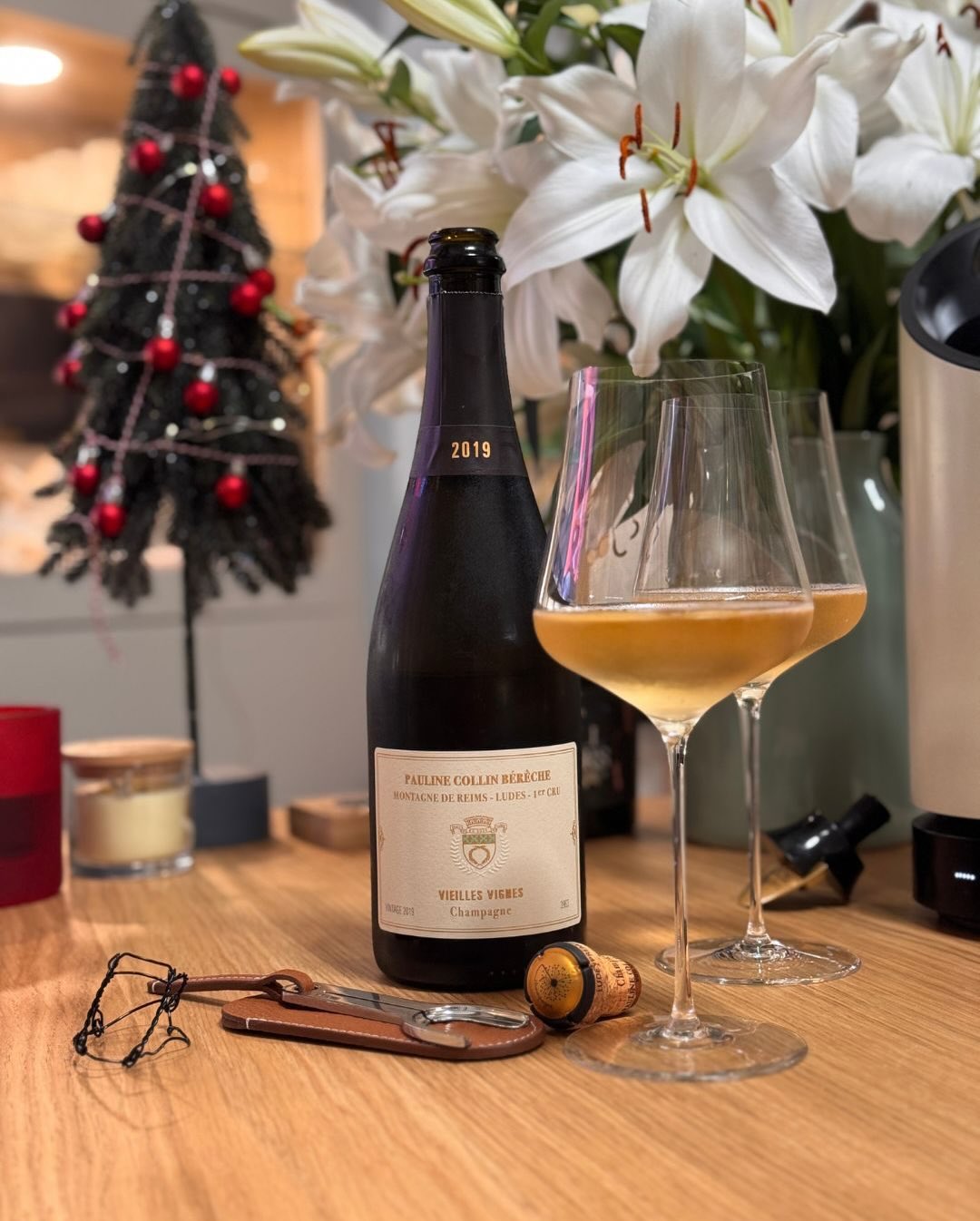
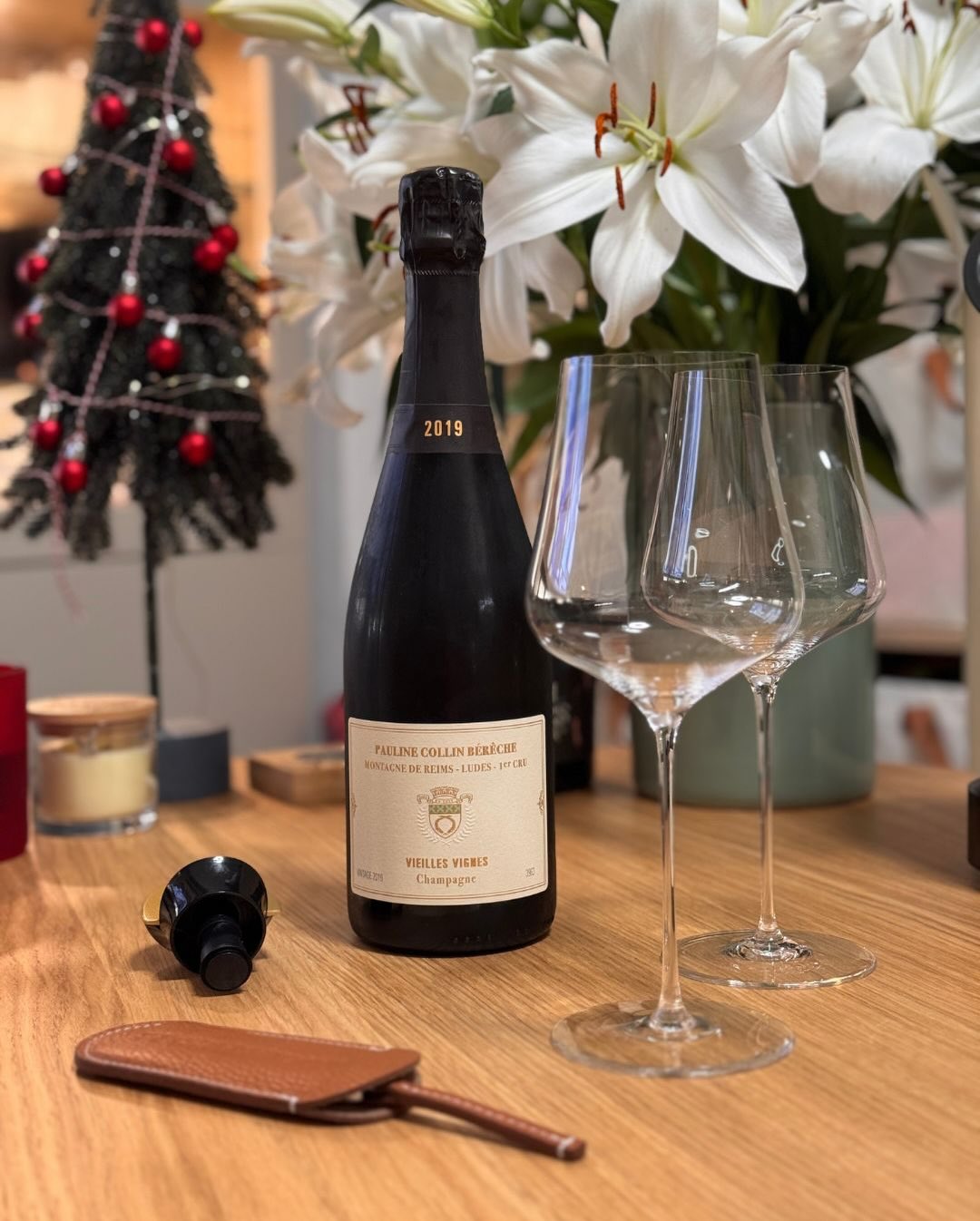
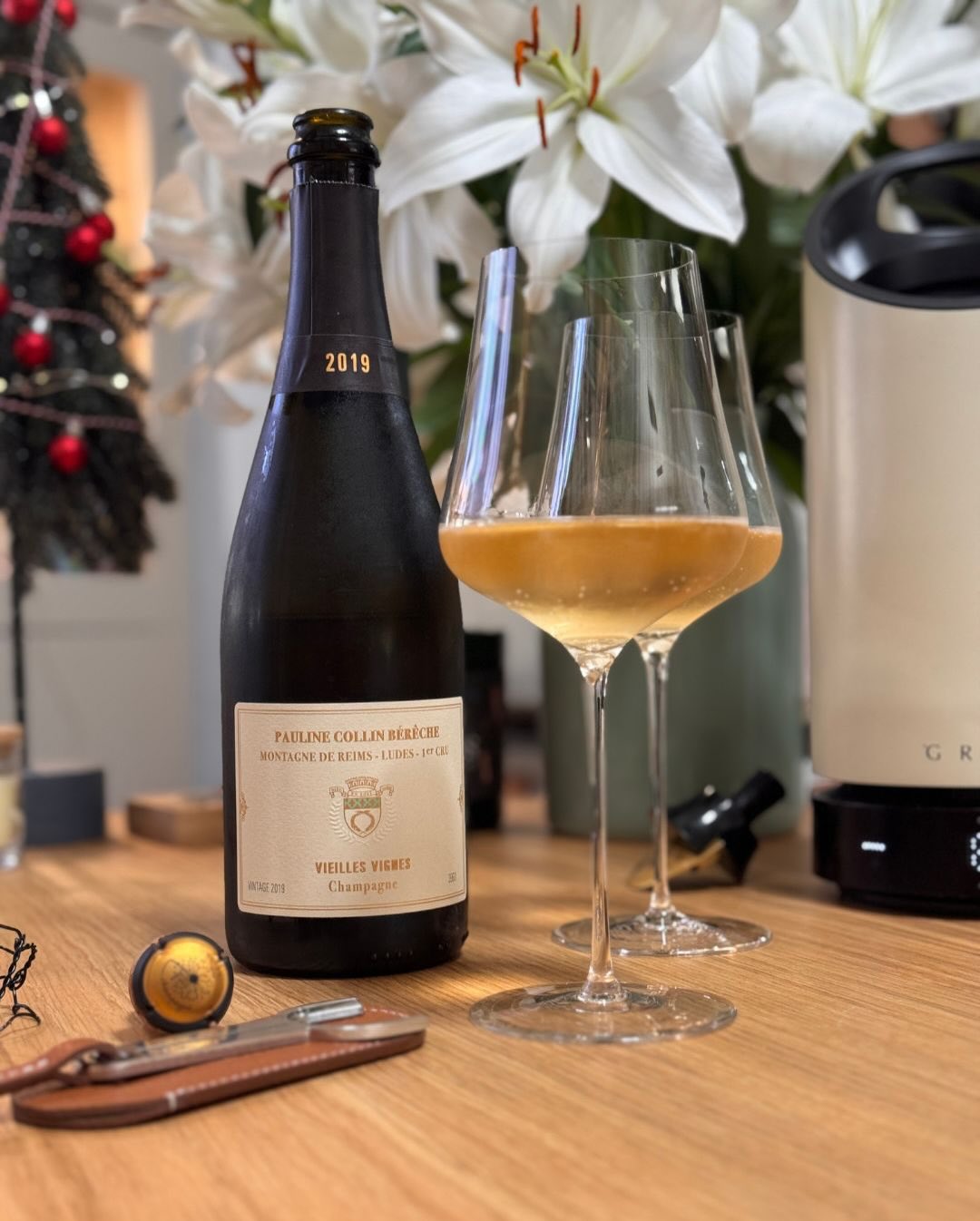
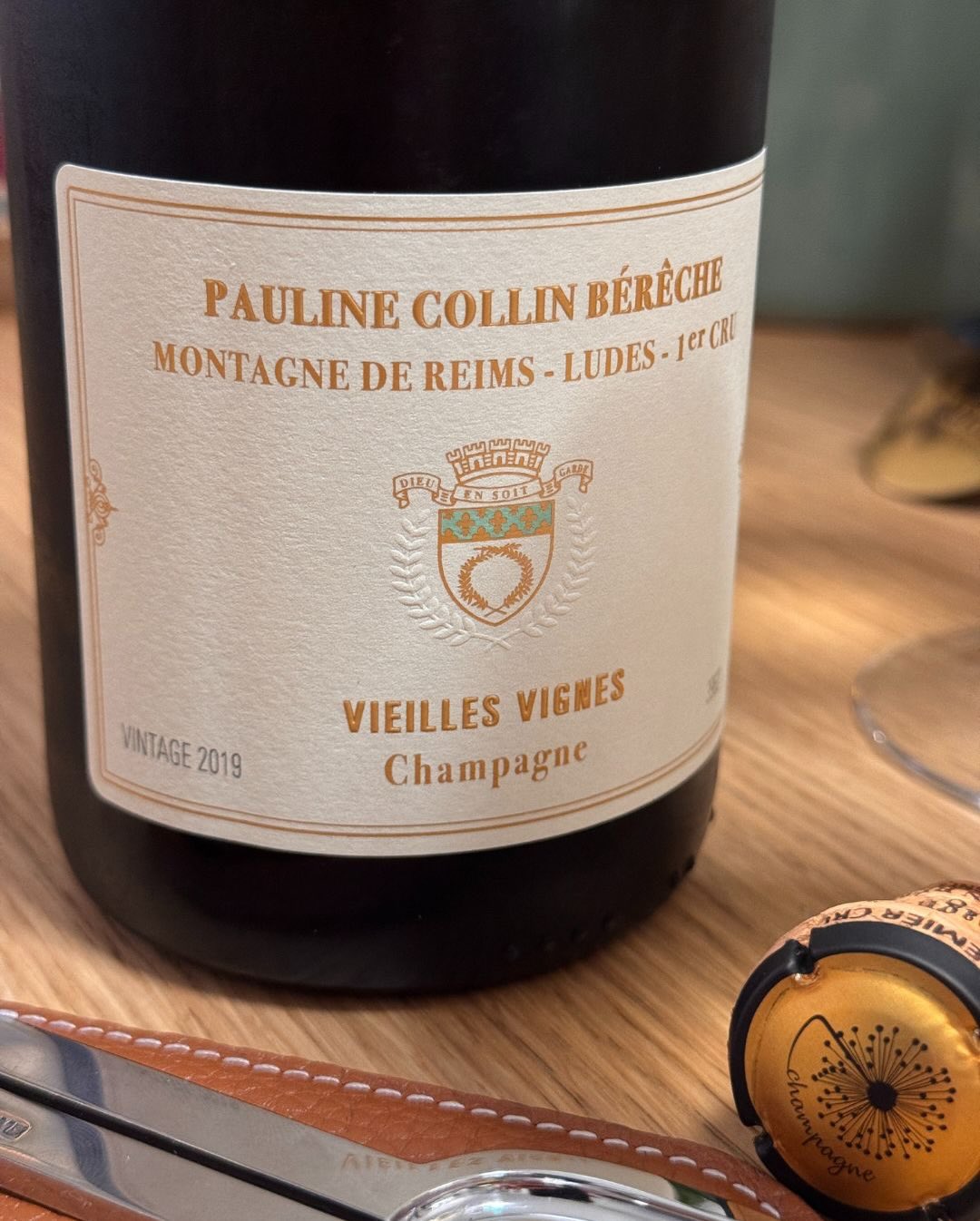
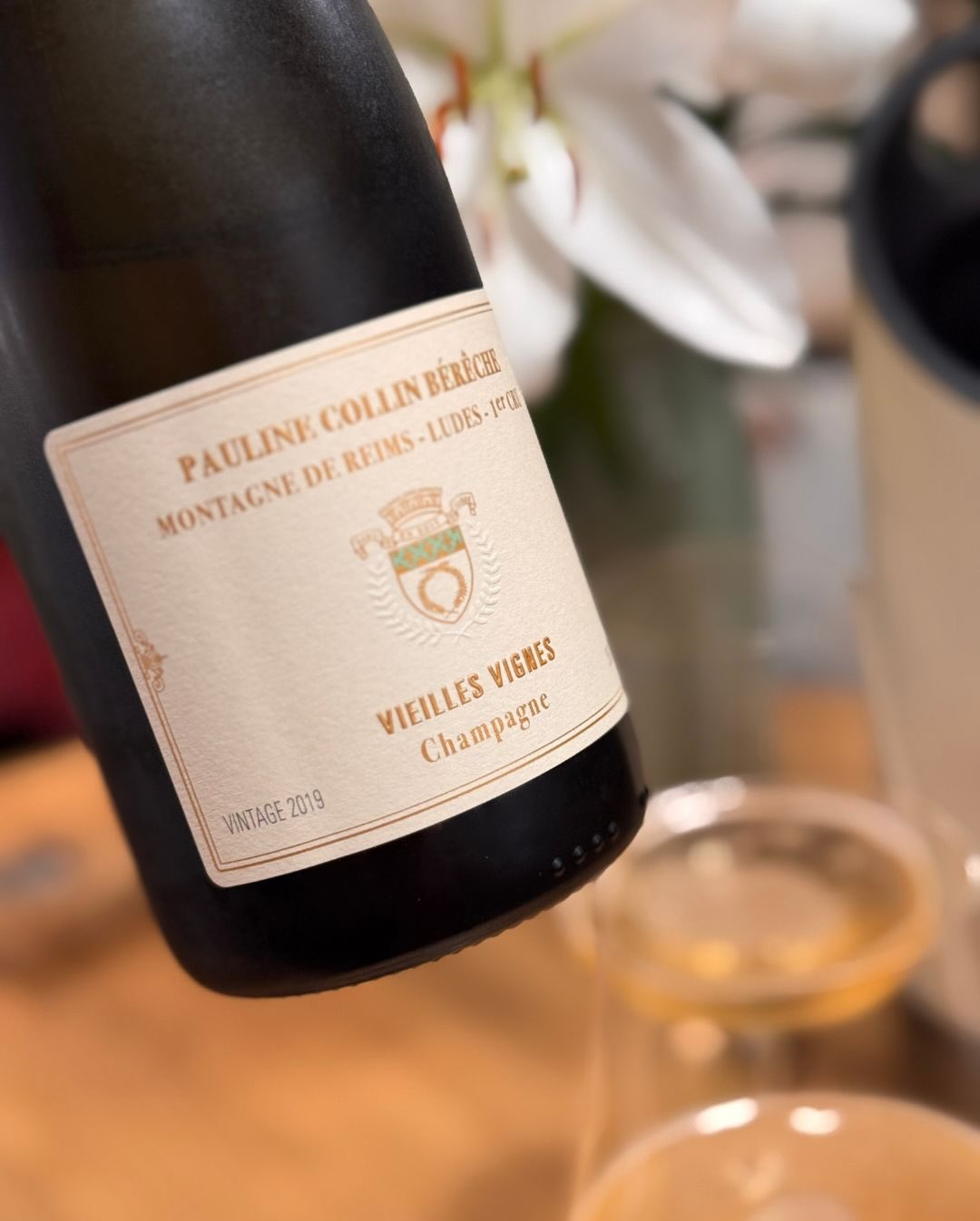
the_champagne.guy Gestern habe ich den Vieilles Vignes 2019 von @paulinecollinbereche geöffnet und war direkt begeistert von der ausgewogenen Cuvée. Pauline Collin ist die Tochter von Raphaël Bérêche und damit Teil einer Familie, die in Ludes seit Jahrzehnten für kompromisslose Präzision steht. Mit ihrem eigenen Projekt geht sie bewusst einen Schritt zur Seite – nicht weg von der Familie, sondern hinein in ihr eigenes Verständnis von Terroir. Die Reben stammen aus Ludes Premier Cru, alte Stöcke, mittlere Hanglage, karger Kalk. Spontanvergoren, zurückhaltend ausgebaut, ohne Schönung – der Fokus liegt klar auf dem Ort, nicht auf Spielereien. Im @gabriel_glas zeigt sich der Champagner ruhig, dicht und strukturiert. Reife Frucht, etwas Kräuterwürze, feine Hefenoten – und alles ist genau dort, wo es hingehört. Champagne-Facts 🍇 60 % Pinot Noir · 35 % Chardonnay · 5 % Petit Meslier 📍 Ludes Premier Cru · Montagne de Reims 🪨 Kalkhaltige Böden · alte Reben 🪵 Spontanvergärung · Ausbau auf der Hefe 🕰 Lange Hefereife 📅 Dégorgement: Juli 2024 🍬 Extra Brut · sans ajout de liqueur Ein sehr persönlicher Champagner, der sich schon vor dem Öffnen besonders anfühlt. Definitiv einer, der im Kopf bleibt 🙂 #thechampagneguy @mygabrielglas @grad.dk @laclaye #collinbereche #vieillesvignes #ludes #growerchampagne
Auf Instagram weiterlesen →2. Great Vintages: Millésime and Maturity
The second level is the age of the finished wine. Most Champagnes are blends of several years (non vintage). A Millésime, on the other hand, comes from a single year, and a house only declares one when that year was particularly good. More on this in my post about Millésime.
Vintage Champagnes are made to age. What happens along the way is fascinating: the zippy citrus and apple fruit of youth turns, over the years, into aromas of brioche, roasted nuts, honey, sometimes dried fruit, and fine spice. The mousse becomes softer, the texture creamier, and the whole wine feels rounder and deeper. Wine nerds call this tertiary aromatics.
The Comtes de Champagne from Taittinger, vintage 2014 is a case like this: a single-varietal Chardonnay prestige Cuvée with many years of aging, where you can taste exactly this transformation from fresh to layered. Prestige Cuvées are often the most mature wines a house produces. I've described how they differ from a house's standard Cuvées in my post on Prestige Cuvées.
3. Long Lees Aging: sur lattes
The third level is the most hidden, because it happens after bottling, in the dark cellar. After the second fermentation, the Champagne rests on its lees, "sur lattes" or "sur lie". The law requires a minimum of 15 months, and three years for vintage Champagne. Ambitious winemakers go far beyond that.
During this time, the dead yeast slowly breaks down, a process called Autolyse. This is exactly where the classic notes of fresh bread, brioche, and pastry come from, and it's exactly what gives a Champagne its creamy texture and length. More on this in my post on lees aging.
How far this can go is shown by the Cléo from Esterlin: a Blanc de Blancs with 128 months sur lattes, so nearly eleven years on the lees. Or the 198 Millésime from Perseval-Farge: vintage 2006, tirage in 2008, disgorged only in 2023, adding up to 15 years of lees aging, with zero Dosage and just around 1,000 bottles. Wines like this need to be drunk slowly, they keep growing in the glass minute by minute.
Why the Three Come Together
In practice, these three levels often overlap, and that's no coincidence. A winemaker who takes on the effort of old vines rarely reduces that wine to a quick blend. Instead, they turn it into a vintage Champagne and let it age on the lees for a long time. That's how the three forms of time come together in a single bottle.
This also explains why such wines are rare and found only in small quantities. Old vines yield little, good vintages don't come every year, and long lees aging ties up capital in the cellar for years. Time costs something, in the vineyard as much as in the cellar.
If You Have Such a Bottle in Your Glass
Three things help mature Champagnes show their depth:
- Don't serve it too cold. A young, fresh Champagne can be chilled. A mature vintage needs a bit more warmth so the tertiary aromas can unfold, closer to 10 to 12 degrees than 6 degrees.
- The right glass. No flute. A white wine glass or a tulip gives complex aromas room to breathe. Drinking a 15-year-old mature wine from a narrow flute means giving away almost everything you waited so long for. (#saynotoflutes)
- Give it time. Wines like this open up in the glass. The first sip is often the most reserved. Wait a few minutes, then a few more.
Time is the ingredient you can't buy and can't speed up. That's exactly what makes these bottles so special: they're the result of patience, in the vineyard, in the cellar, and finally, when you drink them too.