What Wood Aging Means
Wood aging, in French élevage en fût, refers to fermenting or aging the base wines in oak barrels instead of steel tanks. Before the invention of the steel tank, this was the norm: all Champagne base wines fermented and aged in wood. Then came the steel tank, clean, controllable, neutral, and the oak barrel nearly disappeared entirely.
Today it's experiencing a revival. More and more winemakers are deliberately turning to oak, not out of nostalgia, but because wood contributes something to the wine that steel can't. In the 1960s and 70s, the oak barrel was considered old-fashioned, a symbol of the past. Today it's once again a mark of quality and craftsmanship.
What Wood Aging Does
- Micro-oxygenation: Through the pores of the wood, tiny, slow amounts of oxygen reach the wine. This promotes chemical reactions that make the wine more complex.
- Texture: creamier, denser, a fuller mouthfeel.
- Aromas: vanilla, toast, spice from new barrels, nutty notes from old ones.
- Tannin: a minimal release of tannin provides structure.
- Aging potential: wood-aged Champagnes are often longer-lived.
The most important effect is micro-oxygenation. In a steel tank, the wine ages reductively, meaning with no exposure to oxygen. In wood, by contrast, tannins polymerize (they become softer), aromas develop, and the texture becomes silkier.
The Barrel Types
Not every barrel is the same. What matters is the ratio of wood surface to wine volume: the smaller the barrel, the stronger the wood influence.
- Barrique (225 liters): the Bordeaux barrel. Small volume, large surface-to-wine ratio, strong wood influence.
- Pièce (205 liters): the Burgundy barrel, traditionally used in Champagne, slightly smaller than the Barrique.
- Demi-Muid (500 to 600 liters): roughly twice the size of a Barrique. Less wood influence, more texture.
- Foudre (1,000 liters and up): the large wooden vat. Minimal wood flavor, mostly texture and micro-oxygenation. Houses like Krug and Bollinger work with formats like these.
The choice of format is a matter of style. Those who want a pronounced wood character reach for the Barrique. Those seeking only the textural benefits without changing the flavor use large, old Foudres.
New Wood vs. Old Wood
The distinction between new and old wood is crucial. A new Barrique releases large amounts of aromatic compounds in its first years: vanillin, eugenol (clove), lactones (coconut), furfural (toast). After three to five years of use, these compounds are largely extracted, and the barrel functions purely texturally, it provides micro-oxygenation and creaminess without dominating the flavor.
| New Barrel (1 to 3 years) | Old Barrel (5 years and older) |
|---|---|
| Pronounced wood notes | Barely any wood flavor |
| Vanilla, toasty aromas | Nutty, oxidative |
| Risk of over-oaking | Purely textural |
| Small houses, prestige Cuvées | Krug, Bollinger (large old barrels) |
Spontaneous Fermentation in Wood
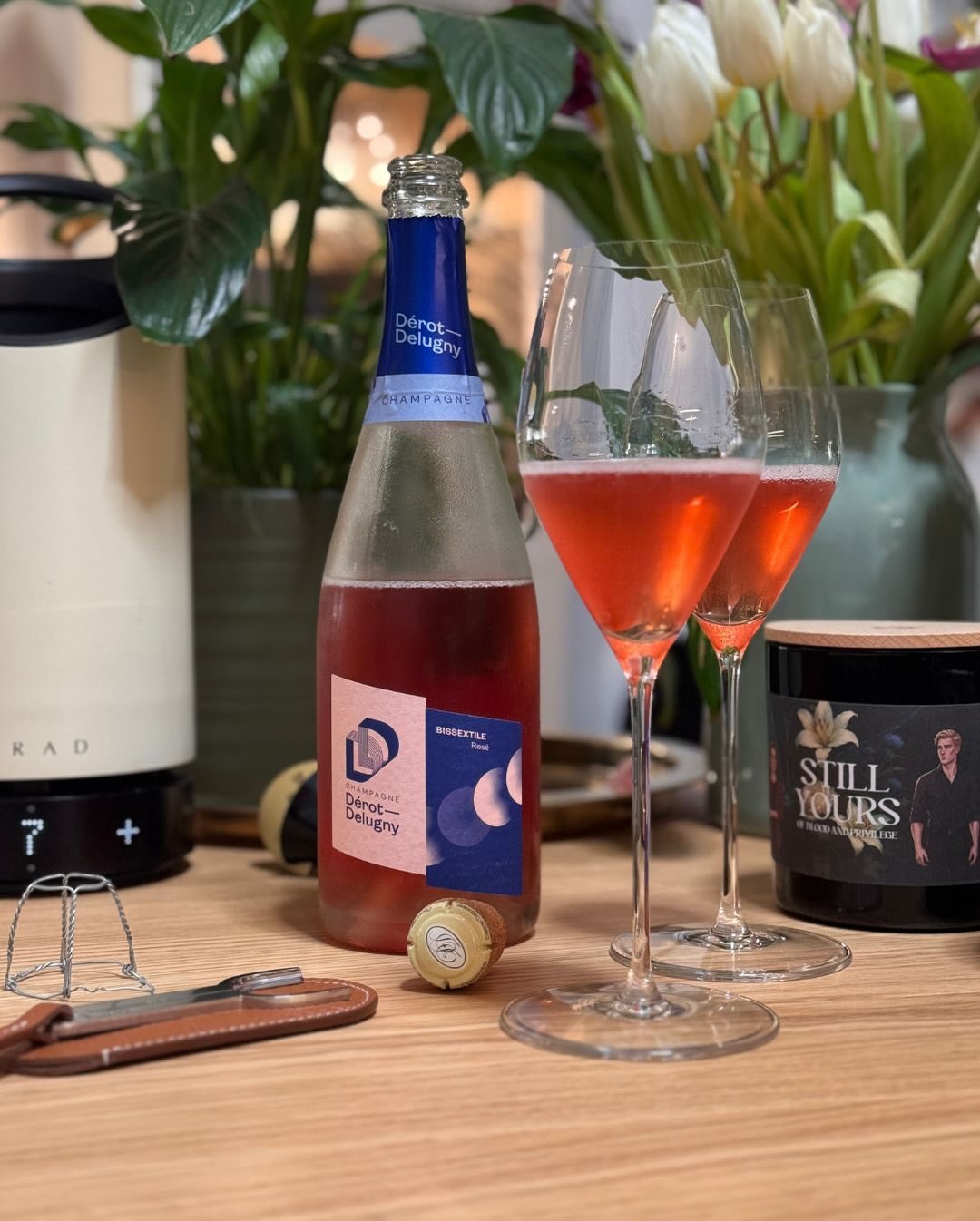
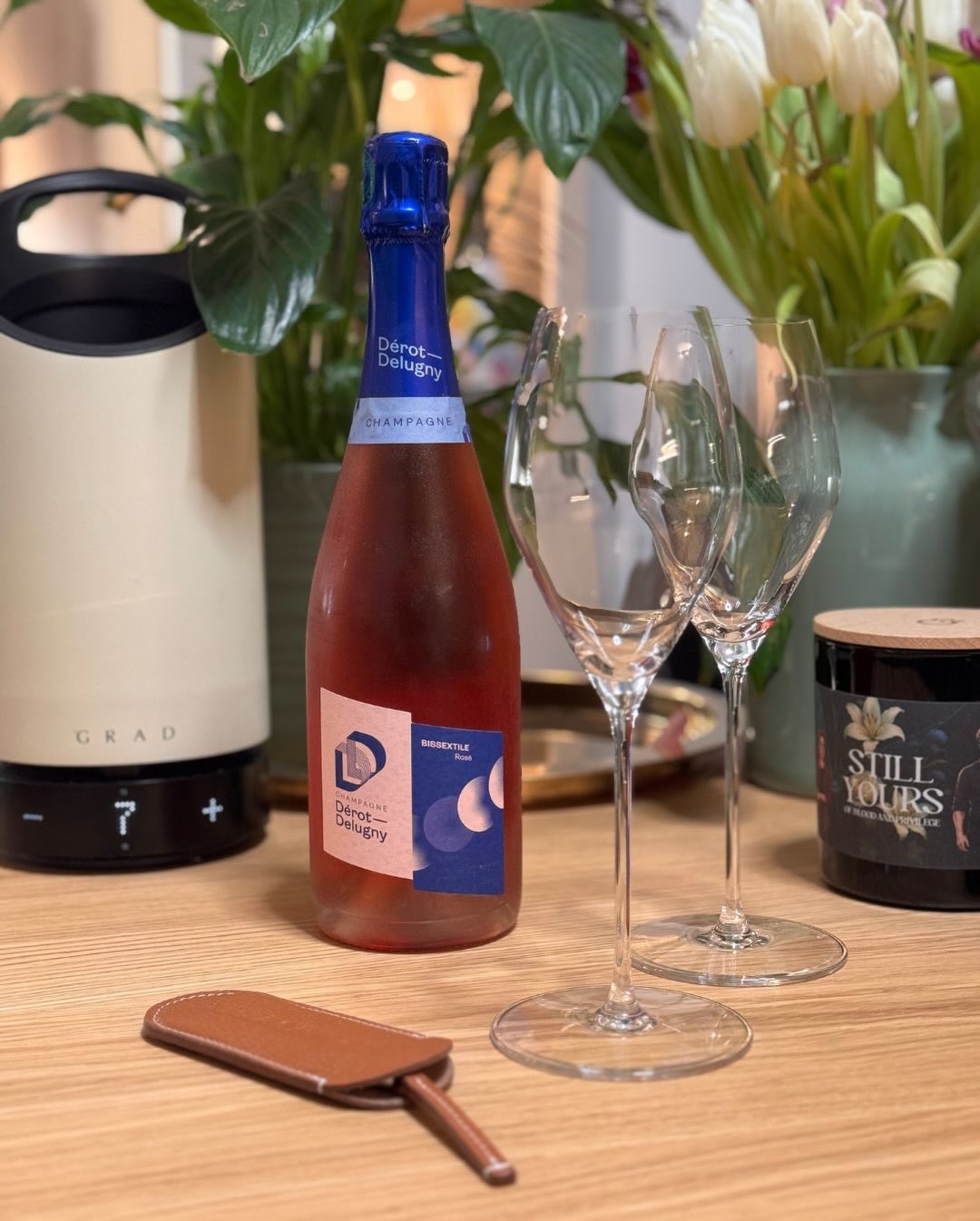
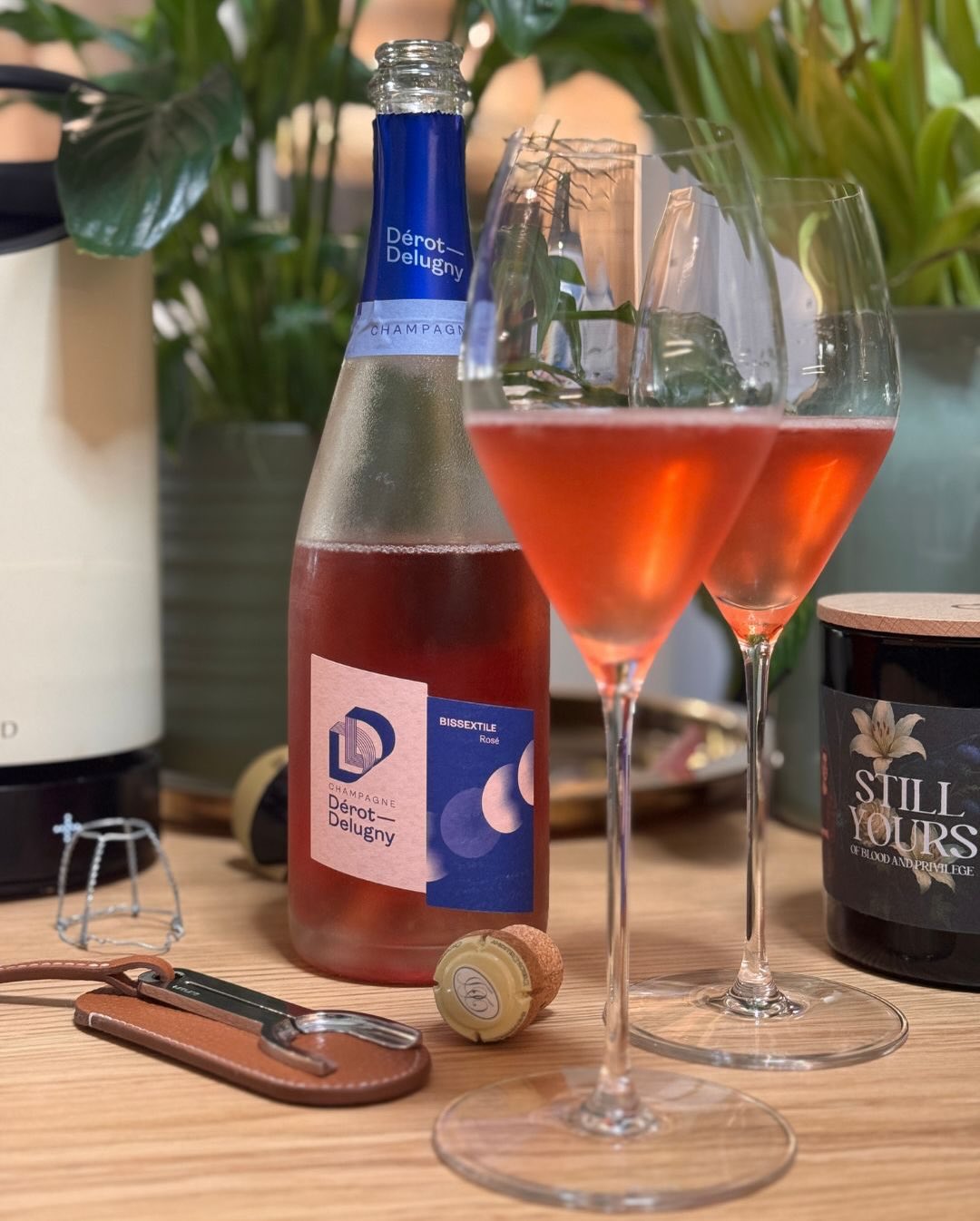
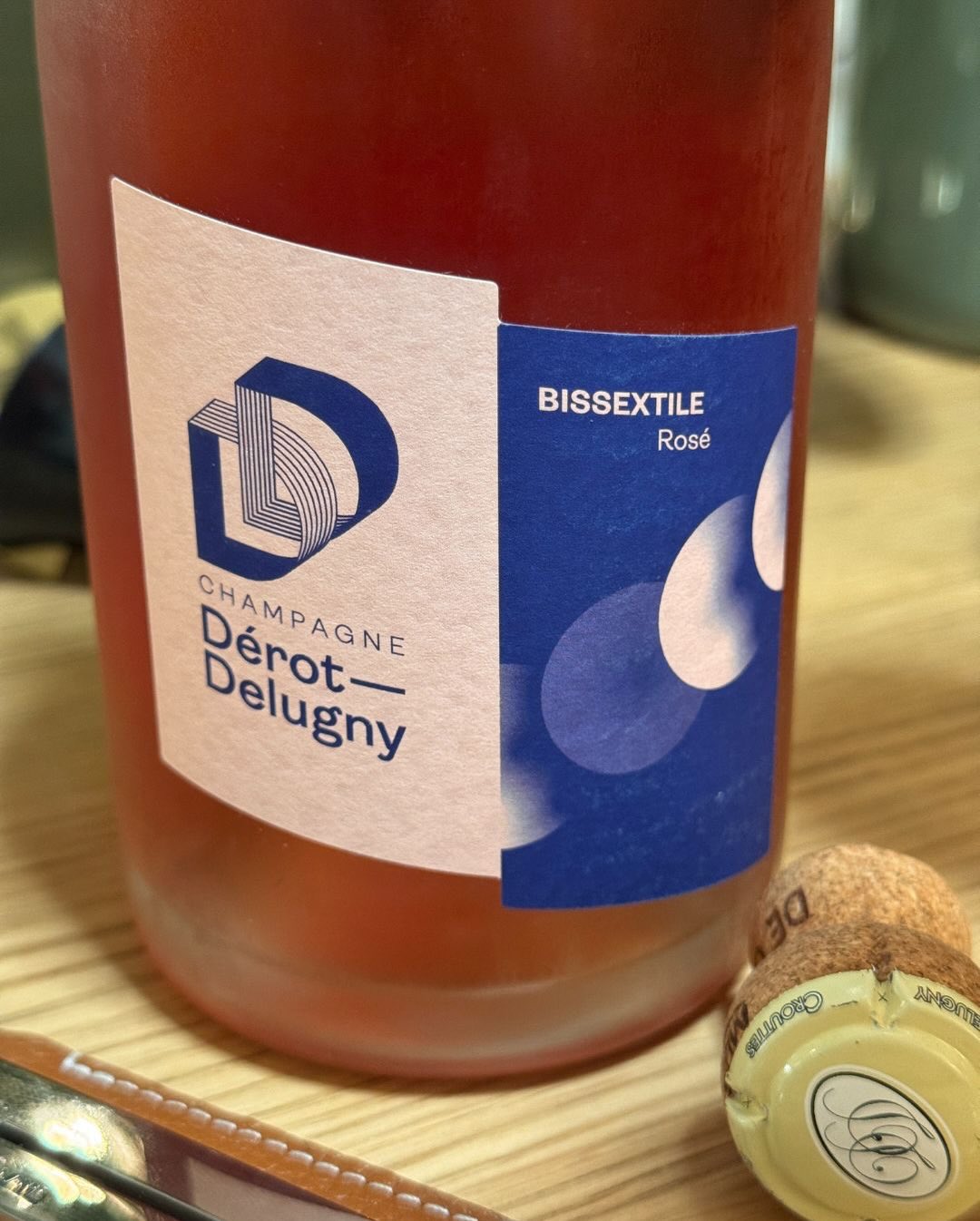
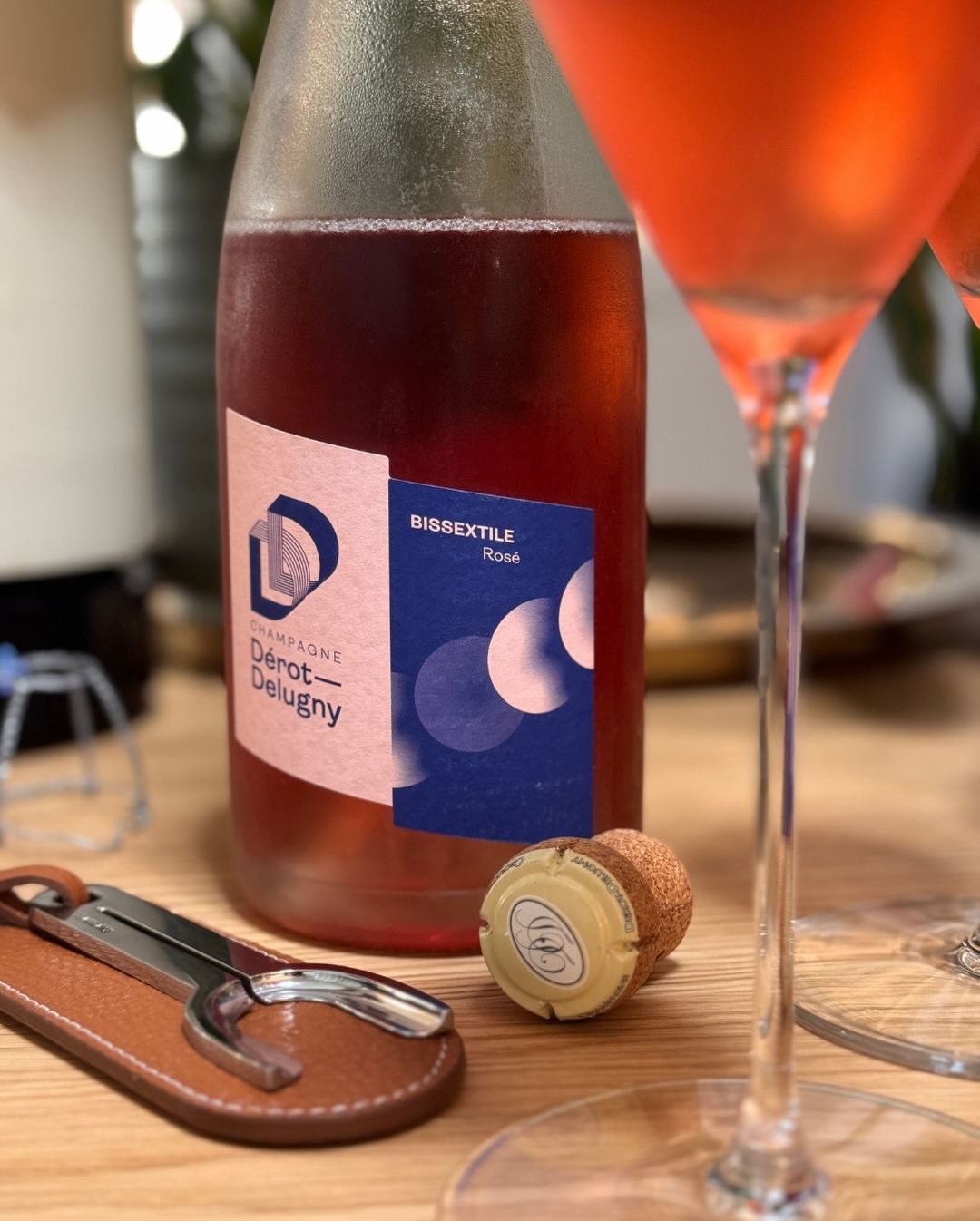
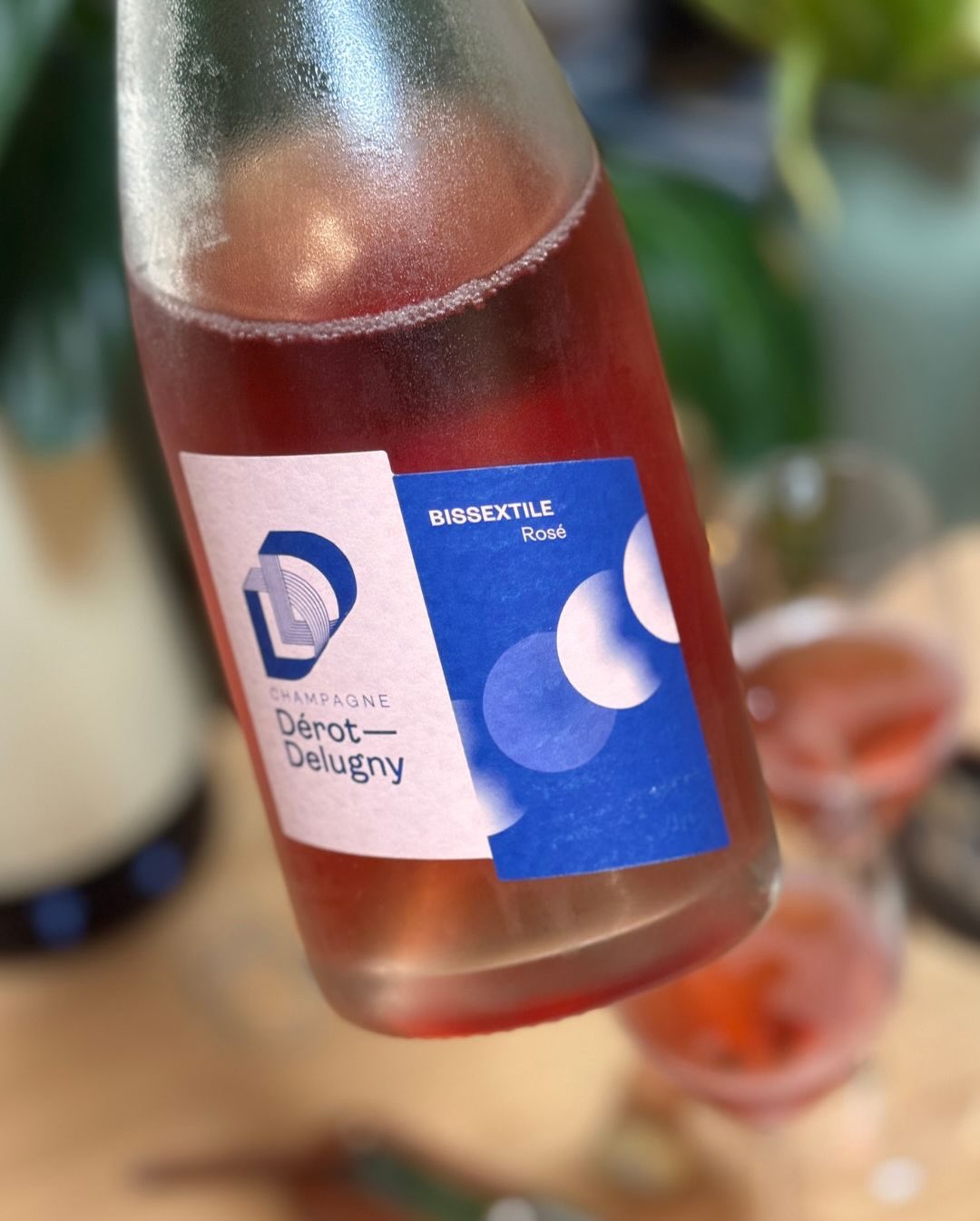
the_champagne.guy Hier habe ich einen ganz besonderen Rosé göffnet: den „Bissextile“ von @derotdelugny . Der Name ist hier Programm, denn dieser Rosé d’Assemblage wird nicht in jedem Jahr produziert. Er ist eine Assemblage aus 43 % Chardonnay, 43 % Pinot Meunier und 14 % Pinot Noir. Der Clou? Die 14 % Rotwein für die Farbe und Struktur stammen von einer alten, ideal gelegenen Parzelle, werden ausschließlich in den besten Jahren geerntet und in Eichenfässern vinifiziert! Im Glas leuchtet er in einem dunklen Himbeerrot. Fast schon Rubinrot. In der Nase ist er sofort präsent: Es starten feine Gewürznoten, die dann von dunklen Früchten wie Brombeere und Cassis abgelöst werden. Dazu gesellt sich ein feiner Hauch von Leder, der schon erahnen lässt, dass hier ordentlich Struktur im Spiel ist! Am Gaumen setzt sich dieses würzige Spiel fort: Muskatnuss und Zimt, begleitet von zarten Noten von Kirschkern und Kirschwasser. Gegen Ende dreht er dann nochmal richtig auf und bringt Aromen, die man eher von einem Rosé de Saignée erwarten würde – dunkle Früchte, gepaart mit einer säuerlichen, fast schon „gierigen“ Frische, die für ein grandioses Finish sorgt. Für diesen charakterstarken Rosé habe ich heute bewusst das etwas schmalere @riedel_official Performance Glas gewählt. Es ist perfekt, um die feinen Gewürz- und Fruchtnoten zu fokussieren und der Struktur dieses 2018/2019er Blends genau den richtigen Rahmen zu geben. Champagne-Facts 🥂 🍇 43 % Chardonnay · 43 % Pinot Meunier · 14 % Pinot Noir (Rotwein) 🍷 Reserveweine: satte 50 % 📅 Basisjahre: 2018-2019 🕰 Ausbau: 4 Jahre Hefelager, Malo gemacht 🍬 Dosage: 6 g/l (Brut) mit hausgemachtem Chardonnay-Liqueur Fazit: Ein strukturierter, eleganter und herrlich würziger Rosé, der durch den Rotweinanteil aus alten Reben und den Holzausbau eine tolle Dichte mitbringt. Wer gerne kräftigere Rosés trinkt, ist hier genau richtig! Begleitet ihr so einen intensiven Rosé lieber mit Essen oder genießt ihr ihn pur? #TheChampagneGuy @laclaye @grad.dk @grad_rd #Bissextile #RoseChampagne #GrowerChampagne #RiedelPerformance
Auf Instagram weiterlesen →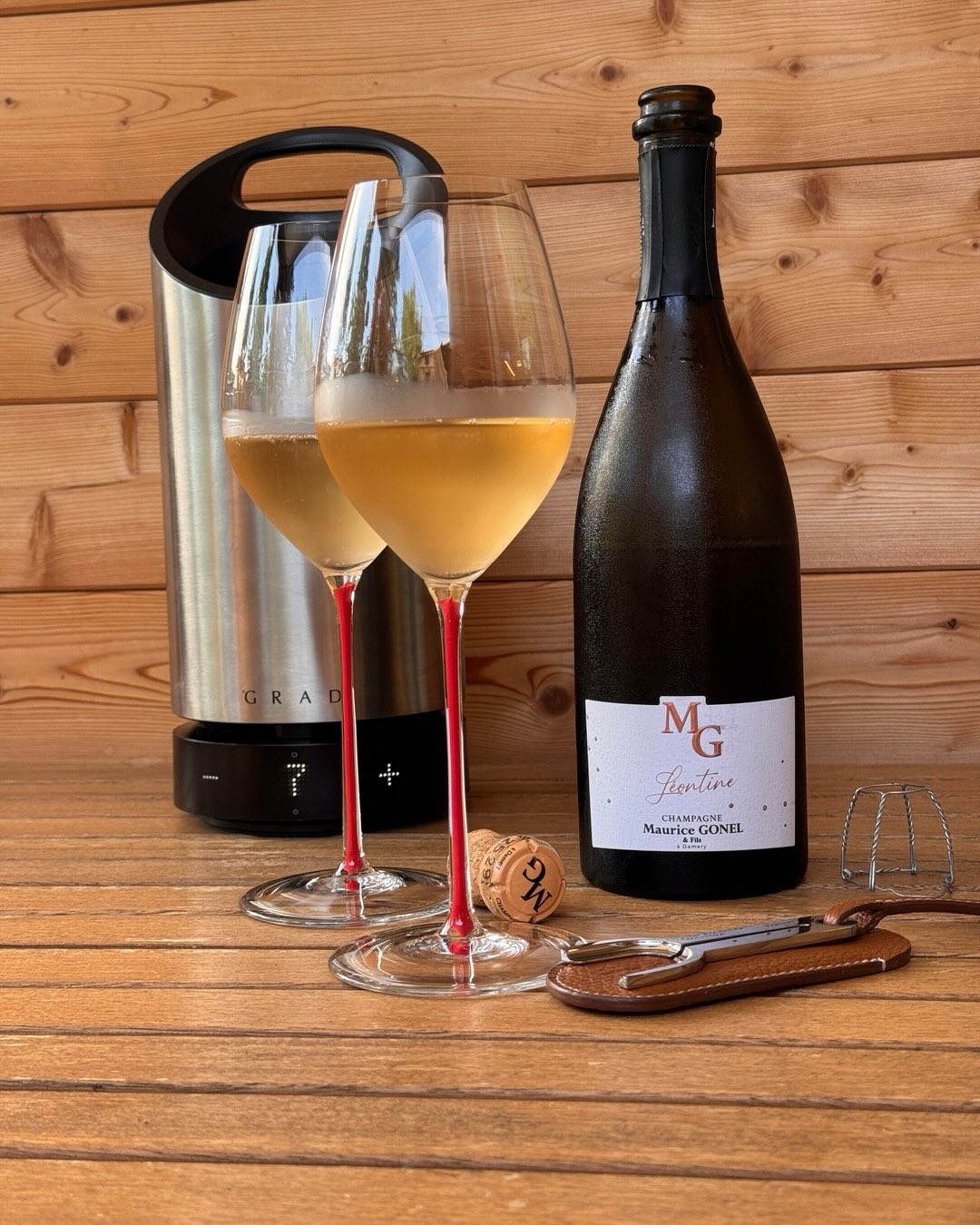
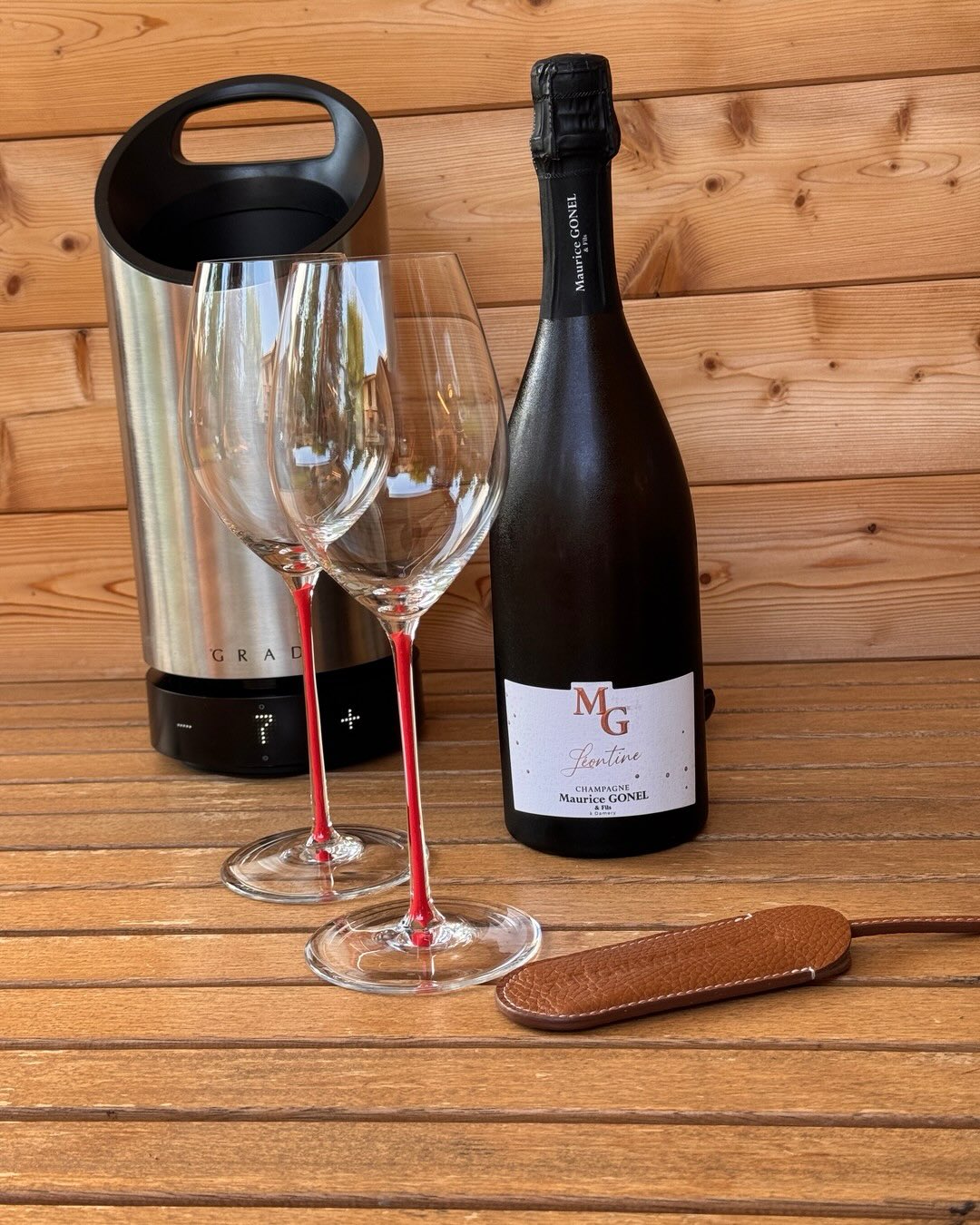
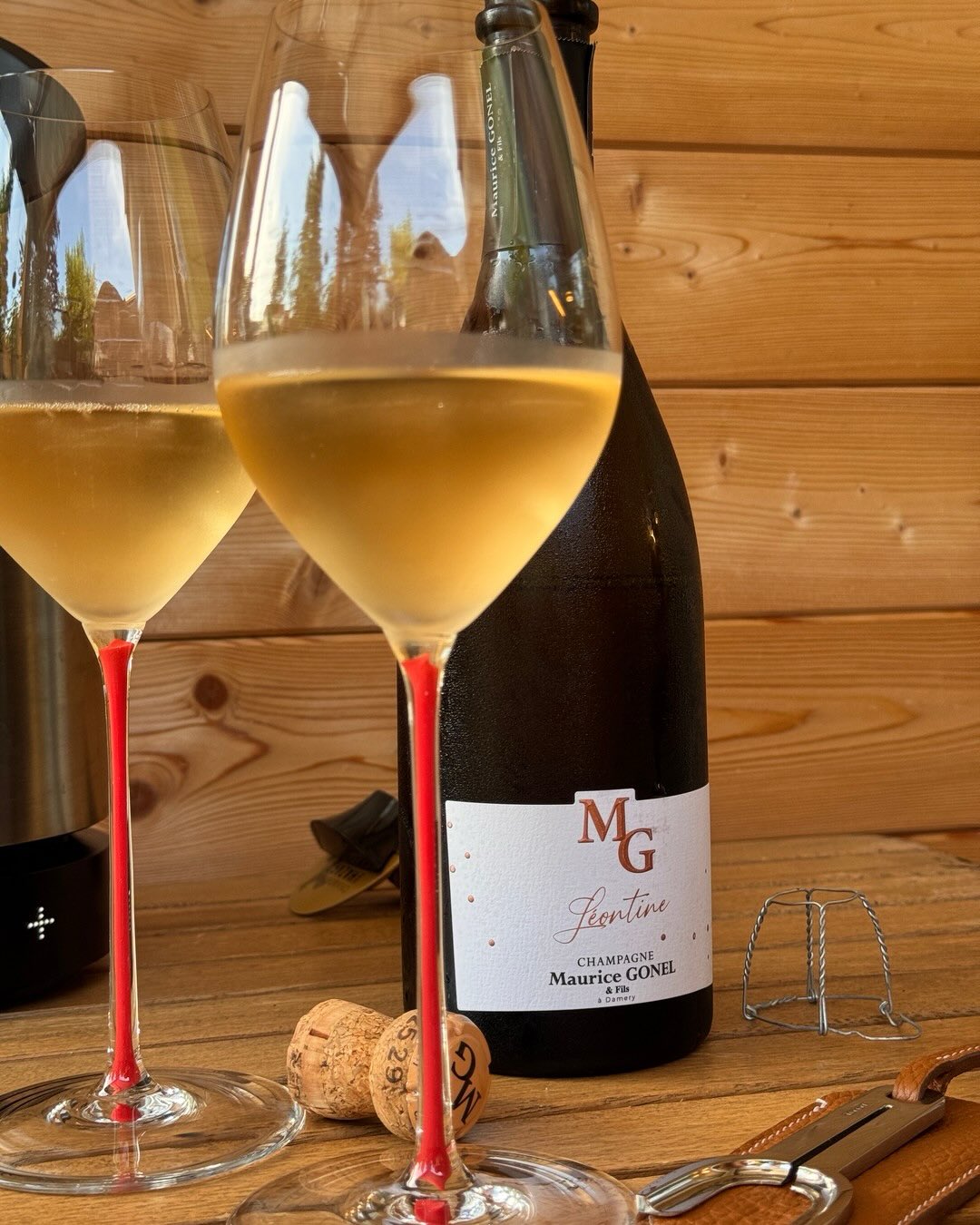
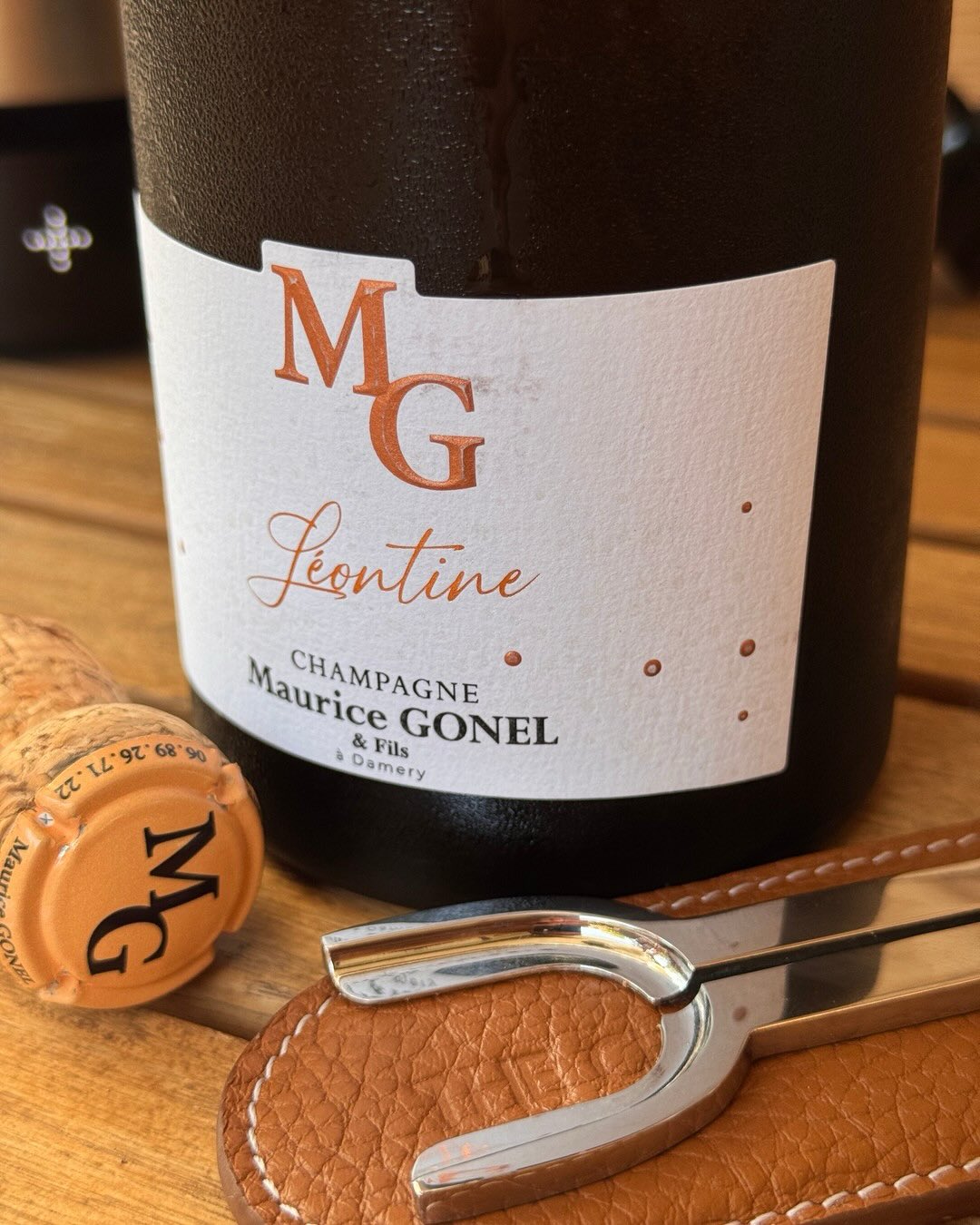
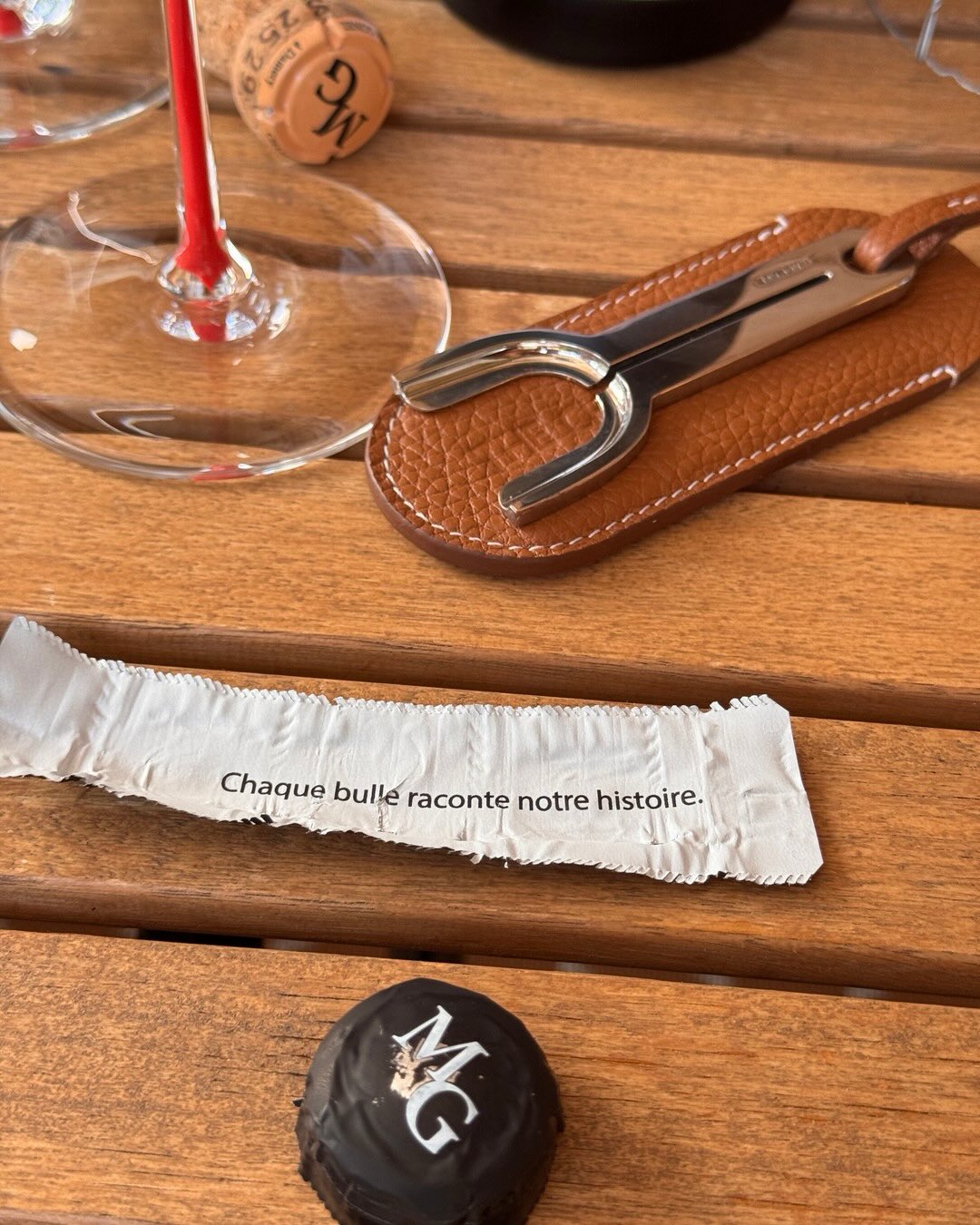
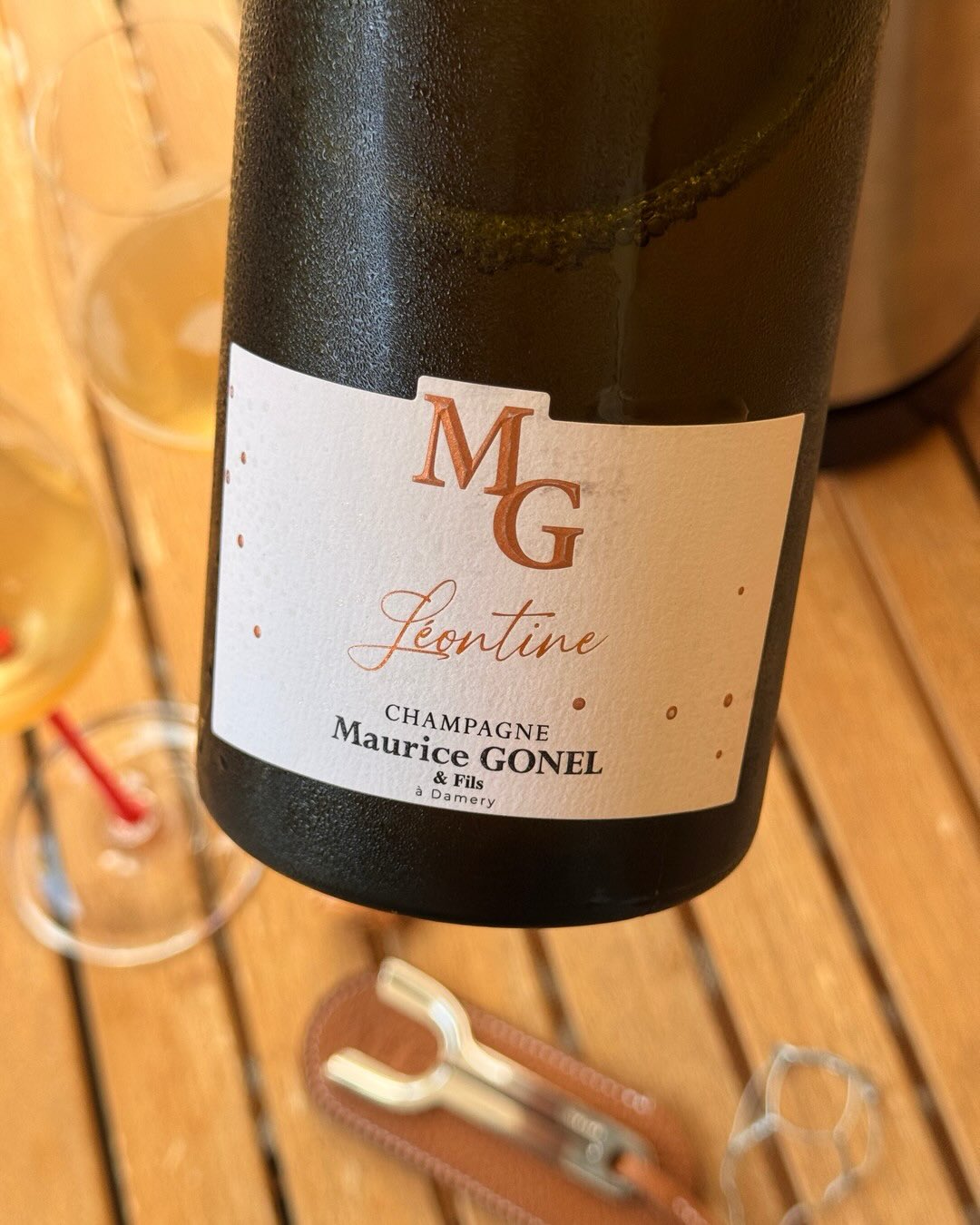
the_champagne.guy Die Léontine 2021 von @camillegonel ist der Jahrgangs-Meunier des Hauses, und schon die Vinifikation macht klar, dass das kein Alltagswein sein soll: 12 Monate im alten Eichenholzfass, dann mehrere Jahre auf der Hefe. Camille Gonel hat mir beim Erstkontakt im Mai erklärt, dass die Léontine die klare Meunier-Visitenkarte des Betriebs ist, bewusst als Gegenpart zur assemblagebasierten Grande Réserve positioniert. Das Haus ist HVE-zertifiziert und sitzt in Damery, einer Gemeinde im Herzen der Vallée de la Marne, wo Meunier traditionell dominiert. Diese Cuvée bringt genau das auf Flaschenebene. Was mich an diesem Konzept interessiert: 2 g/l Dosage bei einem Meunier-Millésime ist de facto Nulldosage-Terrain. Das lässt der Frucht und dem Holzausbau keine Schminke, alles steht und fällt mit dem Jahrgang und der Vinifikation. 🍾 Assemblage: 100% Pinot Meunier 🏆 Jahrgang: 2021 🍷 Ausbau: Altes Eichenholzfass, 12 Monate ⏱ Reifung: Mehrere Jahre sur lattes 🥂 Dosage: 2 g/l (Extra Brut) 📍 Lage: Damery, Vallée de la Marne 💡 Charakter: konzentriert, strukturiert, trocken Ich finde es konsequent, einen Meunier-Millésime auf diesem Niveau fast dosagefrei zu lassen. Entweder der Jahrgang trägt das, oder er tut es nicht. Und hier tut er es. #BlancdeNoirs @riedel_official @riedelteam_france @laclaye @grad.dk @grad_rd #ValleeDeLaMarne #Millesime2021 #MauriceGonel #TheChampagneGuy
Auf Instagram weiterlesen →Many winemakers who favor wood also ferment spontaneously, meaning with the natural yeasts present on the grapes and in the cellar, rather than added cultured yeasts. Oak barrels and spontaneous fermentation often go together: the open-pored wood and the small containers create an environment in which the wild yeast flora can work slowly and in several stages.
The appeal lies in the complexity. Spontaneously fermented wines often seem more layered and more strongly shaped by their particular place, since an entire population of different yeasts is at work instead of a single cultured strain. The price is the risk: a spontaneous fermentation can get stuck, proceed too slowly, or develop off-flavors. It demands healthy grape material and meticulous cellar hygiene. That's exactly why it's not something automatic, but a deliberate, labor-intensive decision.
When Wood Gets in the Way
Wood aging is no automatic guarantee of quality. In the wrong hands, it produces Champagnes that taste like vanilla extract and sawdust. This happens especially when:
- too much new wood is used,
- the base wine is too thin to carry the wood influence,
- fermentation in the barrel isn't controlled cleanly,
- barrels aren't properly maintained (risk of Brettanomyces and off-flavors).
When the wood overwhelms the wine, the perlage becomes almost an afterthought, because all that's left is vanilla and smoke. That's not Champagne craftsmanship, that's wood extraction.
Wood and Terroir
The most interesting question is this: does wood obscure terroir or highlight it? The answer depends on the degree. A restrained use of wood, old barrels, large formats, can refine the texture and add an extra dimension to the terroir. Aggressive use of wood, new Barriques, small formats, covers everything in vanilla and toast.
Wood in Champagne is a double-edged sword. In the right hands, it brings depth and complexity. In the wrong ones, it turns Champagne into perfumed oak extract. The art lies in the degree.