What Is Ratafia Champenois?
Champagne doesn't only produce sparkling wine. The Ratafia Champenois is the region's liqueur wine: a so-called Mistelle, in which fresh grape must is fortified with brandy from Champagne before fermentation can fully take place. The result typically lands at 17 to 18% alcohol and retains the natural residual sweetness of the grape (often around 120 g/l), since the sugar is never allowed to ferment out completely.
The principle is the same as with Pineau des Charentes (Cognac) or Floc de Gascogne (Armagnac). The only difference is that here the base is Champagne grapes: Meunier, Pinot Noir, or Chardonnay, depending on what the winemaker has available and wants to showcase.
Production in Brief
- Fresh must from the Champagne harvest, often from the same parcels as the house's Champagnes
- Mutage: addition of Champagne brandy (Fine de Champagne or Marc), which stops fermentation before it really gets going
- Aging: usually in barrel, often for years. Wood aging brings notes of nut, caramel, and oxidative depth
- No bubbles, no second fermentation: Ratafia is a still liqueur wine
Since 2015, Ratafia Champenois has held protected geographical indication (IG) status. Both the grapes and the brandy must come from Champagne.
What Does It Taste Like?
Young, Ratafia shows plenty of fresh grape, apricot, and honey. With barrel aging (and even with time in an opened bottle), it develops dried fruit, candied orange, nut, and an almost meditative density. Unlike Champagne, it doesn't live on freshness and tension, but on warmth and depth.
A nice side effect for everyday enjoyment: an opened bottle, kept cool, holds up for months and tends to grow more complex rather than fading.
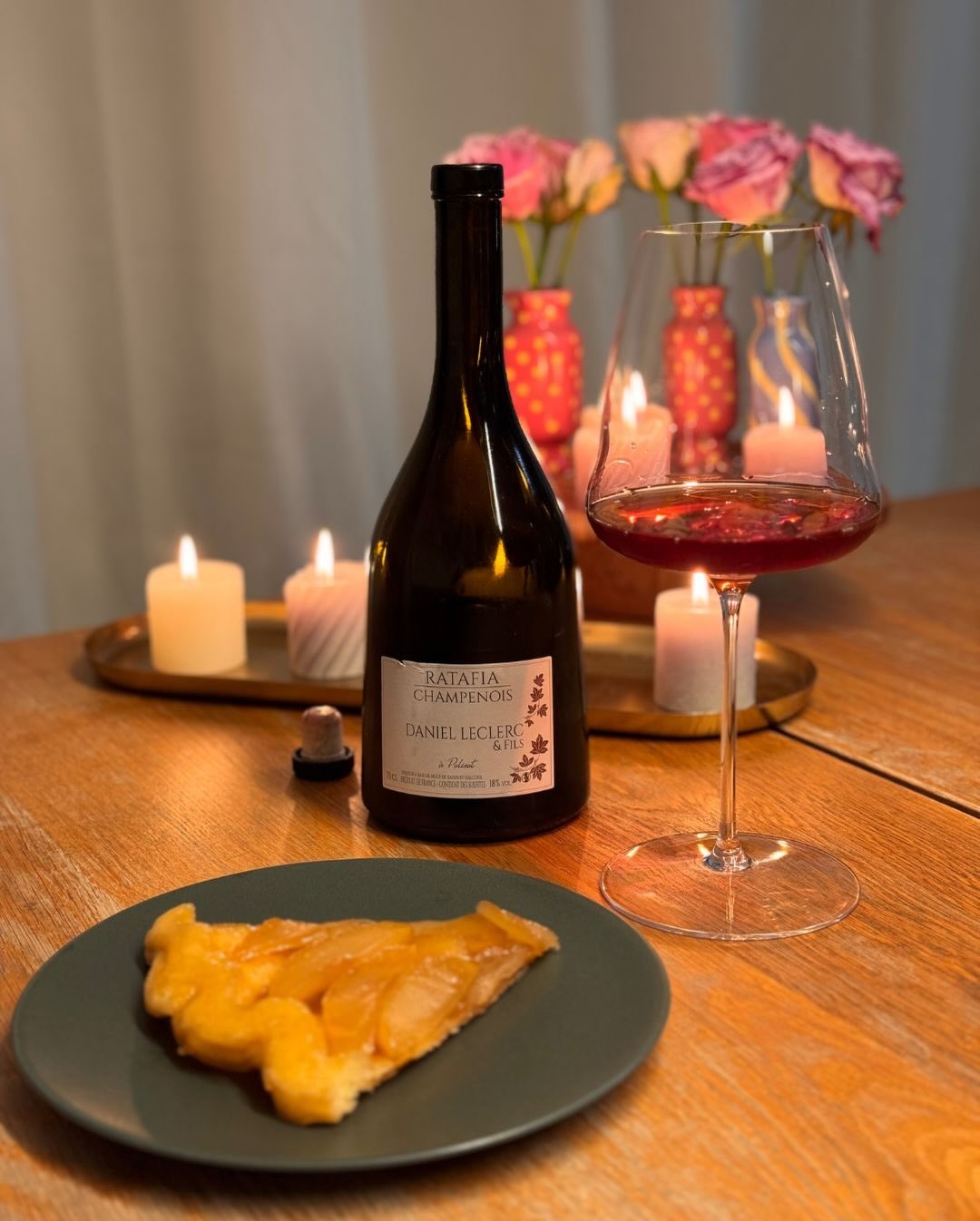
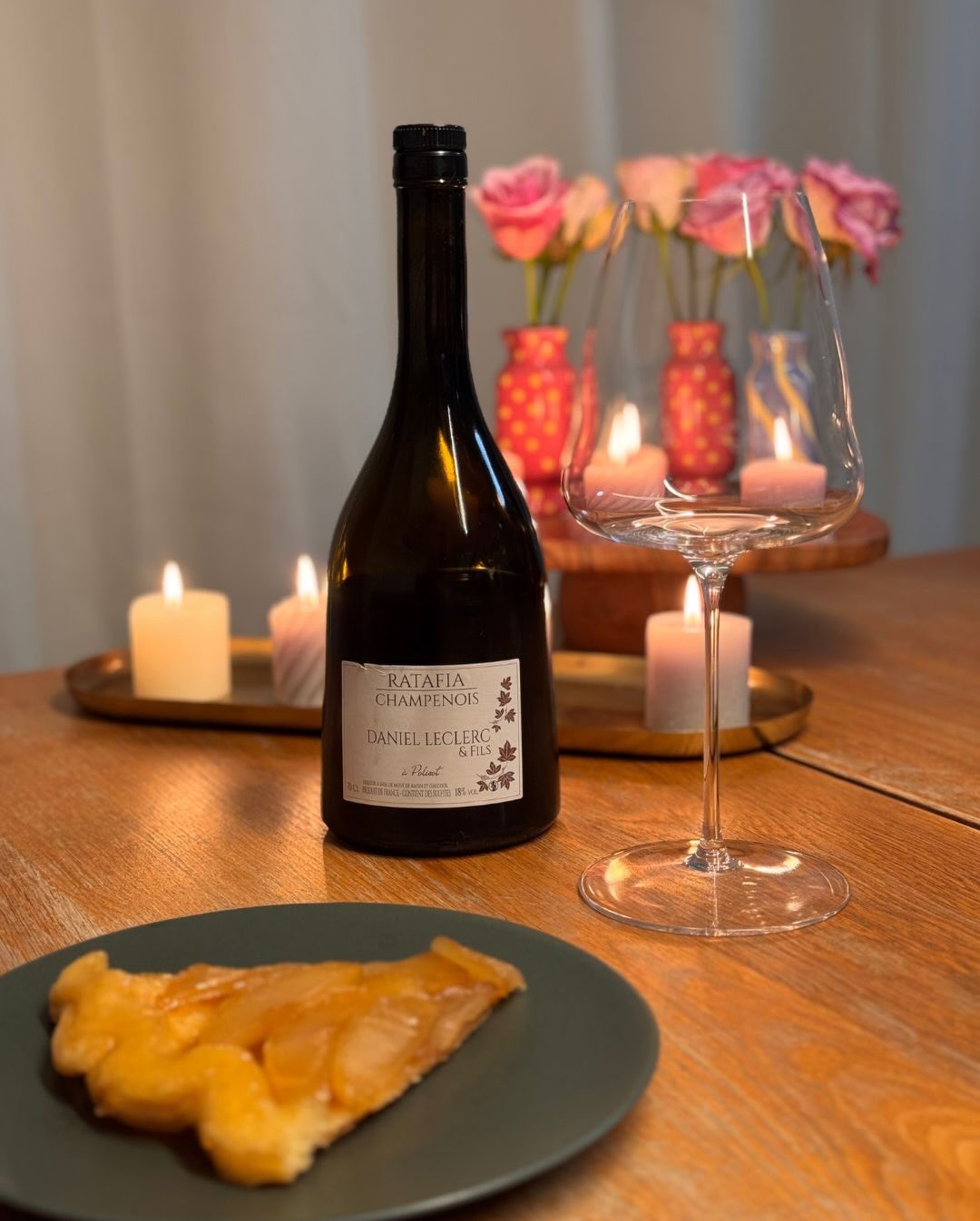
the_champagne.guy Manchmal braucht ein Abend keinen Champagner, sondern einen echten Seelenschmeichler. Hier im Glas: Der Ratafia Champenois von @champagne.daniel.leclerc . Das Spannende an dieser Flasche: Ich habe sie bereits vor gut vier Monaten geöffnet und seitdem kühl gelagert. Es ist faszinierend zu beobachten, wie sich der Ratafia über diese Zeit verändert hat. Er hat zwar ein klein wenig von seiner ursprünglichen jugendlichen Frische eingebüßt, dafür aber massiv an Tiefe und Komplexität gewonnen. Die Aromen sind dichter geworden, fast schon meditativ. In der Nase ist das jetzt pure Opulenz: Getrocknete Aprikosen, Honig, kandierte Früchte und eine feine nussige Würze. Am Gaumen wirkt er weich, cremig und wunderbar wärmend. Genau in dieser gereiften Form war er das perfekte Pairing zu einer ofenwarmen Tarte Tatin. Die karamellisierten Äpfel und der buttrige Mürbeteig brauchen einen Partner, der gegen diese Süße bestehen kann, ohne ihn zu erschlagen. Der Ratafia legt sich wie ein goldener Mantel um die Äpfel und greift die Karamellnoten durch seine gewonnene Tiefe perfekt auf. Ratafia-Facts 🥂 🍇 100% Pinot Meunier 🥂 Likörwein (Mistelle) aus dem Vallée de la Marne 🪵 Ausbau im Eichenfass ⏳ Geöffnet & entwickelt über 4 Monate 🍬 Natürliche Restsüße der Traube 📍 Polisot · Côte des Bar (Daniel Leclerc) Fazit: Wer Ratafia nur frisch geöffnet kennt, verpasst was. Die zusätzliche Tiefe durch die Lagerung an der Luft macht ihn zum ultimativen Begleiter für Desserts wie eine Tarte Tatin. Das flüssige Gold der Champagne – mal ganz ohne Bläschen. #TheChampagneGuy @riedel_official #DanielLeclerc #RatafiaChampenois #TarteTatin #FoodPairing
Auf Instagram weiterlesen →Serving & Pairing
- Temperature: lightly chilled, 8 to 10 degrees, in a small white wine or port glass
- As an aperitif: neat or on ice, the most classic use within Champagne itself
- With dessert: the star pairing. Tarte Tatin, crème brûlée, caramelized fruit, blue cheese
- In the kitchen: for deglazing poultry jus or in sabayons
Ratafia and Meunier
Many winemakers in the Vallée de la Marne make their Ratafia from Pinot Meunier, simply because the variety dominates there. Meunier's juicy, fruit-forward character suits the Mistelle principle well: the grape remains recognizable as fruit, rather than disappearing behind fermentation aromas.
The only Ratafia I've tasted so far comes from Daniel Leclerc (Polisot, Côte des Bar) and is 100% Pinot Meunier, aged in oak barrels. I documented it in detail in the embedded post above: over four months after opening, it developed dried apricots, honey, candied fruit, and a nutty spice, a perfect match with a warm-from-the-oven Tarte Tatin.
A Quick Take
Ratafia is not a substitute for Champagne, nor does it try to be. It's what the winemakers themselves drink after a meal: an artisanal byproduct with its own identity, barely known outside the region. If you come across a bottle (production quantities are small), you'll be getting a piece of Champagne culture, minus the bubbles.