What is a Solera System?
The Solera system originally comes from Sherry production. The principle: A barrel is never completely emptied. Each year, a portion is removed and replaced with new wine. Over the years, the barrel contains wine from many different vintages — an "eternal reserve" (Réserve Perpétuelle).
The concept sounds simple, but the mathematics behind it is fascinating. If you remove 30% of the barrel each year and replace it with new wine, after ten years the barrel theoretically still contains traces from the very first vintage — tiny amounts, but they're there. After twenty years, the oldest portion becomes homeopathically small, but it still influences the overall character. It's like memory in liquid form.
Solera in Champagne
More and more Champagne winemakers are using the Solera principle for their reserve wines. Instead of blending their Brut Sans Année only from the current vintage plus a few years of reserve wine, they work with a Solera barrel that contains wine from 10, 20, or even 30+ vintages.
In Champagne, they often don't speak of "Solera" but rather of Réserve Perpétuelle. The reason: Sherry producers defend the term Solera as a protected designation. But the principle is identical — a constantly renewing reservoir of reserve wines.
The difference from the classic reserve wine method is fundamental. Traditionally, a large house stores its reserve wines by vintage in tanks: 2018 in one tank, 2019 in another, 2020 in a third. When blending, the cellar master takes from each vintage what he needs. With the Solera method, all vintages are already united — in a single vessel that never becomes empty.
What Makes Solera Champagne Special
- Complexity — Layers from many vintages
- Consistency — The Solera system smooths out vintage variations
- Depth — Oxidative notes, nuttiness, honey
- Uniqueness — No Solera Champagne tastes like another
The complexity of a Solera Champagne is different from that of long lees aging. While autolysis brings creamy, bready notes, the Solera delivers more oxidative depth: nut, honey, dried fruit, sometimes a hint of curry or tobacco. These are aromas you would never find in a fresh Non-Vintage.
Consistency is another advantage. A Solera system automatically smooths out the differences between good and difficult years. A vintage like 2017, which was challenging in Champagne, gets absorbed in a 20-year Solera and only marginally influences the overall character. The result is a Champagne that is consistently high-quality every year — without the uniformity of an industrial product.
Different Approaches
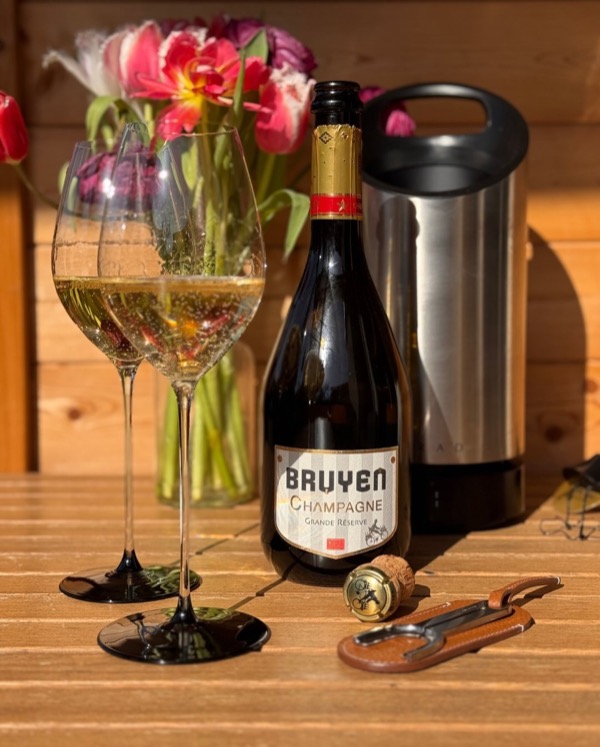
Die Terrassen-Saison für Business-Meetings ist eröffnet! ☀️🥂 Es beginnt wieder die Zeit, in der es warm genug ist, um lockere Geschäftstermine…
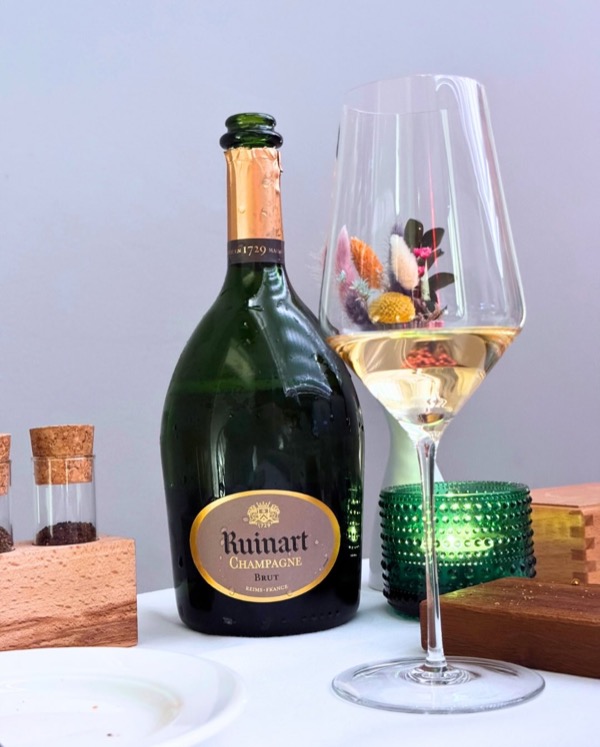
Gestern waren wir im wunderbaren @max_enk_leipzig . Wenn man ein wirklich großartiges Menü vor sich hat, braucht man manchmal keinen ultra-komplexen,…
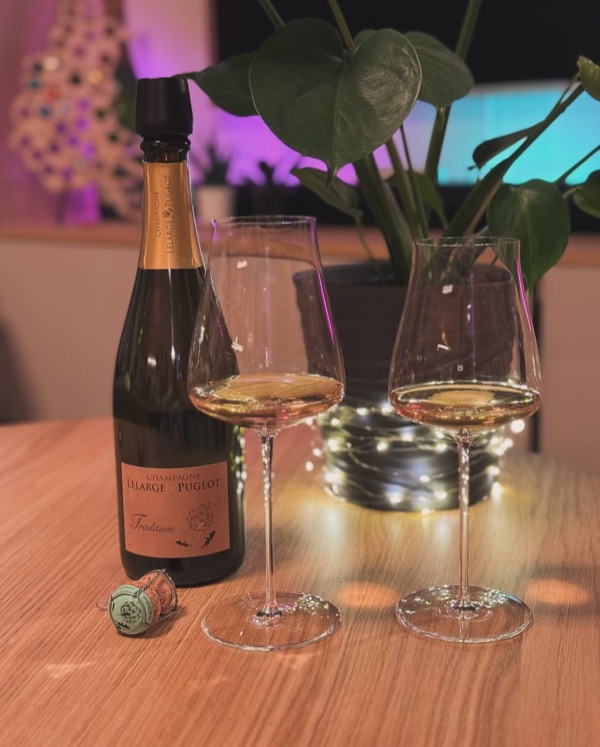
Vor über 10 Jahren habe ich im Rahmen eines Projekts für eine Weinverkostung und ein Feature in einem Print-Magazin Gläser von @eisch_glass ,…
Not every Solera is the same. The differences lie in the details:
- Vessel: Some winemakers use oak barrels (fûts), others steel tanks, still others glass demijohns. Each material influences the character of the Solera.
- Extraction amount: Some remove only 20% each year, others up to 50%. The less removed, the higher the average age of the reserve wine.
- Grape variety: Some Soleras contain only one grape variety, others are multi-cépage — Chardonnay, Pinot Noir, and Meunier together.
- Oxidative vs. reductive: In a wooden barrel, the Solera ages slightly oxidatively. In a steel tank, it remains fresher and fruitier.
Well-Known Solera Champagnes
Some winemakers have made the Solera system their trademark — including Robert Allait with his RP-B and RP-R cuvées. Egly-Ouriet, Champagne Tarlant, and Larmandier-Bernier also work with Réserve Perpétuelle systems that give their Brut Sans Année a depth that goes far beyond what a few years of reserve wine can deliver.
Particularly impressive are Solera systems that have been continuously maintained since the 1980s or 1990s. These Champagnes carry liquid history within them — every sip contains molecules from vintages that can otherwise only be found in auction houses.
Risks and Limitations
A Solera system also carries risks. If a problematic wine enters the Solera — for example, a barrel with volatile acidity or another fault — it contaminates the entire system. That's why the selection of wines that enter the Solera is extremely important. A mistake is irreversible.
Additionally, a Solera system needs decades to unfold its full effect. A three-year Solera is basically just a blend of three vintages — not substantially different from a conventional reserve wine method. Only after 10-15 years does the Solera begin to show its unique character.
Solera Champagne is liquid history. Every sip contains traces of vintages that have long passed. This is Champagne for people who seek complexity and depth.
Posts
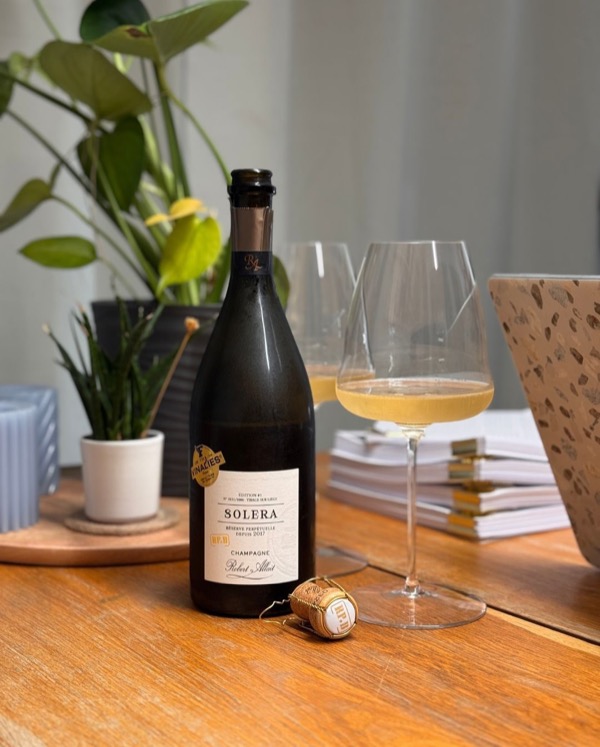
Gleicher Champagner -> der Solera RP.B – Extra Brut von @champagnerobertallait Drei Gläser -> Drei komplett verschiedene Erlebnisse. ->…
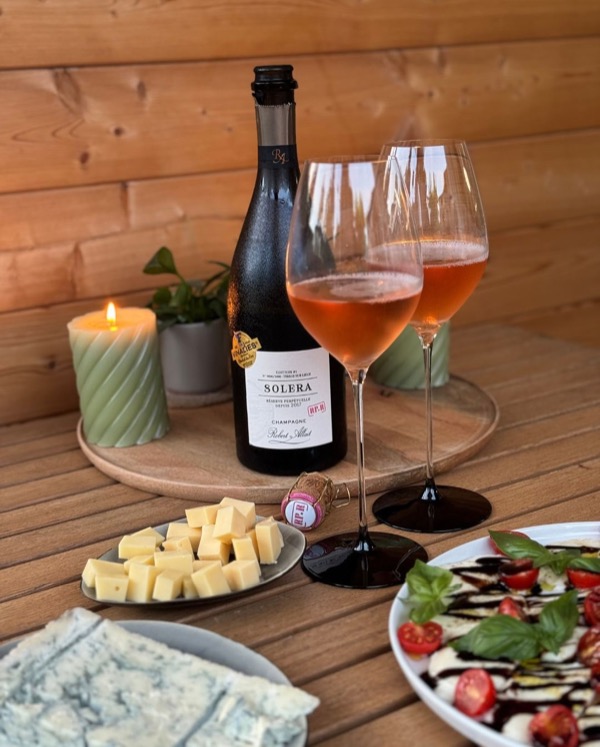
Der Solera RP-R von @champagnerobertallait ist kein Rosé, wie man vielleicht denken könnte – sondern ein Blanc de Blancs mit 5 % Pinot Noir. Die…
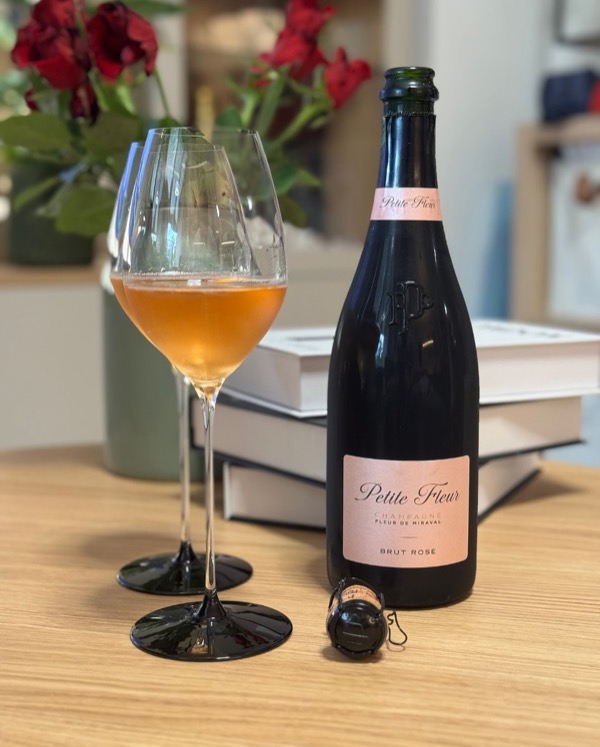
Manchmal entdeckt man Champagner nicht nur über Geschmack – sondern über Geschichten. @fleurdemiraval – Petite Fleur ist so ein Fall. Was auf den…