Moët & Chandon
I've tasted 7 champagnes from Moët & Chandon — enough to form a solid impression. A house from Champagne, working with Chardonnay, Pinot Noir, Pinot Meunier and showing an impressive range in their portfolio.
Moet & Chandon is the elephant in the room. The world's largest champagne house, part of the LVMH group, produces an estimated 30 million bottles per year. That's more than some entire appellations in France. When a cork pops somewhere in the world, there's a good chance it's a Moet.
You can laugh at that — and many champagne enthusiasts do. But I think Moet deserves more respect than it gets. Because maintaining consistent quality at this volume is a logistical and oenological masterpiece. The Chef de Cave here doesn't need to blend a few thousand bottles, but millions. That the Brut Imperial is still drinkable and even pleasant speaks to the team's skill.
Of course: those accustomed to grower champagne will find the Brut Imperial one-dimensional. It lacks the rough edges, the individuality, the terroir. But that's not its goal. The Brut Imperial should please, should be accessible, should celebrate the moment. And it can do that.
Where Moet really gets interesting is with the Grand Vintage and naturally with Dom Perignon. The Grand Vintage 2013 that I had in my glass shows a completely different side of the house: cooler, more serious, more structured. Here you suddenly sense that Moet has access to some of the best sites in Champagne — and actually uses these sites when it's not about volume.
Dom Perignon, the Prestige Cuvée, is in any case its own universe. Technically Dom Perignon belongs to Moet, but in reality the team around the Chef de Cave operates practically independently. Every Dom Perignon is a vintage champagne, produced only in outstanding years, and aging in the cellars of Hautvillers — the historic monastery where the monk Dom Perignon himself worked — lasts at least seven years. I haven't tasted it yet, but it's on my list.
The Range
Moët & Chandon offers 5 different Cuvées that I was able to try. In the program: Blanc de Blancs, vintage champagne. The range shows that not just one style is mastered here, but the entire spectrum of Champagne is covered.
The Cuvées in Detail
Brut Impérial
Tasted 3x. Uncomplicated and accessible all-rounder with fresh, fruity character. Not the great revelation, but solid for relaxed enjoyment. Highlights: fresh, fruity, easy-going, all-rounder. Fresh and fruity aromas of green apple, citrus fruits and a touch of brioche. Lively acidity and fine perlage make it the ideal companion for oysters. Highlights: green apple, citrus fruits, brioche, lively acidity.
I've drunk the Brut Imperial three times, and three times it was exactly what it should be: uncomplicated, fruity, without rough edges. Not a champagne you discuss for half an hour, but one that can start the evening without disappointing. Compared to entry-level champagnes from Taittinger or Laurent-Perrier it lacks finesse, but it makes up for that through accessibility.
Type: Brut | Grape Varieties: Chardonnay, Pinot Noir, Pinot Meunier
Impérial Red Limited Edition
A light, clear and uncomplicated champagne with aromas of green apple, citrus, a touch of brioche and white flowers. It doesn't push itself to the forefront, but fits harmoniously into the moment. Highlights: green apple, citrus, brioche, uncomplicated.
Basically the same champagne as the Brut Imperial, just in a more eye-catching bottle. Moet understands marketing — and Limited Editions are part of the business.
Type: Brut | Grape Varieties: Chardonnay, Pinot Noir, Pinot Meunier
Grand Vintage 2013
Shows a cooler, more serious style with tension and structure as well as fine ripeness that doesn't push itself to the forefront. Aromas of citrus, white peach, toasted brioche and light minerality. Highlights: citrus, white peach, toasted brioche, mineral.
The Grand Vintage is the champagne that changed my opinion about Moet. 2013 was a cool, late vintage, and you can feel exactly that: tension instead of opulence, structure instead of softness. Anyone who thinks Moet can only do mainstream should try the Grand Vintage. Here the house shows what's possible when you take the best grapes from the best sites and give them time.
My tip: The Grand Vintage is the best value at Moet. For significantly less than Dom Perignon you get a vintage champagne that has real character.
Type: Extra Brut | Vintage: 2013 | Grape Varieties: Chardonnay, Pinot Noir, Pinot Meunier
Brut
Highlights: Magnum format, moment of enjoyment, relaxed style.
Type: Brut
Impérial Brut
Fresh acidity, fine perlage and a touch of fruit. Classic, uncomplicated and versatile. Highlights: fresh acidity, fine perlage, fruit hints, uncomplicated.
Type: Brut
My Tastings
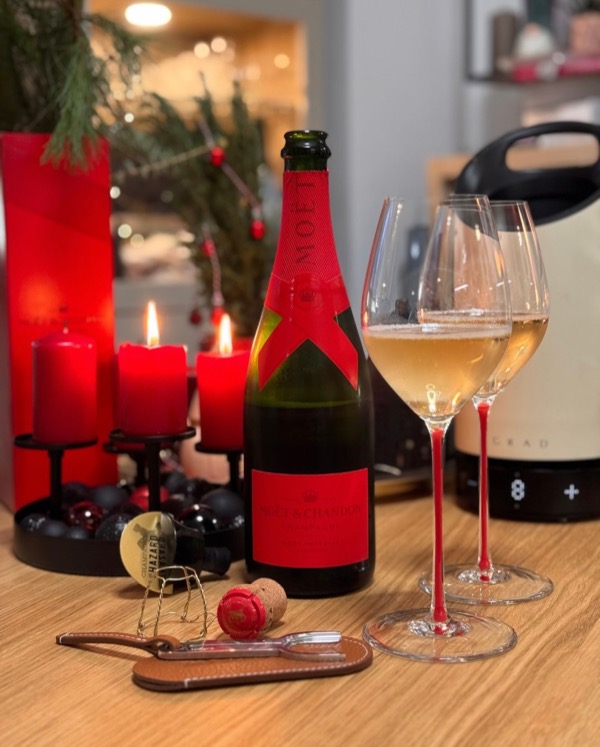
Manchmal passt eine Flasche einfach perfekt in den Moment. 3. Advent, rote Kerzen auf dem Tisch, die @riedel_official Fatto a Mano mit rotem Stiel –…
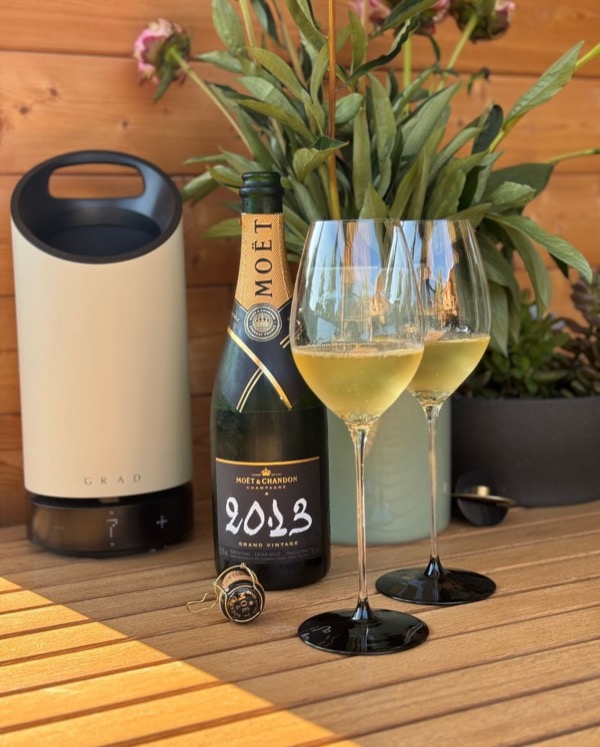
Man kennt @moetchandon . Man kennt den Brut Impérial. Ein Klassiker, den fast jeder schon mal im Glas hatte – solide, verlässlich, leicht…
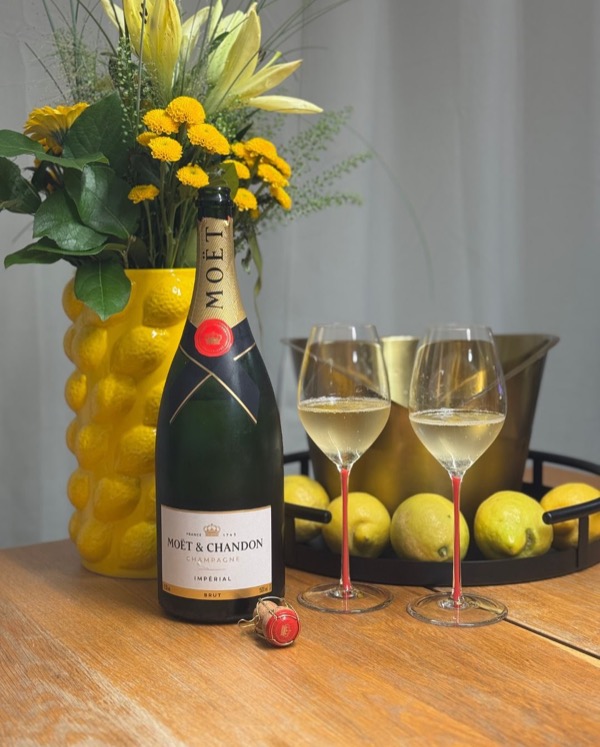
Sechs Tage kein Post – nicht weil ich nicht wollte, sondern weil ich beruflich auf einer Messe komplett eingespannt war. Messewoche. Keine Pause.…
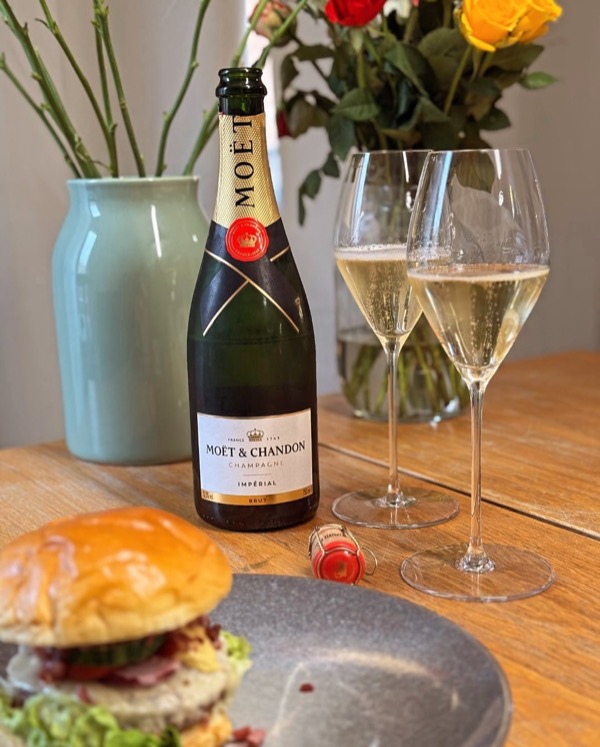
Heute mal wieder dieses spontane Mittagessen: Burger? Klar. Klassisch mit Pommes. 🔥🥩🍟 Rinder-Patty mit Cheddar, Brioche Bun, Gurken, Zwiebeln,…
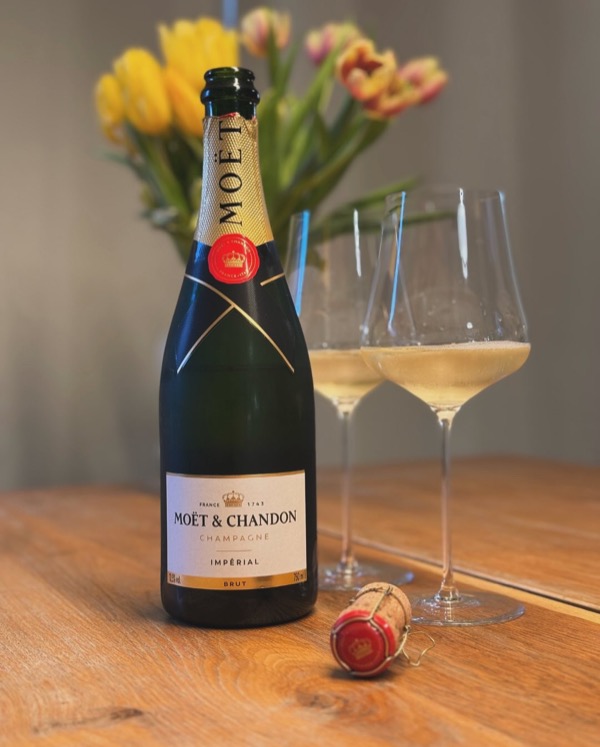
Heute mal keine große Zeremonie, keine ausufernde Verkostung – einfach ein Glas Moët am Nachmittag, während die letzten To-Dos des Tages erledigt…
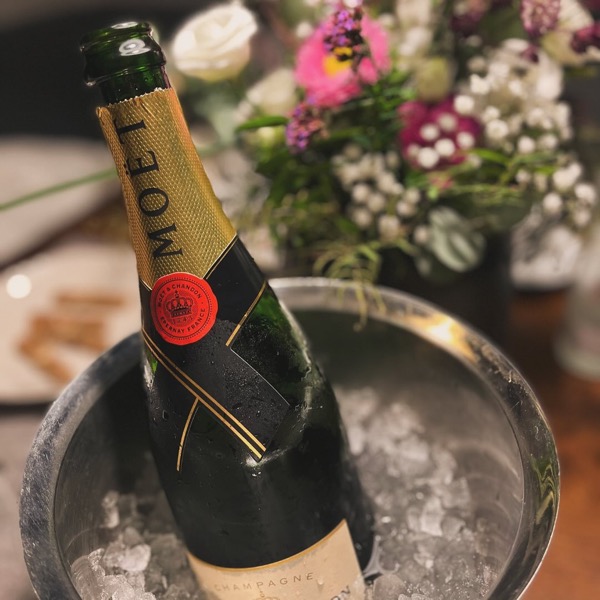
Manchmal gibt es diese Momente, die sich tief ins Gedächtnis einprägen, weil einfach alles perfekt war. September 2022 war so ein Moment – unser…
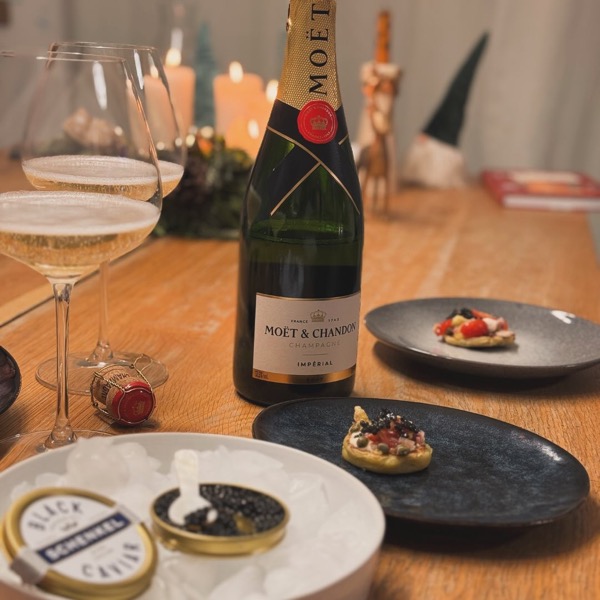
Manchmal braucht es keine große Inszenierung, um echten Luxus zu erleben – nur einen guten Black Imperial Stör Kaviar von @schenkeldelikatessen ,…
Conclusion
Moet & Chandon is the house that divides opinion. For some it's the epitome of champagne, for others mass-produced goods without soul. I think: The truth lies in between. The Brut Imperial is solid, no more. But the Grand Vintage shows that behind the marketing giant lies real skill. And Dom Perignon is its own story anyway. Anyone who completely writes off Moet is missing something.
| Region | Champagne |
| Grape Varieties | Chardonnay, Pinot Noir, Pinot Meunier |
| Styles | Blanc de Blancs, vintage champagne |
| Vintages | 2013, 2022 |
| Champagnes Tasted | 10 |