The Two Paths to Rosé
Rosé champagne has an image problem. For many, it's "the pretty summer wine," nice to look at, but not really to be taken seriously. This is completely wrong. Rosé can be among the most complex and exciting champagnes — if you understand how it's made.
There are two fundamentally different methods:
Rosé d'Assemblage
By far the more common method. A small amount of red wine (Pinot Noir, rarely Meunier) is added to the finished white wine base — typically between 5% and 15%.
This sounds simple, but it's not. The art lies in the dosage: Too little red wine, and the rosé has barely any character. Too much, and it becomes heavy and tannic. The best Rosés d'Assemblage have a delicate salmon color and combine the freshness of the base wine with the fruit aromas of the red wine.
Rosé de Saignée (Rosé de Macération)
The rarer, but in the eyes of many purists, the purer method. Here the red grapes (mostly Pinot Noir) are macerated with their skins — brief skin contact, typically 12 to 48 hours. The must "bleeds" (saigner = to bleed) the color and aromas from the skins.
The result: More intense color, more body, often significantly more vinous than assemblage rosé. Rosé de Saignée typically has:
- Darker color — From copper to deep pink
- More structure — More tannin, more grip
- Berry fruit — Strawberry, raspberry, red currant
- Length — Often an impressively long finish
- Food-pairing ability — Pairs with dishes that would overpower regular champagne
Why Rosé Is Underrated
Rosé champagne makes up only about 10% of total production. Many large houses offer a rosé, but it's rarely the focus. With grower champagnes it's different: Here you find rosés with real character, artisanally made and often as saignée.
66 rosé champagnes in my collection — and they've taught me that "rosé" isn't a style, but a spectrum. From pale, mineral assemblage rosé to deep red saignée with berry intensity, everything is there.
With Food
Rosé champagne is an underrated food companion. Where a Blanc de Blancs reaches its limits with heartier dishes, rosé is just getting started:
- Salmon (smoked or grilled) — Classic
- Asian cuisine — The fruit harmonizes with umami
- Charcuterie — Rosé de Saignée with bresaola or coppa
- Red berry desserts — Strawberries, raspberries, tarte aux fruits rouges
Posts
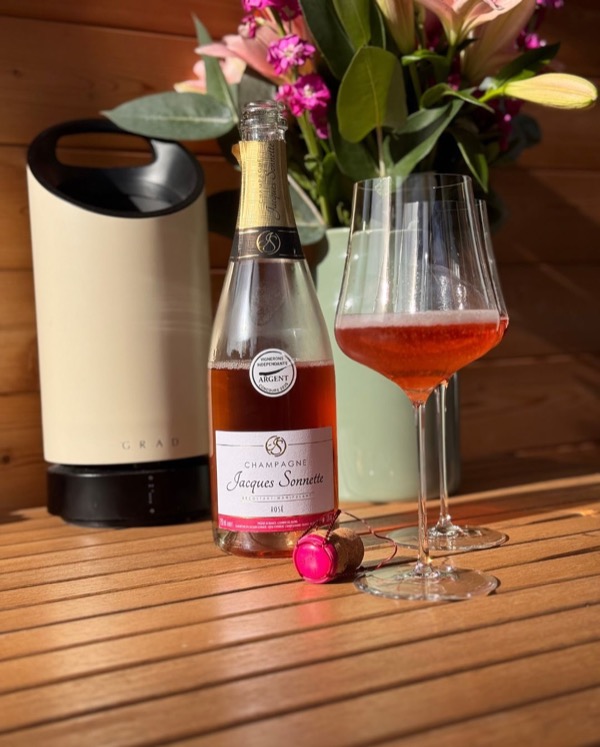
Letzte Woche gab’s nochmal einen dieser goldenen Herbsttage – Sonne, blauer Himmel, 20 Grad. Also ab in die Sonne, Flasche auf, ganz spontan, mitten…
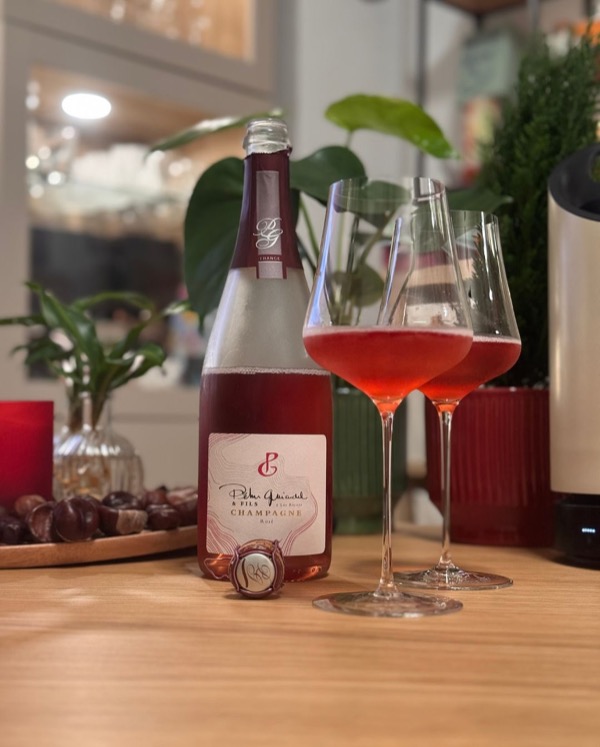
@champagnepehuguiardeletfils – Rosé Brut – ein Rosé, der mich schon mit seiner Farbe überzeugt hat. Tiefrot – wie reife Himbeere im Abendlicht –…
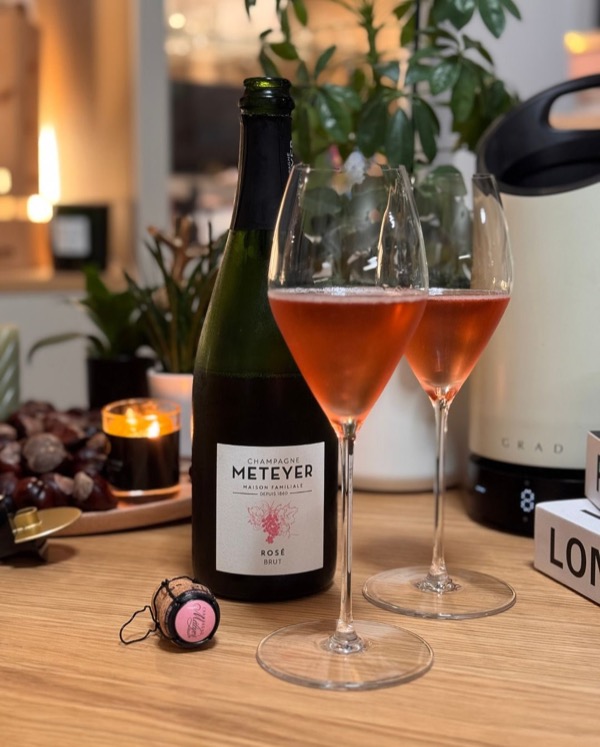
Gestern Abend - wir haben Lust auf einen spannenden Rosé - daher habe ich den @champagne_meteyer – Rosé Brut aus dem Keller geholt. Fruchtig, ja –…