Rosé Champagne: the misunderstood genre
Rosé Champagne has an image problem. For many, it's "the pretty summer wine," nice to look at, but not to be taken seriously. That's exactly wrong. Rosé can be among the most complex champagnes of all, provided you understand how it's made and what the methods mean in the glass.
Rosé makes up only about 10% of Champagne production. At the major houses, it's usually a supporting role. With grower champagnes, the picture reverses: here you find rosés with substance, often as Saignée, often crafted, often distinctive enough that they handle well-cooked food better than most Blanc de Blancs.
The two paths to Rosé Champagne
In Champagne, exactly two methods are AOC-compliant. Period. Both produce "Rosé Champagne," but they produce very different wines.
Rosé d'Assemblage
By far the most common method and, by the way, the only region in France where this blending method for rosé is allowed. A small amount of red wine (Pinot Noir, rarely Meunier) is added to the finished white wine base before the second fermentation. Typical amounts range between 5% and 20%, depending on desired color intensity and style.
This sounds simple, but it's not. The art lies not in the mixing, but in the red wine itself. Producing Champagne red wine is tricky: cool climate, high acidity, difficult ripeness. The best houses work with their own red wine Cuvées from selected Pinot Noir parcels, often from Bouzy, Ambonnay, Aÿ or Les Riceys. These red wines are themselves exciting wines, not mere colorants.
What typically distinguishes Rosé d'Assemblage:
- Light salmon color, sometimes to copper
- Freshness dominates, because the base is a white wine
- Fruitiness comes from the red wine portion, more red than dark berry
- Little tannin, making it easier to drink
- Uncompromising in effort, because two wines must be perfect
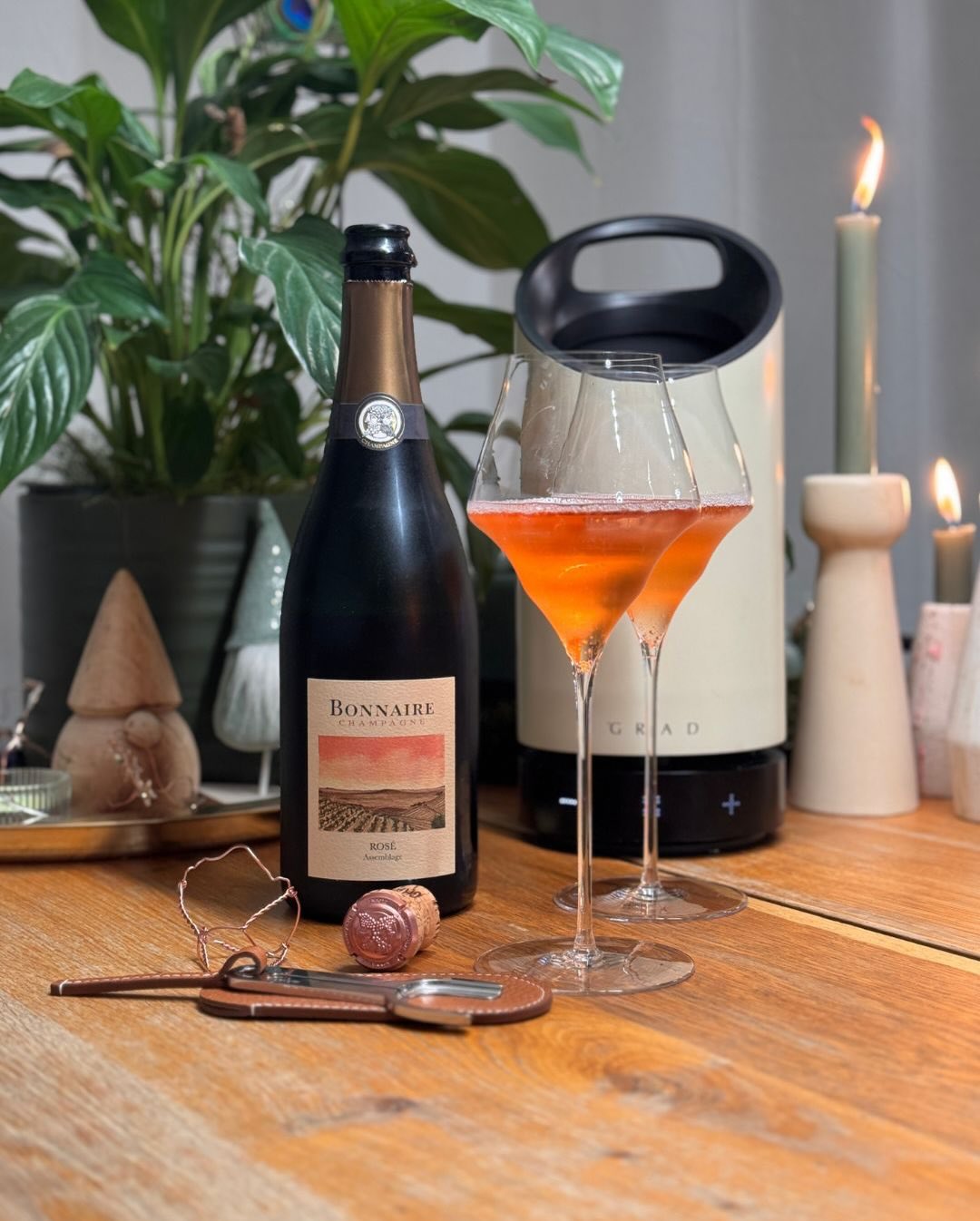
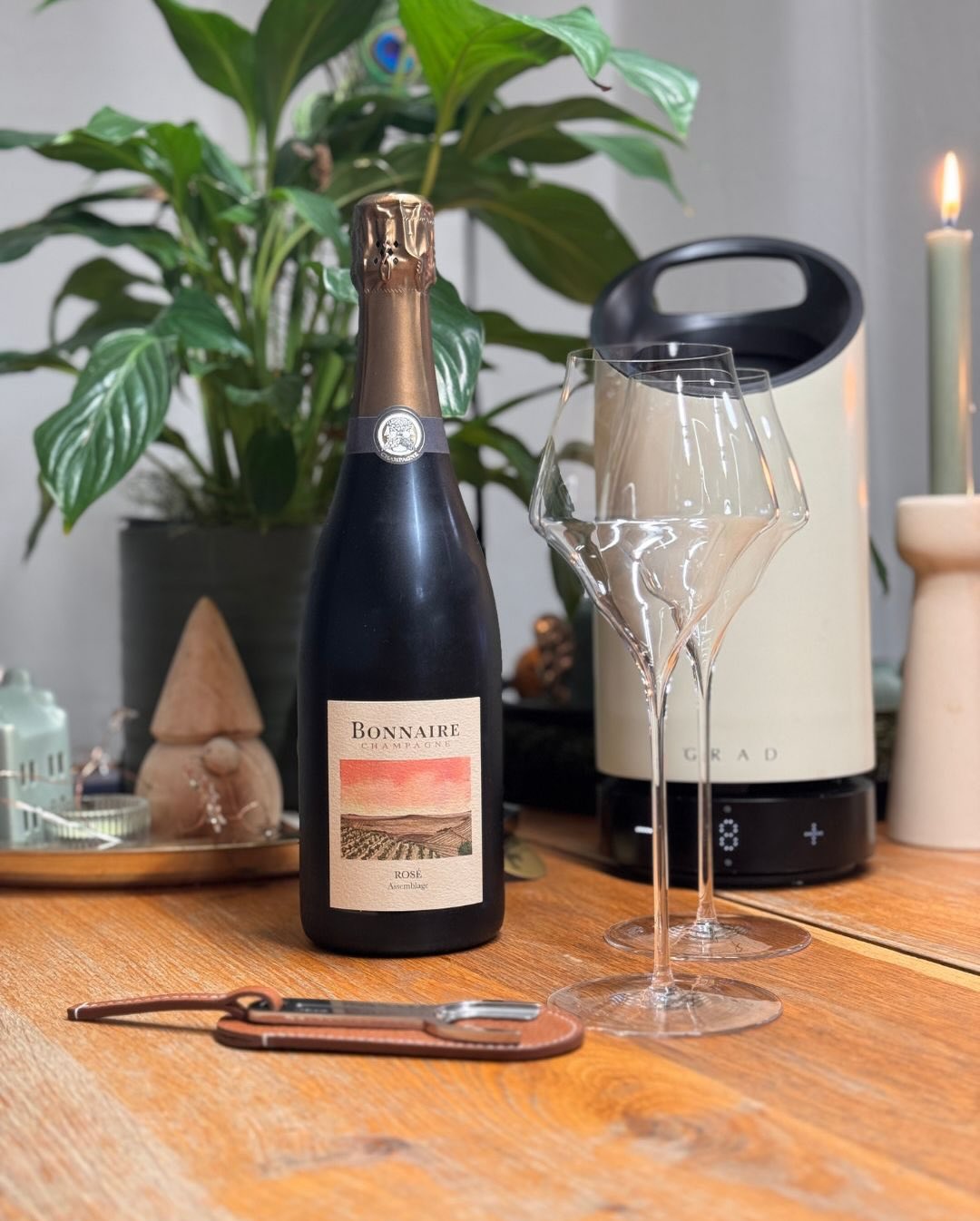
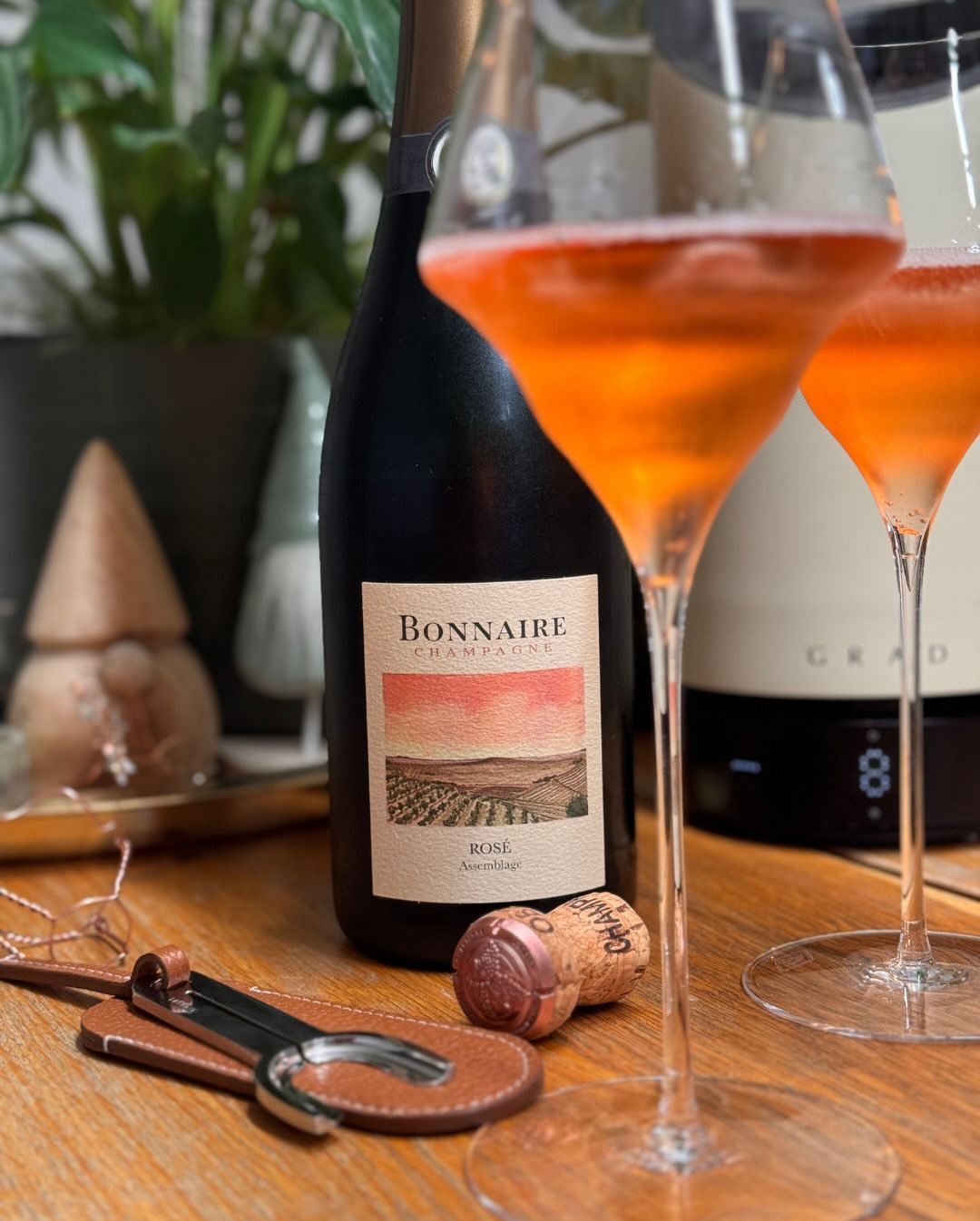
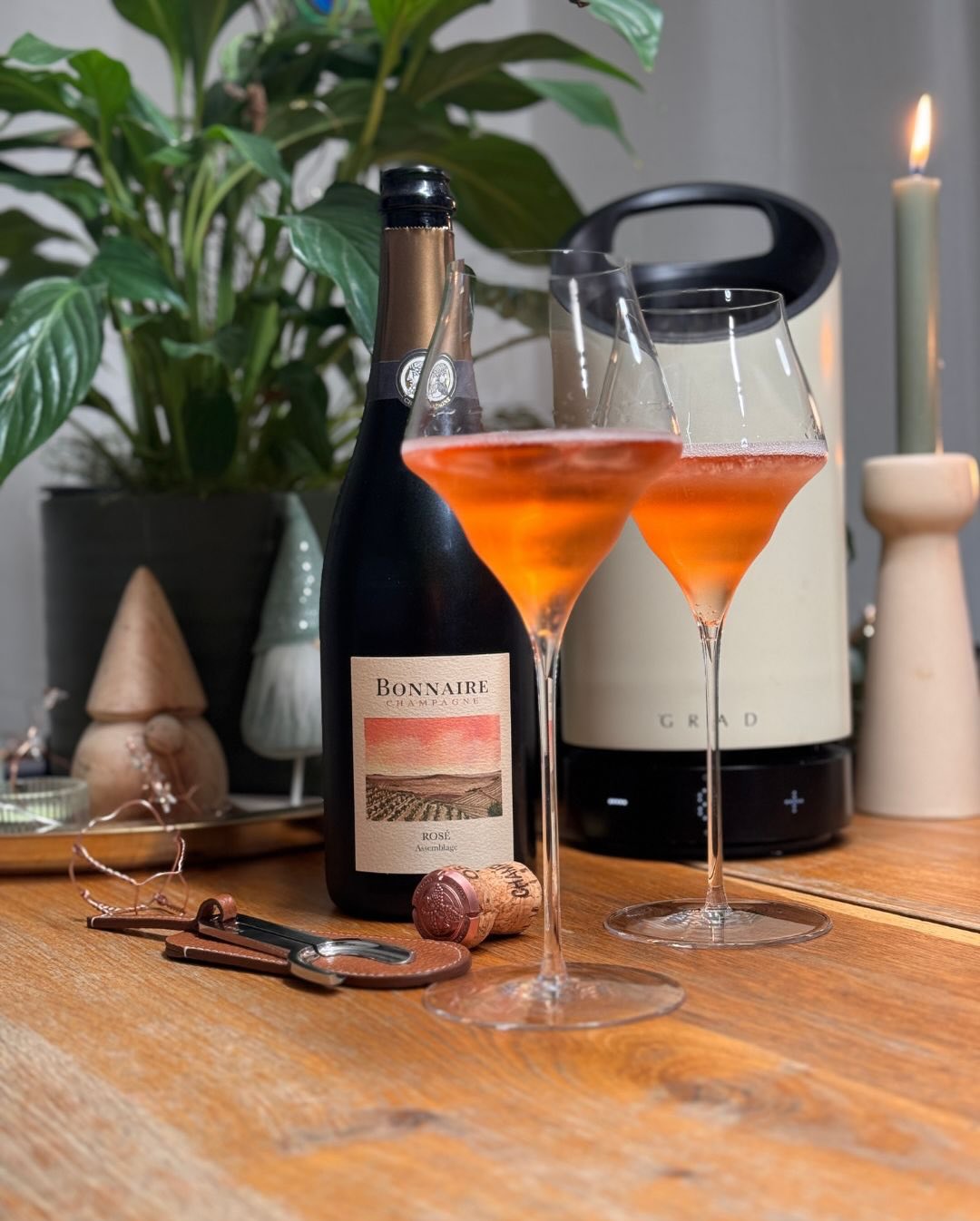
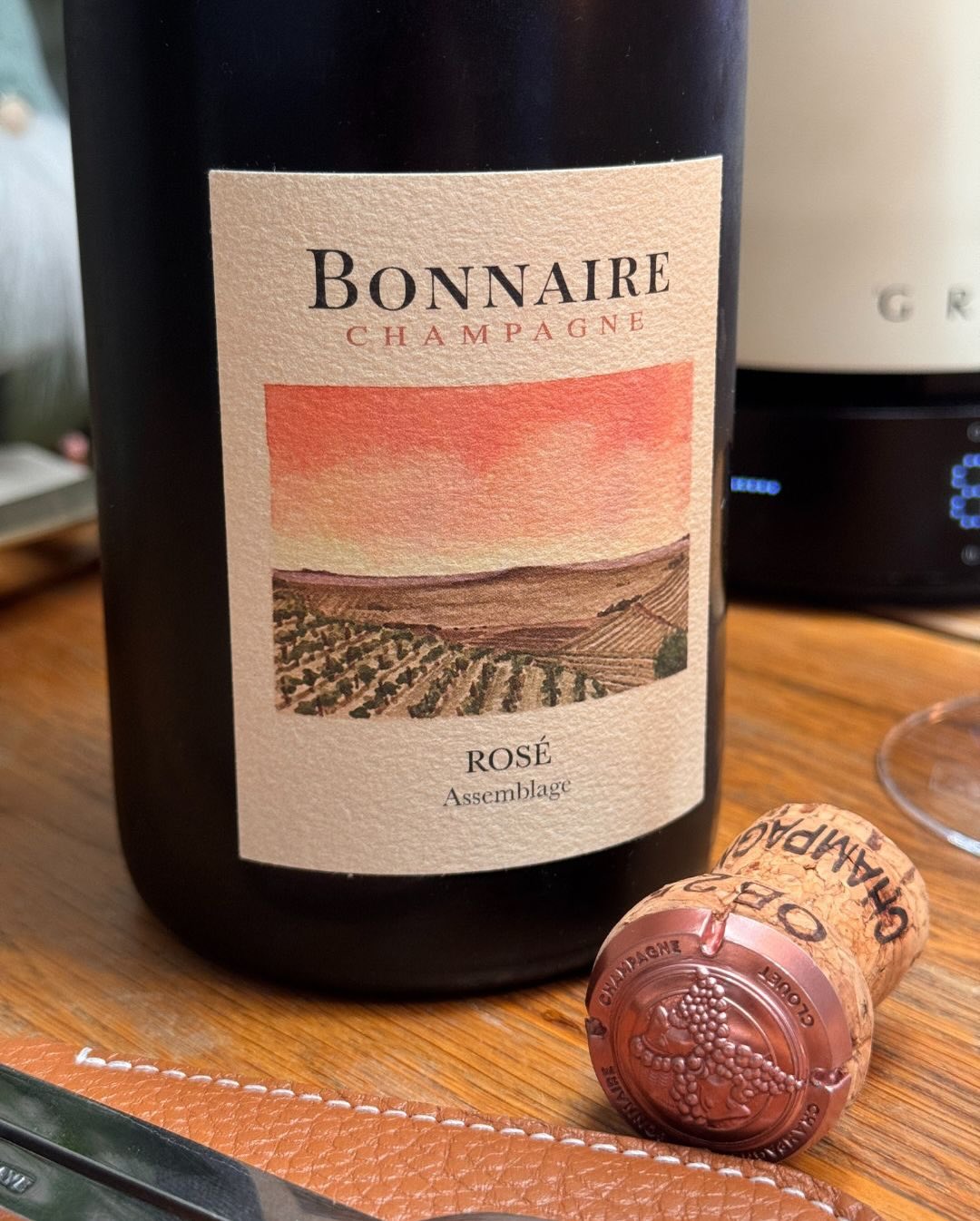
the_champagne.guy Rosé ist für mich nicht nur ein easy-summer Champagner, sondern eher eine bewusste Frage des Stils. Deshalb mag ich Rosés am meisten, wenn sie gar nicht wie Rosé anmuten. Kein Erdbeerparfum, nicht zwingend ein ausgeprägtes Fruchtbild, sondern auch gerne mal etwas konträr dazu. Der @bonnaireclouet Rosé d’Assemblage trifft das ziemlich genau. Er tut genau das: mit mehr Chardonnay als Pinot Noir, mit mehr Frische als Frucht, und mit einer Linie, die eher über Textur und Spannung kommt als über Effekt. Im Glas wirkt er eher kühl und fokussiert, mit feiner roter Frucht im Hintergrund und dieser kalkigen Spannung, die man sofort der Côte des Blancs zuordnet: klar und mineralisch. Das ist kein Rosé „für nebenbei“, der schnell getrunken wird. Eher einer, der den Tag ein bisschen begleitet und mit jedem Schluck deutlicher zeigt, wie er sich über Zeit, Luft und Temperatur auch verändern kann. 🥂 Champagne-Facts 🥂 Rosé d’Assemblage 📅 Basisjahre: 2020 & 2021 🍇 60 % Chardonnay · 40 % Pinot Noir 🪵 Ausbau: auf der Feinhefe im Edelstahltank 🕰 Hefelager: mind. 36 Monate 🍬 Dosage: Extra-Brut (4 g/l) 📍 Cramant (GC) · Bouzy (GC) · Bergères-les-Vertus (PC) #thechampagneguy @grad.dk @josephinenhutte @laclaye @jeanetiennebonnaire #bonnaire #rosedassemblage #cotedesblancs #extrabrut
Auf Instagram weiterlesen →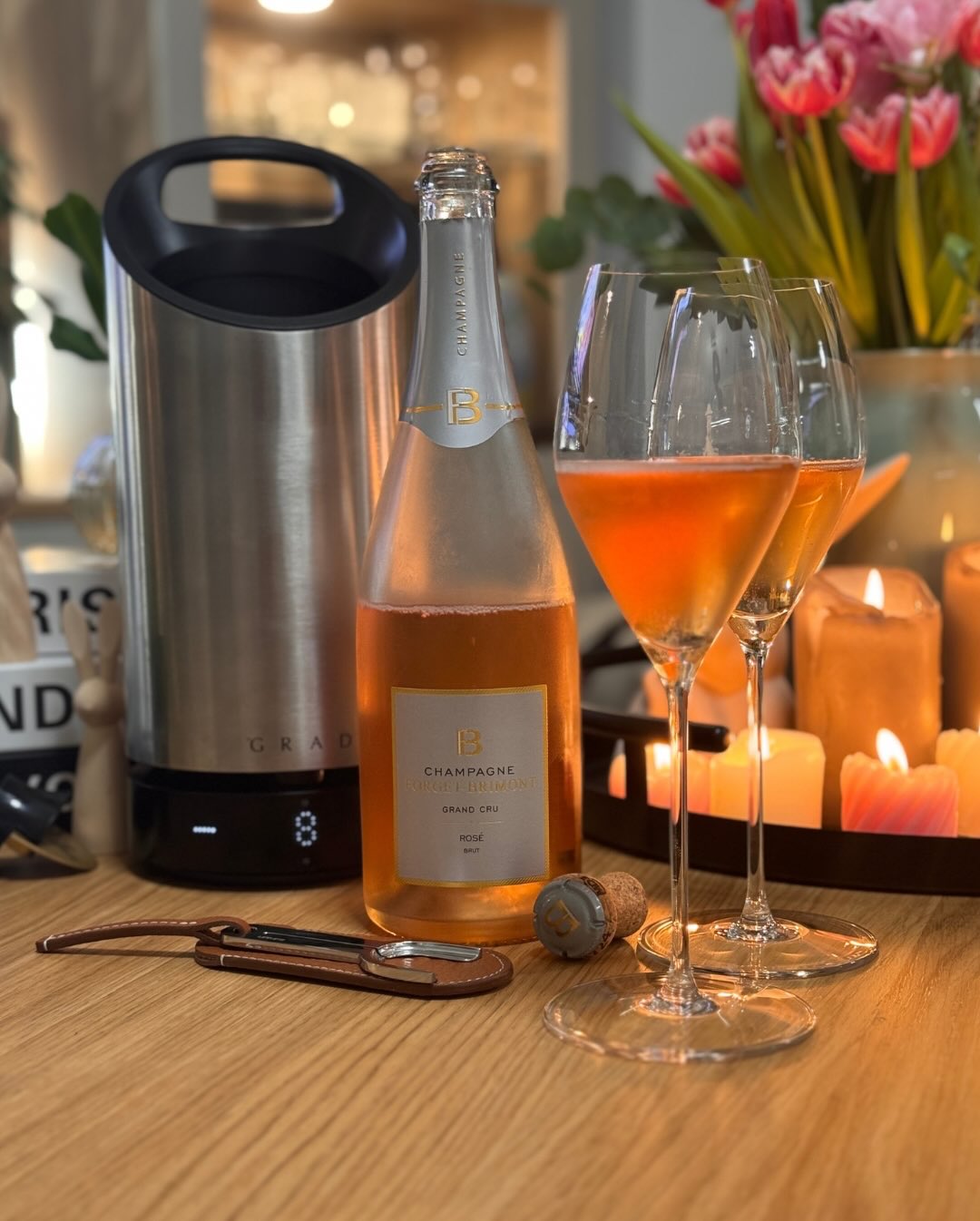
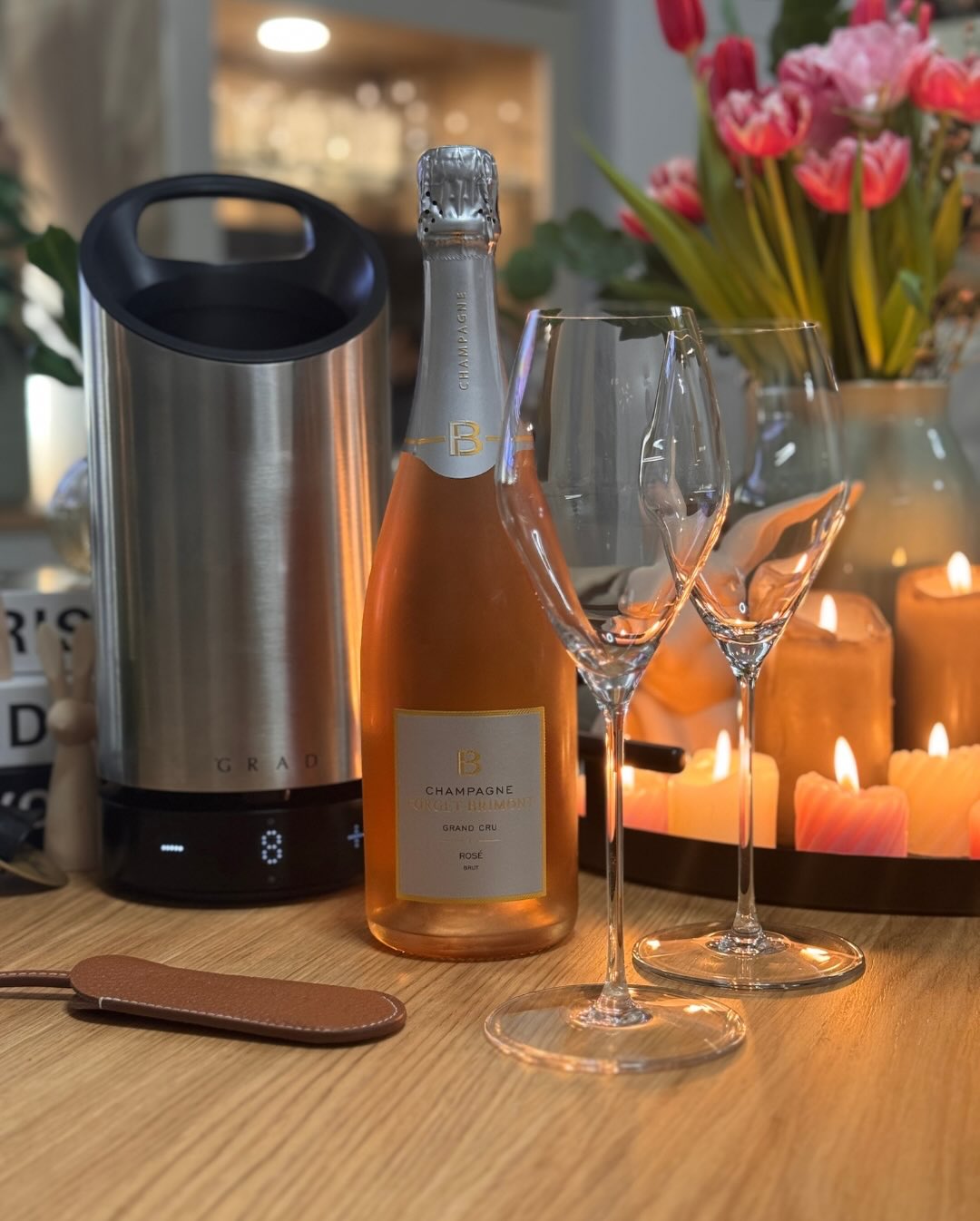
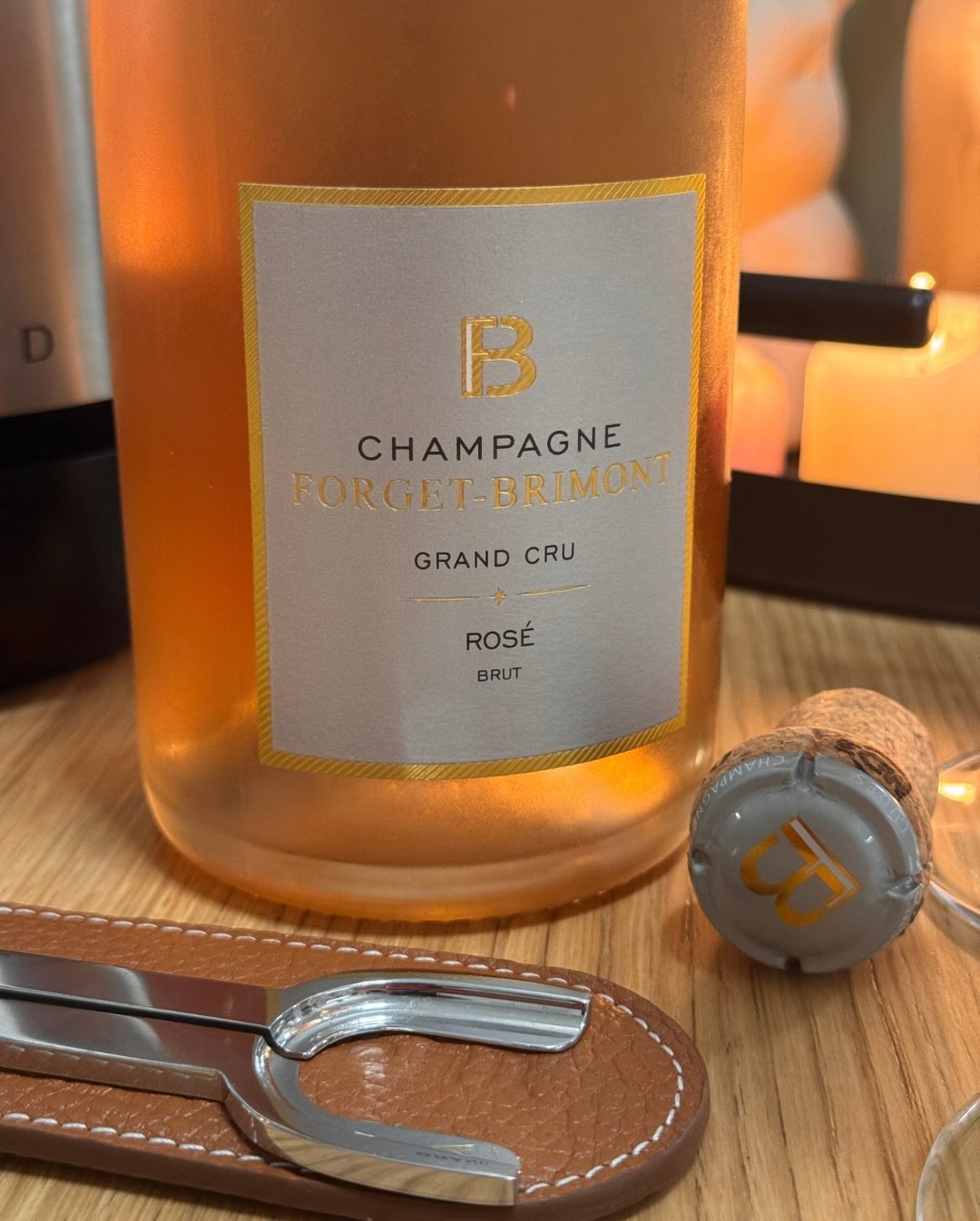
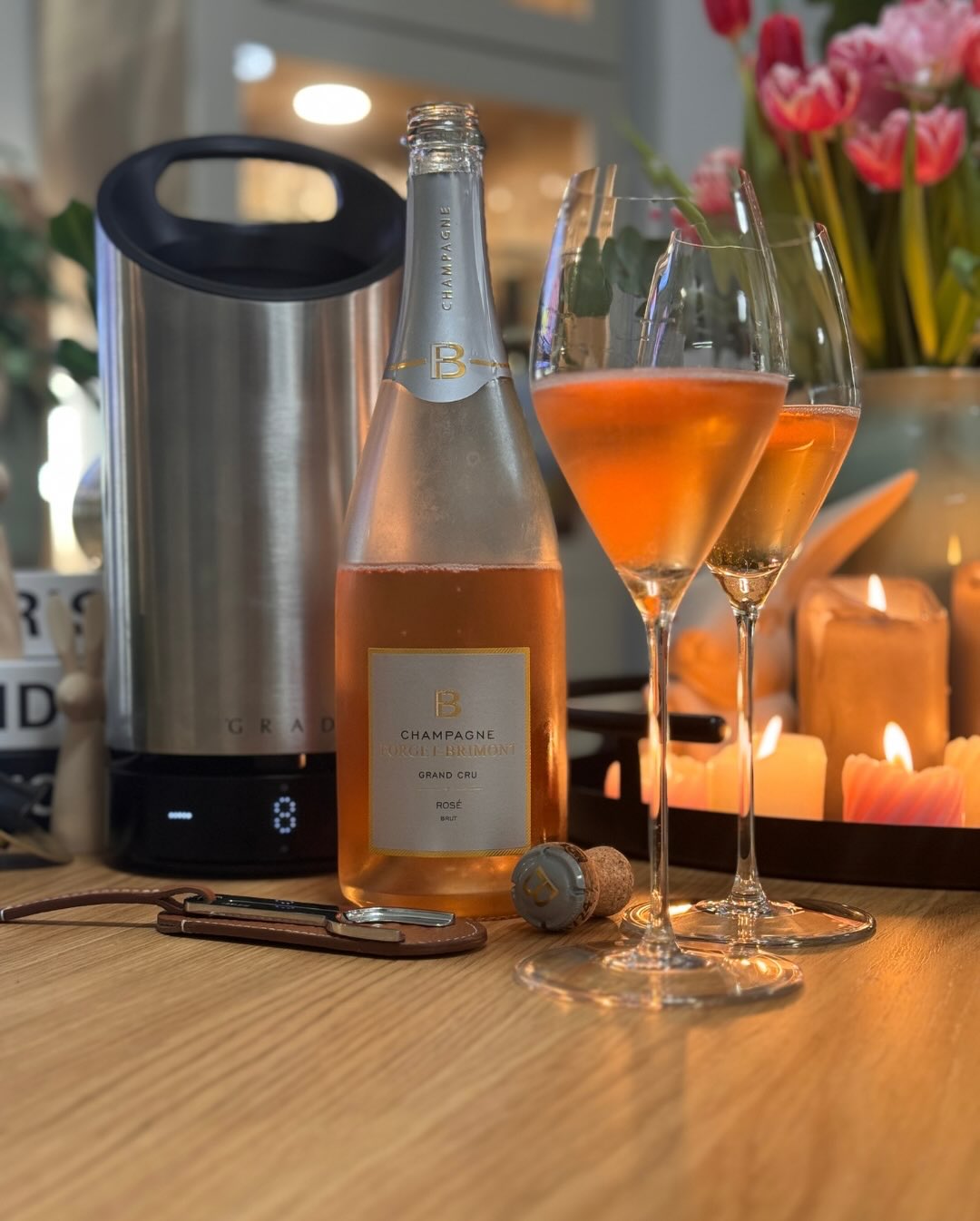
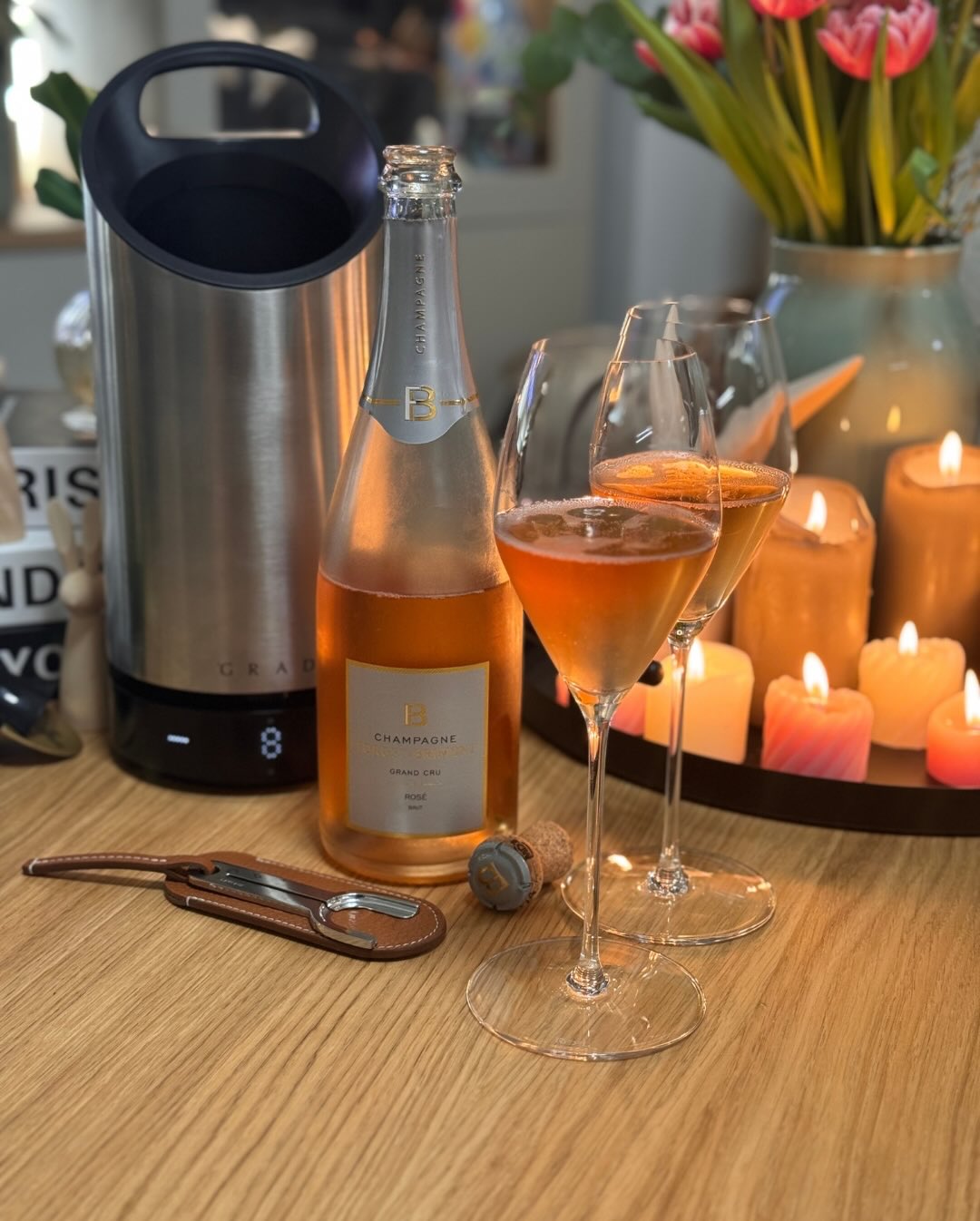
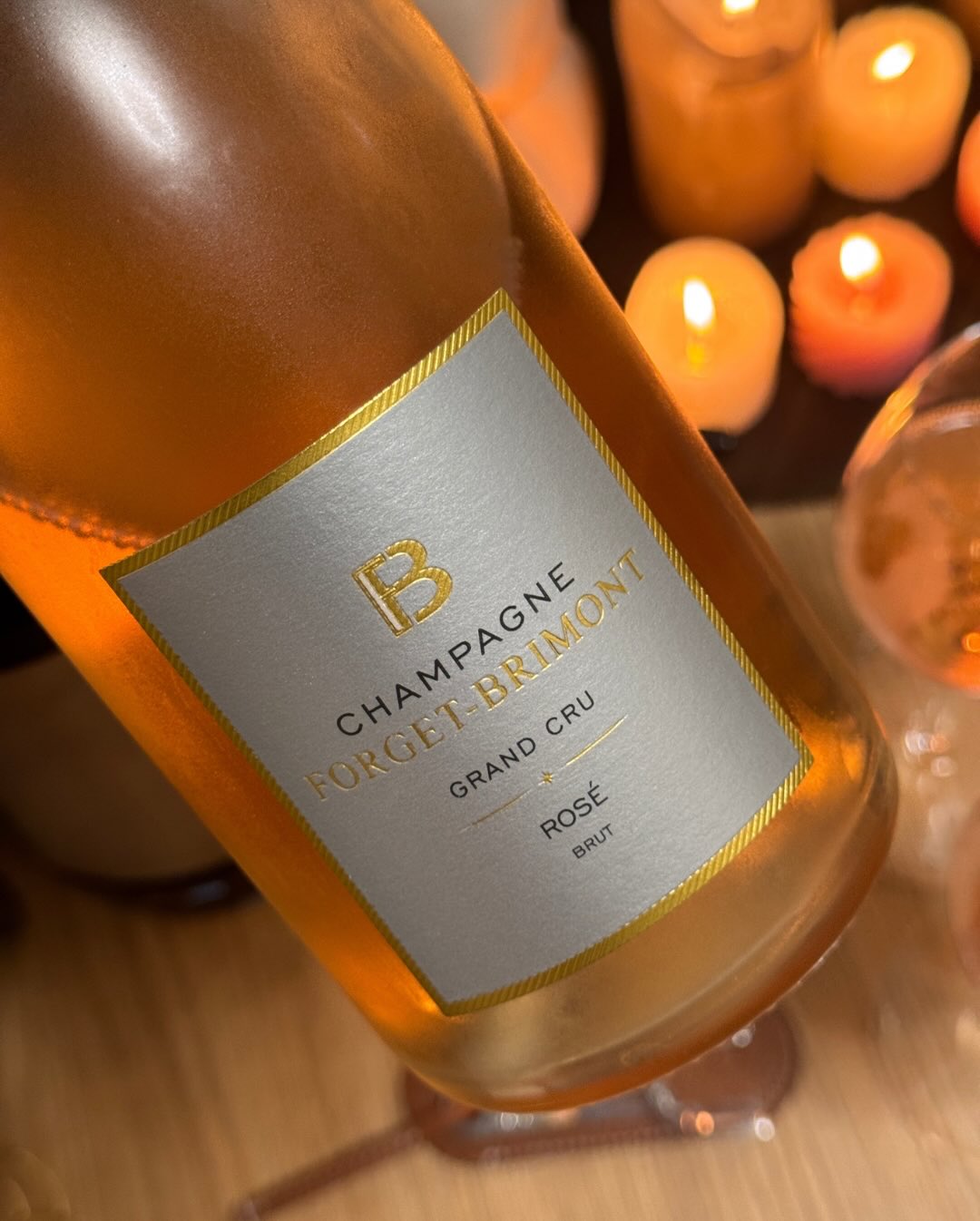
the_champagne.guy Heute gibt es mal wieder einen Rosé, der optisch und geschmacklich richtig Spaß macht: Den Brut Rosé von @champagne_forget_brimont . Wie ihr auf dem Foto aus meinem Setup sehen könnt, haben wir hier nicht dieses grelle, knallige Pink, das man manchmal bei Rosés sieht. Die Farbe geht vielmehr in ein wunderbar elegantes Lachsrosa mit zarten, fast schon rostfarbenen Reflexen. Forget-Brimont ist in Ludes beheimatet und greift für diese Cuvée auf ein erstklassiges Terroir der Montagne de Reims zurück (darunter Grand Crus wie Verzenay, Verzy und Mailly-Champagne). Der Blend ist ein klassischer Spiegel der Region: 40 % Pinot Noir, 40 % Pinot Meunier und 20 % Chardonnay. Um die Farbe und die feine Beerenfrucht zu erzielen, werden ca. 6 % roter Pinot Noir als Stillwein hinzugefügt (Rosé d’Assemblage). Was diesen Champagner besonders geschmeidig und zugänglich macht, ist der enorm hohe Anteil an Reserveweinen von 40 bis 50 %! Nach 3 Jahren Reifezeit im Kreidekeller bringt er in der Nase eine pure Ladung roter Beeren mit: Erdbeere, Himbeere und Johannisbeere. Am Gaumen ist er durch die 9 g/l Dosage (Brut) und die gemachte malolaktische Gärung herrlich rund, fruchtig und ausbalanciert, behält aber durch die Edelstahltank-Vinifikation seine klare Frische die ich bewusst mit dem @riedel_official Performance Glas bündeln wollte. Champagne-Facts 🥂 🍇 40 % Pinot Noir · 40 % Meunier · 20 % Chardonnay (inkl. 6 % Rotwein) 📍 Terroir: Montagne de Reims (Premier & Grand Crus) 🍷 Reserveweine: satte 40–50 % 🕰 Ausbau: 3 Jahre Hefelager, Malo gemacht 🍬 Dosage: 9 g/l (Brut) Fazit: Ein perfekter Begleiter für entspannte Stunden. #TheChampagneGuy @grad.dk @grad_rd @laclaye #ForgetBrimont #RoseChampagne #RiedelPerformance #GrowerChampagne
Auf Instagram weiterlesen →Rosé de Saignée (also: Rosé de Macération)
The rarer method, considered more substantial by many purists. Here the red grapes (mostly Pinot Noir, occasionally Meunier) are macerated with their skins after pressing. The must stays in contact with the skins, usually between a few hours and up to three days. During this maceration, the must "bleeds" (saigner = to bleed) color, aromas and tannin from the skins.
Only then is the colored juice drawn off and fermented like a normal Champagne base wine. The result is not simply a "darker rosé," but a different wine type.
What Rosé de Saignée typically brings:
- Deeper color, from copper through salmon-red to almost garnet
- More structure, perceptible tannin in the mid-palate
- Intense berry fruit, strawberry, raspberry, currant, sometimes cherry
- Vinosity, the wine feels like a wine, not like a colored sparkling wine
- Longer finish, with phenolics at the end
- Gastronomic suitability, pairs with dishes that overwhelm other champagnes
The maceration duration decides practically everything. Four hours produces a lightly tinted rosé with minimal phenolics. 24 to 48 hours produces a wine closer to a light red wine than a classic champagne. Each producer decides here based on style, vintage and grape material.
What maceration duration really does
There's no "right" value. But there are clear patterns:
| Maceration | Color | Tannin | Style |
|---|---|---|---|
| 4 to 6 hours | Light pink, almost assemblage-like | barely perceptible | airy, fresh |
| 8 to 14 hours | Salmon to copper | subtle | balanced, aromatic |
| 16 to 24 hours | Deep pink | perceptible | vinous, berry-like, gastro-suitable |
| 24 to 48+ hours | Rosé-red to light red | distinct | extremely structured, very rare |
Someone who drinks a Saignée with 12 hours and one with 36 hours has two completely different wines in the glass. That's also the appeal: within one method lies an entire spectrum. Many smaller houses offer both from the same hand, from the same vintage. That's the most direct education in the difference between methods.
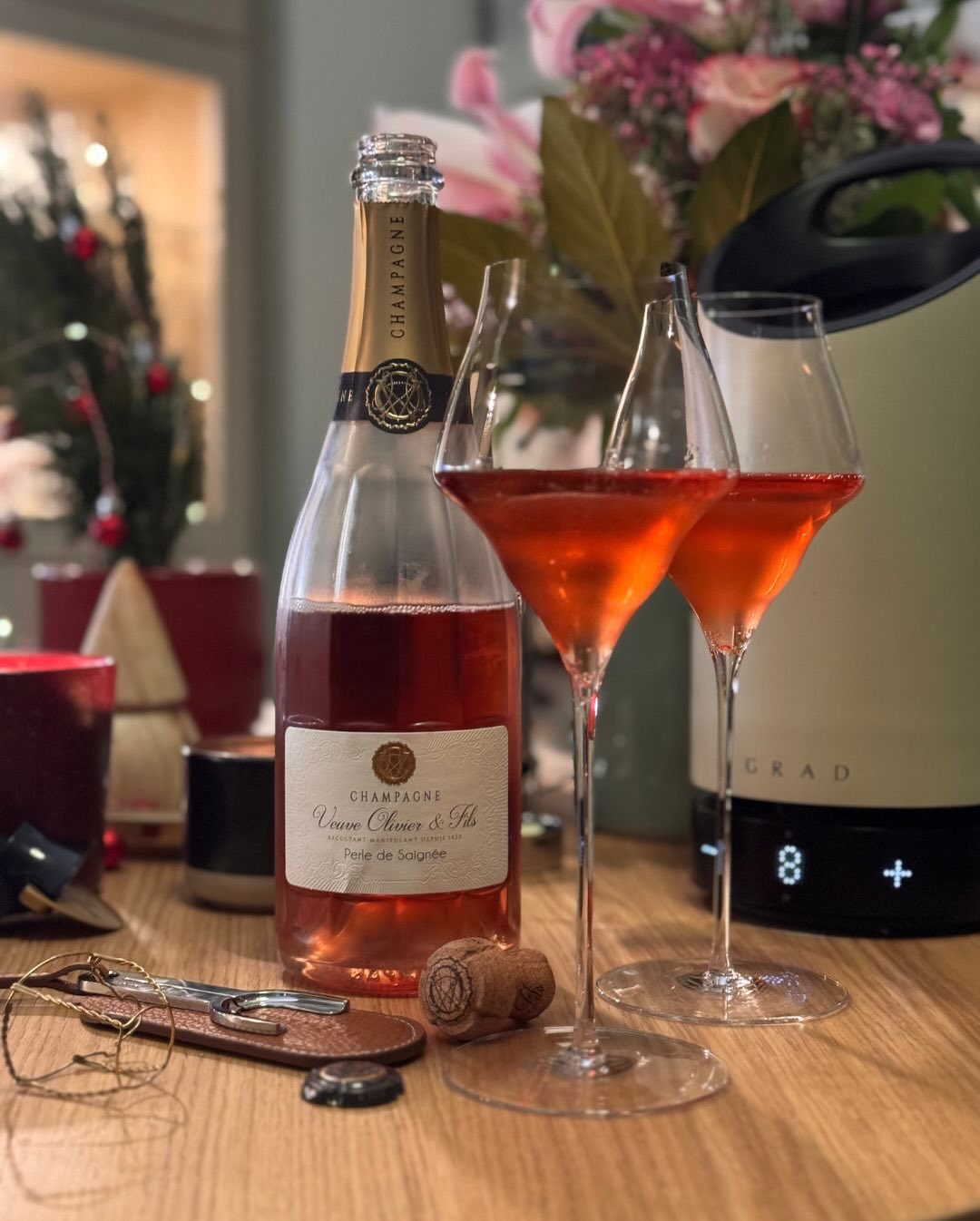
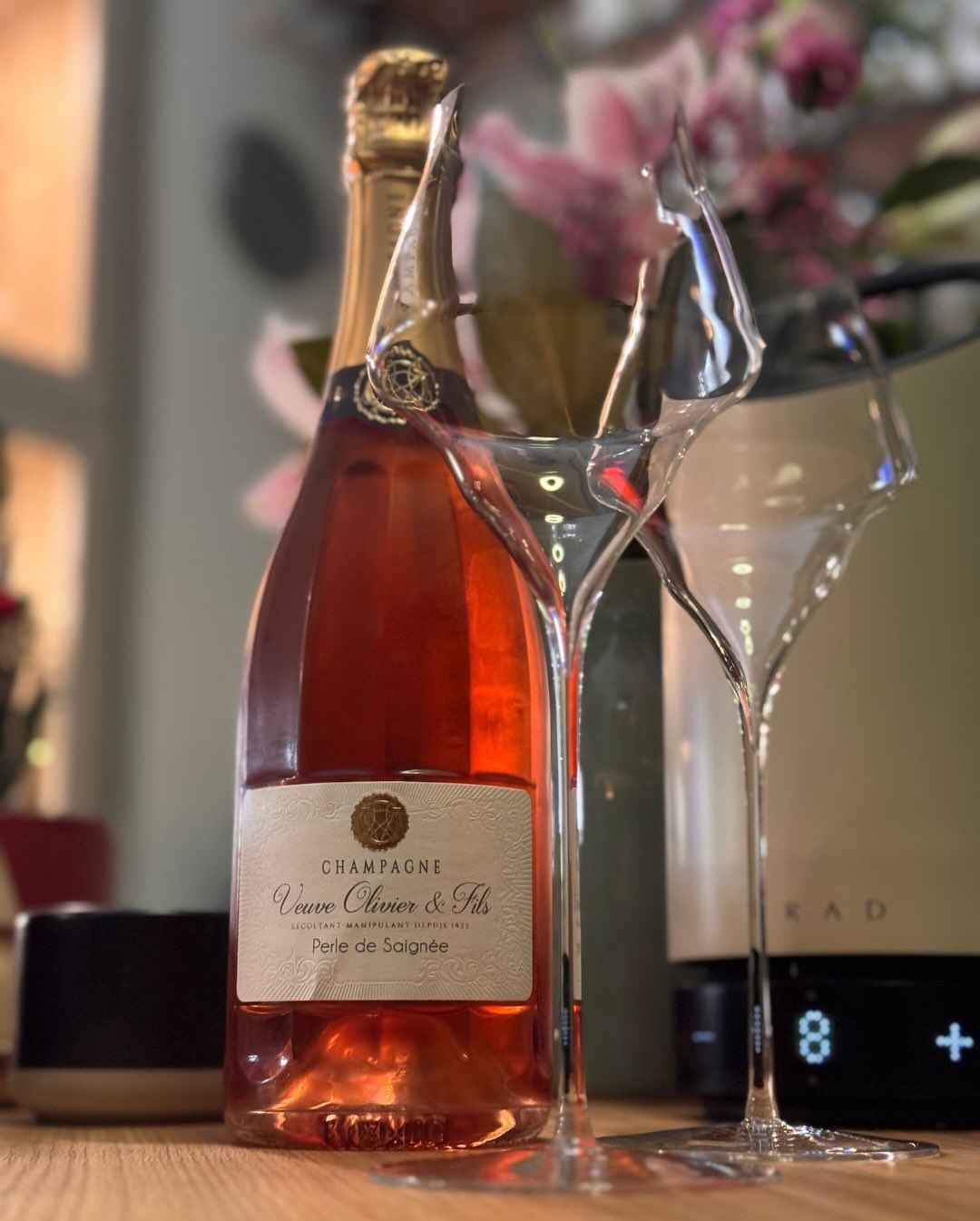
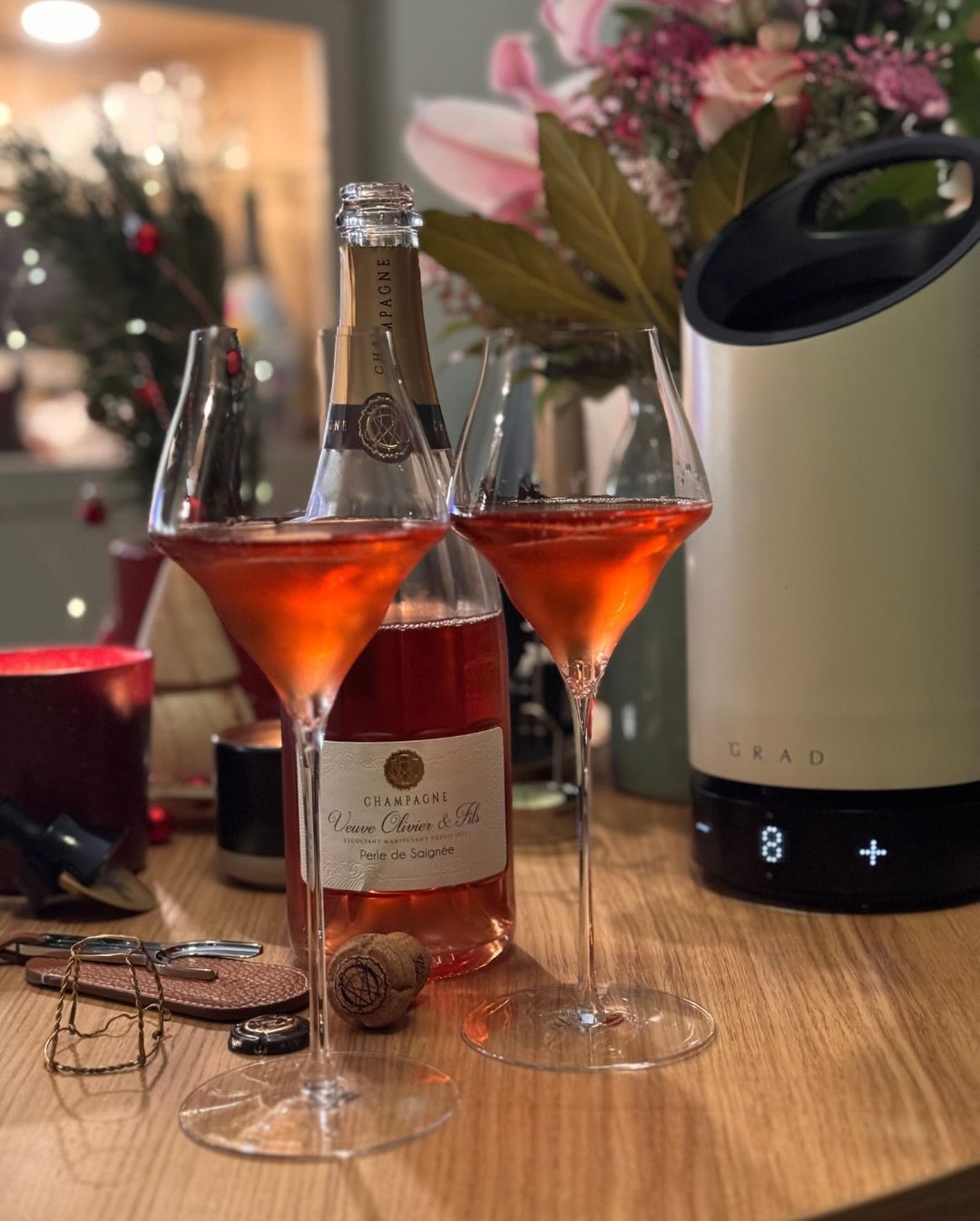
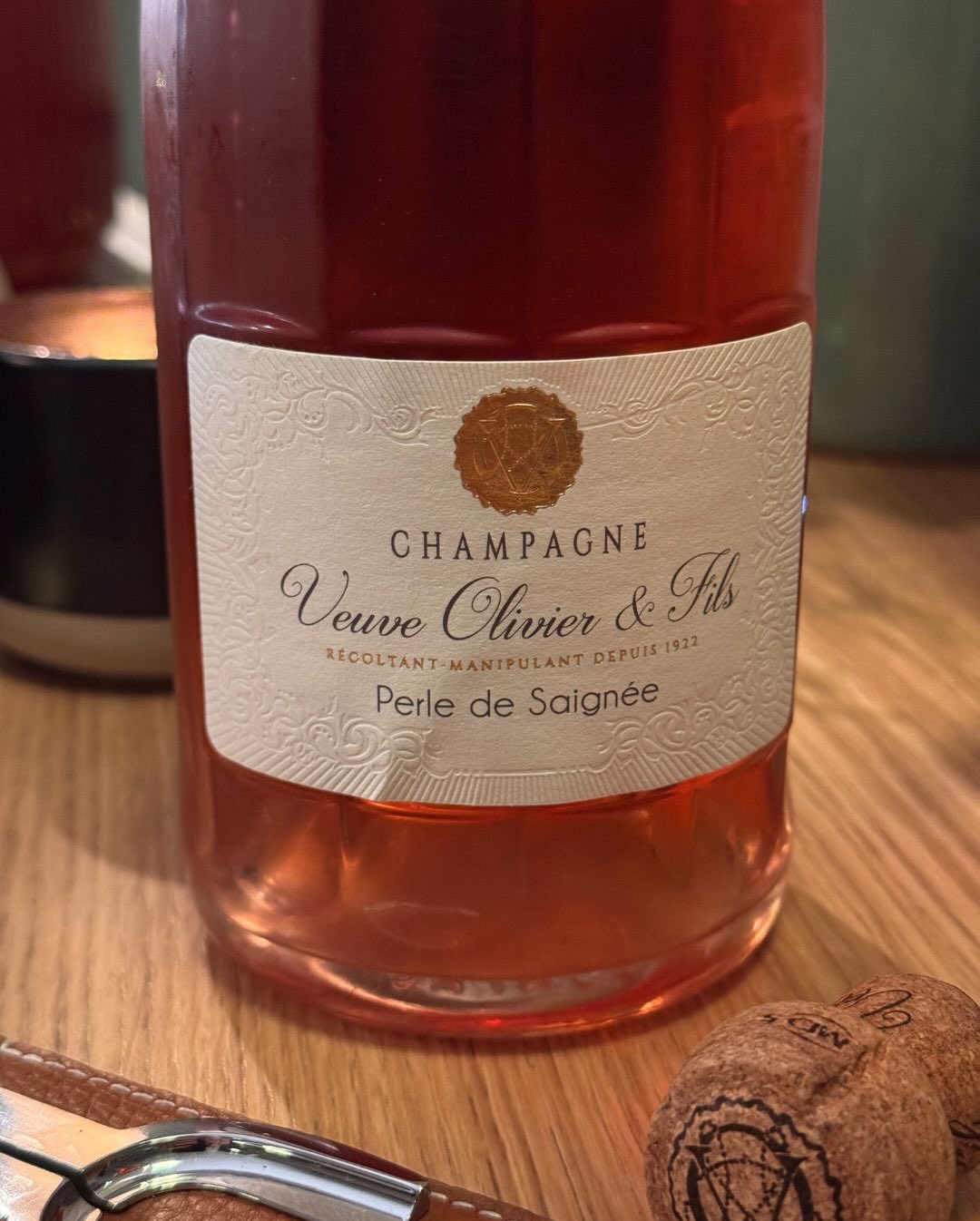
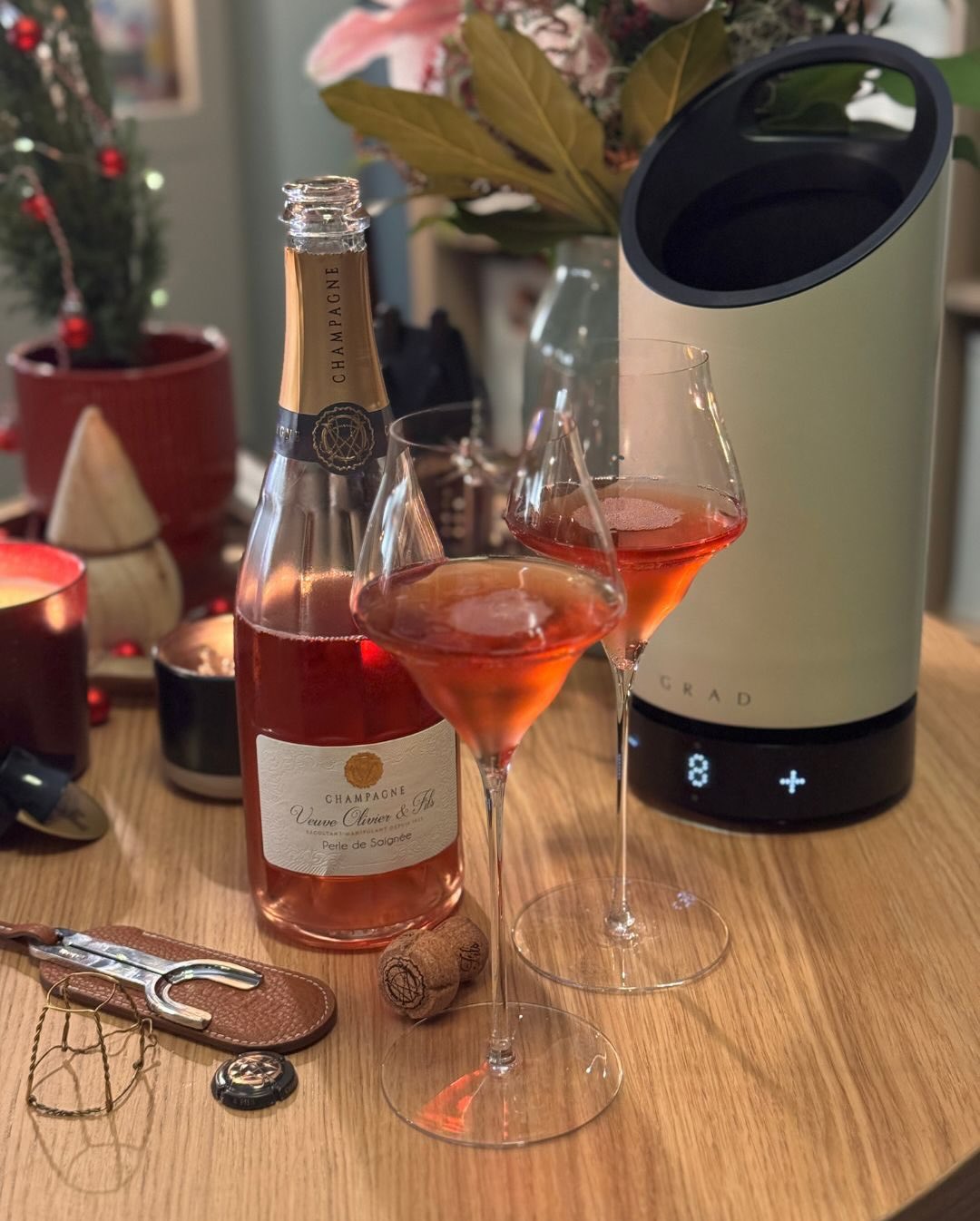
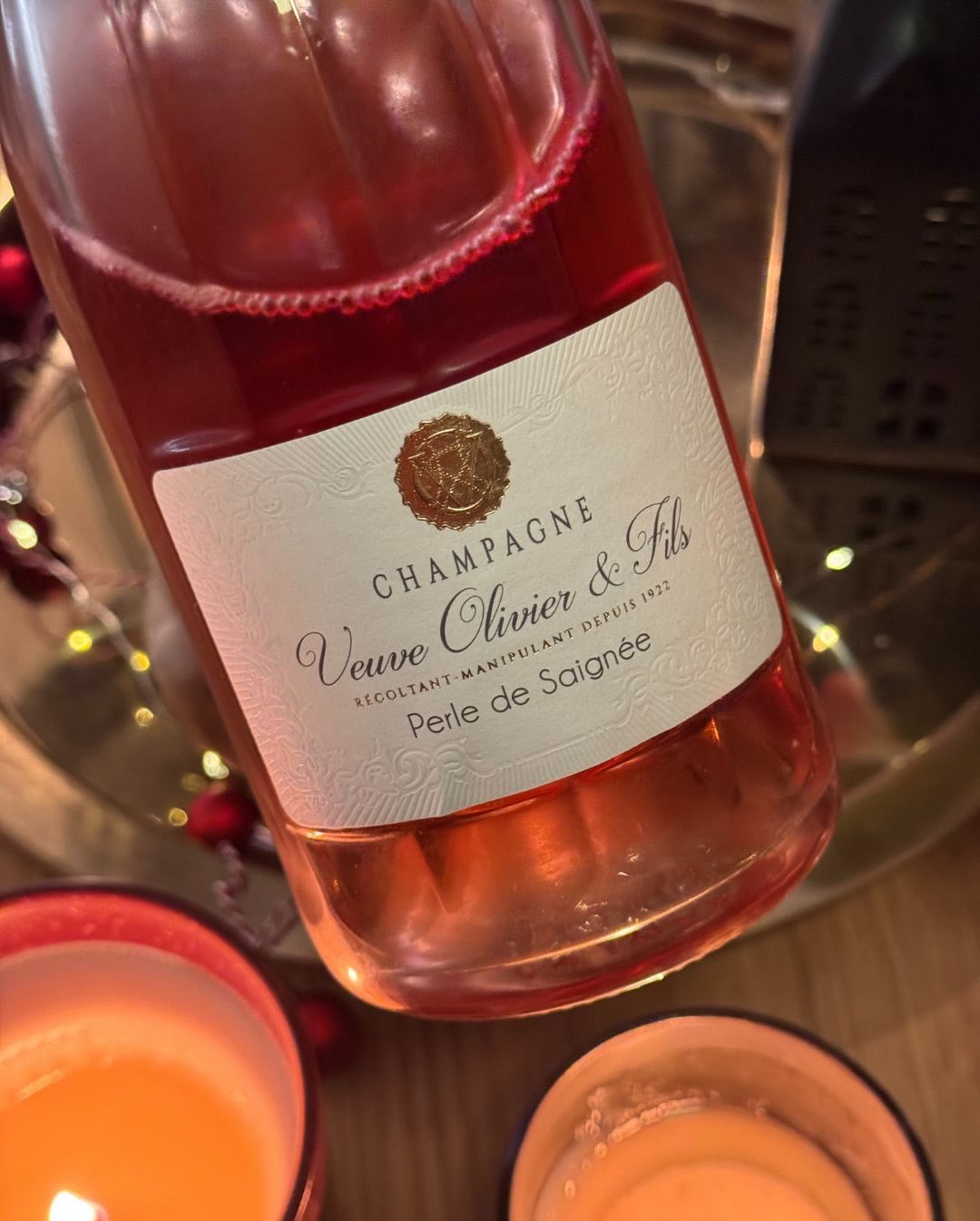
the_champagne.guy Die Farbe verrät’s schon: Rosé de Saignée – 14 Stunden Maischekontakt. Mehr Struktur, mehr Saft, ein kleines bisschen Tannin – und genau das macht ihn so spannend. Erdbeere, Ribisel, ein Hauch Würze und diese weinige Tiefe, die ihn klar von klassischen Rosé-Assemblagen unterscheidet. Die Rede ist vom Perle de Saignée von @veuve_olivier_et_fils . Ein Rosé mit ordentlich Wumms, aber eben nicht dieses „zu viel von allem“. Kräftig, tief, beerig… und gleichzeitig erstaunlich trinkig. So ein Rosé, den man eigentlich fürs Pairing aufhebt, weil man denkt, er könnte solo zu intensiv sein – dieser hier war aber überraschend solo-kompatibel. Was ich mag: Er bleibt trotz aller Power elegant. Kein überflüssiger Zucker, der etwas kaschieren müsste – dadurch wirkt das Beerige frischer und geradliniger. Solo absolut gelungen. Zum Essen vermutlich noch stärker. So ein typischer „Ich kann beides“-Champagner. Champagne-Facts 🥂 50 % Pinot Noir · 50 % Meunier (Vendange 2018) 🩸 Rosé de Saignée · 14 h Mazeration 👀 Reben: Ø 40 Jahre 🍬 Dosage: 6 g/l (Brut) Wenn ich vom Perle de Saignée nochmal eine Flasche in die Finger bekomme, dann definitiv mit Pairing – vielleicht zu Jakobsmuscheln oder etwas Asiatischem. #TheChampagneGuy @josephinenhutte @grad.dk @laclaye #VeuveOlivier #PerledeSaignee #RoseChampagne #Saignée #Meunier #PinotNoir #ChampagneMoment #ChampagneLife #TheChampagneGuyMoments #GrowerChampagne #laclayeperfectserve
Auf Instagram weiterlesen →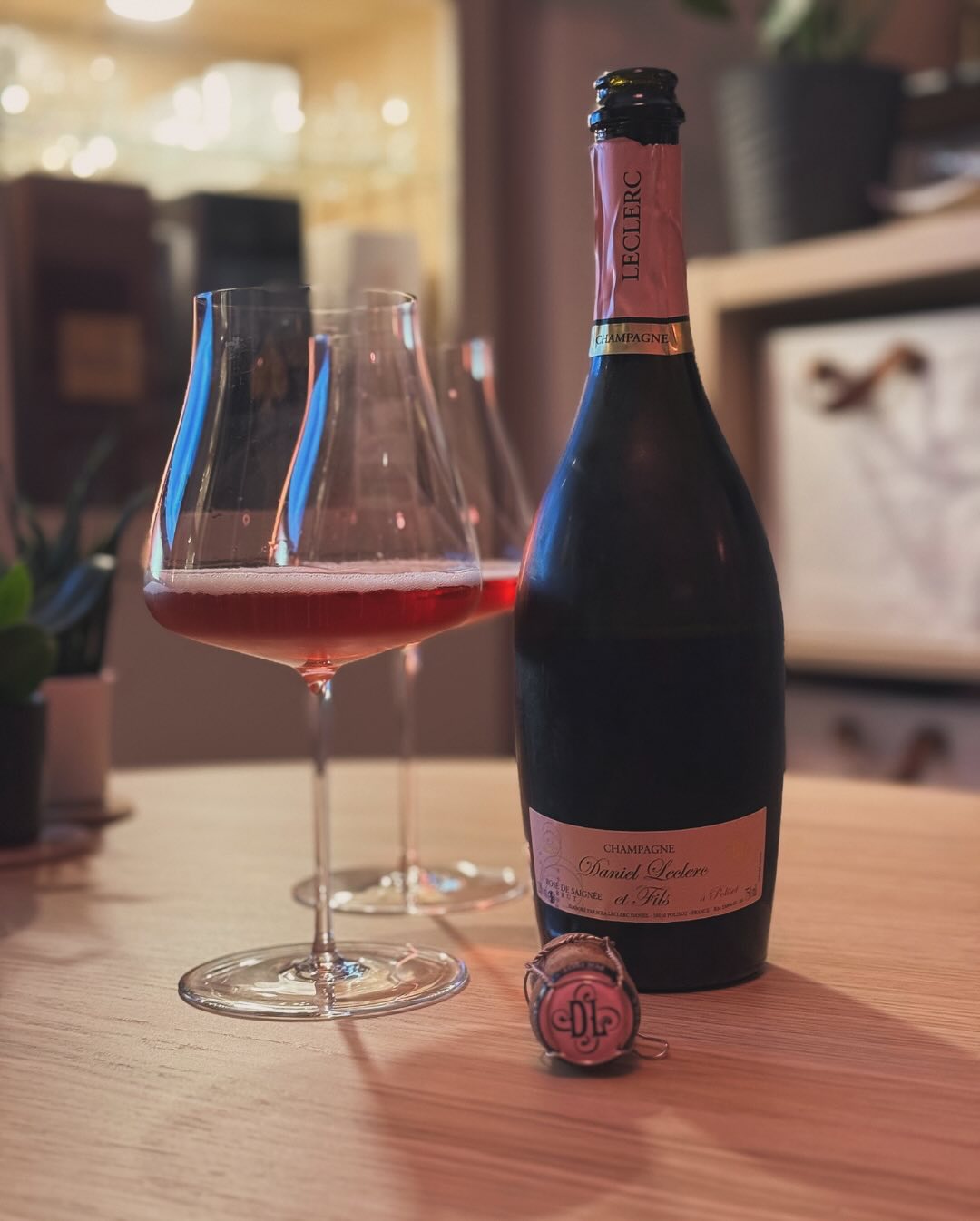
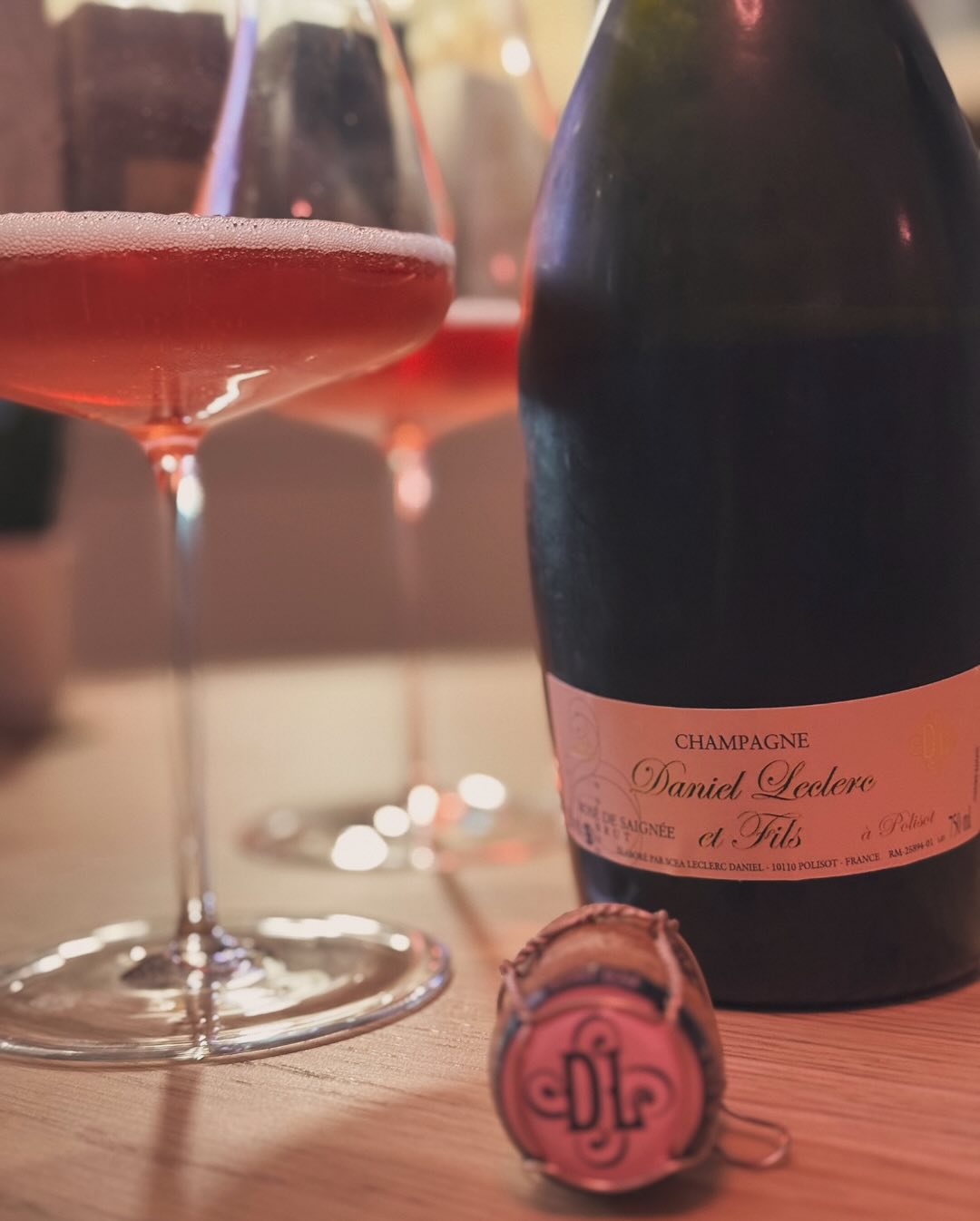
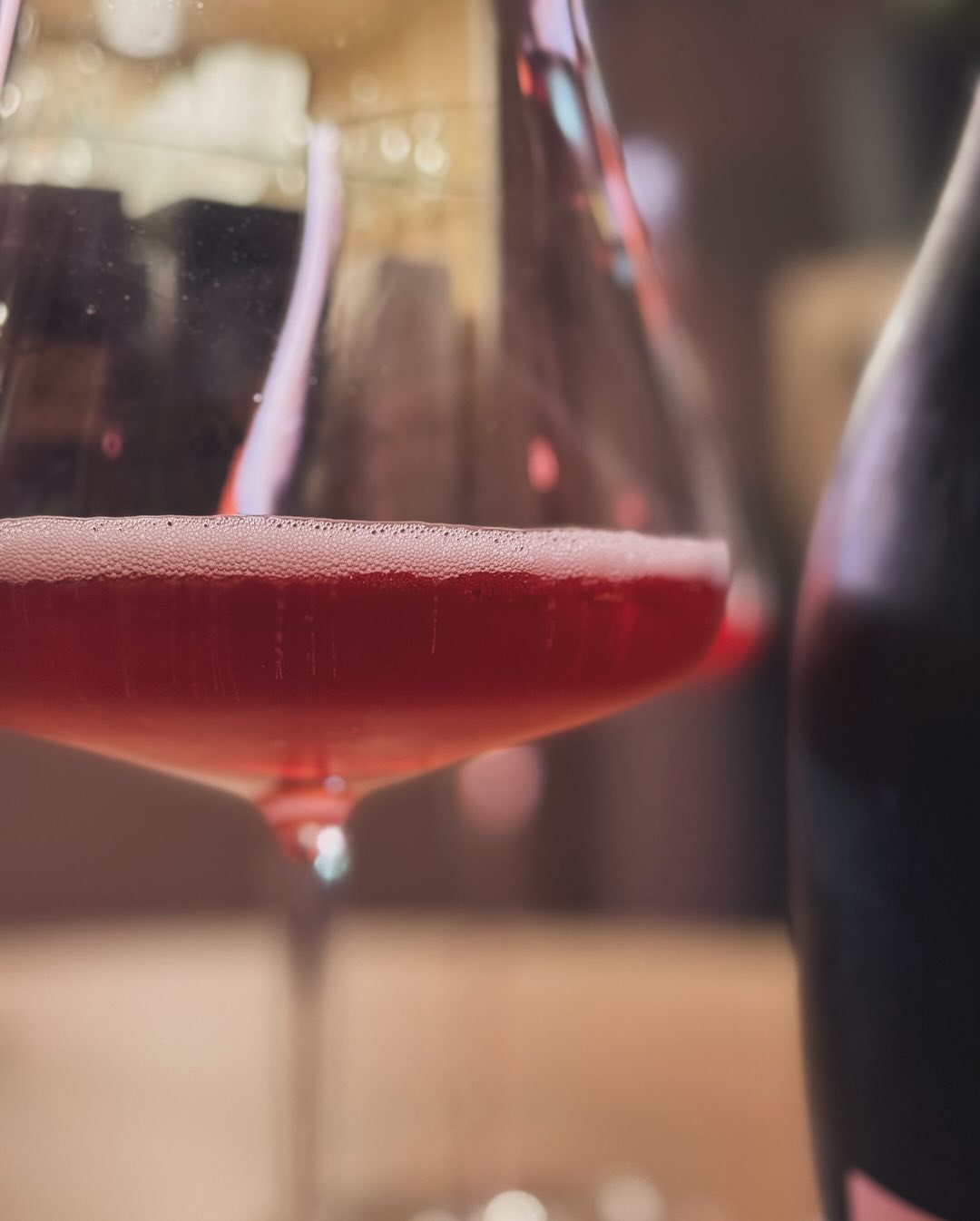
the_champagne.guy Nach der Cuvée Gabin von @champagne.daniel.leclerc war der nächste Schritt klar: Vergleich mit dem Rosé de Saignée. Gleicher Jahrgang, gleicher Winzer – aber ein komplett anderes Erlebnis. Statt 100 % Chardonnay jetzt 100 % Pinot Noir aus der Côte des Bar, hergestellt nach der Saignée-Methode mit 18 Stunden Maischestandzeit. Das Ergebnis? Intensiver, fruchtiger, lebendiger. Verkostungsnotizen: 👃 Nase: Ausdrucksstark, mit frischen roten Früchten – Erdbeeren, Himbeeren, ein Hauch schwarze Johannisbeere. 👅 Gaumen: Lebendig, saftig, mit einer feinen Balance aus Frische und Struktur. Die dunkleren Fruchtaromen zeigen sich erst im Abgang. 🥂 Finish: Lang, mit einer anhaltenden Fruchtigkeit und einer feinen Würze. Das Glas macht den Unterschied: Dieses Mal habe ich ihn aus einem bauchigen Pinot Noir Glas von @zwieselglas probiert – und es war spürbar, wie sich das Mundgefühl verändert hat. Mehr Raum für die Aromenentfaltung, aber gleichzeitig etwas weniger Finesse in der Perlage. Spannender Vergleich! Fazit: Ein Rosé, der nicht nur mit Frucht, sondern auch mit Tiefe überzeugt. Die Kombination aus niedriger Dosage (2 g/l) und langer Flaschenreife sorgt für eine wunderbare Spannung. Definitiv eine Cuvée, die zeigt, was Rosé de Saignée kann. Wer trinkt seinen Rosé lieber aus einem klassischen oder einem bauchigeren Glas? Und welche Rosé de Saignée sind eure Favoriten? 🥂 #DanielLeclerc #RoseDeSaignee #ChampagneLeben #PinotNoir #GlassMatters #ZwieselGlas #TheChampagneGuy
Auf Instagram weiterlesen →The grape variety question: Pinot Noir, Meunier or blend?
Standard is Pinot Noir. It brings structure, color potential and classic red berries. Meunier-based rosés are rare, but exciting: softer, shorter, often with more floral fruit. Some producers make rosé from 100% Meunier (for example in the Vallée de la Marne), others blend.
Chardonnay plays an important role especially in Rosé d'Assemblage as a base. But there are also Cuvées where Chardonnay makes up the main portion and only a small Pinot Noir red wine portion provides the color. The result: a rosé that tastes like a Blanc de Blancs but has salmon tones in the glass. A genre of its own.
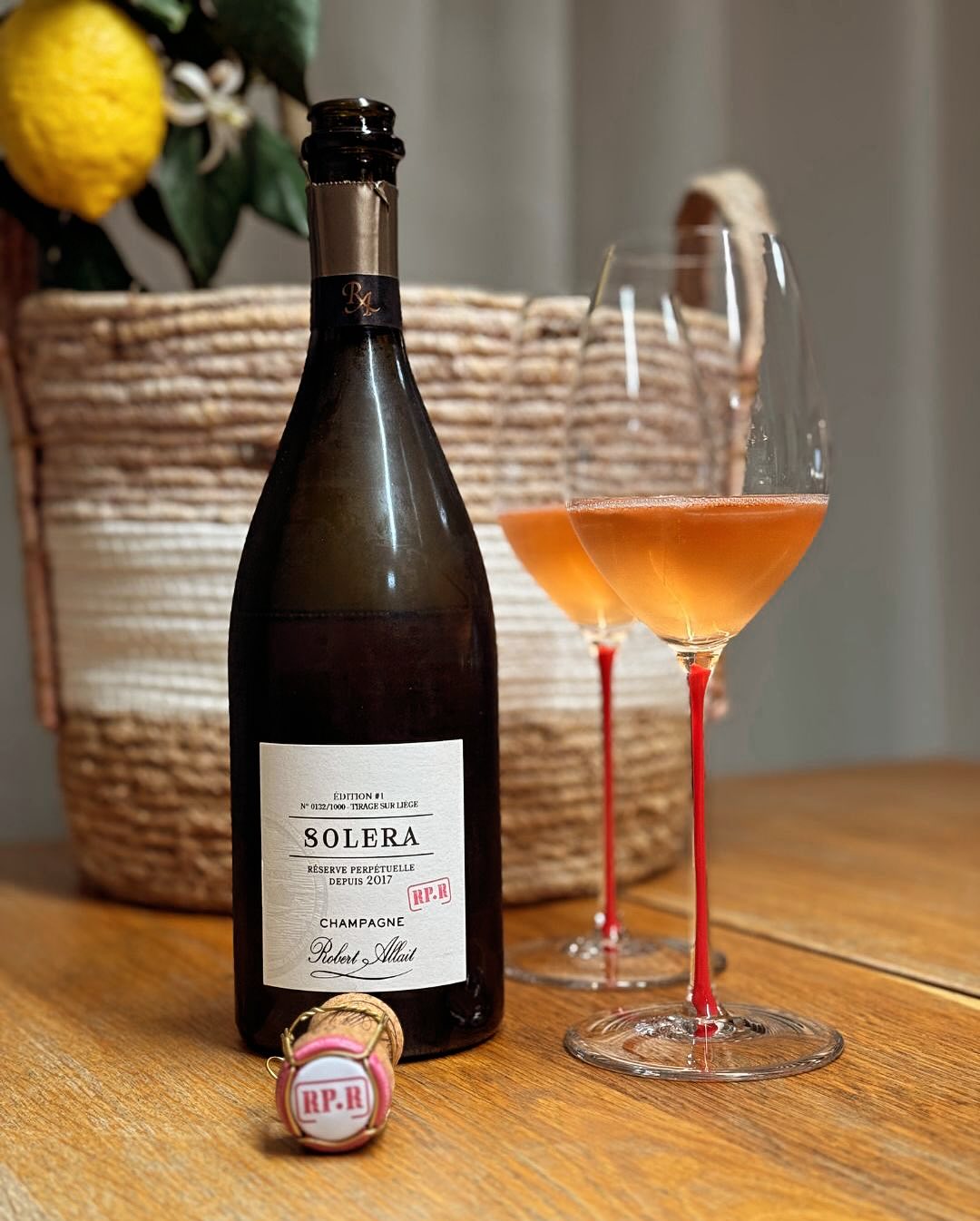
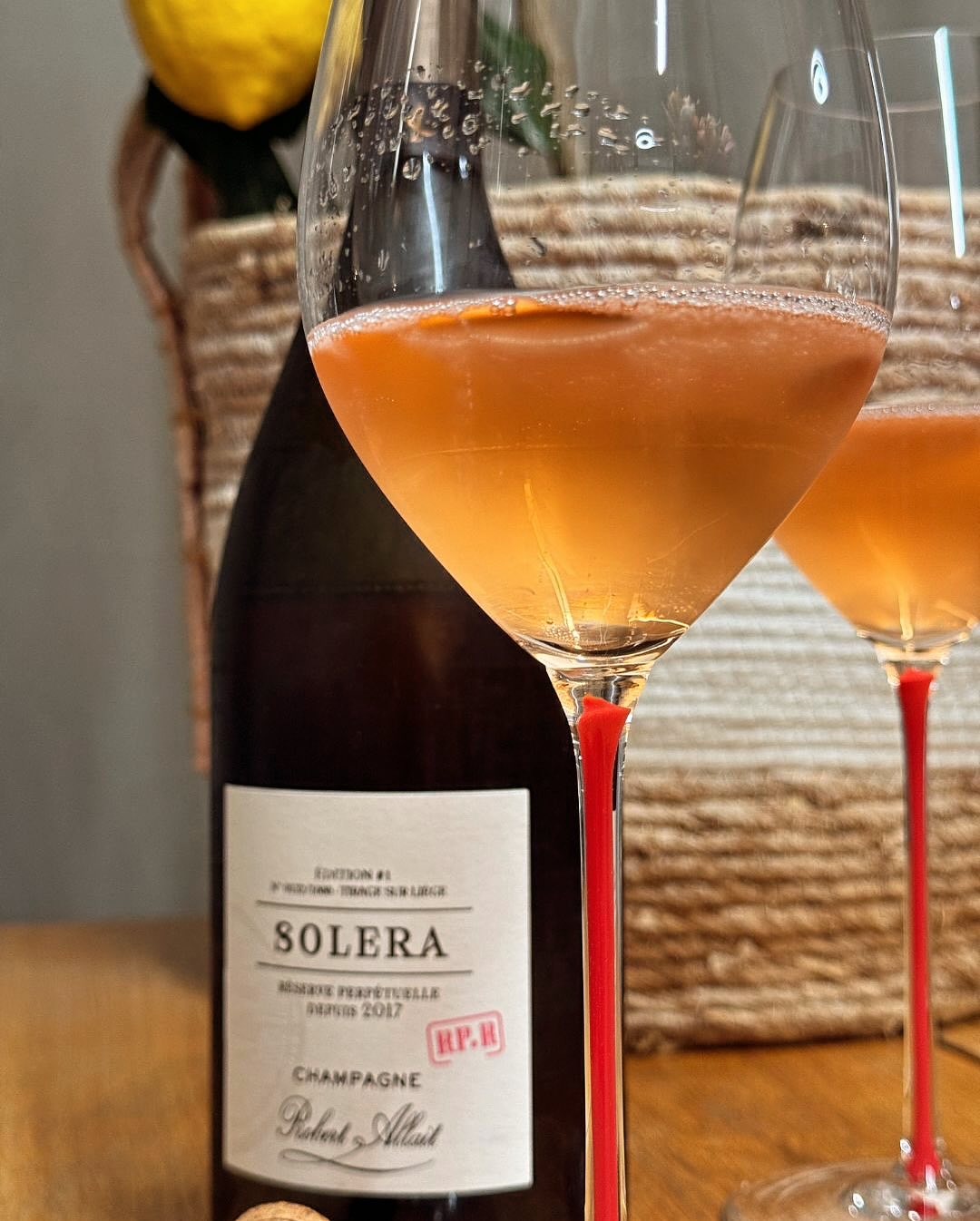
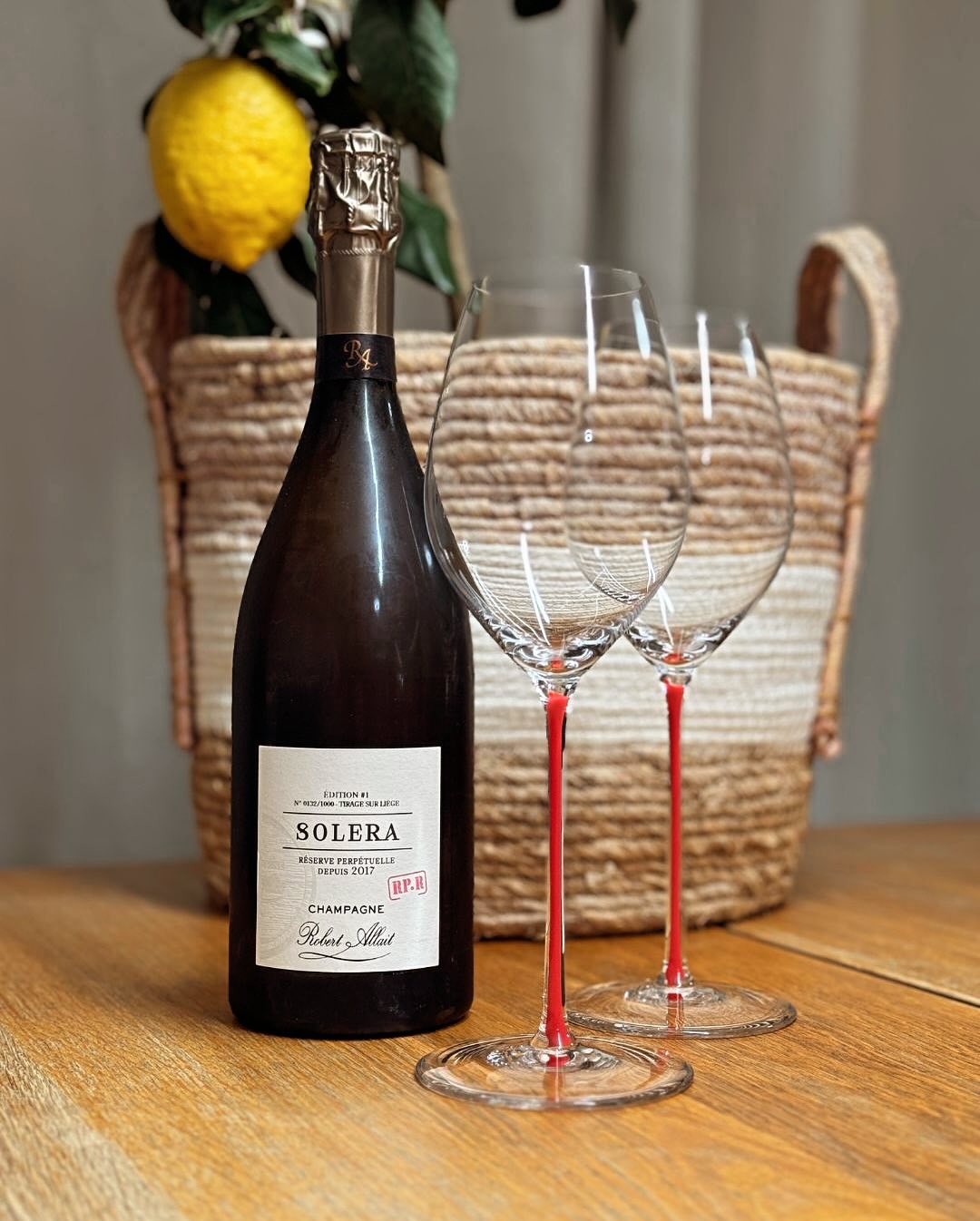
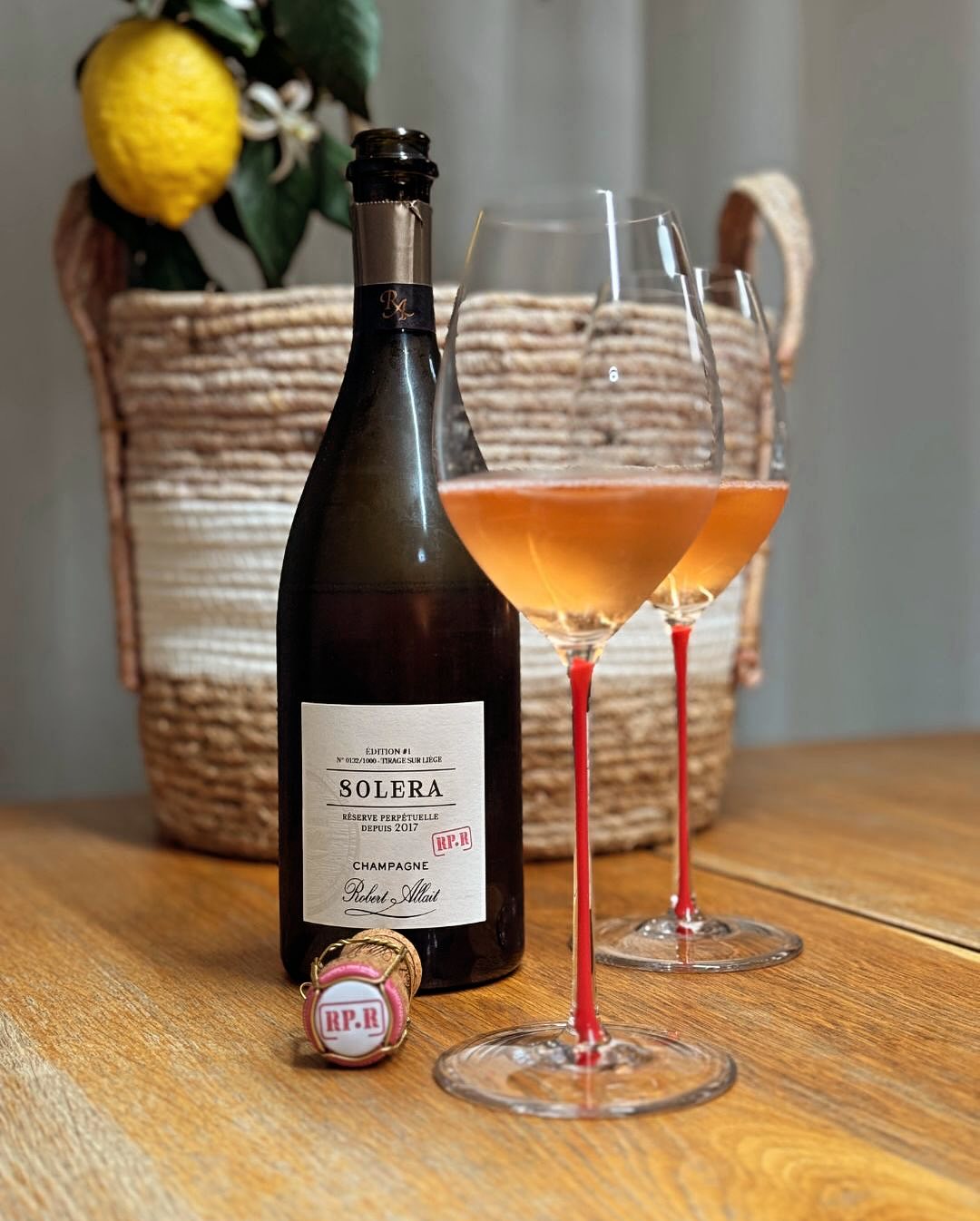
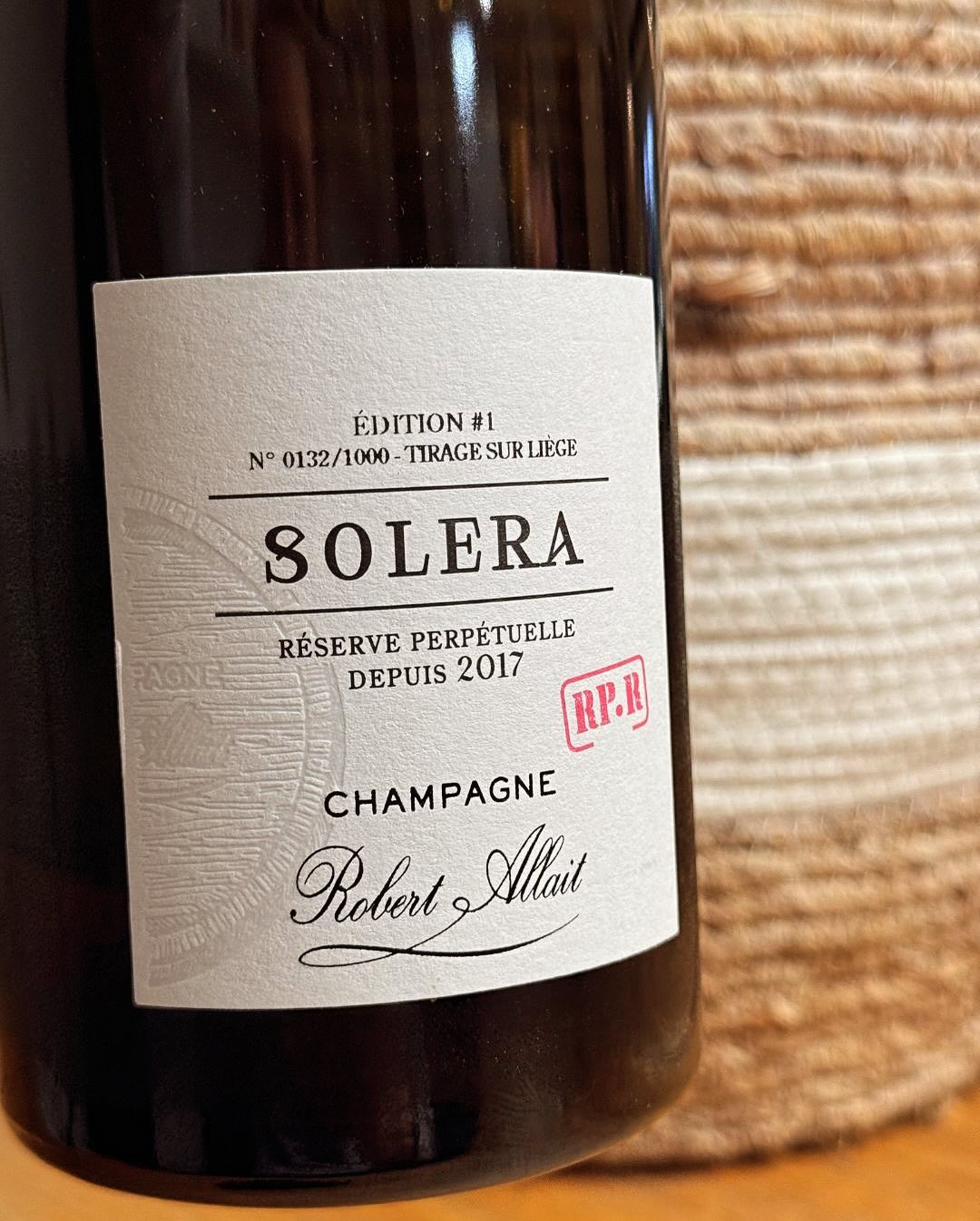
the_champagne.guy Rosé? Nein – Chardonnay. Oder? Manchmal lohnt sich ein zweiter Blick. Vorallem beim Solera RP-R von @champagnerobertallait – ein 95 % Chardonnay, 5 % Pinot Noir Extra Brut. In der Nase: reife Zitrusfrucht, Brioche, geröstete Mandeln. Am Gaumen: cremig, komplex, salzig – mit Tiefe, Frische und einer ganz eigenen Handschrift. Aber was war das Erste, was mir auffiel? Die Farbe. Fast roséfarben, mit einem Kupferstich – ungewöhnlich für einen Chardonnay-dominierten Champagner. Woran’s lag? Hier meine Learnings: – Die intensive Farbe stammt nicht nur vom Pinot Noir (nur 5 %!) – Sondern auch von: ✔️ Barrique-Ausbau (40 % im Holz) ✔️ Keine malolaktische Gärung – Frische bleibt, Tiefe entsteht ✔️ Lange Reifezeit in der Solera, teils mit Oxidation ✔️ Und auch der roten Stiel meines @riedel_official Fatto a Mano Glases, der bei bestimmten Lichtverhältnissen einen Rosé-Touch unterstützt. Fazit? Champagner lebt nicht nur vom Geschmack – sondern auch von Textur, Farbe, Glas & Kontext. Und genau das macht ihn für mich so spannend. ➡️ Hattet ihr schon mal einen Blanc de Blancs im Glas, der euch farblich total überrascht hat? #TheChampagneGuy #RobertAllait #SoleraRPR #FattoAMano #ChampagnerLiebe #Aromenspektrum #ChardonnayMitCharakter #RiedelGlas #Sinneseindrücke
Auf Instagram weiterlesen →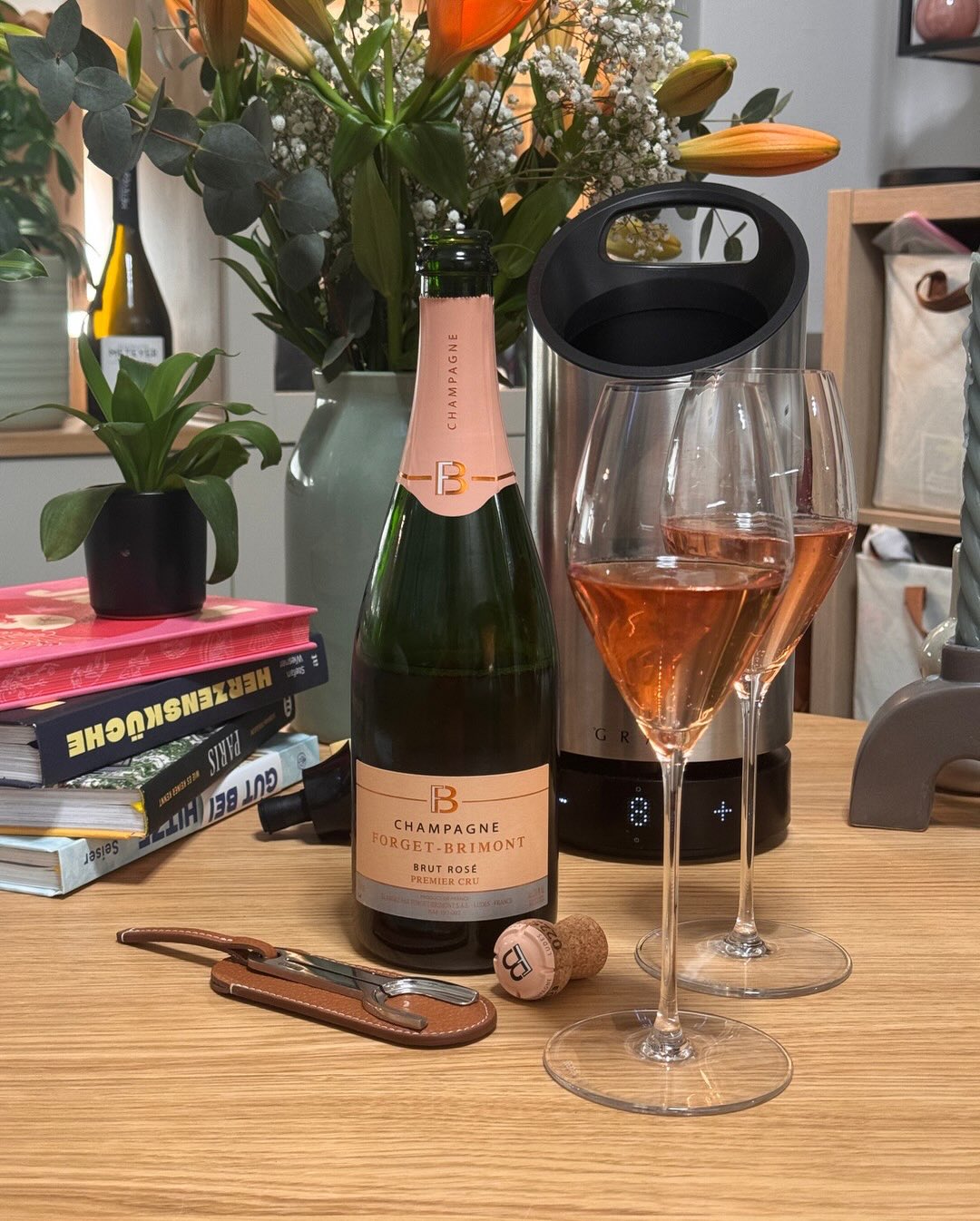
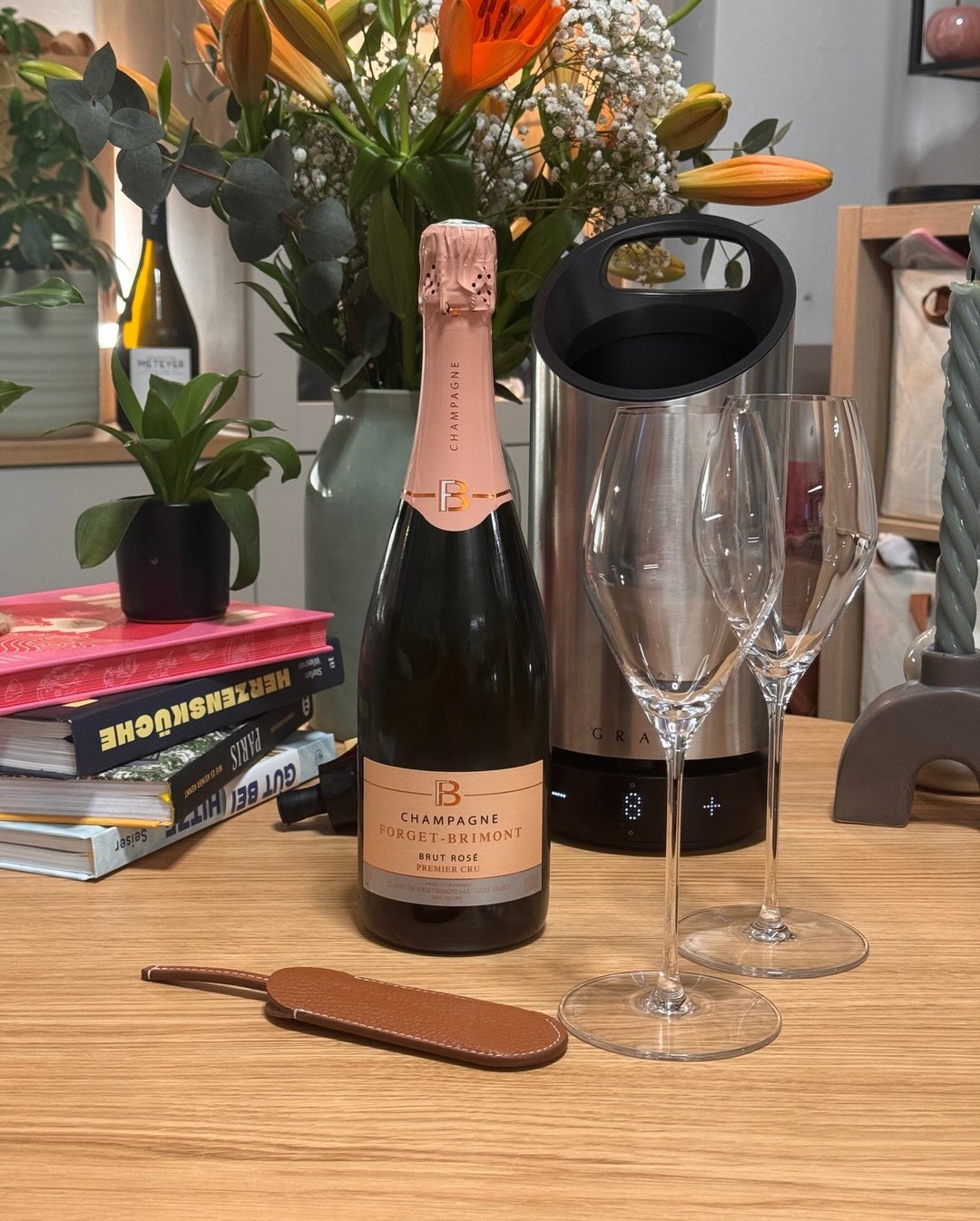
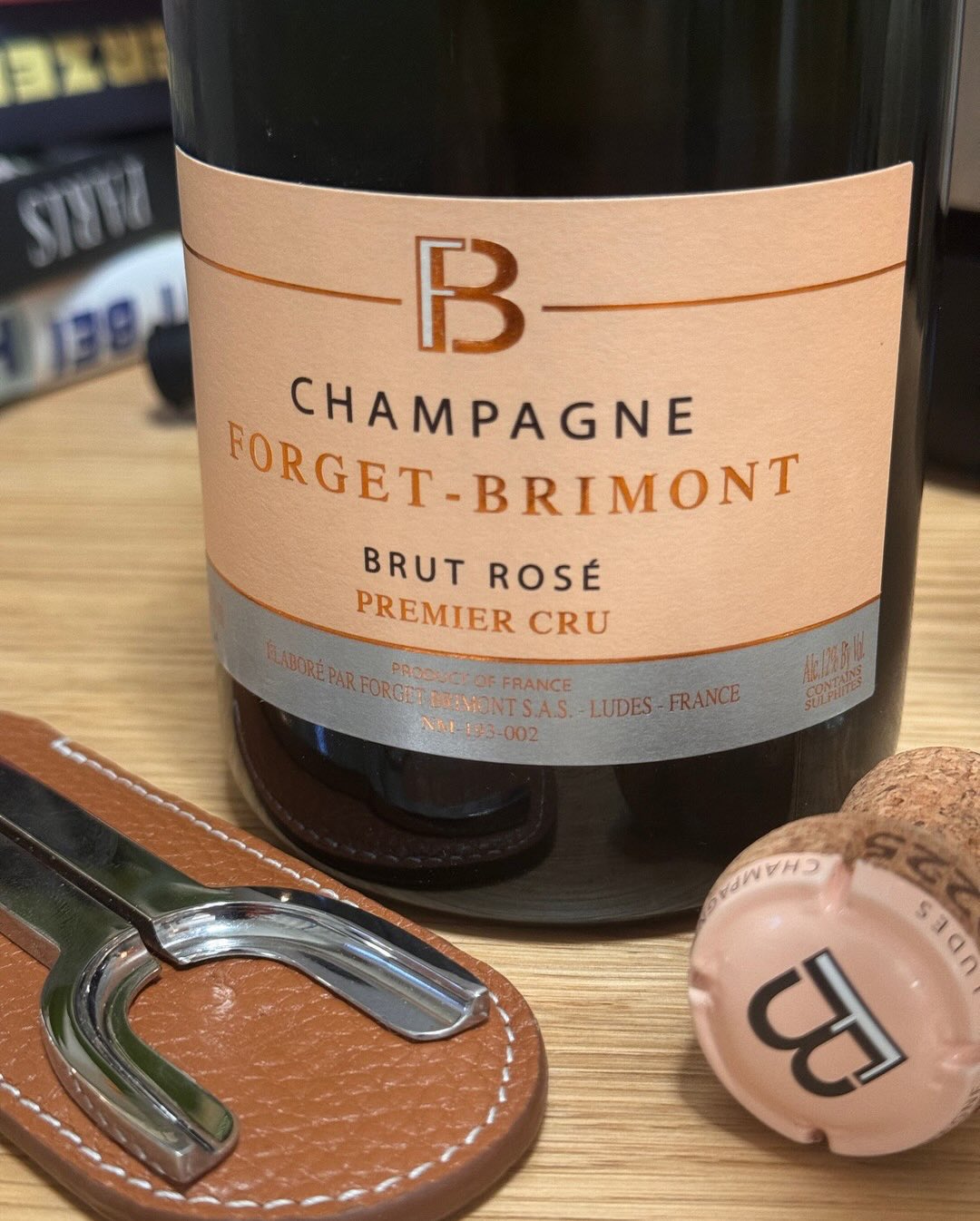
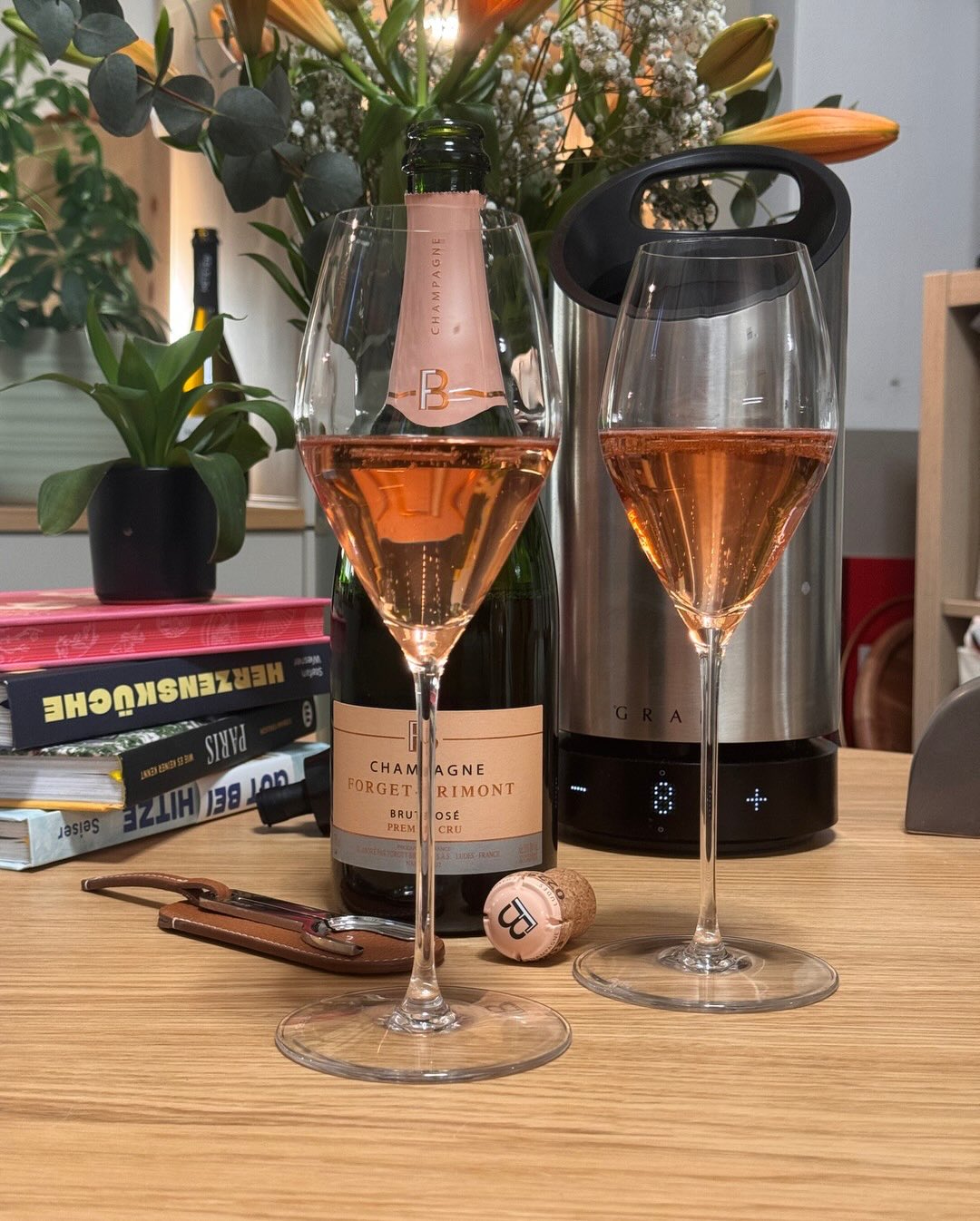
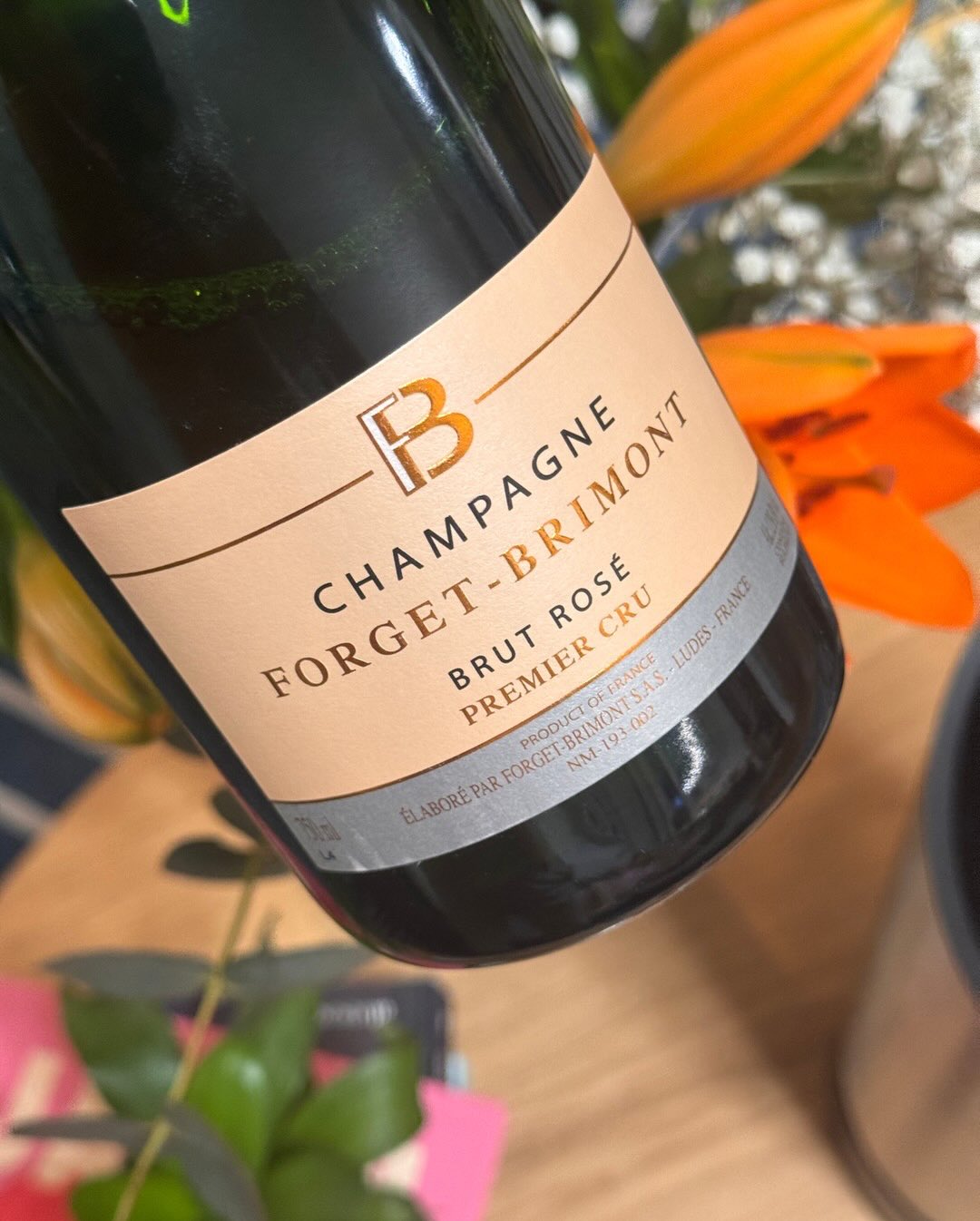
the_champagne.guy 40% Chardonnay, 60% Pinot Noir - bei @champagne_forget_brimont dreht sich die übliche Rosé-Formel um. Wo andere Häuser oft mehr Weißwein nehmen, setzt Michel Forget als 6. Generation auf die Kraft seiner Grand Cru-Pinots aus Mailly-Champagne und Verzenay. Das Weingut bewirtschaftet seit dem frühen 19. Jahrhundert Rebflächen in Ludes, die Marke selbst wurde 1920 von Eugène gegründet. Heute umfassen die 19 Hektar erstklassige Lagen in der Montagne de Reims, von denen die besten Grand Cru-Parzellen in diesen Rosé fließen. Mit 40-50% Reserveweinen aus bis zu 10 Jahrgängen baut Forget-Brimont Komplexität auf, die sich in 30 Monate bis 10 Jahre dauernder Kellerreife entwickelt. 🍾 Assemblage: 60% Pinot Noir, 40% Chardonnay 🏆 Jahrgang: NV 📍 Lage: Grand Cru (Mailly-Champagne, Verzenay) 🥂 Dosage: 9 g/l (Brut) 🍷 Alkohol: 12% 💡 Charakter: strukturiert, elegant, pinot-geprägt ⭐ Besonderheit: 40-50% Reserveweine aus 10 Jahrgängen Diese Cuvée zeigt perfekt den ausgewogenen Stil des Hauses — Pinot Noir als Hauptrebsorte prägt die Struktur, während die HVE-zertifizierte Bewirtschaftung und die langen Reifezeiten für die charakteristische Eleganz sorgen. #Rose #GrandCru @riedel_official @riedelteam_france @laclaye @grad.dk @grad_rd #MontagneDeReims #ForgetBrimont #TheChampagneGuy
Auf Instagram weiterlesen →Style directions: the rosé spectrum
When you say "Rosé Champagne," you're really saying nothing. Between the palest Brut Rosé and a deep red Saignée lie worlds. The styles, as I categorize them after 60+ tasted bottles:
- Aperitif Rosé, light assemblage, short finish, classic Brut. For the terrace, alone, without food. Represented in almost every major house.
- Aroma Rosé, medium color, distinct strawberry and raspberry, often 8 to 12 g/l Dosage. Meant to be enjoyable, not a statement wine.
- Substance Rosé, Saignée or assemblage with long barrel aging, Brut Nature to Extra Brut, structure, often vintage-based. Here it gets interesting.
- Vinosity Rosé, 18+ hour Saignée, Pinot Noir from Grand Cru sites, long lees aging. Drinks like a light red wine with bubbles.
- Solera Rosé, layered reserve wines over years, often 100% Chardonnay base with red wine touch. Complex, atypical, not for everyone.
Which style fits which occasion is a matter of taste. But anyone just getting to know their favorite rosé should have at least tried every style in the glass.
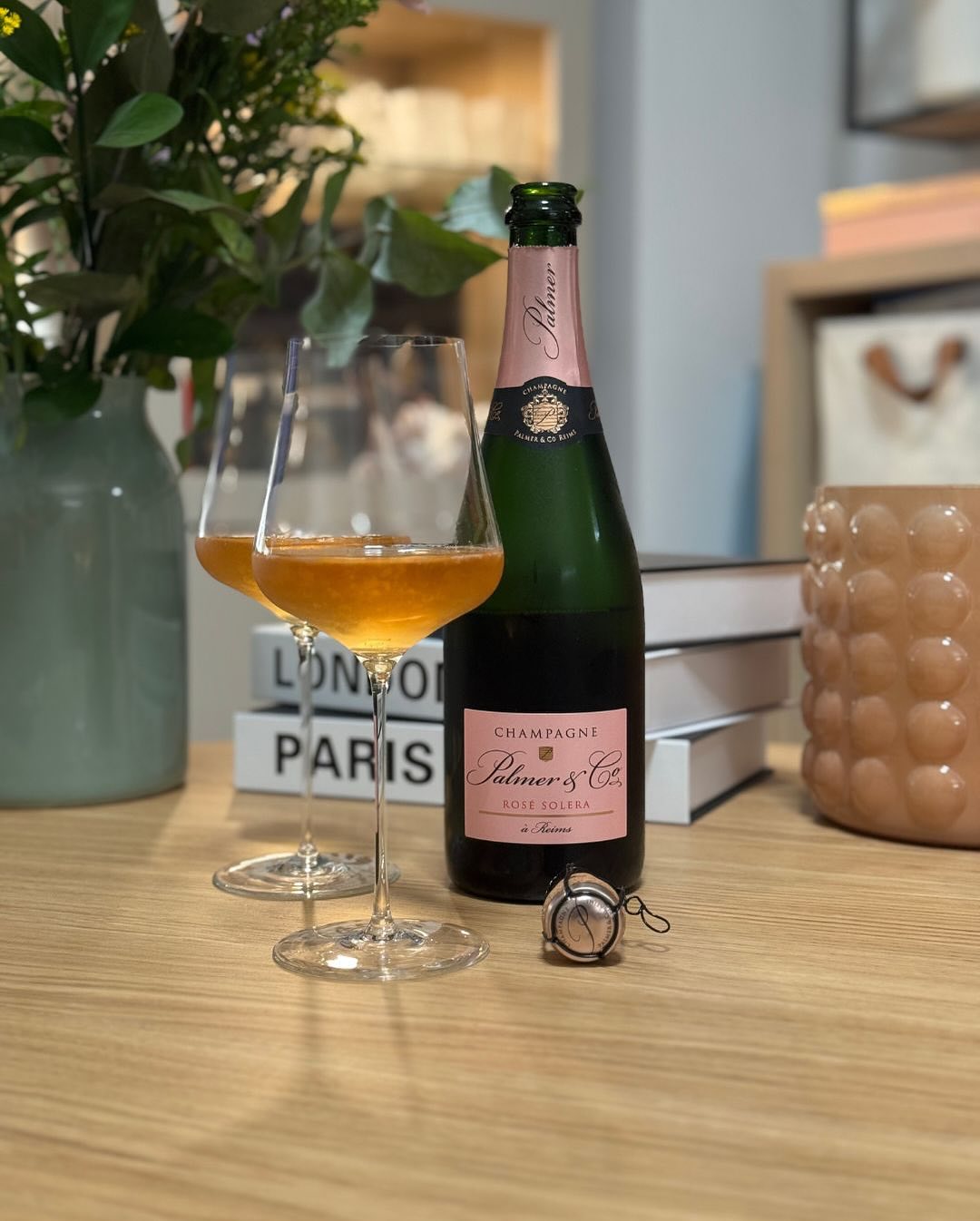
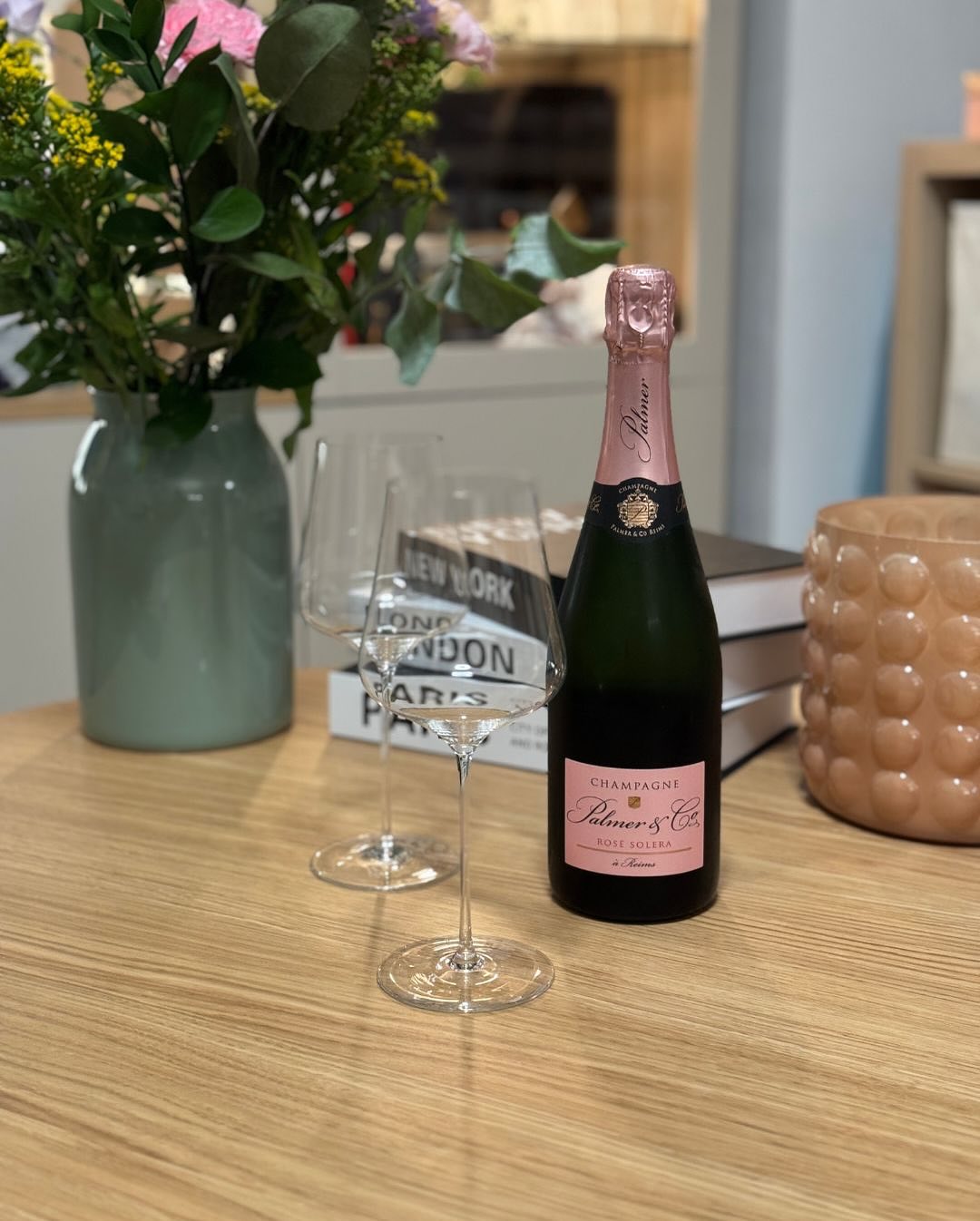
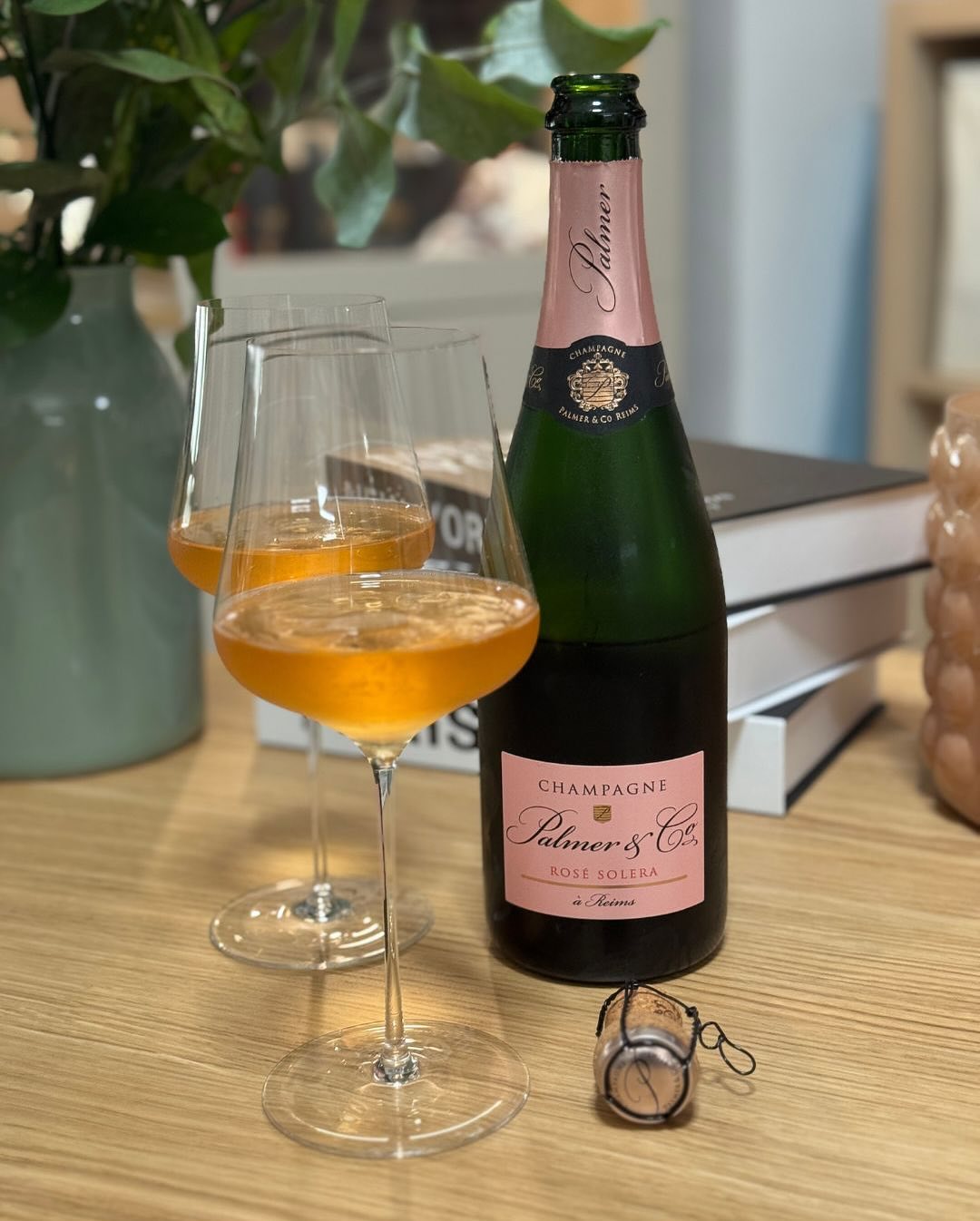
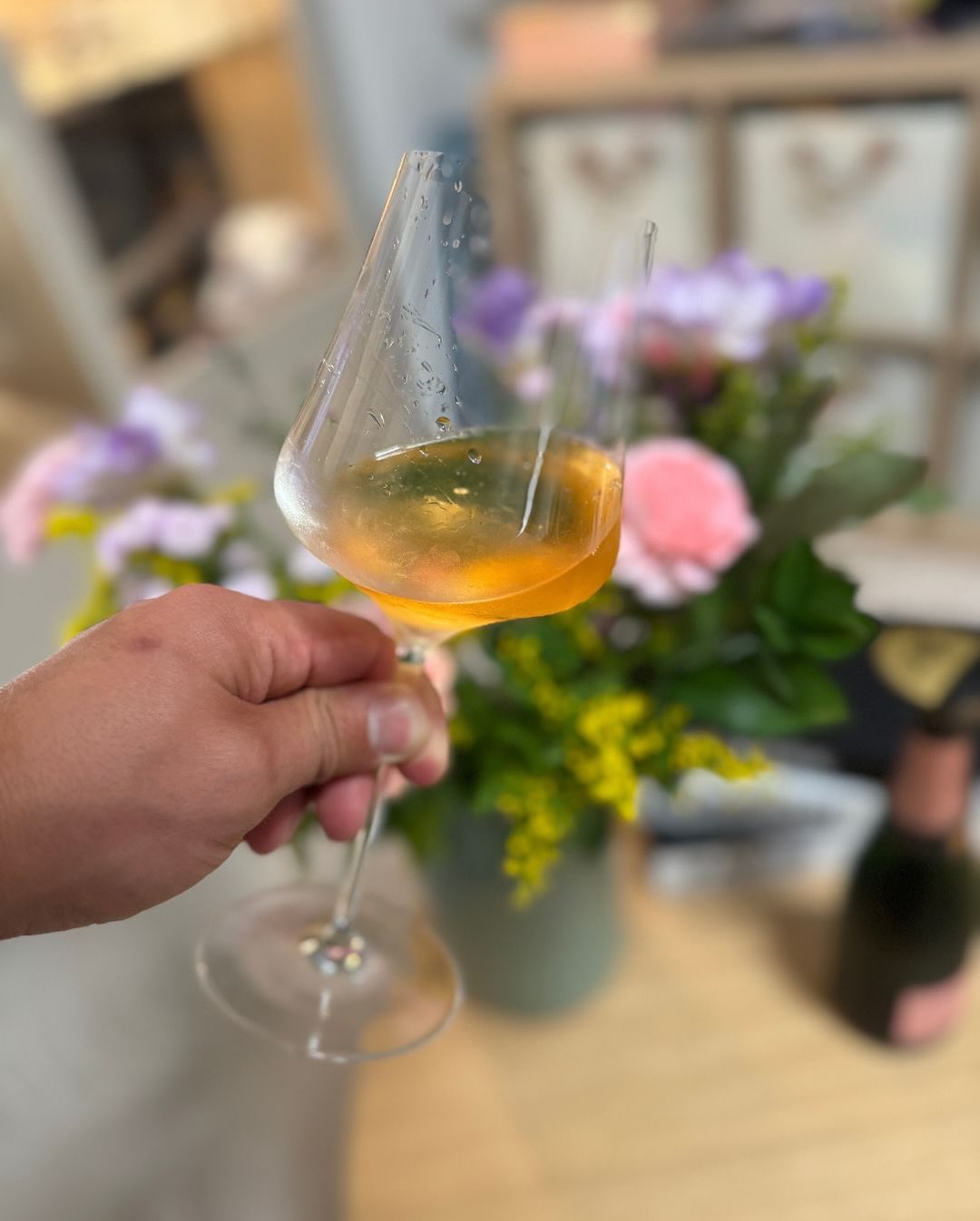
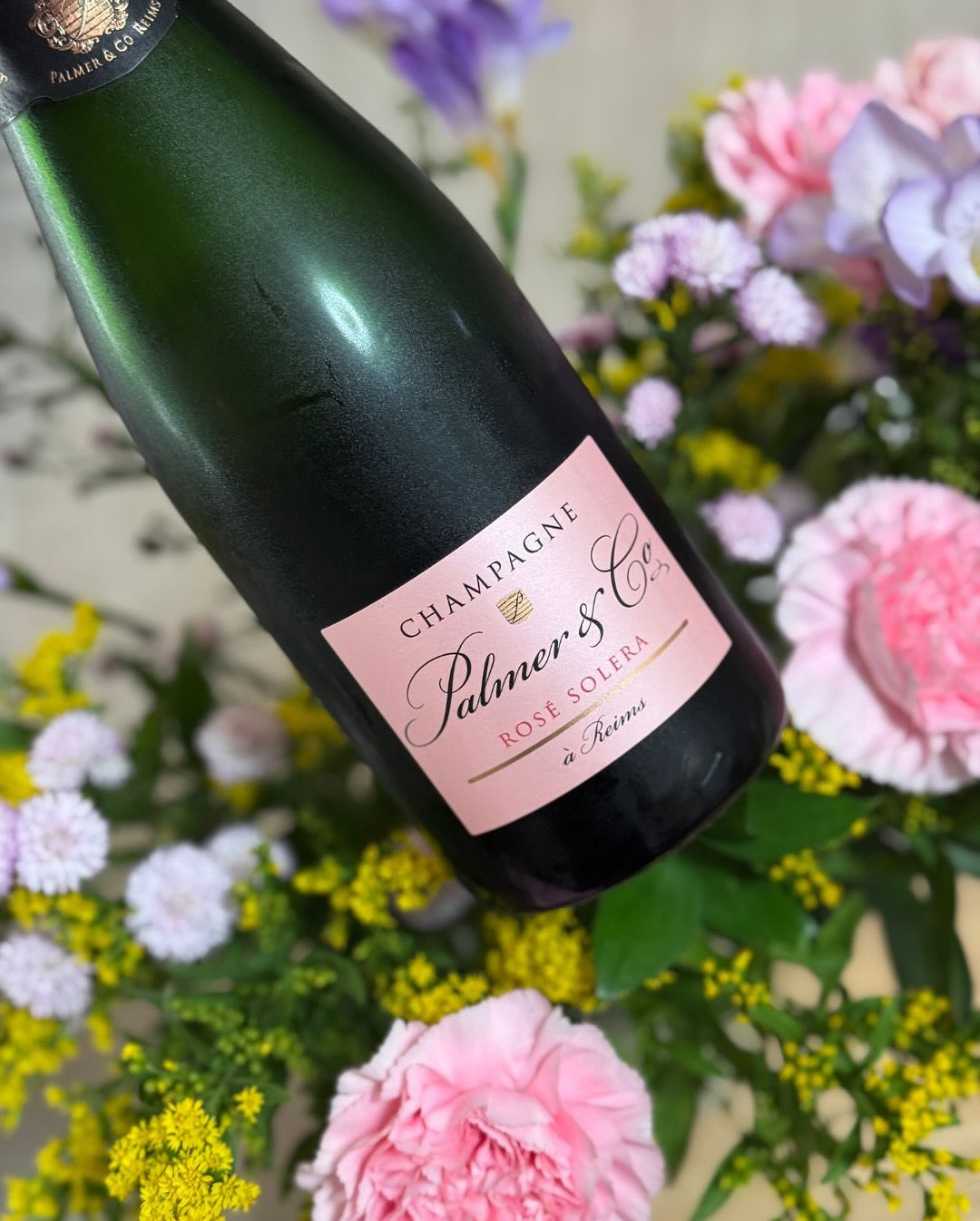
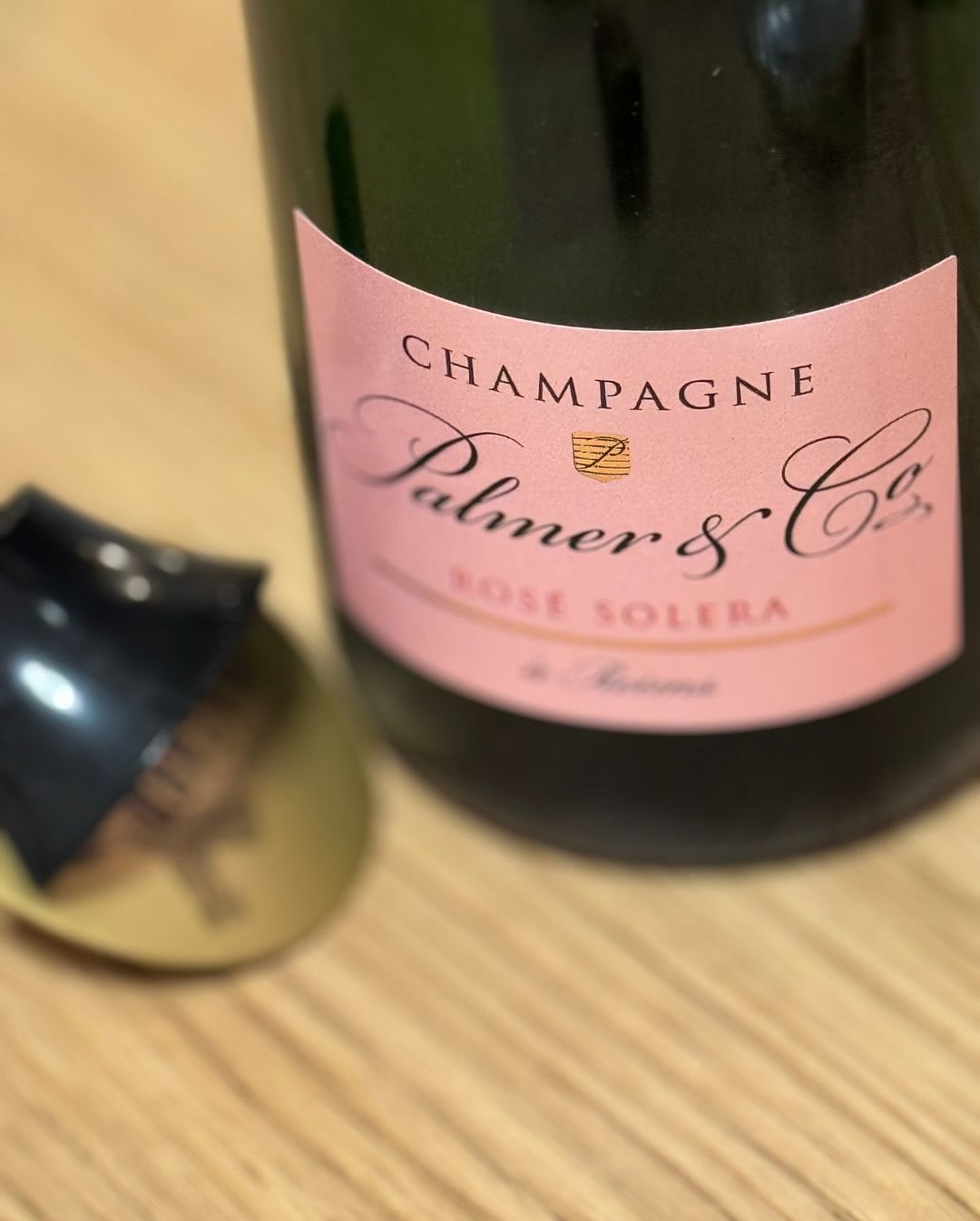
the_champagne.guy Ein gemütlicher Abend auf der Couch und Lust auf etwas mit Charakter. Im Glas: @champagnepalmer – Rosé Solera – serviert im @gabriel_glas – Gold Edition. Ein eleganter Rosé mit Tiefe, Frische und Würze. ✨ Fakten: 🍇 Chardonnay, Pinot Noir, Pinot Meunier + Pinot Noir Solera-Anteil 📦 Solera-Basis mit jahrzehntealten Reserveweinen 🕰️ Reifung: 2–3 Jahre auf der Hefe 📉 Dosage: 6–7 g/l (Brut) 🌡️ Serviert bei ca. 9 °C 👃 Aromen: Walderdbeere, schwarze Johannisbeere, Vanille, Zimt 🎯 Stil: vollmundig, frisch, präzise, mit sanfter Tiefe Ein Glas, das sich langsam öffnet – und mit jedem Schluck noch spannender wird. #TheChampagneGuy #PalmerChampagne #RoséSolera #GabrielGlas #CouchMoment #ChampagneTime #RoséUndRuhe #SoleraStyle
Auf Instagram weiterlesen →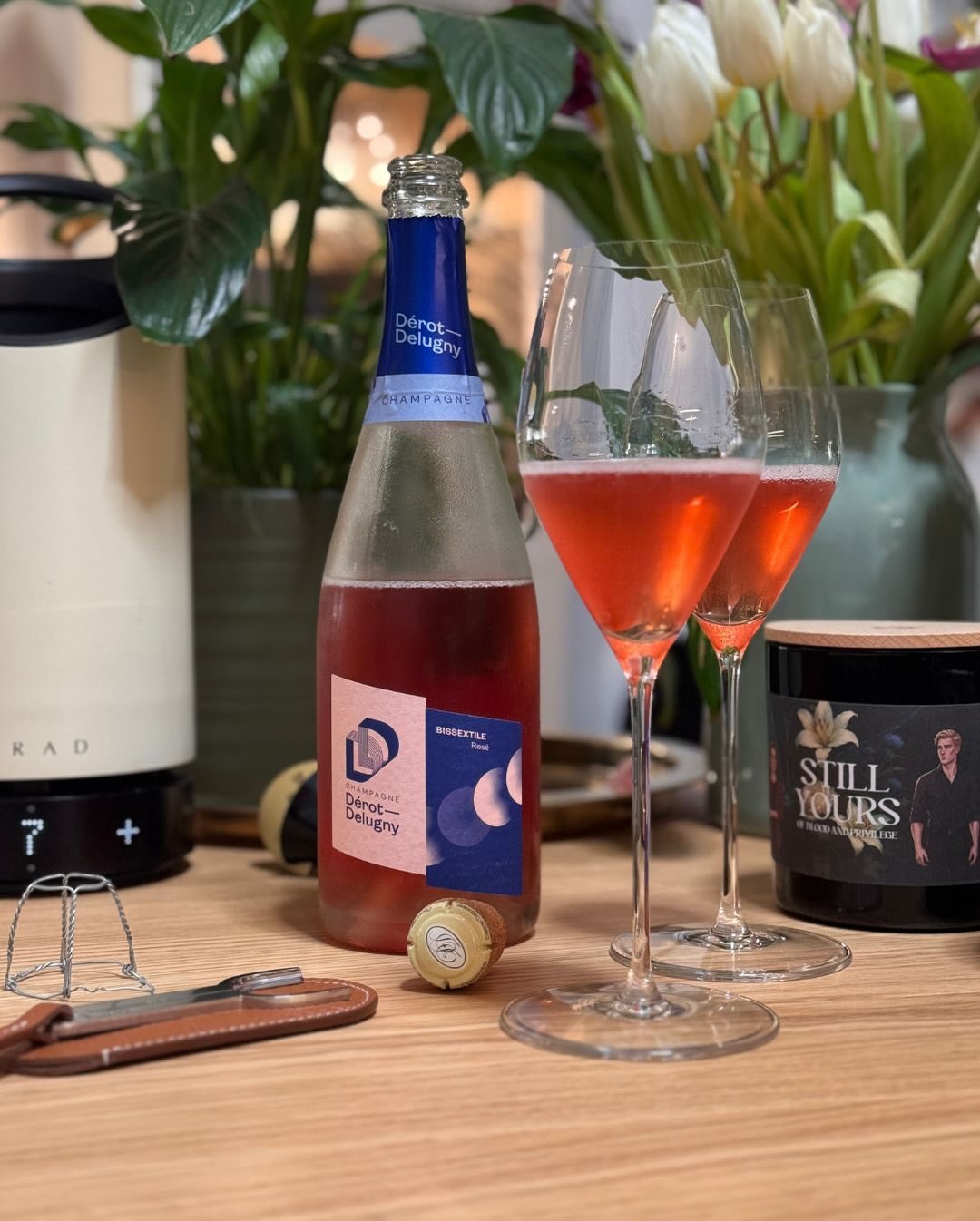
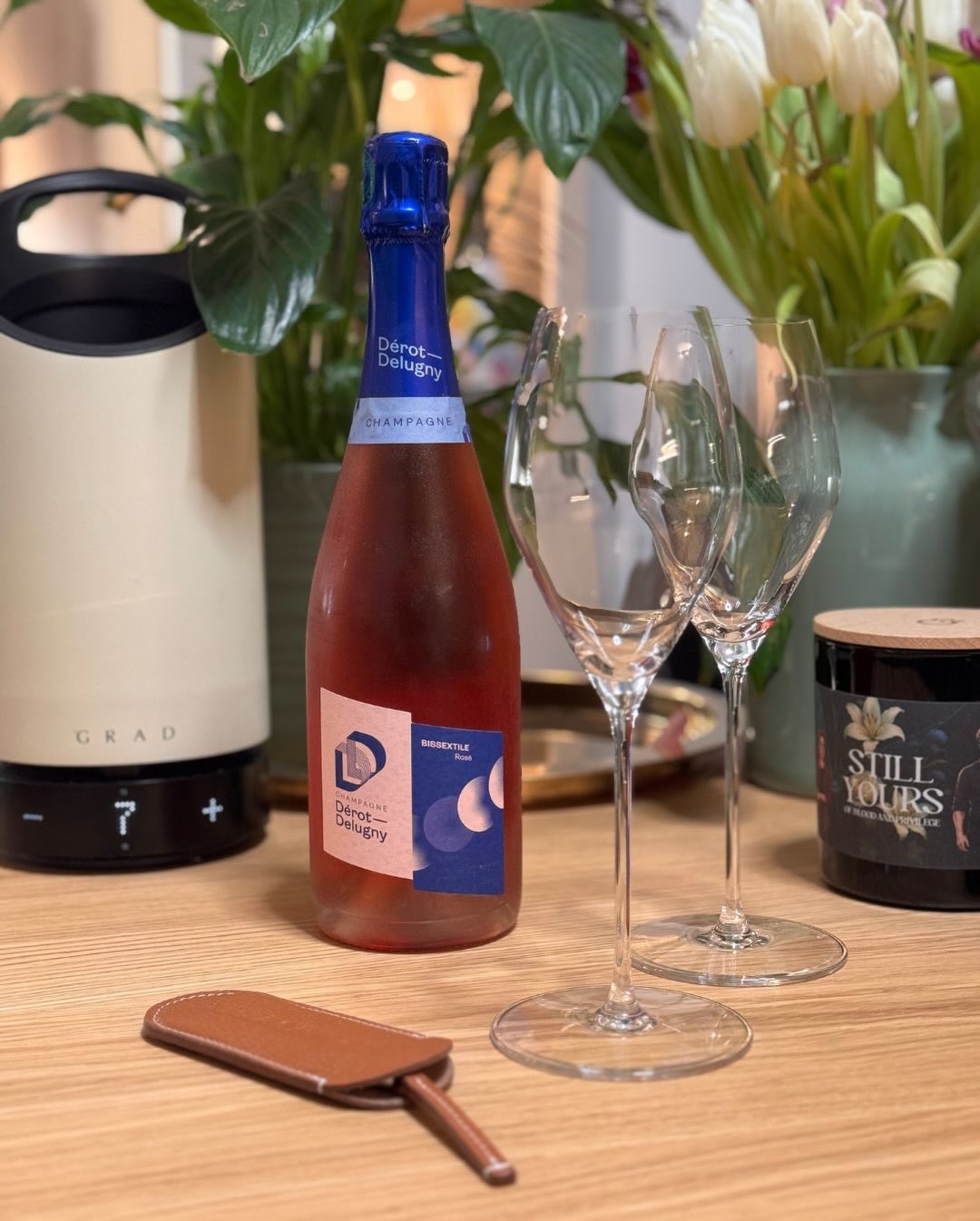
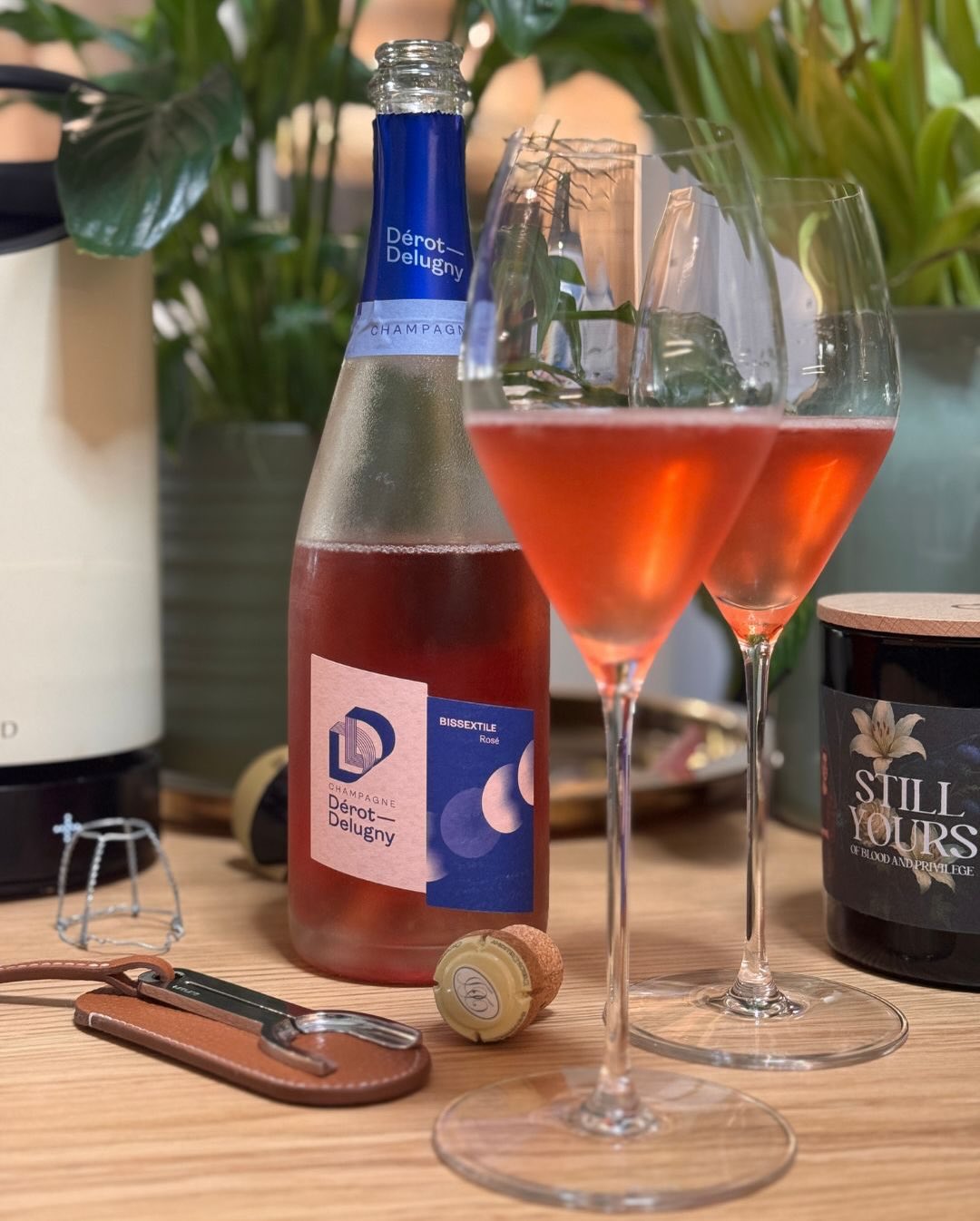
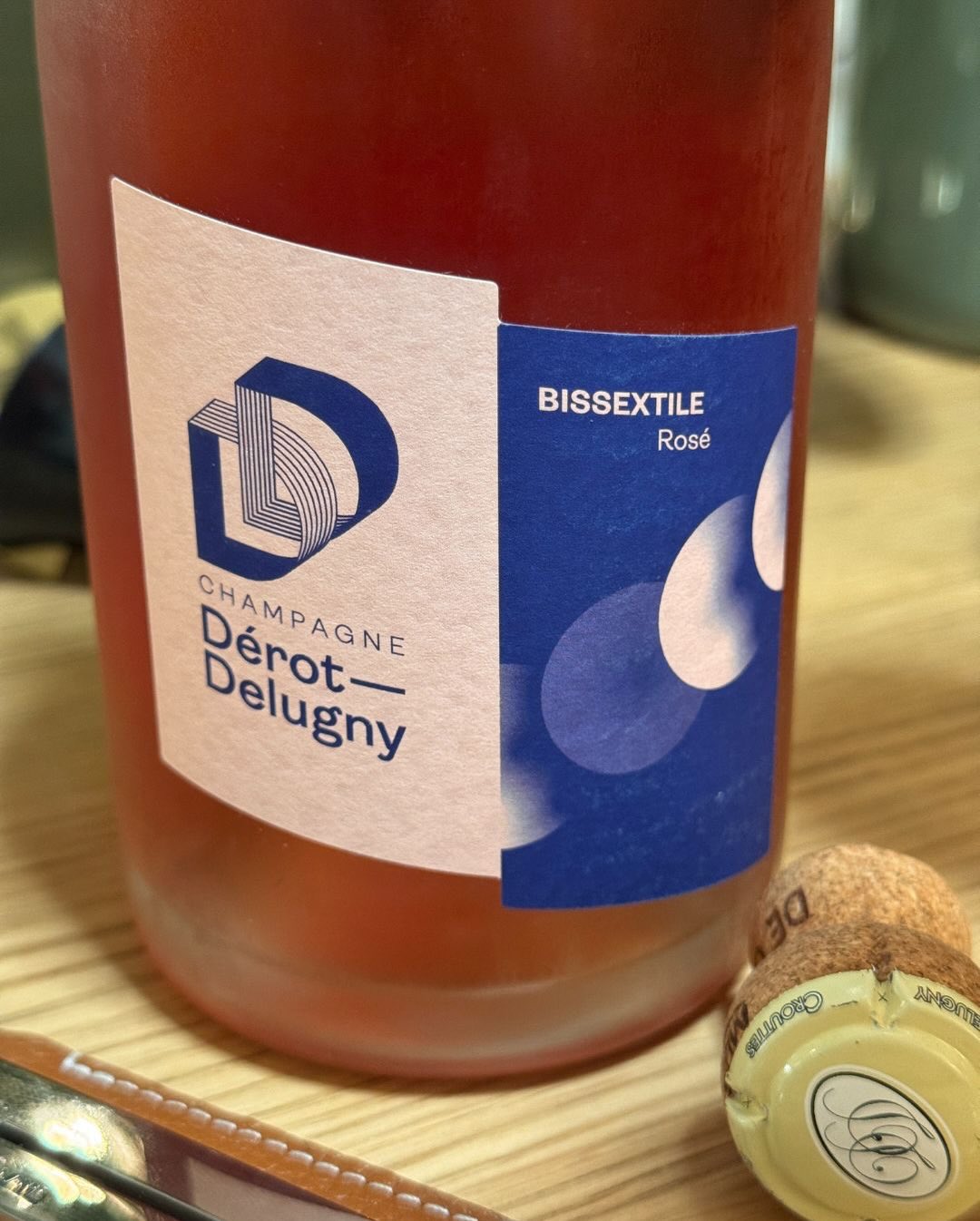
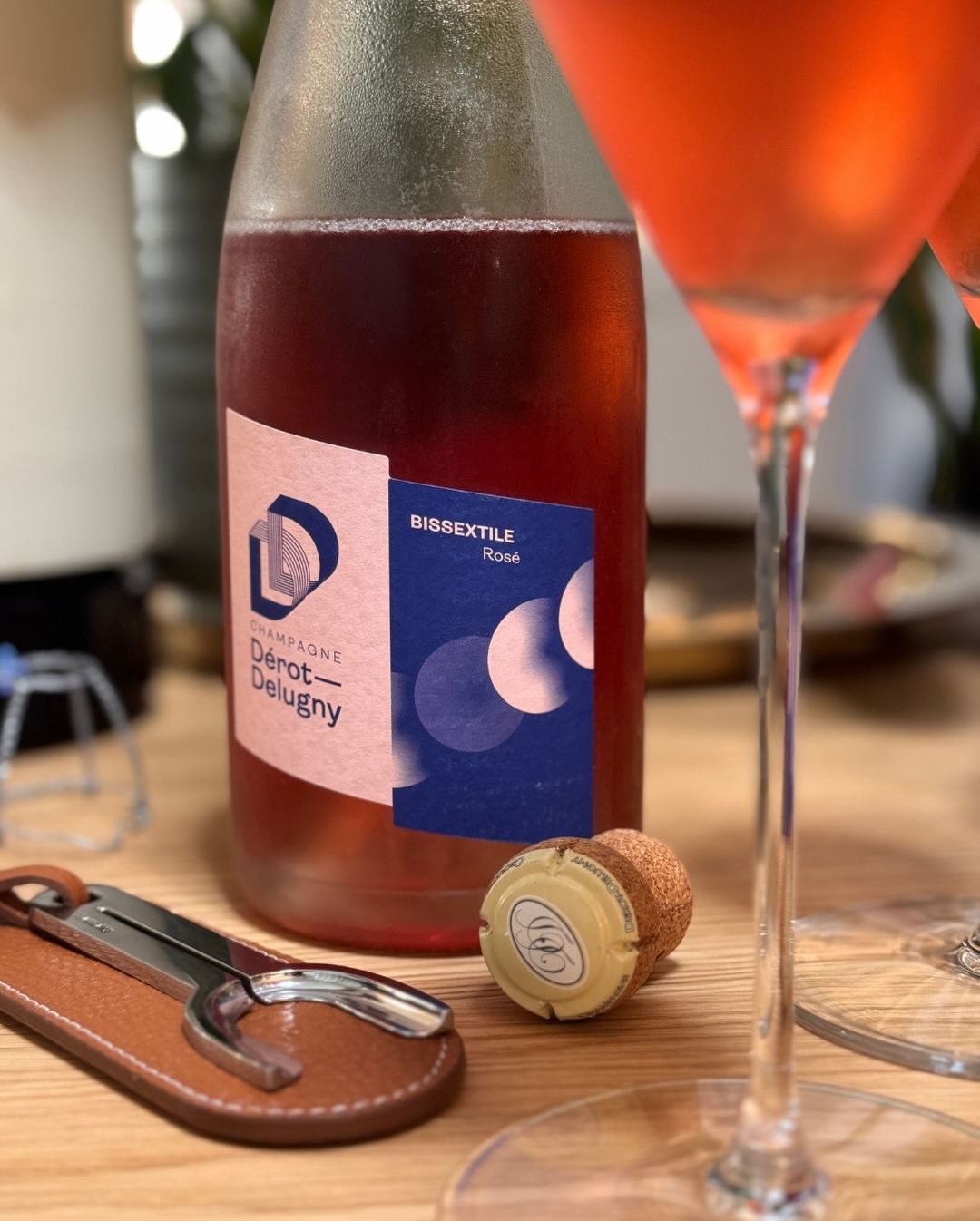
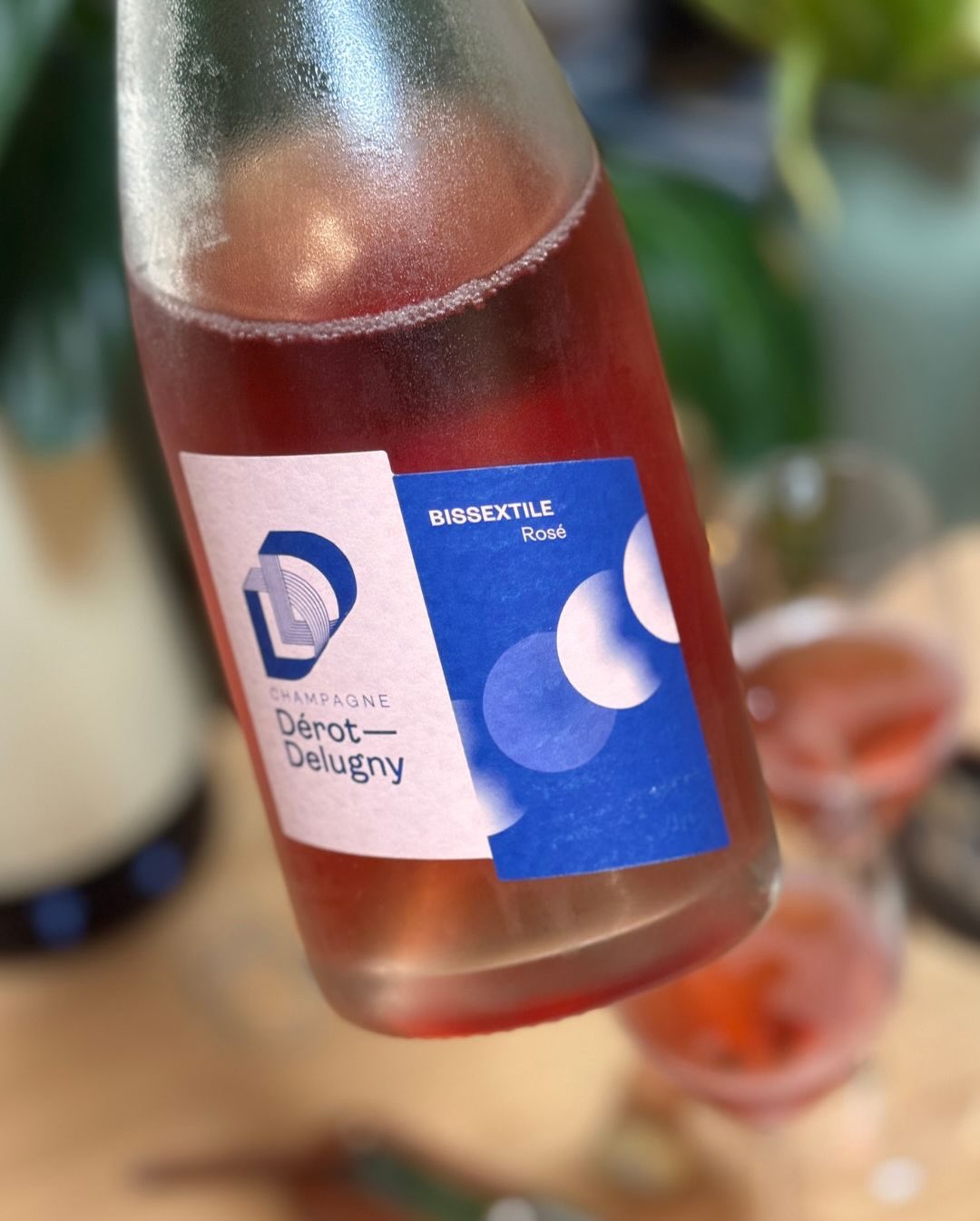
the_champagne.guy Hier habe ich einen ganz besonderen Rosé göffnet: den „Bissextile“ von @derotdelugny . Der Name ist hier Programm, denn dieser Rosé d’Assemblage wird nicht in jedem Jahr produziert. Er ist eine Assemblage aus 43 % Chardonnay, 43 % Pinot Meunier und 14 % Pinot Noir. Der Clou? Die 14 % Rotwein für die Farbe und Struktur stammen von einer alten, ideal gelegenen Parzelle, werden ausschließlich in den besten Jahren geerntet und in Eichenfässern vinifiziert! Im Glas leuchtet er in einem dunklen Himbeerrot. Fast schon Rubinrot. In der Nase ist er sofort präsent: Es starten feine Gewürznoten, die dann von dunklen Früchten wie Brombeere und Cassis abgelöst werden. Dazu gesellt sich ein feiner Hauch von Leder, der schon erahnen lässt, dass hier ordentlich Struktur im Spiel ist! Am Gaumen setzt sich dieses würzige Spiel fort: Muskatnuss und Zimt, begleitet von zarten Noten von Kirschkern und Kirschwasser. Gegen Ende dreht er dann nochmal richtig auf und bringt Aromen, die man eher von einem Rosé de Saignée erwarten würde – dunkle Früchte, gepaart mit einer säuerlichen, fast schon „gierigen“ Frische, die für ein grandioses Finish sorgt. Für diesen charakterstarken Rosé habe ich heute bewusst das etwas schmalere @riedel_official Performance Glas gewählt. Es ist perfekt, um die feinen Gewürz- und Fruchtnoten zu fokussieren und der Struktur dieses 2018/2019er Blends genau den richtigen Rahmen zu geben. Champagne-Facts 🥂 🍇 43 % Chardonnay · 43 % Pinot Meunier · 14 % Pinot Noir (Rotwein) 🍷 Reserveweine: satte 50 % 📅 Basisjahre: 2018-2019 🕰 Ausbau: 4 Jahre Hefelager, Malo gemacht 🍬 Dosage: 6 g/l (Brut) mit hausgemachtem Chardonnay-Liqueur Fazit: Ein strukturierter, eleganter und herrlich würziger Rosé, der durch den Rotweinanteil aus alten Reben und den Holzausbau eine tolle Dichte mitbringt. Wer gerne kräftigere Rosés trinkt, ist hier genau richtig! Begleitet ihr so einen intensiven Rosé lieber mit Essen oder genießt ihr ihn pur? #TheChampagneGuy @laclaye @grad.dk @grad_rd #Bissextile #RoseChampagne #GrowerChampagne #RiedelPerformance
Auf Instagram weiterlesen →Learning to read color
Color reveals surprisingly much if you know how to read it. Important: not in the label style, but in the glass, against a white tablecloth or neutral background.
- Very pale, salmon pink: short skin contact or low red wine portion. Often lighter, fruitier style.
- Salmon red to copper: typical assemblage with stronger red wine touch or Saignée with about 10 hours maceration. Middle ground.
- Deep pink with red reflections: longer maceration, often Pinot Noir from ripe Grand Cru sites.
- Orange-pink, almost onionskin tone: oxidative style, longer maturation, or deliberately old Cuvée. Not negative, just different.
What says nothing about quality, by the way: color intensity. Light is not better than dark and vice versa. It's just a different style.
Serving: glass, temperature, order
Three things I preach everywhere and double for rosé:
Tulip or wine glass, never flute. A flute destroys the aromas in any champagne, especially rosé. The berry fruit, the phenolics, the wine character: everything is lost in the narrow column. A normal white wine glass suffices. A tulip is optimal. (#saynotoflutes)
Temperature: 10 to 12 degrees, no colder. Aperitif rosé tolerates 8 degrees, vinous Saignées need 11 to 12, otherwise they hide. A too-cold-served Saignée is wasted wine. If you don't have a cooler: 30 minutes in the refrigerator is enough for most aperitif rosés, an hour for substance Cuvées.
Later in the order. Anyone planning rosé as a "light summer opener" hasn't understood the style. Substance rosés belong in the middle or at the end of a tasting sequence, not before the Blanc de Blancs.
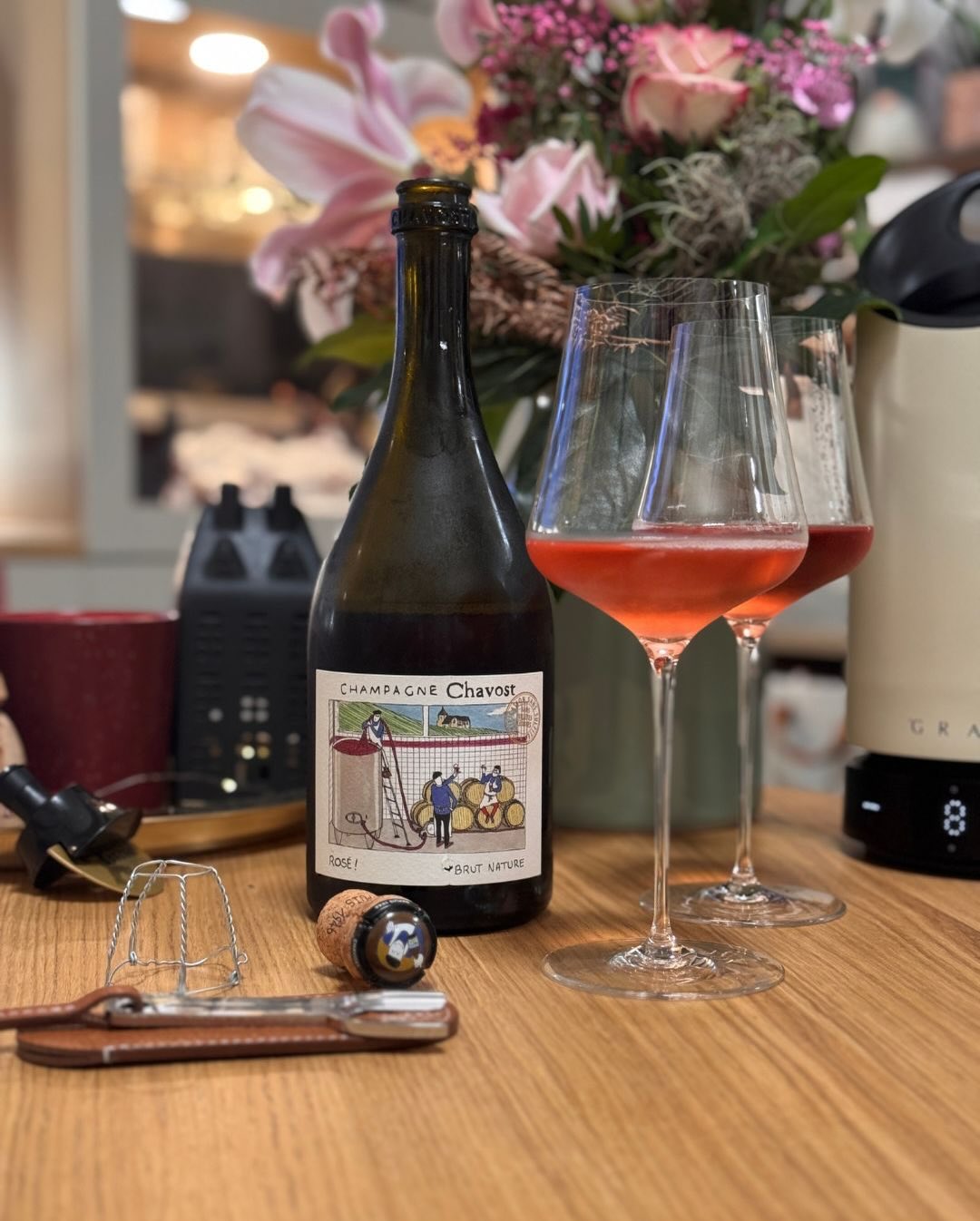
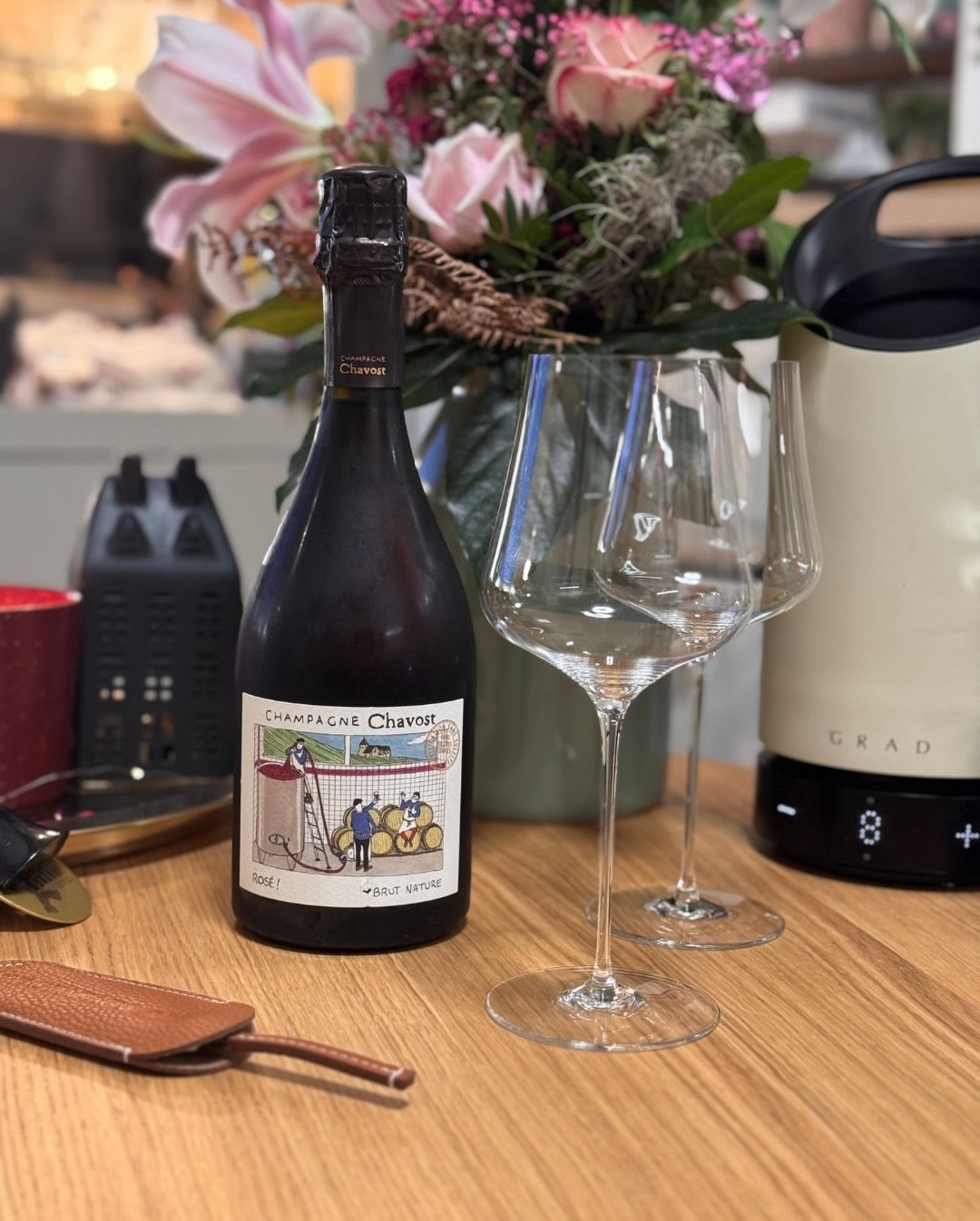
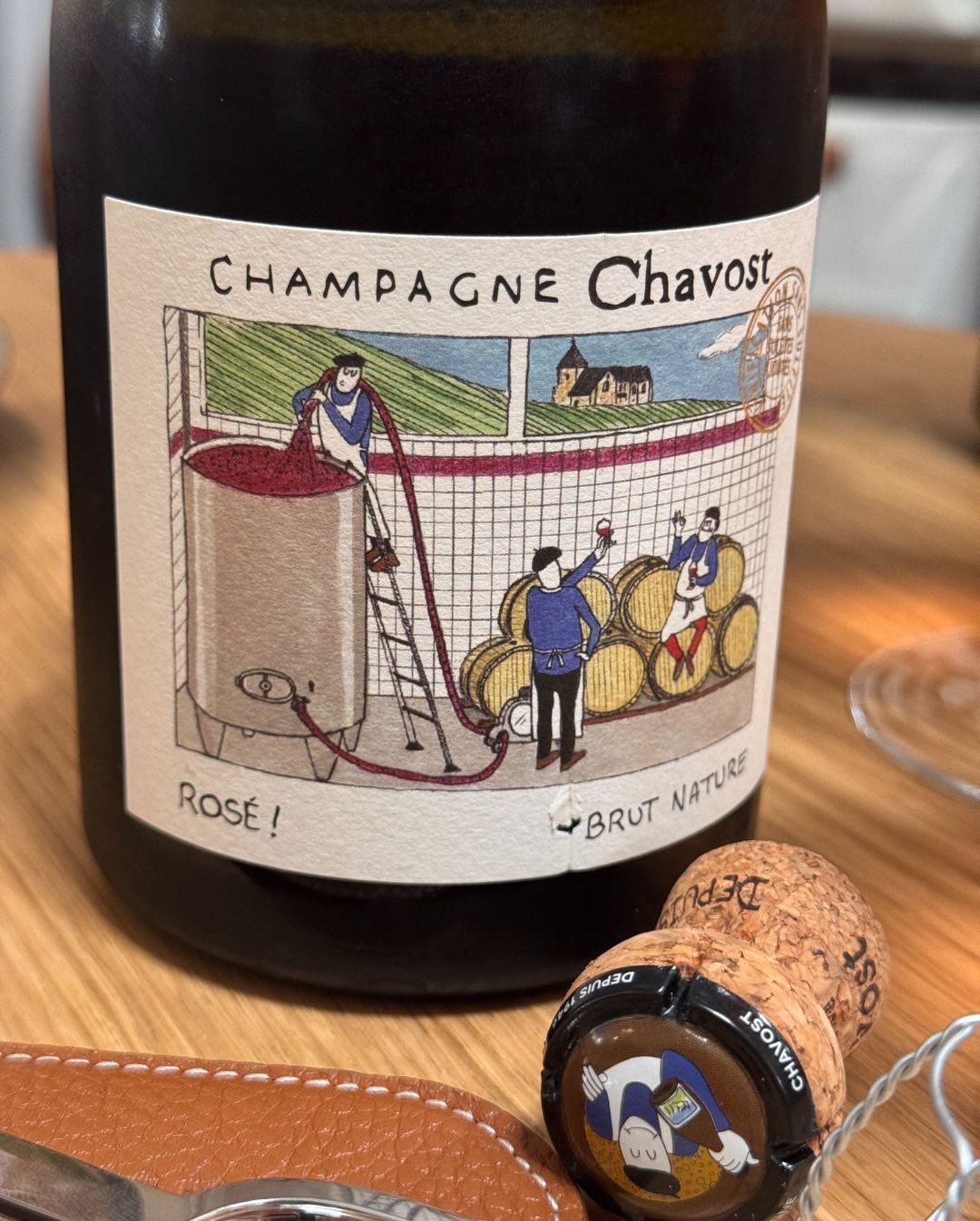
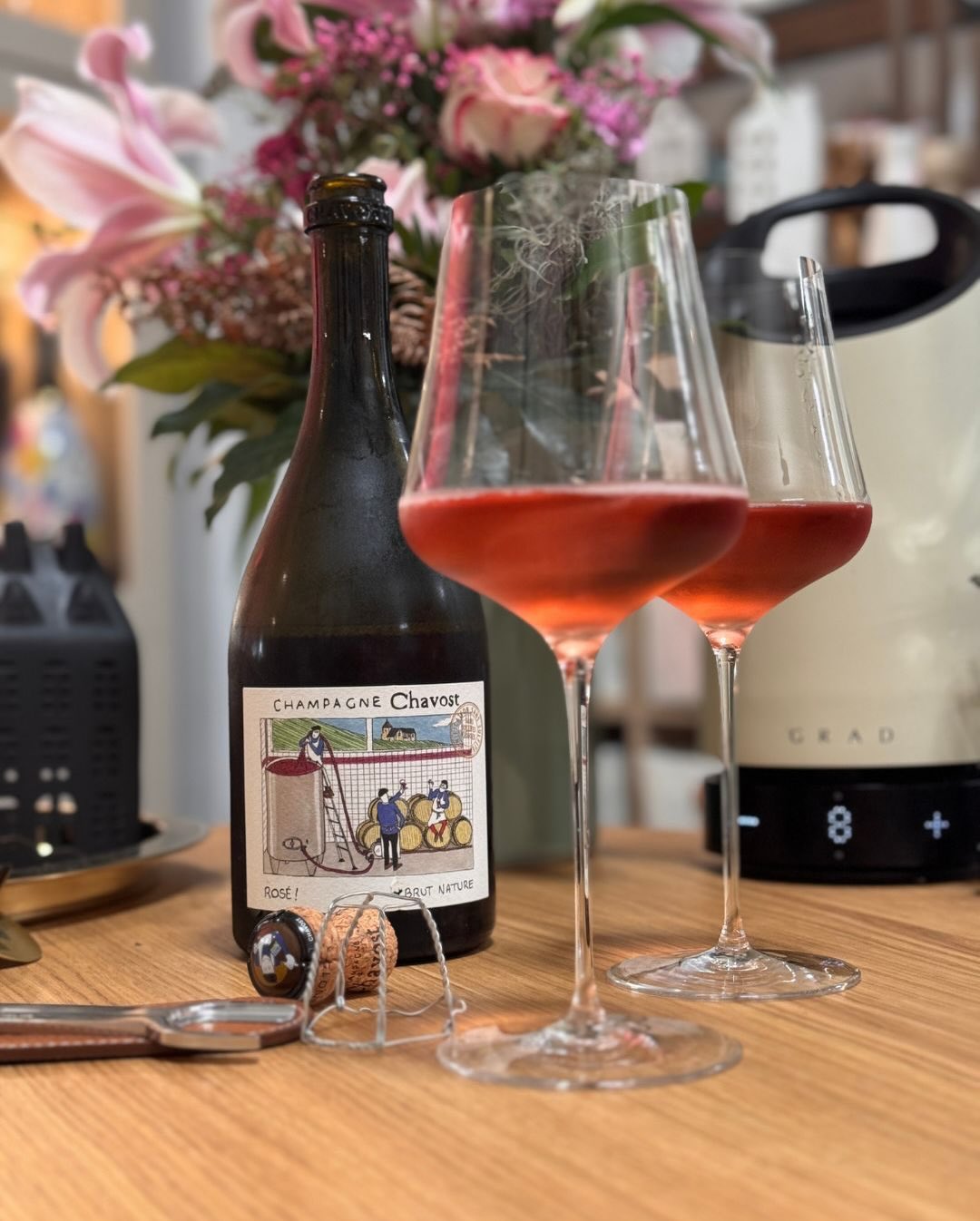
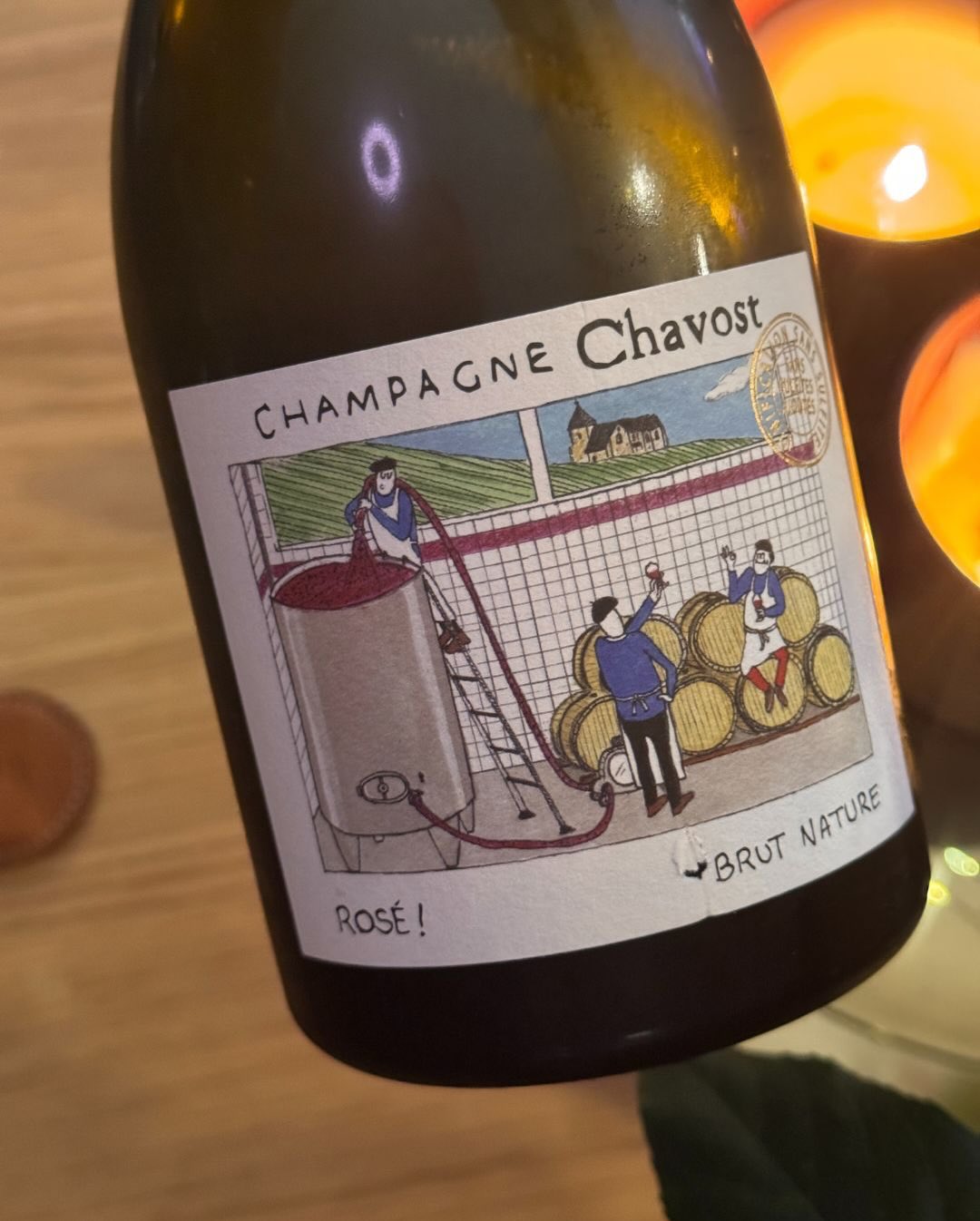
the_champagne.guy Heute wieder ein @champagnechavost , wie ich ihn kenne – diesmal der Rosé. Kein klassischer Rosé, sondern der typische Chavost-Ansatz: biodynamisch, ohne zugesetzten Schwefel, zero Dosage. Ein Rosé, der nicht über seine Farbe gefallen will, sondern über seinen Charakter. Die Farbe bewegt sich eher im gedeckten Roséton – klar, ruhig, nicht übertrieben. In der Nase kommt sofort dieses Naturwein-Feeling durch: rote Beeren, etwas Hagebutte, leicht kräutrig, dazu ein sehr sauberer, frischer Zug – ohne jede Schwere. Am Gaumen dann trocken und so präzise, wie ich es bei 0 g/l Dosage erwartet habe. Rote Frucht, etwas Granatapfel, ein Hauch Grapefruitschale – alles getragen von dieser typisch straffen Chavost-Säure. Zero Dosage und kein Schwefel geben ihm eine offene, ungeschminkte Textur: lebendig, ehrlich, sehr geradlinig. Ein Rosé, der die Handschrift des Winzers perfekt zeigt. Champagne-Facts 🍇 Biologisch bewirtschaftet · ohne zugesetzten Schwefel 📅 Dégorgiert: 01/2025 🍬 Dosage: 0 g/l · Brut Nature 📍 Chavot–Courcourt (Nähe Épernay) 🍾 Alkohol: 12,75 % vol 🎨 Stil: trocken · klar · lebendig · naturbetont #TheChampagneGuy @gabriel_glas @grad.dk @laclaye #Chavost #ChampagneChavost #RoseNature #BrutNature #ZeroDosage #GrowerChampagne #ChampagneLife #ChampagneVibes #laclayeperfectserve
Auf Instagram weiterlesen →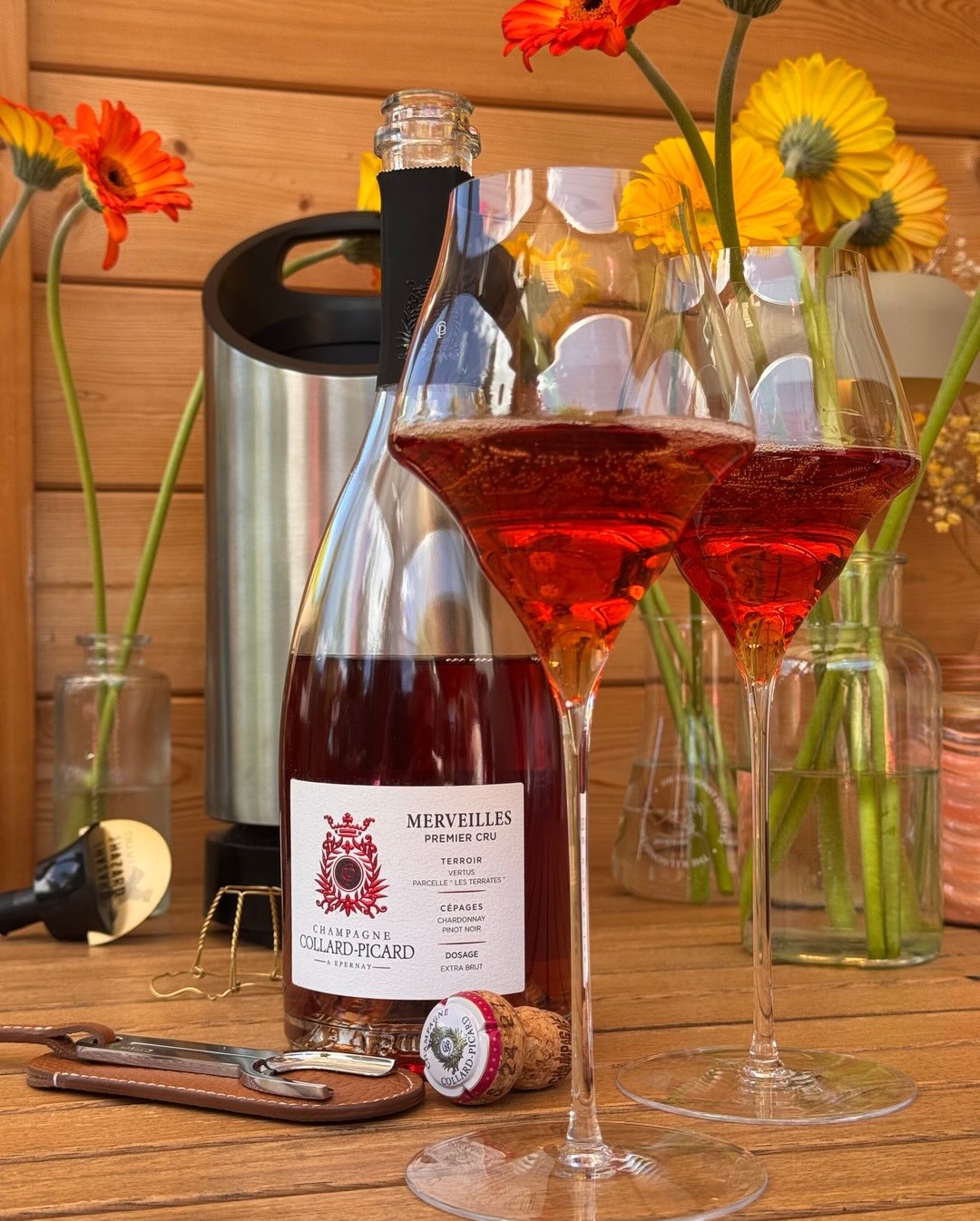
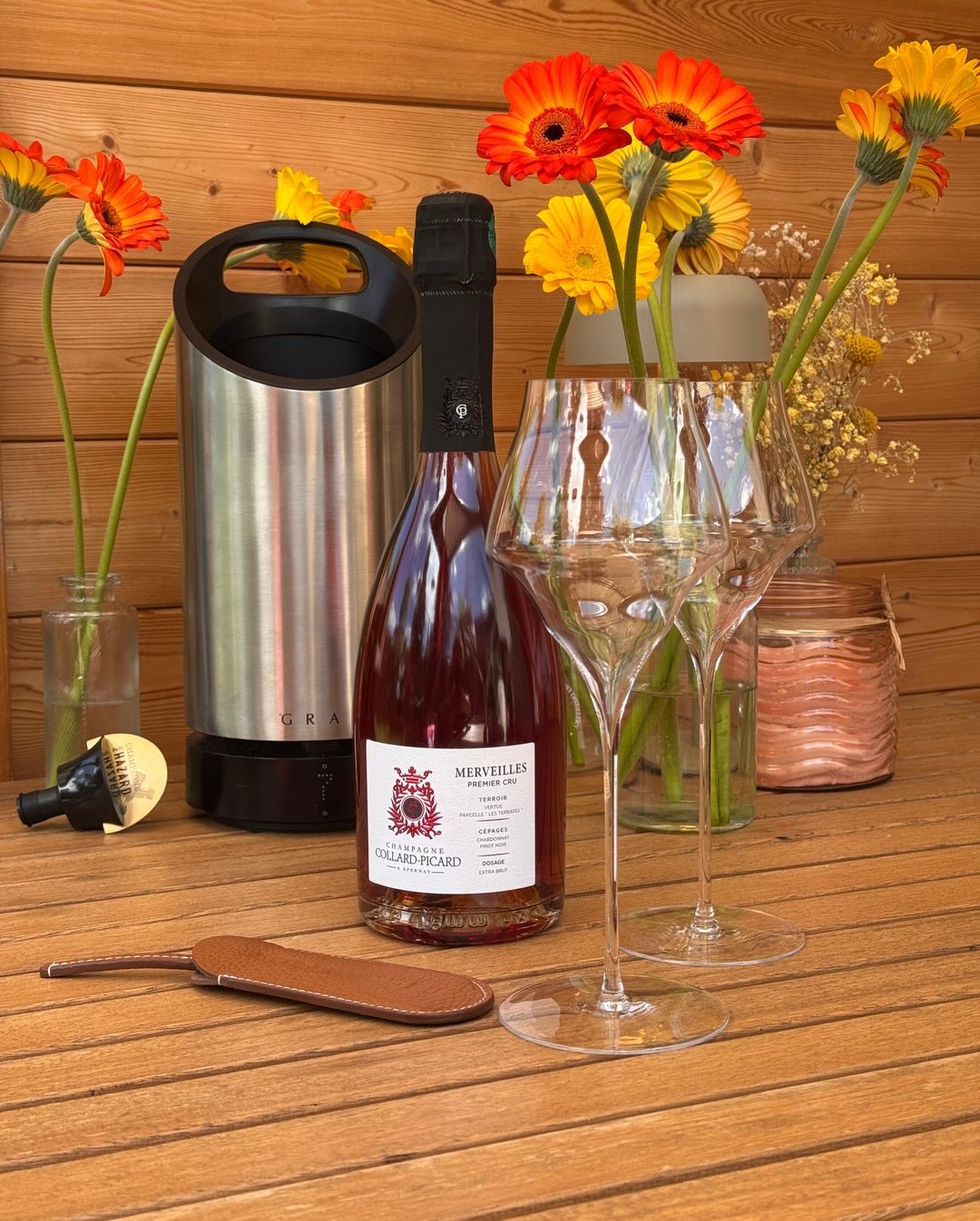
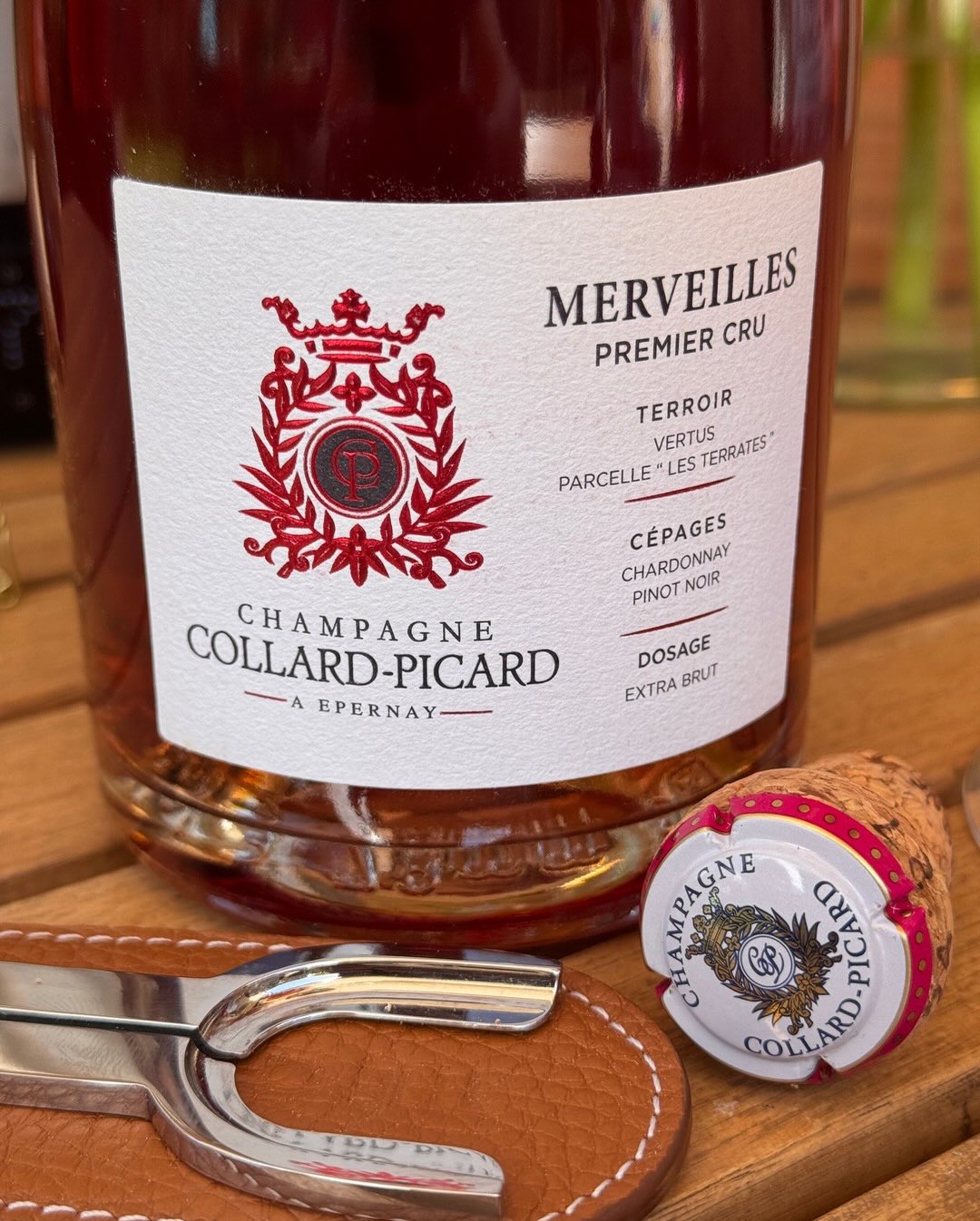
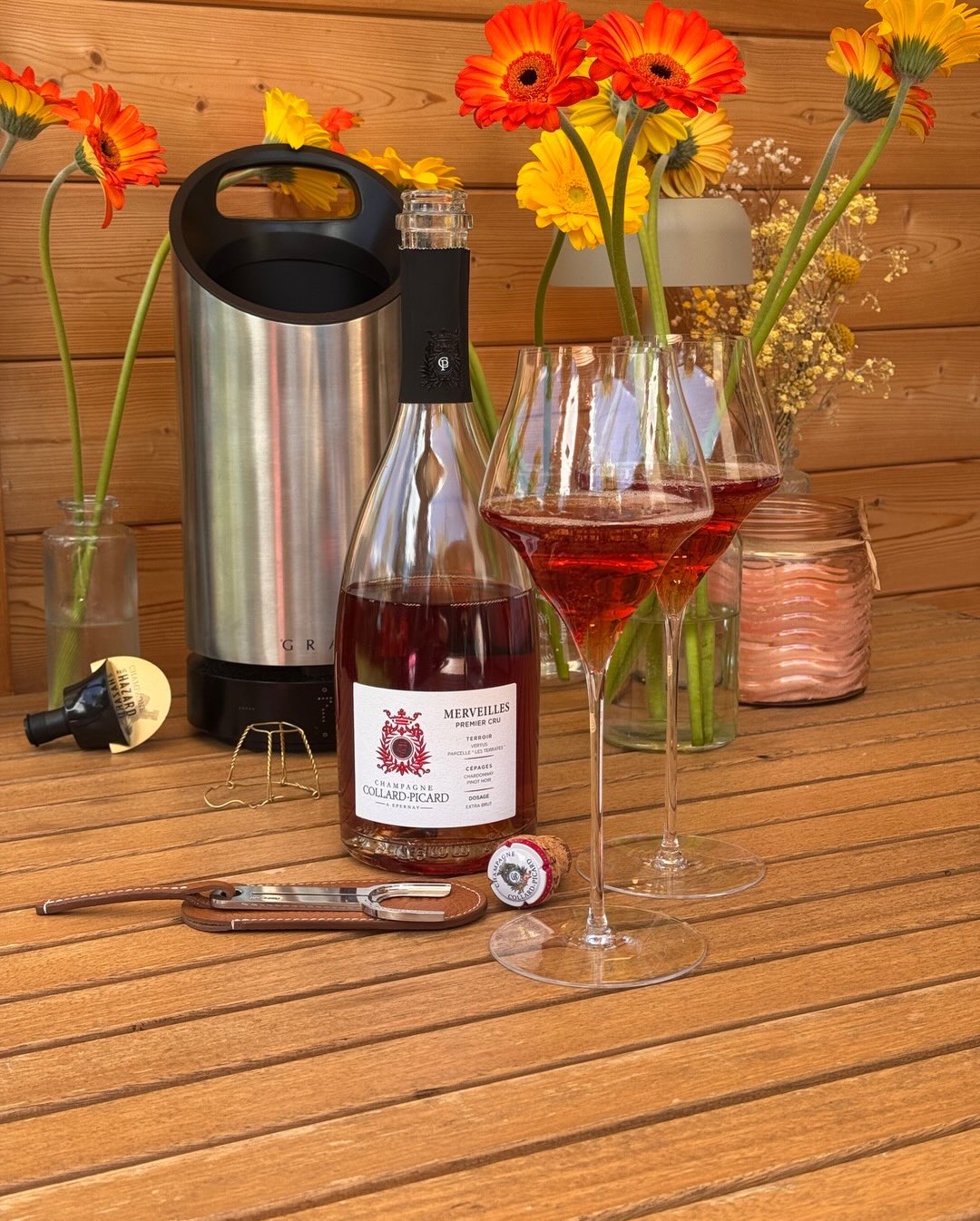
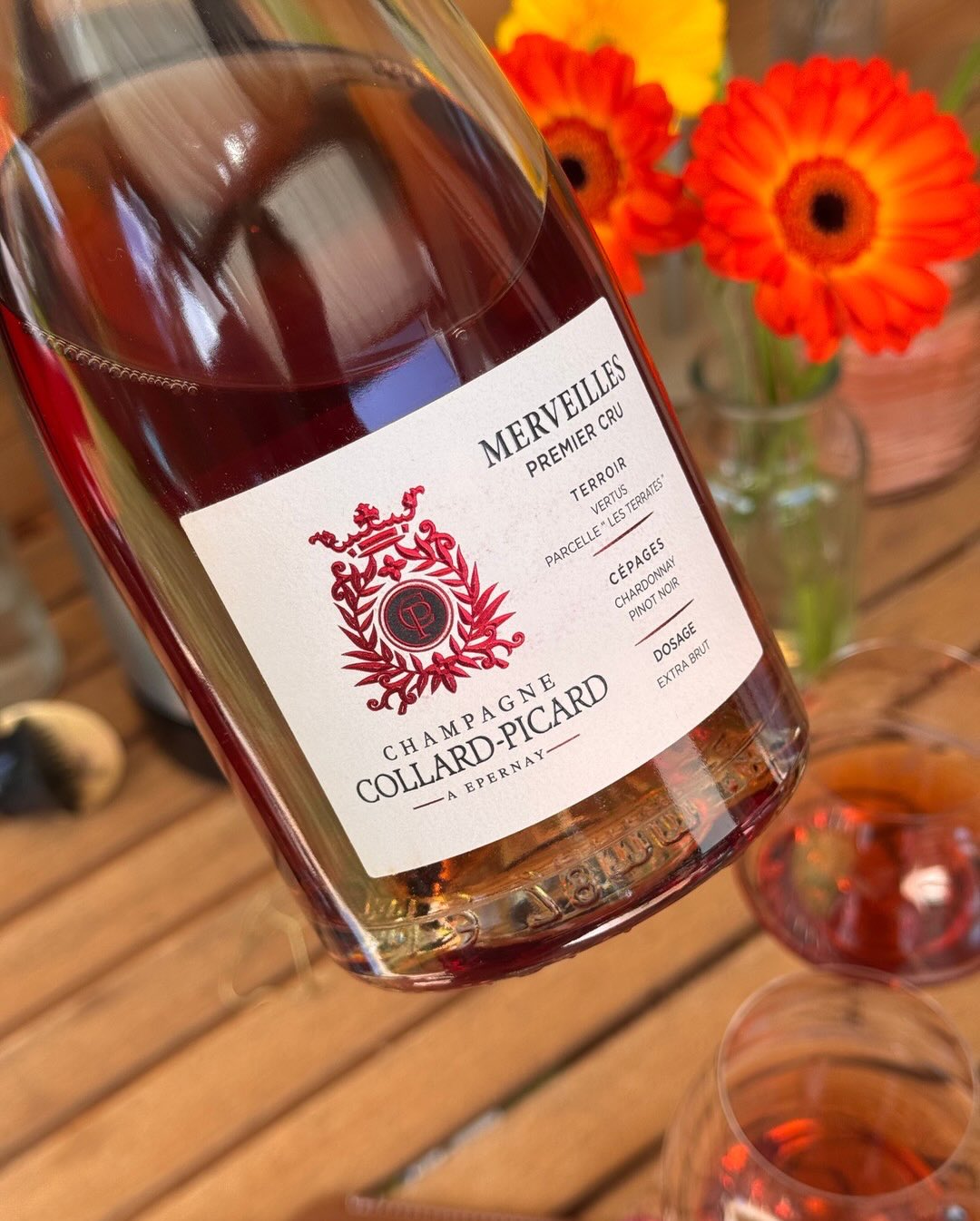
the_champagne.guy Wer einen Rosé Champagner für die Terrasse entkorkt und direkt den kraftvollen Rotweineindruck spürt, sollte nochmal aufs Label schauen. Also nicht so wie ich bei dieser Flasche 😂 🍾 Bei diesem Rosé de Saignée von @champagnecollardpicard ist der Name Programm - „Merveilles“ aus der Einzellage „Les Terrates“ in Vertus. Collard Picard vereint seit 1996 die Expertise zweier Winzerfamilien aus dem späten 19. Jahrhundert. @oliviercollardpicard und Caroline Picard bewirtschaften heute mit Sohn @collard.alexandre 16 Hektar auf 52 Parzellen zwischen Marne-Tal und Côte des Blancs. Seit 2019 HVE-zertifiziert, verzichten sie komplett auf Herbizide und Insektizide bei der Umstellung auf Bio-Bewirtschaftung. 🍾 Assemblage: 80% Pinot Noir, 20% Chardonnay 🏆 Jahrgang: 2017 🍷 Ausbau: Eichenfudder, ohne MLF ⏱ Reifung: 72 Monate auf der Hefe 🥂 Dosage: 4 g/l (Extra Brut) 📍 Lage: Vertus Premier Cru „Les Terrates“ 💡 Charakter: kraftvoll, tieffruchtig, rotweinartig Die Co-Mazeration bringt diese intensive Farbe und den markanten Rotweineindruck mit dunklen Beerenfrüchten. Was als sommerlicher Aperitif zu wuchtig startete, entwickelte sich beim späteren Essen zur perfekten Wahl. Die schlanke Dosage mit konzentriertem Traubenmost statt Zucker hält trotz der neun Jahre Reifezeit die Balance zwischen Kraft und Frische. #RoseChampagne @josephinenhutte @laclaye @grad.dk @grad_rd #VertusPremirerCru #CollardPicard #CotedesBlancs #TheChampagneGuy
Auf Instagram weiterlesen →Food pairing: where rosé shines
Rosé Champagne is an underestimated food companion, especially in the Saignée variant. Where a Blanc de Blancs reaches its limits with hearty dishes, rosé is just getting started.
- Salmon (smoked or grilled) with aperitif rosé
- Tuna tartare, sashimi, ceviche with medium assemblage
- Asian and spicy: Thai, Indian, Vietnamese. The berry fruit and residual sugar catch the heat
- Charcuterie: Bresaola, coppa, bacon with Saignée
- Duck and quail with vinous Saignée with 18+ hours maceration
- Red berry desserts: Tarte aux fraises, panna cotta with raspberry coulis, strawberry tiramisu
- Cheese: young goat cheese, Brillat-Savarin, fresh sheep's cheese
What doesn't work: heavy sauces with lots of butter and cream. The rosé lacks the creaminess that Blanc de Blancs would deliver.
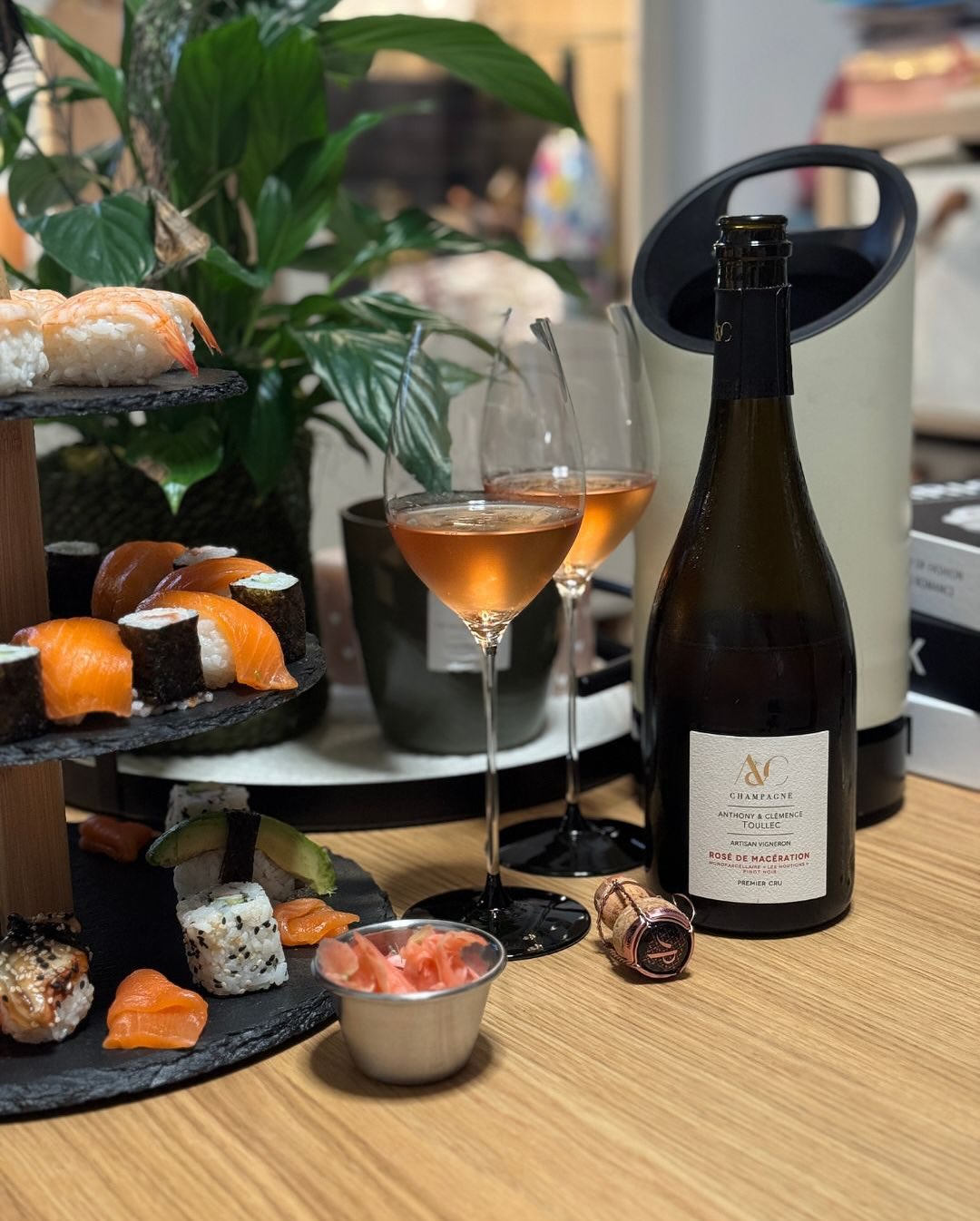
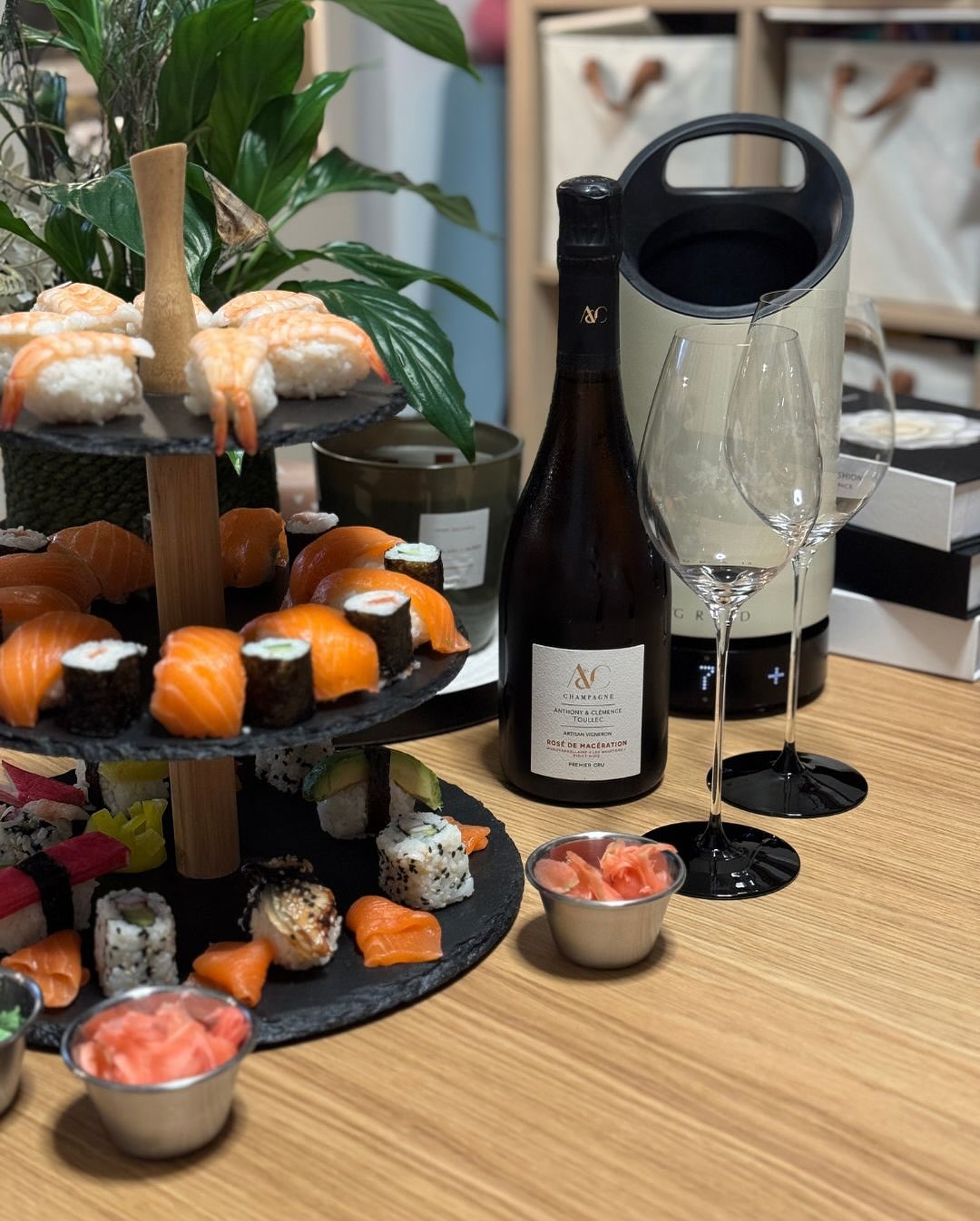
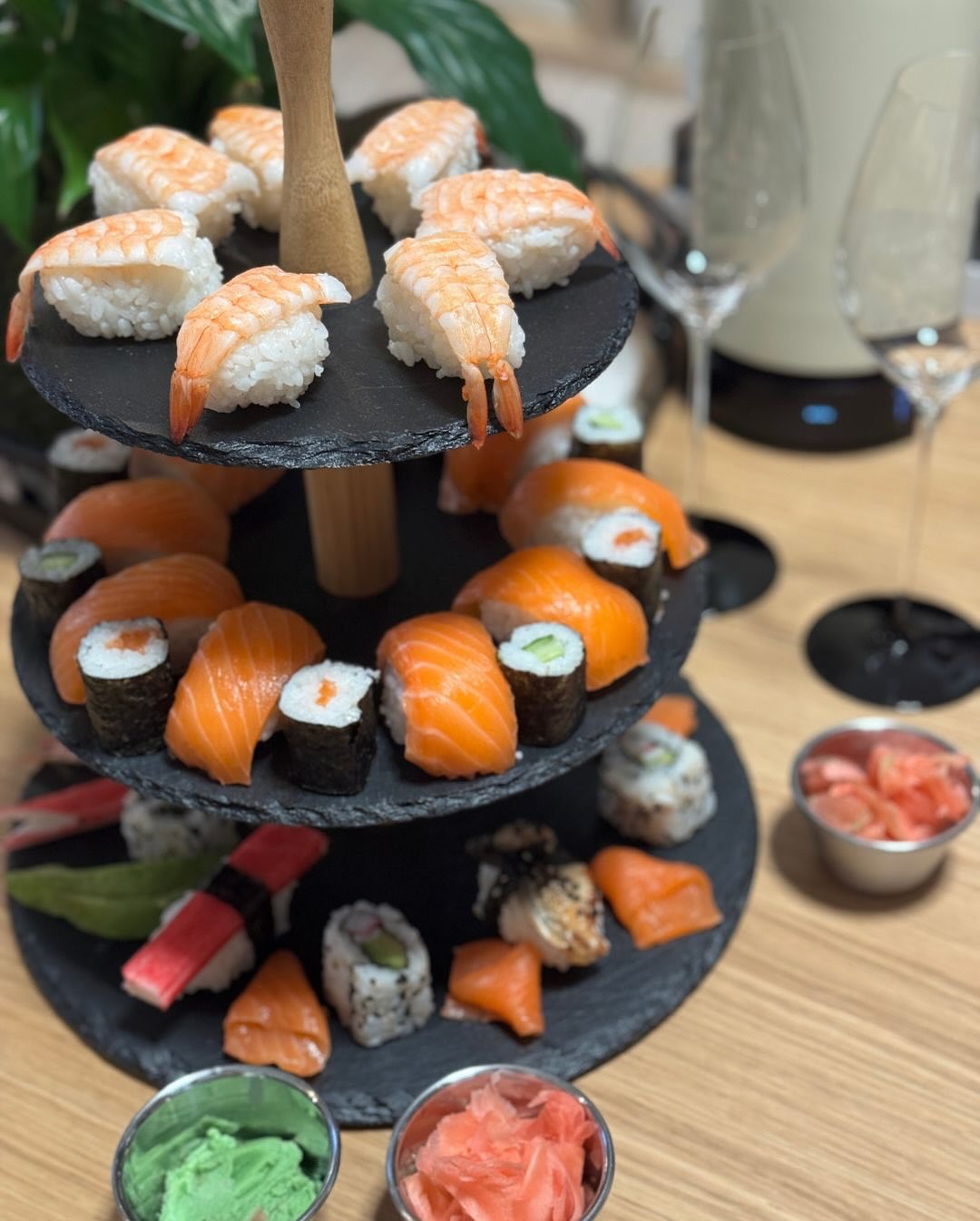
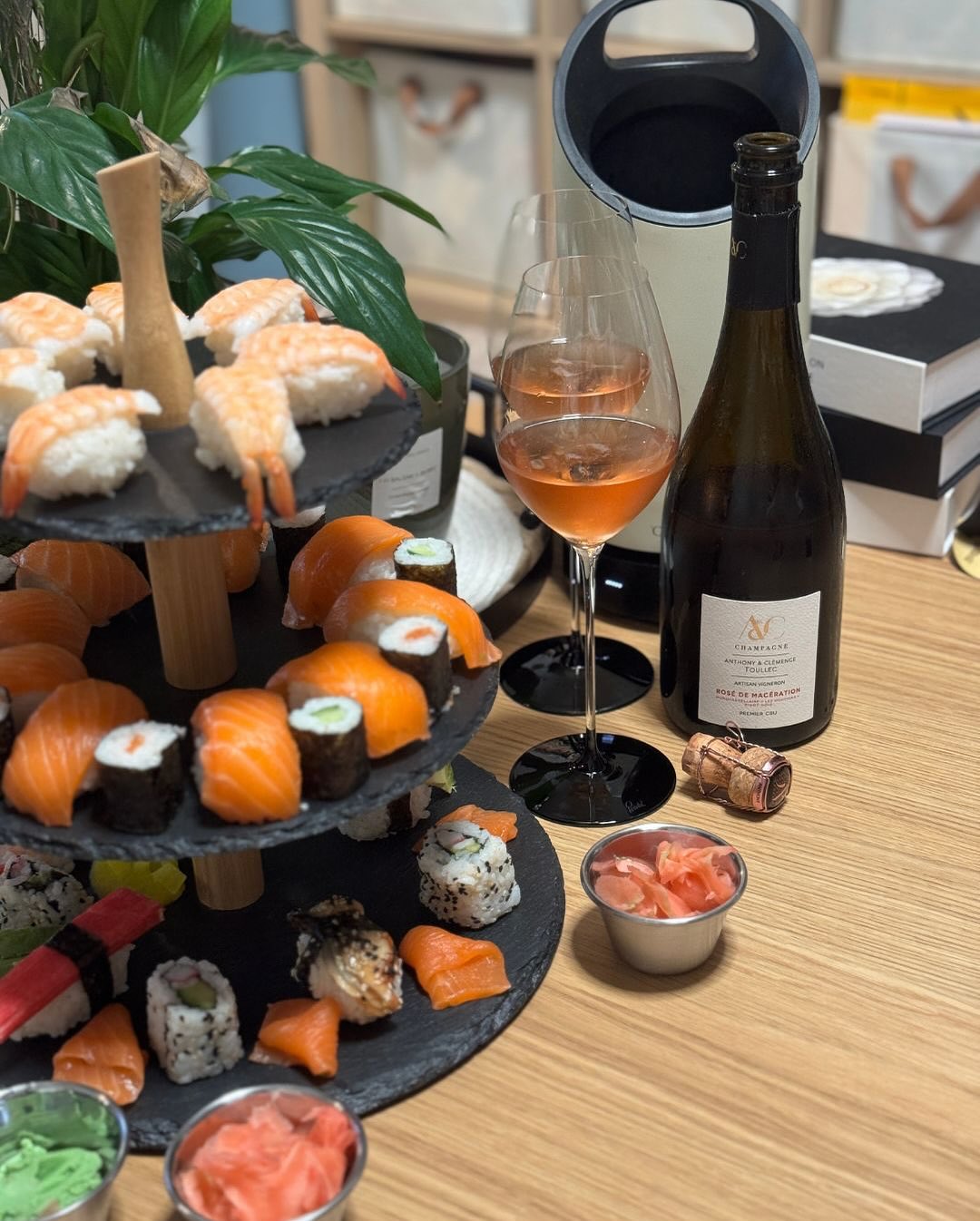
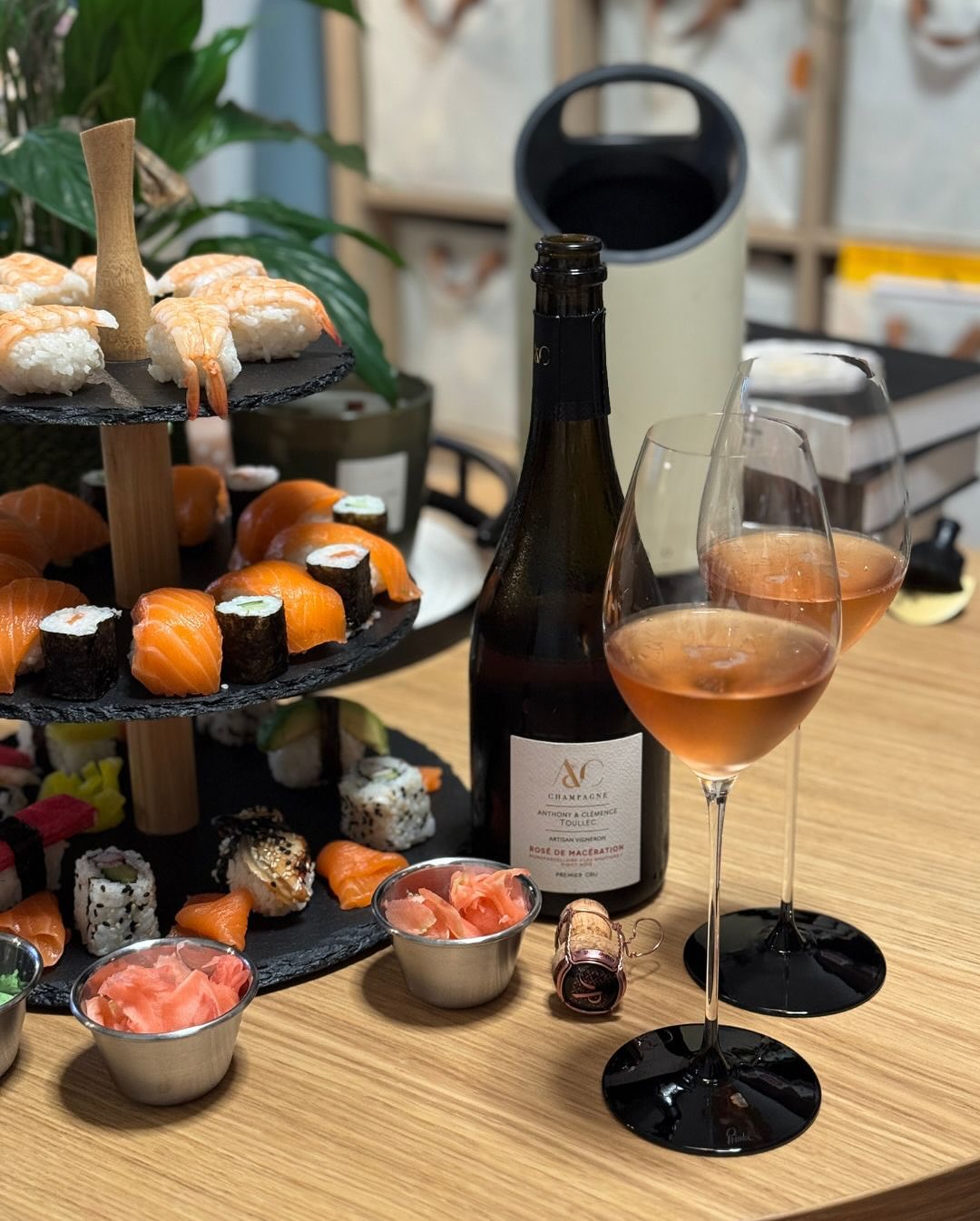
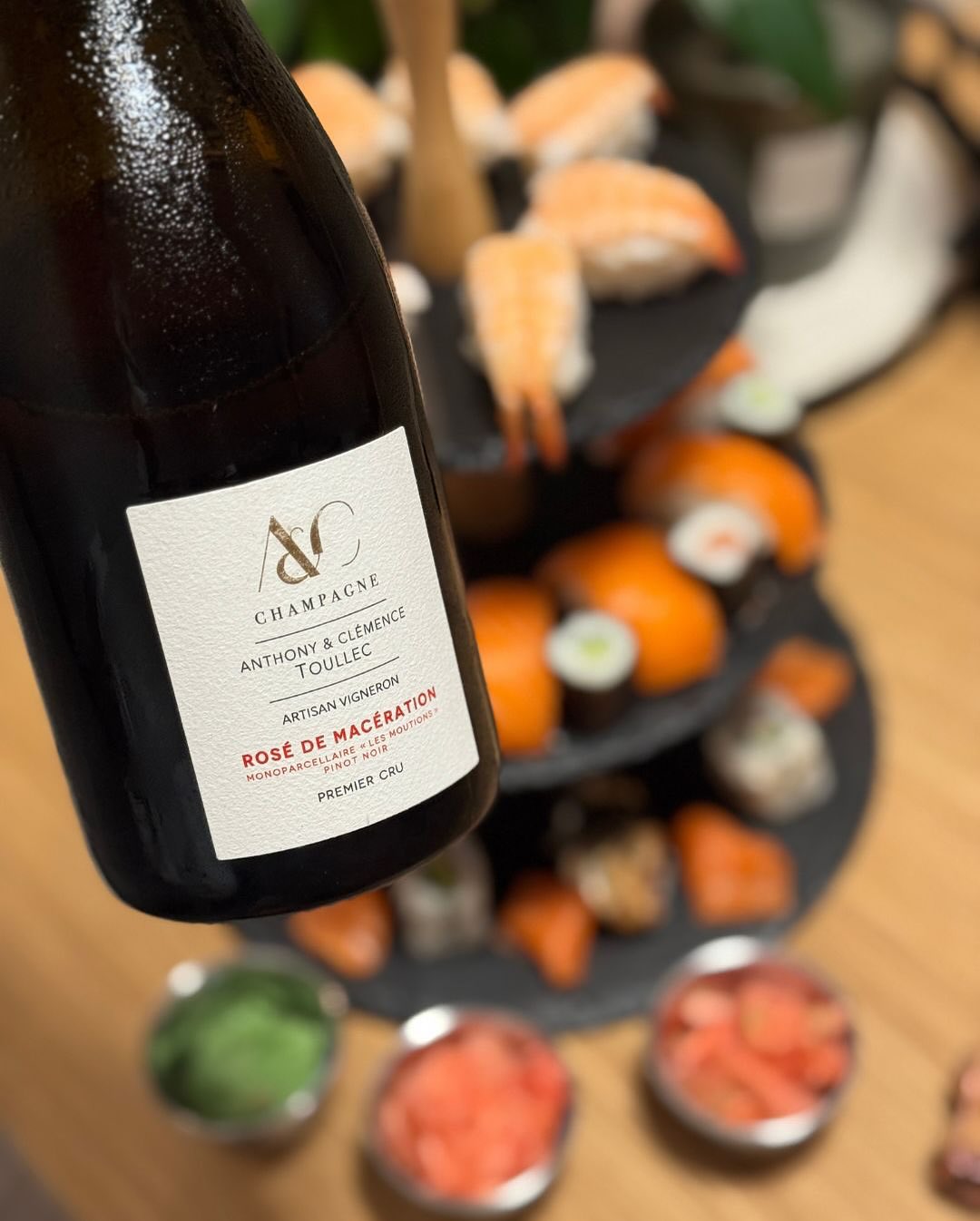
the_champagne.guy Sushi für zwei – auf drei Etagen. Nigiri, Maki, Inside-Out, Garnele, Lachs – frisch, klar, pur. Dazu: der Rosé de Macération von @champagneaetctoullec . Kein Rosé zum Wegnicken – sondern einer mit Struktur, Tiefe und klarem Profil. Die Cuvée im Überblick: 📍 Monoparzelle „Les Moutions“ (Rilly-la-Montagne) 🍇 100 % Pinot Noir – 18 Stunden Maischestandzeit 🧪 Vinifikation im Edelstahltank 🕰️ Dégorgiert: November 2023 ⚖️ Dosage: 2 g/l – Extra Brut 🌿 Zertifiziert: VDC & HVE 🥂 Stil: Würzig, sehnig, puristisch Warum das passt: • Fettiger Lachs ↔️ zupackende Frische • Süßlicher Reis ↔️ trockener, klarer Ausbau • Wasabi, Ingwer & Soja ↔️ aromatische Tiefe im Wein Fazit: Ein Rosé, der sich nicht in Frucht flüchtet – sondern zeigt, was Pinot Noir kann, wenn man ihn ernst nimmt. Klar, strukturiert, kompromisslos – und dabei erstaunlich vielseitig am Tisch. #TheChampagneGuy @riedel_official @grad.dk #Toullec #RoséDeMacération #GrowerChampagne #ChampagneAndSushi #LesMoutions #ExtraBrut #RillyLaMontagne #PinotPower
Auf Instagram weiterlesen →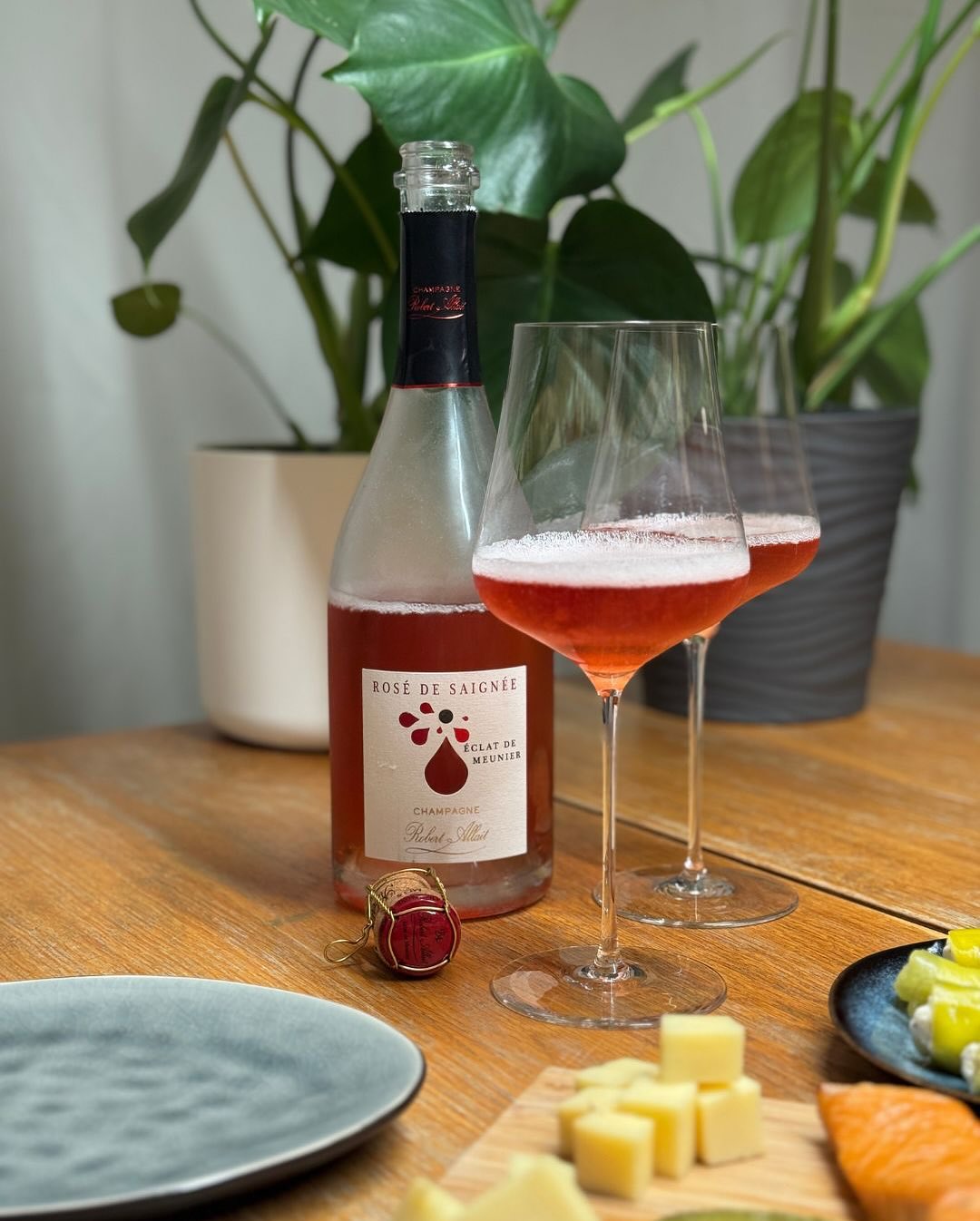
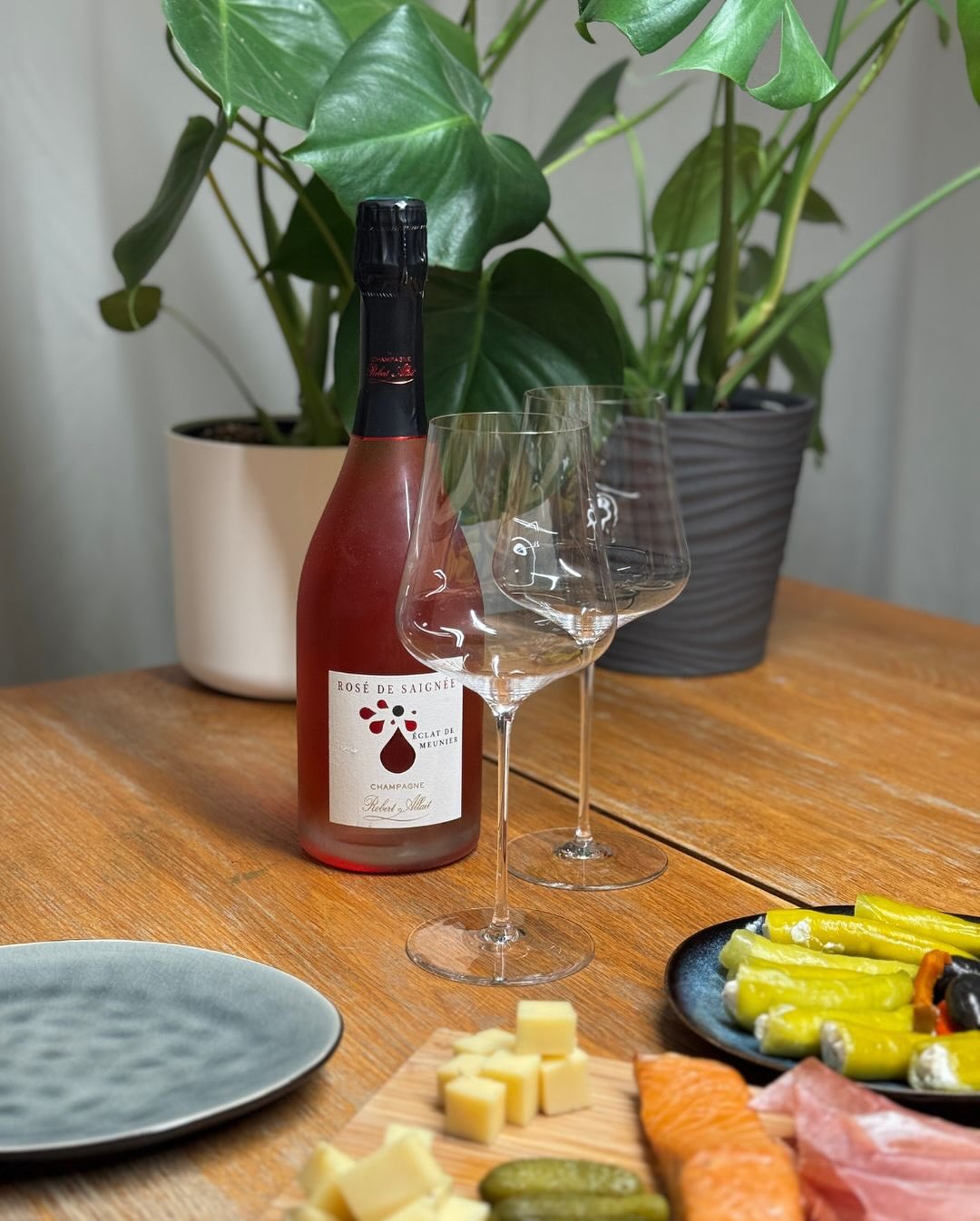
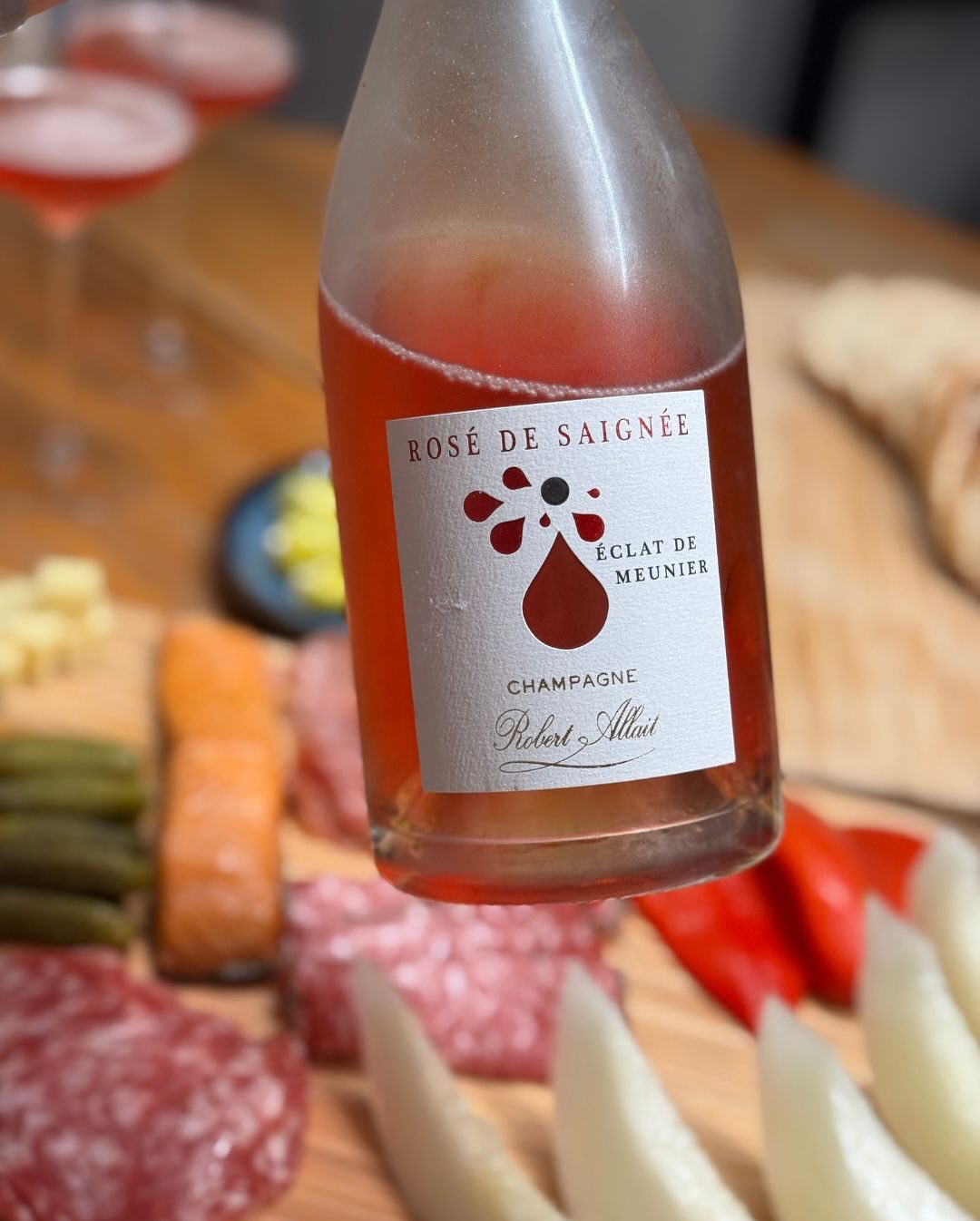
the_champagne.guy Ein entspannter Sommertag, eine kleine Antipasti-Platte – und dazu mal kein klassischer Weißer, sondern ein Rosé mit Charakter: Rosé de Saignée von @champagnerobertallait . Was auf der Platte lag? 🥖 Knusprig geröstetes Weißbrot 🫑 Gegrillte, eingelegte Paprika 🍈 Honigmelone 🫒 Oliven 🌶️ Gefüllte Pfefferoni 🐟 Geräucherter Lachs 🥒 Essiggurken 🍖 Salami 🍗 Luftgetrockneter Schinken Der Champagner dazu? • 🍇 100 % Meunier (Rosé de Macération) • 🛢️ Edelstahlausbau • ⚖️ Dosage: 8 g/l – Brut • 🕰️ Reifung: mind. 36 Monate auf der Hefe • 💡 Stil: intensives Rotfruchtprofil, kraftvoll, mit Struktur und einem Hauch Tannin Ein Rosé, der mehr kann als „nur Erdbeeren & Sommer“ – kraftvoll genug für salzige, würzige, rauchige Komponenten. Und genau deshalb: die perfekte Wahl für diese bunte Platte. Ein Rosé, der mitisst. Und nicht nur dekoriert. #TheChampagneGuy @gabriel_glas #RobertAllait #RosédeSaignée #AntipastiUndChampagner #Winzerchampagner #SommerGenuss #ChampagnePairing #RoséMitRückgrat
Auf Instagram weiterlesen →Aging potential: brief myth, honest answer
The widespread assumption is that Rosé Champagne is not age-worthy. That's wrong. True: light aperitif rosés are drunk young because their fruit is the argument. Substance Saignées and vinous Cuvées, however, develop over five to ten years comparably to ambitious blancs.
What happens when aging:
- Color becomes deeper, often toward copper-orange
- Strawberry gives way to dried fruit, sometimes fig
- Phenolics integrate, the wine becomes rounder
- Mousse becomes finer, sometimes almost like Crémant
Important: No twelve-euro aperitif rosé needs ten years of cellar. But a vintage Saignée from a Grand Cru site can be brilliant after eight years.
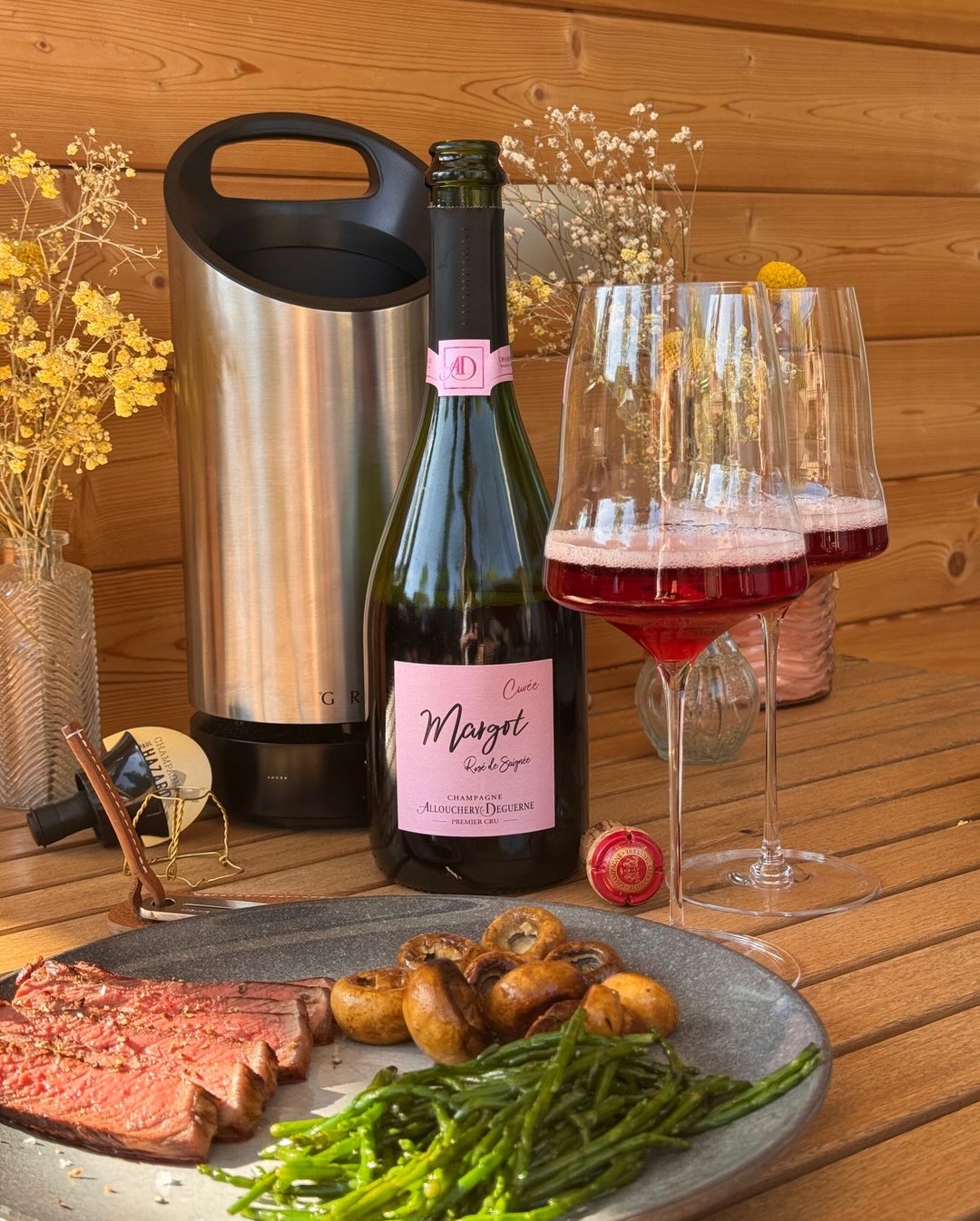
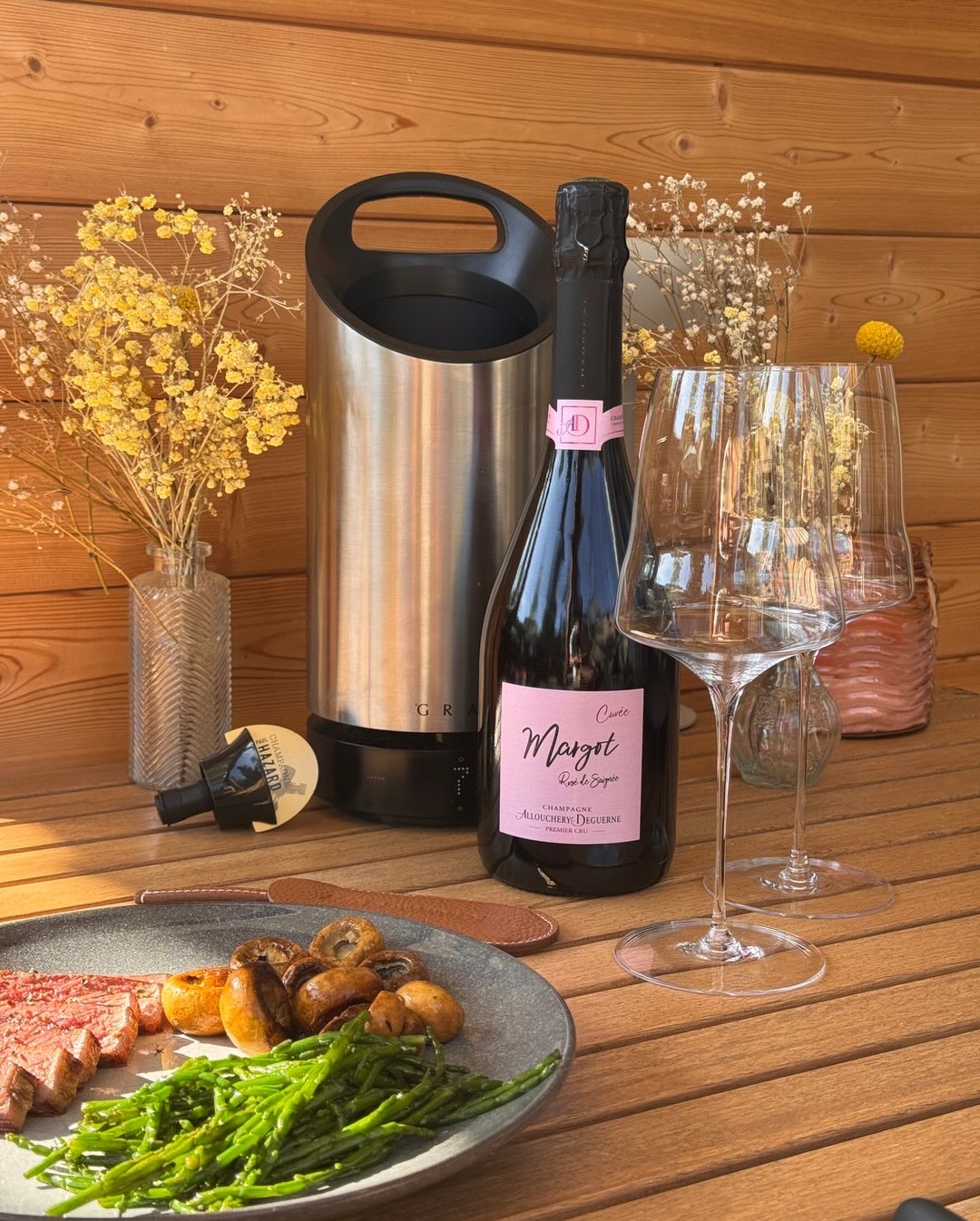
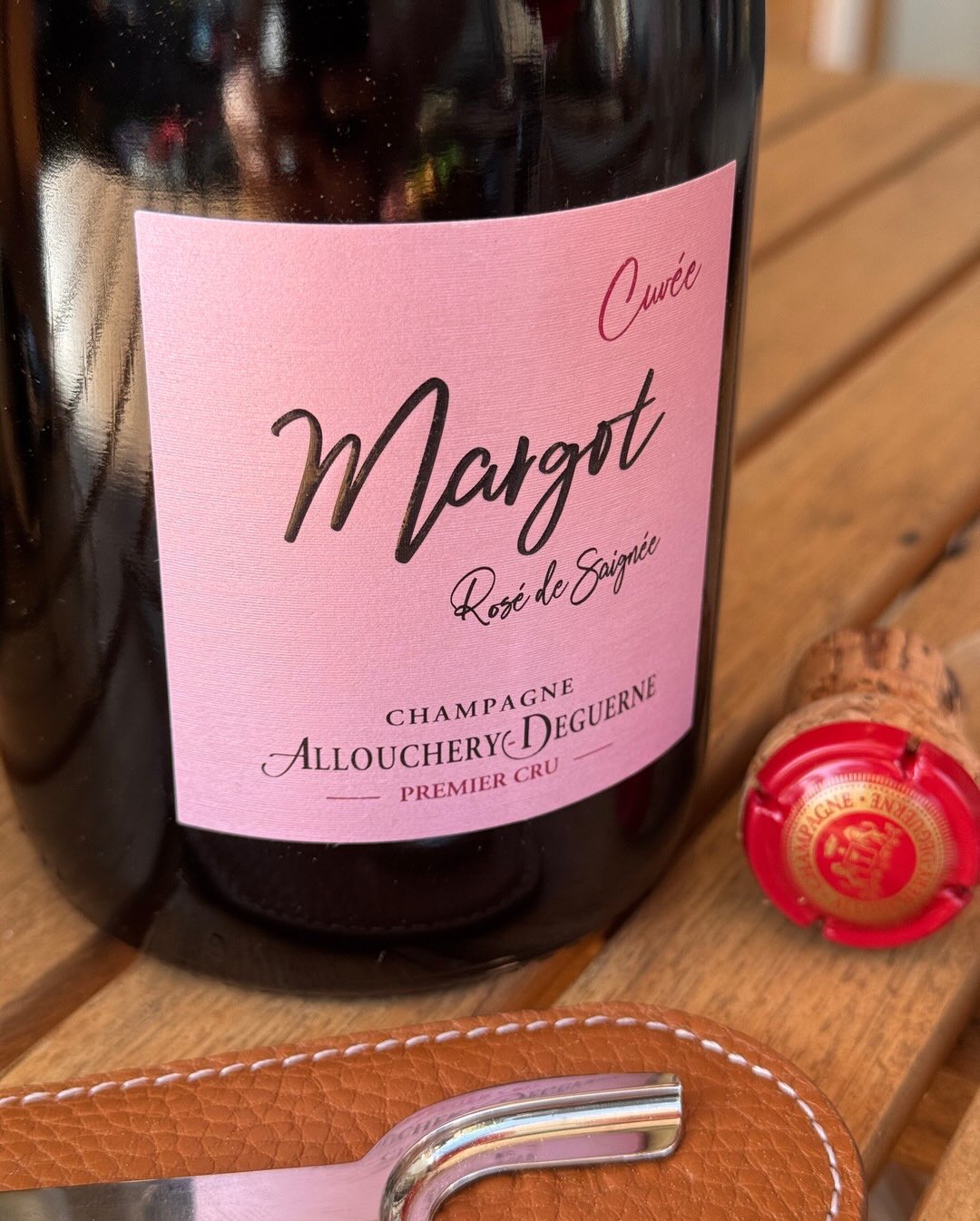
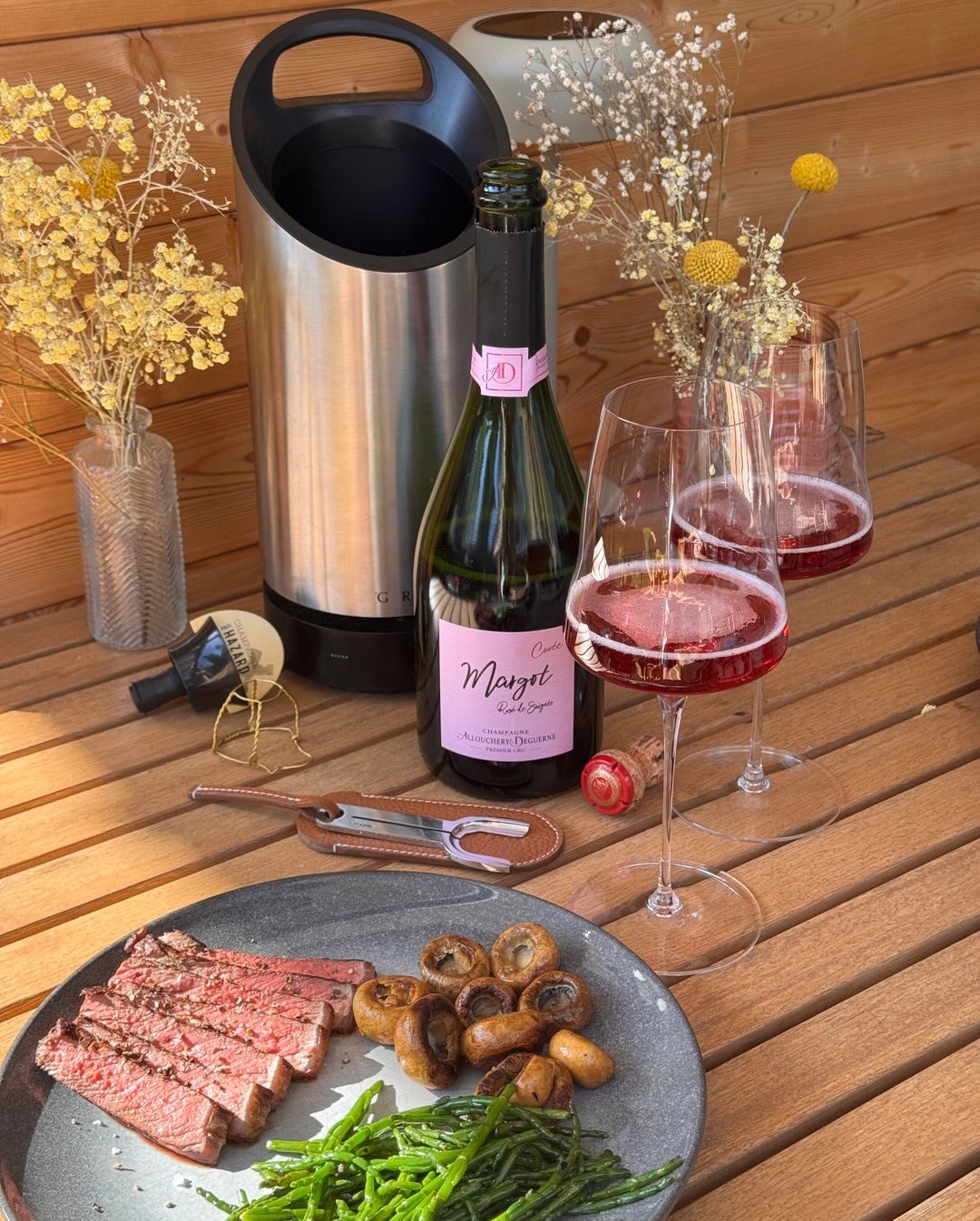
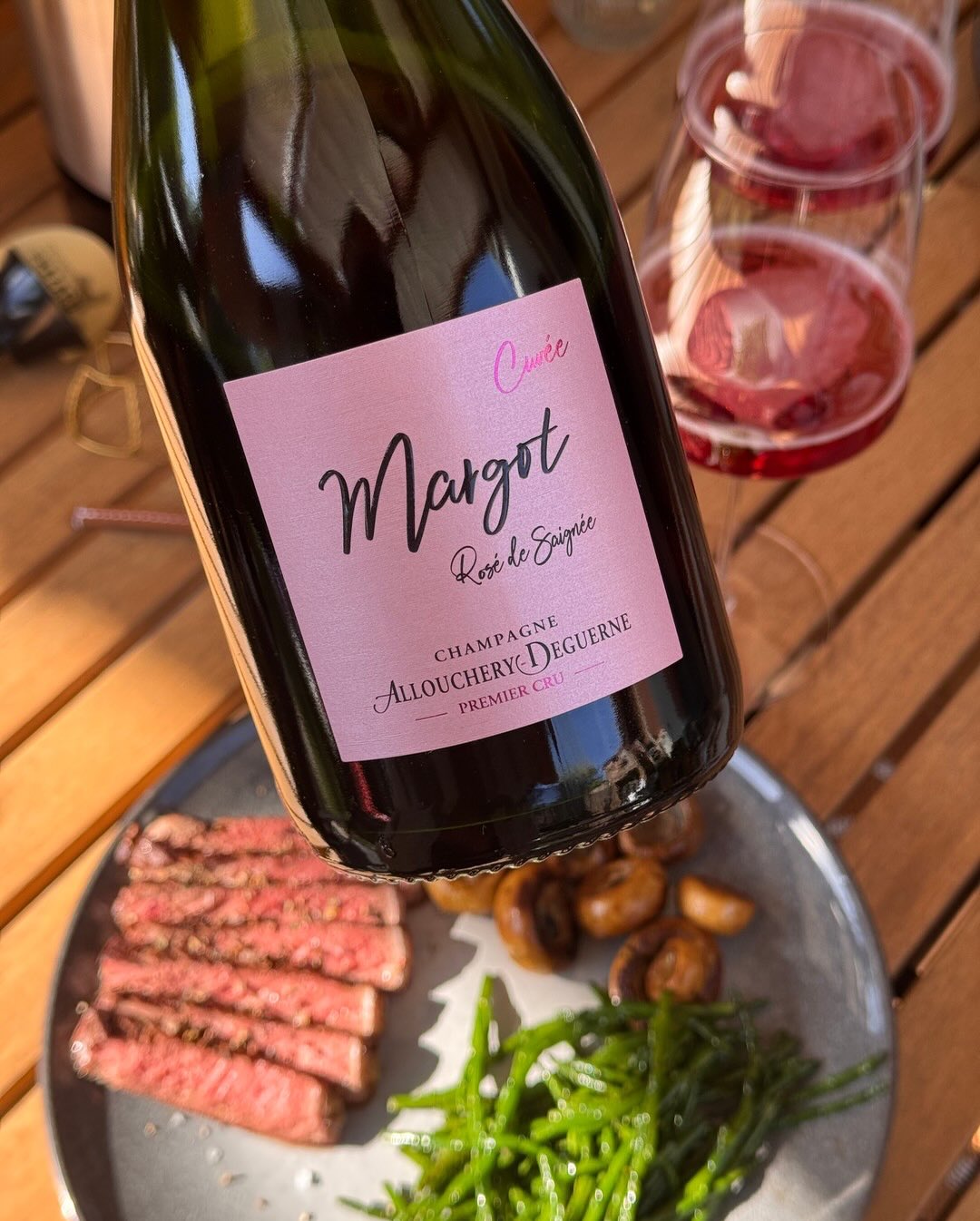
the_champagne.guy Heute gibts mal ein etwas gemischtes Pairing mit der Cuvée Margot Rosé de Saigné 2022 von @champagnealloucherydeguerne . Definitiv eine ausgefallene Kombination die aber erstaunlich gut funktioniert hat. Dieser Premier Cru Rosé aus Chamery zeigt sich kraftvoll und dunkel beerig – typisch für einen Saignée, bei dem die Trauben länger auf der Schale bleiben. Die Intensität ist sofort spürbar, ohne dabei überladen zu wirken. Champagne-Facts: 🍾 Assemblage: Pinot Noir und Chardonnay 🏆 Jahrgang: 2022 🥂 Dosage: 8 g/l (Brut) 📅 Degorgiert: August 2024 🍷 Alkohol: 12,5% 📍 Herkunft: Chamery, Premier Cru 💡 Stil: Kraftvoll, dunkel beerig Das Interessante war das Pairing: Ein Steak mit kräftig gegrillten Champignons an Queller – drei ganz unterschiedliche Aromen, die eigentlich nichts miteinander zu tun haben. Das Fleischige vom Steak, die erdigen Pilze und der knackig-salzige Meeresspargel. Genau hier hat dieser kräftige Rosé gezeigt, was er kann und alle drei Komponenten perfekt vereint. Ein Champagner, der beweist, dass manchmal die unerwarteten Kombinationen die besten sind. 🍾 #ChampangePairing @josephinenhutte @laclaye @grad.dk @grad_rd #RosédeSaignée #PremierCru #Champagnelover #TheChampagneGuy
Auf Instagram weiterlesen →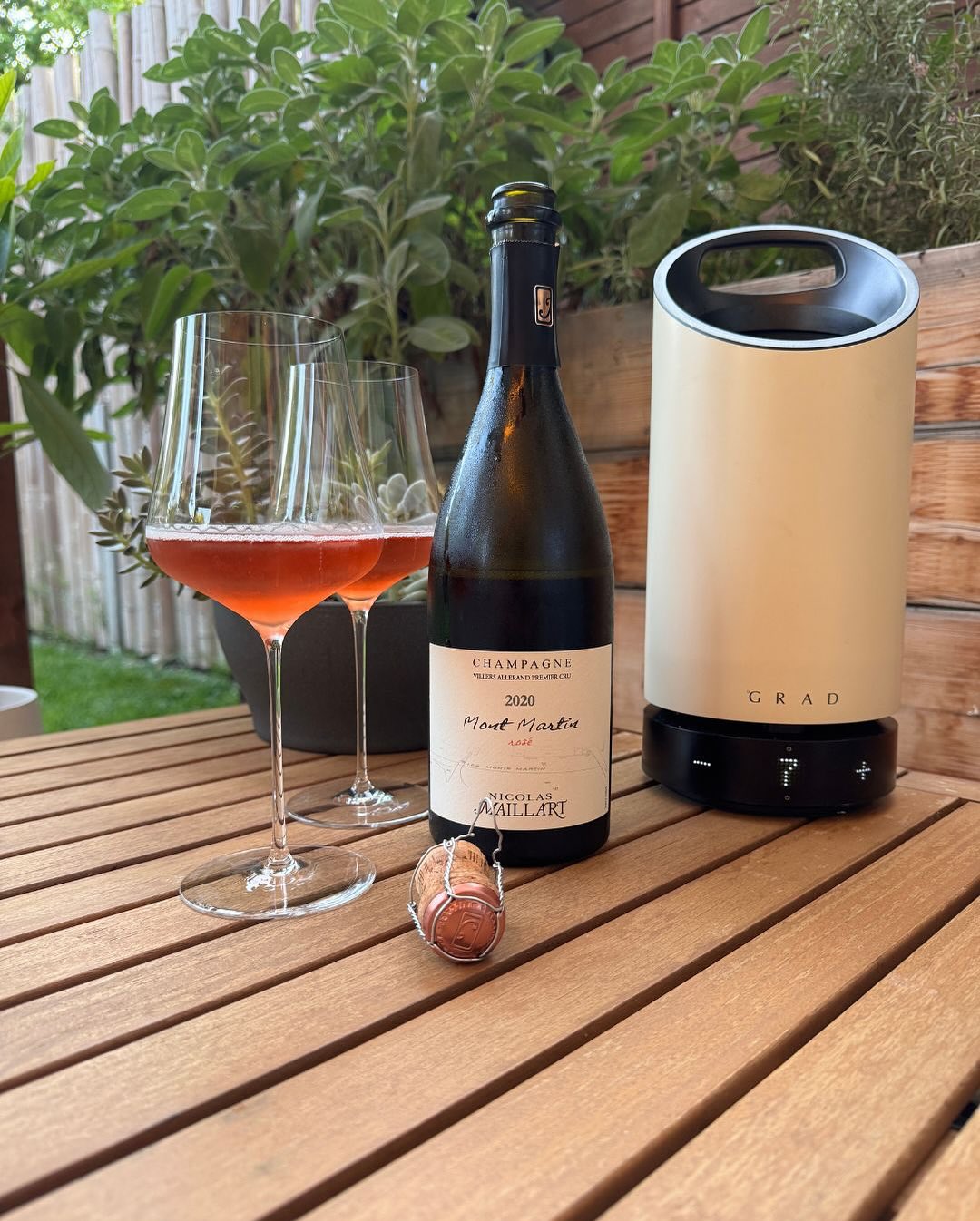
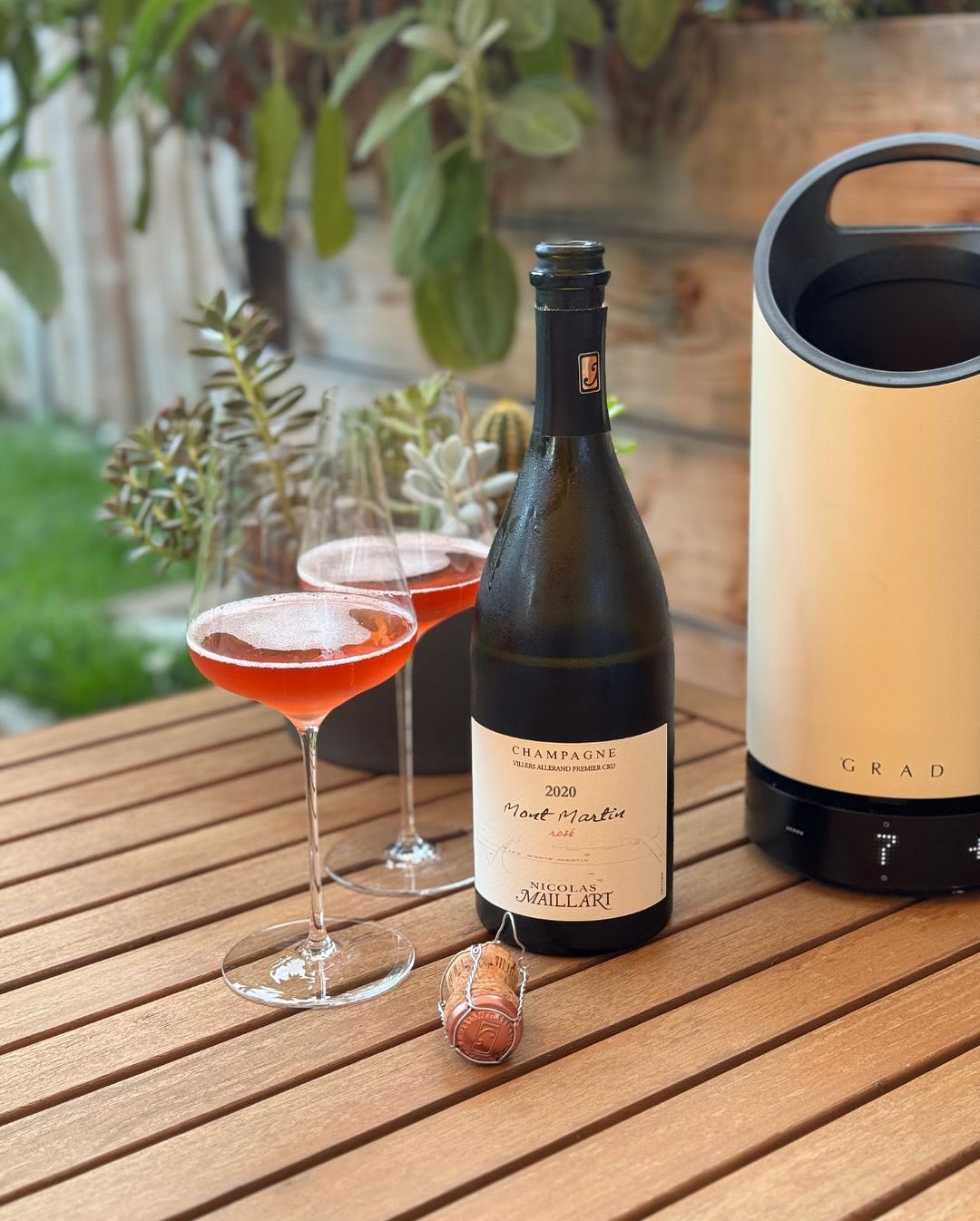
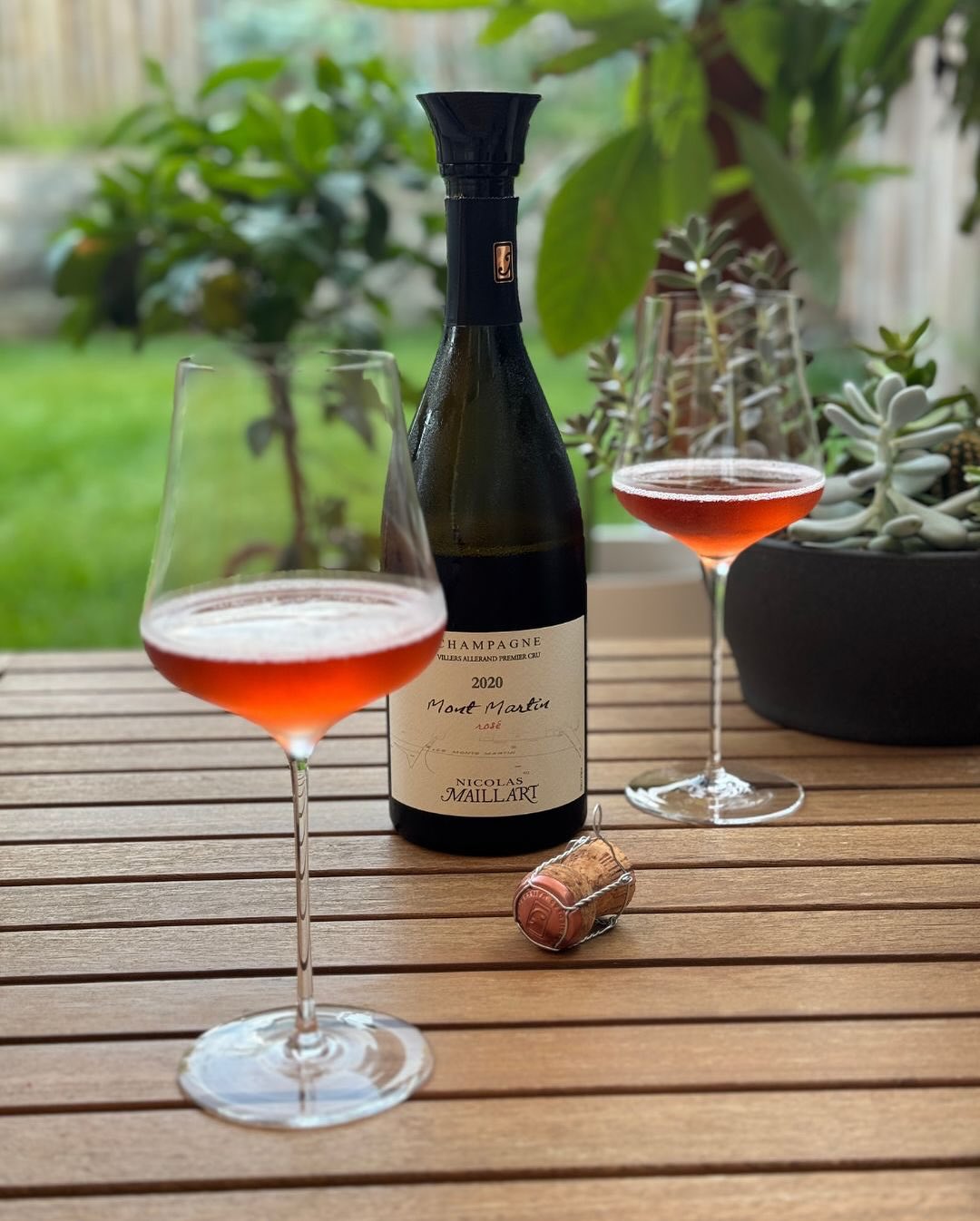
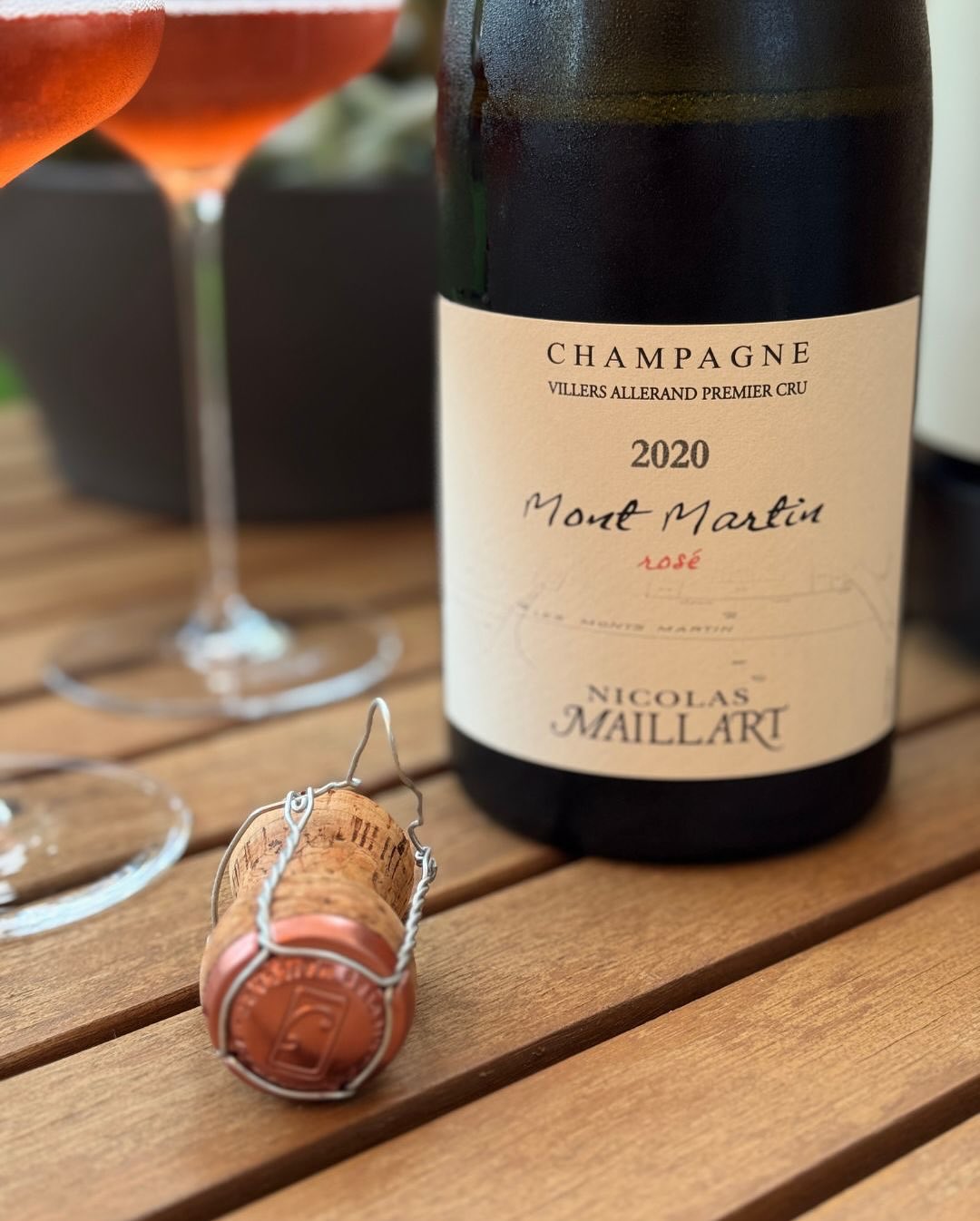
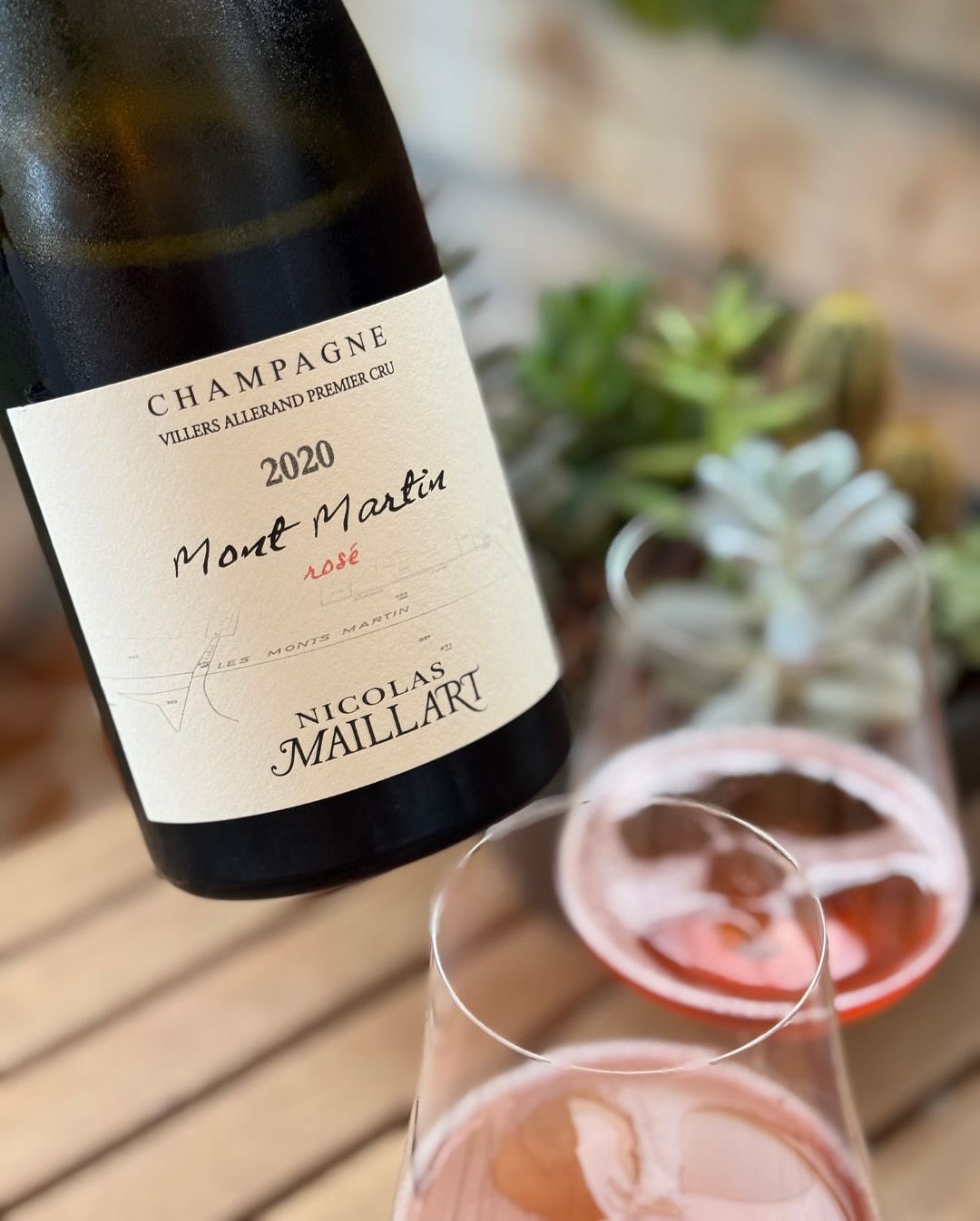
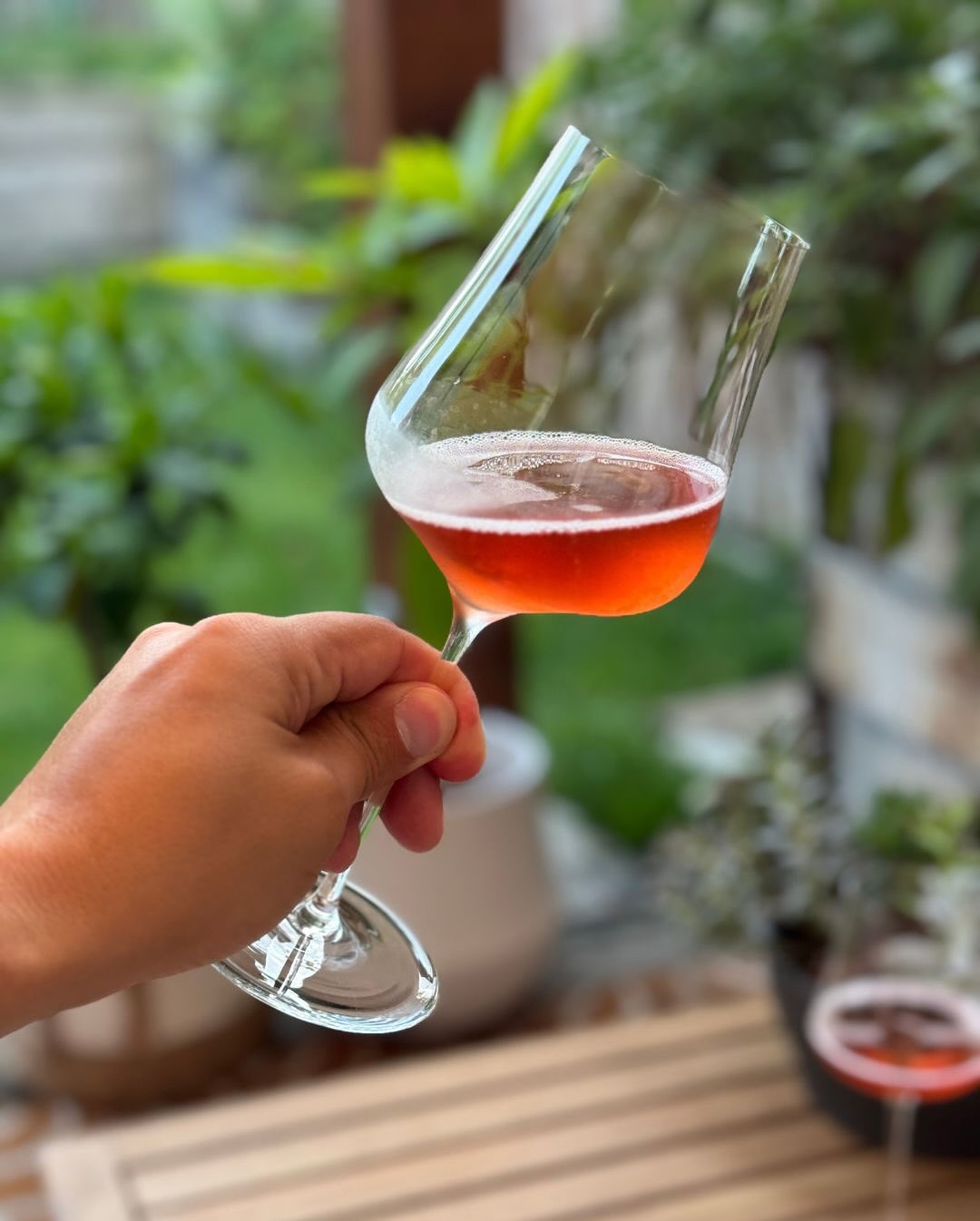
the_champagne.guy Gestern geöffnet: Mont Martin Rosé 2020 von @nicolasmaillart – ein Premier Cru aus Villers Allerand mit feiner Farbe, klarer Struktur und intensiver Frische. Doch beim Blick aufs Rücketikett musste ich kurz innehalten: 100 % Meunier, Blanc de Noirs, Macération à froid – das klang so gar nicht nach Rosé. Oder doch? Die Front sagt eindeutig „Rosé“, das Rücketikett eher „Blanc de Noirs mit Schale“. Also kurz recherchiert, nochmal die Flasche kontrolliert – und ja: die Etiketten gehören zusammen. Ob es sich um eine bewusst gestylte Grenzform handelt – ein zartfarbener Meunier-Rosé mit Blanc-de-Noirs-Anmutung – oder schlicht um ein falsch aufgeklebtes Backlabel? 🤷🏼♂️ Wir wissen es nicht. Aber wir lieben es, wenn Champagner Fragen stellt. Wenn Stilbegriffe verschwimmen. Wenn man nicht alles auf den ersten Blick einordnen kann. Was drinsteckt: • 🍇 100 % Meunier (sélection massale) • 📍 Villers Allerand 1er Cru (Montagne de Reims) • 🌱 Lehm-Kalk-Boden auf Kreideuntergrund • 🧊 Kalte Mazeration • 🛢️ Ausbau auf der Feinhefe im Holz • ❌ Keine malolaktische Gärung • 🥂 Extra Brut (Dosage: 6 g/l) • 📅 Dégorgiert: 01/2025 • ❗️Nicht filtriert, nicht geschönt 🍾 Geschmacklich war es jedenfalls ein kraftvoller, fast herber Rosé, mit toller Textur, reifer Frucht und viel Charakter – ein Wein mit Haltung. #TheChampagneGuy @mygabrielglas @gabriel_glas @grad.dk #MontMartin #RoséOrNot #MeunierPower #PremierCru #BlancDeNoirs #RoséChampagne #NicolasMaillart #ChampagneStory #LabelCheck #HandcraftedChampagne
Auf Instagram weiterlesen →Myths and clarifications
"Rosé is made by mixing white and red wine." Correct only for the assemblage method. Saignée is skin contact, not blending.
"Champagne rosé is the only region where mixing is allowed." In France's still wine sector, red wine-white wine blending for rosé is indeed generally prohibited, allowed in Champagne as an exception because of the second fermentation.
"Rosé is sweeter than Brut." Wrong. The Dosage decides, not the color. There are Brut Nature rosés with 0 g/l and Doux whites with 50 g/l. Color says nothing about residual sugar.
"Rosé is always a ladies' drink." Please, no more. Anyone who has once drunk a 24-hour Saignée from Aÿ knows that's a matter of style, not gender.
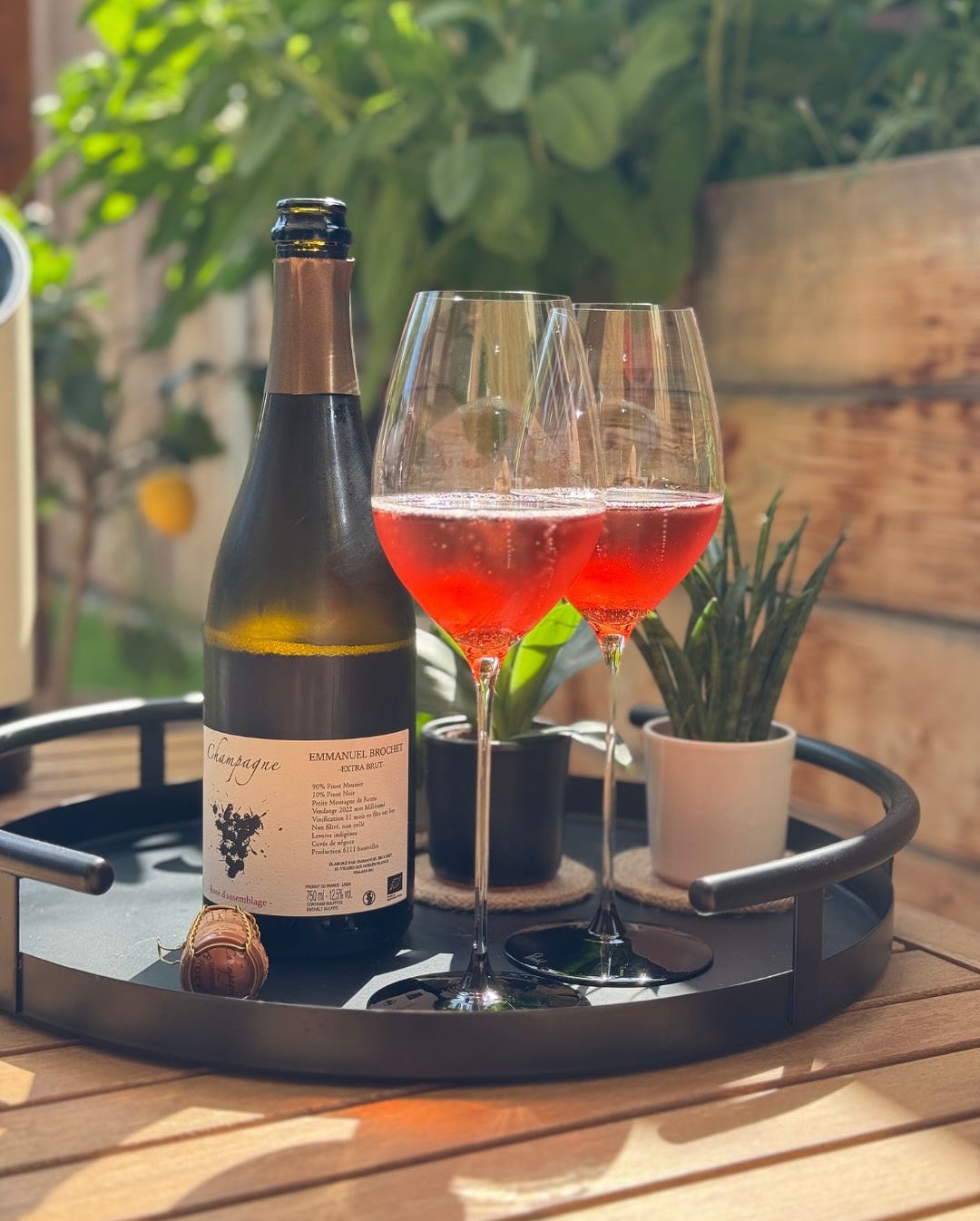
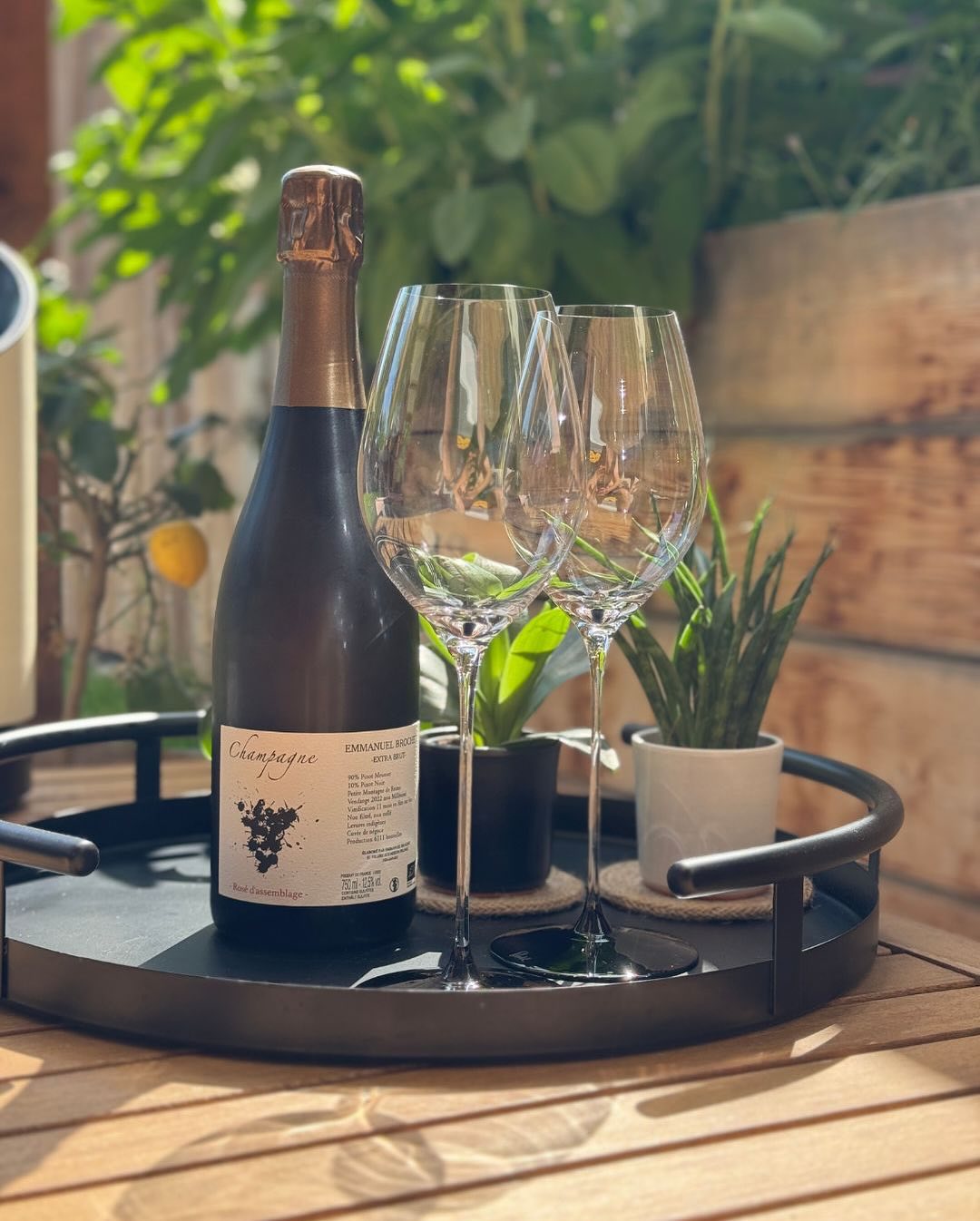
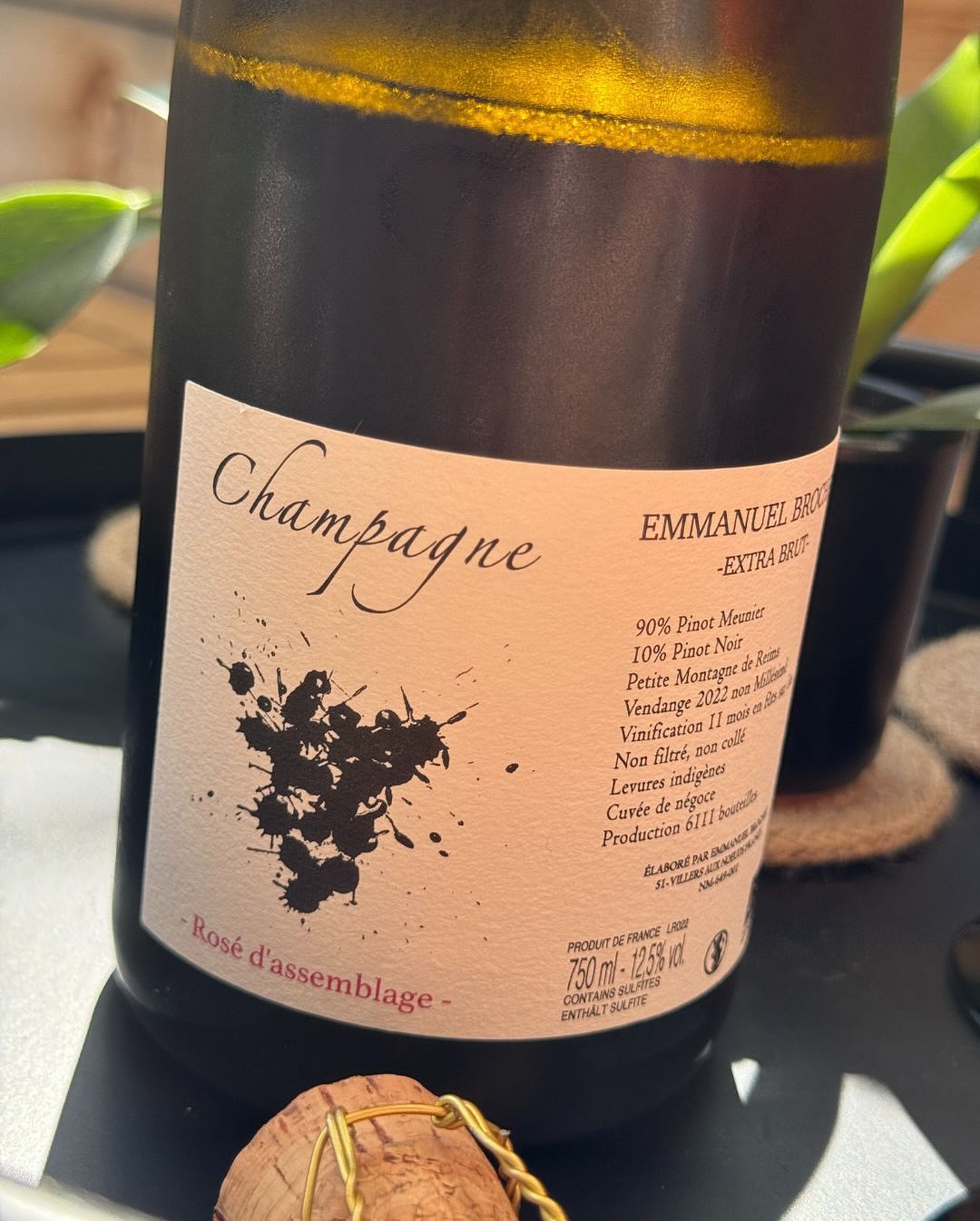
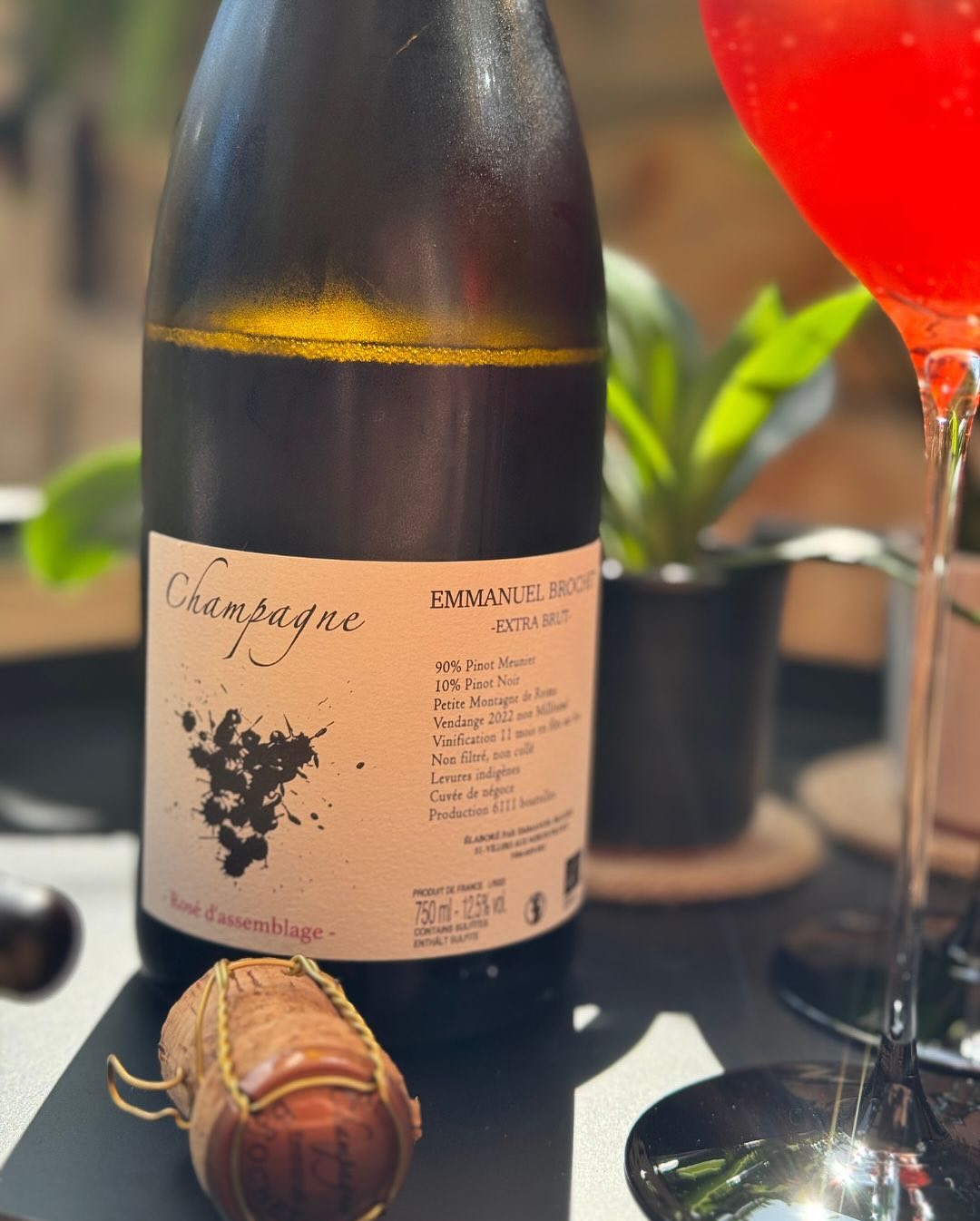
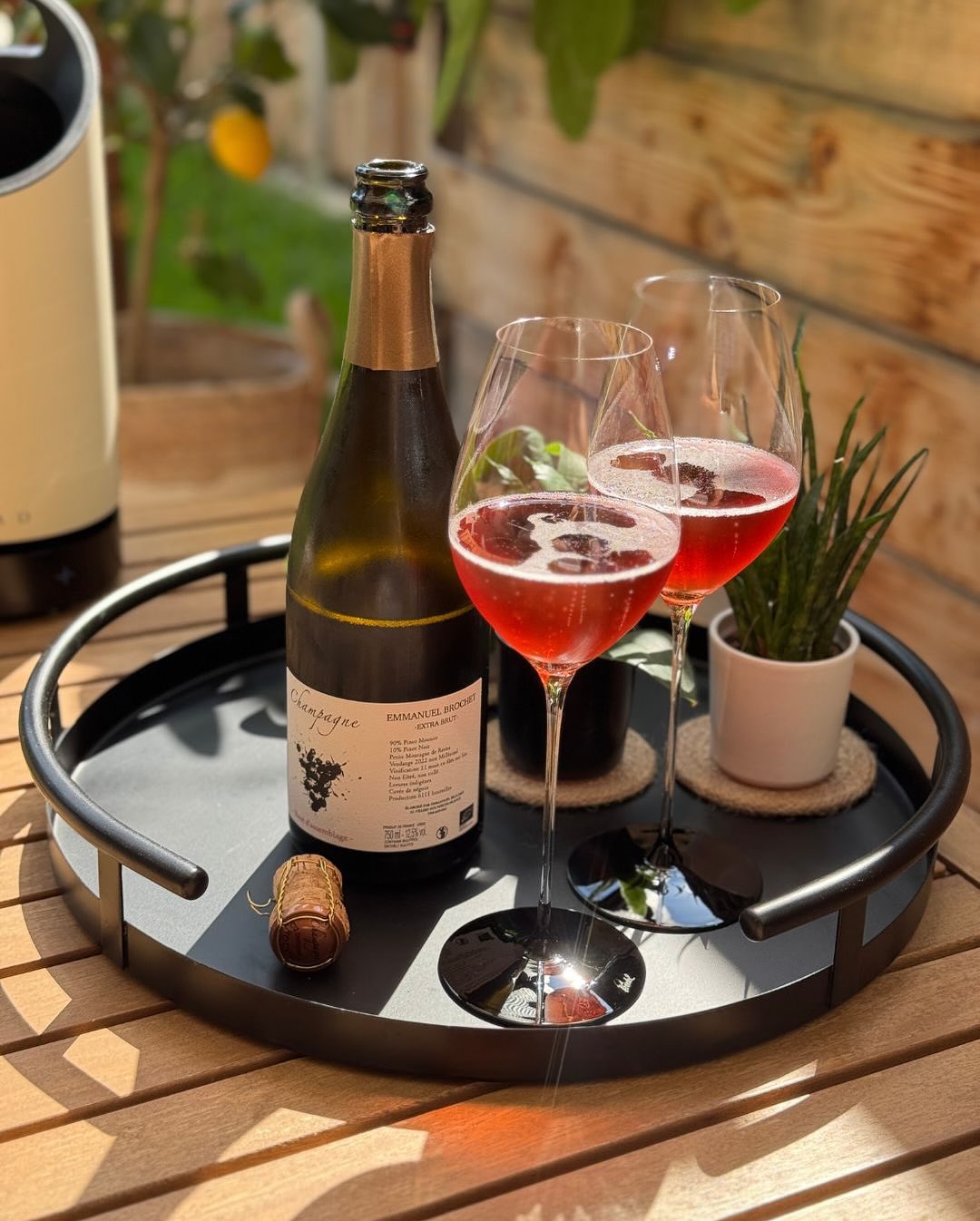
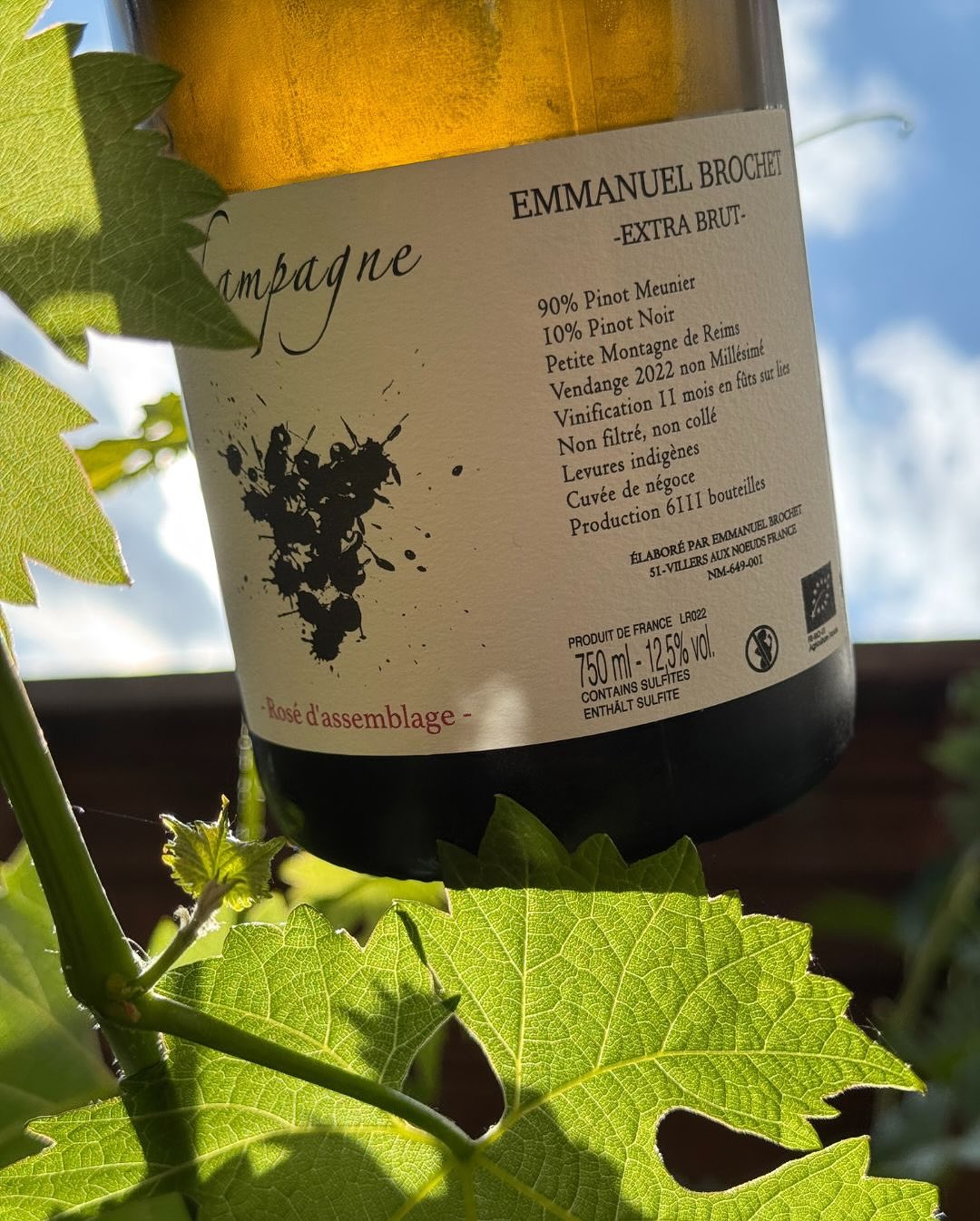
the_champagne.guy Ein Glas – und sofort eine Erinnerung im Kopf: 🍓 Erdbeerkuchen. Süßlich und verspielt, aber trotzdem elegant und komplex. In der Nase: rote Beeren, Hagebutte, getrocknete Kräuter. Am Gaumen: präzise Frucht, sanfte Gerbstoffe, feine Würze – und eine leise, klare Struktur. @emmanuel.brochet braucht keine Vorstellung. Oder doch? Seit Jahren vinifiziert er die Weine von Le Mont Benoît mit stiller Präzision – als echtes Ein-Mann-Unternehmen. Etiketten mit Dégorgierdatum? Gibt’s nicht – denn selbst das Etikettieren übernimmt er persönlich. Mittlerweile ist Sohn Sascha an Bord – aber man spürt: Hier wird nichts überstürzt. Der Rosé? Ein Blend aus Pinot Meunier von befreundeten Winzern und Rotwein aus der Spitze des Le Mont Benoît (gepflanzt 2000). Kein Saignée, sondern klassisch assembliert – und das war eine exzellente Entscheidung. Heute ohne Pairing genossen – weil ich dieser Flasche nicht die Show stehlen wollte. Dafür im @riedel_official Fatto a Mano – Black Tie – ein idealer Rahmen. ✨ Fakten: 🍇 90 % Pinot Meunier, 10 % Pinot Noir (als Rotwein) 📍 Petite Montagne de Reims, Le Mont Benoît 📆 Ernte: 2022 (non millésimé) 🛢️ 11 Monate im Holzfass, sur lies 📉 Extra Brut 🚫 Nicht filtriert, nicht geschönt 🌱 Spontanvergoren, indigene Hefen Heute: ein erster richtiger Sommertag – fast 30 Grad. Parallel zum Brochet bin ich viermal in den Pool gesprungen 😄☀️ Fazit: Eine Flasche, von der ich definitiv versuchen werde, noch ein, zwei Exemplare aus den nur 6.111 produzierten Flaschen zu sichern. ❤️ #TheChampagneGuy @martinspilens @bubblebistrot #EmmanuelBrochet #RoseLAssemblage #ExtraBrut #PinotMeunier #BlackTieGlass #ChampagnerMitCharakter #BubbleBistro #MontBenoit #ChampagneExperience
Auf Instagram weiterlesen →All tasted Rosé Champagnes
The complete list of my documented rosé tastings so far, sorted by Maison. Each entry leads to the respective tasting note with aromas, style and rating.
- A&C Toullec, Rosé de Macération 2023
- Angellis, Rosé Brut
- Arnaud Champagne Gallimard, Cuvée Rosé Brut de Macération
- Autreau, Rosé Premier Cru
- Bertrand Delespierre, Enfant de la Montagne Rosé
- Besserat de Bellefon, Rosé Brut
- Bollinger, Rosé
- Bonnaire-Clouet, Rosé d'Assemblage 2020
- Bruyen, Rosé Héritage 2023
- Canard-Duchêne, Grand Rosé
- Chavost, Rosé 2025
- Daniel Leclerc, Rosé Brut
- Daniel Leclerc, Rosé de Saignée
- Emmanuel Brochet, Rosé L'Assemblage 2000
- Fleur de Miraval, Petite Fleur 2024
- Forget-Brimont, Rosé de Saignée 2018
- G.H. Mumm, Grand Cordon Rosé
- Henriot, Brut Rosé
- Jacques Busin, Rosé Brut
- Jacques Sonnette, Rosé Brut
- Lanson, Le Rosé Création 67
- Laurent-Perrier, Cuvée Rosé Brut
- Leclaire-Thiefaine, Cuvée 02 Guillemette Le Rosé Extra Brut
- Marteaux Guillaume, Infusion
- Météyer, Rosé Brut
- Nicolas Maillart, Mont Martin Rosé 2020
- Nicolas Maillart, Rosé 2021
- Oudiette, Rosé d'Infusion 2020
- Palmer & Co, Rosé Solera
- Paul Hazard, Cuvée Furtiv
- Péhu-Guiardel et Fils, Rosé Brut
- Perseval-Farge, C. de Rosé 2018
- Pierre Moncuit, Rosé Grand Cru Brut
- Piollot, Les Protelles Brut Nature Rosé
- Piper-Heidsieck, Rosé Sauvage
- Pointillart Leroy, Trois Sœurs Brut Rosé
- Pommery, Brut Rosé
- Rare Champagne, Rosé Millésimé 2012
- Robert Allait, Cuvée 2021
- Robert Allait, Prestige Rosé
- Robert Allait, Rosé de Saignée
- Robert Allait, Rosé de Saignée, Éclat de Meunier
- Robert Allait, Solera RP-R 2017
- Robert Allait, Solera RP-R
- Thiénot x Penfolds, Rosé Brut
- Veuve Clicquot, Rosé
- Veuve Olivier et Fils, Brut Rosé 2018
- Veuve Olivier et Fils, Perle de Saignée 2018
- Vincent Perseval, Rosé Assemblage
- Vollereaux et Fils, Rosé de Saignée
If you only take away three sentences
Rosé Champagne is not a style, but a spectrum from light-fruity to vinous-structured. The method (assemblage or Saignée) and the maceration duration decide more than the producer or the price. And: don't serve it too cold and not in a flute. Otherwise all the craftsmanship behind it has been in vain.
Example cuvées
- A&C Toullec: Rosé de Macération 2023
- Allouchery-Deguerne: Cuvée Margot Rosé de Saigné 2022
- Angellis: Rosé Brut
- Arnaud Champagne Gallimard: Cuvée Rosé Brut de Macération
- Autreau: Rosé Premier Cru
- Bauchet: Cuvée Origine 2018
- Bauchet: Séduction
- Bertrand Delespierre: Enfant de la Montagne Rosé
- Besserat de Bellefon: Rosé Brut
- Bollinger: Rosé
- Bonnaire-Clouet: Rosé d'Assemblage 2020
- Boutillez Vignon: Intonation
- Bruyen: Rosé Héritage 2023
- Canard-Duchêne: Charles VII Blanc de Blancs
- Canard-Duchêne: Grand Rosé
- Champagne A&C Toullec: Rosé de Macération 2023
- Champagne Allouchery Deguerne: Cuvée Margot Rosé de Saigné 2022
- Champagne Bauchet: Séduction
- Champagne Bruyen: Rosé Héritage 2023
- Champagne Chavost: Rosé 2025
- Champagne de Sousa: Caudalies Rosé
- Champagne Dumangin: Rosé (Signature Wine)
- Champagne Haton et Filles: Agathe Rosé Brut
- Champagne Lamoureux: Rosé de Saignée Vieilles Vignes
- Champagne Mathelin: Rosé de Vigne 2019
- Champagne Météyer: Rosé Brut
- Champagne Péhu-Guiardel et Fils: Rosé Brut
- Champagne Rafflin-Lepitre: Rosé de Saignée
- Champagne Taittinger: Prestige Rosé
- Chapel Down: Rosé
- Chavost: Rosé 2025
- Daniel Leclerc: Rosé Brut
- Daniel Leclerc: Rosé de Saignée
- de Sousa: Caudalies Rosé
- Derot Delugny: Bissextile
- Deutz: Brut Classic
- Emmanuel Brochet: Rosé L'Assemblage 2000
- Fleur de Miraval: Petite Fleur 2024
- Forget-Brimont: Blanc de Blancs Grand Cru
- Forget-Brimont: Brut Rosé
- Forget-Brimont: Rosé
- Forget-Brimont: Rosé de Saignée 2018
- G.H. Mumm: Grand Cordon Rosé
- G. Tribaut: Rosé de Réserve
- Haton et Filles: Agathe Rosé Brut
- Henriot: Brut Rosé
- Jacques Busin: Rosé Brut
- Jacques Sonnette: Rosé Brut