Daniel Leclerc
I've tasted 6 champagnes from Daniel Leclerc -- and this house from the Aube shows an impressive range. From Rosé de Saignée to powerful Blanc de Noirs to elegant Chardonnay cuvées: Daniel Leclerc masters different styles and shows that the Côte des Bar can do much more than just deliver solid base wines.
Terroir and Location
The Aube, also called Côte des Bar, lies in the south of Champagne and has a notably warmer climate than the northern regions. The soils of Kimmeridge marl -- similar to Chablis -- give the wines a special minerality. The grapes ripen more fully here, which gives the champagnes a natural richness and juiciness.
Philosophy and Style
Daniel Leclerc focuses on variety without losing the common thread. The champagnes are consistently honest, artisanal and approachable. No avant-garde experiments, but solid winemaking craftsmanship. What's particularly striking: the strength in the rosé category. The Rosé de Saignée is one of the house's flagship wines and shows that the Côte des Bar delivers first-class Pinot Noir material for intense rosé champagnes.
The Range
I was able to try five different cuvées, including two rosé variants, a Magnum Brut and special individual cuvées. The range is remarkable.
The Cuvées in Detail
Rosé de Saignée
I've tasted the Rosé de Saignée twice -- and both times it was convincing. The first time surprisingly precise: fresh and focused at cool temperatures, more powerful and dense with increasing warmth, without losing balance. Surprisingly harmonious with peppered strawberries, crudo and even hazelnut pralines. The second time showed an expressive rosé with fresh red fruits, lively and juicy with fine balance. The saignée method and only 2 g/l dosage give the wine an intensity and seriousness that many rosé champagnes lack.
My tip: Don't serve too cold and experiment with bold food pairings.
Type: Rosé
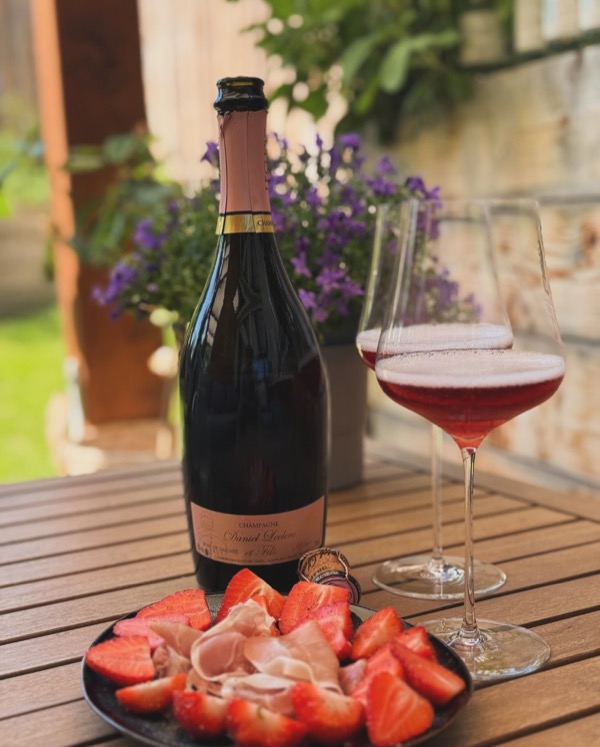
1. Mai. Feiertag. Kein Champagner zum Frühstück – zur Abwechslung. Stattdessen: später Vormittag, Sonne auf der Terrasse, Füße hoch, Lounge-Modus.…
Rosé Brut
Delicate fruit with a touch of spice, beautifully dry. A restrained rosé that gets by without sweetness and still leaves an impression. Compared to the Rosé de Saignée, noticeably lighter and more elegant -- where the saignée works with intensity, the Brut Rosé focuses on finesse.
Type: Rosé | Grape varieties: Chardonnay, Pinot Noir
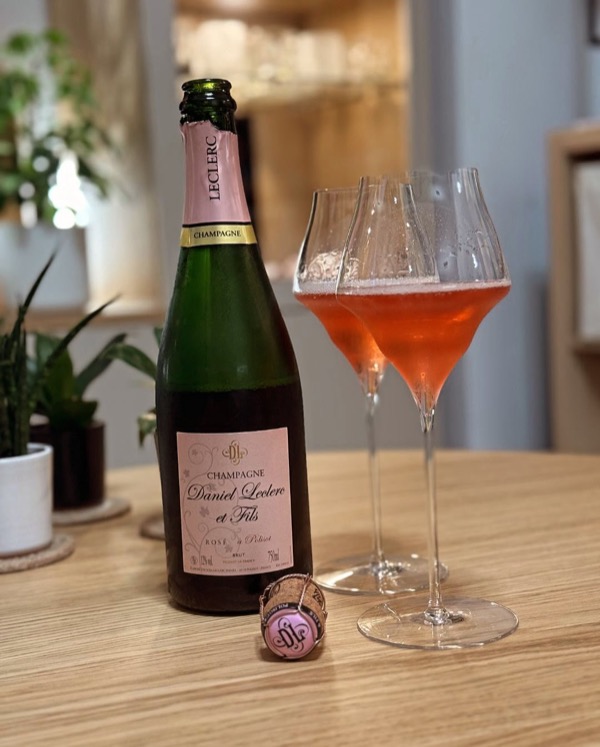
Diese Woche am Montagabend, draußen wird’s langsam dunkler – und drinnen leuchtet der Rosé im Glas. @champagne.daniel.leclerc – Rosé Brut.…
Brut Magnum
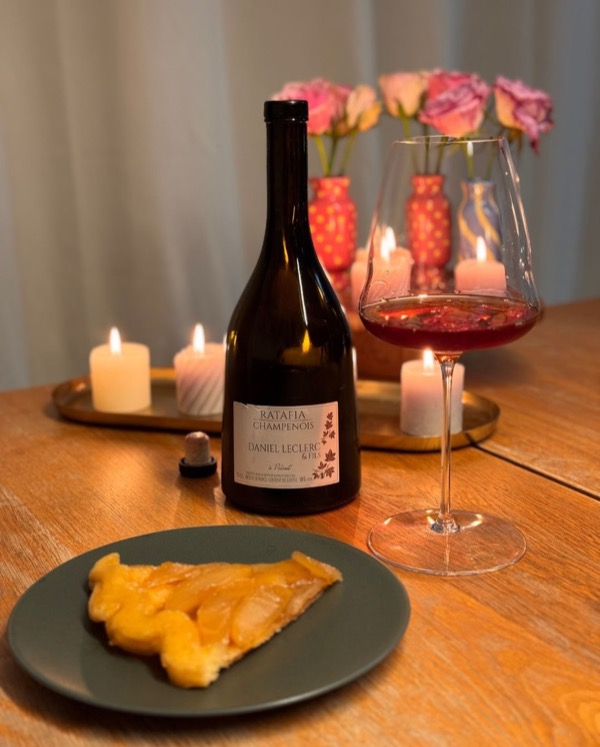
Manchmal braucht ein Abend keinen Champagner, sondern einen echten Seelenschmeichler. Hier im Glas: Der Ratafia Champenois von…
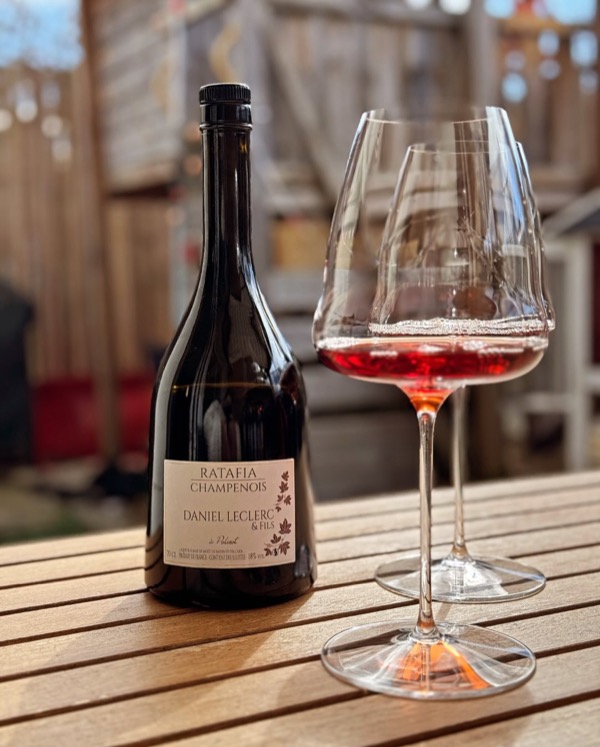
Manchmal braucht es keinen Anlass, keine Begleitung – einfach nur ein gutes Glas und einen spannenden Tropfen. Heute habe ich mit einem Freund &…
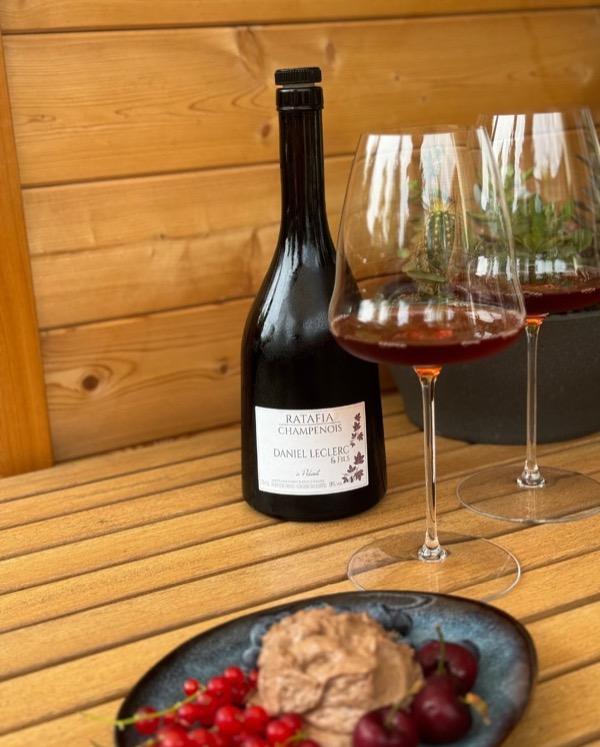
Heute gab’s noch ein fluffiges Schokomousse aus dunkler Schokolade, dazu frische Johannisbeeren, Kirschen und Heidelbeeren. Ziemlich süß. Ziemlich…
A classic, approachable champagne with aromas of yellow fruits, delicate brioche and a touch of honey. Fresh, balanced on the palate with fine mousse. The magnum format gives the wine additional elegance -- the larger bottle means slower, more even maturation.
Type: Brut | Grape varieties: Chardonnay, Pinot Noir, Pinot Meunier
Cuvée Gabin Brut
A powerful 100% Chardonnay from the Côte des Bar with creamy texture, brioche and apricot notes and elegant structure. Shows its maturity but remains lively and balanced. Extra Brut dosage. This is a serious champagne that proves the Aube also produces excellent Chardonnay.
My tip: With grilled fish with lemon butter or a plateau de fromages.
Type: Extra Brut | Grape varieties: Chardonnay
Cuvée Réserve
A full-bodied, creamy champagne with ripe fruit, roasted coffee notes and fine spice notes. Pronounced Pinot Noir structure with a long, spicy finish. The most powerful champagne in the range -- for lovers of substantial, wine-like champagnes.
Type: Brut | Grape varieties: Pinot Noir
What Makes Daniel Leclerc Special?
The strength in the rosé category and the ability to make champagnes with real character from Côte des Bar grapes. The Rosé de Saignée is among the best I've had from this region. Plus there's an honest price-to-quality ratio.
More Posts
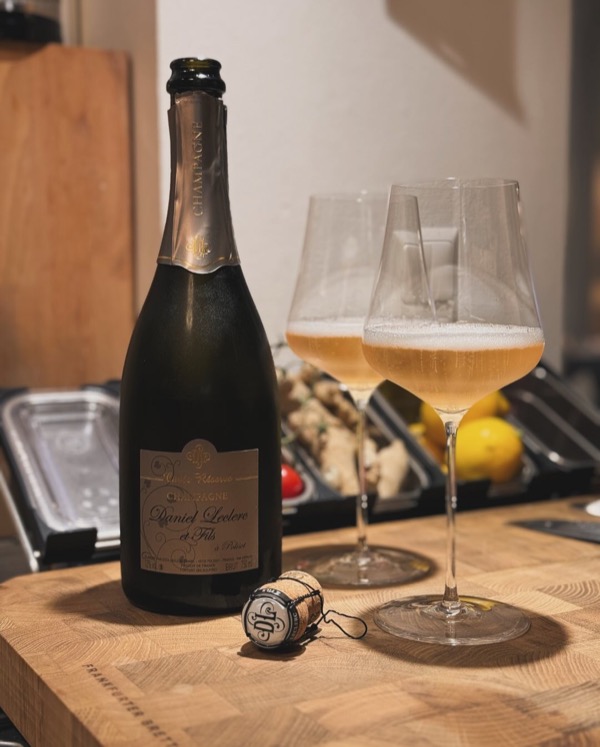
Gestern kam eine Lieferung mit dem gesamten Sortiment von @champagne.daniel.leclerc an – eine großartige Gelegenheit, das Haus kennenzulernen. Doch…
My Tastings
1. Mai. Feiertag. Kein Champagner zum Frühstück – zur Abwechslung. Stattdessen: später Vormittag, Sonne auf der Terrasse, Füße hoch, Lounge-Modus.…
Diese Woche am Montagabend, draußen wird’s langsam dunkler – und drinnen leuchtet der Rosé im Glas. @champagne.daniel.leclerc – Rosé Brut.…
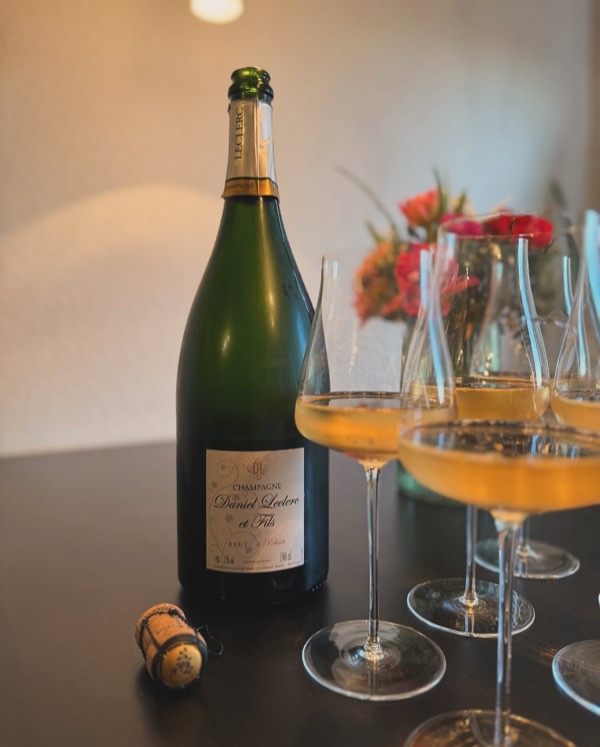
Zum Geburtstag meiner Mutter durfte ein passender Champagner nicht fehlen. Aus meinem Keller habe ich dafür die @champagne.daniel.leclerc Brut –…
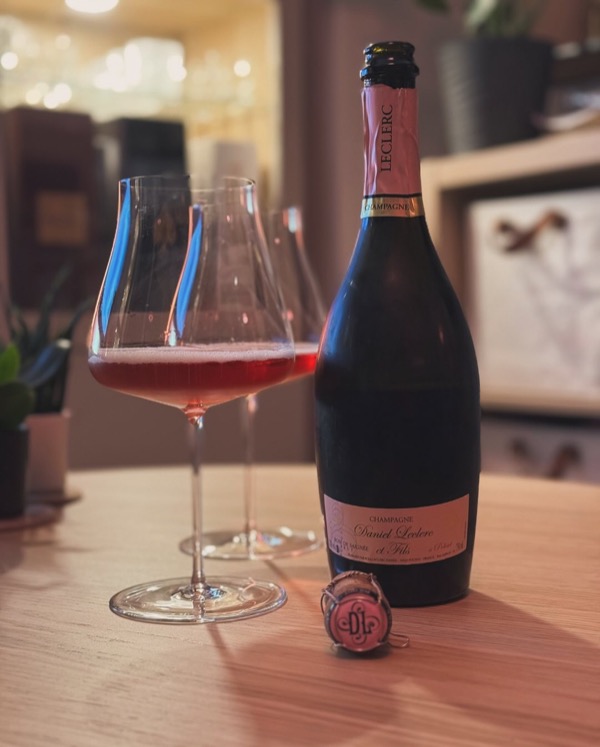
Nach der Cuvée Gabin von @champagne.daniel.leclerc war der nächste Schritt klar: Vergleich mit dem Rosé de Saignée. Gleicher Jahrgang, gleicher…
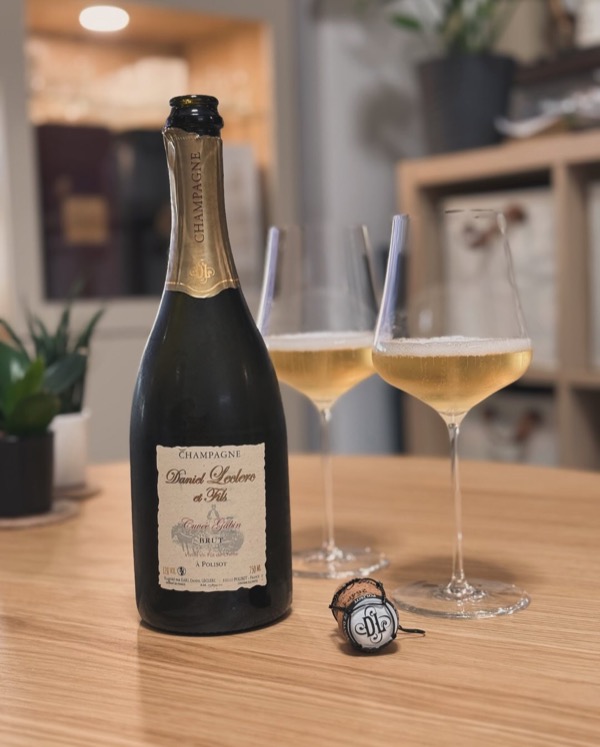
Manchmal öffnet man eine Flasche und weiß sofort: Das passt. Genau das hatte ich gestern mit der Cuvée Gabin Brut von @champagne.daniel.leclerc . Ein…
Gestern kam eine Lieferung mit dem gesamten Sortiment von @champagne.daniel.leclerc an – eine großartige Gelegenheit, das Haus kennenzulernen. Doch…
Conclusion
| Region | Aube / Côte des Bar |
| Grape varieties | Chardonnay, Pinot Noir, Pinot Meunier |
| Styles | Rosé |
| Champagnes tasted | 18 |