Champagne Aspasie: Since 1794 in Brouillet
Champagne Aspasie is a Récoltant-Manipulant from Brouillet in the Vallée de l'Ardre, a side valley of the Vallée de la Marne. Founded in 1794, documented by a deed dated January 13th. Today, Paul-Vincent Ariston and Caroline Ariston manage around 12 hectares of vineyards in the 5th generation.
The maison grows the classic champagne grape varieties, Chardonnay, Pinot Noir, Meunier, and also cultivates the rare varieties Arbane, Petit Meslier, Pinot Blanc and Pinot Gris. Since 2022, Aspasie holds organic certification (AB) as well as the HVE and VDC (Viticulture Durable en Champagne) labels.
History
The founding of Aspasie is documented by a deed from January 13, 1794, a rarity in Champagne, where many family estates pass down their beginnings through oral tradition. For five generations, the winery has remained in family hands, firmly rooted in Brouillet.
In 2019, the conversion to organic viticulture began. Three years later, in 2022, the maison received official organic certification as well as HVE (Haute Valeur Environnementale) and VDC distinctions. At the same time, Aspasie reduced bottle weight from 900 to 835 grams and minimized sulfur additions, part of a broader strategy to reduce their carbon footprint.
Vignoble & Soil
The 12 hectares are located in Brouillet, a village on the edge of the Vallée de l'Ardre. The soils consist of chalk, clay and sand, a mixture that gives the wines pronounced minerality. The chalky base structure provides freshness and precision, while the clay components contribute structure and depth.
Besides the three classic champagne varieties, Aspasie cultivates four rare grape varieties: Arbane, Petit Meslier, Pinot Blanc and Pinot Gris. These historic Cépages, which have nearly disappeared from Champagne, find their stage in the Cuvée Cépages d'Antan.
Viticulture & Sustainability
Since 2019, Aspasie has worked according to organic principles. The 2022 certification was the formal step: the philosophy of protecting biodiversity, minimal intervention, respect for the Terroir has shaped their vineyard work for longer. Chemical-synthetic plant protection products are forbidden, as are herbicides.
At the same time, the maison uses lighter bottles (835 instead of 900 grams) and reduces sulfur to a minimum. The HVE and VDC certifications document their holistic approach: sustainable management, promotion of biodiversity, CO₂ reduction throughout the entire production chain.
Vinification
Aspasie vinifies in stainless steel tanks and oak barrels. A Coquard press is used for pressing. The Cuvée Brut de Fût is entirely aged in Barriques, spontaneously fermented, neither fined nor filtered, a artisanal purism that gives the wine time and space.
A trademark of the house is the long aging on lees: The Blanc de Blancs ages for 60 months, the Brut de Fût for 48 months. The Dosage ranges from 6 to 8 g/l, restrained, so that Terroir and maturity can shine through. Sulfur is minimally dosed, filtration limited to what's necessary.
The Cuvées in Detail
Brut Réserve
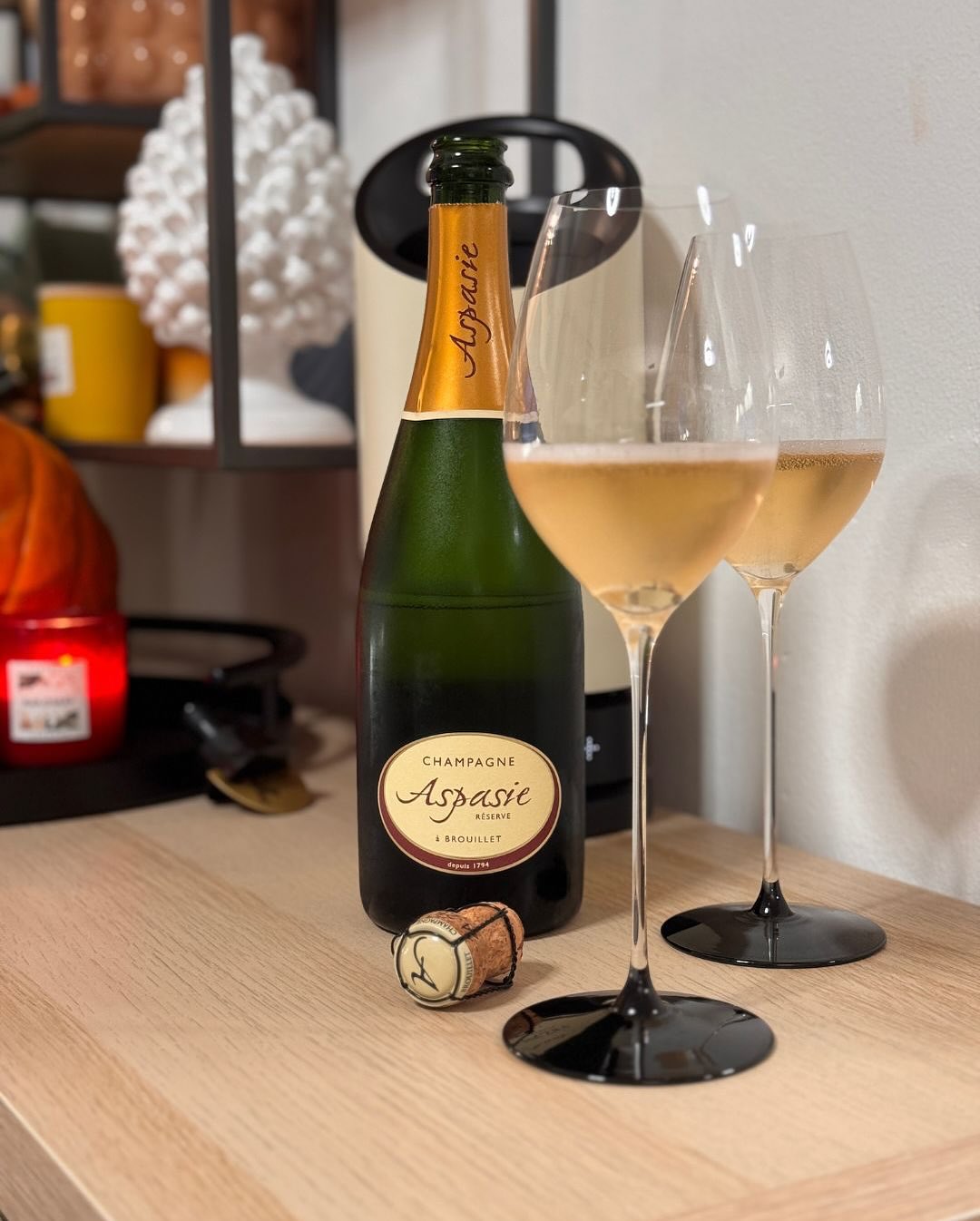
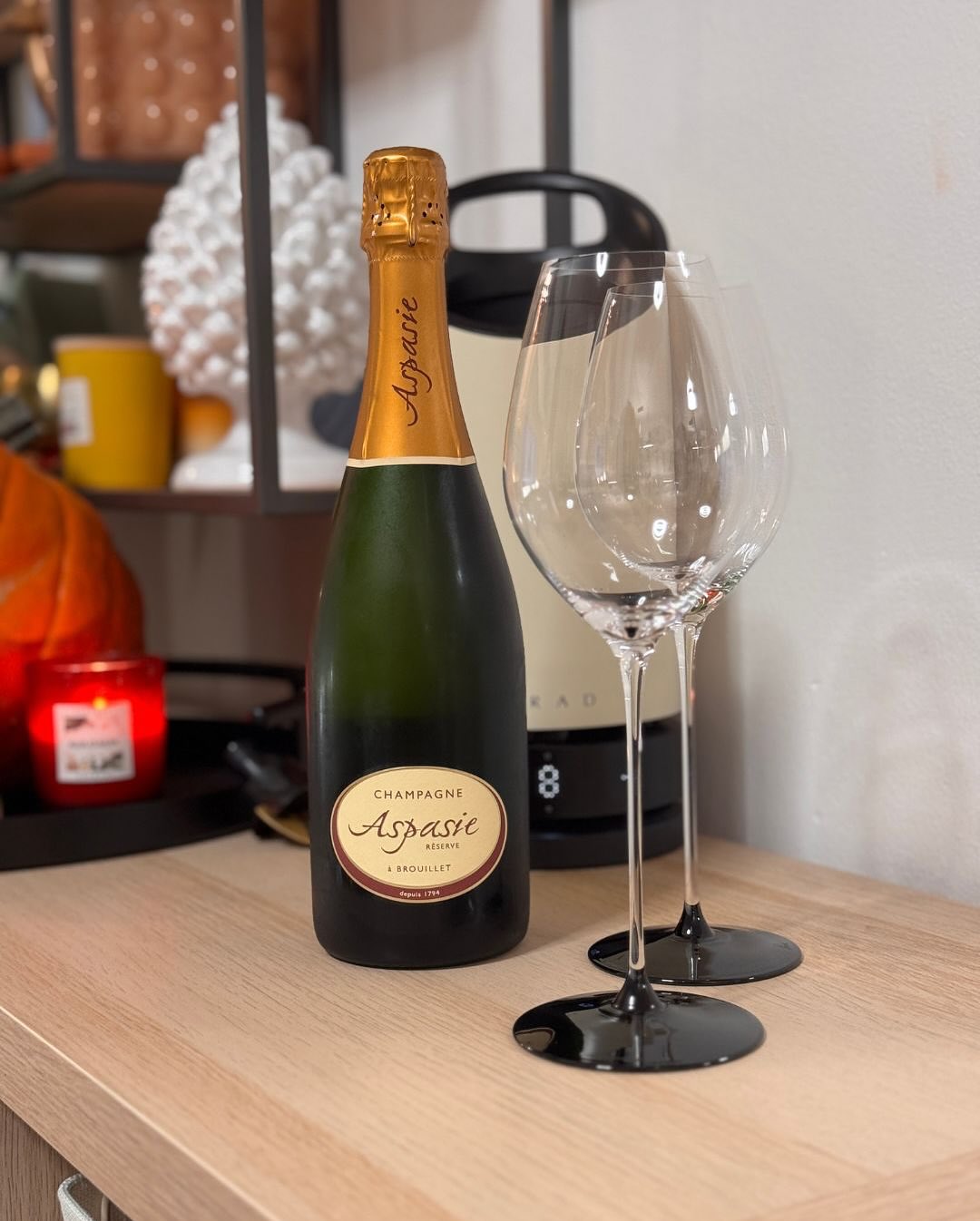
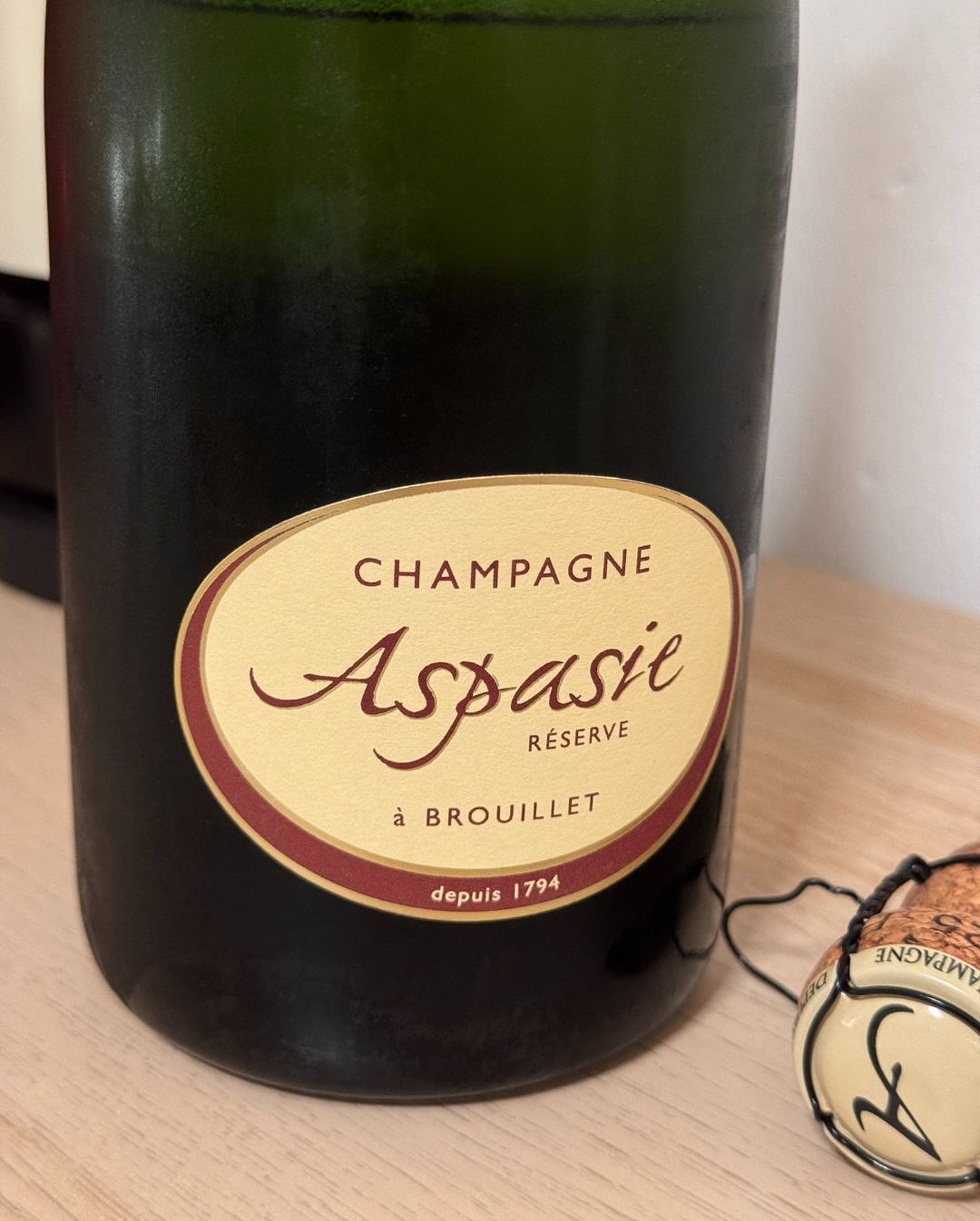
the_champagne.guy Nach einigen charakterstarken Flaschen in den letzten Tagen wollte ich gestern einfach etwas Klassisches. Etwas, das nicht analysiert werden will – sondern einfach funktioniert. Die Wahl fiel auf den @champagneaspasie – Réserve Brut statt von Aspasie auch direkt mit dem Jahrgang zu starten :) Schon beim ersten Schluck war klar, dass das genau so ein Champagner ist. Hellgolden im Glas, feine, lebhafte Perlage – elegant, aber ohne Show. In der Nase weiße Blüten – Akazie, Orangenblüte, etwas Weißdorn. Am Gaumen frisch, weich, leicht salzig – mit dieser feinen, kalkig-mineralischen Note, die ihm einen Hauch von Meer und Frische gibt. Ein Champagner, der sich wie von selbst trinkt – perfekt, wenn man einfach ankommen will. Champagne-Facts 🥂 40 % Chardonnay · 30 % Pinot Noir · 30 % Meunier 📍 Brouillet · Vallée de la Marne 🕰 Assemblage aus zwei Crus mit Reserveweinen 🍬 Dosage: 6 g/l (Brut) 🌿 Stil: floral · frisch · mineralisch 🍷 Serviertemperatur: ca. 9 °C Kein Fazit heute - Cheers! #TheChampagneGuy @riedel_official @grad.dk #ChampagneAspasie #ReserveBrut #ValléedelaMarne #GrowerChampagne #Brut #ChampagneMoment #ChampagneLife #ChampagneVibes #ChampagneTasting #TheChampagneGuyMoments
Auf Instagram weiterlesen →The entry-level Cuvée combines 40% Chardonnay, 30% Pinot Noir and 30% Meunier, an Assemblage from two Crus with reserve wines. Floral notes of acacia and orange blossom, fresh citrus, mineral coolness and a lightly salty finish. A clear, drink-friendly interpretation of the Vallée de l'Ardre.
40% Chardonnay · 30% Pinot Noir · 30% Meunier · 6 g/l Dosage · Brouillet, Vallée de la Marne
Demi-Sec Réserve
A classic Demi-Sec version for lovers of round, fruit-driven champagnes. Details on Assemblage and Dosage are not yet available, one of the open questions for the maison.
Brut Rosé
Fruity red berries, finesse, vivacity, so Aspasie describes the Rosé. The exact Assemblage and vinification method (Saignée or maceration?) remain open.
Blanc de Blancs Brut
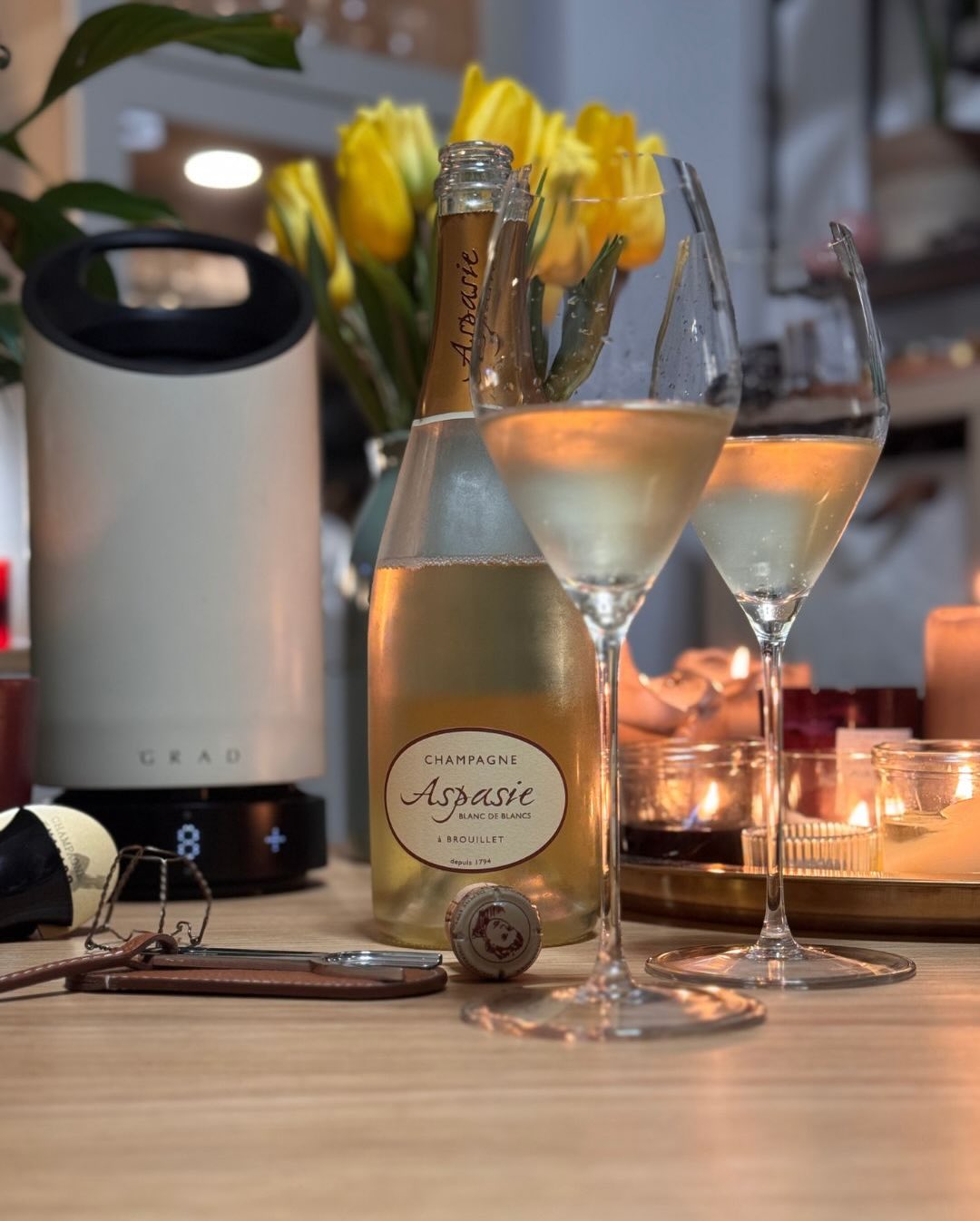
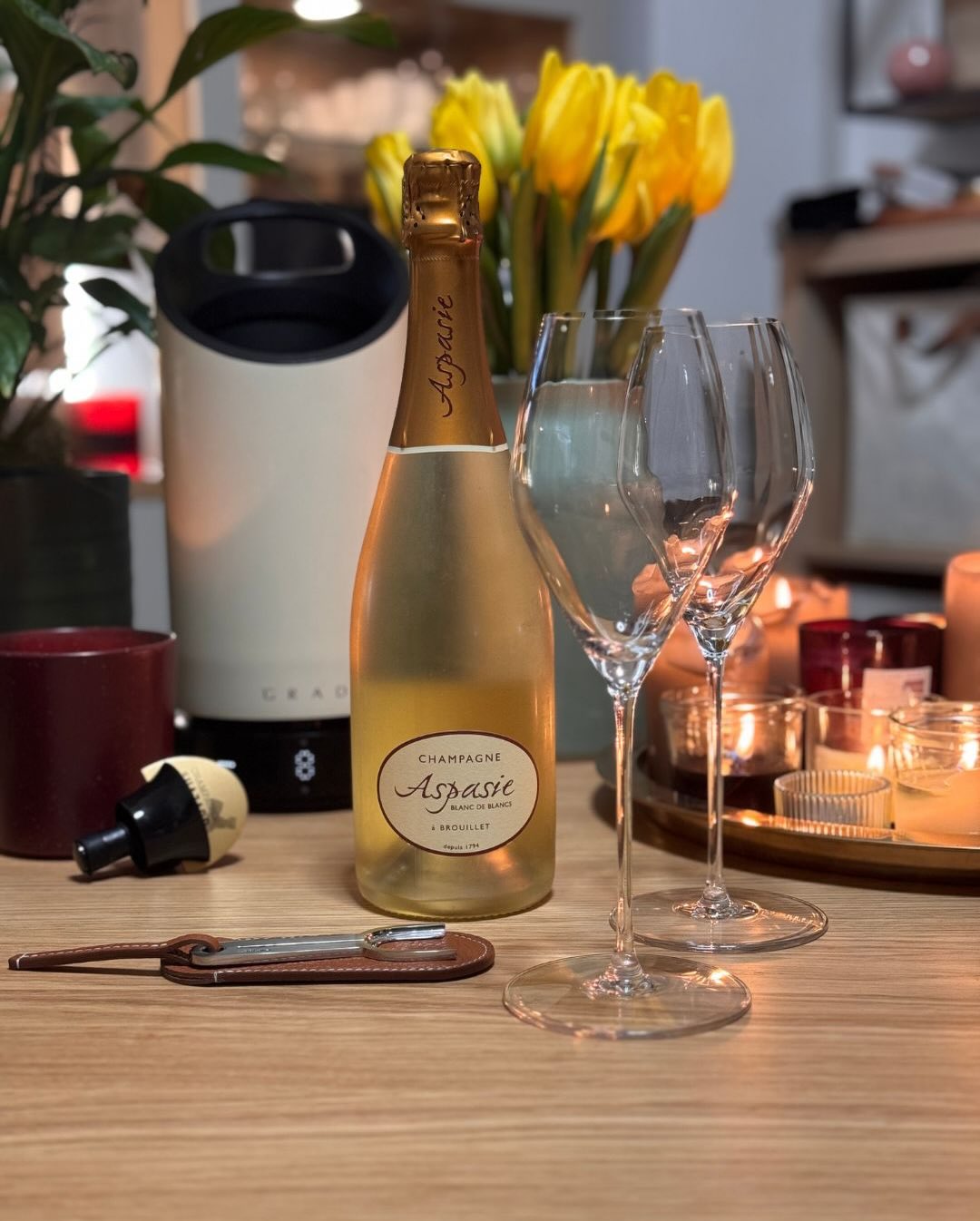
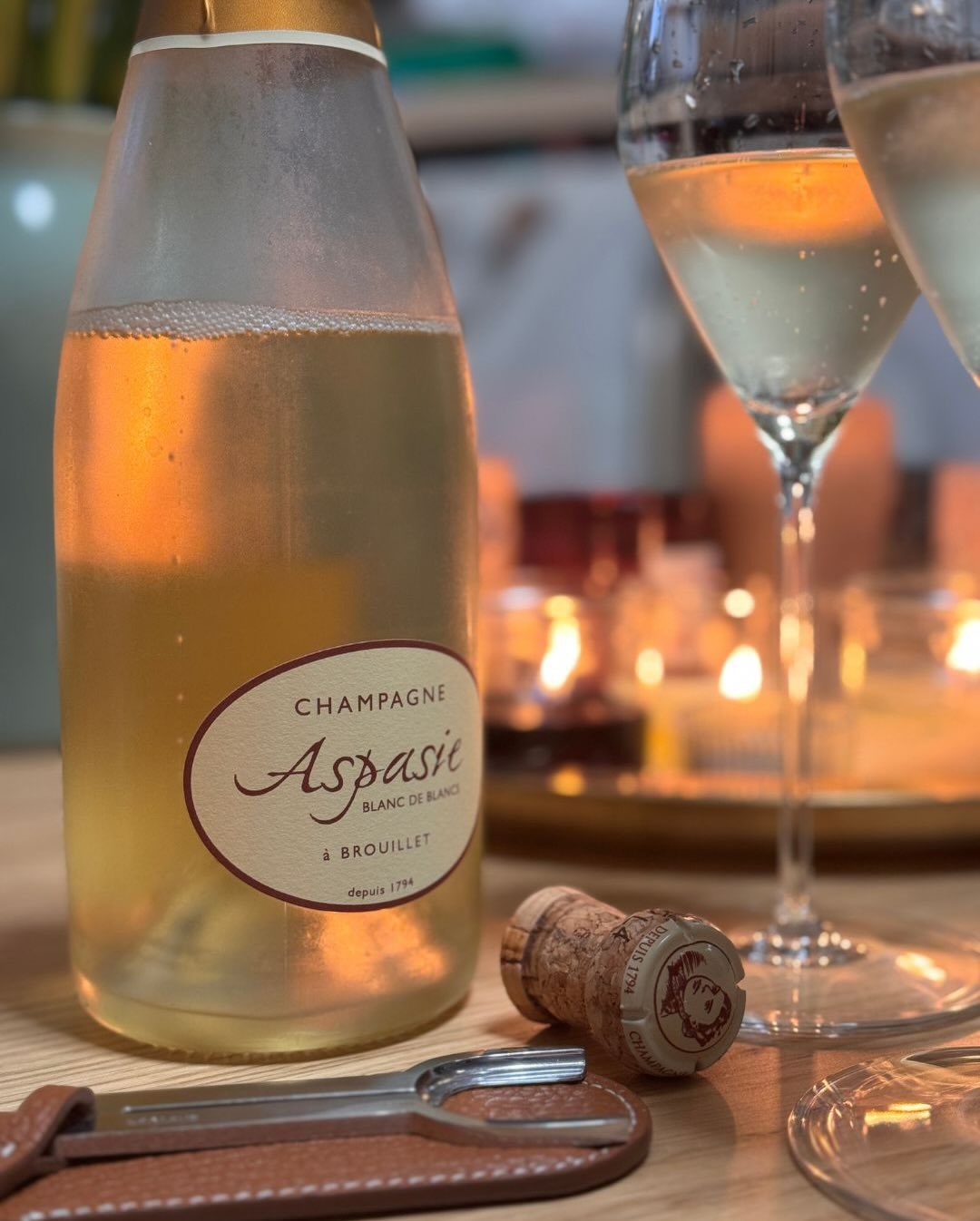
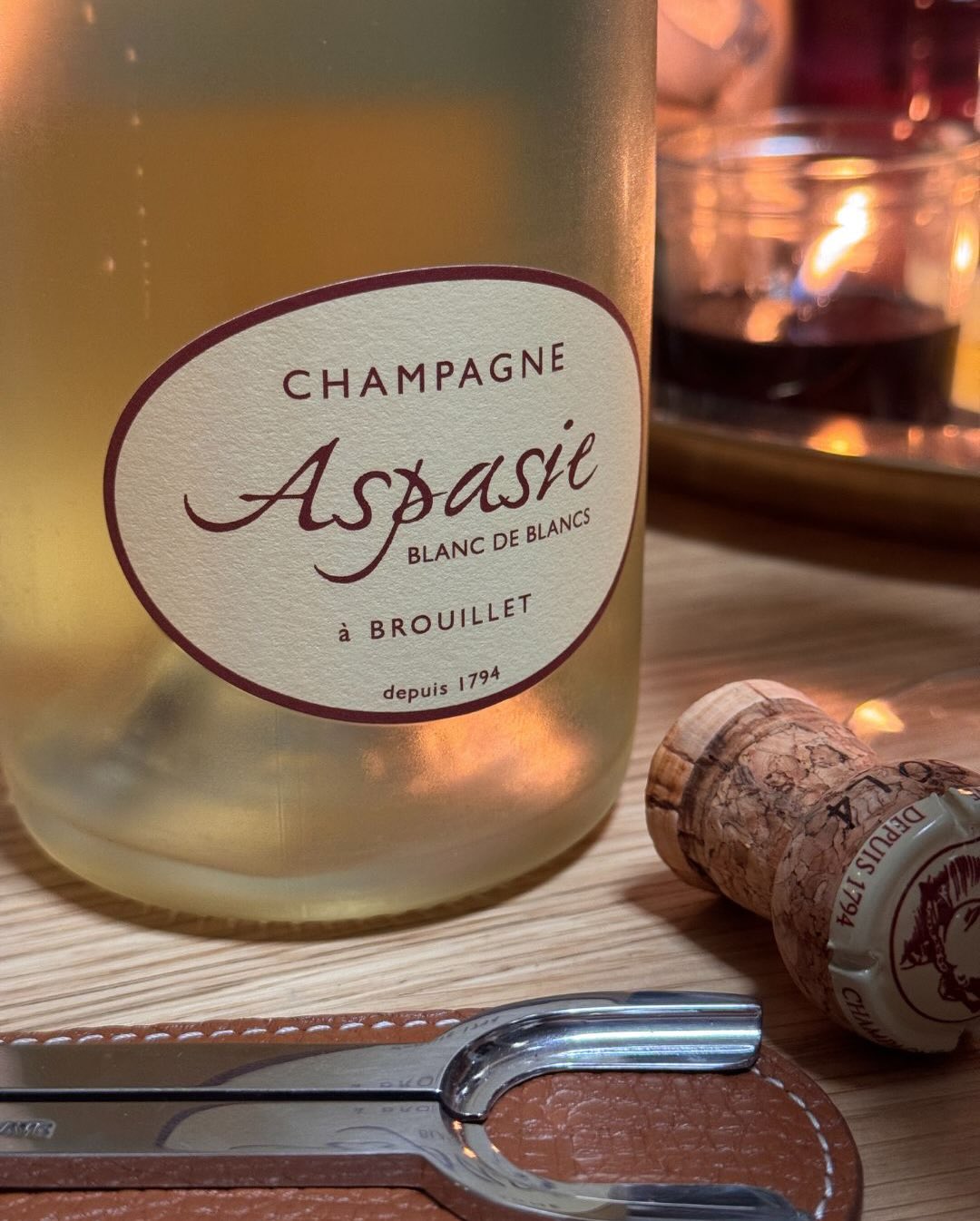
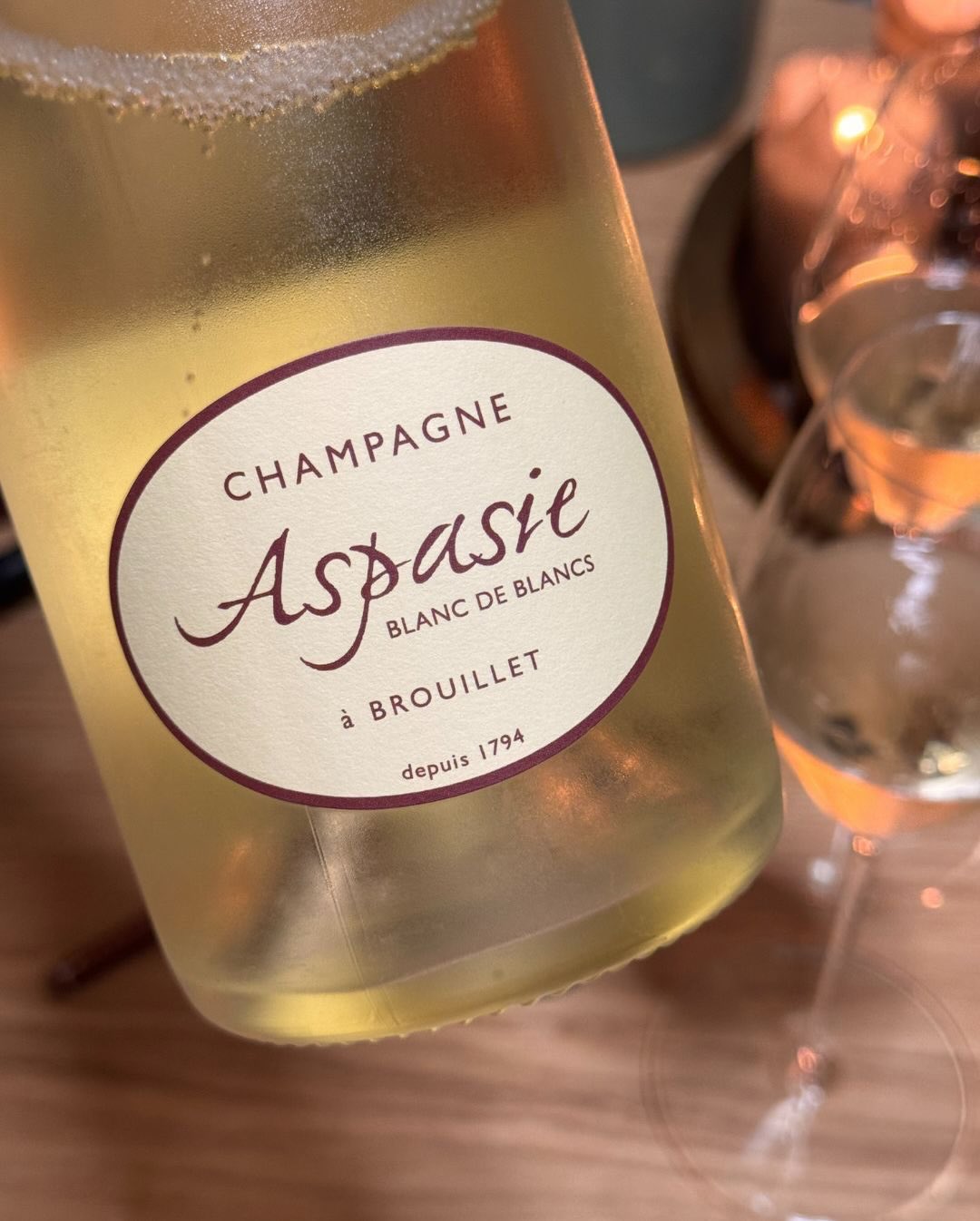
the_champagne.guy Mit dem Blanc de Blancs Brut von @champagneaspasie habe ich hier einen wirklich spannenden Exoten. Dieser Blanc de Blancs besteht zu 100 % aus Chardonnay von einem einzigen Cru, gelesen von alten Reben (Vieilles Vignes). Was mich bei Aspasie immer wieder beeindruckt, ist die Geduld: Der Wein bekommt satte 60 Monate (also 5 Jahre!) Zeit auf der Hefe, bevor er degorgiert wird. Zudem wird bei der Abfüllung nur mit minimaler Schwefelzugabe gearbeitet. Das familiengeführte Weingut von Vincent und @carolinearstn (mittlerweile in der 5. Generation) liegt in Brouillet, hoch oben im Vallée de l’Ardre. Diese kühle Region ist eigentlich die absolute Hochburg für Pinot Meunier. Aber Aspasie beweist hier eindrucksvoll, dass auf diesen Böden auch fantastischer Chardonnay wachsen kann! Im Glas zeigt sich dieser Blanc de Blancs extrem frisch und puristisch. In der Nase hat man sofort eine fast schon maritime Brise: Noten von jodhaltigem Kalkstein, feinen Akazienblüten und frischer Zitrone. Am Gaumen entwickelt er eine präzise, lebhafte Säure, die von einem herrlich salzigen, mineralischen Finish abgerundet wird. Champagne-Facts 🥂 🍇 100 % Chardonnay (Monocru, alte Reben) 📍 Terroir: Brouillet (Vallée de l’Ardre) 🕰 Ausbau: 60 Monate (5 Jahre) Hefelager 🍬 Dosage: Brut (ca. 6 g/l) Fazit: Ein maritimer, frischer und komplexer Blanc de Blancs, der zeigt, wie viel Potenzial in den kühleren Terroirs der Champagne steckt. Greift ihr bei Blanc de Blancs lieber zu den Klassikern von der Côte des Blancs oder probiert ihr auch gerne mal Chardonnays aus untypischeren Ecken? #TheChampagneGuy @riedel_official @grad.dk @grad_rd @laclaye #ChampagneAspasie #BlancDeBlancs #ValleeDeLArdre #GrowerChampagne
Auf Instagram weiterlesen →100% Chardonnay from old vines in Brouillet, 60 months lees aging. Extremely fresh, purist, almost maritime: iodized limestone, acacia blossoms, lemon. Precise acidity, salty mineral finish. A Monocru Chardonnay that shows the cool, chalk-dominated side of the Vallée de l'Ardre.
100% Chardonnay · 6 g/l Dosage · 60 months aging · Brouillet, Monocru, Vieilles Vignes
Brut Millésimé 2013 & 2012
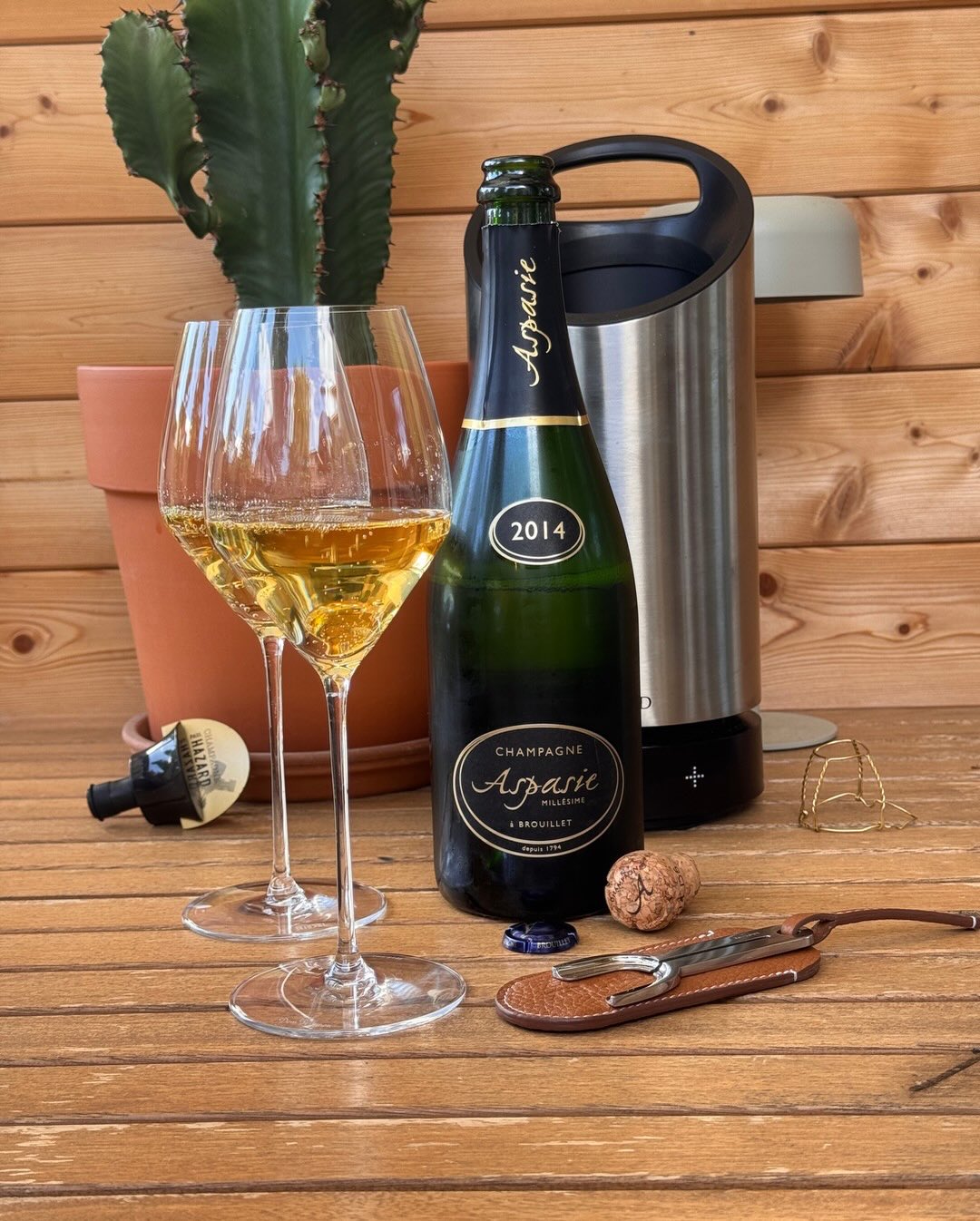
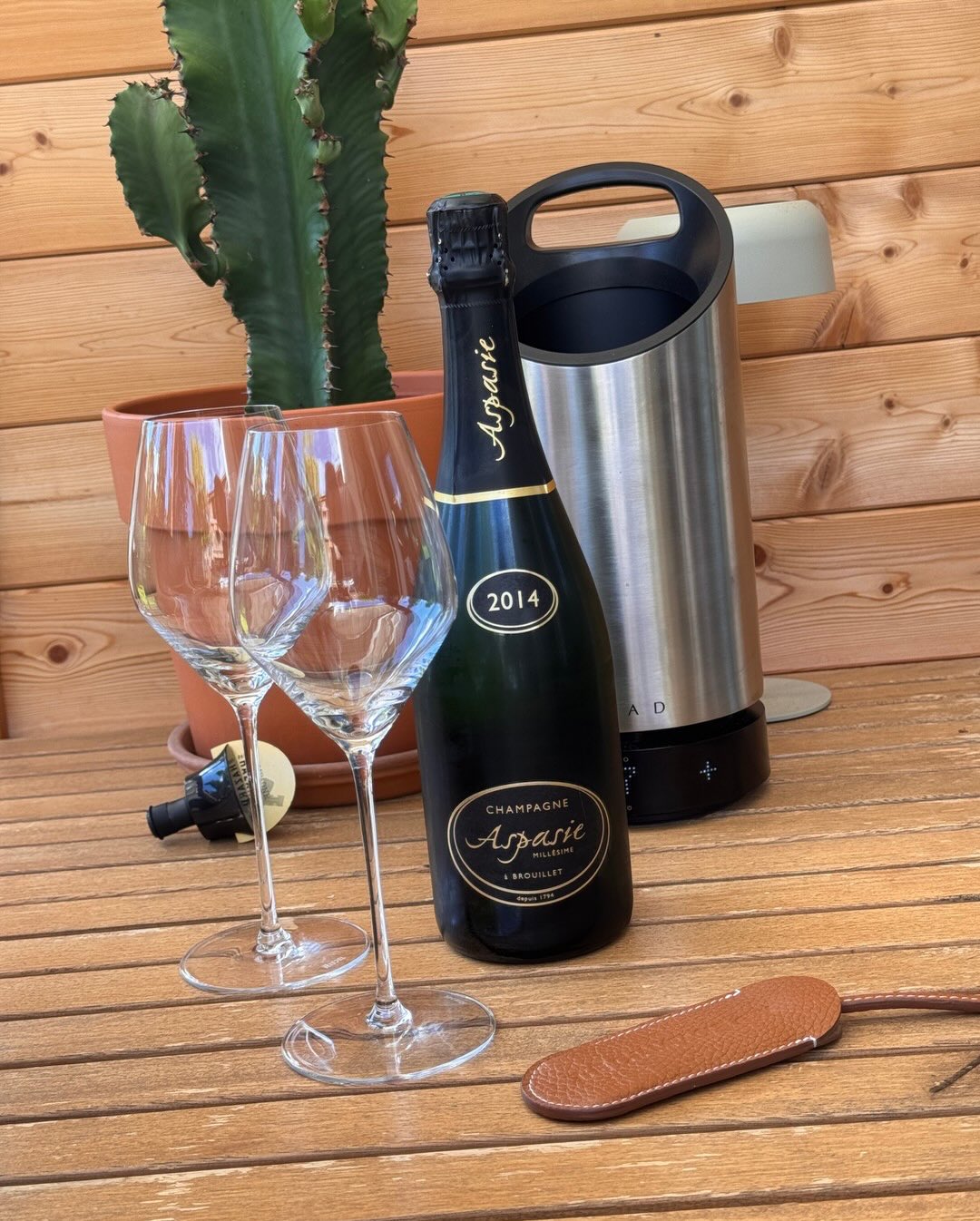
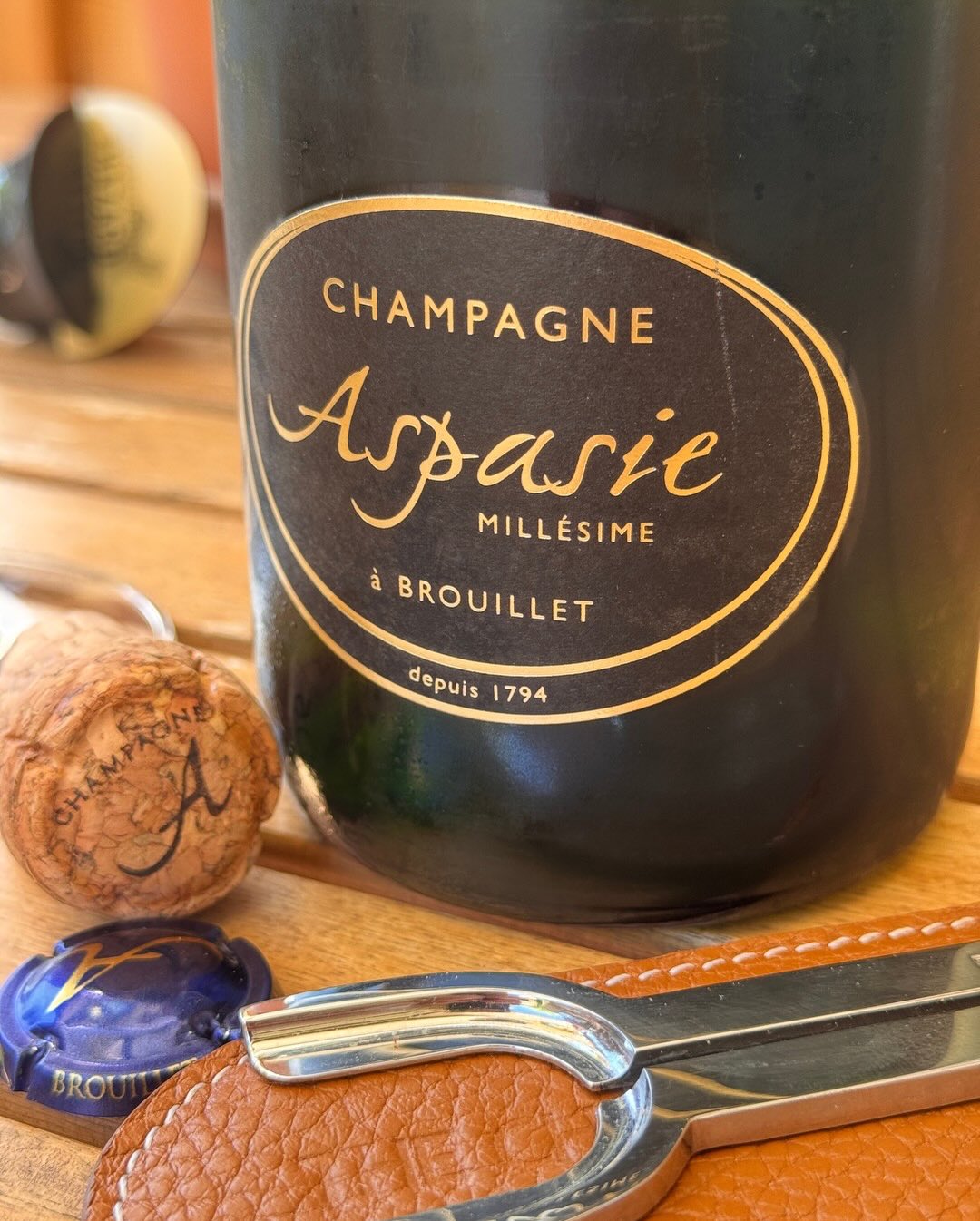
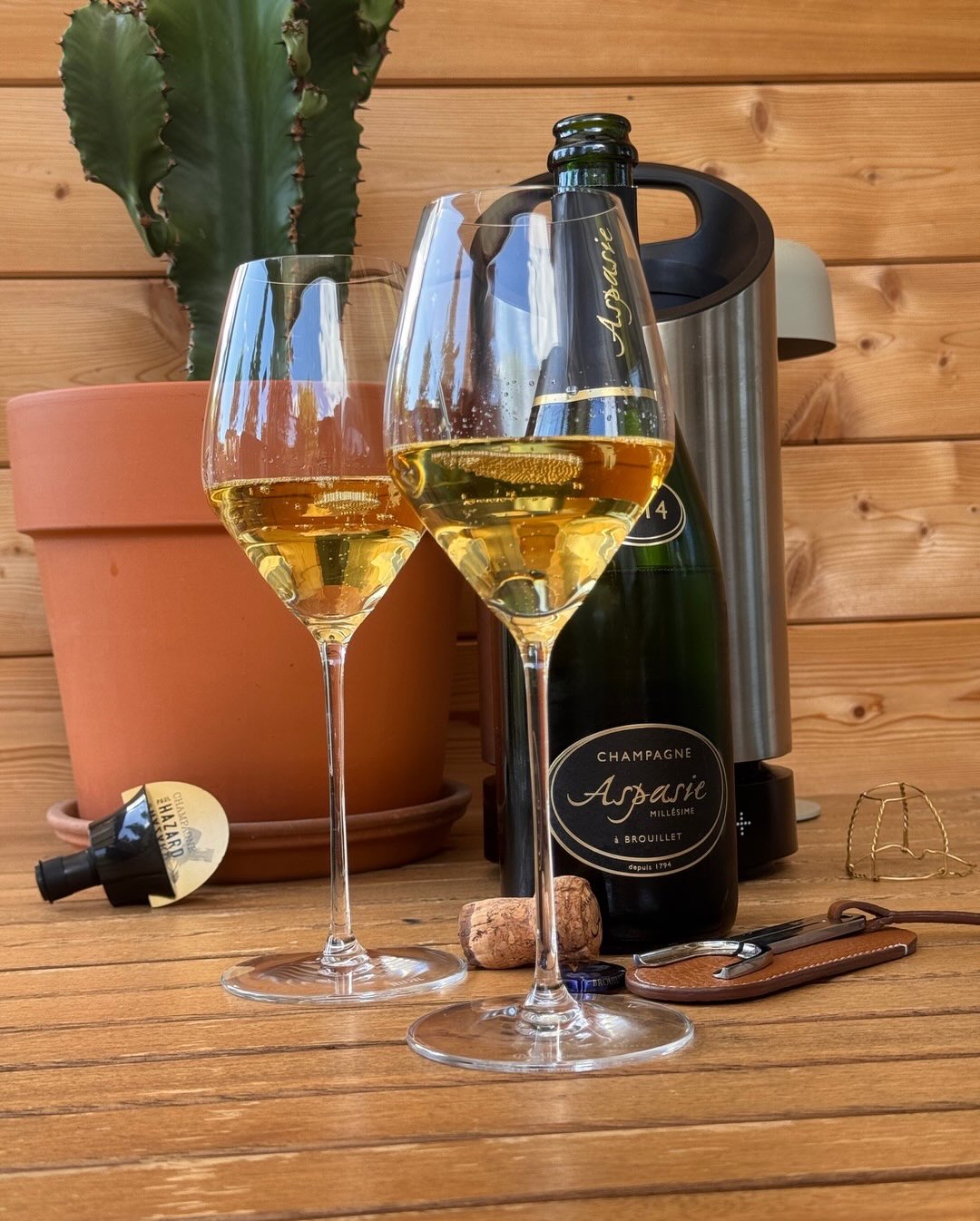
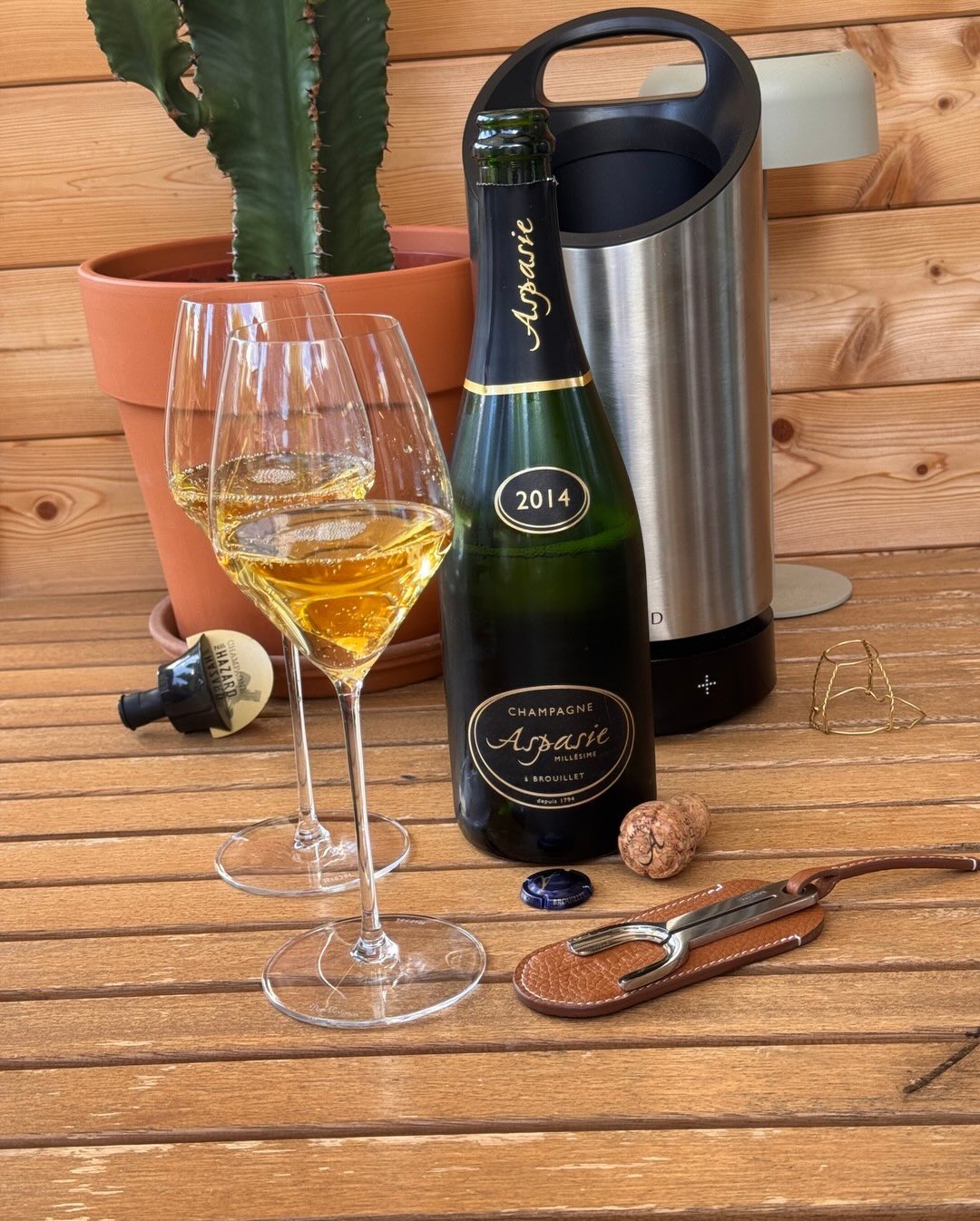
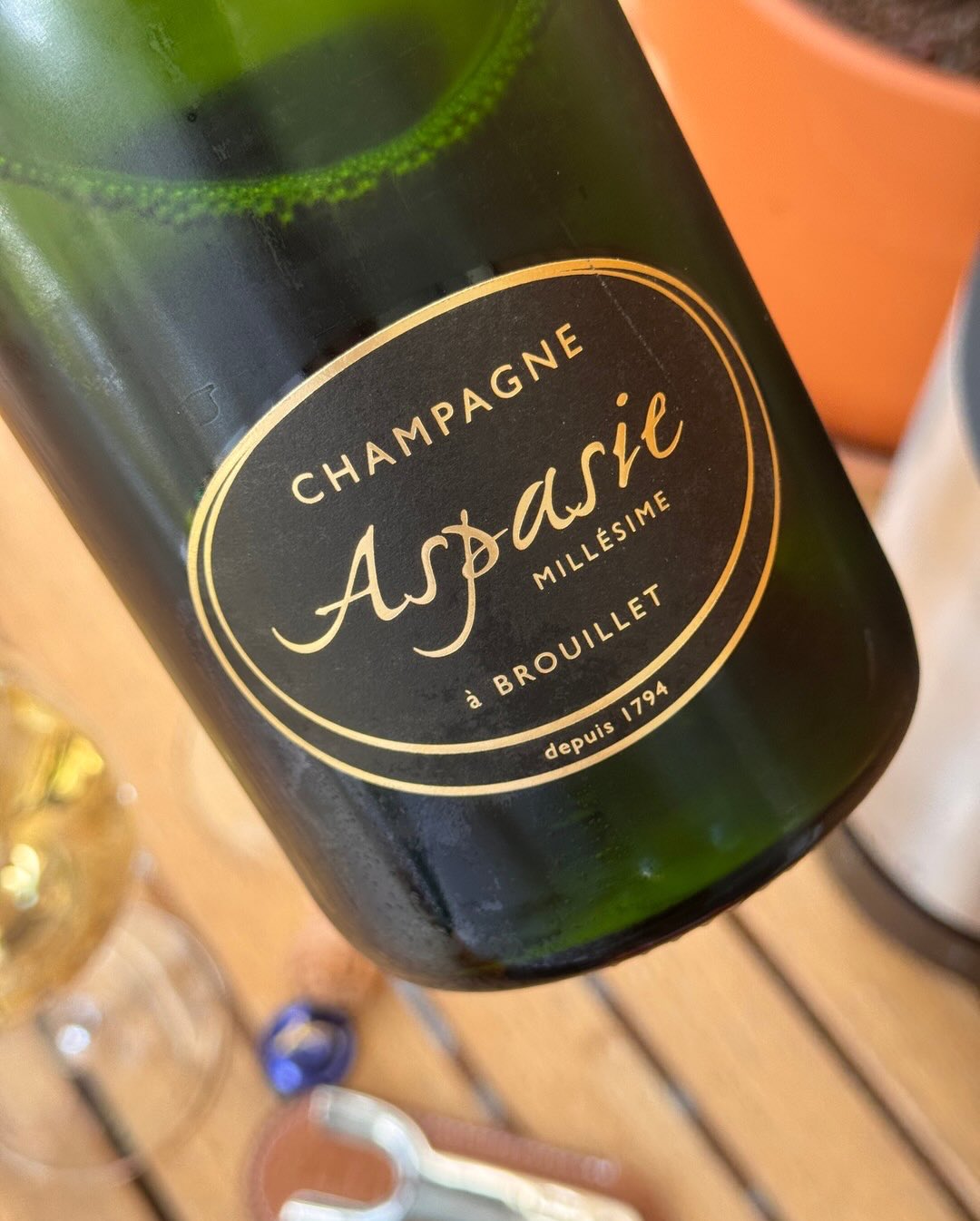
the_champagne.guy Teil zwei des Vintage-Vergleichs. Gleicher Winzer, ein Jahr später, was man im Glas sofort merkt. Wo der 2013er zitrisch und straff war, kommt der Millésime 2014 von @champagneaspasie deutlich wärmer und konzentrierter rüber. Ein heißeres Jahr, das sich nicht verstecken lässt. Weniger die kühle Eleganz des Vorjahres, dafür mehr Druck und Frucht-Dichte. 🏆 Jahrgang: 2014 🥂 Dosage: Brut 📍 Lage: Brouillet, Vallée de l’Ardre 💡 Charakter: warm, konzentriert, dicht Genau das macht so ein direktes Doppel-Tasting spannend: identisches Haus, identische Lagen, identische Handschrift und trotzdem zwei klar unterschiedliche Weine, nur weil das eine Jahr kühl und das andere warm war. Vintage-Champagner macht das sichtbar wie selten ein Wein sonst. Getrunken habe ich beide aus meinen @riedel_official Dom Pérignon Gläsern die ich gerne für Jahrgänge einsetze. In diesem Vergleich hat für mich klar der 2013er gewonnen. Er bleibt der Liebling, weil Spannung > Wucht. Aber der 2014er zeigt eindrucksvoll, wie flexibel diese Drittel-Assemblage auf Jahrgänge reagiert. #Vintage2014 @riedelteam_france @laclaye @grad.dk @grad_rd #ValleeDeLArdre #Aspasie #VintageVergleich #TheChampagneGuy
Auf Instagram weiterlesen →Two vintage champagnes, for which details on Assemblage, Dosage and aging duration have not yet been verified. The 2012 and 2013 vintages are considered contrasting in Champagne: 2012 tense and precise, 2013 ripe and approachable.
Brut Prestige
A Cuvée with Rondeur, notes of dried fruits, subtle aromas of acacia and butter. The exact Assemblage and vinification are open, presumably with wood component and longer lees aging.
Brut de Fût
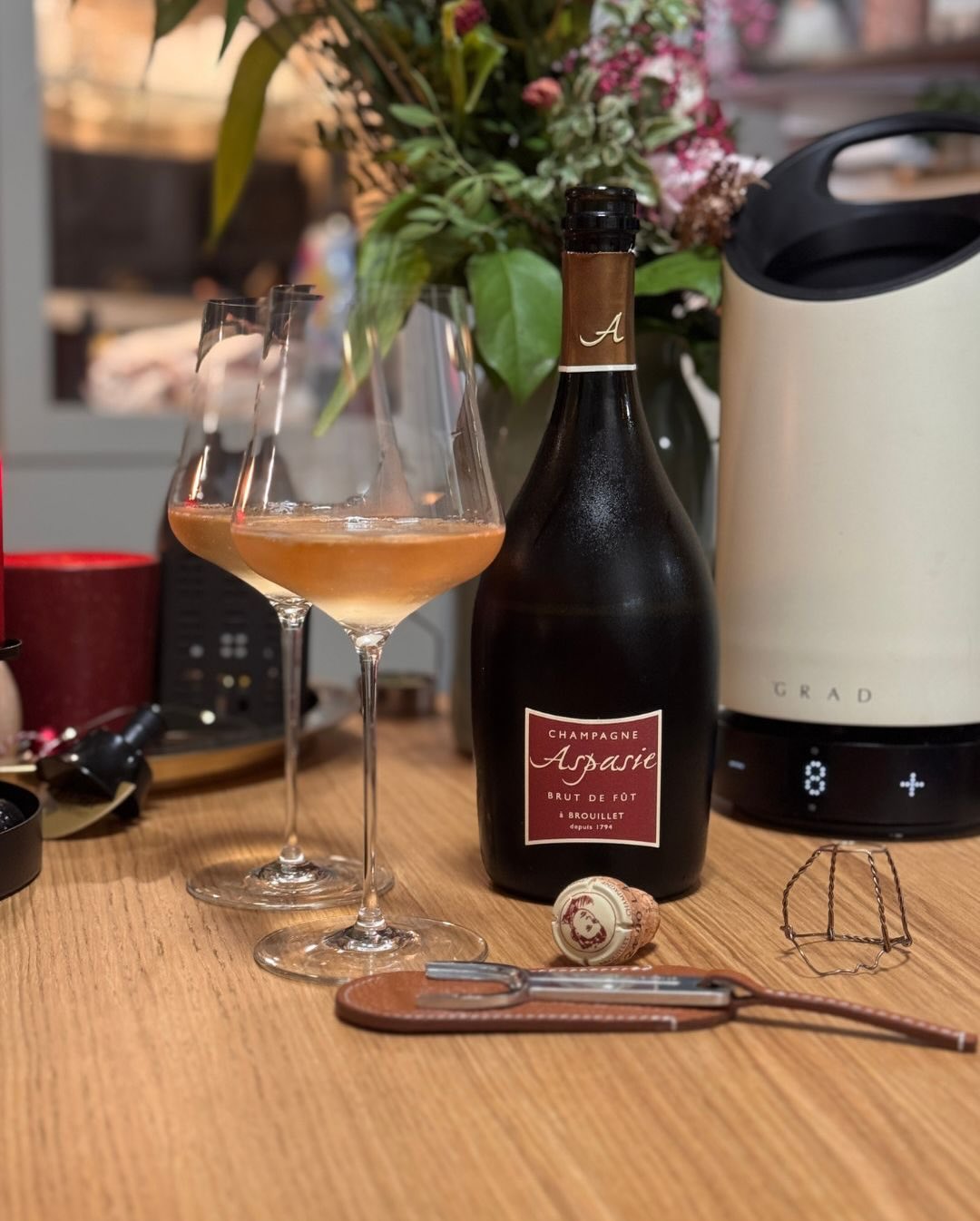
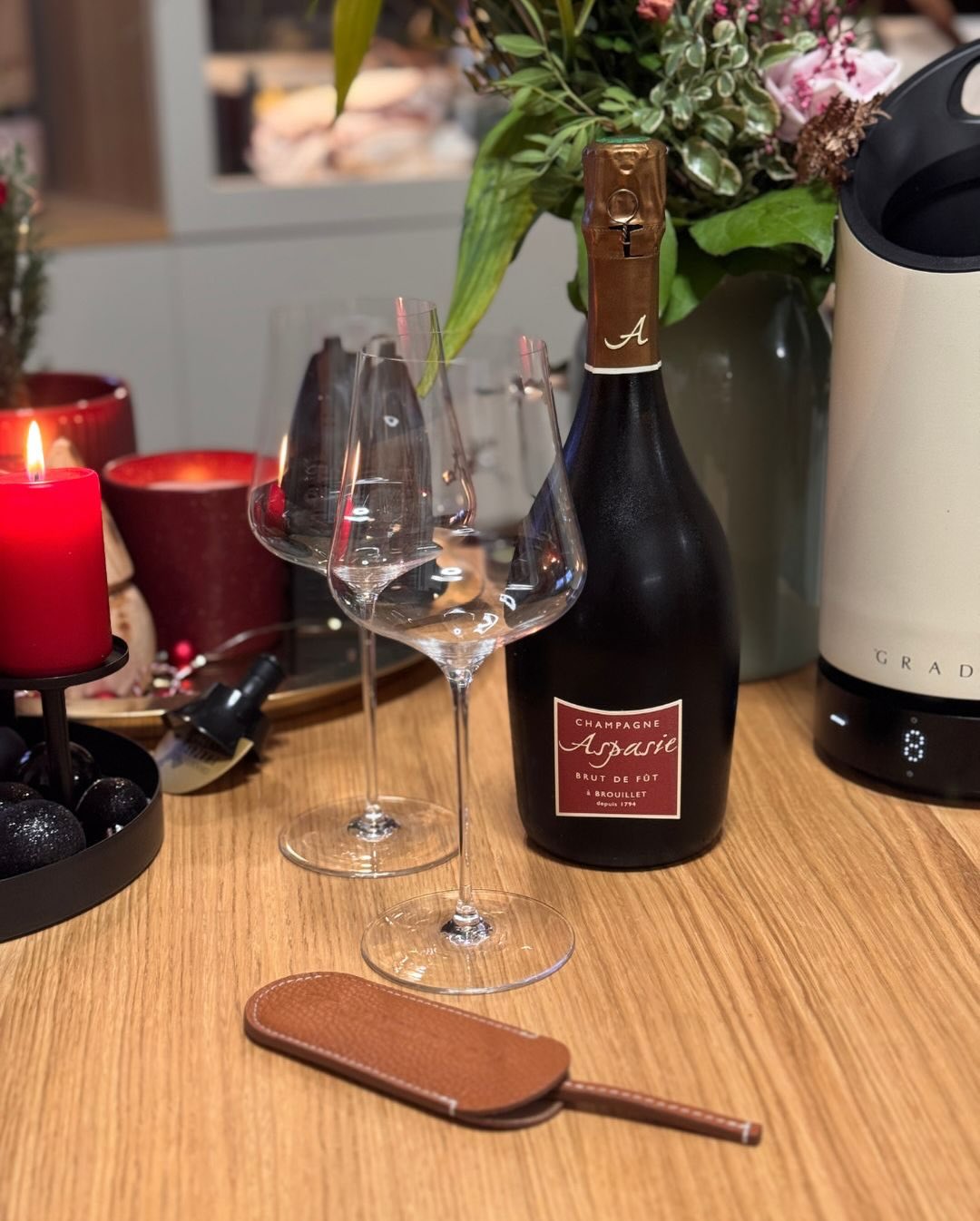
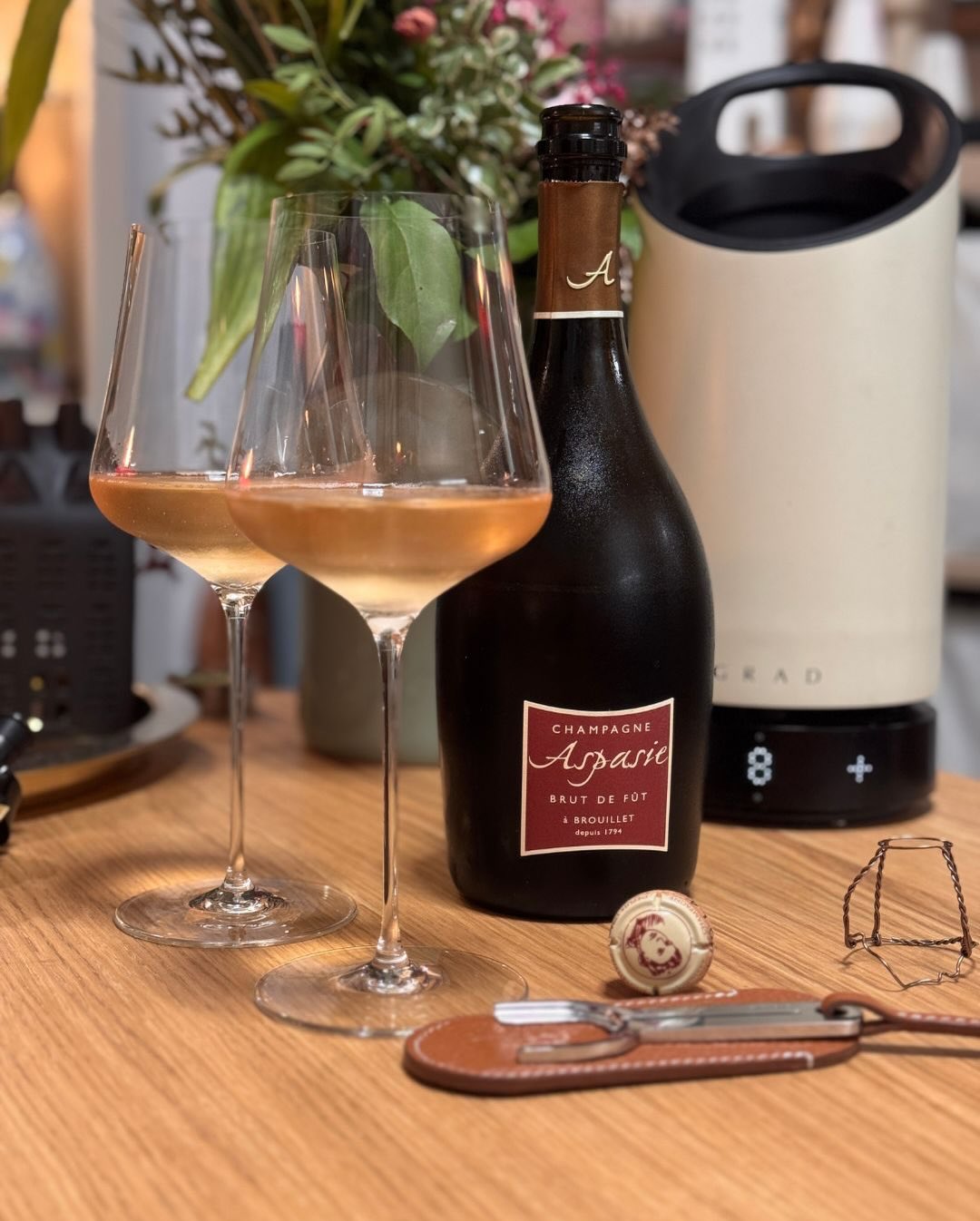
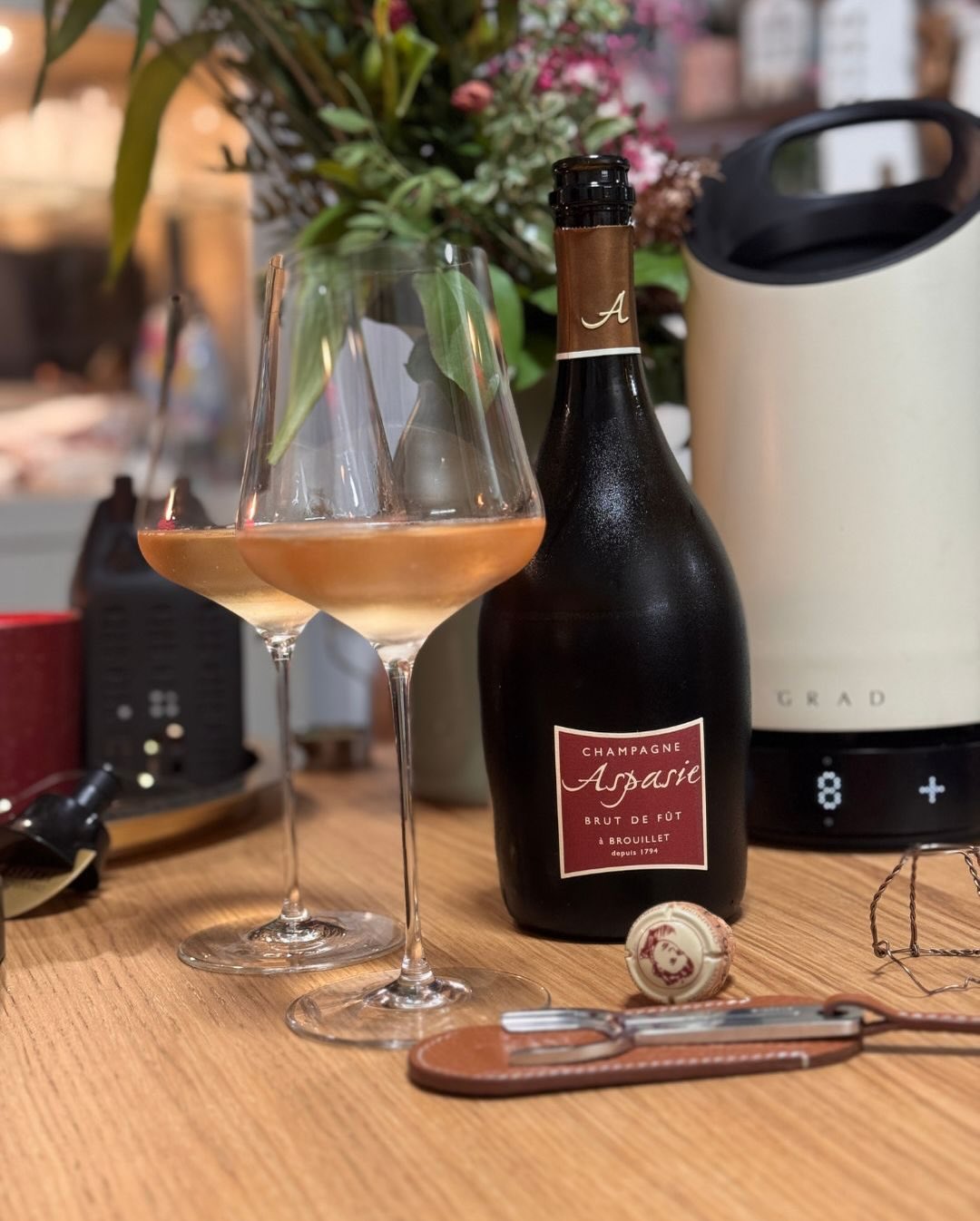
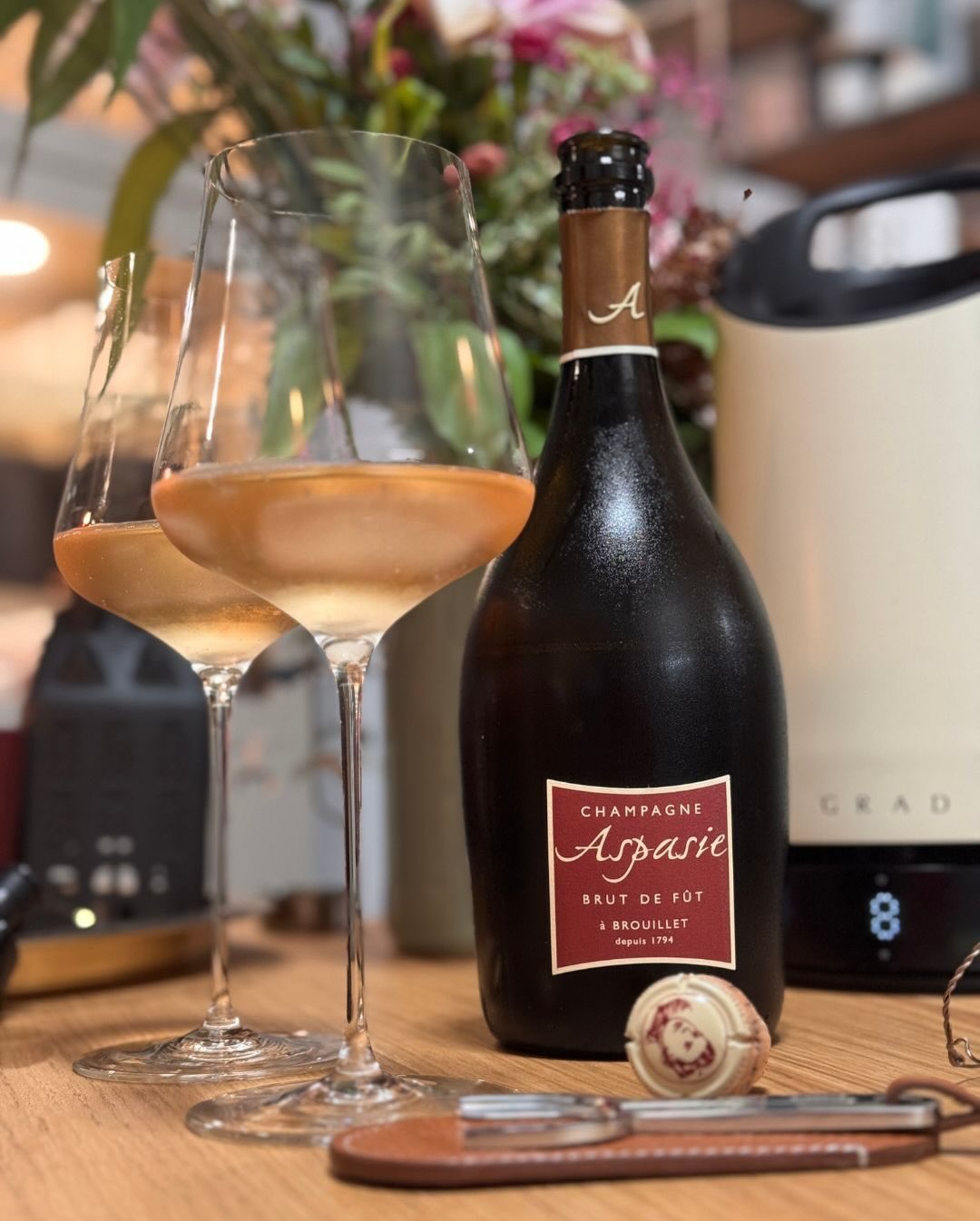
the_champagne.guy Der Brut de Fût von @champagneaspasie , den wir gestern geöffnet haben, ist warm, strukturiert, leicht würzig, mit dieser typischen Fassnote, die schön elegant mitschwingt. Eine Flasche, die sich von den bisherigen Flaschen von Aspasie, die ich bisher probiert habe, abhebt. Schon in der Nase diese Mischung aus Birne, Vanille, etwas Holz, gerösteten Haselnüssen und einem Hauch Rauch. Nicht Überzeichnet aber doch schön präsent, mit einer ruhigen Wärme, die sich langsam entfaltet. Im Gaumen erstaunlich cremig: rund, würzig, weich, mit perfekter Balance zwischen Frucht, Holz und Mineralität. Das Barrique macht ihn nicht schwer, sondern gibt ihm Tiefe. Der Brut de Fût ist einer dieser Weine, die sich Schluck für Schluck verändern und entwickeln. Mich hat vor allem diese Mischung aus Wärme und Frische überrascht. Holz, ja – aber fein. Struktur, ja – aber zugänglich. Hier wirkt der Ausbau im Holz nicht anstregend oder zu komplex sondern schön ausgewogen. Champagne-Facts 🥂 Assemblage: 50 % Chardonnay · 25 % Pinot Noir · 25 % Meunier 🪵 Vinifikation: 100 % Eichenfass · spontan vergoren · keine Schönung · minimale Filtration 🕰 Hefelager: ca. 4–5 Jahre 🍬 Dosage: Brut (~6–8 g/l) 🍇 Herkunft: Monocru aus den ältesten Weinbergen des Hauses Ich bin auf jeden Fall gespannt auf die weiteren Flaschen die ich von Aspasie noch im Keller habe. #TheChampagneGuy @gabriel_glas @grad.dk @laclaye #Aspasie #BrutDeFut #ChampagneAspasie #OakAgedChampagne #BarriqueChampagne #ChampagneMoments #ChampagneVibes
Auf Instagram weiterlesen →The artisanal pinnacle of the house: 50% Chardonnay, 25% Pinot Noir, 25% Meunier, exclusively from the oldest parcels. 100% Barrique aging, spontaneously fermented, no fining, minimal filtration. 48 months aging. Warm, structured, spicy: pear, vanilla, roasted hazelnuts, smoke. Creamy, round, perfect balance between fruit, wood and acidity.
50% Chardonnay · 25% Pinot Noir · 25% Meunier · 7 g/l Dosage · 48 months aging · Monocru, oldest vineyards
Cépages d'Antan
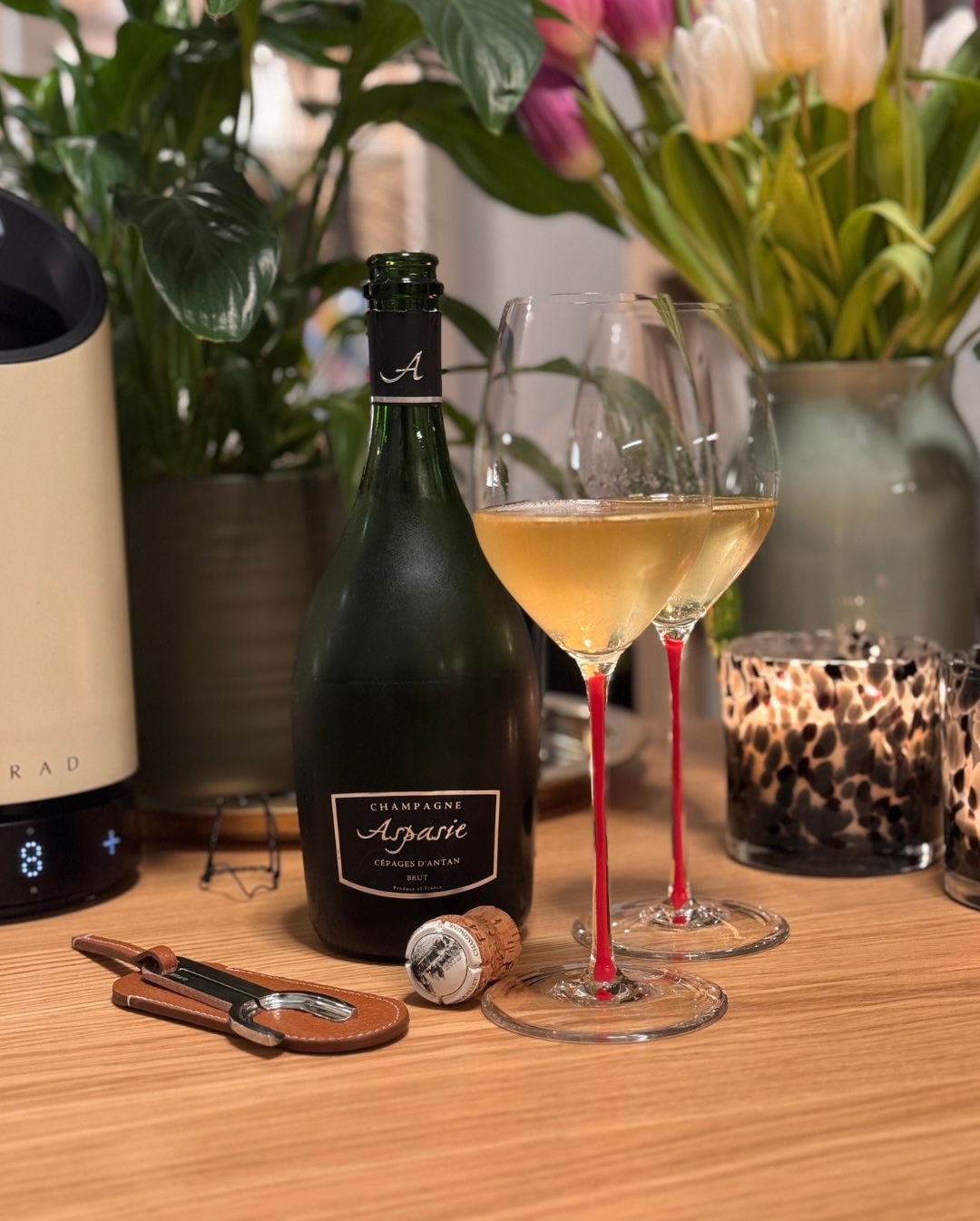
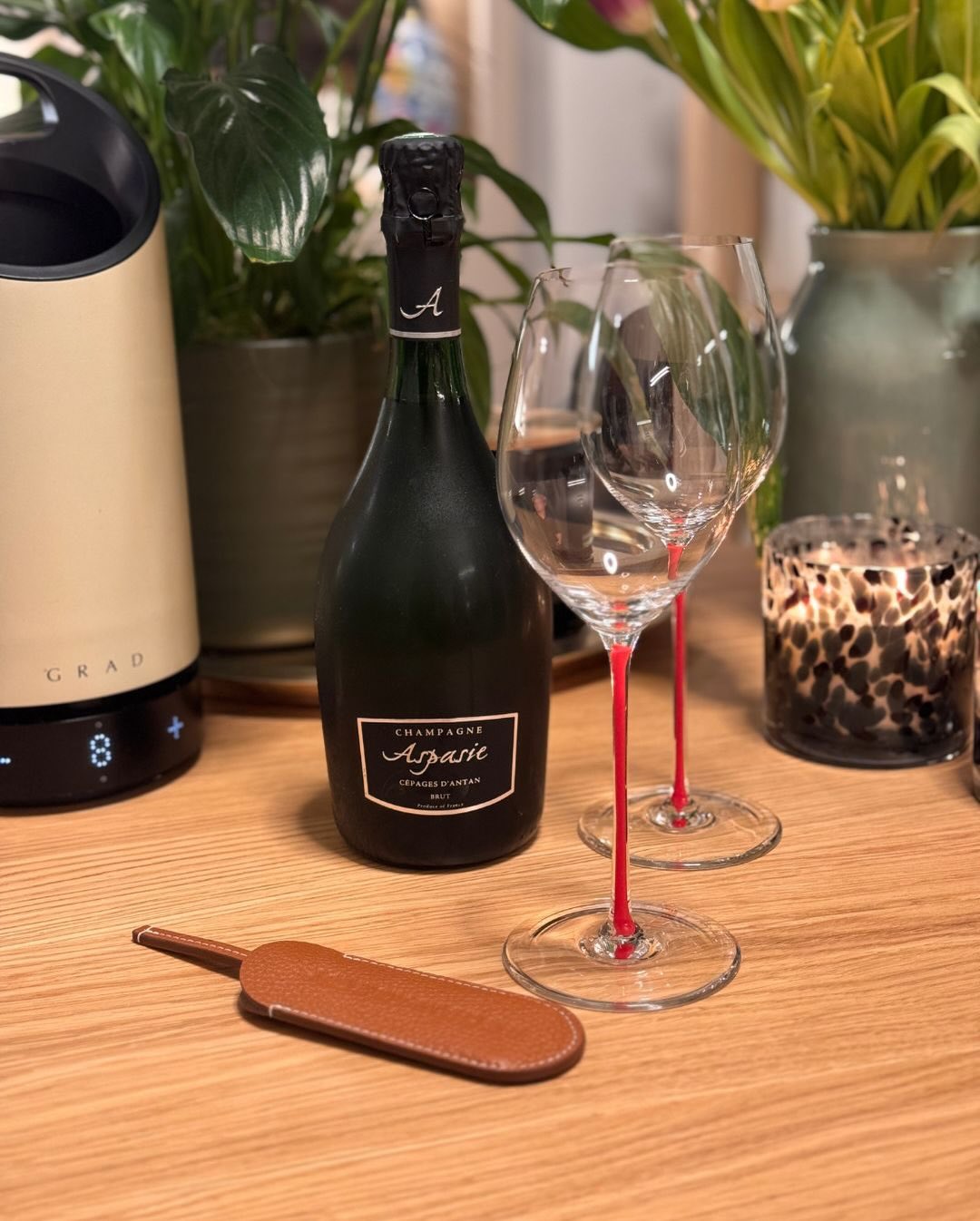
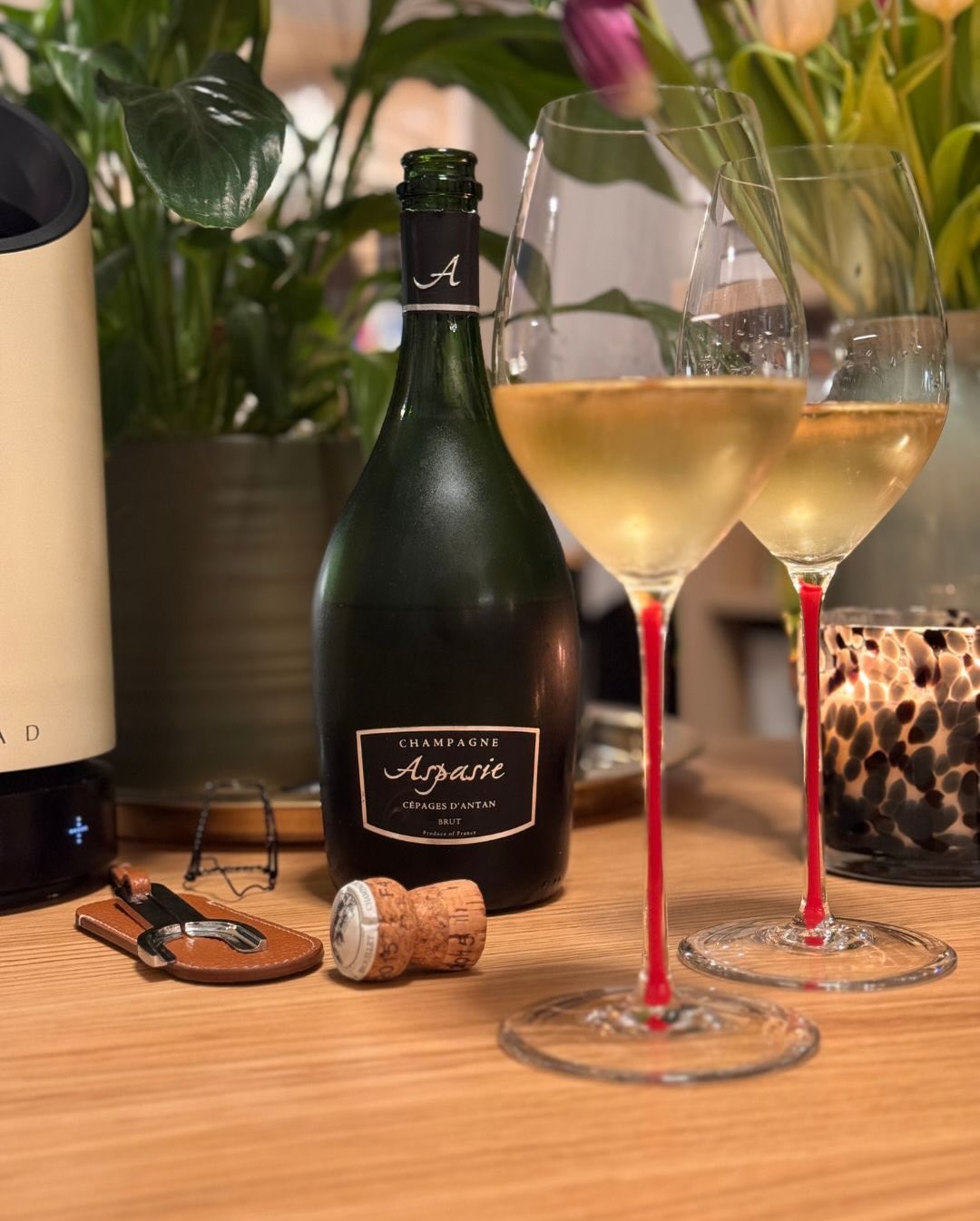
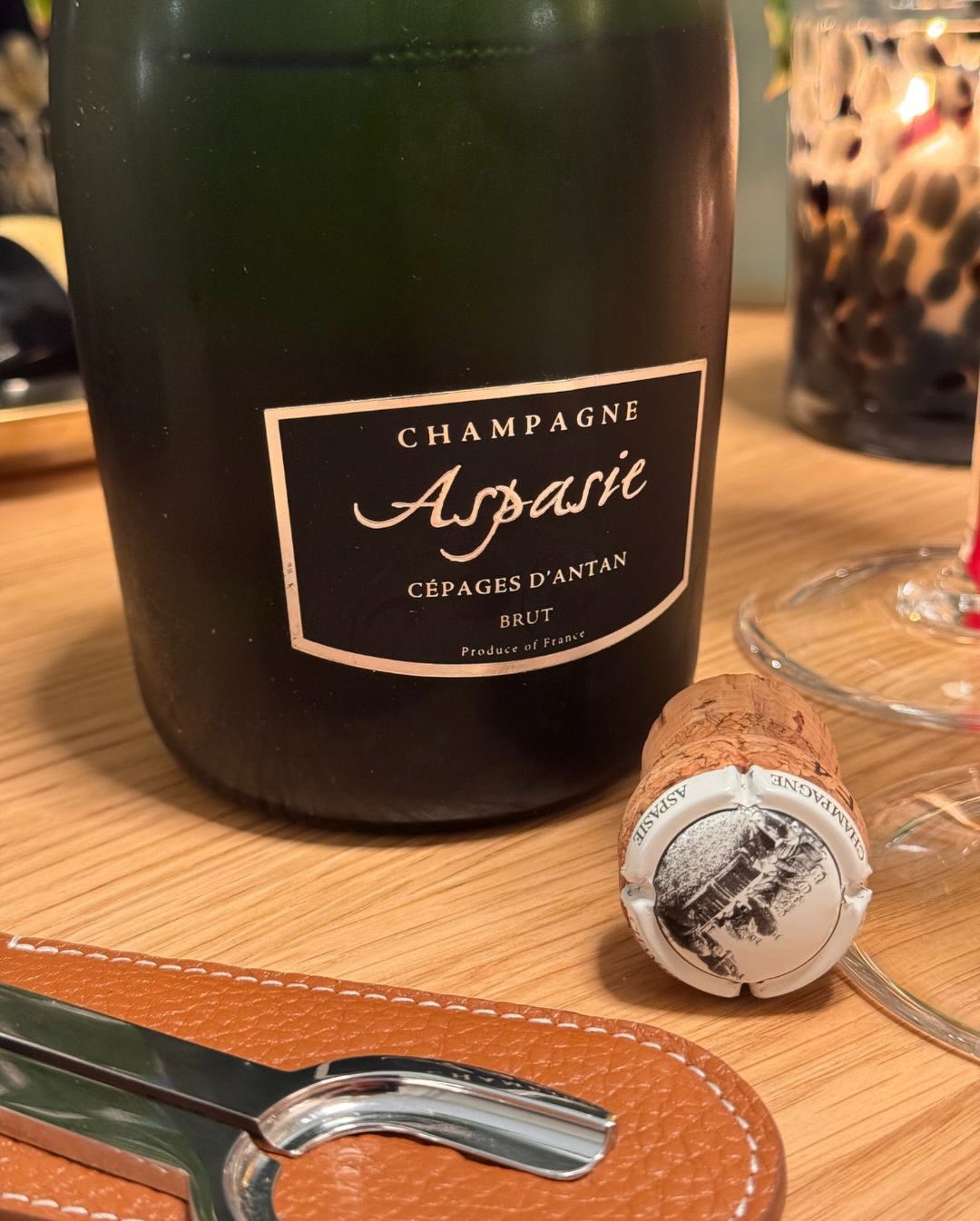
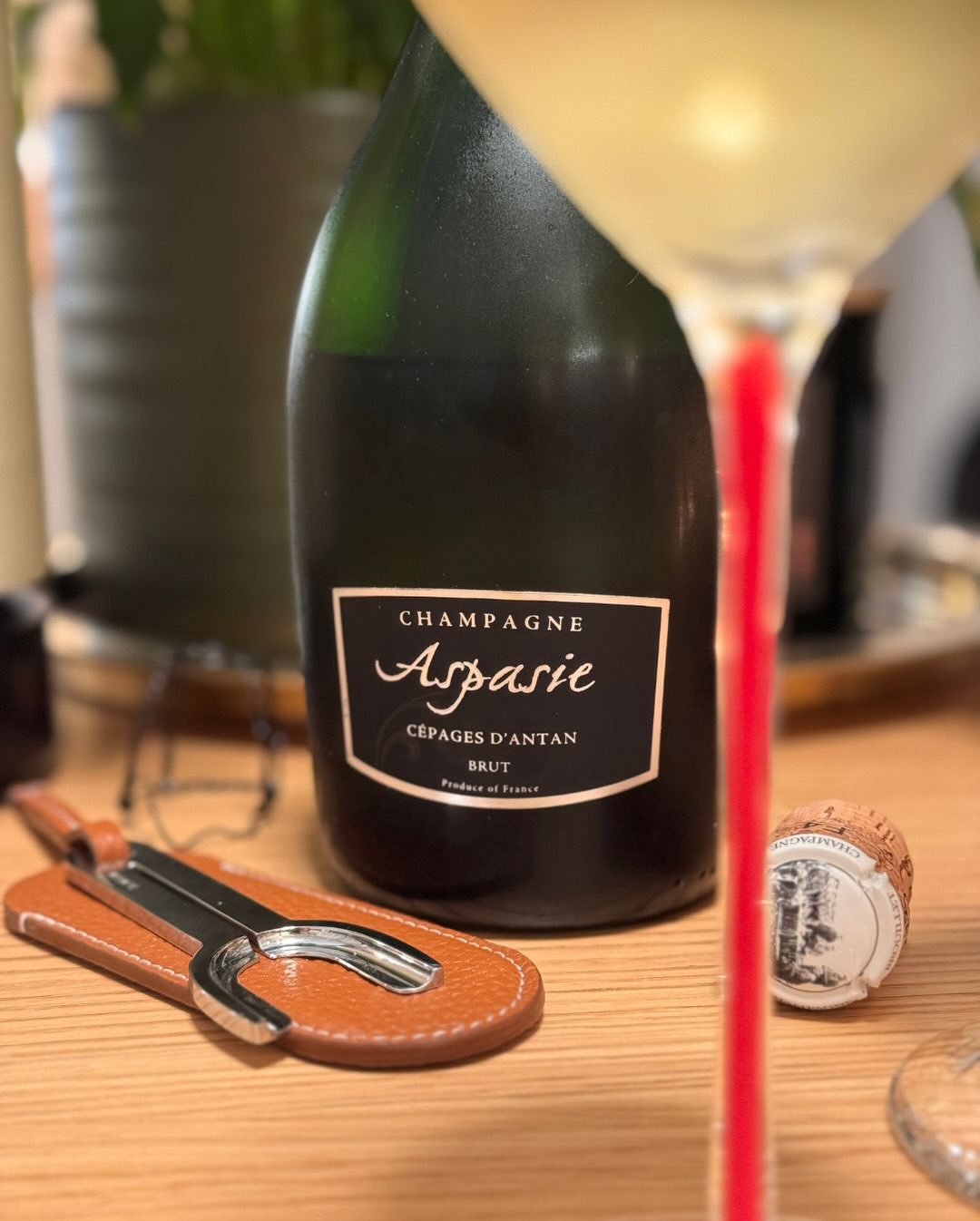
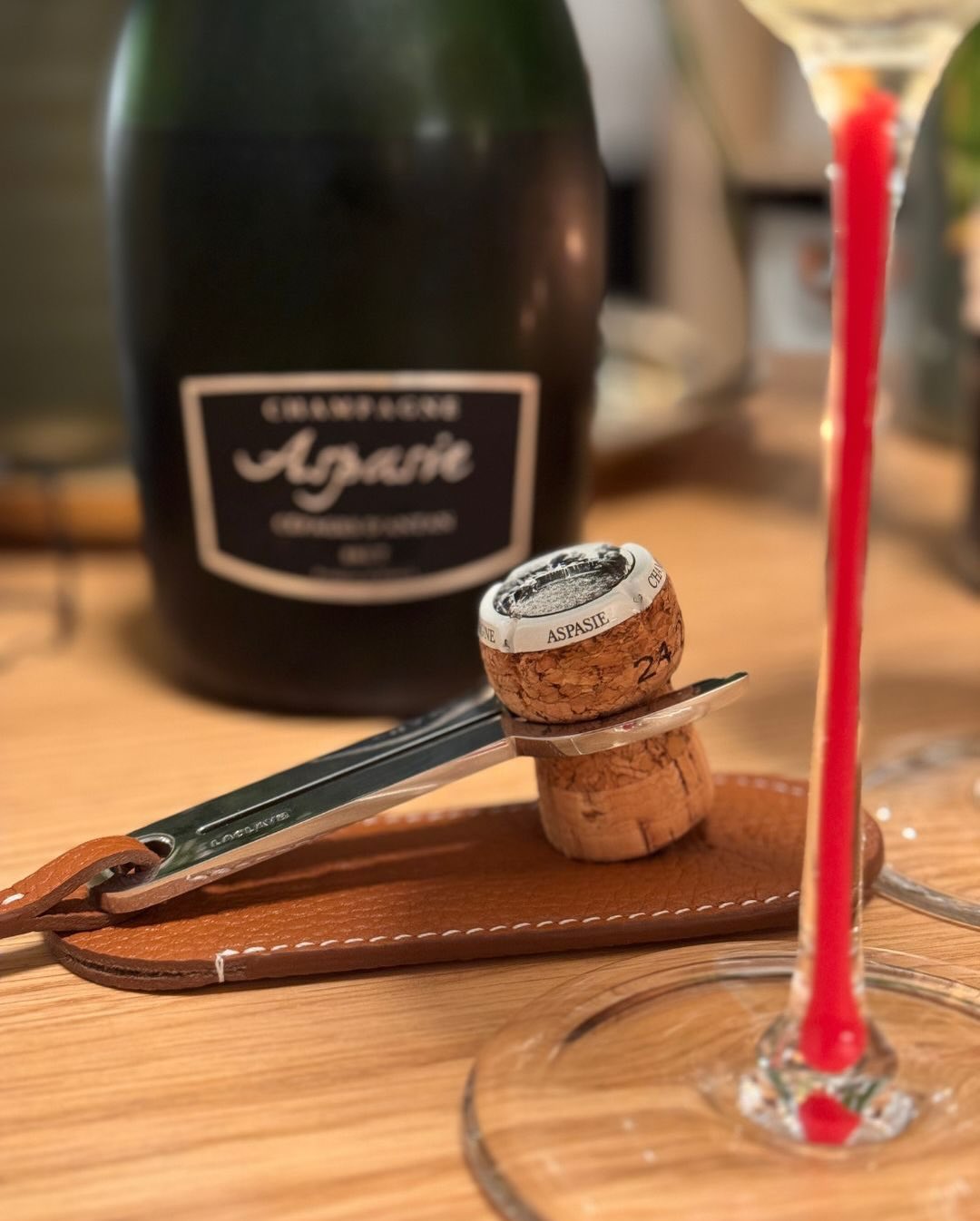
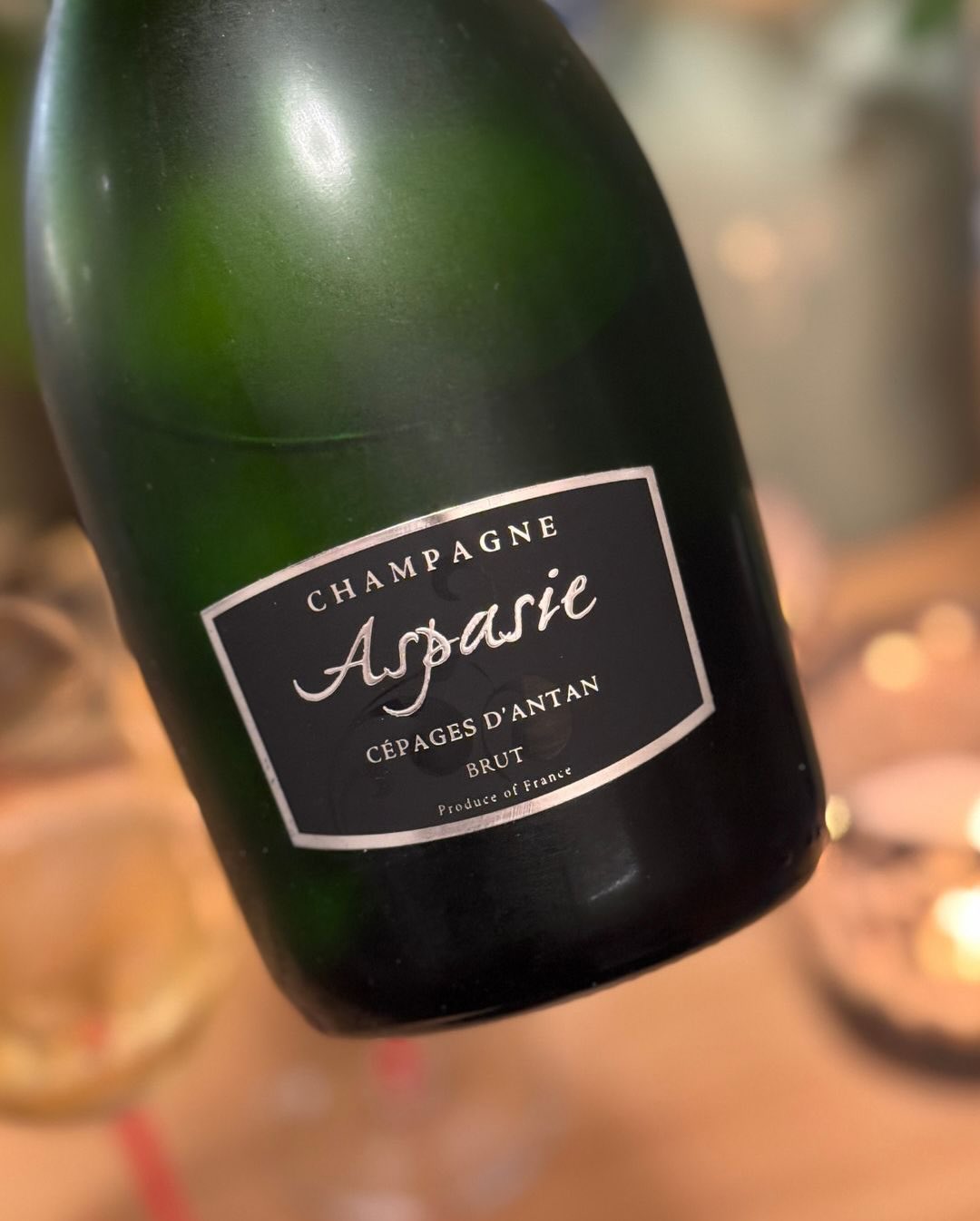
the_champagne.guy Heute gibt es mit dem Cépages d’Antan von @champagneaspasie mal einen kleinen Exkurs abseits von Chardonnay, Pinot Noir und Pinot Meunier. Hier geht es nicht um die großen Drei der Champagne, sondern um die fast vergessenen weißen Rebsorten: Arbane, Petit Meslier und Pinot Blanc. Es ist faszinierend, wie Paul-Vincent Ariston diese Raritäten aus einem einzigen Jahr zu so einem kompakten Erlebnis formt. In der Nase ist das erst mal angenehm ungewohnt – fast etwas erdig, mit Noten von frischem Ingwer, Zitrone und Pomelo. Am Gaumen zeigt er sich dann herrlich geradlinig und frisch mit einer präzisen Zitrus-Säure. Wer auf kreidige Mineralität und die kühle Frische von aromatischen Kräutern steht, wird diese Flasche garantiert feiern. Champagne-Facts 🍇 40% Arbane · 40% Petit Meslier · 20% Pinot Blanc 🪵 Trauben aus einem einzigen Jahrgang 🕰 Lange Reife auf der Hefe 🍬 Brut 📍 Brouillet · Vallée de la Marne Fazit: Ein absolutes Must-have für Rebsorten-Nerds und alle, die den Horizont jenseits von Chardonnay und Pinot erweitern wollen. Komplex, kräuterig und messerscharf. #TheChampagneGuy @riedel_official @grad.dk @laclaye #ChampagneAspasie #CepagesDAntan #RareGrapes #GrowerChampagne
Auf Instagram weiterlesen →40% Arbane, 40% Petit Meslier, 20% Pinot Blanc, a tribute to the nearly forgotten champagne grape varieties. Earthy, fresh ginger, lemon, pomelo. Straightforward, fresh, precise citrus acidity, chalky minerality, cool herbal freshness. A vintage champagne that combines historic heritage with modern vinification.
40% Arbane · 40% Petit Meslier · 20% Pinot Blanc · Brut Millésimé · Brouillet, Vallée de la Marne
My Tastings
- Blanc de Blancs Brut · March 13, 2026
- Cépages d'Antan · February 5, 2026
- Brut de Fût · December 8, 2025
- Réserve Brut · November 14, 2025
Facts
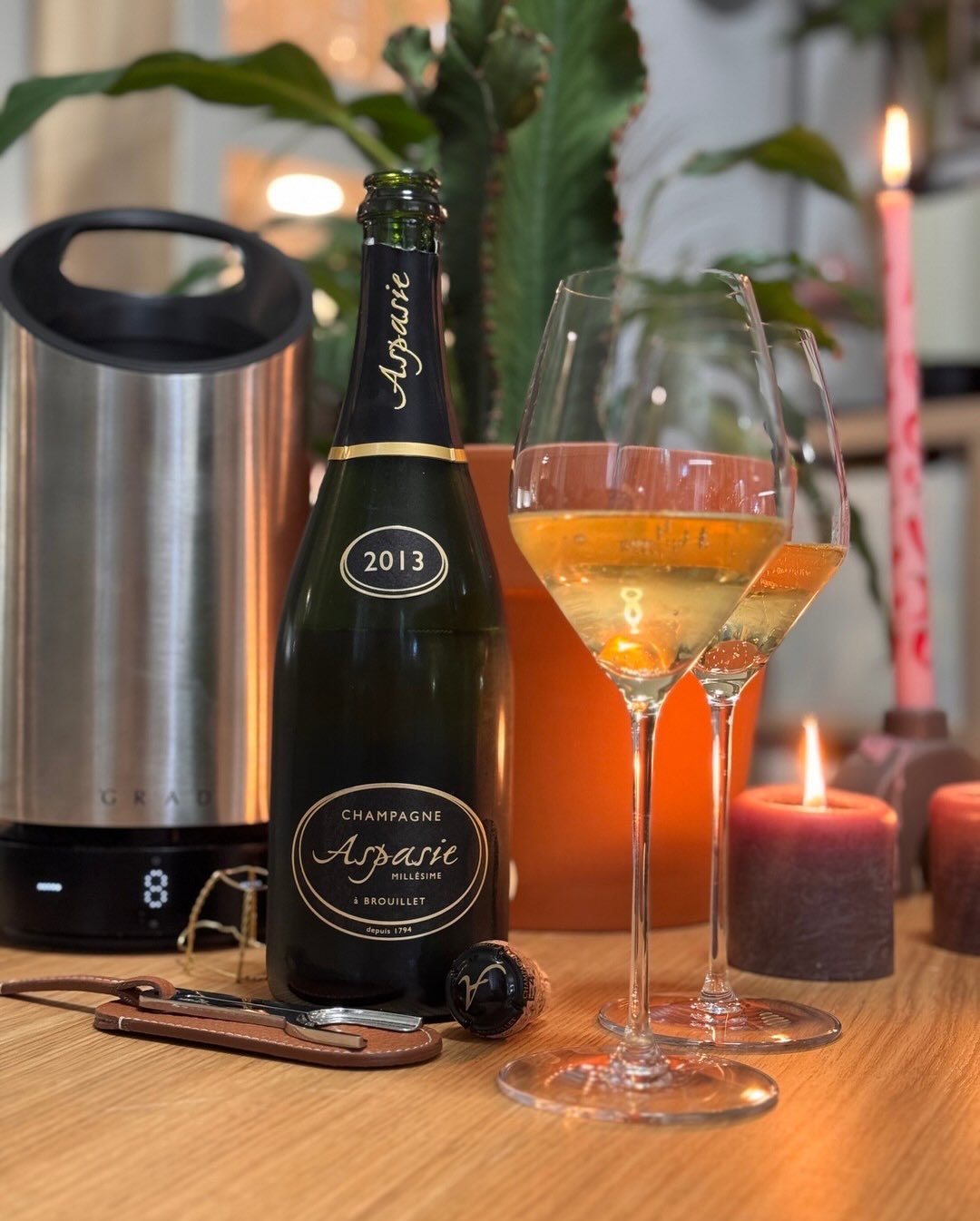
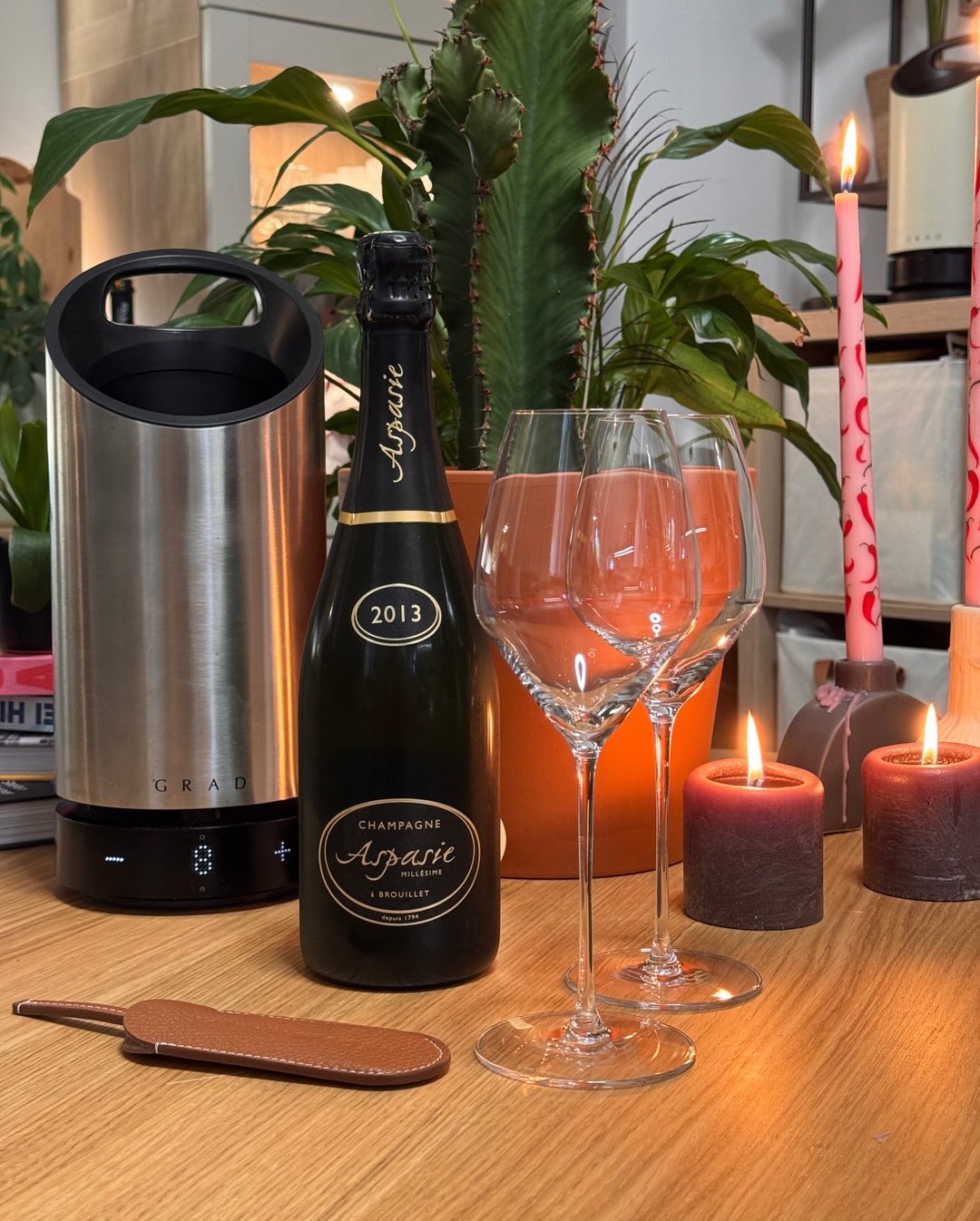
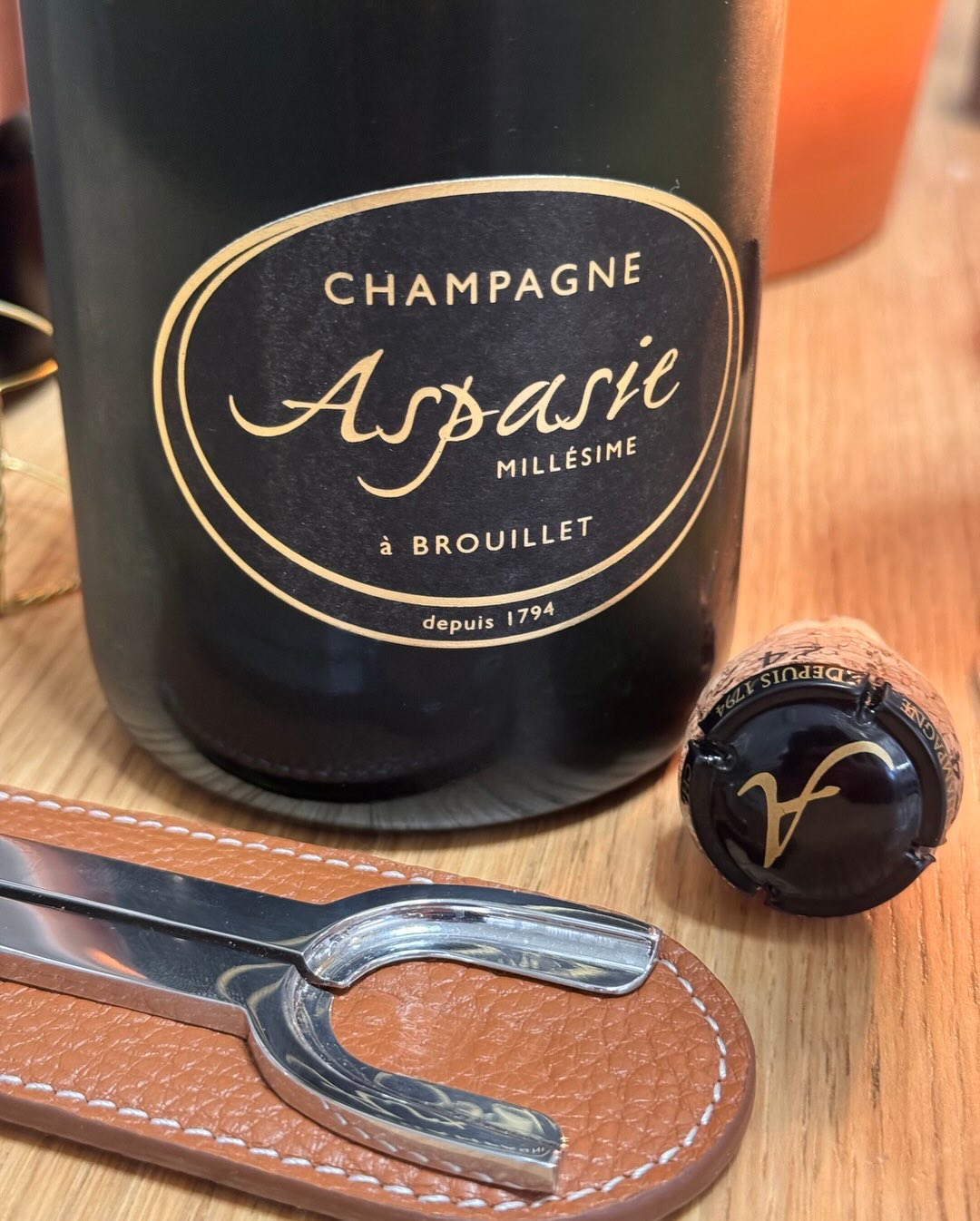
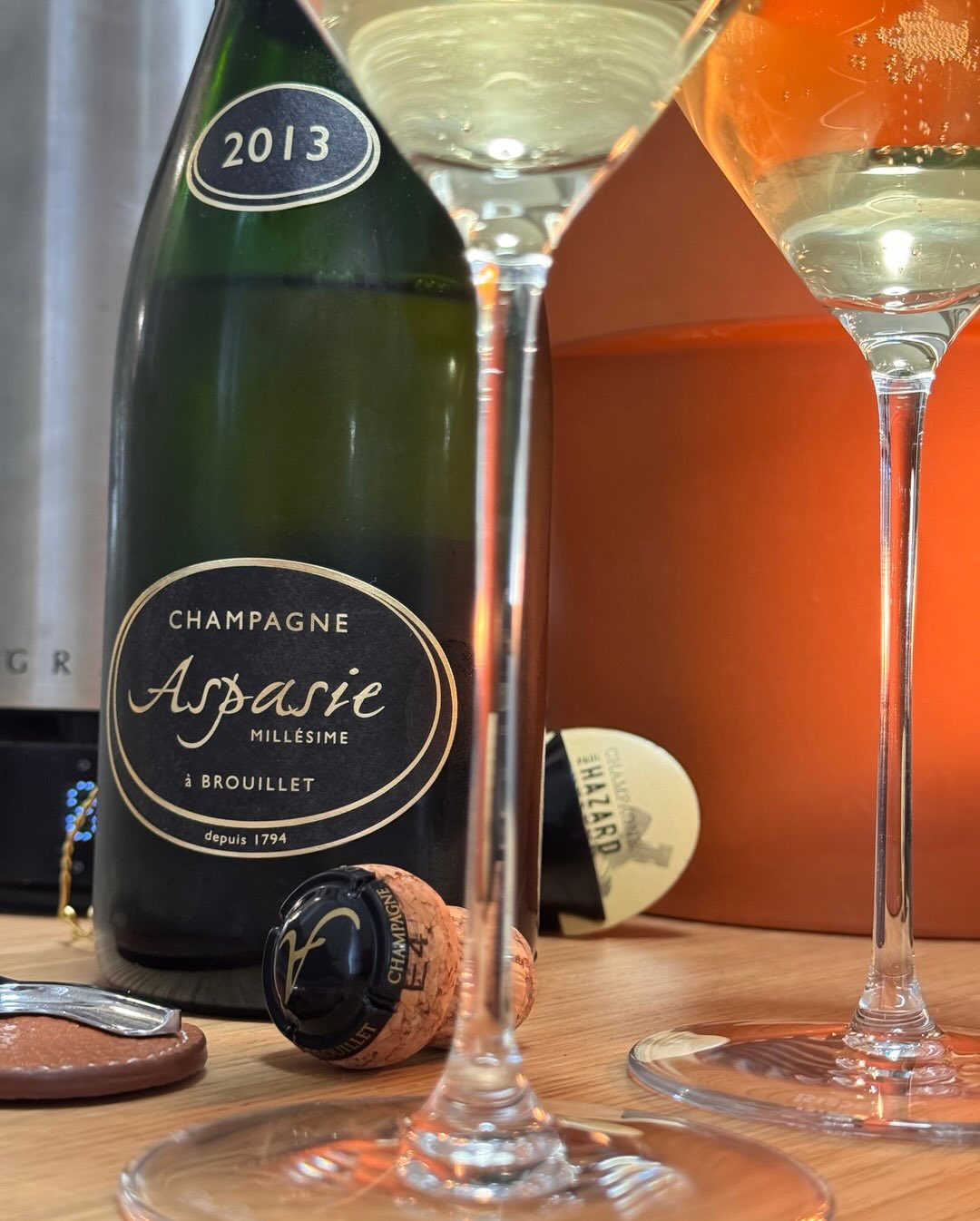
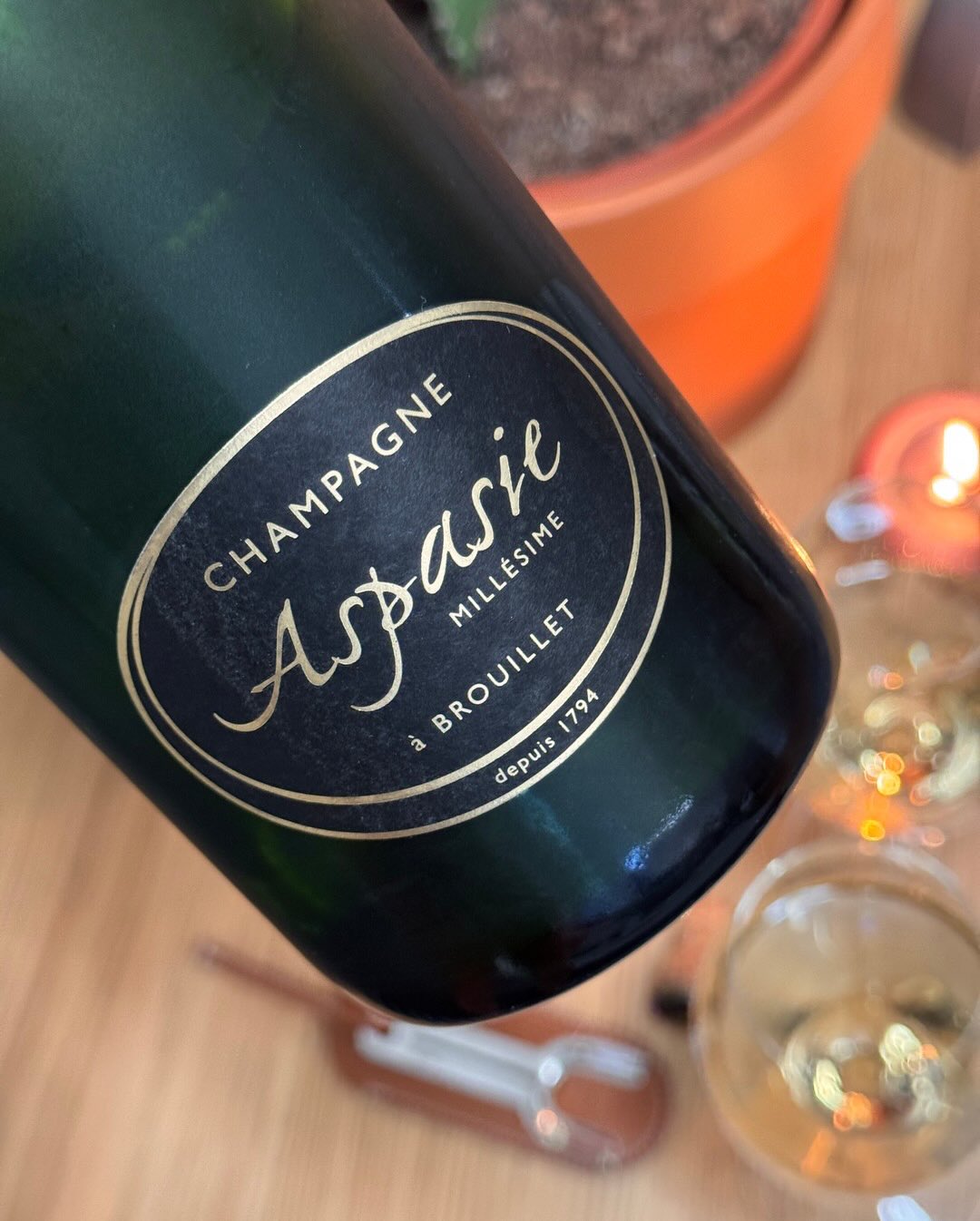
the_champagne.guy Kleines Selbst-Experiment am Tisch: zwei Aspasie-Jahrgänge, 48 Stunden Abstand. Hier Teil eins. Der ältere von beiden. Der Millésime 2013 Brut von @champagneaspasie ist eine klassische Drittel-Assemblage aus Chardonnay, Pinot Noir und Pinot Meunier aus den tonigen Böden der Vallée de l’Ardre. Im Glas zeigt er sich strukturiert und zitrisch geprägt. Keine der drei Rebsorten drängt sich vor, der Meunier kriegt hörbar Raum. 🍾 Assemblage: 34% Chardonnay, 33% Pinot Noir, 33% Pinot Meunier 🏆 Jahrgang: 2013 📍 Lage: Brouillet, Vallée de l’Ardre 🥂 Dosage: Brut 🍷 Alkohol: 12% 💡 Charakter: zitrisch, strukturiert, ausgewogen Kurz zum Haus: Paul-Vincent und @carolinearstn führen das 12-Hektar-Weingut in der 5. Generation, seit 2022 bio- zertifiziert. Aspasie kultiviert auch vier historische Rebsorten (Arbanne, Petit Meslier, Pinot Blanc, Pinot Gris). Im Millésime spielen sie keine Rolle, prägen aber das Profil des Hauses. Im nächsten Post kommt der 2014er. Mal sehen, wo die Unterschiede sind. #Vintage2013 @riedel_official @riedelteam_france @laclaye @grad.dk @grad_rd #ValleeDeLArdre #Aspasie #Winzerchampagner #TheChampagneGuy
Auf Instagram weiterlesen →| Category | Detail |
|---|---|
| Official Name | Champagne Aspasie |
| Category | RM (Récoltant-Manipulant) |
| Founded | 1794 |
| Generation | 5th Generation |
| Management | Paul-Vincent Ariston and Caroline Ariston |
| Village | Brouillet, Vallée de la Marne (Vallée de l'Ardre) |
| Vineyard Area | 12 ha |
| Soil | Chalk, clay, sand |
| Certifications | AB (Organic), HVE, VDC |
| Vinification | Stainless steel, Barrique (Coquard press) |
| Dosage | 6-8 g/l |
| Website | champagneaspasie.com |
| @champagneaspasie |
Sources for this portrait: Maison website, personal tastings, CRM data and cross-checks. Fields without sufficient verification remain open.