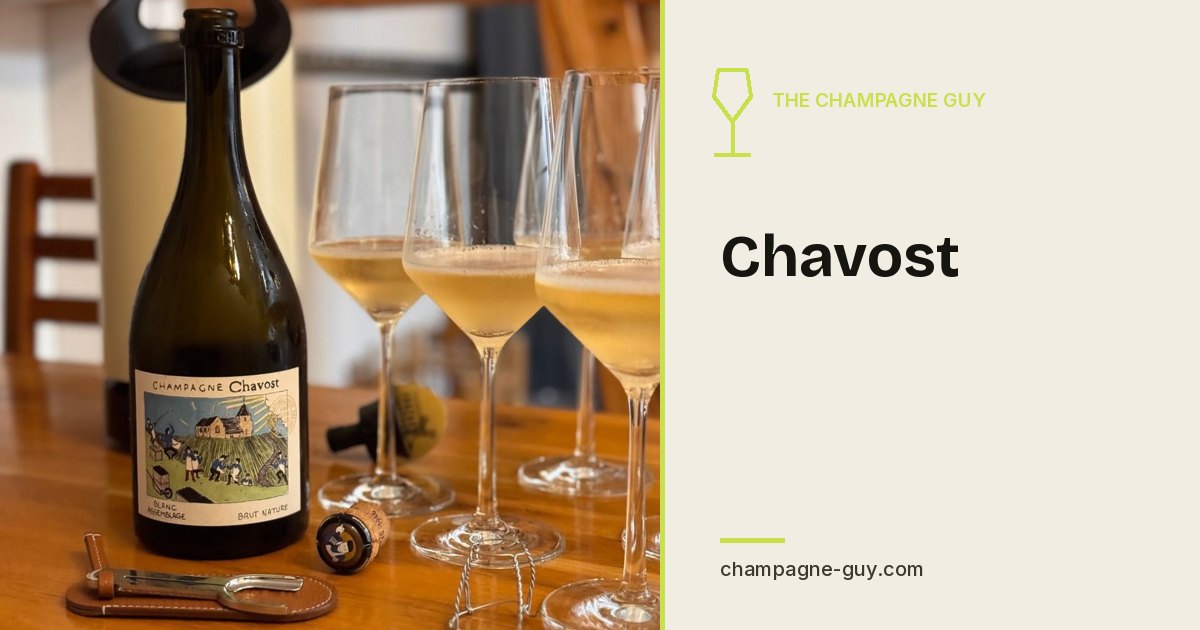
Champagne Chavost
Champagne Chavost is a Récoltant-Manipulant from Chavot-Courcourt in the Vallée de la Marne, south of Épernay, run by Fabian Daviaux. The village itself gives the house its name. Across 19 hectares, this is a Maison in transition: five hectares are farmed organically and biodynamically, while the remaining fourteen are still managed conventionally following raisonnée principles. What truly sets Chavost apart, however, happens in the cellar.
Vignoble & Terroir
The vignoble covers 19 hectares total in the Vallée de la Marne, split into two farmed blocks: 5 hectares are worked organically and partially biodynamically, 14 hectares conventionally following raisonnée principles. The vineyard plots lie in and around Chavot-Courcourt, south of Épernay. The exact cépage distribution isn't documented, but Meunier and Chardonnay play the leading roles in the lineup.
Viticulture & Sustainability
Chavost is AB-certified and works the 5 hectares of organic plots according to biodynamic principles. The remaining 14 hectares are farmed raisonnée. The approach aims for minimal intervention in the vineyard and maximum grape quality, which is then processed in the cellar with an equally purist philosophy.
Winemaking
The winemaking follows a uncompromisingly purist approach: spontaneous fermentation, complete malolactic fermentation, no added sulfur (Sans Soufre), no filtration, no fining. Aging takes place in stainless steel tanks and partially in light oak. All cuvées are bottled as Brut Nature (0 g/l dosage). This natural wine philosophy carries a higher risk for wine faults, which the Maison consciously accepts.
The Cuvées in Detail
Blanc Assemblage
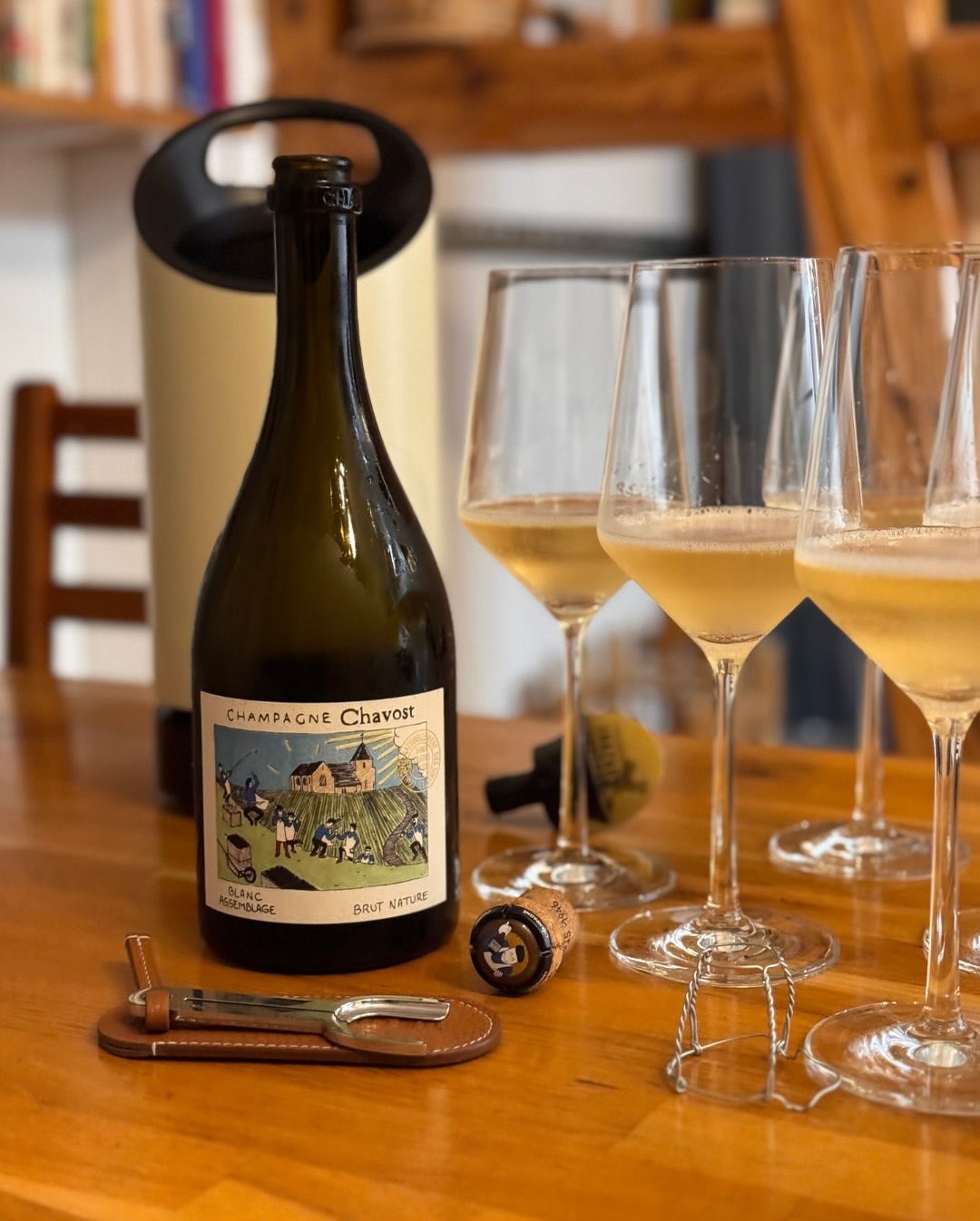
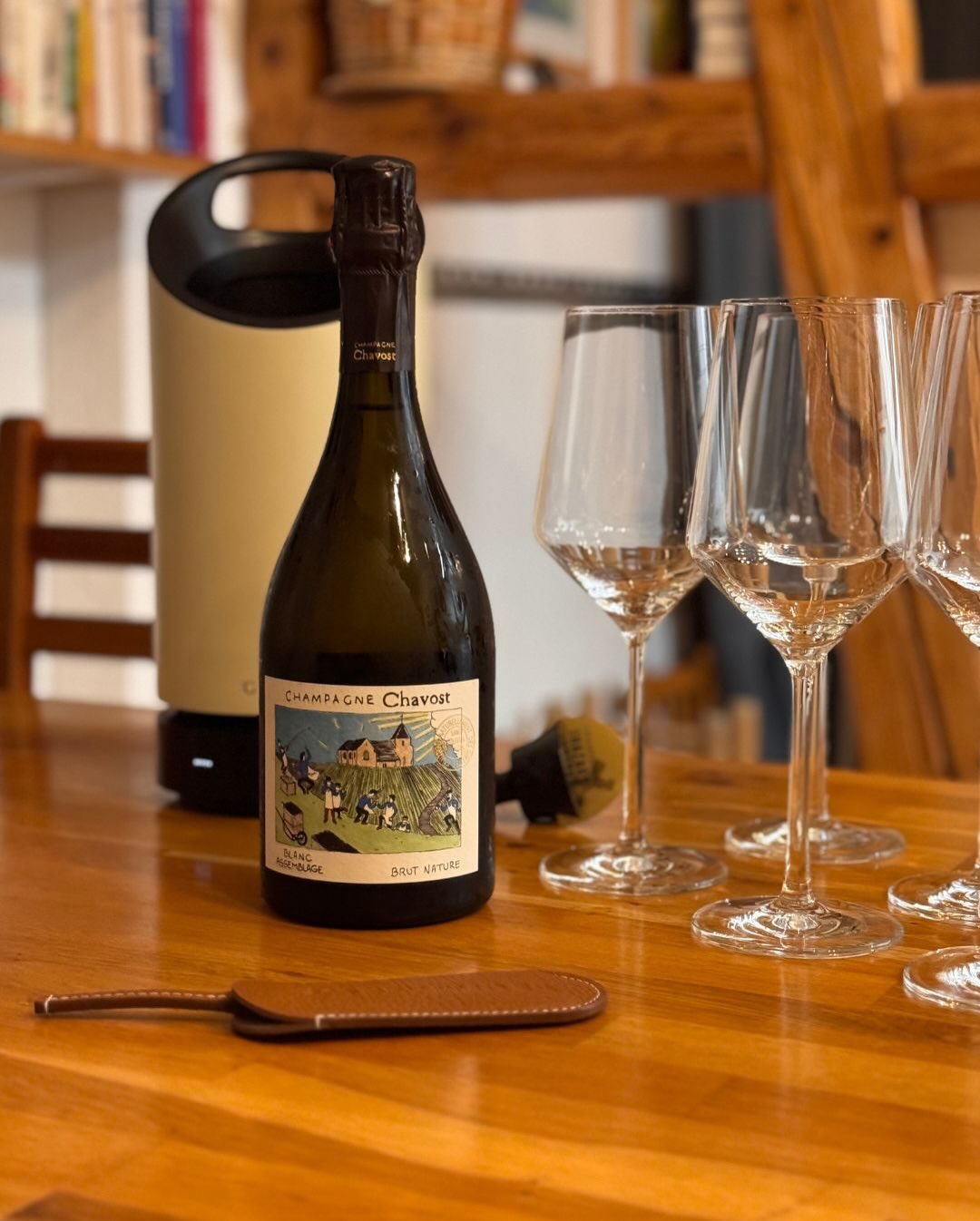
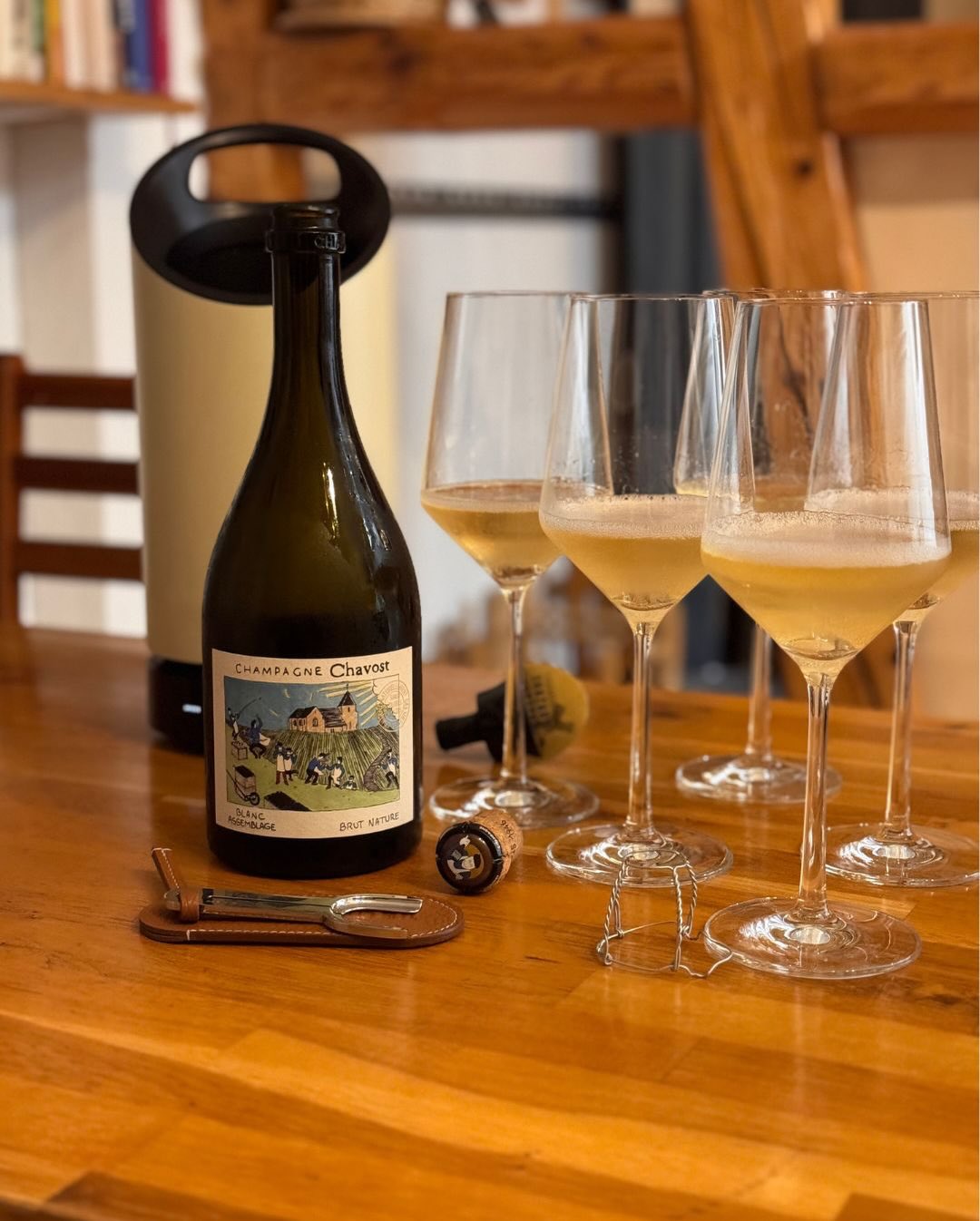
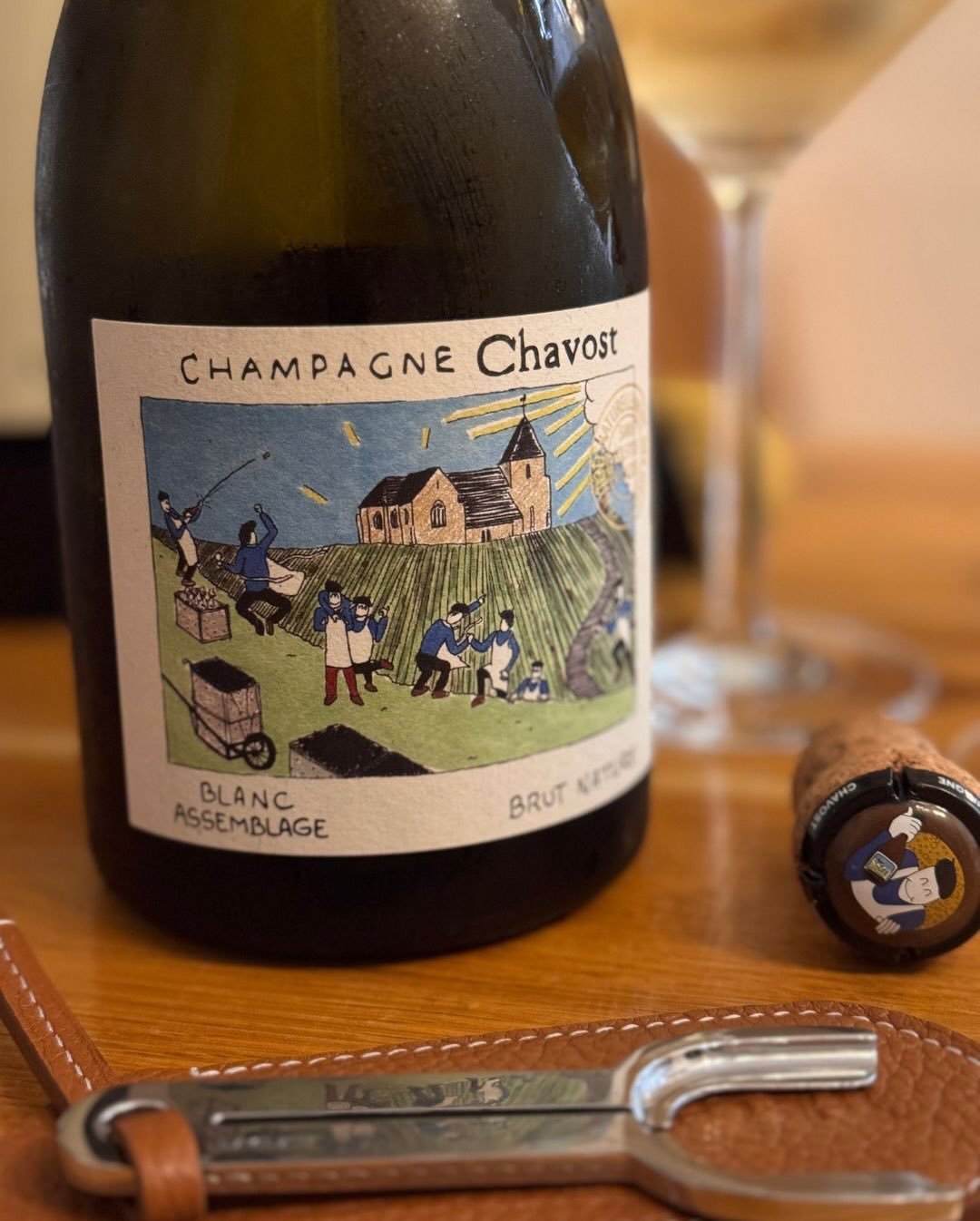
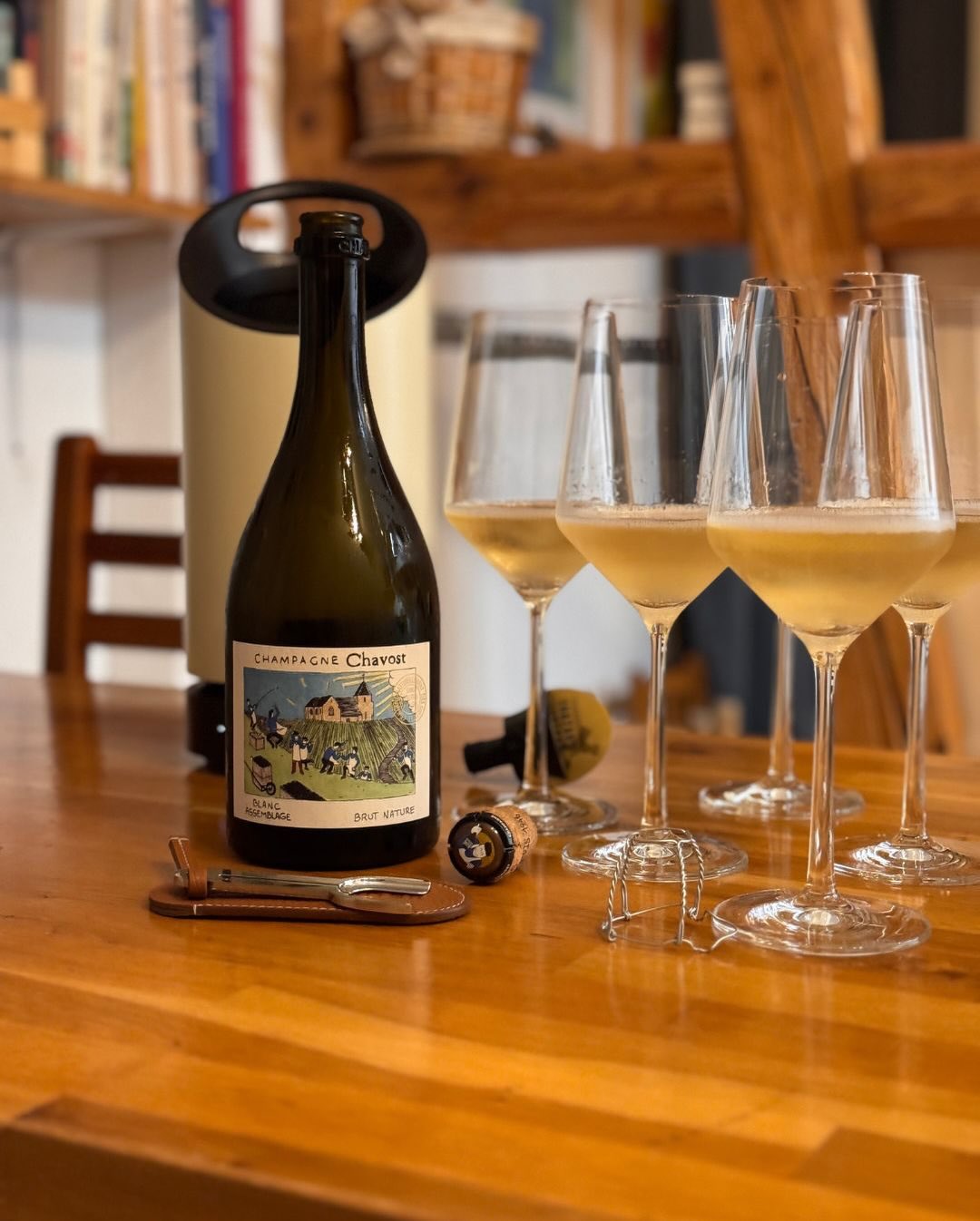
the_champagne.guy Vor dem großen Menü zum 60er mit Privatkoch, was ich euch morgen in 5 Posts präsentieren werde, gab es als Warm-up schon mal einen @champagnechavost – Blanc Assemblage. Eigentlich als Begleiter zum Fondue Bourguignonne am Vorabend gedacht – aber sind wir ehrlich: Die Neugier war größer und die Flasche schon vor dem ersten Stück Fleisch offen. :D Ein Mix aus Aperitif und fließendem Übergang zum Essen. Das war zudem auch meine letzte Flasche aus der Reise mit Chavost – Challenge accomplished ✅. 50/50 Meunier und Chardonnay, komplett ohne Schwefelzusatz (Sans Soufre) und mit einer Energie, die einen direkt wachrüttelt. Wer puren, ungeschminkten Champagner sucht, ist hier genau richtig. 🥂 50% Meunier, 50% Chardonnay 🍇 Blanc Assemblage (BSA) 🪵 Spontanvergoren / Komplette MLF 🕰 Ohne Schwefelzusatz (Sans Soufre) 🍬 Dosage: 0 g/l (Brut Nature) 📍 Chavot-Courcourt Das war aber nur das Warm-up. Morgen wird es ernst: 5 Gänge, 5 Pairings und eine Reise quer durch die Champagne. Stay tuned! Preview für morgen: @veuve_olivier_et_fils | @champagne_meteyer | @remi_georgeton | @champagnedumangin | @champagne_vollereauxetfils #TheChampagneGuy @zwieselglas @grad.dk @grad_rd @laclaye #Chavost #SansSoufre #FondueNight
Auf Instagram weiterlesen →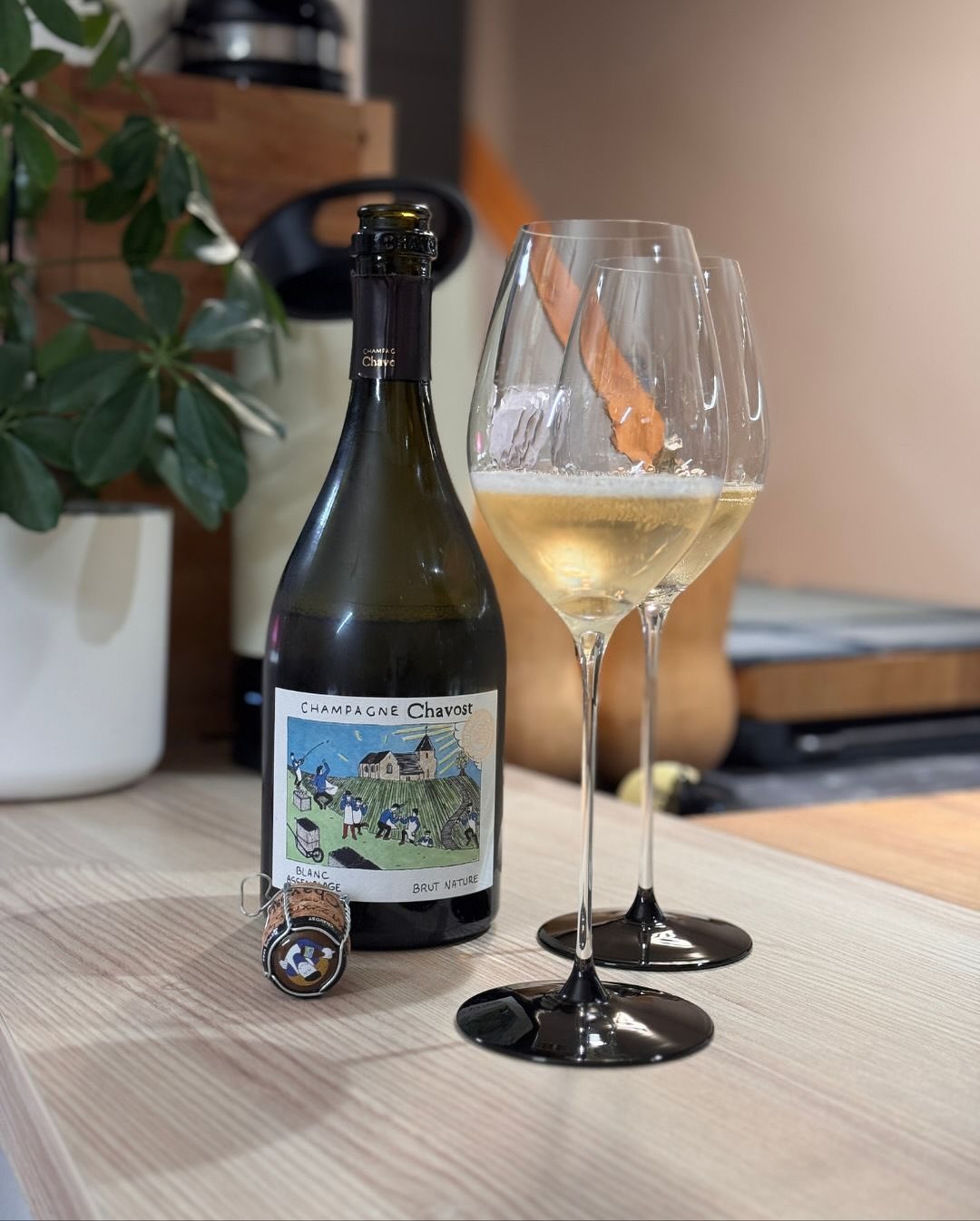
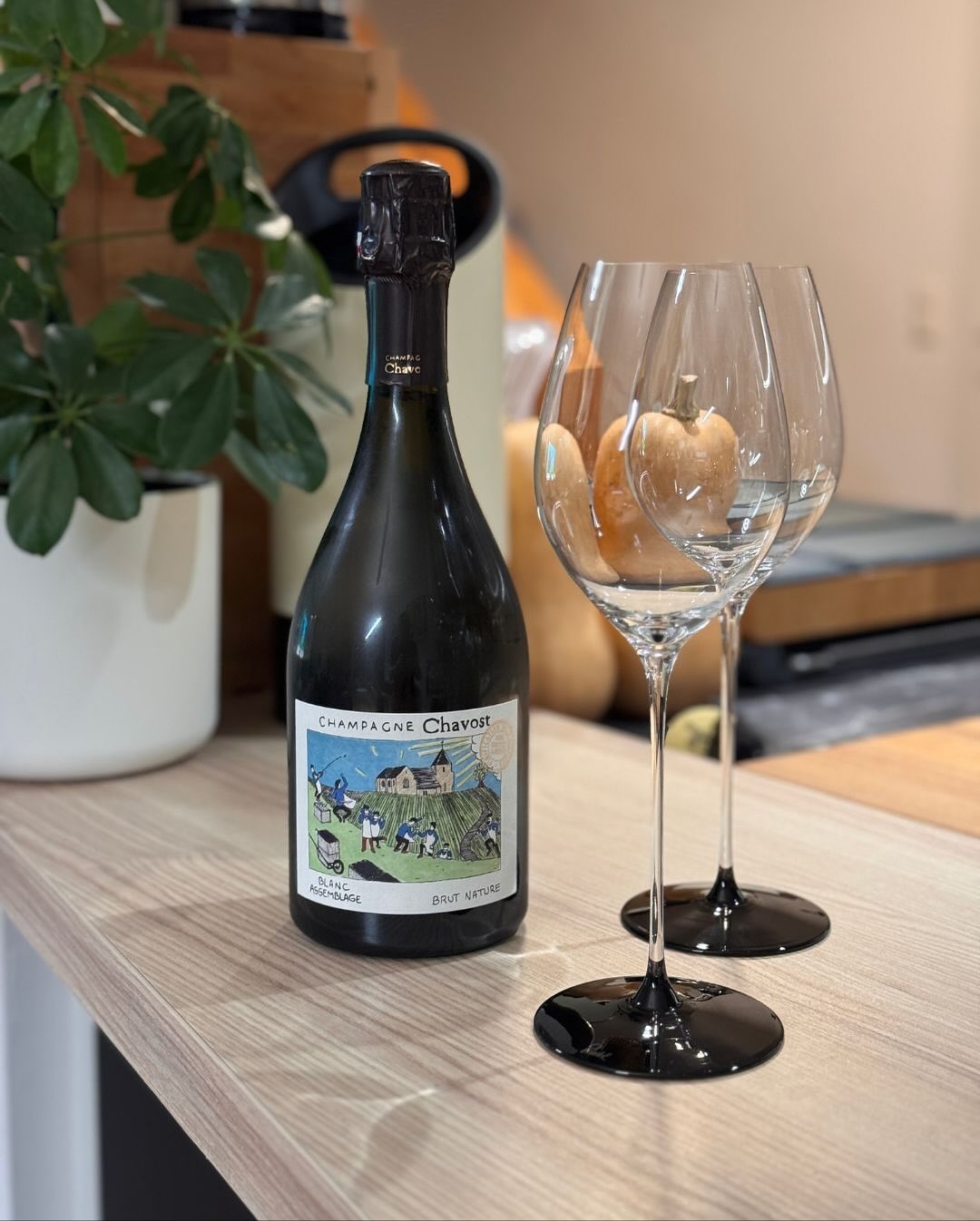
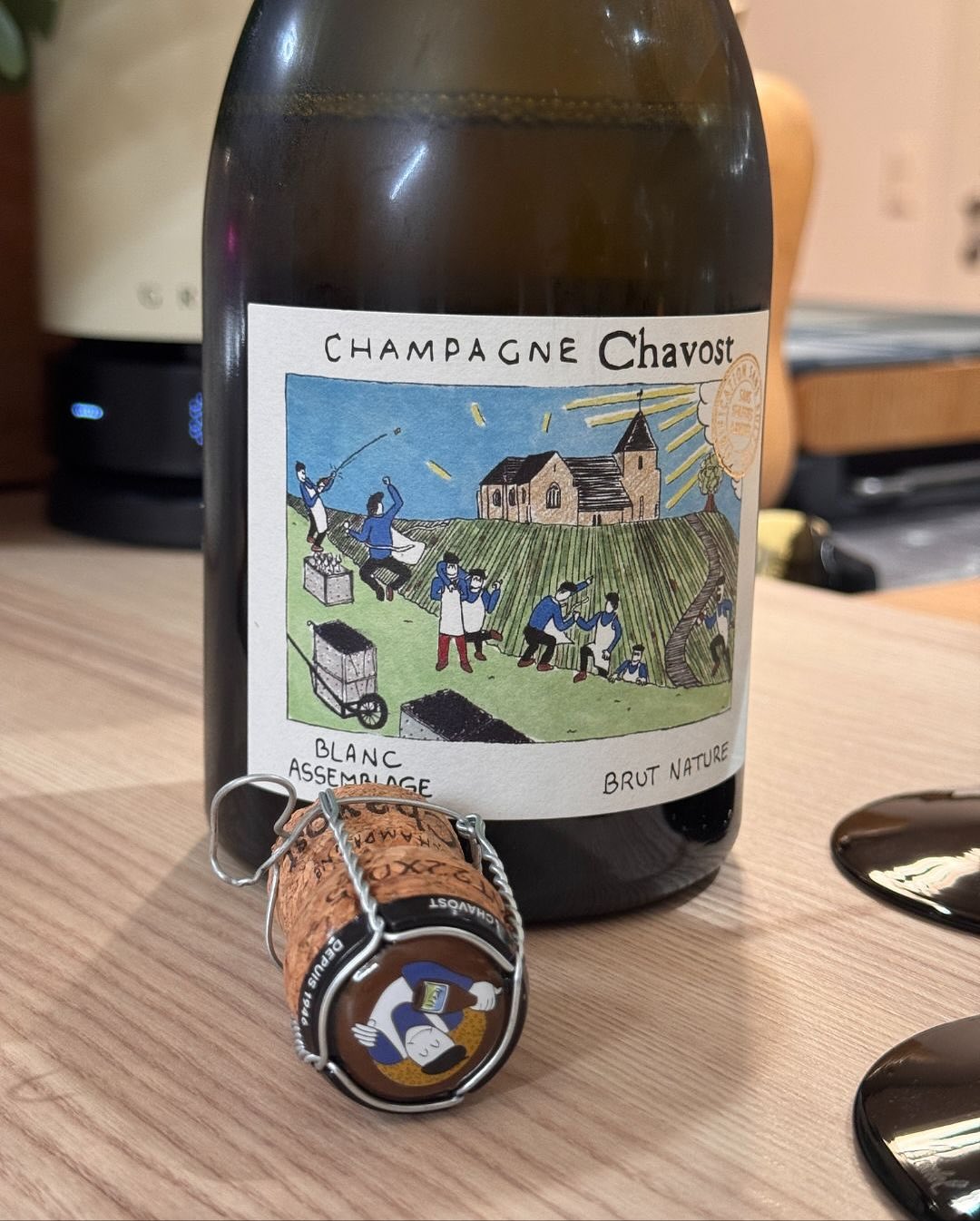
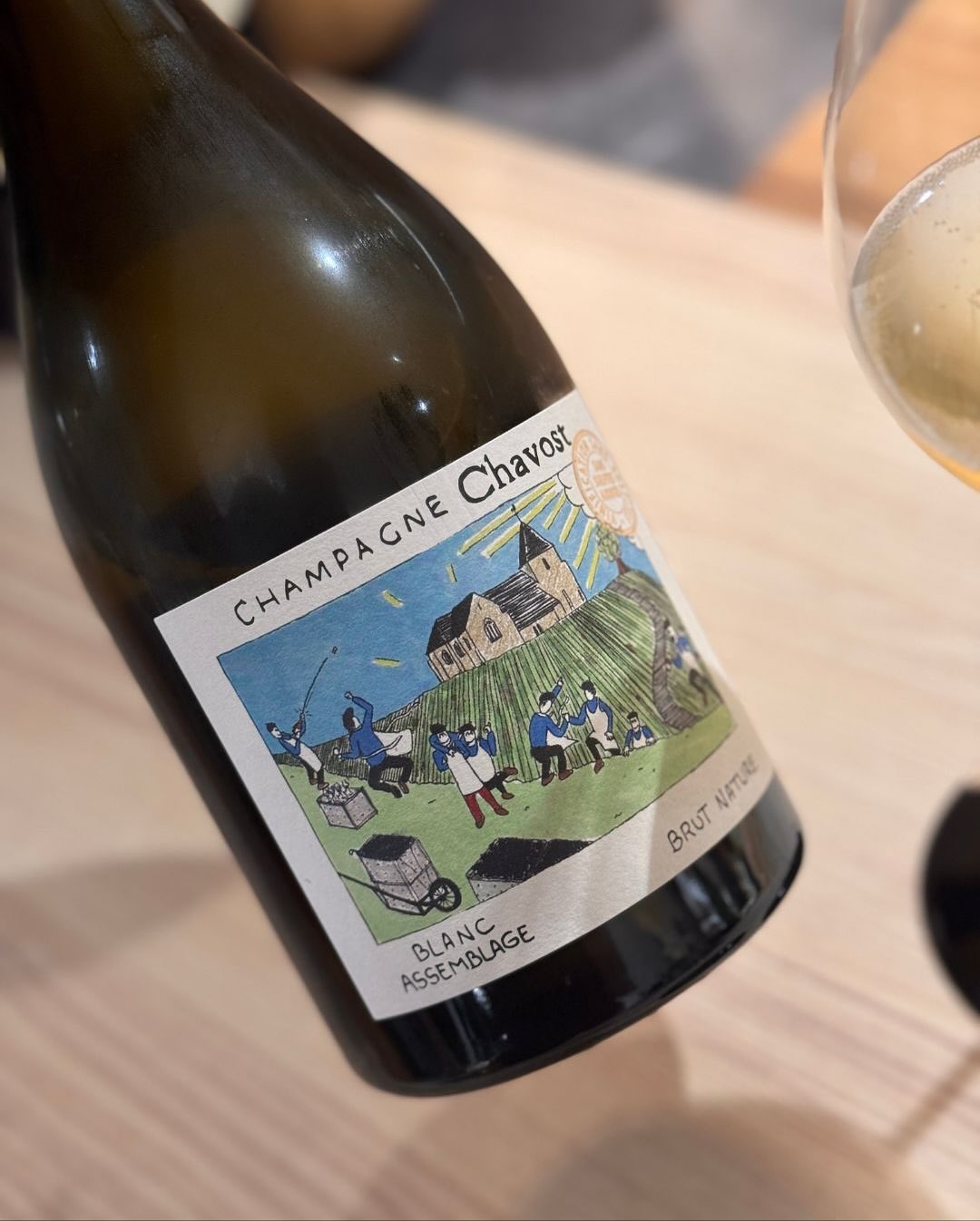
the_champagne.guy Heute geöffnet: @champagnechavost – Blanc Assemblage Brut Nature. Ein Naturwein-Meisterwerk aus Chavot-Courcourt: biodynamisch hergestellt, ohne Schwefelzugabe, ohne Dosage. Eine echte Herausforderung an den Alltag – und genau das macht ihn heute spannend. Ich habe in letzter Zeit viele eher zitrische Champagner getrunken, was ich eigentlich liebe – aber dieser hier war mal wieder eine schöne, cremige Abwechslung. Er fühlt sich vollmundiger an, weicher, mit deutlich spürbarer Textur, ohne dabei seine Frische zu verlieren. Champagne-Facts: 🥂 Rebsorten: Chardonnay & Meunier 🍬 Dosage: 0 g/l (Brut Nature) 🌱 Ausbau: ohne zugesetzten Schwefel (Vinification sans sulfites ajoutés) 📅 Degorgiert: 01/2025 📍 Herkunft: Chavot-Courcourt (südlich von Épernay, Vallée de la Marne) 🍾 Alkohol: 12,68 % Vol. #TheChampagneGuy @riedel_official @grad.dk #Champagne #GrowerChampagne #BrutNature #Chavost #ChampagneMoments #ChampagneTime
Auf Instagram weiterlesen →Assemblage of 50% Meunier and 50% Chardonnay each, spontaneously fermented and aged without sulfur addition. The cuvée shows creamy and full-bodied with soft texture and complete malolactic fermentation. Dégorgement 01/2025, 12.68% vol.
50% Meunier, 50% Chardonnay · 0 g/l · Terroir Chavot-Courcourt
Paradoxe
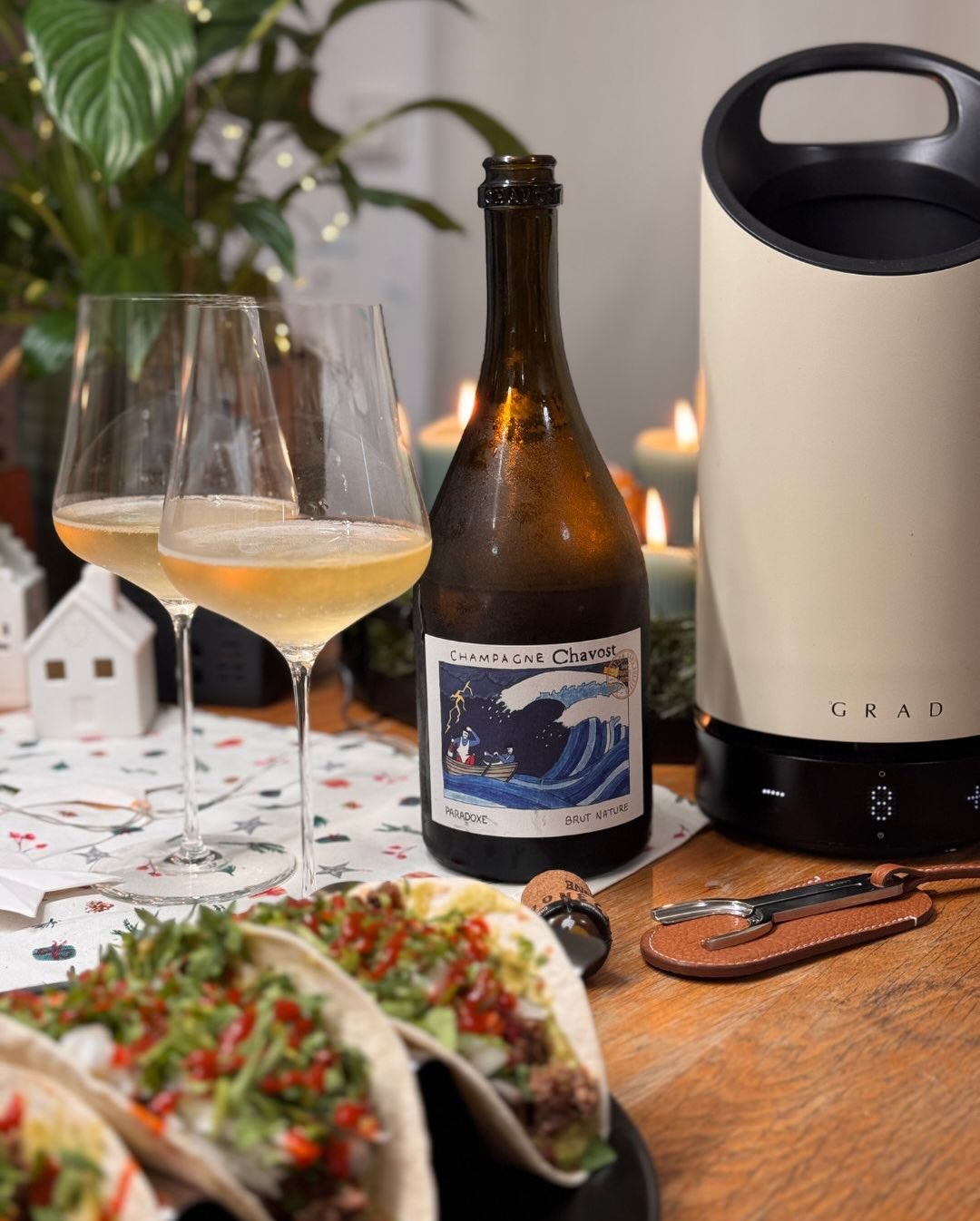
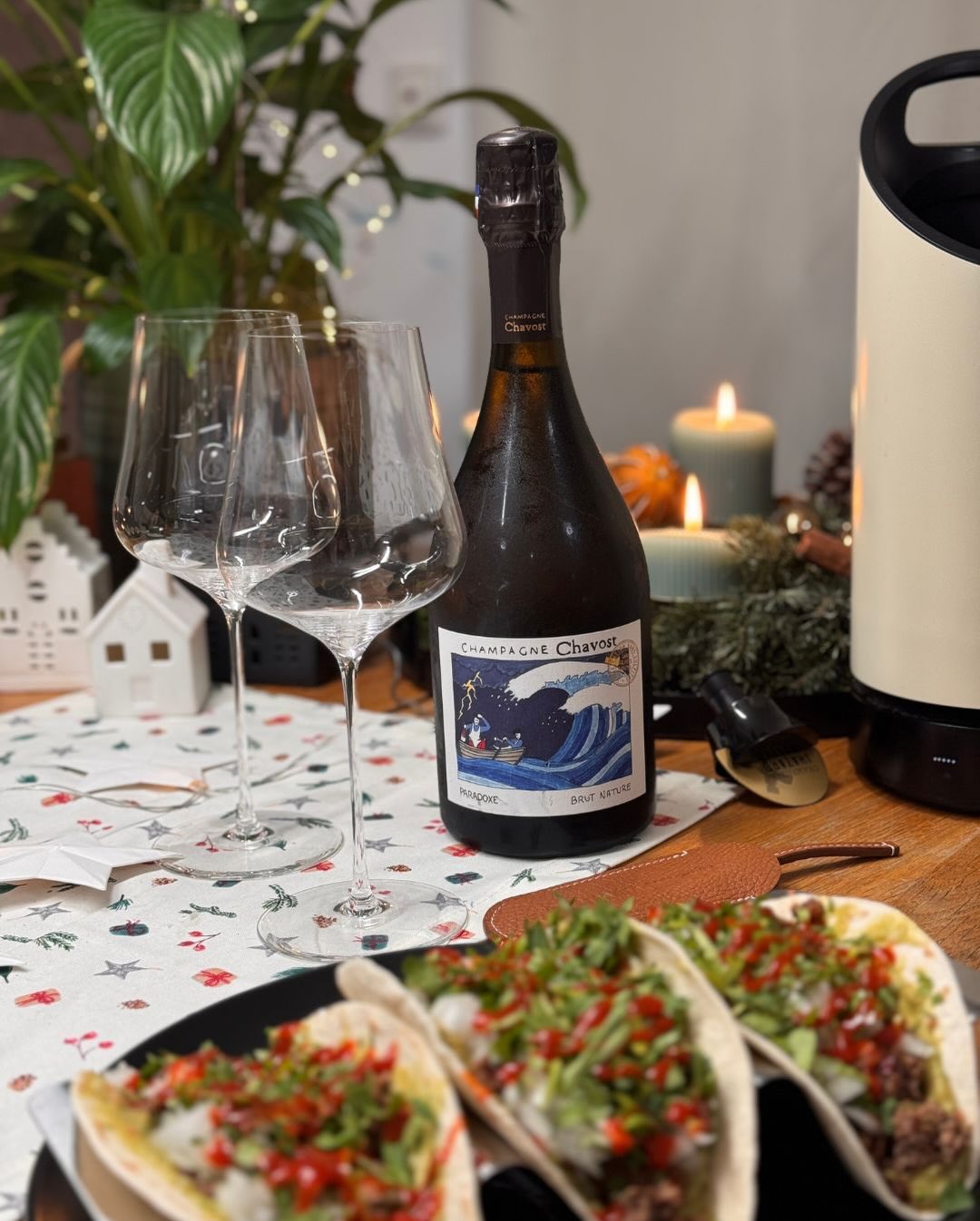
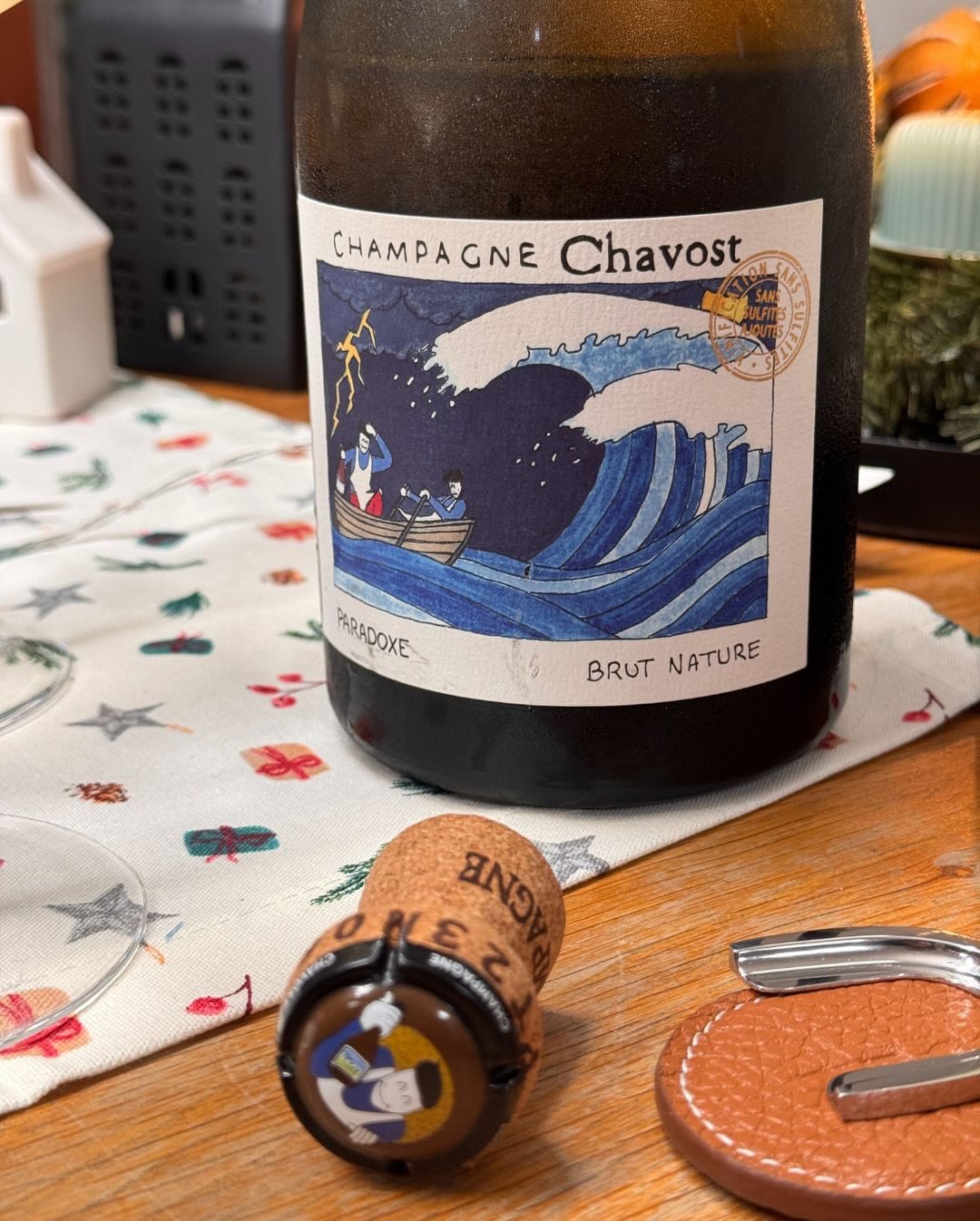
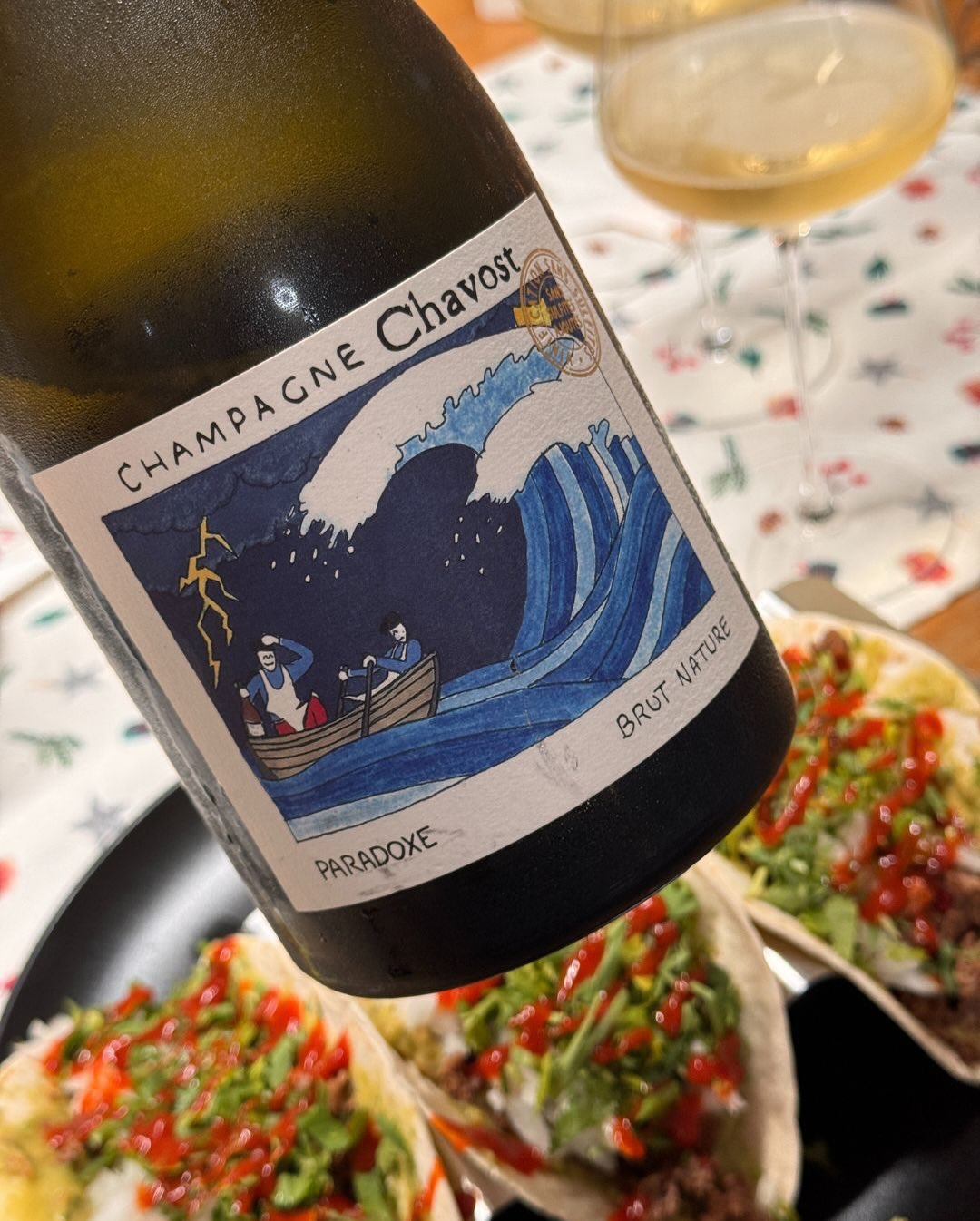
the_champagne.guy Der @champagnechavost – Paradoxe war für mich eine spannende, leicht fordernde Flasche – vor allem wegen seiner Hefenote. Im Glas zunächst deutlich geprägt von Autolyse: Hefe, Brot, ein Hauch Teig – präsent, aber nicht schwer. Gleichzeitig wirkt der Wein noch erstaunlich jung, fast ein wenig unruhig, als wäre er noch nicht ganz angekommen. Diese Flasche hier wurde erst im Juni 2025 dégorgiert. Diese Frische nach dem Dégorgement ist spürbar. Die Perlage noch etwas kantig, die Struktur straff, die Aromen eher linear als ausformuliert. Weniger Tiefe, mehr Energie. Getrunken haben wir ihn zu Tacos mit Guacamole, Zwiebeln, würzigem Fleisch, Koriander, einem Spritzer Zitronensaft und etwas Sriracha – und genau hier hat der Champagner richtig Spaß gemacht. Die Hefe puffert die Schärfe, die Säure schneidet durch Fett und Avocado, und die fehlende Dosage hält alles trocken und fokussiert. Ein echtes Mitgehen mit dem Essen. Trotzdem bleibt er kompromisslos: Kein Schwefel, kein Dosage-Eingriff – alles ist direkt, ehrlich und ungeschönt. Chardonnay und Meunier tragen den Wein, ohne ihn rundzupolieren. Für mich ein Paradoxe im besten Sinne: spannend, noch in Bewegung – und eine Flasche, die man entweder bewusst jung trinkt oder ihr noch Zeit gibt. Champagne-Facts 🍇 Chardonnay & Meunier 📍 Chavot-Courcourt · Vallée de la Marne 🧪 Vinifikation ohne zugesetzten Schwefel 🍬 0 g/l Dosage · Brut Nature 📅 Dégorgement: 06/2025 Ein Champagner, der auf den ersten Blick vielleicht nicht prädestiniert zu Tacos wirkt – sie dann aber doch ziemlich gut gerockt hat 🙂 #thechampagneguy @grad.dk @gabriel_glas @mygabrielglas @laclaye #chavost #paradoxe #brutnature #champagnepairing
Auf Instagram weiterlesen →Distinctly marked by autolysis: yeast, bread, dough dominate. Young and energetic, the mousse is edgy. Dégorgement 06/2025, aged without sulfur. The exact cépage composition isn't documented, Chardonnay and Meunier form the base.
Chardonnay + Meunier · 0 g/l · Terroir Chavot-Courcourt
Rosé
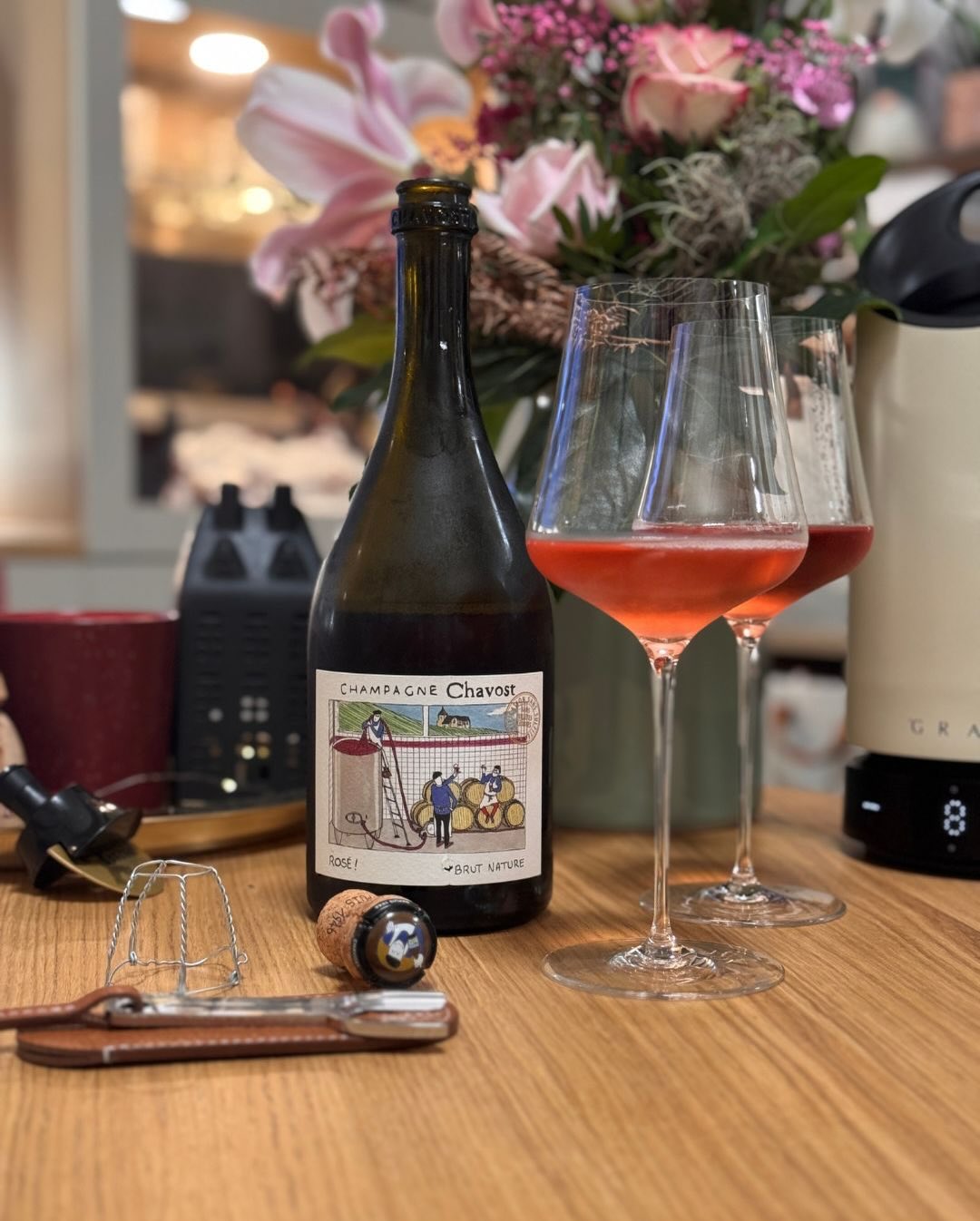
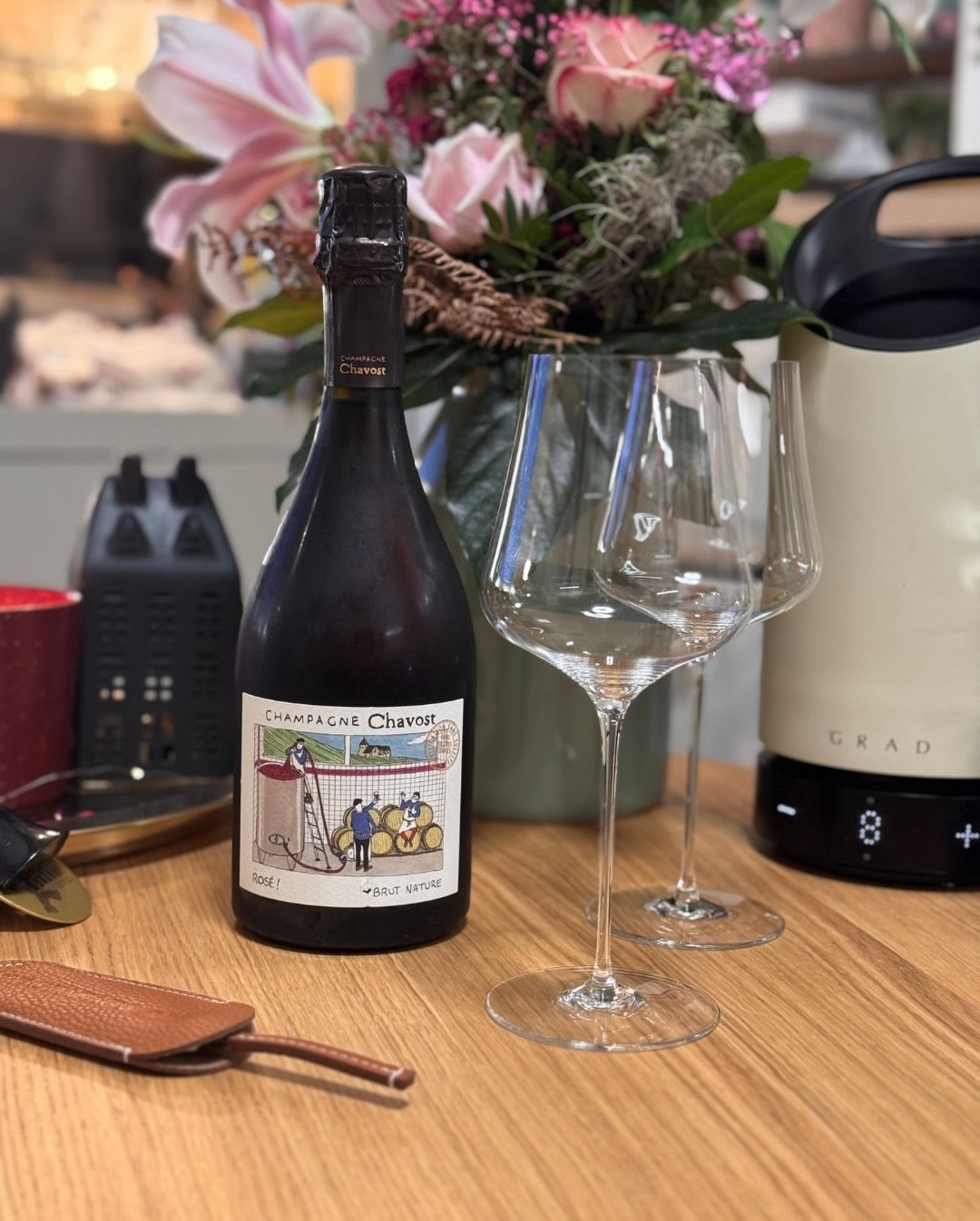
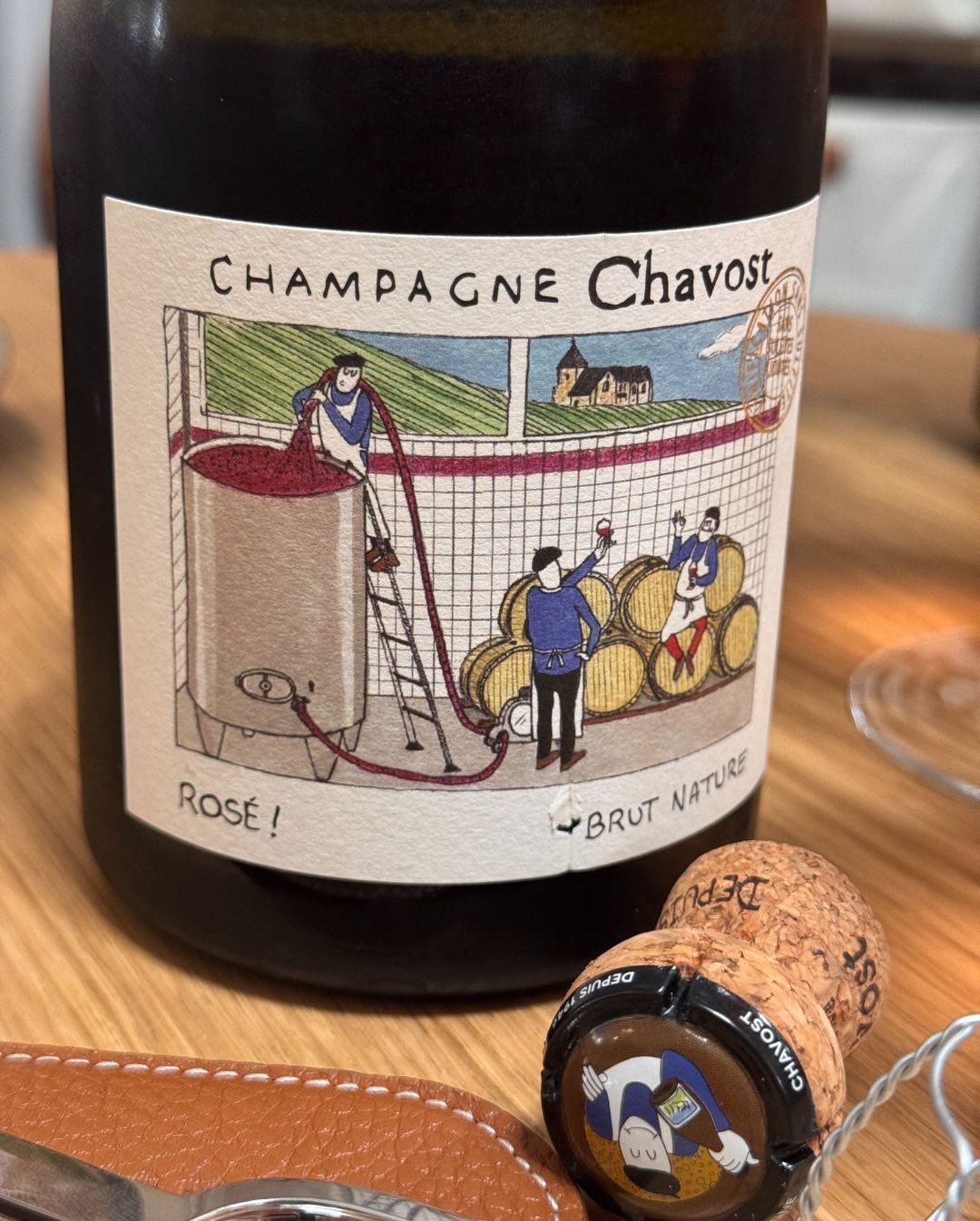
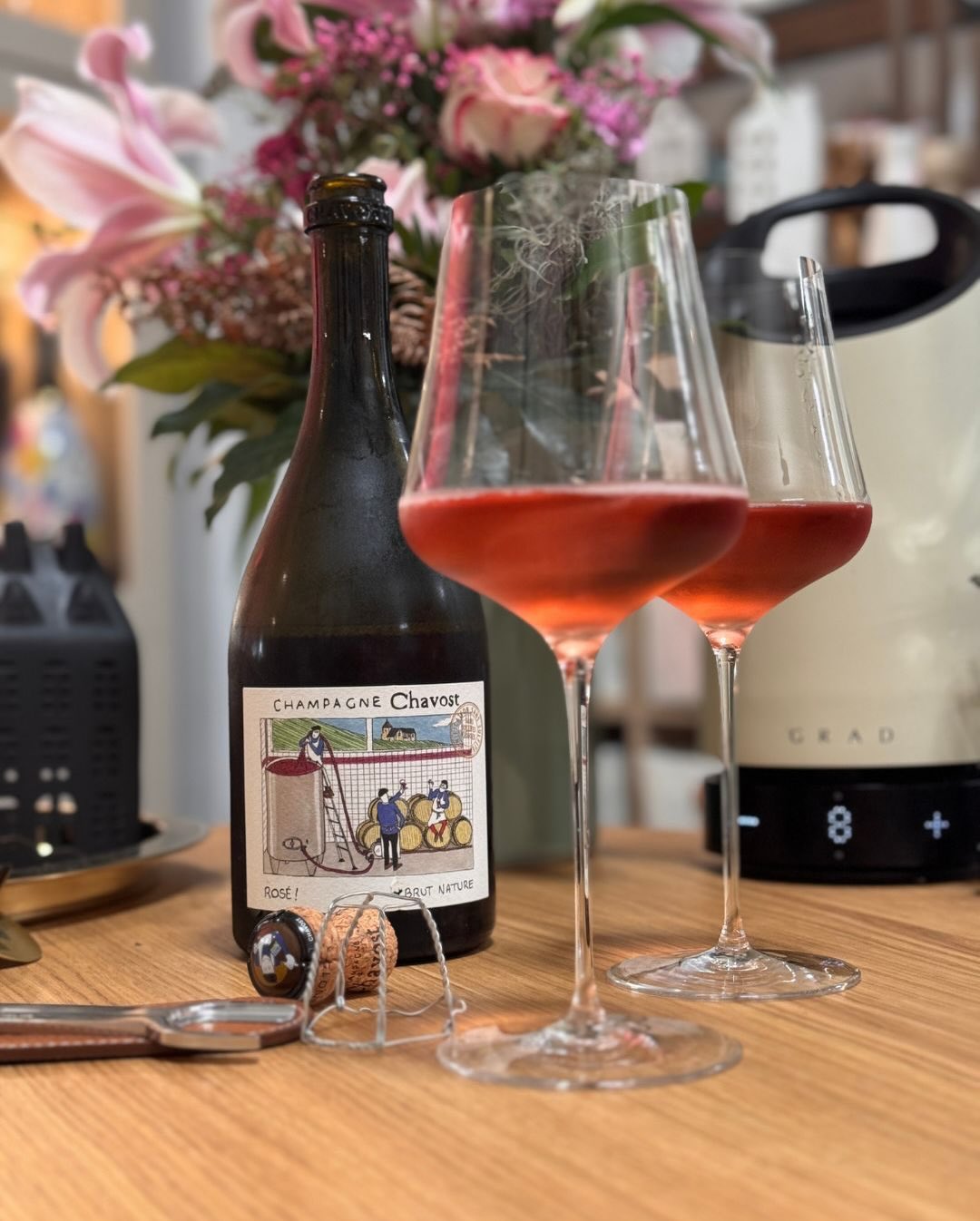
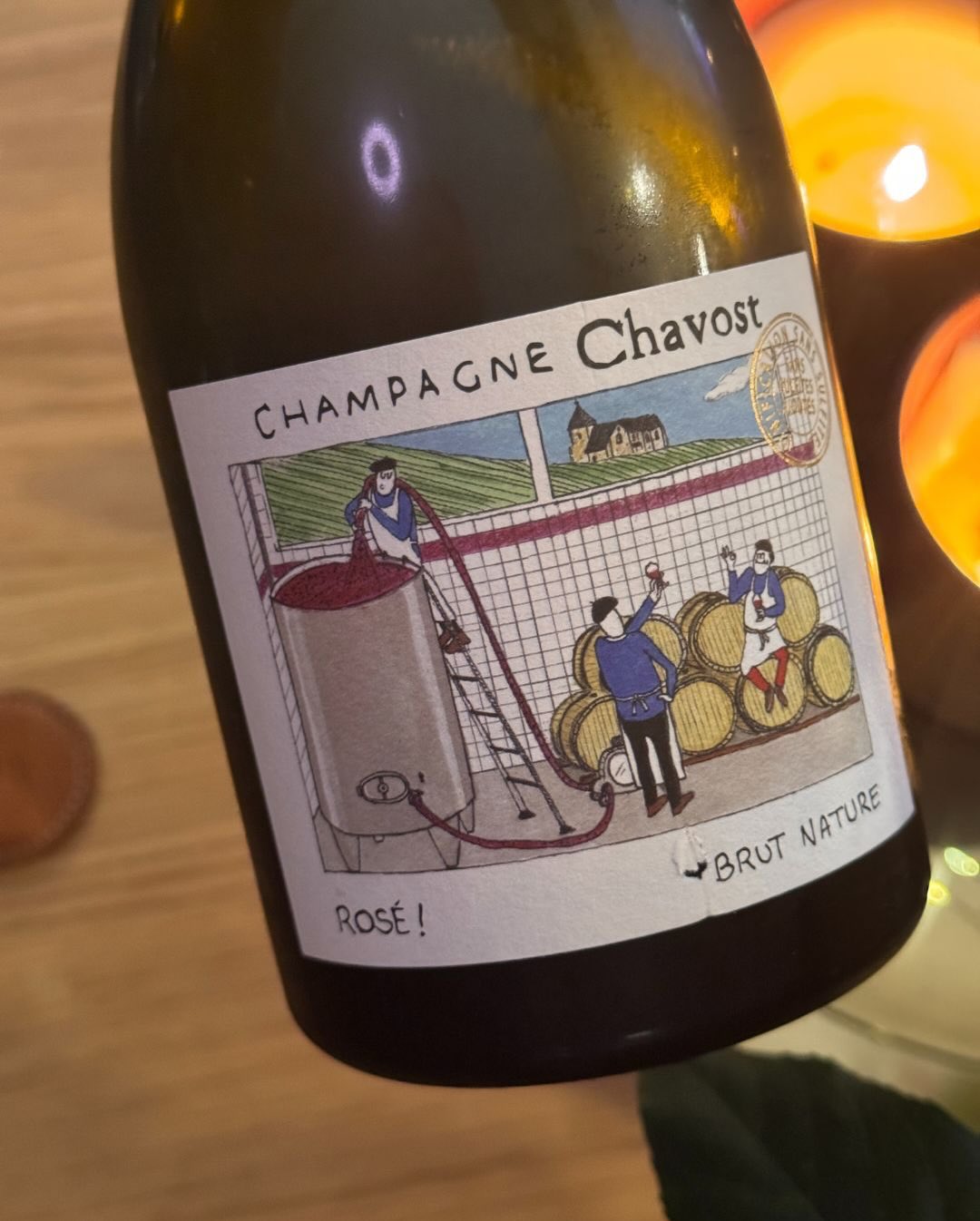
the_champagne.guy Heute wieder ein @champagnechavost , wie ich ihn kenne – diesmal der Rosé. Kein klassischer Rosé, sondern der typische Chavost-Ansatz: biodynamisch, ohne zugesetzten Schwefel, zero Dosage. Ein Rosé, der nicht über seine Farbe gefallen will, sondern über seinen Charakter. Die Farbe bewegt sich eher im gedeckten Roséton – klar, ruhig, nicht übertrieben. In der Nase kommt sofort dieses Naturwein-Feeling durch: rote Beeren, etwas Hagebutte, leicht kräutrig, dazu ein sehr sauberer, frischer Zug – ohne jede Schwere. Am Gaumen dann trocken und so präzise, wie ich es bei 0 g/l Dosage erwartet habe. Rote Frucht, etwas Granatapfel, ein Hauch Grapefruitschale – alles getragen von dieser typisch straffen Chavost-Säure. Zero Dosage und kein Schwefel geben ihm eine offene, ungeschminkte Textur: lebendig, ehrlich, sehr geradlinig. Ein Rosé, der die Handschrift des Winzers perfekt zeigt. Champagne-Facts 🍇 Biologisch bewirtschaftet · ohne zugesetzten Schwefel 📅 Dégorgiert: 01/2025 🍬 Dosage: 0 g/l · Brut Nature 📍 Chavot–Courcourt (Nähe Épernay) 🍾 Alkohol: 12,75 % vol 🎨 Stil: trocken · klar · lebendig · naturbetont #TheChampagneGuy @gabriel_glas @grad.dk @laclaye #Chavost #ChampagneChavost #RoseNature #BrutNature #ZeroDosage #GrowerChampagne #ChampagneLife #ChampagneVibes #laclayeperfectserve
Auf Instagram weiterlesen →Biodynamically produced, without sulfur. Red berries, rose hip, pomegranate and grapefruit peel shape the aroma profile. Dégorgement 01/2025, 12.75% vol.
Rosé Brut Nature · 0 g/l · Terroir Chavot-Courcourt
Blanc de Chardonnay
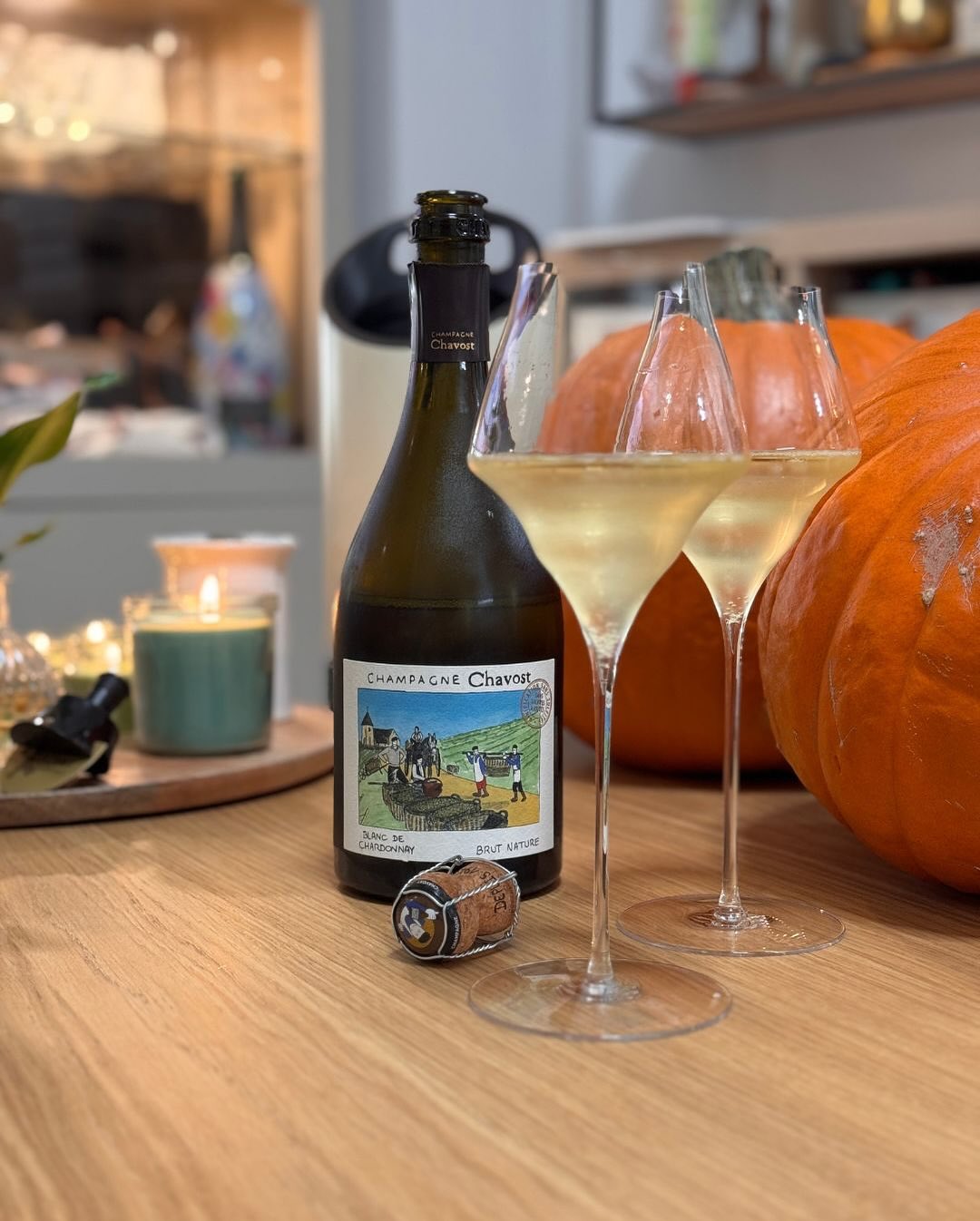
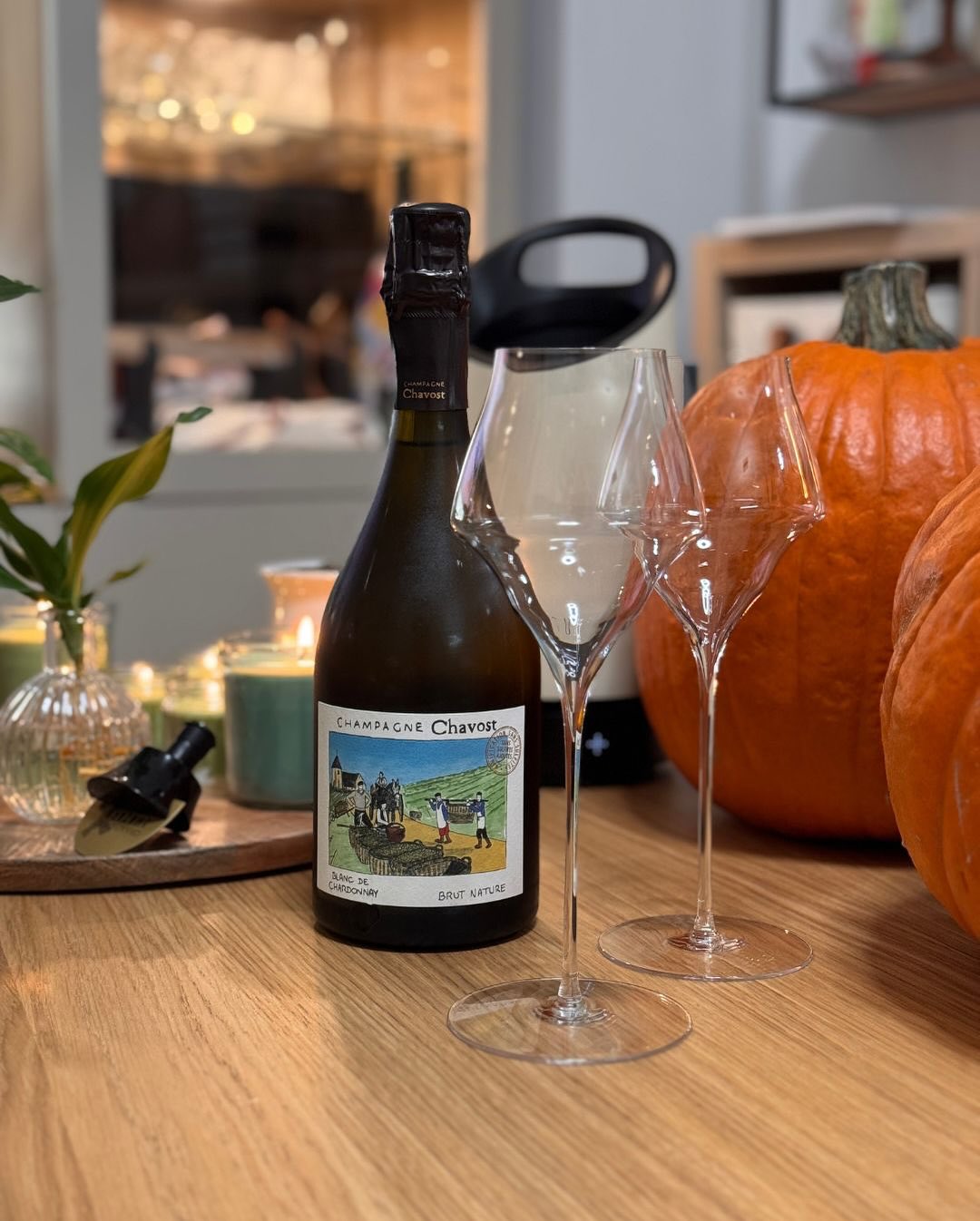
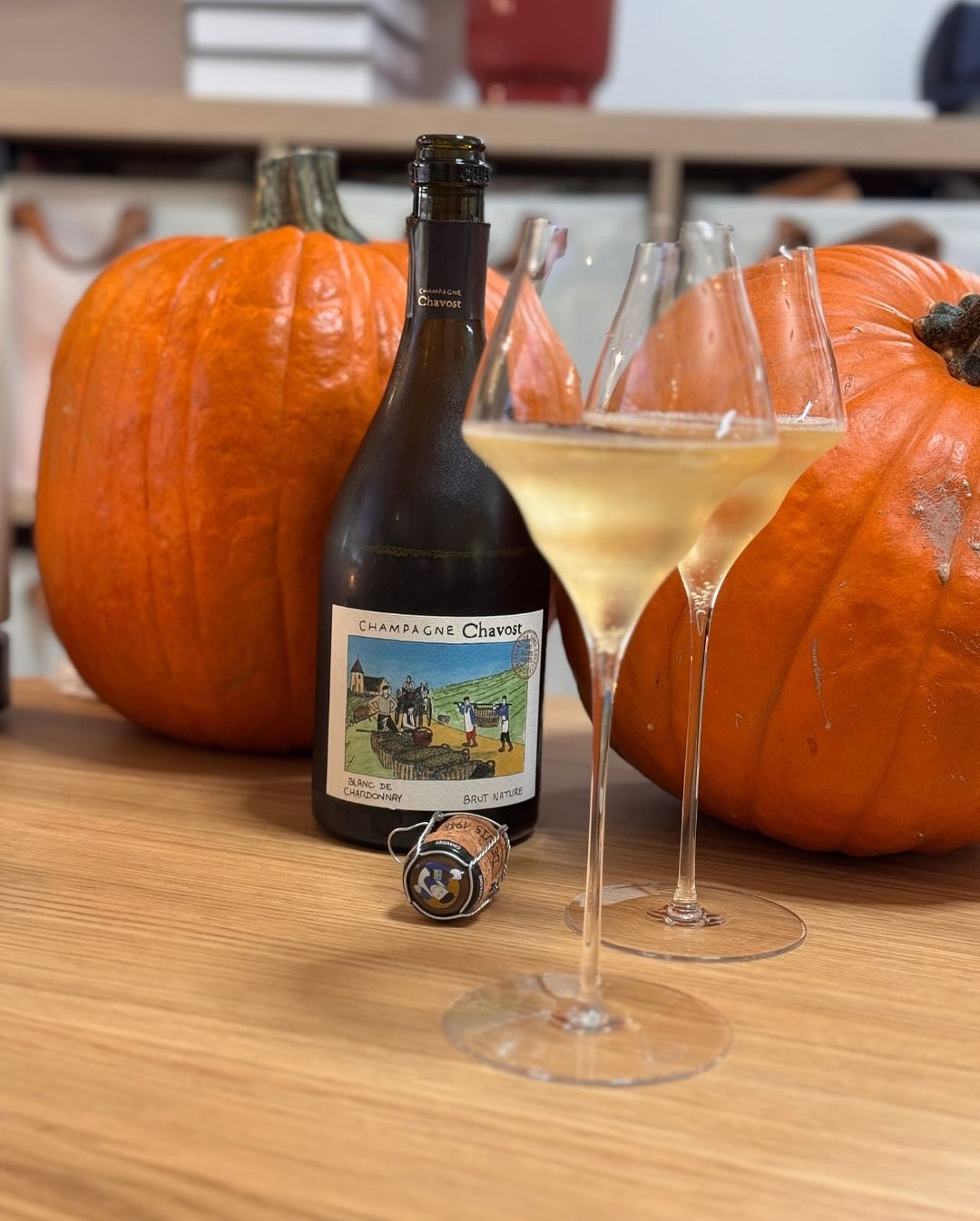
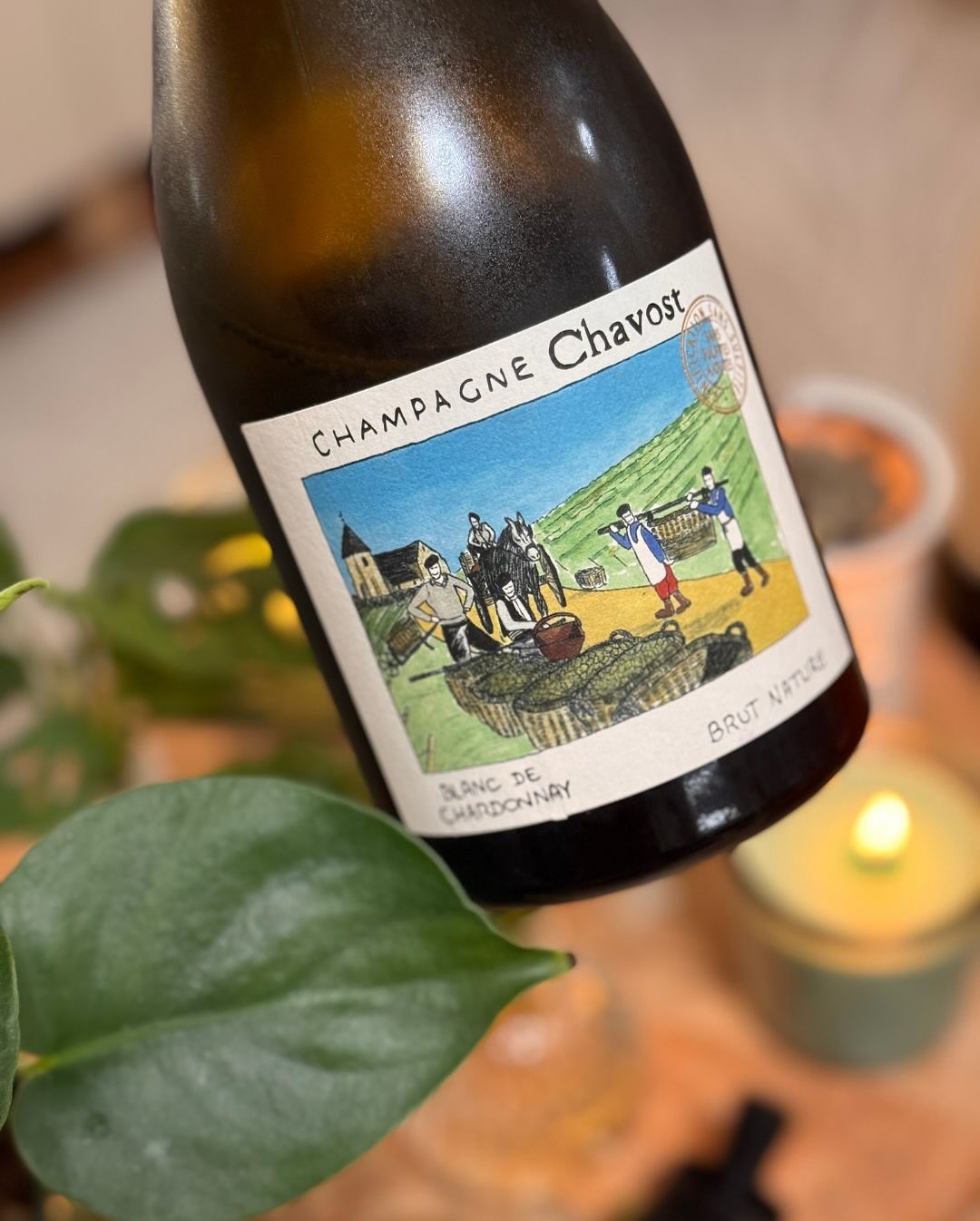
the_champagne.guy Ich hatte in den letzten Monaten einige wirklich schöne Begegnungen mit @champagnechavost – jede Flasche präzise, lebendig, modern gedacht. Gestern dann aber: das erste Mal „Maus“. Die Flasche: Blanc de Chardonnay. Eigentlich eine Cuvée, die ich sehr mag – puristisch, ohne Schwefel, spontanvergoren, wie alle Weine bei Chavost. Aber diesmal war’s nicht zu übersehen (oder besser: zu überschmecken). Im ersten Moment dachte ich, ich bilde mir etwas ein – weil ich den Begriff „Maus“ zwar kannte, ihn aber noch nie bewusst erlebt hatte. Nach dem zweiten Glas war’s klar: kein Zweifel, das war sie. Diese tierisch-nussige, dumpf-süßliche Note, die im Abgang hängen bleibt und alles überlagert. Ein spannender Moment, wenn man ehrlich ist – kein schöner, aber lehrreicher. Denn so sehr ich das Konzept von Chavost weiterhin spannend finde, zeigt genau so ein Abend, wie schmal der Grat zwischen mutigem Naturstil und Fehlton sein kann. Die halbe Flasche mussten wir letztlich wegschütten – schade, aber trotzdem irgendwie ein Teil des Lernprozesses. Denn wer nie eine „Maus“ geschmeckt hat, versteht schwer, was sie wirklich bedeutet. Champagne-Facts 🥂 100 % Chardonnay 📍 Vallée de la Marne 🪵 Spontanvergoren · Ohne Schwefelzusatz 🍬 Zero Dosage 🍷 Non-Vintage Was ist „die Maus“? Ein typischer Weinfehler, der vor allem bei Naturweinen ohne Schwefel auftreten kann. Er entsteht durch bestimmte Hefen und Bakterien, die in Verbindung mit Sauerstoff und einem hohen pH-Wert flüchtige Stickstoffverbindungen bilden – sie erinnern im Geruch und Geschmack an nasses Getreide, Cornflakes, Käfig oder Erdnussbutter. Besonders tückisch: In der Nase oft kaum wahrnehmbar, zeigt sich der Fehler erst am Gaumen oder im Nachhall. Einmal erkannt, vergisst man ihn nicht – und genau deshalb gehört auch das zur Lernkurve. Kein perfekter Abend – aber ein ehrlicher. Und vielleicht genau deshalb wertvoll. #TheChampagneGuy @josephinenhutte @grad.dk #Chavost #BlancdeChardonnay #GrowerChampagne #ChampagneMoment #NaturalChampagne #ZeroDosage #ChampagneTasting #LearningByTasting #TheChampagneGuyMoments
Auf Instagram weiterlesen →Pure Chardonnay, spontaneously fermented and without sulfur. Non-vintage cuvée. The bottle I tasted showed the wine fault 'mouse': animal-nutty tones, dull-sweet finish, a known risk with sulfur-free wines.
100% Chardonnay · 0 g/l · Terroir Vallée de la Marne
Blanc de Meunier
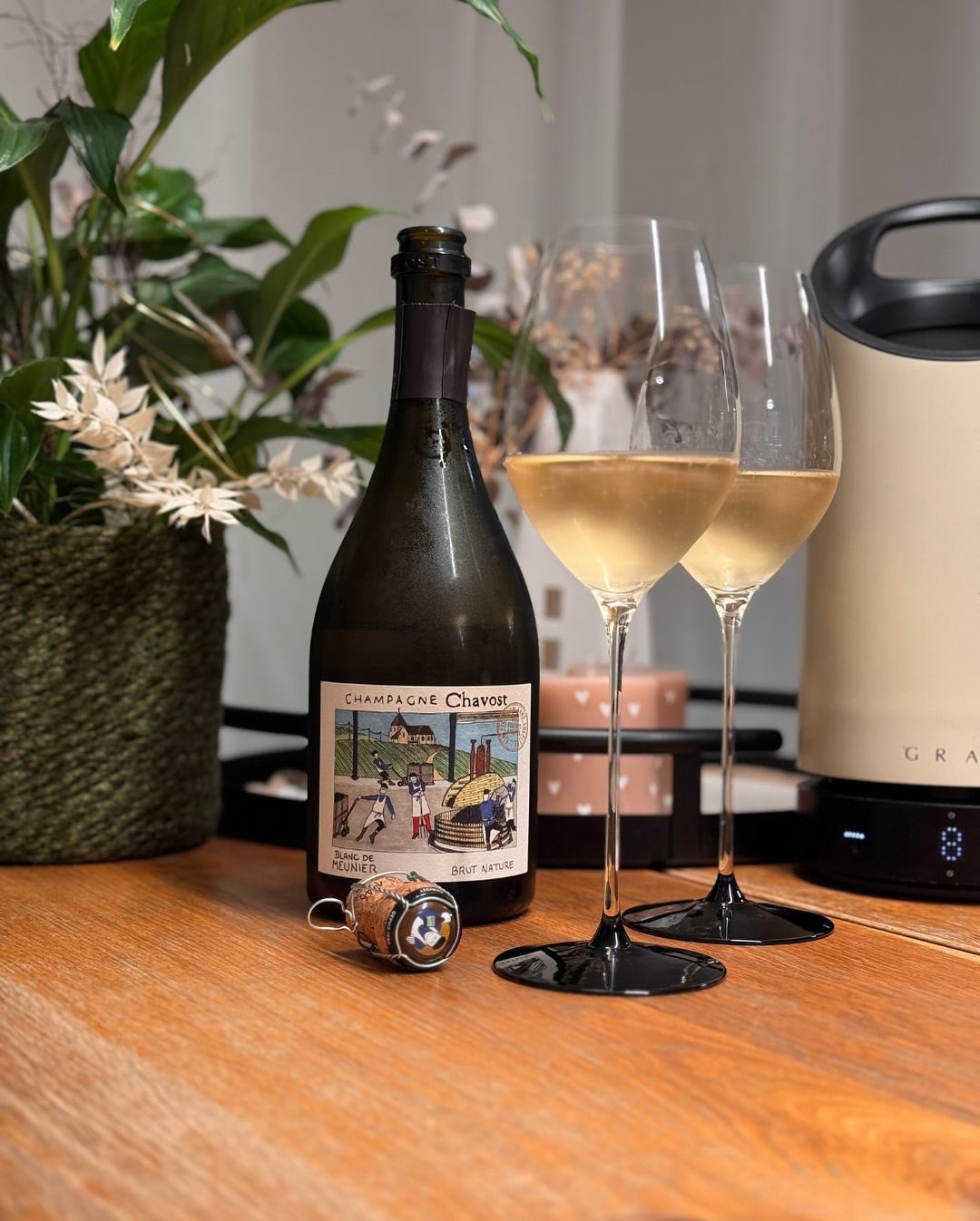
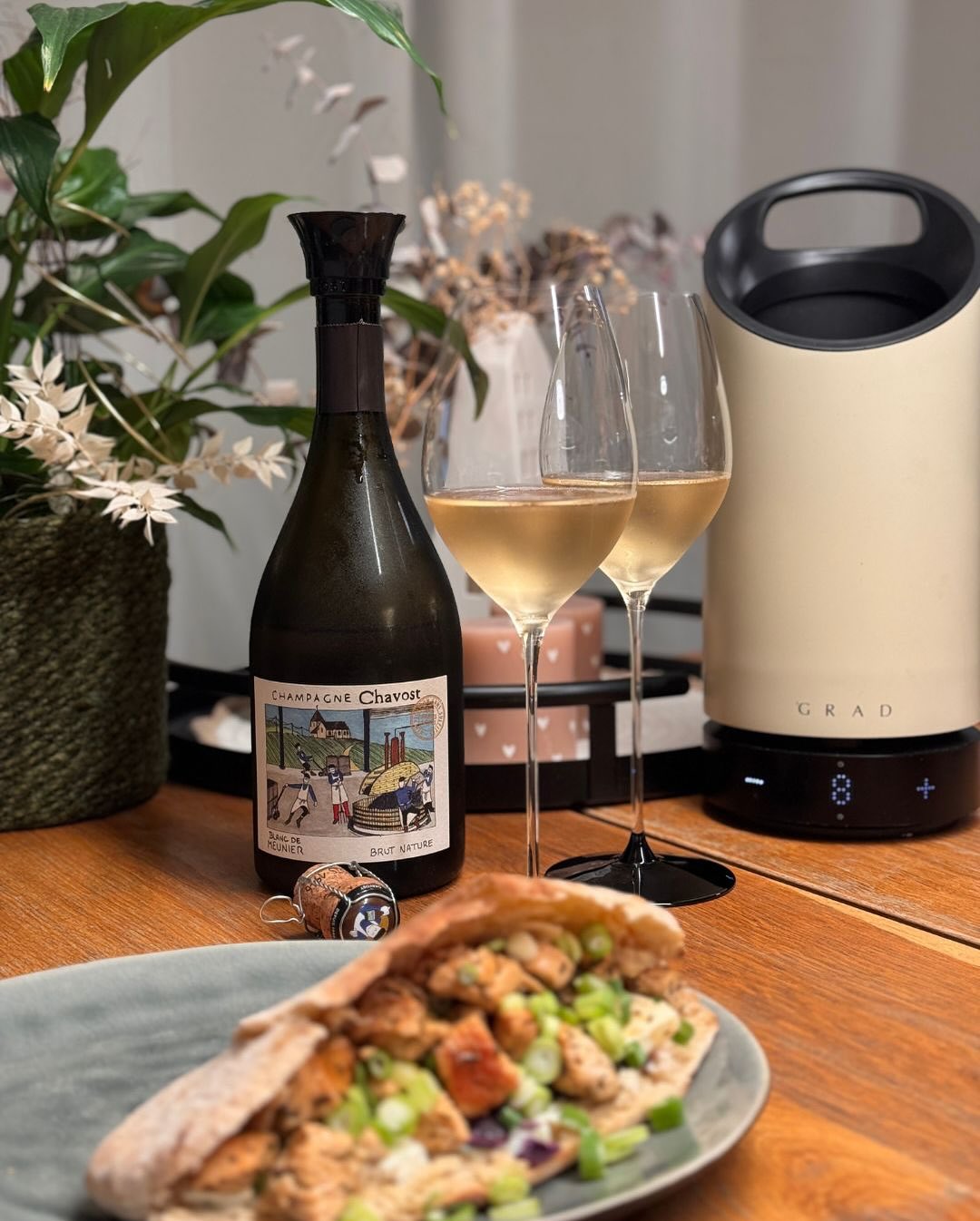
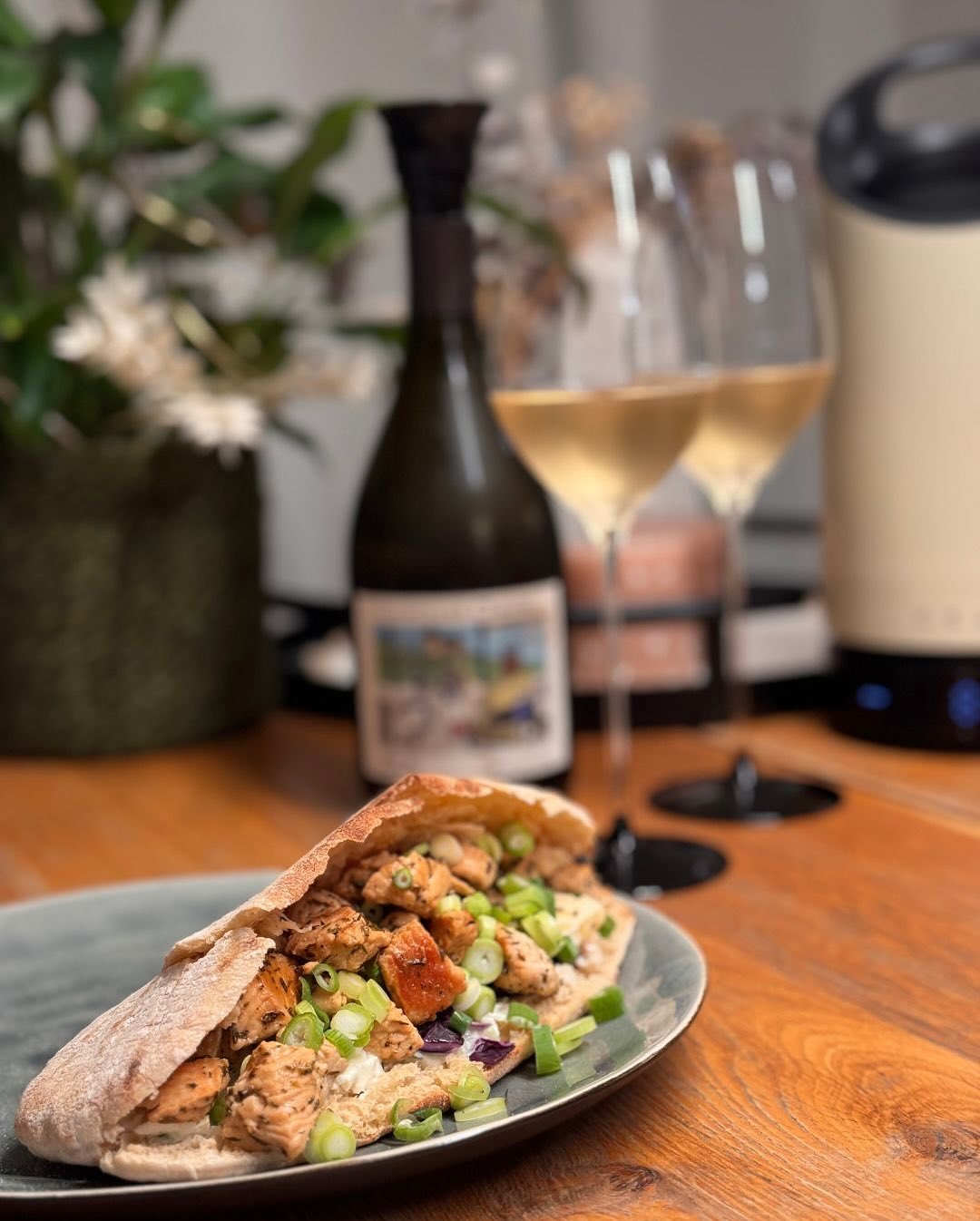
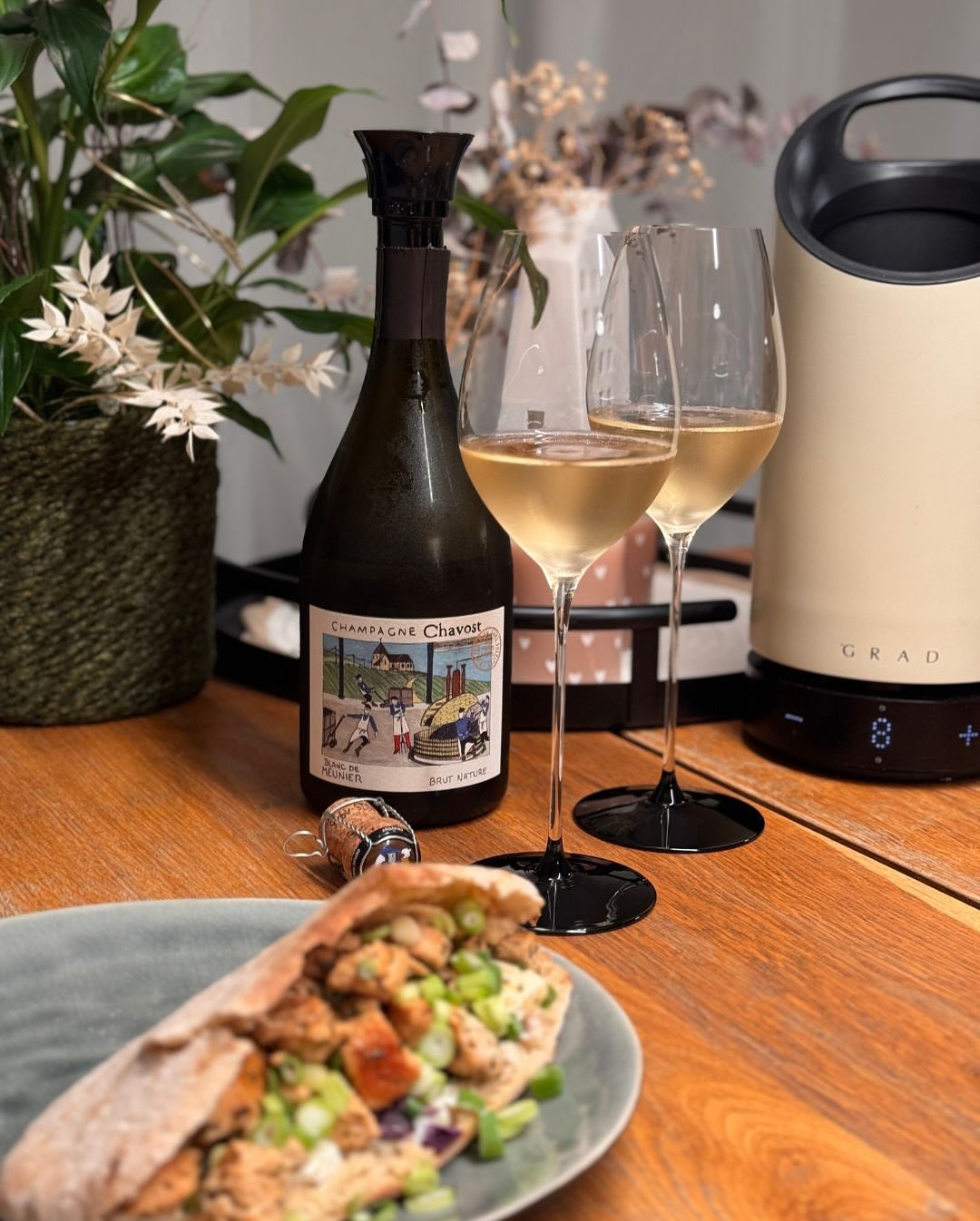
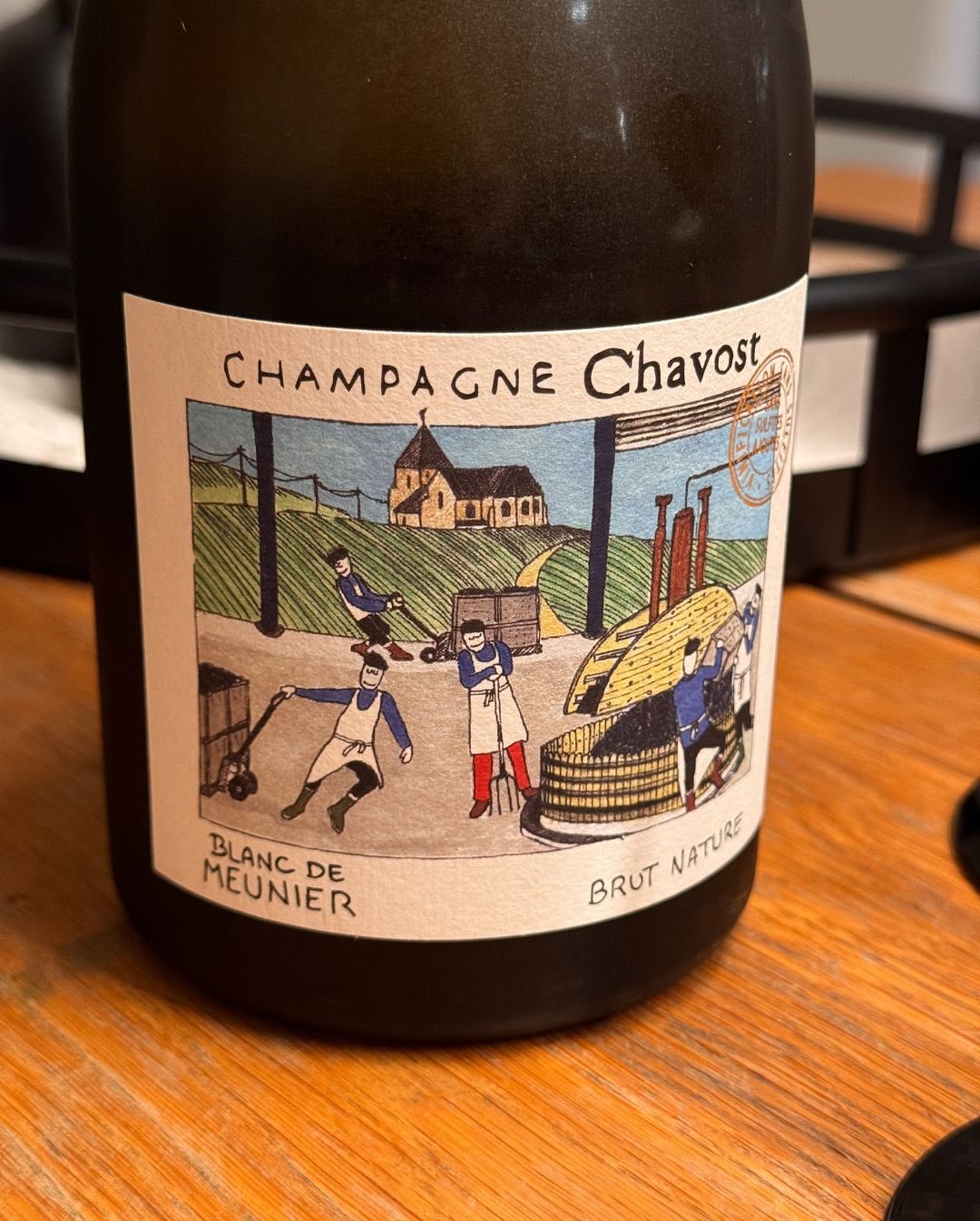
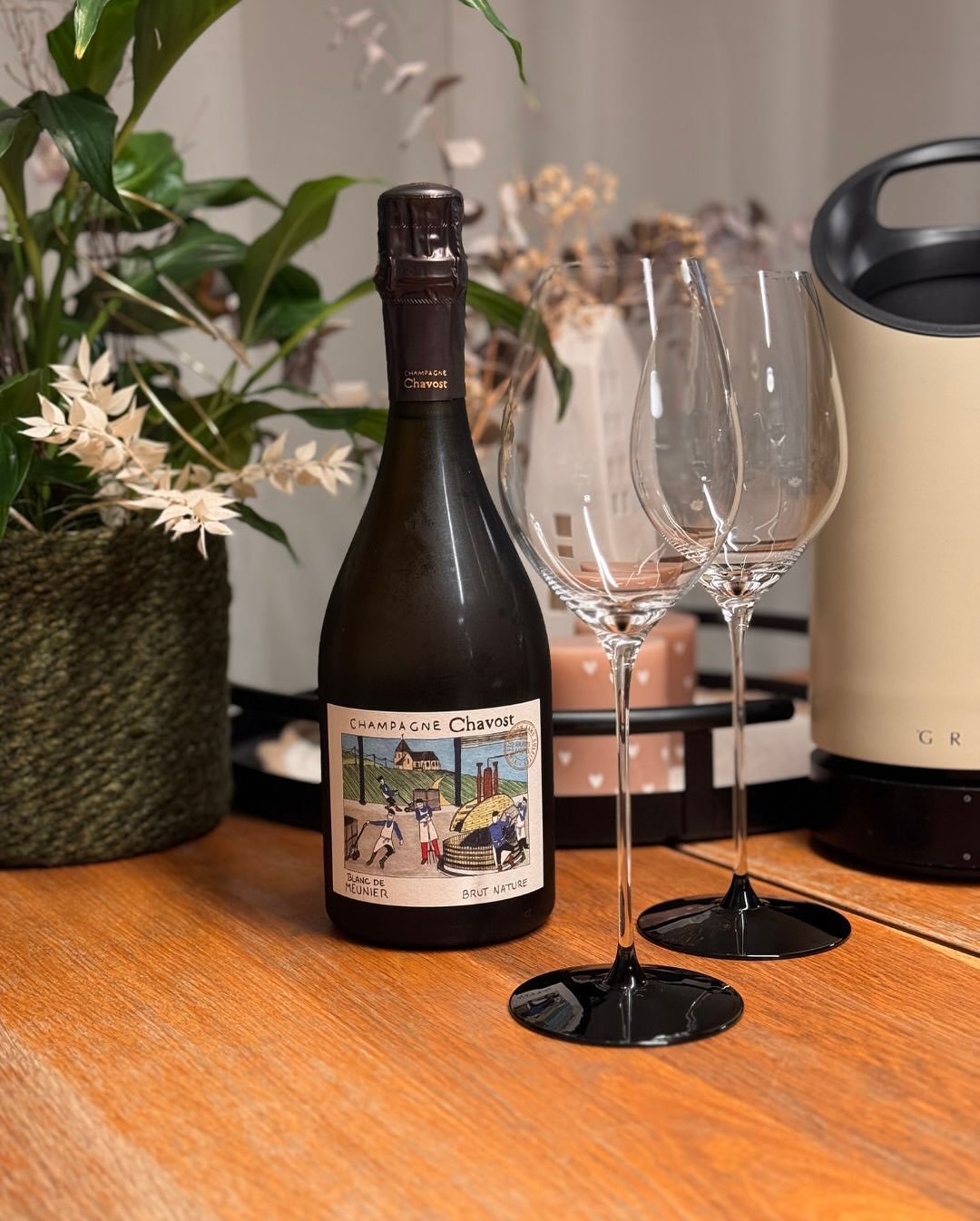
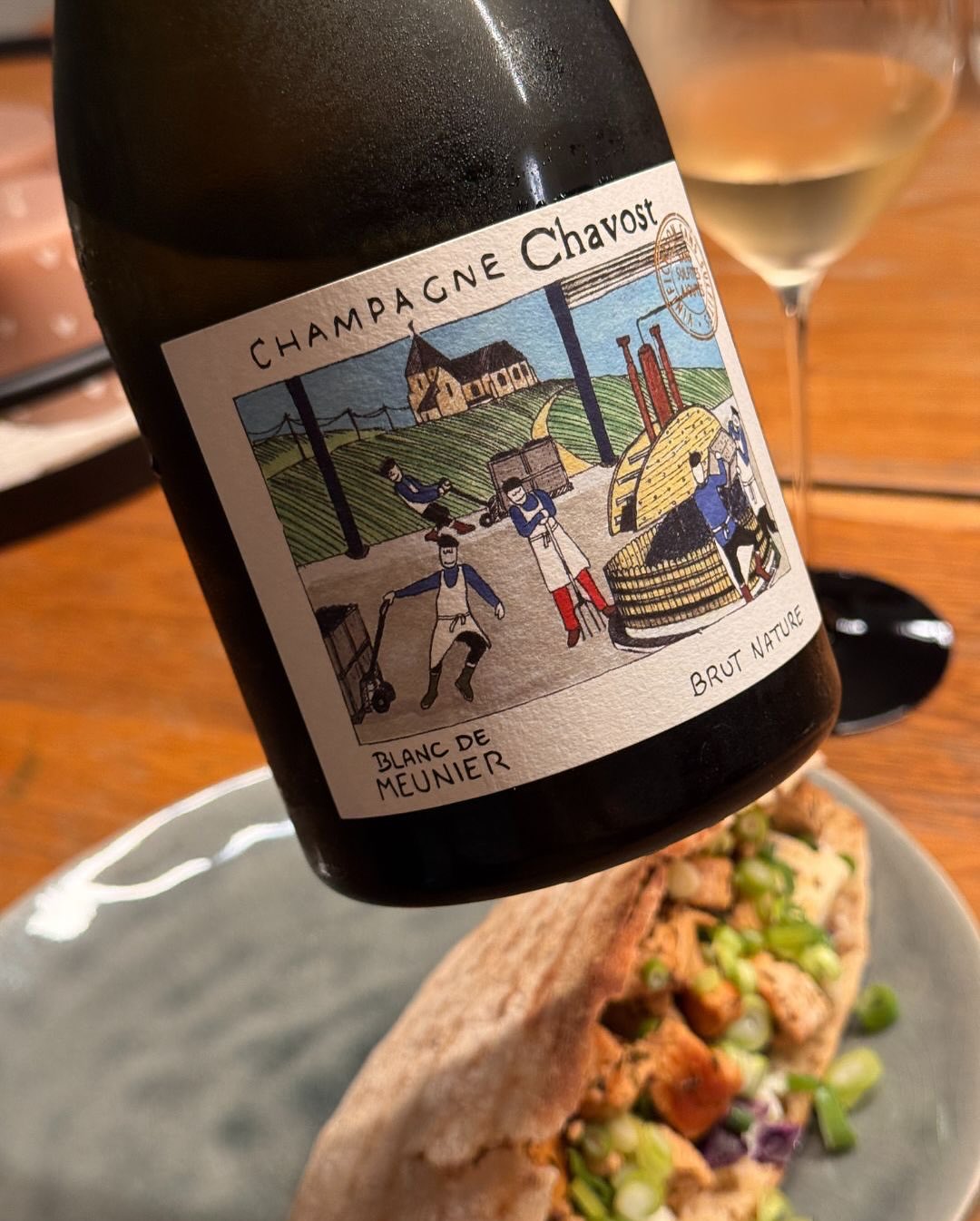
the_champagne.guy Gestern haben wir mittags spontan ein paar Pitas gefüllt – mit Zaziki, Rotkraut, zitronig angebratener Pute und etwas Frühlingszwiebel. Außen knusprig getoastet, innen saftig und frisch. Dazu der Blanc de Meunier von @champagnechavost – 100 % Meunier, bio-zertifiziert, spontanvergoren, ohne Filtration. Ein ehrlicher, klarer Champagner mit Spannung und Charakter. In der Nase feine Frucht – Apfel, Birne, etwas Zitronenschale – am Gaumen cremig, salzig und mit einem leicht nussigen, mineralischen Zug. Champagne-Facts 🍇 100 % Meunier 🌱 Bio-zertifiziert, keine Schönung, keine Filtration 🪵 Ausbau: Edelstahl & leichtes Holz 🕰 Reifung: ca. 3 Jahre auf der Hefe 🍬 Dosage: 0 g/l (Brut Nature) 📍 Herkunft: Chavost, Vallée de la Marne Der Blanc de Meunier hat das Gericht perfekt getragen – die Frische der Zitrone, die Cremigkeit vom Zaziki, der Crunch der Pita. Kein klassisches Pairing, aber eines, das einfach funktioniert hat – spontan, pur und genau richtig für diesen Mittag. #TheChampagneGuy @riedel_official @grad.dk #Champagne #Chavost #BlancdeMeunier #BrutNature #BioChampagne #GrowerChampagne #ValléedelaMarne #ChampagneTime
Auf Instagram weiterlesen →Pure Meunier, organic-certified, spontaneously fermented, without fining and filtration. Aged in stainless steel and light oak, around 3 years on lees. Creamy, salty, mineral with a nutty character.
100% Meunier · 0 g/l · approx. 36 months on lees · Vallée de la Marne
Eurêka!
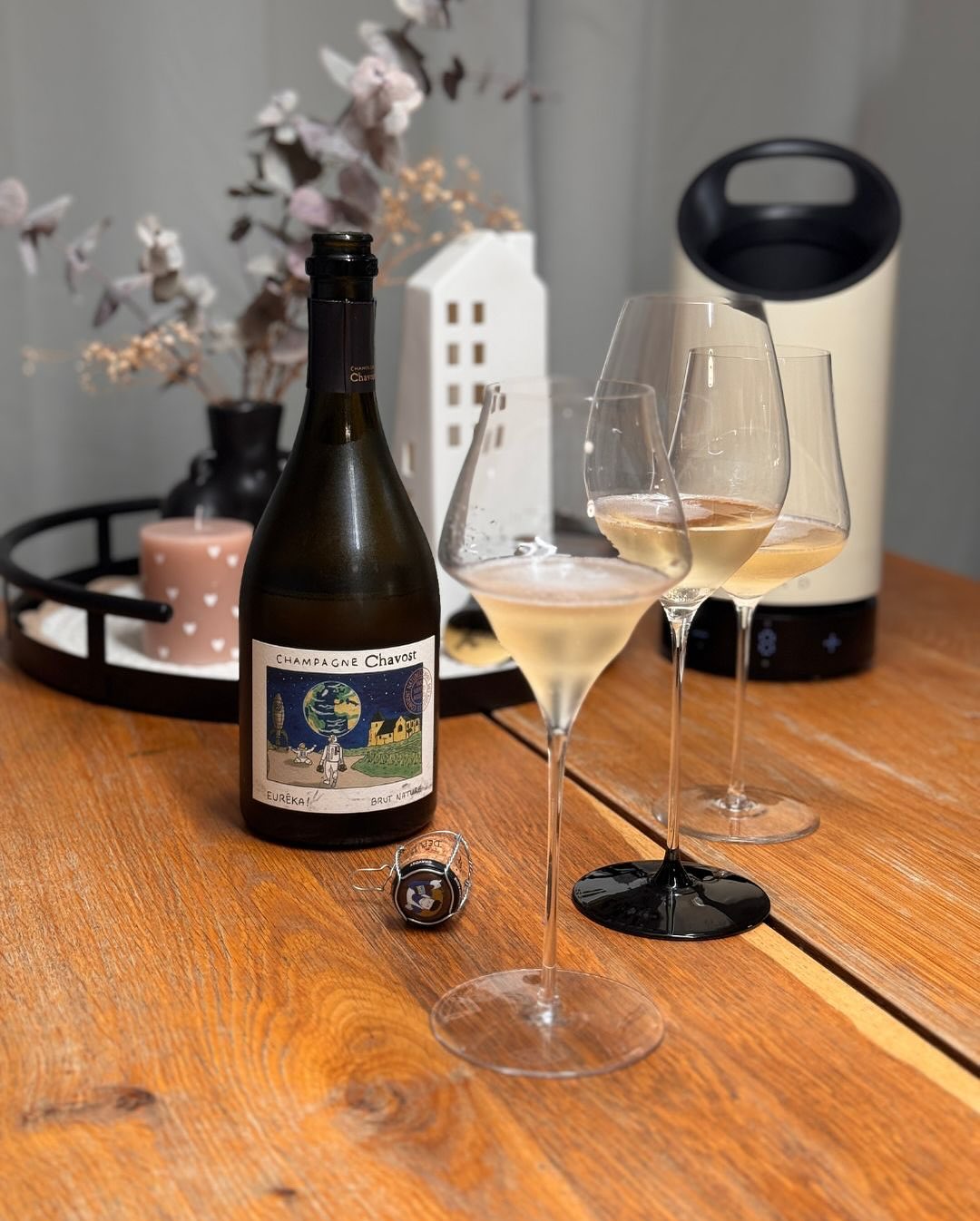
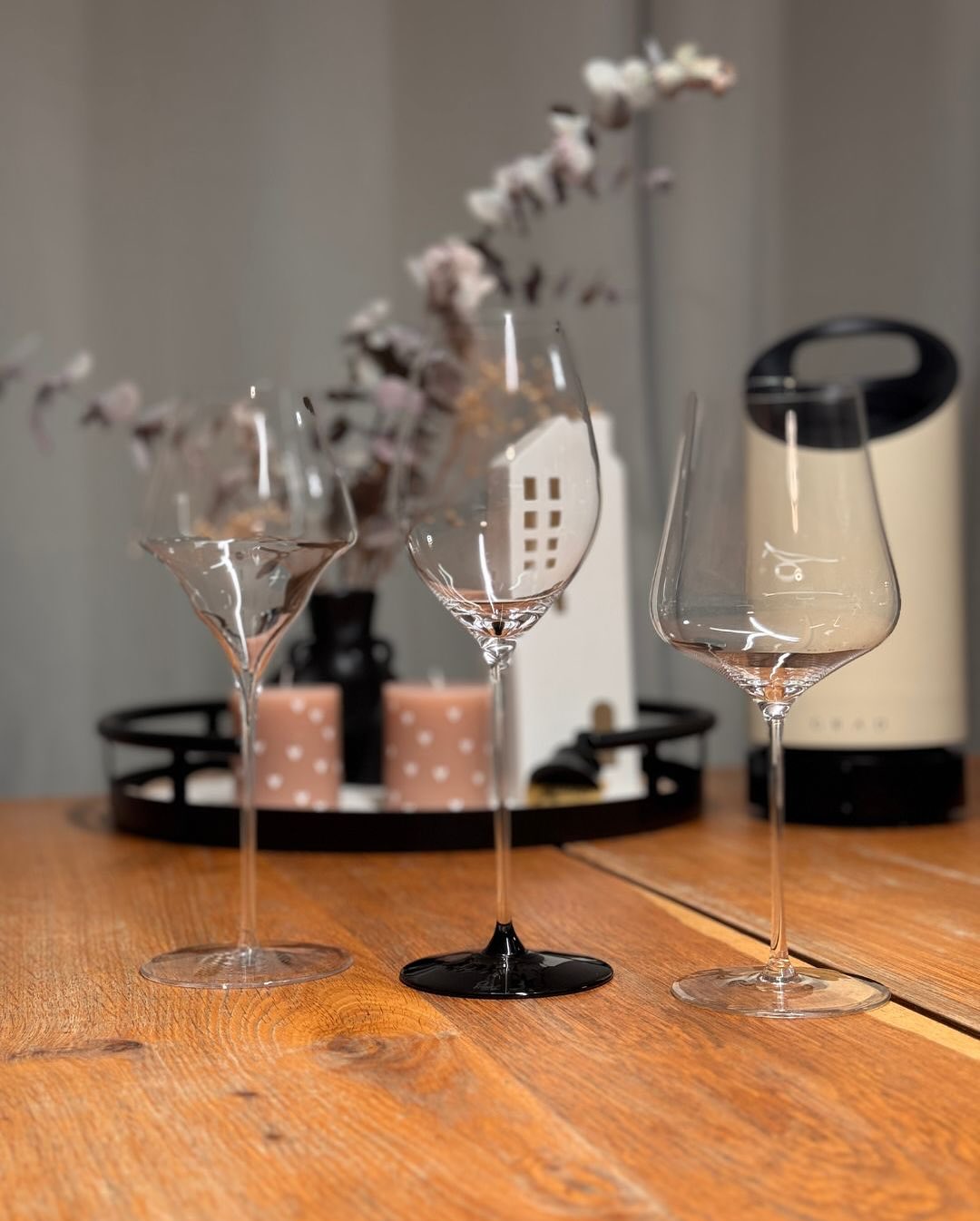
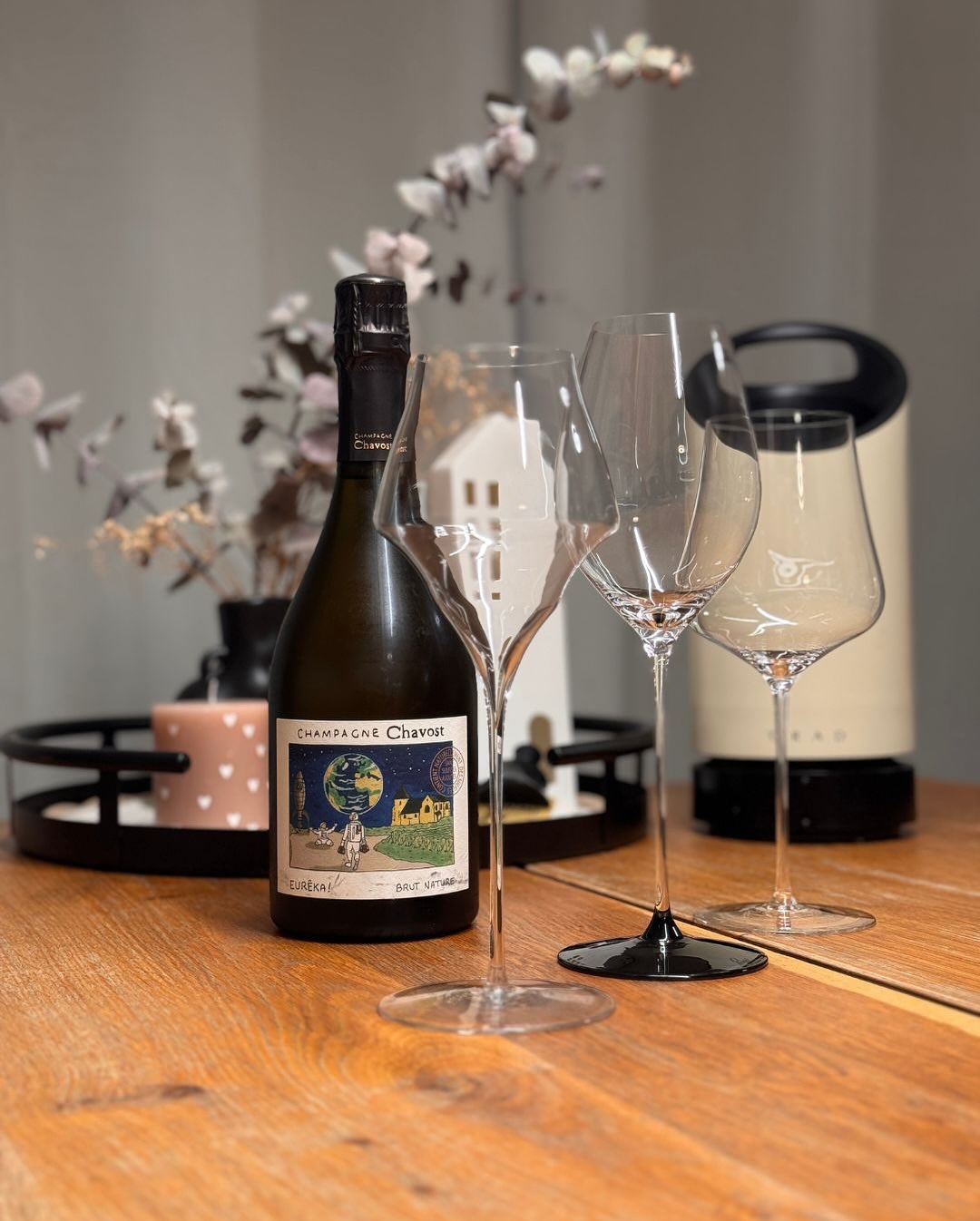
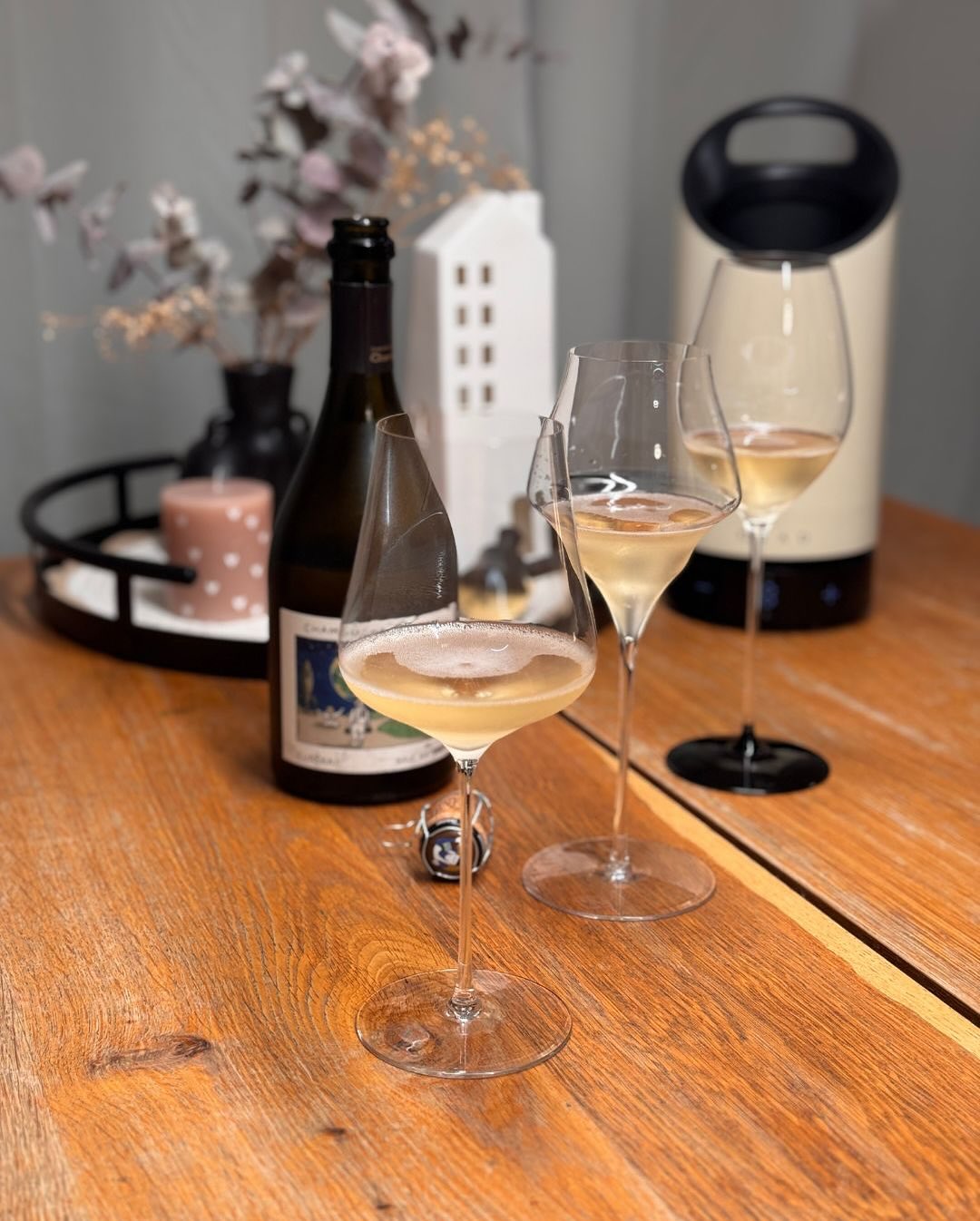
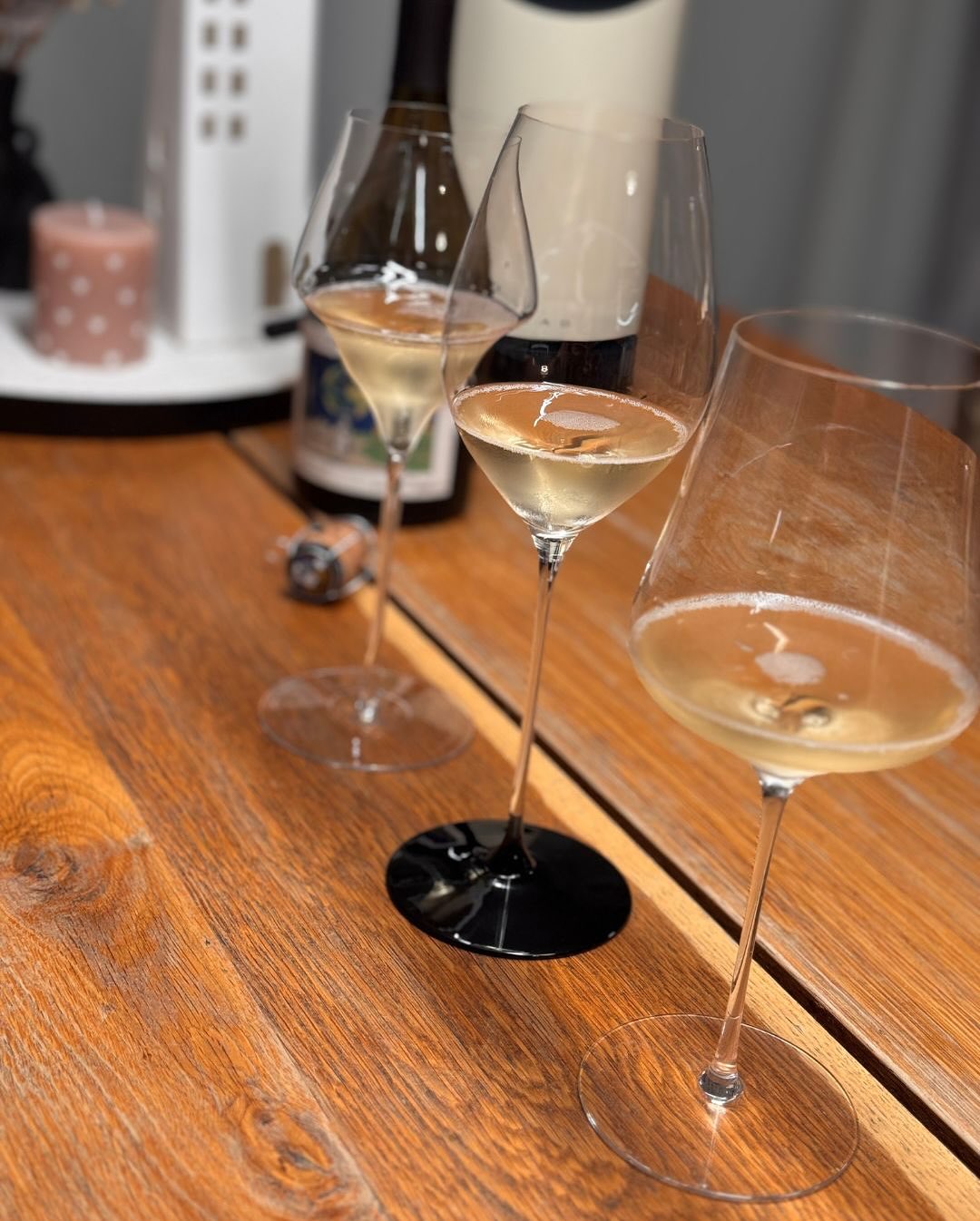
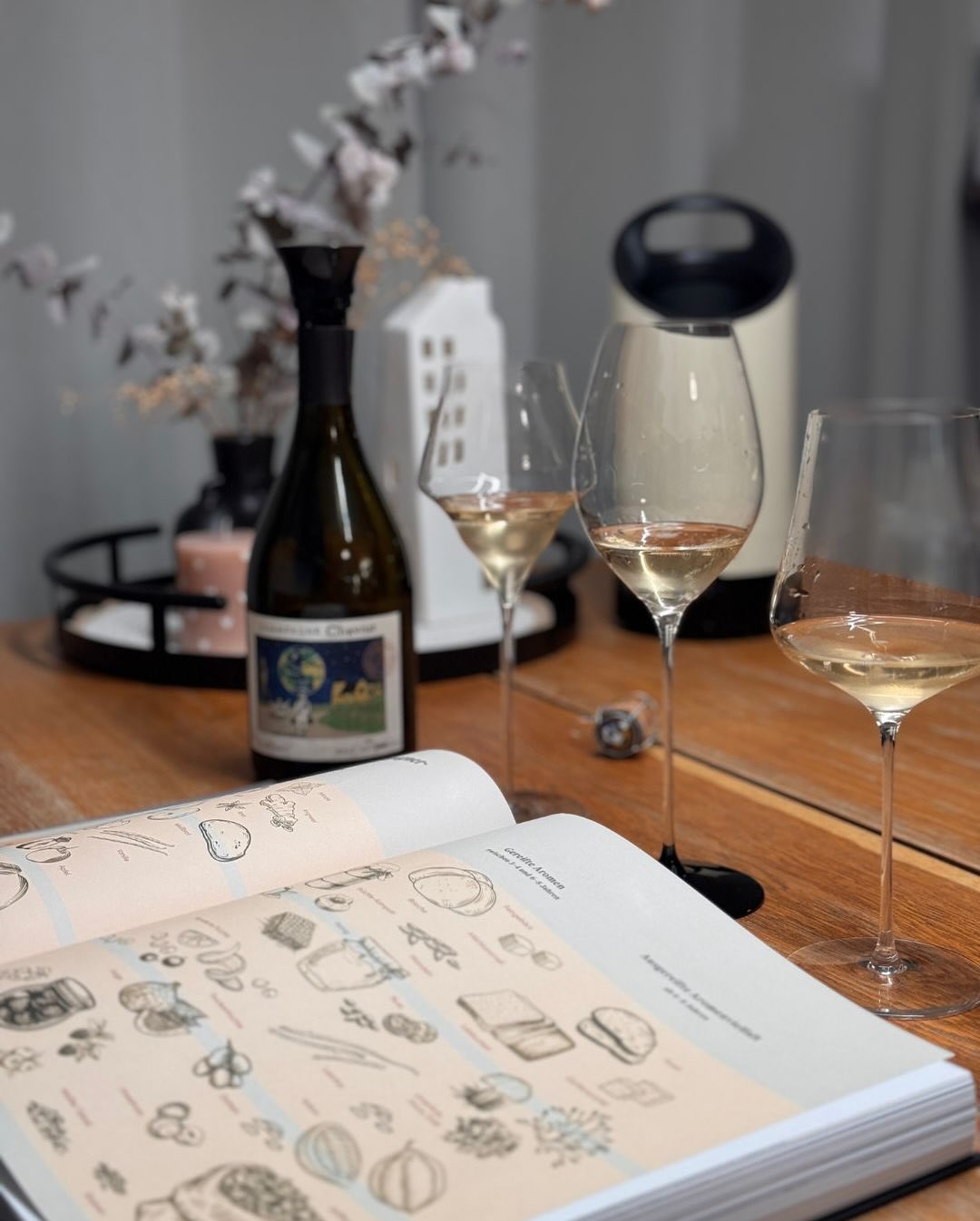
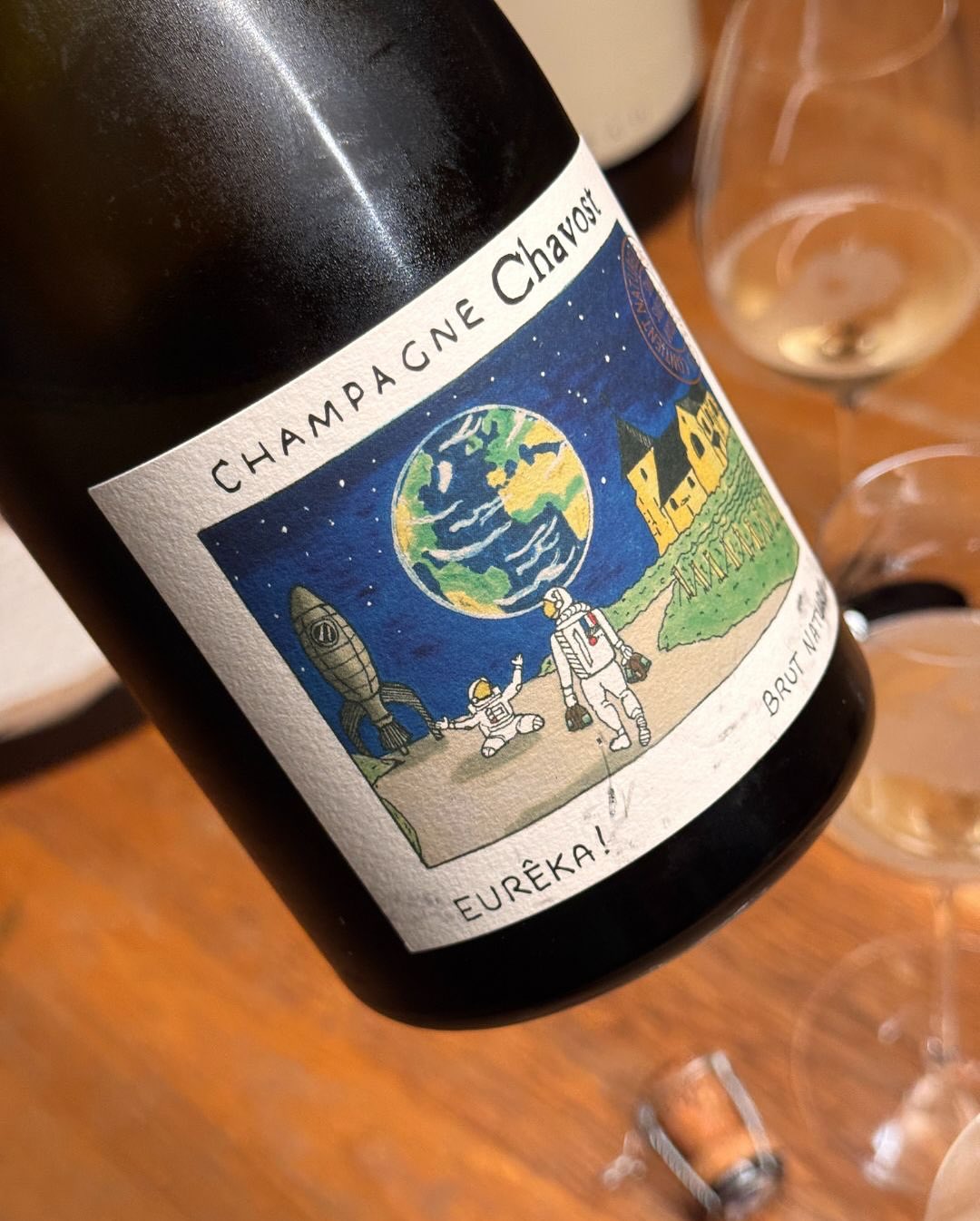
the_champagne.guy Für den gestrigen Abend durfte es etwas Anspruchsvolleres sein – und ich bin beim Eurêka! von @champagnechavost hängen geblieben. Eine von nur 833 Flaschen, puristisch vinifiziert: keine Dosage, keine Filtration, keine Zusätze. Bei der Glaswahl hatte ich direkt FOMO: 1️⃣ das schmalste, die @josephinenhutte No. 4 2️⃣ mein Liebling, das @riedel_official Fatto a Mano Black Tie – nie zu schmal, nie zu bauchig 3️⃣ und die @gabriel_glas Gold Edition, das bauchigste Glas, das ich mir nicht entgehen lassen konnte – vielleicht ja der Volltreffer. Dazu den @grad.dk -Kühler auf den Tisch, um den ganzen Abend entspannt zu genießen. Spoiler: nach dem ersten Schluck war klar, dass diese Flasche Wärme braucht – den Kühler habe ich direkt wieder ausgemacht. Und so ging’s los – drei Durchgänge zwischen ca. 8 und 12 °C: ✨ Durchgang 1 (8–9 °C): - Josephinen: kühl, salzig, mineralisch, fast Seeluft - Riedel: fruchtiger, runder, wärmer - Gabriel: volle Mousse, später Brioche ✨ Durchgang 2 (9–10 °C): - Josephinen: herb, mit Bitterkeit (unreife Birne), Säure, die nach 20 Sek. Speichelfluss anregt - Riedel: grüner Apfel, mehr Mineralik, lang anhaltend „Kalk“, aber weich - Gabriel: fruchtiger, voller, ein Hauch Toast ✨ Durchgang 3 (11–12 °C): - Josephinen: puristisch, salzig, fast weiniger - Riedel: Apfel bleibt, aber weicher – wie in Weißbrot eingezogen - Gabriel: kaum Veränderung, aber ganz am Ende ein Hauch Nuss Die Aromen waren so breit gefächert, dass ich schließlich doch noch mein Champagner-Buch von @peter_jauch_official ausgepackt habe, um das Ganze visuell zu ordnen – und ja, irgendwie macht alles Sinn 😊. Und das Fazit? Das ist ja das Schöne am Champagner: es gibt kein bestes Glas und keinen besten Champagner – nur das, was zum Moment, zur Stimmung und zum Pairing passt. Gewonnen hat also nicht ein einzelnes Glas, sondern die Leidenschaft für Champagner und die Bestätigung, dass Wissen und Lernen den Genuss langfristig vertiefen. Gestern habe ich einen Champagner und drei Gläser erlebt, die ich vielleicht zu drei ganz verschiedenen Pairings einsetzen würde. #TheChampagneGuy #Champagne #GrowerChampagne #ChampagneTime #BrutNature #Glasvergleich
Auf Instagram weiterlesen →Limited production of 833 bottles. No dosage, no filtration, no additives. Purist and changing: salty-mineral, sea air, green apple, chalk, brioche and nuts depending on temperature. The cépage composition isn't documented.
Brut Nature · 0 g/l · limited
My Tastings
- Blanc Assemblage · 02.24.2026
- Paradoxe (2025) · 01.09.2026
- Rosé (2025) · 12.10.2025
- Blanc de Chardonnay · 11.16.2025
- Blanc de Meunier · 10.23.2025
- Eurêka! · 10.01.2025
- Blanc Assemblage Brut Nature (2025) · 09.17.2025
Facts
| Category | Details |
|---|---|
| Maison Type | RM (Récoltant-Manipulant) |
| Location | 16 rue d'Ilbesheim, 51530 Chavot-Courcourt, Marne (51) |
| Region | Vallée de la Marne |
| Management | Fabian Daviaux |
| Vineyard Area | 19 Ha (5 Ha organic/biodynamic, 14 Ha raisonnée) |
| Certifications | AB (Agriculture Biologique) |
| Winemaking | Stainless steel + light oak, spontaneous, complete MLF |
| Dosage | 0 g/l (Brut Nature) |
| Philosophy | Sans Soufre, no filtration, no fining |
| Website | champagne-chavost.com |
| @champagnechavost |
Sources for this profile: Maison website, personal tastings, CRM data and cross-checks. Fields without sufficient verification remain open.