Billecart-Salmon: Low-Temperature Vinification Since 1950
Billecart-Salmon is a Négociant-Manipulant house in Mareuil-sur-Aÿ in the Vallée de la Marne, founded in 1818 through the marriage of Nicolas François Billecart and Elisabeth Salmon. The house is today one of the few that is still independent and family-owned at this scale, led in the 7th generation by Mathieu Roland-Billecart.
The 300 hectares of the house are split in an unusual way, the exact structure says more about the identity than any marketing line:
- 100 ha en propre, vines in family ownership
- 100 ha en exploitation, long-term operating contracts on third-party parcels, run by the house itself
- 100 ha from grape purchases, sourced from 40 different crus, carefully curated
The third tier isn't "just buying", the selection of those 40 crus is part of the style definition. A house this size (mid-sized compared to the very largest) that stays completely independent while managing this geographical spread has a very clear idea of what its champagne style should be.
History
The house was established in 1818 when Nicolas François Billecart and Elisabeth Salmon married and merged their family operations. Louis Salmon, Elisabeth's brother, brought his oenological expertise and shaped the winemaking in the early years.
A crucial technological step occurred in 1950: Billecart-Salmon introduced cold débourbage technique and began vinifying in stainless steel tanks at low temperatures. This longer, cooler fermentation has since preserved the aromas and fruit freshness that remain part of the house signature today.
Vignoble & Terroir
The 300 hectares are spread across the Montagne de Reims, Grande Vallée de la Marne, Vallée de la Marne and Coteaux Sud d'Épernay, every Champagne sub-region is represented in the range. In Clos Saint-Hilaire, a 1-hectare monopole parcel in Mareuil-sur-Aÿ, horses are used instead of tractors, the house signature for its top cuvée.
The cellar signature comes from crayères from the 17th and 19th centuries, historic chalk vaults where bottle aging takes place at constant temperature and humidity.
Viticulture & Sustainability
Three concrete points that aren't a given for a 300-ha house:
- VDC, Viticulture Durable en Champagne. The region's official sustainability label, with independent verification.
- 100% organic, across the entire estate. For a house of this size, that's not a gesture but a logistical effort. Running 300 hectares without synthetic pesticides means more staff per hectare, more passes, higher costs.
- 10 additional hectares in biodynamics, the next step beyond organic. Lunar calendar, preparations, dynamized teas, horns. Run on ten hectares, not as a fashion statement but as a test platform.
Sheep are no longer used in the vines, if you saw that mentioned elsewhere, it's out of date.
Vinification
Billecart-Salmon vinifies each parcel separately in small, thermoregulated stainless steel tanks of 47 hectoliters, Cru by Cru, grape variety by grape variety. Fermentation runs at low temperature and lasts longer to preserve aromas and fruit freshness.
Alongside this, the house maintains a barrel park of 400 barriques and 24 foudres, used primarily for cuvées like Le Sous Bois. Aging periods are generous: Non-Vintage cuvées rest 3 to 4 years on lees, Vintage cuvées at least 10 years.
The current range is now consistently Extra Brut, the house has dropped classic Brut on its non-vintage cuvées in favour of a drier style. Brut Nature remains on offer; individual vintage cuvées keep their cuvée-specific dosage. For a house of this tradition to collectively move to Extra Brut is a stylistic statement, consistent with the Billecart identity, which has always leaned on elegance rather than dosage.
The Cuvées in Detail
Le Réserve (Extra Brut)
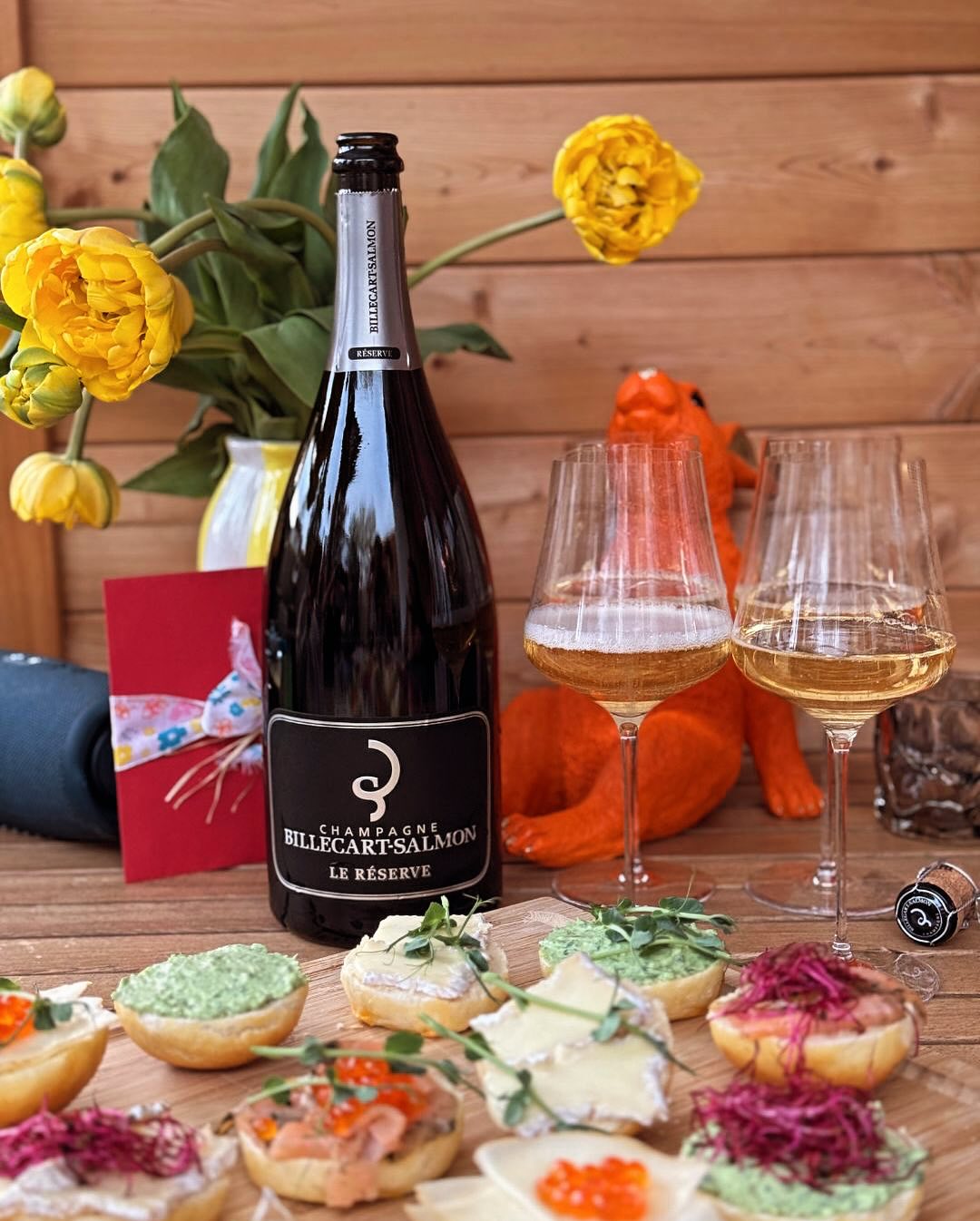
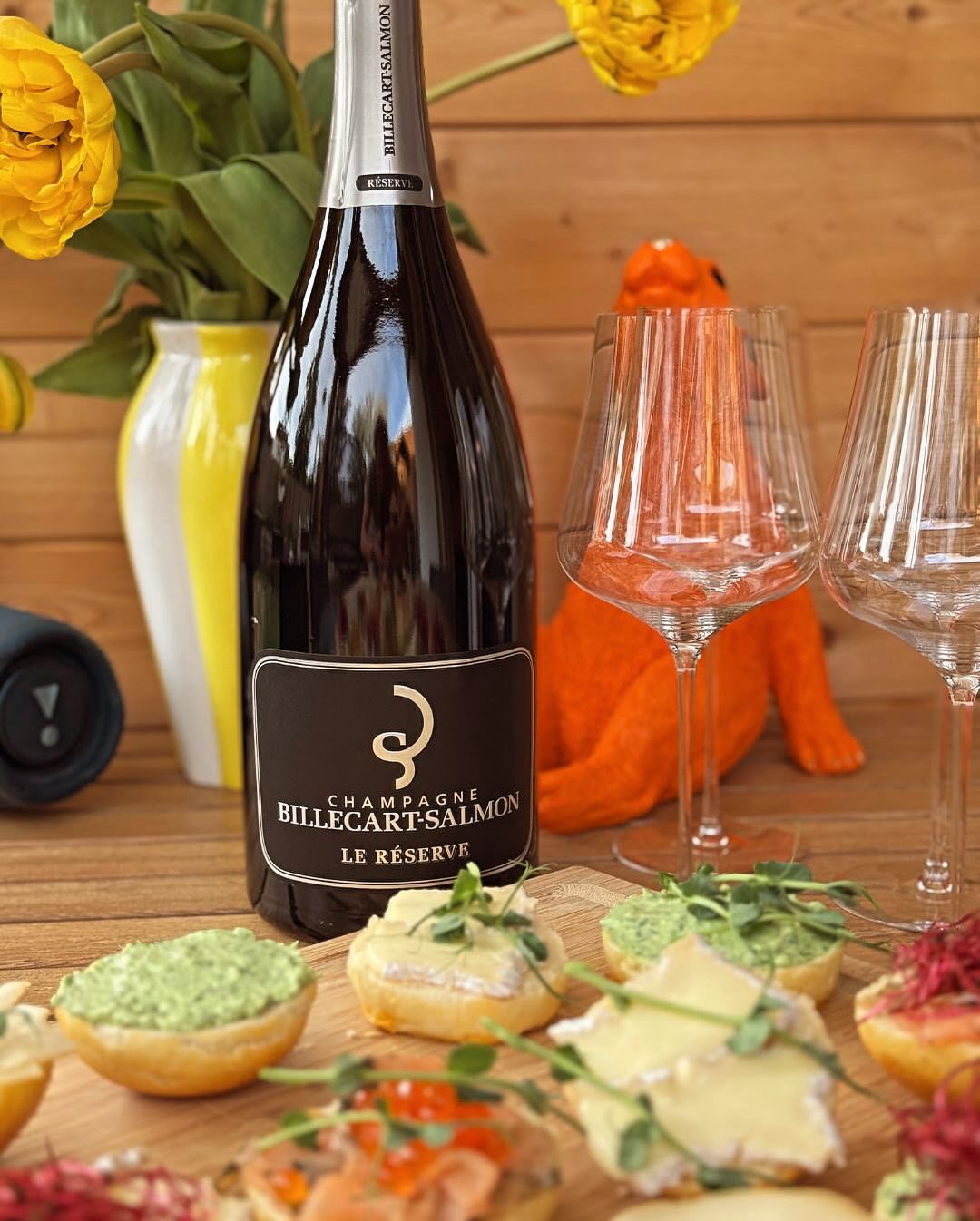
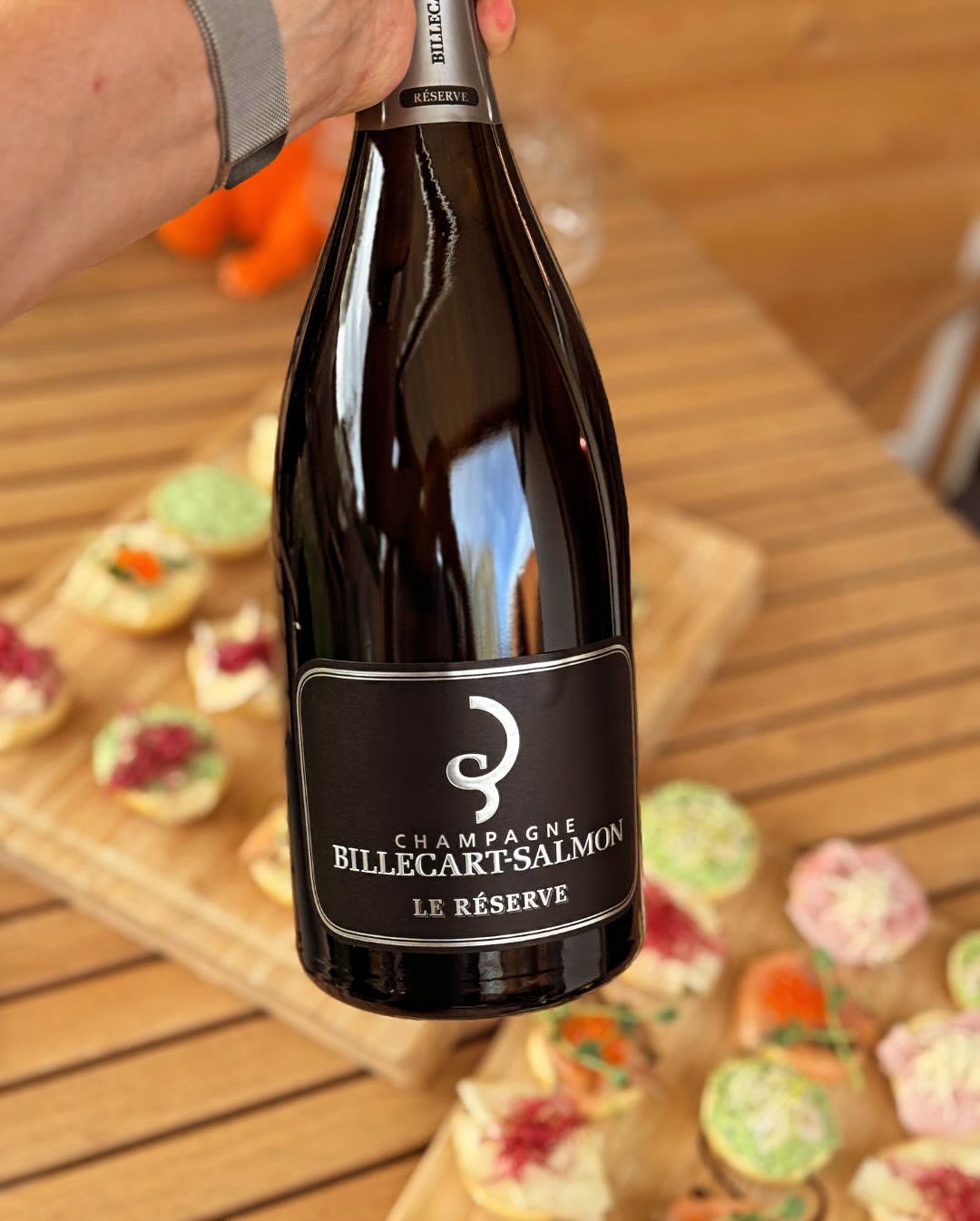
the_champagne.guy Am Abend kamen gestern noch Freunde vorbei – um Ostern 🐣 und den Geburtstag meiner Frau 🎂 gemeinsam ausklingen zu lassen. Draußen volles Programm: fünf Kinder, Trampolin 🤸, spontane Mini-Schnitzeljagd 🗺️, Garten-Action pur 🌿. Auf der Terrasse: ein paar Häppchen, ein paar Gläser – und einfach ein schöner Abend ✨. Frisch gebackene Mini-Brioche-Buns, belegt mit: 🥪 Schinken & Kren 🐟 Lachs mit Senf-Dill-Sauce 🧀 Camembert 🌱 Bärlauchaufstrich mit Shrimps 🐟+🍸 Lachs & Lachskaviar Dazu Rote-Bete-, Alfalfa- & Erbsensprossen – als Finish und Frischekick 🌿. Im Glas: @champagne_billecart_salmon – Le Réserve Brut (Magnum) 🍾 Ein Klassiker, der immer passt. Feine Perlage, balancierte Frucht, Eleganz ohne Mühe. Reicht locker für vier Erwachsene – und einen langen, entspannten Ausklang 🍷🫶 Aktuell sind hier wieder vermehrt Klassiker am Start, weil es da noch einige gibt, die auf meiner Liste noch abgehakt werden müssen ✅😄 Es stehen die Tage aber auch wieder einige spannende Winzer-Champagner an… 👀🥂 #TheChampagneGuy @gabriel_glas #BillecartSalmon #LeRéserve #MagnumLiebe #BriocheBuns #Foodpairing #Osterausklang #GeburtstagUndGarten #KinderUndChampagner #SprossenAufAlles
Auf Instagram weiterlesen →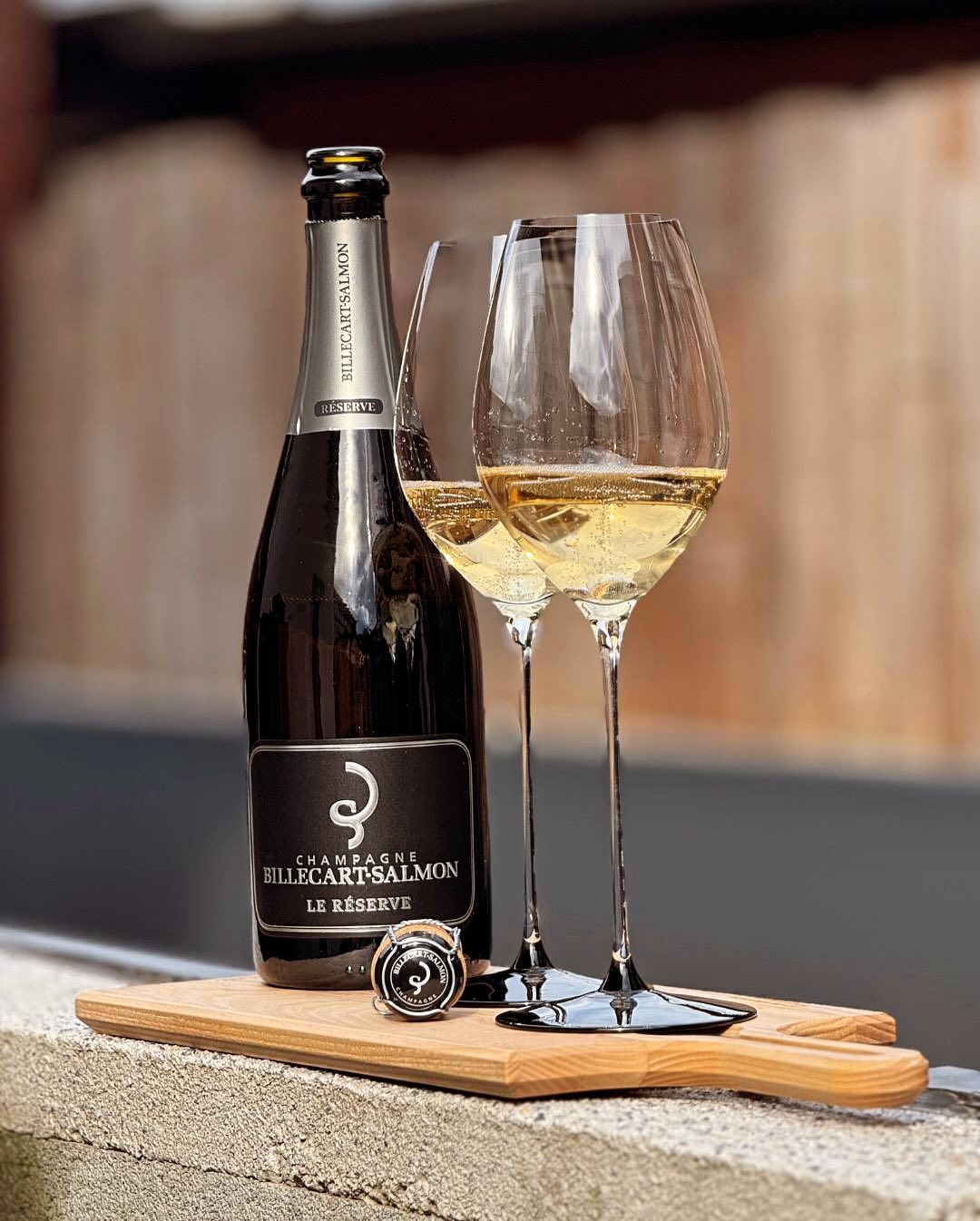
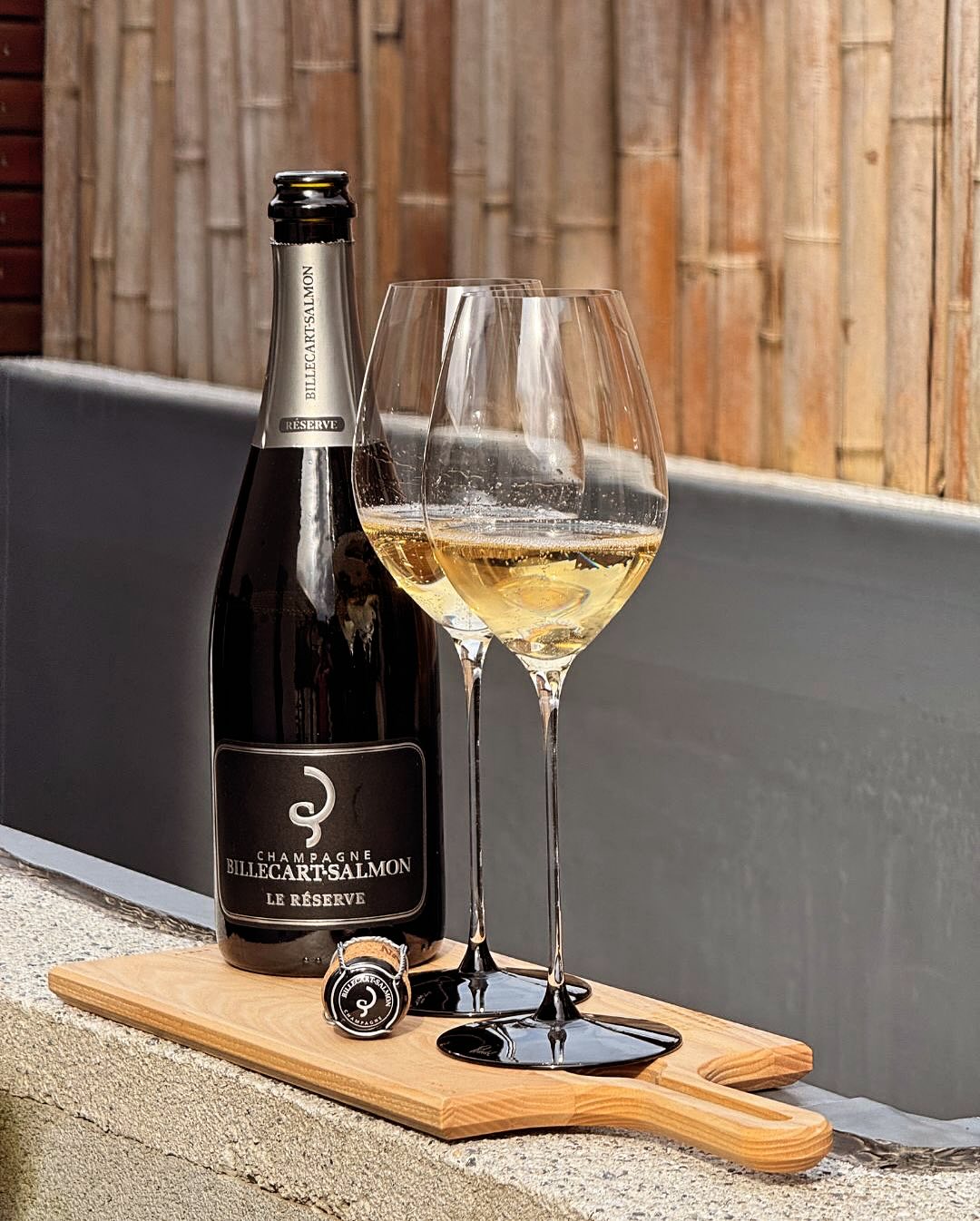
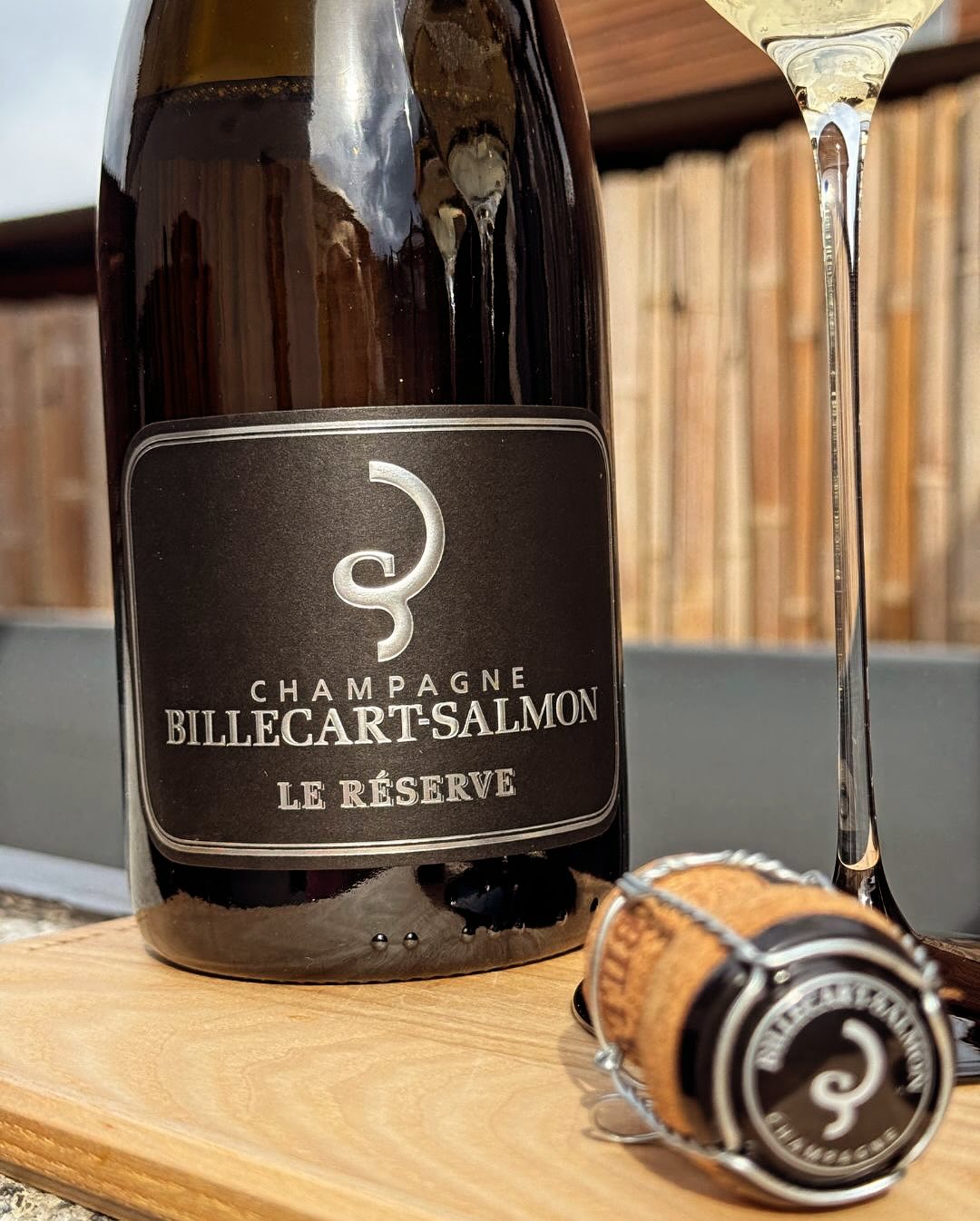
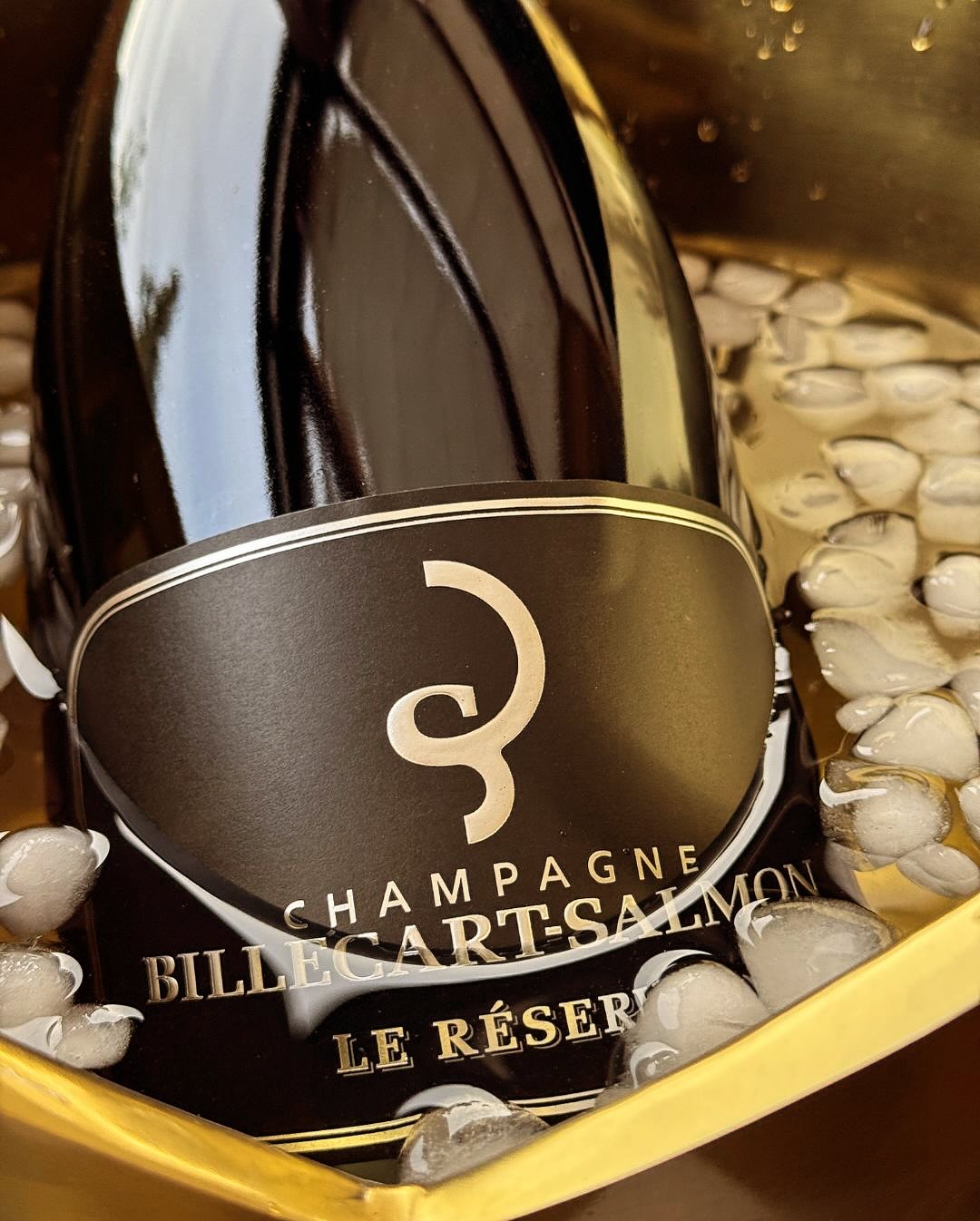
the_champagne.guy Frühling heißt: Der Rasen braucht Luft, der Pool frisches Wasser – und ich? Einen Schluck Billecart-Salmon. Aerifizieren & Sanden gehen eben doch ein bisschen leichter, wenn im Hintergrund ein feiner Champagner wartet. 🍾 @champagne_billecart_salmon – Le Réserve Brut Ein Klassiker mit Substanz – feinperlig, zurückhaltend elegant, mit schöner Tiefe und Frische. Zartes Steinobst, etwas Brioche, ein Hauch Gewürz – nichts Lautes, nichts Beliebiges. Einfach gut gemacht. 📍 Die Flasche? Fotogen wie immer – diesmal vor dem frisch eingelassenen Pool. Weil Frühling auch bedeutet: anstoßen auf das, was kommt. Fazit: Es muss nicht immer ein Anlass sein. Manchmal reicht ein Nachmittag mit Erde an den Händen und Champagner im Riedel Glas. #TheChampagneGuy @frankfurterbrett @mrbillecart @riedel_official #BillecartSalmon #ChampagnerImGarten #SpringVibes #PoolOpening2024 #RasenpflegeMitStil #LeRéserve #ChampagnerLiebe
Auf Instagram weiterlesen →The house's entry-level cuvée: balanced, fine bubbles, with notes of stone fruit and brioche. Effortless drinking pleasure after 36 months aging.
No cépage information available · Extra Brut · 36 months aging
Le Rosé
Rosé d'assemblage with red fruits and citrus freshness, very fine perlage. Harmony from three grape varieties, 36 months aging.
45% Chardonnay · 35% Pinot Noir · 20% Meunier · Extra Brut · 36 months aging · Montagne de Reims, Grande Vallée de la Marne, Vallée de la Marne, Coteaux Sud d'Épernay
Le Blanc de Blancs
Pure Chardonnay from the Côte des Blancs, finesse and freshness in the foreground.
100% Chardonnay · Extra Brut · Côte des Blancs
Le Sous Bois
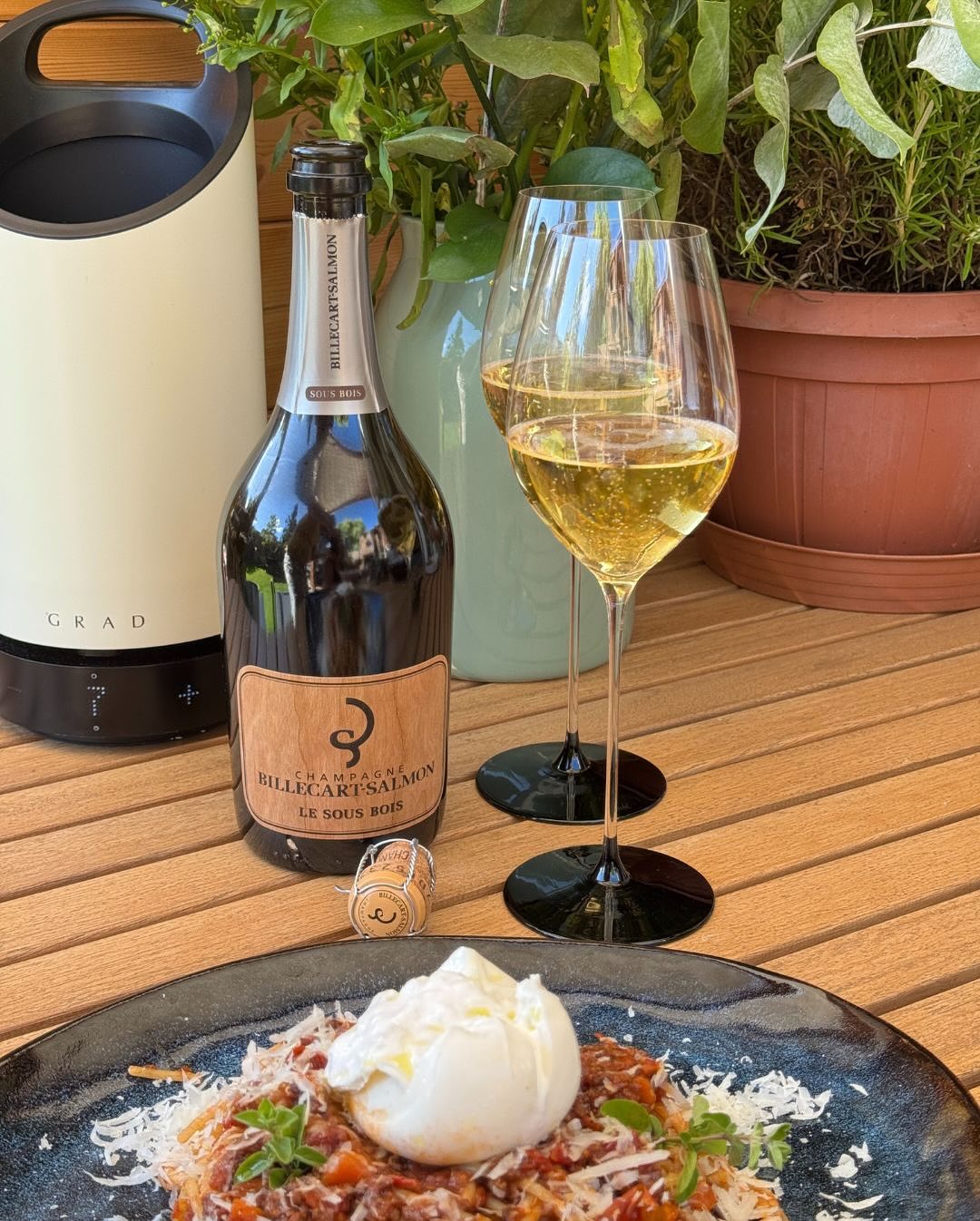
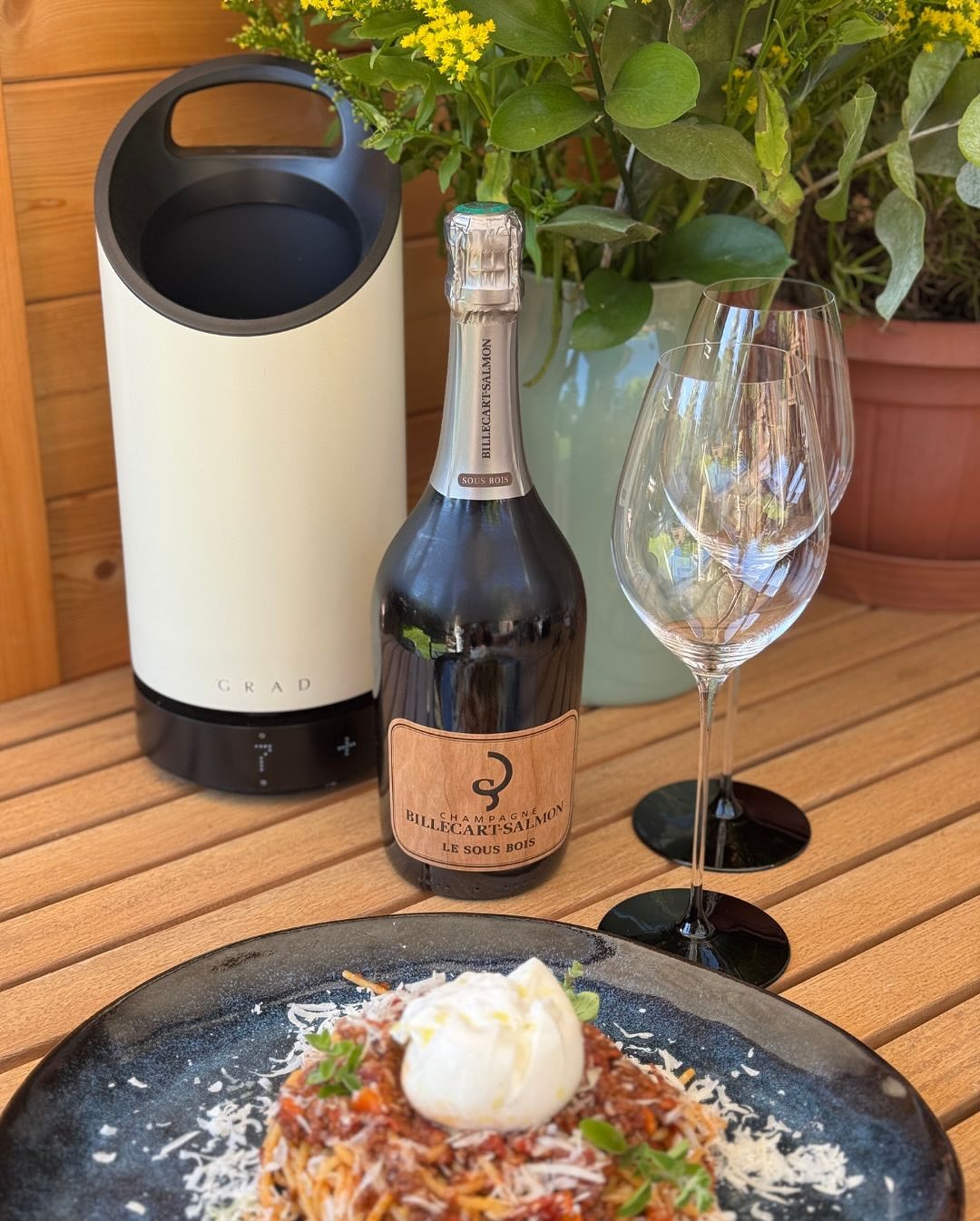
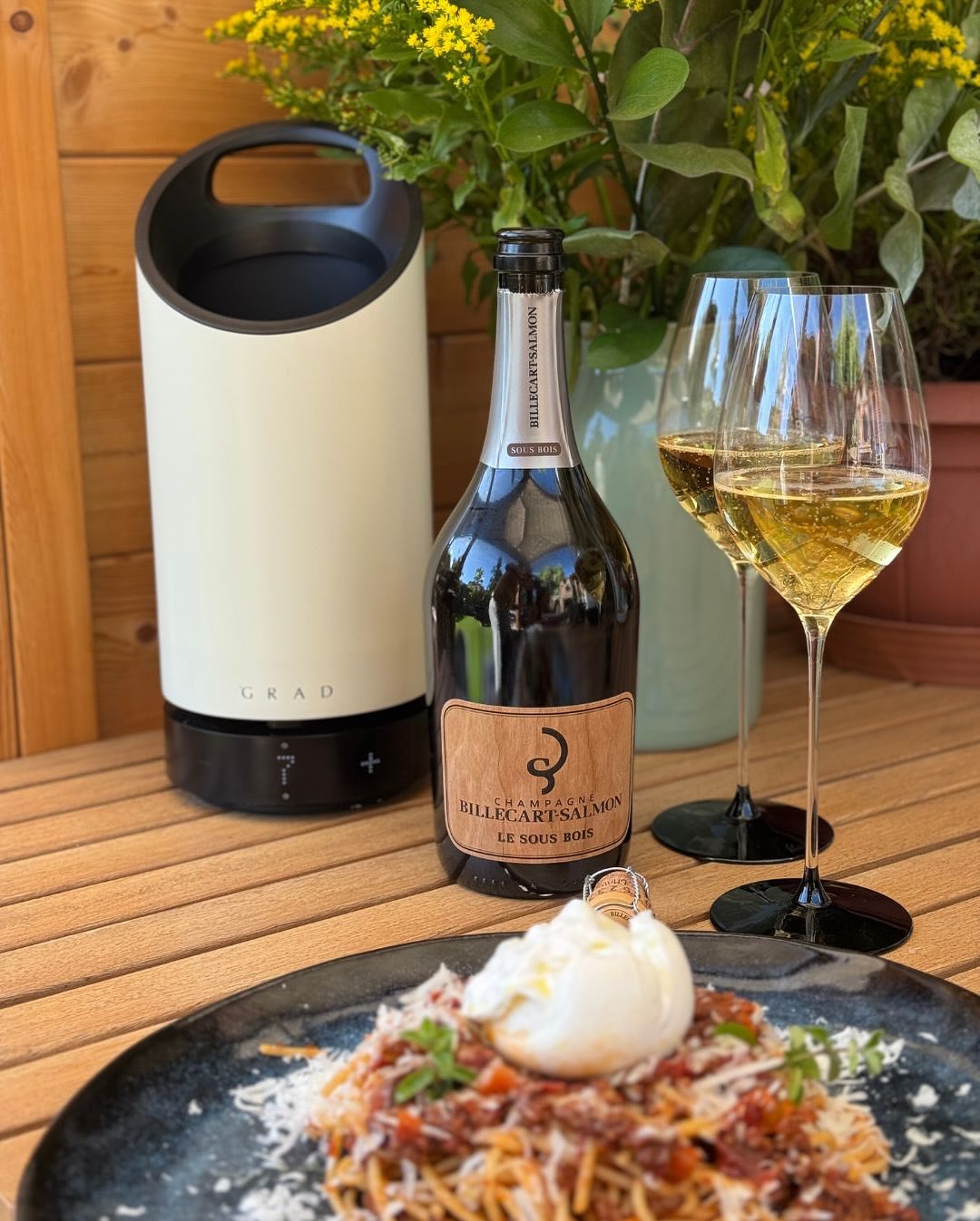
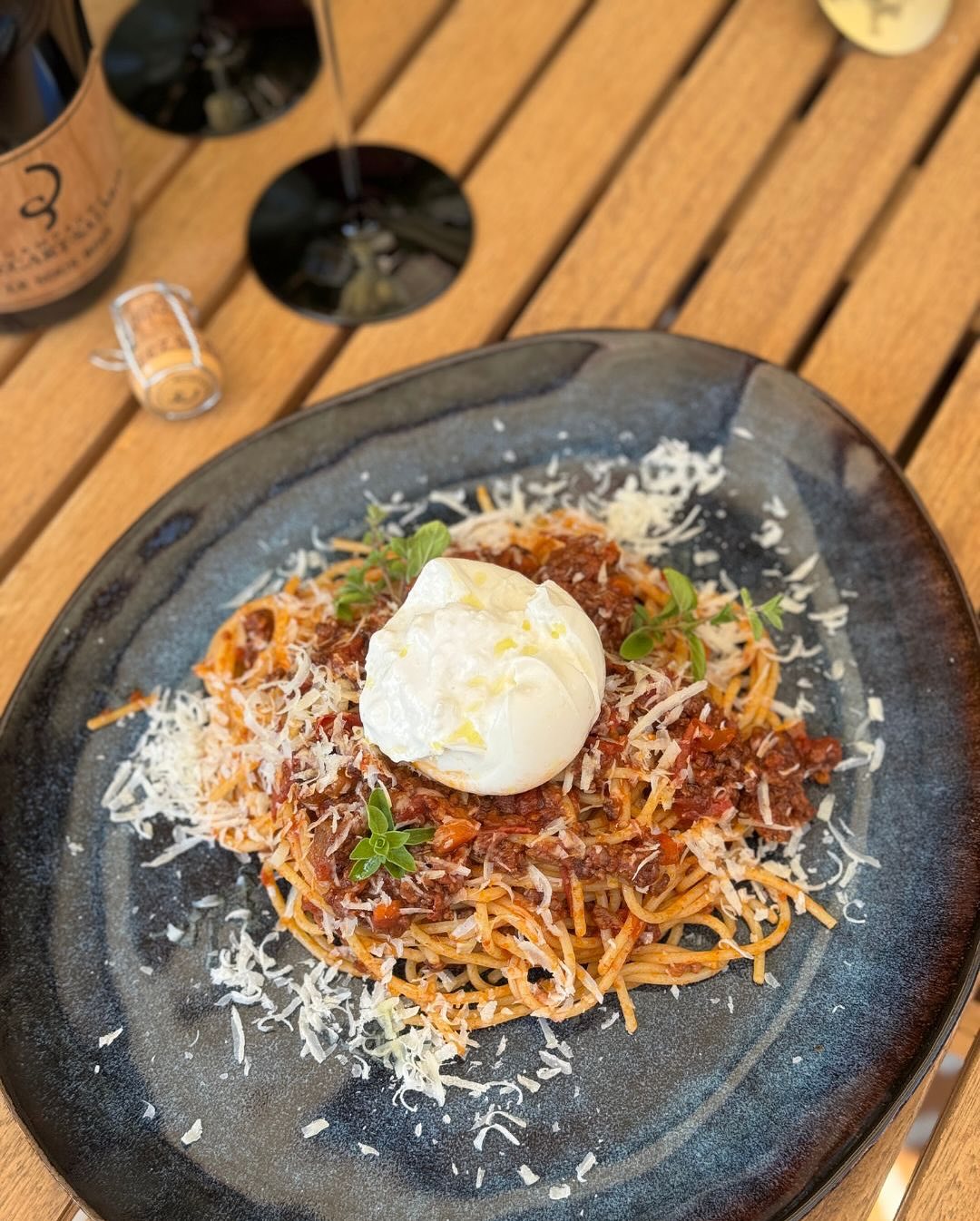
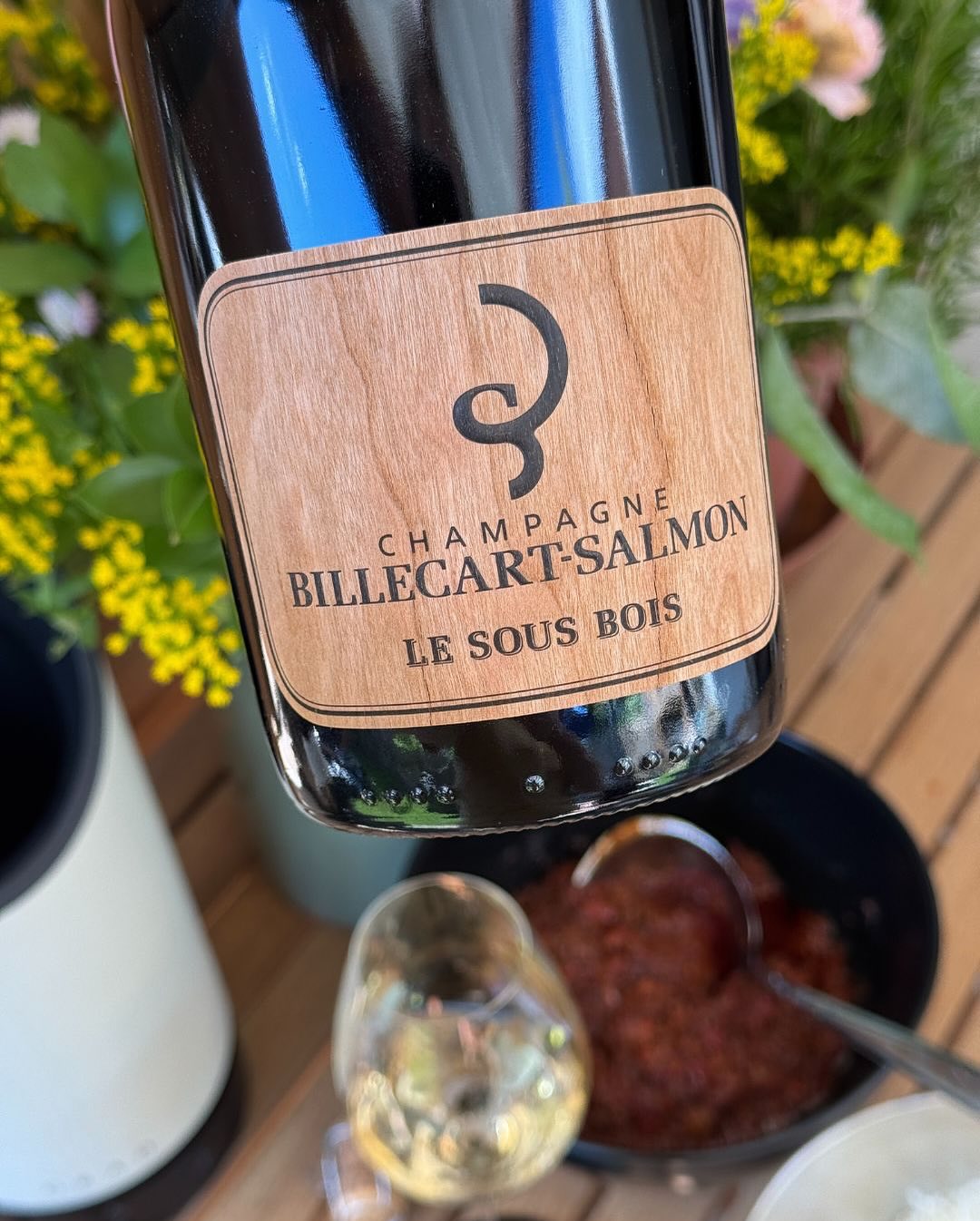
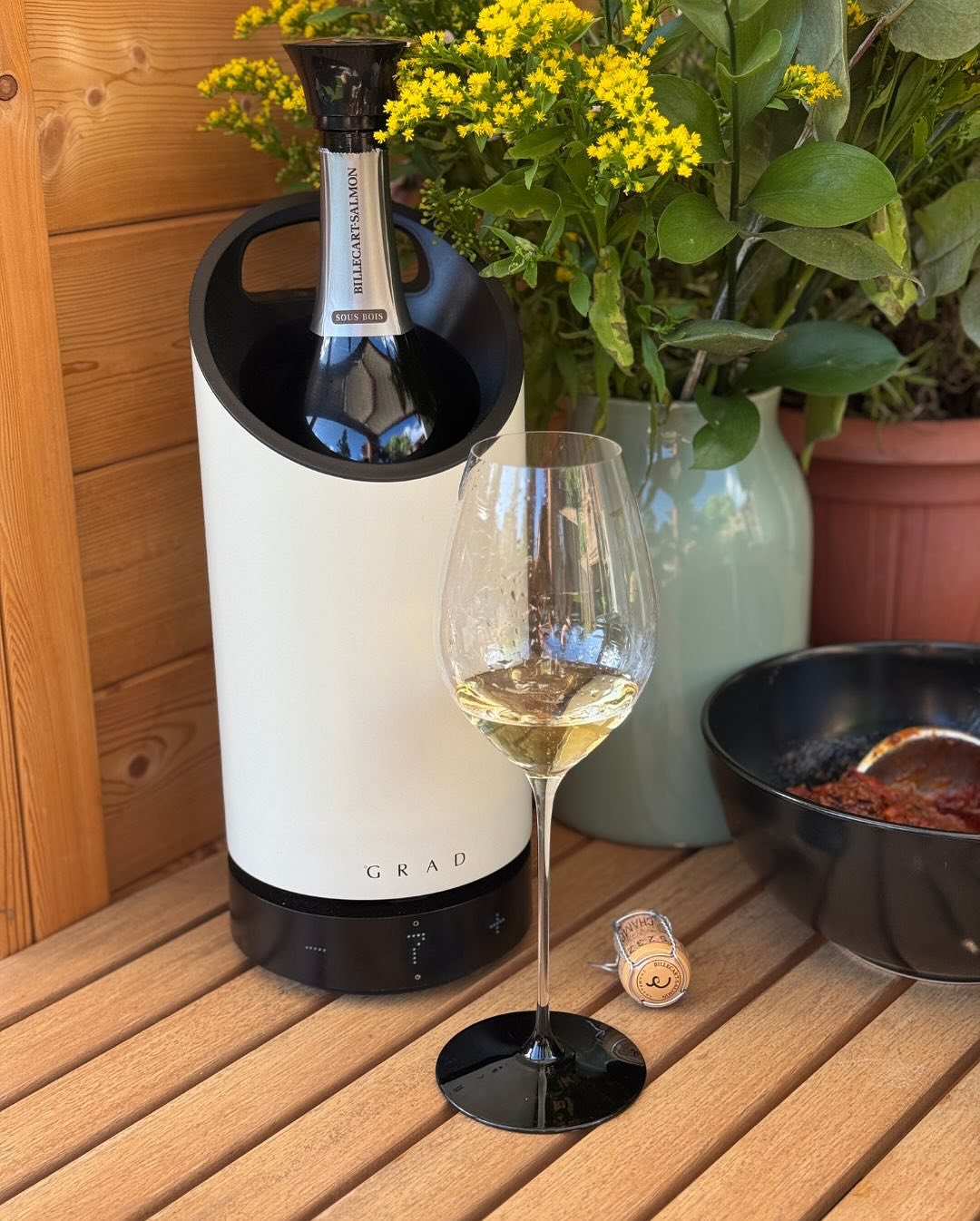
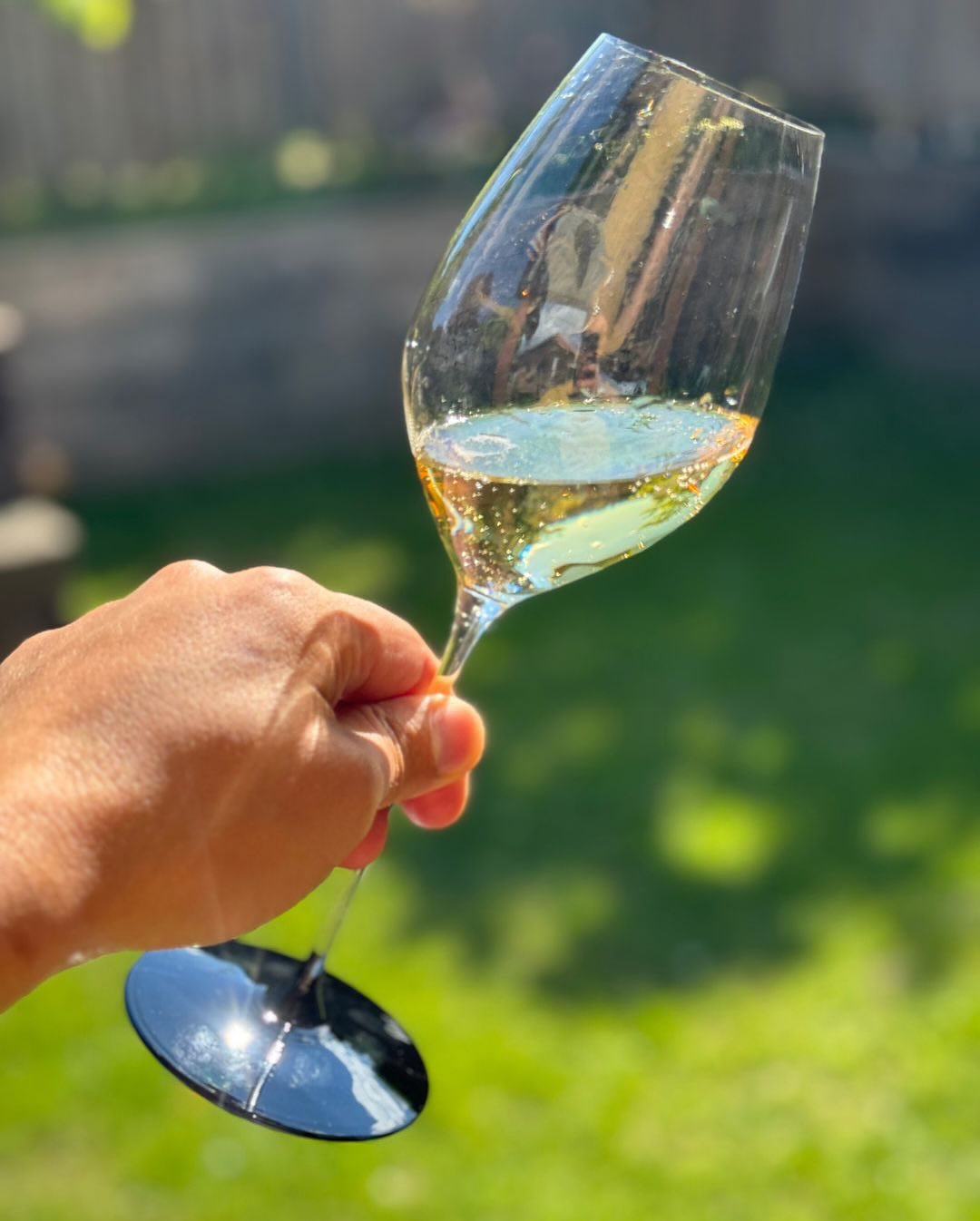
the_champagne.guy Der Mittag begann gestern ganz klassisch: Bolognese ansetzen – langsam, geduldig, mit allem, was dazugehört. Und ja, mit einem Pinot Noir 2012er Ried Hochschopf von @weinguttomdockner. Die halbe Flasche in der Sauce, zwei Gläser daneben – zur sensorischen Begleitung. 😉 Während die Bolognese 4–5 Stunden auf dem Herd vor sich hinschmorte, spielten die Kinder draußen mit Freunden in der Sonne. Kein fixes Dinner, kein Timing – es gab nur die Idee: Wenn es passt, dann passt’s. Und als es dann so weit war, stand er im Mittelpunkt: @champagne_billecart_salmon – Le Sous Bois – komplett im Holz ausgebaut, cremig, würzig, mit feiner Reife. Dazu eine klassisch geschmorte Bolognese, aufgedreht im Teller, in der Mitte eine großzügige Trüffel-Burrata, aufgeschnitten und leicht angeschmolzen. Drumherum ein Hauch Olivenöl, etwas Parmesan – aber dezent – und ein kleiner Zweig Oregano. Ein Teller mit Substanz. ✨ Fakten: 🍇 Chardonnay, Pinot Noir & Meunier – alle im Holz ausgebaut 📉 Dosage: ca. 7–8 g/l (Brut) 🥂 Glas: @riedel_official Fatto a Mano – Black Tie 🌡️ Serviert bei ca. 10 °C Ein Glas, das die Wärme des Tellers aufnimmt und weiterspinnt. Und ganz ehrlich: Das Pairing war ein Traum. #TheChampagneGuy @grad.dk @mrbillecart @maxiriedel #BillecartSalmon #LeSousBois #BologneseUndChampagner #ChampagnerDinner #BlackTieGlas #BurrataLiebe #HolzAusbau #ChampagnePairing
Auf Instagram weiterlesen →Completely aged in wood, creamy, spicy, mature. Pairs with cheese, truffles, game dishes.
Cépage information not available · Extra Brut · Aged in barriques and foudres
Brut Nature
Without dosage, clear fruit and minerality.
Cépage information not available · Brut Nature · 0 g/l dosage
Rendez-Vous N°1 Meunier
Pure Meunier, Rendez-Vous series.
100% Meunier · Extra Brut
Rendez-Vous N°2 Pinot Noir
Pure Pinot Noir, Rendez-Vous series.
100% Pinot Noir · Extra Brut
Rendez-Vous N°3 Meunier
Pure Meunier, Rendez-Vous series.
100% Meunier · Extra Brut
Rendez-Vous N°4 Chardonnay
Pure Chardonnay, Rendez-Vous series.
100% Chardonnay · Extra Brut
Rendez-Vous N°5 Pinot Noir
Pure Pinot Noir, Rendez-Vous series.
100% Pinot Noir · Extra Brut
Rendez-Vous N°6 Chardonnay
Pure Chardonnay, Rendez-Vous series.
100% Chardonnay · Extra Brut
Rendez-Vous N°7 Meunier
Part of the "Rendez-Vous de Billecart-Salmon" series, pure Meunier.
100% Meunier · Extra Brut
Rendez-Vous N°8 Meunier
Part of the "Rendez-Vous de Billecart-Salmon" series, pure Meunier.
100% Meunier · Extra Brut
Cuvée Nicolas François 2008
Named after founder Nicolas François Billecart, vintage cuvée.
Cépage information not available · Vintage 2008
Cuvée Nicolas François 2012
Named after founder Nicolas François Billecart, vintage cuvée.
Cépage information not available · Vintage 2012
Élisabeth Salmon 2012
Named after co-founder Elisabeth Salmon, vintage cuvée.
Cépage information not available · Vintage 2012
Élisabeth Salmon 2013
Named after co-founder Elisabeth Salmon, vintage cuvée.
Cépage information not available · Vintage 2013
Louis Salmon 2012
Named after Louis Salmon, Elisabeth's brother, vintage Blanc de Blancs.
100% Chardonnay · Vintage 2012
Louis Salmon 2013
Named after Louis Salmon, Elisabeth's brother, vintage Blanc de Blancs.
100% Chardonnay · Vintage 2013
Clos Saint-Hilaire 2005
100% Pinot Noir from the 1-hectare monopole parcel Clos Saint-Hilaire in Mareuil-sur-Aÿ. Barrel-vinified, 3500 to 6500 numbered bottles per vintage, exceptional complexity and freshness.
100% Pinot Noir · Vintage 2005 · Clos Saint-Hilaire, Mareuil-sur-Aÿ
Clos Saint-Hilaire 2009
100% Pinot Noir from the 1-hectare monopole parcel Clos Saint-Hilaire in Mareuil-sur-Aÿ. Barrel-vinified, 3500 to 6500 numbered bottles per vintage.
100% Pinot Noir · Vintage 2009 · Clos Saint-Hilaire, Mareuil-sur-Aÿ
Blanc de Blancs 2013 (Vintage)
Pure Chardonnay, vintage 2013.
100% Chardonnay · Vintage 2013
Rosé 2013 (Vintage)
Vintage rosé, 2013 vintage.
Cépage information not available · Vintage 2013
My Tastings
- Le Sous Bois · May 19, 2025
- Le Réserve Brut · April 21, 2025
- Le Réserve Brut · April 15, 2025
Facts
| Category | NM (Négociant-Manipulant), independent + family-owned |
| Founded | 1818 |
| Founders | Nicolas François Billecart & Elisabeth Salmon |
| Generation | 7th generation (Mathieu Roland-Billecart) |
| Location | 40 rue Carnot, 51160 Mareuil-sur-Aÿ |
| Region | Vallée de la Marne |
| Vignoble (300 ha total) | 100 ha en propre · 100 ha en exploitation · 100 ha from 40 crus |
| Certifications | VDC · 100% organic · 10 ha biodynamic |
| Dosage range | Extra Brut (entire current range) · Brut Nature · cuvée-specific for vintages |
| Website | champagne-billecart.fr |
| @champagne_billecart_salmon | |
| Phone | +33 3 26 52 60 22 |
| billecart@champagne-billecart.fr |
Sources for this profile: house website, my own tastings, and correspondence with Diane Versaci (Communications, on behalf of Mathieu Roland-Billecart, mail of 26.05.2026, confirmed the 100+100+100 split, the end of sheep use in the vines, VDC + organic + 10 ha biodynamic certifications, the shift to Extra Brut across the range, and the Rendez-Vous N° renaming).