Champagne Chavost
I've tasted 4 champagnes from Champagne Chavost -- and this house is definitely not for mainstream drinkers. Chavost stands for biodynamic farming, spontaneous fermentation, and the courage to bring champagnes to market without sulfur additions and without dosage. This is natural wine in Champagne -- with everything that entails, including the risks.
Terroir and Location
The grapes come from the Aube and the Vallée de la Marne -- two regions that couldn't be more different. The Aube, with its warmer climate and marl soils, produces riper, fuller base wines, while the Vallée de la Marne with its Pinot Meunier provides fruitiness and accessibility. At Chavost, only Chardonnay and Pinot Meunier are processed -- a deliberate decision that underscores the house's independence.
Philosophy and Style
Biodynamics, spontaneous fermentation, no sulfur, no dosage -- this is Chavost's radical approach. Every bottle is unique, and not every bottle is perfect. That's part of it, and those who accept this are rewarded with champagnes that have a liveliness and authenticity that conventional producers rarely achieve. However -- and this must be said honestly -- this approach also carries risks, as my experience with the Blanc de Chardonnay showed.
The Range
Four cuvées, all Brut Nature, all biodynamic. Rosé, Blanc de Chardonnay, Blanc de Meunier, and an Assemblage. A consistent portfolio that makes no compromises.
The Cuvées in Detail
Rosé
A characterful rosé with a real natural wine feeling. Red berries, rosehip, and herbal notes on the nose. On the palate dry and precise with red fruit, pomegranate, and grapefruit peel, supported by taut acidity. Zero dosage and without sulfur -- more vibrant and straightforward than classic rosé champagnes. For me, one of the most authentic rosé champagnes I know.
My tip: With Mediterranean appetizers with olive oil and herbs -- the herbal character of the champagne connects perfectly.
Type: Rosé | Vintage: 2025
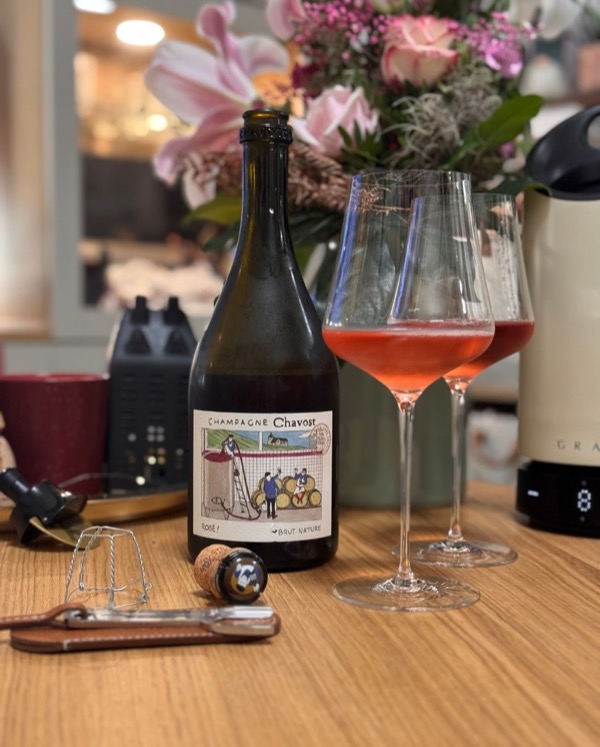
Heute wieder ein @champagnechavost , wie ich ihn kenne – diesmal der Rosé. Kein klassischer Rosé, sondern der typische Chavost-Ansatz: biodynamisch,…
Blanc de Chardonnay
I have to be honest here: The bottle I had showed a wine fault -- the so-called "mouse," an animal-nutty, dull-sweet note in the finish that overshadowed everything. Despite the exciting natural wine concept, half the bottle had to be poured down the drain. This is the risk with champagnes without sulfur additions. It would be unfair to judge the cuvée based on this faulty bottle -- but it shows that the radical natural wine approach doesn't always work out.
Type: Brut Nature | Grape varieties: Chardonnay
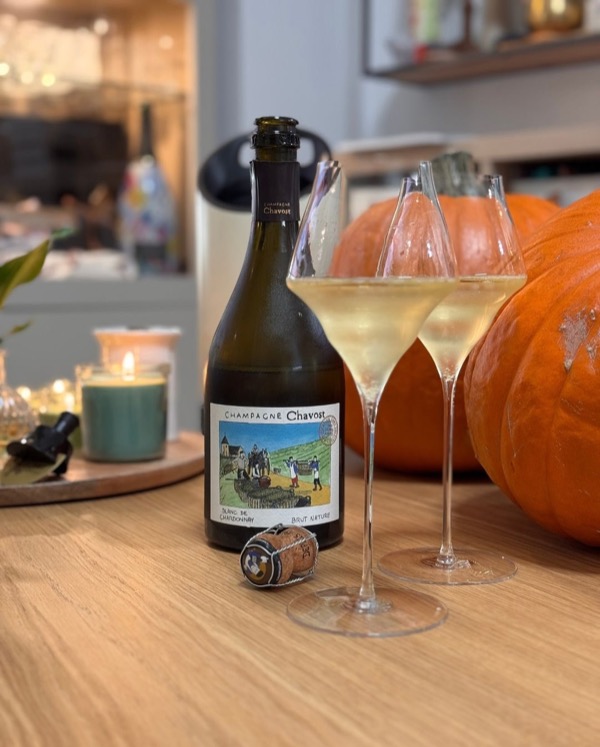
Ich hatte in den letzten Monaten einige wirklich schöne Begegnungen mit @champagnechavost – jede Flasche präzise, lebendig, modern gedacht.…
Blanc de Meunier
Fine fruit on the nose with apple, pear, and lemon zest. On the palate creamy, salty with a slightly nutty, mineral character. This 100% Meunier shows beautifully what the grape variety can do when vinified biodynamically and without sulfur. The spontaneous fermentation gives the wine additional complexity. Brut Nature, organically certified, and full of life.
Type: Brut Nature | Grape varieties: Pinot Meunier
Blanc Assemblage Brut Nature
A creamy, full-bodied champagne with soft texture that maintains freshness despite its richness. Made biodynamically, without sulfur additions and without dosage -- and still round and accessible. For me the most successful cuvée in the range, because it shows that natural wine champagnes don't have to be angular and difficult.
My tip: Anyone trying Chavost for the first time should start with the Assemblage. It's the most accessible champagne in the range.
Type: Brut Nature | Vintage: 2025 | Grape varieties: Chardonnay, Pinot Meunier
Posts about Champagne Chavost
What makes Chavost special?
The uncompromising natural wine approach in Champagne. Biodynamics, no sulfur additions, no dosage, spontaneous fermentation -- this is radical, even for the new generation of winemakers. The quality varies, as with any natural wine, but when it works, champagnes emerge with a liveliness and authenticity you won't find anywhere else.
Paradoxe 2025
The – Paradoxe was an exciting, slightly challenging bottle for me – mainly because of its yeast character.
In the glass initially clearly marked by autolysis: Yeast, bread, a touch of dough – present, but not heavy. At the same time the wine still seems surprisingly young, almost a bit restless, as if it hadn't quite settled yet.
Brut Nature · Chardonnay, Pinot Meunier
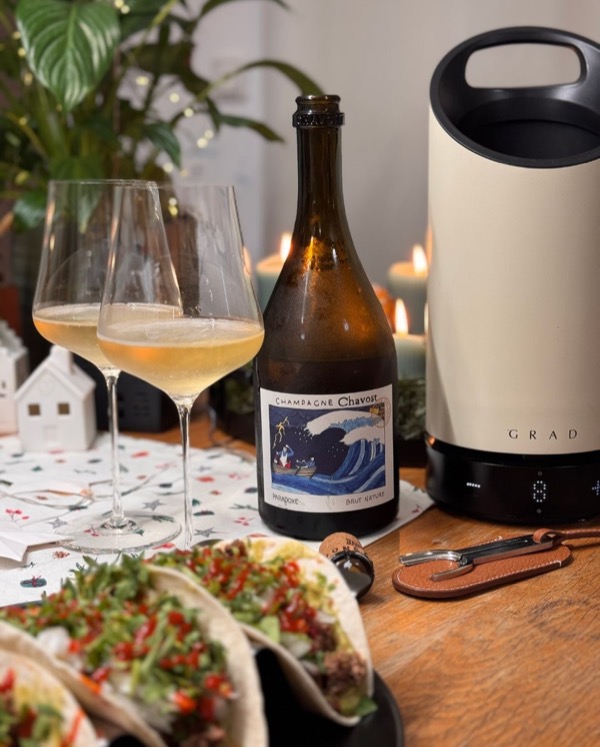
Der @champagnechavost – Paradoxe war für mich eine spannende, leicht fordernde Flasche – vor allem wegen seiner Hefenote. Im Glas zunächst deutlich…
Eurêka!
For yesterday evening something more demanding was called for – and I settled on the Eurêka! from . One of only 833 bottles, vinified purist-style: no dosage, no filtration, no additives.
Brut
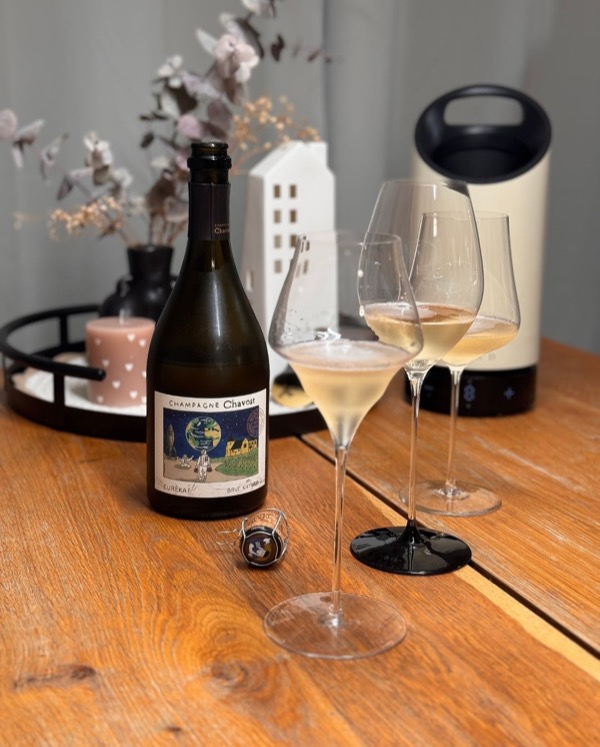
Für den gestrigen Abend durfte es etwas Anspruchsvolleres sein – und ich bin beim Eurêka! von @champagnechavost hängen geblieben. Eine von nur 833…
My Tastings
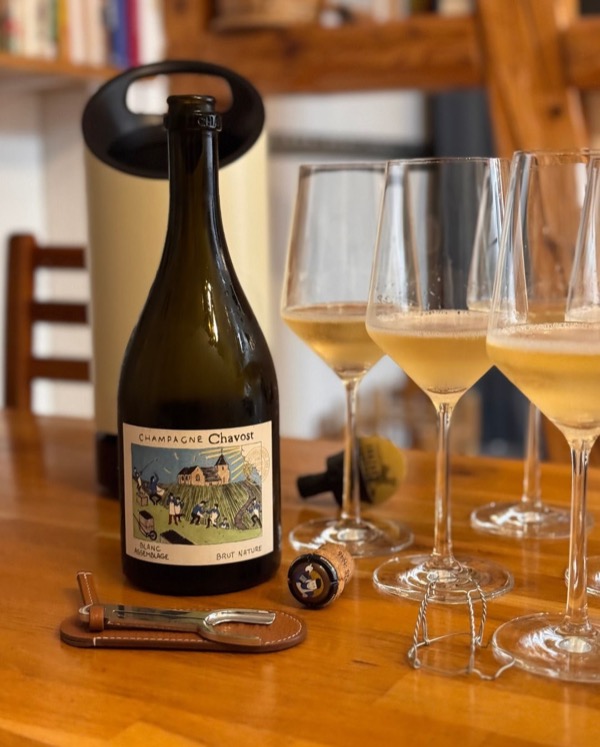
Vor dem großen Menü zum 60er mit Privatkoch, was ich euch morgen in 5 Posts präsentieren werde, gab es als Warm-up schon mal einen @champagnechavost…
Der @champagnechavost – Paradoxe war für mich eine spannende, leicht fordernde Flasche – vor allem wegen seiner Hefenote. Im Glas zunächst deutlich…
Heute wieder ein @champagnechavost , wie ich ihn kenne – diesmal der Rosé. Kein klassischer Rosé, sondern der typische Chavost-Ansatz: biodynamisch,…
Ich hatte in den letzten Monaten einige wirklich schöne Begegnungen mit @champagnechavost – jede Flasche präzise, lebendig, modern gedacht.…
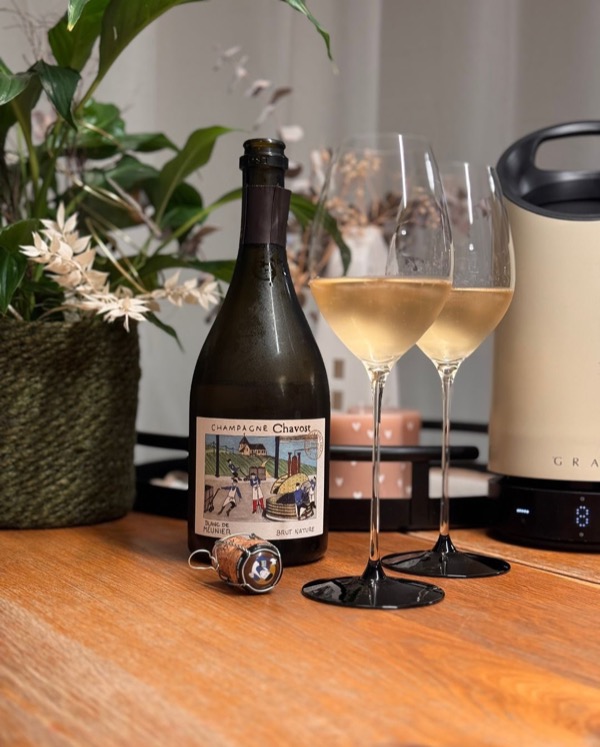
Gestern haben wir mittags spontan ein paar Pitas gefüllt – mit Zaziki, Rotkraut, zitronig angebratener Pute und etwas Frühlingszwiebel. Außen…
Für den gestrigen Abend durfte es etwas Anspruchsvolleres sein – und ich bin beim Eurêka! von @champagnechavost hängen geblieben. Eine von nur 833…
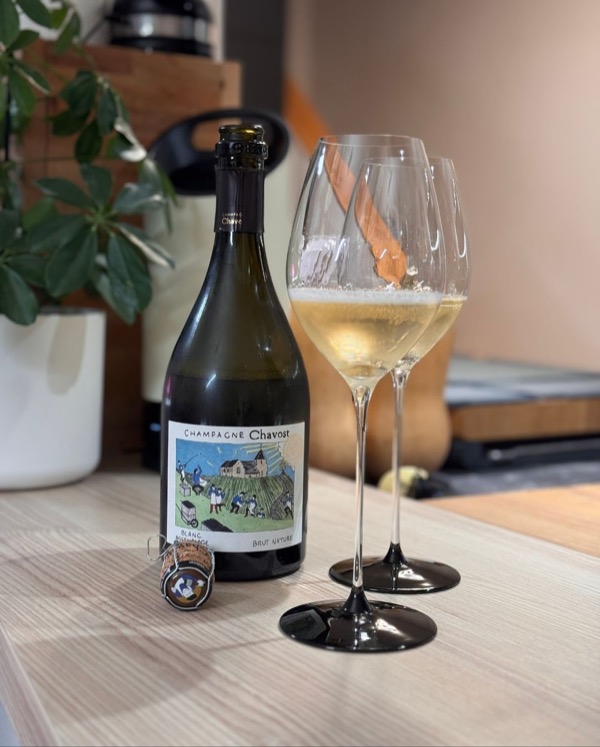
Heute geöffnet: @champagnechavost – Blanc Assemblage Brut Nature. Ein Naturwein-Meisterwerk aus Chavot-Courcourt: biodynamisch hergestellt, ohne…
Conclusion
| Region | Aube / Côte des Bar, Vallée de la Marne |
| Grape varieties | Chardonnay, Pinot Meunier |
| Styles | Rosé, Brut Nature, Vintage champagnes |
| Vintages | 2025 |
| Champagnes tasted | 17 |