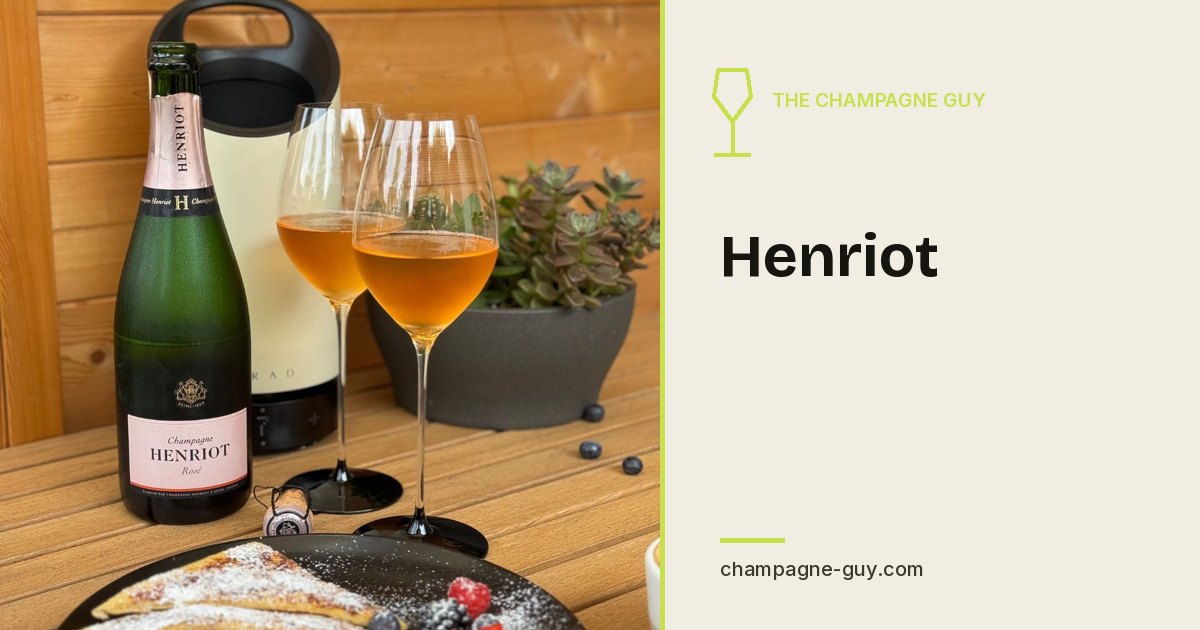
Champagne Henriot: Assemblage Tradition Since 1808
Champagne Henriot is a Négociant-Manipulant based in Reims, founded in 1808 by Apolline Henriot. The young widow of Nicolas Henriot took over the trading business and built it into an independent champagne maison. Today Alice Tétienne leads the maison as Cheffe de Caves in the 8th generation.
The family roots reach back to 1640, when the Henriots came from Lorraine to Champagne and began trading textiles and wine in Reims. The core of the vignoble lies in the Grands Crus of Montagne de Reims, Verzy, Verzenay, Mailly-Champagne, and was expanded in 1880 through the marriage of Paul Henriot to Marie Marguet to include Chardonnay parcels of Côte des Blancs: Avize, Le Mesnil-sur-Oger, Chouilly.
History
Apolline Henriot founded the maison in 1808 with a clear principle: "Une année ne suffit pas à raconter la personnalité de ses Terres." Assemblage across multiple vintages became the signature. She initiated the culture of vins de réserve, which to this day connects each harvest with older wines.
In 1718, almost a century before the official founding, Chanoine Godinot, Apolline's great-uncle, had already published the treatise "Manière de cultiver la vigne et de faire le vin en Champagne". The family was thus deeply embedded in the viticultural science and practice of Champagne.
1880 brought a turning point with the marriage of Paul Henriot (4th generation) to Marie Marguet: the Chardonnay crus of Côte des Blancs came into the house. The balance between Pinot Noir and Chardonnay became the maison's identity, today approximately 50% Pinot Noir, 45% Chardonnay, 5% Meunier across the entire vignoble.
Starting in 1920, the family began systematic soil analysis, family members trained in agricultural sciences created fosses pédologiques and documented the terroir characteristics of each parcel. Alice Tétienne mentions that Henriot is the 6th generation to practice soil research.
Joseph Henriot (7th generation) advanced the expansion of the reserve wine collection from 1970 and officially integrated Rosé into the champagne line in 1980. In 2014, the maison acquired the historic Domaine Les Aulnois in Pierry, formerly the vendangeoir of Frère Jean Oudart, one of the co-founders of champagne.
In 2020, Alice Tétienne started the Alliance Terroirs project: adapting viticultural practices to climate change, promoting biodiversity, and investing in research. In January 2025, the entire vignoble was certified as HVE, VDC and Viticulture Biologique.
Vignoble & Soil
Henriot cultivates vines in 29 crus, distributed across Montagne de Reims and Côte des Blancs. The most important villages: Verzy, Verzenay, Mailly-Champagne, Avize, Le Mesnil-sur-Oger, Chouilly, Trépail, Avenay, Vertus, Aÿ, Mareuil-sur-Aÿ, Mutigny, Pierry. Many parcels carry the Grand Cru classification.
The grape variety distribution follows terroir logic: 50% Pinot Noir in the chalky slopes of Montagne de Reims, 45% Chardonnay in the limestone-rich soils of Côte des Blancs, 5% Meunier as complement. The maison has maintained detailed soil mapping since 1920, each parcel is treated with its own practice, adapted to exposition, chalk depth, and water management.
Viticulture & Sustainability
Henriot works with viticulture de précision: each parcel is cultivated according to its specific character. Since early 2025, the maison uses exclusively natural products and is certified under Viticulture Biologique. The additional certifications HVE (Haute Valeur Environnementale) and VDC (Viticulture Durable en Champagne) underscore the holistic approach.
The Alliance Terroirs project defines five focus areas: reducing the ecological footprint, promoting biodiversity, investing in research and development, beautifying the vignoble, and continuously improving working conditions. Adaptation to climate change is understood not as an abstract task, but as daily practice in parcel work.
Vinification
Vinification at Henriot follows the philosophy "l'art de l'assemblage": assemblage of crus and vintages. Apolline Henriot laid the foundation for vins de réserve in 1808, which Joseph Henriot systematically expanded from 1970. Today the non-vintage cuvées contain 30-50% reserve wines, collected and cared for over several years.
Dosage remains consistently low: 2-5 g/L, depending on the cuvée. The Souverain line (Brut, Blanc, Rosé) stays at 5 g/L, the millésimés at 2-4 g/L. The goal is fraîcheur minérale, the chalky signature of the Grands Crus should not be masked.
The maison maintains a culture de la diversité: different terroirs, different vintages, different assemblage approaches. The cuvée L'inattendue is the radical illustration: one terroir (Chouilly Grand Cru), one vintage (2018), one cépage (Chardonnay). The rest of the collection works with the complexity of multiple components.
Central is the maîtrise du temps, patience in all steps. At least 36 months aging for the non-vintage cuvées, 96-120 months for the millésimés. The Mémoires collection shows vintages with over 30 years sur lattes, disgorged on order, individually numbered.
The Cuvées in Detail
Brut Souverain
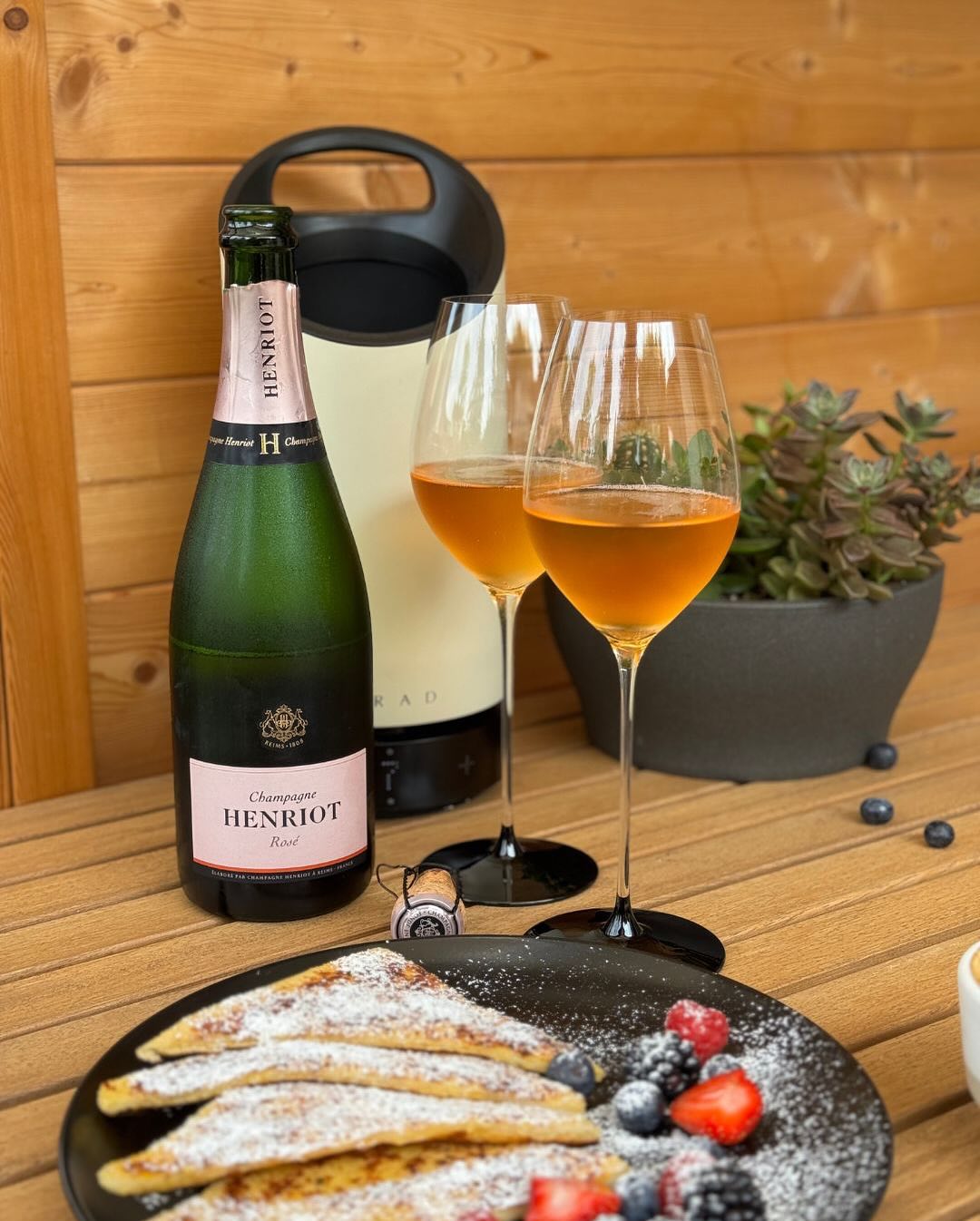
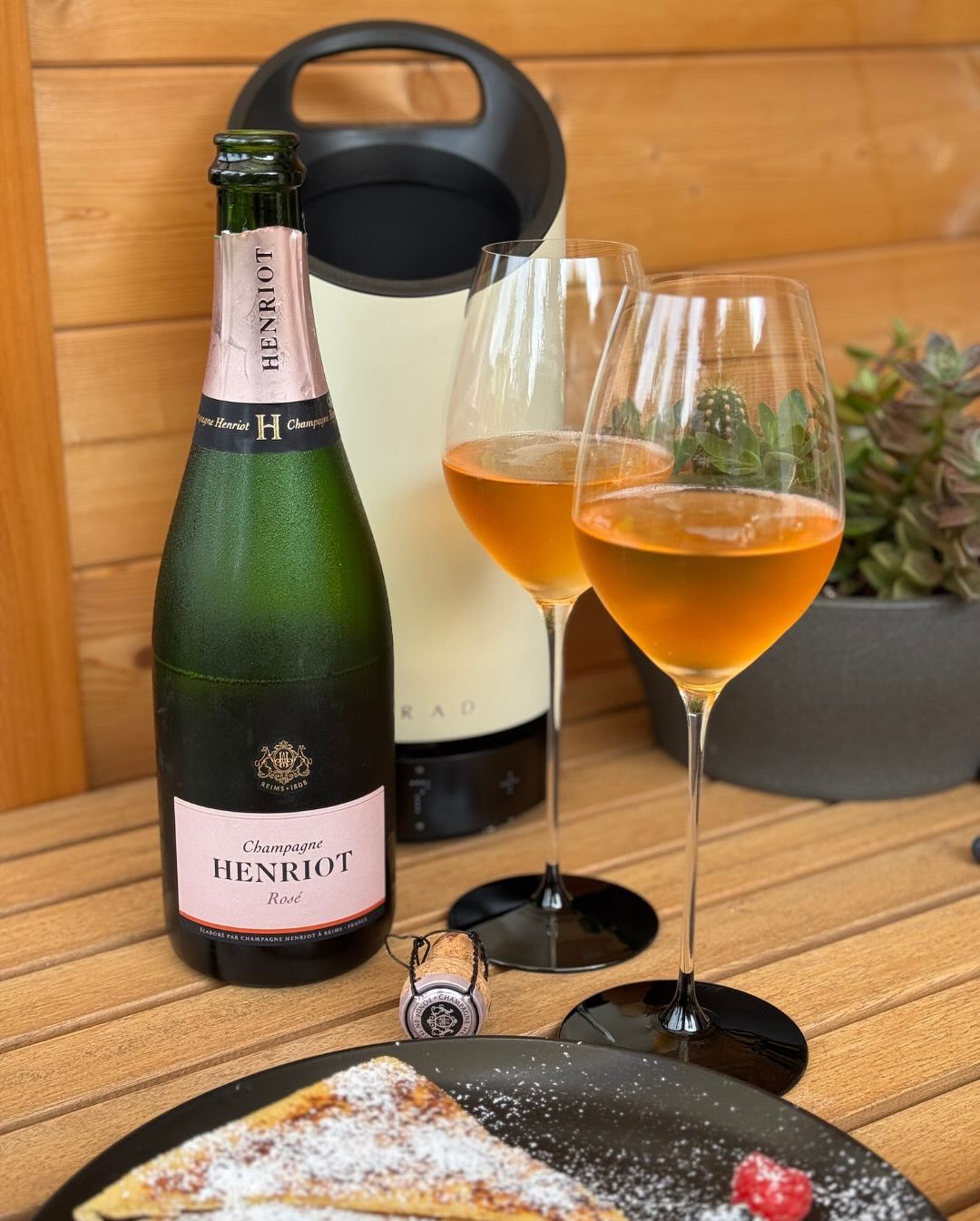
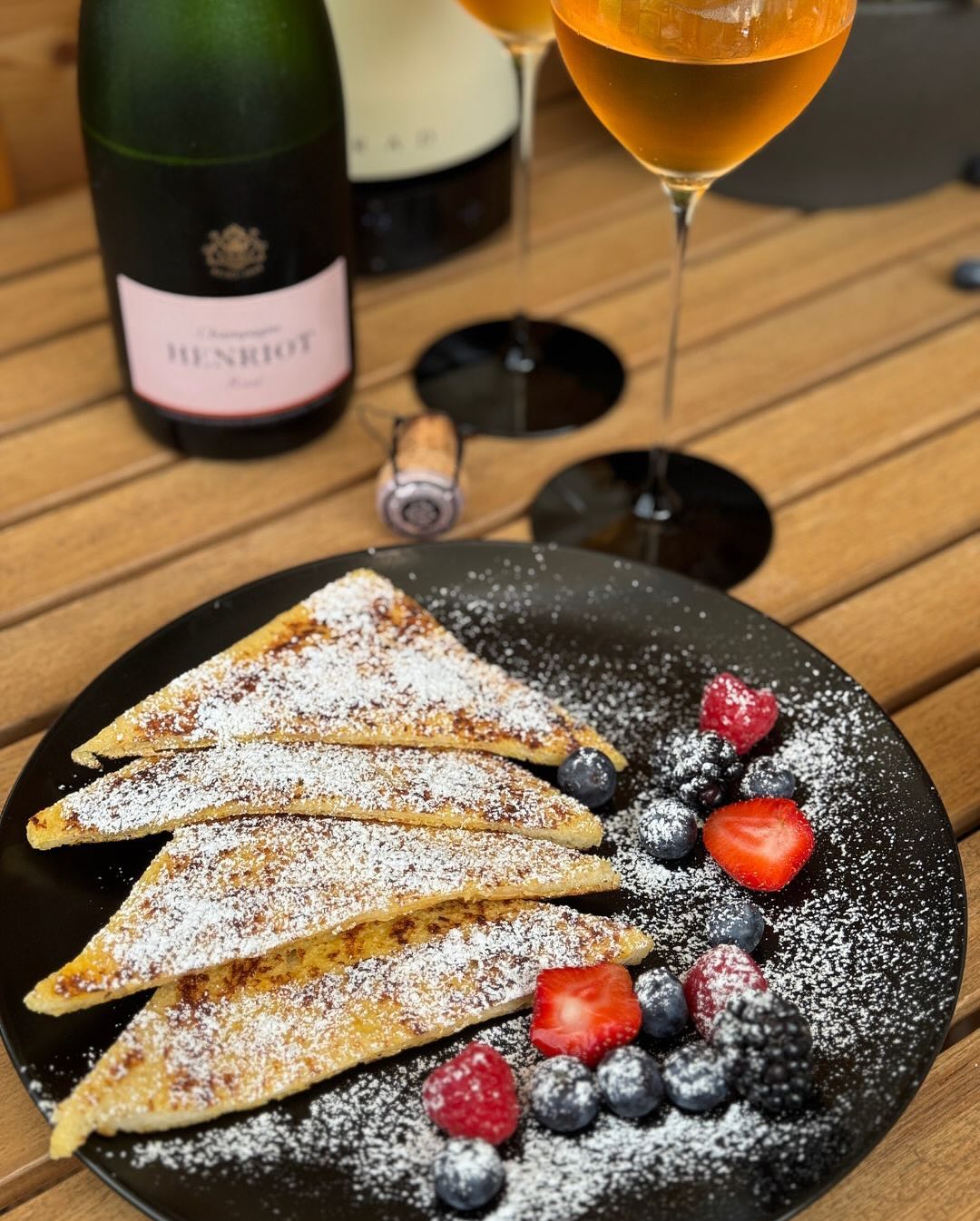
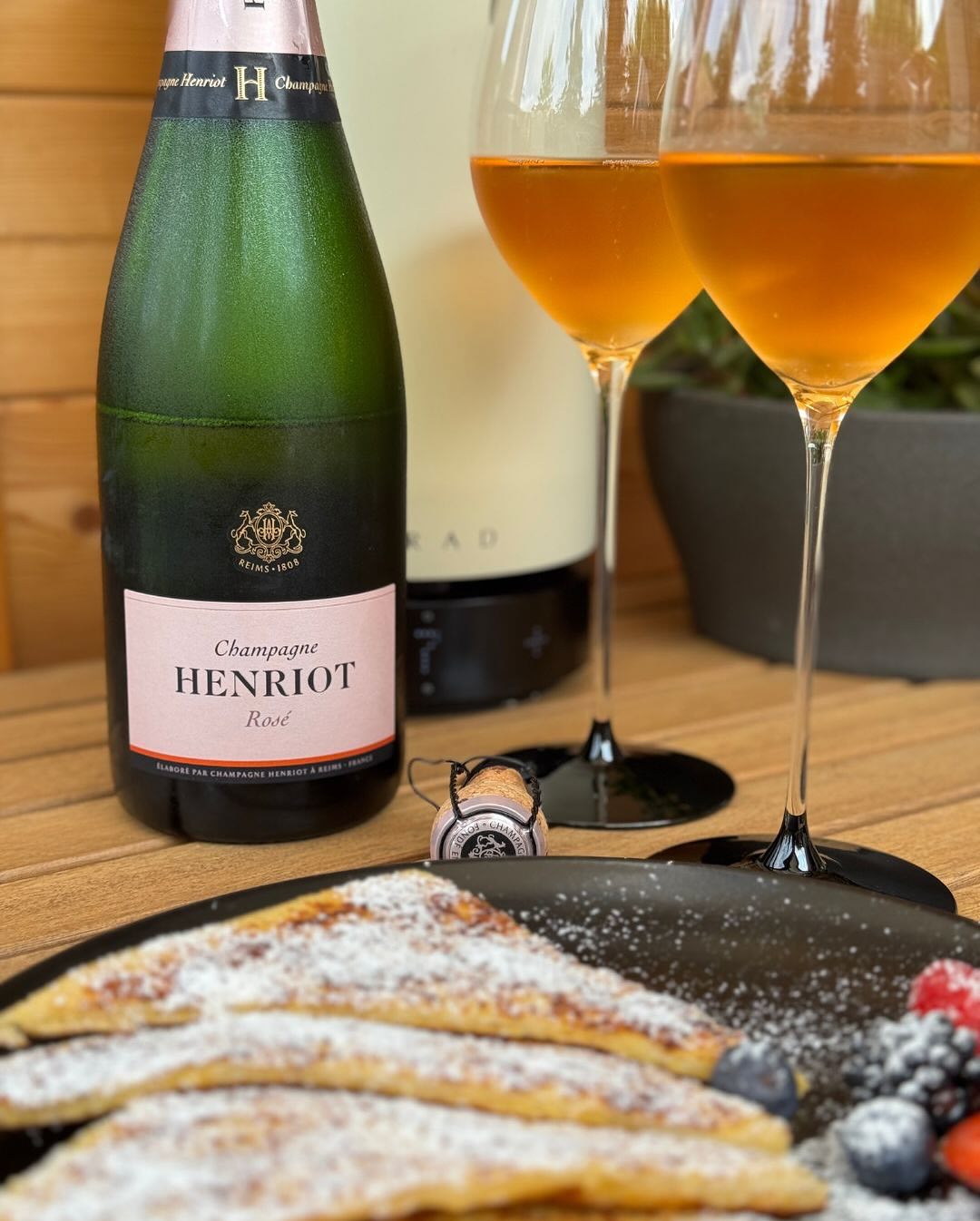
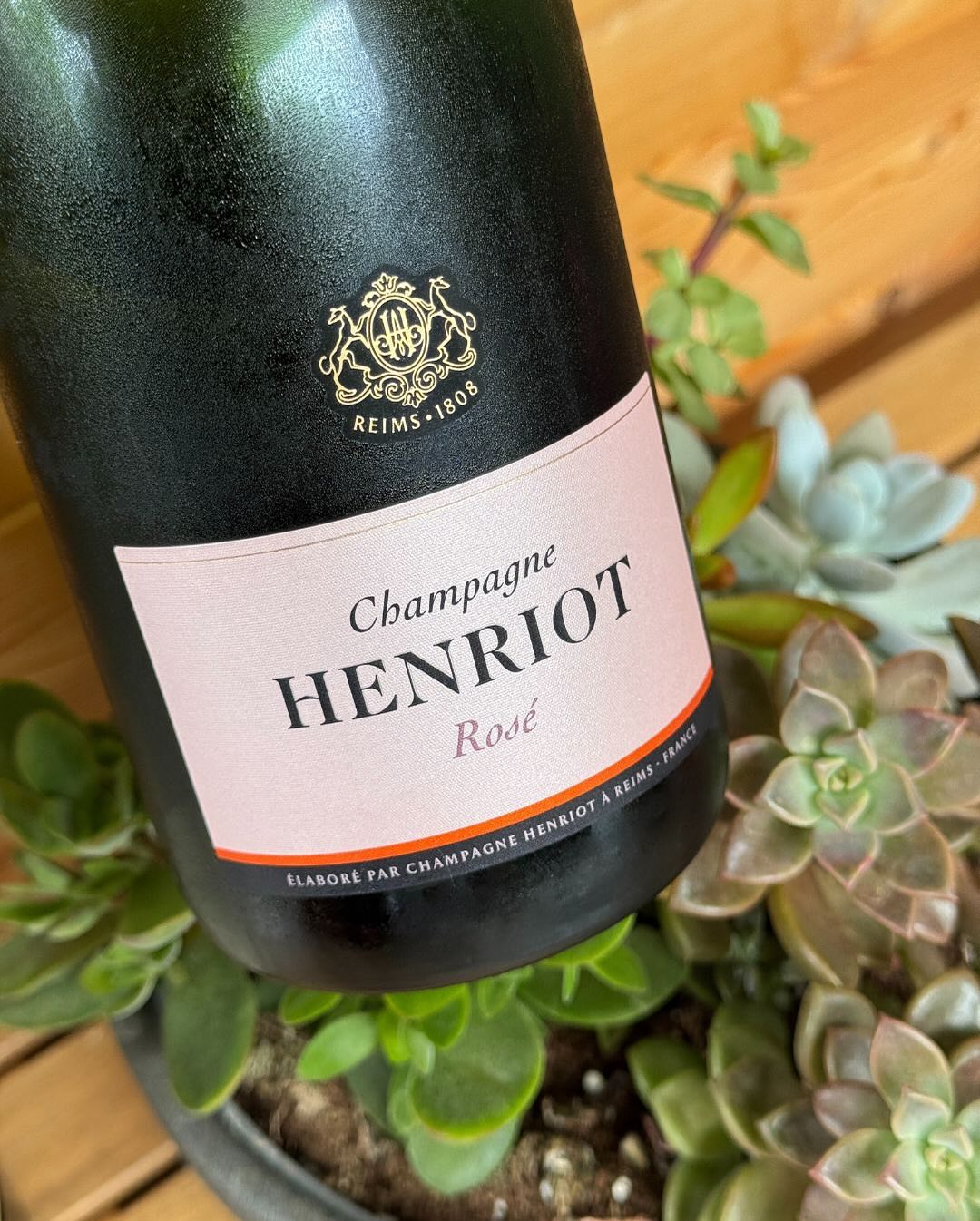
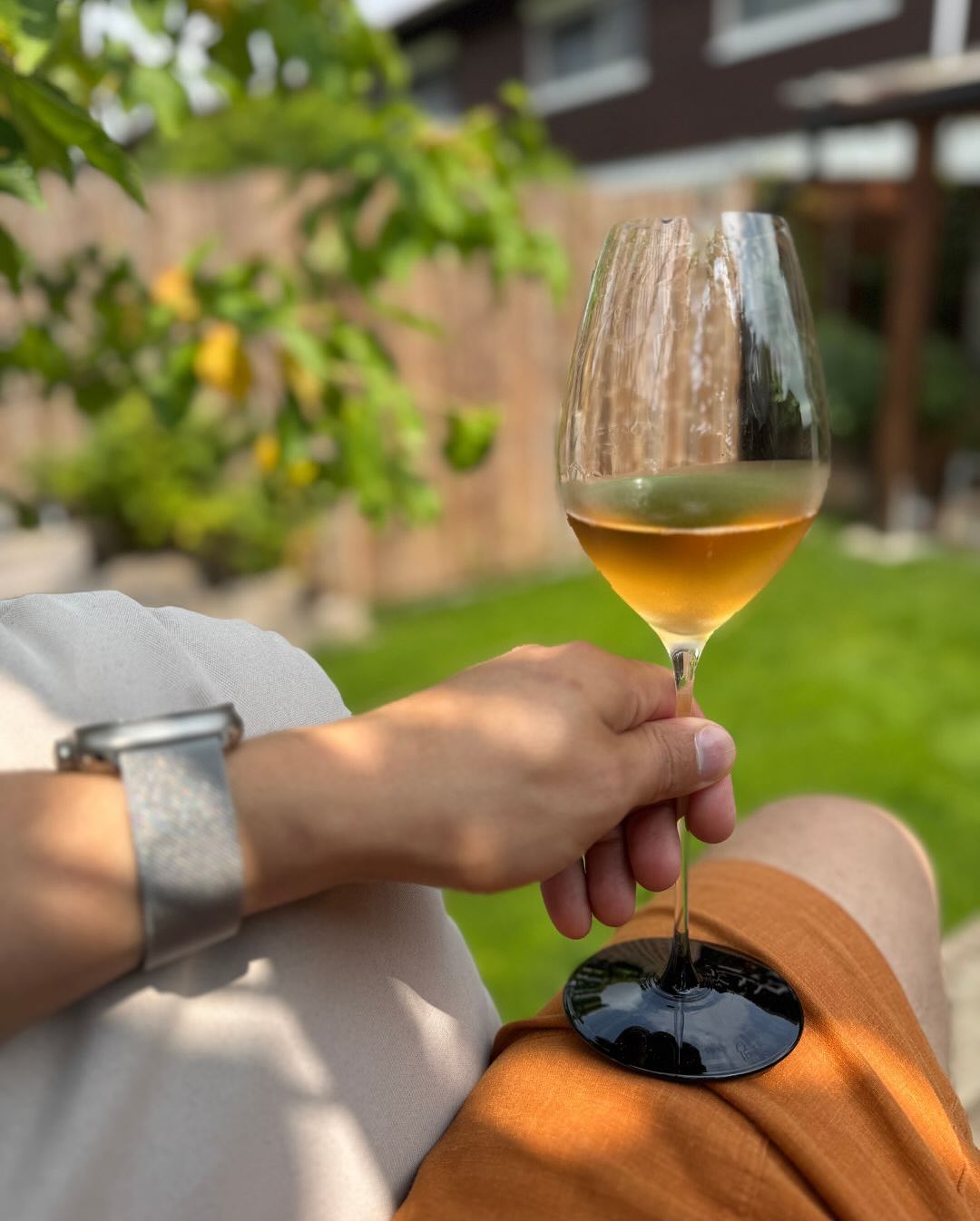
the_champagne.guy Heute zum Frühstück: French Toast mit Vanille, frischen Beeren und Puderzucker. Für die Kids? Schokocreme oben drauf. Für uns dafür eine Flasche @champagnehenriot – Brut Rosé. War das die beste Idee? Nicht ganz. Der Champagner war richtig gut – frisch, klar, mit ordentlicher Säure. Aber zum süßen Frühstück hat er nicht funktioniert. Der Grund? 👉 Säure und Zucker sind keine Freunde. Wenn das Essen sehr süß ist und der Champagner eher trocken, wirkt er schnell sauer, kantig und zu herb. Ein Demi-Sec oder Doux hätte hier besser harmoniert – mehr Restsüße, weniger Kontrast. Spannend wurde es erst beim zweiten Glas im Hängesessel, im Garten, Sonne im Gesicht. Da zeigte der Rosé, was er kann – Stachelbeere, Frische, Struktur und diese fast goldgelbe Farbe für einen Rosé? Unerwartet, aber stark. Am Ende also: Kein perfektes Pairing, aber ein schöner Start in den Tag. Und wieder was gelernt. #TheChampagneGuy @riedel_official @grad.dk #HenriotRosé #ChampagnerFehlerSindOkay #FrenchToastFail #RealChampagneMoments #SäureUndSüße #ZweiterSchluckWarBesser
Auf Instagram weiterlesen →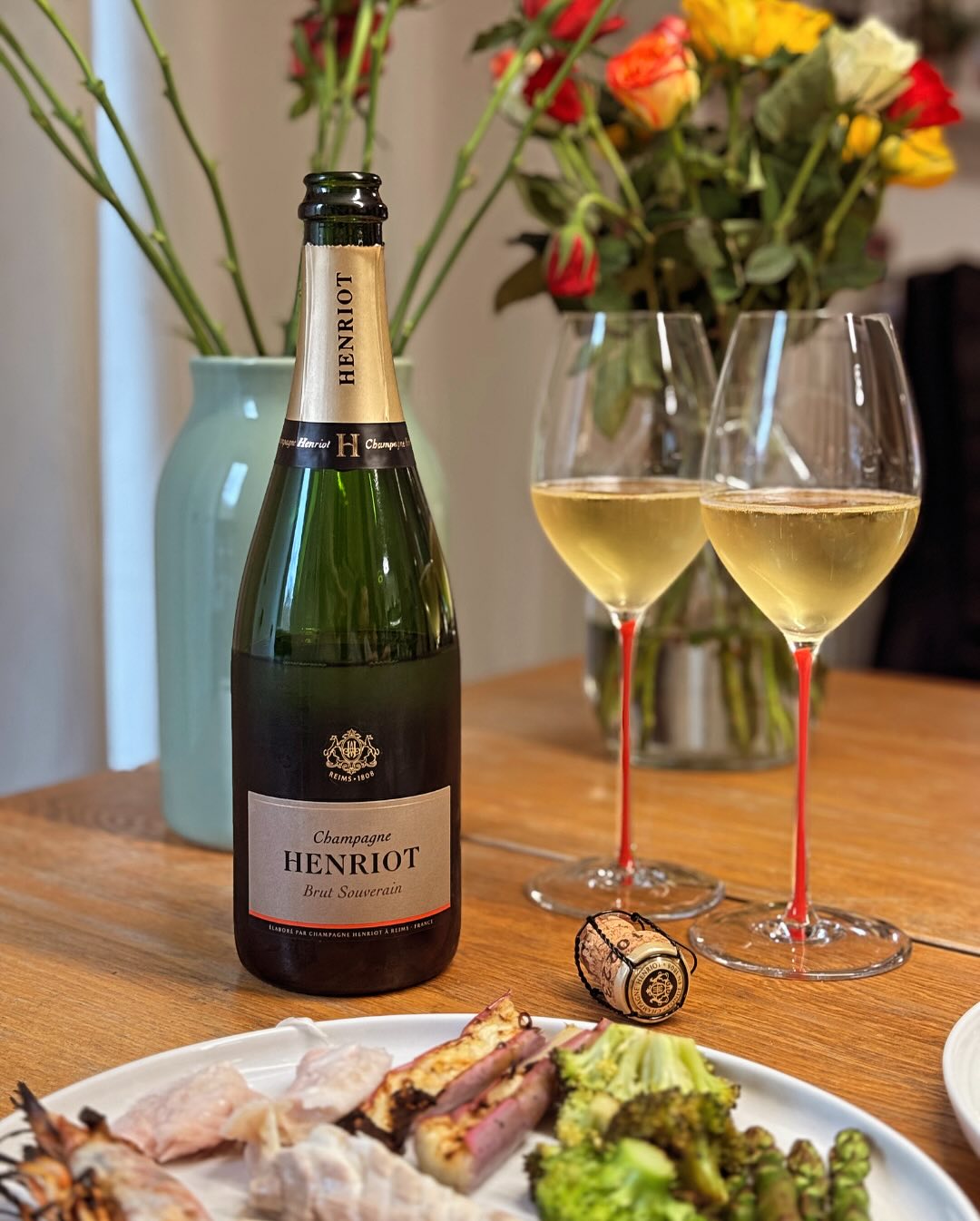
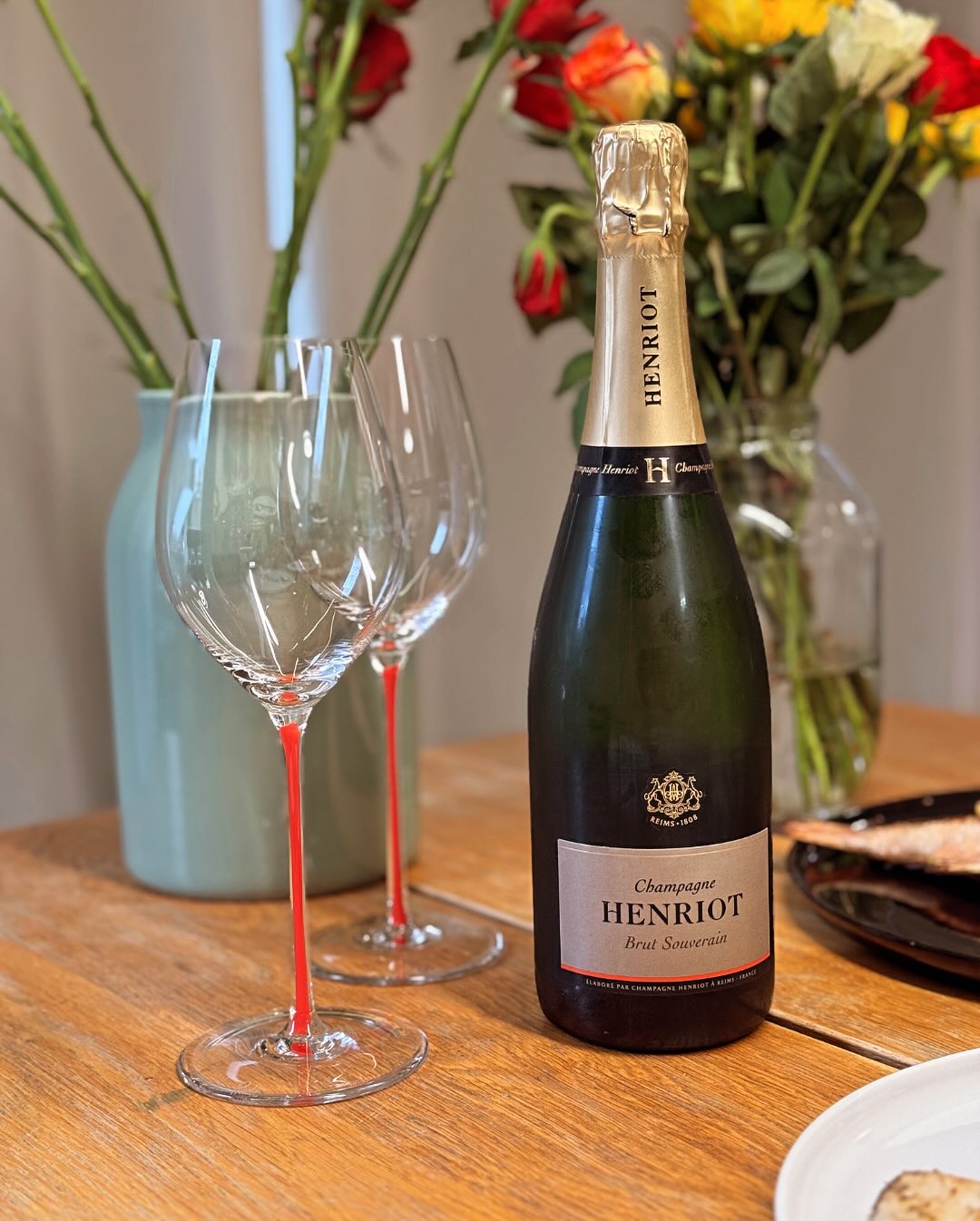
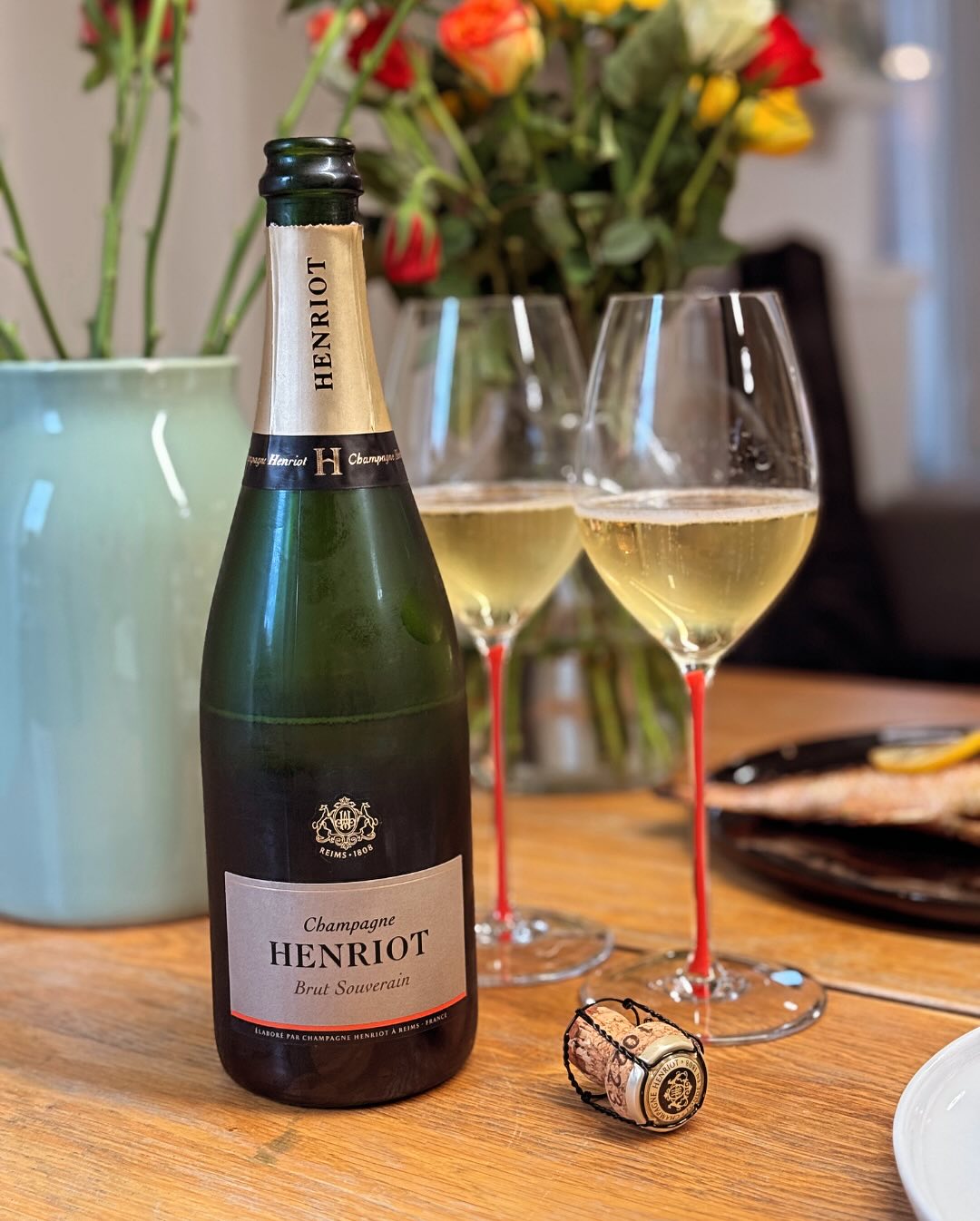
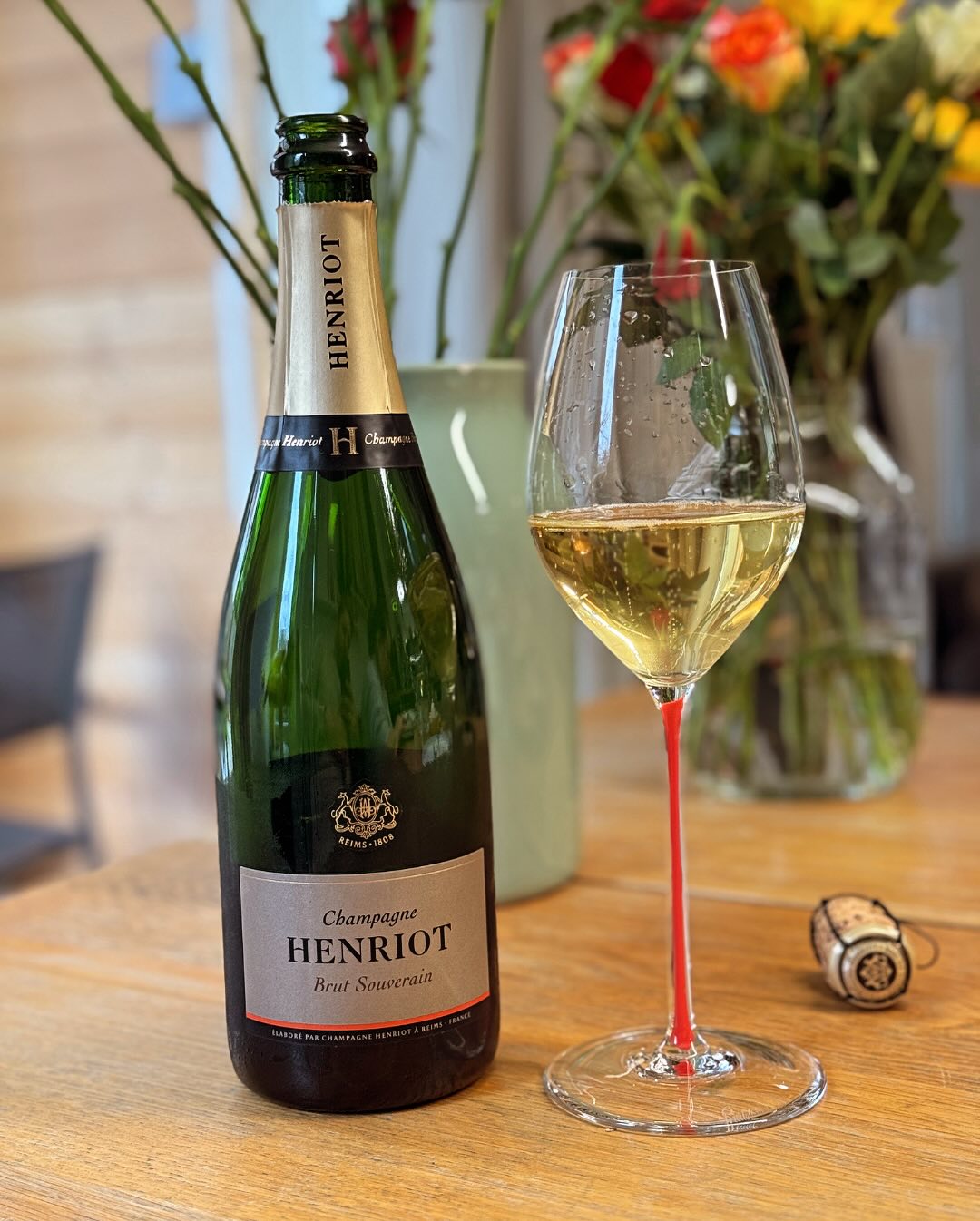
the_champagne.guy Diese Woche war einfach nur viel. Arbeit, To-Do’s ohne Ende, wenig Zeit für Planung. Und so startete auch das Wochenende ziemlich spontan. Die einzige Konstante? Frischer Fisch und Seafood im Kühlschrank – der musste gemacht werden. Alles drumherum? Improvisiert. 🍽 Menü – simpel & gut: 🐚 Jakobsmuscheln – mit Zitrone & Salz 🐟 Wolfsbarsch & Dorade – puristisch gegrillt 🥦 Spargel, Aubergine & Brokkoli – mit Zitrone, Chili & Salz Dazu? 🥂 @champagnehenriot – Brut Souverain – weil der noch nicht in meiner Liste war und ich ihn heute Vormittag spontan in der @genussvinothek besorgt habe. Und dann der Klassiker: Flasche steht auf dem Tisch, aber natürlich nicht kalt. Bei so einem ungeplanten Ablauf passiert das halt. Zum Glück gibt’s den @mybeezer . Ehrlich gesagt hätte ich nicht gedacht, dass ich das Teil so oft verwende, aber es ist halt praktisch, wenn man sich 10 Minuten vor dem Essen noch schnell den passenden Champagner raussucht. Also kurz gekühlt & los ging’s. Warum der Henriot? ✔ Assemblage: 45 % Pinot Noir, 40 % Chardonnay, 15 % Meunier ✔ 29 Crus vereint – von Montagne de Reims bis Côte des Blancs ✔ Reserve-Weine: 30-50 % sorgen für Tiefe & Konsistenz ✔ Reifung: >3 Jahre auf der Hefe für Komplexität ✔ Dosage: <6 g/L – also schön trocken, aber mit Struktur 🎯 Highlight? Die frische Säure & Mineralik haben die Zitrusnoten der Jakobsmuscheln perfekt eingefangen. Manchmal sind die besten Pairings die, die man nicht groß plant. Und meine @riedel_official Gläser passen doch perfekt zum Label des Henriot oder 😂 #ChampagnerLunch @maxiriedel #HenriotBrutSouverain #ImprovisiertAberGut #TheChampagneGuy #RiedelFattoAMano #SpontanIstAuchEinPlan
Auf Instagram weiterlesen →The maison's first cuvée since 1808. Assemblage of 29 crus across multiple vintages: 50-70% vintage wines, 30-50% reserve wines. The profile combines brioche and citrus with smoky notes, chalk and red fruits. The structure is clearly built on freshness, despite the fullness.
50% Pinot Noir · 45% Chardonnay · 5% Meunier · 5 g/L · 36 months · Montagne de Reims & Côte des Blancs
Blanc Souverain
Homage to Marie Marguet, who brought the Chardonnay crus of Côte des Blancs into the maison in 1880. The cuvée is generous and gourmand: flambéed pineapple, fresh citrus, wet chalk, pastry notes. The texture is velvety, the freshness exceptional for a Blanc de Blancs with this fullness.
100% Chardonnay · 5 g/L · 36 months · 12 crus Côte des Blancs
Rosé
Officially in the collection since the 1980s. Rosé d'assemblage with 8-10% Pinot Noir as vin rouge. The profile is mineral-fresh: white currants, chalky dimension, no exaggerated fruit. Assemblage of 60-80% vintage wine and 20-40% reserve wine.
60% Pinot Noir · 30% Chardonnay · 10% Meunier · 5 g/L · 36 months
Millésime 2015
2015 was a solar vintage: sun, warmth, ripeness. The cuvée combines black fruits with intense minerality and smoky-woody notes. The structure is ciselé, precisely cut, linear, solid. The freshness remains present despite the power.
53% Pinot Noir · 47% Chardonnay · 2.5 g/L · 96 months · 100% Premiers & Grands Crus (Trépail, Verzy, Verzenay, Avenay, Avize, Vertus)
Rosé Millésimé 2015
Same vintage, different balance: 63% Pinot Noir, 37% Chardonnay, plus 10% vin rouge. The aromatics are exuberant and charismatic: blood oranges, a hint of green curry. The structure combines freshness and tension with elegant tannins, the rosé as a gastronomic champagne.
63% Pinot Noir · 37% Chardonnay · 3 g/L · 96 months · 100% Premiers & Grands Crus (Aÿ, Mareuil-sur-Aÿ, Avenay, Mutigny, Chouilly, Avize)
Hemera 2013
The six crus fondateurs in equal parts: Verzy, Verzenay, Mailly-Champagne (Pinot Noir), Avize, Chouilly, Le Mesnil-sur-Oger (Chardonnay). 2013 was a vintage of precision and detail, fine tip, not force. Fresh and candied citrus, direct minerality, smoke. The tension is salivant, the structure straight, tannins in the finish.
50% Pinot Noir · 50% Chardonnay · 3.5 g/L · 120 months · 100% Grands Crus
L'inattendue 2018
Un terroir, une année, un cépage: Chouilly Grand Cru, 2018, 100% Chardonnay. The idea is illustration of culture de la diversité through radical focus. 2018 was generous, exotic, gourmand: yellow fruits, pineapple, vanilla notes, a hint of petrol. The texture is round and velvety, the freshness remains exceptional nonetheless.
100% Chardonnay · 2 g/L · 48 months · Grand Cru Chouilly
Mémoires: Cuvée des Enchanteleurs 1982
The Mémoires collection shows vintages with over 30 years of aging. Manual disgorgement, individual numbering. The assemblage remains the classic balance: 50% Chardonnay, 50% Pinot Noir, exclusively from the six crus fondateurs (Grands Crus). The earliest creation in the collection is the 1921 millésime.
50% Chardonnay · 50% Pinot Noir · 4 g/L · 100% Grands Crus
Mémoires: Millésime 1970
Part of the Mémoires line, same Grand Cru base as all historic vintages: the six founding villages of the maison.
50% Chardonnay · 50% Pinot Noir · 4 g/L · 100% Grands Crus
Mémoires: Millésime 1969 (Magnum)
Magnum format of the 1969 vintage, also from the Mémoires collection. Same assemblage logic, longer aging due to the larger format.
50% Chardonnay · 50% Pinot Noir · 4 g/L · 100% Grands Crus
My Tastings
- Brut Rosé · June 9, 2025
- Brut Souverain · March 15, 2025
- Brut Souverain · March 15, 2025
Facts
| Founded | 1808 by Apolline Henriot | | Category | Négociant-Manipulant (NM) | | Headquarters | 81 rue Coquerbert, 51100 Reims | | Region | Montagne de Reims, Côte des Blancs | | Vignoble | 29 crus, many Grands Crus | | Grape varieties | 50% Pinot Noir, 45% Chardonnay, 5% Meunier | | Certifications | HVE, VDC, Viticulture Biologique (from Jan. 2025) | | Cheffe de Caves | Alice Tétienne (8th generation) | | Website | champagne-henriot.com | | Instagram | @champagnehenriot | | Phone | +33 3 26 89 53 00 | | Email | contact@champagne-henriot.com |
Sources for this portrait: maison website, personal tastings, CRM data and cross-checks. Fields without sufficient verification remain open.