Famille Moussé: 100 Years of Meunier in Cuisles
Famille Moussé, known until 2026 as Moussé Fils, is a vigneron maison from Cuisles in the Vallée de la Marne. Led by Cédric Moussé in the 4th generation since 2003. The maison's centenary was celebrated in 2023 (founded 1923 by Cédric's great-grandfather Eugène), the family marked the milestone with a large event.
Cédric renamed the maison in May 2026, from "Moussé Fils" to Famille Moussé. The family itself has been in the game much longer: winegrowing line since 1629 along the Marne, based in Cuisles since 1880. What we have in our glass today is the fruit of a very long connection with this one village.
The History: from Eugène to the 4th Generation
1923: Eugène founds the Maison
In 1922 grape prices in Champagne collapsed. Eugène Moussé (born 1896) was one of two winegrowers in the canton who drew the consequence of switching from purely selling grapes to the négoce to producing their own champagne. In 1923 he bottled the first bottle under his own label. Three years later, in 1926, Evrard Thomas, owner of the first car in Cuisles, a Citroën B14, drove to Paris with Eugène and a few bottles. There they met a young American traiteur who within a few years was buying Eugène's entire production. Until the war, the cases went in wooden crates from Port-à-Binson by train to the Gare de l'Est.
1943-1945: War, Résistance and Deportation
In June 1943 Eugène's son Edmond saws down the power pole in the Cuisles vineyards in the middle of the night to disrupt the Germans' power supply, residents heard the saw all the way to the village. In August of the same year the Réseau Possum was created, an escape network for shot-down British and American pilots. Starting November 15, 1943, Eugène hid the Englishman Ian Robb and US Lieutenant Carlyle Darling for twelve days.
On June 21, 1944 the Gestapo came. Eugène and Edmond were arrested. A stroke of luck in misfortune: An officer found a Sten submachine gun on the sideboard, the Germans decided not to search the house, thus overlooking Jacques Hodin, a resistance figure who was hidden in one of the rooms. Father and son were taken via the Gestapo headquarters in Reims to Châlons-sur-Marne and Compiègne, then deported to Neuengamme, later to the Bremen-Farge detachment (construction of the Valentin bunker). Suzanne, Eugène's wife, cycled to Compiègne to pass a message through the fence, no one knows if Eugène read it. Eugène died on April 12, 1945 in Ravensbrück concentration camp from typhus. Edmond survived, lastly among the rubble of Hamburg on clearing crews. Suzanne ran the operation during the transitional period.
1947-2003: Reconstruction and ecological transition
After the war Edmond took over. He shared his knowledge generously, mentored numerous winegrowers in the Vallée, and died in 1990. His son Jean-Marc made his first harvest in 1976 and began the ecological transition very early: grass cover between rows, conversion of the entire production. In 1990 he built a new press room (today's reception area). In 2009 he erected a fully eco-designed winery together with Cédric. Jean-Marc was mayor of Cuisles for 25 years and a declared lover of Meunier. An accident in 2013 put him out of action, Cédric finished the ongoing vinification.
2003 → today: Cédric
Cédric returned to Cuisles after apprentice years at various wineries and a stint at the CIVC experimental winery. In 2014 he achieved complete elimination of synthetic pesticides, treatments since then based on essential oils. 2017 then brought the second major break, this time in vinification: Cédric eliminated "all masks", dosage sugar, oenological additives, petrochemical sulfur, new wood, oxidation. Inspiration for the next stage (working on the vibrational level of the wines) came from vigneron Fred Niger from Pays Nantais. Goal: carbon neutral, and always raising the quality bar.
Vignoble & Soil
Famille Moussé manages 17.4 hectares across four villages: Cuisles, Jonquery, Châtillon-sur-Marne and Olizy, all in the Marne valley. The varietal breakdown clearly emphasizes Pinot Meunier (about 80%), plus Pinot Noir (16%) and a small Chardonnay portion (4%) on special parcels.
The soil signature is the central identity: "Illite", a green clay layer, lies under a thin layer of topsoil and draining sandy clays, below that chalk-limestone marl. In Cuisles this illite layer is usually only ~30 cm thick and sits close to the surface; in dry years it's the crucial water reservoir. A dedicated cuvée, Les Terres d'Illite, makes this geological argument explicit.
The entire vineyard is ECOCERT-certified, meaning the EU organic norm, not just a self-declared approach. Pesticide-free since 2014, now with formal third-party verification. For a maison of this size, full vineyard organic certification isn't a given; it's not a marketing checkbox here, it's the logical follow-through on the 2014 decision.
Philosophy & Vinification
- Hand harvest in caisses de maraichage (small harvest crates that prevent pre-pressing)
- Stainless steel-dominated for the main work, but targeted wood use: old barrels (>8 years) for the red wine réserve, barrique fermentation for the saignée
- Réserve Perpétuelle since 2003, separate for white and red wine, refreshed annually with 50% of the new vendange
- Malolactic fermentation for all cuvées
- Own sulfur from sulfur mine instead of petrochemical; values between 10 and 29 mg/l depending on cuvée
- Dosage range 0-2.5 g/l, Extra-Brut to Brut-Nature is the house standard
Sustainability in practice
- Solar panels supply cellar, reception/tasting area and two residential buildings
- Geothermal for temperature regulation
- Animals in the vineyard, pigs, chickens, sheep, maintain the soil
- Lightweight bottles with reduced carbon footprint
- Paper capsules instead of aluminum (Cédric sends a message on the inside with every bottle)
- Eco-designed winery (2009)
The Cuvées in Detail
L'Esquisse: Brut Sans Année (70% Meunier / 30% Pinot Noir)
Young-parcels cuvée with a proportionally large amount of taille (second pressing), deliberately built for drinking pleasure and fruit. Base 70% 2020 + 30% 2021, BSA, 18 months aging. Terroir: Cuisles, Jonquery, Châtillon-sur-Marne (90% argile verte).
Eugène: Brut Perpétuelle (80% Meunier / 20% Pinot Noir, 2.5 g/l)
The central Réserve-Perpétuelle, started in 2003, the name is a homage to the founder. Previously called Carte Or, then Or Tradition, then L'Or d'Eugène. For the centenary in 2023 the range was restructured: the cuvée has since been called simply Eugène. Each vendange refreshes 50% of the perpétuelle. 18 months lees aging.
Eugène: Longue Garde (Brut Nature Perpétuelle, 0 g/l)
Same perpétuelle, but 60 instead of 18 months on the lees. Shows that Meunier can indeed age, and without losing its freshness.
Eugène Rosé: Rosé d'Assemblage Perpétuelle (82% Meunier / 18% Pinot Noir, 2.5 g/l)
Assemblage of two perpétuelles, one from white wine, one from red wine. The red wine portion comes from a single Meunier parcel, fermented in old barrels (>8 years) that allow oxidation. Long cold pre-fermentation maceration. 18 months aging.
L'Anecdote 2019: Blanc de Blancs Brut Nature (100% Chardonnay, 0 g/l)
Microvinification from two lieux-dits, Les Varosses in Cuisles and Les Terres Rouges in Jonquery. Both have unusually deep soils (1.60 m instead of the usual 0.60 m), which is why Chardonnay was planted here as an exception. It is the first 100% Chardonnay from Cuisles ever. 36 months aging. Drinking window 1 year after dégorgement, aging potential 10 years.
Les Vignes de mon Village: Brut Nature Perpétuelle, Cuisles-only (100% Meunier, 0 g/l, tirée liège)
Homage to Jean-Marc Moussé. Perpétuelle 2014-2020, exclusively from Cuisles, exclusively on argile verte. Reductive microvinification in small stainless steel tanks. Closed with natural cork (tirée liège) instead of crown caps. 20 months aging. Cédric's recommendation: don't decant, serve in white wine glasses, open 5 minutes before drinking.
Les Terres d'Illite 2019: Extra Brut Vintage (80% Meunier / 20% Pinot Noir, 2.5 g/l)
Geo-cuvée. Selection of parcels with the most beautiful illite layers, the water-storage effect shapes the profile. 36 months aging.
Les Fortes Terres 2018: Spécial Club Blanc de Noirs (100% Meunier, 0.5 g/l)
The first 100%-Meunier cuvée of the maison (first vintage 2005). 4 parcels from the lieu-dit Les Fortes Terres in Cuisles, steep slopes, very thin soil cover due to erosion, the illite layer directly under the surface. Concentrated grapes, white-fleshed fruit with emphasis on peach. Member of Club Trésors de Champagne (Spécial Club). 48 months aging. Aging potential 20 years.
La Confiance de mon Père 2019: Rosé de Saignée (100% Meunier)
Oldest parcel of the maison, lieu-dit Les Bouts de la Ville in Cuisles. 168 hours cold pre-fermentation infusion, then saignée, fermentation in barrique, racking to stainless steel. No fining, no cold-stop, no filtration. 36 months aging. Aging potential 10 years.
Edmond: Ratafia T'en Penses Quoi? (100% Meunier, 50 cl)
Family recipe from Edmond Moussé, only passed on to son and grandson. House-made alcohol from Meunier wine, double distillation, mutage. Unfiltered, amber-colored. Recommendation: with Maroilles with red fruits and proper regional bread.
My Tastings
I've had two cuvées in the glass, both left an impression:
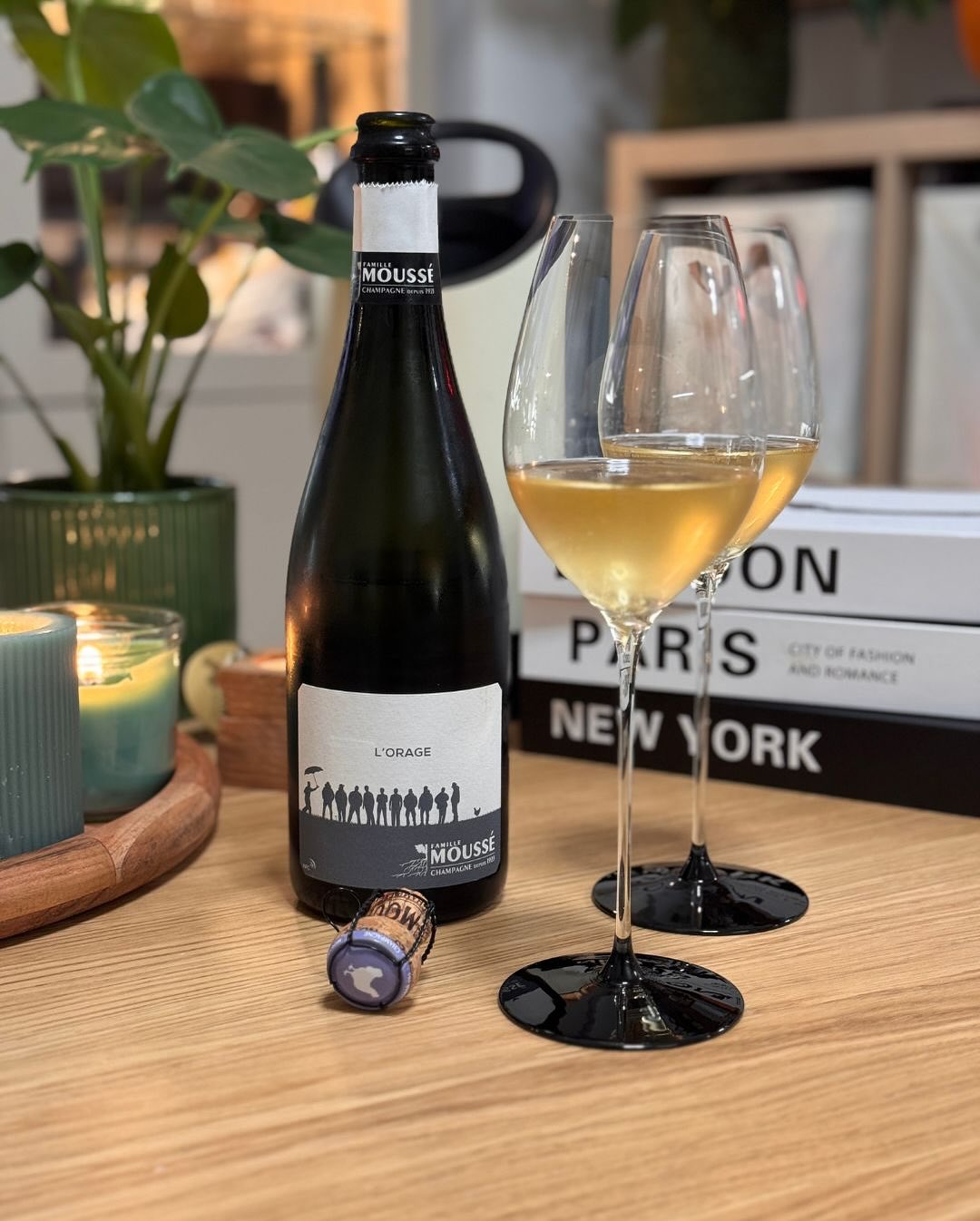
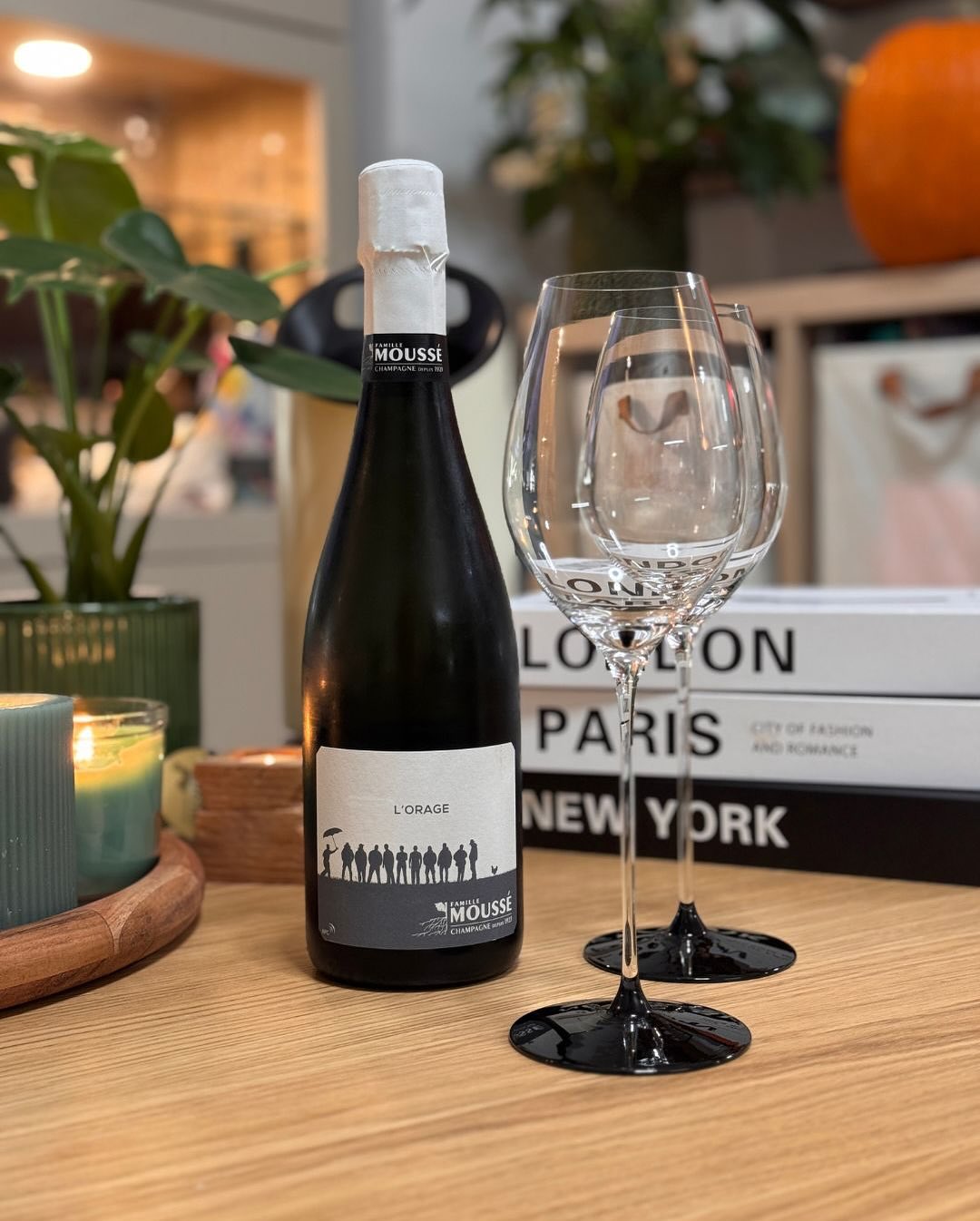
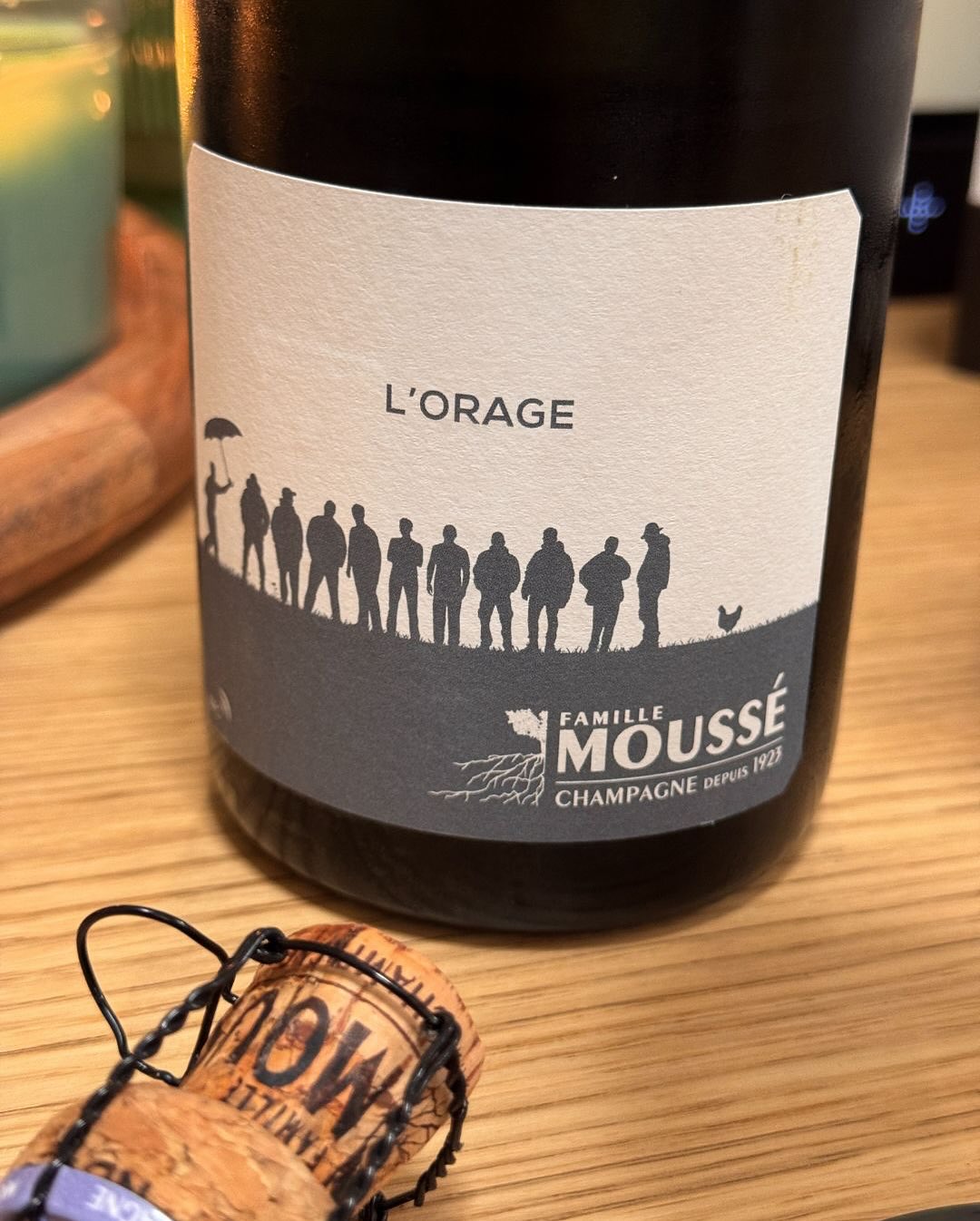
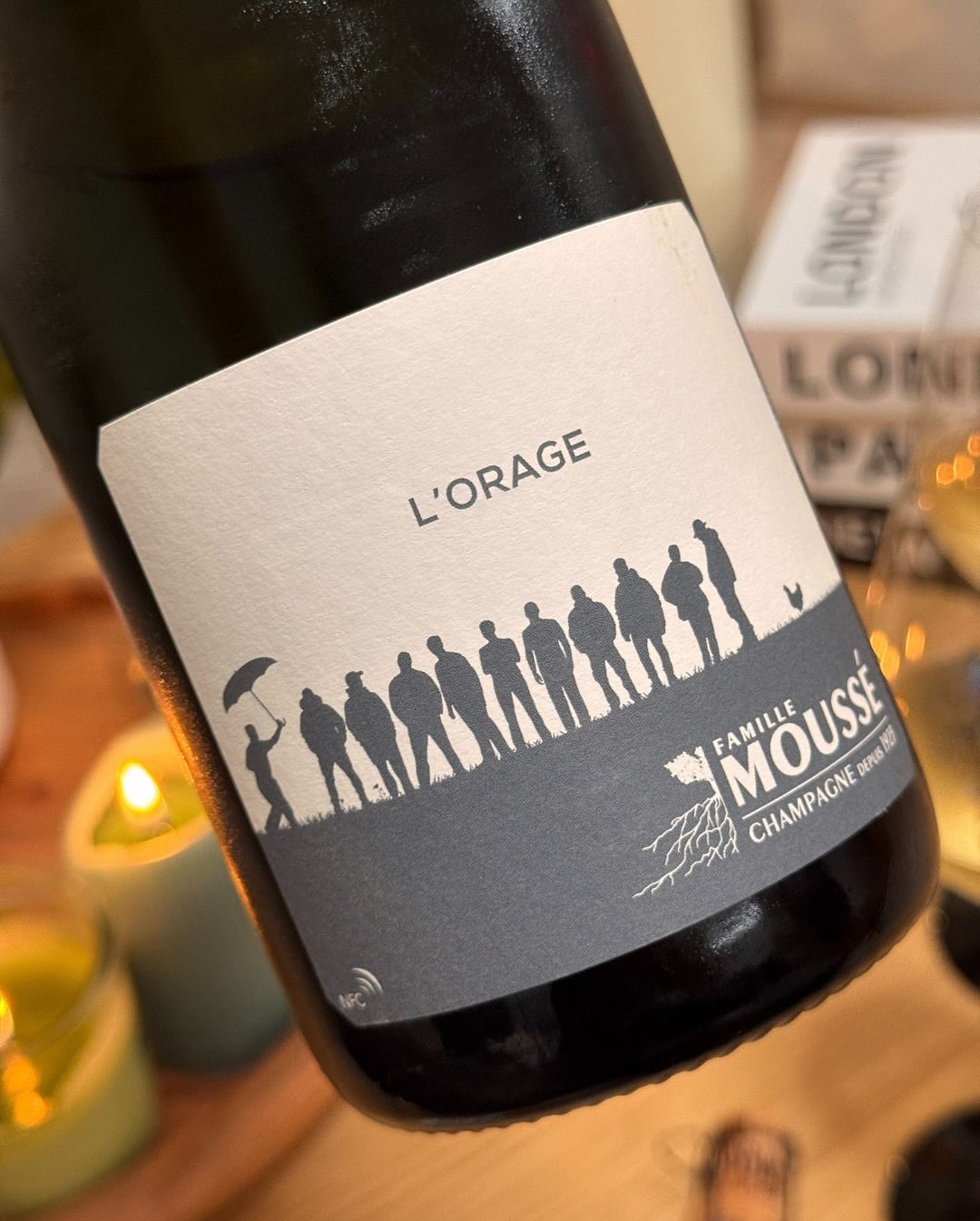
the_champagne.guy Nach dem stressigen Freitag und einer kleinen Halloween-Party war gestern Abend einfach Stille angesagt. Dazu die erste Flasche aus einem breiten Repertoire, das ich in Zukunft unbedingt probieren muss. @champagne_mousse – L’Orage Extra Brut. Schon beim ersten Schluck kam diese Frische. Präzise, wie ich es vom Chardonnay erwartet hatte - aber zusätzlich weich, cremig, mit feiner Hefe und dieser salzigen, lebendigen Energie, die noch lange nach dem Schluck nachhallt. Ein Blanc de Blancs, der nicht nur mineralisch kühl daherkommt – sondern mit zusätzlicher Tiefe und Ruhe, die für diesen Abend einfach perfekt war. Champagne-Facts 🥂 100 % Chardonnay 📅 Jahrgang 2021 · Dégorgiert 26/02/2024 📍 Vallée de la Marne · Cuisles 🪵 Ausbau im Edelstahl · keine malolaktische Gärung 🍬 Dosage: 1,5 g/l (Extra Brut) 🌿 HEV-zertifiziert · 12,15 % vol Dass diese Flasche überhaupt existiert, ist fast ein Wunder. Nach Frost, Hagel und Superzellen im Jahr 2021 war die Ernte in Cuisles fast vollständig zerstört. Elf befreundete Winzer halfen spontan mit Trauben aus – aus diesem Zusammenhalt entstand L’Orage („Der Sturm“). Ein Champagner, der zeigt, was Freundschaft in der Champagne bedeuten kann. Special thanks geht also auch in diesem Post an alle Winzer, die bei dieser Flasche sogar auf dem Rücketikett verewigt wurden: @vincent_bauchet & Cécile Bauchet von @champagnepertoismoriset · Benoît Gaspard · @sebastiencrucifix · @champagnedamienhugot · Cédric Massin von @champagneremymassinetfils · @paul.girard.bonnet · @etiennecalsac · Sébastien Mouzon · Damien Goulard von @champagnejmgoulard · Flavien Nowack von @nowack und Nicolas Didier von @champagnedidierducos Manchmal bleiben gerade nach einem Sturm die ruhigsten Momente. #TheChampagneGuy @riedel_official @grad.dk #ChampagneMousséFils #LOrage #BlancdeBlancs #ExtraBrut #ValléedelaMarne #GrowerChampagne #ChampagneMoment #ChampagneLife #ChampagneVibes #ChampagneTasting #TheChampagneGuyMoments
Auf Instagram weiterlesen →→ Complete tasting notes: L'Orage Extra Brut 2021
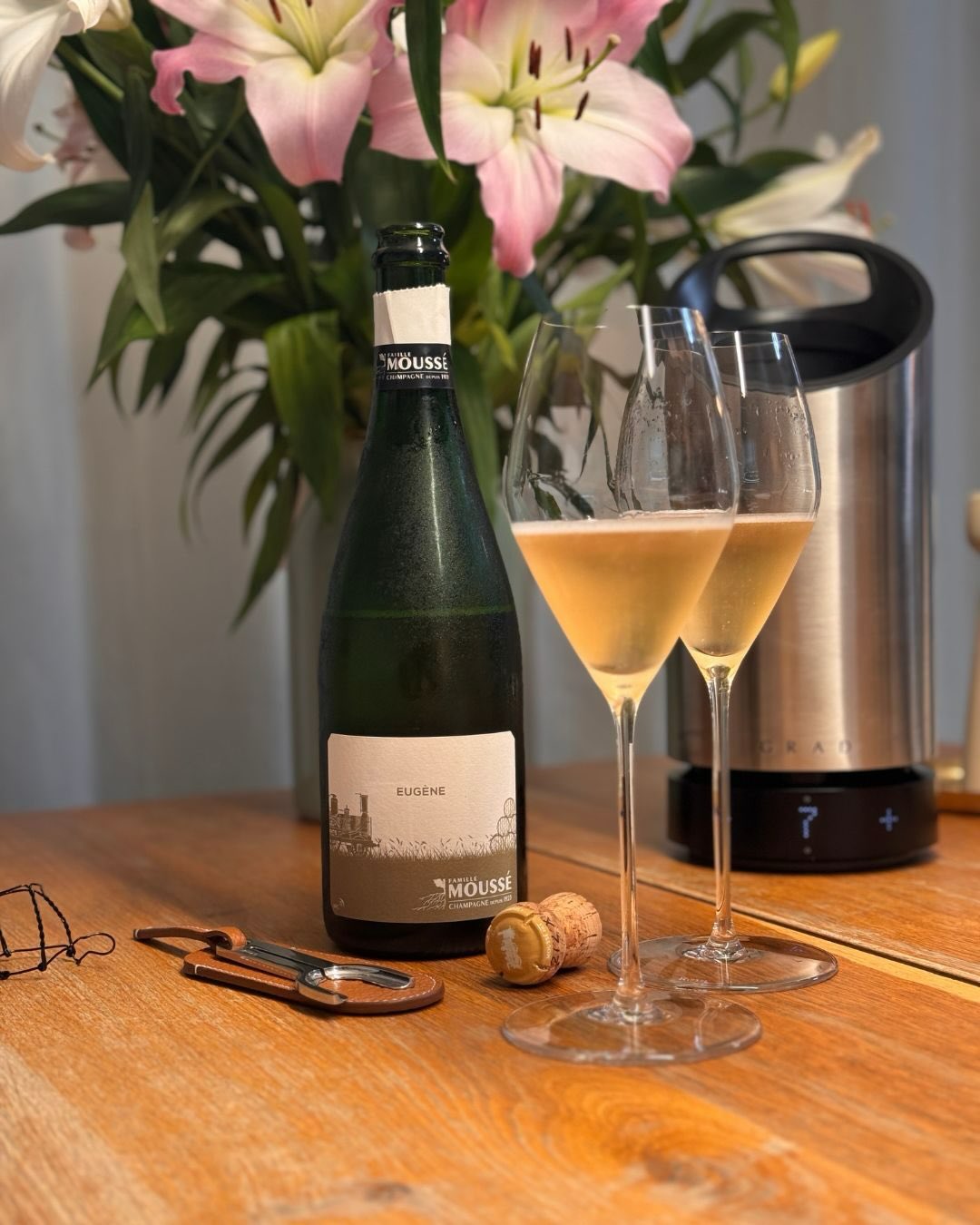
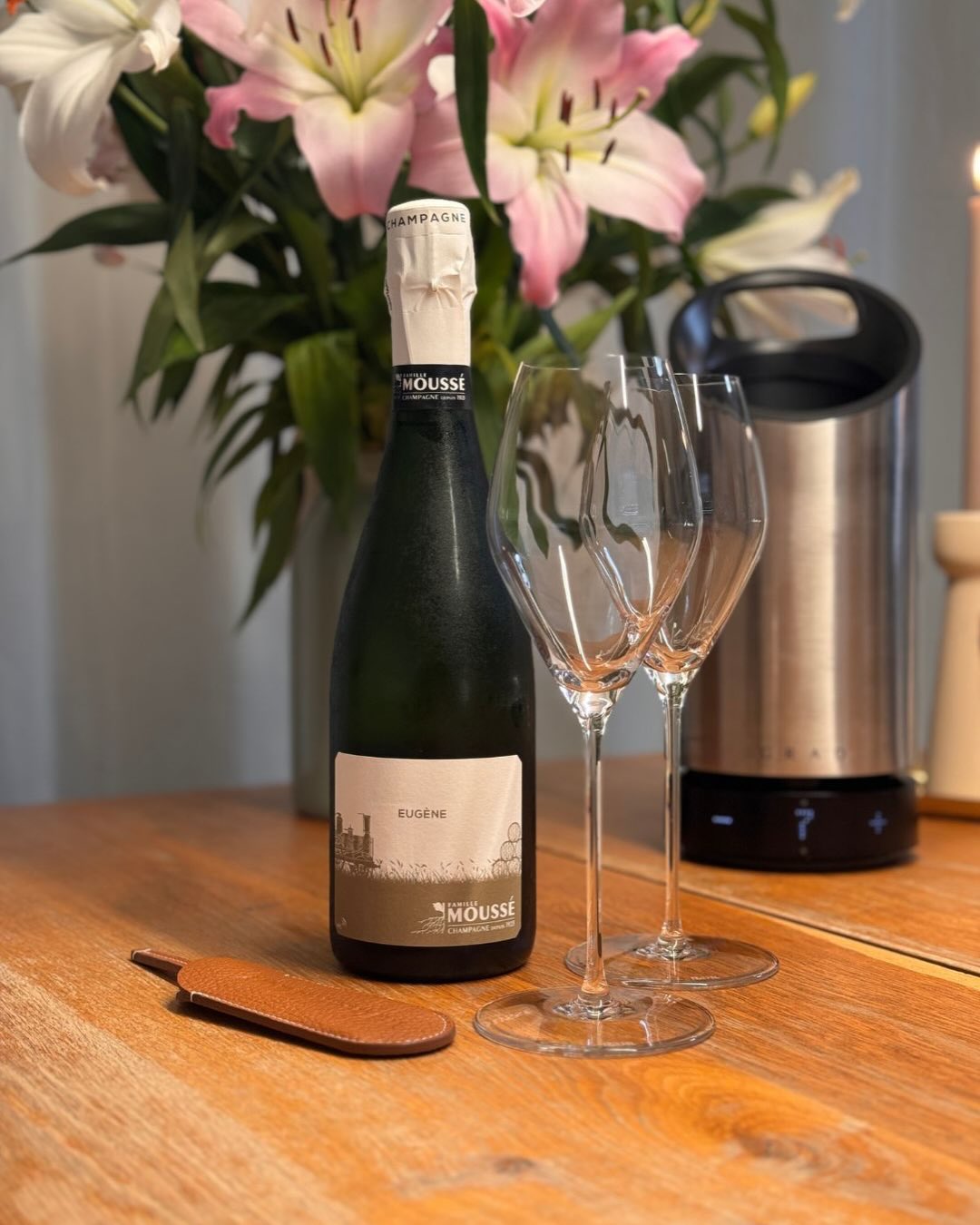
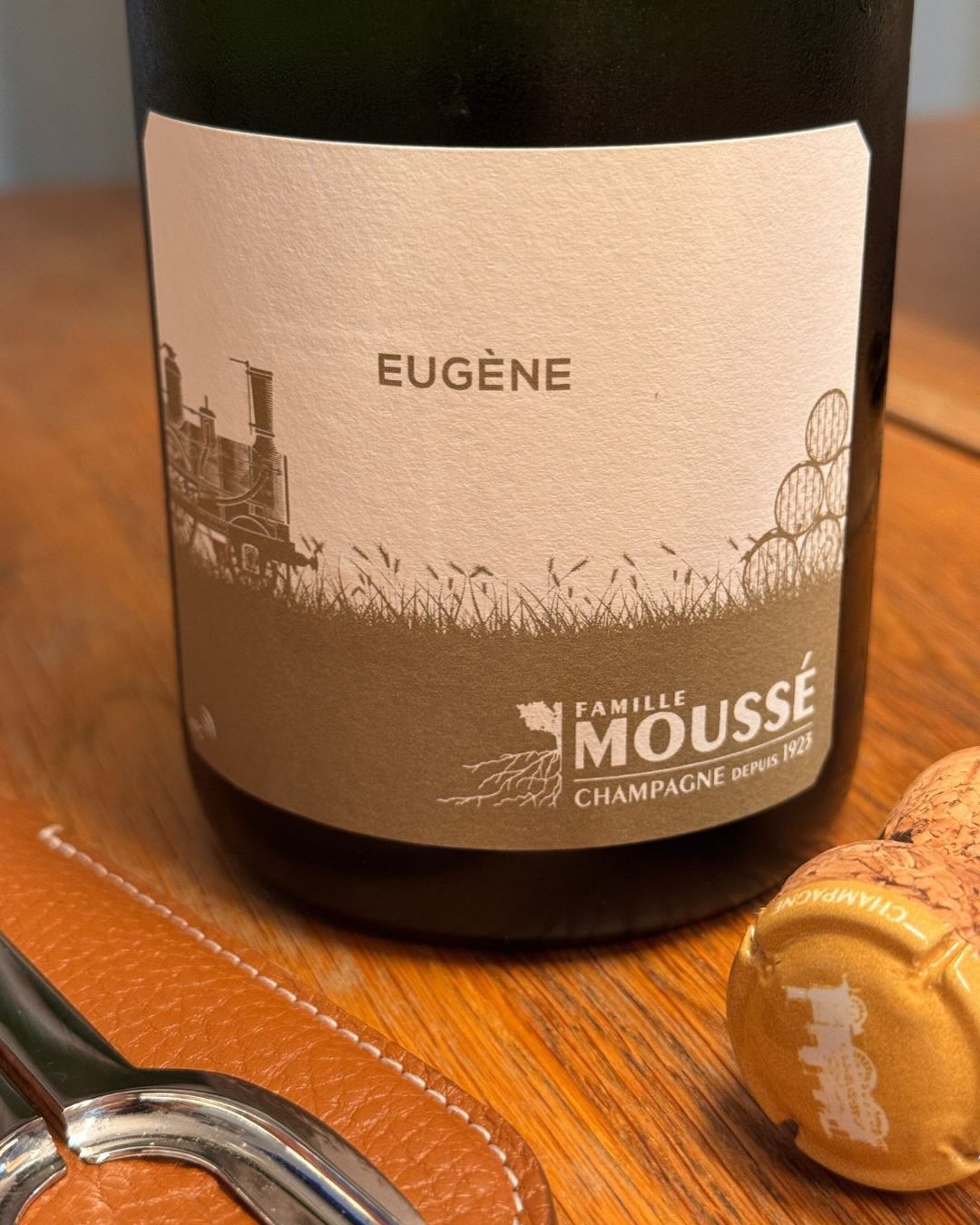
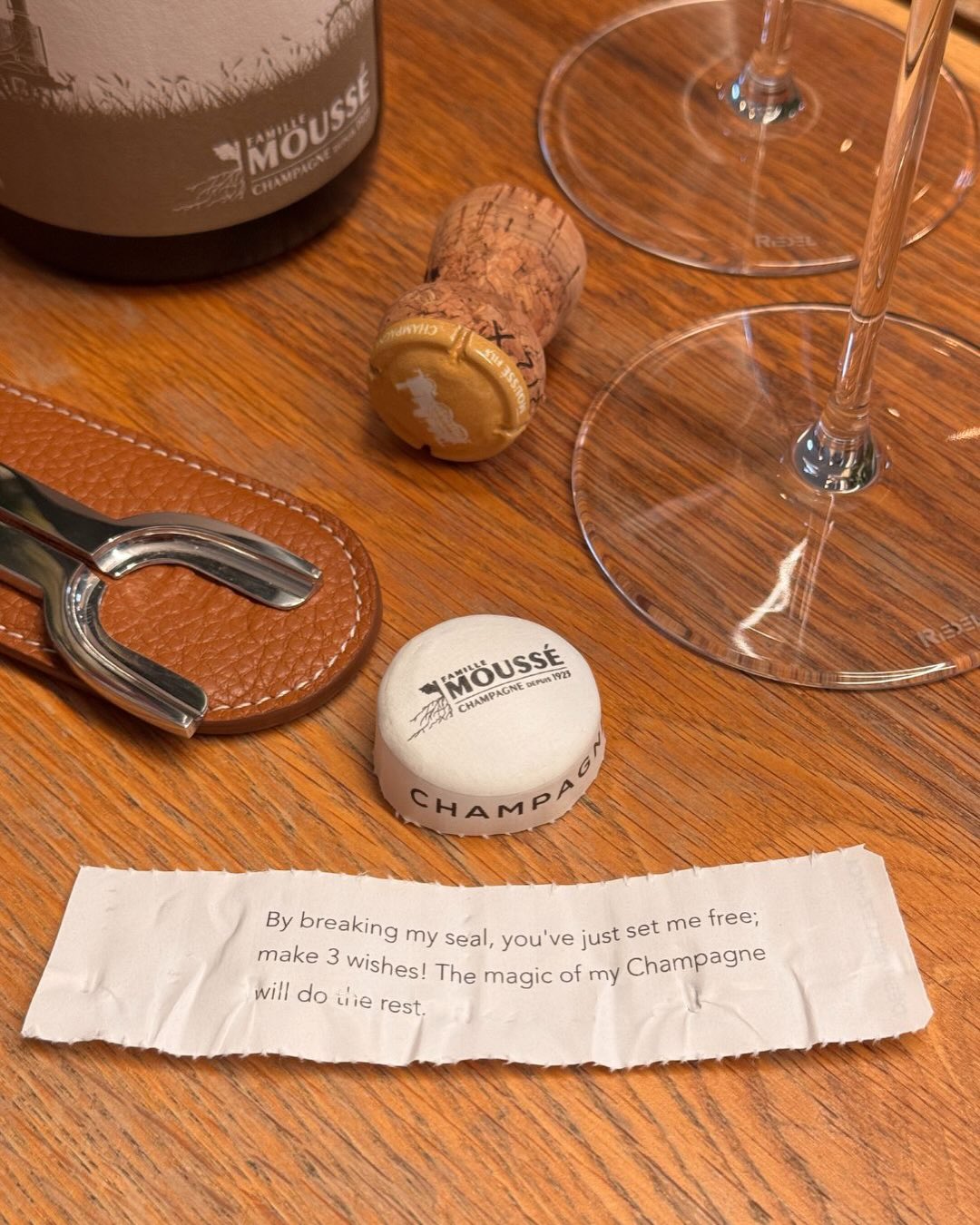
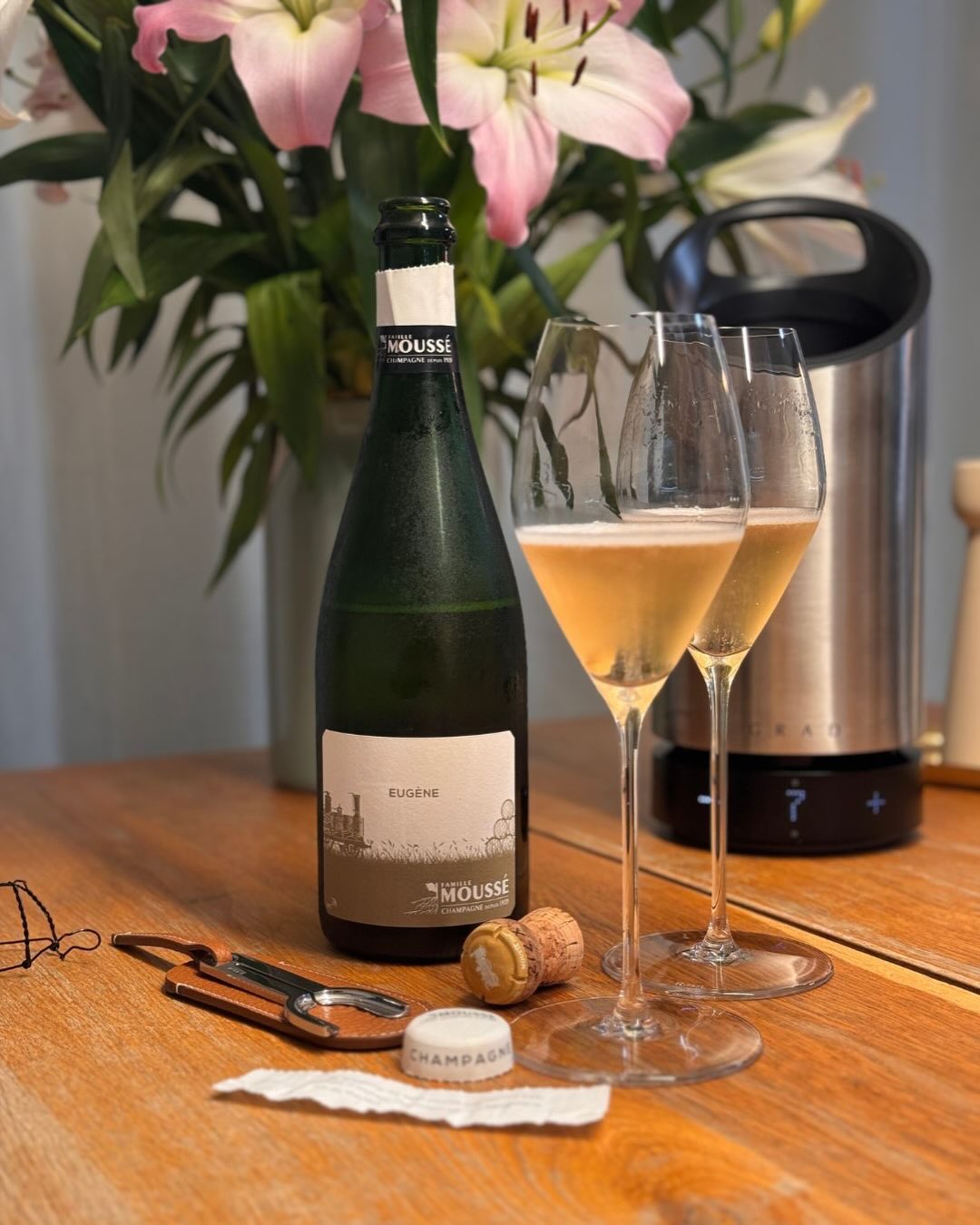
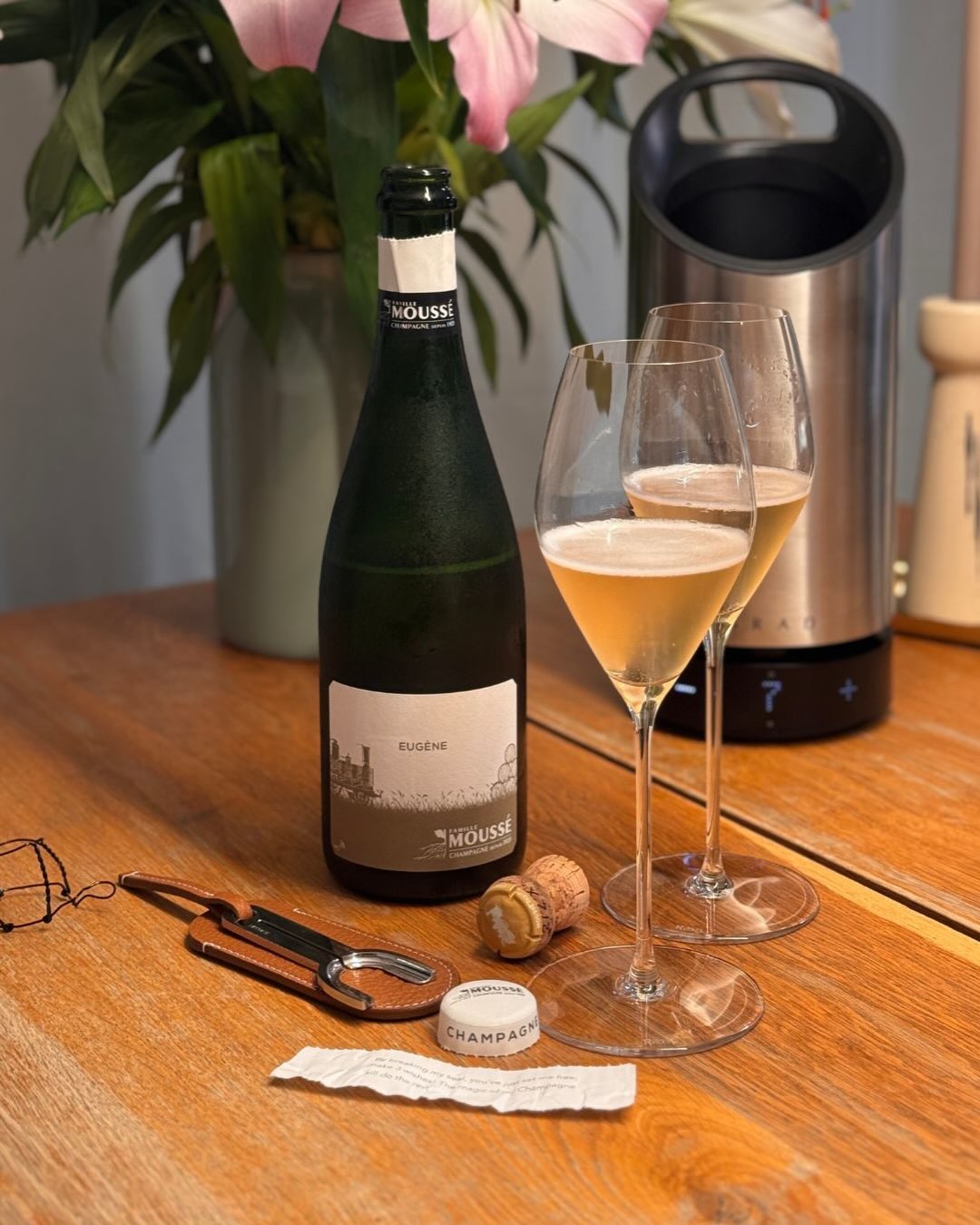
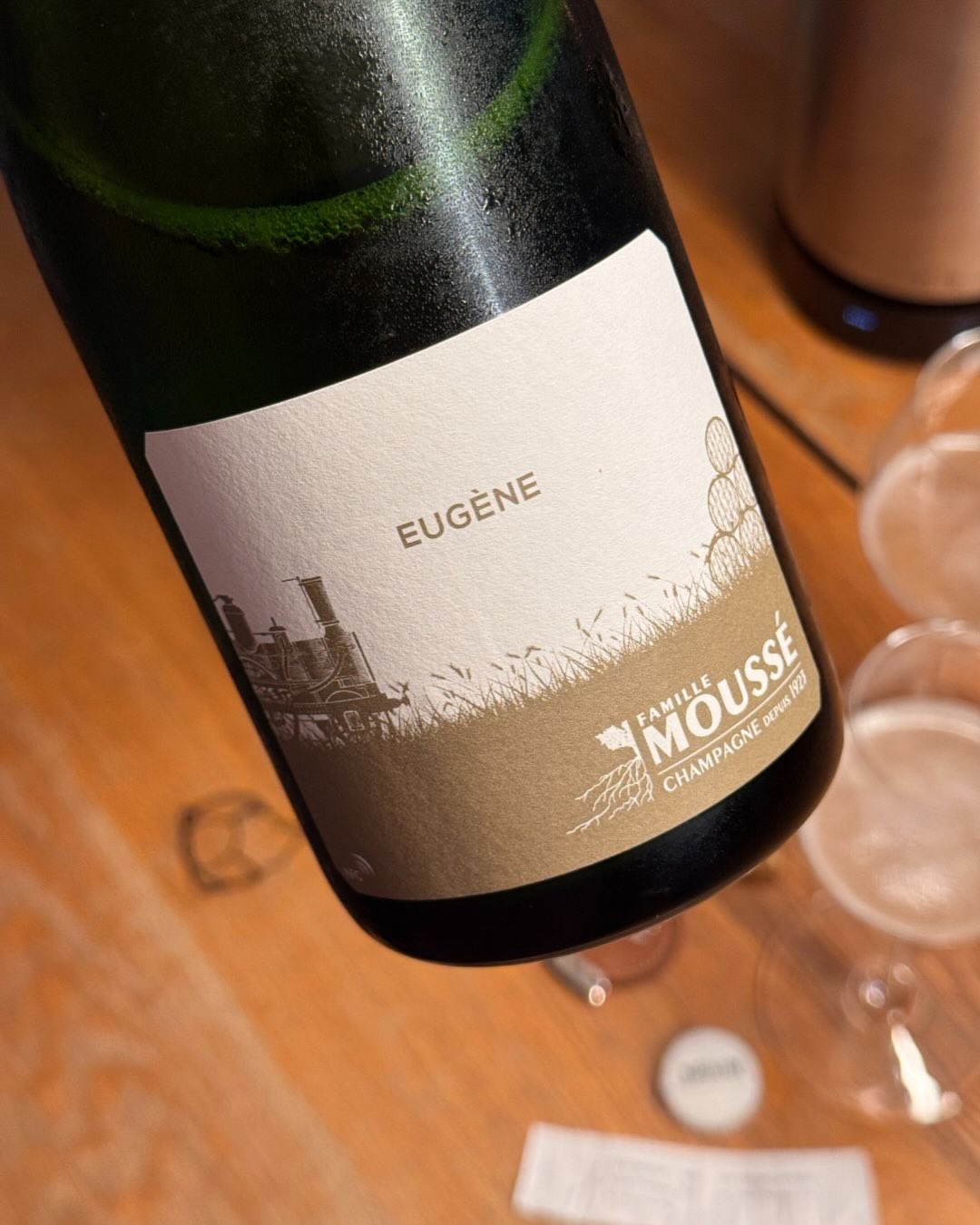
the_champagne.guy Erinnert ihr euch noch an den L’Orage den ich Anfang November gepostet hatte? Heute blicke ich tiefer in das Repertoire von @champagne_mousse und öffne eine Flasche, die das wahre Erbe des Hauses in sich trägt: den Eugène (Perpétuelle). Benannt nach dem Ur-Ur-Großvater von Cédric Moussé, ist dieser Champagner das krasse Gegenteil zum reinen Chardonnay des L’Orage. Wir befinden uns hier im Epizentrum des Meunier – in Cuisles. Und schon beim Öffnen merkt man, dass Nachhaltigkeit hier kein Marketing-Gag ist, sondern bis ins kleinste Detail gelebt wird. Statt der üblichen Alu-Kapsel umschließt eine Hülle aus Papier den Korken – ein starkes Zeichen für den ökologischen Fußabdruck. Und das Beste: Auf der Innenseite verbirgt sich eine Botschaft, die den Moment perfekt einrahmt. 📜 Was diesen Wein so faszinierend macht, ist das System der „Réserve Perpétuelle“. Seit 2003 wird hier jedes Jahr Wein hinzugefügt, was dem Eugène eine Tiefe und Konstanz verleiht, die man förmlich schmecken kann. In der Nase ist er sofort präsent: rote Früchte, ein Hauch von weißem Pfirsich und diese typische Saftigkeit des Meunier, gepaart mit einer feinen Würze. Am Gaumen zeigt er sich unheimlich präzise, aber mit einer weichen, fast großzügigen Textur. Wo der L’Orage die salzige Energie des Chardonnays feierte, zelebriert der Eugène die würzige Frucht und die Kraft des Meunier. Es ist die perfekte Fortsetzung meiner Reise durch die Welt von Moussé – von der Ausnahmeerscheinung hin zur Seele des Hauses. Champagne-Facts 🥂 🍇 80 % Meunier · 20 % Pinot Noir 📦 Basisjahr: 2021 (ca. 50 %) + 50 % Réserve Perpétuelle (seit 2003) 📍 Vallée de la Marne · Cuisles (Illit-Böden) 🪵 Ausbau im Edelstahl · Malolaktische Gärung durchgeführt 🍬 Dosage: 0,5 g/l (Extra Brut) 🌿 Nachhaltigkeit: Seit Generationen im Fokus Fazit: Wenn der L’Orage die Geschichte eines Moments war, dann ist der Eugène die Geschichte einer Familie. Ein charakterstarker Meunier-Blend, der zeigt, warum Cuisles eine so besondere Stellung in der Champagne einnimmt. #TheChampagneGuy @riedel_official @grad.dk @laclaye @grad_rd #ValleeDeLaMarne #Perpetuelle #GrowerChampagne #ChampagneHeritage
Auf Instagram weiterlesen →→ Complete tasting notes: Eugène (Perpétuelle) 2003
Facts
| Maison | Famille Moussé (formerly Moussé Fils) |
| Legal form | SARL Famille Moussé |
| Category | Récoltant-Manipulant (RM) |
| Maison founded | 1923 (Eugène Moussé) |
| Family in Cuisles | since 1880 |
| Vigneron line | since 1629 (Vallée de la Marne) |
| Current generation | 4th generation, Cédric Moussé (since 2003) |
| Address | 3 rue de Jonquery, 51700 Cuisles, France |
| Region | Vallée de la Marne · Marne (51) |
| Cru | Cuisles is autre cru (neither GC nor 1er), deliberately positioned as Meunier identity village |
| Villages | Cuisles, Jonquery, Châtillon-sur-Marne, Olizy |
| Hectares | 17.4 ha |
| Grape varieties | approx. 80% Meunier, ~16% Pinot Noir, ~4% Chardonnay |
| Soil signature | argile verte "Illite" over marne calcaire |
| Certification | ECOCERT (organic per EU norm, entire vineyard), pesticide-free since 2014 |
| Vinification | stainless steel-dominated + old barrels for red wine réserve; complete malo; own sulfur from sulfur mine; dosage 0-2.5 g/l |
| Réserve Perpétuelle | since 2003 (white + red separate) |
| Cuvées | 10 + 1 Ratafia |
| Sustainability | Solar, geothermal, animals, lightweight bottle, paper capsules, goal carbon neutral |
| Centenary | celebrated in 2023 (founded 1923) |
| DACH distribution | BEWINE |
| Website | champagnemousse.fr |
| @champagne_mousse | |
| Tasted cuvées (TCG) | 2 (Eugène Perpétuelle 2003, L'Orage 2021 / now L'Anecdote) |
Sources for this portrait: Maison website (champagnemousse.fr), direct correspondence with Cédric and Julie Moussé (May 2026, Julie confirmed the open facts on hectares, certification, centenary date and DACH distribution on 26.05.2026).