Champagne Louis de Chatet
Three brothers, two regions, 14 hectares. Louis de Chatet is the premium brand of Domaine Launay in Barbonne-Fayel, a family operation founded by the parents in 1973 and today run by their three sons. The brand itself was launched in 2018, when the family decided to carve out a tight, focused range for connoisseurs and the trade from their best parcels. The name comes from the "Chatet" parcel, the house's oldest Chardonnay site, 60-year-old vines on a south-facing chalk slope. That parcel produces the first cuvée of the line: Émotion Blanc de Blancs.
What sets the maison apart is its geography: 14 hectares split across two regions, two-thirds in the Sézannais (Barbonne-Fayel and Broyes, Marne, just south of the Côte des Blancs), the final third in the Côte des Bar (Aube). That dual-region footprint is unusual for a small house. The practical consequence is that both Champagne identities, the taut, mineral Chardonnay of the Sézannais and the structured Pinot Noir of the Aube, get assembled in the same cellar.
Three brothers, three roles
Decisions are made together, but each brother has his own focus:
- Jérôme, the vineyard, the work in the vines
- Laurent, gestion and développement, which translates to commercial direction and export
- Lionel, equipment maintenance and the winemaking in the cellar
That's a clean division of labour, rarely as clearly drawn in winegrowing-brother set-ups. Email contact usually goes through Laurent.
Vignoble
The two-thirds in the Sézannais are the historic core of the Domaine, Barbonne-Fayel and Broyes, on small chalk hills south of the Marne. This is where the key Chardonnay parcels sit: Chatet (60-year-old vines, full south, source of Émotion BdB), Les Déserts, Les Turots. The final third is in the Côte des Bar, in Loches-sur-Ource (Aube), the Val Bonneau parcel delivers the Pinot Noir that brings structure to almost every assemblage cuvée. Cuvée Singulier 2015 comes from a Meunier parcel "Les Poulains" (Marne); Séduction 2014 from "Les Dormans".
VDC + HVE: what it actually means
The maison certified early: VDC (Viticulture Durable en Champagne) since 2018, HVE Level 3 (Haute Valeur Environnementale) since 2019. In practice this comes down to two main things:
- No chemical herbicides. Replaced by mechanical hoeing and grass cover between rows. More hours per hectare in the vineyard, less chemical pressure on the soil.
- Organic fertilisation only. Manure, beet vinasse, plant compost, zero chemical fertiliser.
Plant protection is handled through biocontrol and sexual confusion, targeted action rather than blanket treatment. It's not certified organic, but it's a real step below that line that you can actually measure.
Six cuvées
A small, clearly structured range: three assemblages plus three single-parcel vintage cuvées. Lees aging well above average, the house advertises "3 to 10 years", with several cuvées beyond that.
Cuvée Harmonie: Brut BSA
50% Chardonnay, 50% Pinot Noir. Blend of 70% current-year wines and 30% reserve wines, 8 g/l dosage, 6 years on lees. The entry-level cuvée, and the most-awarded one: 2024 Top 30 BSA in the Gault&Millau Champagne book (92/100), 2023 gold in Budapest, 2022 Decanter London 87/100.
Cuvée Privilège: Brut
30% Chardonnay from "Les Déserts" (Marne), 70% Pinot Noir from "Val Bonneau" (Aube). 8 g/l, cœur de cuvée, 4 years on lees. The Bar-leaning variant of the range. Decanter Platinum 97/100 in 2020, the house's strongest competition result to date.
Cuvée Signature: Brut
The mirror of Privilège: 70% Chardonnay from "Les Déserts", 30% Pinot Noir from "Val Bonneau". 7 g/l, cœur de cuvée, 10 years on lees. Long lees aging is the statement here. Gault&Millau 2024 93/100, Hachette 2023 two stars, Decanter 2022 91/100.
Cuvée Séduction 2014: Brut Rosé de Saignée
Single parcel "Les Dormans" (Marne), 100% Pinot Noir. True saignée rosé: 1 to 4 days of berry maceration, then run off. 7 g/l, 10 years on lees. A vintage saignée rosé with double-digit lees age, a rare category.
Cuvée Singulier 2015: Brut Blanc de Noirs
Single parcel "Les Poulains" (Marne), 100% Meunier. 7 g/l, cœur de cuvée, 8 years on lees. A vintage 100% Meunier, interesting as a stylistic commitment. Gault&Millau 2024: 89/100.
Cuvée Émotion 2012: Extra-Brut Blanc de Blancs
The parcel that gave the brand its name: "Chatet", 60-year-old Chardonnay vines, full south. 2 g/l (Extra-Brut), cœur de cuvée, 13 years on lees. Decanter 2025 silver 91/100, Concours Mondial de Bruxelles 2023 gold.
My tasting
No tasting yet. This page is based solely on the material Laurent Launay sent on 20 May 2026 (Brochure 2026 + fiches techniques for all six cuvées). I sent him a sample request in parallel, once bottles arrive and I've tasted them properly, tasting notes will replace this notice.
Facts
| Brand | Louis de Chatet (premium line of Domaine Launay) |
| Domaine | Domaine Launay, since 1973 |
| Category | RM (Récoltant-Manipulant), Vignerons Indépendants |
| Generation | 3 brothers: Jérôme (vines) · Laurent (gestion) · Lionel (cellar) |
| Address | 11 rue Saint Antoine, 51120 Barbonne-Fayel, France |
| Phone | +33 3 26 80 20 03 |
| contact@champagne-louisdechatet.com | |
| Website | champagne-louisdechatet.com |
| Region | Sézannais (Marne) + Côte des Bar (Aube) |
| Vignoble | 14 hectares, 2/3 Marne, 1/3 Aube |
| Grape varieties | Chardonnay and Pinot Noir, plus a Meunier parcel "Les Poulains" |
| Key parcels | Chatet · Les Déserts · Les Turots · Val Bonneau · Les Dormans · Les Poulains |
| Certifications | VDC since 2018 · HVE Level 3 since 2019 |
| Cuvées | 6, Harmonie, Privilège, Signature, Séduction 2014, Singulier 2015, Émotion 2012 |
| Lees aging range | 4 to 13 years |
| Awards | Decanter Platinum 97/100 (Privilège 2020), Gault&Millau 93/100 (Signature 2024), Concours Mondial gold 2023 (Émotion 2012), Gault&Millau Domaine label 2024 |
| Tasted cuvées (TCG) | 0, sample request pending |
Sources for this portrait: 2026 brochure and fiches techniques sent directly by the domaine (Laurent Launay, email of 20 May 2026). Tasting notes will follow once sample bottles arrive, pending Laurent's agreement.
More growers from the region
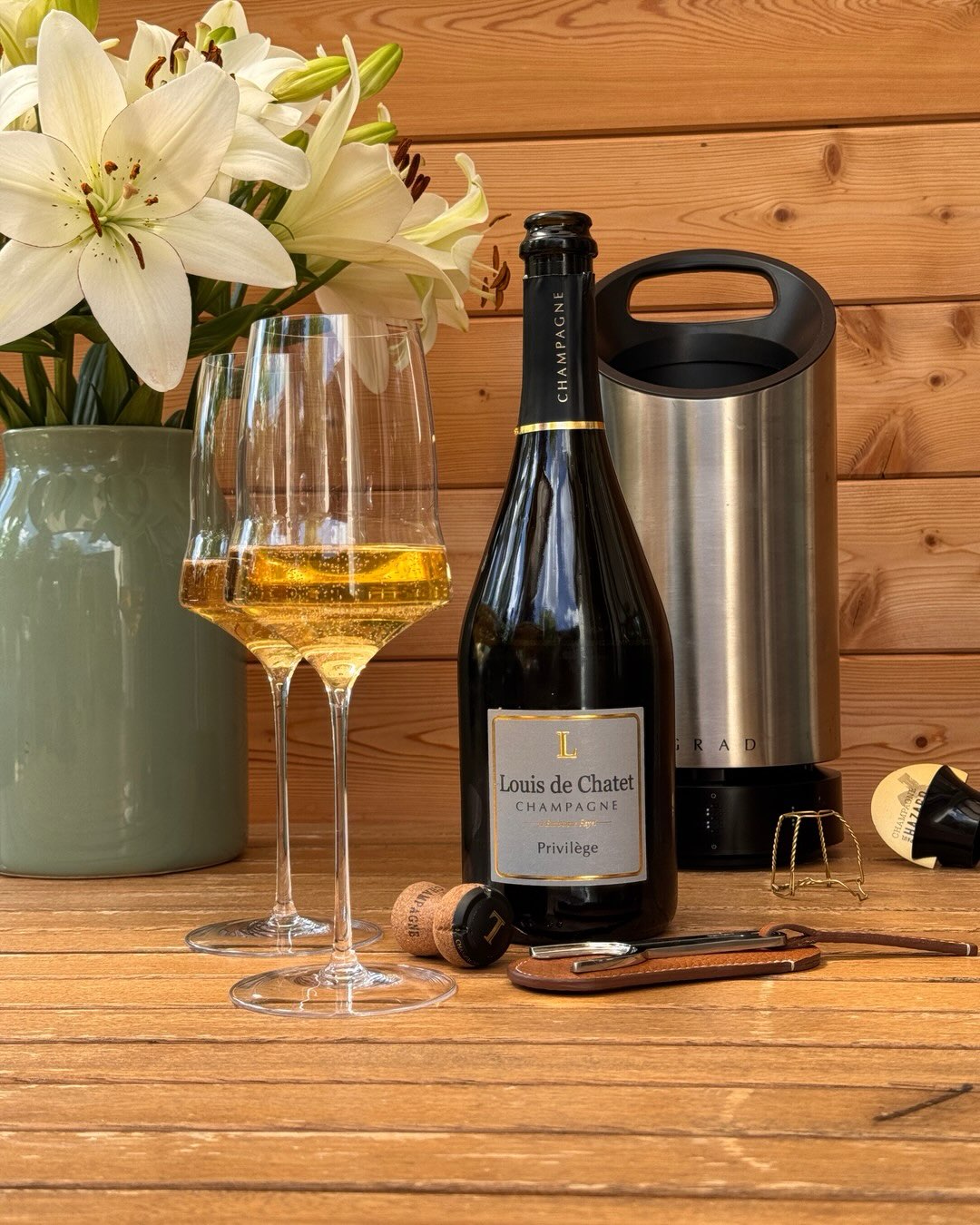
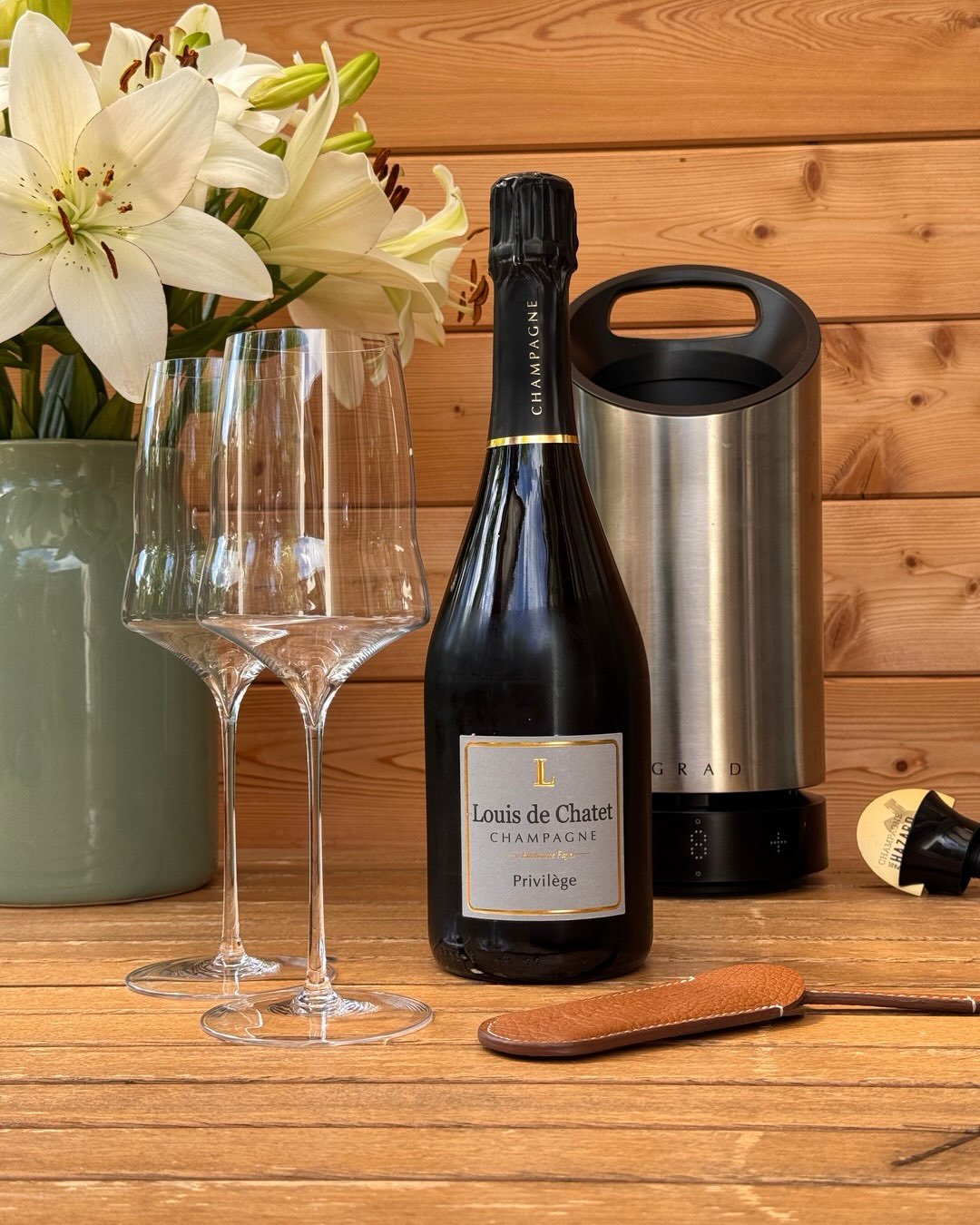
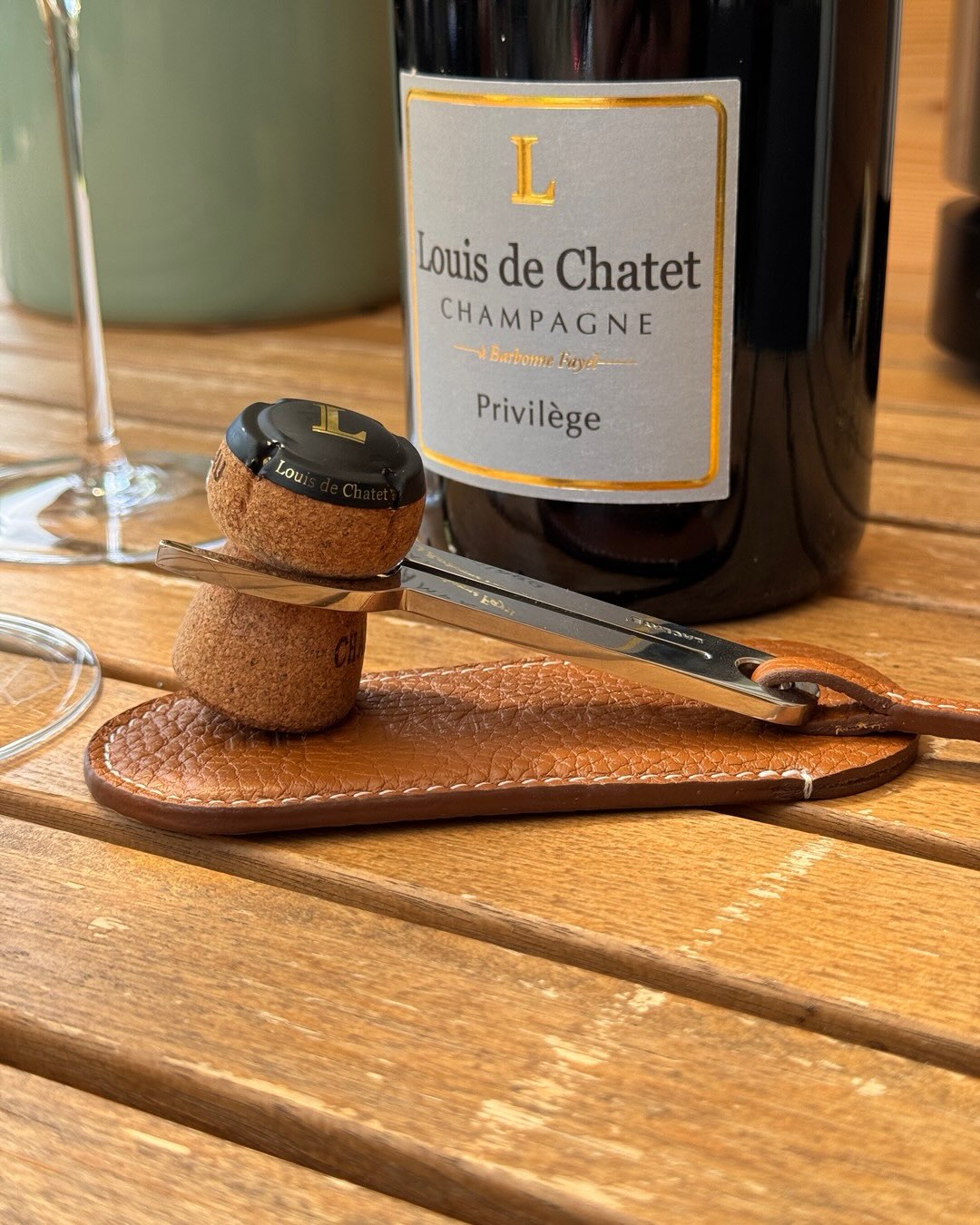
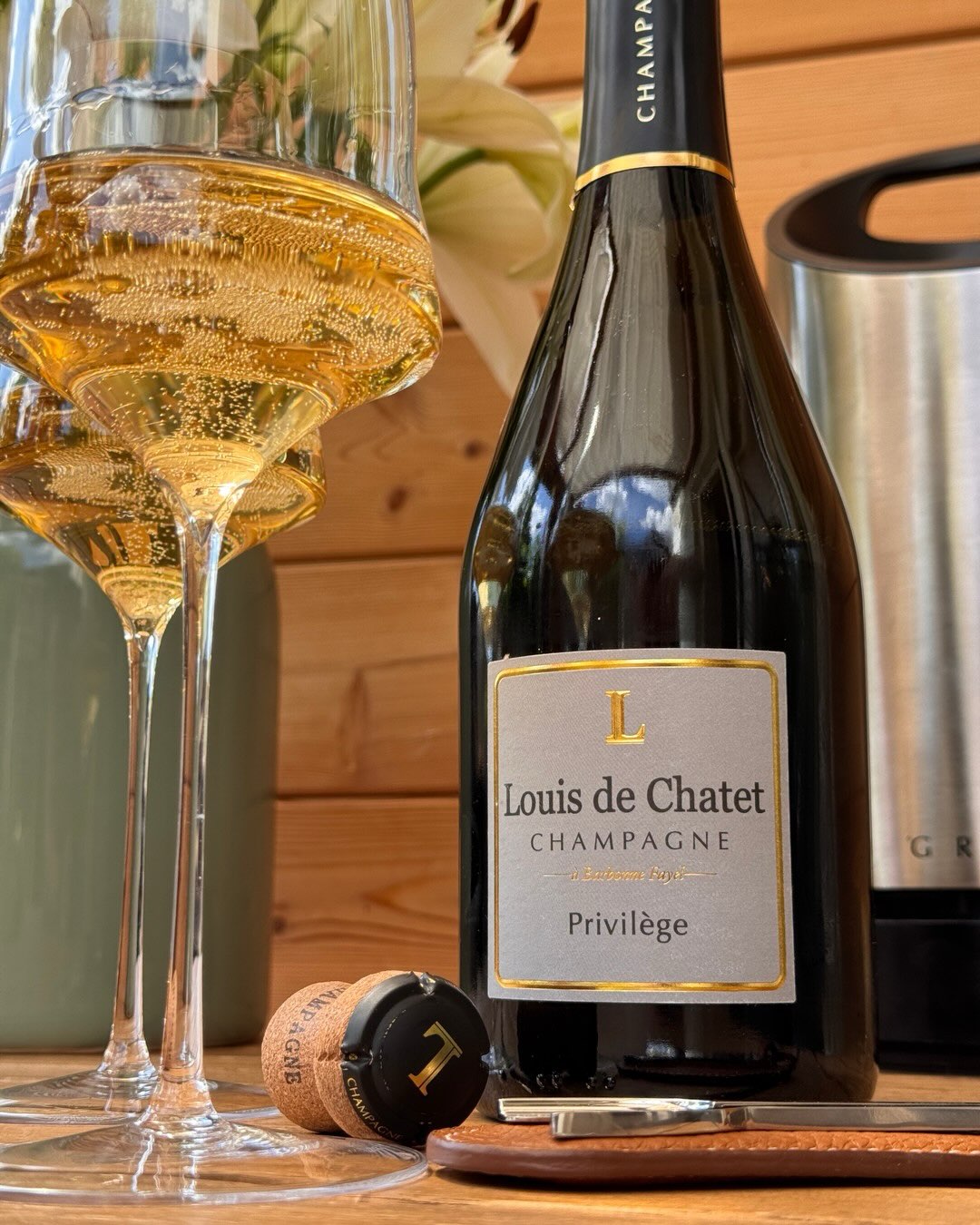
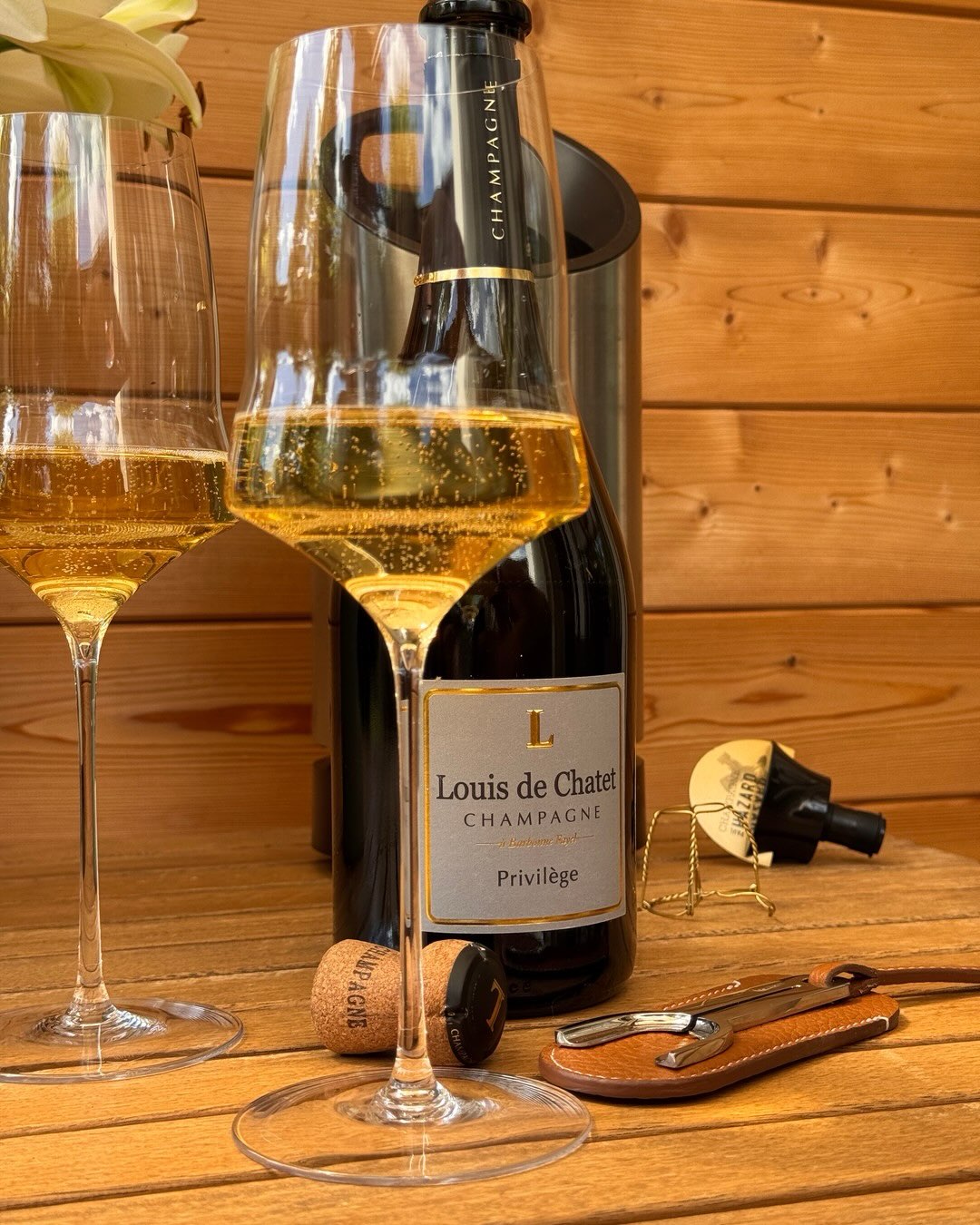
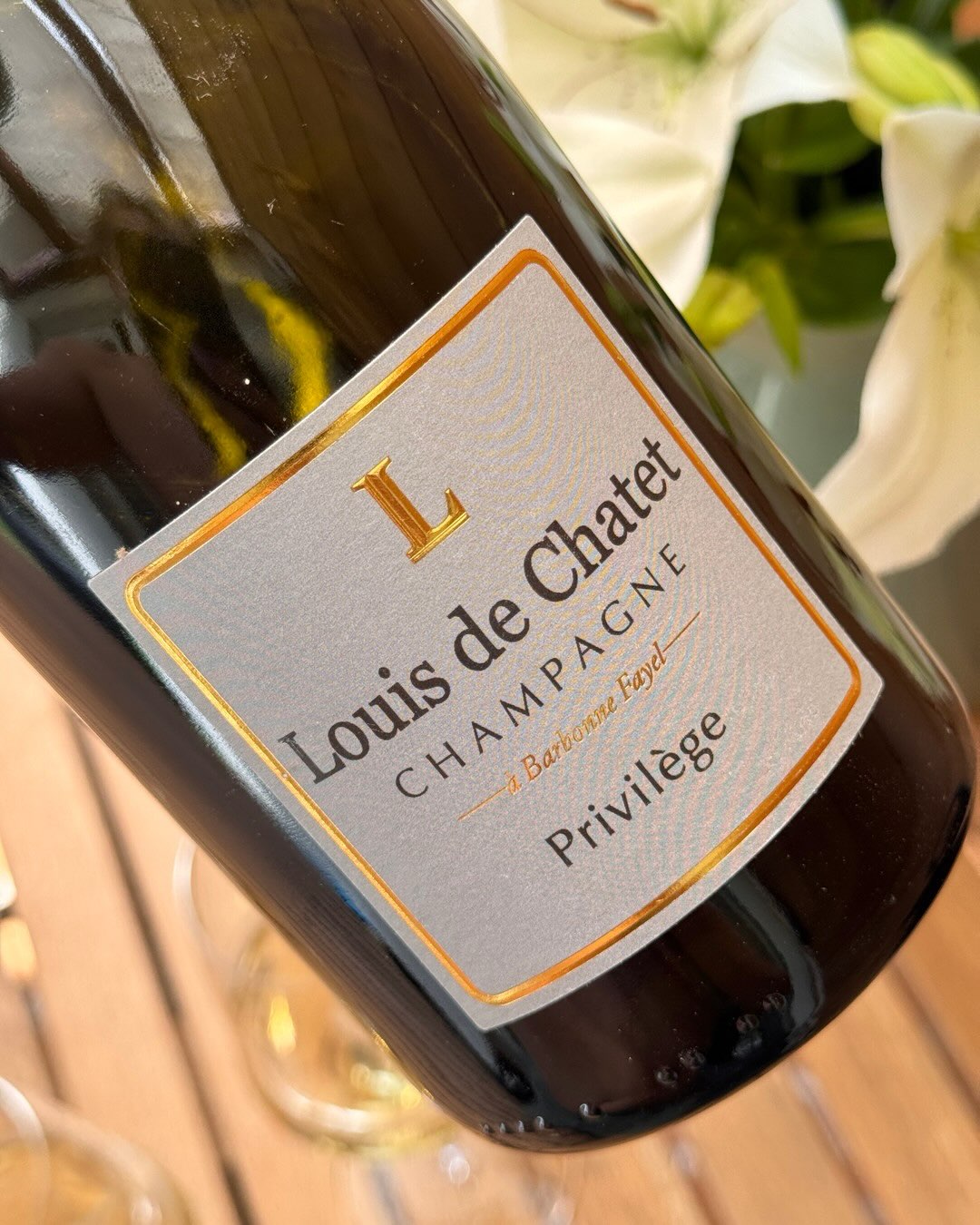
the_champagne.guy Der Privilège von @louis_de_chatet ist eine Cuvée aus Barbonne-Fayel. Das liegt nicht in den klassischen Grand-Cru-Lagen der Côte des Blancs, sondern an der Côte de Sézanne. Das bringt weniger Straffheit, mehr Wärme und mehr Tiefe. Die 70% Pinot Noir, 30% Chardonnay, sind hier gut gewählt. Der Pinot Noir gibt viel Körper und diesen warmen, nussigen Charakter, der mir beim ersten Schluck direkt aufgefallen ist. Dazu eine deutliche Karamellnote, die sich durch den ganzen Wein zieht. Der Chardonnay hält das etwas in Schach und bringt Struktur rein. Und die Dosage passt auch. Das, was man an Süße wahrnimmt, kommt aus dem Pinot Noir selbst. 🍾 Assemblage: 70% Pinot Noir / 30% Chardonnay 🏆 Jahrgang: NV 🥂 Dosage: Brut 📍 Lage: Barbonne-Fayel, Côte de Sézanne 🍇 Cru: Autres Cru 💡 Charakter: warm, nussig, konzentriert Louis de Chatet sitzt in Barbonne-Fayel, mitten in der Côte de Sézanne, einer Region, die total unter dem Radar fliegt verglichen mit der Montagne de Reims oder der Côte des Blancs. Dort betreiben die Brüder Launay das Haus. #CoteDeSezanne #LouisDeChatet @josephinenhutte @laclaye @grad.dk @launaylaurent #BarbonneFayel #Brut #TheChampagneGuy
Auf Instagram weiterlesen →