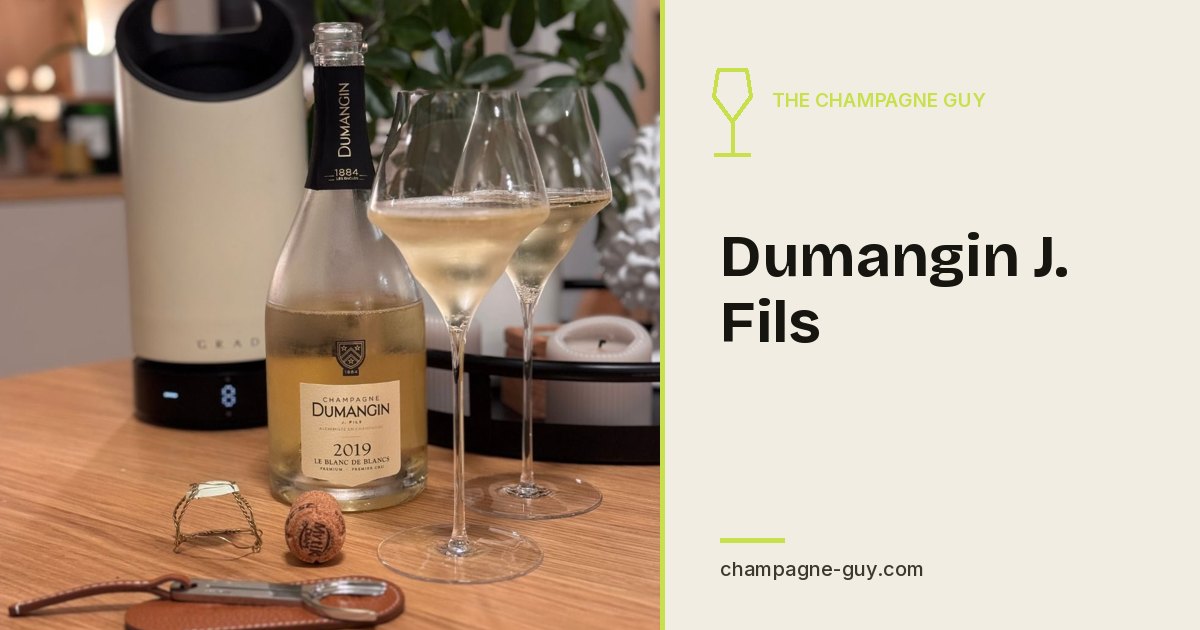
Dumangin J. Fils: Alchimiste en Champagne from Chigny-les-Roses
Champagne Dumangin J. Fils is a Récoltant-Manipulant from Chigny-les-Roses, Premier Cru in the Montagne de Reims. Founded around 1890, Gilles Dumangin has led the Maison since 1962 in the 4th generation. Gilles calls himself "Alchimiste en Champagne," cellar master and winemaker who has developed his own signature style backed by over 130 years of family history.
The Maison cultivates vineyards in Chigny-les-Roses, Taissy and Rilly-la-Montagne. The grape variety distribution is nearly equal: around 34% Meunier, 33% Pinot Noir, 33% Chardonnay. The soil signature varies by parcel: on average 80% Argile and 20% Craie, on individual sites, such as the Monthouzons in Taissy or the Cornes de Cerf in Rilly, the chalk reaches 100%.
History
The family history goes way back: 1910 saw Gilles' ancestor Hippolyte Dumangin build glass vessels for wine storage, containers that are still used today for the Réserve perpétuelle. 1962 began the documented Réserve perpétuelle, and simultaneously the 4th generation officially started.
1990 saw the Maison launch the Rosé Premier Cru, which became the signature cuvée. 1994, as a student in London, Gilles tried a whisky with "Tain L'Hermitage Finish," the inspiration for his later Ratafia experiments. 2001 saw him create the Extra-Brut 2.2 specifically for spicy British cuisine. 2002 saw Gilles vinify his first Ratafia Champenois: with Fine Champenoise of high alcohol content and aging in barrels from the Côtes du Rhône.
2012 saw Gilles stop malolactic fermentation, a response to climate change, to preserve the natural acidity and the characteristic style of the Maison: taut, aromatic wines. 2020 and 2022 saw his Ratafia Champenois Single Barrel twice crowned "Meilleur Ratafia Champenois du Monde".
Vignoble & Soil
Dumangin J. Fils cultivates 29 parcels, each worked separately. The main villages are Chigny-les-Roses, Taissy and Rilly-la-Montagne, all in the Montagne de Reims. The soil signature varies: the standard blend is 80% clay and 20% chalk, on premium sites like the Monthouzons in Taissy and the Cornes de Cerf in Rilly, 100% chalk dominates.
The grape variety split is nearly balanced, 34% Meunier, 33% Chardonnay, 33% Pinot Noir, reflecting the versatility of the terroirs. Gilles uses this balance to vinify both multi-vintage cuvées and parcellaire single-vineyard champagnes.
Viticulture & Sustainability
The Maison works with 100% soil cultivation (labour), no herbicide, no pesticide. Gilles farms in the spirit of biological viticulture without binding himself to a label. He calls it "esprit libre," the freedom to become more "raisonné" again when needed, without dogma.
The 29 parcels are worked individually and vinified separately. Manual harvest is done in small boxes (16-20 kg) to keep the grapes intact. After harvest, the musts are cold stabilized to preserve the natural acidity, a central building block of the philosophy since the malo stop in 2012.
Vinification
Gilles vinifies parcellaire in over 80 stainless steel tanks. Since 2012 he systematically blocks malolactic fermentation to preserve acidity and aromatic precision, an answer to warmer harvests. On individual cuvées he uses wood: the cuvée RP62/20 ages 40% in barrels.
The Réserve perpétuelle has been running since 1962 (probably longer) and has been stored in stainless steel since the 1980s. Gilles presses with PAM-Coquard presses of highest quality, ferments at controlled temperature and disgorges exclusively to order.
The dosage is low and individual: 0-4 g/l, mostly Extra-Brut. Non-vintages age at least 3 years, vintages 9+ years, prestige cuvées 10+ years. Gilles' maxim: "Des vins zéro défaut, sinon rien," wines without flaws or not at all. Every stage is designed for tailor-made champagnes, "cousu-main" like Haute Couture.
The Cuvées in Detail
M.V La Cuvée Brut (formerly La Cuvée 17)
The multi-vintage cuvée in the Alchemist's style: 34% Meunier, 33% Chardonnay, 33% Pinot Noir. Assemblage March 2022 with 79% reserve wines 2001-2020 and 21% 2021, 36 months aging. The terroir comes 90% from the Montagne de Reims, the rest from other villages; soil 80% clay, 20% chalk. Forbes NYC awarded 93/100, the Champagne Guide Australia 90/100. Forbes wrote: "The Best Champagne you never heard about." Available from 20 cl to 15 liters.
34% Meunier, 33% Chardonnay, 33% Pinot Noir · Brut · 36 months · 90% Montagne de Reims, 80% Argile & 20% Craie
2.2: L'Extra Brut Premier Cru
2001 created by Gilles to harmonize with spicy British cuisine. 50% Meunier, 25% Chardonnay, 25% Pinot Noir. Assemblage March 2022 with 81% reserve wines 2001-2020 and 19% 2021, 36 months aging. 100% Montagne de Reims, soil 70% clay, 30% chalk. Dosage 2.2 g/l. Wine Enthusiast awarded 90/100, the Champagne Guide 93 points. Coup de Cœur in the Guide Revel (Canada). Served in the world's best restaurants.
50% Meunier, 25% Chardonnay, 25% Pinot Noir · Extra-Brut 2.2 g/l · 36 months · 100% Montagne de Reims, 70% Argile & 30% Craie
RP62/20: Réserve Perpétuelle 1962 à 2020
The exceptional cuvée from the Réserve perpétuelle since 1962. 50% Meunier, 25% Chardonnay, 25% Pinot Noir, 60% stainless steel, 40% wood for one year. The wines before 2012 went through malo, those after 2012 did not, a unique profile. 36 months aging, 100% Montagne de Reims, soil 80% clay, 20% chalk. Only 2128 bottles and 1655 magnums. The reserve rests in the glass vessels that Hippolyte built in 1910. Essi Avellan awarded 90 points in 2025.
50% Meunier, 25% Chardonnay, 25% Pinot Noir · Extra-Brut · 36 months · 100% Montagne de Reims, 80% Argile & 20% Craie
2012: Le Rosé Extra-Brut Premier Cru
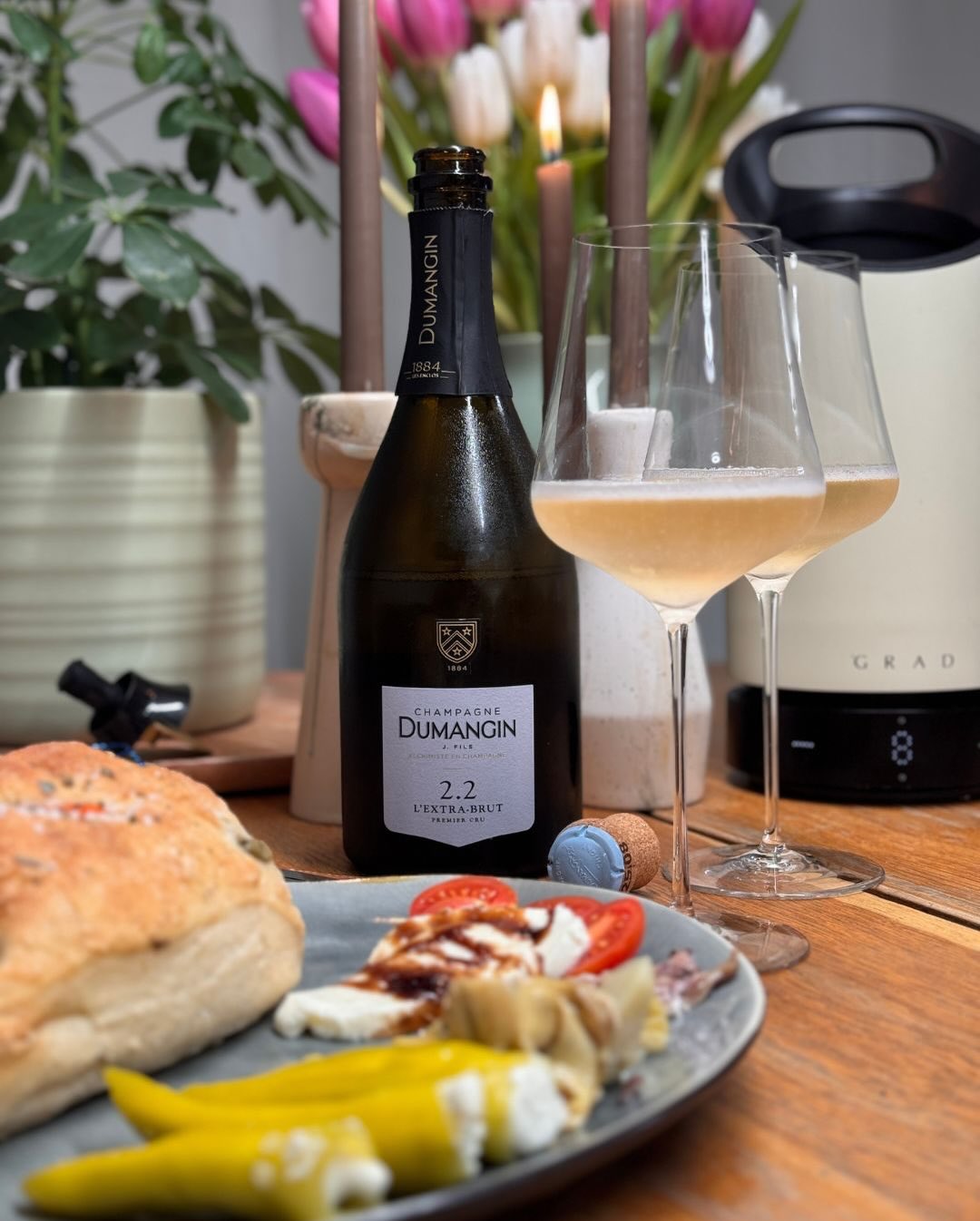
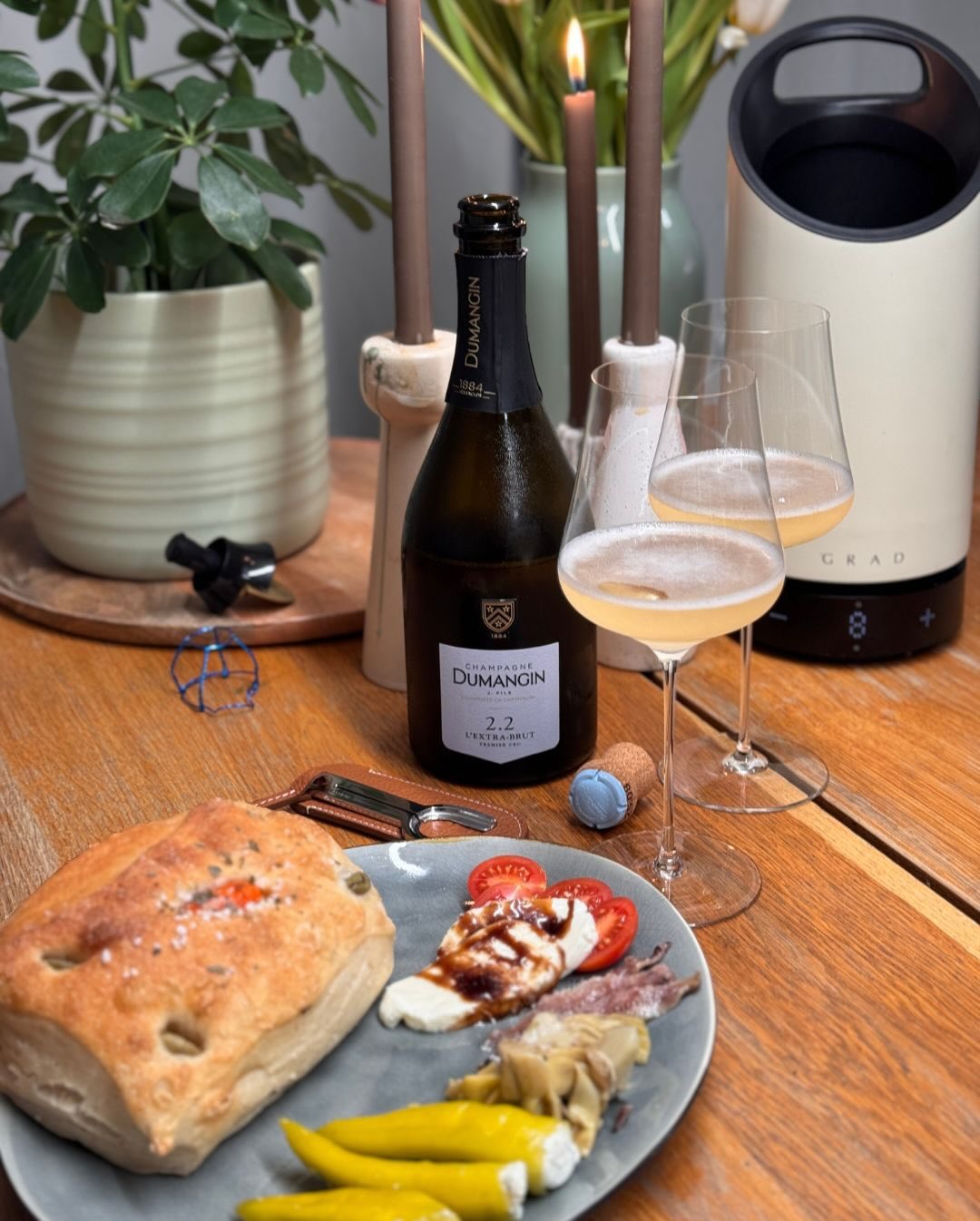
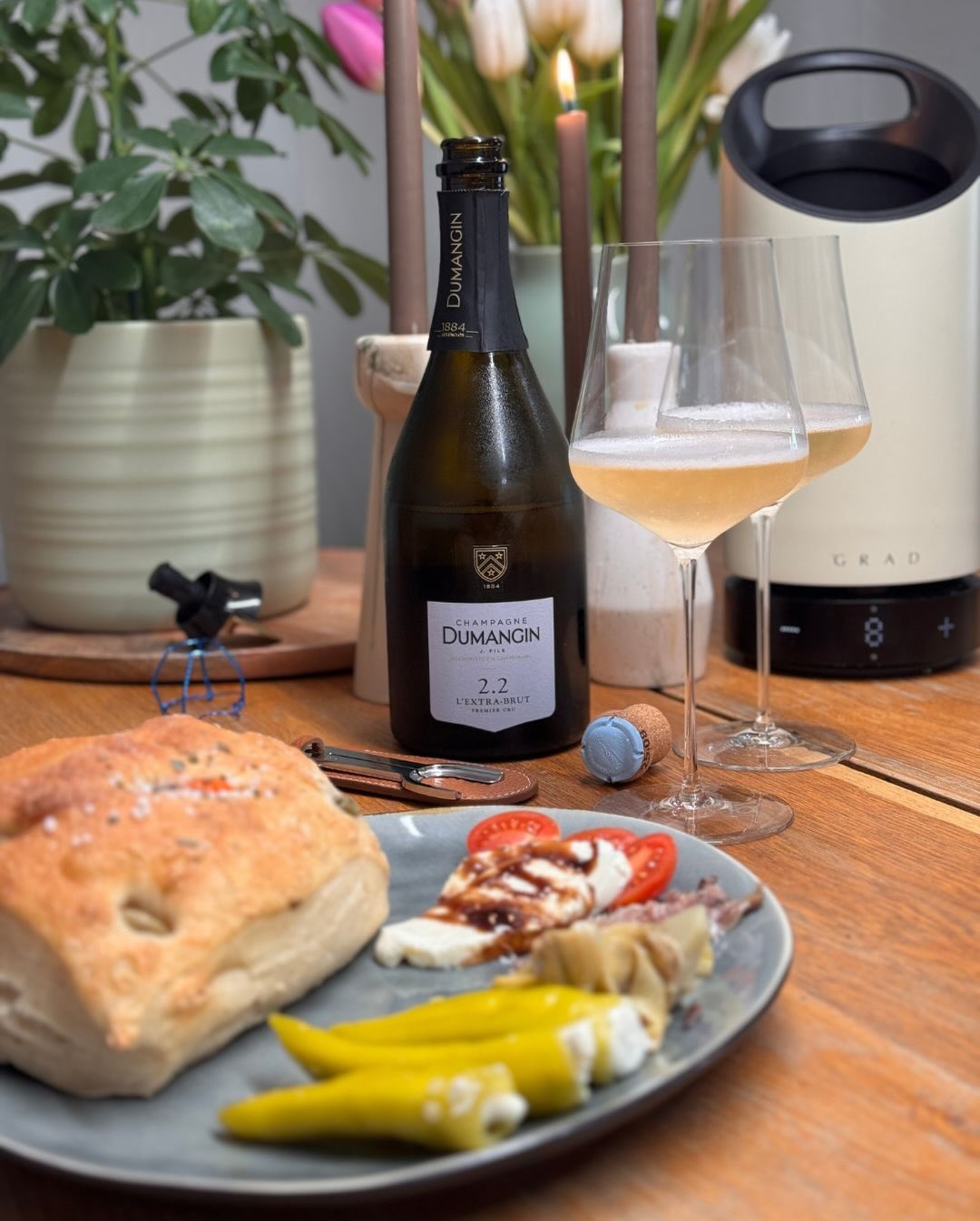
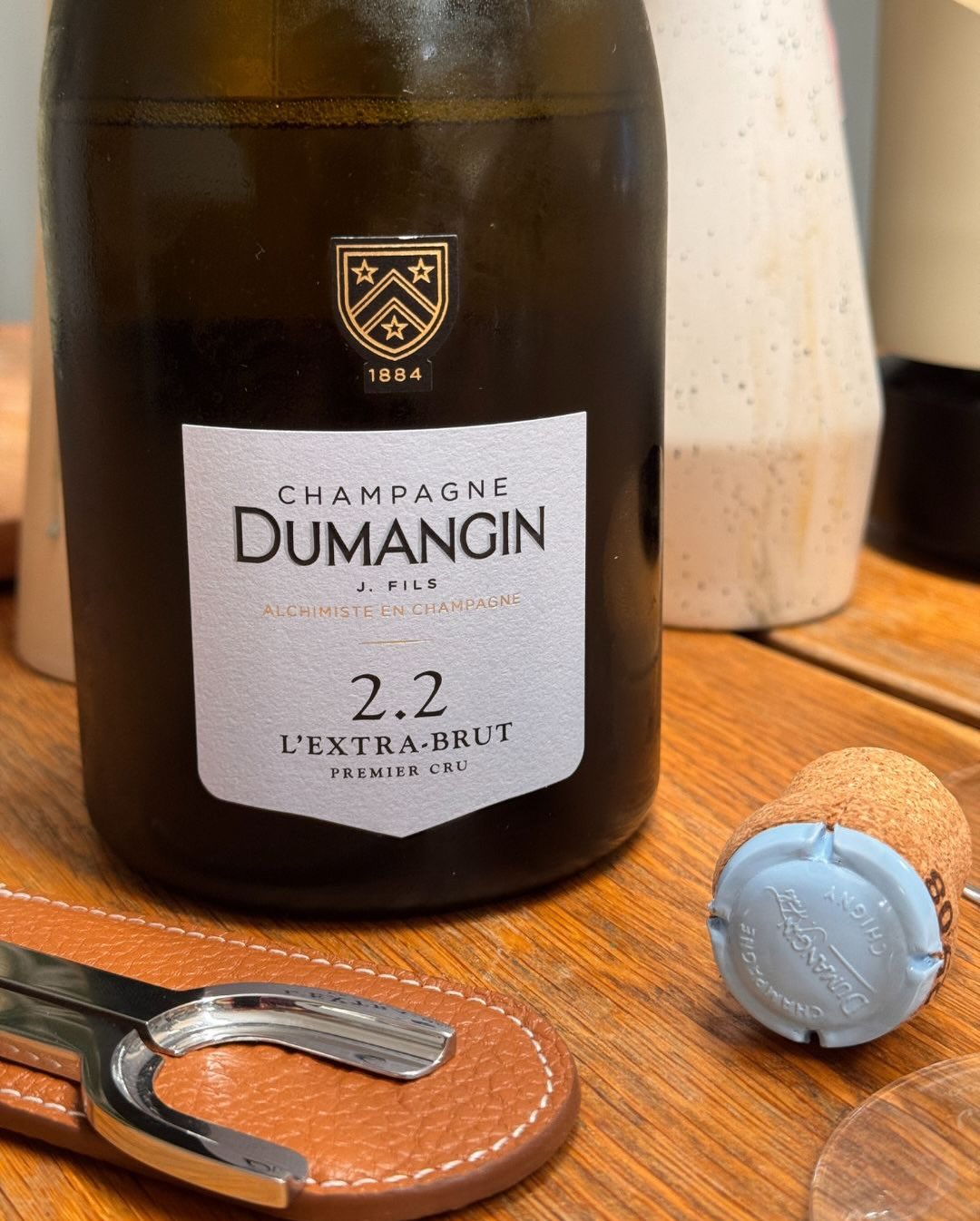
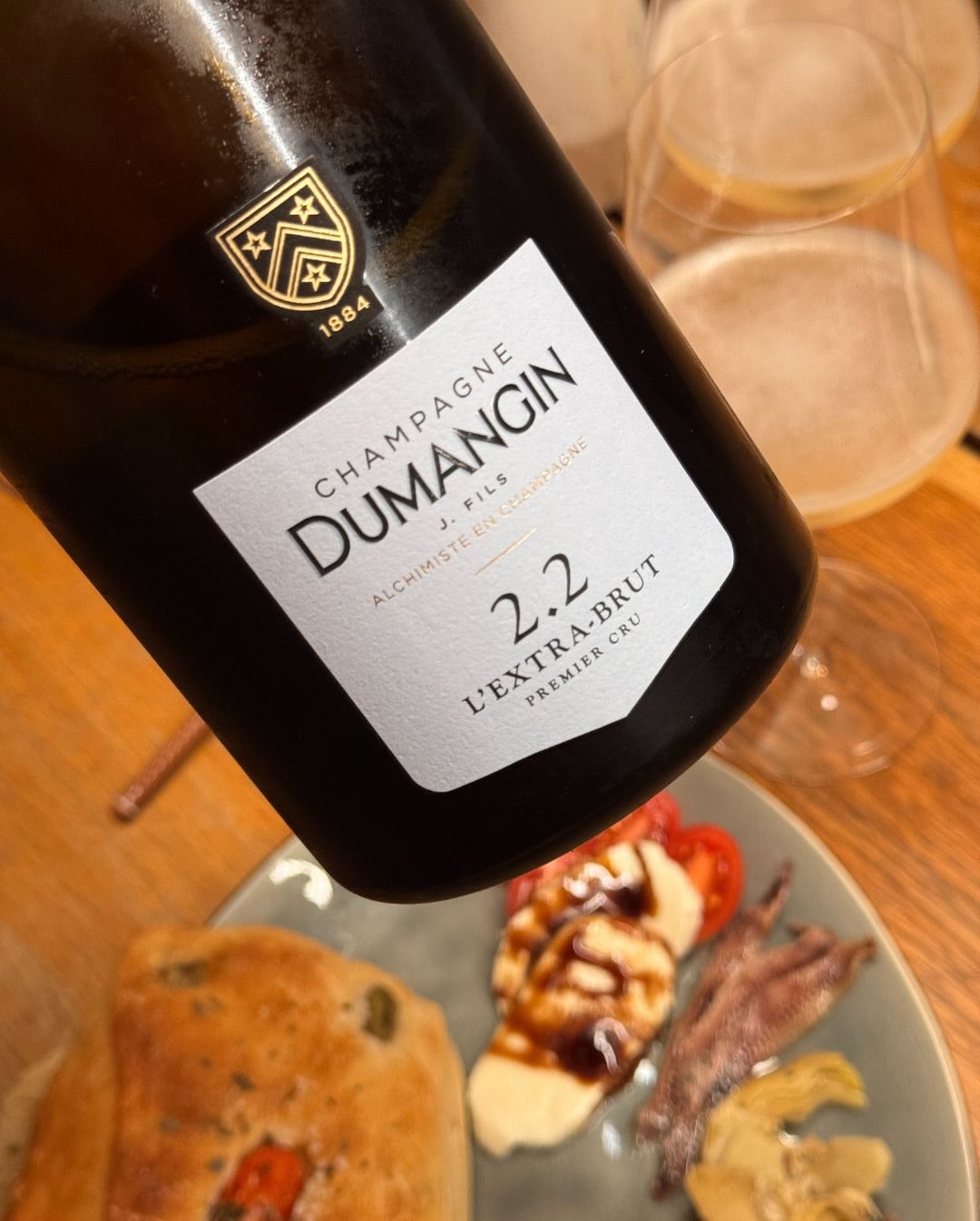
the_champagne.guy Heute mal ein mediterraner Kurzurlaub mit Oliven-Focaccia, Sardellen, eingelegten Artischocken, gefüllten Paprika und dieser Mix aus Tomate, Mozzarella und Balsamico. Eine echte Herausforderung für jeden Wein. Aber der Extra Brut 2.2 von @champagnedumangin klang so, als könnte er das packen. Die 2,2 Gramm Dosage sind hier Programm. Der Champagner ist knochentrocken, präzise und wirkt fast wie ein Laser, der sich durch die Salzigkeit der Sardellen und die Cremigkeit der gefüllten Paprika schneidet. Wo andere Weine gegen die saure Süße des Balsamicos kapitulieren, hält der Dumangin mit seiner Struktur und der feinen Perlage einfach dagegen. Ein herrlich unkomplizierter, aber charakterstarker Begleiter für so ein Projekt. Champagne-Facts 🍇 50% Meunier · 25% Pinot Noir · 25% Chardonnay 🥂 L’Extra Brut 🪵 Ausbau im Edelstahl 🕰 Mindestens 3 Jahre Hefelager 🍬 Dosage: 2,2 g/l 📍 Chigny-les-Roses · Montagne de Reims Fazit: Ein Champagner für alle, die mit Kante umgehen können. Besonders stark zu salzigen Snacks und mediterraner Küche, wo er als ordnendes Element glänzt, statt unterzugehen. #TheChampagneGuy @gabriel_glas @grad.dk @laclaye @mygabrielglas #Dumangin #ExtraBrut #FoodPairing #MediterraneanVibes
Auf Instagram weiterlesen →The Alchemist's signature: 48% Chardonnay, 41% Pinot Noir, 11% Meunier (vinified as red wine). Assemblage March 2013, Mise May 2013, 10 years and 9 months aging (129 months). 100% Montagne de Reims from four villages, soil 11% clay, 89% chalk. Dosage 4 g/l. The delicate peach color comes from the terroir Tonnelles in Rilly-la-Montagne. Essi Avellan awarded 93 points in 2024.
48% Chardonnay, 41% Pinot Noir, 11% Meunier · Extra-Brut 4 g/l · 129 months · 100% Montagne de Reims, 11% Argile & 89% Craie
2010: Le Vintage Premier Cru
54% Chardonnay, 46% Pinot Noir from two single vineyards: Monthouzons in Taissy and Cornes de Cerf in Rilly. 100% chalk, 2010 vinified (with malo, before the 2012 stop). Over 13 years aging (156 months). James Suckling awarded 95/100, Wine Enthusiast 93/100 Cellars Selection, Champagne Guide 91/100. 100% Montagne de Reims.
54% Chardonnay, 46% Pinot Noir · Extra-Brut · 156 months · 100% Montagne de Reims, 100% Craie
2019: Blanc de Blancs Extra-Brut Premier Cru Single Vineyard
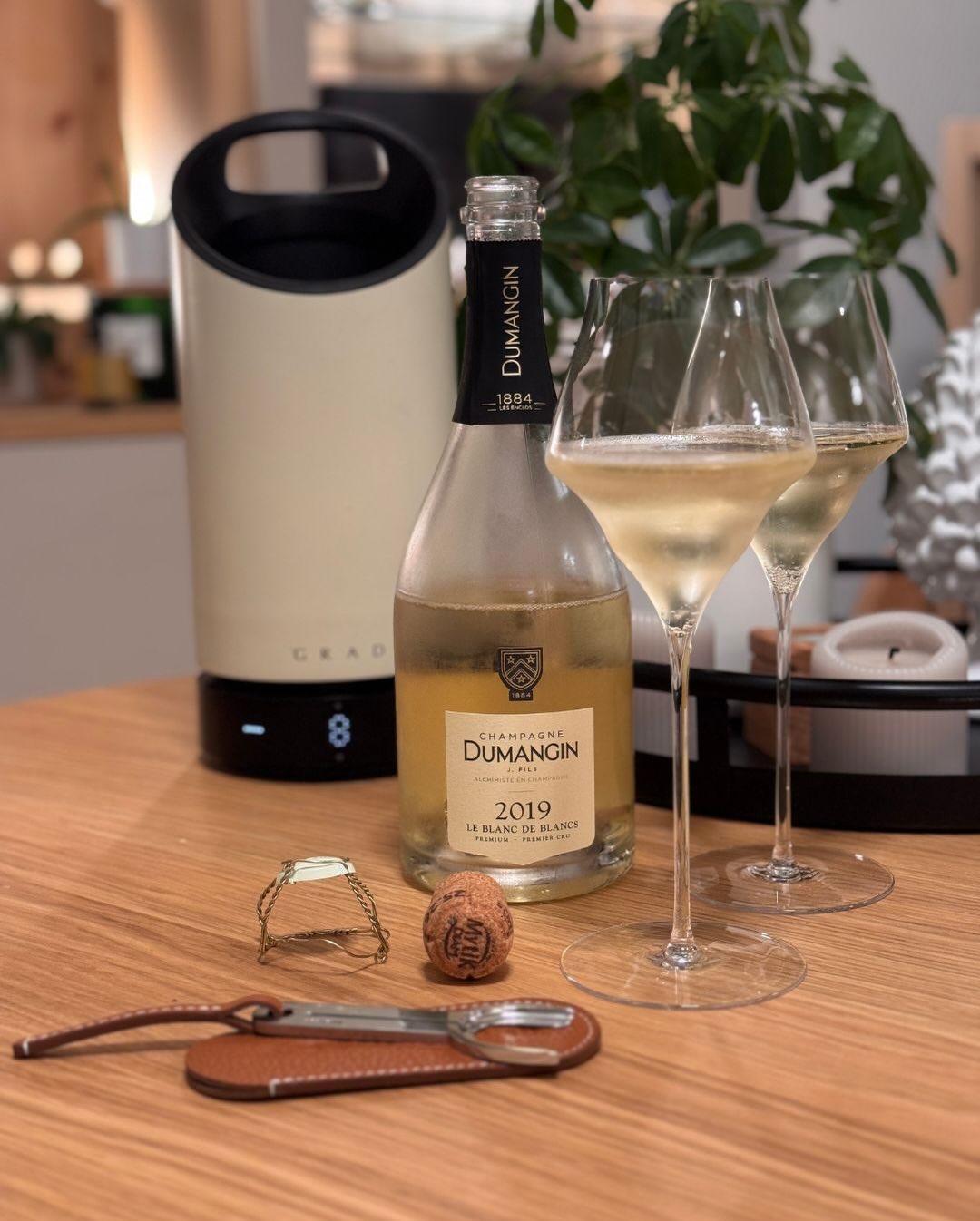
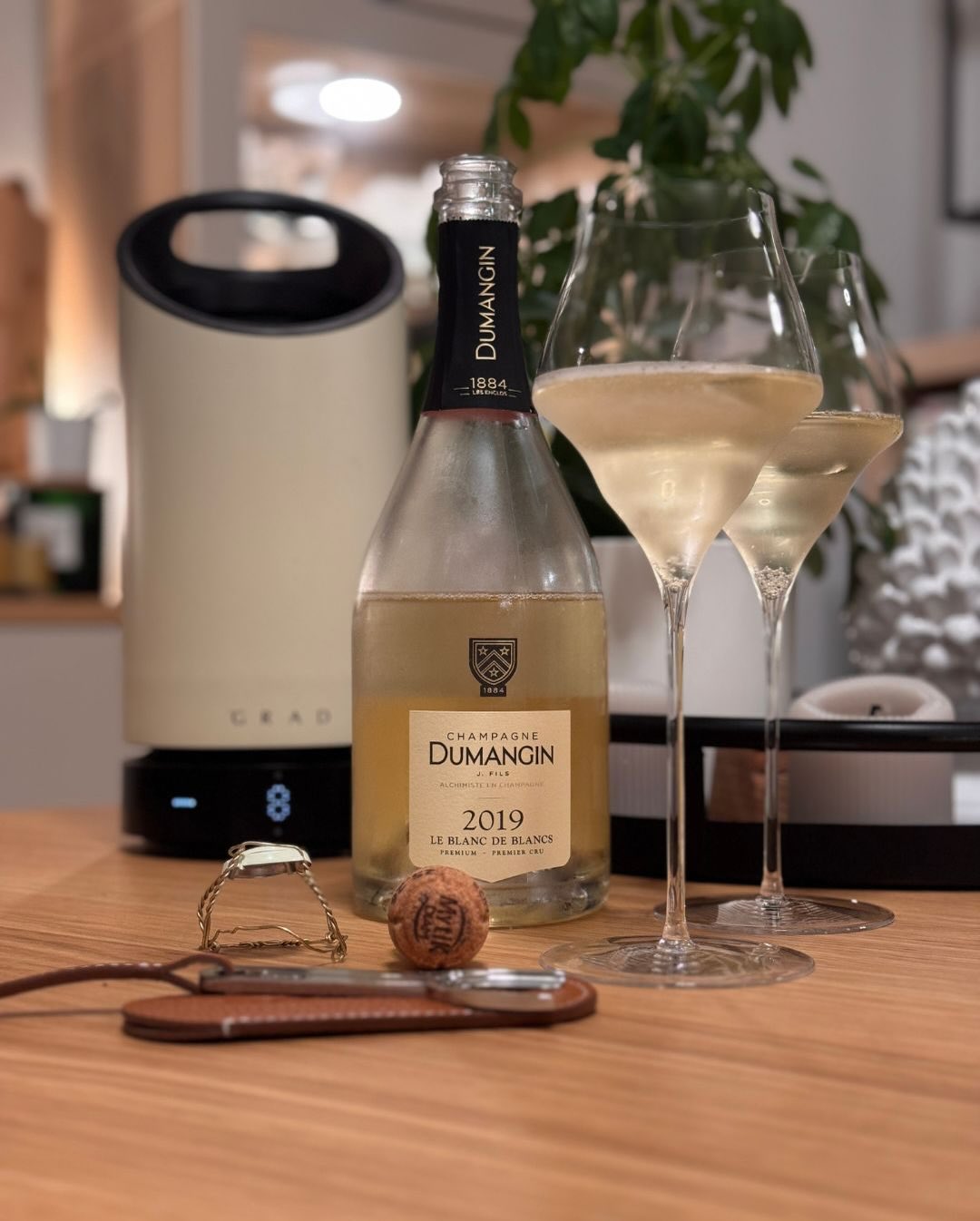
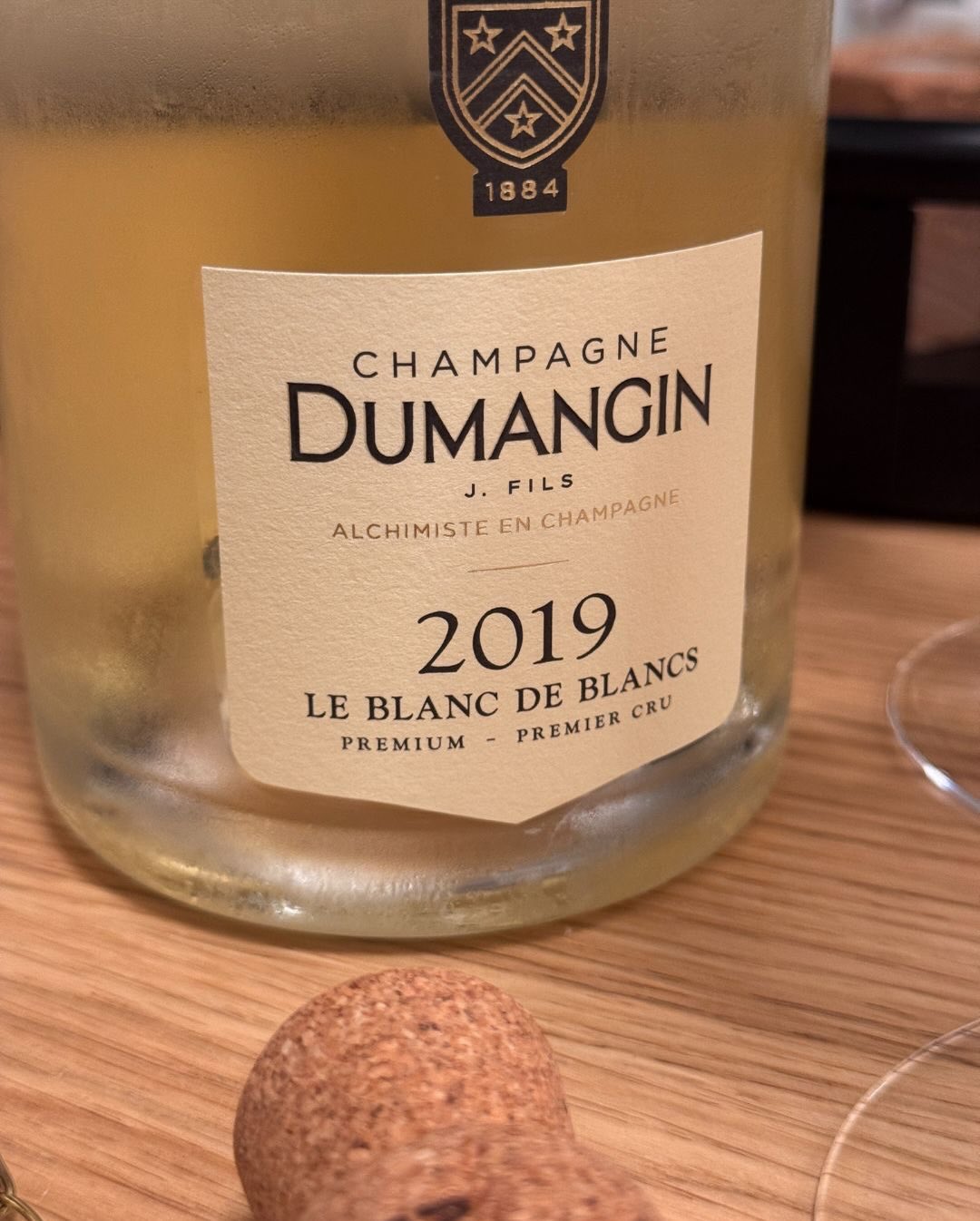
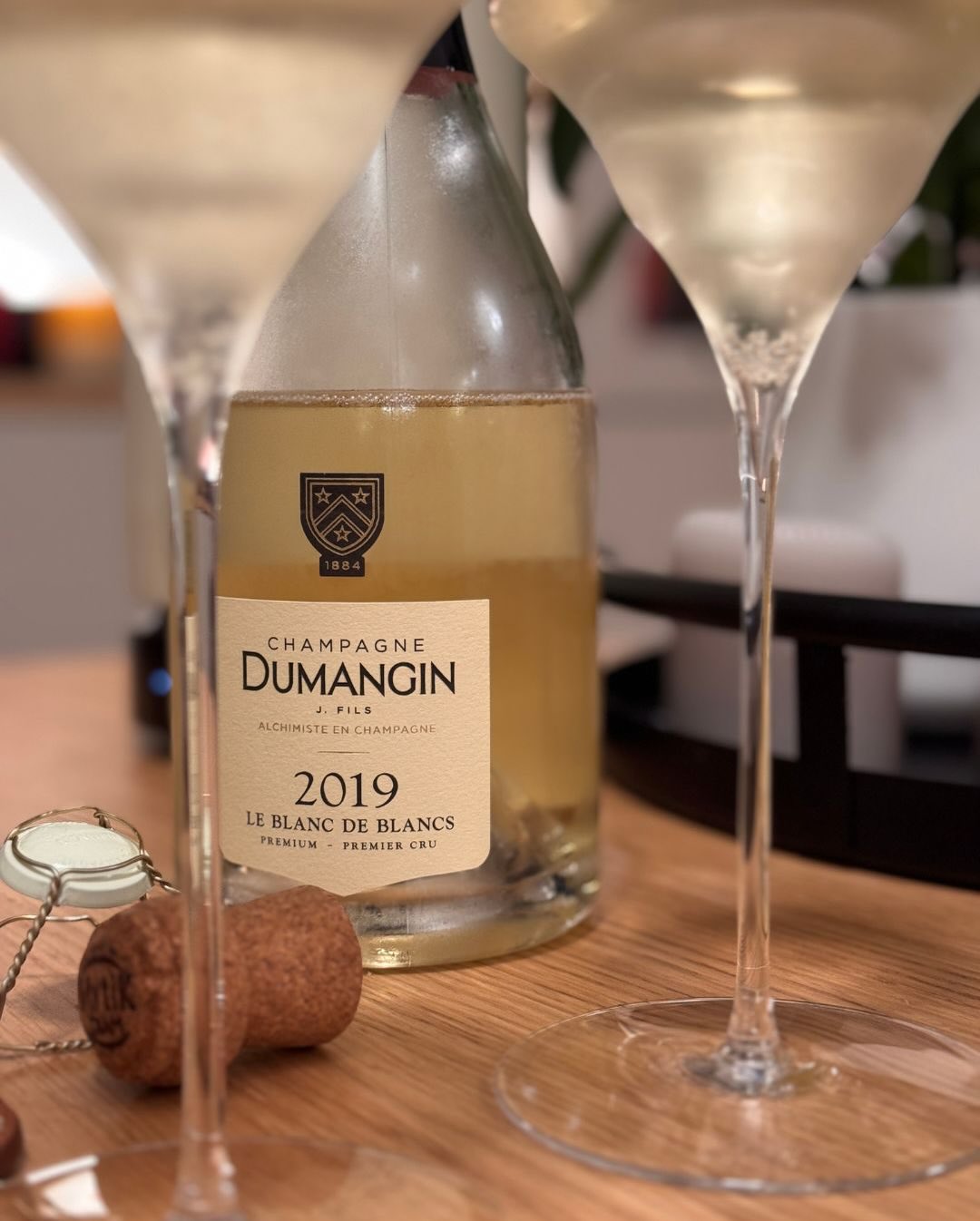
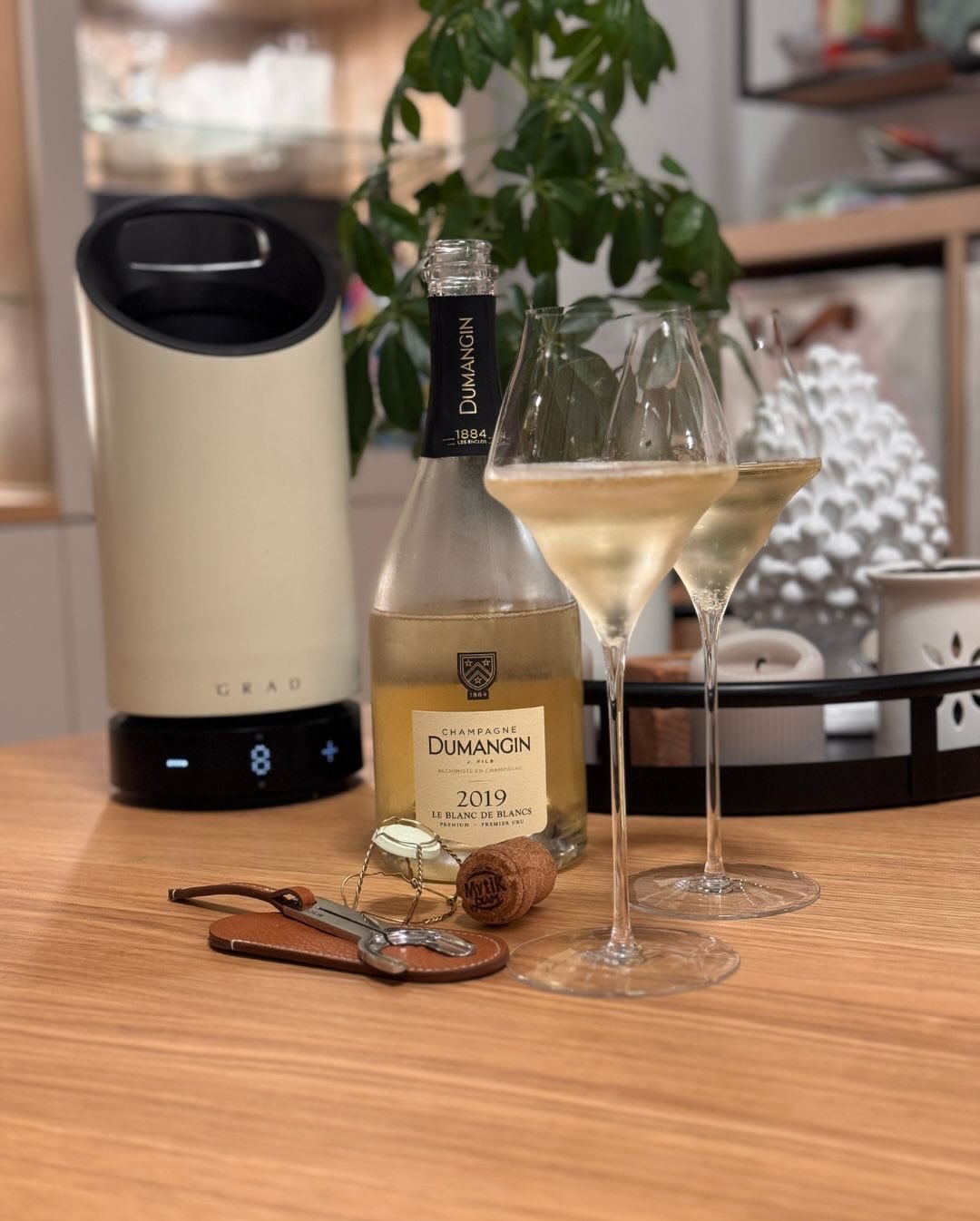
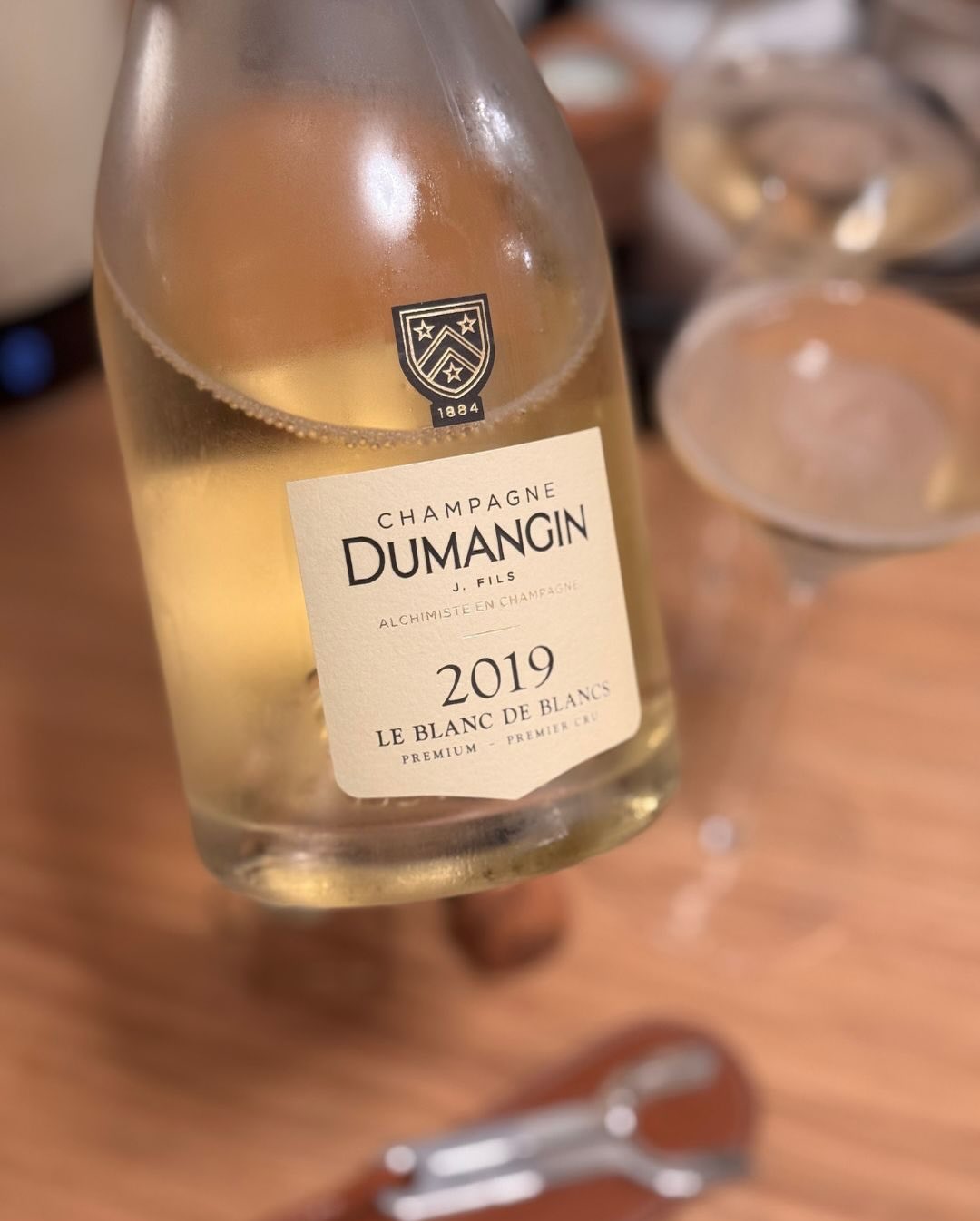
the_champagne.guy Es war mal wieder Zeit für etwas Geradliniges, Helles, Zitrisches — also habe ich den @champagnedumangin – Blanc de Blancs 2019 geöffnet. Ein Premier Cru, reinsortig Chardonnay, hell, präzise und mit dieser typischen und deutlichen Kreidefrische, die man von der Montagne de Reims kennt. Im Glas wirkt er zuerst fast scheu, aber nach ein paar Minuten wird er lebendiger: weiße Blüten, Zitronenzeste, ein bisschen Apfelschale, dazu dieses feine Kreidegefühl, das man bis in den Abgang spürt. Sehr geradlinig, sehr sauber — und mit einer Dosage, die man kaum merkt. Was ich an diesem Wein mag: Die schöne Cremigkeit, keine breiten Holzaromen — einfach Chardonnay, präzise gelesen und glasklar umgesetzt. Man trinkt sich irgendwie immer weiter rein. Champagne-Facts 🥂 100 % Chardonnay 📍 Taissy – Montagne de Reims · Single Vineyard „Les Monthouzons“ 📅 Jahrgang 2019 · Premier Cru ❄️ Keine malolaktische Gärung 🍬 Dosage: 2,2 g/l (Extra Brut) 🪵 Ausbau: Edelstahl · 100 % Kreideboden 🕰 Dégorgiert: Oktober 2025 Ein Blanc de Blancs für alle, die es frisch, präzise und schnörkellos mögen #TheChampagneGuy @grad.dk @laclaye @josephinenhutte @jchlp #Dumangin #BlancdeBlancs #PremierCru #MontagnedeReims #ExtraBrut #GrowerChampagne #ChampagneMoment #ChampagneTasting #ChampagneLife #TheChampagneGuyMoments #laclayeperfectserve
Auf Instagram weiterlesen →Pure parcellaire: 100% Chardonnay from the Monthouzons in Taissy, Premier Cru, 100% chalk. No assemblage, only this site. 36 months aging, launched September 2025. Gilles describes it as "délicatesse et finesse absolues".
100% Chardonnay · Extra-Brut · 36 months · Monthouzons Taissy 1er Cru, 100% Craie
Facts
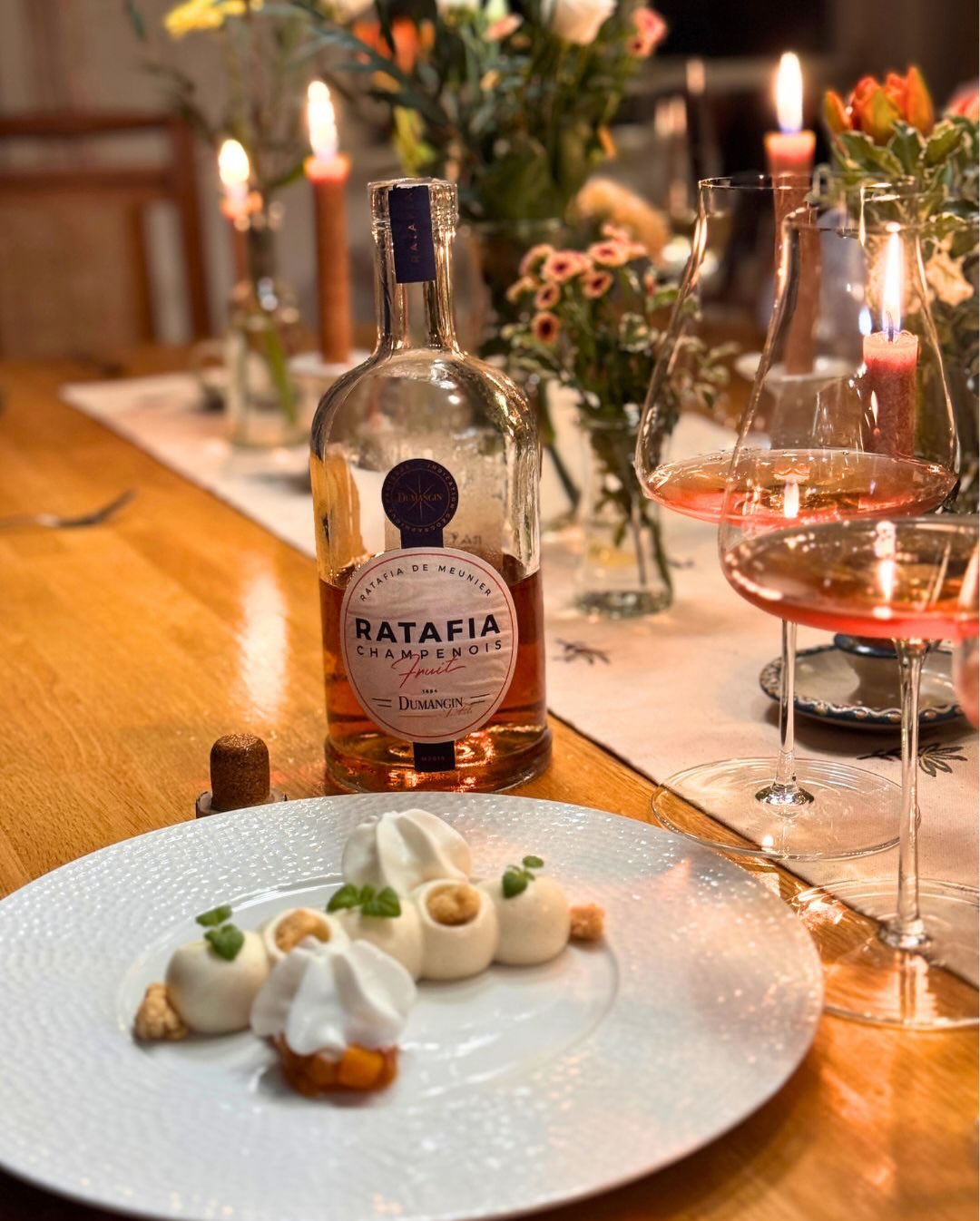
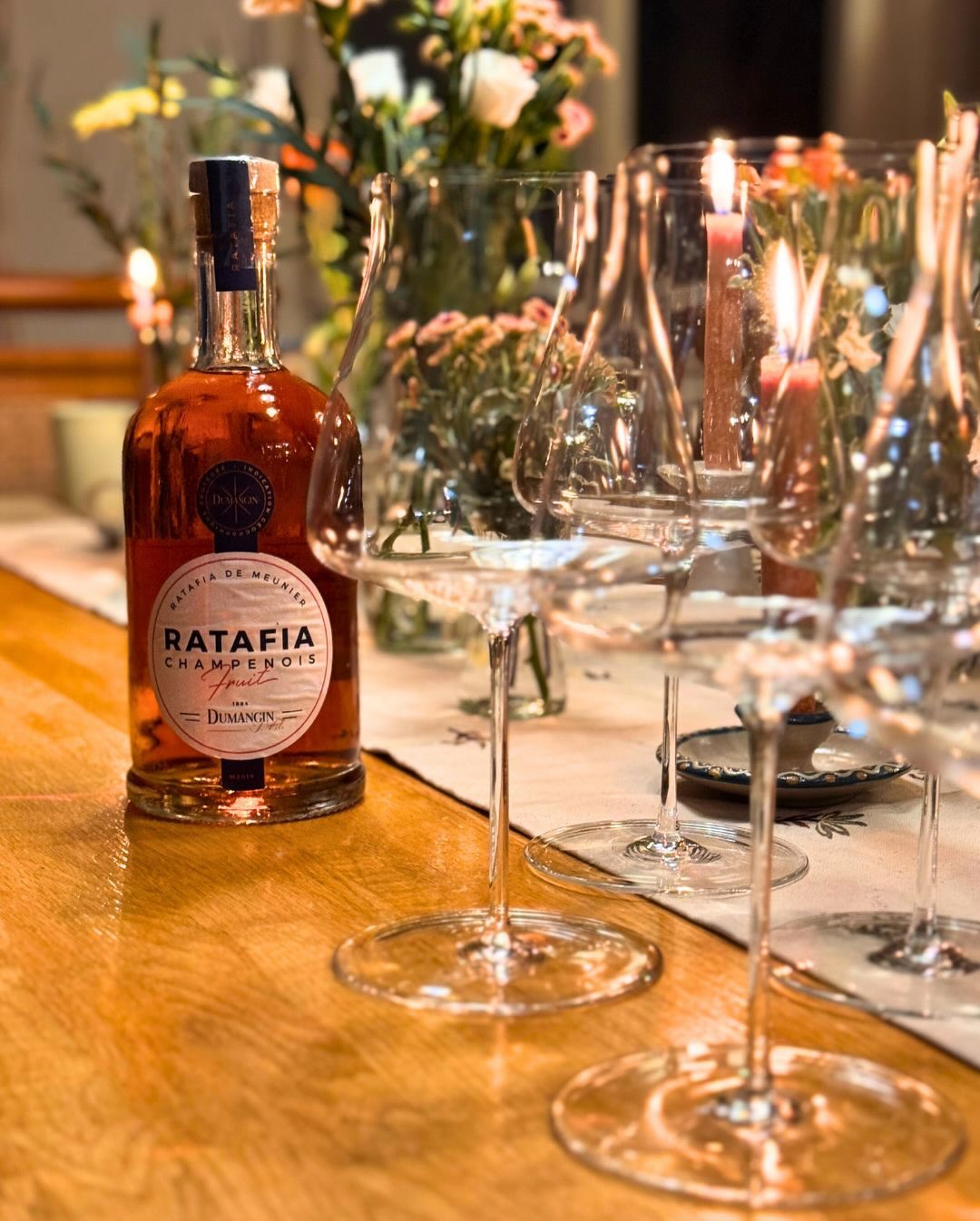
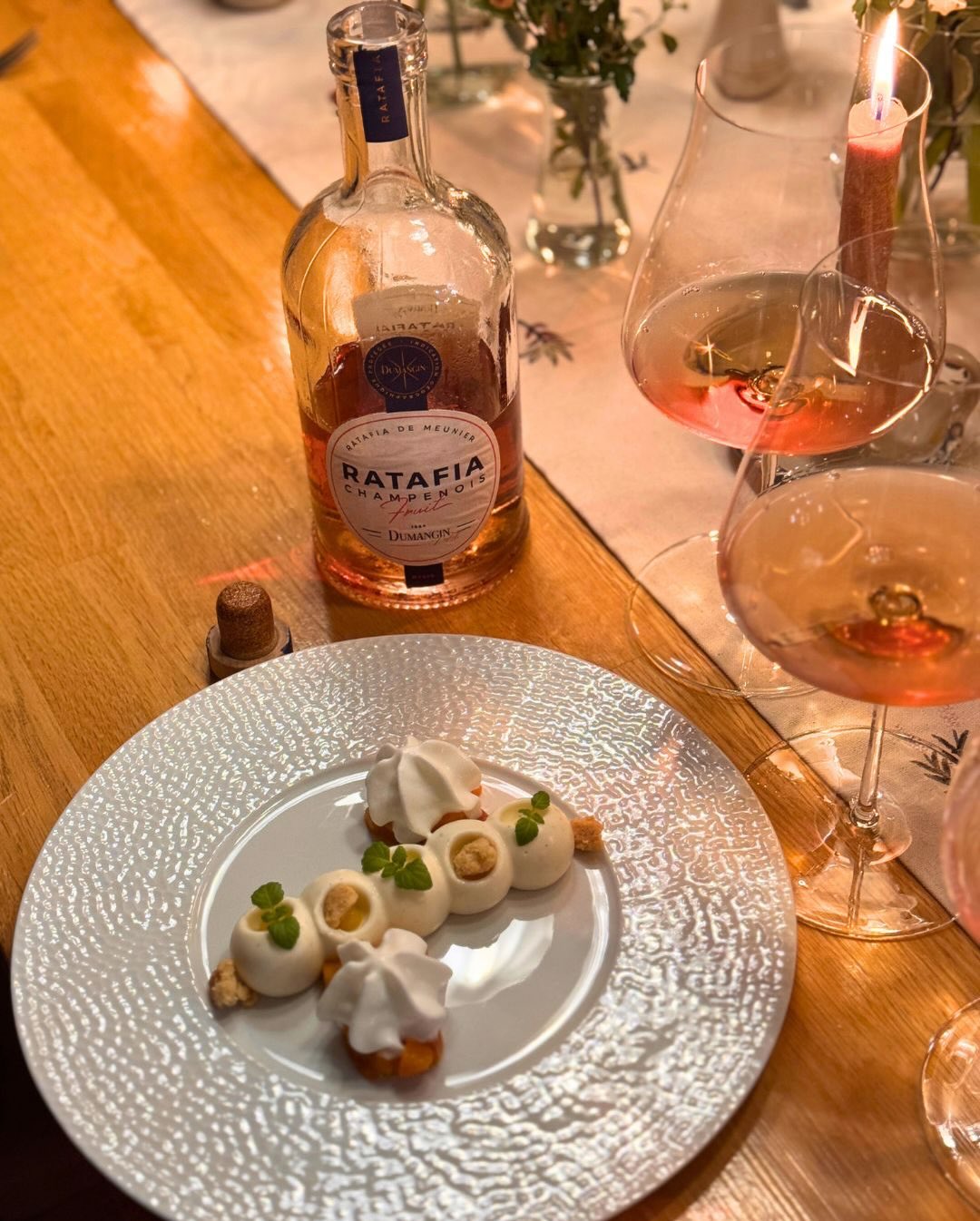
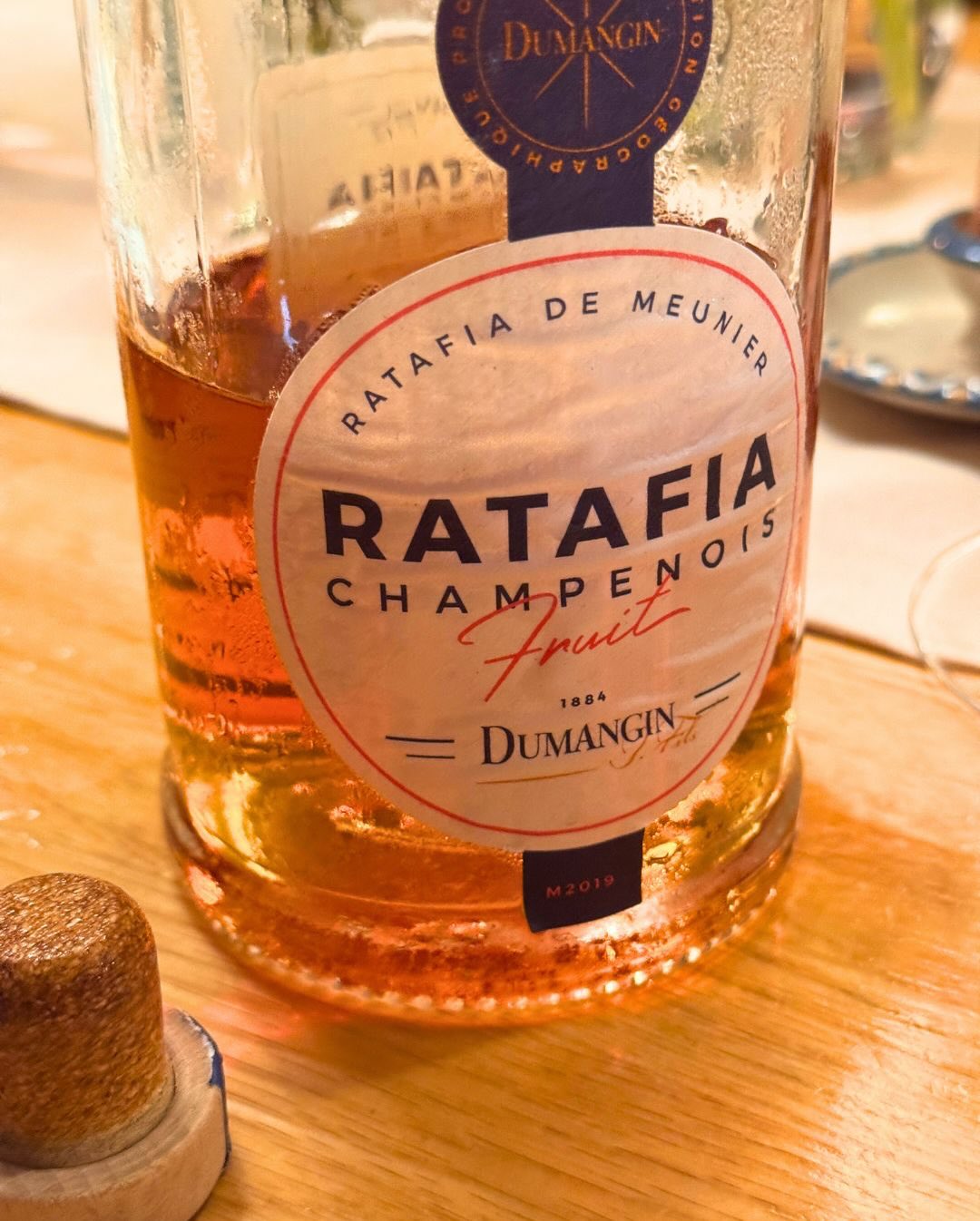
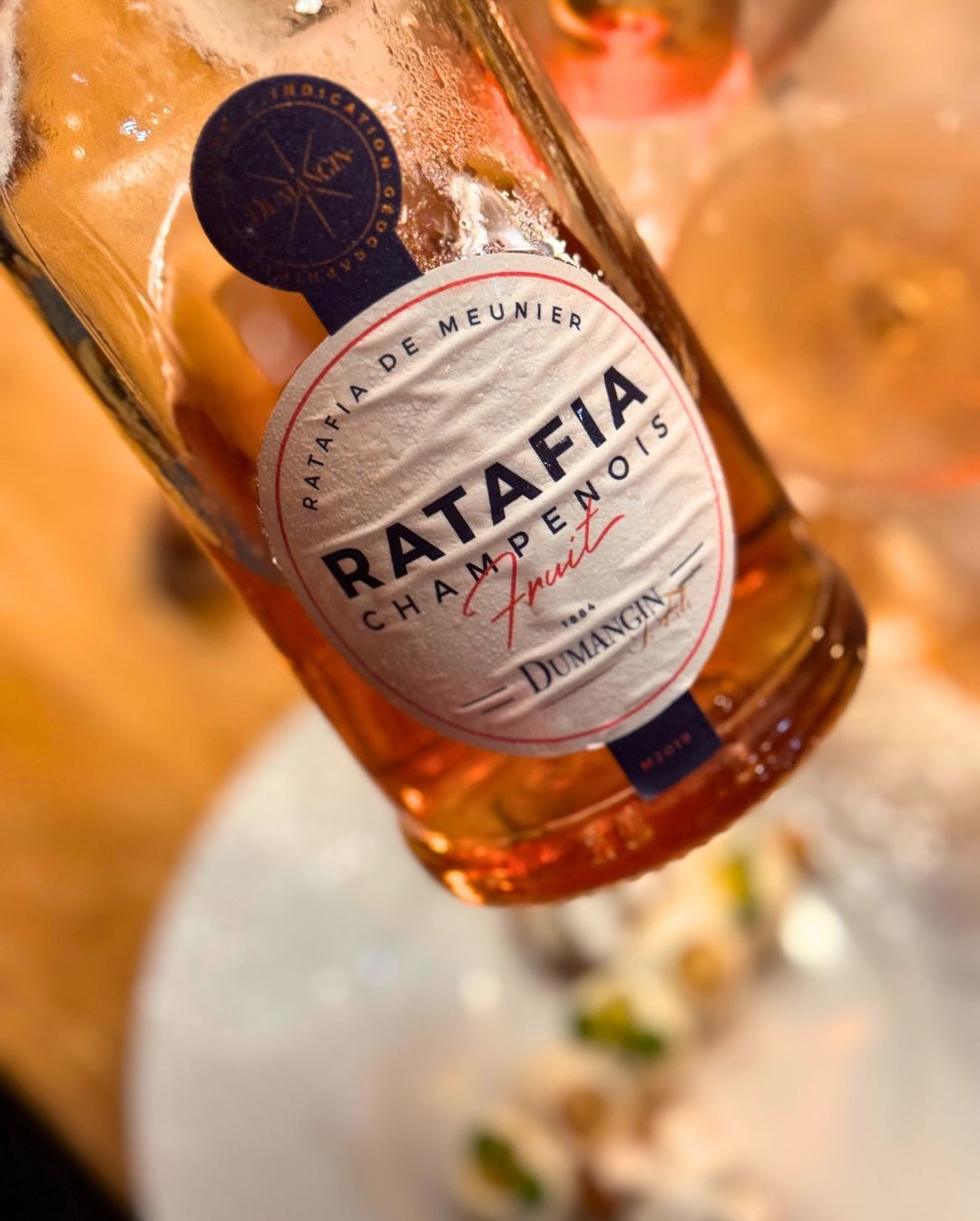
the_champagne.guy Das süße Finale: Ein architektonisch aufgebautes Kokos-Panna Cotta. Hier wurde nicht mit Geliermitteln gemogelt – die Sahne wurde geduldig über Stunden einreduziert, bis Textur und Stand perfekt waren. Handwerklich ganz großes Kino. Dazu ein exotisches Frucht-Ragout aus Mango, Pfirsich, Ananas und Melone, getoppt mit einem luftigen Kokosschaum und Crumbles für den nötigen Crunch. Der absolute Clou: In den Mulden versteckte sich ein intensives Kalamansi-Gel. Die floralen, fast herben Säurenoten der Kalamansi und die Frische der Zitronenmelisse waren der perfekte Gegenspieler zur cremigen Sahne. Um dieses komplexe Spiel aus Fett, Süße und Säure zu begleiten, gab es den Ratafia Champenois ‚Fruit‘ von @champagnedumangin . Wer Ratafia nicht kennt: Es ist kein Schaumwein, sondern ein Likörwein aus Traubenmost, dessen Gärung mit Marc de Champagne gestoppt wurde. Der Name ‚Fruit‘ ist hier Programm: Im Gegensatz zu oxidativeren Varianten bewahrt diese Abfüllung die volle, saftige Beerenfrucht des Pinot Meunier. Ich habe ihn im bauchigen @zwieselglas Pinot-Glas serviert – so kommen die Honignoten und Dörrobst-Aromen am besten gegen die Kokosnuss an, ohne von der Kalamansi-Säure erschlagen zu werden. 🥃 Ratafia Champenois „Fruit“ (Pinot Meunier) 🍬 ca. 120 g/l Zucker 🪵 Fassausbau (Solera-Prinzip) 📍 Chigny-les-Roses #TheChampagneGuy @saschalein114 #RatafiaChampenois #Dumangin #FineDiningDessert #Kalamansi PannaCotta
Auf Instagram weiterlesen →| Category | Details |
|---|---|
| Official Name | Champagne Dumangin J. Fils |
| Status | Récoltant-Manipulant (RM) |
| Founded | ca. 1890 |
| Generation | 4th generation since 1962 |
| Management | Gilles Dumangin (Alchimiste en Champagne, Cellar Master) |
| Location | 3 rue de Rilly, 51500 Chigny-les-Roses, Marne |
| Region | Montagne de Reims |
| Cru Classification | Premier Cru |
| Vineyard Area | n/a (29 parcels) |
| Villages | Chigny-les-Roses, Taissy, Rilly-la-Montagne |
| Grape Varieties | 34% Meunier, 33% Pinot Noir, 33% Chardonnay |
| Soils | 80% Argile, 20% Craie (varies by parcel, sometimes 100% Craie) |
| Viticulture | 100% soil cultivation, no herbicide/pesticide, organic spirit without label |
| Vinification | Parcellaire in 80+ stainless steel tanks, no malo since 2012, some wood |
| Réserve perpétuelle | Since 1962 (in stainless steel since 1980s) |
| Dosage | 0-4 g/l, mostly Extra-Brut |
| Disgorgement | Only to order |
| Aging | Min. 3 years NV, 9+ years vintage, 10+ years prestige |
| Production | n/a |
| Website | champagne-dumangin.fr |
| Phone | +33 3 26 58 01 18 |
| gilles@champagne-dumangin.fr |
Sources for this portrait: Maison website, my own tastings, CRM data and cross-checks. Fields without sufficient verification remain open.